
Truly Unbeatable
Formula 1 loves a new benchmark, but some records are so tied to a specific era, ruleset, or once-in-a-generation talent that they start to feel untouchable. Even if the sport keeps adding races and rewriting the technical rulebook, a few numbers still look like they’re protected by fate and a mildly intimidating spreadsheet. Here are 20 F1 records that may hold their top spot forever.
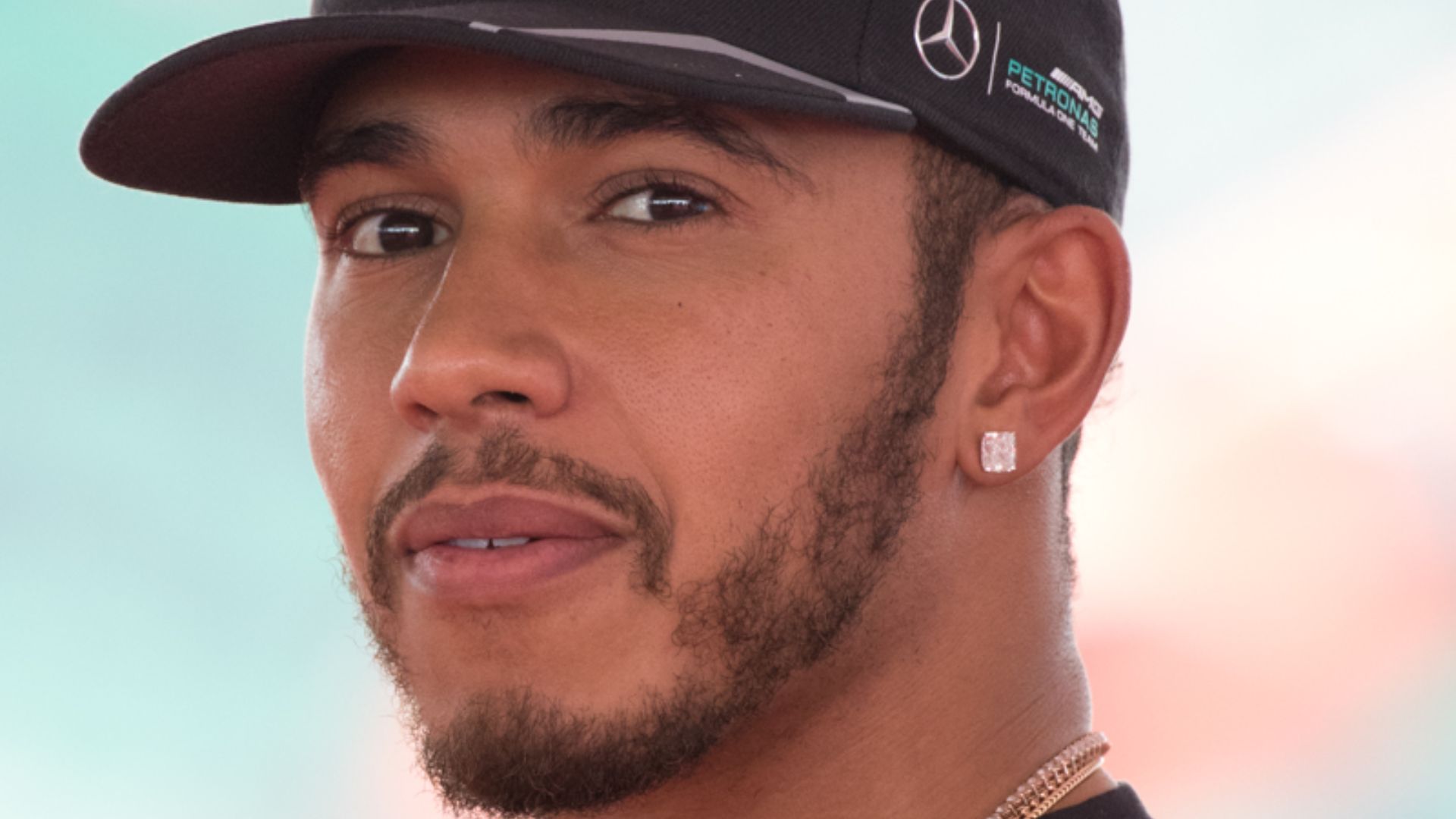
1. Most Grand Prix Wins: Lewis Hamilton’s 105
Winning once is hard, winning consistently for years is harder, but stacking triple digits is a different universe. Hamilton reaching 105 wins sets a bar that demands both elite talent and an unusually long run in top machinery. You’d need the perfect career arc and the perfect car, and you’d need them at the same time.

2. Most Pole Positions: Lewis Hamilton’s 104
One lap is brutal because it’s pure pressure, with no strategy excuses, and no time to “settle in.” Hamilton’s 104 poles require speed across multiple regulations and multiple generations of rivals. Matching that would mean showing up fast on Saturday for well over a decade without a prolonged slump.
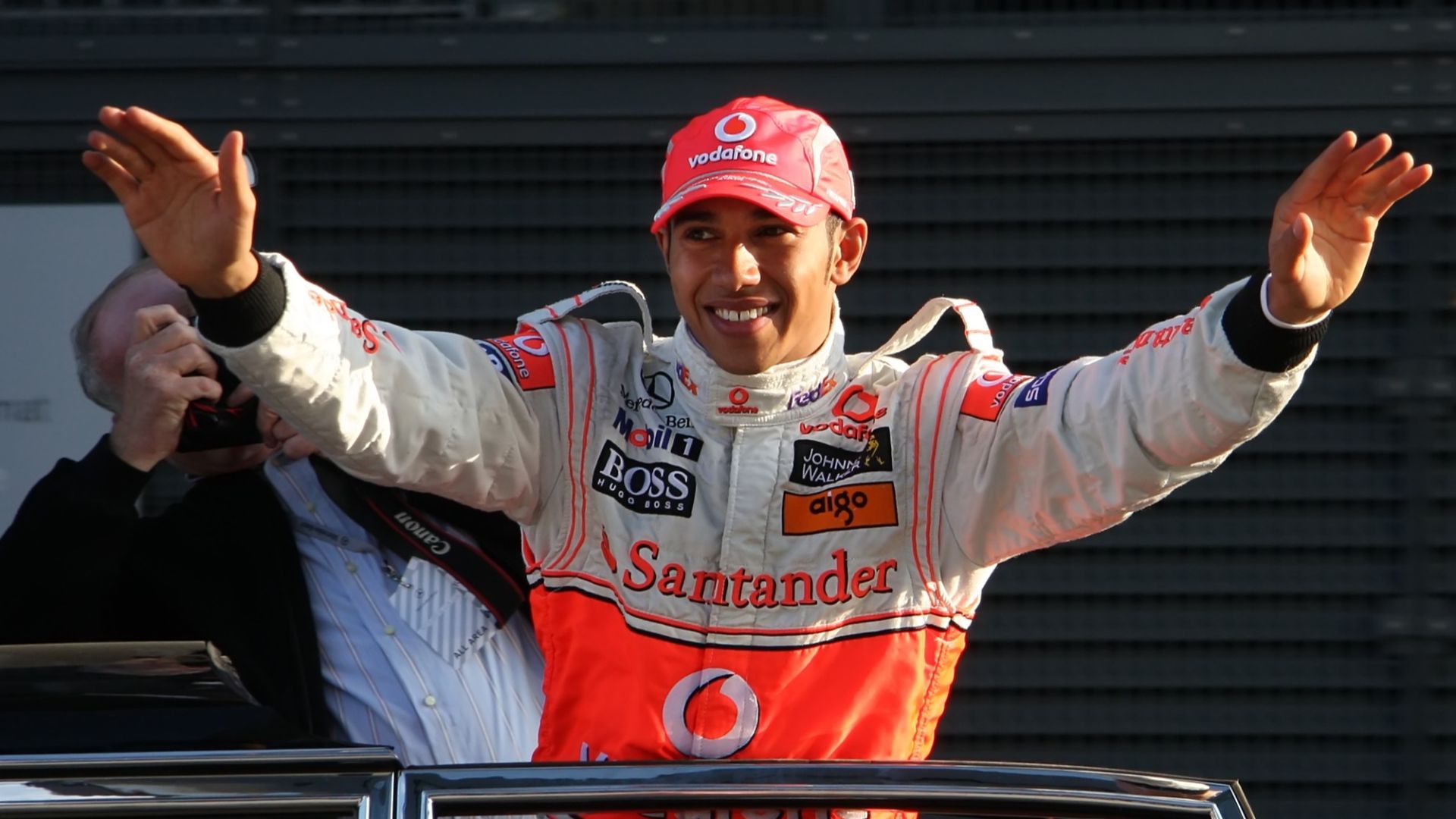
3. Most Podium Finishes: Lewis Hamilton’s 202
Podiums are a consistency test, because you have to be great even when the weekend isn’t perfect. With 202 top-three finishes, Hamilton’s total rewards longevity and a stubborn ability to score big results. Someone chasing it would need both durability and a team that stays competitive through every rules reset.
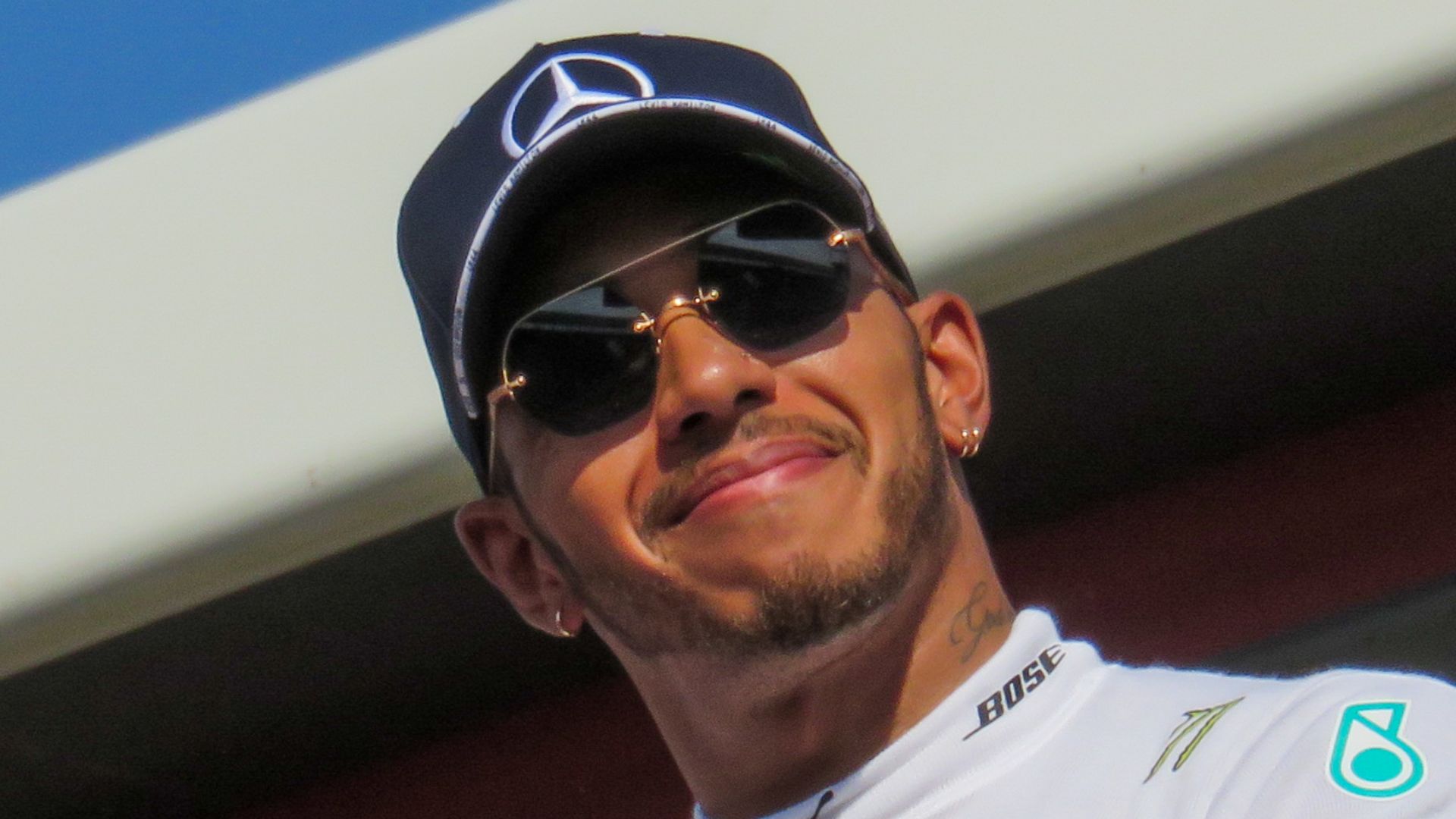
4. Most World Championships: The Seven-Title Club
The record for seven championship titles is held by both Michael Schumacher and Lewis Hamilton. A modern driver has to beat teammates, survive regulation swings, and avoid bad-timing career moves for a very long time to get there. It’s not impossible, but the margin for error is tiny, and the competition is relentless.
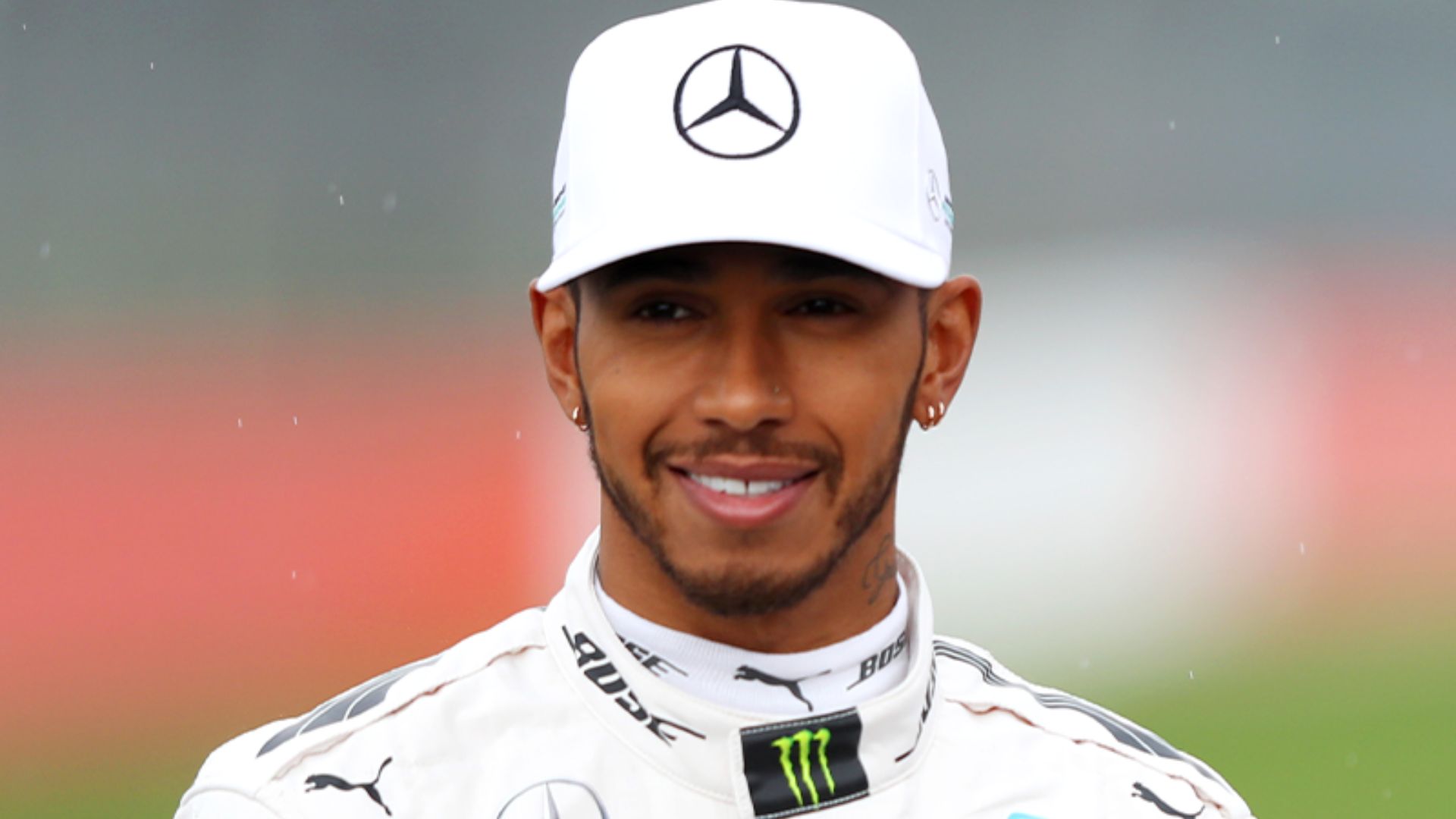
5. Most Wins in a Single Season: Max Verstappen’s 19
Nineteen wins in one year isn’t just dominance, it’s domination with zero room for ordinary weekends. Verstappen did it in 2023, and it’s hard to imagine another season where one driver gets that many clean shots at victory, especially with today’s closer fields and more variables.

6. Highest Win Percentage in a Season: Verstappen’s 86.4%
Winning 19 races is wild, and winning 86.4% of the season is even wilder because it’s efficiency, not just volume. You can’t brute-force that record by adding more races, since the percentage punishes every off weekend. To top it, a driver would need a near-perfect year in an era where regulations make that increasingly harder to achieve.
 Nicolas Tucat | Credit: AP on Wikimedia
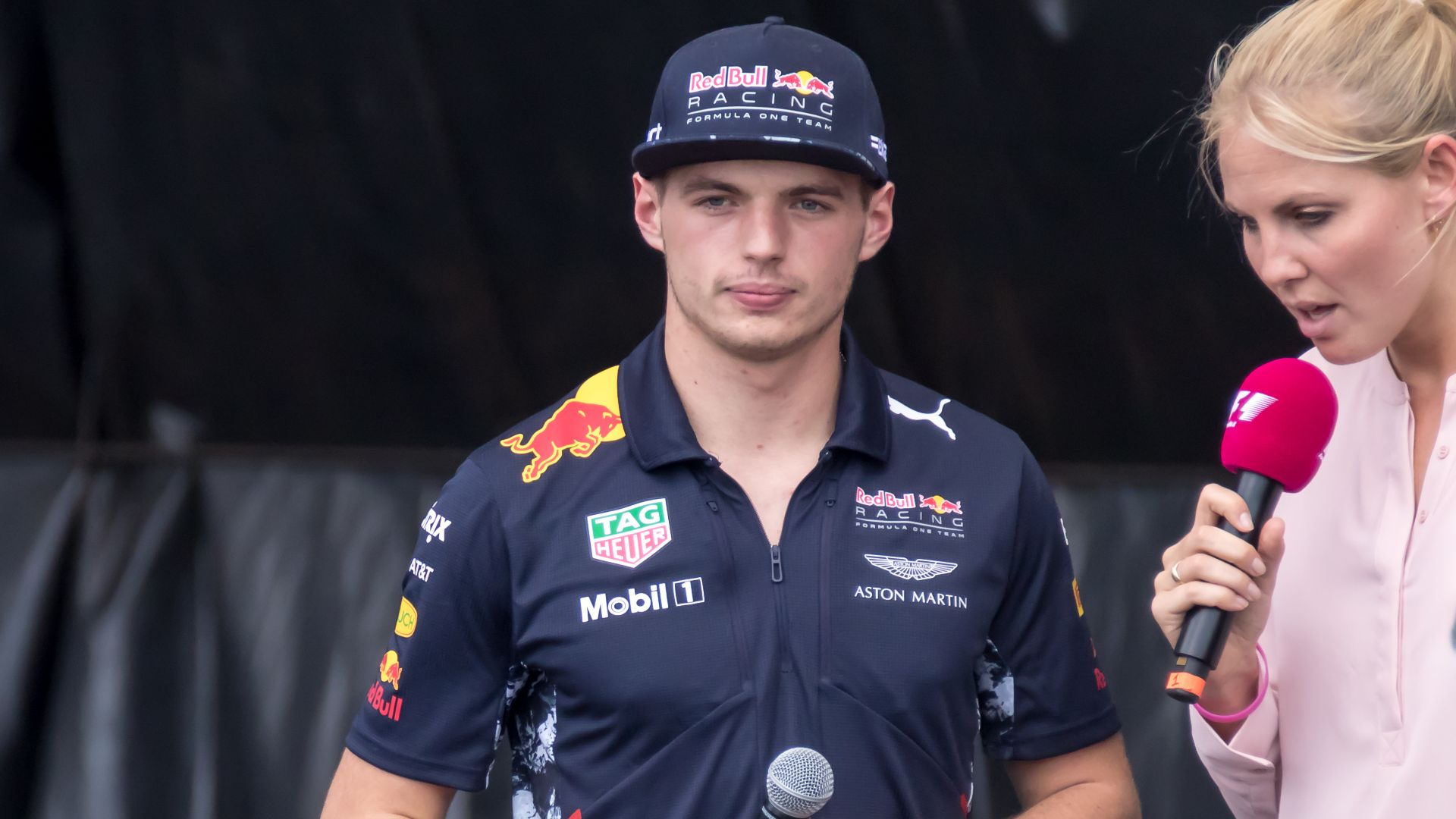
7. Most Points in a Season: Verstappen’s 575
Points totals can inflate with longer calendars, but 575 still stands out because it reflects relentless finishing and winning. A driver trying to beat it would need to avoid DNFs, avoid low-scoring days, and keep their team’s strategy errors close to zero. That’s a lot of everything going right for one entire season.
 Steve from Austin, TX, USA on Wikimedia
8. Most Consecutive Race Wins by a Driver: Verstappen’s 10 Straight
Ten consecutive victories is the kind of streak that makes the championship seem like a weekly formality. Verstappen’s run in 2023 surpassed Sebastian Vettel’s previous record of nine, and it required a long stretch with no reliability surprises, no strategic miscues, and incredible synergy between driver and team.
 Original image: Stefan Brending on Wikimedia
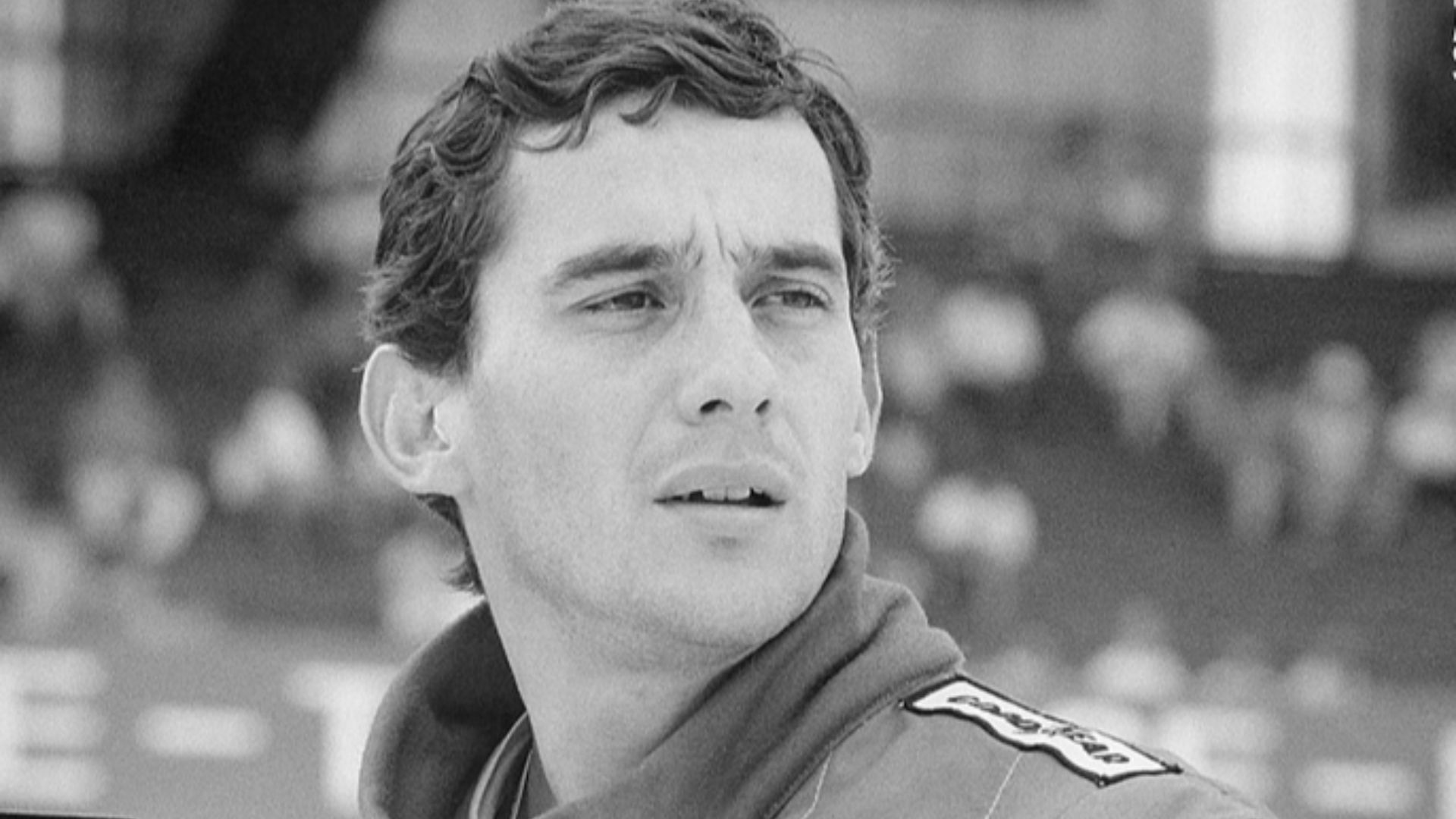
9. Most Consecutive Pole Positions: Senna & Verstappen's Eight in a Row
Eight consecutive poles is an unforgiving record because qualifying is where tiny mistakes get punished immediately. Ayrton Senna set the mark, and Verstappen later matched it, which tells you how rare that level of Saturday control really is. To beat it, you’d need a car that’s always quick over one lap and a driver who basically never blinks.
 Instituto Ayrton Senna on Wikimedia
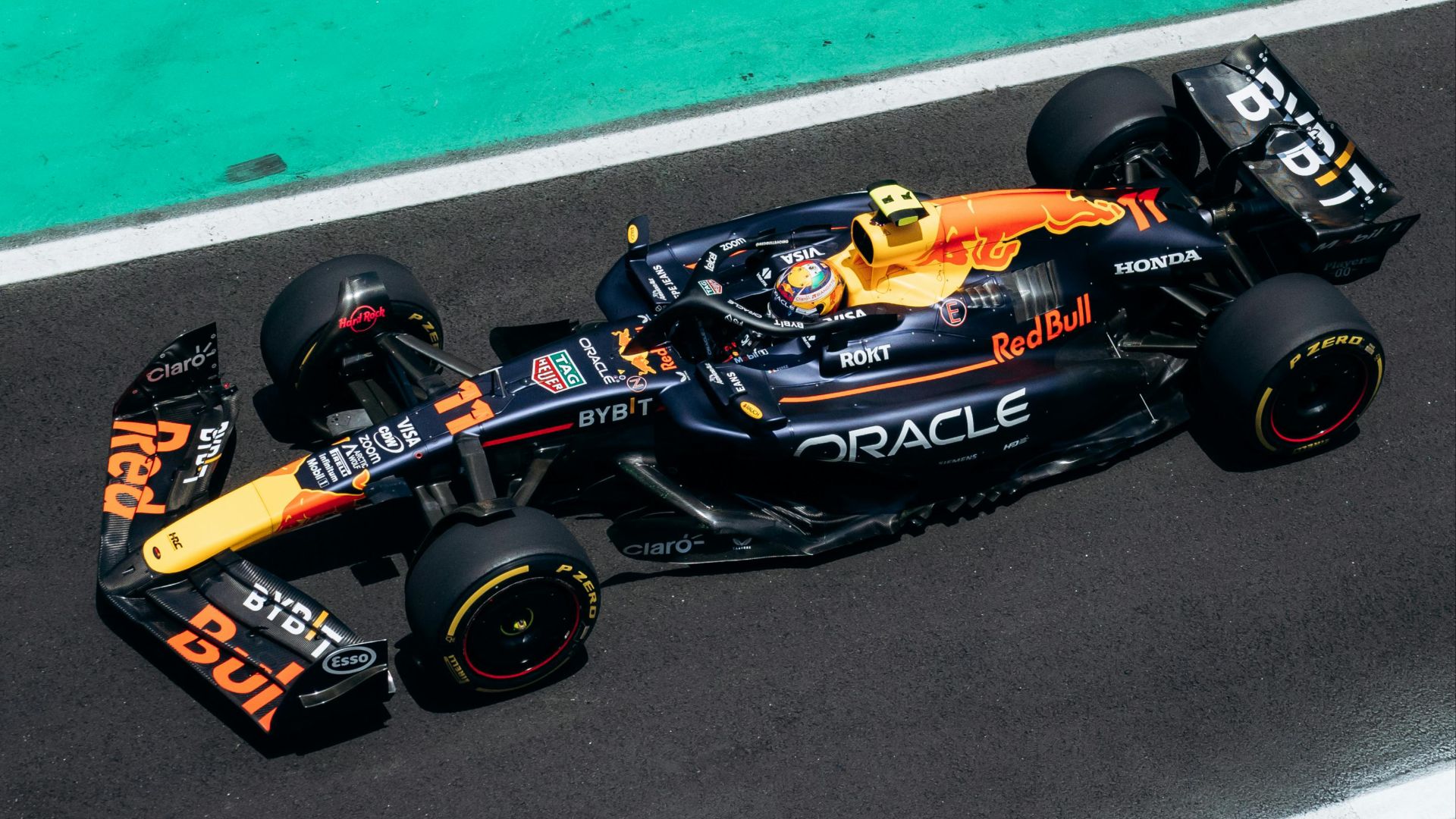
10. Most Wins in a Season by a Team: Red Bull’s 21 of 22
Teams chase “dominant seasons,” but 21 wins out of 22 is a level that only one team has reached. Red Bull’s 2023 haul left almost no oxygen for everyone else, and one bad weekend was all it took to avoid a perfect sweep. With cost caps and tighter competition, repeating that level of team control may be a once-in-a-generation event.
11. Highest Team Win Percentage in a Season: Red Bull's 95.4%
A 95.4% win rate doesn’t just mean your car is fast; it means your operation is nearly error-proof across an entire year. Red Bull’s 2023 percentage beat the famous 1988 McLaren benchmark, which already had “mythical season” status. Getting that close to 100% again would be astonishing.
12. Most Consecutive Wins by a Constructor: Red Bull's 15 Straight
Winning 15 Grands Prix in a row means no mechanical failures, no strategy disasters, and no surprise rain lotteries that ruin your day. Red Bull’s streak spanning late 2022 into 2023 shows how rare it is for a team to keep momentum that long.
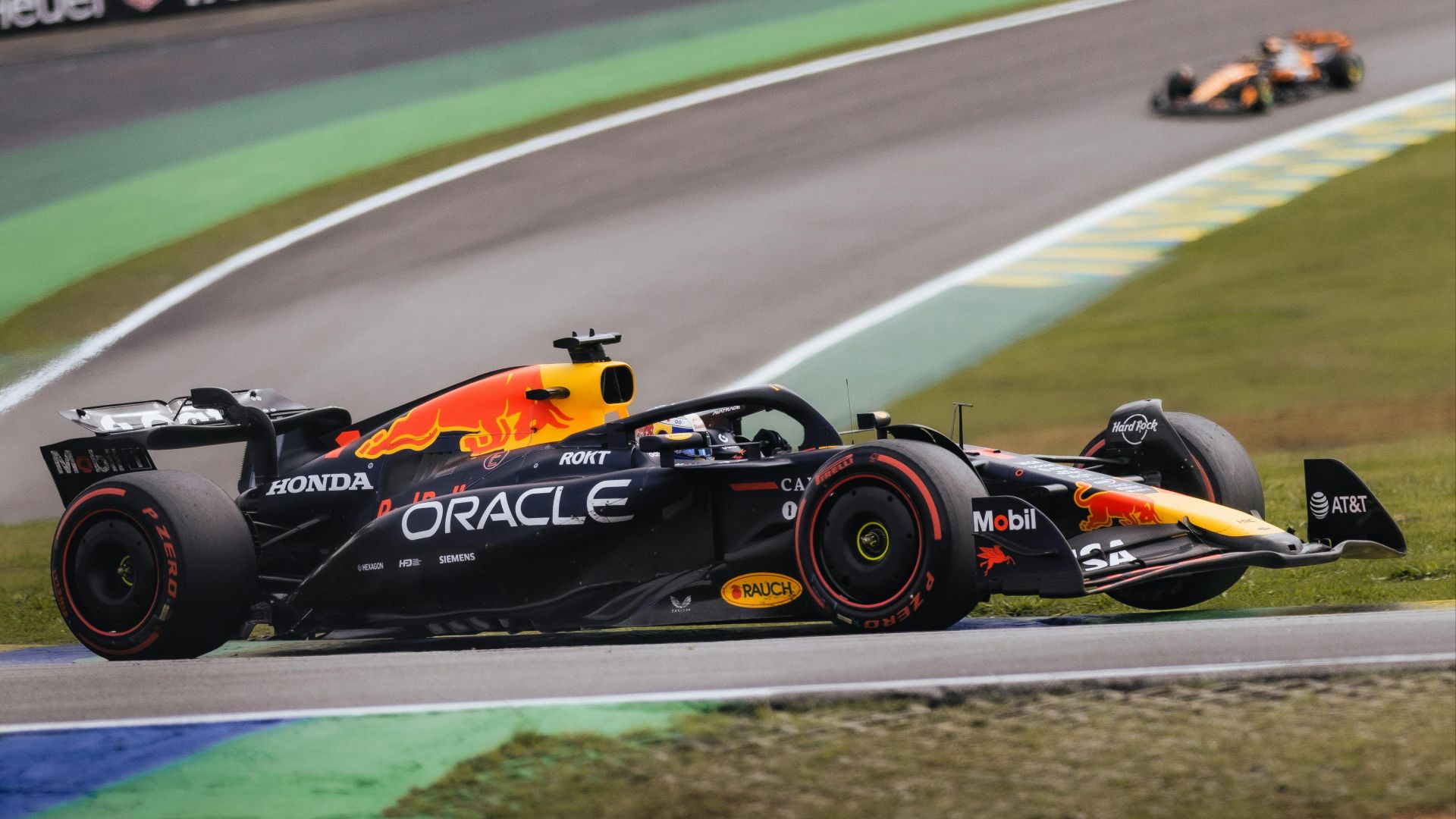
13. Most Consecutive Constructors’ Championships: Mercedes’ Eight
Eight straight team titles is sustained excellence across multiple seasons of internal pressure and external challengers. Mercedes did it from 2014 to 2021, and matching that would require not only a great car but also a culture that doesn’t crack over time. In the cost-cap era, long dynasties are simply harder to maintain.
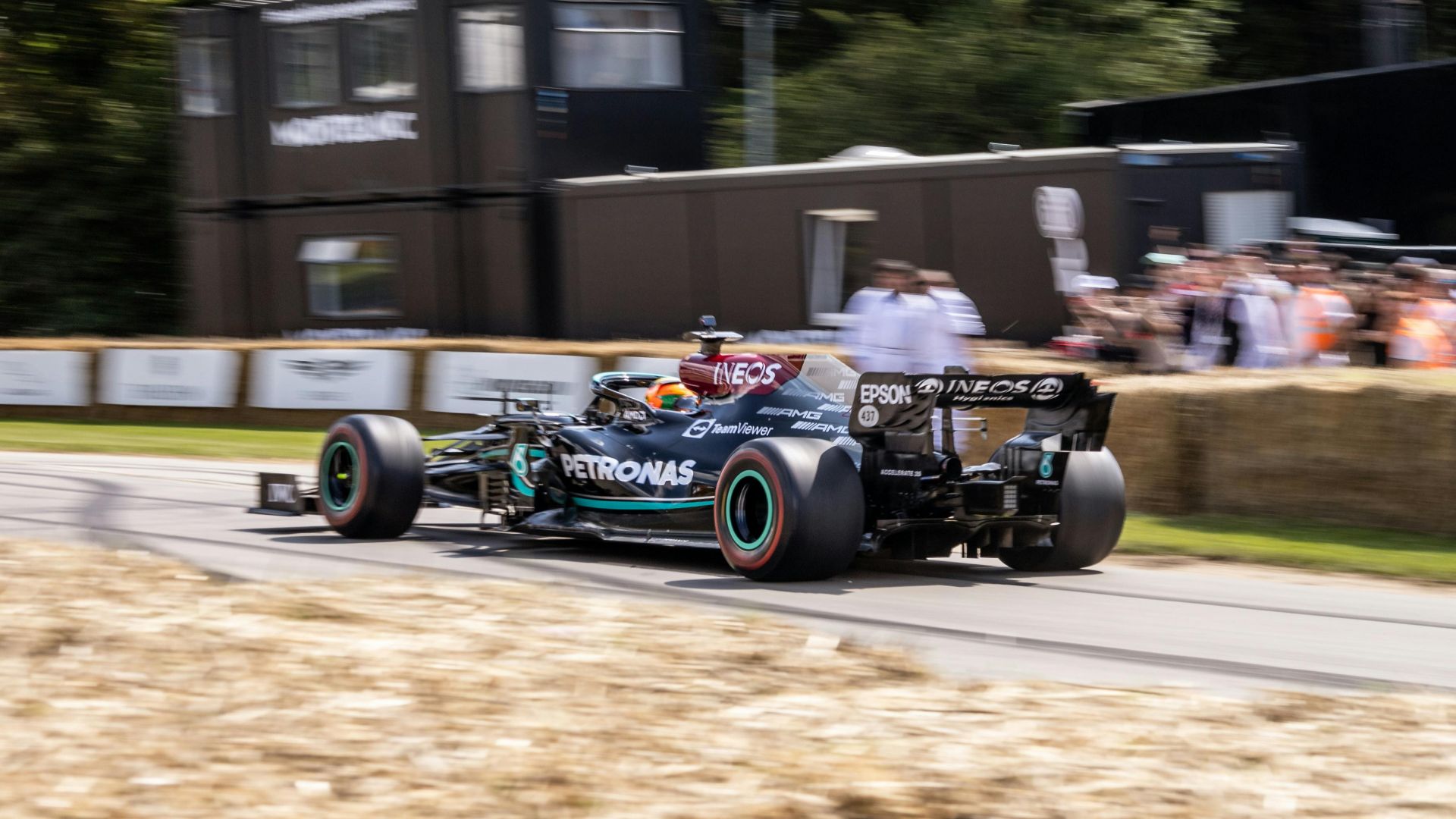
14. Youngest Grand Prix Winner: Max Verstappen at 18 Years, 134 Days
This record is tough because modern driver development is more structured, and teams are often more cautious about throwing teenagers into the deep end. Verstappen won at 18 years and 134 days, which means someone would need to debut very young and land in a race-winning situation almost immediately. The sport is more professional than ever, but it’s also less likely to take that exact gamble again.

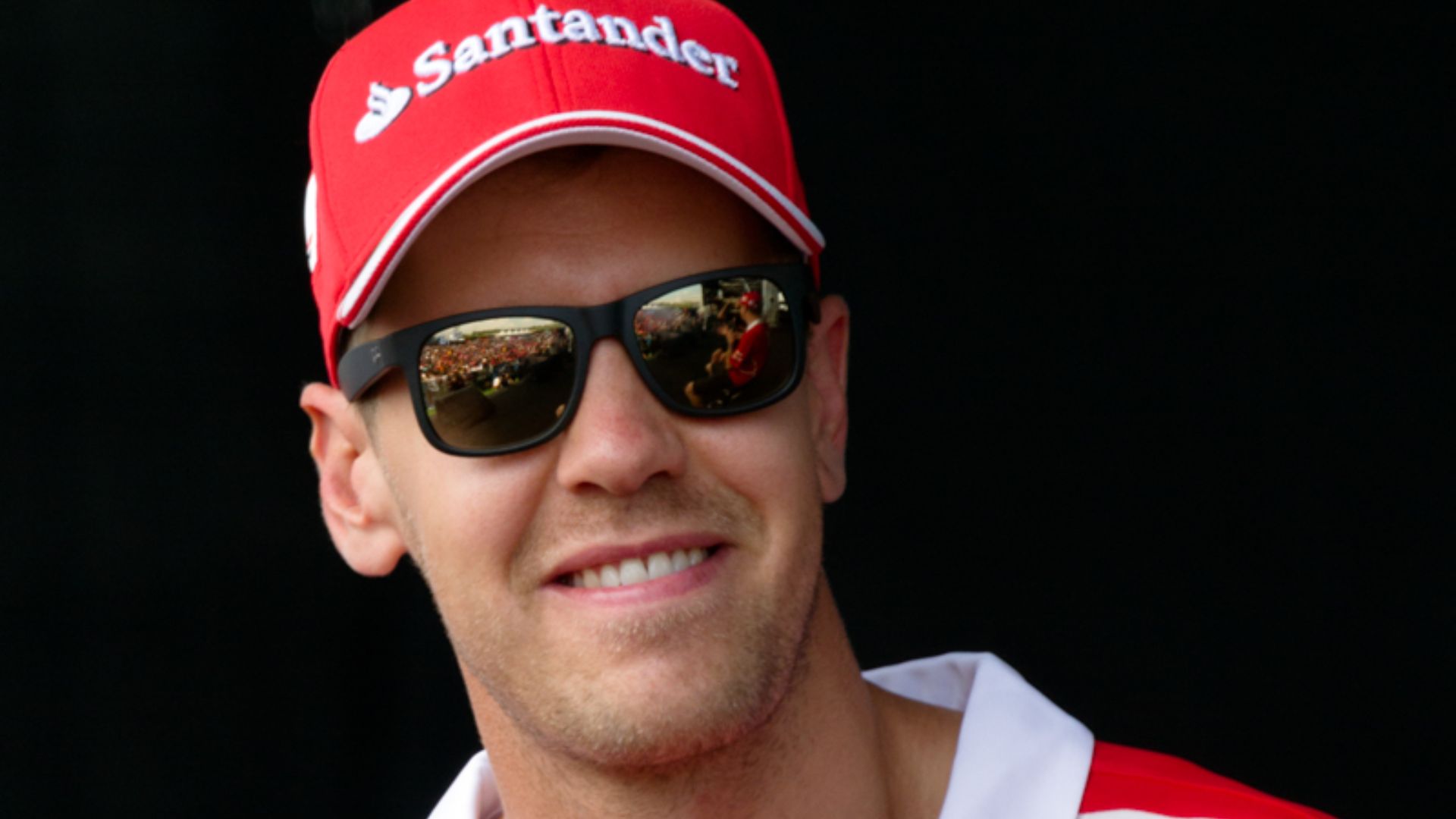
15. Youngest Pole Sitter: Sebastian Vettel at 21 Years, 72 Days
Pole positions usually go to drivers with experience and teams with highly refined setups, so getting one that young is rare. Vettel’s 21 years and 72 days sit in the sweet spot of youthful speed plus the right weekend lining up. Beating it would likely require a prodigy in a front-running car very early, which is a spot modern drivers tend to have to earn first.
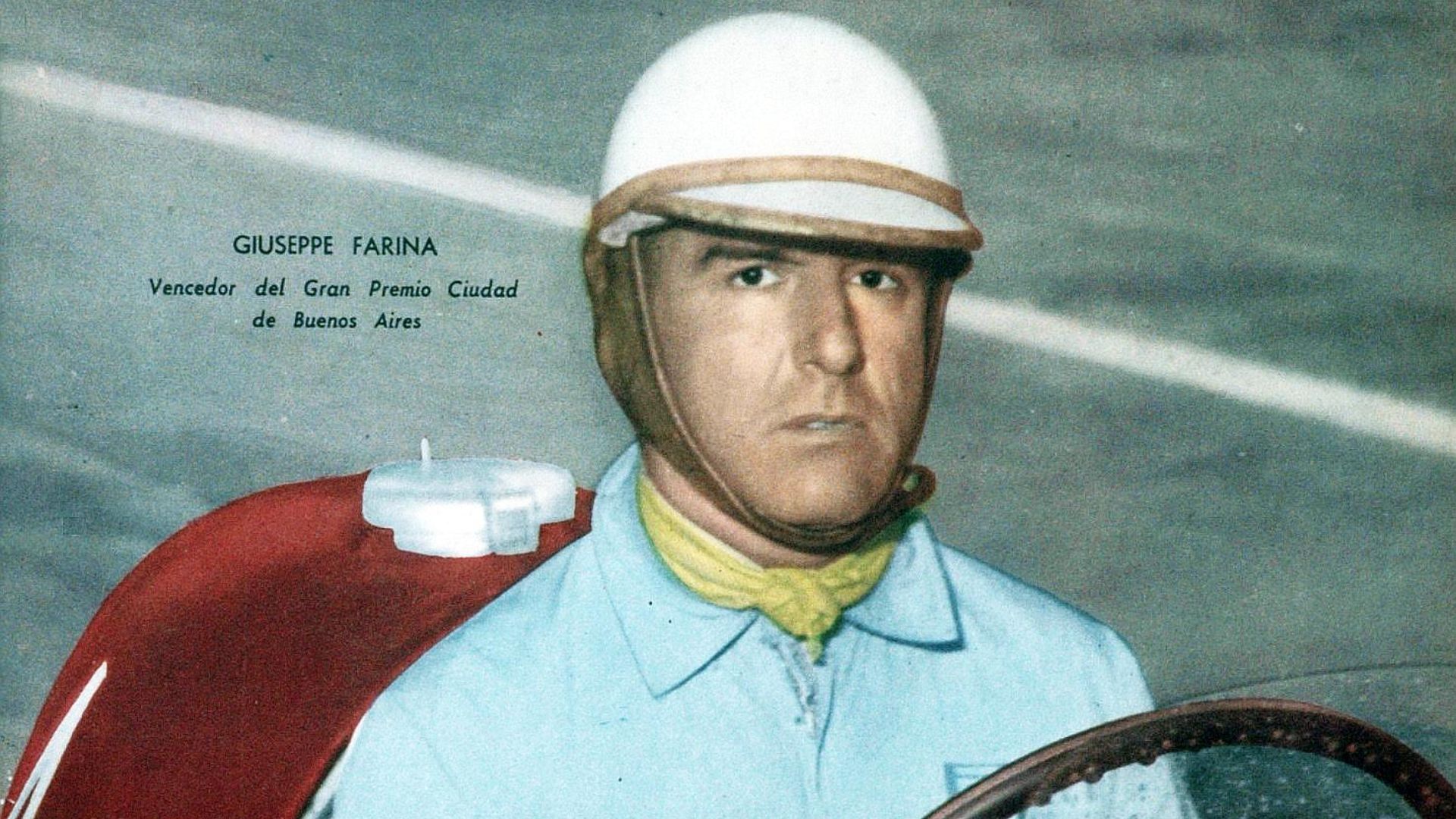
16. Oldest Pole Sitter: Giuseppe Farina at 47 Years, 79 Days
Today’s F1 is physically intense and ruthlessly youth-oriented, which makes late-career records increasingly difficult. Farina taking pole at 47 years and 79 days is a reminder of a different era, with different demands and different career arcs.
17. Oldest Race Winner: Juan Manuel Fangio at 46 Years, 41 Days
Fangio winning at 46 years and 41 days is a record that modern training still struggles to make plausible. Teams now plan around younger talent pipelines, and the window for peak performance is treated as narrower than it used to be. You’d need an all-time great who’s still elite and still in a top car deep into their forties, which is a tall order.
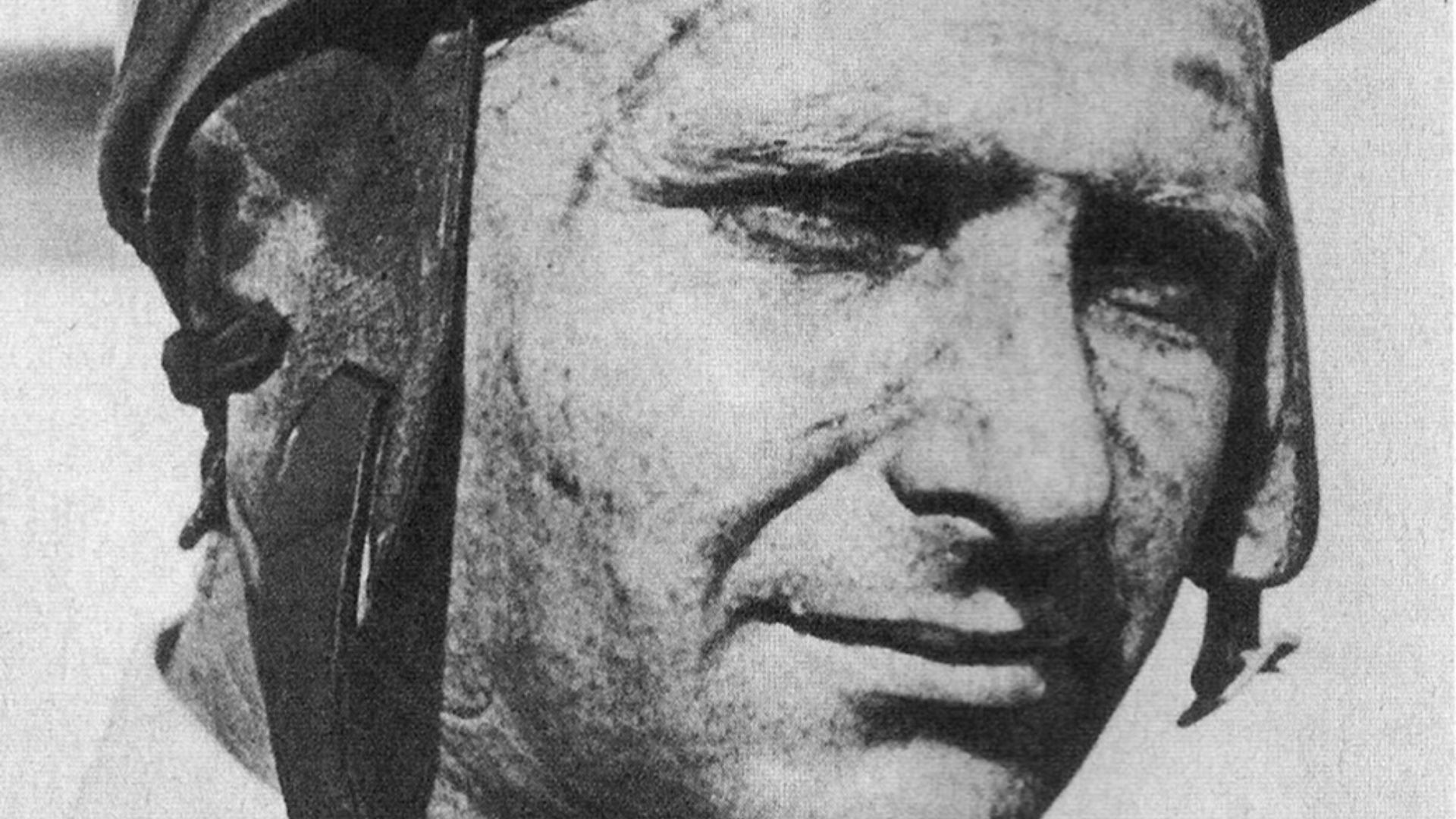
18. Highest Career Win Percentage: Fangio’s 46.15%
The modern grid is deeper, seasons are longer, and drivers often stay around through rebuilding years that drag down percentages. Fangio won 24 of 52 races for a 46.15% win rate, which is absurdly efficient by today’s standards. To top it now, someone would need to win nearly half their starts across a long career, and that’s hard to picture in this more competitive era.

19. Highest Career Pole Percentage: Fangio’s 55.77%
Fangio’s 55.77% pole rate comes from a time when a truly elite driver could separate dramatically, but it’s still extraordinary in any era. With modern parity and tiny gaps, that percentage looks practically untouchable.
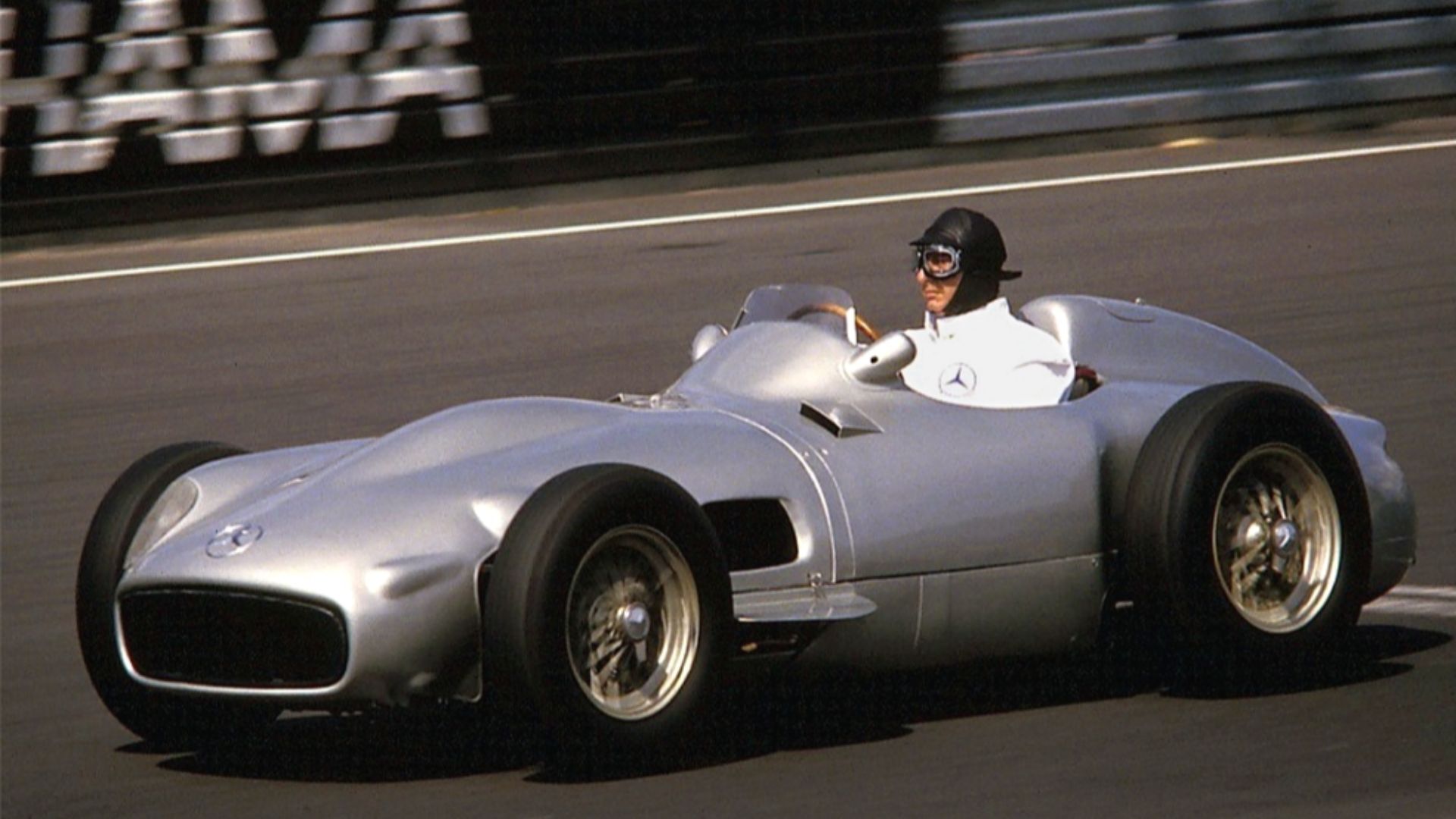
20. Most Fastest Laps in a Career: Michael Schumacher’s 77
Fastest laps require speed plus opportunity, because you need clean air, the right tires, and a strategy that lets you push. Schumacher’s 77 is enormous, especially now that fastest-lap incentives and race management can discourage all-out late stints. Even if someone is quick enough, the modern race shape doesn’t always permit them to chase it.