
Who's Really in Control?
Cars are becoming incredibly advanced, equipped with smart computers and assistive technology, and that shift is starting to change what it means to drive. With more and more tasks being handled by sensors, software, and automated systems that never get tired, distracted, or impatient, that means a lot of people are unlearning basic skills and habits. How much of a double-edged sword is a too-smart car? And how is that affecting how we navigate the roads? Let's take a look at 10 ways cars are getting more intelligent, and 10 ways drivers are losing their abilities.
1. Adaptive Cruise Control
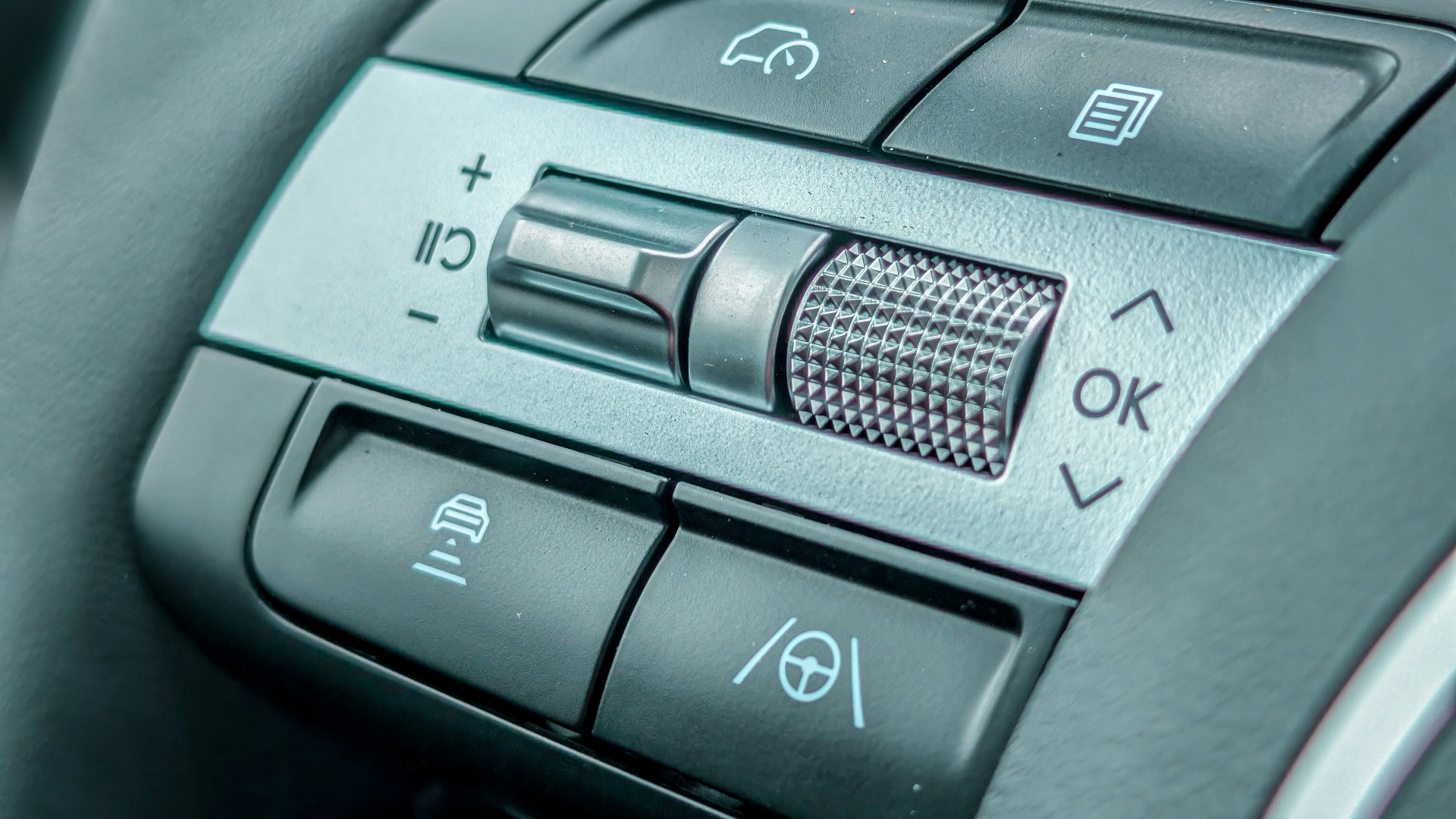
Modern adaptive cruise control can adjust speed smoothly, hold gaps more consistently, and handle stop-and-go traffic with less effort from you. Some systems also integrate map data or traffic awareness to anticipate slowdowns instead of reacting late. That makes highway driving less stressful, but it also reduces how often you practice steady speed control yourself.
2. Lane-Centering
Many vehicles now offer lane-centering that continuously guides the car within lane lines rather than just warning you when you drift. When it’s well-calibrated, it can reduce small steering corrections that add up on long drives. The downside is that your steering attention can fade faster because the car keeps “fixing” minor mistakes.
3. Automatic Emergency Braking
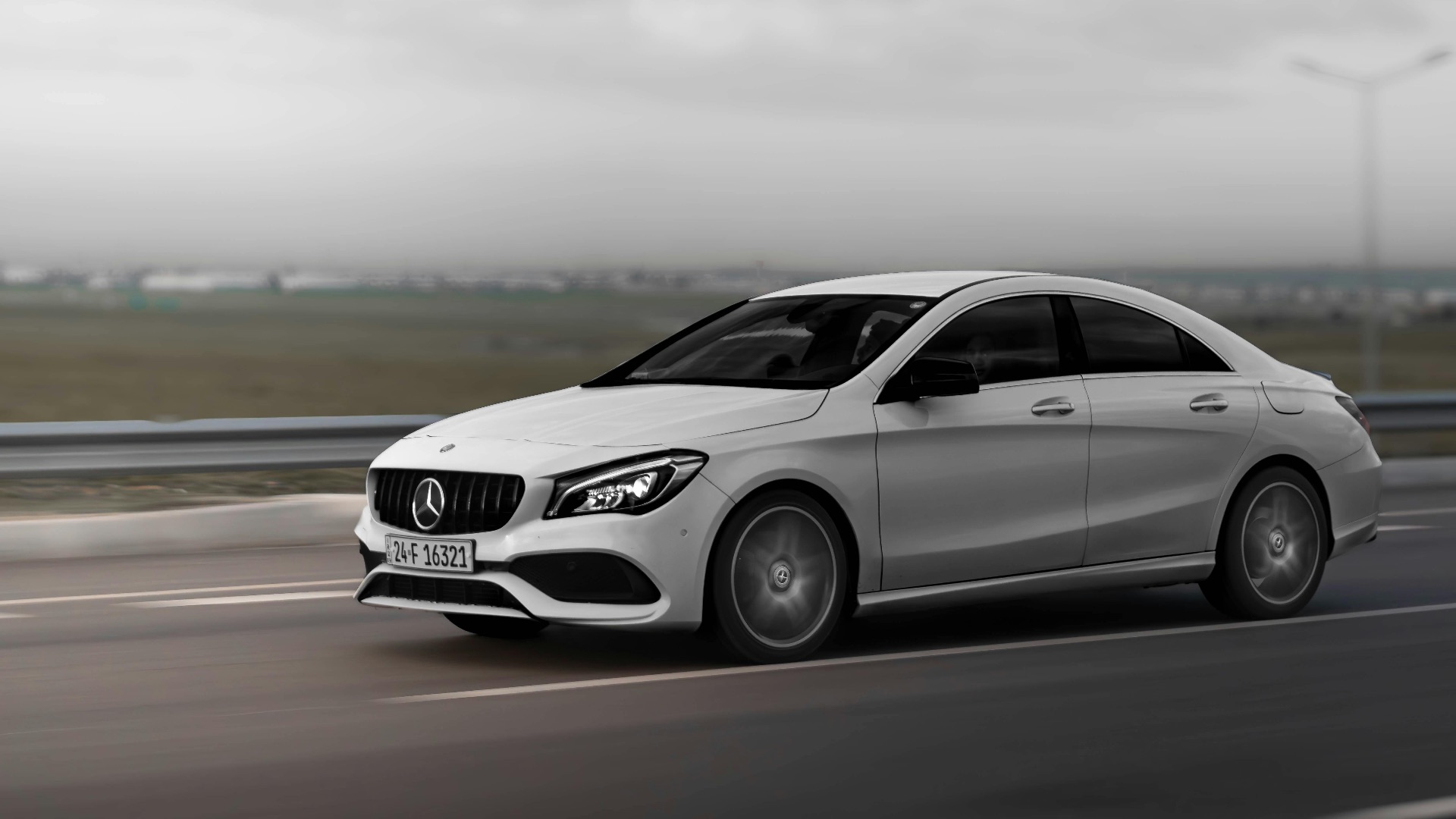
Automatic emergency braking has improved in detecting vehicles, pedestrians, and sometimes cyclists, especially at lower speeds. Systems can now layer radar and cameras to reduce false alarms and respond more quickly when something is clearly in your path. You might feel safer, but you may also follow too closely because you trust the car to save you.
4. Blind-Spot Monitoring
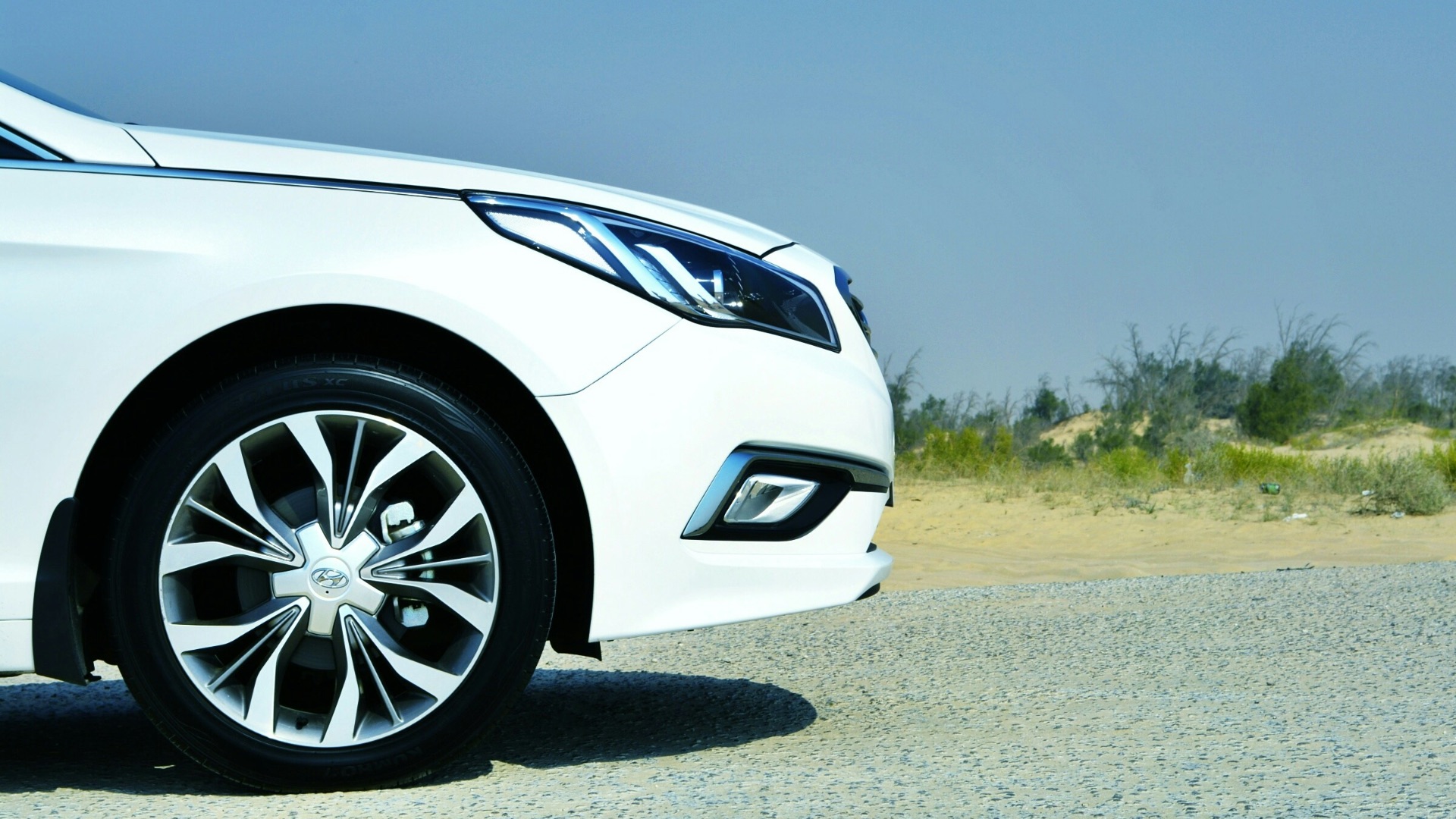
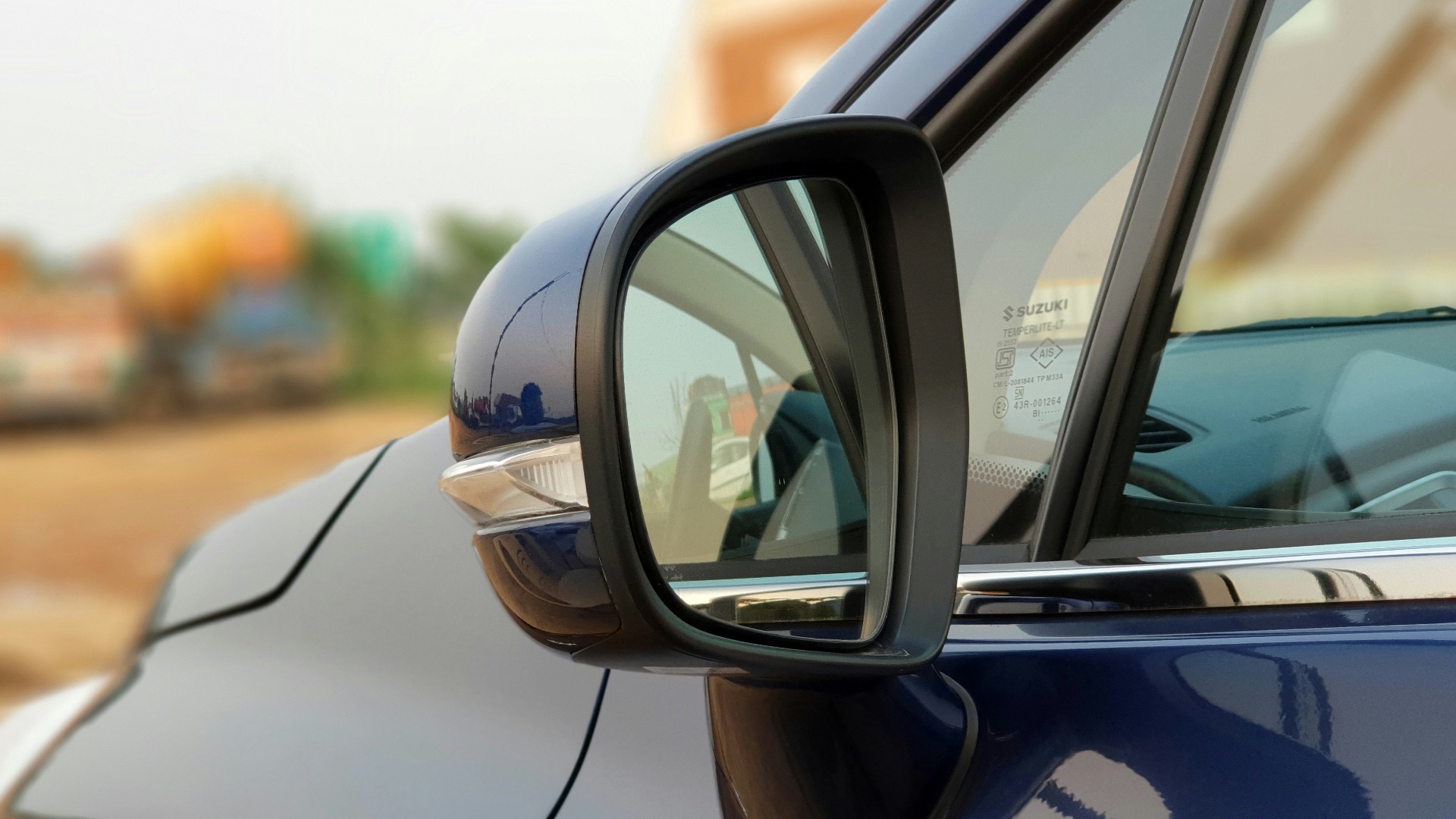
Blind-spot monitoring has become more reliable, with clearer alerts and better detection at different speeds. Some cars even add steering intervention if you signal into a lane that’s occupied. It’s helpful, yet it can tempt you to stop turning your head and checking mirrors properly.
5. Parking Assistance
Worrying about parallel parking is a thing of the past now that automated parking has gone from awkward gimmick to genuinely useful tool in many newer models. That means cameras, ultrasonics, and cross-traffic detection can reduce curb scrapes and fender benders in tight spots. Still, you might stop caring about spatial awareness because the car handles the hard part for you.
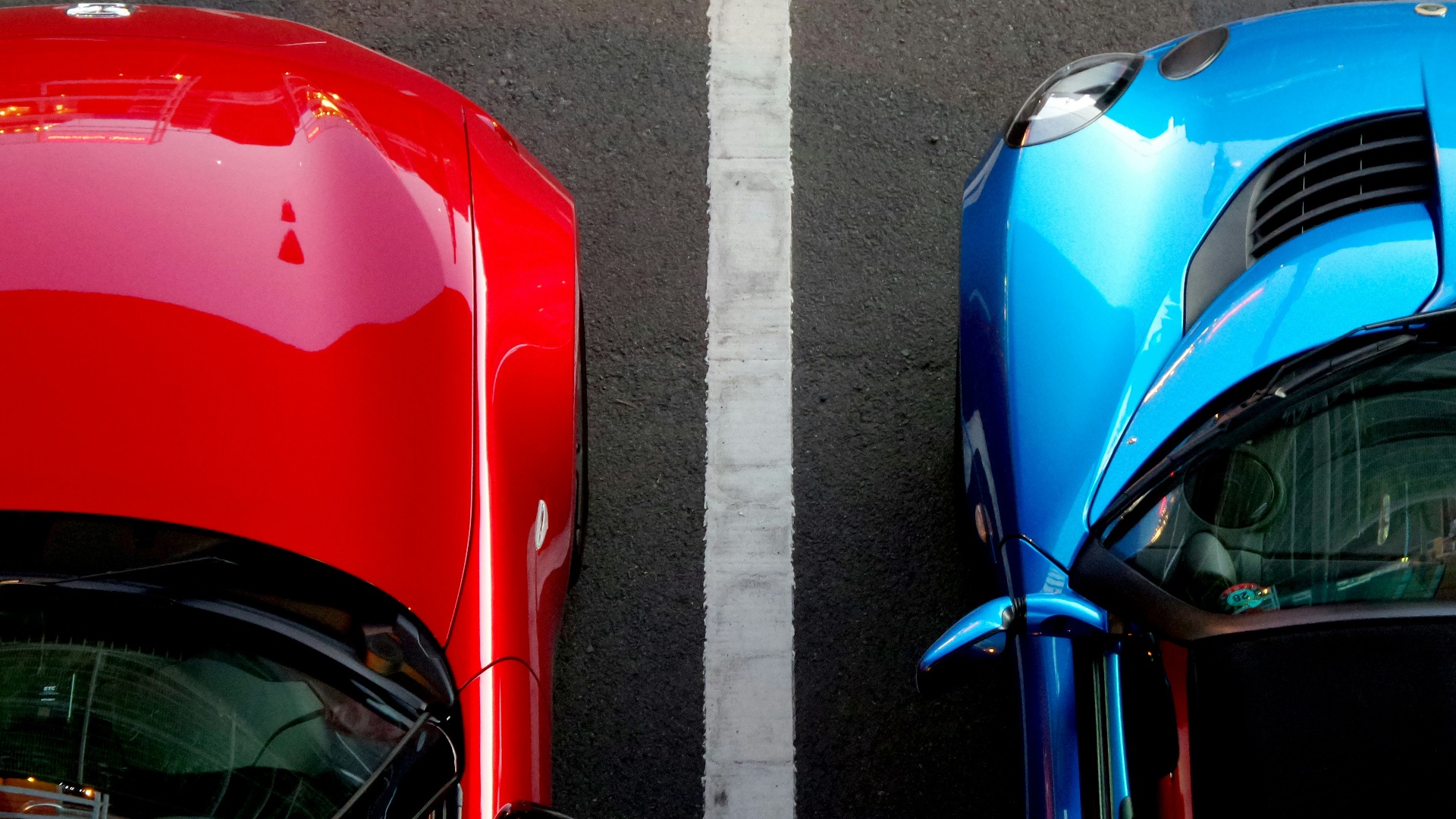 Possessed Photography on Unsplash
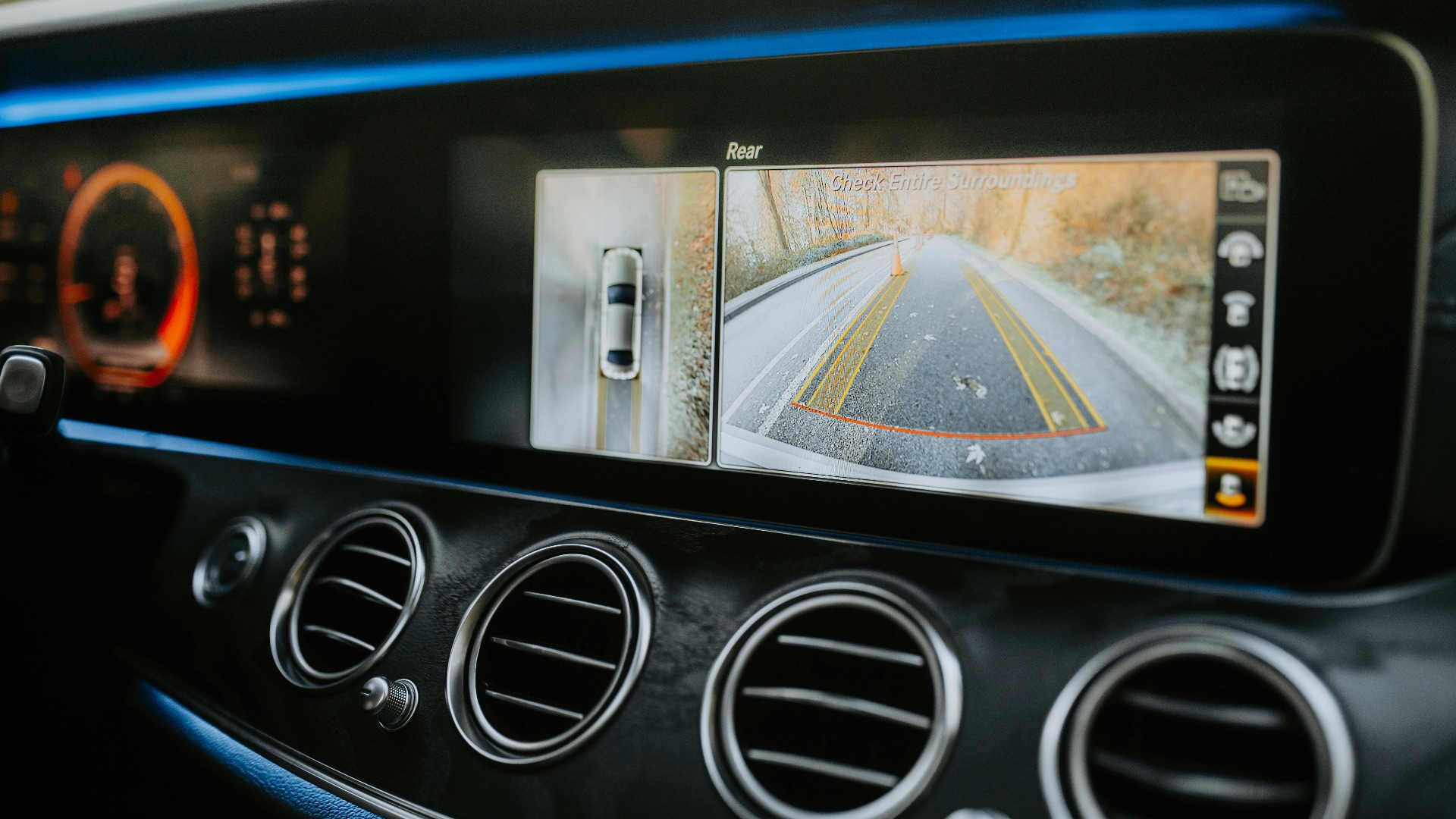
6. Surround-View Cameras
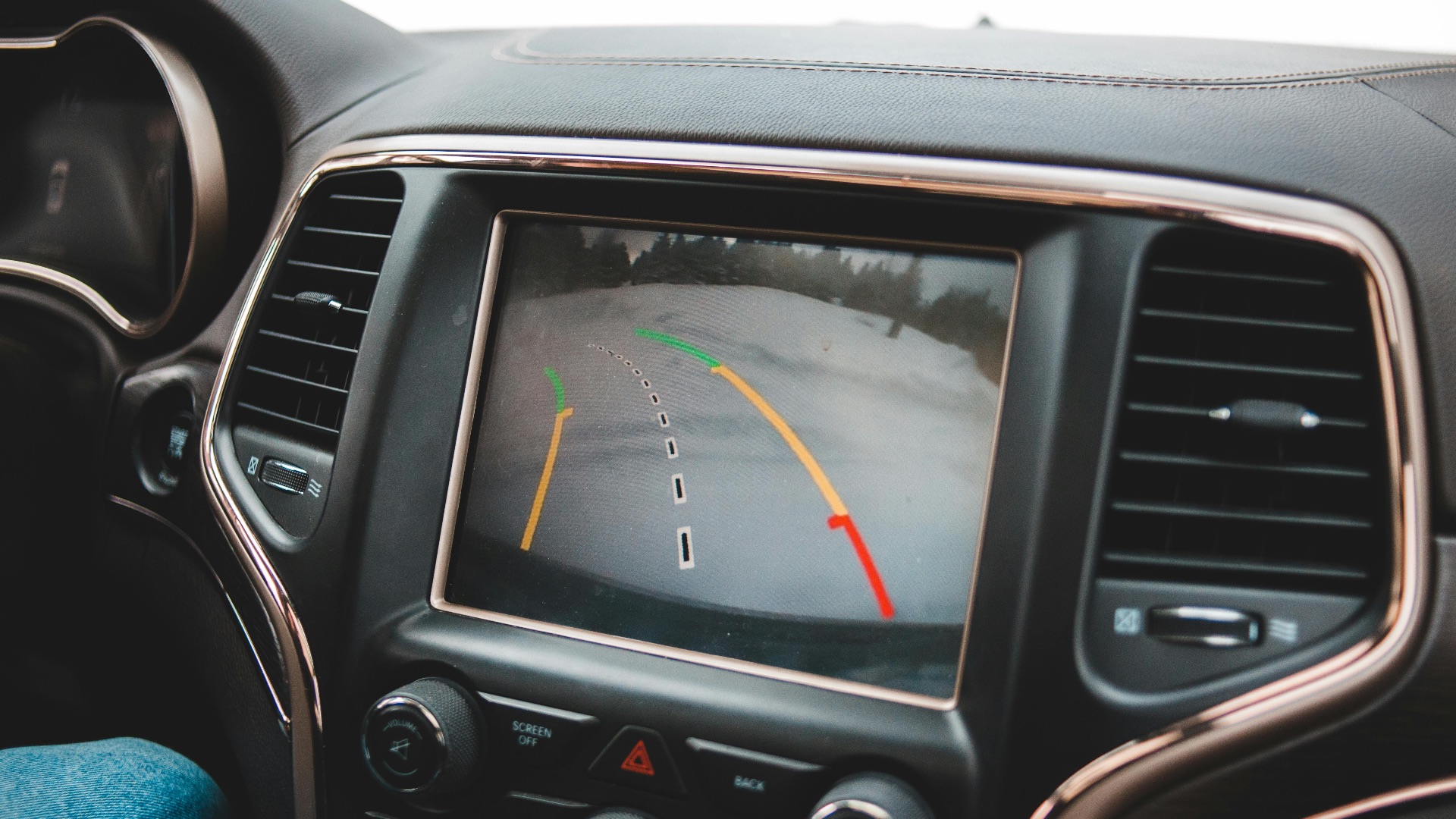
Bird’s-eye camera systems provide a detailed view around the vehicle, making obstacles easier to spot. Many setups now have higher resolution and better low-light performance than early versions, which is incredibly helpful. However, if you rely on the screen too much, you can forget that your eyes should still scan the real environment.
7. Traffic Sign Recognition
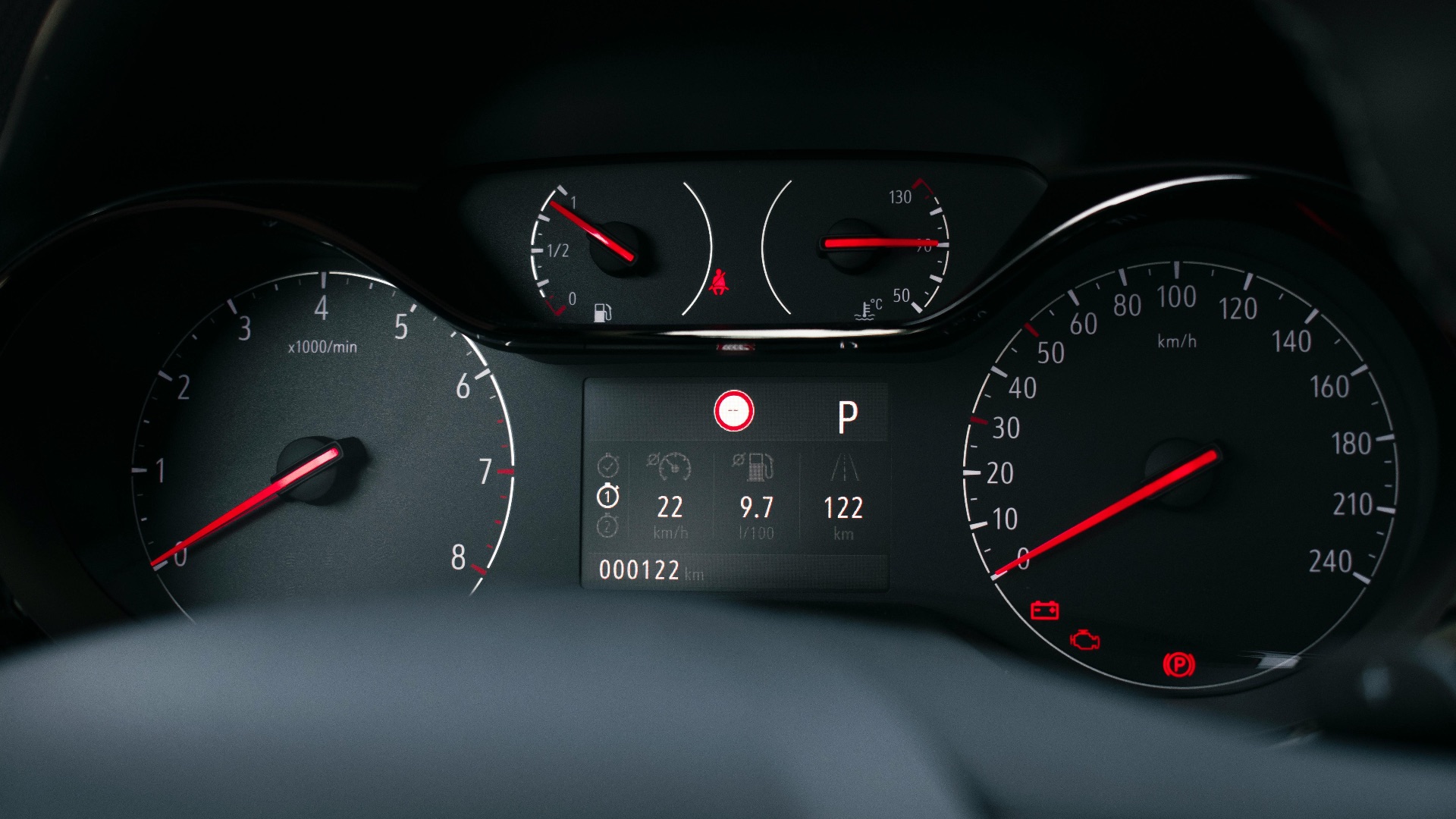
Some cars can read speed limit signs and other posted warnings, then display them in the cluster or head-up display. Certain systems combine camera reads with map data to reduce mistakes when signs are blocked. When the car tells you the limit, though, it’s easy to stop looking for signs altogether.

8. Driver Monitoring That Watches You Back
Driver monitoring can track your gaze, head position, or steering patterns to detect inattention or drowsiness. In some vehicles, it escalates alerts or limits assistance features if you’re not engaged. That’s a big safety step, but it also proves how often people tune out behind the wheel.

9. Predictive Maintenance
Connected diagnostics can flag battery issues, tire pressure trends, brake wear estimates, and other faults before they become urgent. Some manufacturers push alerts to your phone and pre-fill service recommendations. Great as that is, when the car tells you what’s wrong, you may stop learning what normal sounds and feel like.
10. Over-the-Air Updates
Software updates can refine shifting logic, recalibrate driver-assistance behavior, patch security flaws, and expand infotainment features. That means your car can get safer or smoother without a trip to the dealership. It’s convenient, but it also raises expectations that the car will “fix itself” without you staying informed.
As helpful as these features are, you can probably see how they might dull our natural driving skills. And if this isn't bad enough, let's jump into 10 more ways that we're getting dumber behind the wheel.
1. Treating Assistance Like Autopilot
A lot of people act like lane-centering and adaptive cruise control mean the car is fully in charge. You’re still responsible, but some drivers start checking out mentally because nothing immediately goes wrong. When the system hits a limitation, that delay in your reaction time can matter.

2. Skipping Basic Mirror Checks
If your car flashes a blind-spot light, you might start trusting it more than your own scan. That’s a problem because sensors can miss motorcycles, fast-approaching cars, or unusual angles. You still need to verify, even if the dashboard makes you feel covered.

3. Following Too Close Because “It’ll Brake for Me”
People tend to leave less space when they believe automatic emergency braking will intervene. That system is designed to reduce severity, not guarantee a perfect stop in every situation. If you crowd the car ahead, you’re gambling on software reacting correctly and early enough.

4. Letting Navigation Replace Road Awareness
Turn-by-turn directions are useful, but they can shrink your sense of where you are and what’s around you. Some drivers stop noticing major roads, exits, or signage because the next instruction feels like the only thing that matters. When the route changes or signal drops, they’re suddenly lost in a place they’ve been staring at the whole time.

5. Fumbling with Touchscreens at the Worst Times
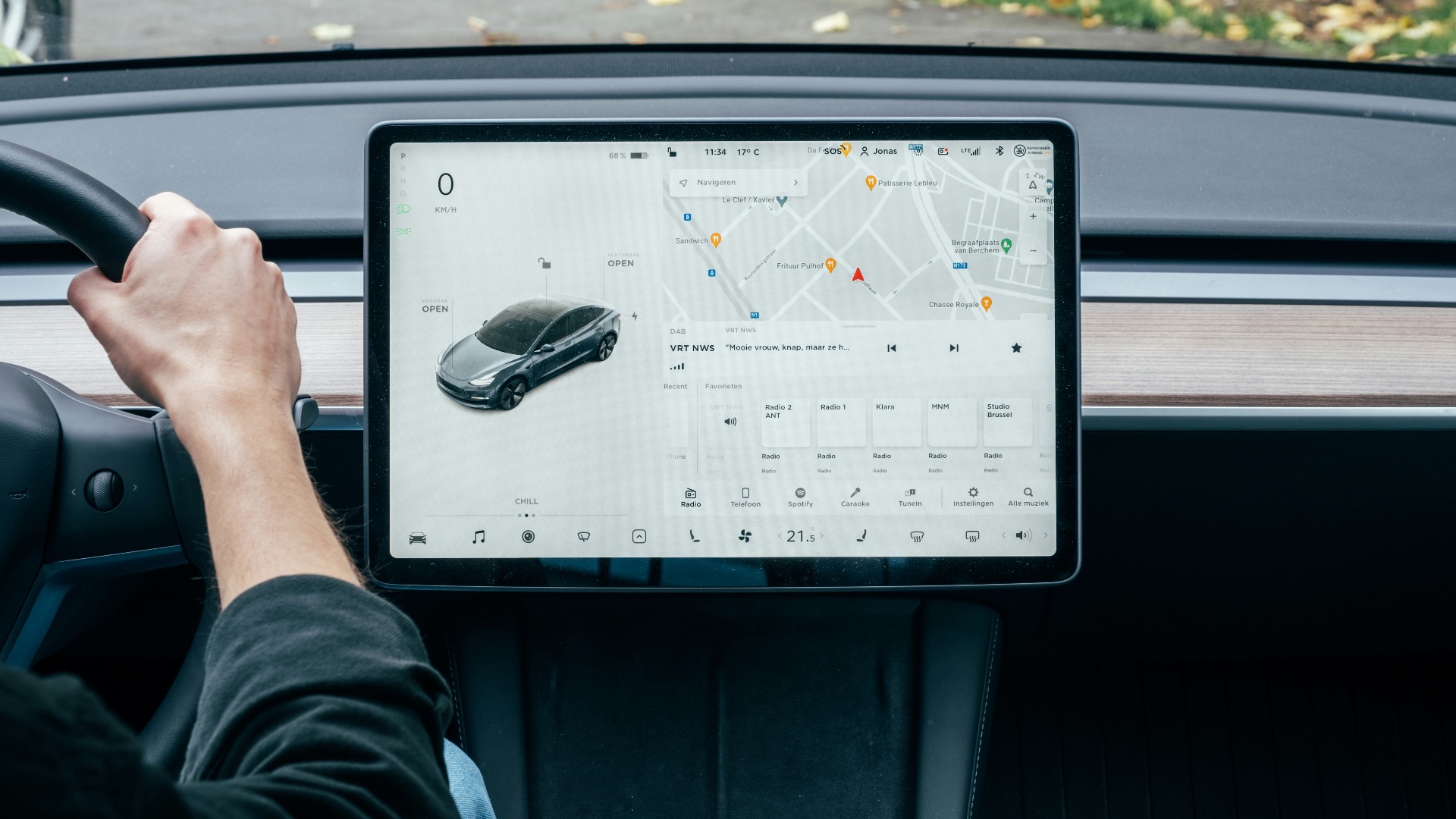
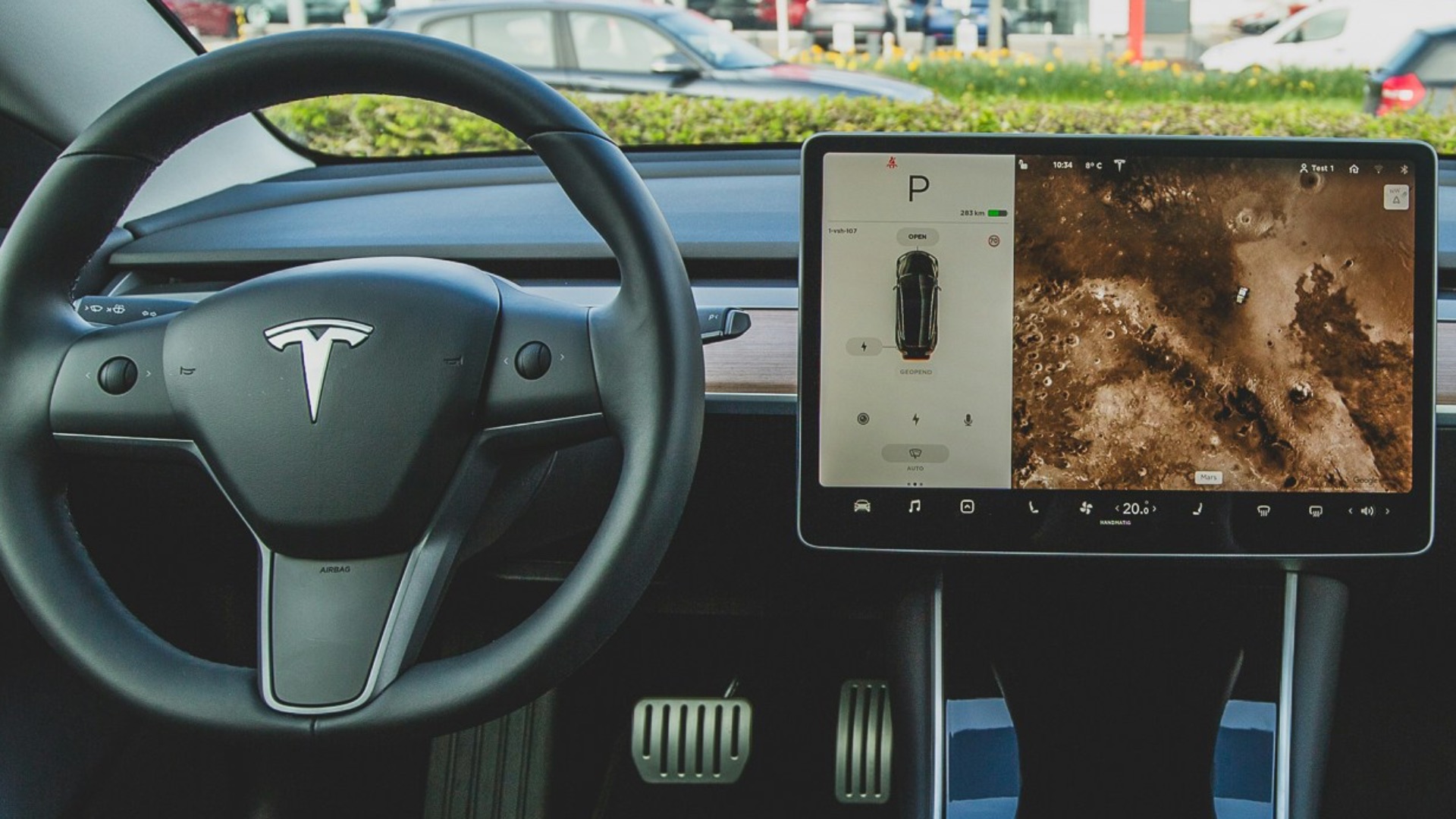
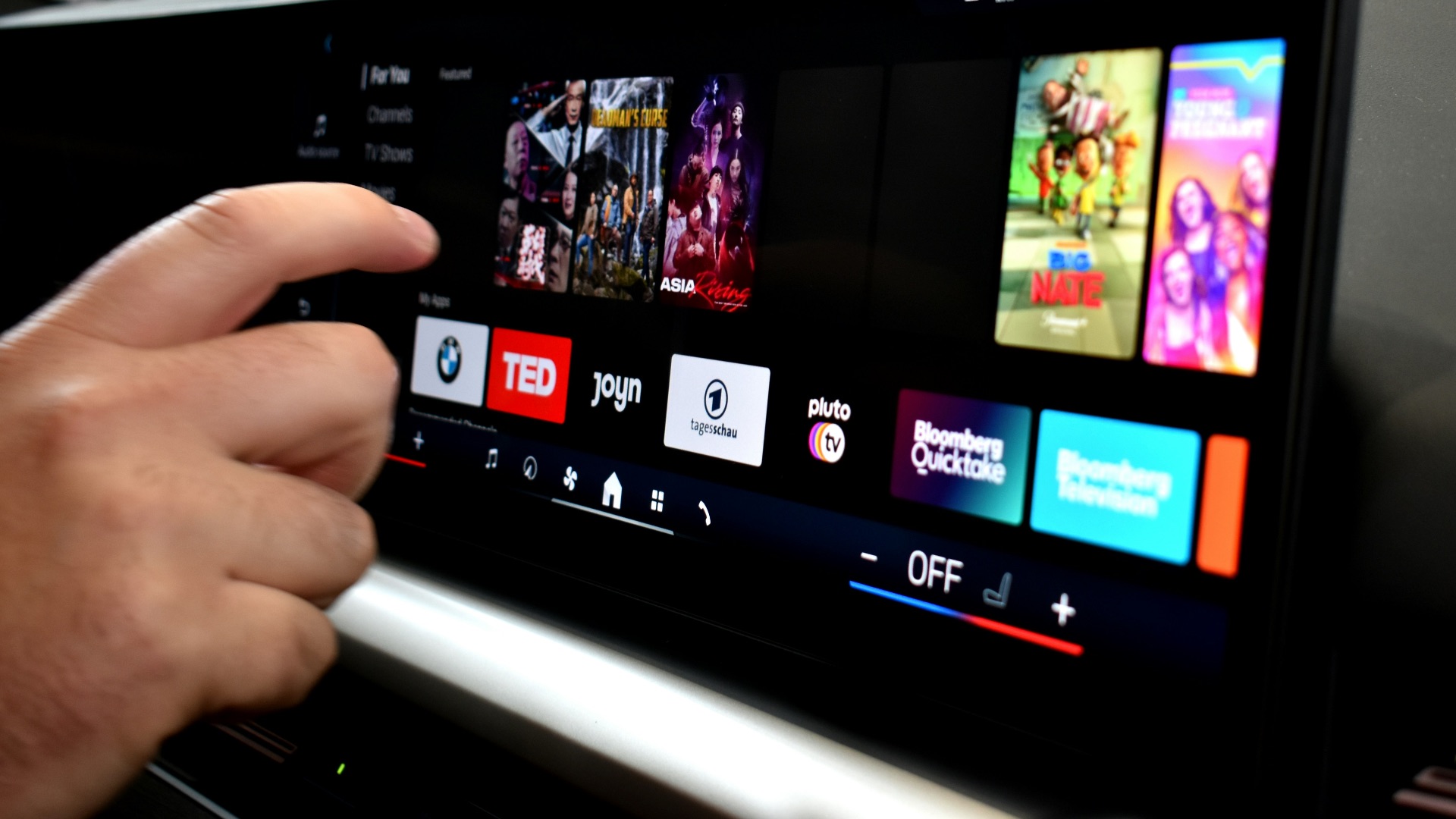
Big screens encourage menu-diving for climate controls, settings, and audio, even while moving. It’s easy to convince yourself it’s only a second, but that's still one second where your attention isn't on the traffic in front of you. If you catch yourself doing it, you’re not being cautious, you’re just being lucky.
6. Relying Solely on Cameras
Rear and surround cameras improve visibility, but they don’t replace checking for moving people or vehicles. Glare, rain, dirt, and low light can reduce what the camera shows, and you may not notice the missing detail. Drivers who trust the screen completely can back up with less caution than they used to.
7. Ignoring the Owner’s Manual Because “It’s Intuitive”
Cars now have features with specific limits, conditions, and behaviors that aren’t obvious. Skipping the manual means you might misunderstand warnings, misuse driver assistance, or miss important settings. If you don’t know what the system expects from you, you can’t safely work with it.
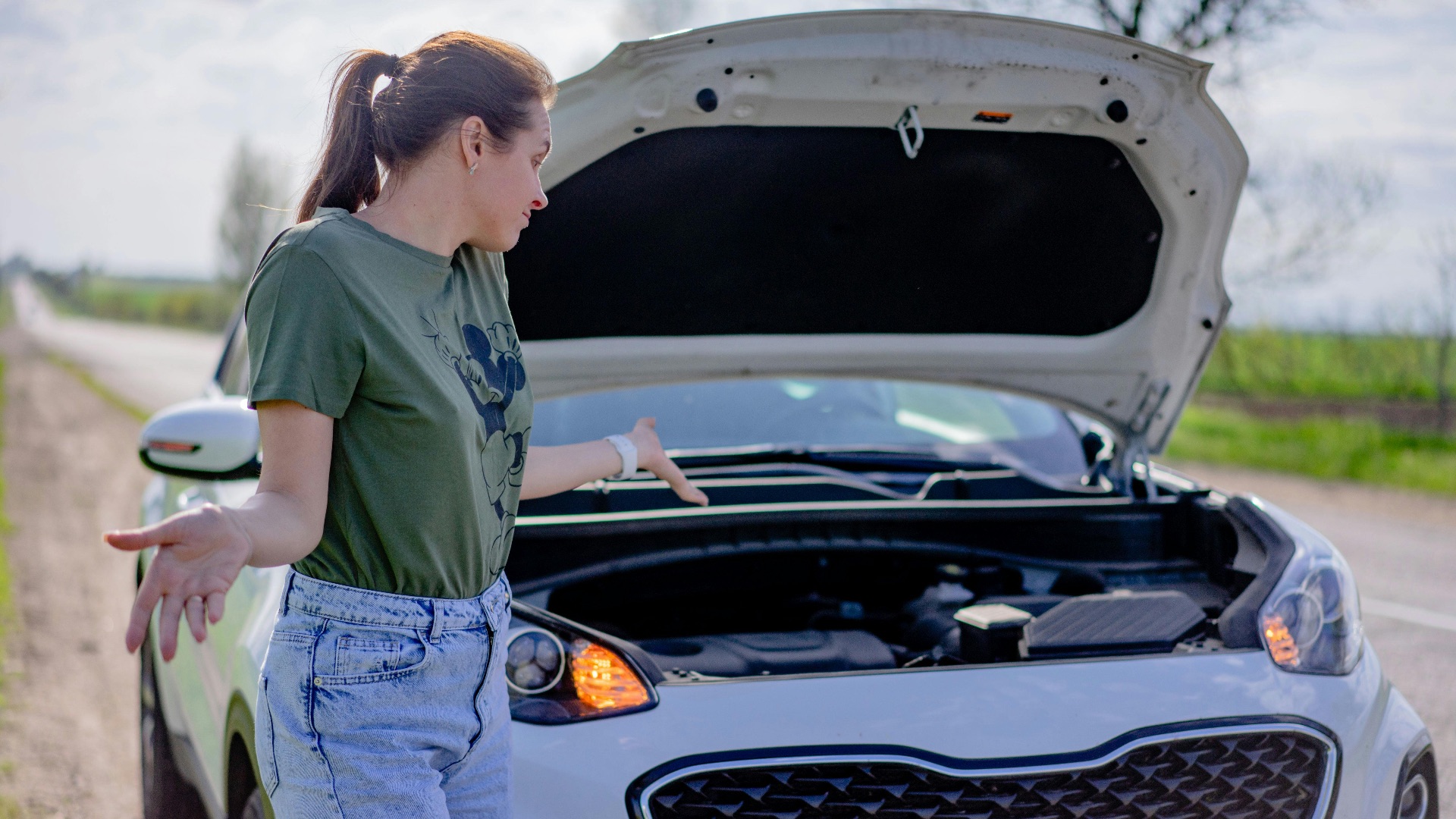
8. Getting Complacent About Routine Maintenance
When cars feel advanced, some people assume they’re also low-maintenance by default. Basic checks like tire condition, fluid levels, and brake feel still matter, even with sensors and alerts. Waiting for a dashboard warning can turn a simple issue into an expensive one.
9. Driving While Mentally Elsewhere
Automation reduces workload, but it can also reduce engagement, which is a risky trade. Your attention is a safety tool, and you don’t get to outsource it completely. If you’re daydreaming, multitasking, or scrolling at stops, you’re training yourself to be inattentive even when conditions and your surroundings change fast.

10. Forgetting That Weather Can Still Win
Assistance features can struggle with snow-covered lines, heavy rain, fog, glare, or slush that blocks sensors. Some drivers keep using the same settings in bad weather because the car usually handles things in perfect conditions. If you don’t adjust your speed, spacing, and expectations, you’re ignoring the most basic part of safe driving.