Are You Driving a Deadly Vehicle?
You might not think about it when you're choosing what car to buy, but depending on the size and configuration of your vehicle, it could be putting your life—and everyone else's—on the line. Our list focuses on vehicles that show unusually high fatal-accident rates per mile traveled in recent U.S. analyses of model years 2018–2022, though keep in mind that the ranking can reflect a mix of factors, including where a vehicle is commonly driven, who tends to buy it, and how it’s used day to day. Is your car on the list? Here are 20 of the most dangerous cars on the road.
1. Hyundai Venue
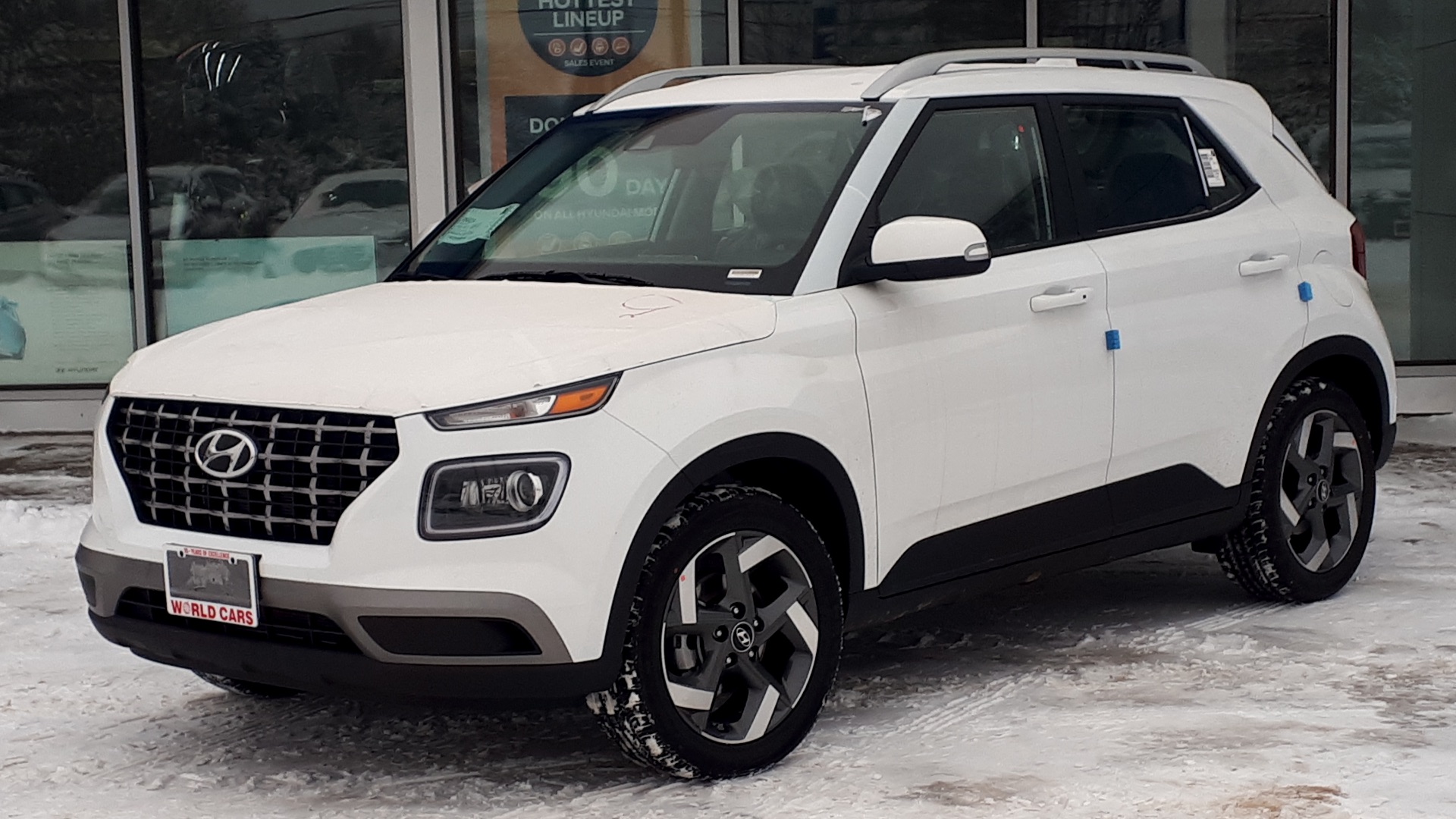
In recent fatal-crash-per-mile rankings, the Venue lands at the top, which should make you pause if you’re relying on it for lots of high-speed commuting. Small footprint plus frequent urban driving can be a rough combination when mistakes happen. If you own one, you’ll want to be extra disciplined about speed, space, and distraction.
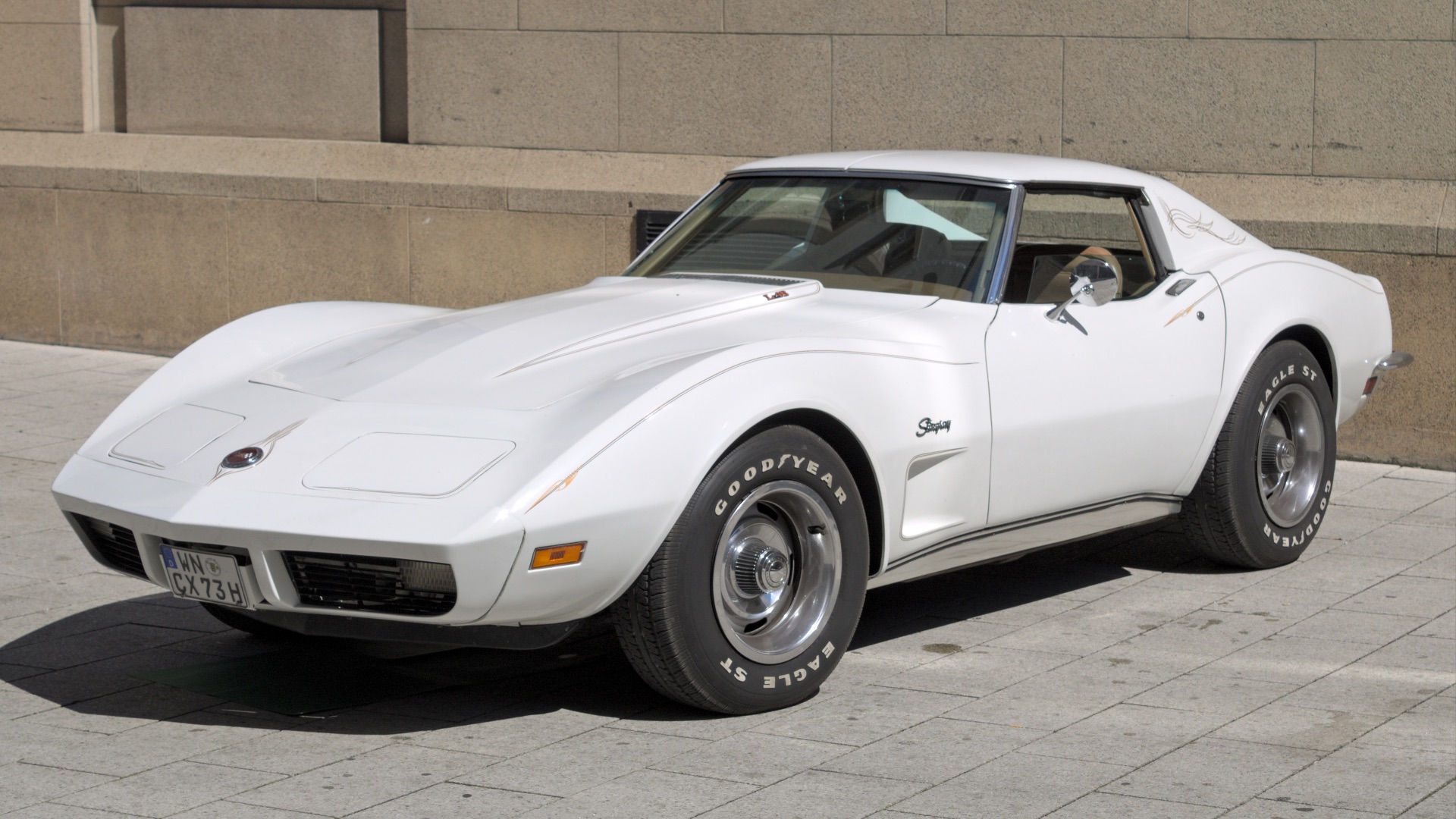
2. Chevrolet Corvette
The Corvette’s placement near the very top isn’t subtle, and it lines up with how performance cars often get used in the real world. Strong acceleration and higher average speeds raise the stakes quickly when traffic gets unpredictable. You can drive it responsibly, but it doesn’t forgive impulsive choices.
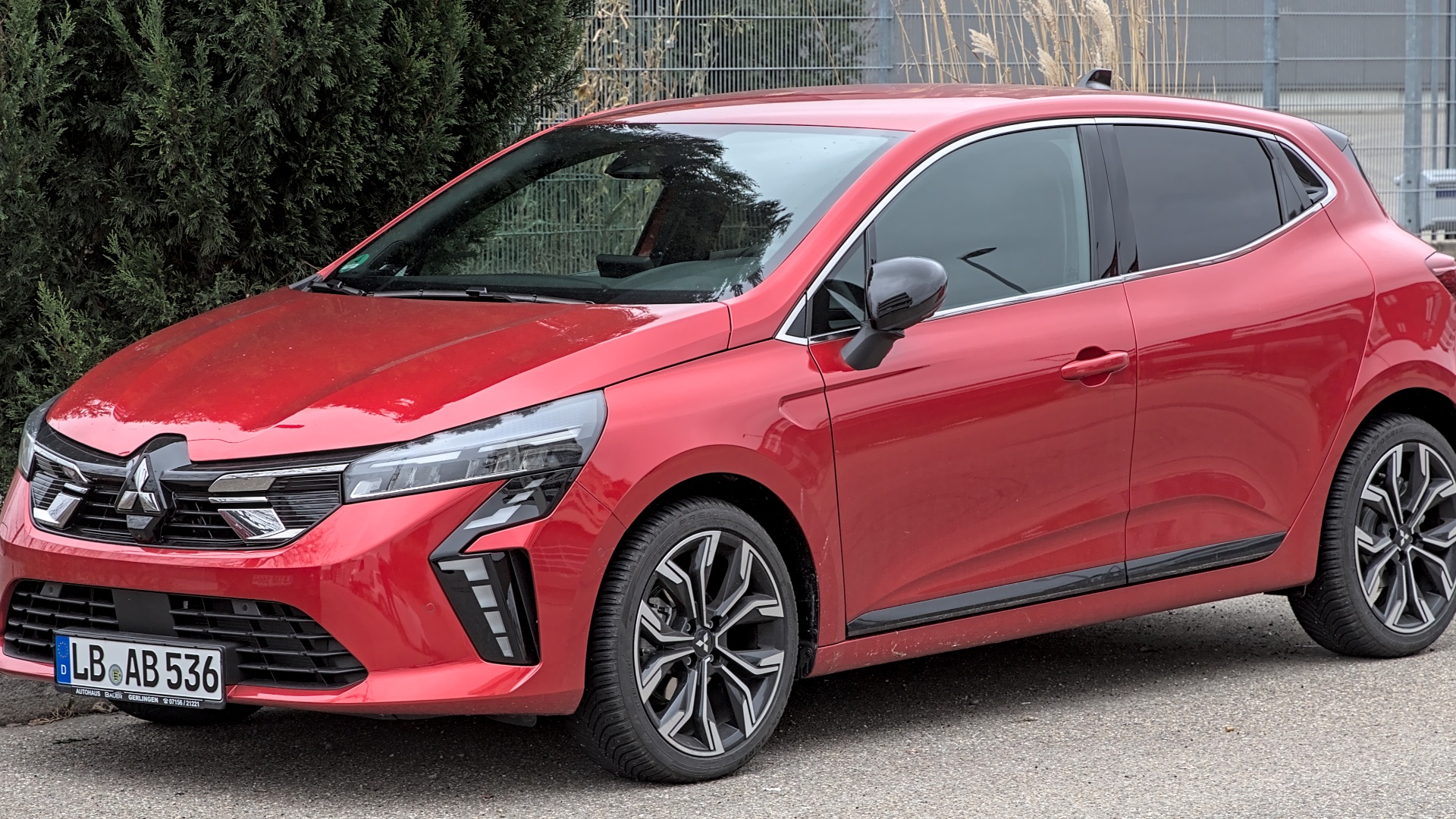
3. Mitsubishi Mirage
The Mirage shows up as one of the deadliest per mile traveled in the same model-year window, and its light weight can work against it in multi-vehicle crashes. It’s also frequently bought for affordability, which can mean more exposure on busy roads and longer ownership cycles. If you’re in one, keeping a generous following distance isn’t optional, but mandatory.
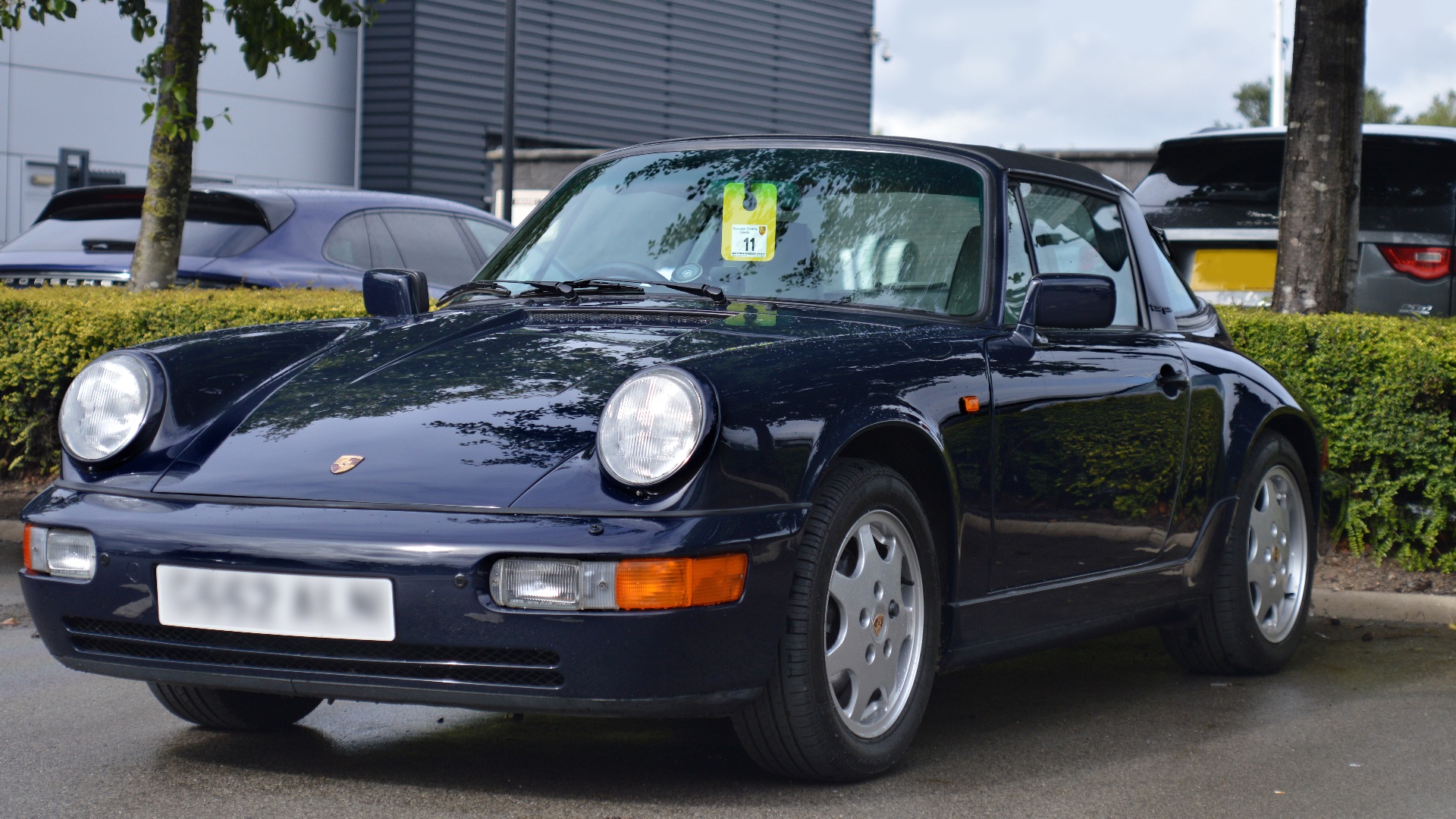
4. Porsche 911
High-powered sports cars tend to have elevated fatal-crash rates per mile, and the 911 is right up there in the rankings. Even with modern stability tech, a car that encourages speed can turn a small lapse into a major event. If you’re going to daily-drive one, treat public roads like they’re full of surprises, because they are.
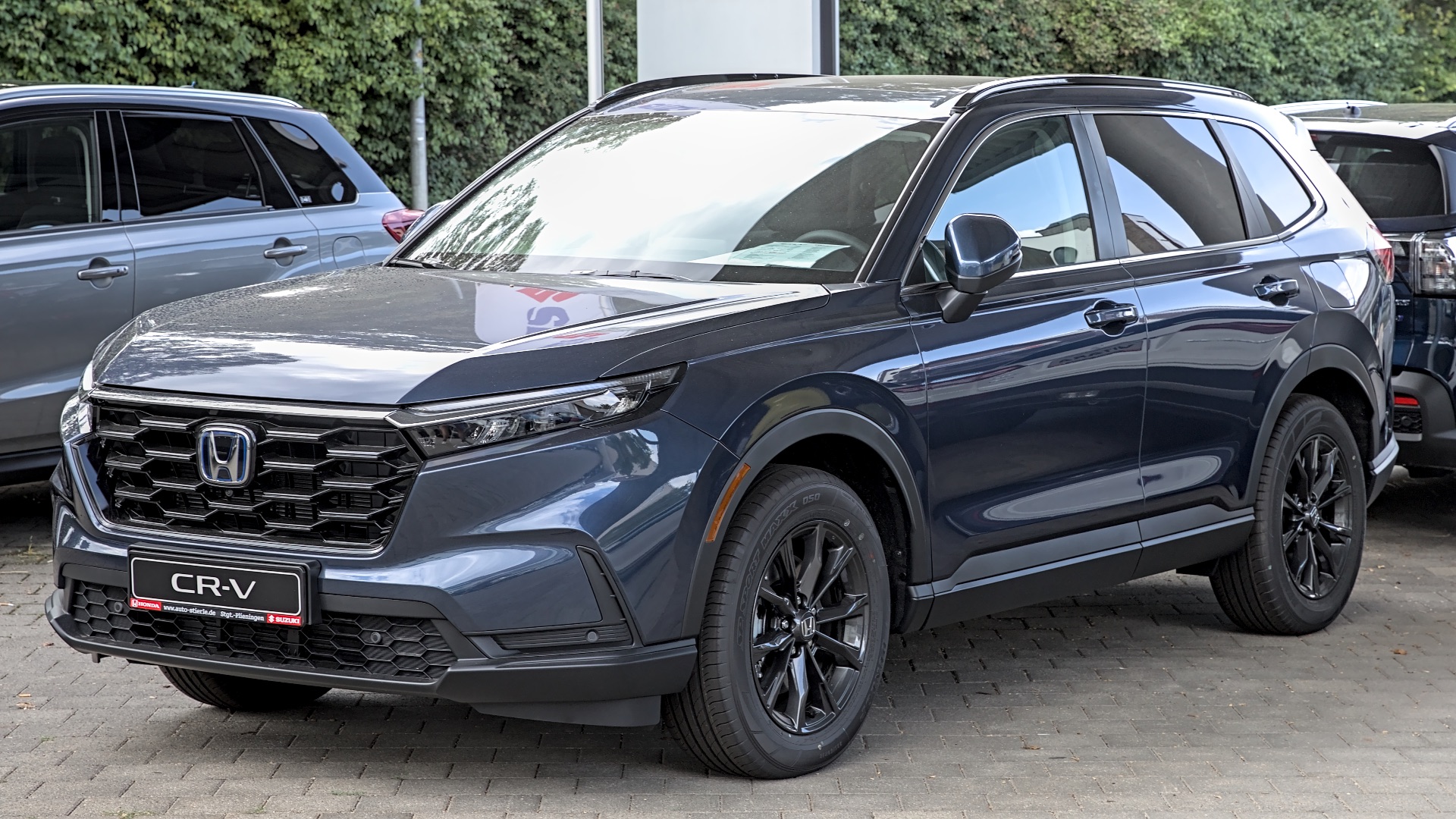
5. Honda CR-V Hybrid
Seeing a practical hybrid SUV this high up in the list catches people off guard, but the data still flags it for frequent occupant fatalities per mile traveled. That doesn’t automatically mean the design is poor, because many vehicles on the list score well in formal crash testing. It does mean you shouldn’t assume “responsible-looking” equals low risk, especially if your driving includes fast arterials and heavy traffic.
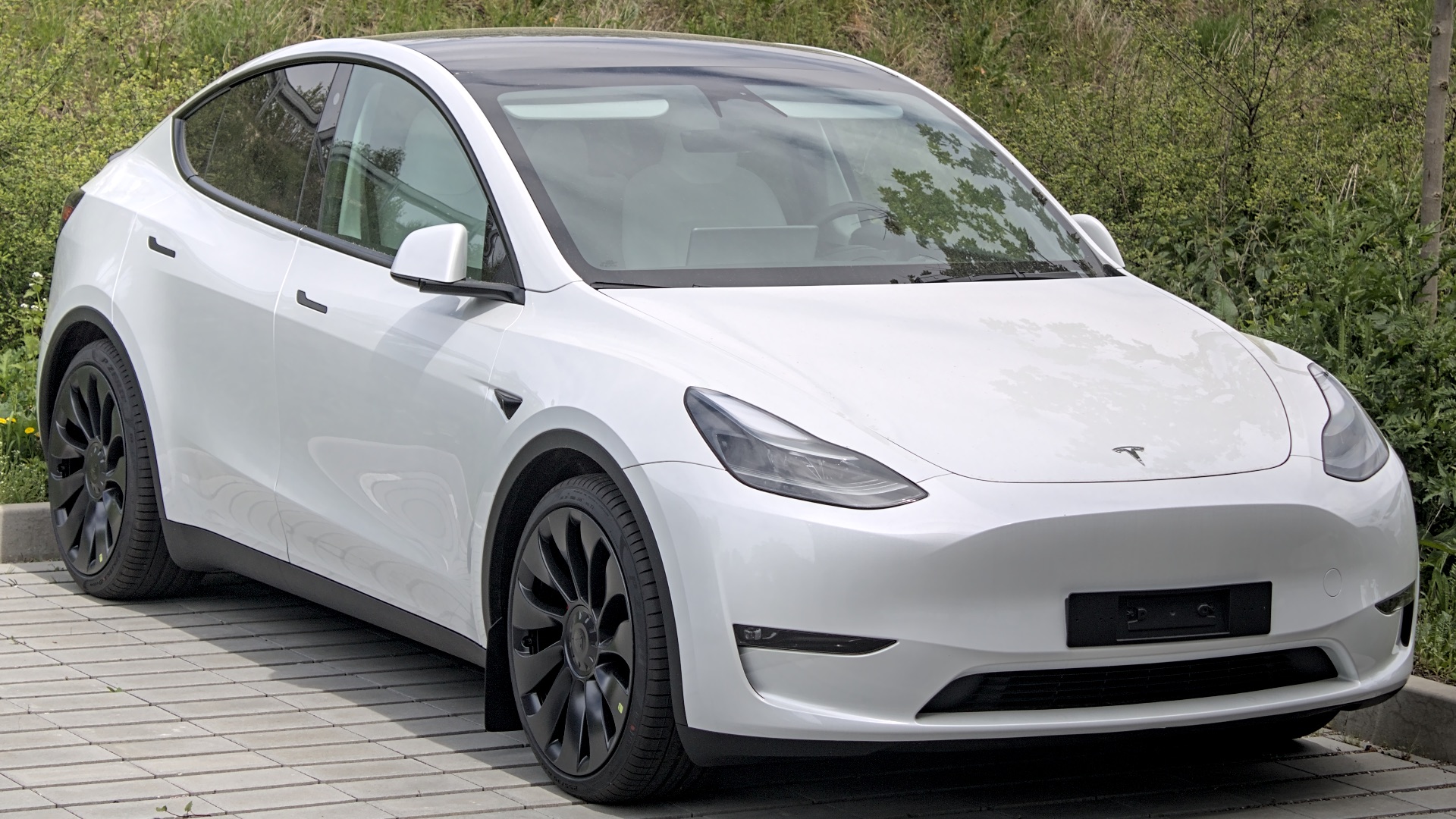
6. Tesla Model Y
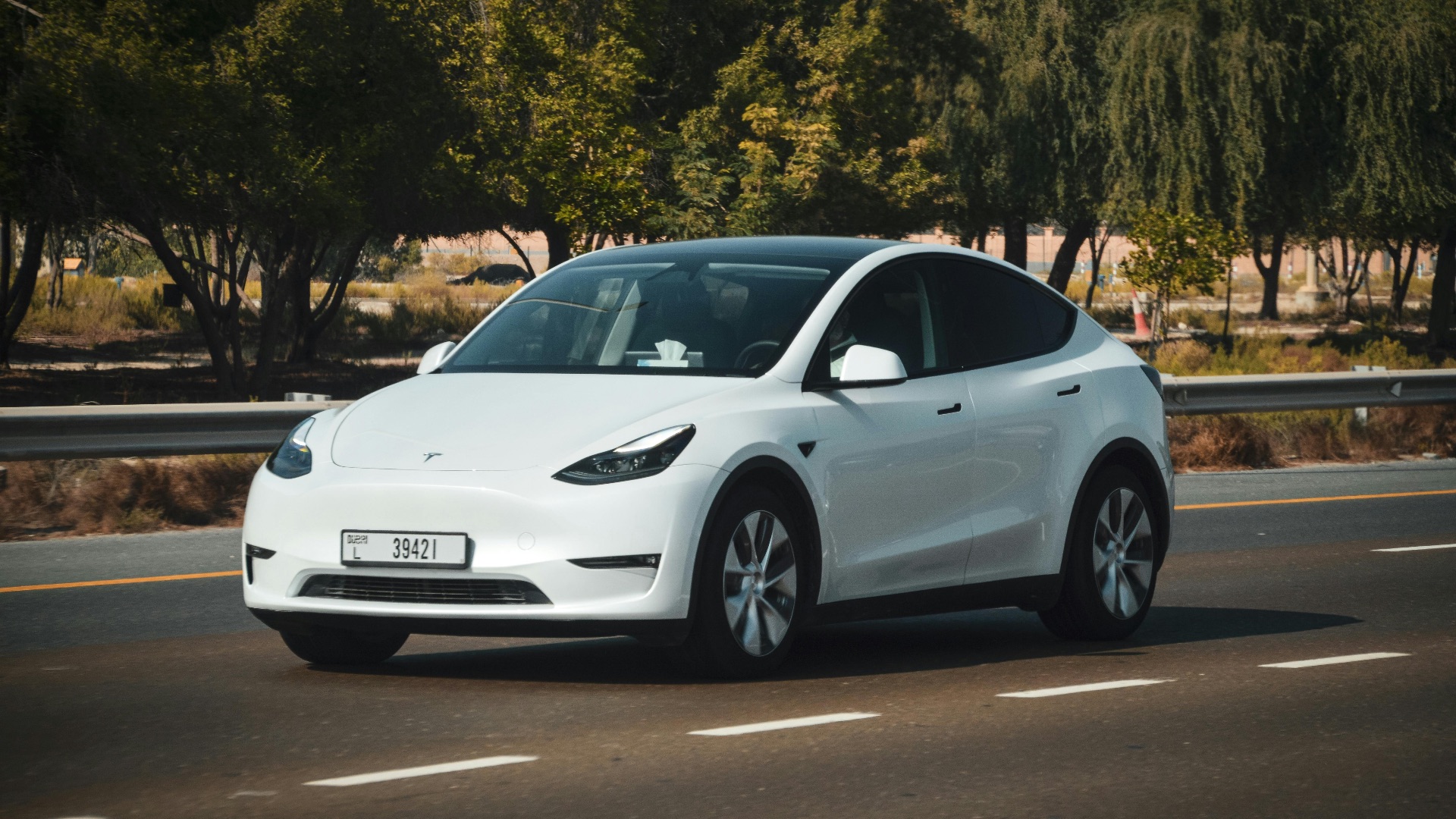
The Model Y makes the list despite advanced driver-assist features, which is a reminder that high-tech can’t make up for risky habits. Higher speeds, distraction, and overconfidence can still push outcomes in the wrong direction. If you drive one, use assistance as backup, not as permission to tune out.
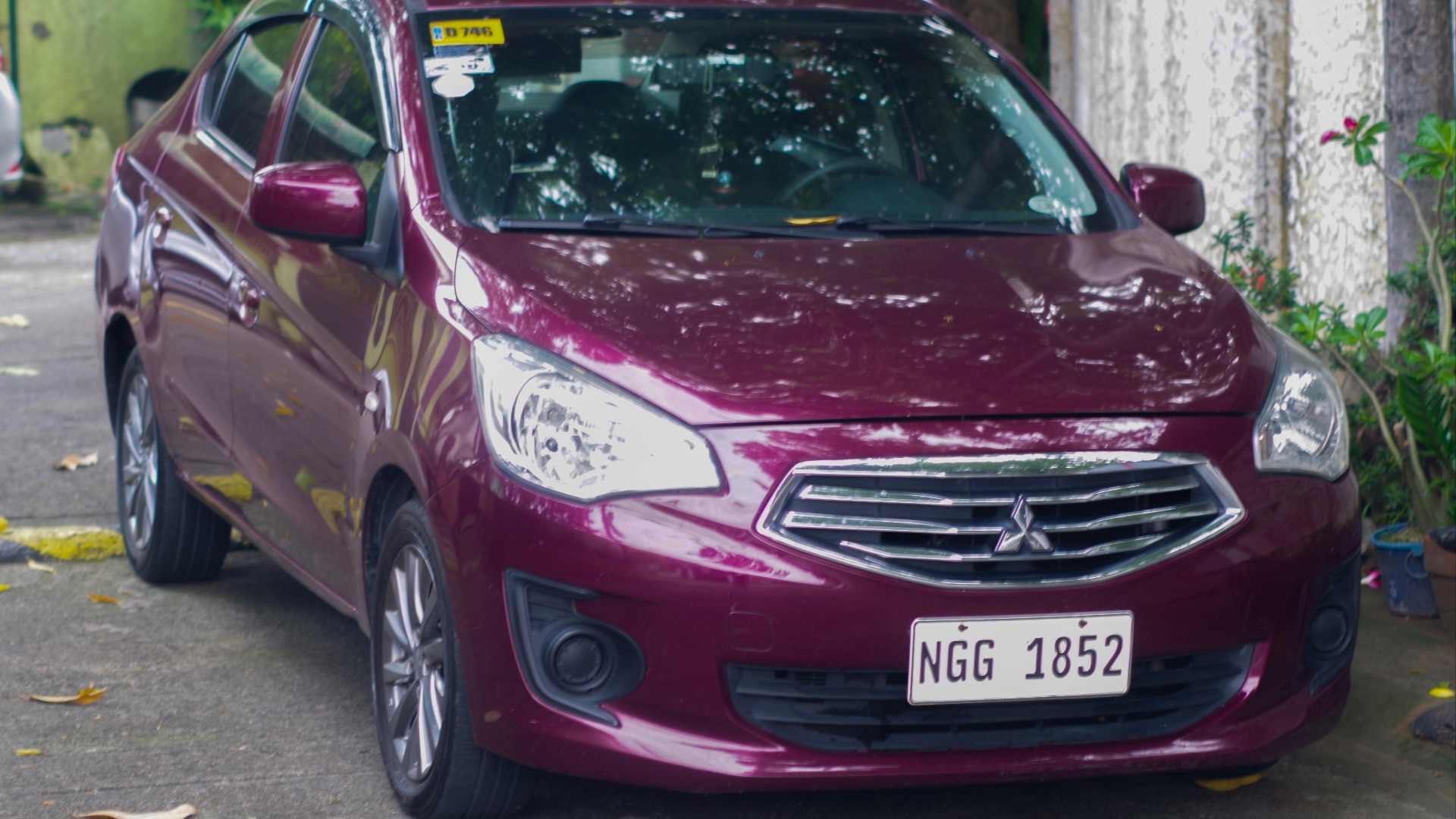
7. Mitsubishi Mirage G4
Driver-death-rate research has singled out the Mirage G4 in earlier model-year groupings, and fatal-crash-per-mile analyses also place it near the top. Small sedans like this face a physics disadvantage when mixing with heavier vehicles, even before you factor in driver behavior. You’ll get the best results by staying predictable and avoiding aggressive merges or last-second lane changes.
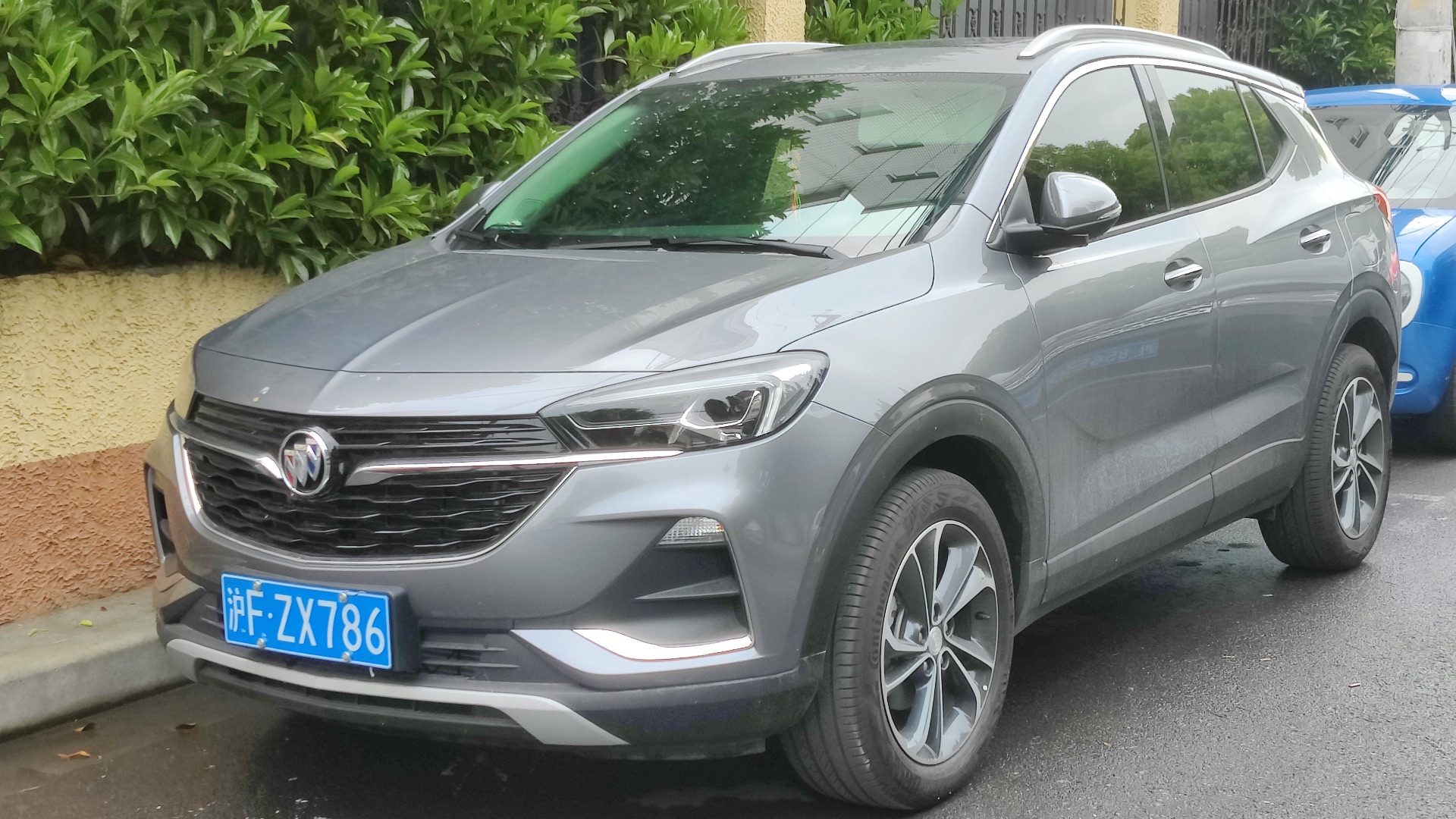
8. Buick Encore GX
The Encore GX ranks high for fatal accidents per mile traveled, and it’s a good example of how “SUV” doesn’t automatically mean “safe.” Smaller crossovers can still be vulnerable in higher-speed impacts, and driving environments matter a lot. If your Encore GX spends time on highways, your biggest safety upgrade is calm, attentive driving.
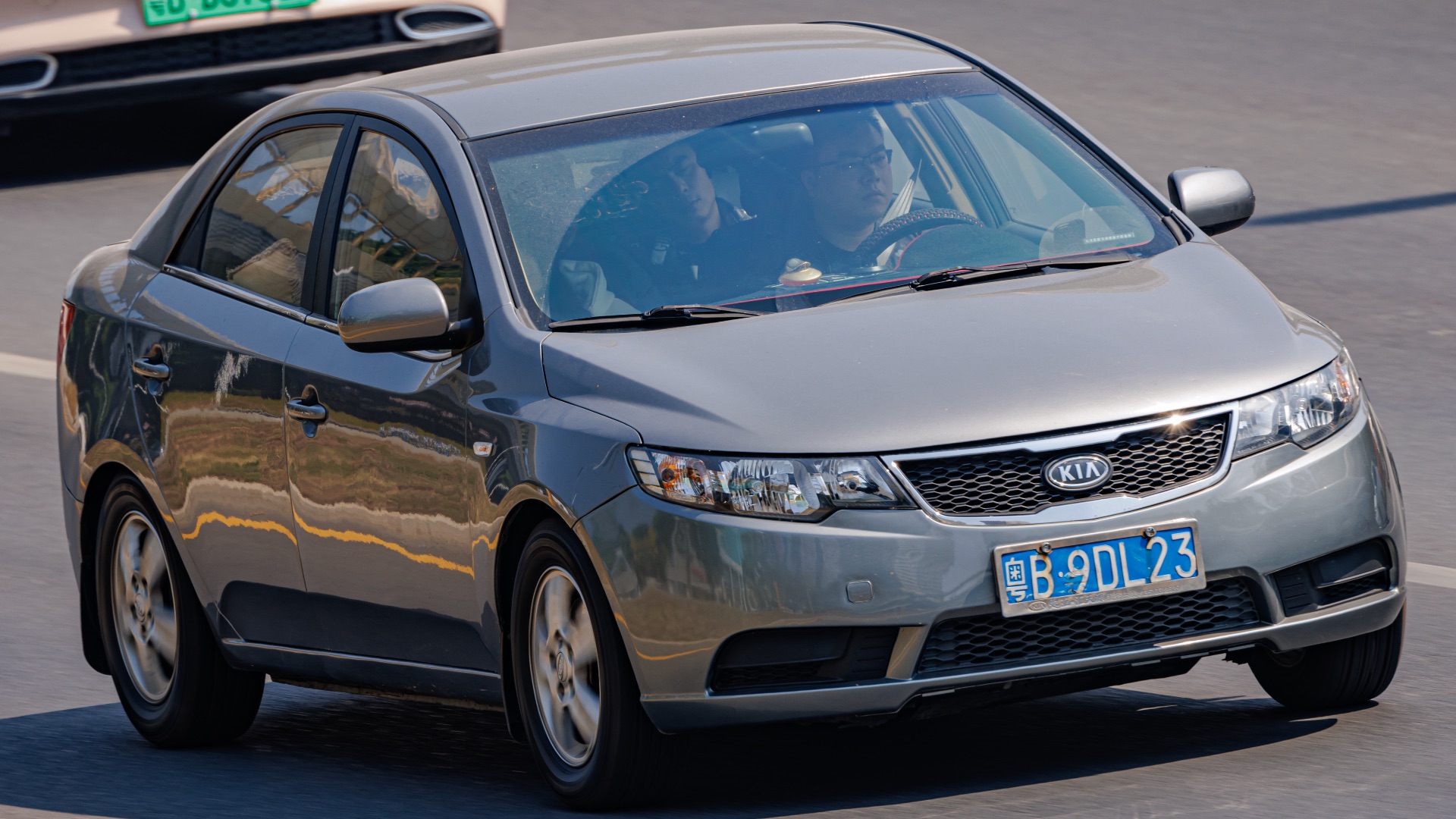
9. Kia Forte
The Forte appears frequently in metro-area breakdowns and shows up in the overall top group of high fatal-accident rates per mile. Mainstream compacts rack up a ton of exposure in dense traffic, where distraction and sudden speed changes are common.
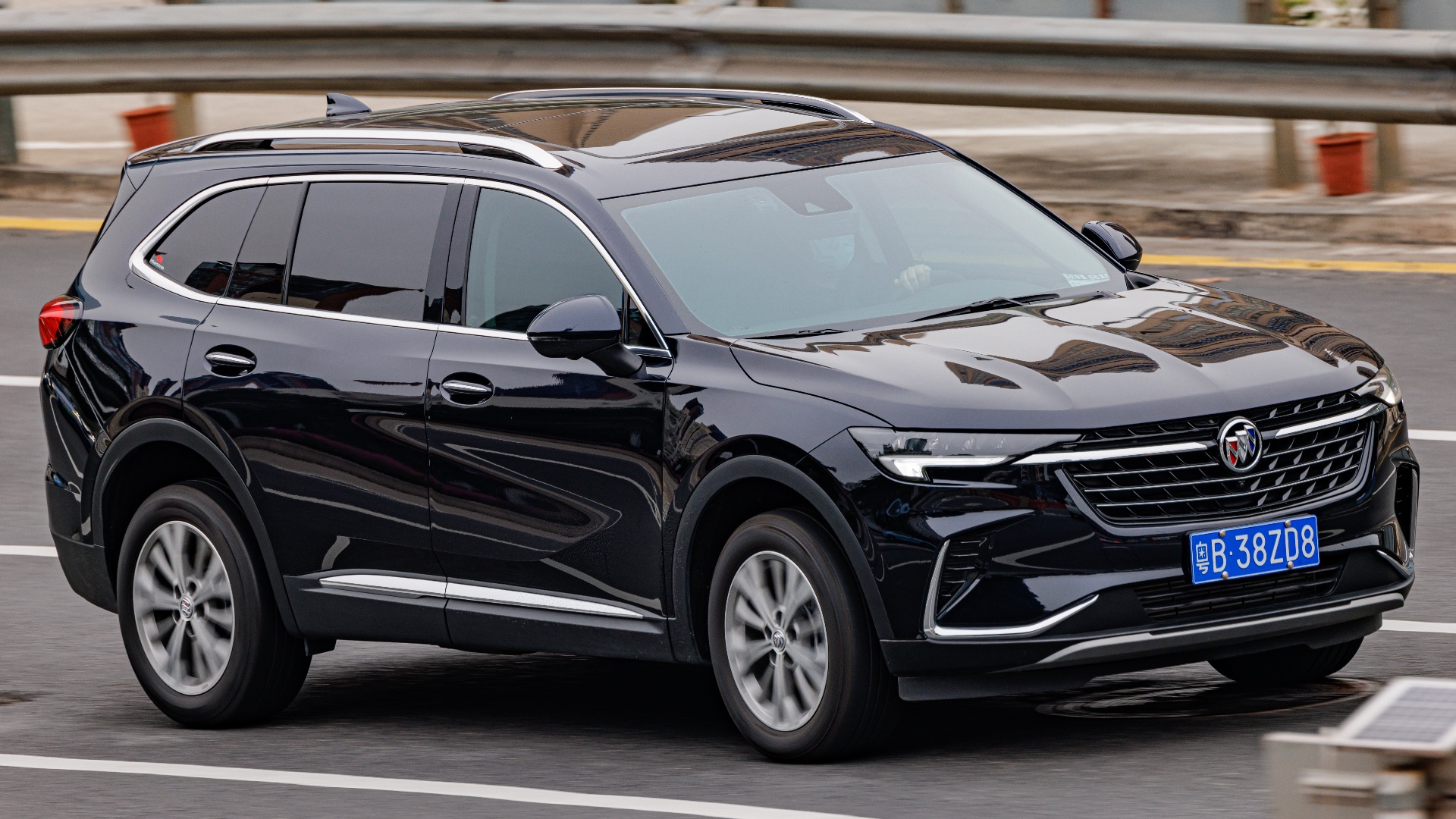
10. Buick Envision
The Envision lands in the top 10 for fatal accidents per mile traveled, reinforcing that size alone isn’t a guarantee. Real-world risk can climb when a vehicle is driven in fast-moving traffic patterns or on road networks with higher crash severity. If you’re behind the wheel, smooth inputs and patience matter.
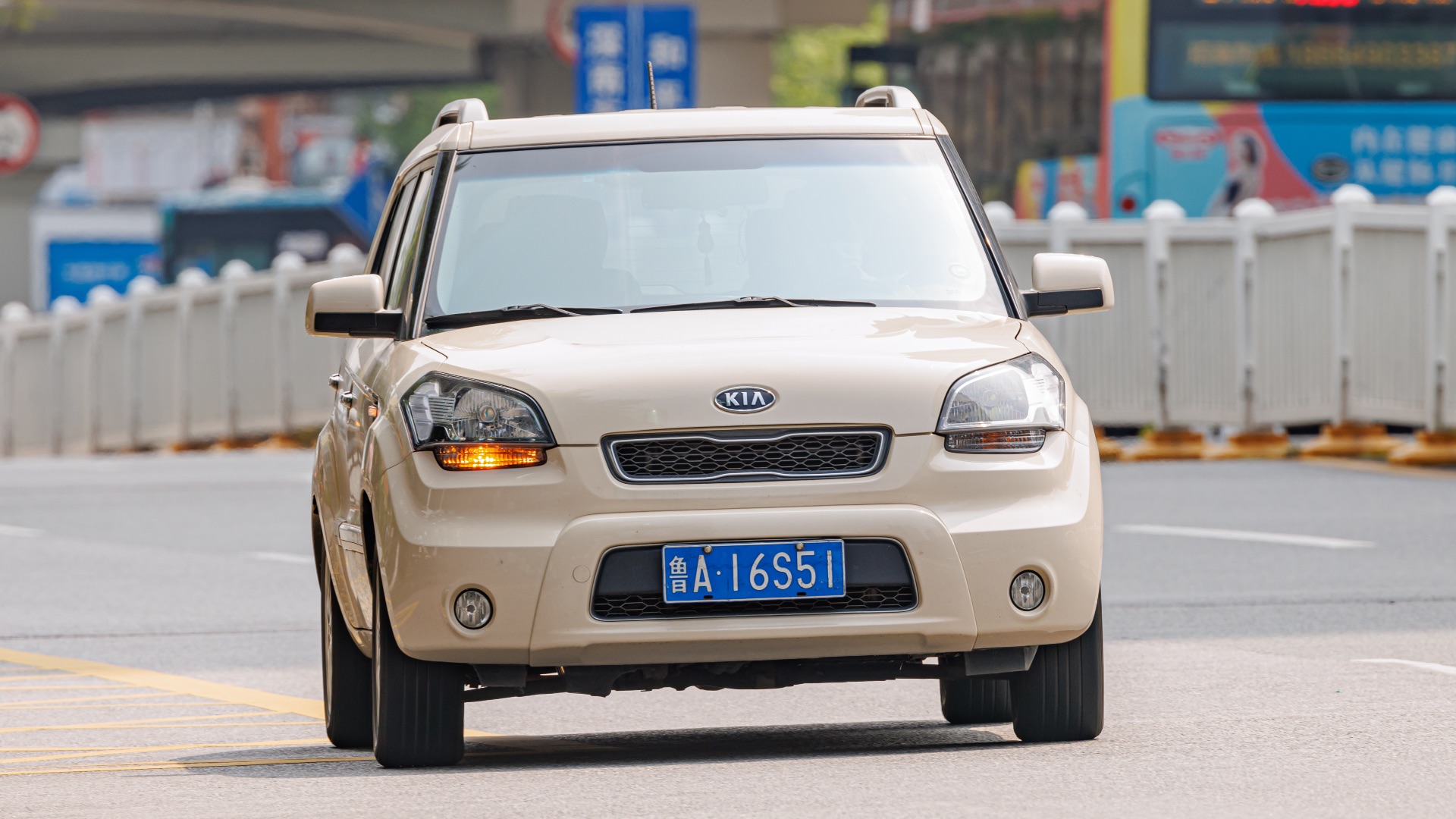
11. Kia Soul
The Soul’s boxy shape makes it easy to spot, and the data makes it hard to ignore. This is another model where the observed fatality rate per mile suggests you should take crash avoidance seriously, even if the car feels friendly and manageable. Put the phone away and give yourself extra room, because tight gaps are where bad outcomes start.
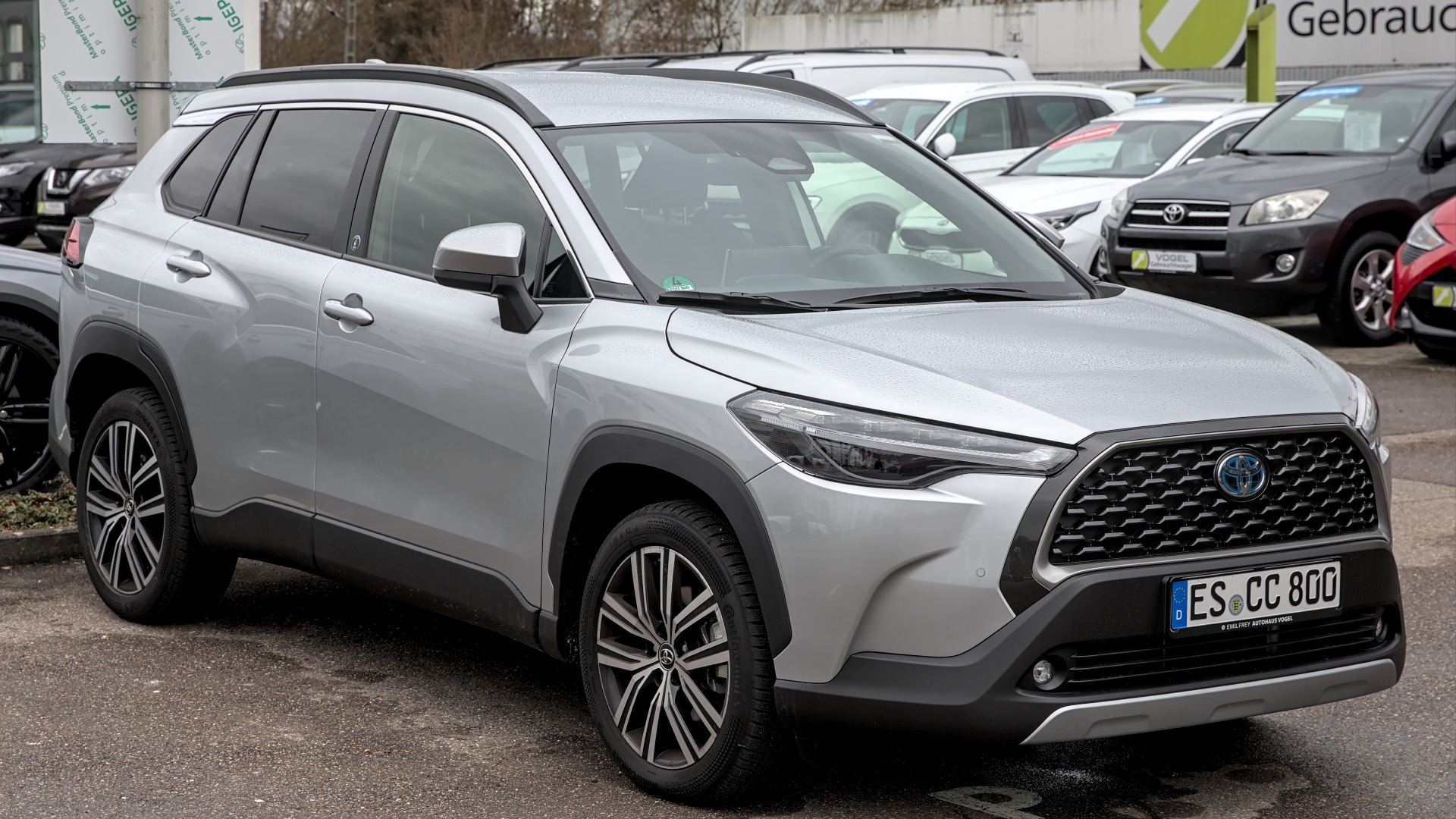
12. Toyota Corolla Hybrid
The Corolla Hybrid’s appearance on this list surprises people who associate the nameplate with safe, sensible driving. Still, the fatal-accident-per-mile ranking flags it as higher risk than average in the analyzed years. If you drive one, don’t let the “responsible” vibe lull you into autopilot behavior.
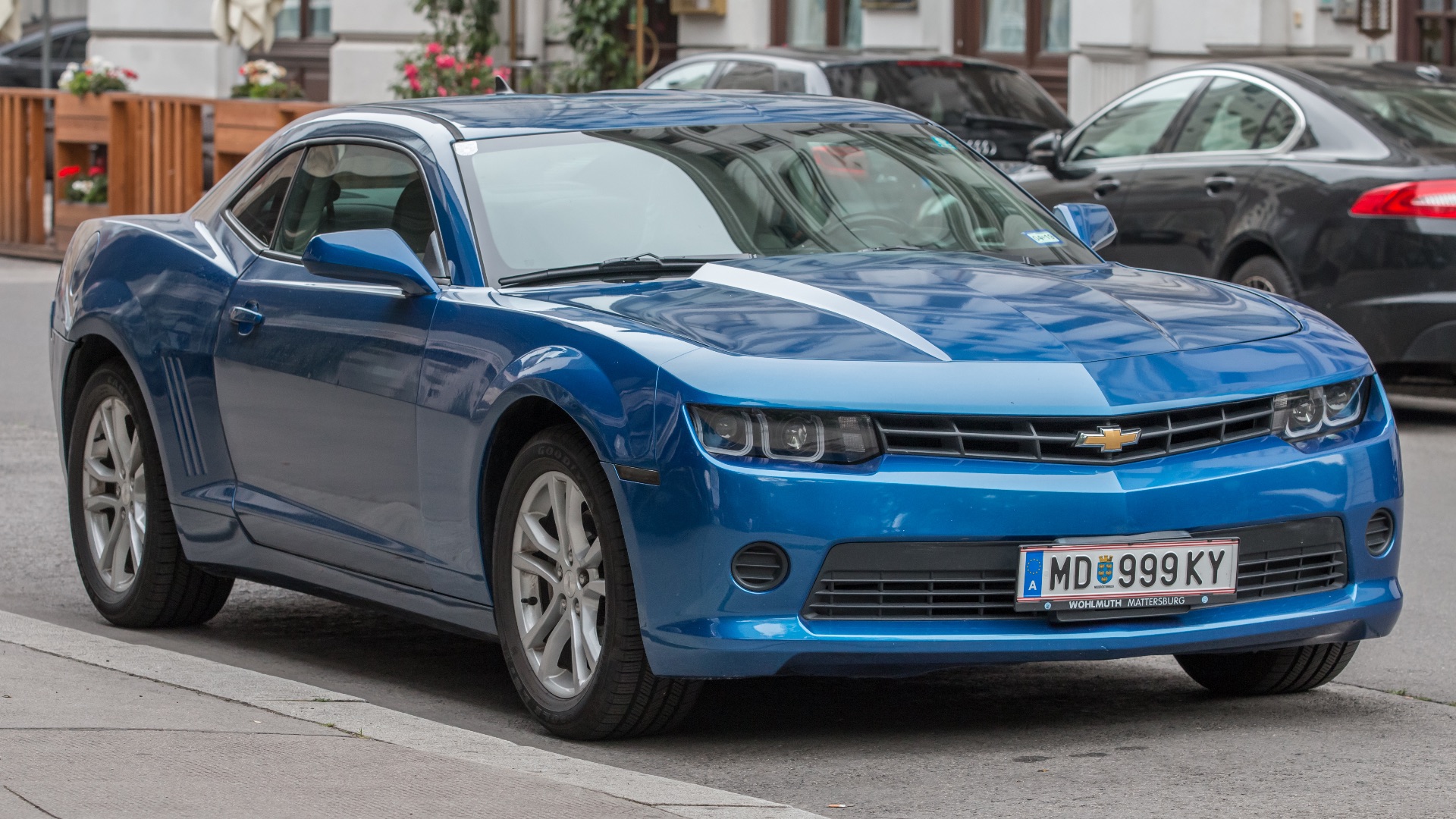
13. Chevrolet Camaro
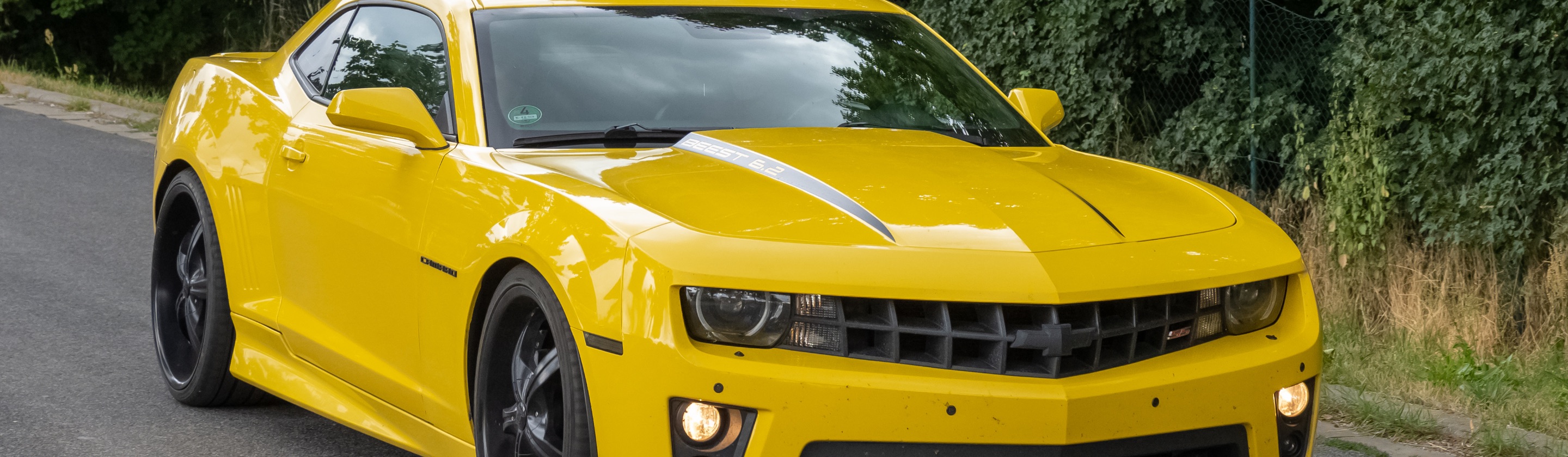
The Camaro ranks among the higher-risk models per mile traveled, which tracks with what driver-death-rate research often highlights about muscle cars. Power plus temptation can lead to speed choices that shrink your margin for error. If you want to keep it fun without making it risky, keep traction and visibility in mind before you touch the throttle.
 Johannes Maximilian on Wikimedia
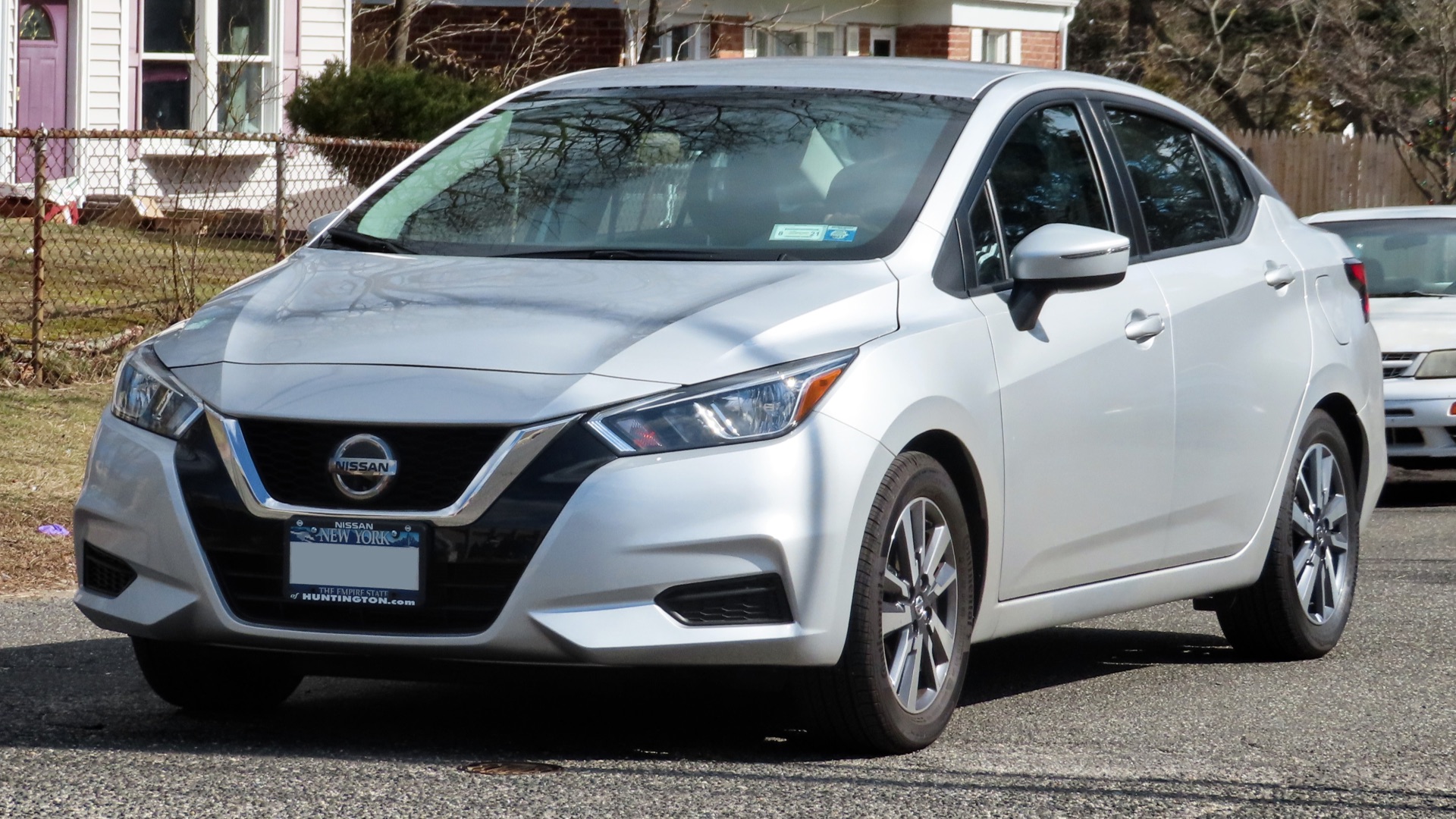
14. Nissan Versa
The Versa sits high on the list, and small cars can be especially exposed in collisions with larger vehicles. They’re also common in city driving, where intersection conflicts and quick lane shifts pile up. You’ll get a lot of safety back by making your intentions obvious early.
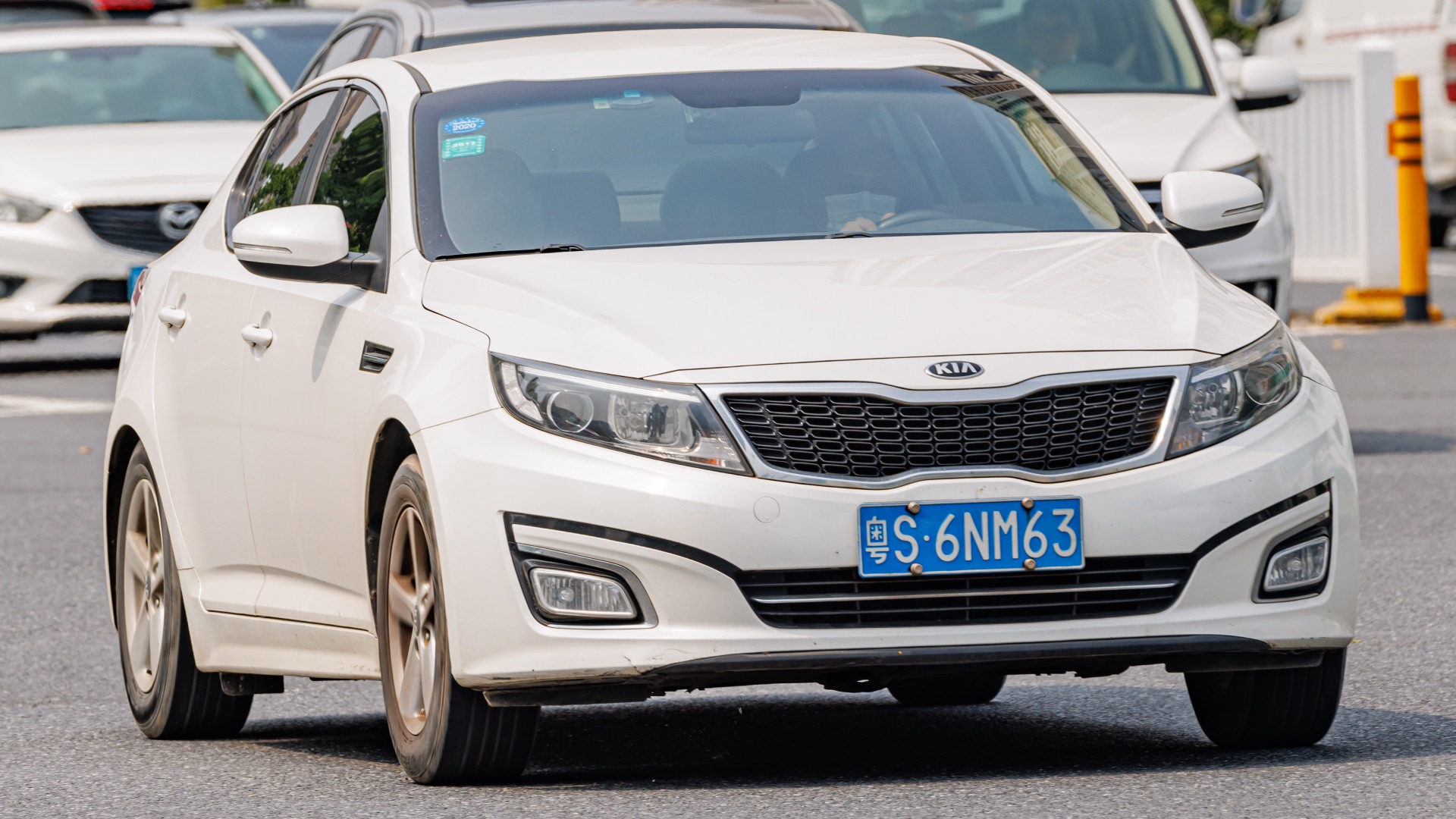
15. Kia K5
The K5 makes the rankings with a fatal-accident rate well above the overall average for the studied years. Midsize sedans can feel stable and confidence-inspiring, which sometimes nudges drivers into higher cruising speeds. If you own one, keep the confidence and lose the urgency.
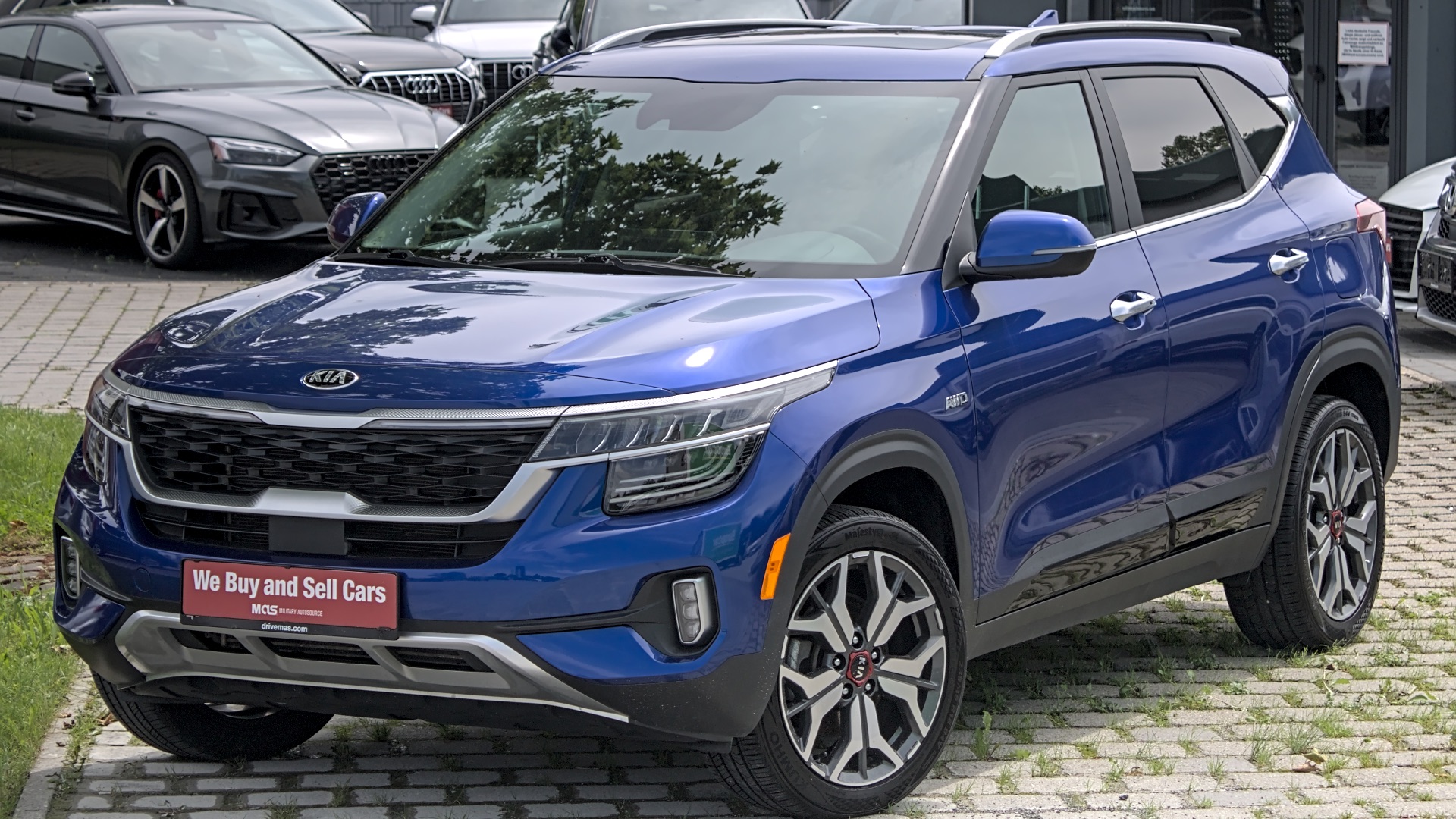
16. Kia Seltos
The Seltos appears among the higher fatal-accident-rate vehicles, showing that smaller SUVs can still have serious real-world risk. Road conditions and driver habits can outweigh a vehicle’s general category in a hurry. If your Seltos is your “do everything” car, make “drive defensively” the one feature you always turn on.
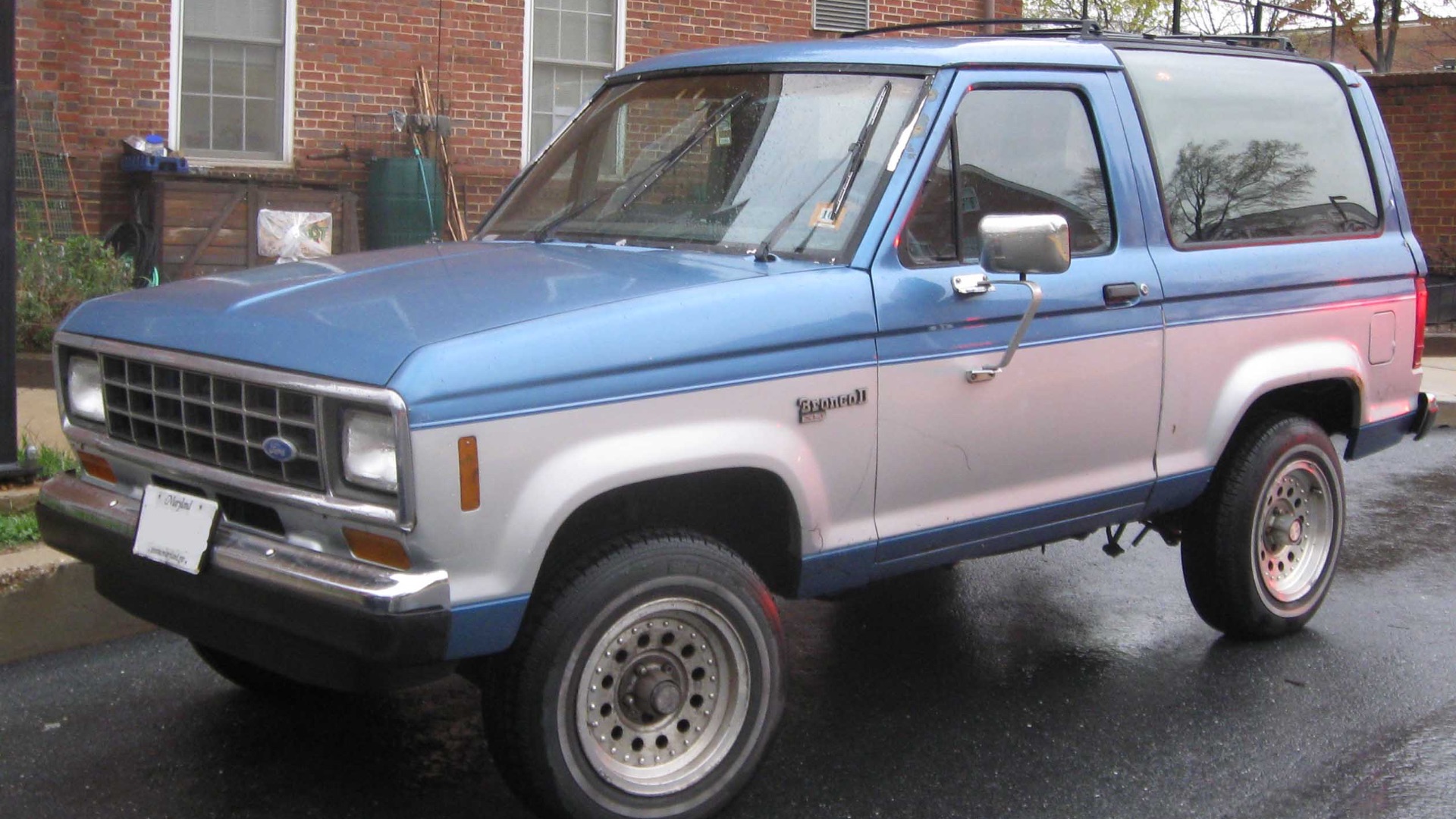
17. Ford Bronco
The Bronco is specifically called out as a larger model with a fatal accident rate more than twice the overall average in the study. Higher center of gravity and off-road styling can increase rollover exposure in certain crash types, especially when speed is involved.
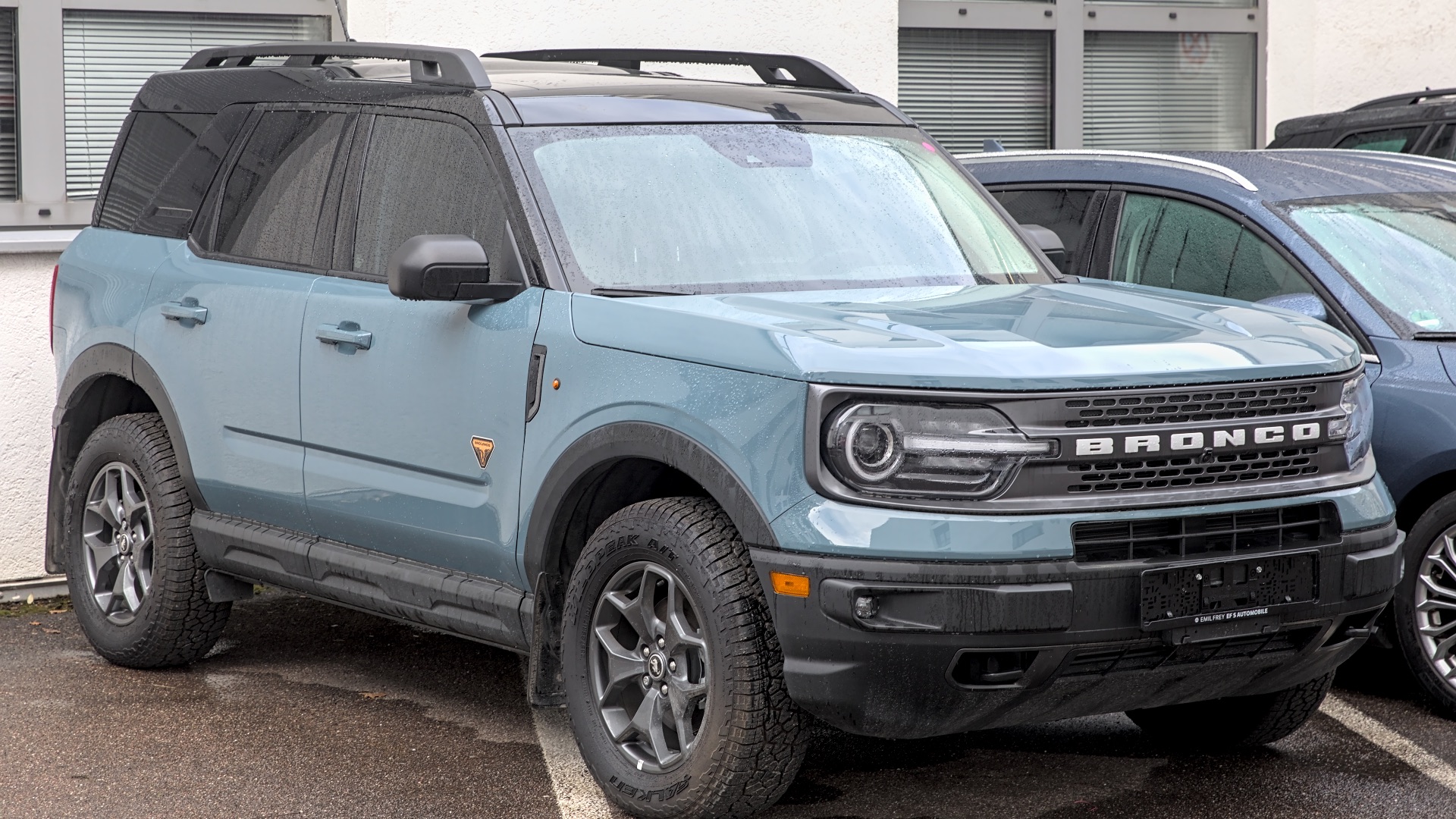
18. Ford Bronco Sport
The Bronco Sport also lands high, and it’s another reminder that “rugged” branding doesn’t reduce crash consequences. Smaller SUVs can be driven like they’re invincible, even though real-world outcomes don’t always match that confidence. If you’re piloting one, keep your speed realistic for the road surface and traffic flow you’re actually in.
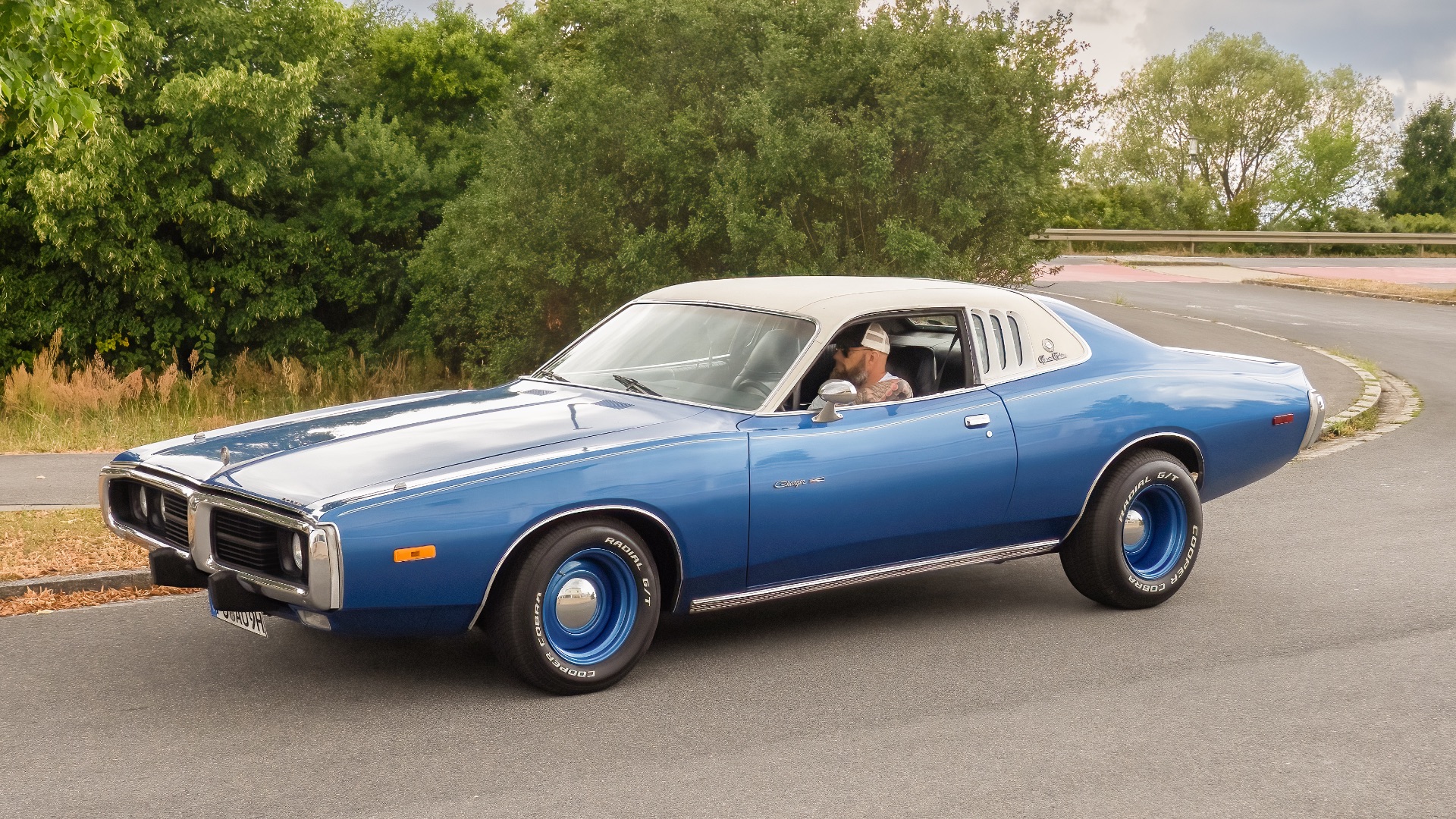
19. Dodge Charger
The Charger’s presence fits a pattern seen in driver-death-rate discussions about powerful cars and risky driving behavior. Big horsepower, rear-wheel-drive variants, and higher average speeds can combine into a bad time when conditions change suddenly.
20. Toyota Prius
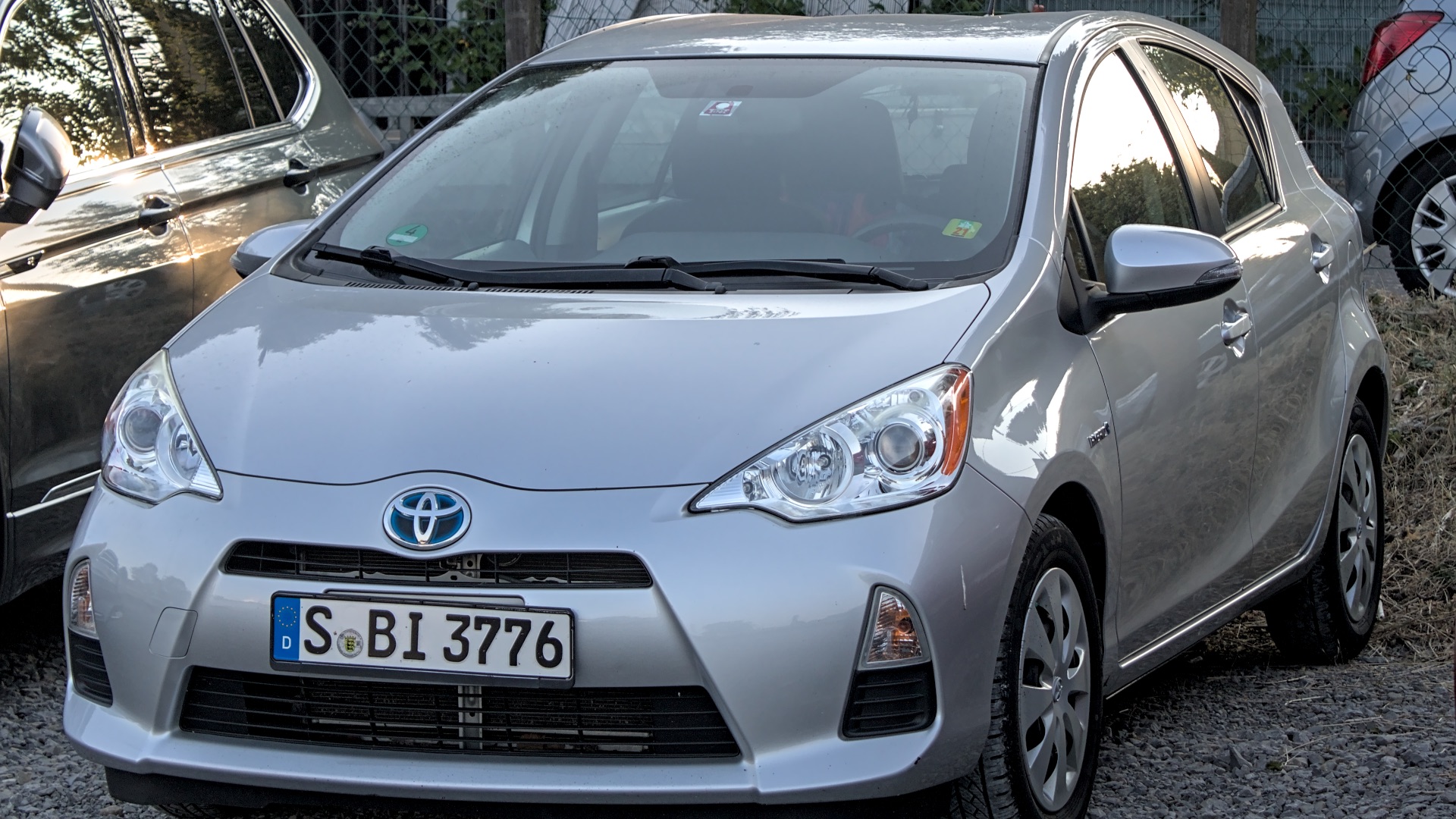
The Prius shows up with a fatal accident rate above twice the overall average in the analysis, which tends to surprise people who think of it as purely conservative transportation. What matters here is the outcome data per mile, not the stereotype of the typical driver. If you’re in a Prius, focus on being predictable, staying alert at intersections, and not letting frustration turn into rushed decisions.