Hunk of Junk or Gold Mine?
If you’ve got an old car that’s more “project” than “pride,” you’re probably wondering whether it’s worth anything. The good news is that plenty of junkers still have real value, and you don’t need a perfect vehicle to get paid. The bad news is that not every one of them makes the cut. Let’s explore how you can tell whether it’s time to let go or time to ask for offers.
1. You Have a Clean Title in Your Name
A clear, transferable title makes the sale straightforward, and buyers usually pay more when paperwork won’t turn into a headache. If the title matches your ID and there aren’t liens attached, you’re already ahead of the game.
2. The Car is Complete and Mostly Intact
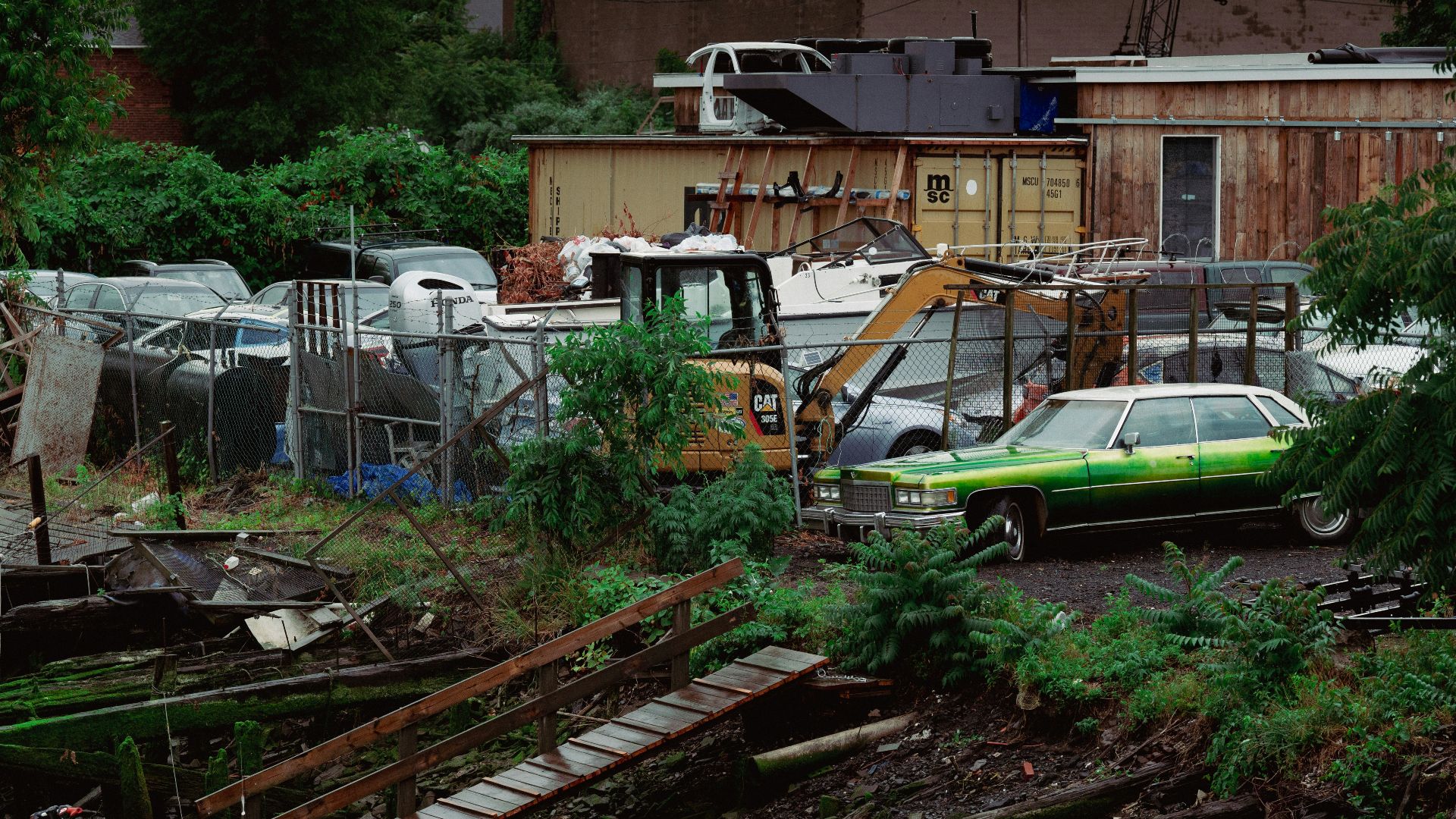
When the doors, hood, wheels, and major components are still there, your junker’s easier to process. It’s also worth more to the buyer. Missing parts often mean extra handling and less resale opportunity, which can shrink what you’re offered.
3. The Engine and Transmission Are Still Present
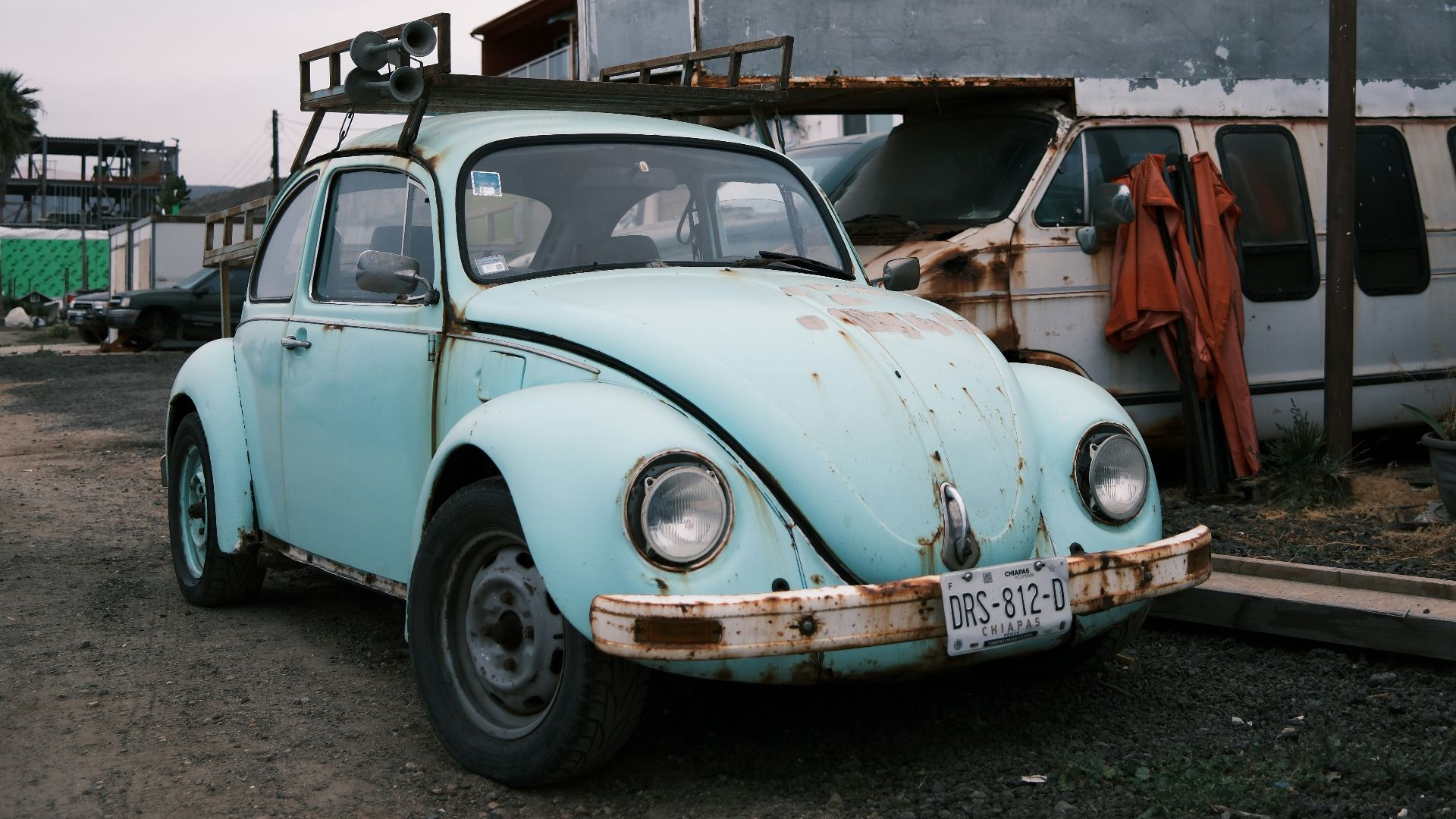
A non-running car can still bring in money, but a missing drivetrain tends to lower interest. Buyers usually price vehicles based on what can be reused or rebuilt, and those big components matter. If the engine and transmission are in place, your odds of getting a decent offer improve.
4. You Know the Make, Model, and Year Without Guessing
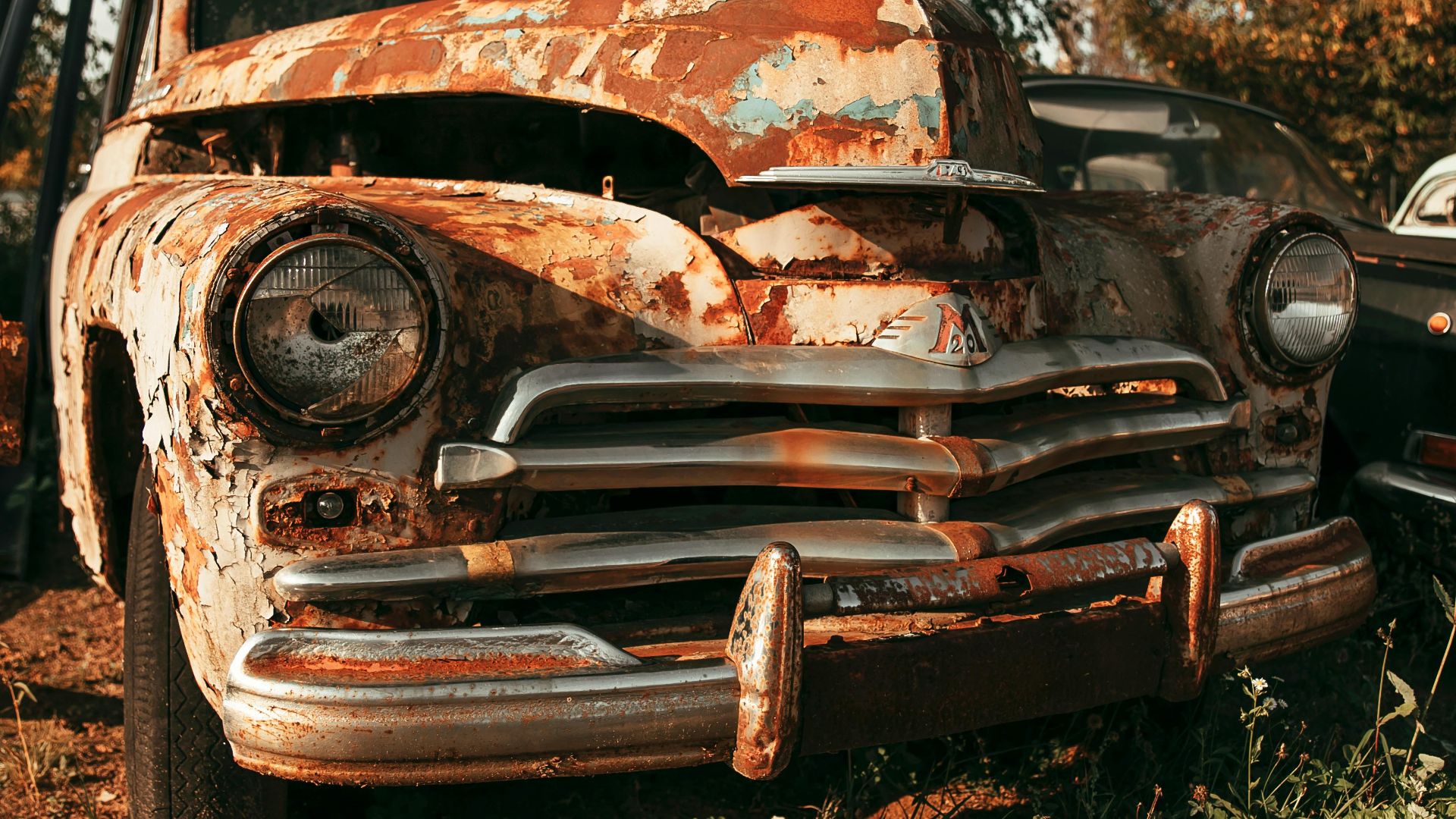
Having basic details ready makes quotes easier and prevents lowball offers based on uncertainty. Buyers can price your junker more accurately when they can quickly check parts demand and typical value, so have that information on hand.

5. The Car Has a Popular or In-Demand Model Name
Some vehicles have strong parts demand because they’re common on the road and people keep them running for years. That demand can translate into better payouts, even when the vehicle itself is done for.
6. The Body Isn’t Severely Rusted Through
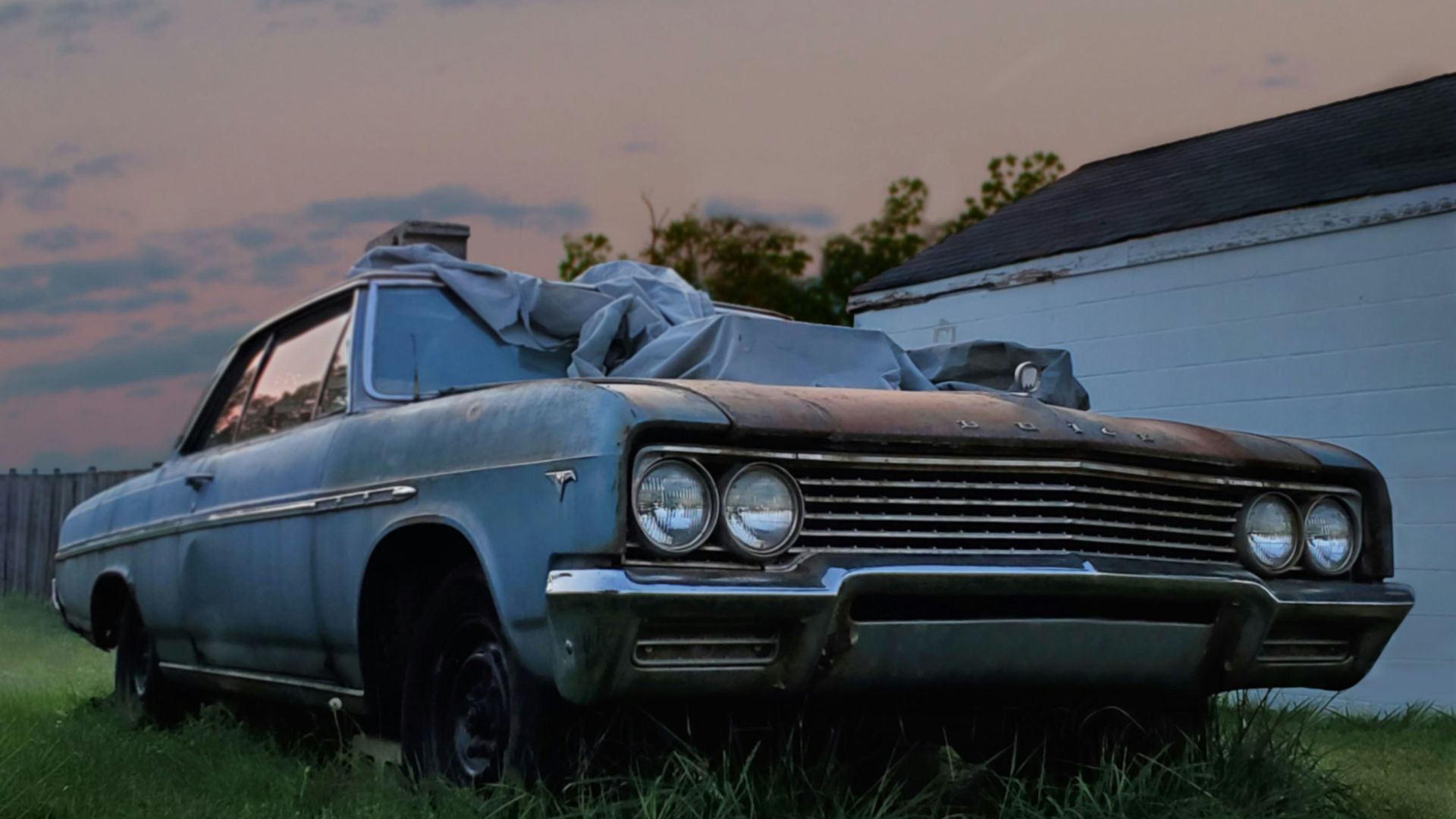
Surface rust is common, but major structural rot can make a vehicle harder to move, dismantle, or resell for parts. Buyers often worry about safety during towing and the condition of salvageable panels. If certain areas aren’t falling apart, your junker is more likely to earn you money.
7. You’ve Got the Catalytic Converter Still Installed
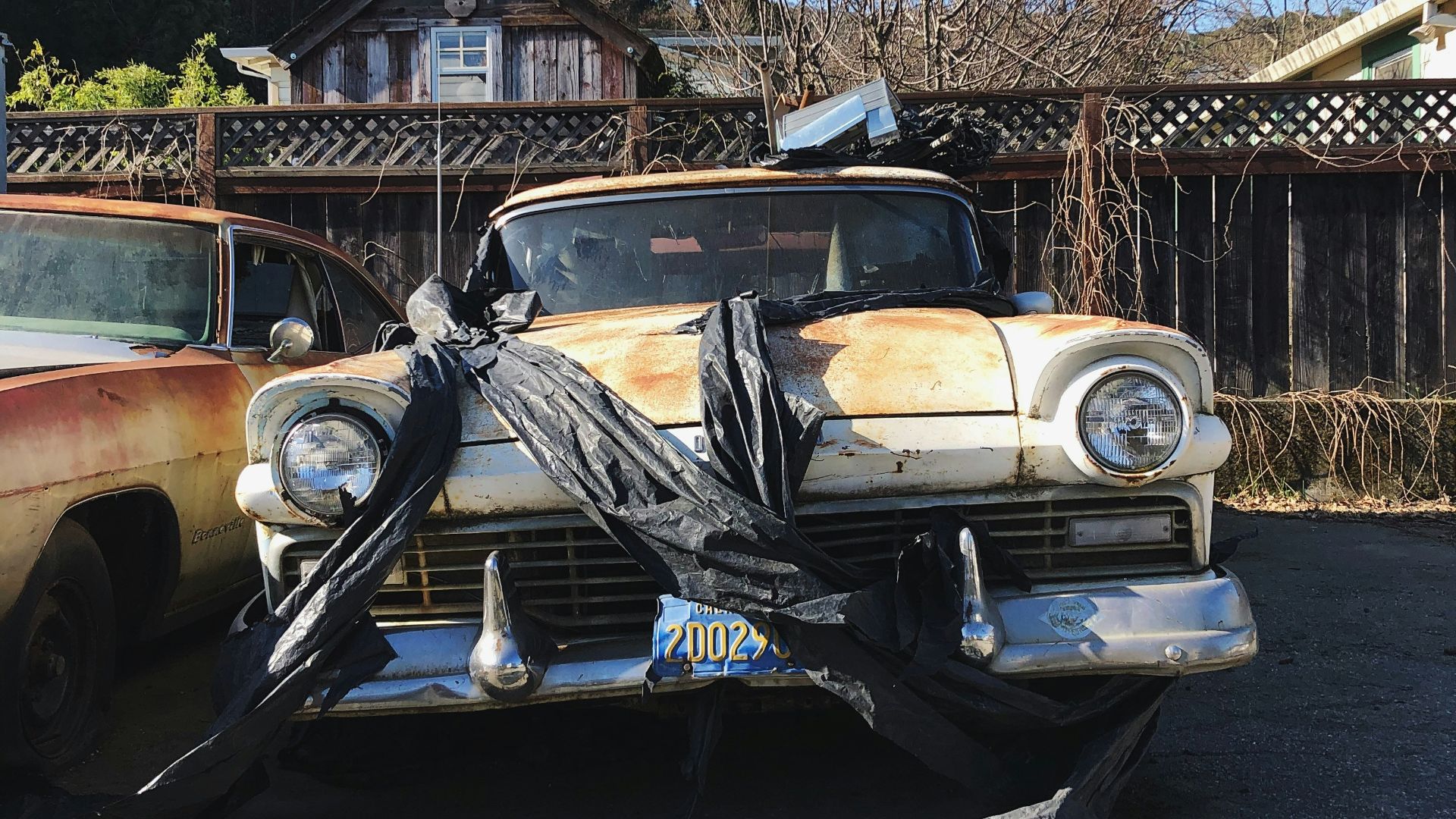
Catalytic converters can add meaningful value, and many buyers check for them right away. However, if it’s missing, offers drop because a valuable component is already gone.
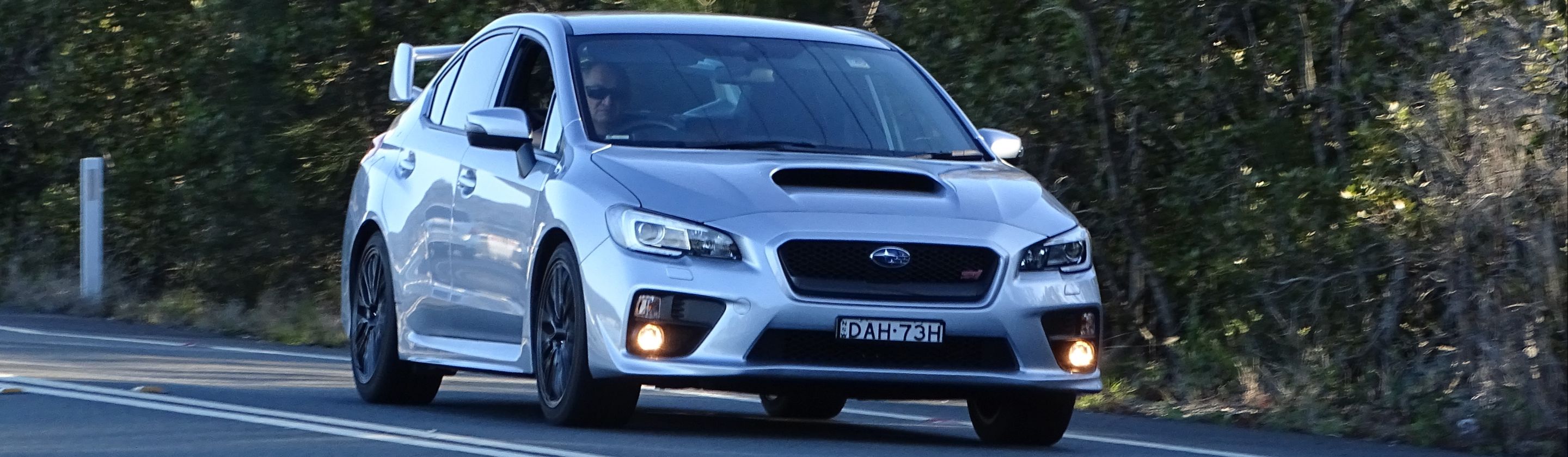
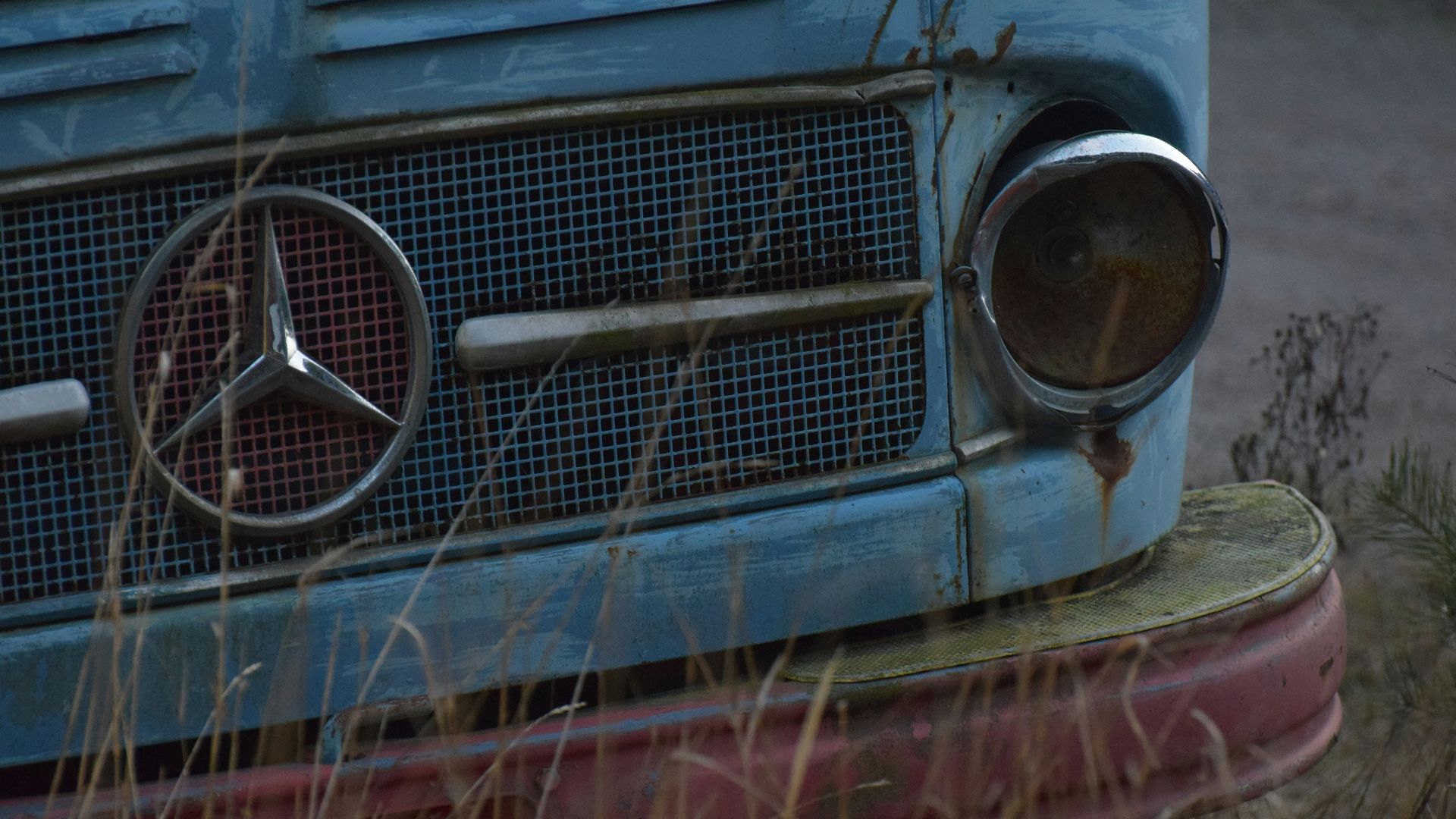
 Ximonic (Simo Räsänen) on Wikimedia
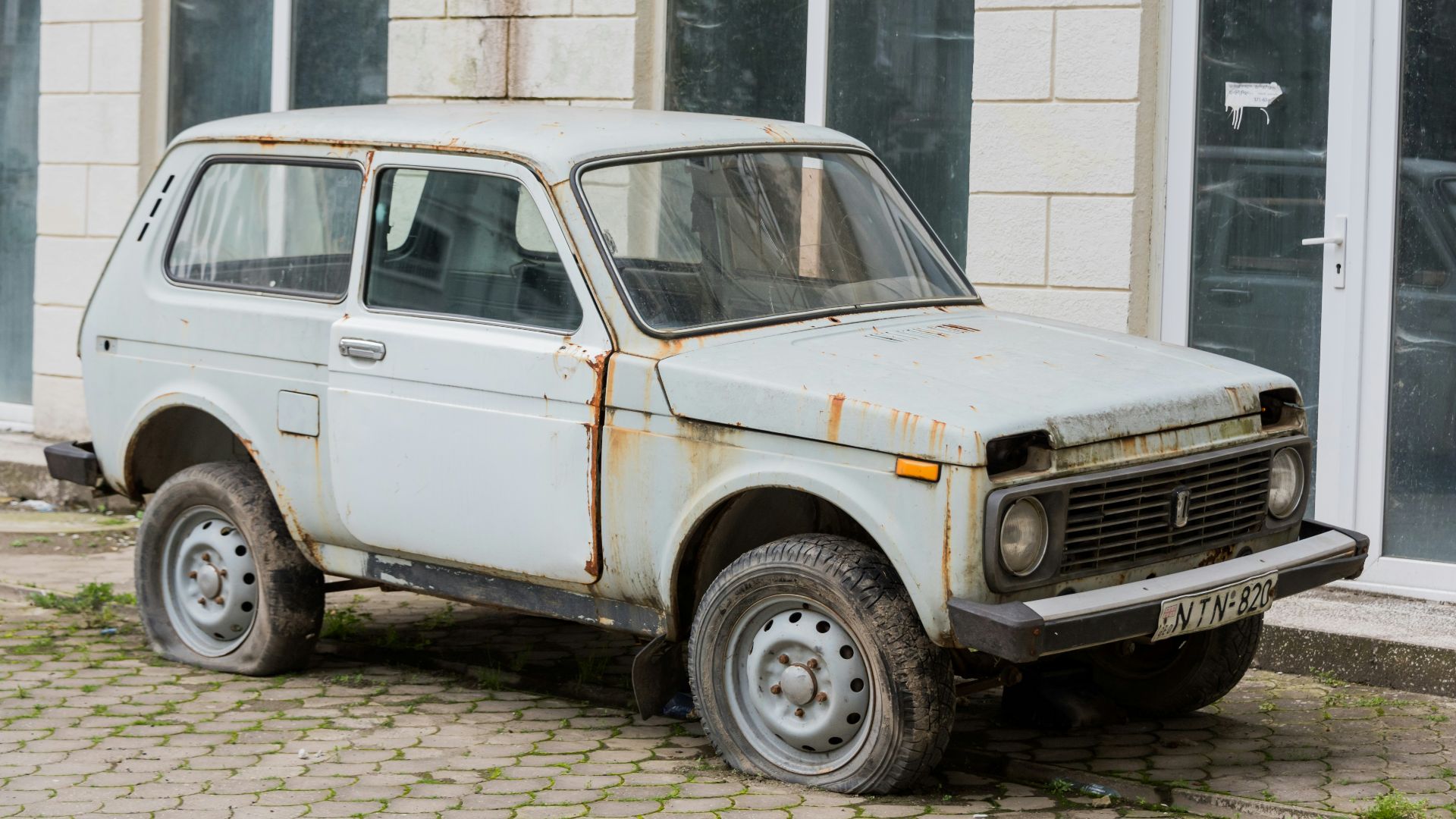
8. The Wheels and Tires Are Still On It
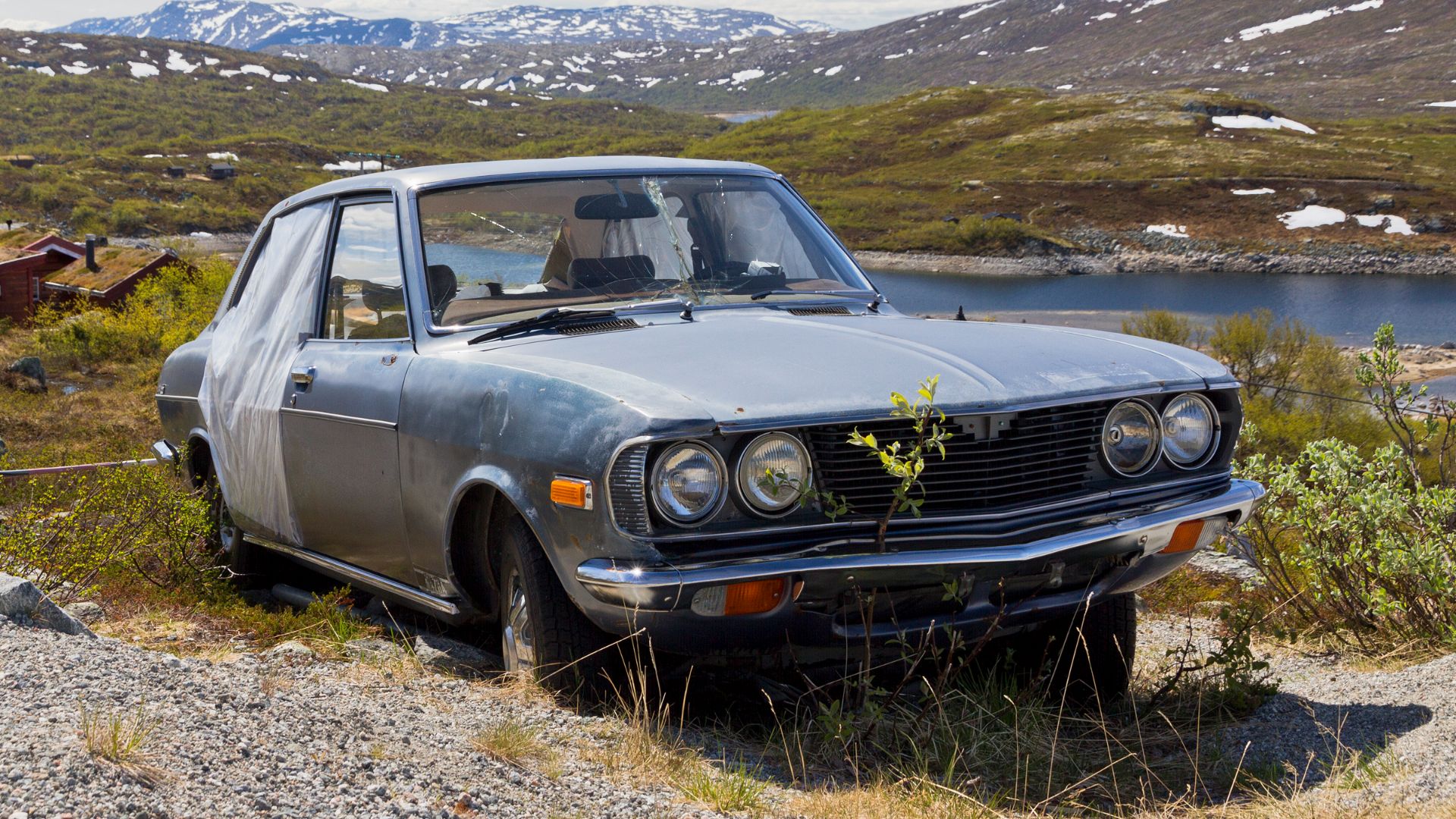
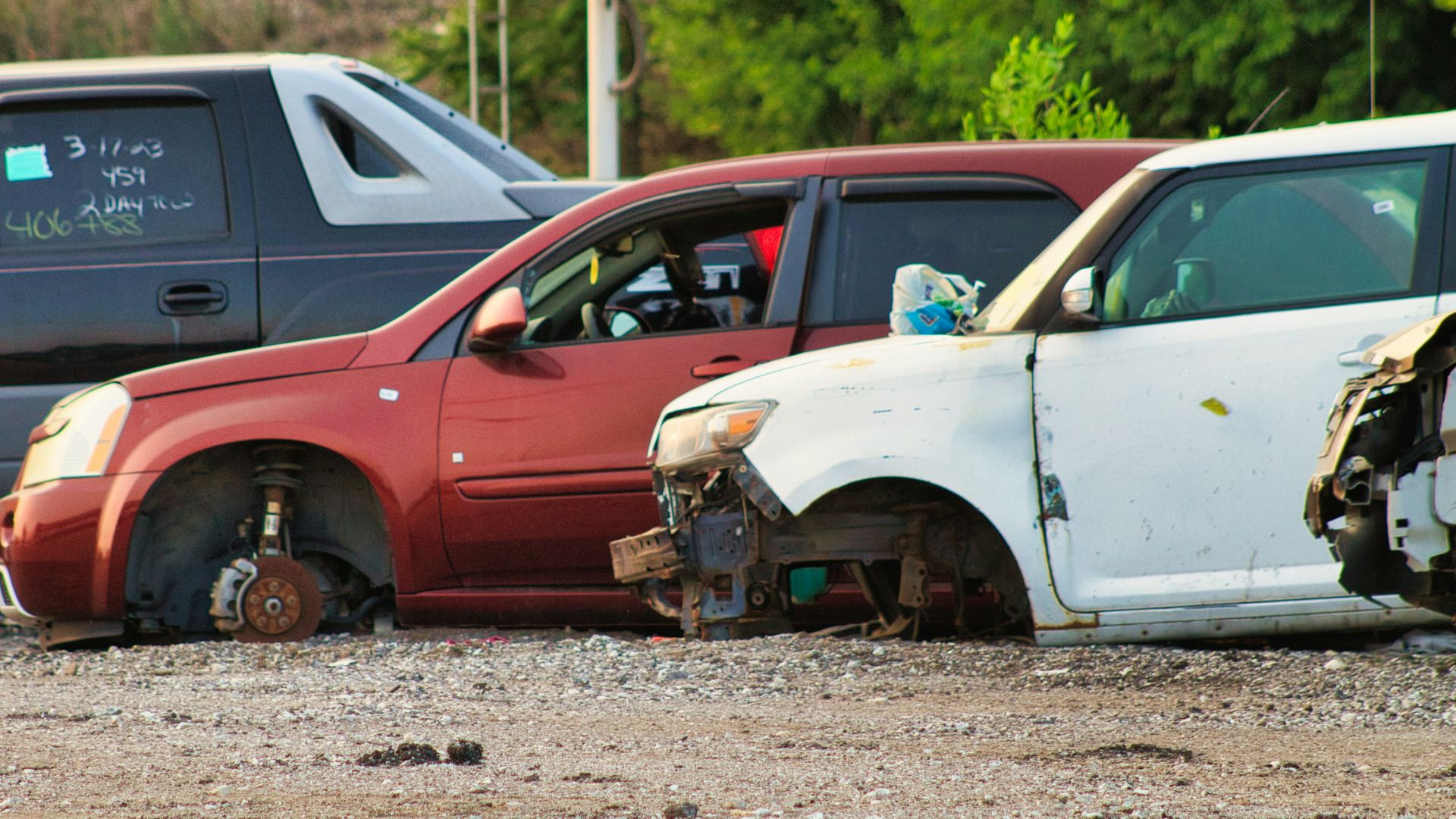
A car that rolls is simpler to tow and handle, and that practicality affects the quote. Remember: from a buyer’s perspective, even worn tires are better than sitting on rims or blocks. If your junker can be moved without extra equipment, you’re more likely to get a higher offer.
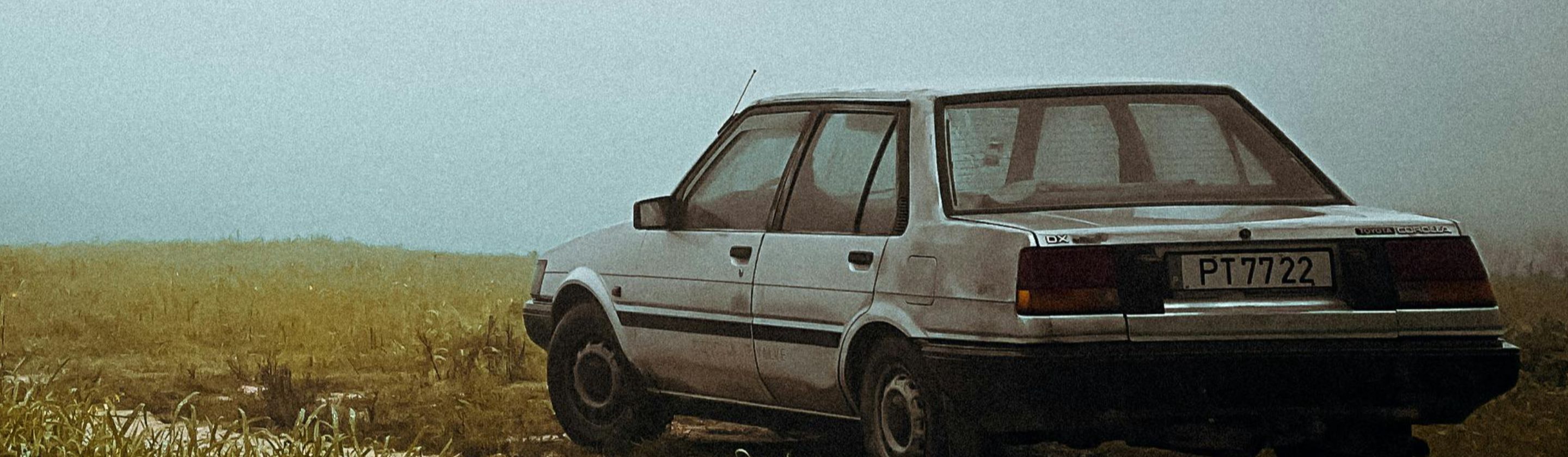
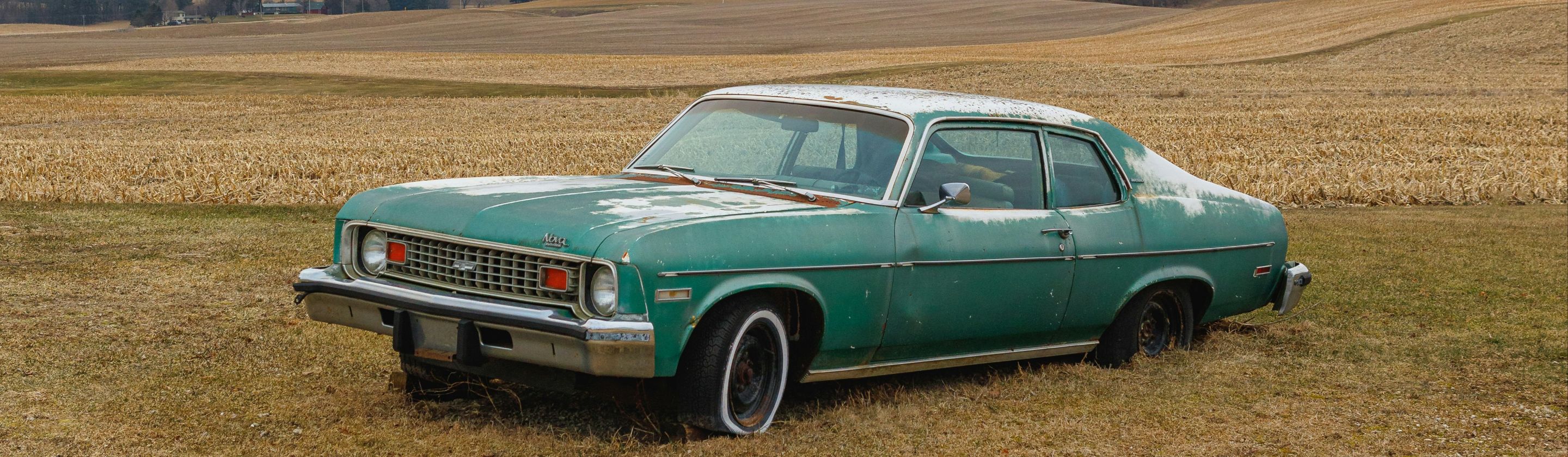
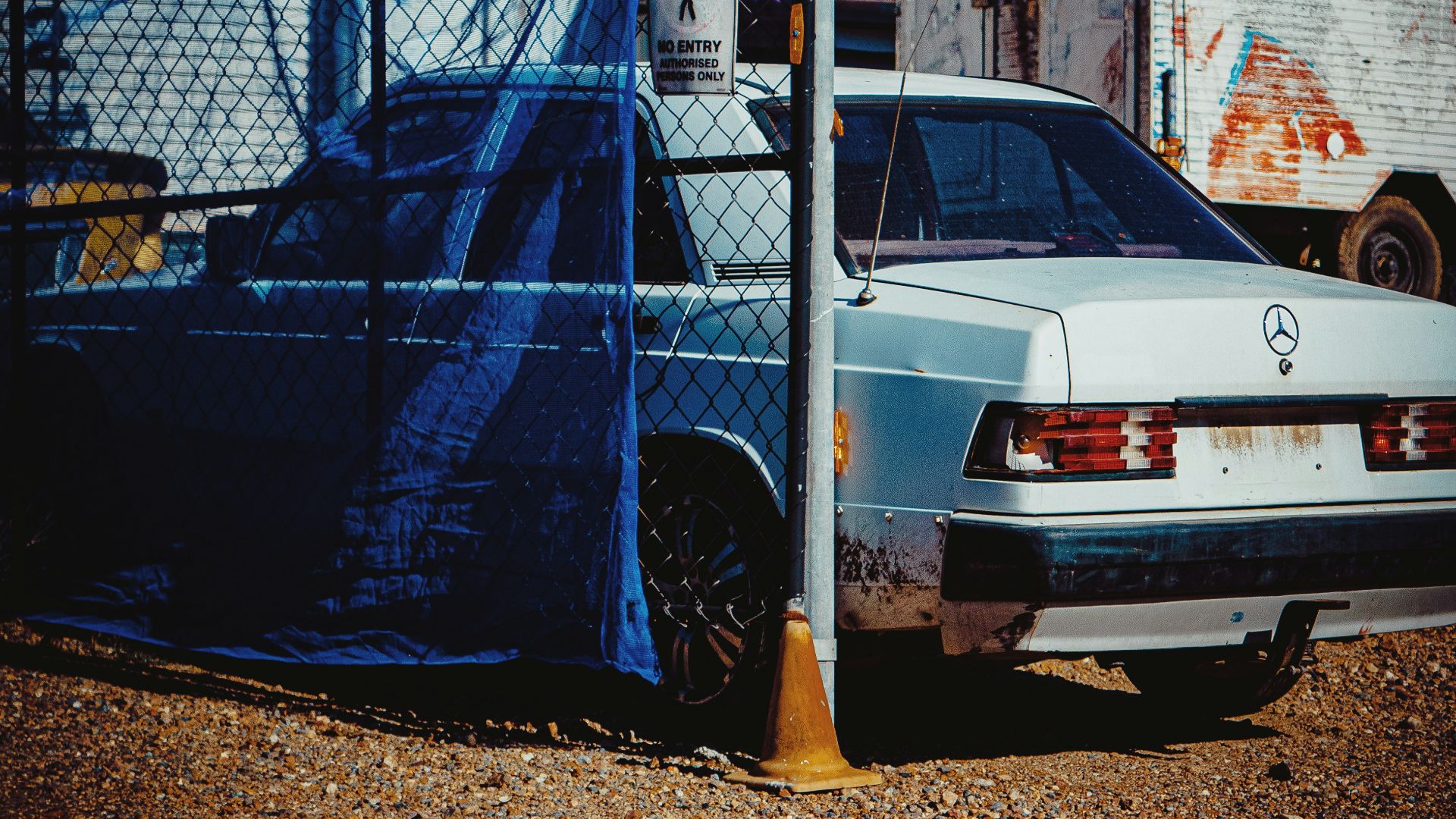
 Strange Happenings on Unsplash
9. You Can Start It or At Least Show It Turns Over
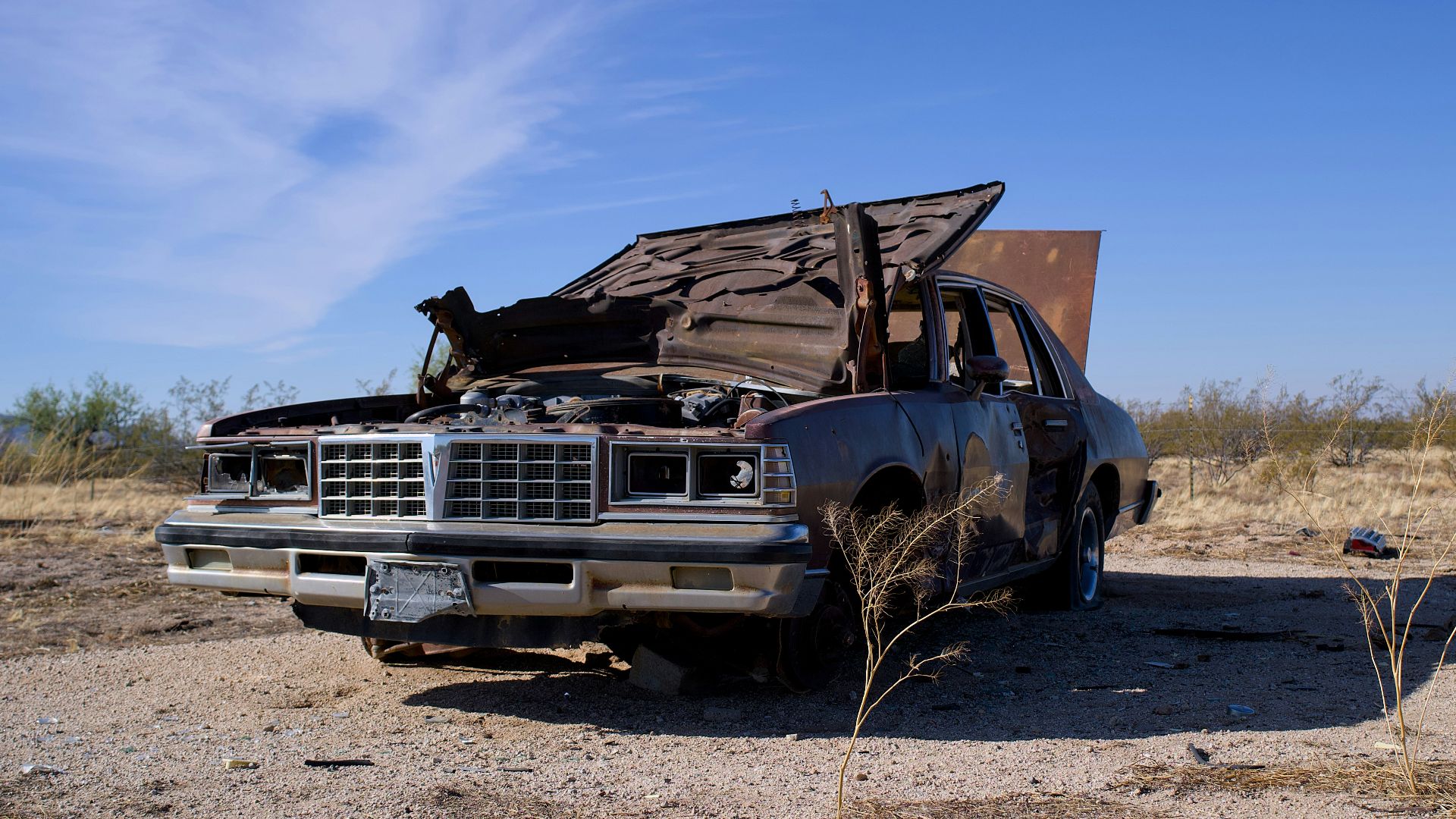
Running isn’t necessarily required, but demonstrating any sign of life can nudge the price upward. Buyers often pay more when they can verify the engine isn’t completely locked up, so if it starts, idles, or even cranks reliably, that’s useful leverage.
10. You’re Ready to Sell and Can Schedule Pickup Quickly
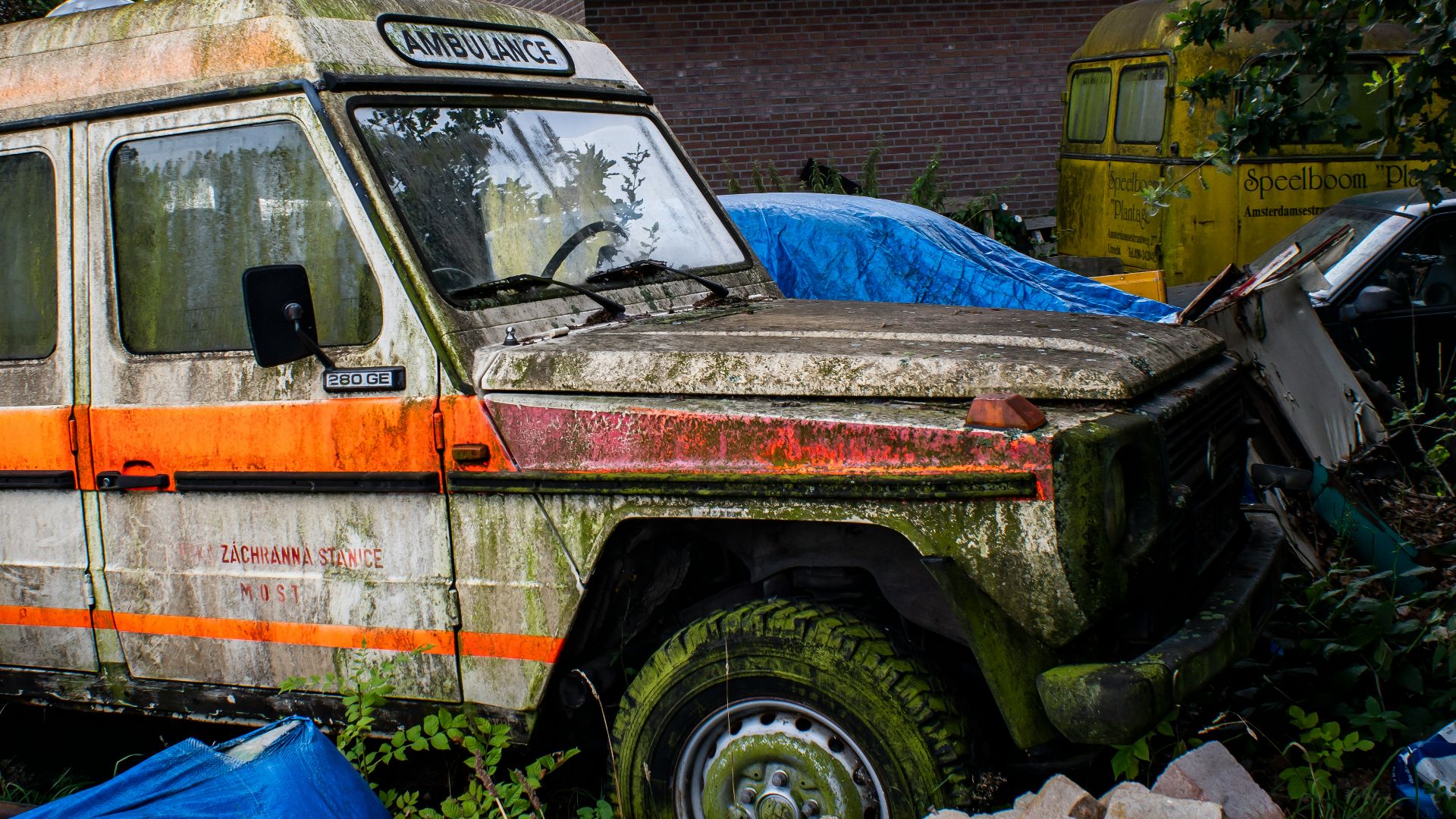
Convenience matters more than people expect. The easier the transaction, the higher the payout. Confirm location, have the keys, and coordinate a pickup window without delays.
Most junk cars can bring in at least a little cash, but there are a few situations where you’re essentially stuck with a liability instead of an asset. Knowing these 10 red flags upfront can save you time, frustration, and a long string of unanswered messages.
1. You Don’t Have the Title and Can’t Replace It
Without a title, most legitimate buyers won’t touch the car; they can’t protect themselves from ownership disputes. If your state requires specific documents and you can’t obtain them, the sale usually stops before it starts.
2. The Car Has an Active Lien You Can’t Clear
In case you didn’t know, a lien means someone else may have a legal claim to the vehicle—and that makes buyers understandably cautious. If you can’t pay it off or get a release, you can’t typically transfer ownership cleanly. In many cases, that alone is enough to bring offers down to zero.
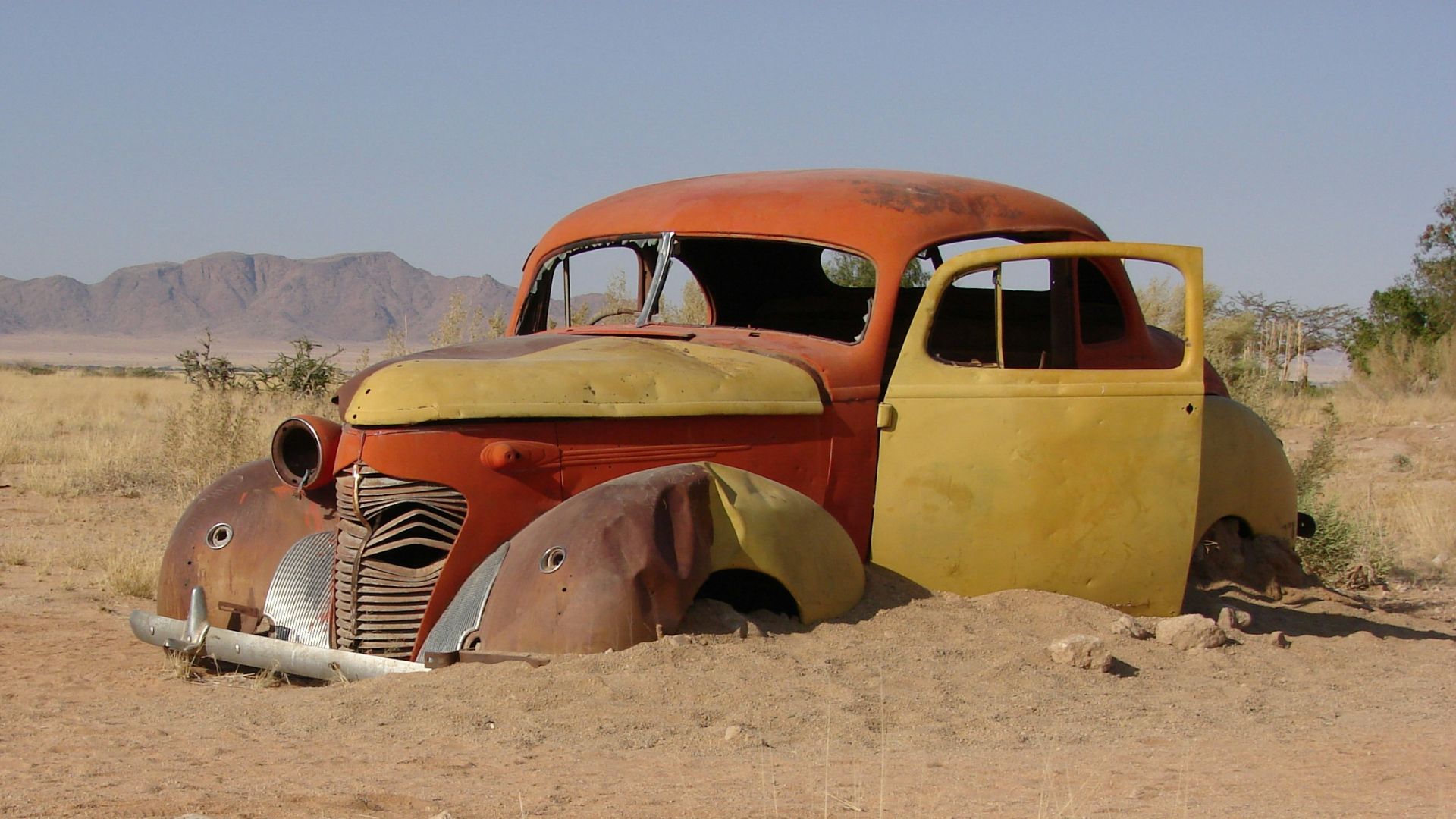
3. The Vehicle's Basically a Shell
When major parts are gone, there’s little left for a yard to resell or recycle profitably. Buyers don’t want to pay to haul something that has no meaningful salvage value. Keep an eye on how many core components are still functional; without them, you’re likely to hear a quick “no.”
4. It’s Been Flooded
Severe water damage can create electrical problems, mold concerns, and contamination that yards may not want to handle. Some buyers avoid flooded vehicles entirely because of the risk and extra disposal requirements.
5. You Can’t Prove You’re Allowed to Sell It
If the car isn’t in your name and you don’t have authorization from the owner, the transaction can’t proceed legally. Legitimate buyers will avoid anything that hints at a dispute or questionable ownership history.
6. It’s Not Accessible for Towing or Removal
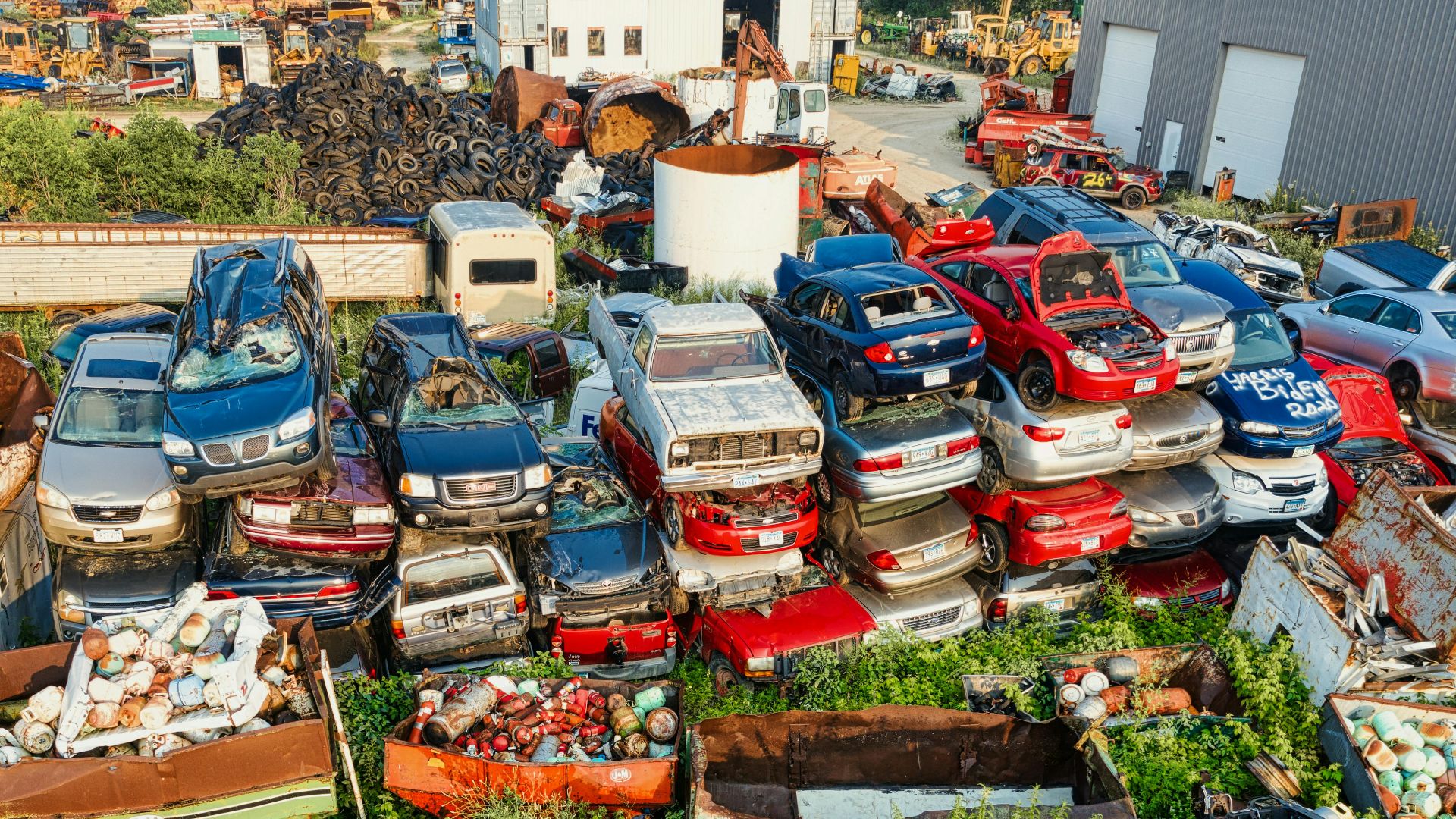
A car buried behind fences, stuck in deep mud, or blocked in a tight spot can cost more to retrieve than it’s worth. If a tow truck can’t reach it without special equipment, the buyer’s expenses go up fast.
7. The VIN Is Missing or Doesn’t Match the Paperwork
A missing or tampered VIN raises immediate concerns about theft and legality, even if your story’s completely innocent. If the VIN plate is damaged or doesn’t align with your documents, buyers may refuse on principle. Think of it as the kind of mismatch that instantly ends negotiations.

8. The Car Is Classified as Abandoned, and You Haven’t Resolved It
If the vehicle is considered abandoned under local rules, you may need specific documentation before it can be sold. Buyers won’t want to inherit legal risk or a potential claim from someone else—until the status is cleared, you can be stuck with a car nobody will pay for.
9. It’s Packed With Trash or Dangerous Materials
Yards and buyers expect a basic level of cleanliness, and they often won’t accept vehicles filled with garbage or other hazards. Cleanup and disposal can become a cost that outweighs the car’s scrap value, so if it’s a safety issue, you may be told to handle it before any offer comes your way.
10. You’re Asking Buyers to Take It Without Any Documentation
Won’t provide information? Won’t show ID? Won’t make the handoff workable? Well, buyers now have little reason to continue. Many people choose a simpler deal rather than fight through a complicated one, and when the process looks risky, the easiest answer is to move on.
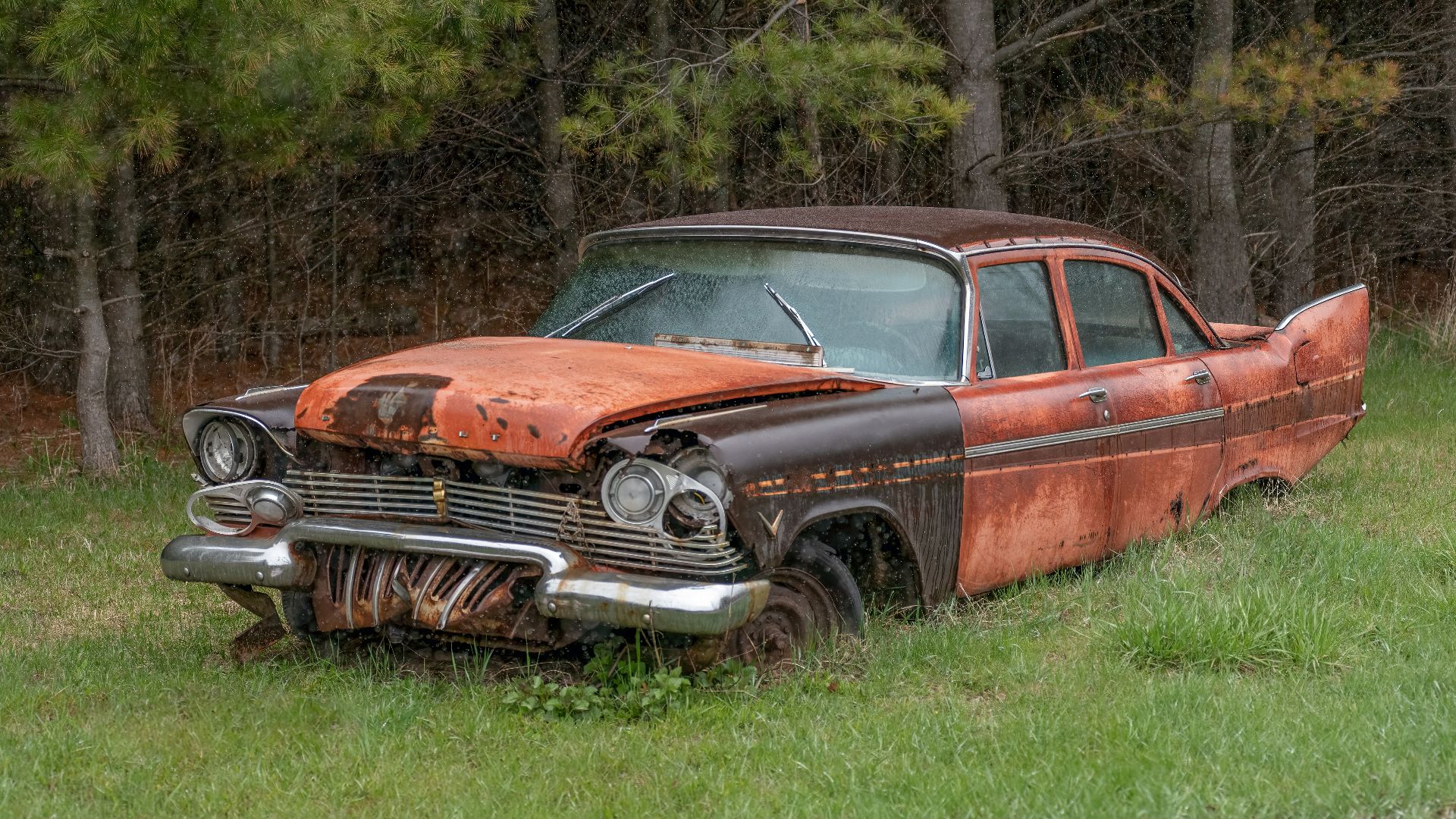
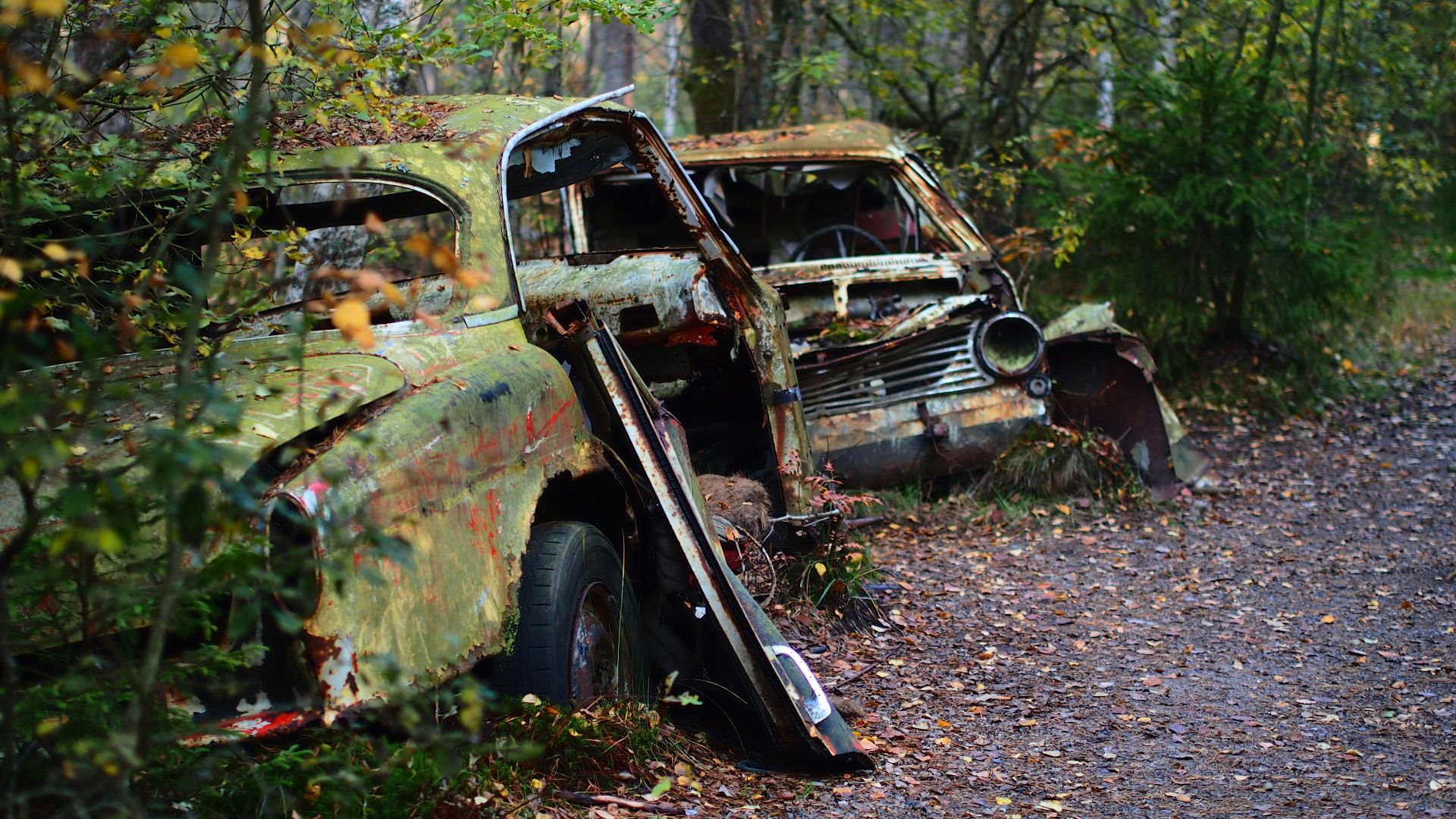
 Transly Translation Agency on Unsplash