
It’s a Dangerous World Out There; Don’t Roll the Dice
A flat tire rarely feels convenient, and it usually arrives right when you’re trying to be somewhere on time. The good news is that many tire-damaging hazards are predictable once you know what to watch for, especially on rough streets, construction zones, and busy highways. The bad news is that many drivers still think they can risk it on the road, even after disaster strikes. That’s why we’re here to break down the biggest culprits and what you should actually do if you encounter them.
1. Construction Debris
Loose fasteners often end up on the roadway near construction sites or home improvement areas. They might even show up after a truck loses part of its load. You won’t even notice you ran over one until your tire pressure warning light shows up later.
2. Broken Glass Along the Shoulder
Glass collects near curbs and parking lot edges more than you think. It’s especially risky when you pull over, because your tires roll right through the gritty fragments. Staying centered in your lane and avoiding shoulders unless you truly need them helps reduce the odds.

3. Sharp Metal Pieces From Vehicle Parts
Roads sometimes hide metal brackets, muffler scraps, or jagged fragments from previous breakdowns. These pieces can puncture a tire quickly, particularly at highway speed when the impact is harder. If you spot shiny debris or hear a sudden clank from another vehicle, give yourself extra following distance.
4. Deep Potholes With Rough Edges
A hard pothole hit can pinch the tire against the wheel, cutting the sidewall or damaging the bead. Even if the tire doesn’t pop immediately, the weakened area can fail later when you least expect it.

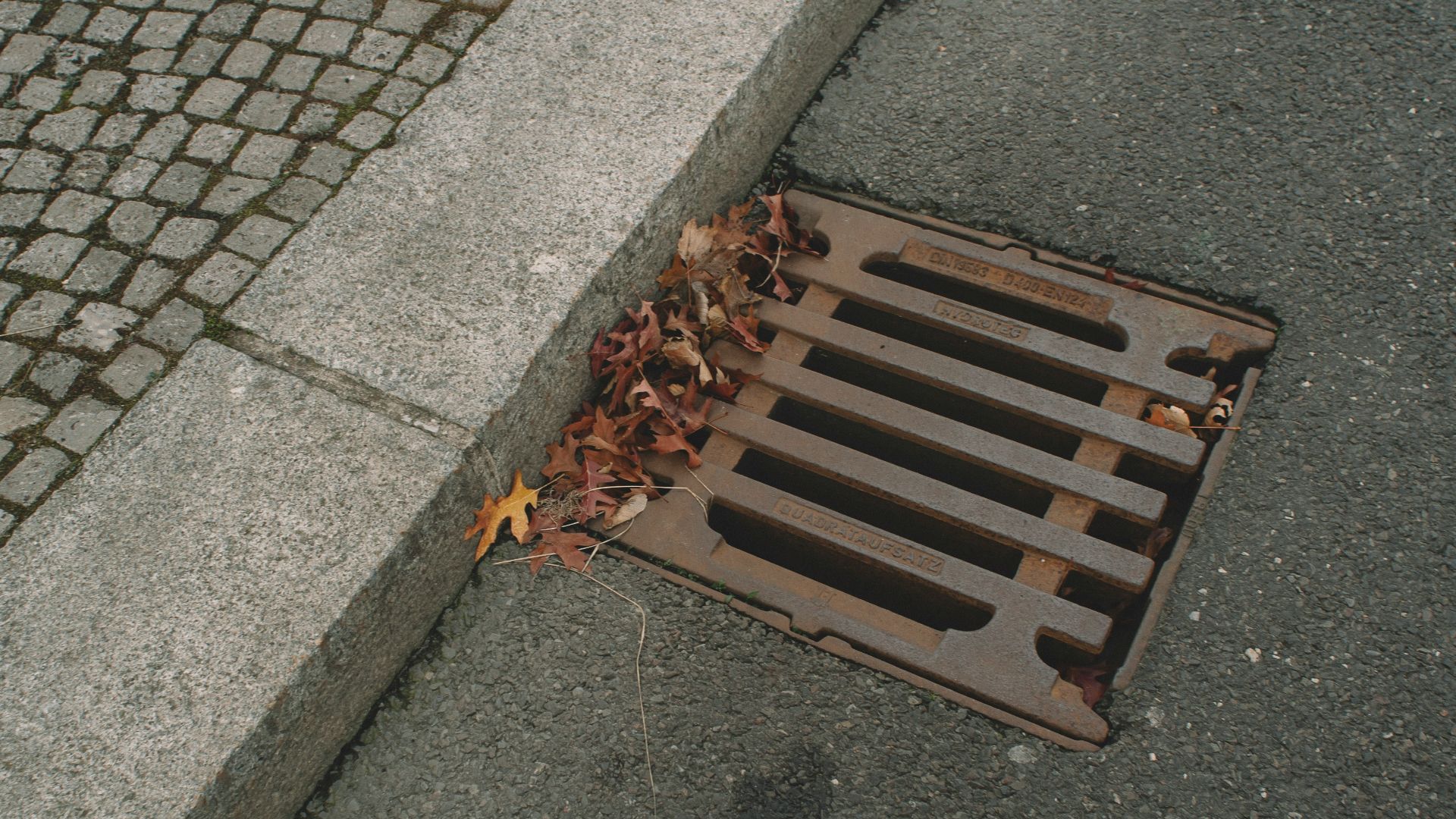
5. Raised Curbs and Concrete Medians
Clipping a curb during a tight turn or brushing a median while merging can slice a tire’s sidewall. Low-profile tires are especially vulnerable because there’s less rubber between the road and the rim, which means taking turns a bit wider can prevent a costly surprise.
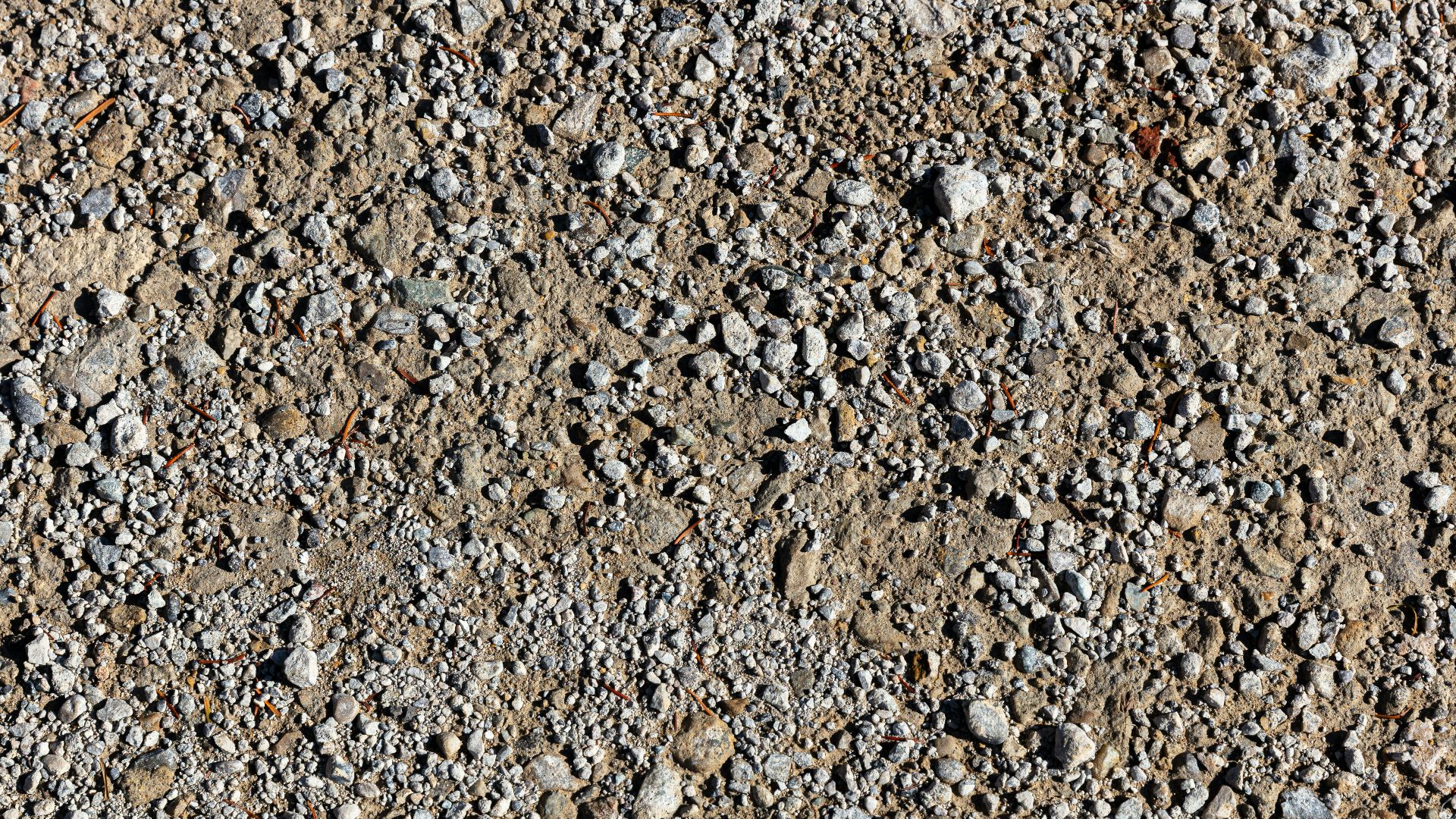
6. Loose Gravel
Gravel itself doesn’t always puncture a tire, but sharp stones can wedge into the tread and work their way deeper over time. This is actually pretty common on rural roads, freshly resurfaced streets, and around active roadwork. Keep an ear out for pinging under the car.
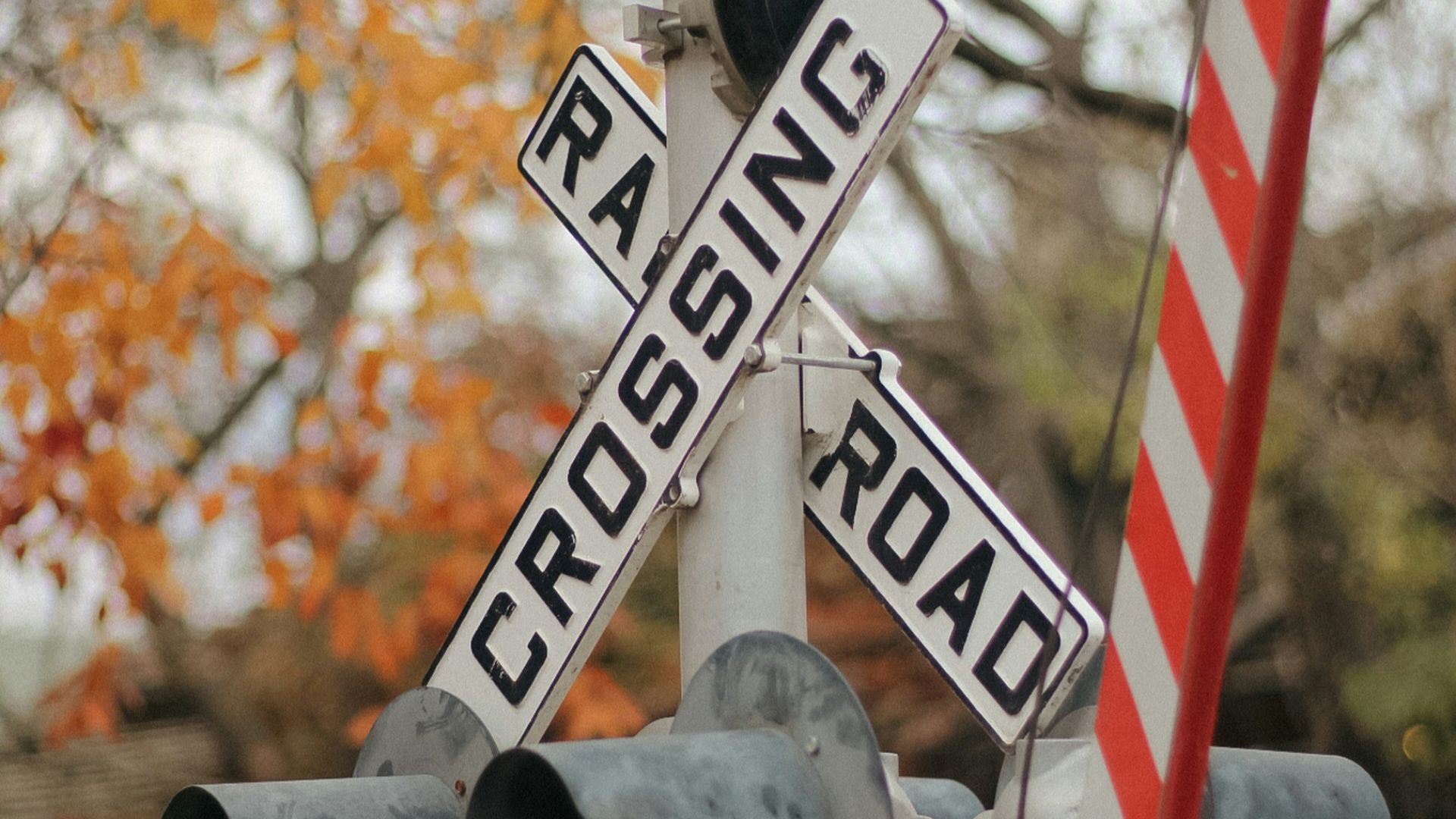
7. Railroad Crossings
Crossing tracks at an awkward angle or too quickly can slam the tire into a sharp edge or exposed hardware. Some older crossings are even rough enough to jolt the suspension and stress the tire sidewall. Approach slowly, cross as straight as you can, and don’t accelerate until you’re fully over.
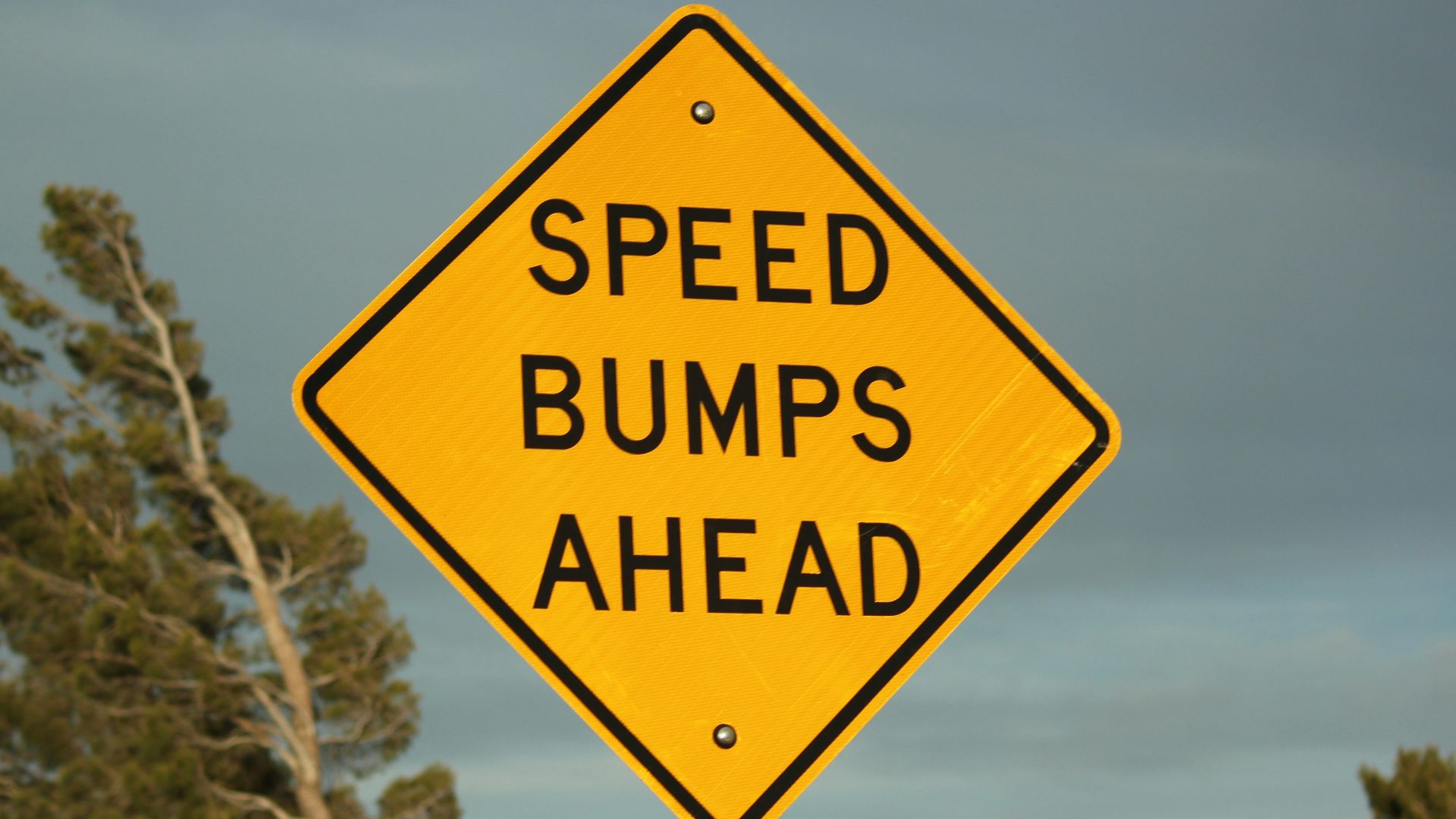
8. Speed Bumps Taken Too Fast
A speed bump is designed to slow you down—and make you pay the price if you don’t. Speeding over one can compress the tire sharply and cause internal damage, especially if your tires are already underinflated. The impact can also bend a wheel, which makes leaks and blowouts more likely later.
9. Roadside Scrap in Industrial Areas
Routes near warehouses and loading docks often have stray staples, banding straps, and metal shards from packaging. The hazards are easy to miss when you’re focused on traffic, so driving a little slower through these zones can help you dodge trouble.

10. Heat and Underinflation Working Together
On hot days, an underinflated tire flexes more and becomes more prone to failure. Long highway drives make this worse because the tire has less time to cool down. Do yourself a favor and check tire pressure regularly, especially before road trips.

A tire popping can feel dramatic, but your next few choices matter more than the noise or the sudden pull. These 10 steps can help you respond with control and common sense!
1. Keep a Firm Grip and Hold Your Line
Both hands should stay on the wheel so you can manage any wobble or drift. Your car may pull toward the damaged tire, especially if it’s a front one, so concentrate on staying in your lane and keeping your steering inputs smooth.

2. Ease Off the Gas Instead Of Slamming the Brakes
Let the vehicle slow down gradually by lifting your foot from the accelerator. Heavy braking can actually make the car unstable, particularly at highway speeds. If you need to reduce speed faster, apply the brakes gently once you feel the car settle.

3. Signal Early So Others Know What You’re Doing
Turn on your hazard lights as soon as you can do it without fumbling. Drivers behind you will react better when they see you’re dealing with an issue and moving to safety. A clear signal also buys you space, which is exactly what you want.
4. Find a Safer Spot Than the First Patch of Shoulder
Aim for a wide shoulder, a parking lot, or a side street if it’s nearby and reachable. Stopping on a narrow shoulder next to fast traffic puts you in a risky position during the most vulnerable part of the situation. If you’re on a bridge or near a blind curve, keep rolling slowly to a better location.
5. Avoid Sudden Steering Moves, Even If You’re Frustrated
A blown tire can make the car feel sloppy, and sharp turns can make that worse. Stay patient and guide the vehicle with small corrections as you move off the road. Even if someone honks, you’re better off being steady than making things worse.

6. Set the Parking Brake and Secure the Car Once Stopped
After you’re fully out of traffic, shift into Park and set the parking brake. If you’re on an incline, turn your wheels toward the curb or away from the road edge to reduce rolling risk. Take a moment to breathe, too; you’ll make better decisions when you don’t rush.

7. Check the Situation Before You Get Out
Before getting out, look for traffic patterns and any hazards like debris or poor visibility. If you’re on a busy highway shoulder, exit from the passenger side whenever possible. And if it’s at night, keep your lights on and wear something visible if you have it.

8. Inspect the Tire and Wheel For Obvious Damage
A quick look can tell you whether you’re dealing with a nail, a shredded sidewall, or a bent rim. If you see the tire is torn up or the wheel is damaged, driving even a short distance may cause more harm. It’s also a good time to check whether you have a spare or a tire repair kit.
9. Use the Right Fix For the Right Problem
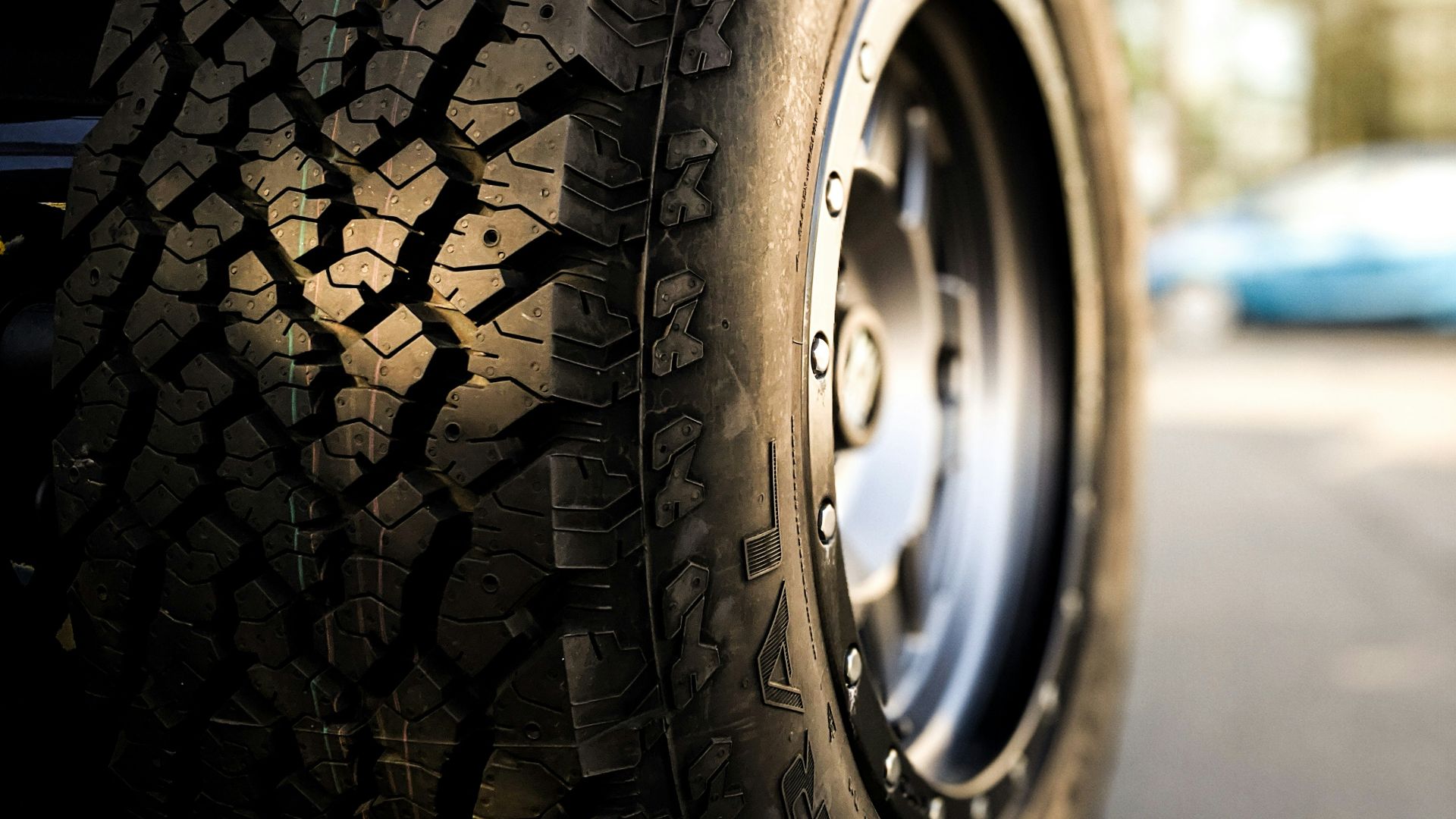
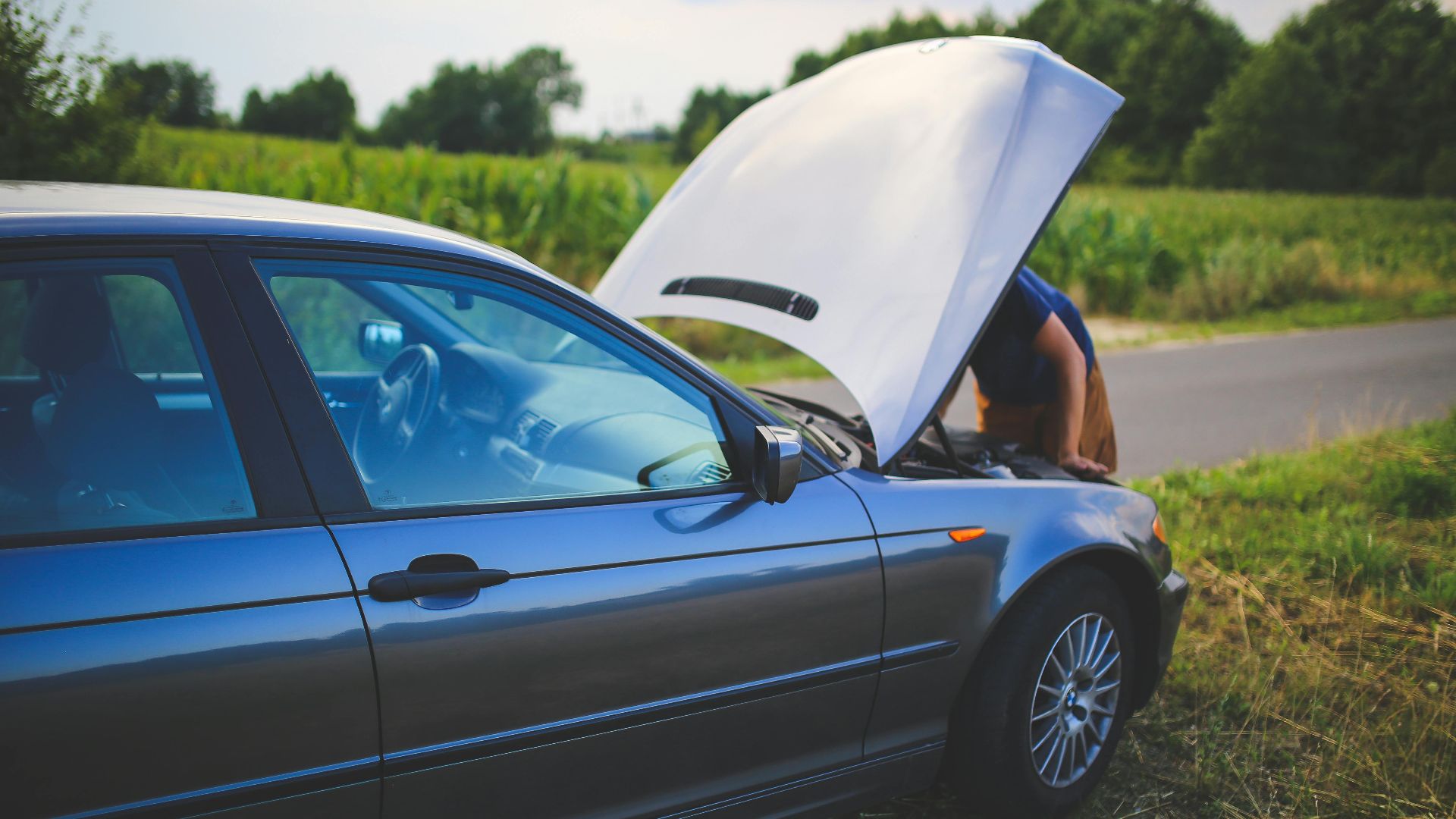
If you have a full-size spare and the equipment to change it safely, swapping the tire can get you moving again. A sealant kit may help with small punctures, but it won’t solve a sidewall blowout or a tire that’s come off the bead. Calling roadside assistance can also be the smarter choice, even if you’d rather handle it yourself.
 Karolina Grabowska www.kaboompics.com on Pexels
10. Drive Carefully Afterward and Get a Proper Repair
Once you’re back on the road, keep speeds reasonable and avoid hard cornering, especially if you’re on a temporary spare. Head to a tire shop as soon as you can; a spare is meant to get you there, not to become your new normal. Ask for a full inspection, too, so you don’t miss a hidden issue like wheel damage or a second puncture.