Gridlock Beyond Control
You're running late for work when traffic grinds to a complete halt. Again. But before you blame the universe for conspiring against you, understand that some jams are genuinely unavoidable. Breakdowns happen without warning, weather turns roads into skating rinks, and entire cities empty out simultaneously during holidays. The reality is that certain traffic nightmares exist beyond any driver's control. Let’s look at 20 reasons why you can't fight it sometimes.
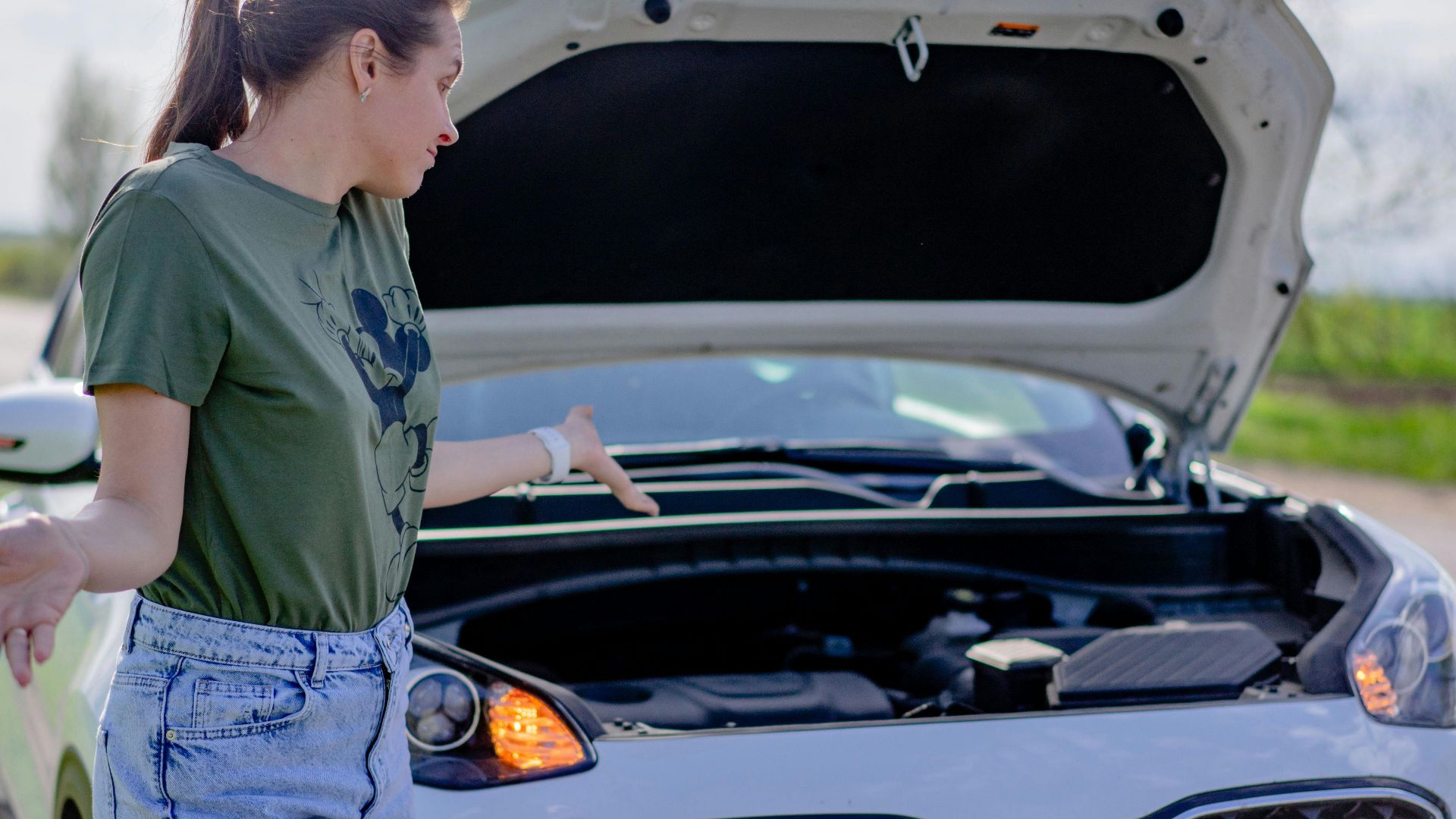
1. Sudden Vehicle Breakdowns
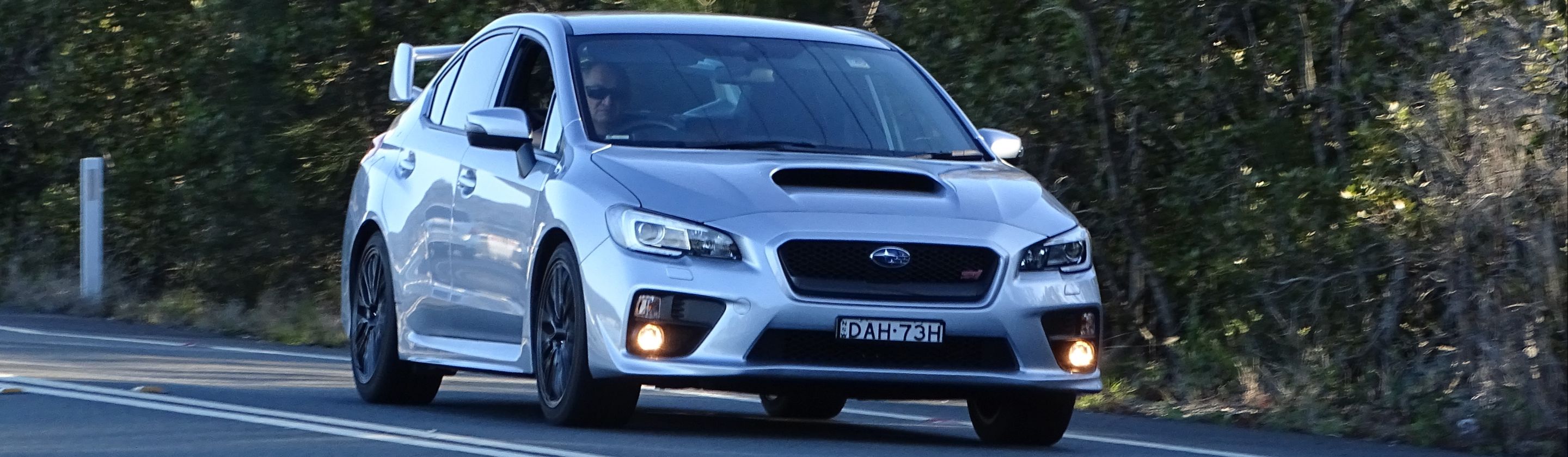
Breakdowns happen without warning on highways due to mechanical failures like dead batteries or flat tires, making avoidance impossible for oncoming traffic. Even well-maintained vehicles aren't immune—older cars are twice as likely to fail, leading to inevitable lane blockages.

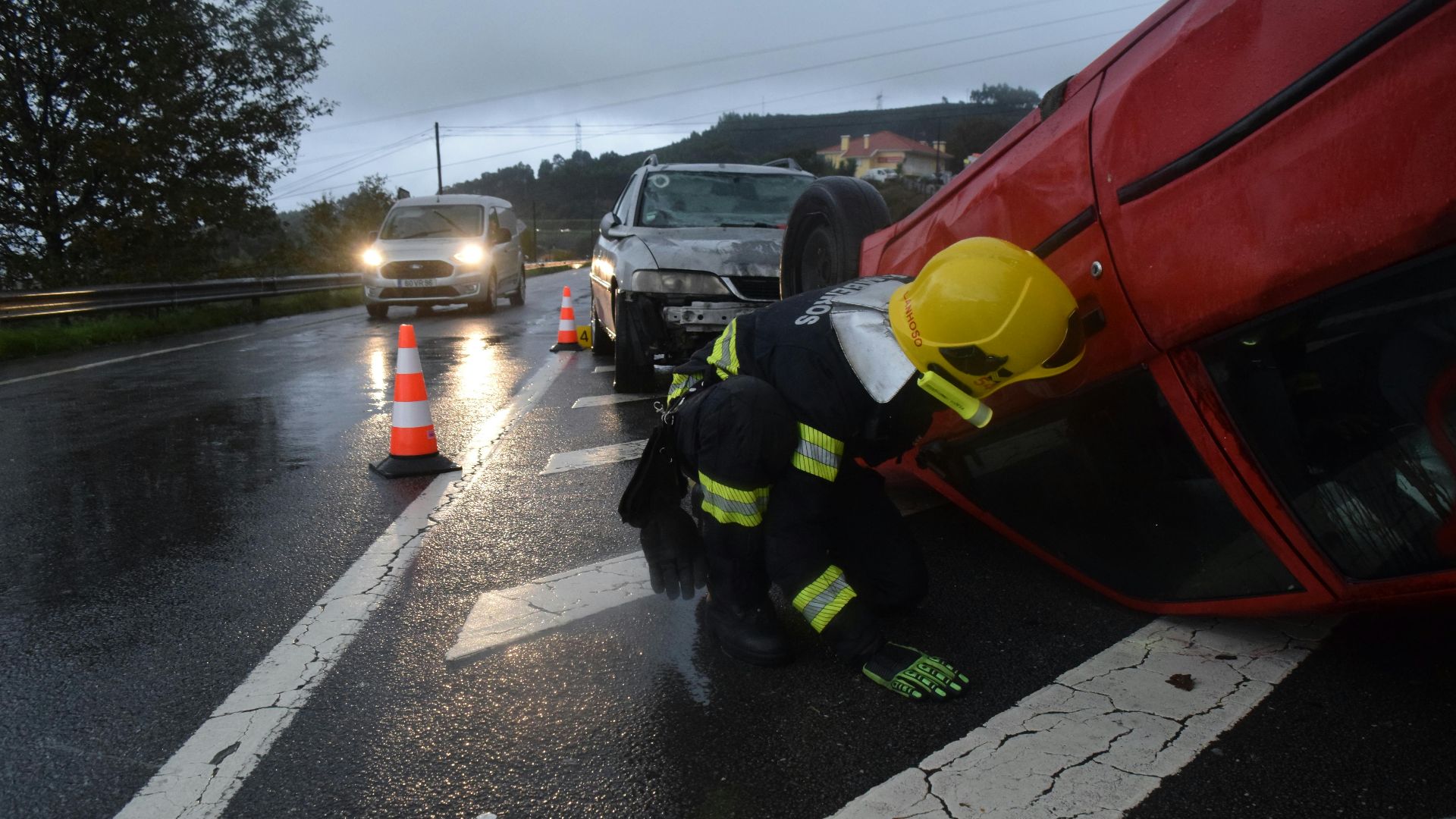
2. Accidents Involving Multiple Vehicles
Human error sits at the heart of our traffic nightmare. It triggers chain-reaction crashes in dense traffic that no single driver can prevent. Multi-vehicle accidents amplify disruptions exponentially because they block multiple lanes instantly, with the randomness of these collisions rendering them unavoidable.
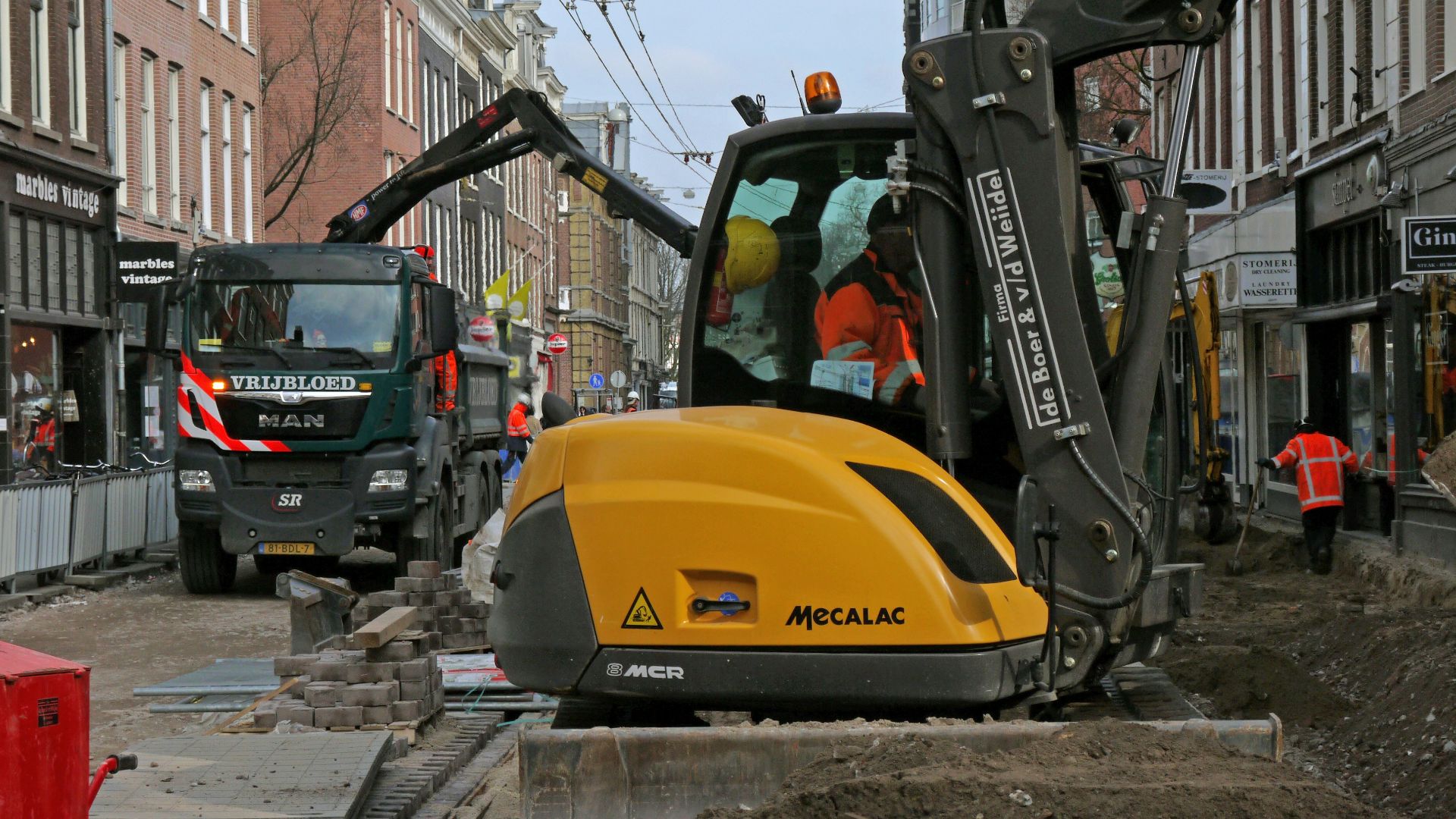
3. Road Construction and Maintenance
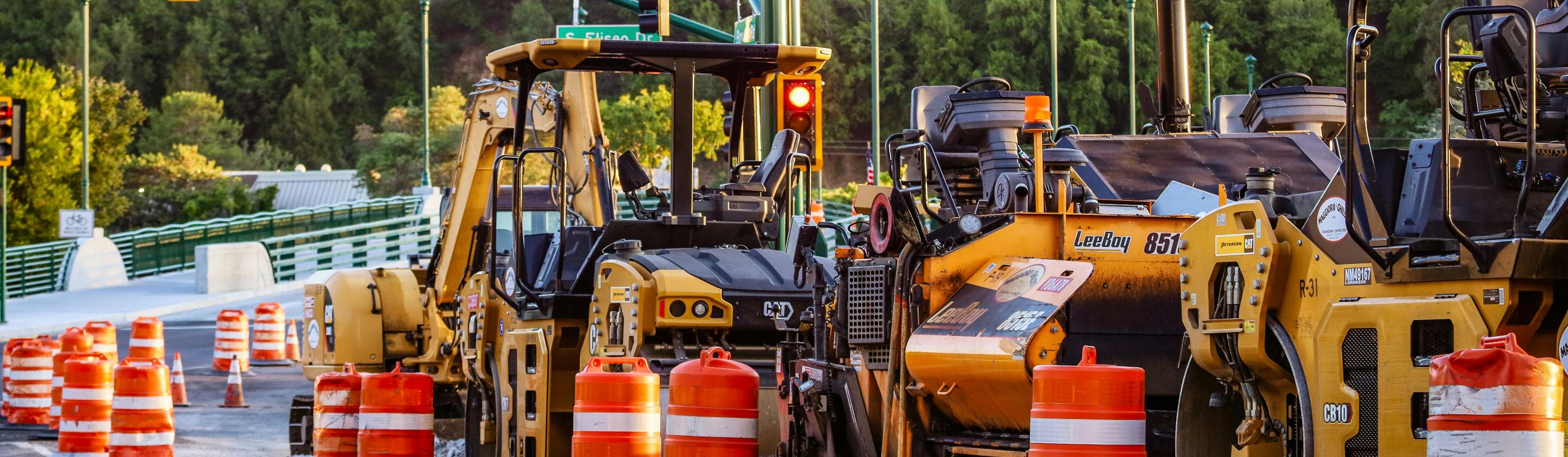
The construction cone epidemic plaguing American highways isn't going anywhere soon. Workforce shortages make lane closures unavoidable during essential repairs. Projects consistently run over schedule due to unforeseen issues such as weather delays or material shortages.
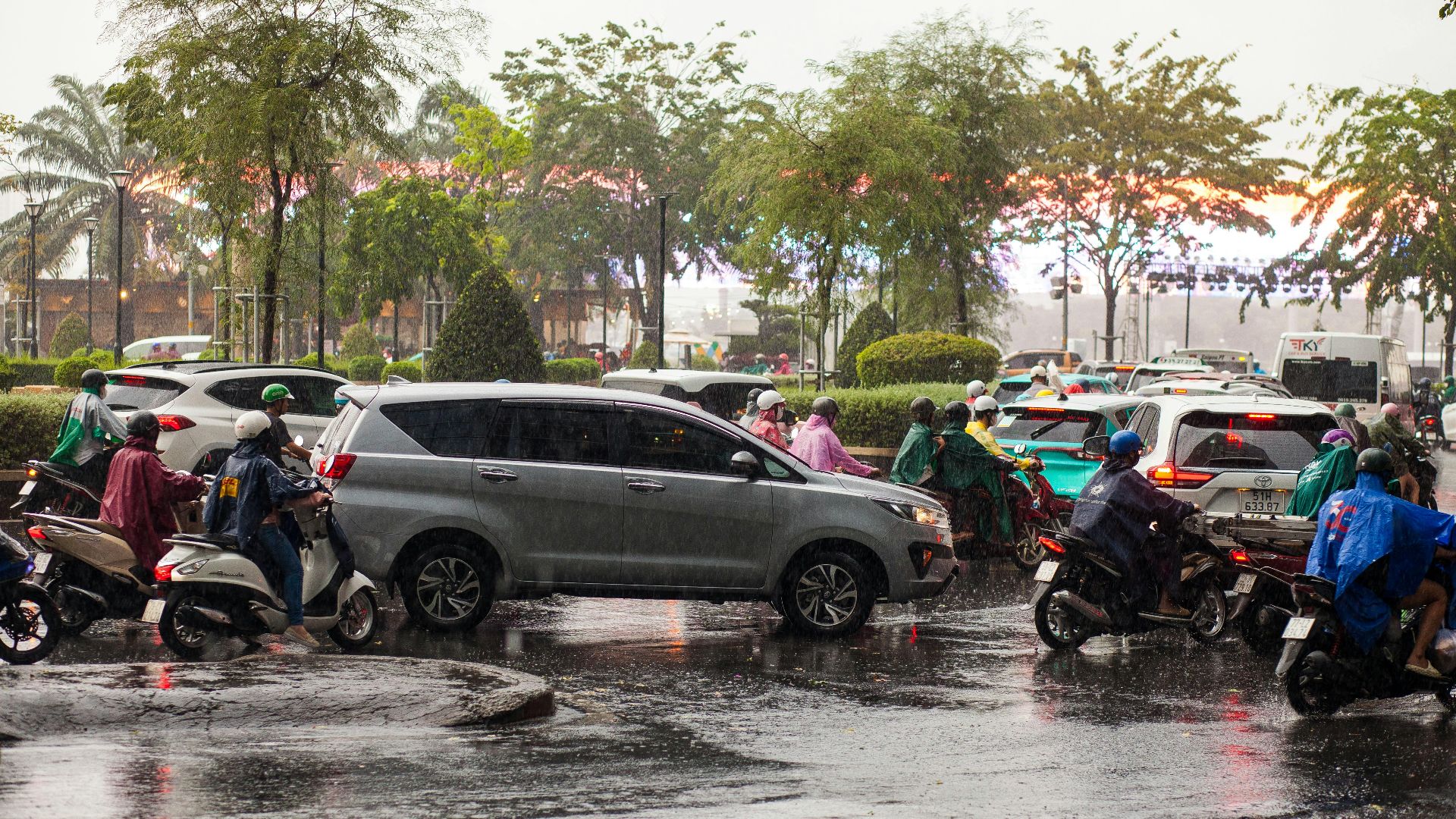
4. Heavy Rain Reducing Visibility and Traction
When the skies open up, your commute turns into an involuntary water park ride, with rain increasing crash risks dramatically as weather-related vehicle crashes occur on wet pavement. Unfortunately, that all makes slowdowns inevitable; heavy downpours cause hydroplaning and force significant speed reductions.
5. Rush Hour Population Surges
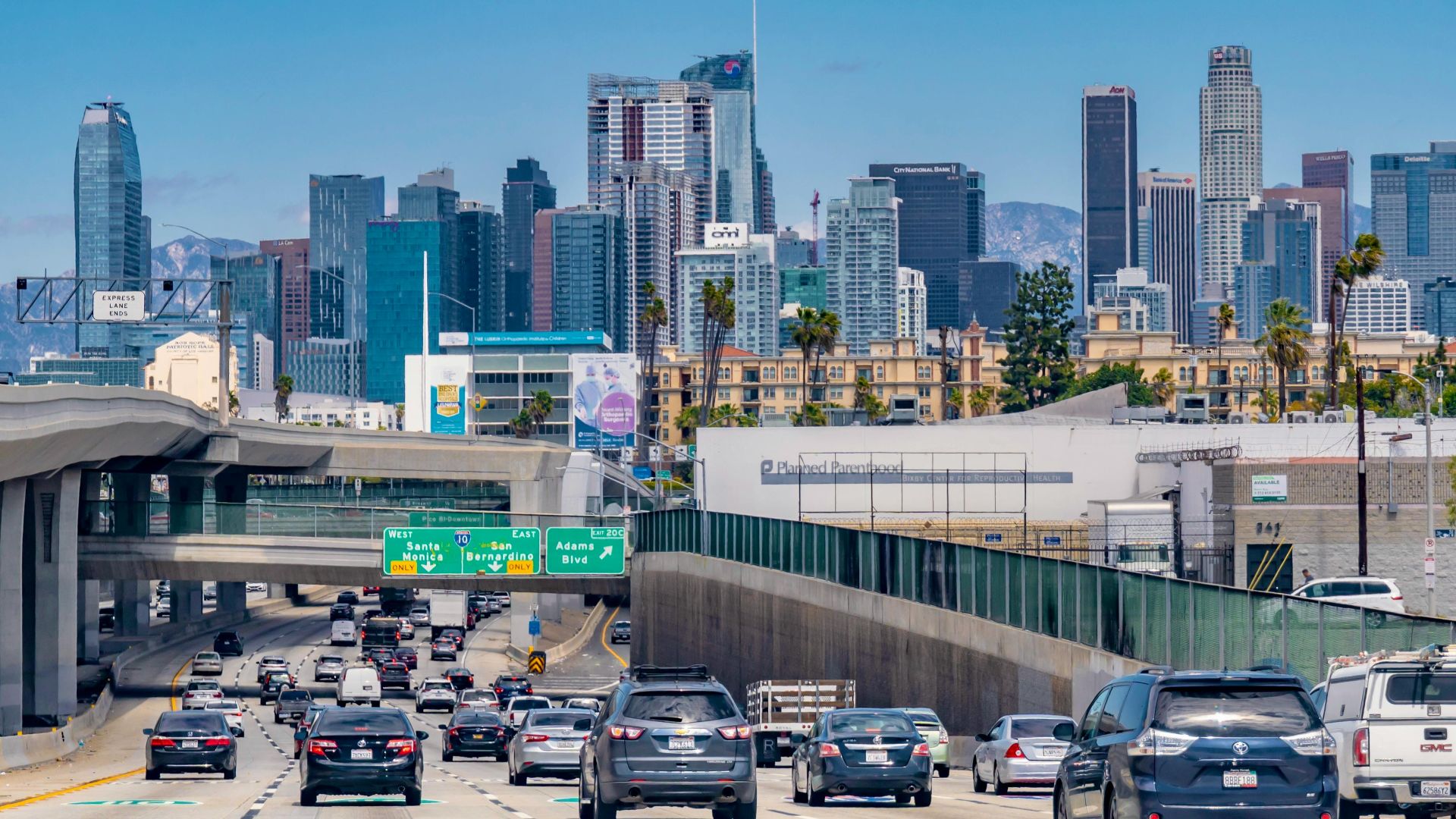
Los Angeles has turned rush hour into an endurance sport. Congestion stretches for hours each day as synchronized commutes overwhelm road capacity and result in jams that no individual timing adjustment can fully avoid. Commuters lose countless hours annually to congestion.
6. Major Sporting Events
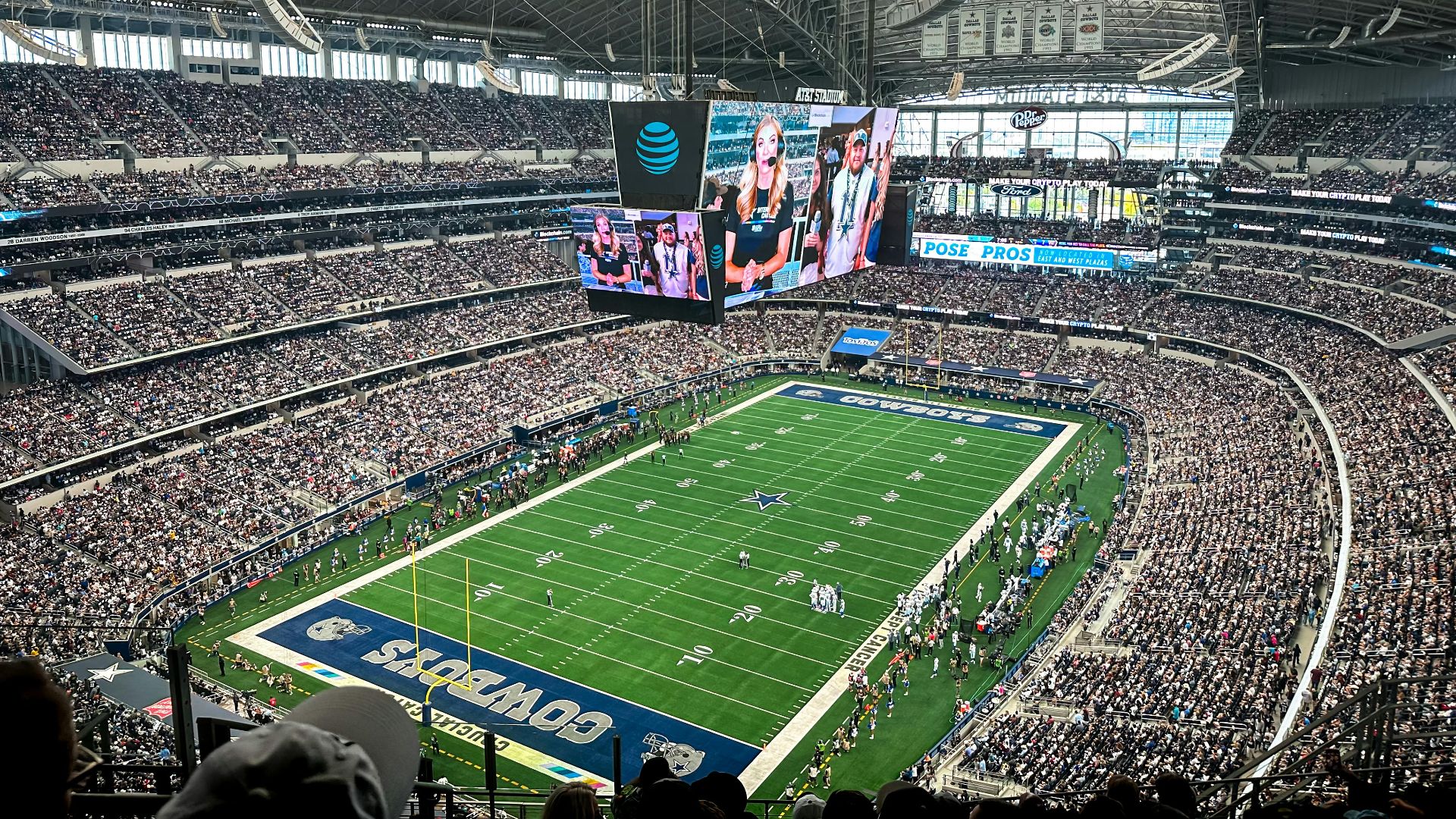
Major sporting championships demonstrate how massive crowds overwhelm local infrastructure. Post-game departures prove even more challenging as events create slowdowns that extend onto highways due to a simultaneous fan exodus. Victory celebrations quickly turn into slow crawls.
7. Low Visibility Conditions
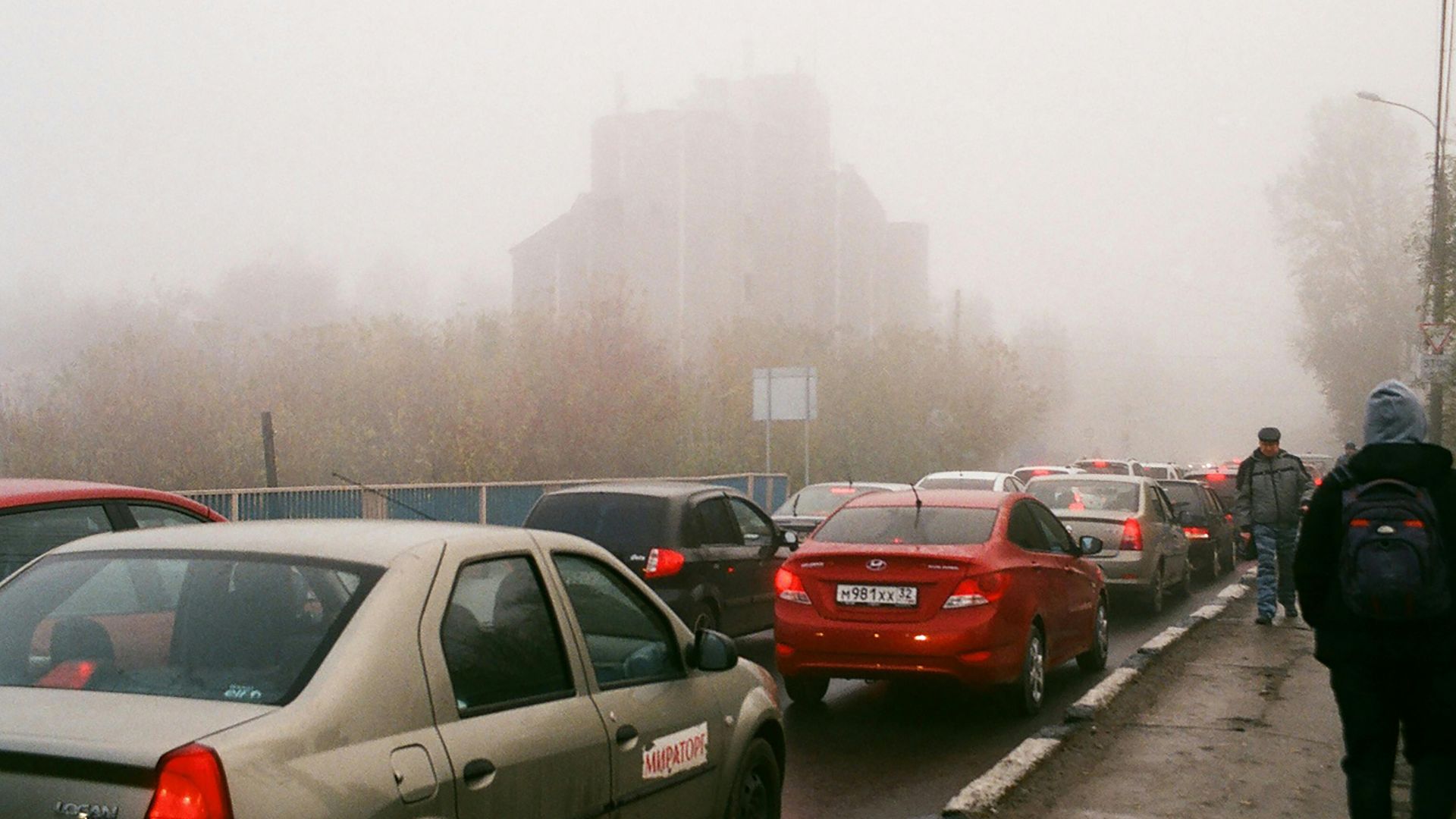
Dense fog reduces driving speeds and causes yearly pile-ups. Visibility drops occur so unpredictably that jams become inevitable regardless of driver caution. Sudden fog walls disrupt high-speed traffic unavoidably, turning familiar routes into treacherous obstacle courses.
8. Holiday Travel Peaks
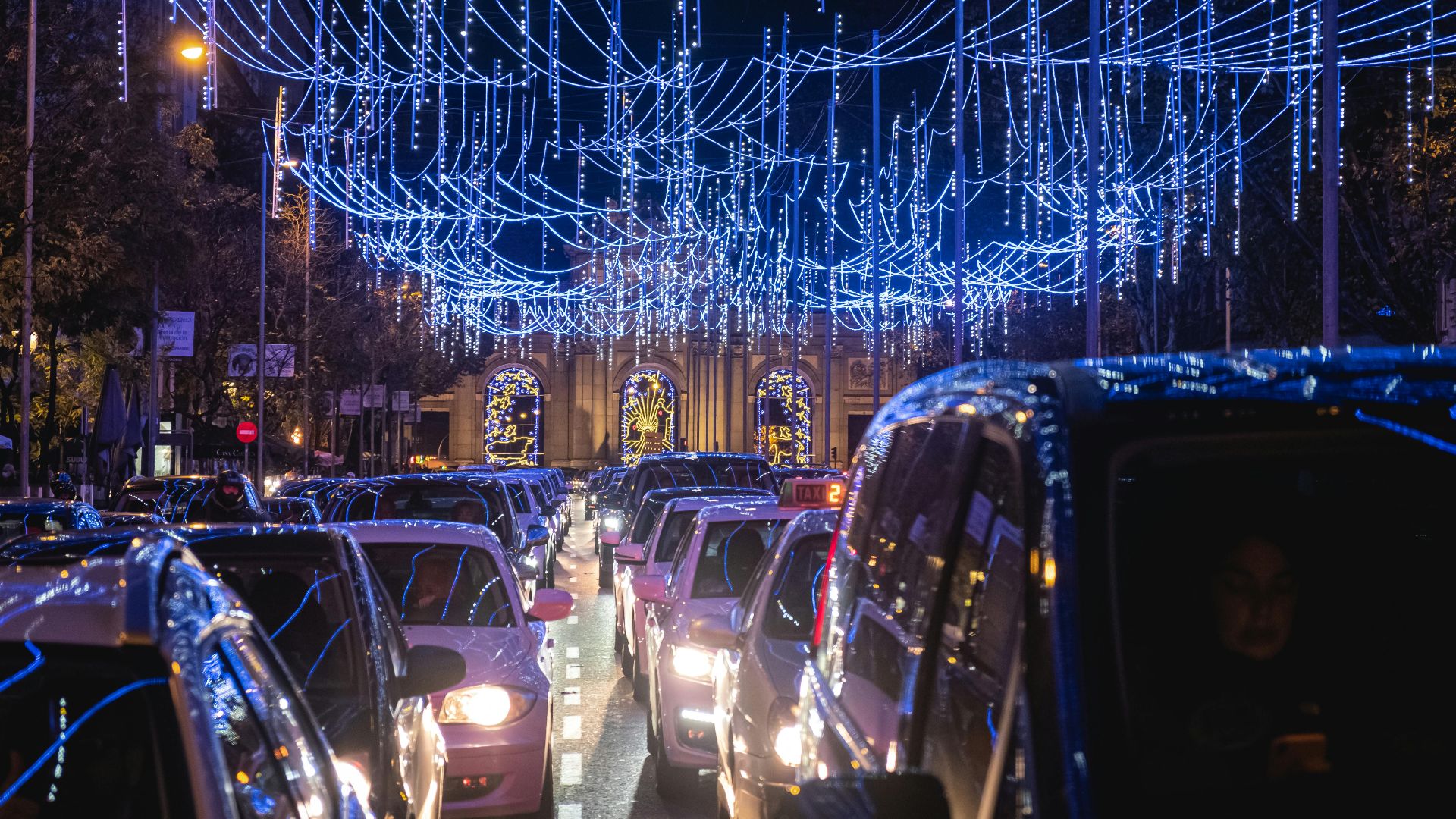
Holiday seasons bring massive numbers of travelers. Thanksgiving alone sees tens of millions of drivers, with the vast majority choosing automobiles, straining roads as family obligations align everyone's departure schedules into concentrated windows.
9. Demonstrations
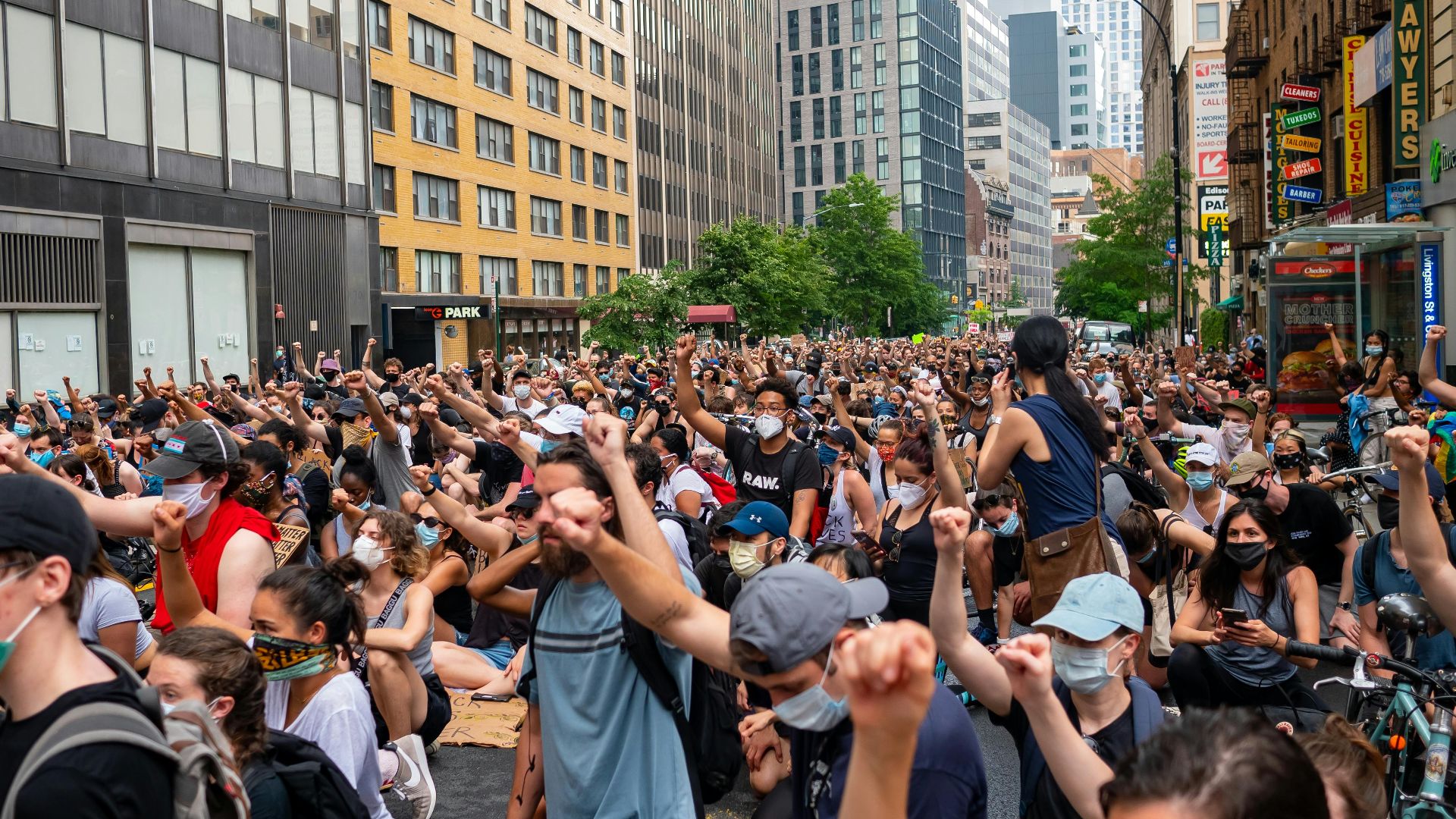
Protests block key intersections spontaneously, disrupting traffic flow without providing advance warning or rerouting options for affected drivers caught in the middle. Thousands of demonstrations occur across the country, too, and many causing unplanned road closures that result in terrible jams.
10. Wildlife Crossings On Rural Roads
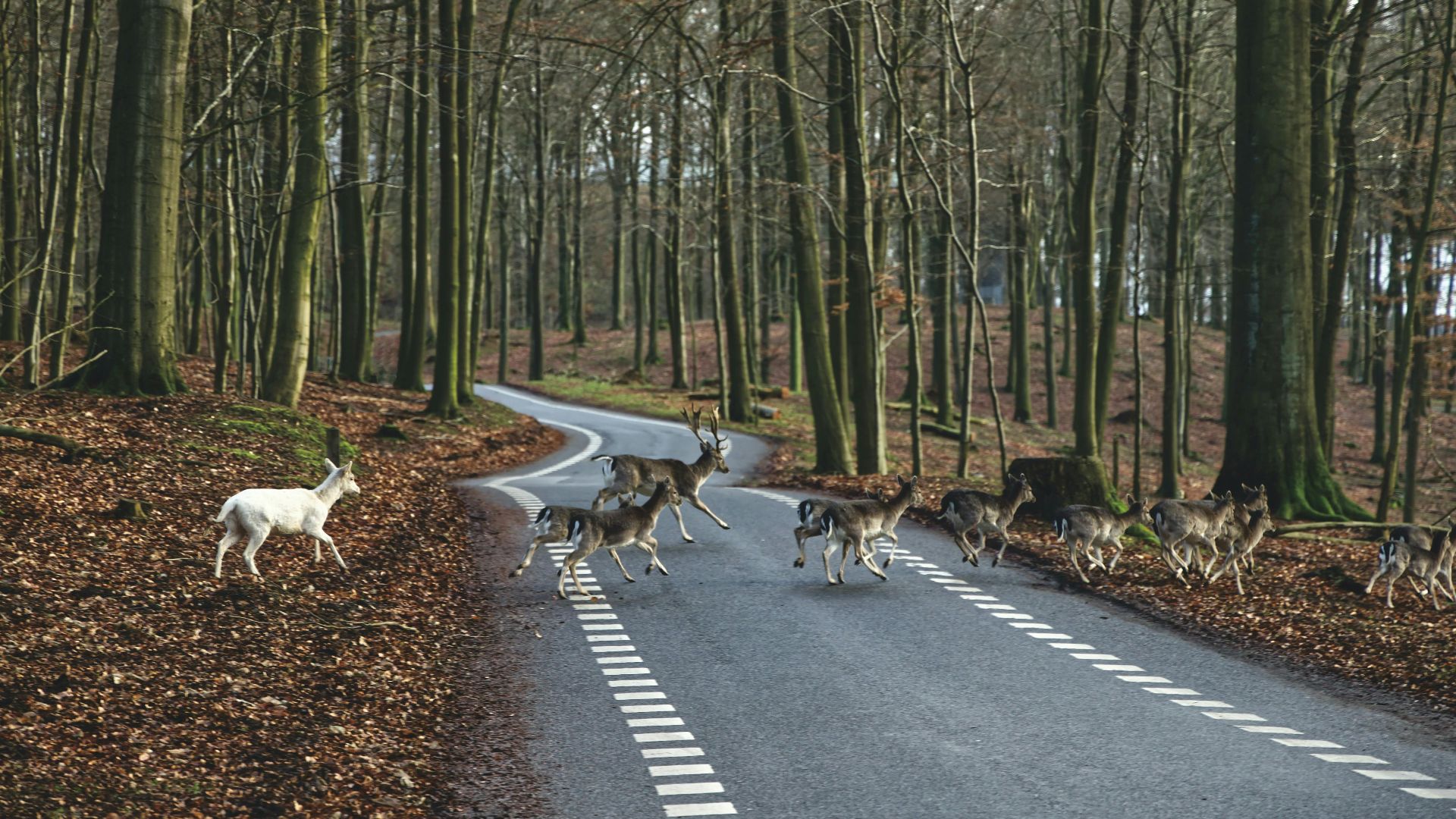
Annual deer-vehicle collisions exceed one million nationwide, occurring so unpredictably that drivers face sudden stops and evasive maneuvers regardless of vigilance or defensive driving skills. Mountain areas experience wildlife darting across roadways, and you can't do much about it.
11. Snow and Ice Accumulation
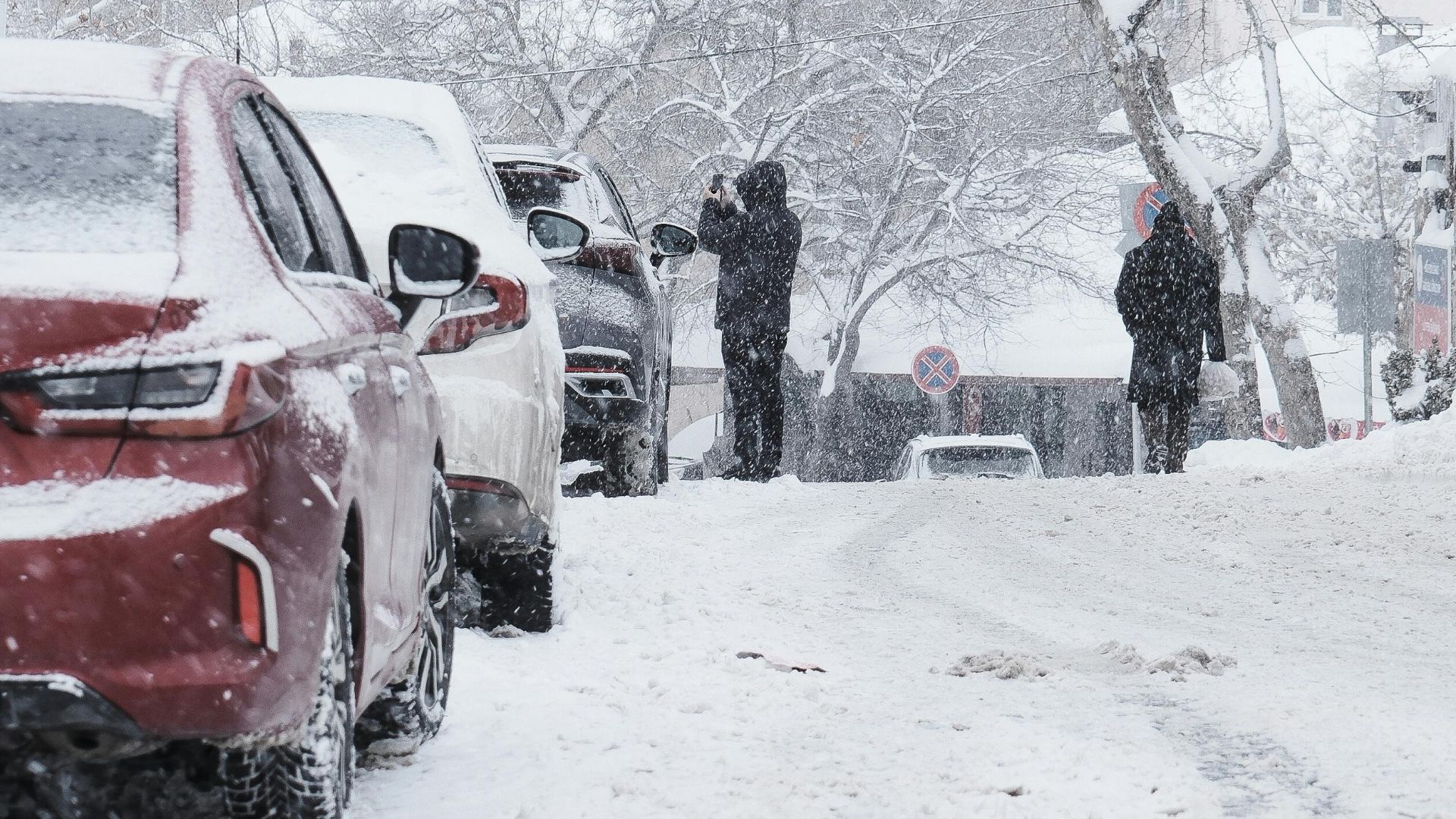
Winter storms coat roads with treacherous layers, forcing chain requirements and dramatic slowdowns that persist long after the last snowflake falls. Lake-effect snow dumps feet overnight, reducing friction to nearly zero and prompting closures.
12. Concert Influxes
Massive music festivals attract over one hundred thousand attendees. These saturate entry and exit points in ways that cause hours-long jams post-event that no amount of planning prevents. Festival-goers face marathon wait times due to check-in changes and volume that overwhelms unprepared roads.

13. Bridge or Tunnel Malfunctions
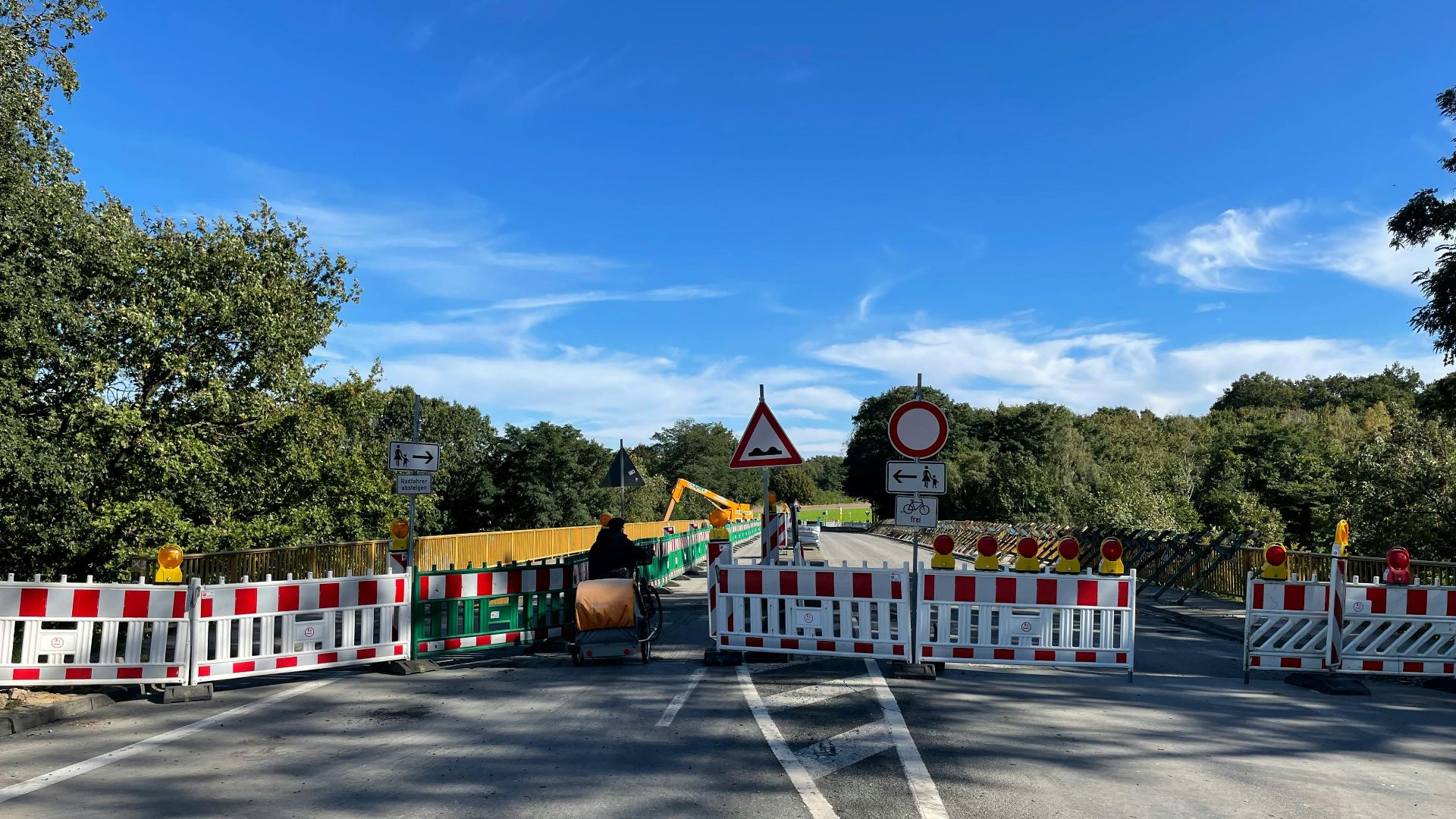
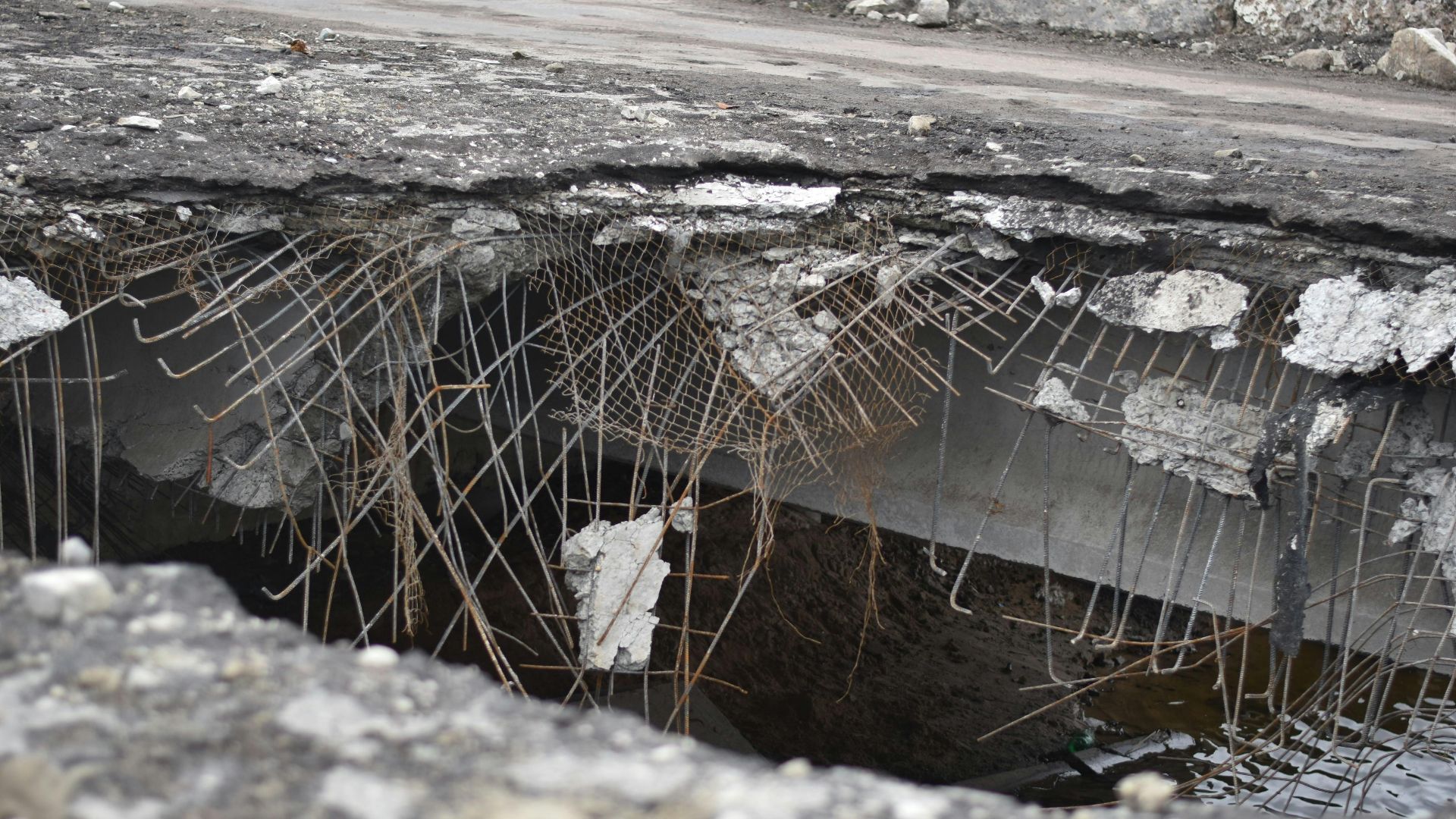
Bridges stand structurally deficient across America, leading to unexpected shutdowns like sudden collapses that halt traffic without warning or alternative routes. Ventilation breakdowns in tunnels or drawbridge mechanical issues prolong disruptions, emphasizing systemic vulnerabilities in critical crossing points.
14. Seismic Activity
Seismic events damage roads unpredictably. Ground shaking triggers landslides, which make avoidance impossible due to sudden infrastructure failure in literal seconds. Major earthquakes have collapsed highway sections. Even worse, aftershocks extend jams in quake-prone areas, preventing crews from working safely.
15. Rubbernecking
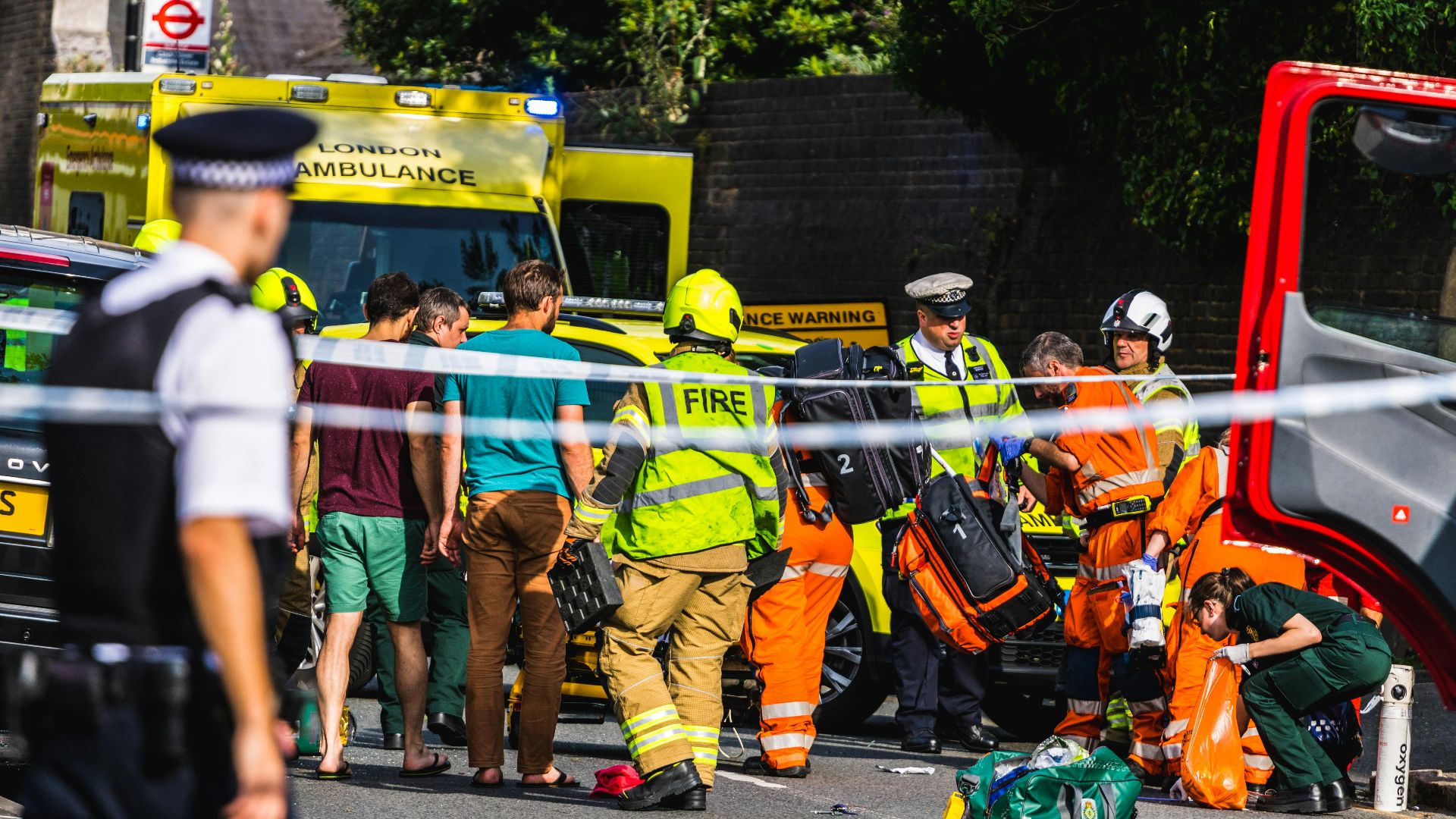
Gawking creates secondary jams by slowing drivers who can't resist stealing glances at accident scenes. This psychological phenomenon adds significant minutes to congestion as distractions ripple through traffic, with each passing driver tapping brakes to observe.
16. Freight Truck Overloads
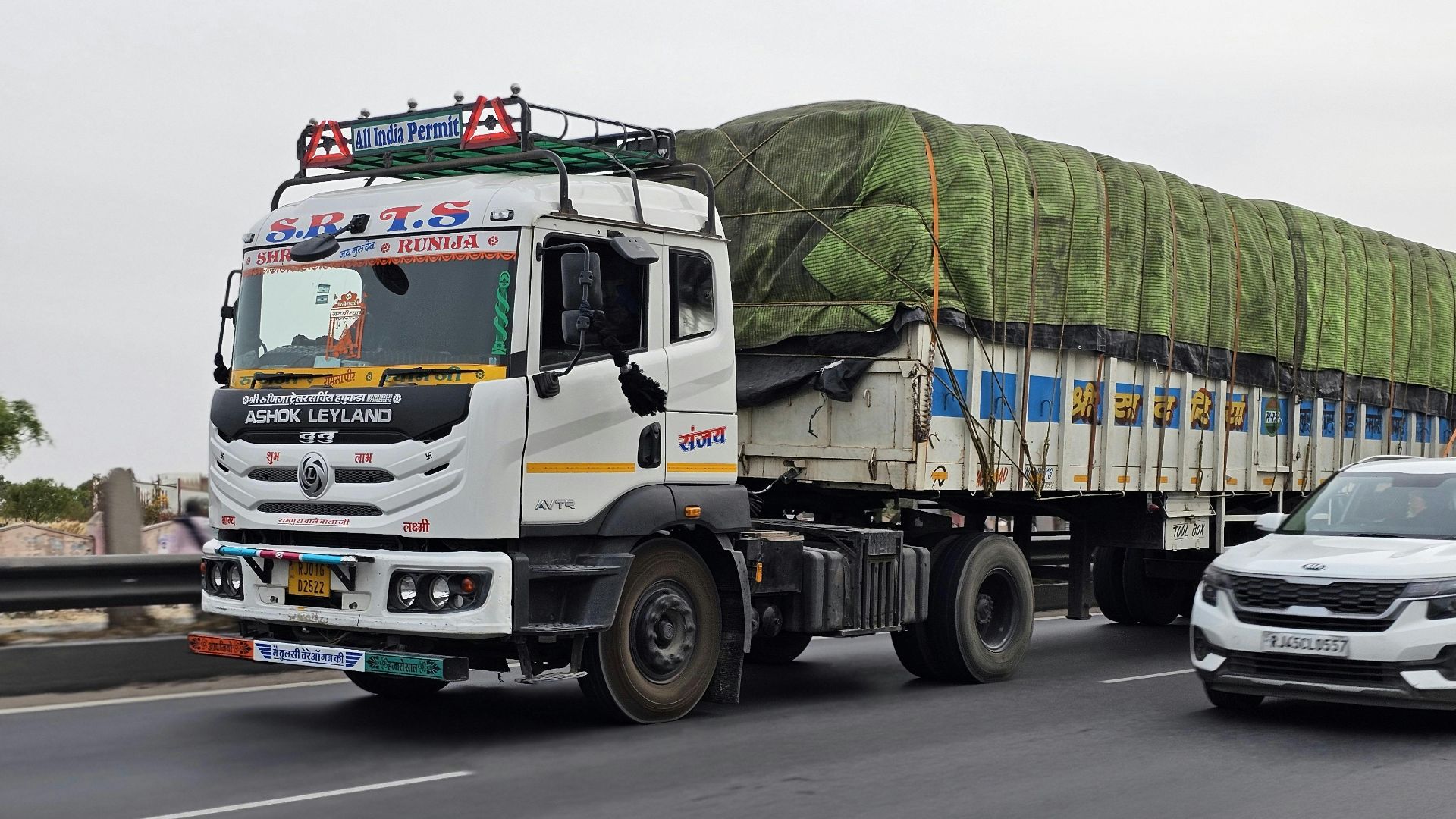
Truck traffic has surged like crazy in recent years, bottlenecking routes with slower merges as huge rigs lumber into highway lanes carrying the nation's commerce. Heavy trucks also slow on uphill grades and craft jams from supply chain mandates that require constant movement of goods.
17. Celestial Events
These uncommon occurrences actually create layered congestion from unprepared roads suddenly flooded with amateur astronomers. Eclipse viewing spikes traffic risks in observation zones as distracted drivers crane their necks skyward while still moving.

18. Flooding From Burst Pipes Or Rivers
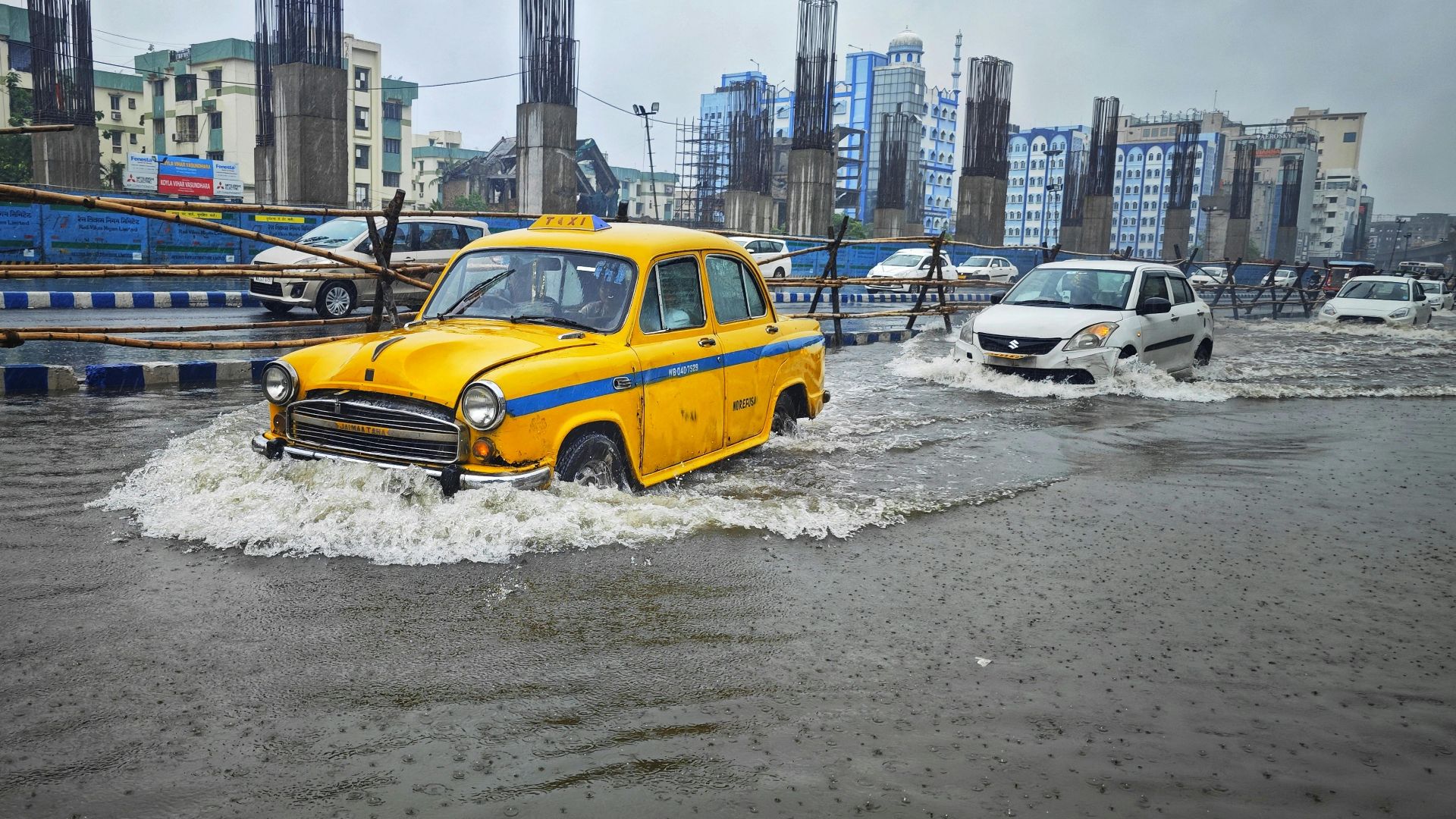
Major hurricanes have submerged urban underpasses, closing routes without viable detours as water rises faster than warnings can spread to approaching drivers. Flash floods recur in low-lying areas. Not to mention, water inundation halts traffic abruptly with lingering effects from debris that blocks lanes.
19. Motorcades
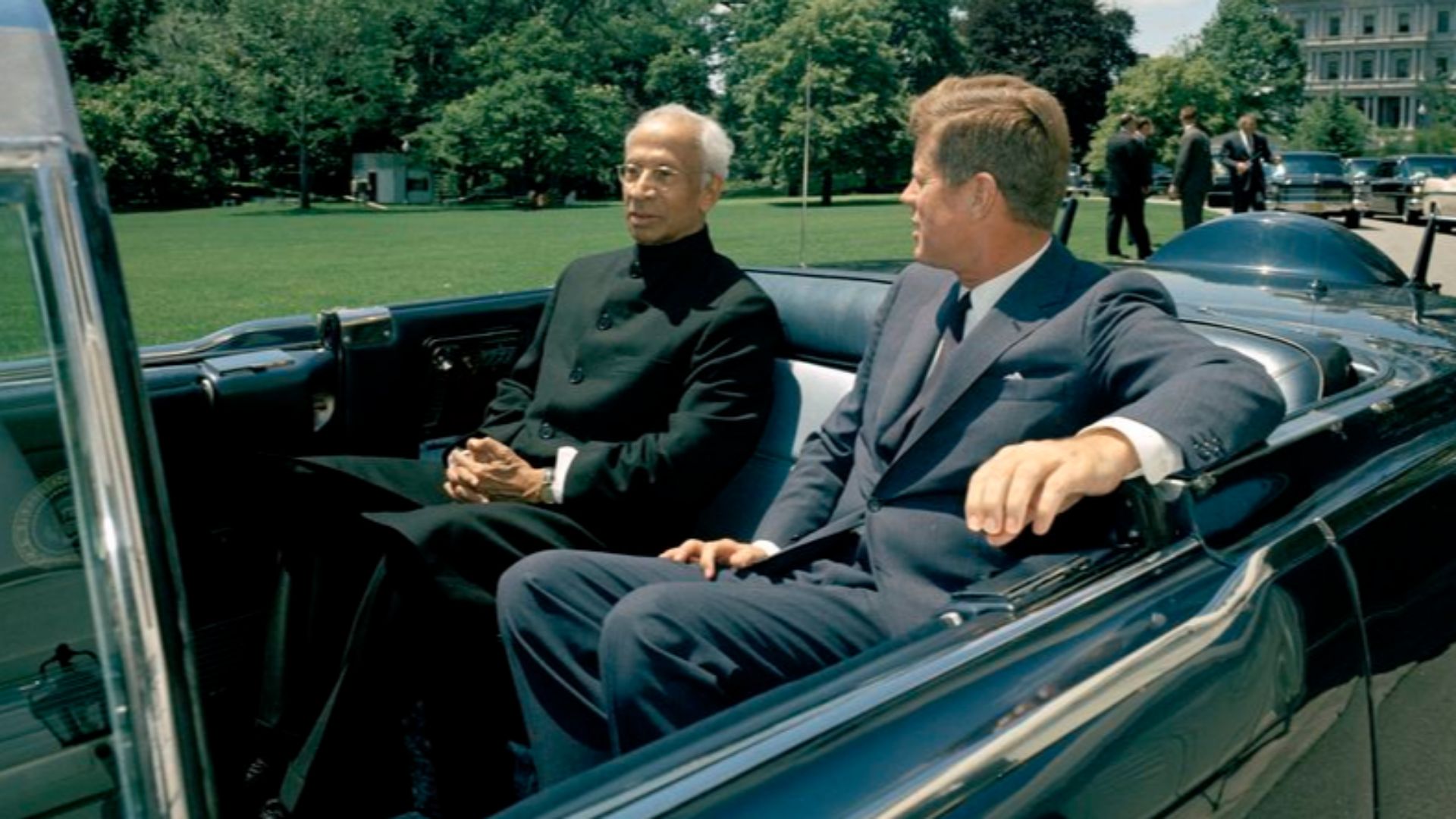
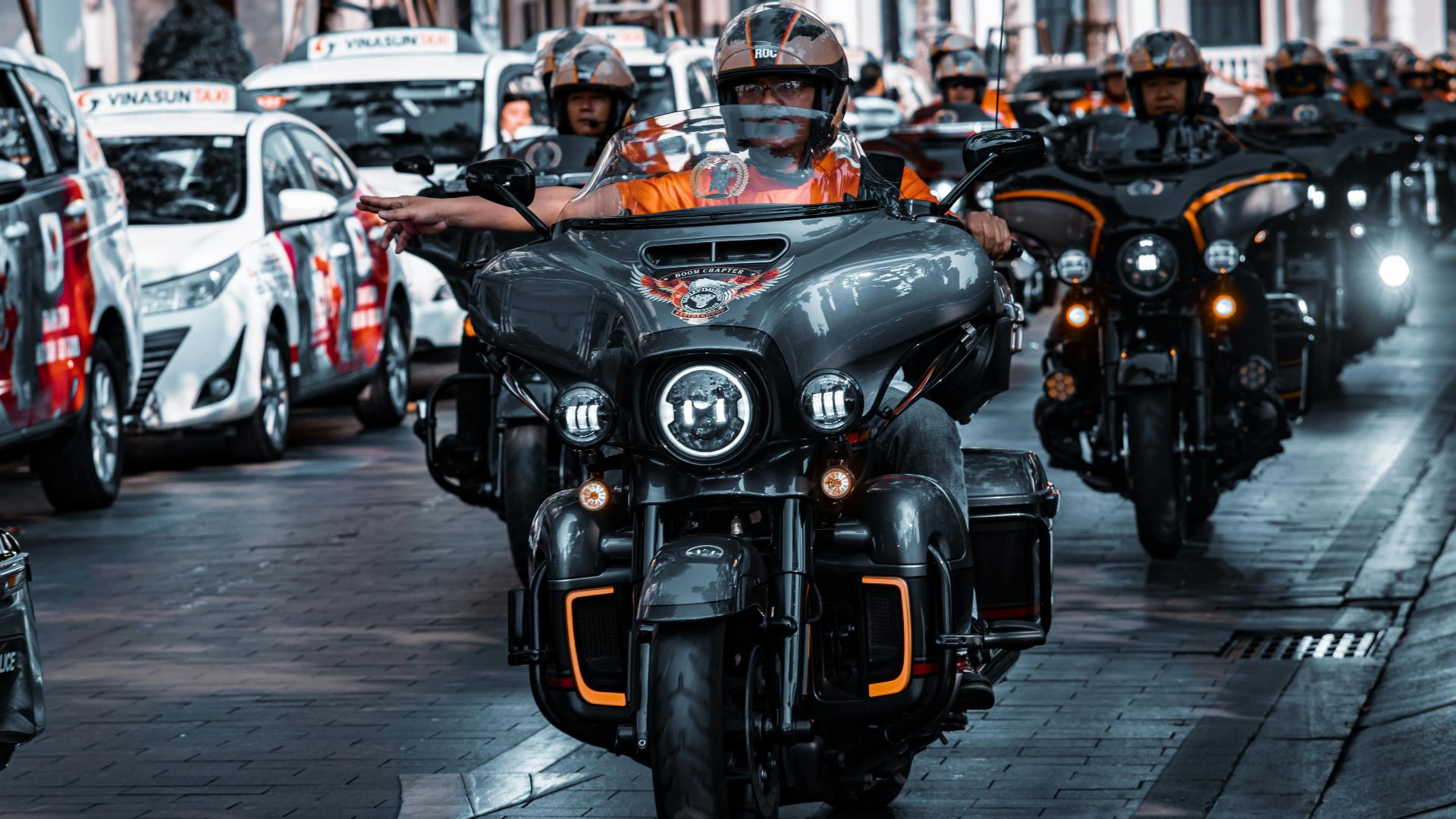
VIP convoys require rolling roadblocks that disrupt flow for hours during high-profile visits, with security protocols shutting down entire highway sections simultaneously. Operations remain inflexible by design, turning major routes into no-go zones patrolled by law enforcement.
20. Population Growth
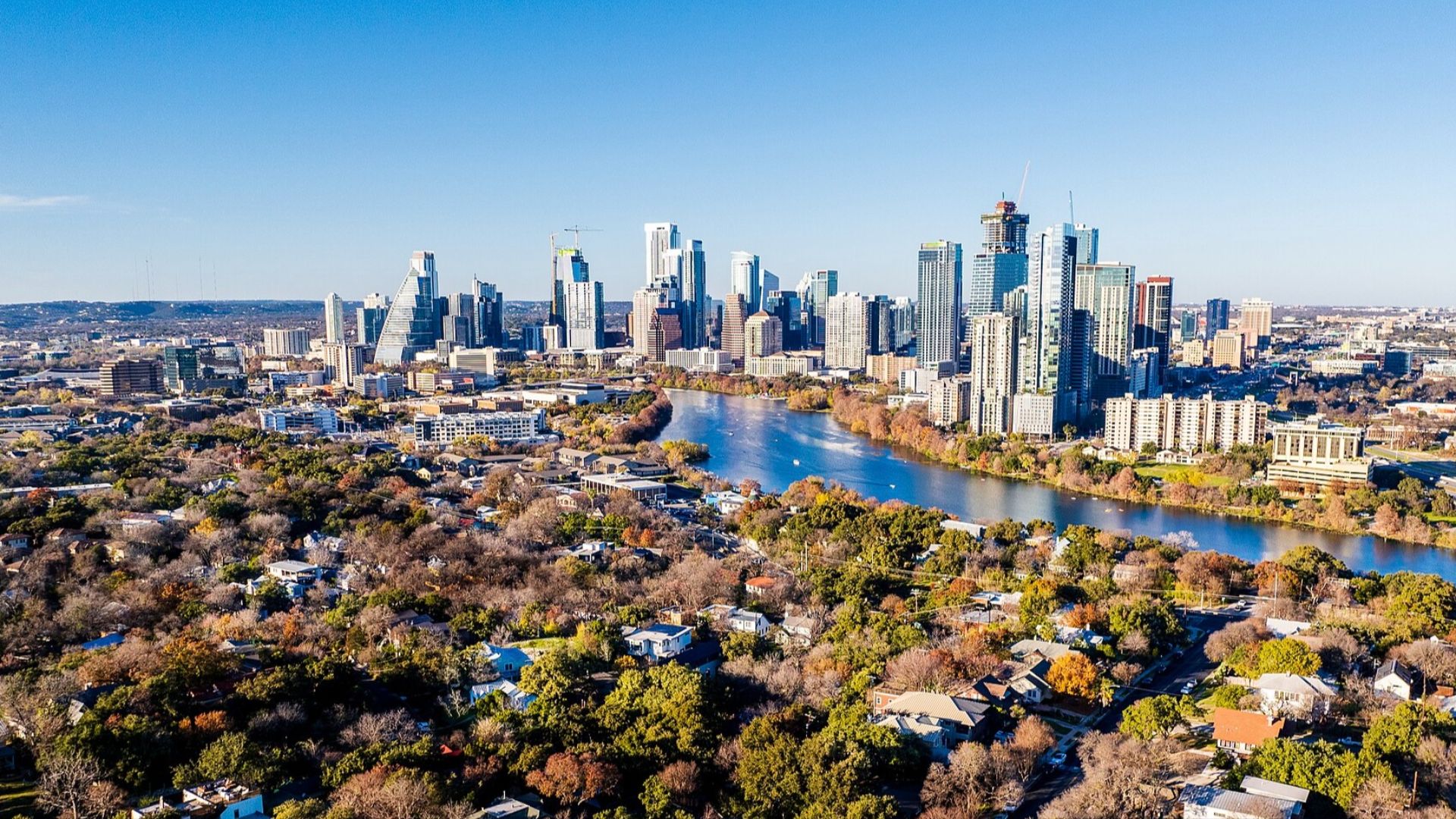
Explosive growth far exceeds road expansion capabilities. Demographic shifts cause chronic overloads, with commuters experiencing significant hours of delay annually as population booms strain every arterial road. Urbanization in rapidly growing metros ensures jams that no individual can outmaneuver through timing.