
A Quick Reality Check Before You Blame Your Mattress
Back pain doesn’t always start at the gym or from sleeping “weird” the night before—sometimes it shows up right after your commute, and your vehicle is the culprit. If your car setup has you twisted, slumped, or bracing for bumps, your back can start protesting fast. Let’s break down the most common ways your ride quietly turns driving into a pain in the spine, and how you can avoid future injuries.

1. Your Seat’s Too Far Reclined
When you lean the seat back too far, you usually end up reaching for the wheel and craning your neck forward. That posture asks your mid-back and lower back to hold you up without support. Over time, that constant strain can make your back feel tight, achy, and sore.

2. You’re Sitting Too Close to the Steering Wheel
If your seat’s jammed forward, your hips can’t relax, and your knees come up higher than they should. That position can tilt your pelvis and compress your lower back. It also encourages you to hunch, which is basically an invitation for soreness.

3. The Lumbar Support is Missing or Misused
A flat seat back doesn’t match the natural curve of your spine, so your lower back has to improvise. If lumbar support is too high, too low, or too aggressive, it can feel like someone’s poking you. Getting that curve supported properly can be the difference between “fine” and “why do I walk like that after driving?”

4. Your Wallet Creates a Tilted Seat
Sitting on a thick wallet or bulky phone turns one side of your pelvis into a little ramp. That uneven base makes your spine compensate and twist in subtle ways. You might not notice during the drive, but your back definitely keeps score.

5. The Headrest Pushes Your Neck Forward
A poorly adjusted headrest can nudge your head out of alignment, even if everything else feels okay. When your head shifts forward, your upper back and neck muscles work overtime to hold it there, and that tension travels downward. In the end, you’ll experience stiffness between your shoulder blades or in your lower back.

6. Your Seat Height Forces Your Hips Into a Bad Angle
If the seat is too low, your hips can drop below your knees, and that often rounds your lower back. If it’s too high, you may feel pressure under your thighs and start shifting around to get comfortable. Either way, your spine loses stable support and starts reacting with tightness.

7. You’re Twisting to Reach Things While Driving
Repeatedly grabbing random items doesn’t do your back any favors. That twisting is especially rough when you’re seated, because your hips are fixed and your spine takes the rotation. Do it often enough, and your back may start feeling the heat even on days you barely drive.

8. Vibrations Add Up More Than You Think
Constant vibration from rough roads, stiff suspension, or worn tires can fatigue your muscles without you realizing it. Your body subtly braces against the shaking, and your back muscles stay partially “on” the whole time. That low-level tension can turn into lingering soreness after longer drives.
 Robin Jonathan Deutsch on Unsplash
9. You’re Bracing Because the Ride Feels Jerky
Hard braking or bumpy stops make you tighten your back to stay steady. Even if you’re not white-knuckling the wheel, your muscles can still brace for any potential impact, and that repeated motion can leave your lower back feeling overworked and stiff.
10. You Stay Still for Too Long
Your spine loves movement; long, unbroken sitting sessions make it feel trapped. Just about everyone is guilty of slumping, and as we do so, our muscles get tired. A quick posture reset or stretch break can help—without it, your back can start aching by the time you park.
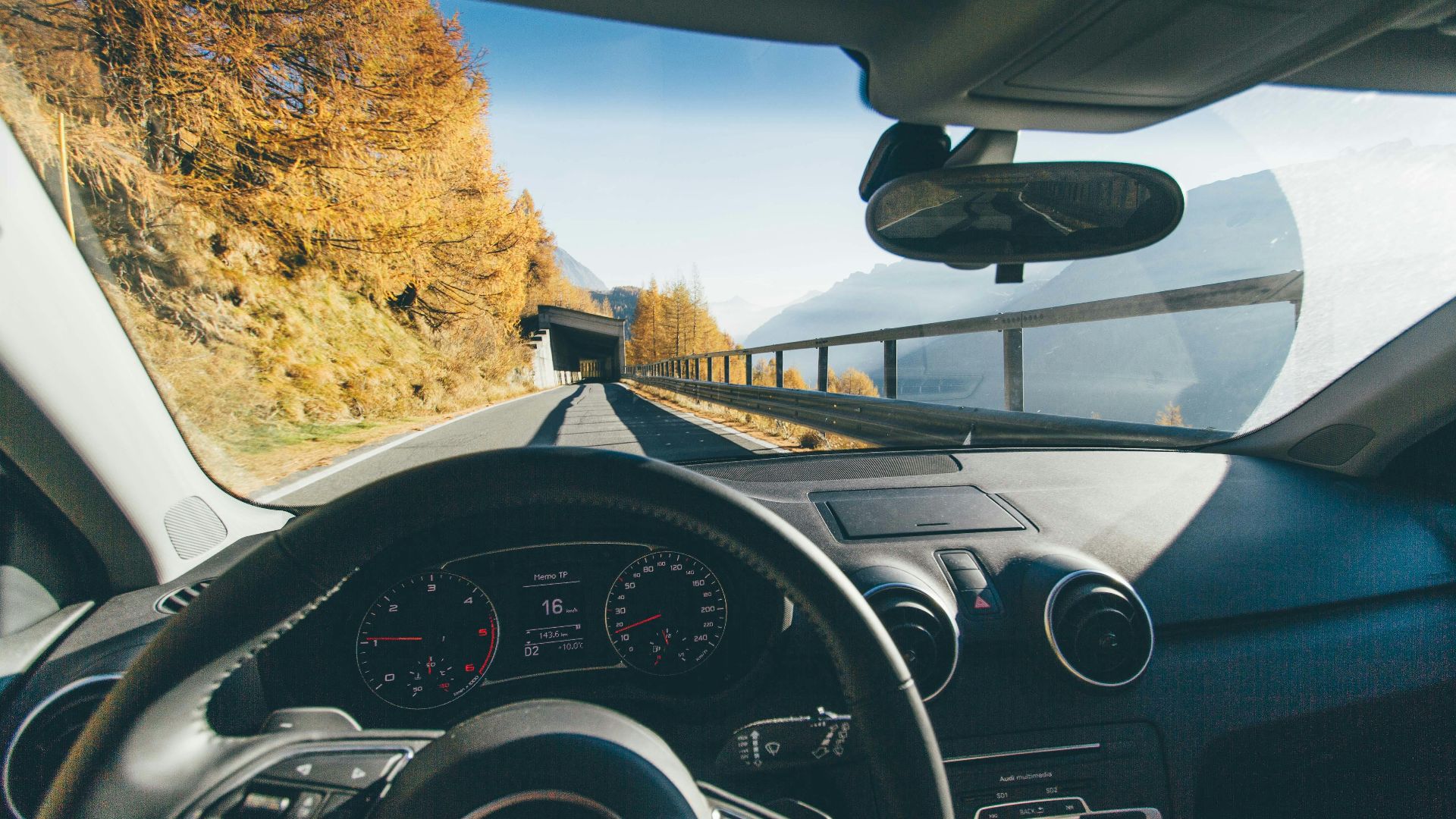
With some of the culprits out of the way, it’s time we explored a few ways you can spare yourself the aches and pains.
1. Dial In Your Seat Distance
Slide your seat so you can press the pedals without locking your knees or stretching your toes. You want a slight bend in your legs so your hips and lower back aren’t pulled tight. When your lower body feels stable, your spine doesn’t have to compensate.

2. Set the Seatback to “Upright, Not Rigid”
Adjust your seatback so you’re not reclining. Aim for a comfortable upright angle that lets your shoulders rest back instead of drifting forward. This keeps your mid-back supported and reduces that creeping slouch.
3. Use Lumbar Support the Smart Way
If your car has lumbar support, position it so it fills the curve of your lower back rather than jabbing it. When there’s no built-in option, a small cushion or rolled towel can do the job without any issue. Supporting that natural curve helps your back muscles relax instead of constantly holding you up.

4. Center Your Headrest for Better Alignment
Raise the headrest so the middle of it lines up with the back of your head, not your neck. That setup discourages your head from creeping forward during long drives—less neck strain often means less tension traveling down into your upper back.

5. Allow Both Hands To Do Their Share
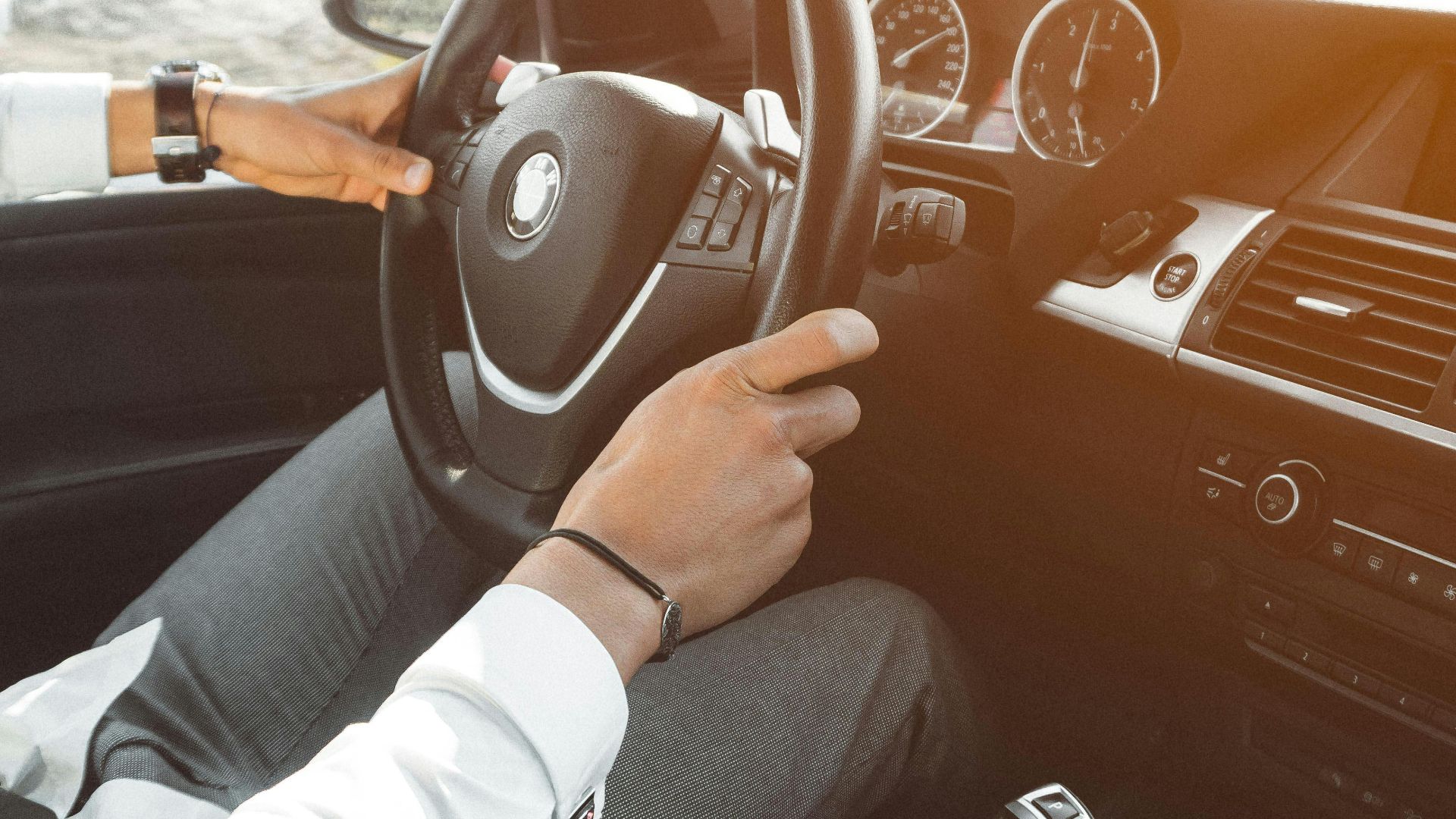
Driving one-handed might look cool in your imagination, but it can twist your torso over time. Using two hands helps keep your shoulders level and your spine more neutral. It’s one of those small adjustments that makes a big impact over time.

6. Put Your Wallet Somewhere Else
Remember what we said about sitting on a bulky wallet? No longer! Toss it in the console, a pocket in your bag, or literally anywhere that isn’t under your backside. A level seat base makes it easier for your back to stay comfortable.

7. Adjust the Steering Wheel
Bring the steering wheel close enough that your elbows stay slightly bent and your shoulders can relax. Reaching forward encourages hunching, which is your back’s worst enemy. When your arms are supported by good positioning, your upper back won’t feel like it’s doing extra work.

8. Warm Up Before Longer Drives
If you’re about to sit for a while, take thirty seconds to loosen up your hips and back. A gentle twist, a hamstring stretch, or even a few shoulder rolls can help wake everything up. It’s a small habit that can make your first (and especially last) mile feel way better.

9. Take Micro-Breaks, Even If You Can’t Pull Over
When you’re stuck in traffic, shift your posture slightly and gently engage your core for a few breaths. You can also relax your shoulders, reset your head position, and let your back settle into the seat again. Tiny adjustments keep your muscles from locking into one tired position.

10. Plan Real Breaks on Road Trips
On longer drives, schedule quick stops to stand, walk, and stretch instead of trying to power through. Moving for even a couple of minutes gets blood flowing and gives your spine a reset. Your back will thank you, and you’ll probably be a nicer person at the next gas station, too.