
Smarter Choices For Drivers
Cars range from economical compacts to high-end luxury models, and the question of which truly stands out continues to intrigue drivers. Some drivers are drawn to status and shine, while others prefer practicality and familiarity. Today, we're taking a closer look at how everyday cars quietly make their mark in ways you might not notice.
 Antoni Shkraba Studio on Pexels
1. Dramatically Lower Purchase Prices
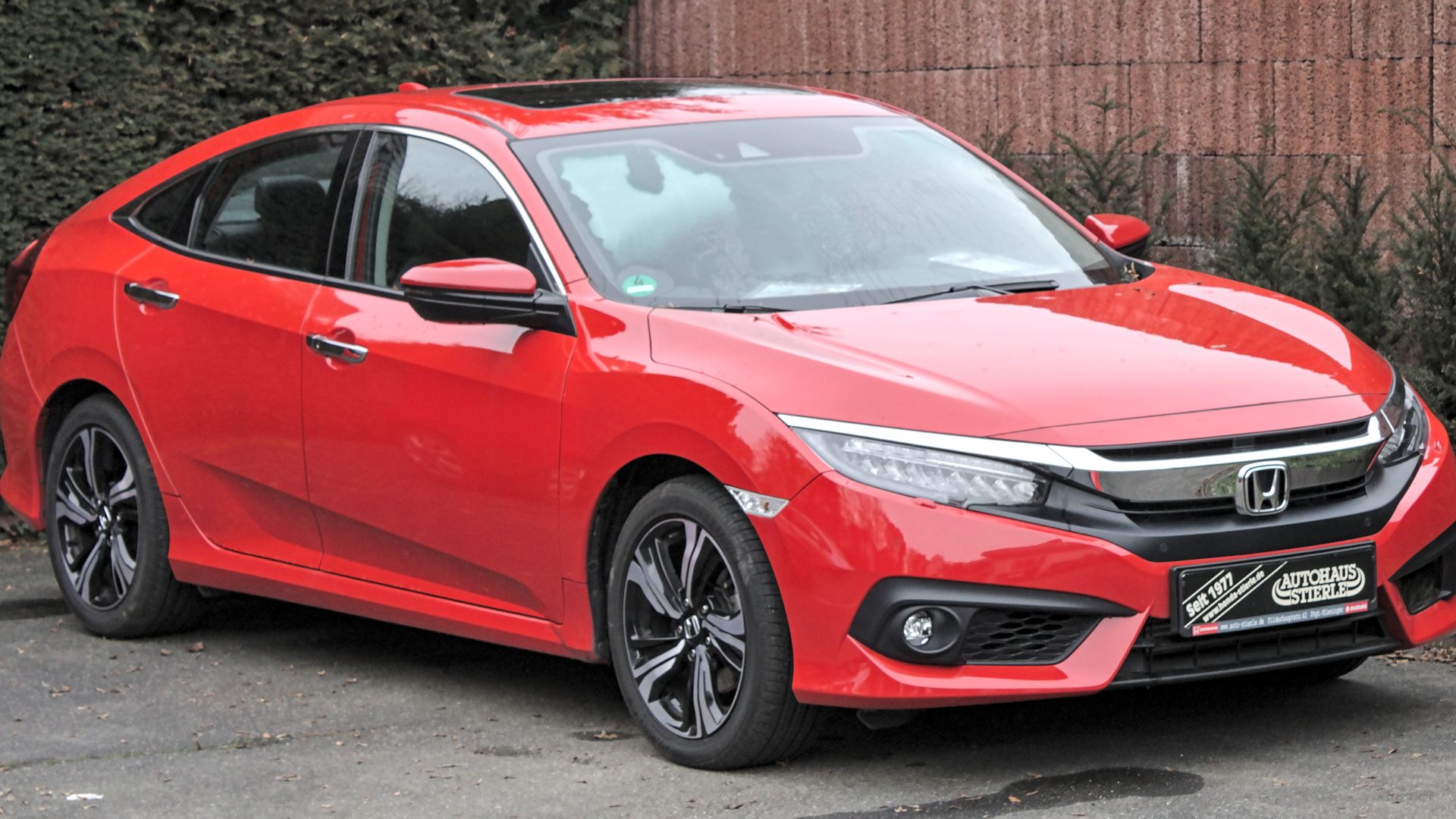
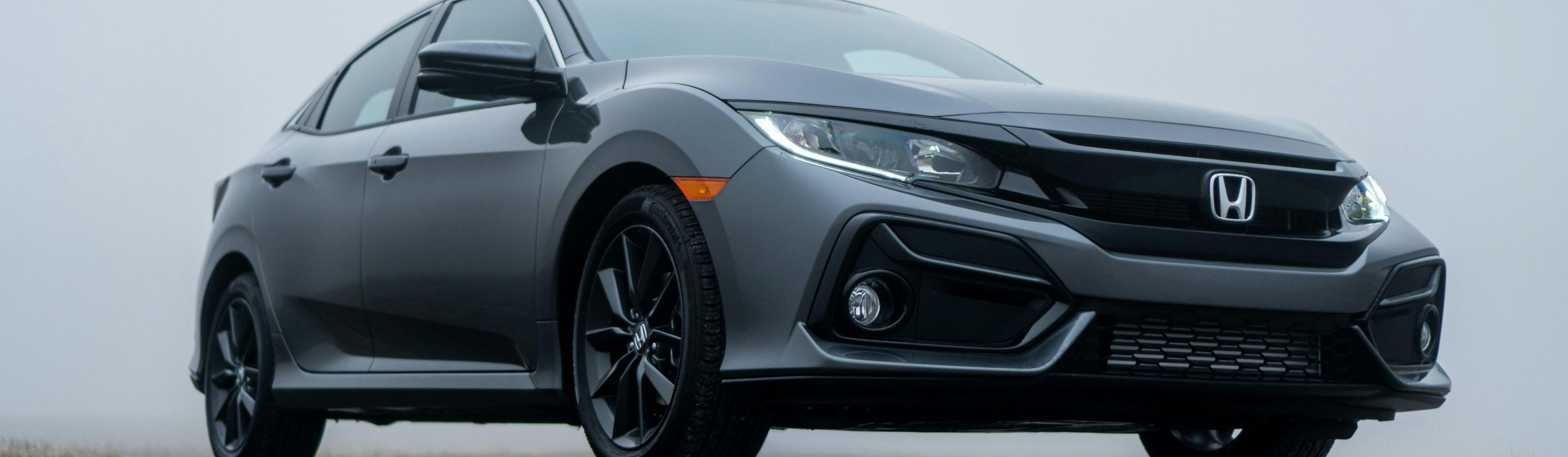
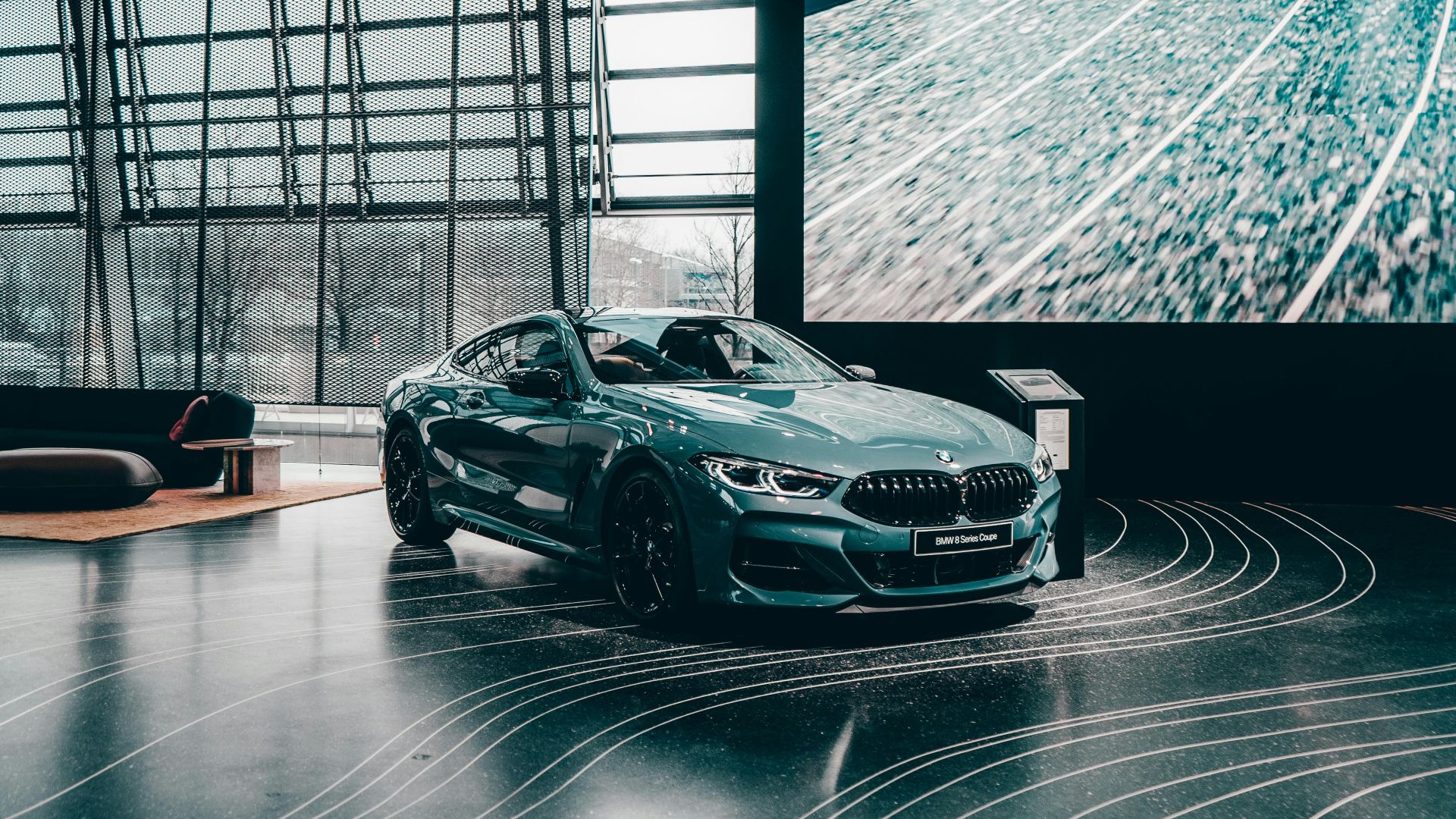
Walking into a Honda dealership versus a BMW showroom reveals a stunning price gap right from the start. The 2025 Honda Civic starts at $25,790, while a comparable BMW 3 Series begins at $48,675—that's over $22,000 more for similar transportation.
2. Lower Annual Repair and Maintenance Costs
Your wallet feels the difference long after you drive off the lot. Data highlights that Honda averages just $428 yearly in repairs, but BMW's costs frequently exceed $900 annually. Toyota runs even leaner at $362–$441 per year.

3. Superior 5–10 Year Total Cost of Ownership
Those repair savings multiply dramatically when you look at the bigger picture over time. Toyota and Honda models demonstrate 30–50% lower ownership costs than BMW and Mercedes equivalents over a full decade.

4. Slower Depreciation Rates
Selling your car years later reveals another advantage that protects your investment better. Mass-market cars like Toyota typically lose 45–50% of their value over five years, while luxury models often exceed 55–60% as per depreciation studies. Analysis also found that everyday brands consistently hold value better in real sales transactions.
 Antoni Shkraba Studio on Pexels
5. Significantly Lower Insurance Premiums
Insurance companies know which cars cost less to fix, and they price policies accordingly. For example, full-coverage insurance for a Honda Civic averages around $2,300 yearly versus roughly $2,753 for a BMW 3 Series.

6. Better Hybrid Fuel Efficiency
Fuel efficiency tells a similar story when you compare hybrid options between everyday and luxury brands. The 2025 Toyota Camry Hybrid achieves up to 53 mpg city and 50 highway per EPA ratings, while the Lexus ES 300h manages around 44 mpg combined.

7. Broader Global Service Networks and Parts Availability
Breaking down far from home highlights another practical advantage of choosing mainstream brands. Honda and Toyota parts are stocked more widely in rural and international markets, cutting wait times dramatically. On the contrary, German luxury brands require special ordering.

8. Longer Powertrain Warranties
Manufacturers reveal their confidence through warranty coverage, and the difference here is striking. Kia and Hyundai offer 10 years or 100,000 miles of powertrain coverage compared to BMW and Mercedes, which provide just four years or 50,000 miles.

9. Higher Probability of Reaching 250,000+ Miles
Longevity indicates the true quality of engineering when cars rack up serious mileage over the years. Toyota Camry and Honda Accord as most likely to reach 200,000 miles with fewer issues, leaving Jaguar and Land Rover far behind when the odometer climbs.

10. Greater Standard Safety Feature Value
Safety technology doesn't require a luxury badge to protect your family effectively. Base everyday cars frequently earn IIHS Top Safety Pick+ awards with standard driver assistance systems that match luxury safety at far lower cost.

11. Superior Everyday Maneuverability
City driving and tight parking spots expose the practical downsides of larger luxury sedans daily. Compact everyday sedans offer superior turning radii for urban driving, and daily usability tests confirm they navigate tight city spots far better than bulkier premium vehicles.

12. Fewer Long-Term Electronic and Software Glitches
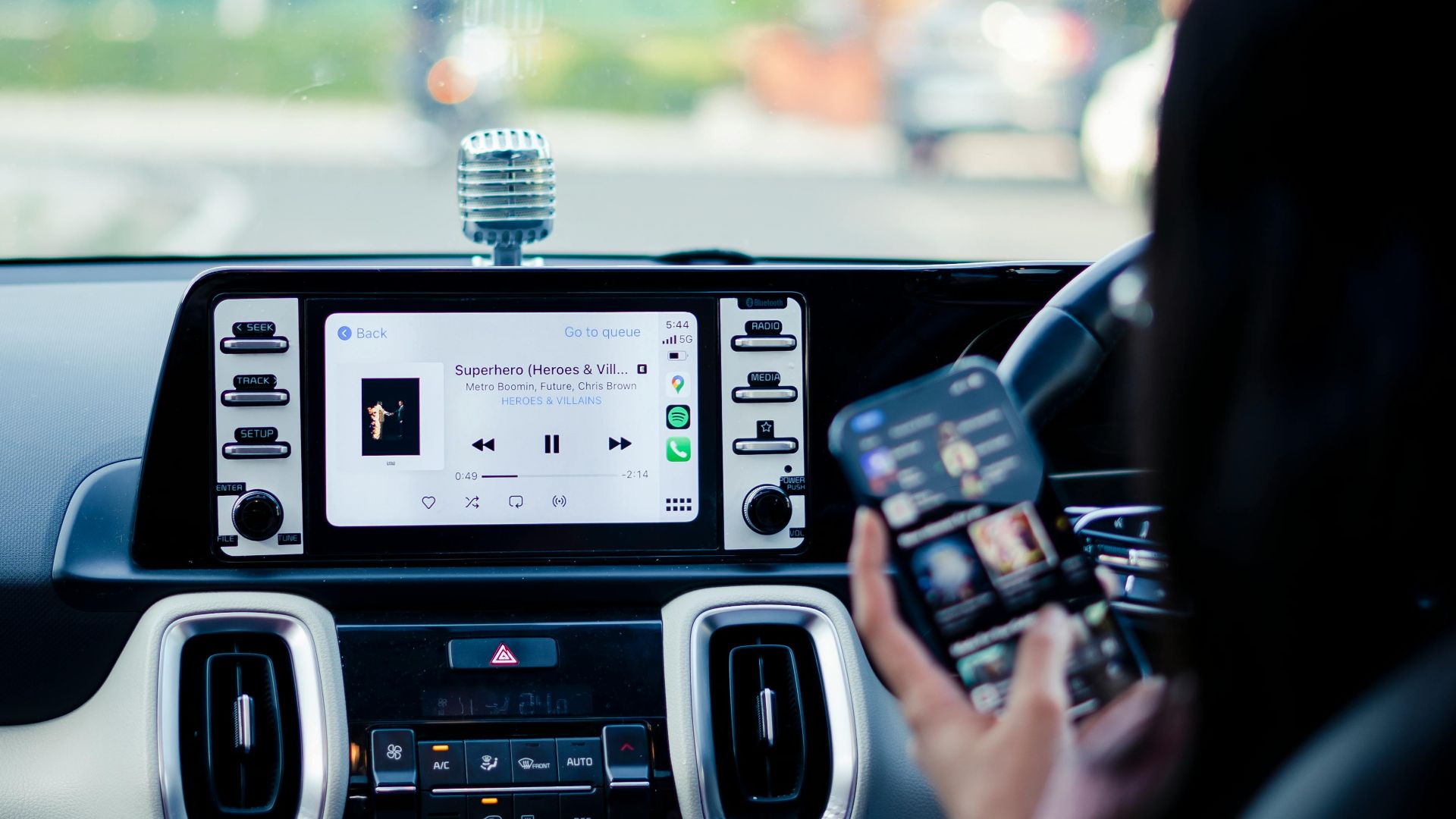
Modern technology can become a headache when complex systems start malfunctioning after a few years. Simpler infotainment systems in Honda and Toyota vehicles result in fewer reported glitches than the complex luxury setups found in modern BMWs and Mercedes.
13. Better Reliability in Extreme Weather
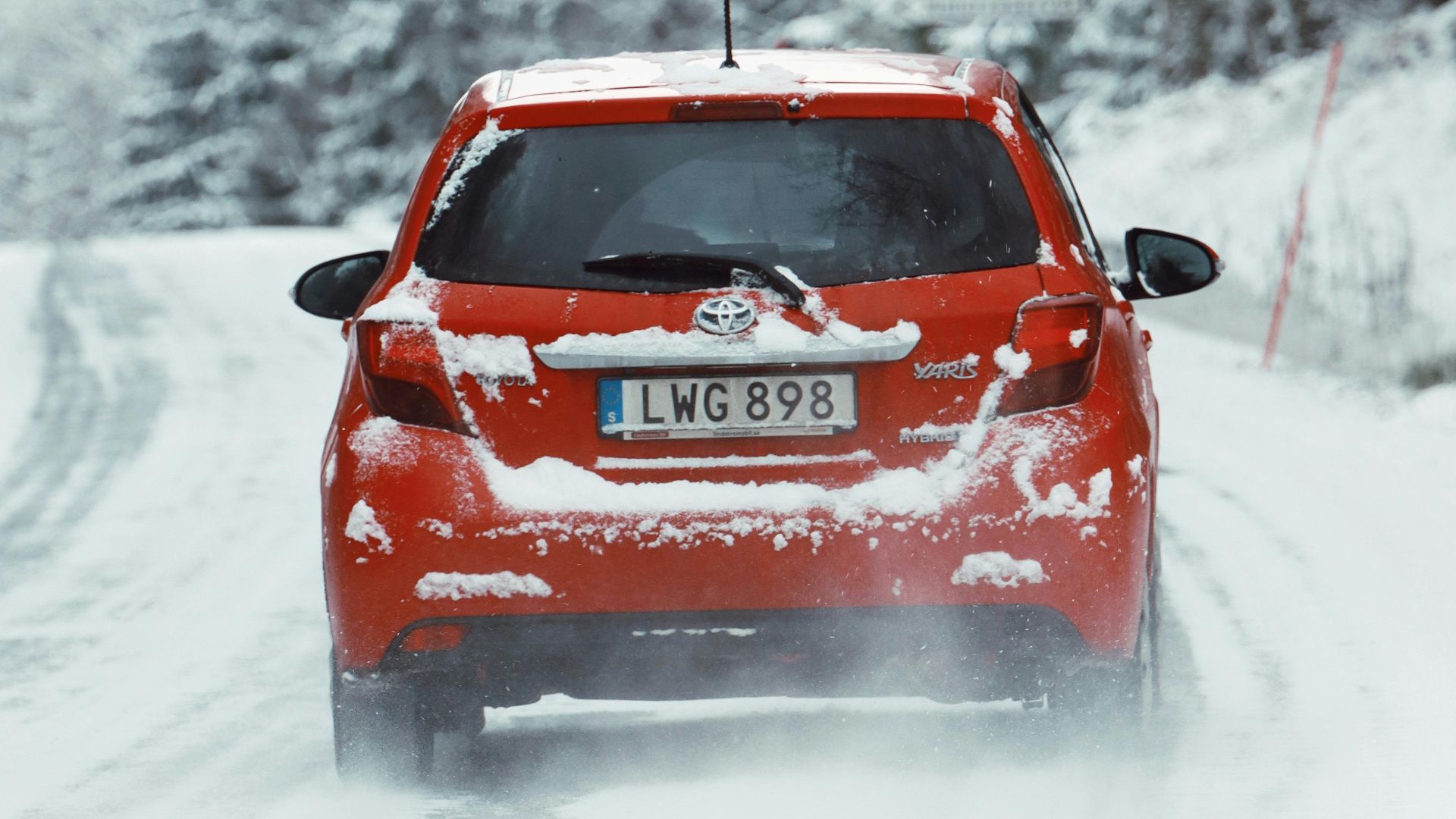
Harsh climates separate reliable vehicles from those that leave you stranded when temperatures swing wildly. Everyday cars excel in cold and hot start tests, showing superior all-weather dependability. Data shows fewer weather-related failures in mass-market vehicles than in luxury brands.
14. Higher Towing Capacity in Truck/SUV Segments
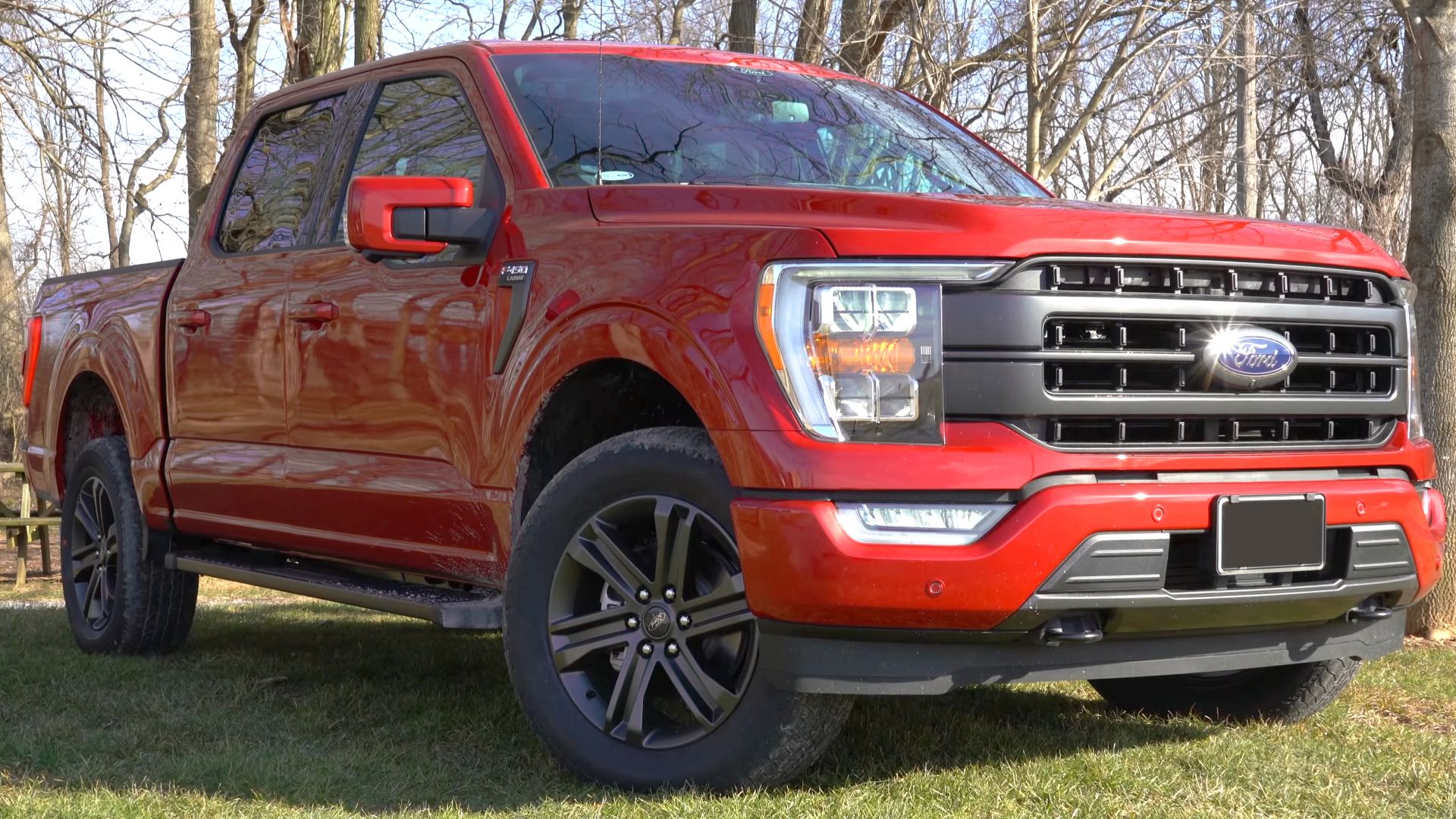
Work capability matters more than prestige when you actually need to haul heavy loads regularly. The Ford F-150 maxes out at 13,500 pounds of towing capacity versus the Range Rover's roughly 7,700 pounds. Similarly, the Chevrolet Silverado outperforms the Mercedes GLS in payload for practical hauling tasks, and manufacturer specifications confirm that everyday trucks provide superior work capacity at lower prices.
15. Easier DIY Maintenance
Popping the hood reveals how much simpler everyday cars are to work on yourself. Standardized parts in Toyota and Honda vehicles enable more accessible home repairs than the specialized tools luxury brands require.

16. Lower Registration, Taxes, and Fees
Government fees punish luxury buyers year after year through value-based taxation systems. Lower MSRP of everyday cars directly reduces annual registration and property taxes in most states across the country. Luxury vehicles incur higher fees based on their inflated values, adding hundreds yearly.

17. Stronger Percentage Resale Value Retention
Percentage retention matters more than raw numbers when comparing how well cars hold value proportionally. Research shows that Toyota and Honda often retain a higher percentage of their value after five years than BMW and Mercedes.
18. More Accessible Electrified Options
Going green doesn't require emptying your bank account if you choose the right brand. Everyday brands like Toyota hybrids deliver strong fuel economy without the luxury markup premiums that inflate monthly payments. They also offer a competitive range and efficiency at entry-level prices.
19. Enhanced Family Practicality
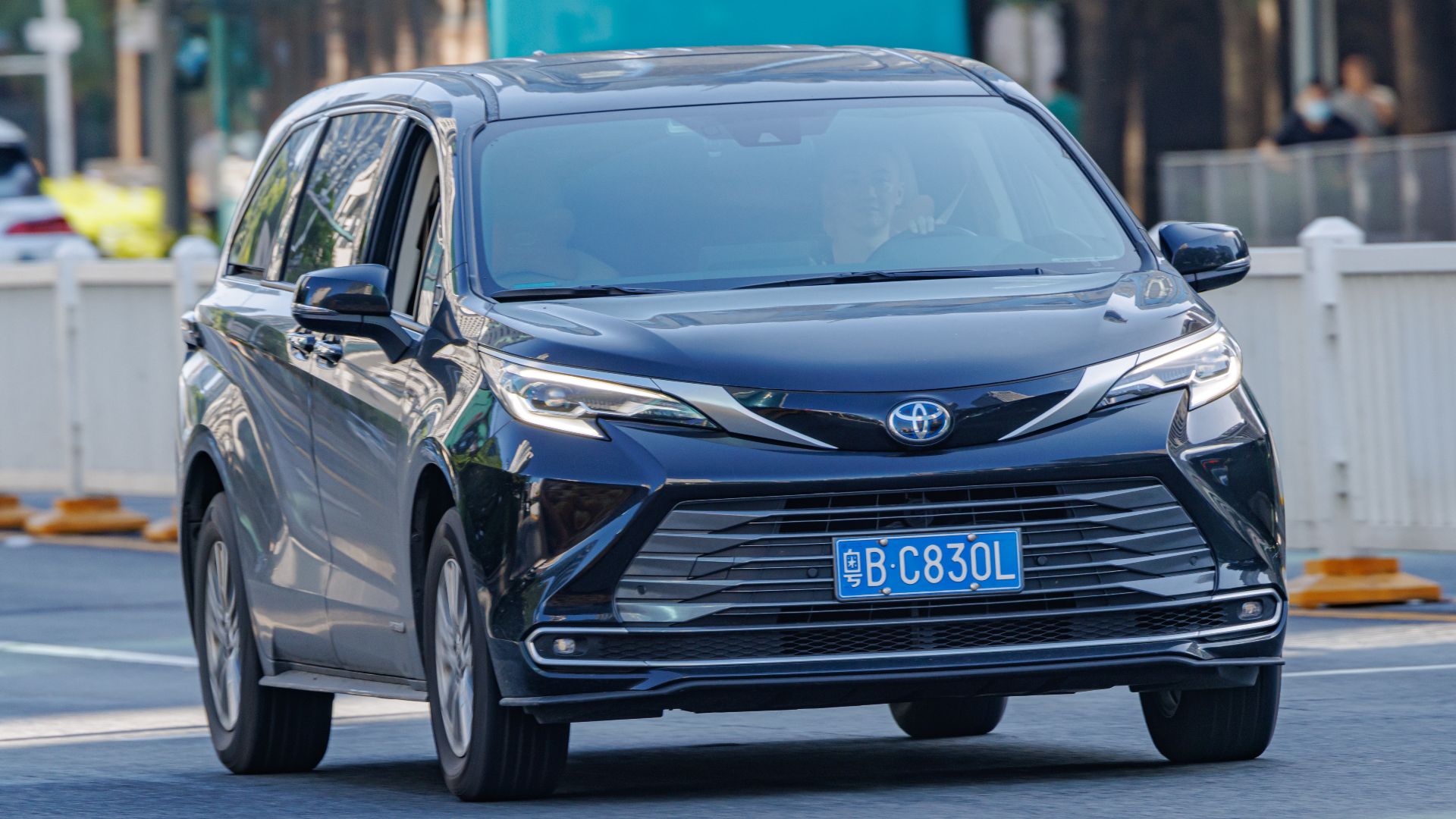
Real-world family life demands function over flash when you're hauling kids and gear daily. User-friendly designs in vehicles like the Honda Odyssey and Toyota Sienna excel for daily family use, with better configurations and lower step-in heights improving usability.
20. Extensive Aftermarket Ecosystem
Enthusiast communities thrive around popular models that offer endless customization possibilities affordably. Popular everyday models like the Civic and F-150 have vast, affordable aftermarket support that luxury brands simply cannot match.