10 Signs Your Car Isn't Ready for Winter & 10 Key Tips for Preparing for Colder Weather
10 Signs Your Car Isn't Ready for Winter & 10 Key Tips for Preparing for Colder Weather
Don't Freeze Up
Winter has a way of turning small car problems into big, inconvenient ones. If your vehicle has been coasting through icy roads, freezing temperatures can expose weak batteries, tired tires, and fluids that aren’t suited for the season. So, how can you tell if you're ready or not for winter driving? Here are 10 signs your car might be unprepared, and 10 key tips to help you get ahead of the season.
1. Slow Starts
If the engine cranks lazily or takes a while to start up, cold weather may be exposing a weak battery or starter. Winter reduces battery efficiency, so issues that weren't previously a big problem can suddenly become glaring and evident. Don’t ignore it, because the next cold morning could be the one when your car doesn’t start at all.
2. Dim Headlights & Flickering Interior Lights
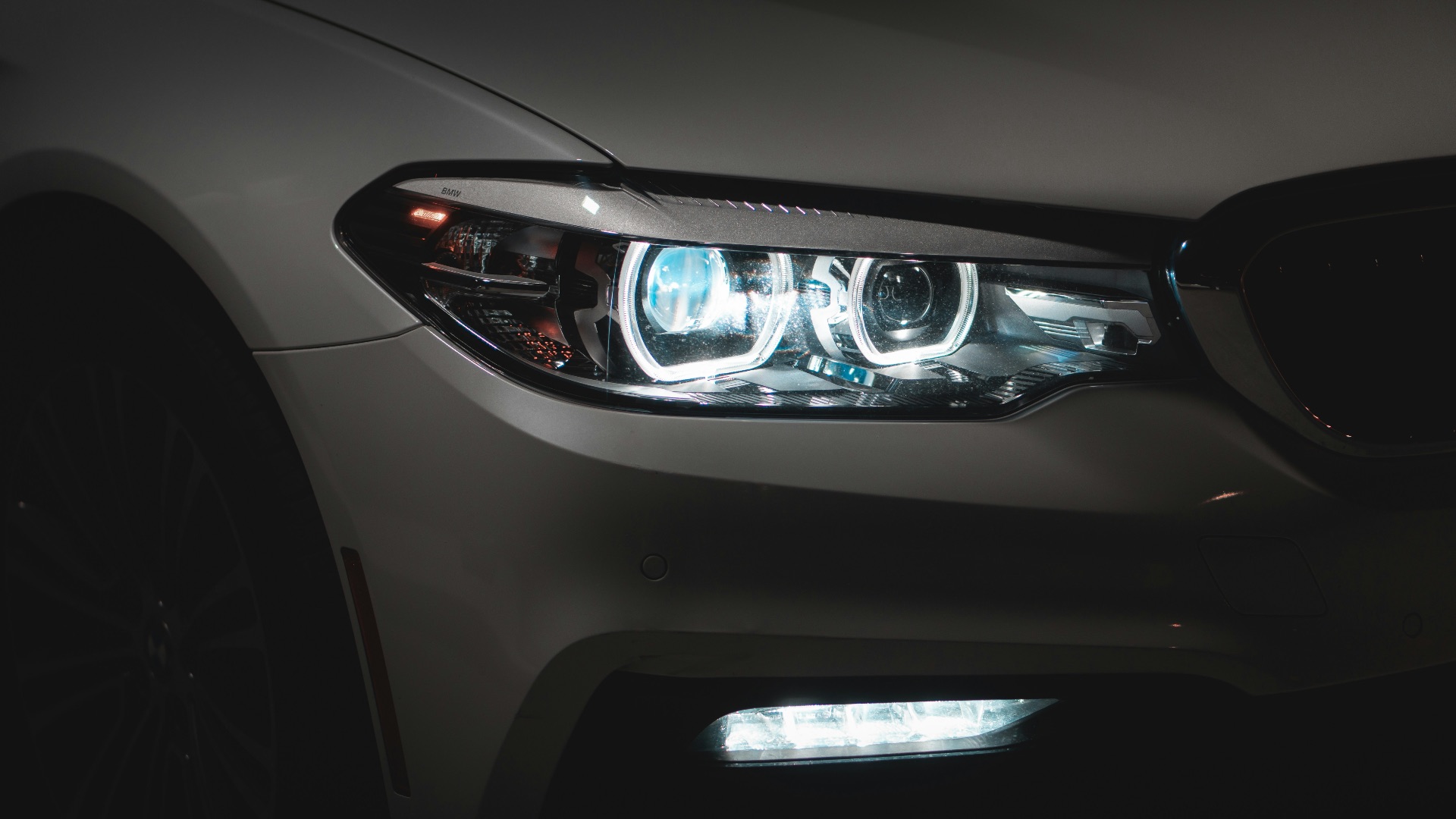
When your lights look a little dim or your dashboard brightness changes randomly, your electrical system could be under stress. Batteries and alternators have to work harder in the cold, and weak connections show up fast. You might chalk it up to “just winter,” but it’s often a warning sign you should take seriously.
3. Tires That Look Low
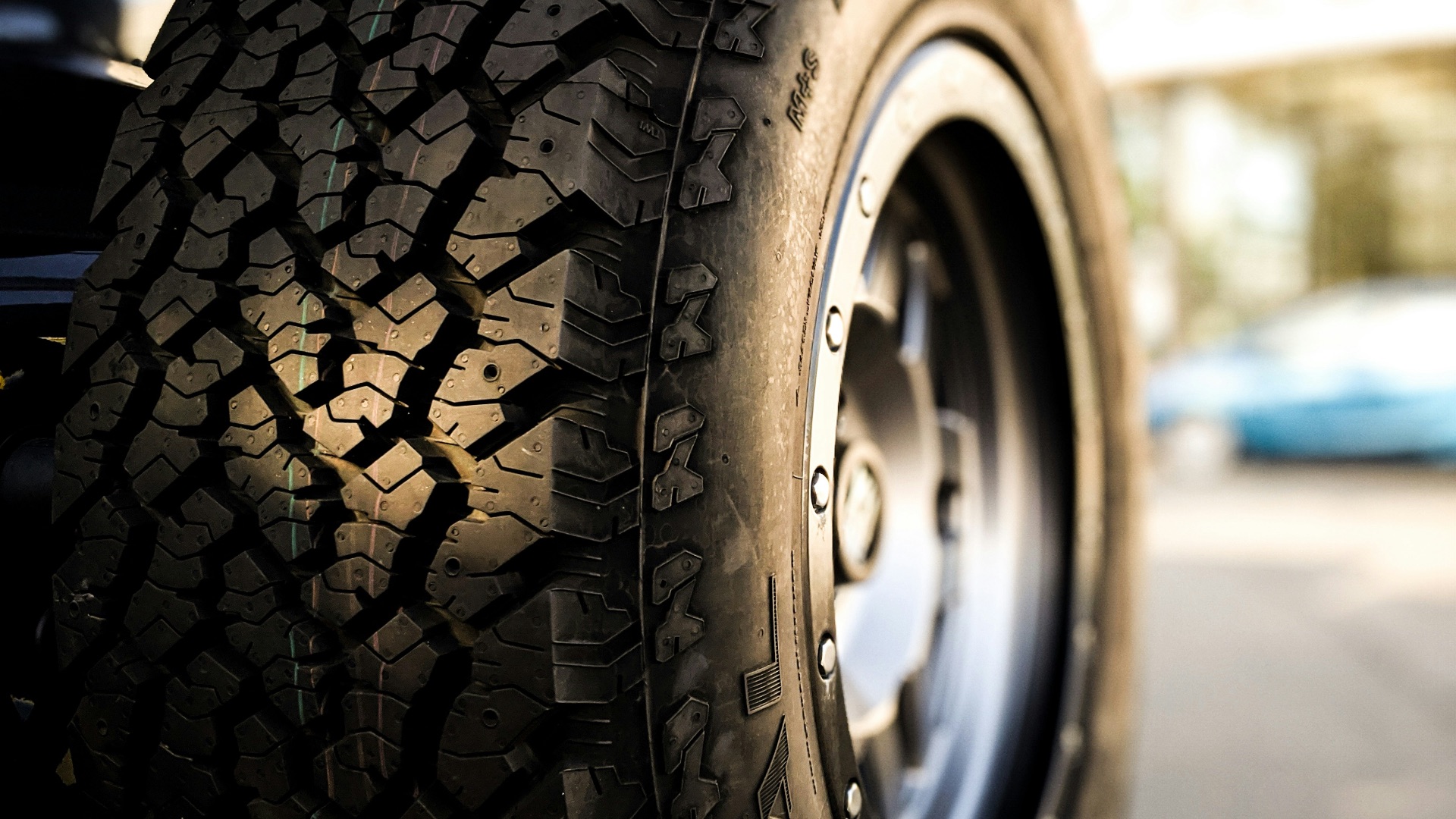
If you keep noticing your tires look squishy, it’s not your imagination; cold air reduces tire pressure. Even a few PSI below normal can affect traction, braking, and fuel economy. Driving around on underinflated tires can be extremely dangerous, so it's important to get them fixed before you get into an accident.
4. Unsteady Steering Wheel
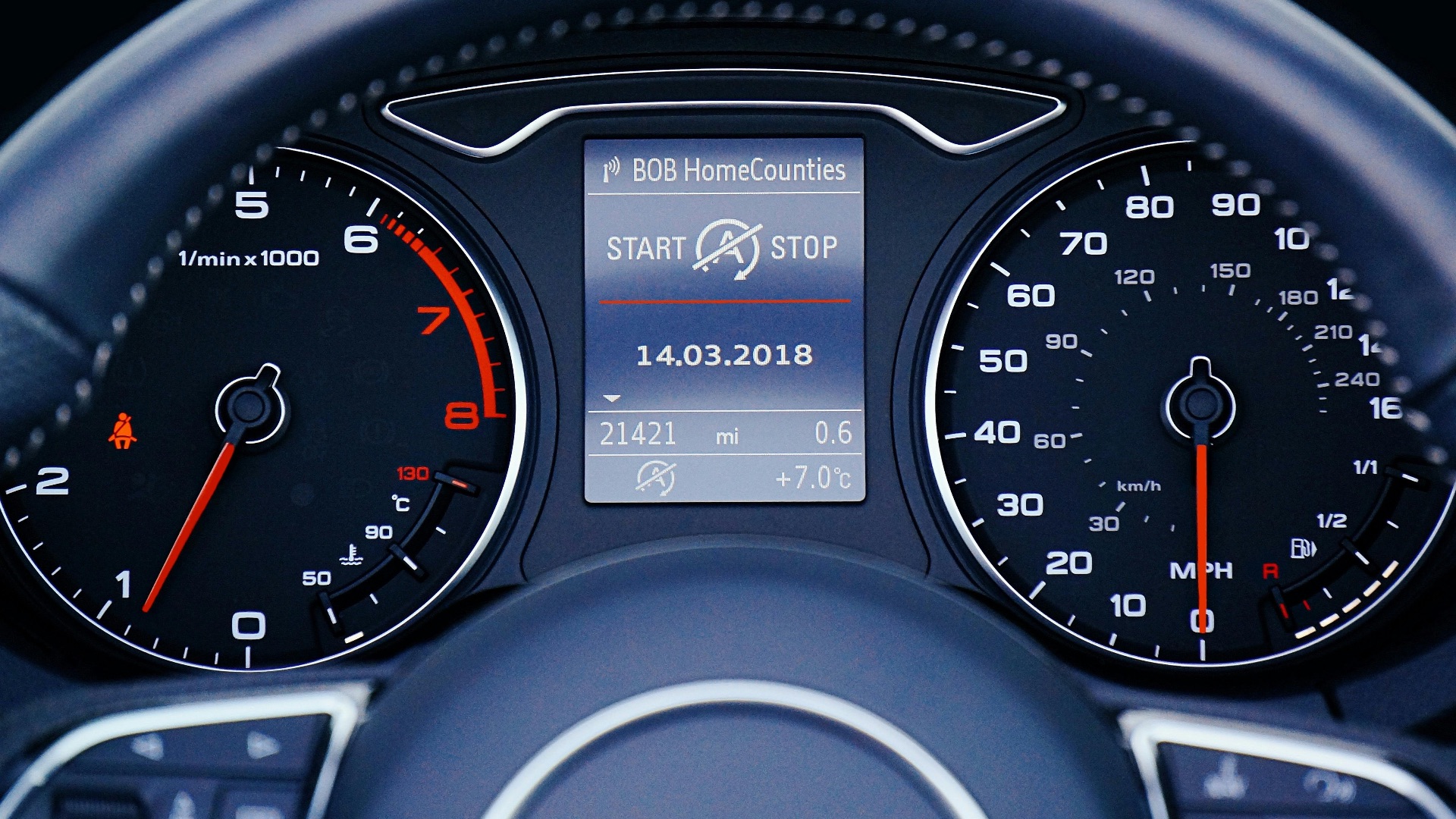
When the car drifts to one side or the steering feels shaky, it can signal alignment issues or uneven tire wear. Those problems become riskier in snow and slush, where you need predictable handling. Getting it checked now is much easier than fighting the wheel during a storm.

5. A “Check Engine” Light That Pops On & Off
An intermittent warning light can be tempting to ignore, but winter loves making borderline issues far worse. Cold weather can aggravate sensors, ignition problems, or fuel system quirks that were barely noticeable before. If the light keeps coming back, it’s basically your car asking for attention.
6. Wipers That Leave Streaks
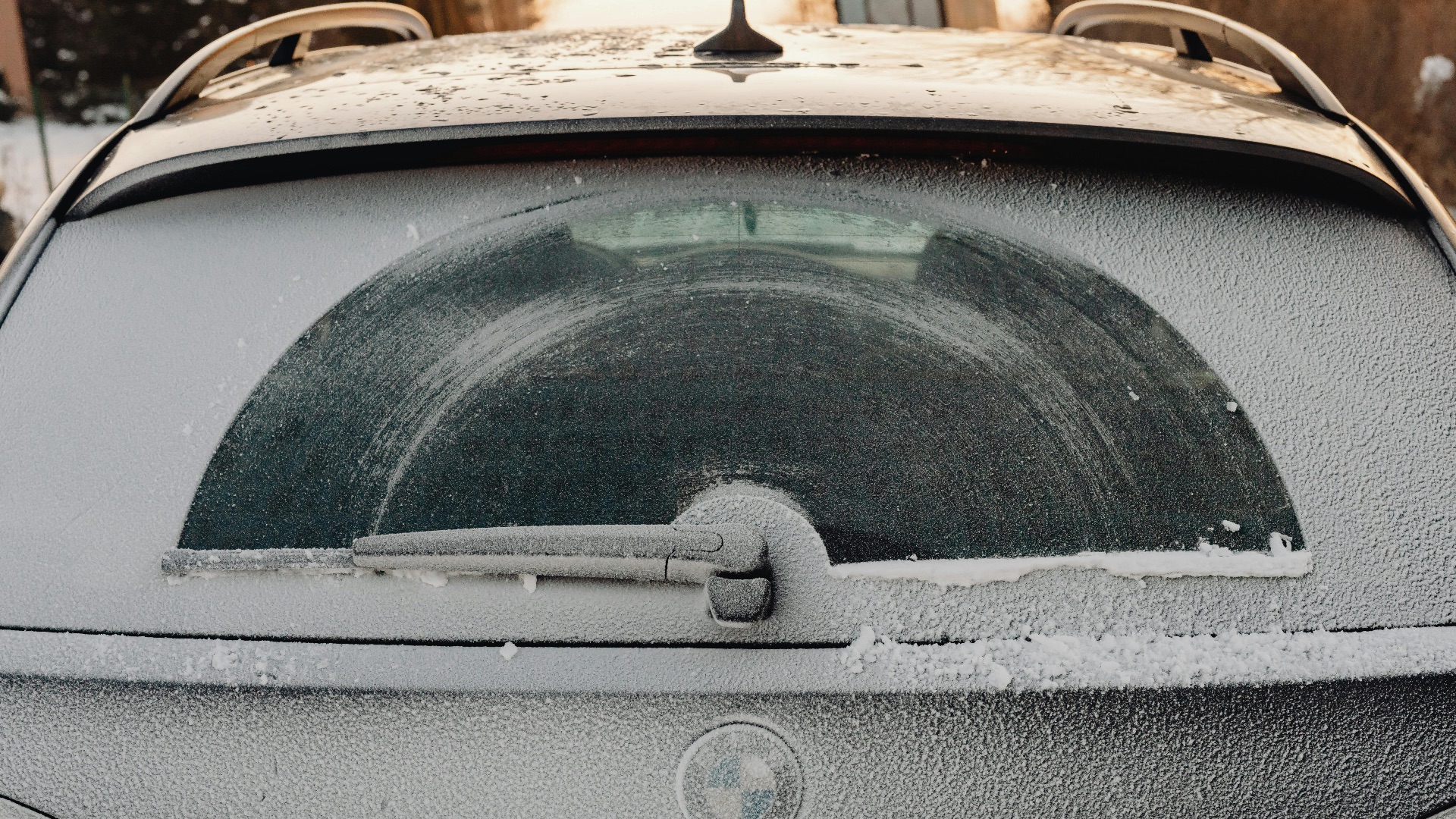
If your wipers leave smears, skip sections, or make that awful squeaking noise, they’re not ready for winter grime. Snow, salt, and slush demand clear visibility, which means worn blades can’t keep up. You definitely don't want to be squinting through a gray mess at night.
7. Heater or Defroster That Takes Forever to Work
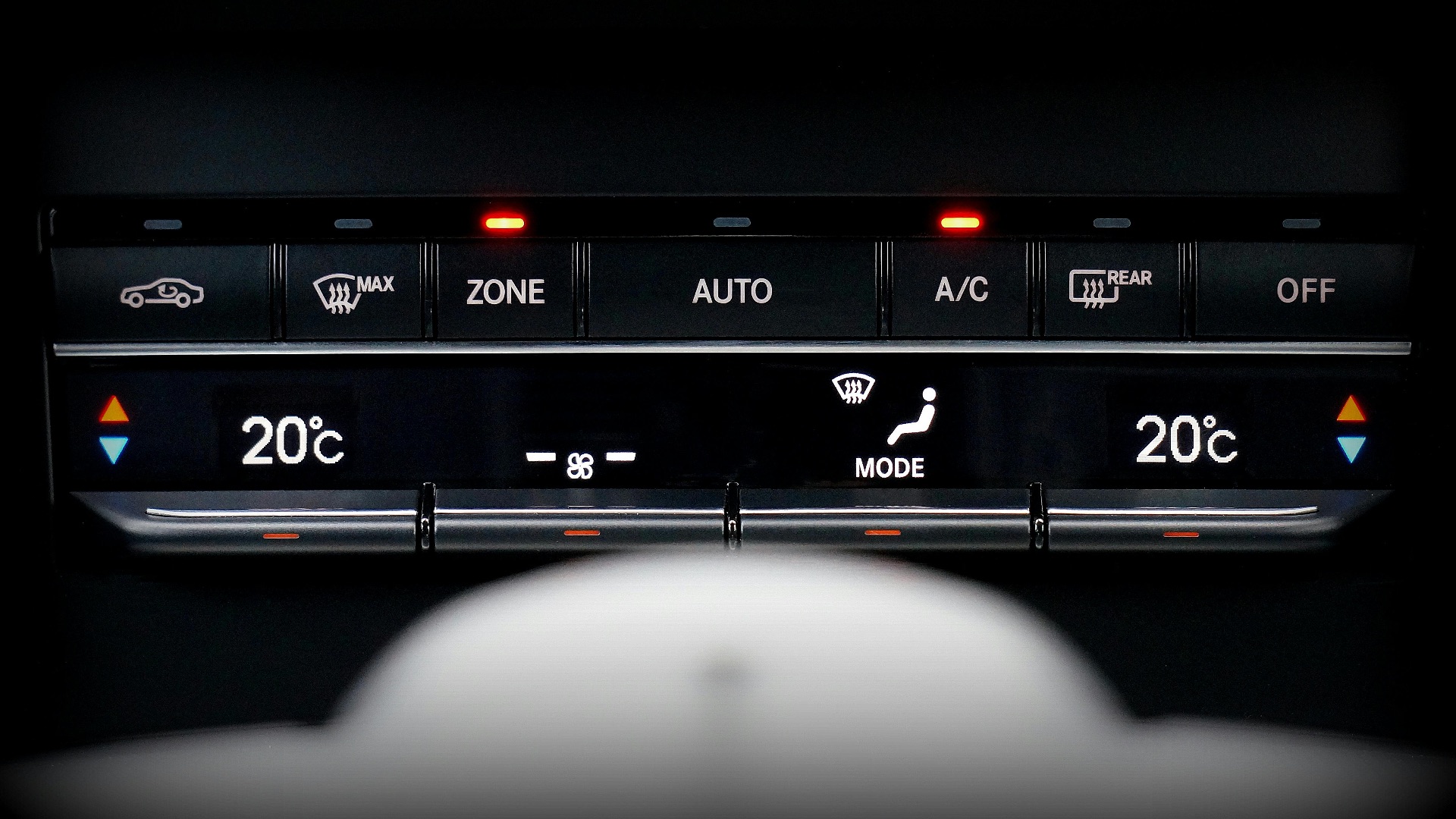
A weak heater isn’t just uncomfortable; it can also be a safety issue when windows fog up. If warm air barely trickles out or the defroster can’t clear the windshield efficiently, something’s off. You really don’t want to troubleshoot that problem yourself.
8. Brakes That Feel Soft or Make New Noises
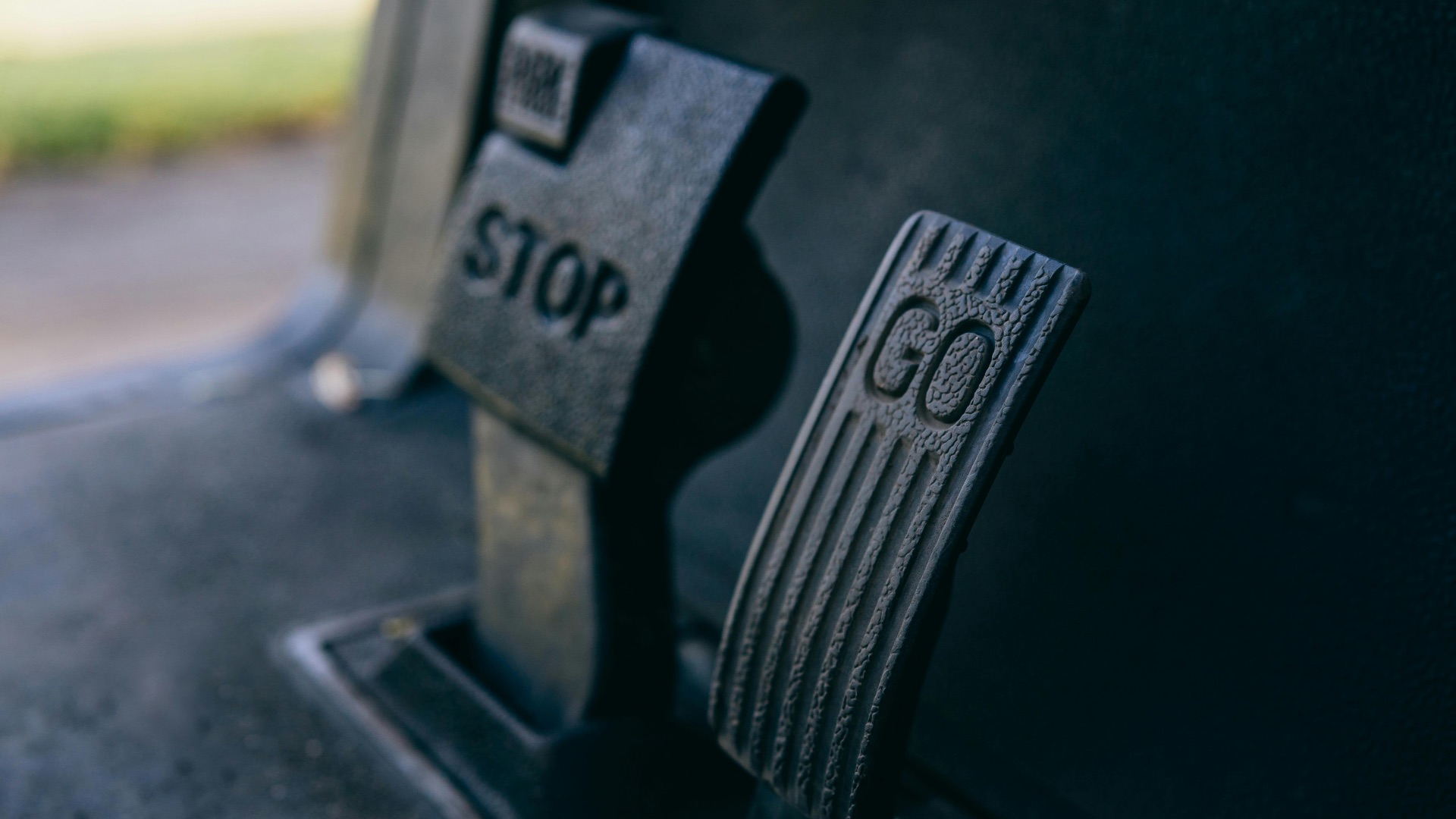
If the brake pedal feels spongy or you hear grinding, squealing, or clunking, winter driving will only magnify the danger. Slick roads require strong, responsive braking, and worn components can extend stopping distance. Treat odd brake behavior like a priority, and get them checked fast.
9. Fluids That Are Low or Look Dirty
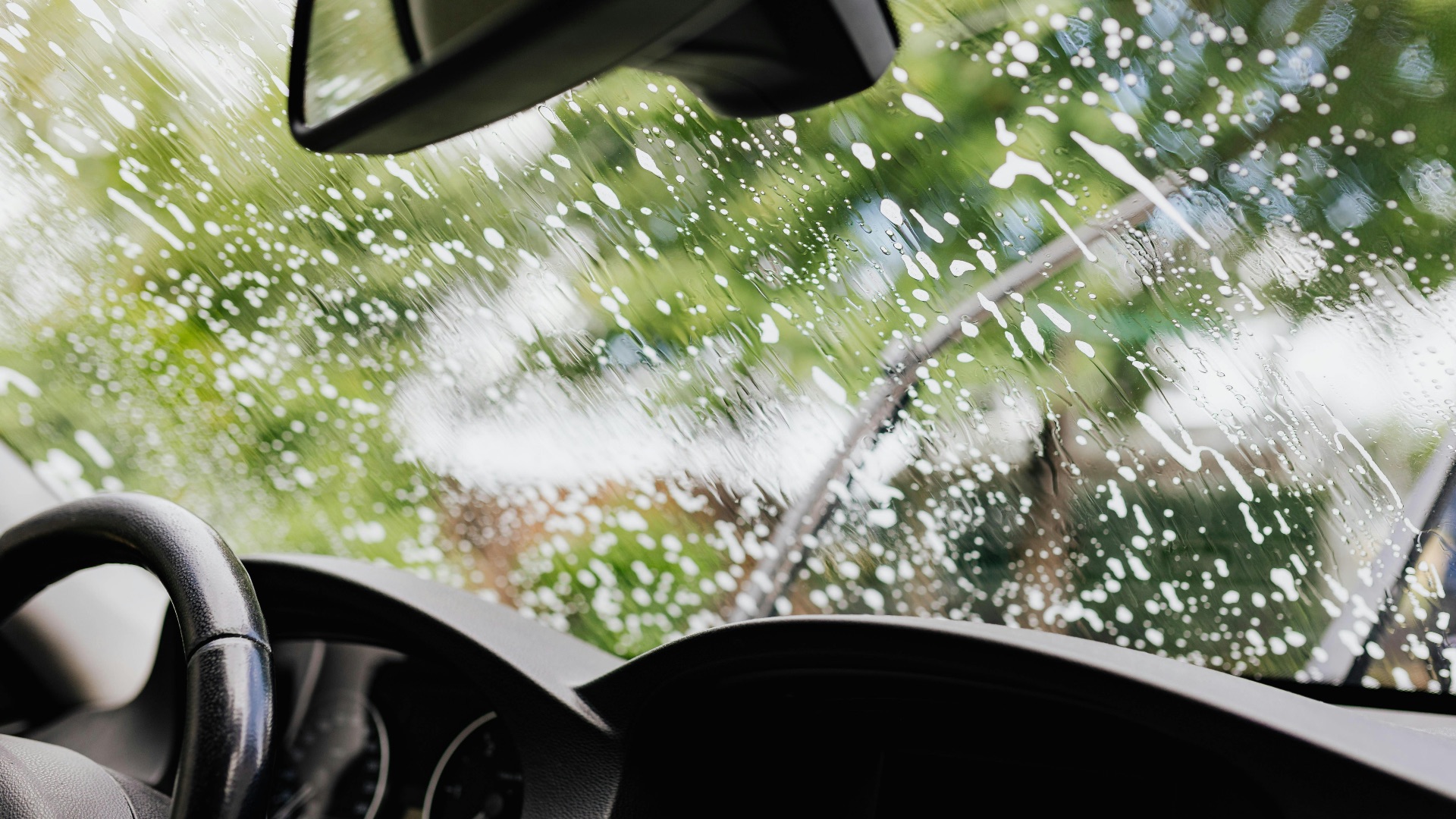
If your oil is overdue, your coolant looks rusty, or your windshield washer fluid is nearly empty, winter won’t be forgiving. Fluids thicken in the cold, and systems run under more strain, so maintenance matters more than usual. A quick check now can prevent a whole lot of roadside misery later.
10. Rust Spots or Weird Crunching Noises
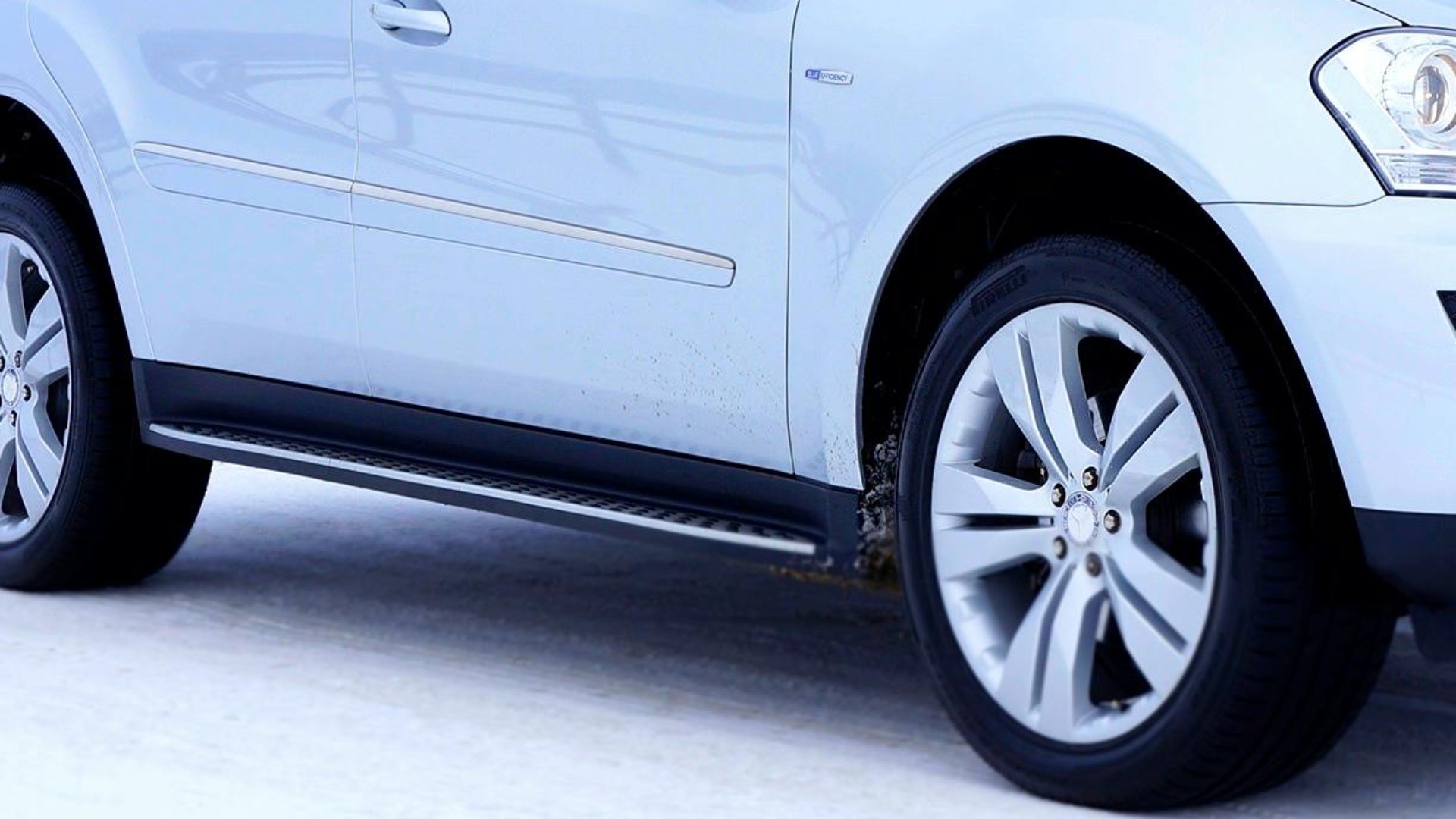
When you see corrosion or hear odd crunching from the undercarriage, road salt might already be doing its thing. Rust spreads faster in winter, especially when grime and moisture stick around. It’s not glamorous underneath, but paying attention here can extend your car’s life by years.
So, then, what are some ways you can prepare better for colder weather? Here are 10 must-follow tips:
1. Swap in Winter-Ready Windshield Washer Fluid
Make sure to switch to a winter formula that won’t freeze, because summer fluid can turn into a useless slush at the worst time. You’ll be dealing with salty spray and dirty roads constantly, so you’ll go through it faster than you expect. Keep an extra jug in the trunk so you’re not hunting for more mid-storm.
2. Test Your Battery
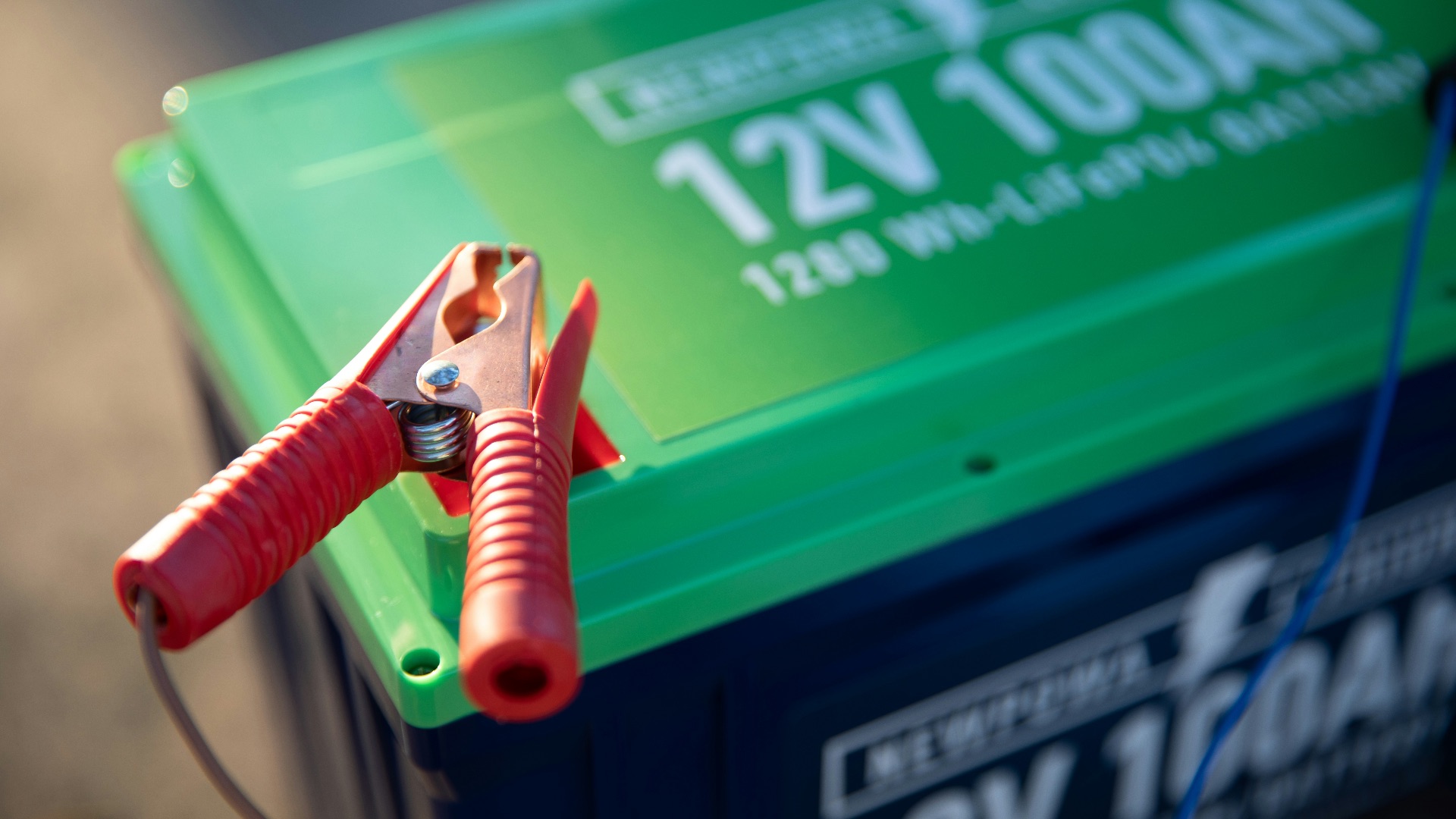
Have the battery checked, especially if it’s a few years old or you’ve noticed slow starts. Cold weather reduces available power, and unfortunately, a weak battery can fail without much warning. If it’s nearing the end, replace it sooner rather than later.
3. Check Tires
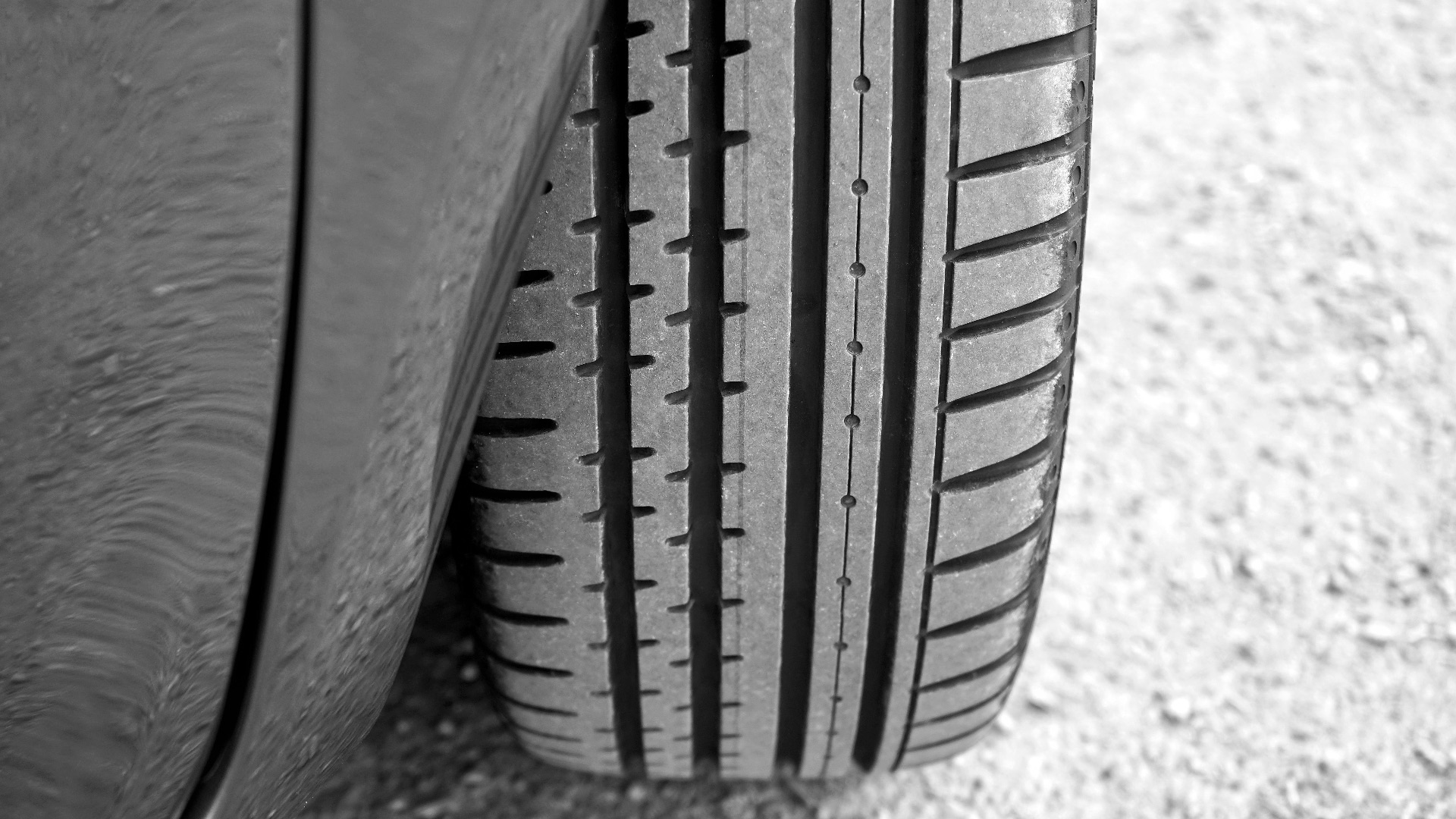
Use a gauge to confirm pressure, then top it off to the manufacturer’s recommended PSI. For tread, look for enough depth to grip slush and snow, because worn tires lose traction fast. If winter conditions are common where you drive, consider winter tires for a noticeable jump in control.
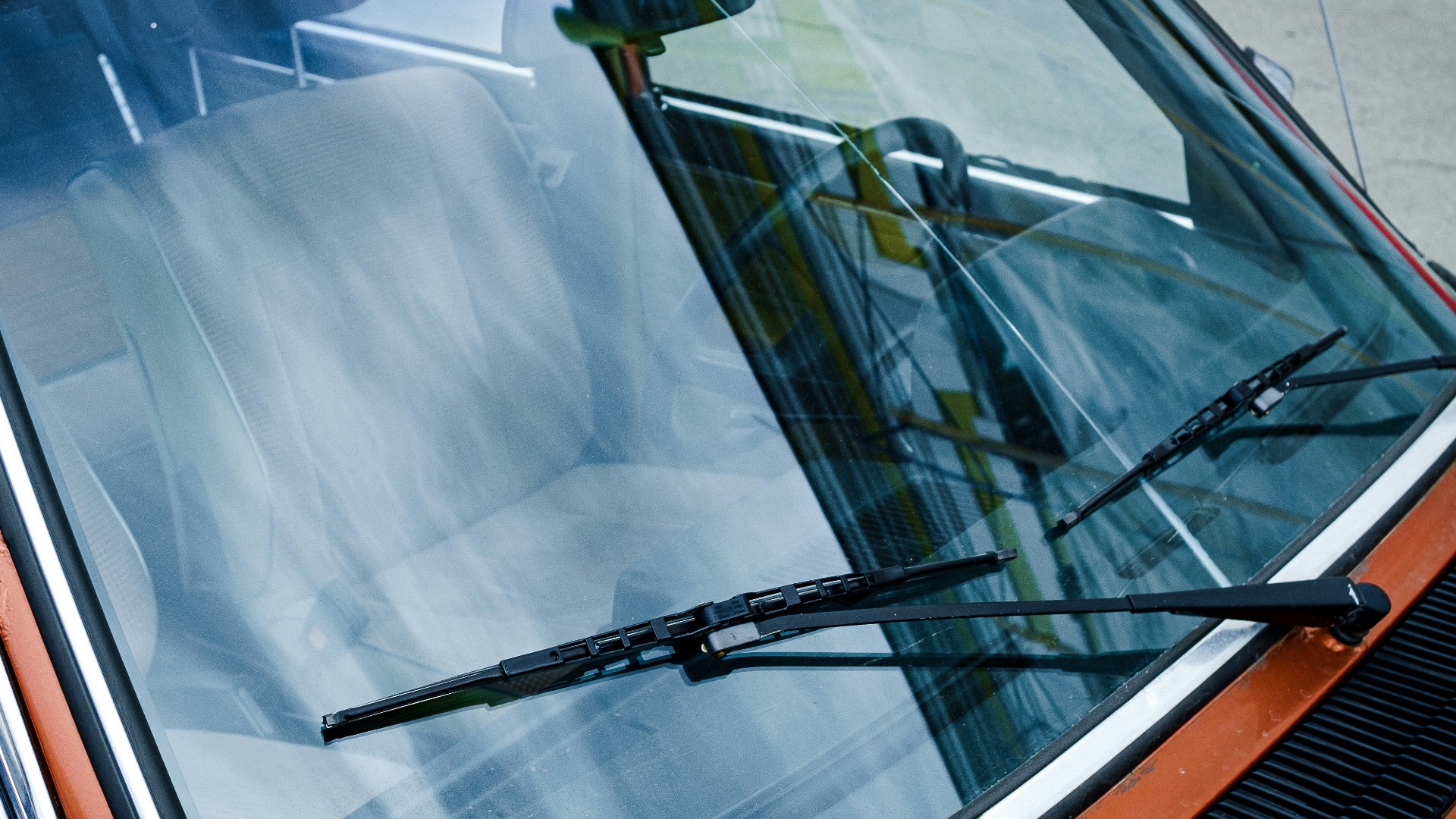
4. Inspect Your Wipers & Pack a Backup Set
Install fresh blades if yours are streaking, chattering, or looking cracked, because winter is brutal on rubber. Visibility is everything, and good wipers are a cheap safety upgrade. Toss an extra pair in the car if you travel a lot, since torn blades always seem to happen far from home.
5. Keep Your Lights Bright & Clean
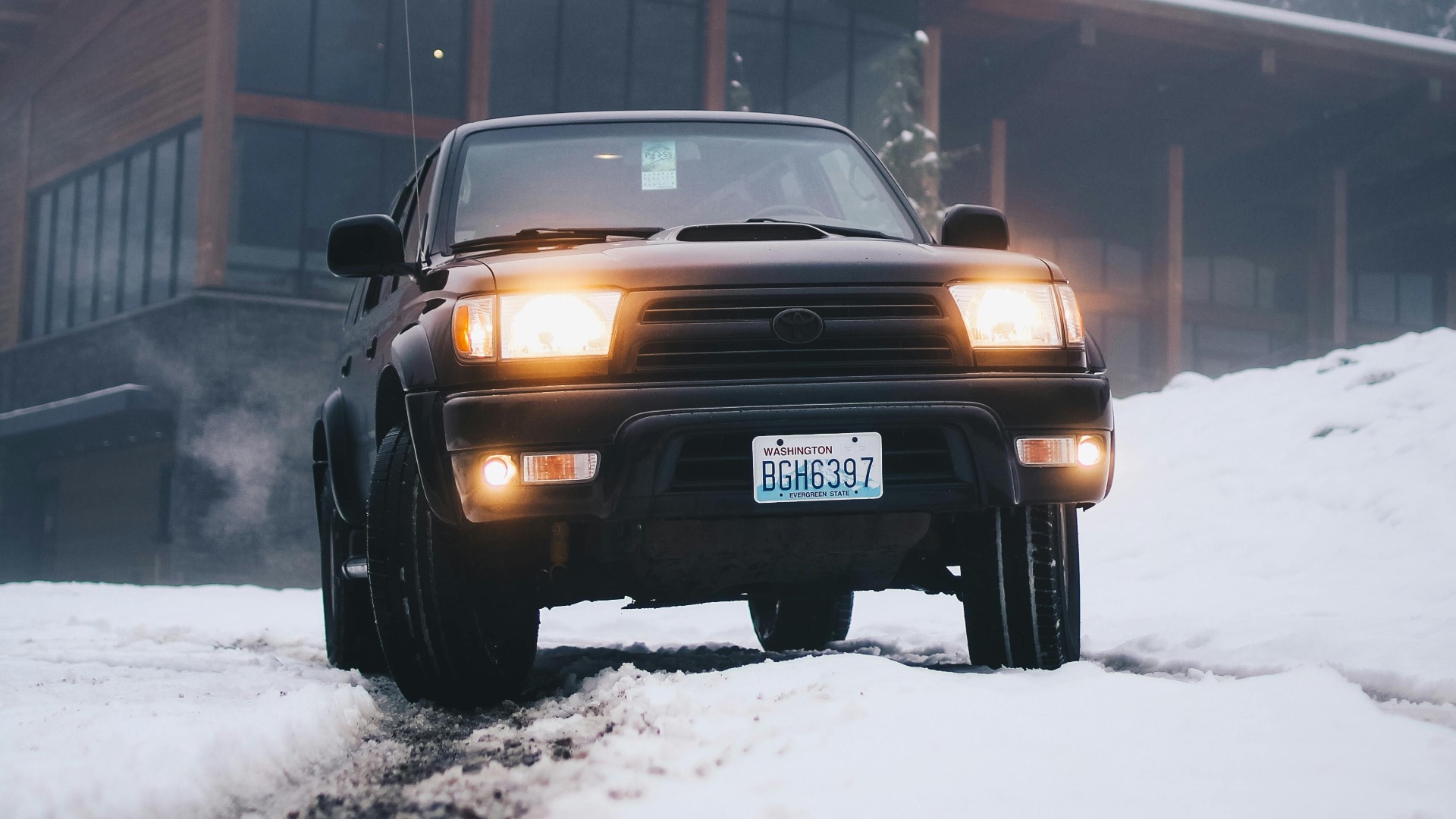
Confirm all headlights, brake lights, and turn signals work, then clean the lenses so you’re not shining through a cloudy haze. Winter days are short, and storms make everything darker and harder to see. Being visible to other drivers is only half the battle when roads get messy.
6. Top Off Coolant & Check Cooling System
Check your coolant level and mixture so it can handle cold temperatures without freezing. If you’re not sure about the mix, pop into a shop to give it a quick test; this can prevent overheating or cracked components later. Keeping the cooling system healthy also helps your heater work better, which is a nice bonus.
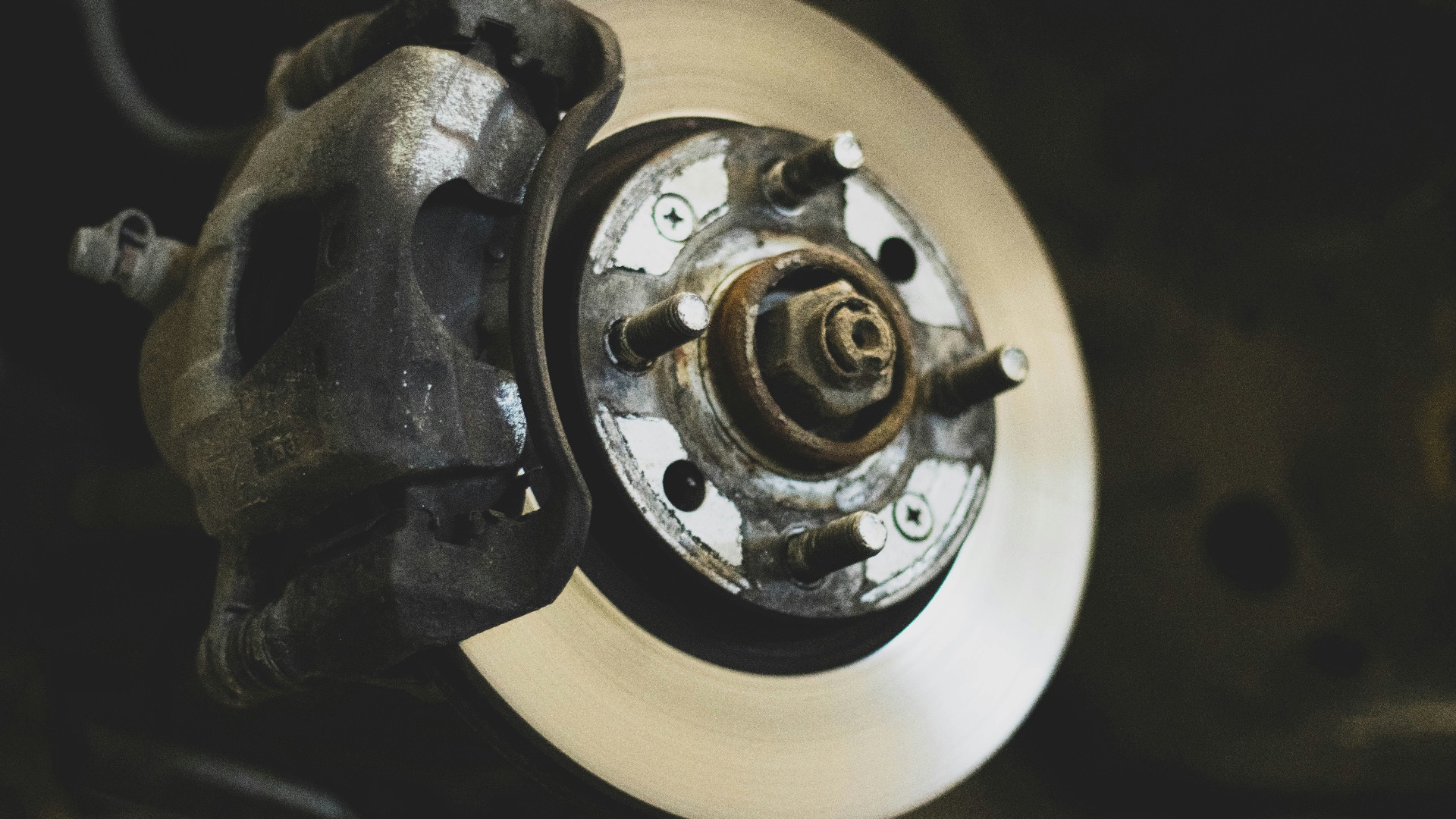
7. Keep an Eye on Your Brakes & Road Grip
Before winter hits full force, get your brakes inspected if you’ve noticed any changes in feel or sound. Snowy roads demand smooth, predictable stopping, and worn pads or rotors can make the car feel unstable. Pair solid brakes with good tires, and you’ll feel the difference immediately.
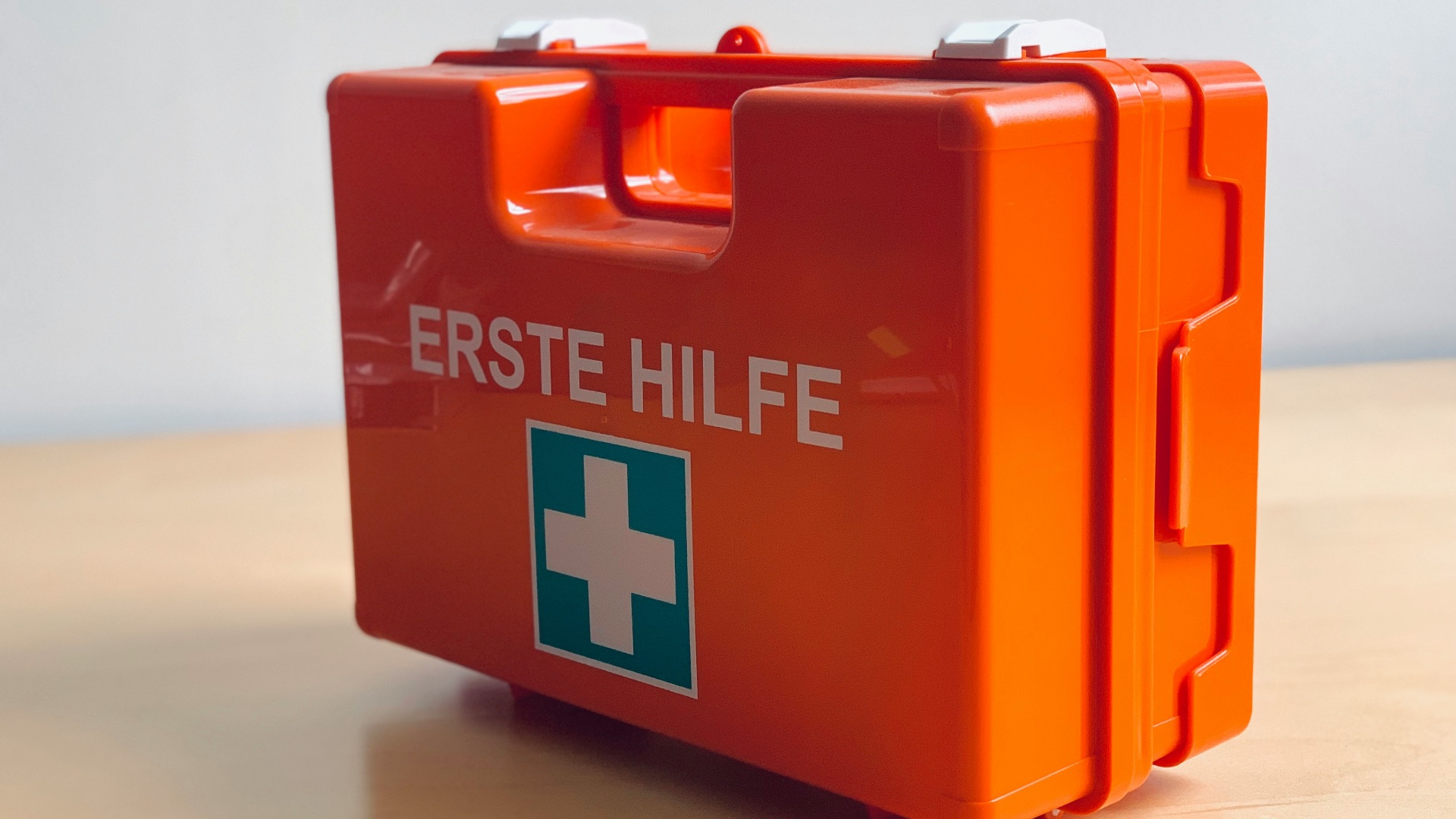
8. Carry a Winter Emergency Kit
In the winter, it's important to carry an emergency kit that includes basics, such as a flashlight, warm gloves, a blanket, an ice scraper, and a small shovel, so that you can stay prepared. You may even want to add a phone charger and a few snacks, since delays happen even when you do everything right.
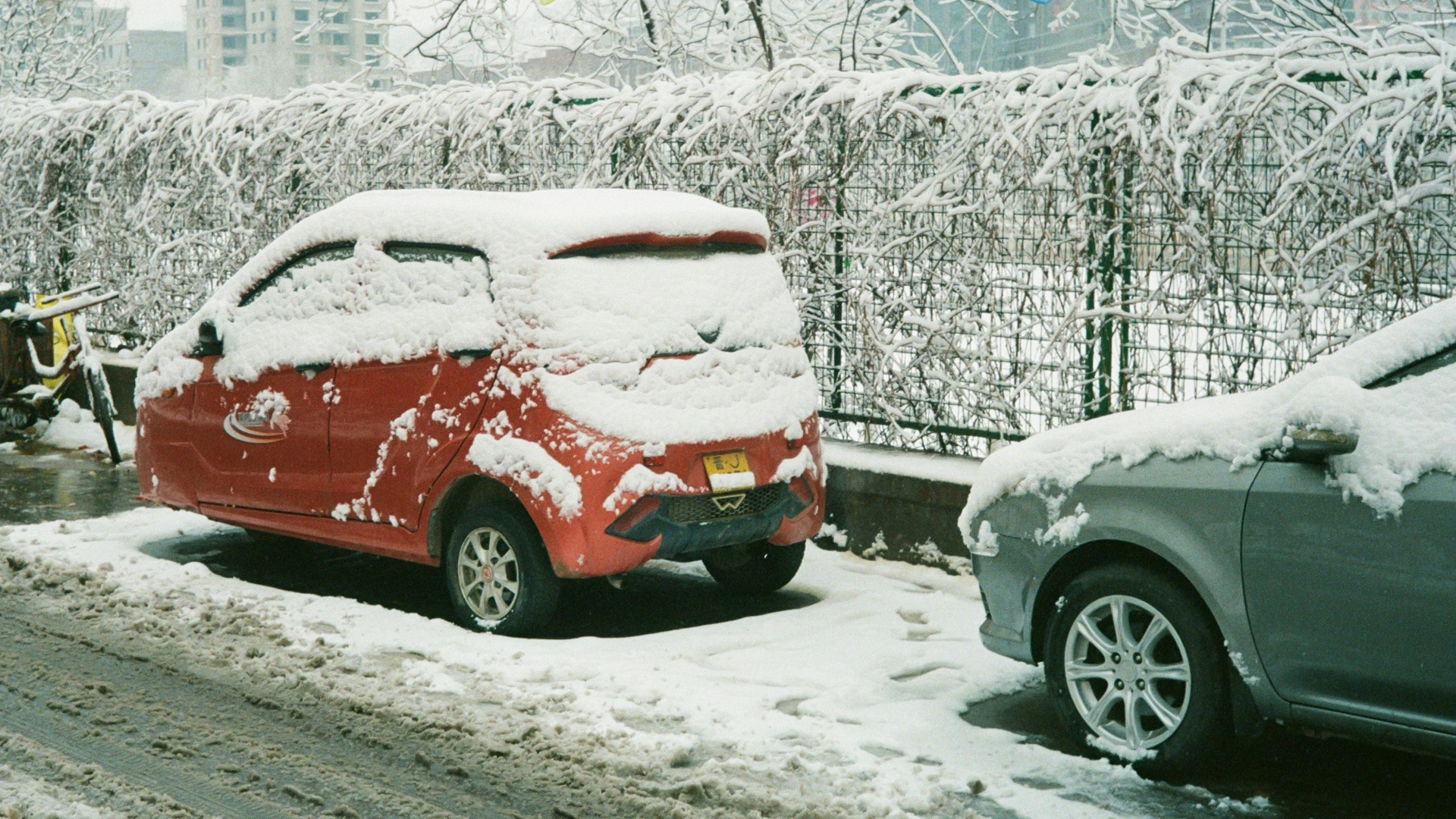
9. Protect the Exterior from Salt & Slush
Make sure to wash your car regularly, especially the undercarriage, to remove salt that speeds up rust. A simple wax or sealant can help road grime rinse off more easily and keep paint looking healthier. You don’t need anything too crazy, but just enough protection to slow winter’s wear and tear.
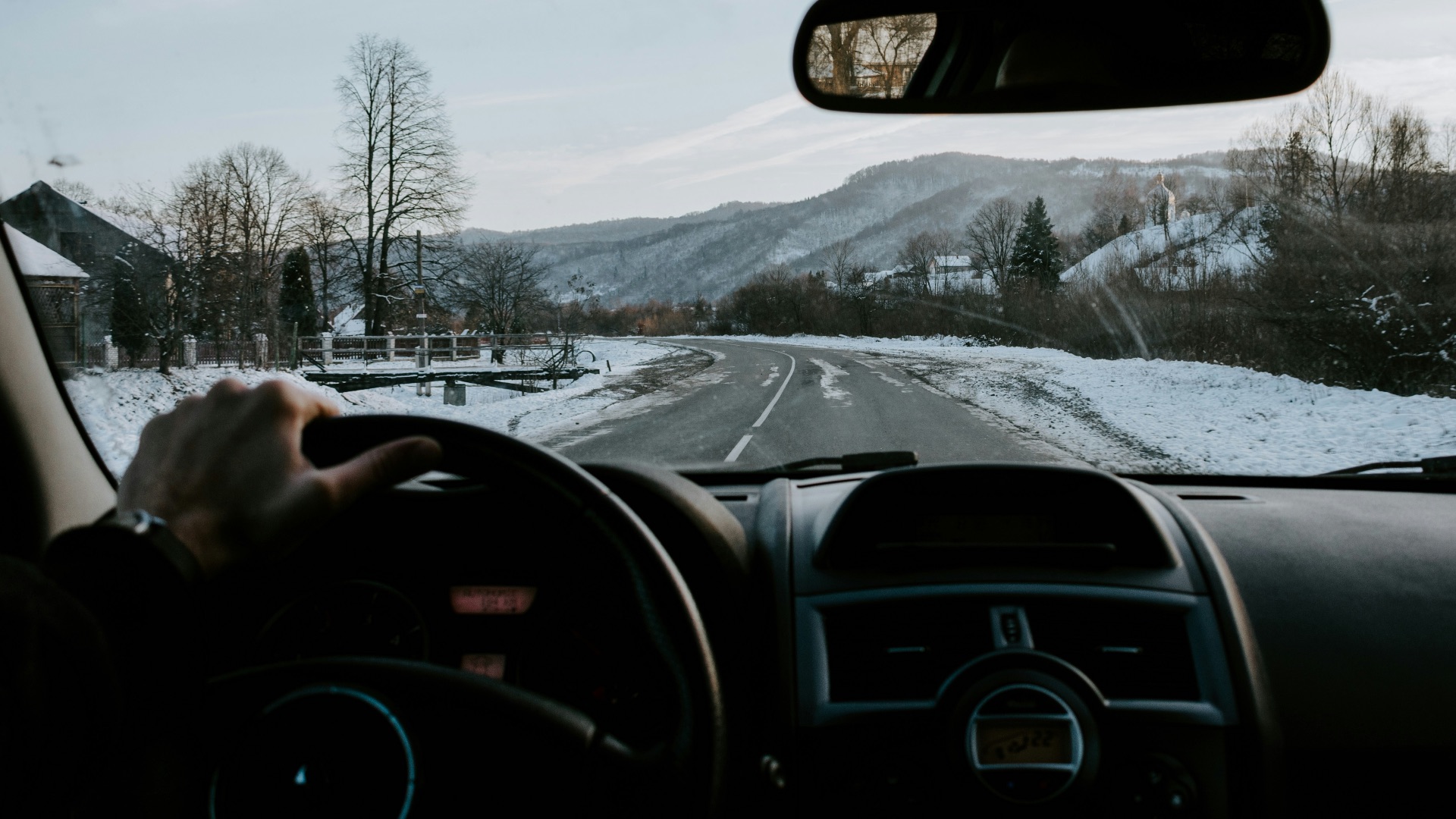
10. Adjust Your Driving Habits
It's crucial to adjust your driving habits in the winter. Leave more following distance, brake earlier, and give yourself a wider berth around corners. Going slow and steady helps you and your tires maintain grip, while sudden moves can trigger slides even at low speeds. Practicing calm winter driving now makes you more confident when the roads are truly challenging.