
Cash Meets Combustion
Your gas gauge seems to drop faster than it should, and you're wondering where all that fuel actually goes. The answer might be hiding in habits you don't even notice. (Those aggressive starts at green lights feel powerful, but they're quietly draining your wallet.) Most drivers are burning through extra cash without realizing their daily routines are the culprit.
1. Idling the Engine For Several Minutes Daily
Just so you know, letting your car sit there humming while you finish a phone call or wait for someone is quietly draining your wallet. Modern engines are nothing like the clunky machines from decades past that needed ages to warm up.

2. Accelerating Aggressively Away From Every Stoplight
Watching someone floor it the moment a light turns green might look exciting in movies, but it's financial self-sabotage in real life. Smooth acceleration keeps the engine operating efficiently, working with your car's design rather than fighting against it.
3. Driving on Tires With Low Internal Pressure
Those slightly deflated tires you've been meaning to check? They're costing you more than you think. Underinflated tires increase rolling resistance, meaning your engine works harder to move the same distance.

4. Using Premium Fuel in a Standard Engine
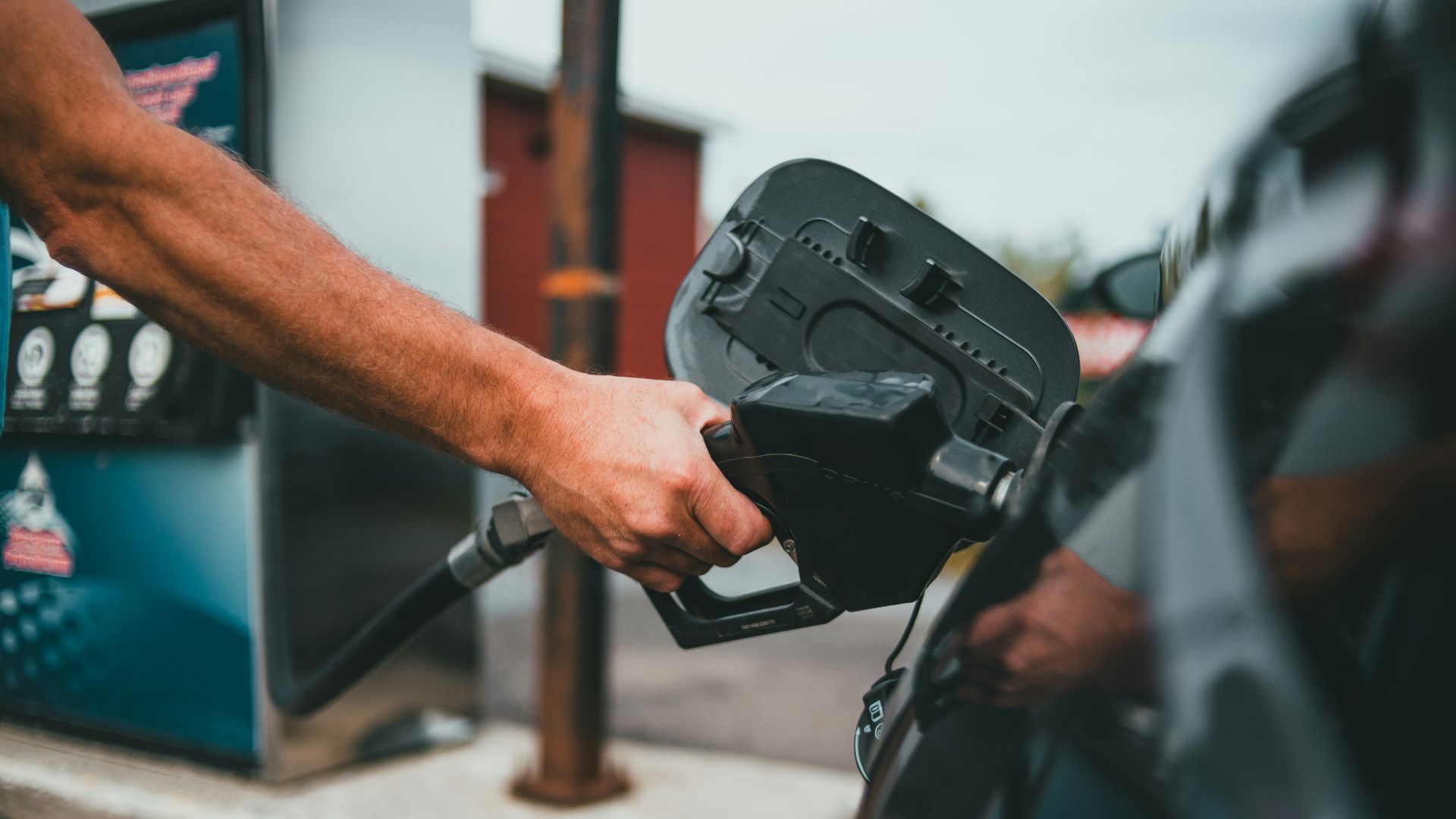
Walk into any gas station, and you'll see three buttons, but your standard engine only needs one of them. Standard engines are designed to run on regular fuel. That's not corner-cutting, that's engineering. Premium fuel doesn't improve performance in non-turbo engines.

5. Carrying Unnecessary Gear in the Trunk
That collection of stuff you've been hauling around is all working against you. Extra weight forces the engine to burn more fuel with every acceleration and climb. Heavy loads reduce acceleration efficiency, making your car sluggish and thirsty simultaneously.

6. Leaving Aerodynamic Roof Racks Installed Year-Round
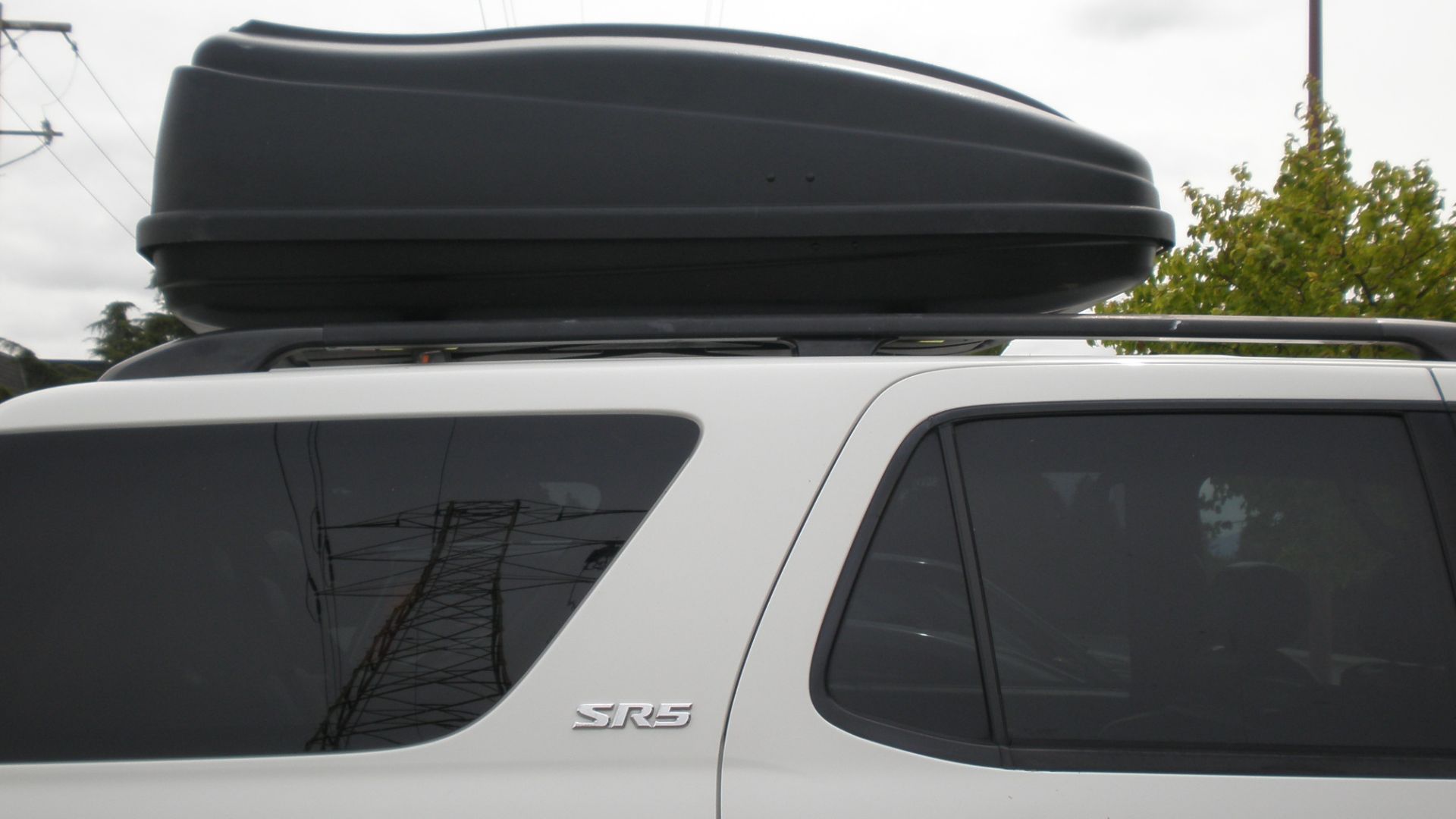
Those roof racks looked great when you bought them for that one camping trip, but now they're permanent fixtures, creating invisible drag. At higher speeds, extra drag reduces fuel efficiency as your car fights through the air.
7. Driving Above the Posted Speed Limit
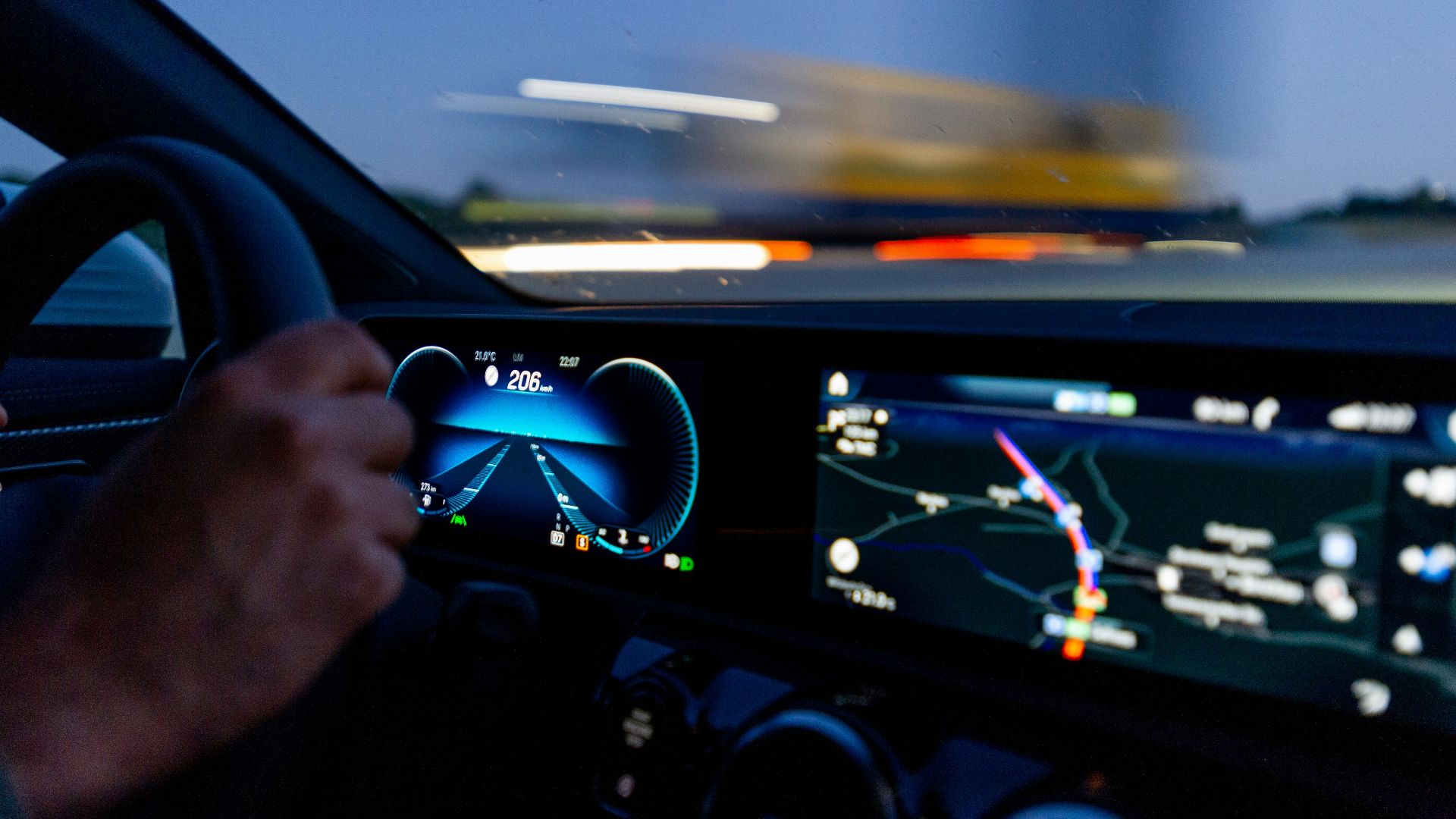
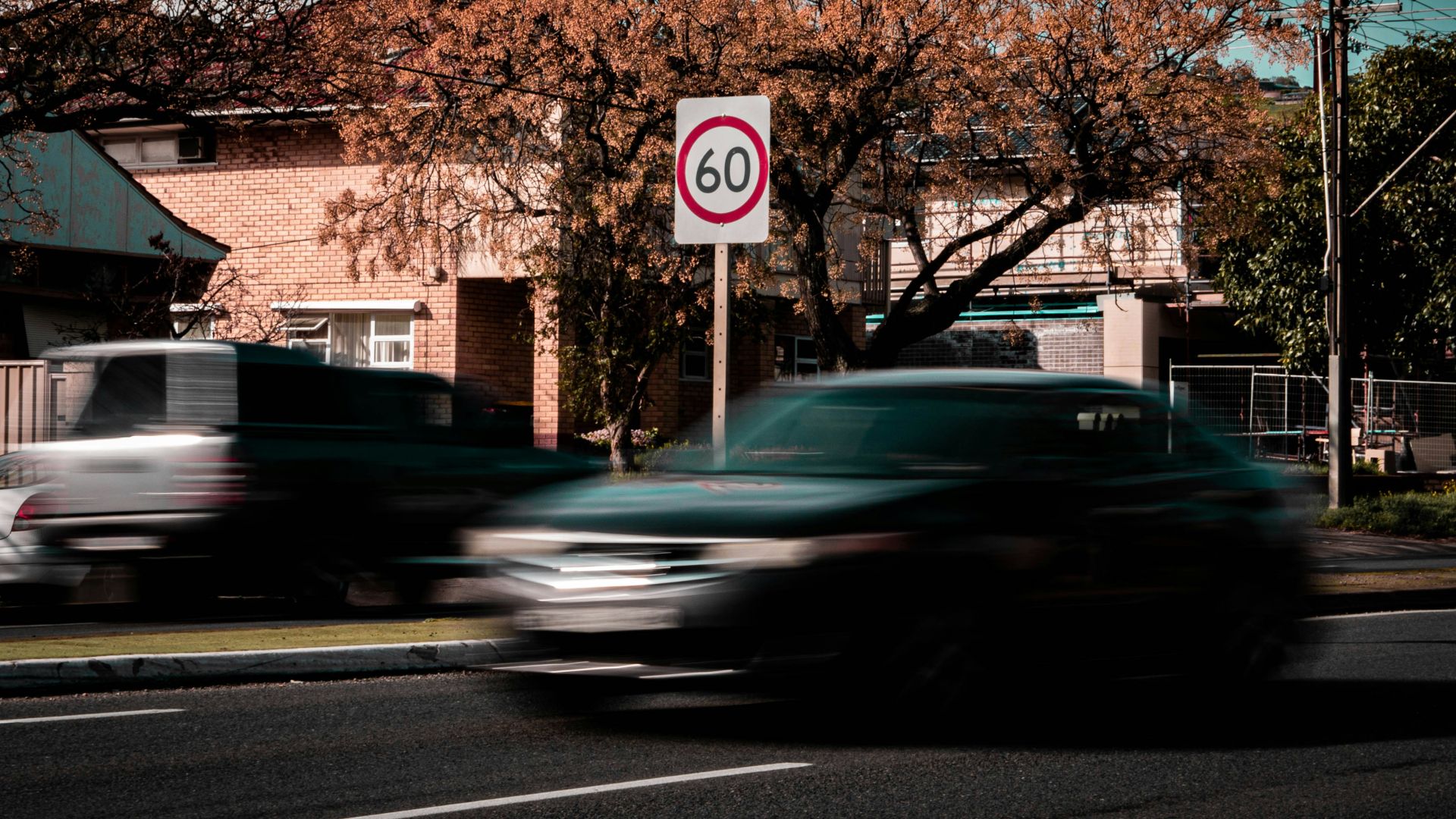
Speed feels thrilling until you check your fuel gauge and bank account. Engines consume more fuel at faster speeds because they're working harder against increasing resistance. Going from sixty to eighty doesn't just add a bit more resistance; it multiplies it.
8. Using the Air Conditioner at Low Speeds
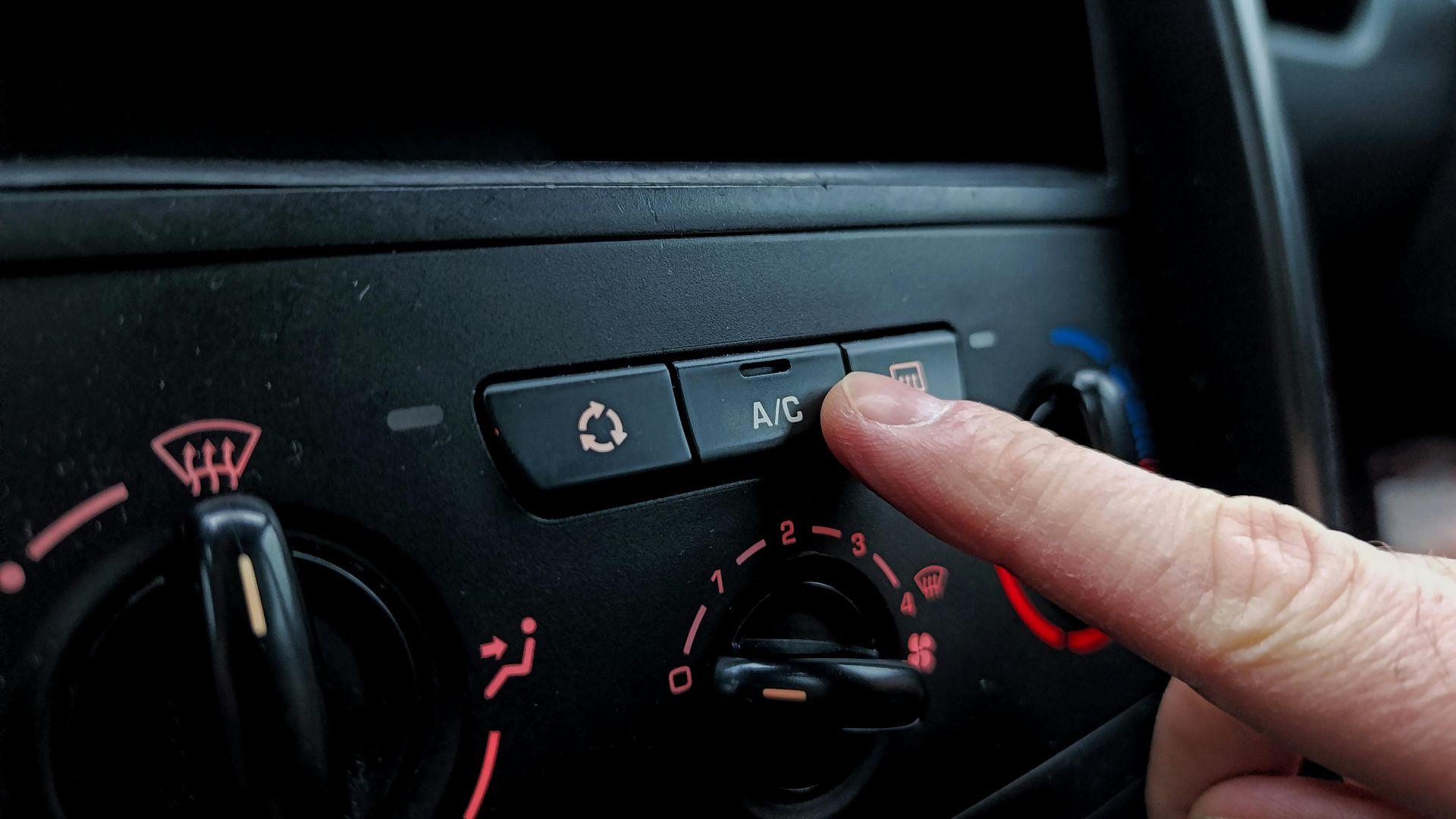
City driving with the AC cranked might feel necessary, but it's an expensive comfort choice. Air conditioning puts a lot more load on the engine, functioning like another component the motor has to power while also moving the car.
9. Ignoring a Glowing Check Engine Dashboard Light
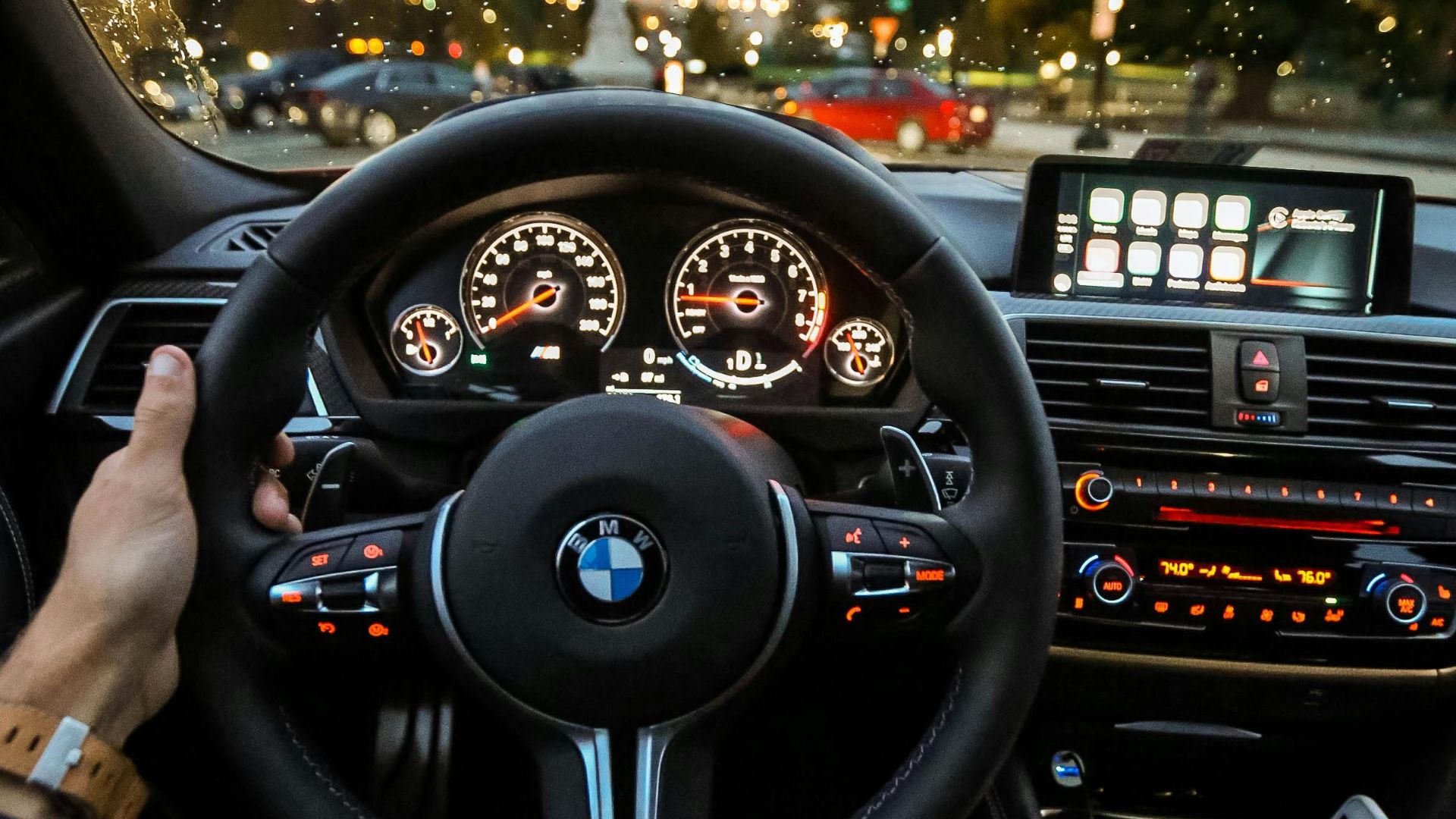
That persistent orange glow on your dashboard is a financial warning signal. A check engine light can signal fuel system issues ranging from minor sensor problems to serious efficiency destroyers. Ignoring it risks worsening efficiency problems that compound over time.
10. Refusing to Use Gas Price Comparison Apps
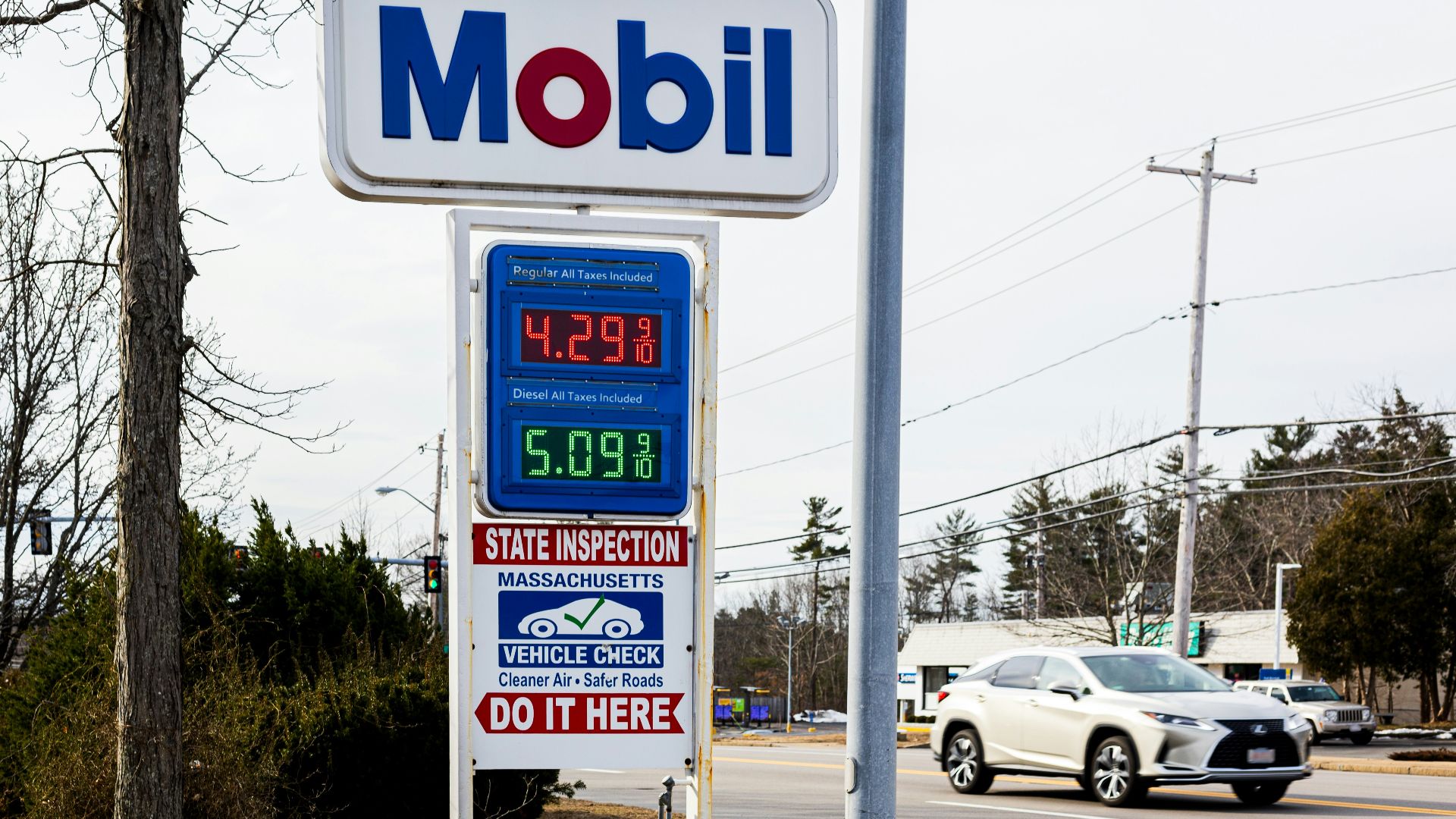
In an era where there's an app for everything, skipping the ones that save money on gas is leaving cash on the table. Prices vary widely between stations, sometimes by twenty or thirty cents per gallon. Apps help locate cheaper fuel nearby!
You know what's going wrong. Time to make it right.
1. Avoid Rapid Acceleration or Hard Braking
The way you handle the accelerator and brake pedal might be the difference between reasonable fuel costs and a budget crisis. Smooth driving reduces unnecessary fuel consumption by working with your engine's natural efficiency rather than forcing it into wasteful extremes.
2. Close Windows at High Speeds
Close the windows when you're driving fast on the highway. Once you hit higher speeds, the wind rushing in creates extra drag, forcing your engine to work harder and burn more fuel.

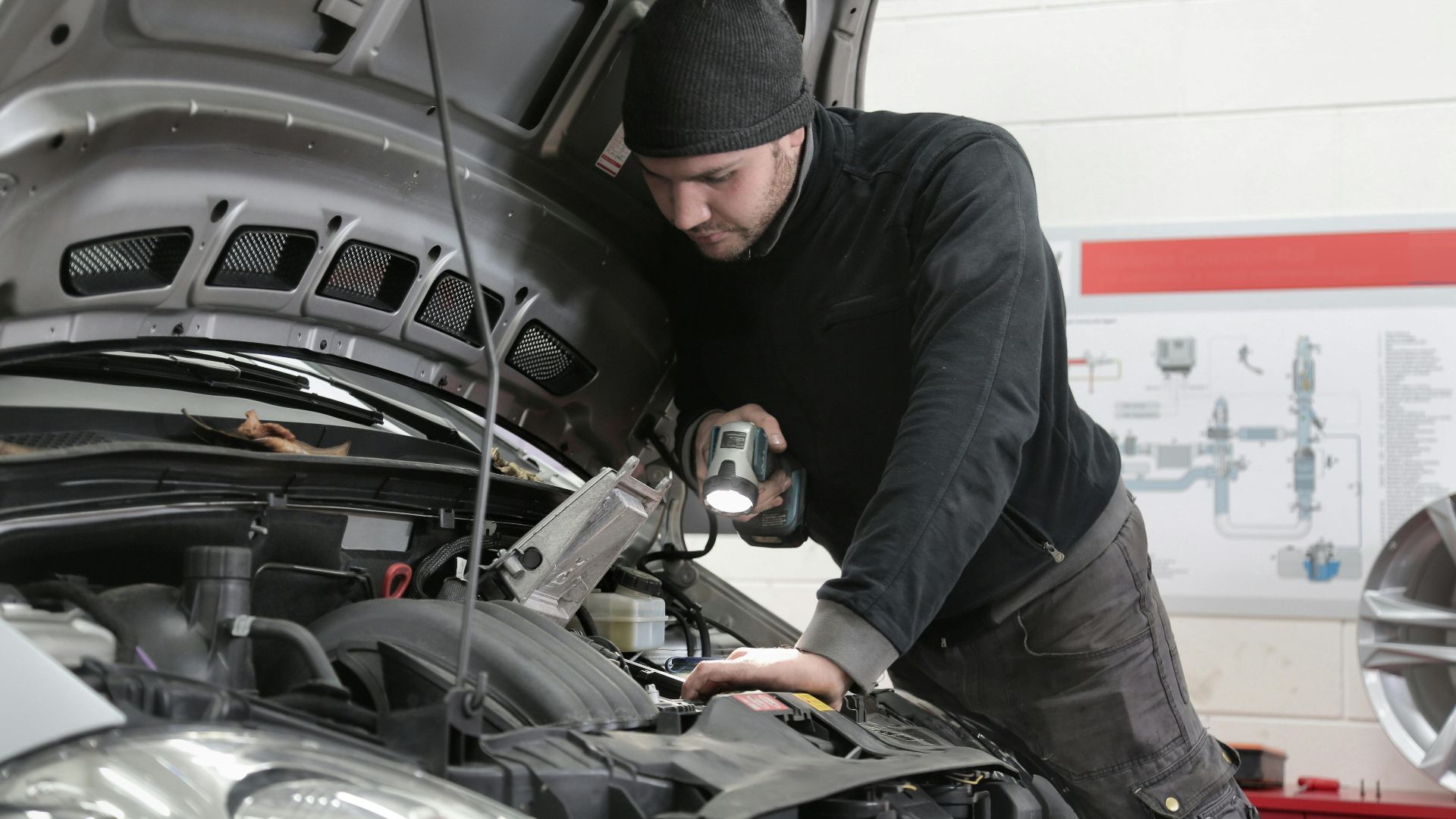
3. Keep Up With Regular Vehicle Maintenance
Your engine is essentially a controlled explosion chamber with hundreds of moving parts, and dirty oil turns that precision machine into a struggling, inefficient contraption. Clean oil reduces engine friction, allowing components to glide past each other.
4. Downsize If Practical
If you’re driving a larger vehicle than you truly need, you’re likely paying more in gas than necessary. Smaller cars generally weigh less and require less fuel to move. Downsizing can improve mileage, lower maintenance costs, and stretch your fuel budget further.

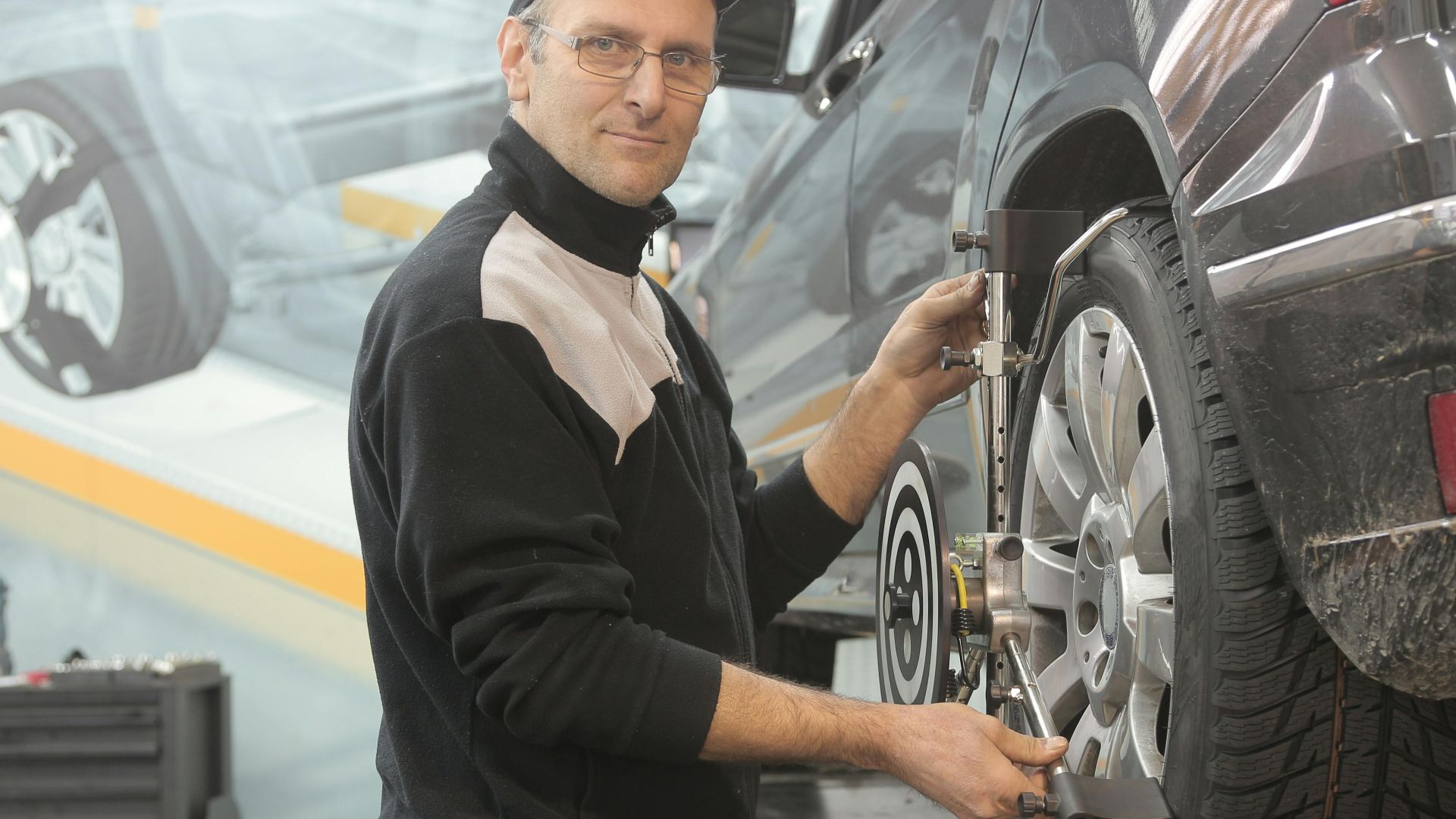
5. Check Wheel Alignment
Misaligned wheels force your tires to drag slightly sideways, increasing resistance and burning more fuel than necessary. Poor alignment also causes uneven tire wear, meaning you’ll replace tires sooner, which is sadly a double hit to your wallet.
6. Use Cruise Control on Highways
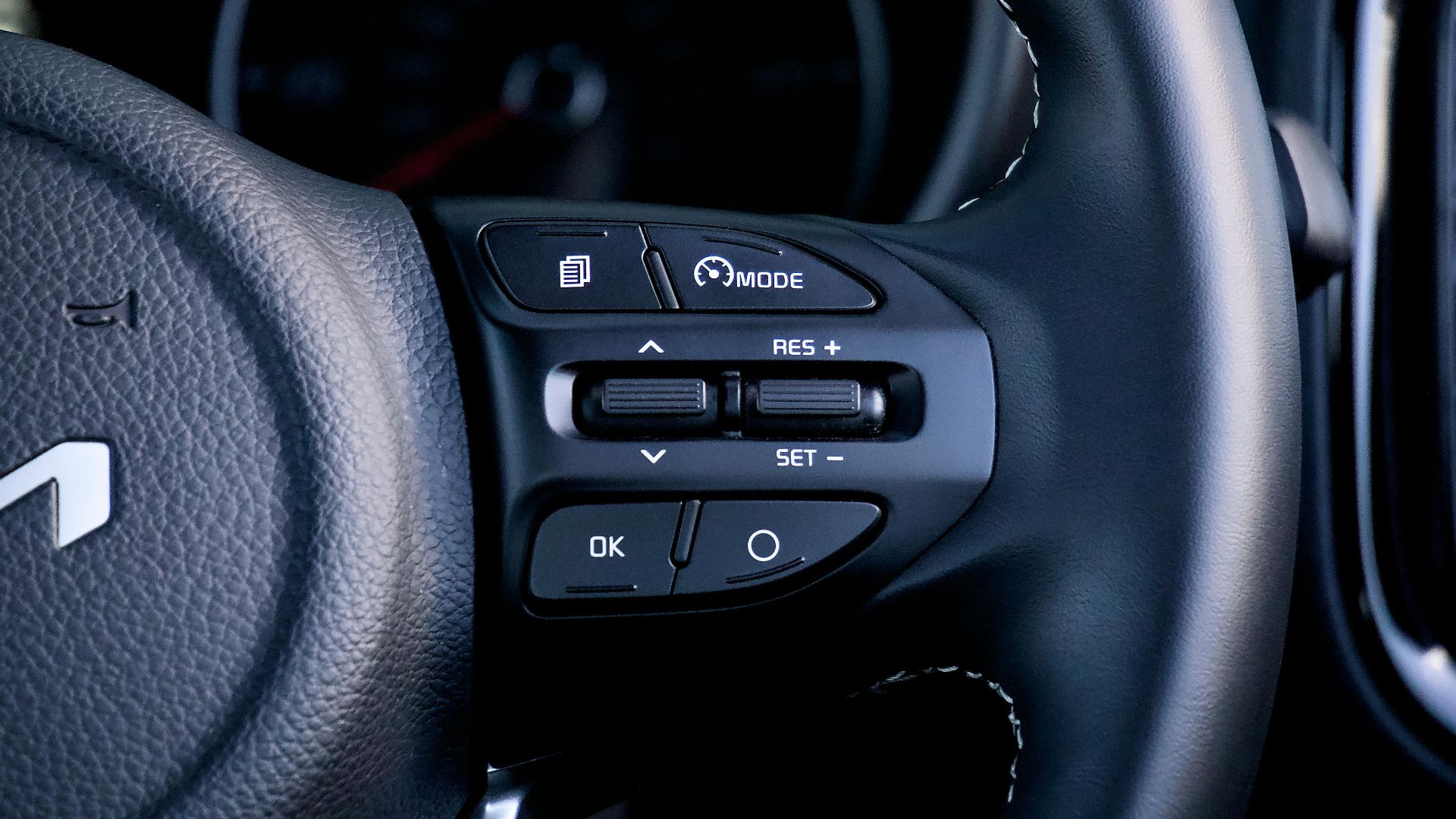
Human driving involves constant micro-adjustments, such as a little faster or a little slower, in response to terrain and traffic, subconsciously. Cruise control prevents unnecessary speed fluctuations, maintaining a precise velocity that humans can't match through foot pressure alone.
7. Combine Multiple Errands Into One Efficient Trip
Every time you start your car cold, you're operating in the least efficient mode your engine has. Cold engines burn more fuel than warm ones because combustion is less complete and internal friction is higher before everything reaches operating temperature.

8. Choose Routes With Fewer Stops and Less Traffic
Stop-and-go traffic is the enemy of fuel efficiency, creating a cycle of acceleration and braking that wastes energy repeatedly. Routes with steady flow improve efficiency by allowing your engine to maintain consistent operation rather than constantly ramping up and down.

9. Park in the Shade
Your fuel tank isn't completely sealed. It has venting systems that allow pressure changes, and heat accelerates evaporation through these systems in ways most drivers never consider. Shaded parking reduces evaporation losses by keeping your tank cooler.

10. Use the Manufacturer's Recommended Fuel Grade Only
Car engineers spent thousands of hours optimizing your engine for specific fuel characteristics, and that recommendation on your gas cap isn't a suggestion. Engines are designed for specific fuel grades, with compression ratios and timing calibrated for particular octane levels.