
Turning Driving Enthusiasm Into Everyday Enjoyment
If you love driving, you probably enjoy more than just getting from one place to another. You notice how a car responds, you care about the route, and you’re the kind of person who can tell when a small change makes a big difference. Thankfully, there are plenty of other hobbies that keep that same energy, giving you more ways to learn, tinker, meet people, and stay connected to all things cars. Here are 20 that you might just like.

1. Autocross
Autocross is perfect if you want a safe, structured way to push your car a little without feeling like you’re doing something reckless. The courses are tight and technical, so you’re constantly learning how to be smoother with steering and braking instead of relying on speed to hide mistakes. You’ll also like the atmosphere, because most events feel welcoming and casual, and you can ask questions without getting treated like you should already know everything.
2. Track Days
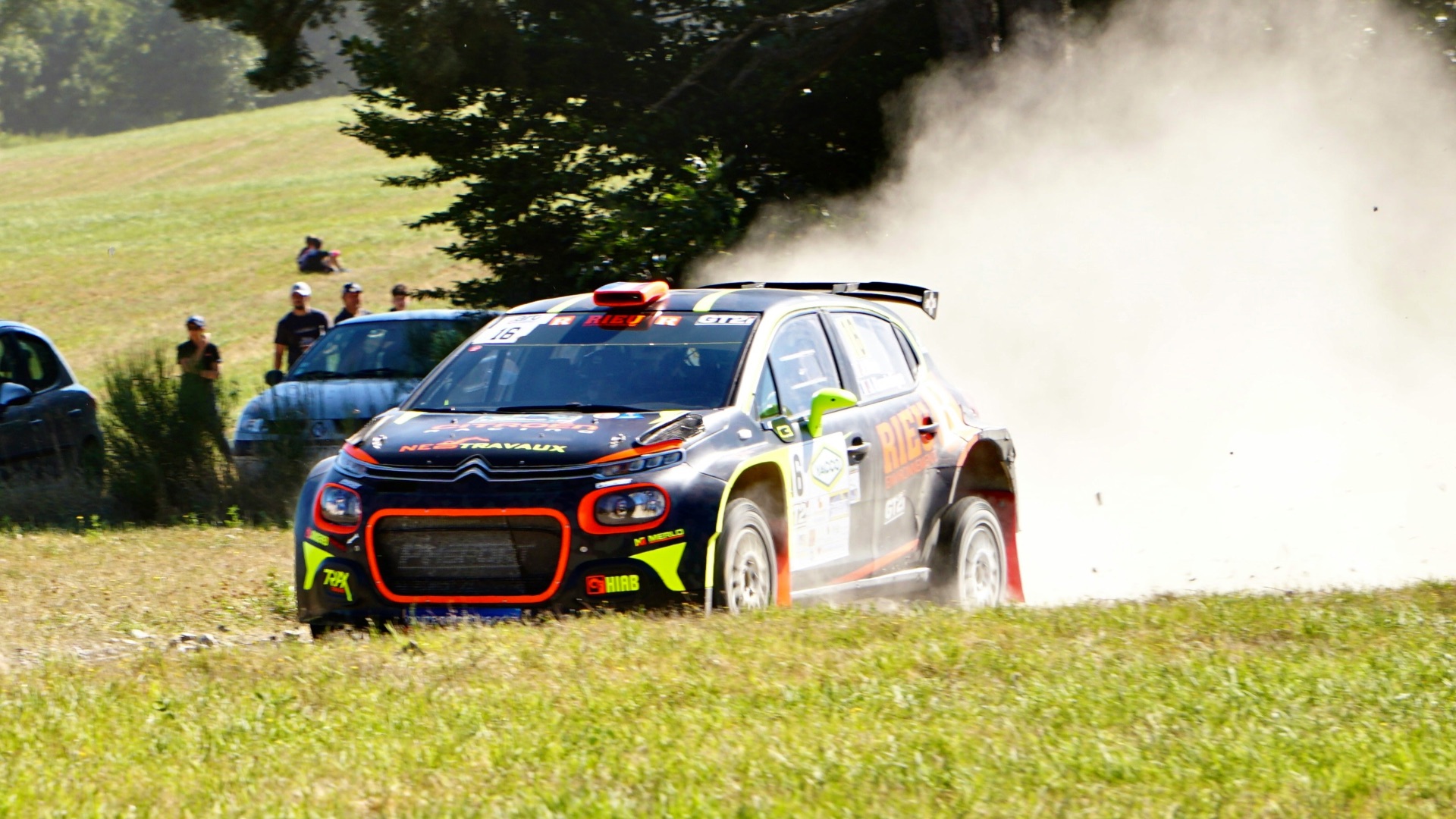
A track day gives you the space to focus, because you’re finally driving in a place designed for driving instead of dodging potholes and random traffic decisions. You’ll start to notice how much consistency matters, like hitting the same braking point lap after lap and letting the car settle before you ask it to do more. It’s also a huge confidence boost, since instruction and clear rules make it feel purposeful.
3. Performance Driving School
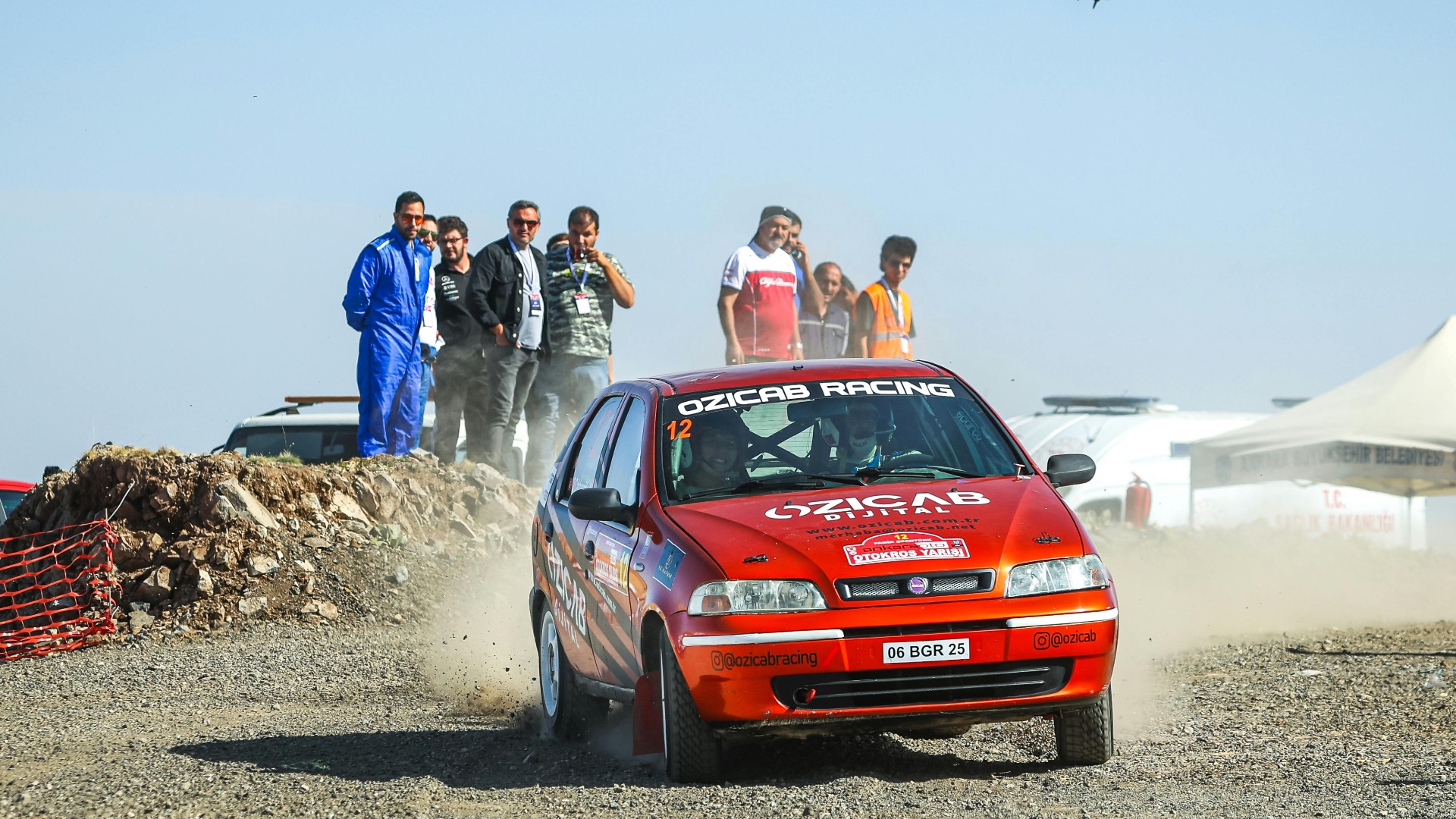
If you like learning in a way that’s organized and efficient, a performance driving school can feel surprisingly satisfying. Instead of guessing what you did wrong, you’ll get direct feedback on things like where your eyes are going, how you’re using the pedals, and why the car reacted the way it did. You’ll leave with skills you can actually describe and repeat, which makes future driving feel more intentional.

4. Karting
Karting looks simple until you realize it rewards focus and discipline, not just bravery. Because everything happens quickly, you’re forced to pay attention to your line choice, your braking timing, and how you carry speed through a corner without scrubbing it off. It’s also fun in a low-pressure way, since you can show up, run a few sessions, and still feel like you learned something measurable.
5. Rallycross
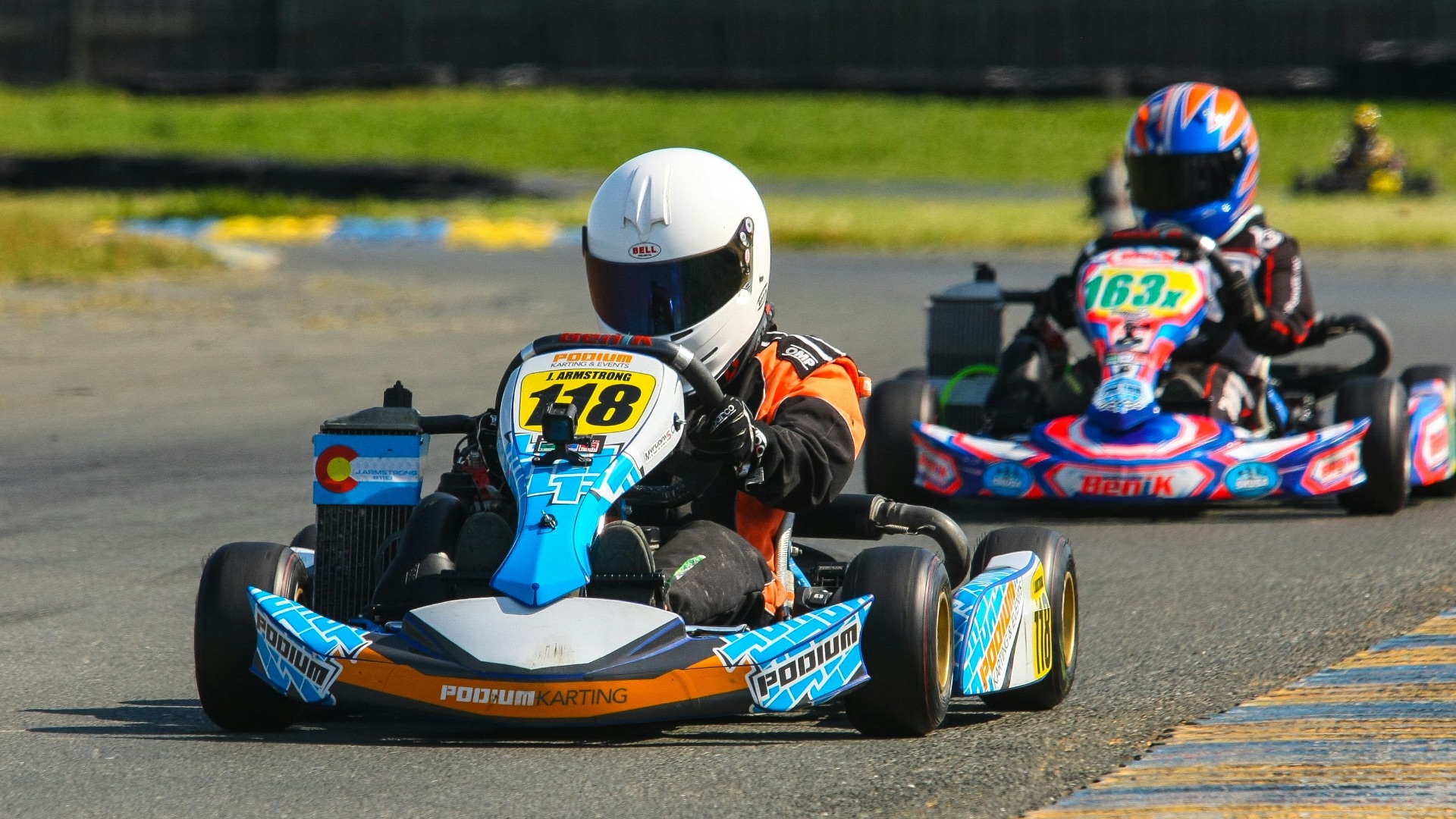
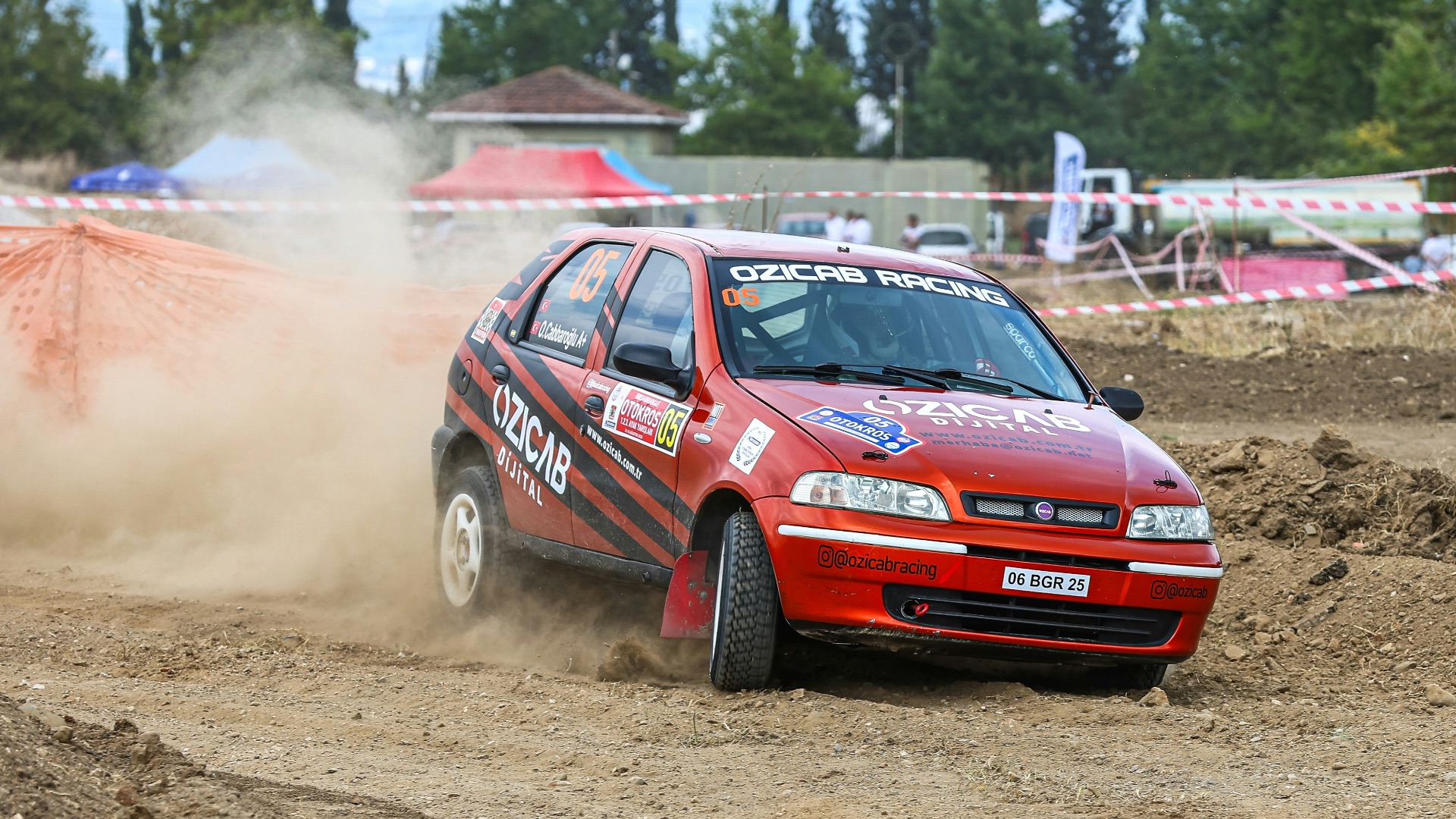
Rallycross is a great hobby if you like the idea of learning control when traction isn’t guaranteed. Loose surfaces make every input matter more, so you’ll get better at being calm on the wheel and deliberate with the throttle instead of overcorrecting. The vibe is usually friendly and a little scrappy, which makes it easier to enjoy the learning curve without feeling precious about perfection.
6. Sim Racing
Sim racing is for the part of you that wants more seat time, more practice, and more challenges, even when real-life schedules get in the way. You can work on fundamentals like braking smoothly and being consistent, and you’ll notice improvements over time in a way that feels rewarding. It also scratches the competitive itch, because online leagues give you real opponents and real consequences for sloppy driving.

7. Road Trip Planning
Road trip planning becomes a hobby the moment you stop treating it like logistics and start treating it like strategy. You can build routes around roads that are actually enjoyable to drive, then shape the trip with timing, stops, and overnight choices that keep things comfortable. If you’re the kind of person who likes a plan that still leaves room for spontaneity, this one will fit you well.

8. Scenic Route Hunting
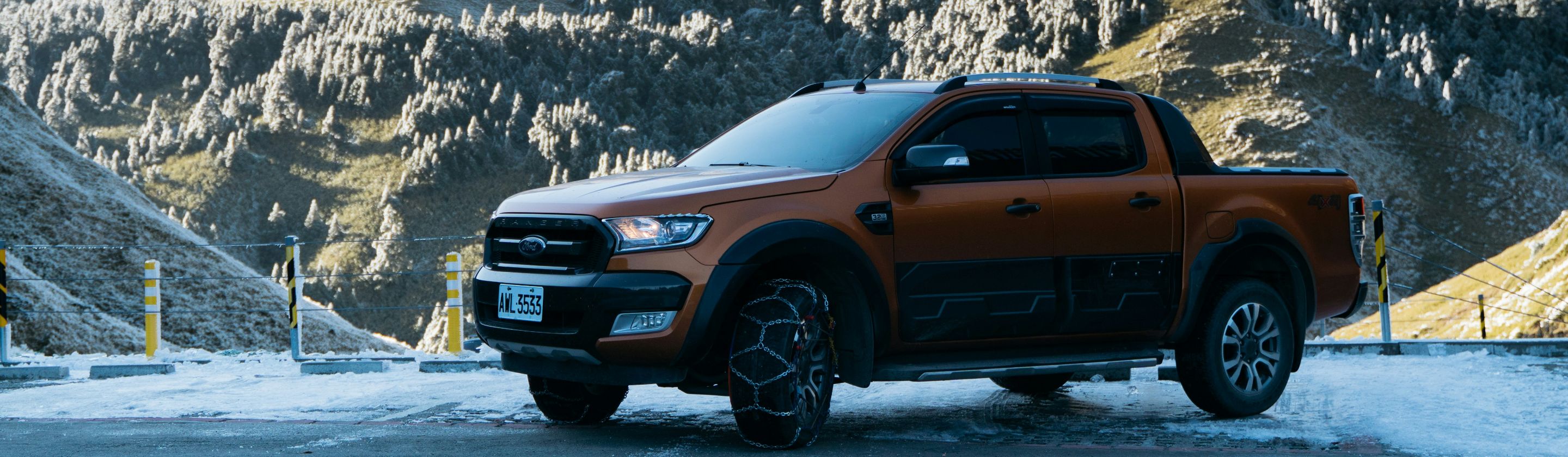
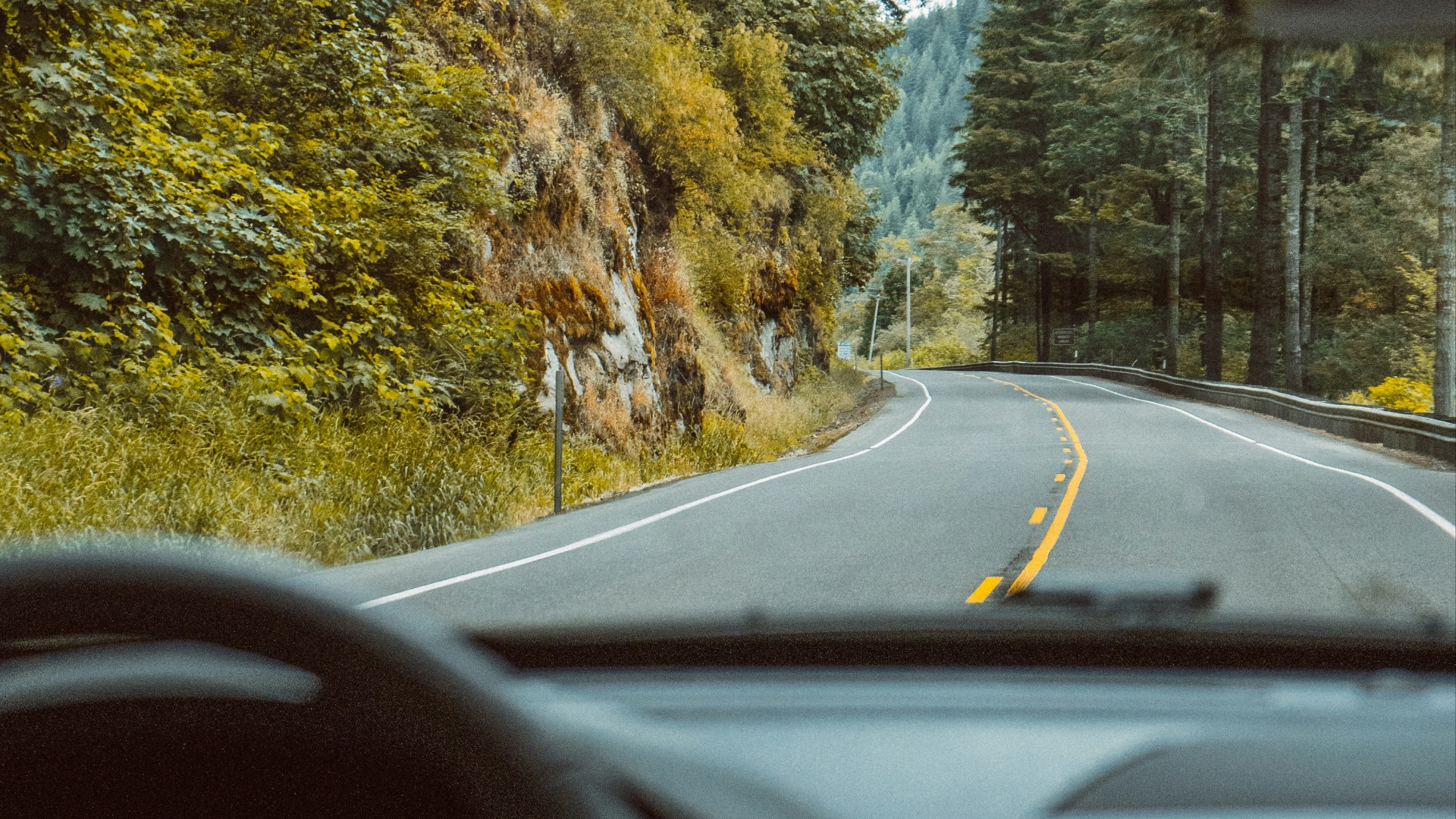
Scenic route hunting is basically a way to keep discovering new drives without needing a big excuse. You can look for twisty backroads, quiet coastal stretches, or mountain passes, then keep notes on what was worth repeating and what was just fine once. Over time, you’ll end up with a personal list of go-to drives for different moods, weather, and seasons.
 Cristofer Maximilian on Unsplash
9. Car Photography
Car photography adds a creative outlet to your driving interest, and it makes you pay attention to details you might otherwise overlook. You’ll start thinking about clean backgrounds, good light, and angles that show off shape and stance without making everything look overedited. It’s also a natural excuse to get out early, stay out late, and enjoy the car scene without feeling like you have to be the loudest person in the parking lot.

10. Detailing
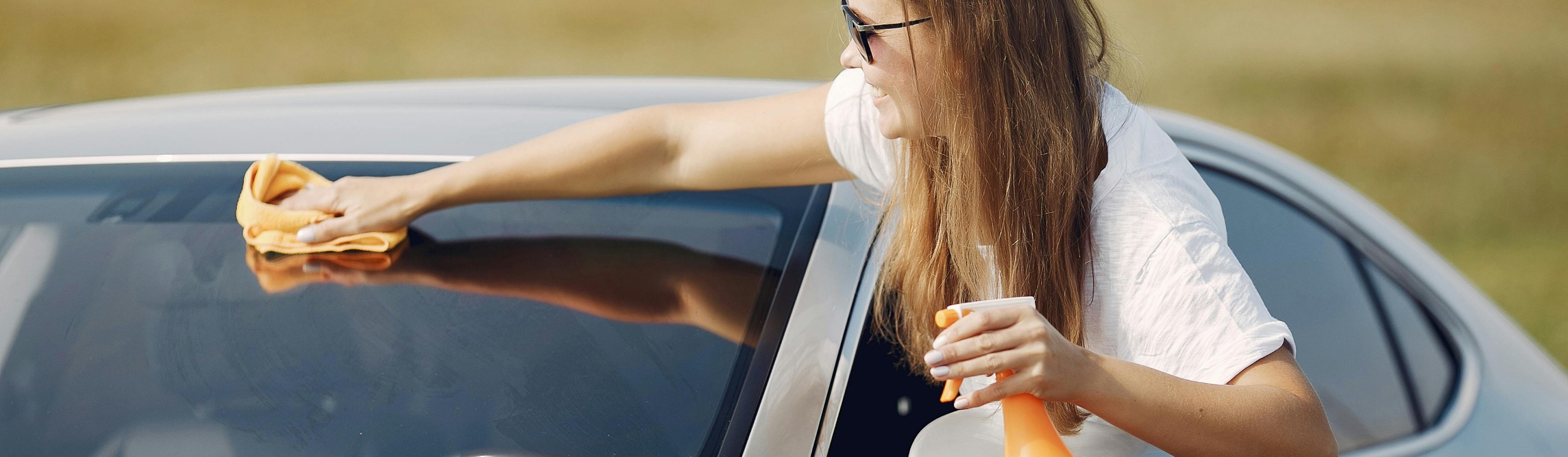
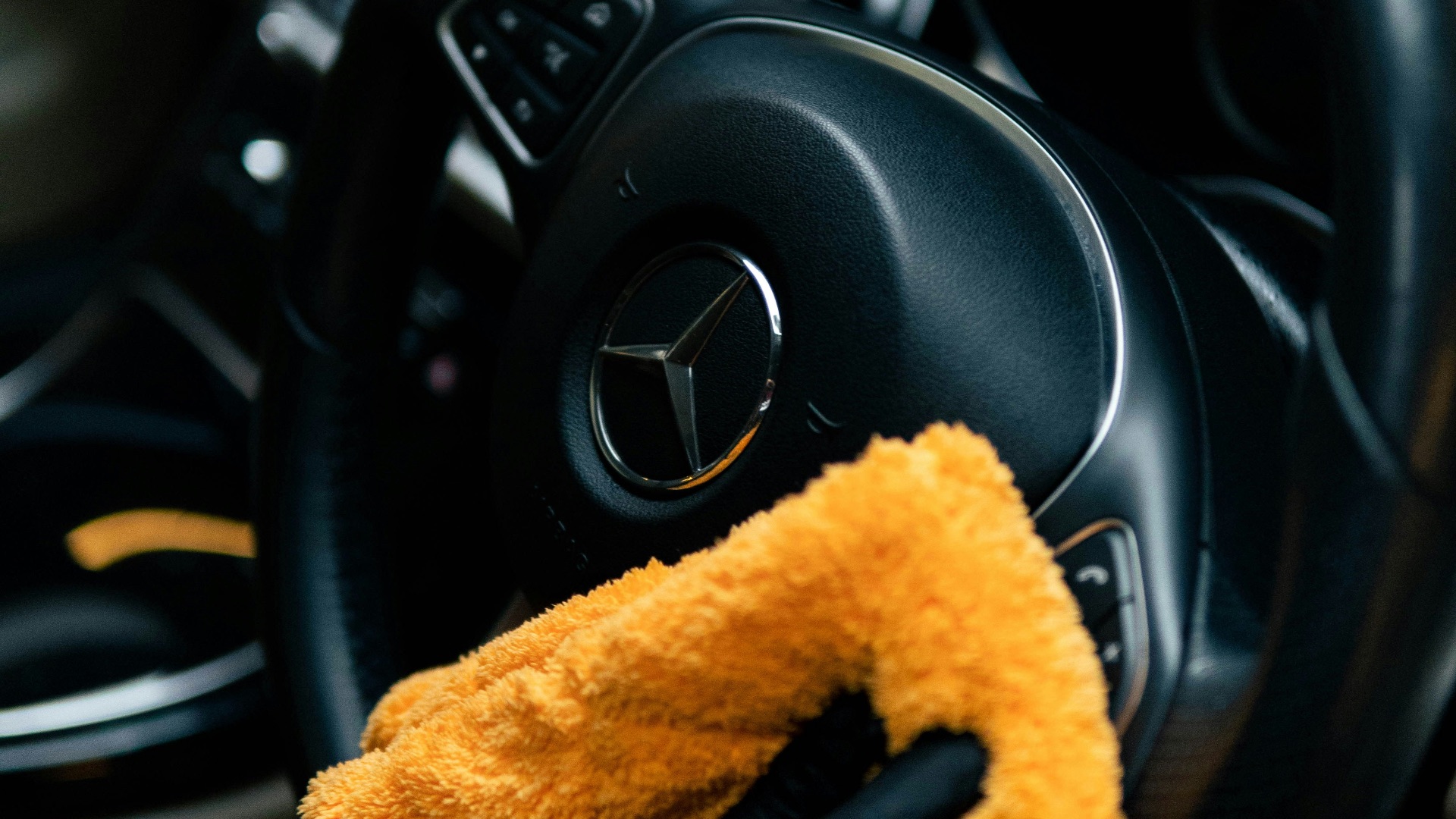
Detailing is satisfying because it’s hands-on and the results are obvious, especially when you learn to do it properly instead of rushing through it. You’ll get better at choosing products, using safe techniques, and making the interior feel like a place you actually want to spend hours. It’s also a calming hobby, because you can put on music, take your time, and end with a car that feels freshly reset.
11. DIY Maintenance
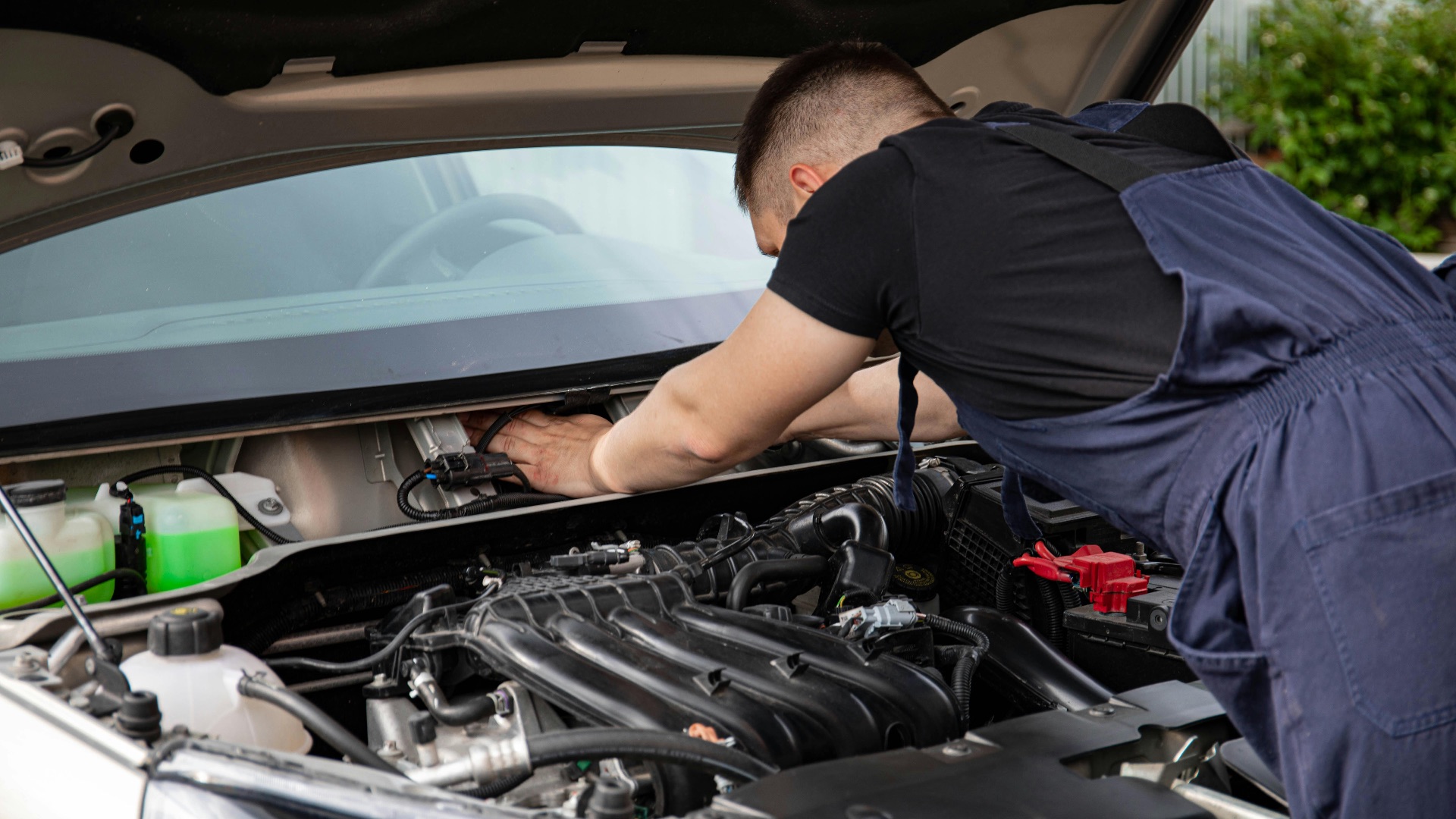
DIY maintenance gives you a sense of control that’s hard to replicate, because you stop feeling like your car is a mysterious machine that only a shop can understand. You’ll learn what normal wear looks like, what needs attention soon, and what can wait, which makes you a more confident owner. Even basic jobs feel good, because you’re investing directly in how the car drives and how reliable it stays.

12. Learning Automotive Diagnostics
Diagnostics is where driving enthusiasm meets problem-solving, and it can make you feel genuinely capable. Once you learn how to read codes, interpret symptoms, and understand what systems talk to each other, you stop panicking when a light comes on. You don’t have to become an expert to enjoy it either, because even a beginner-level understanding can save you time, money, and frustration.
13. Car Audio Building and Tuning
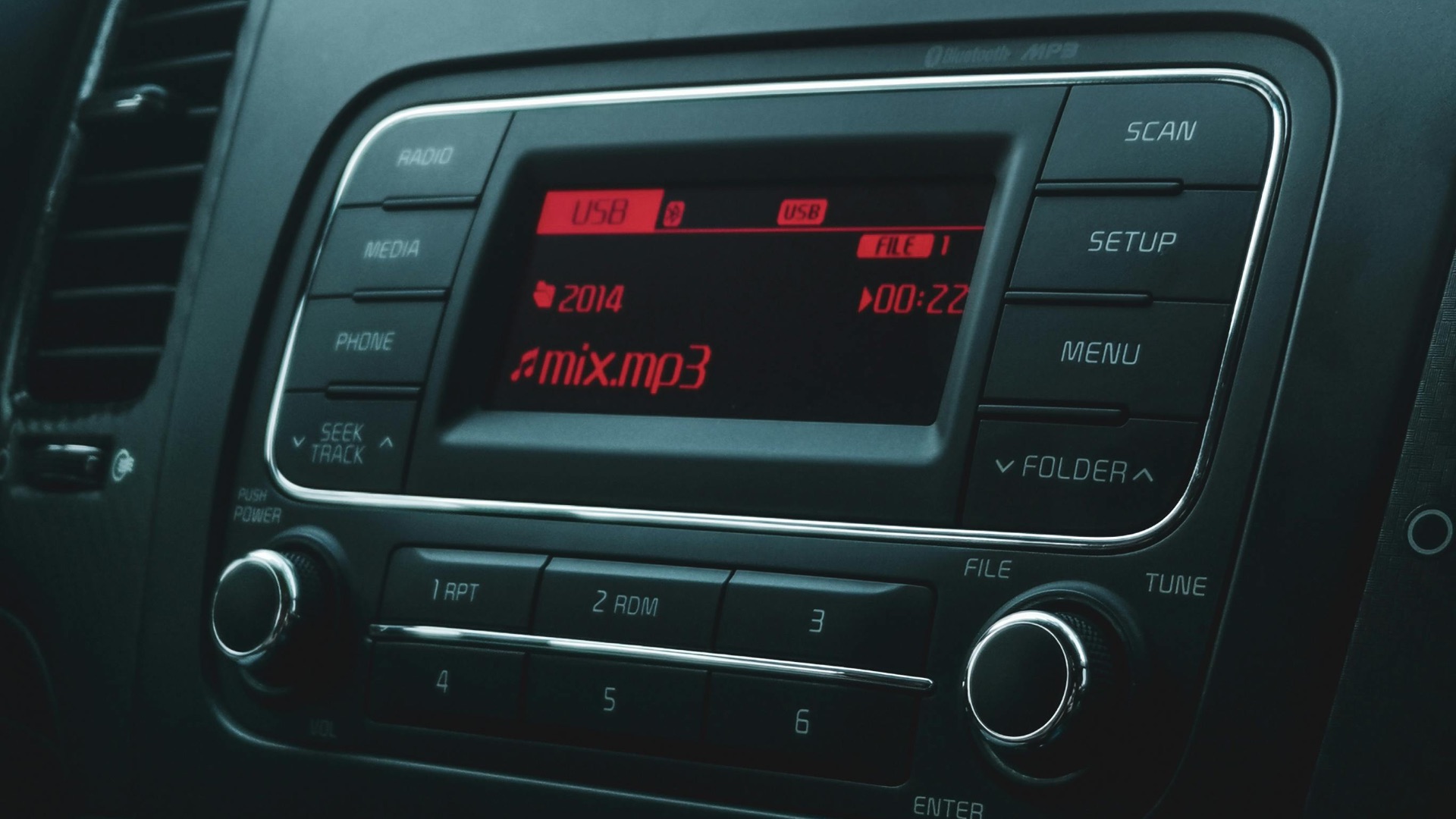
If you spend serious time behind the wheel, car audio upgrades can feel like a quality-of-life improvement that pays you back daily. Learning how speakers, amps, and sound deadening work helps you avoid setups that are loud but exhausting, and instead build something clean and comfortable. It’s also a fun balance of technical and personal taste, because you’re tuning the space where you actually live during your drives.
14. Suspension Setup and Alignment Basics
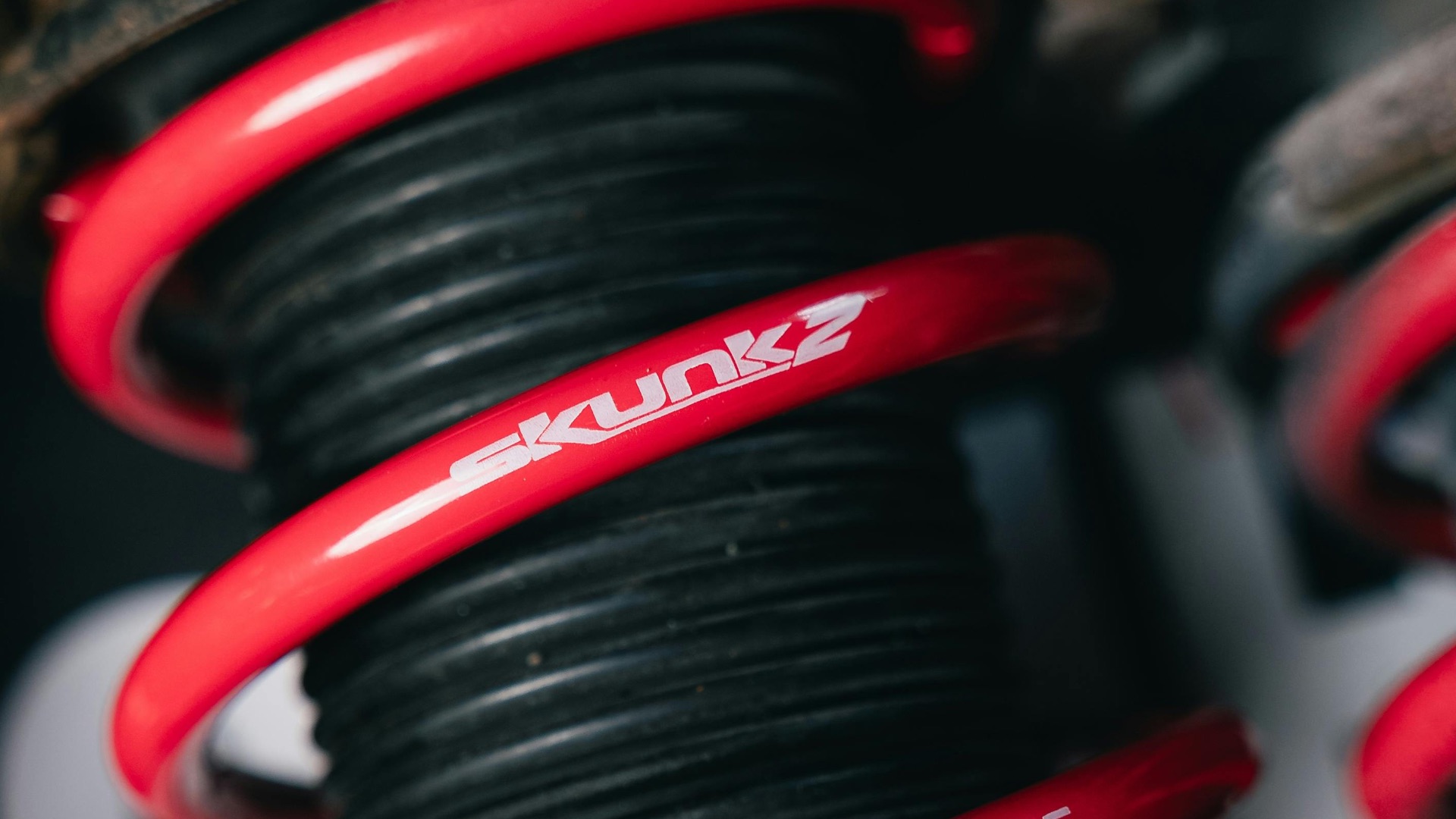
Suspension setup is rewarding because it changes how the car feels in a way you can notice immediately. Learning the basics of alignment, damping, and tire pressure helps you make smarter decisions instead of chasing random internet settings. It also gives you a better vocabulary for what you feel, so you can communicate clearly whether you’re doing the work yourself or working with a shop.
15. Tire Knowledge and Testing
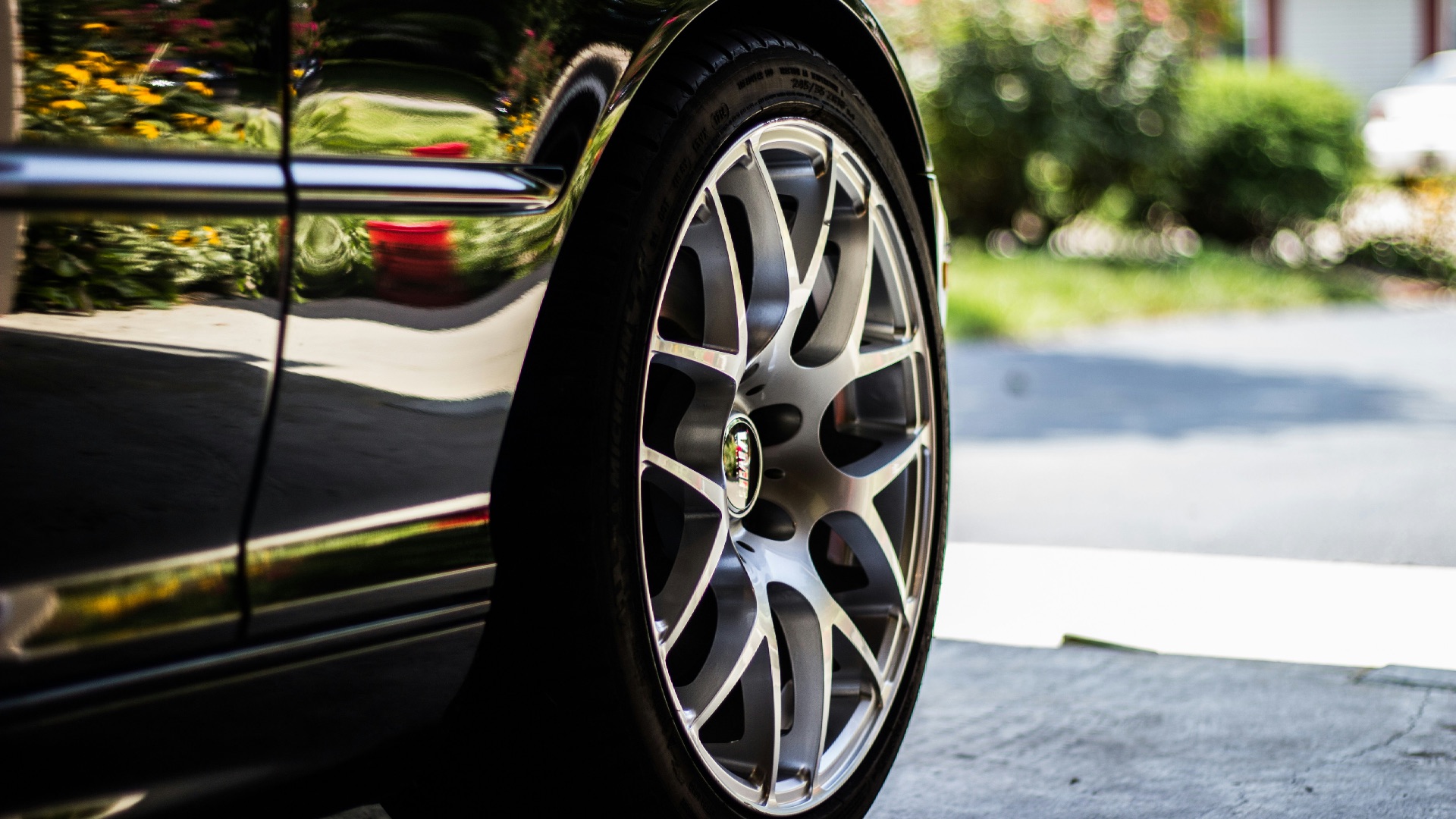
Getting into tires sounds nerdy until you realize how much they shape the entire driving experience. You’ll start to notice differences in grip, noise, ride comfort, and wet-weather confidence, and you’ll understand why some tires feel great at first and then fall off quickly. Keeping notes after changes turns it into a real hobby, because you’re building a personal database of what actually works for your car and your style.
16. Car Clubs and Meetups
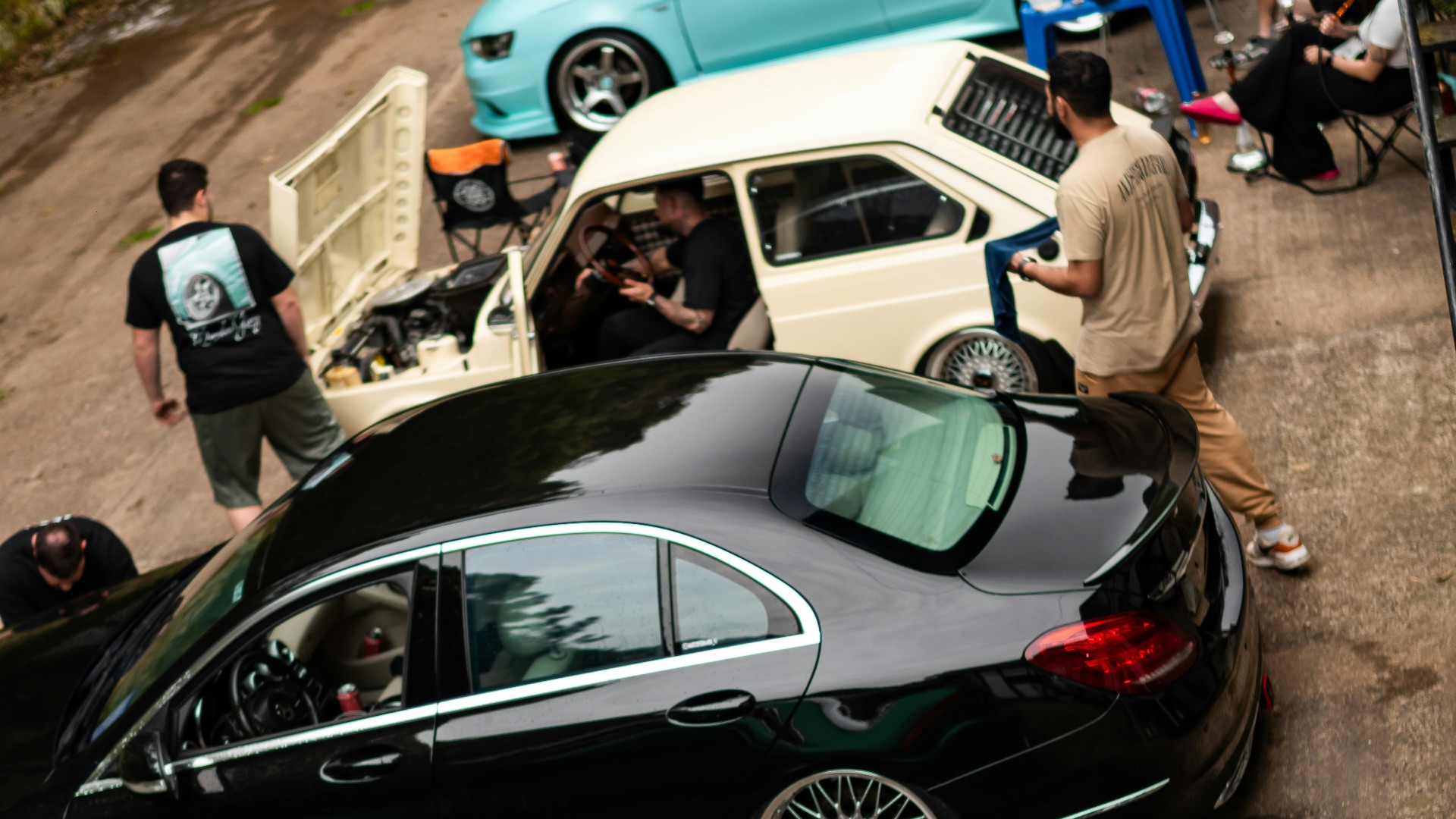
Car clubs are underrated if you want your driving interest to feel social without needing to be performative about it. The best groups organize drives, share advice, and keep things respectful, so you can learn and participate without stress. You’ll also pick up practical information fast, because nothing beats local knowledge when it comes to routes, shops, and events.
17. Volunteering at Motorsports Events
Volunteering gets you closer to motorsports in a way that’s surprisingly educational, even if you’re not competing. You’ll see how events stay safe and organized, and you’ll start recognizing the small details that separate a smooth day from a messy one. It’s also a solid way to meet experienced drivers naturally!

18. Mapping and Navigation Skills
If you’re the type who enjoys planning routes and understanding how places connect, mapping can become a hobby on its own. You can learn to spot interesting road types, anticipate traffic patterns, and choose routes that fit the kind of drive you want that day. It’s a practical skill too, because it makes you more confident in unfamiliar areas and better at adjusting when plans change.

19. Manual Transmission Skill-Building
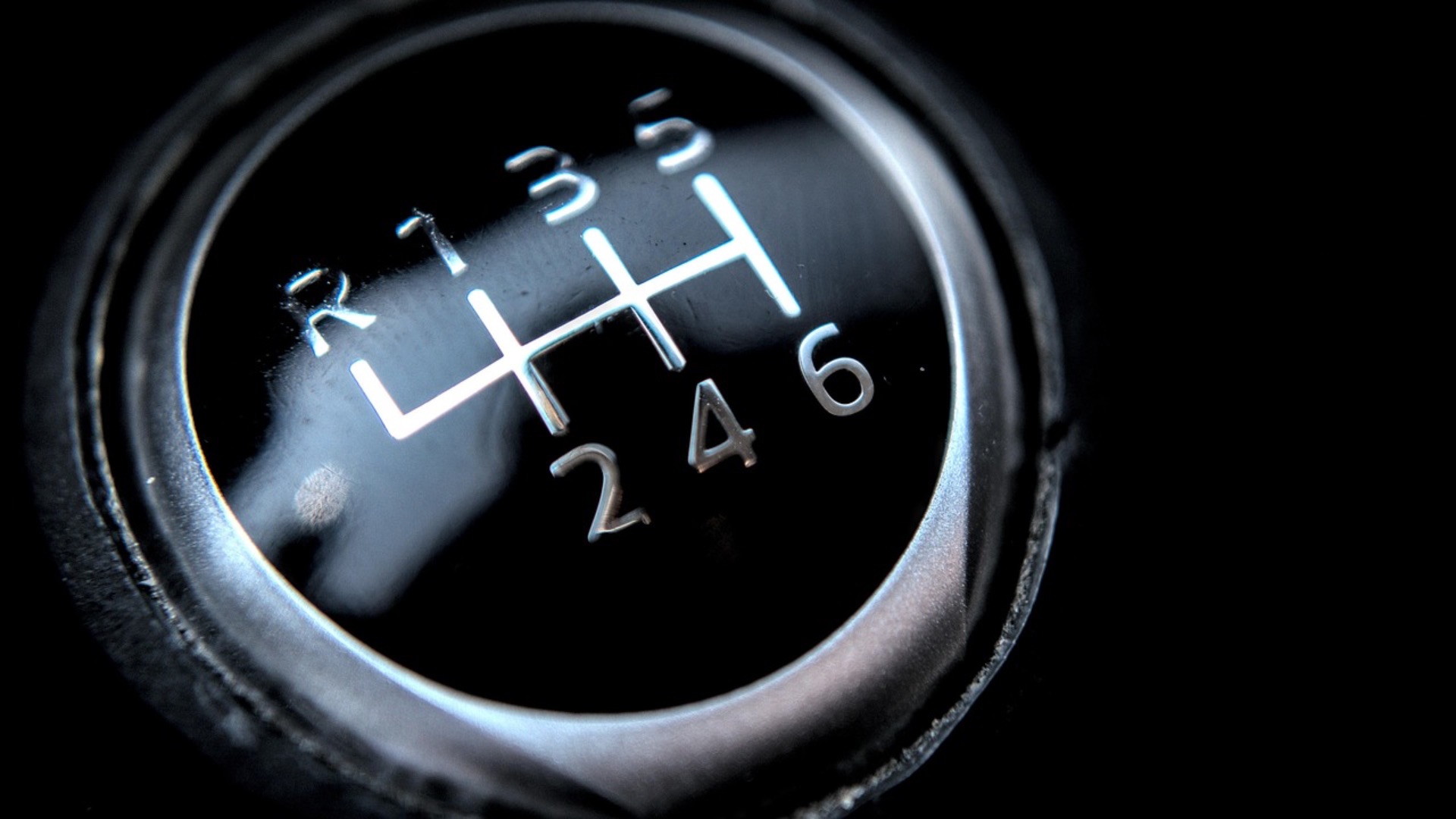
Manual transmission driving stays interesting because there’s always a smoother, cleaner way to do it. You can refine takeoffs, practice rev-matched downshifts, and get more comfortable in stop-and-go situations without feeling tense. If you’re not a manual driver yet, learning it can make everyday driving feel more engaging without requiring you to take bigger risks.
20. Buying and Flipping Project Cars
Project cars are a hobby that can be as light or as intense as you want, and that flexibility is part of the appeal. You’ll learn how to evaluate a car honestly, budget realistically, and prioritize fixes so you don’t get stuck in a never-ending to-do list. If you stay disciplined, flipping projects can also fund your next idea, which makes the whole hobby feel self-sustaining rather than purely expensive.