
Before You Judge Your Driving
If you're like most drivers, you probably assume you're great behind the wheel. But the truth is, real driving skill isn't about how fast you can go or how perfectly you park with one hand. You can be confident and still miss important signs, fall into bad habits, or make occasional errors on the road. The best way to get an honest read is to look at how you communicate, how you manage space and speed, and how predictable you make yourself to the people around you. Here are 10 signs you're a better driver than you think, and 10 signs that prove you're not.
 Antoni Shkraba Studio on Pexels
1. You Signal Early and Clearly
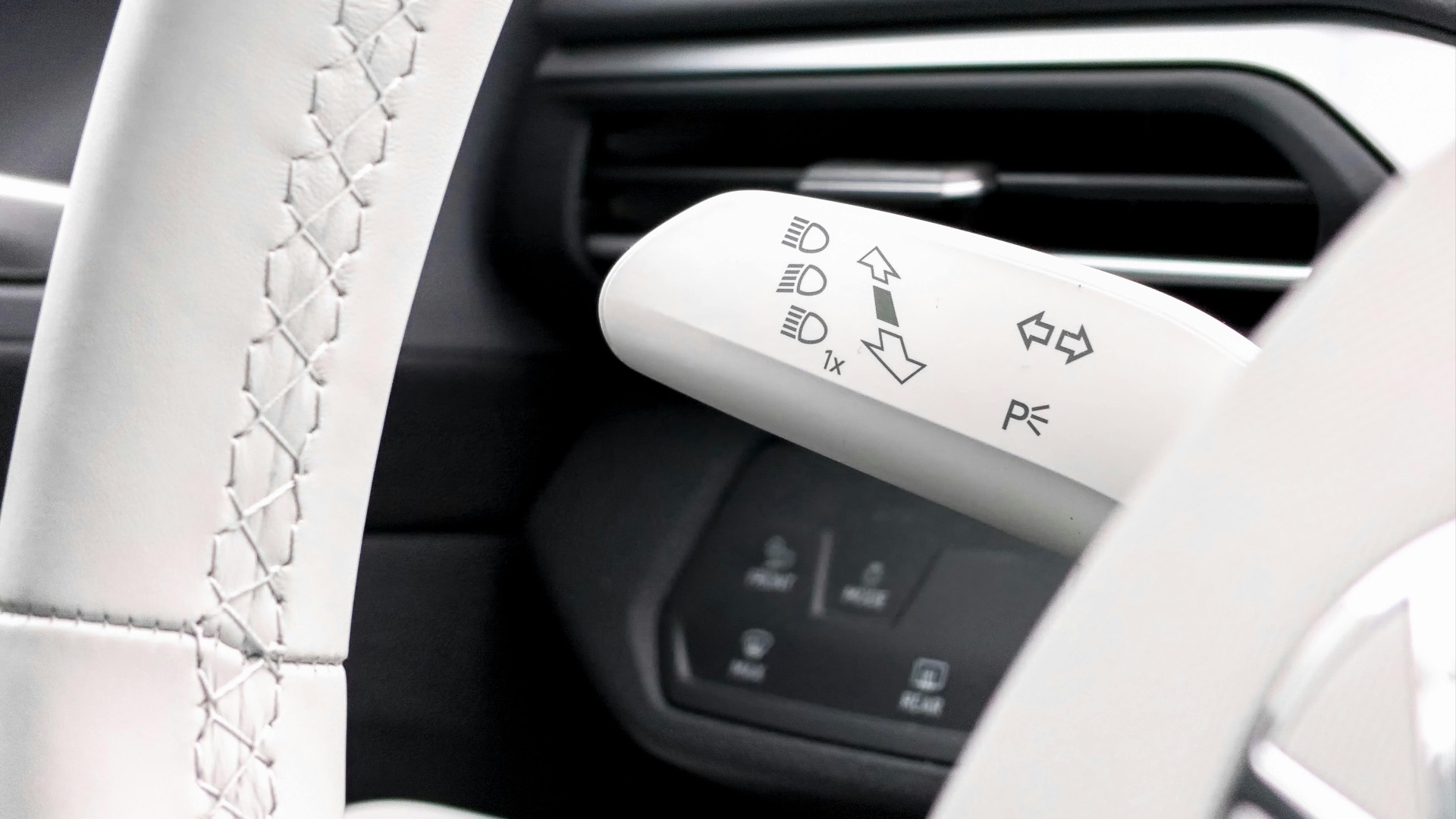
Sometimes, being a good driver is as easy as using your signals. So, if you make your intentions clear before you touch the brakes or drift toward the next lane, that helps give other drivers time to interpret what’s happening and respond calmly. Instead of assuming people will “figure it out,” you communicate your next move in a way that reduces surprise and last-second reactions, and that predictability is one of the simplest ways to prevent crashes.
 Karen Radley Volkswagen on Pexels
2. You Keep a Safe Following Distance
You leave enough space that you can slow down smoothly if the car ahead brakes, rather than needing to slam your brakes and hope the person behind you reacts in time. That cushion also gives you room to spot hazards earlier, like debris, potholes, or a sudden lane shift that would be hard to handle if you were too close. If someone cuts in front of you, you adjust your spacing without taking it personally, because you care more about safety than winning the moment.
3. You Scan Ahead and Read the Road
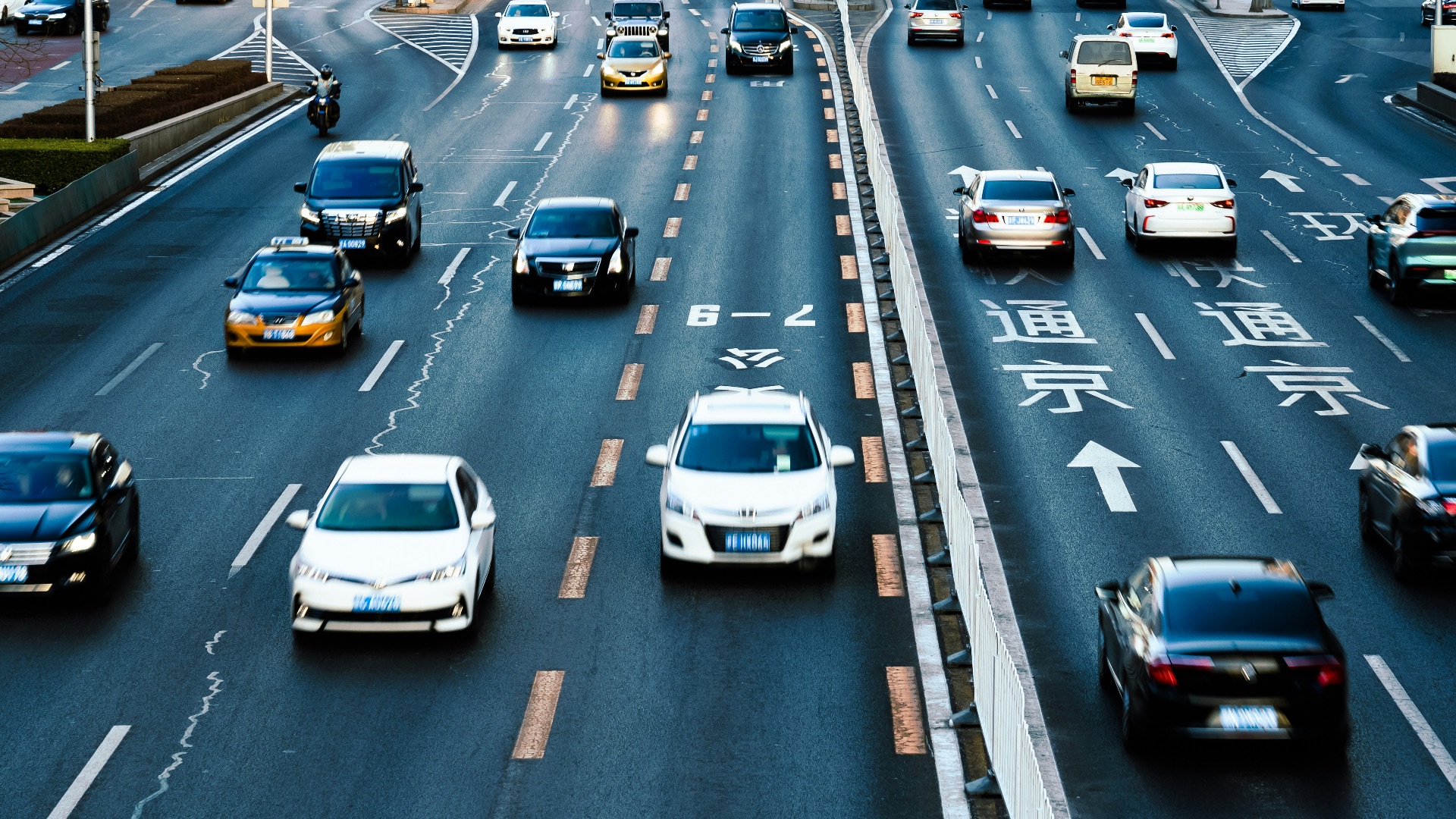
You watch patterns in traffic instead of locking your attention on the bumper in front of you, which helps you avoid being trapped by sudden slowdowns. Brake lights in the distance, cars bunching up near an exit, or a bus pulling out are all clues you notice early, so you can ease off the gas and stay in control. Driving this way feels smoother because you’re making decisions before the situation becomes urgent.
4. You Match the Flow of Traffic When Conditions Allow
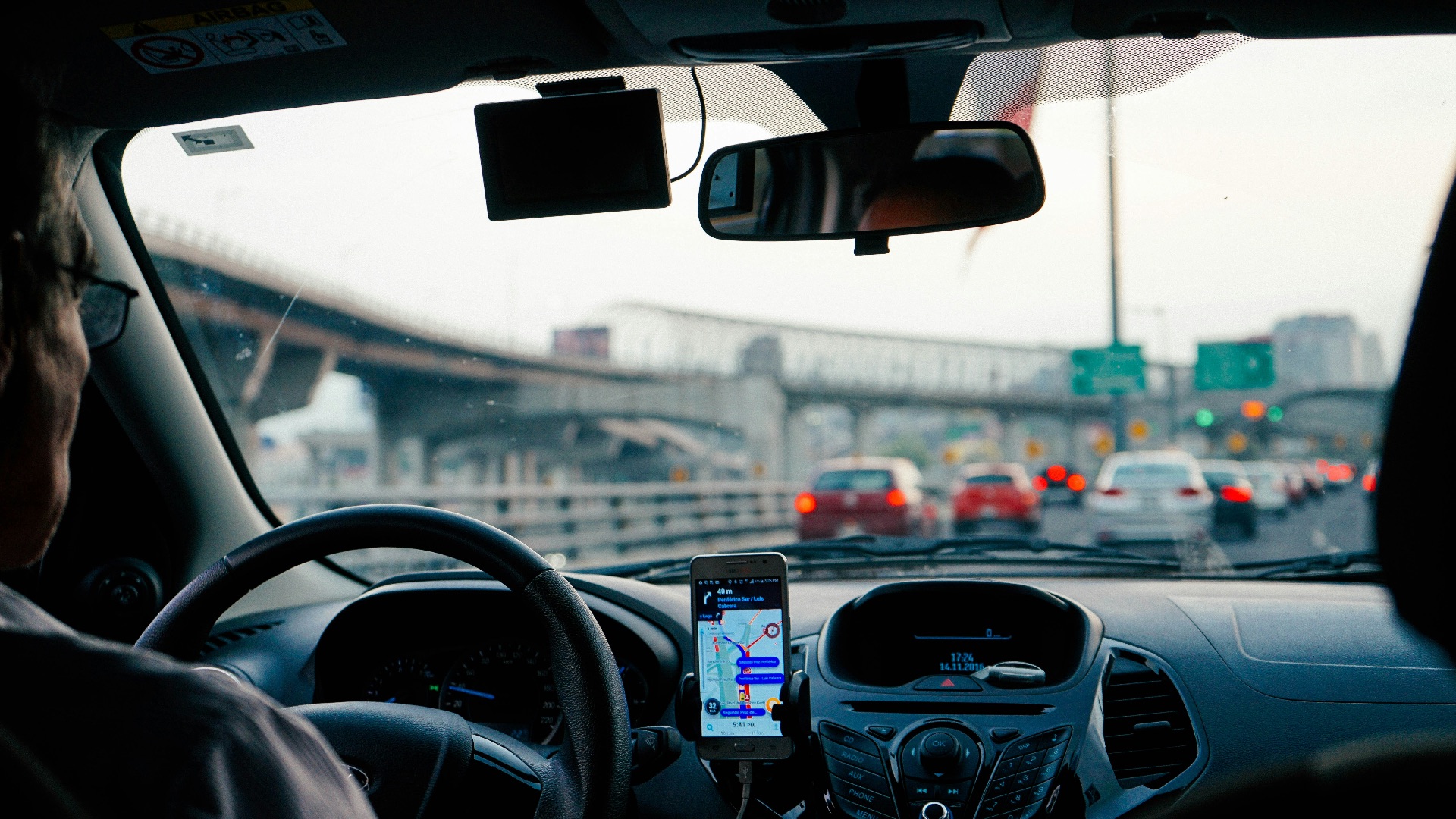
When visibility is good and the road is dry, you aim to drive at a speed that fits safely into the surrounding traffic rather than becoming an unexpected obstacle. You also understand that “flow” isn’t the same as blindly speeding, so you keep your judgment switched on and don’t let fast drivers set your limits. The point is that you’re managing risk realistically, not creating speed differences that force other people into risky passes.
5. You Merge Confidently Without Forcing Anyone’s Hand
When merging, you build speed on the ramp so you can enter traffic smoothly, which prevents that uncomfortable moment where everyone has to brake because you arrived too slowly. Instead of drifting along and hoping the lane opens up, you pick a gap, commit to it, and make your movement obvious and predictable.
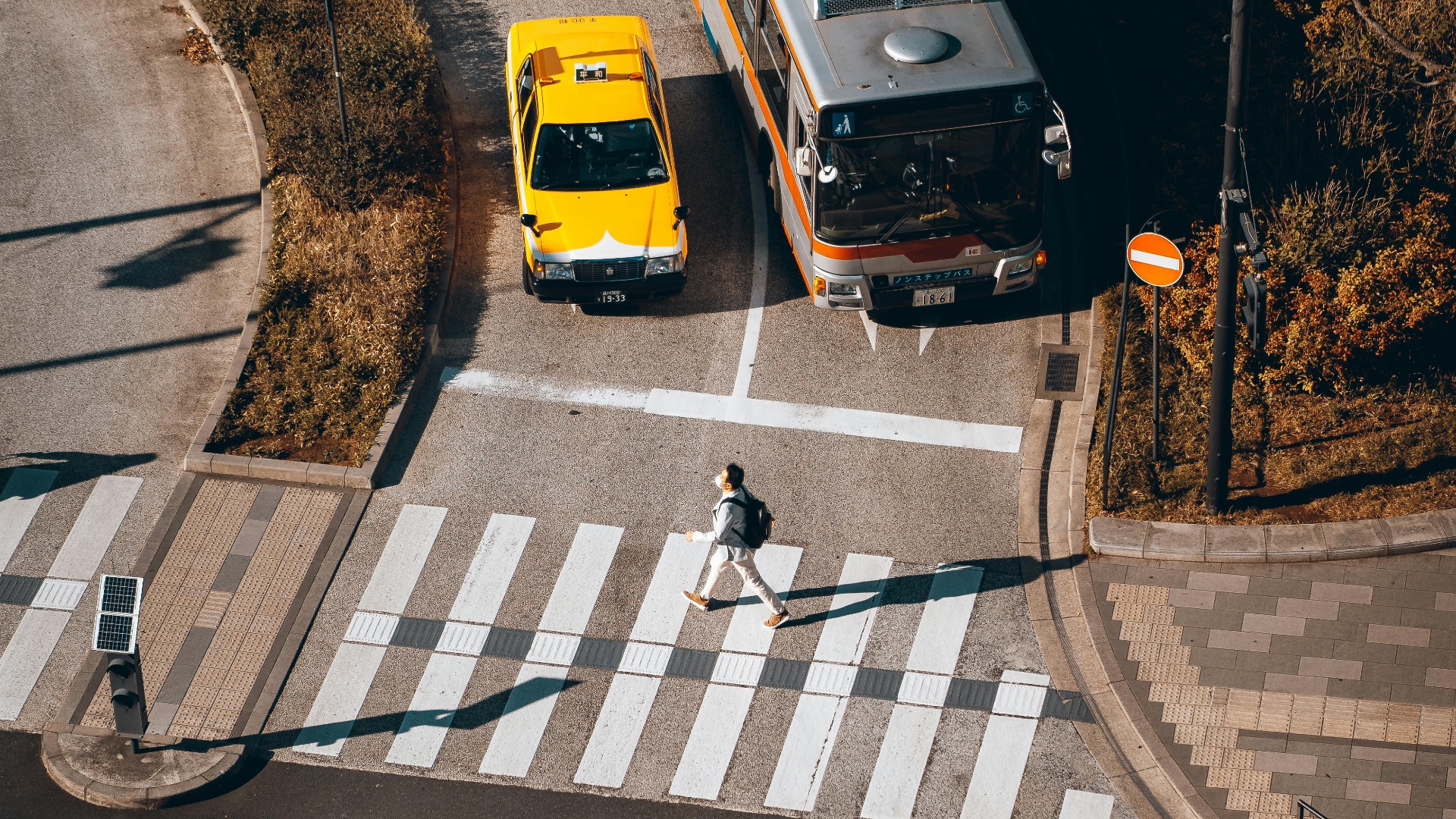
6. You Stop Without Blocking Crosswalks or Intersections
You come to a full stop behind the line, not halfway into the crosswalk, because you’re aware that pedestrians and people with strollers or mobility devices need that space to stay visible and safe. At crowded intersections, you resist creeping forward if there’s no room on the other side, since blocking the box creates gridlock and raises the chance of fender benders. This kind of restraint shows that you’re paying attention to the bigger system, not just your own lane.
7. You Handle Four-Way Stops Smoothly and Fairly
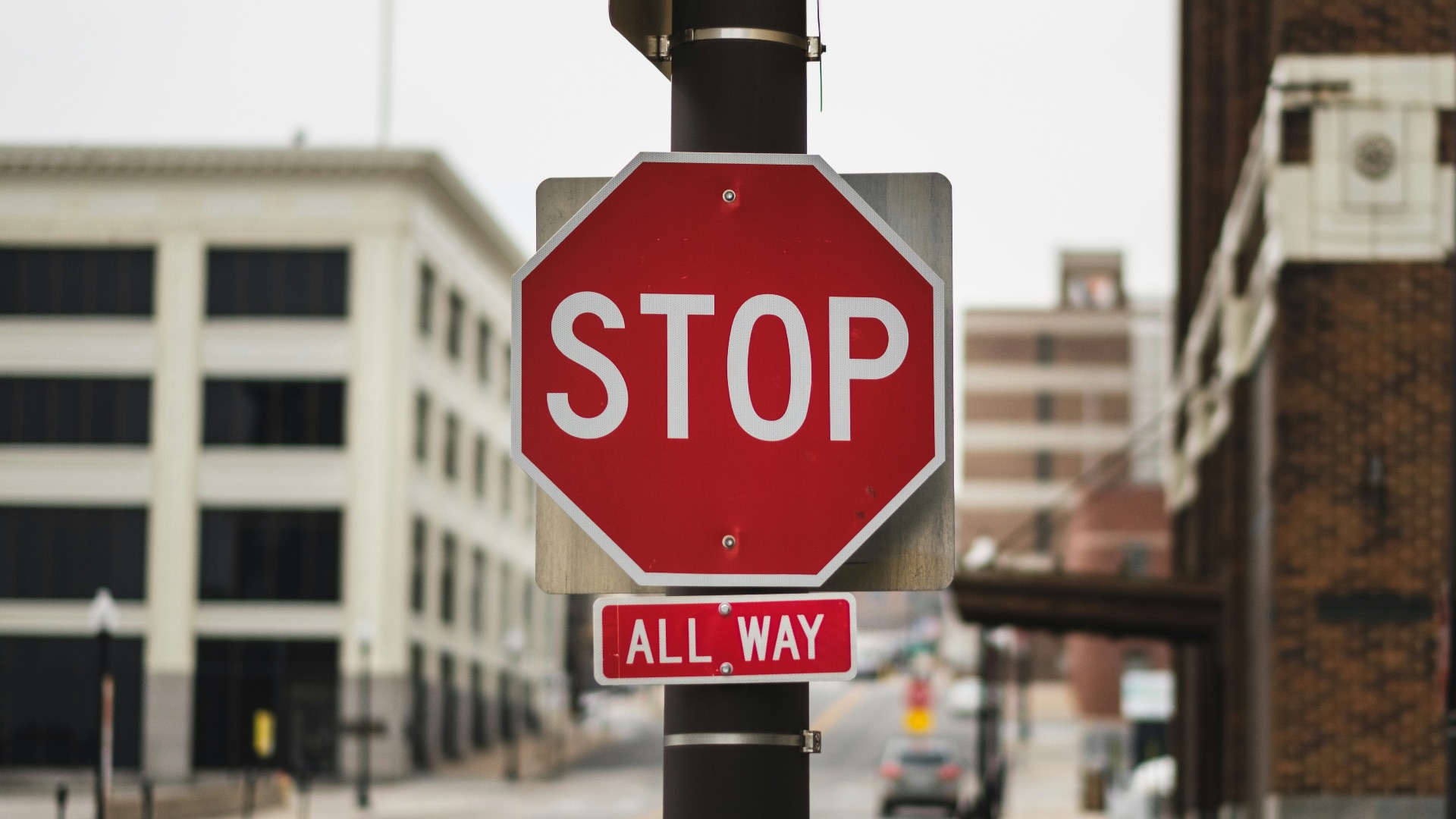
When you come across four-way stops, you keep track of arrival order and follow it without trying to sneak ahead, which prevents confusion and the awkward delays that happen when people guess. If it’s unclear, you use clear eye contact, a steady stop, and decisive movement instead of vague inching that forces others to read your mind. After all, being predictable helps reduce conflict and keep things moving in a way that feels calm rather than competitive.
8. You Choose Lanes with Intention and Stay Consistent
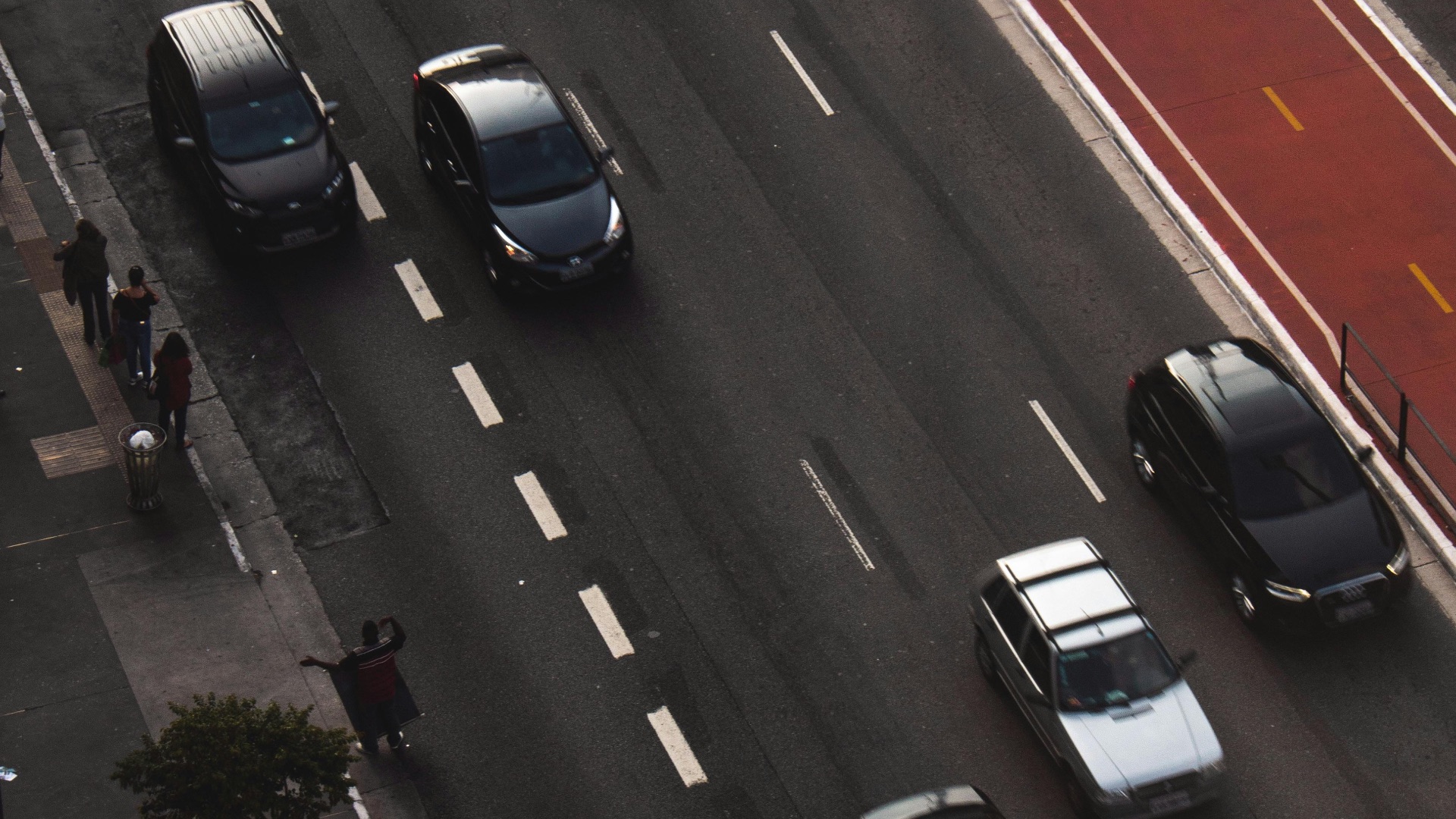
You don’t bounce from lane to lane chasing tiny gains, because you recognize that frequent lane changes raise risk and often don’t save meaningful time. Instead, you position yourself based on your next turn or exit, then maintain that lane unless there’s a genuine need to change. Consistency matters because it reduces sudden lateral movement, which is where a lot of near-misses and sideswipes happen.
9. You Use Mirrors and Shoulder Checks as a Habit
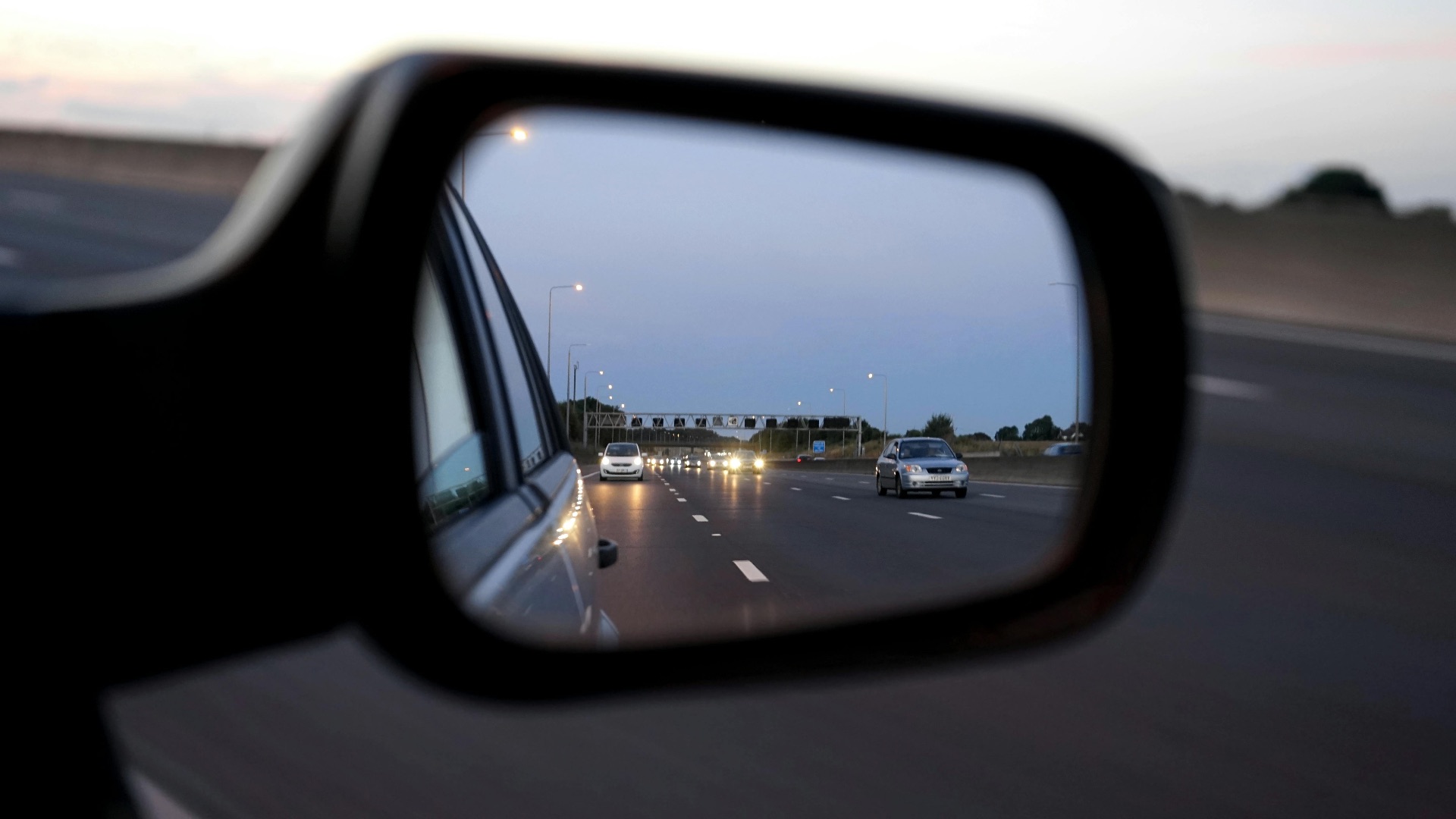
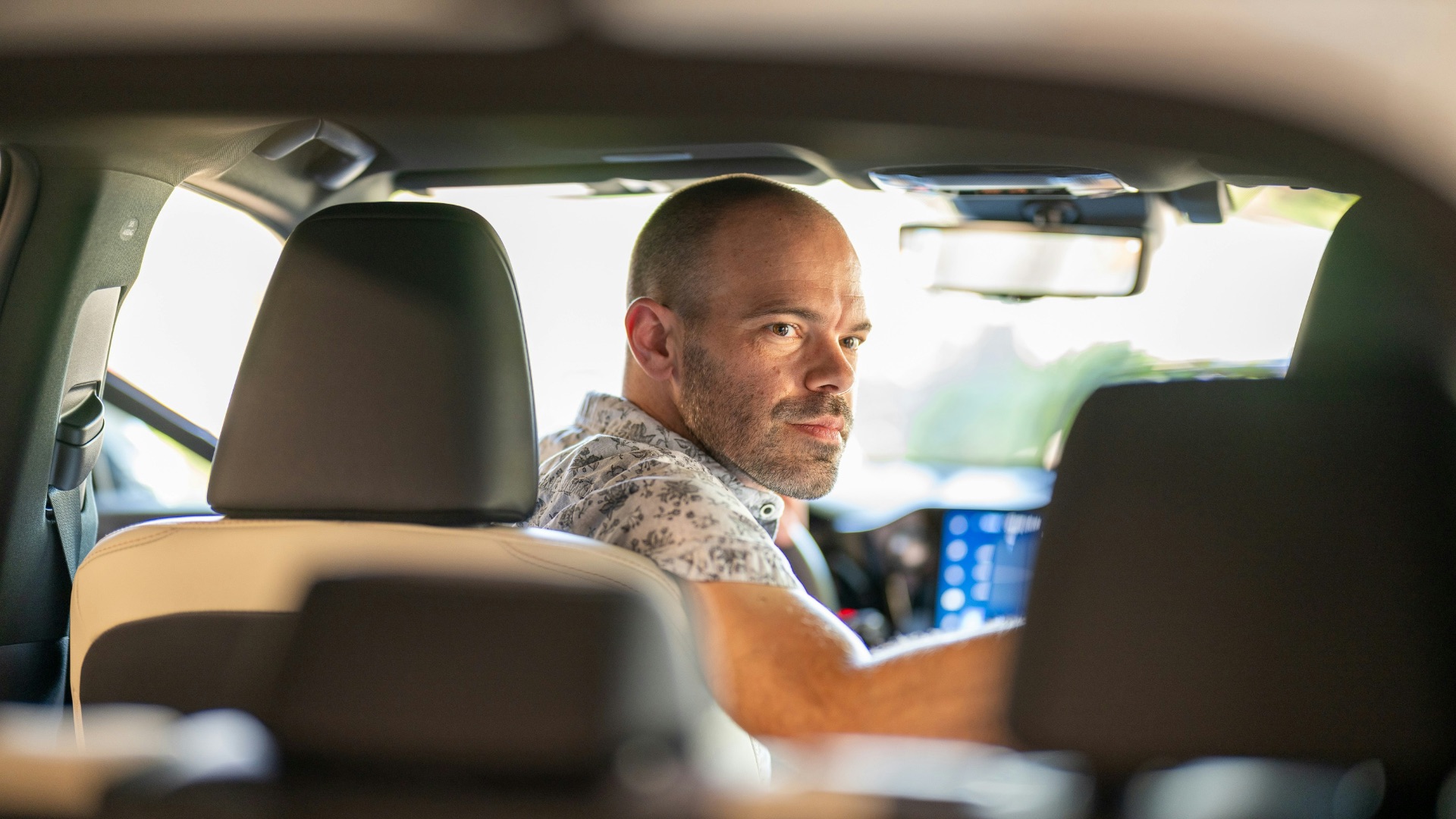
You check mirrors regularly, not just when you’re already committed to a lane change, because you want a steady awareness of who’s around you. Before moving over, you confirm the blind spot with a quick shoulder check, which is especially important for motorcycles, cyclists, and fast-approaching cars. This routine shows you’re treating driving as an active task, not something you can do on autopilot.
10. You Adjust to Weather and Road Conditions Proactively
You change how you drive when conditions change, rather than waiting for a scare to remind you that traction and visibility are limited. That means longer following distance, earlier braking, gentler steering inputs, and a willingness to slow down even if other drivers don’t. If you plan ahead like this, you’re not just reacting to risk, you’re reducing it before it becomes a problem.
So, do you do any of the above? If you don't, you might be a worse driver than you think, and here are 10 signs that may prove just that:
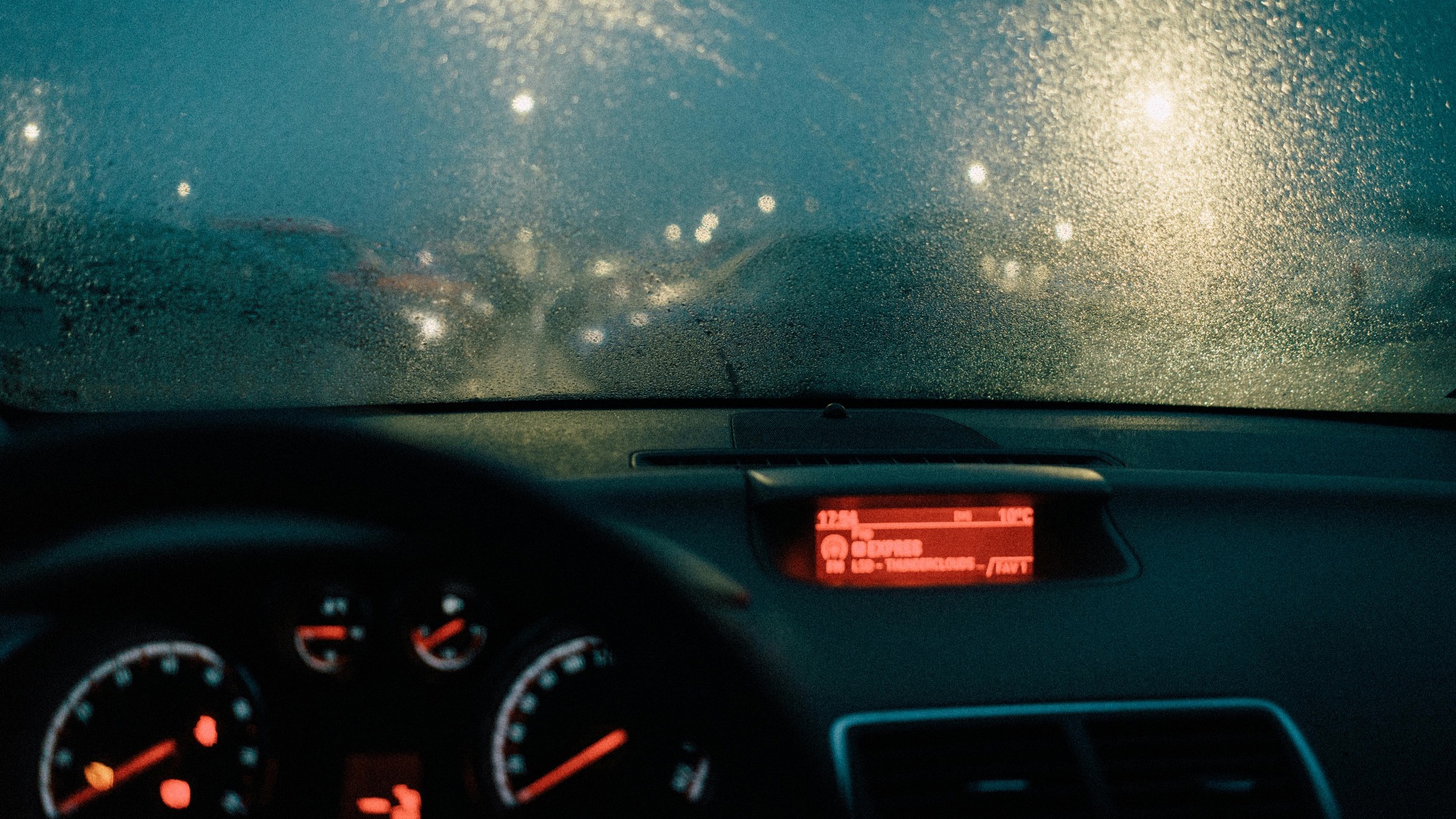
1. You Tailgate to Pressure Other Drivers
When someone in front of you is inching along, do you increase your distance or speed up to tailgate? Doing the latter, meaning you follow too closely because you want the driver ahead to move, is a choice that shrinks your reaction window and turns minor traffic fluctuations into emergency braking situations, especially if a pedestrian steps out or the lead car hits debris. Even if you consider yourself alert, tailgating is a bad bet because it relies on everyone else behaving perfectly.
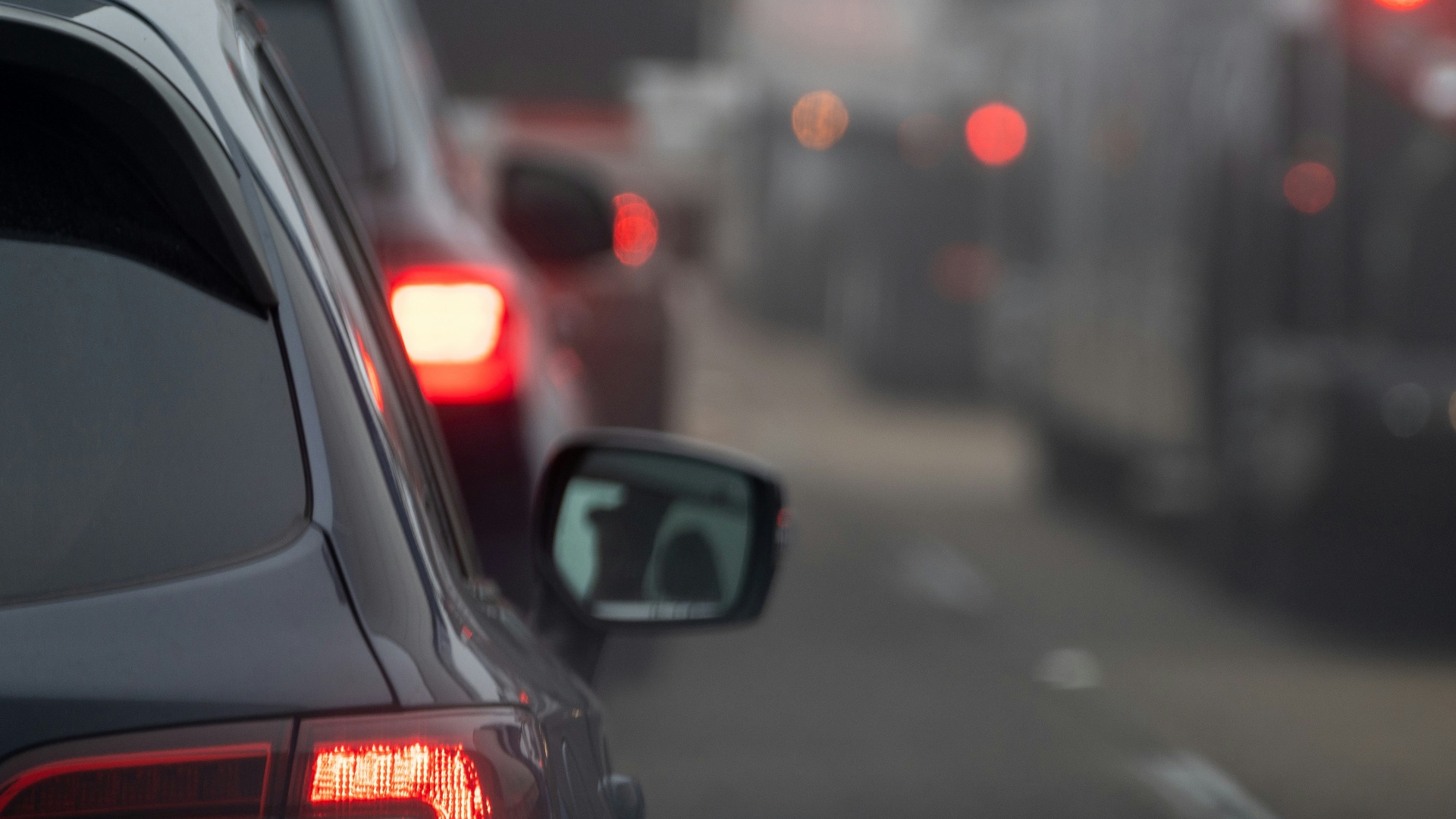
2. You Treat Stop Signs Like Suggestions
Another sign you're a bad driver? You roll through stops when the road “looks clear,” even though that isn’t the same as “is clear,” especially around parked cars, bushes, and poor sightlines. A full stop forces you to confirm what’s happening, and it gives others a predictable signal that you’re yielding when you should. If you skip that step, you’re increasing the risk for the people you’re least likely to notice in time.
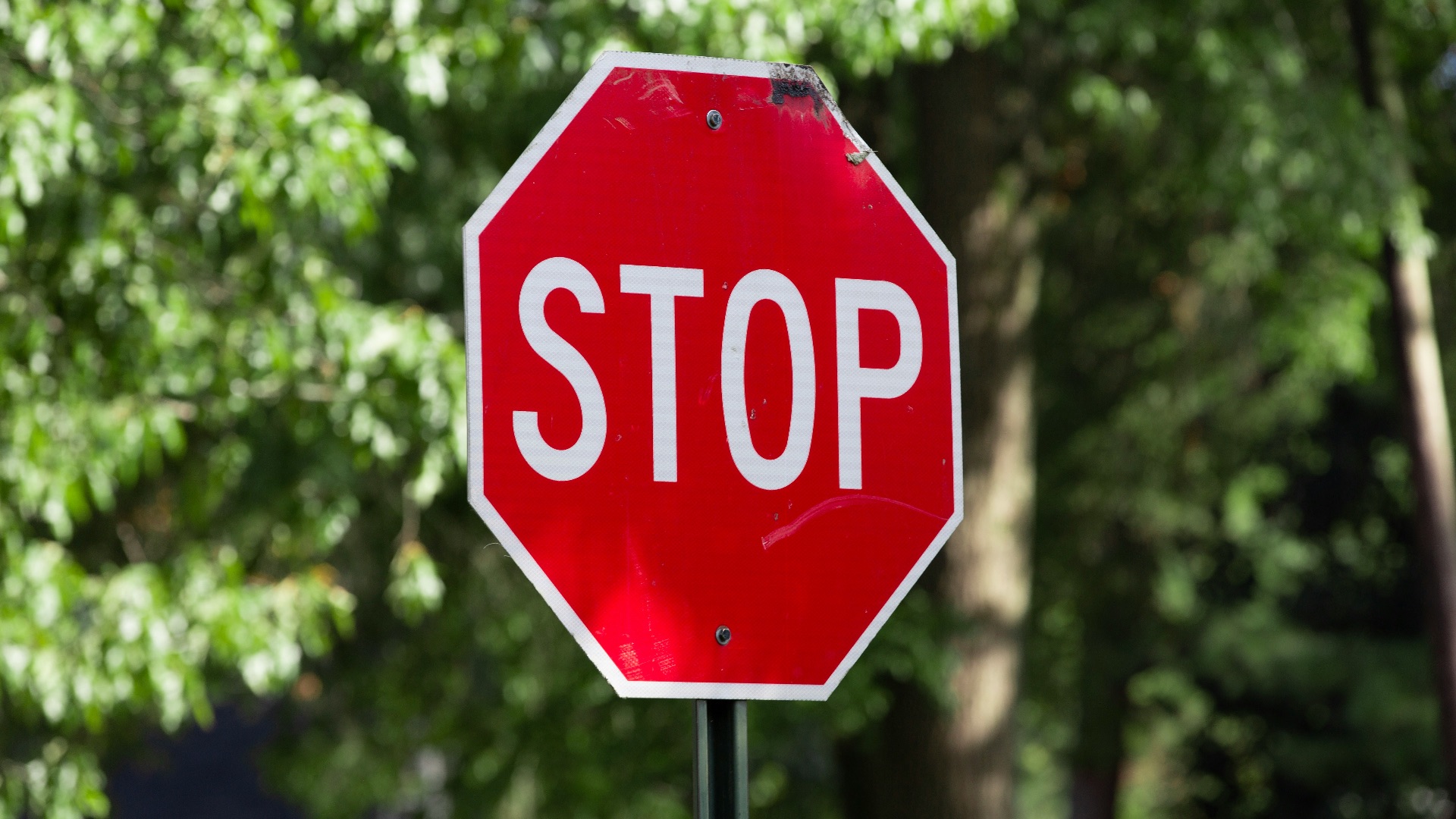
3. You Change Lanes Without Checking Properly
You might glance at a mirror and assume you’re safe, but mirrors can’t show everything, and blind spots exist. Missing a motorcycle or a smaller vehicle can happen in an instant, and the consequences are far worse than a moment of inconvenience. If honks and sudden braking from other drivers happen around your lane changes, it’s worth treating that as feedback, not bad luck.
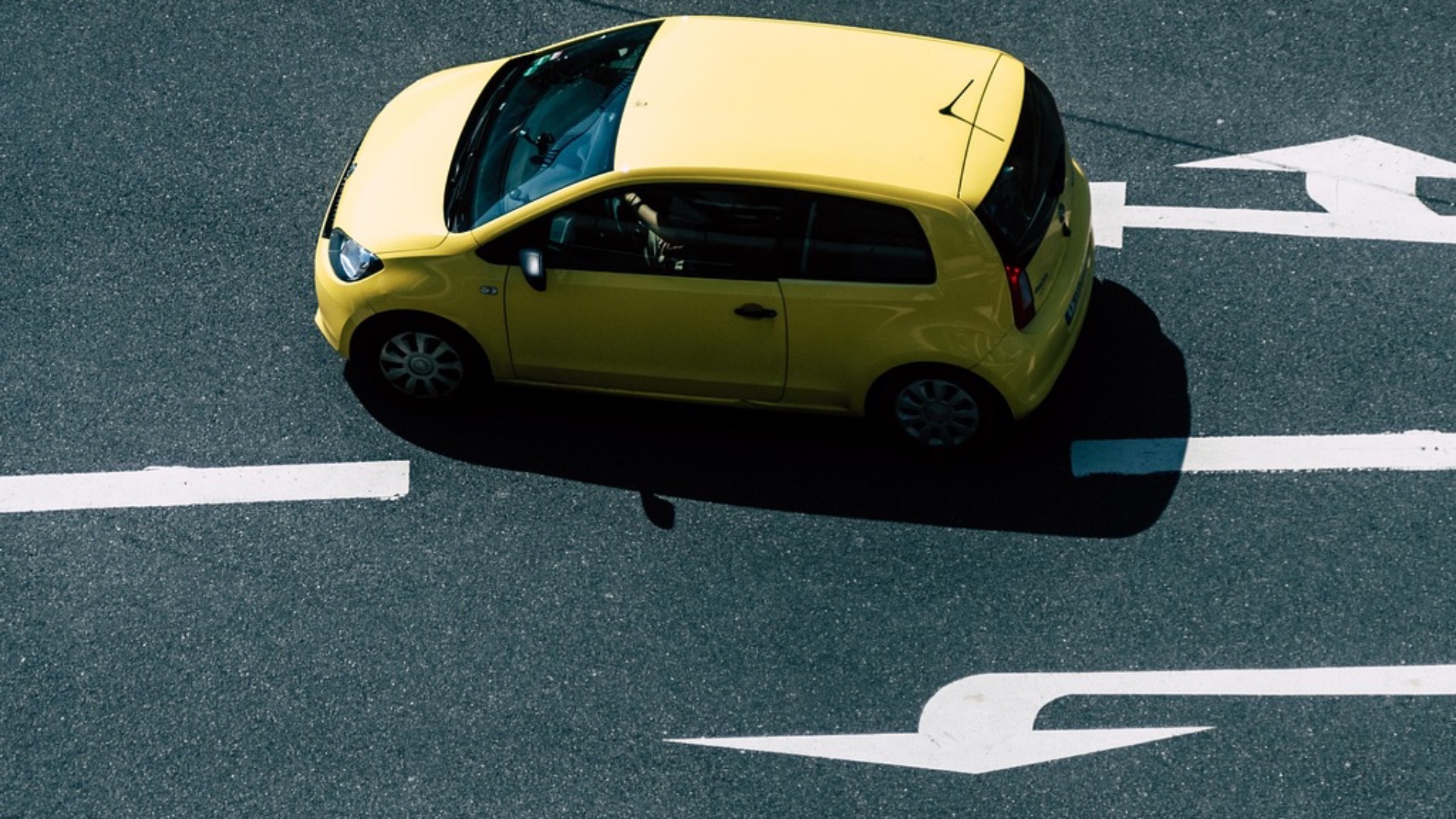
4. You Speed Up When Someone Tries to Merge
What do you do when you see someone signal into your lane? React by closing the gap? If so, that turns a normal merge into a tense negotiation at high speed, and it's that behavior that forces other drivers into hard braking or risky moves, spreading stress through the entire lane behind you. If you want traffic to feel less chaotic, making merges easier for others is one of the simplest contributions you can make.
5. You Use Your Phone While Driving
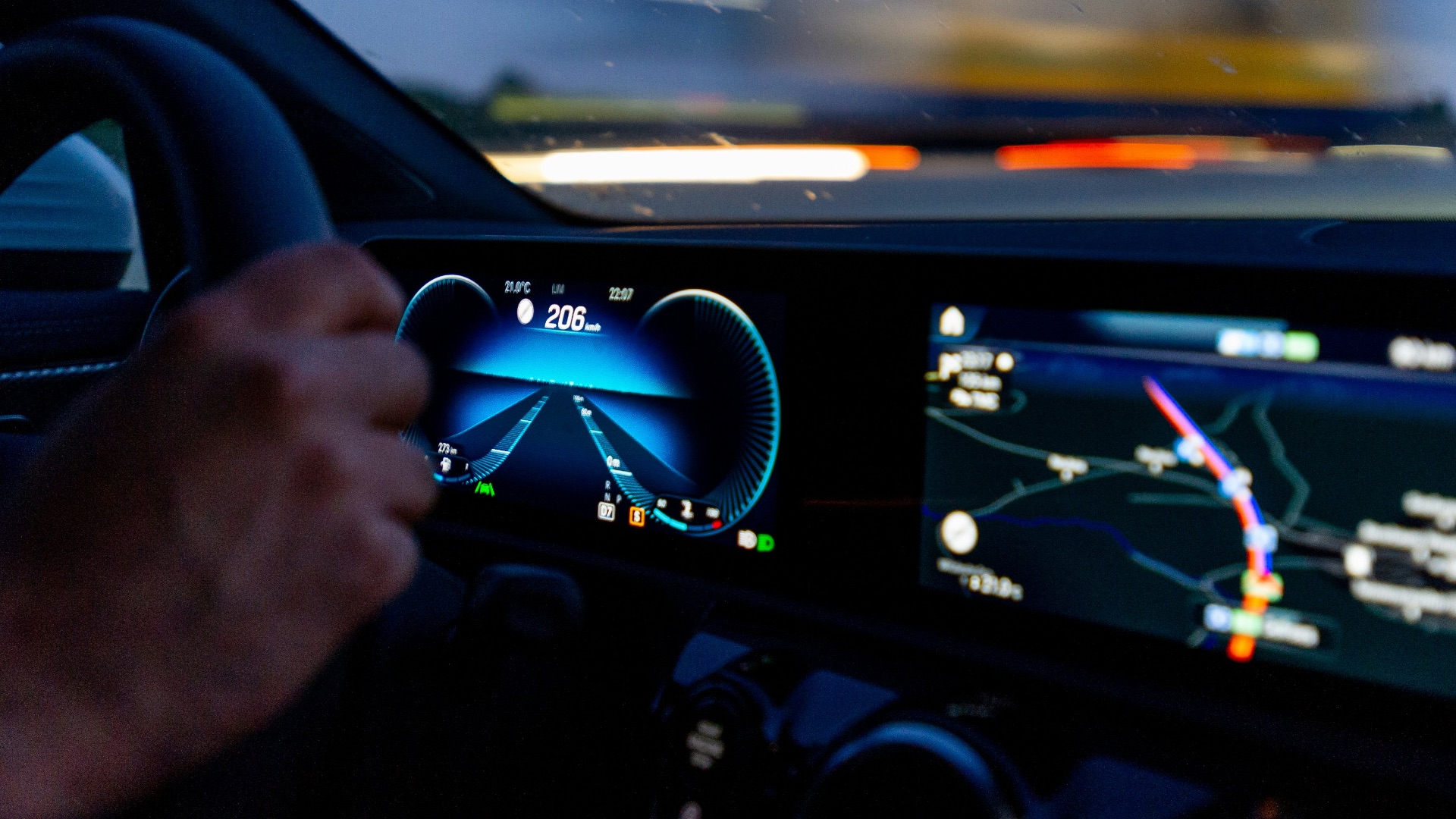
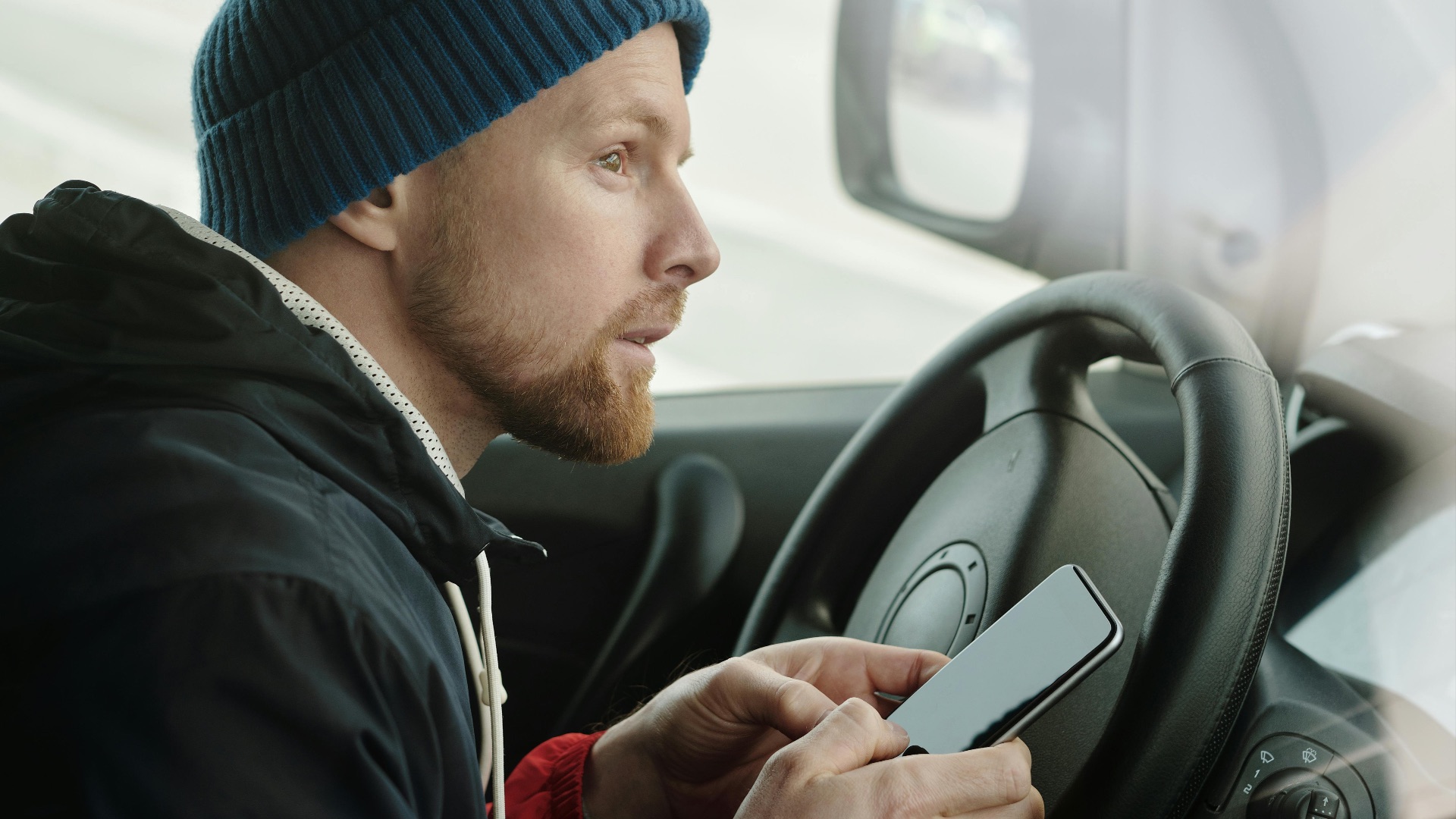
You tell yourself it’s quick, but any moment your eyes and attention leave the road, you’re driving distracted. The problem isn’t just the time you look down, it’s how long it takes your brain to fully re-engage with the driving task afterward. If you’re reaching for your phone at lights or in “slow” traffic, you’re still practicing a habit that can escalate into real danger.
6. You Brake Late Because You Don’t Plan Ahead
Hard braking is often a sign that you’re reacting instead of anticipating, especially when traffic patterns were visible earlier. Late braking also puts the driver behind you on the spot, and it increases the chance of rear-end collisions in stop-and-go conditions. If you’re often surprised by red lights or slowing traffic, it’s a clue that your scanning habits need improvement.
7. You Sit in the Left Lane Without Passing
You may feel like you’re going fast enough, but if you’re not actively passing, staying left can create unnecessary congestion and risky passing behavior on the right. When faster drivers stack up behind you, pressure builds, and people start making impatient lane changes that raise the odds of a crash. Moving over when you’re done passing is less about “giving in” and more about keeping traffic orderly.
8. You Skip Signals Because You Think It’s Obvious
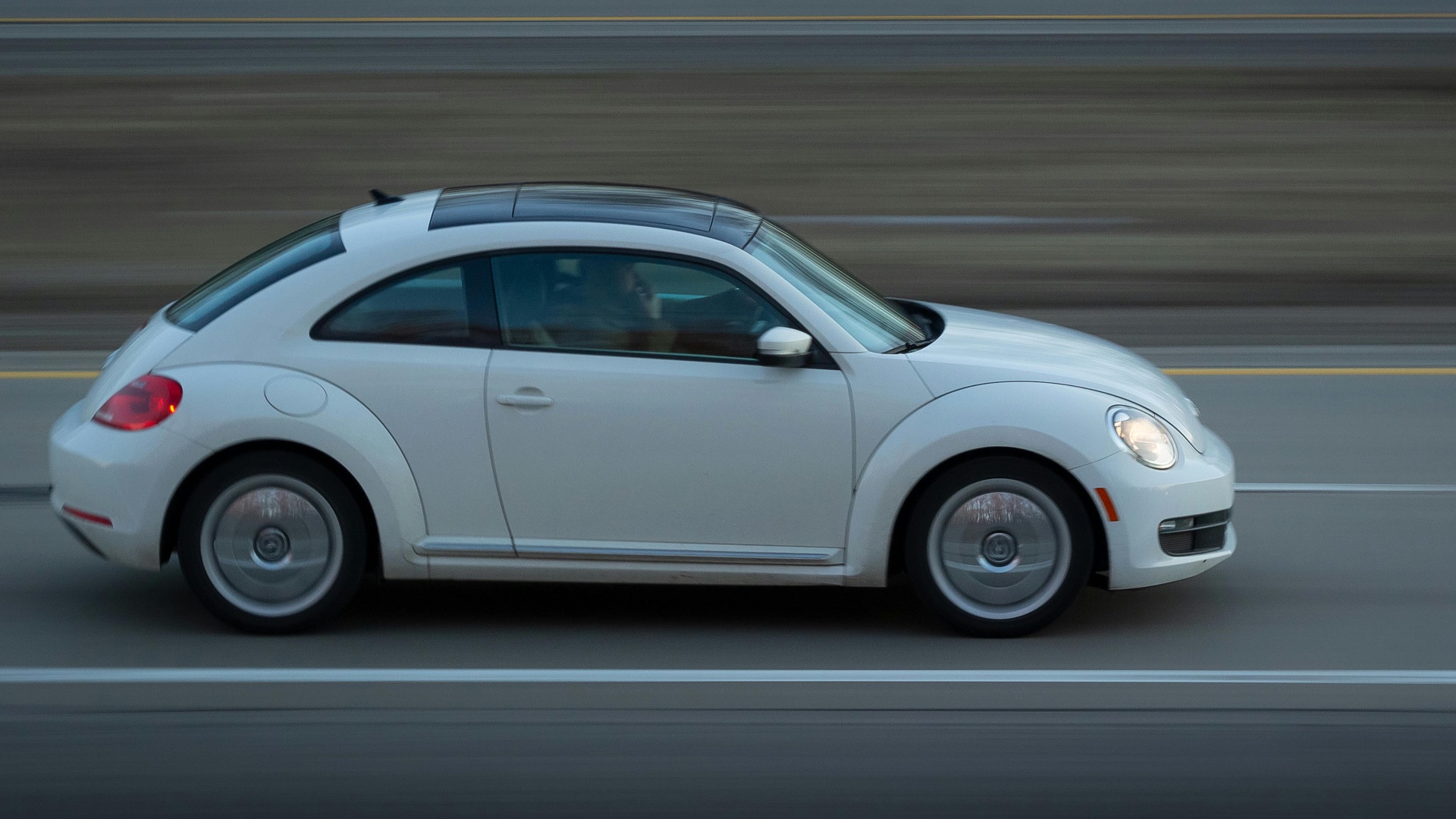
Your lane position might feel like a clue, but other drivers can’t be sure whether you’re turning, changing lanes, or just drifting. Signals give everyone else a clear heads-up, which helps them maintain speed and spacing instead of braking suddenly. If you want fewer tense moments on the road, consistent signaling is one of the easiest improvements you can make.
9. You Get Aggressive When You’re Running Late
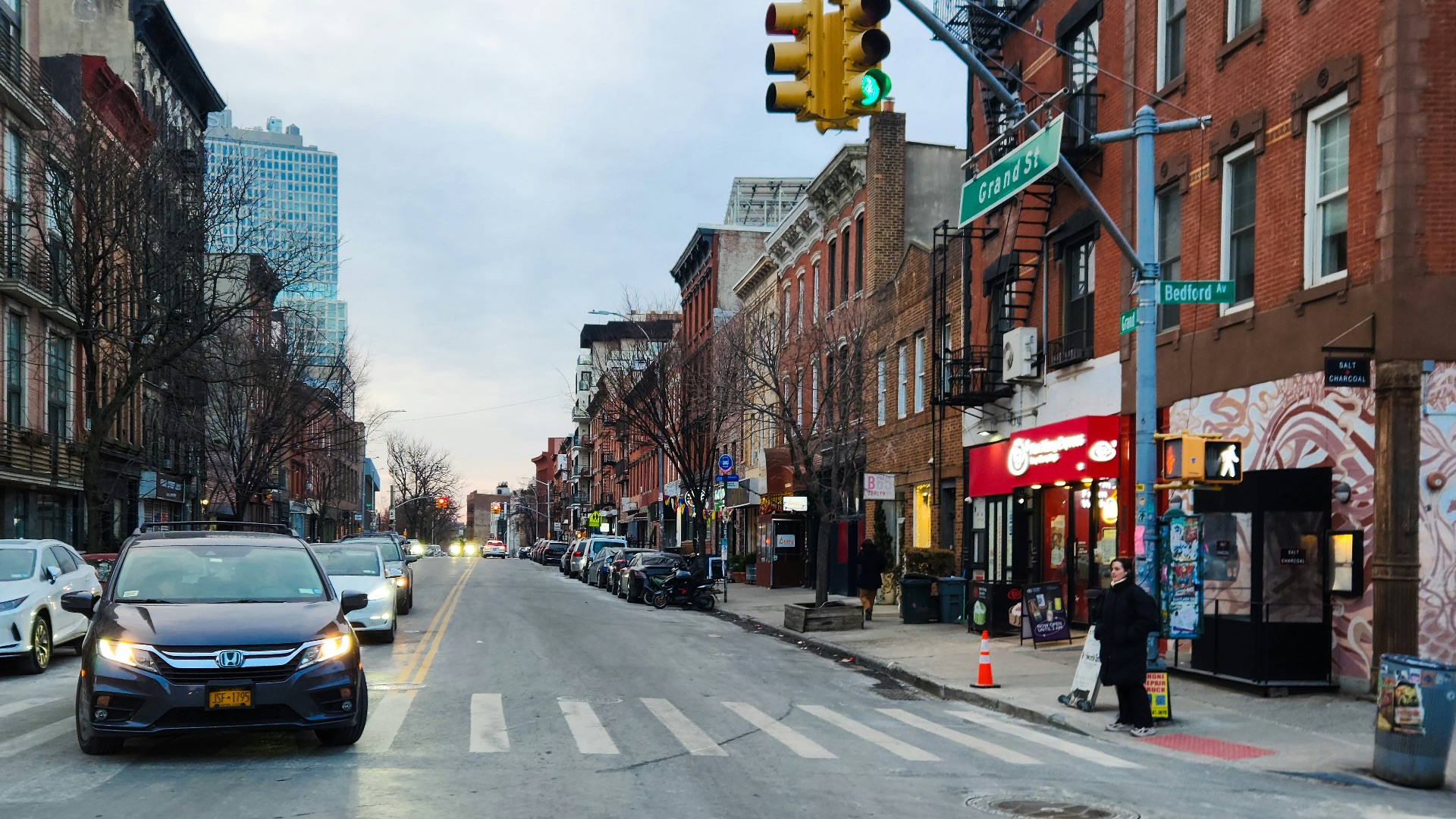
When you’re behind schedule, you may start taking gaps you normally wouldn’t, following closer, or speeding between lights in a way that feels urgent. The reality is that these choices rarely save much time in typical traffic, but they do raise the chance of a costly mistake. If your driving personality changes based on the clock, that’s a strong sign your habits aren’t as stable as they should be.
10. You Don’t Pay Enough Attention to Pedestrians and Cyclists
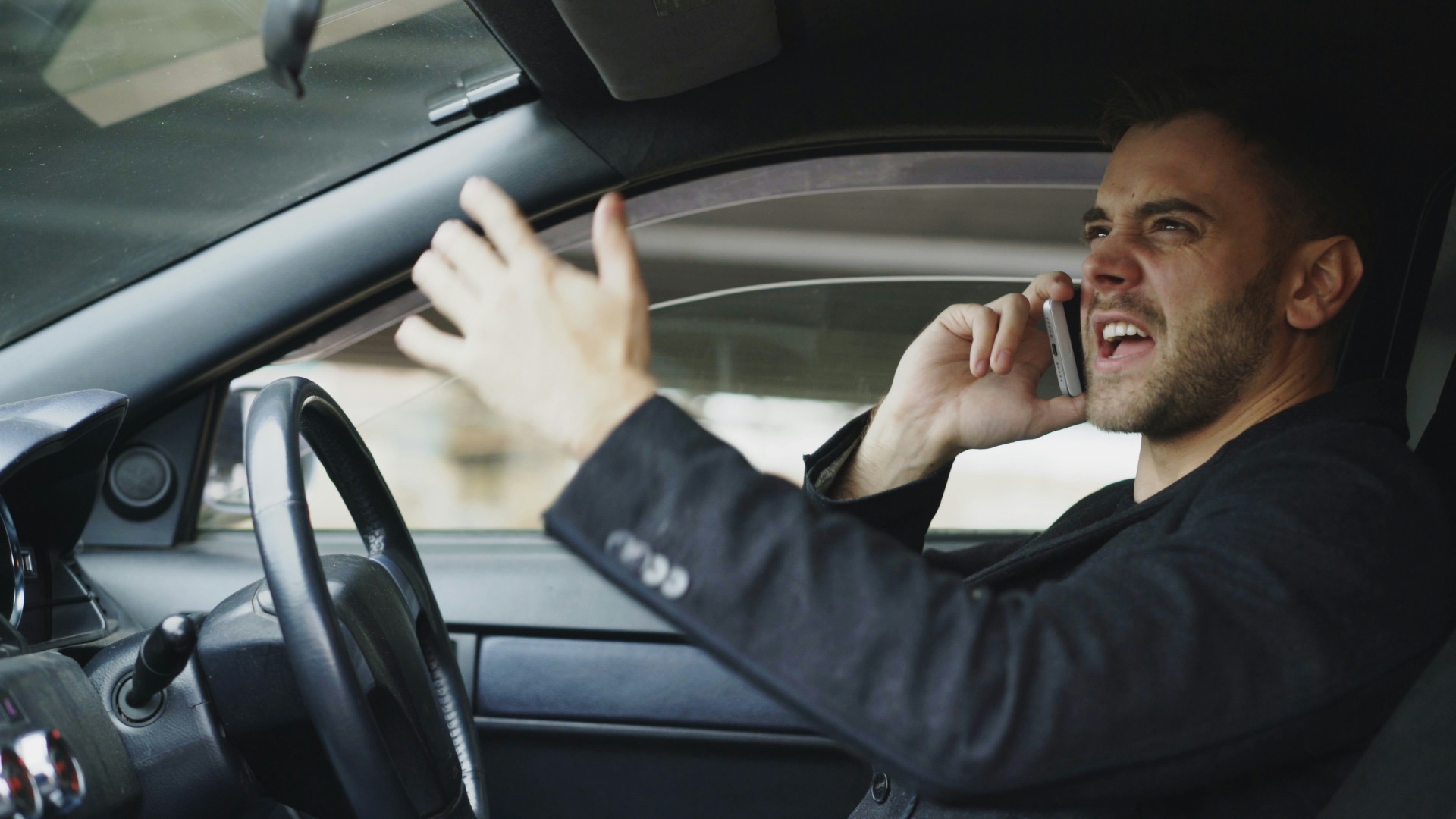
You might be focused on cars, signals, and lanes, but people outside vehicles are easier to miss and far more vulnerable if something goes wrong. Failing to yield, edging into crosswalks, or passing cyclists without adequate space can turn a routine trip into a serious incident. A genuinely capable driver makes safety decisions that protect the most exposed road users, not just the people in other cars.