
The Ones We Didn’t Appreciate Until Later
You never really know which cars are here to stay and which ones become laughable gimmicks years from now. It’s easy to laugh at a weird-looking vehicle or dismiss an “unnecessary” feature when you’re seeing it for the first time—but the funny part is that a lot of those ideas weren’t bad at all; they were just early. If you’ve ever wondered how many modern trends were actually previewed decades ago, you’re about to meet a lineup that deserved more love.
 dave_7 from Lethbridge, Canada on Wikimedia
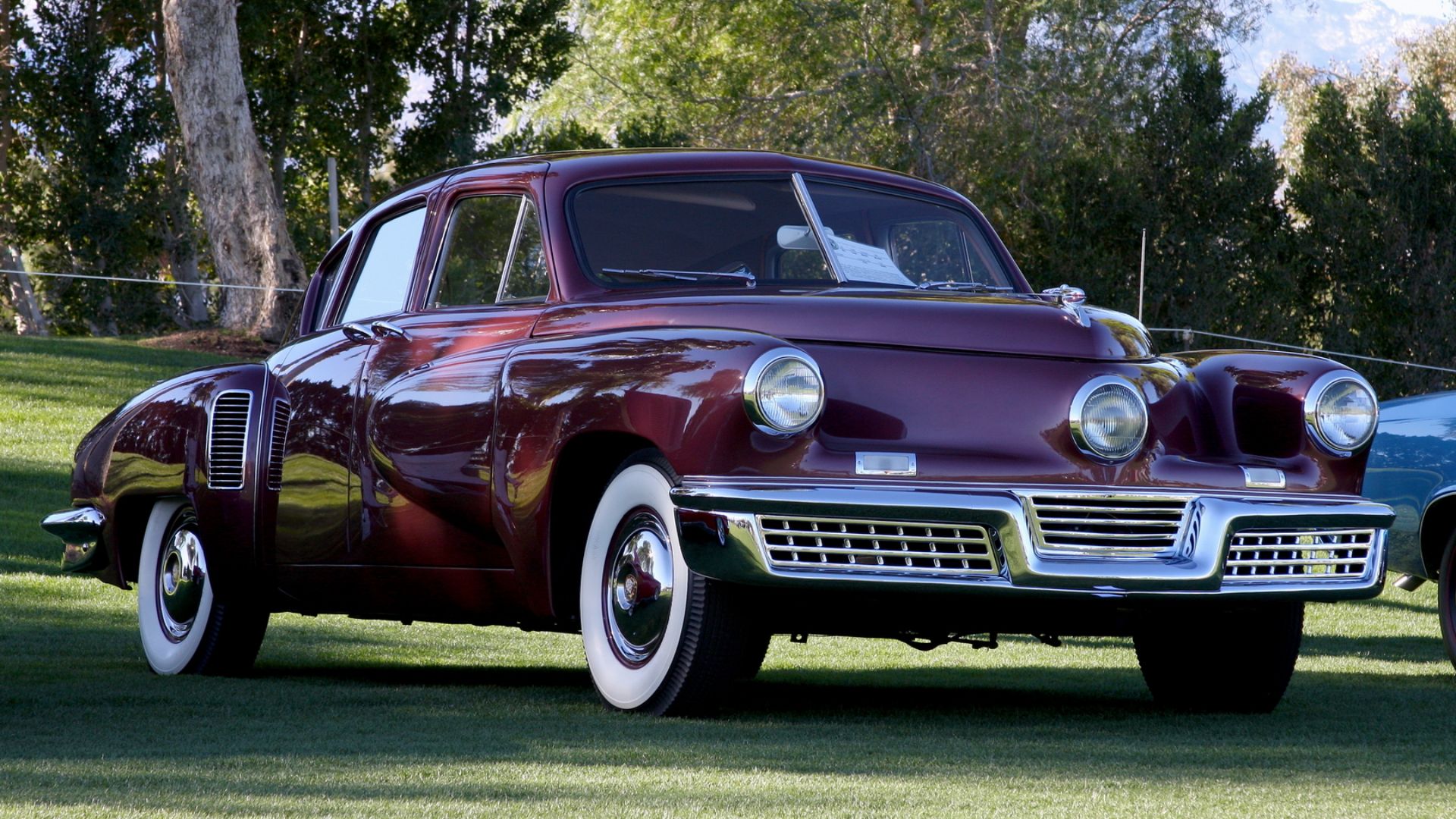
1. Tucker 48: The Safety-First Rebel
The Tucker 48 showed up with safety ideas most brands didn’t take seriously yet, including a center headlight that turned with the steering. It also leaned into crash protection in ways that sounded try-hard at the time, but look smart now. If you’re wondering why it vanished, it wasn’t the engineering that failed; it was the business reality around it.
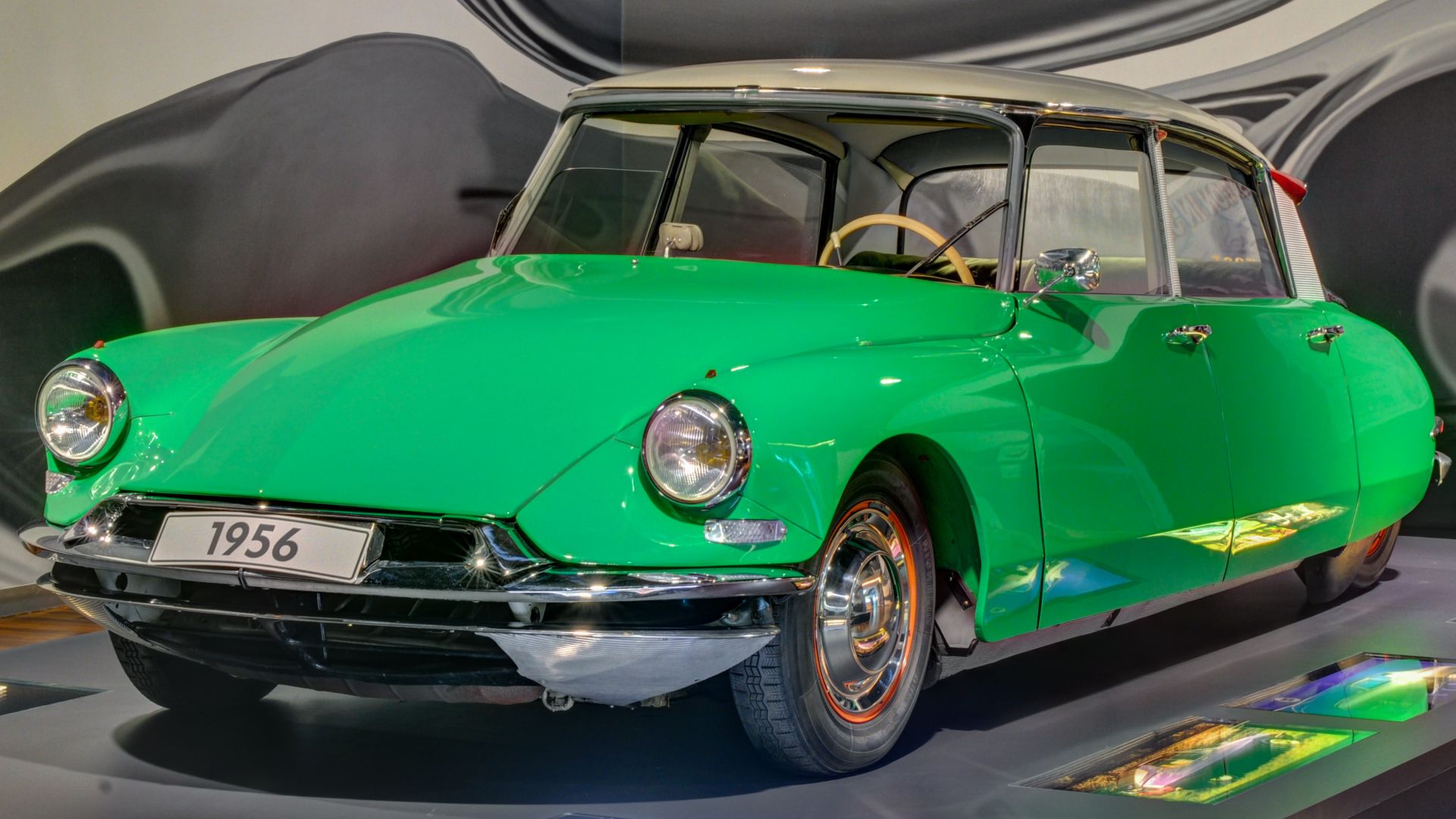
2. Citroën DS: Hydraulics With a Flair for Drama
The Citroën DS brought hydropneumatic suspension that could smooth out terrible roads. Its aerodynamics and design looked like the future even when the 1950s present wasn’t ready. That said, it didn’t exactly fade into oblivion; you can still spot its influence in how confidently modern cars blend comfort with tech-forward design.
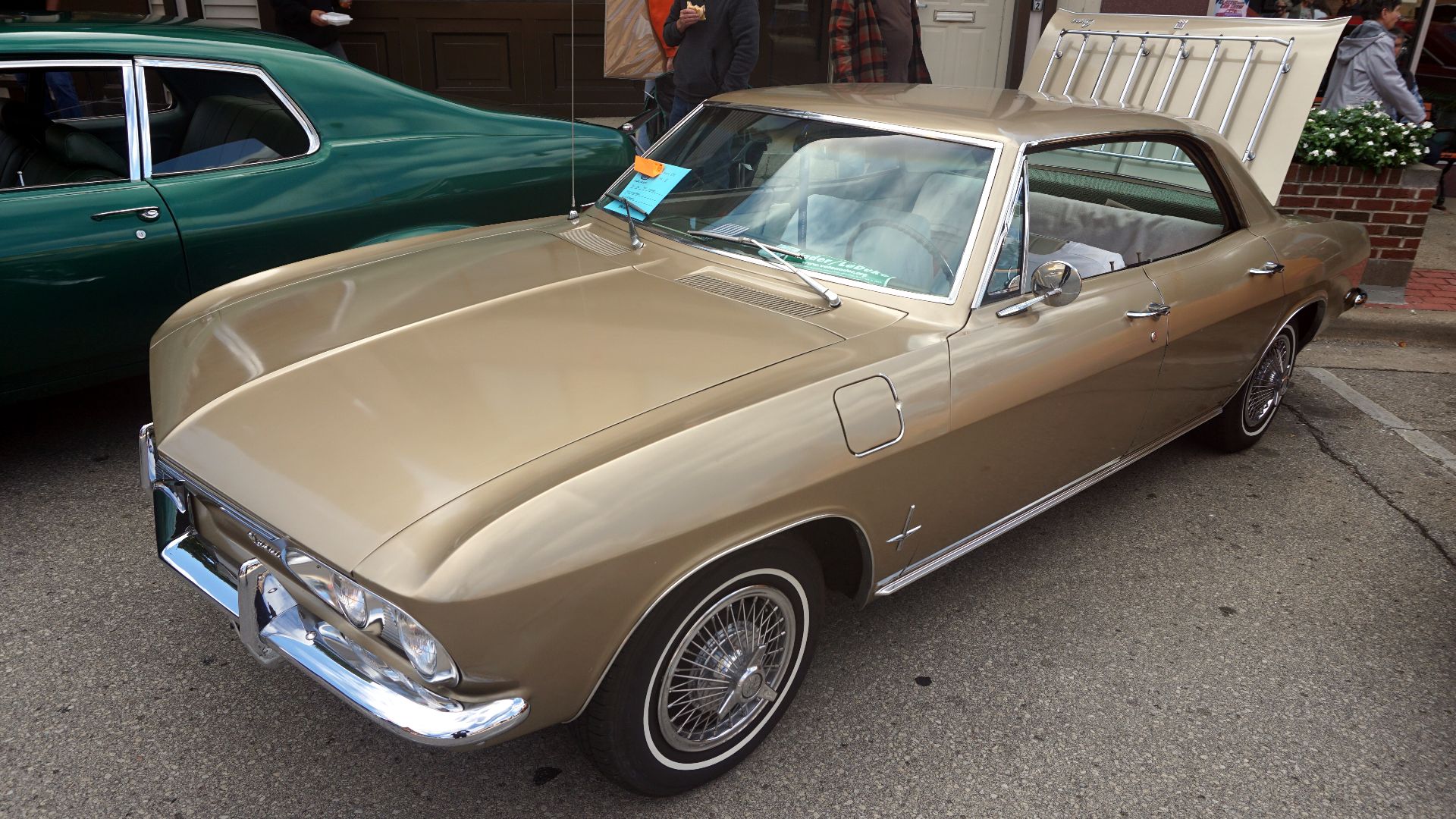
3. Chevrolet Corvair: Rear-Engine, Real Ambition
The year is 1960, and the Corvair boldly tried a rear-engine layout in an American market that mostly wanted big front-engine simplicity. It aimed for balanced handling and compact packaging long before any of that became fashionable. The controversy around it drowned out the concept, but the underlying idea wasn’t as outlandish as people claimed.
4. AMC Eagle: The Early Crossover That Nobody Asked For
The AMC Eagle brought us something no one dares scoff at today: the “car plus all-wheel drive” thing. That’s right, this late ‘70s titan brought all that before crossovers took over every parking lot. It looked ordinary enough to be ignored, but its formula was years ahead of mainstream demand.
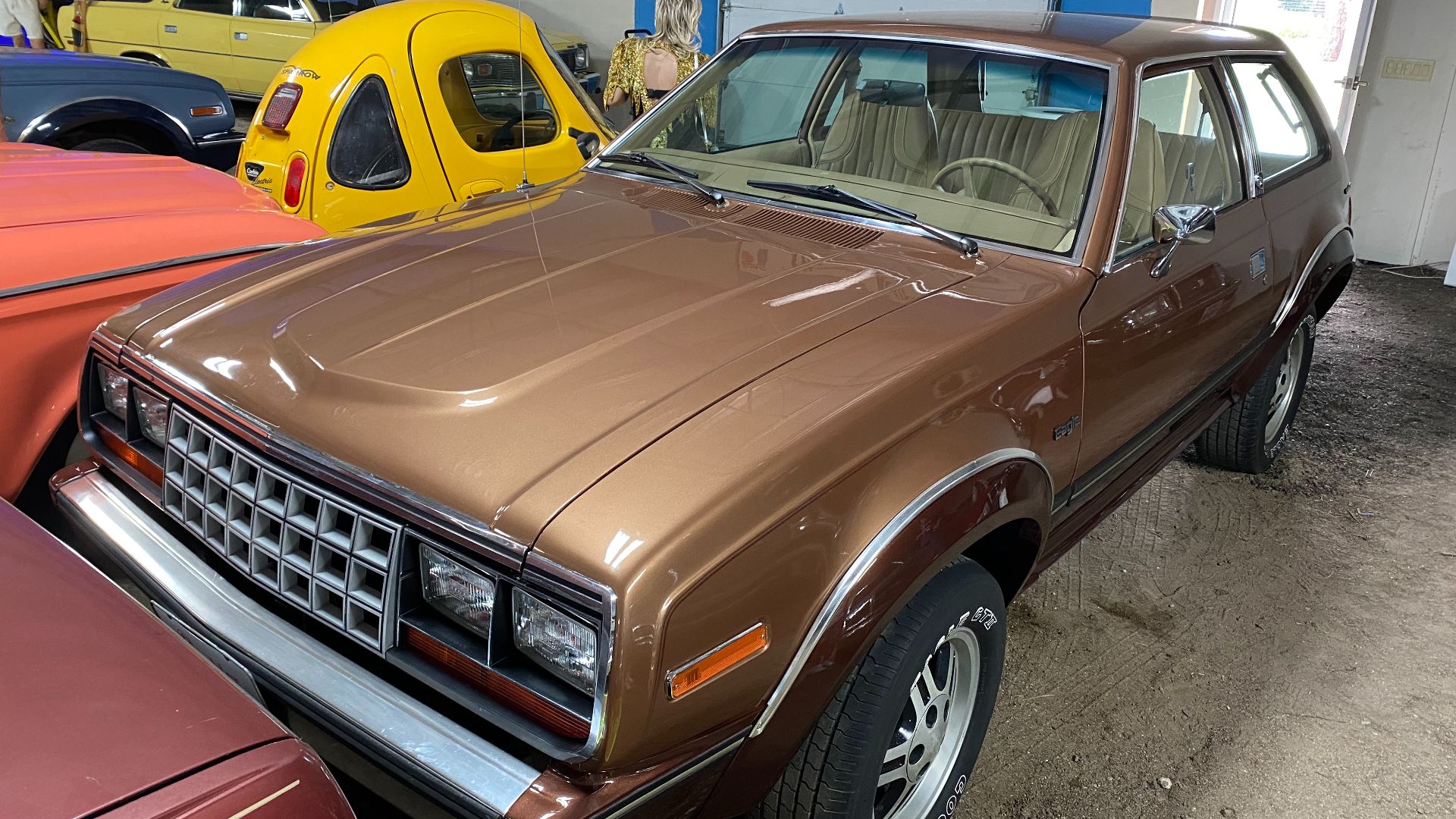 CZmarlin — Christopher Ziemnowicz: the Rambler Ranch collection in Elizabeth, Colorado on Wikimedia
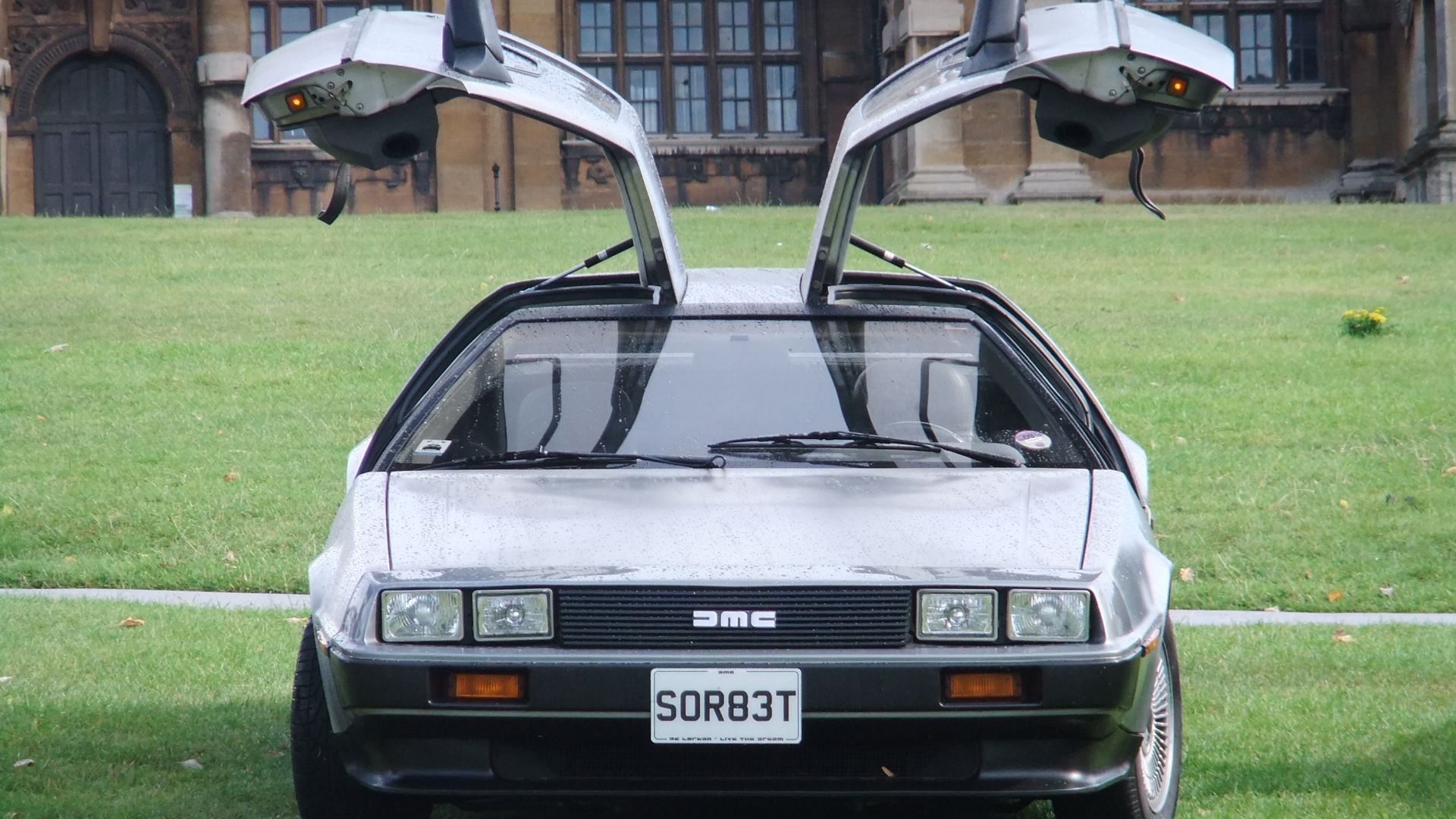
5. DeLorean DMC-12: Stainless Steel, Big Opinions
The DeLorean is so much more than a cultural classic! It made stainless steel body panels and gullwing doors feel like something you should see in a concept studio, not on a street. Its performance didn’t match its image, but the bold manufacturing choices were a real swing. Sure, people mocked the novelty, but plenty of modern brands still chase that kind of instant identity.
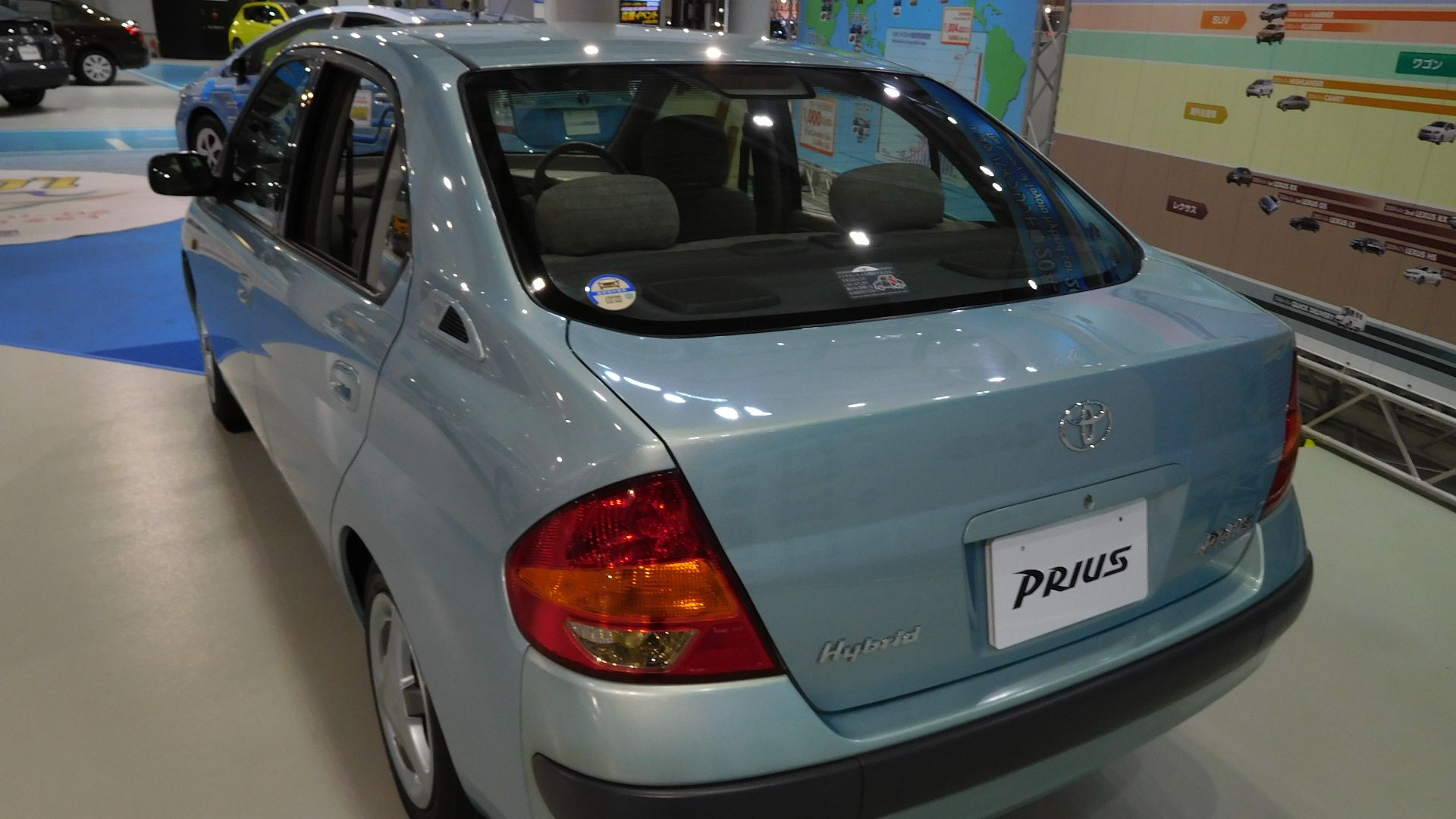
6. Toyota Prius (First Generation): Hybrid Before Hybrid Was Cool
The first Prius arrived as a practical hybrid when most drivers still treated fuel economy like an afterthought. It proved that electrification could be boring in a good way, meaning reliable and usable every day. You might not call it thrilling, but it changed what buyers were willing to accept as normal.
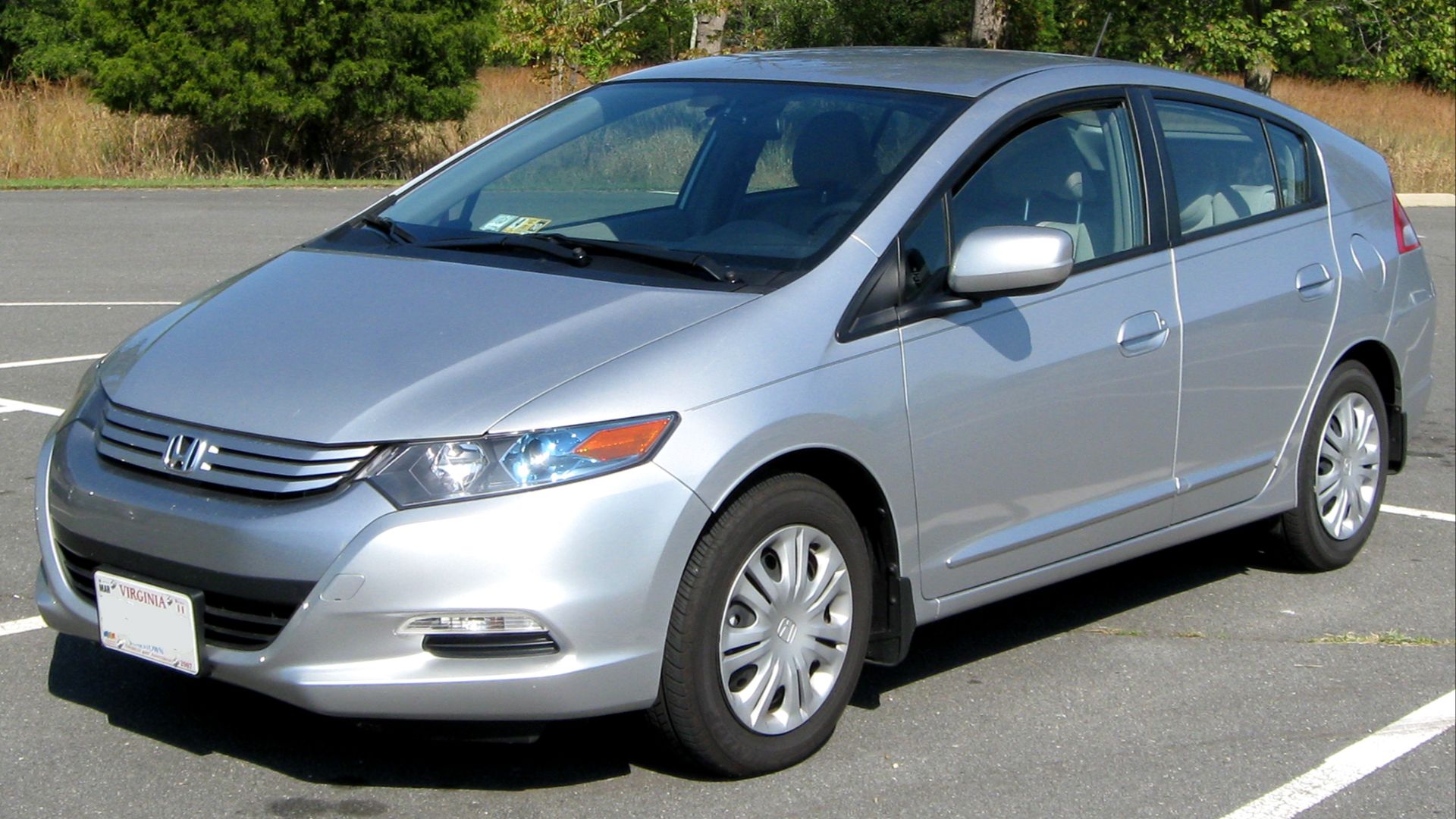
7. Honda Insight (First Generation): Efficiency With a Smile
Honda’s early Insight chased extreme efficiency with a lightweight body and aerodynamic focus that didn’t care about blending in. It treated drag reduction like a core design goal instead of a minor detail, and that was a big deal in the early 2000s. Even if you never wanted one, you’ve benefited from the mindset it pushed into the mainstream.
8. GM EV1: Electric, Serious, and Too Soon
The EV1 showed that a modern-feeling electric car wasn’t a fantasy, even in the 1990s. It had a clean design and thoughtful engineering that felt more purposeful than many “green” experiments of its era. If you’re still peeved by how long mass-market EVs took to arrive, this is part of the reason why.
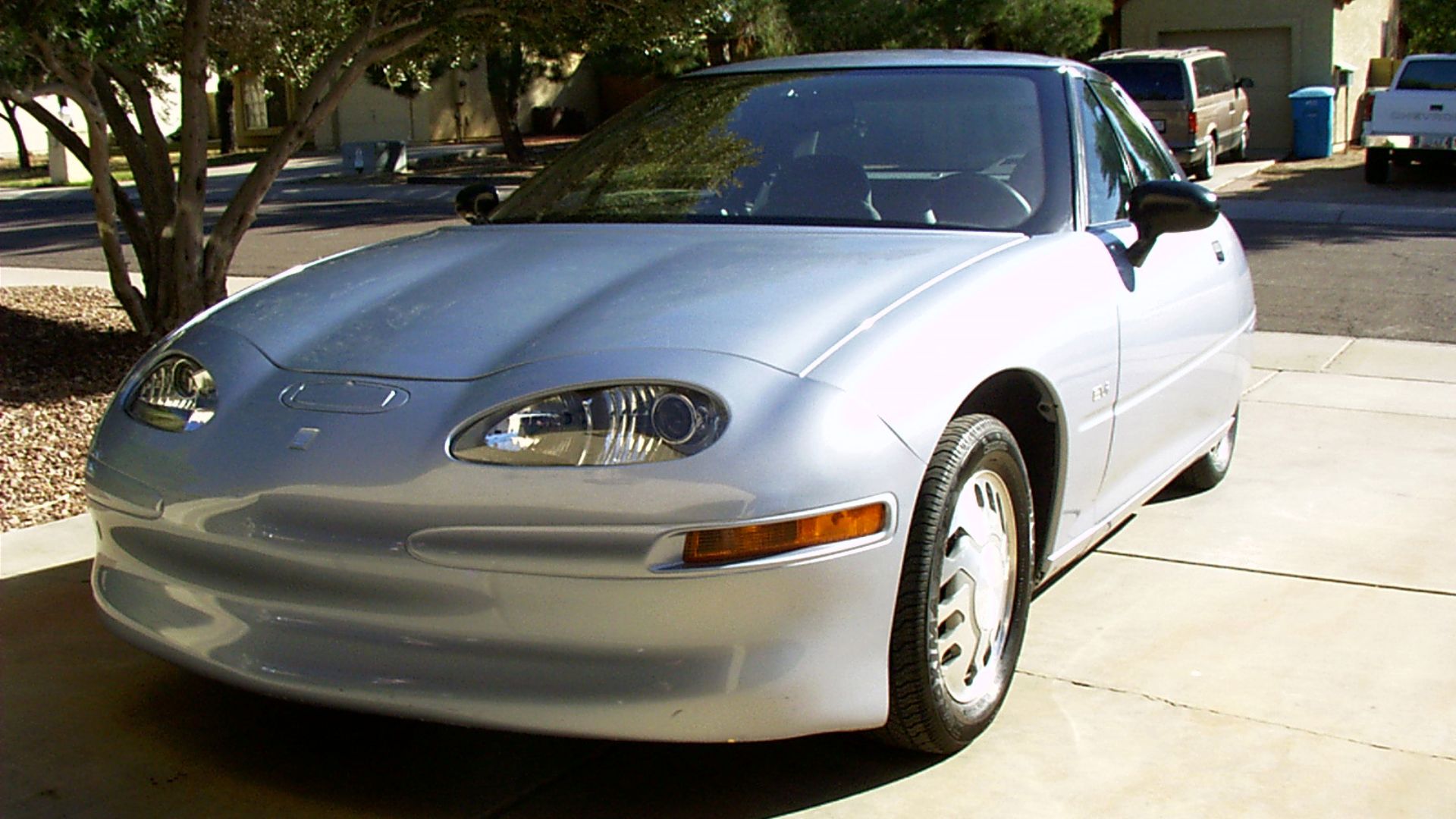 RightBrainPhotography (Rick Rowen) on Wikimedia
9. Toyota RAV4 (First Generation): Small SUV, Big Shift
You’ve undoubtedly heard the name before, but the early RAV4 acted like a compact SUV that didn’t apologize for its simplicity. It wasn’t trying to be a truck, and that was the point, even if some buyers didn’t get it at first. Now that the world is full of vehicles like it, the original looks downright prophetic.

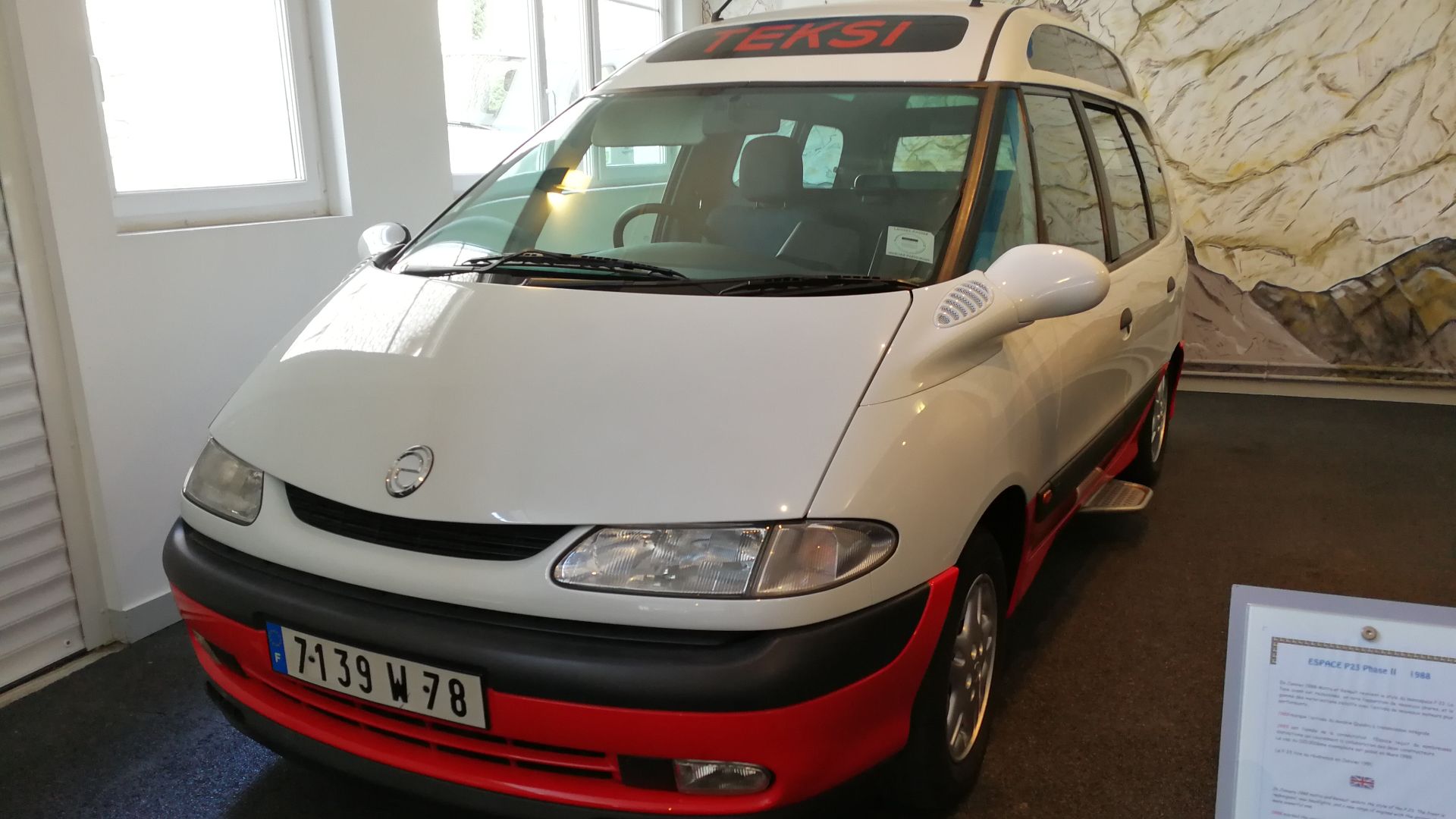
10. Renault Espace: The Family Hauler That Rewrote the Script
It’s still on the road today, but who could forget the original ‘80s beast? Say what you want about it, but the Espace helped make the modern minivan concept cohesive and intentional. It treated interior space as something you could actively design for, not just tolerate.
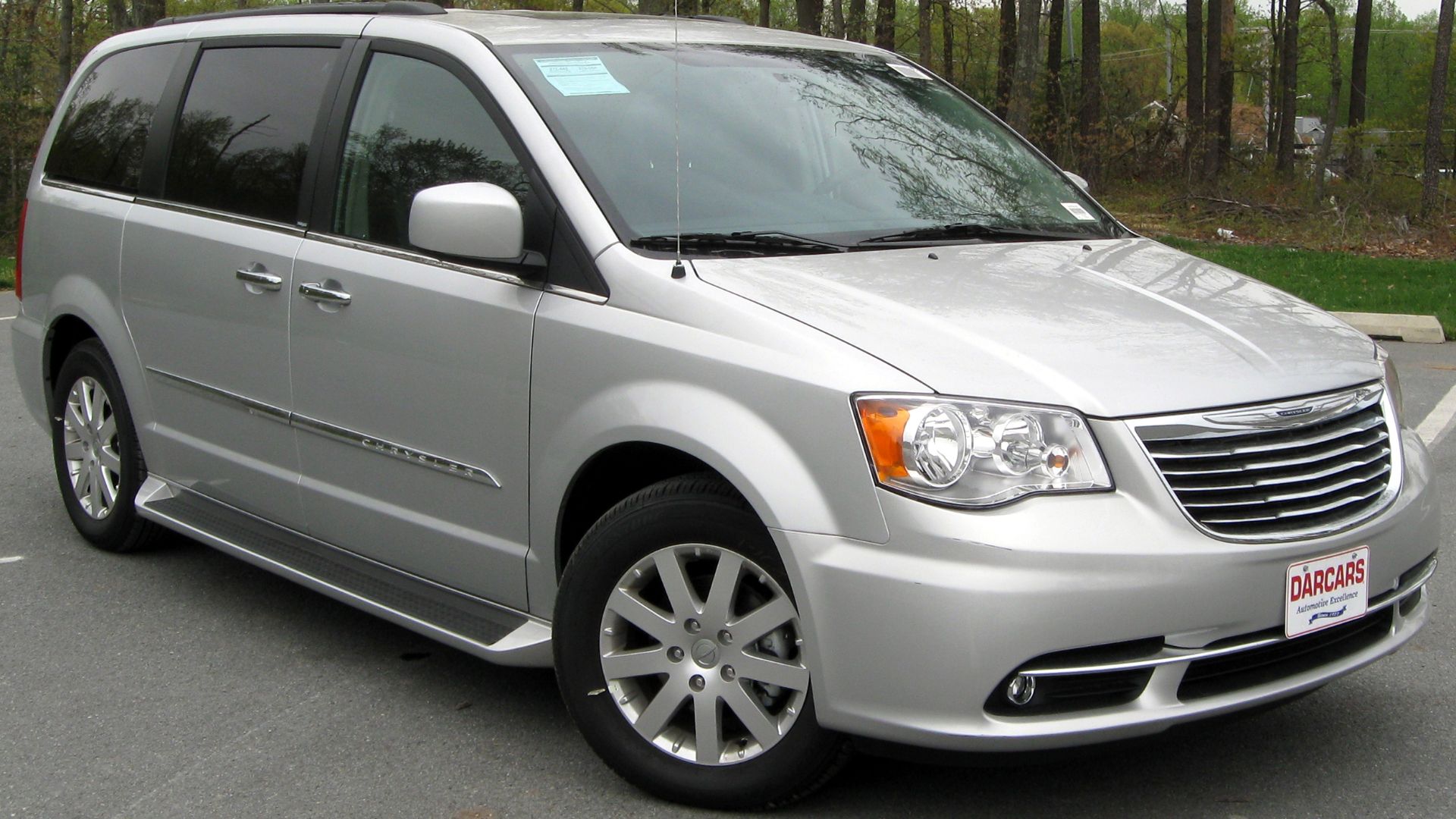
11. Chrysler Town & Country (Minivan Era): Pure Practicality
Chrysler’s minivan era made sliding doors and family-friendly packaging feel like an honest engineering achievement. It took a “people mover” idea and made it normal instead of niche. Don’t even think about rolling your eyes at the concept—you still expect that convenience today!
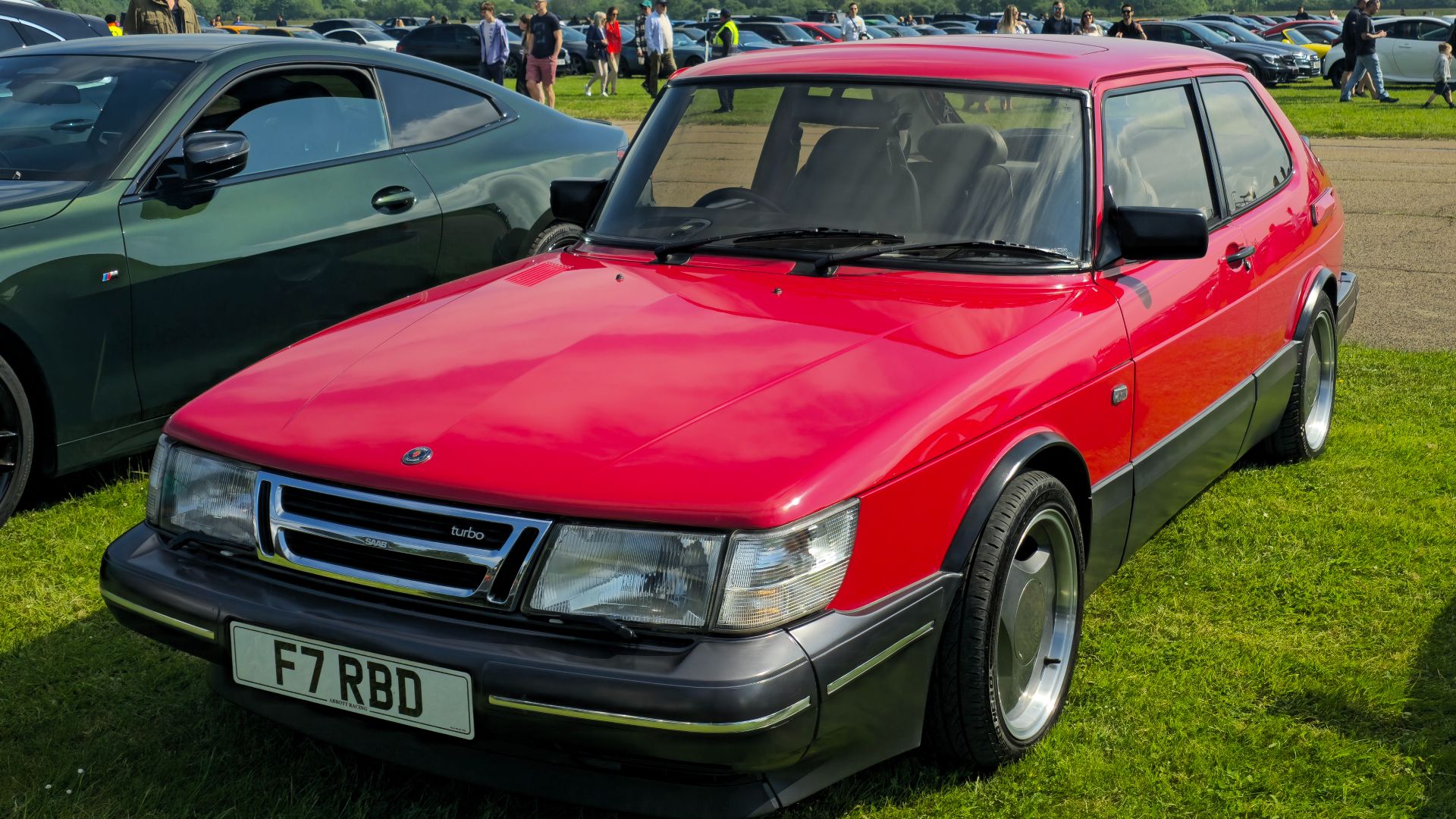
12. Saab 900: Quirky and Safe
We won’t take any slander about our beloved Saab 900, the very car that delivered safety, ergonomics, and real-world usability. Its design choices often felt like they were made for drivers who actually pay attention. Best of all, the Saab did it all with a level of obsession that didn’t fit the typical showroom pitch.
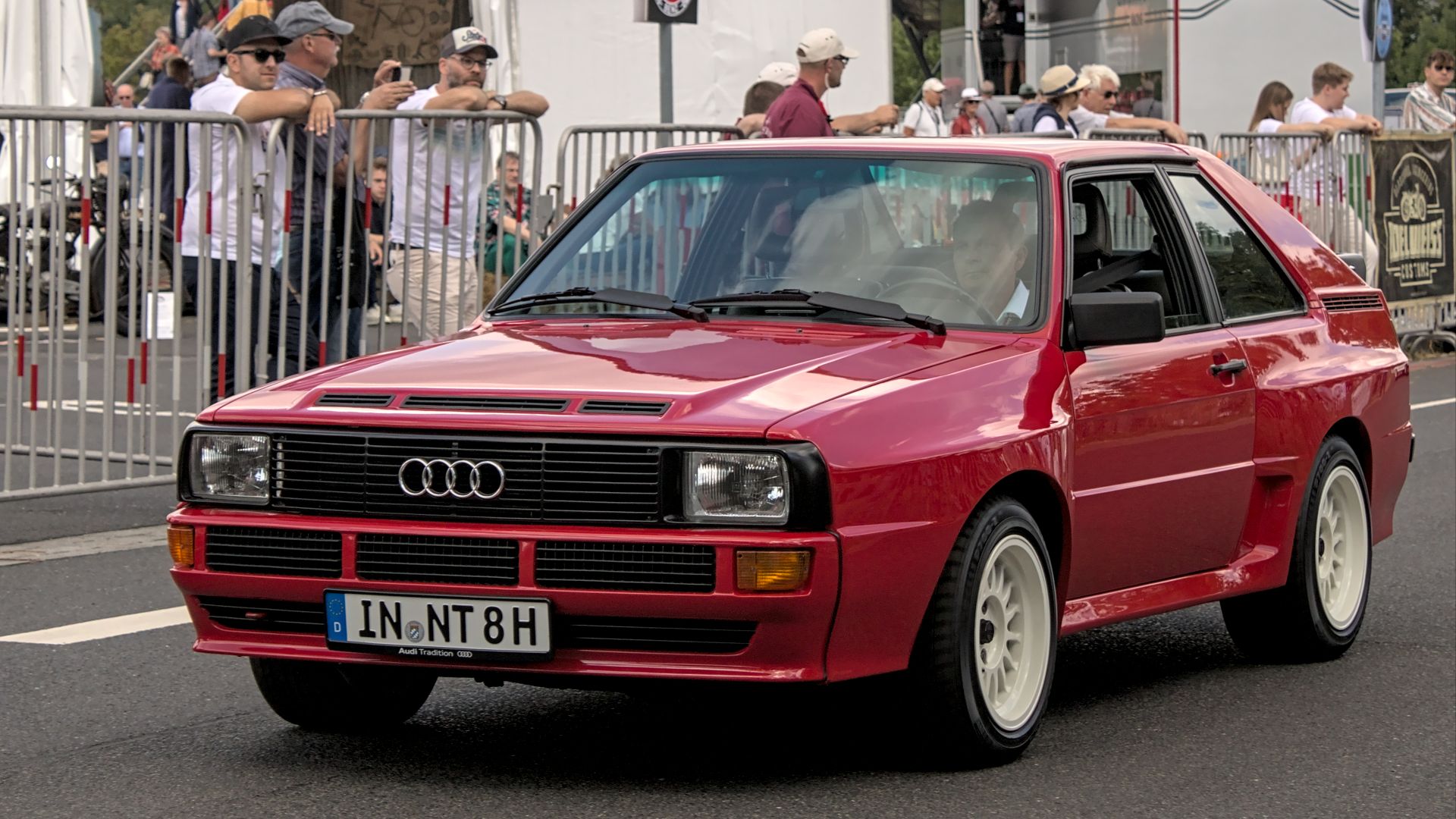
13. Audi Quattro: All-Wheel Drive With a Point to Prove
The original Quattro made all-wheel drive a performance advantage, not a niche solution for bad weather. It not only changed expectations in motorsport, but it also brought that credibility to everyday buyers. Plenty of motorists today just assume AWD is just part of the deal, and this car helped write that assumption.
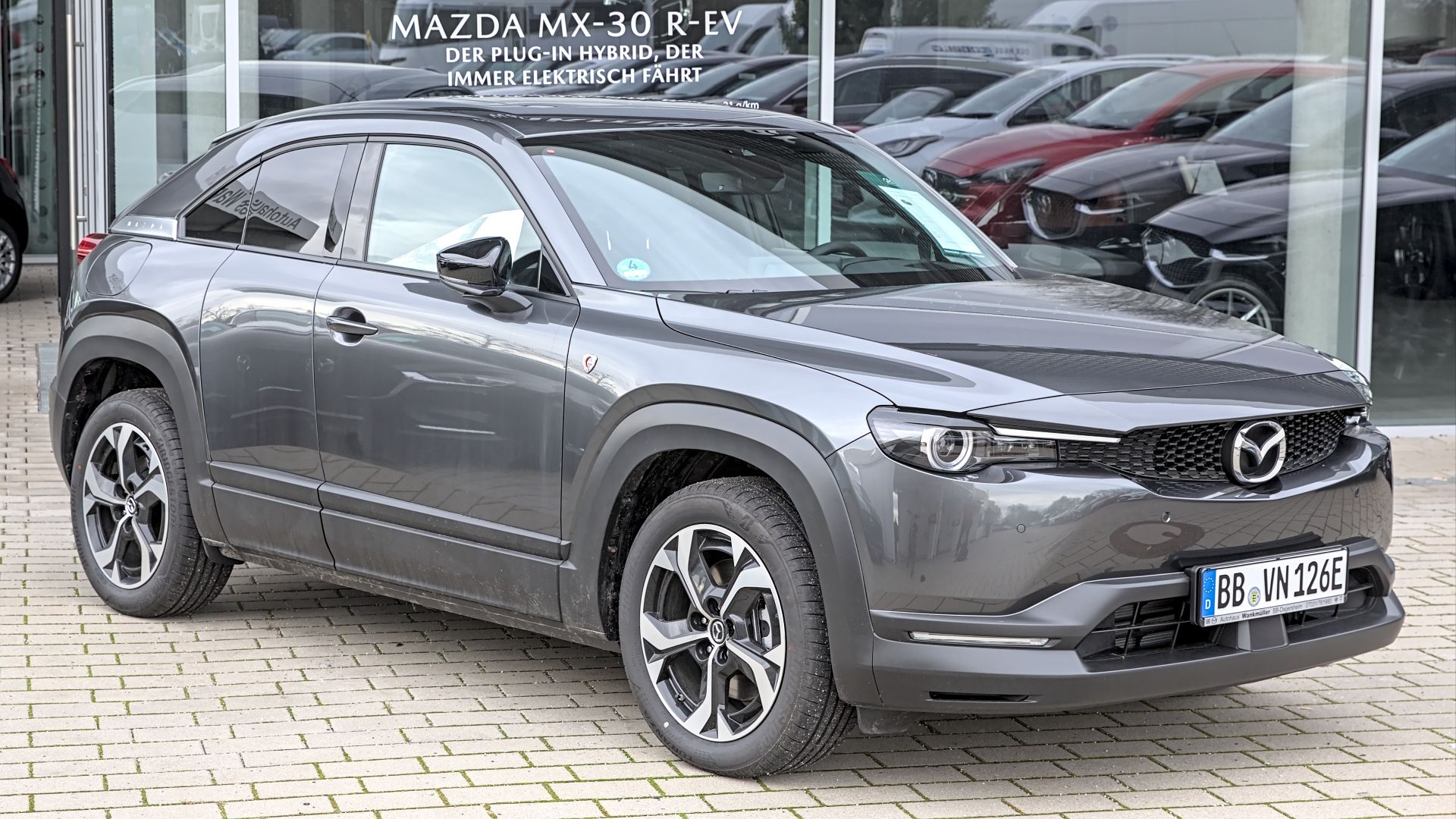
14. Mazda MX-30 (Battery-Electric): A Different Take on EV Priorities
Not everyone’s on board with Mazda, but the MX-30 emphasized material choices, usability, and a calm driving vibe—all when many EVs were chasing big numbers and bragging rights. If you like the idea of an EV built around daily reality, the MX-30 thought in that direction earlier than anyone else.
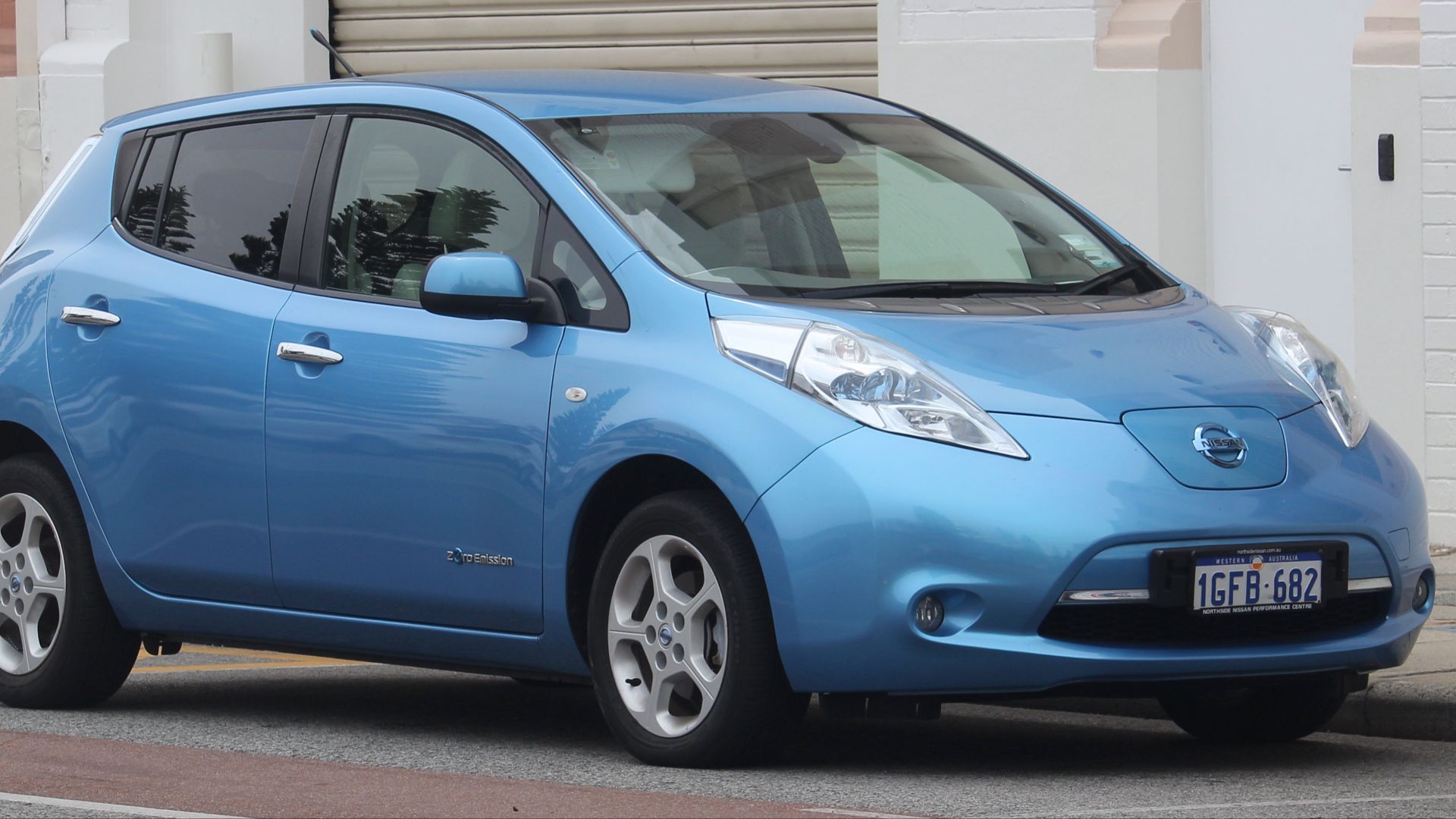
15. Nissan Leaf (First Generation): The Everyday EV
The Leaf didn’t wait for the market to be perfect; it simply arrived and worked. It made electric driving feel approachable for regular owners instead of hobbyists. Even with its limitations, it proved that demand existed once the product felt normal.
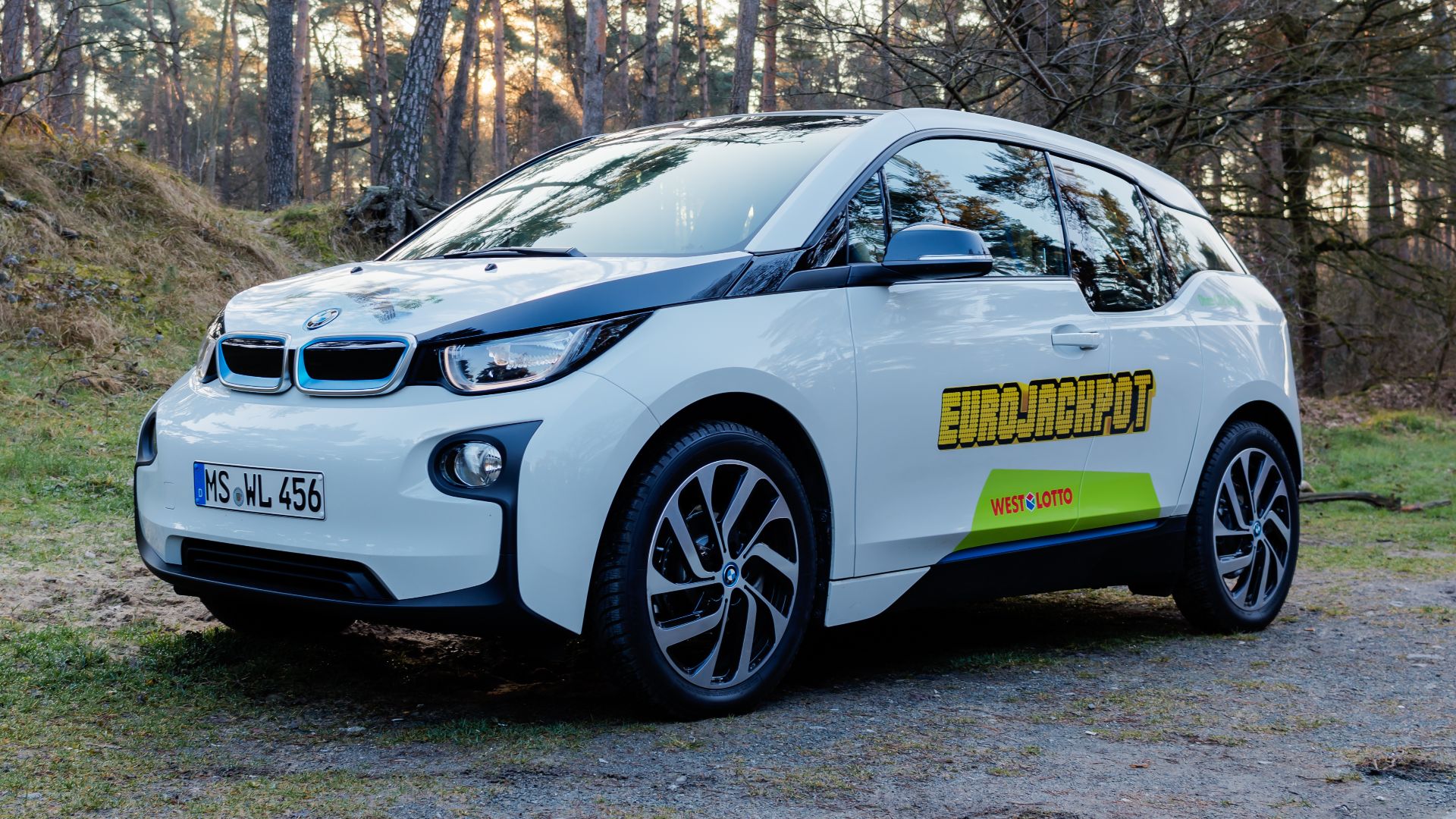
16. BMW i3: Carbon Fiber for the Commute
Where were you when the i3 burst onto the scene? No one really anticipated the carbon-fiber construction and an urban-focused design, especially not when most small cars were built to be cheap and forgettable. It didn’t try to look conventional, and it didn’t pretend to be a long-haul machine, but the ambition was hard to ignore.
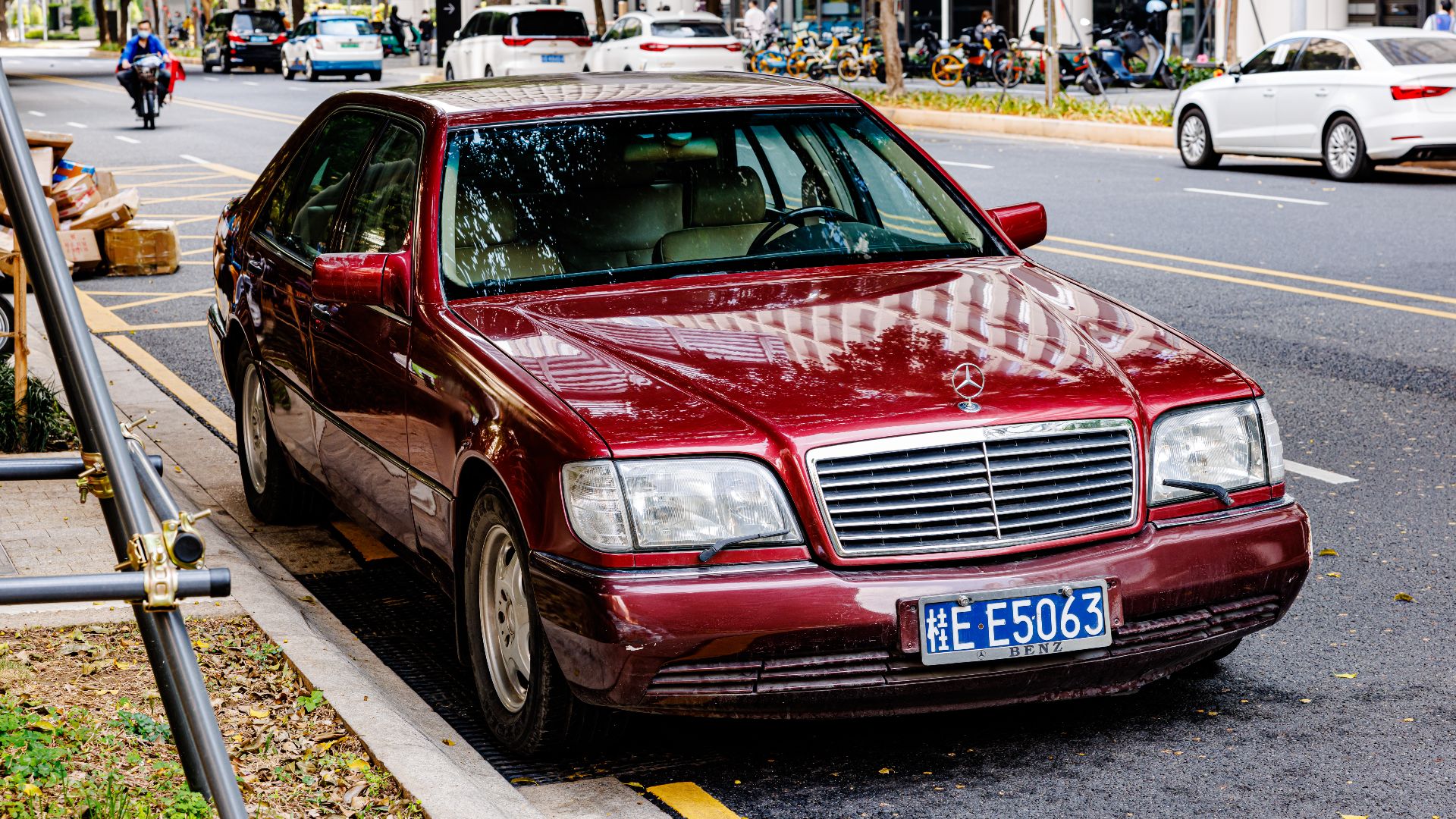
17. Mercedes-Benz S-Class (W140): Overbuilt Tech Before Anyone Asked
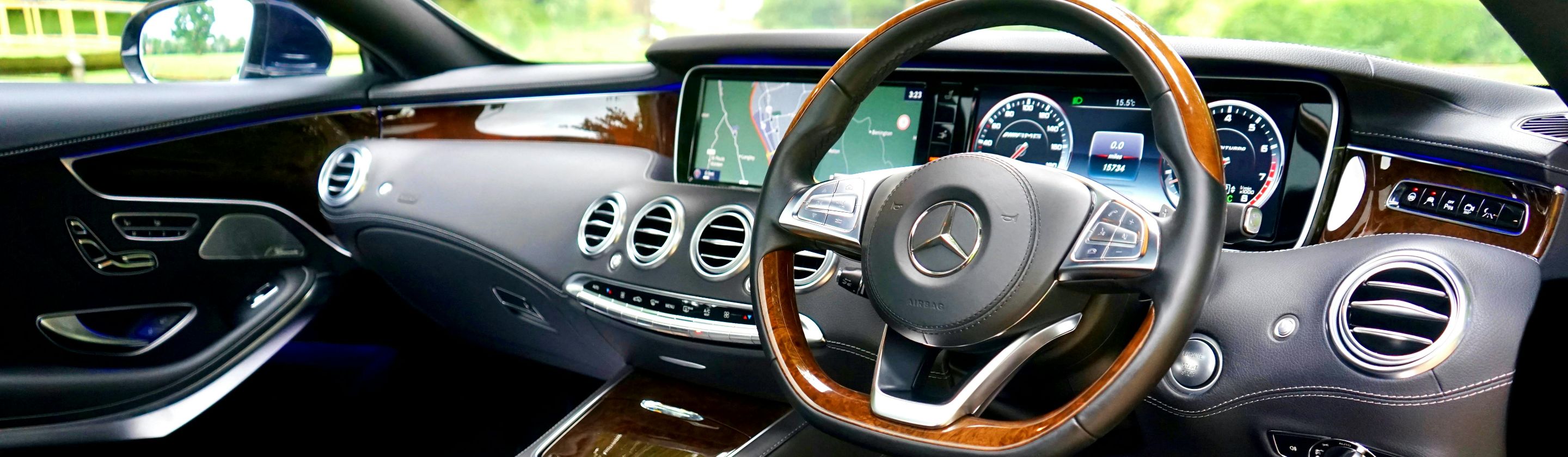
The W140 S-Class arrived with features and refinement that seemed excessive until the rest of the industry caught up. It treated engineering like a blank check problem, and the result set expectations for luxury tech.
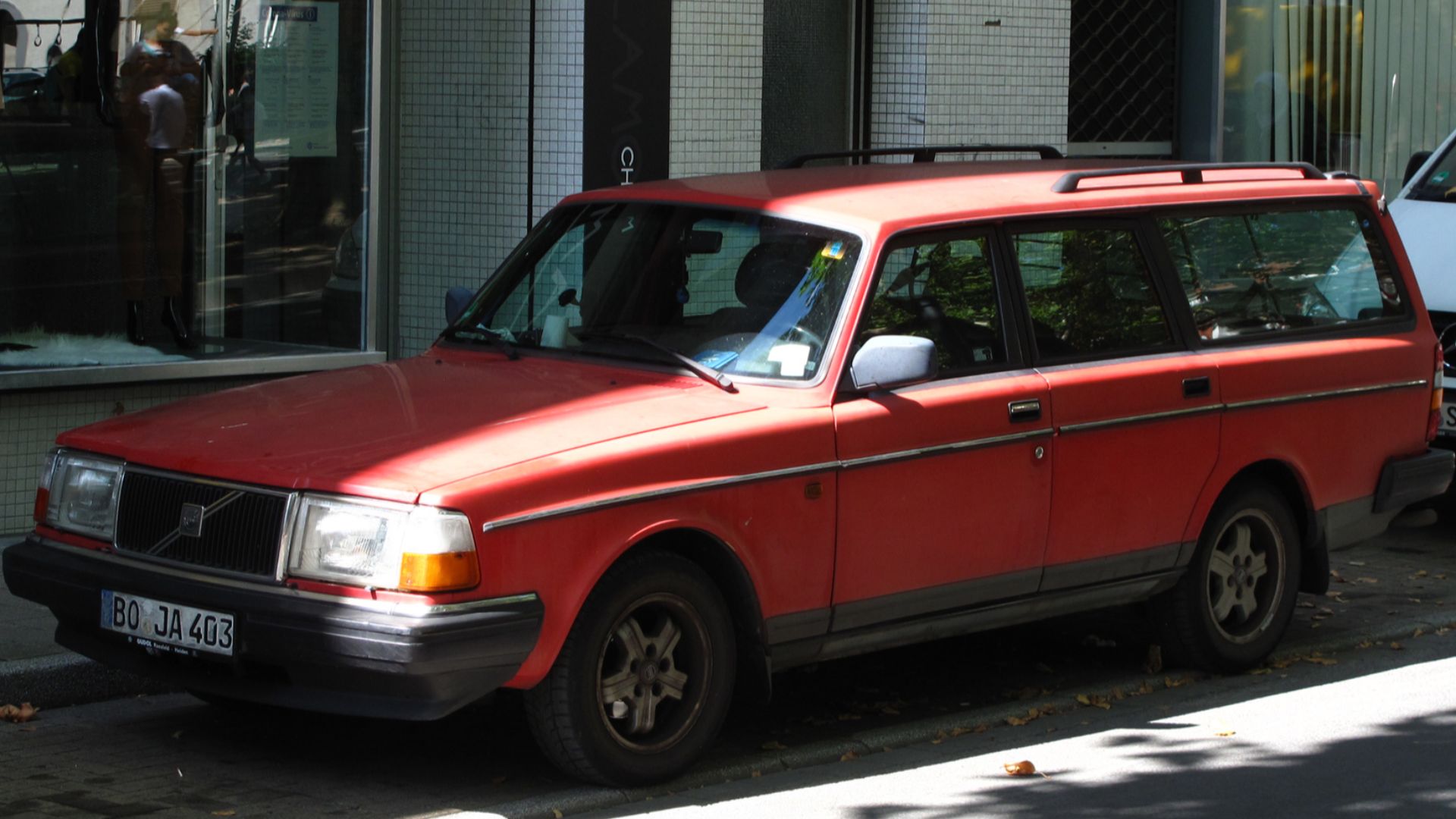
18. Volvo 240: Safety as a Brand Personality
Some cars can’t help but make safety feel like a selling point. With the 240, drivers didn’t have to apologize for inquiring. It earned a reputation for durability and sensible design choices that aged better than most trends. You may not call it glamorous, but it shaped what people started demanding from daily transportation.
 Rutger van der Maar on Wikimedia
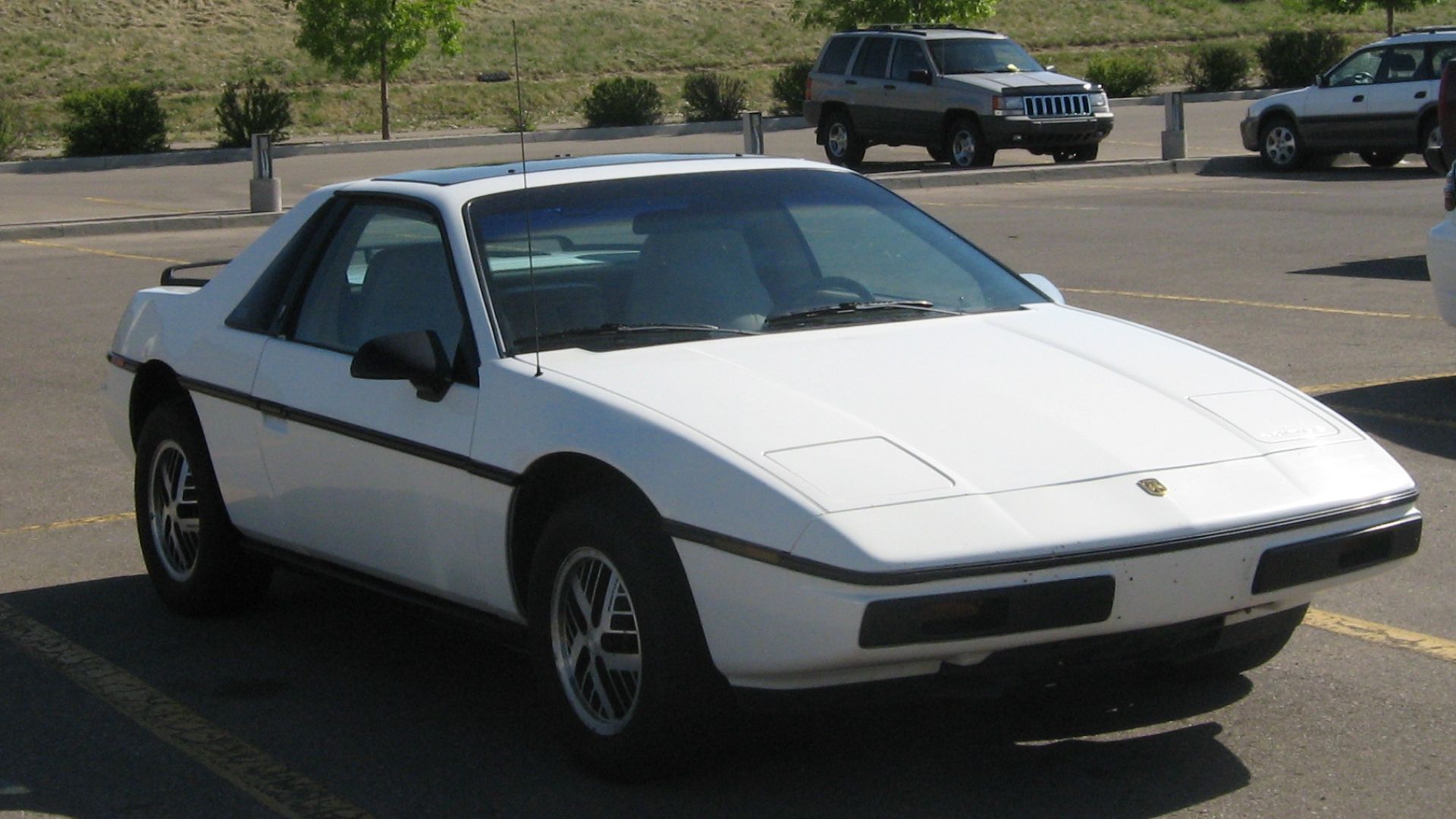
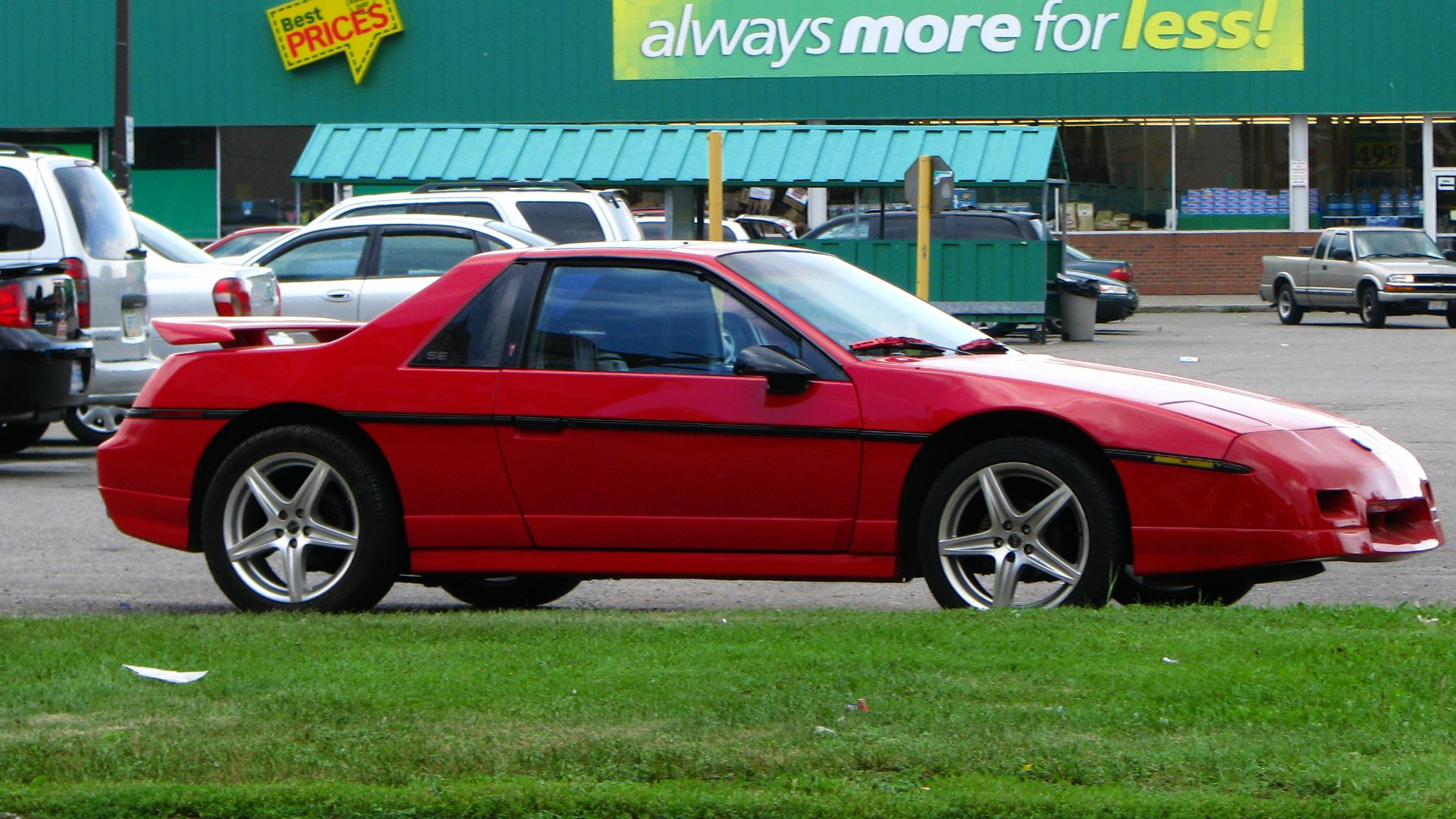
19. Pontiac Fiero: Mid-Engine Curiosity for the Masses
Oh, Pontiac. There it was in the mid-80s, bringing mid-engine proportions to an affordable segment that usually never got that kind of layout. Unfortunately, early problems hurt its reputation, but the concept itself wasn’t a joke.
 Michael Gil from Calgary, AB, Canada on Wikimedia
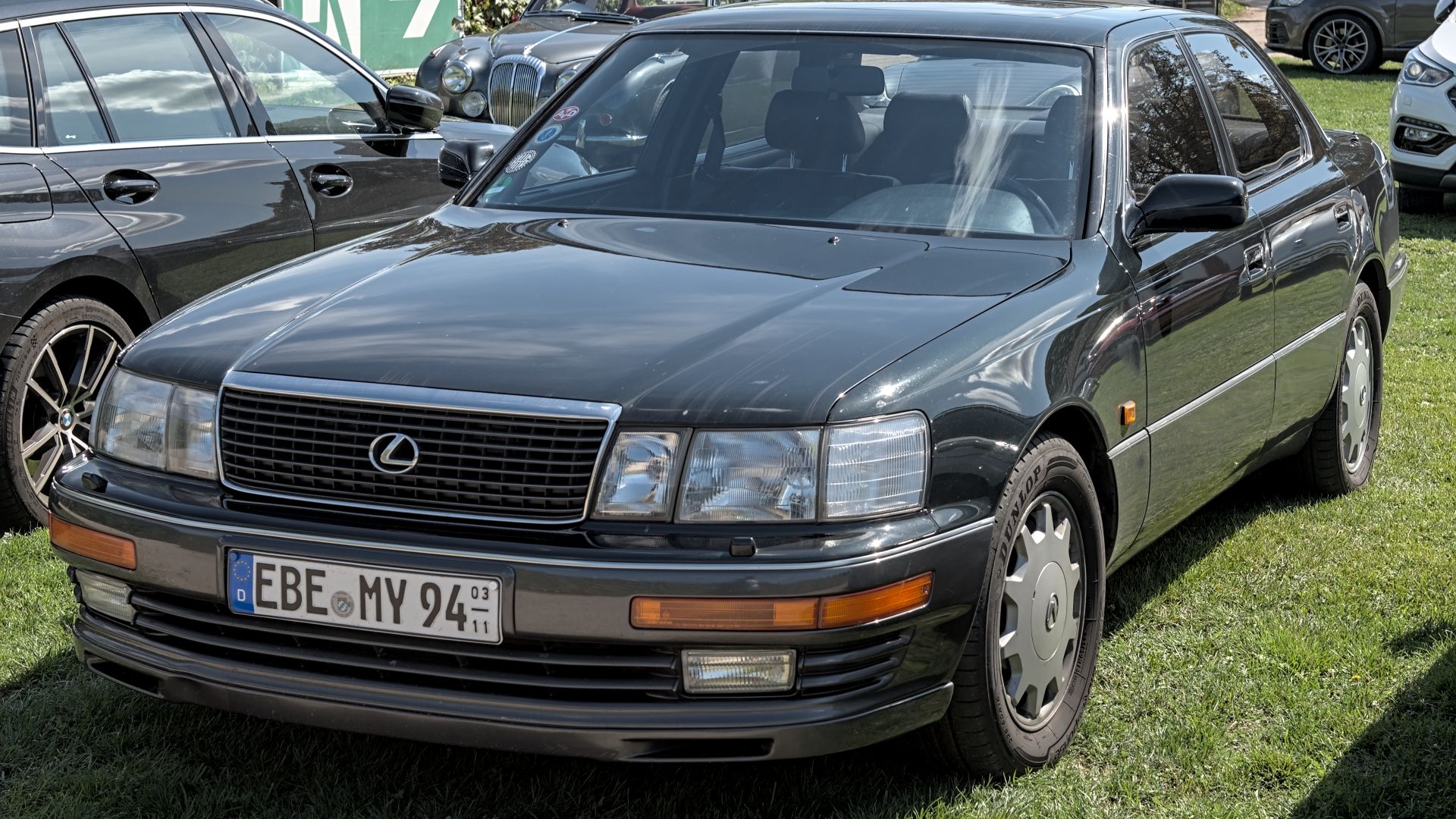
20. Lexus LS 400: Precision That Reset the Standard
Just when luxury buyers thought they’d seen it all, the LS 400 delivered refinement and quality control at a level no one expected. It didn’t rely on flash; it relied on consistency, which is harder to pull off than it looks. Today’s motorists expect their cars to feel solid and polished, and this vehicle helped make that expectation reasonable.