Nope, Not Driving
Gravity does not negotiate, especially on streets built before modern brakes, traction control, or common sense caught up. Around the world, certain roads tip past comfort and head straight into stress territory, where short distances feel long and downhill decisions matter fast. These slopes require patience and nerves in equal measure. Read on carefully, then decide which ones you would bravely admire and which you would absolutely walk instead.
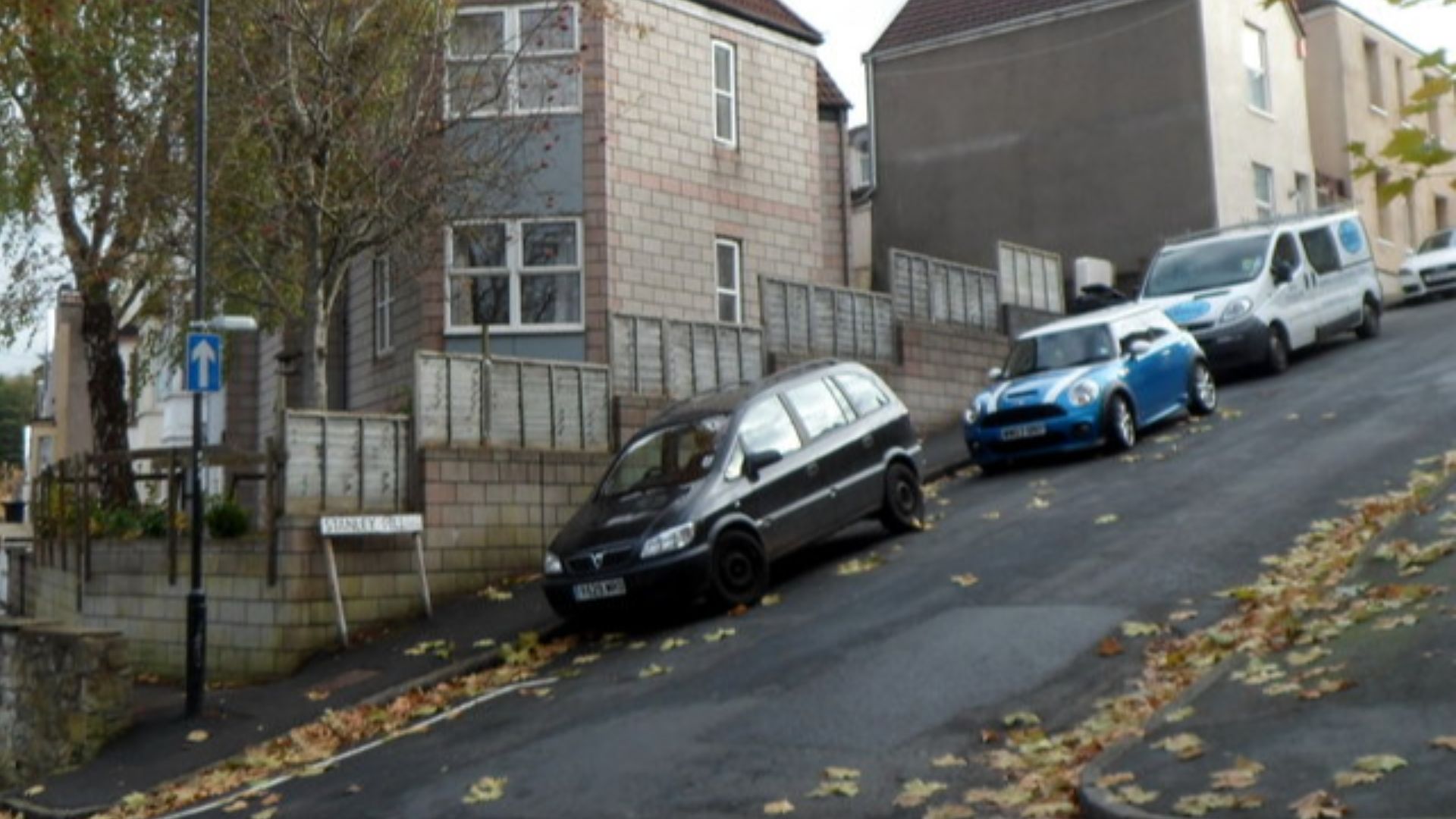
1. Bradford Street (San Francisco, California, USA)
Few descents feel casual here. In Bernal Heights, Bradford Street drops at roughly 41%, far past old engineering limits. Short length magnifies danger, because brakes heat fast. Meanwhile, surveys confirm the slope again and again, explaining why wet pavement makes drivers nervous.
 Cameron Parkins from Los Angeles, CA, USA on Wikimedia
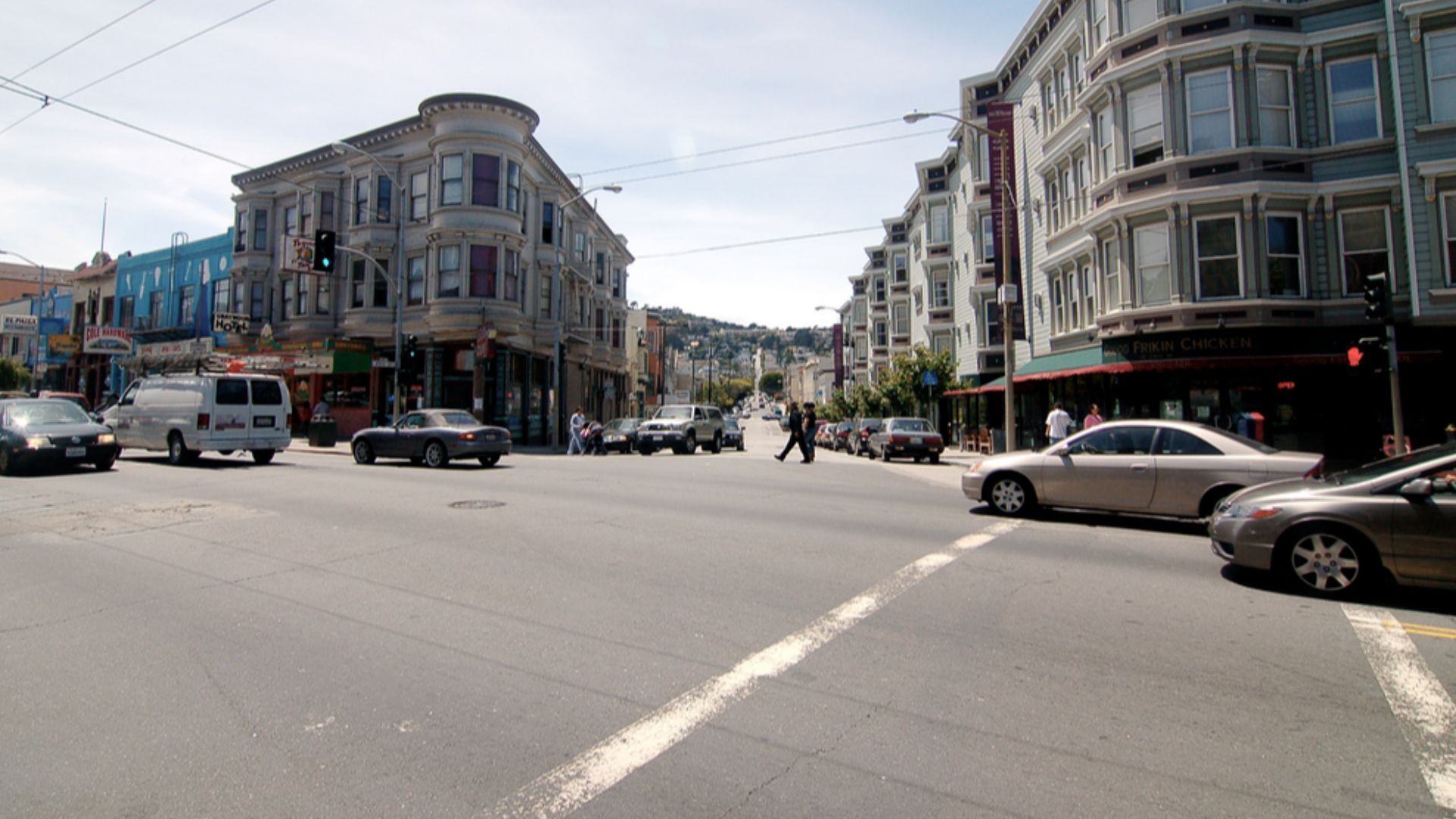
2. Waipio Valley Road (Hawaii, USA)
Measured gradients reach about 45% as Waipio Valley Road falls 800 feet in barely 0.6 miles. Unpaved sections and tight turns also increase friction loss. For safety, only 4-wheel drive vehicles are permitted, since erosion and flooding regularly complicate descent.
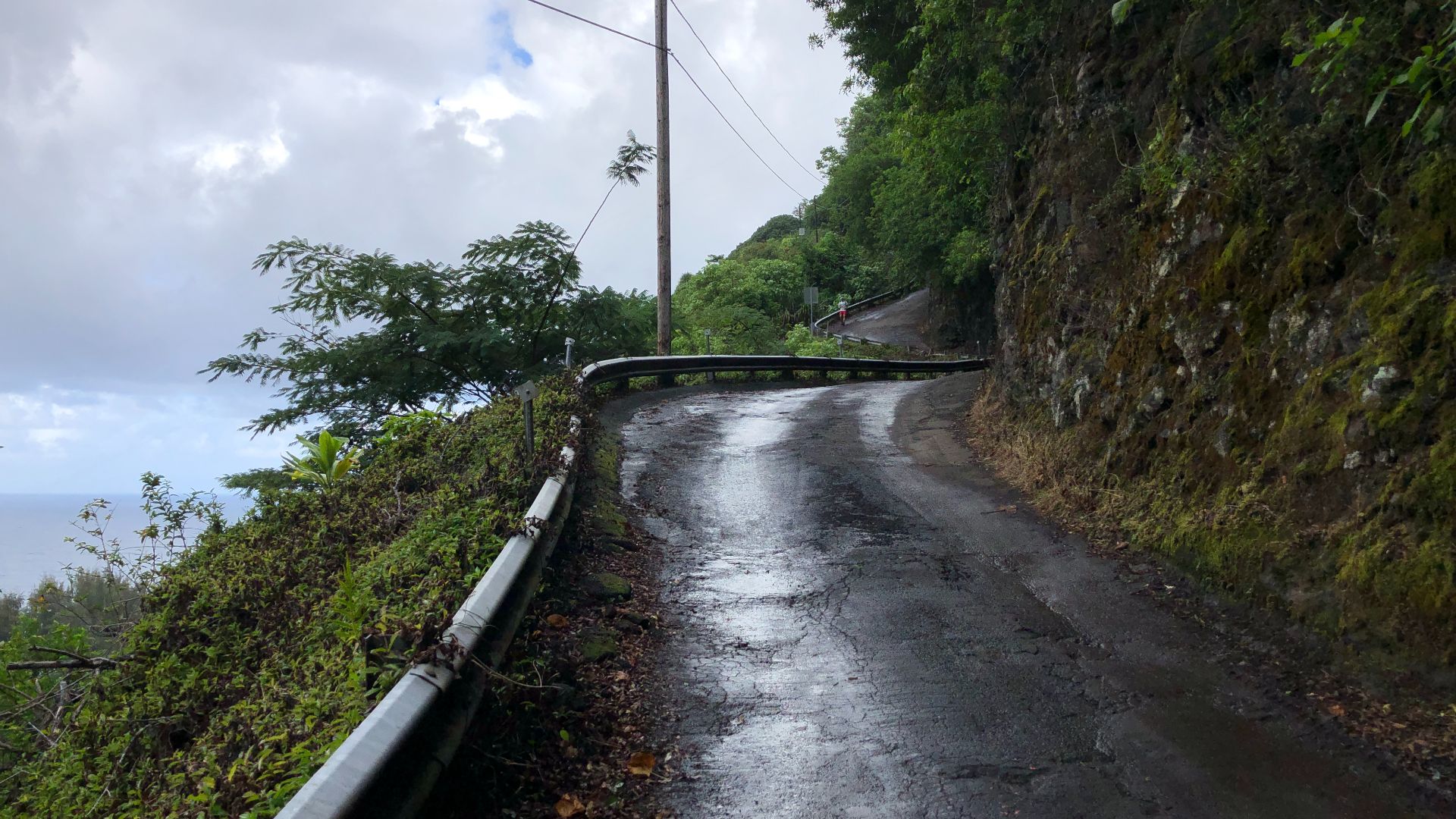
3. Malga Palazzo Or Salita Scanuppia (Besenello, Italy)
Concrete replaces asphalt along Malga Palazzo, yet traction still fails easily. Ramps hit 45%, verified by cycling surveys and motoring data. Built as a military route, the road stretches several kilometers, explaining narrow widths and waviness that force cautious descents.
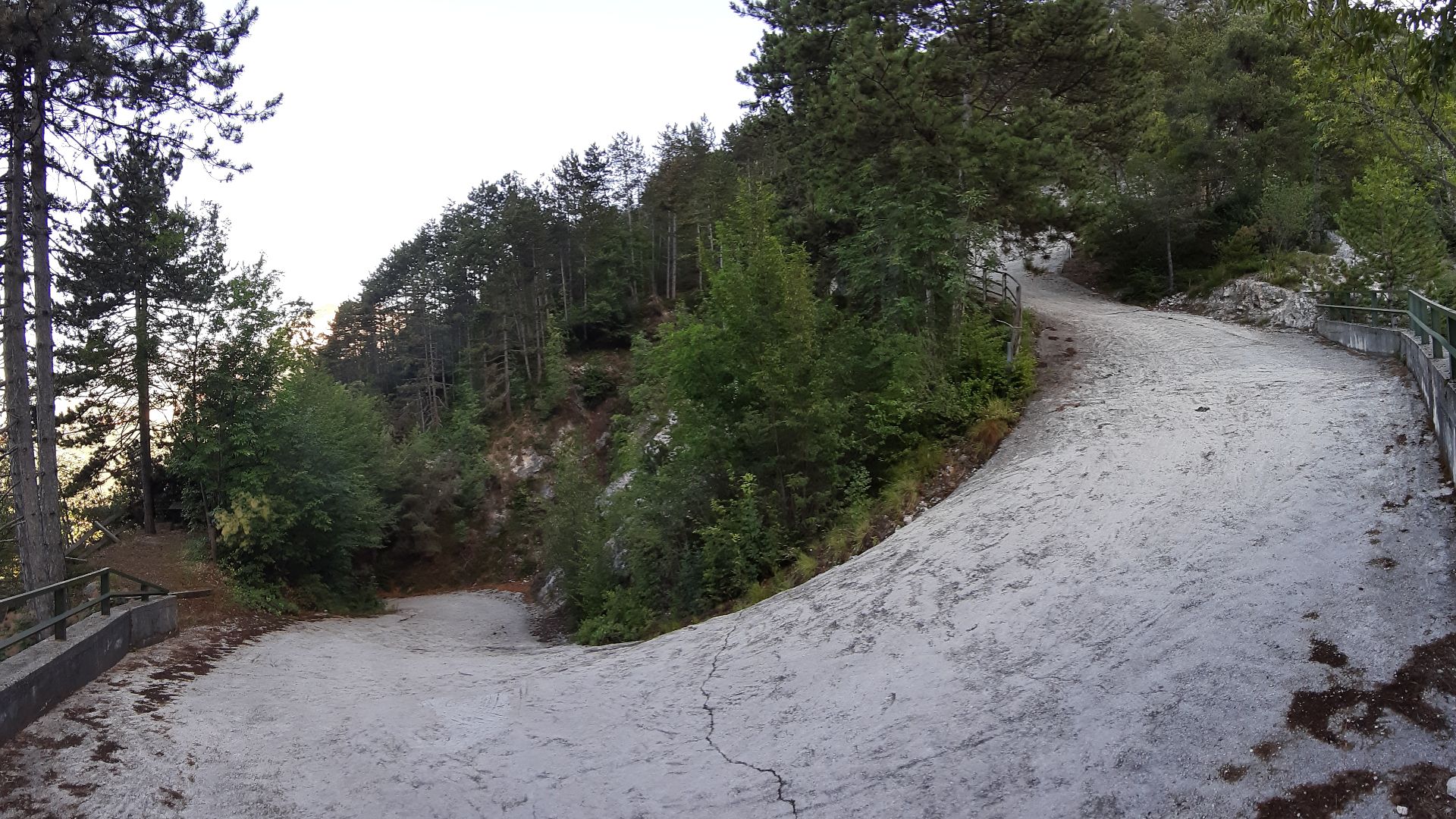
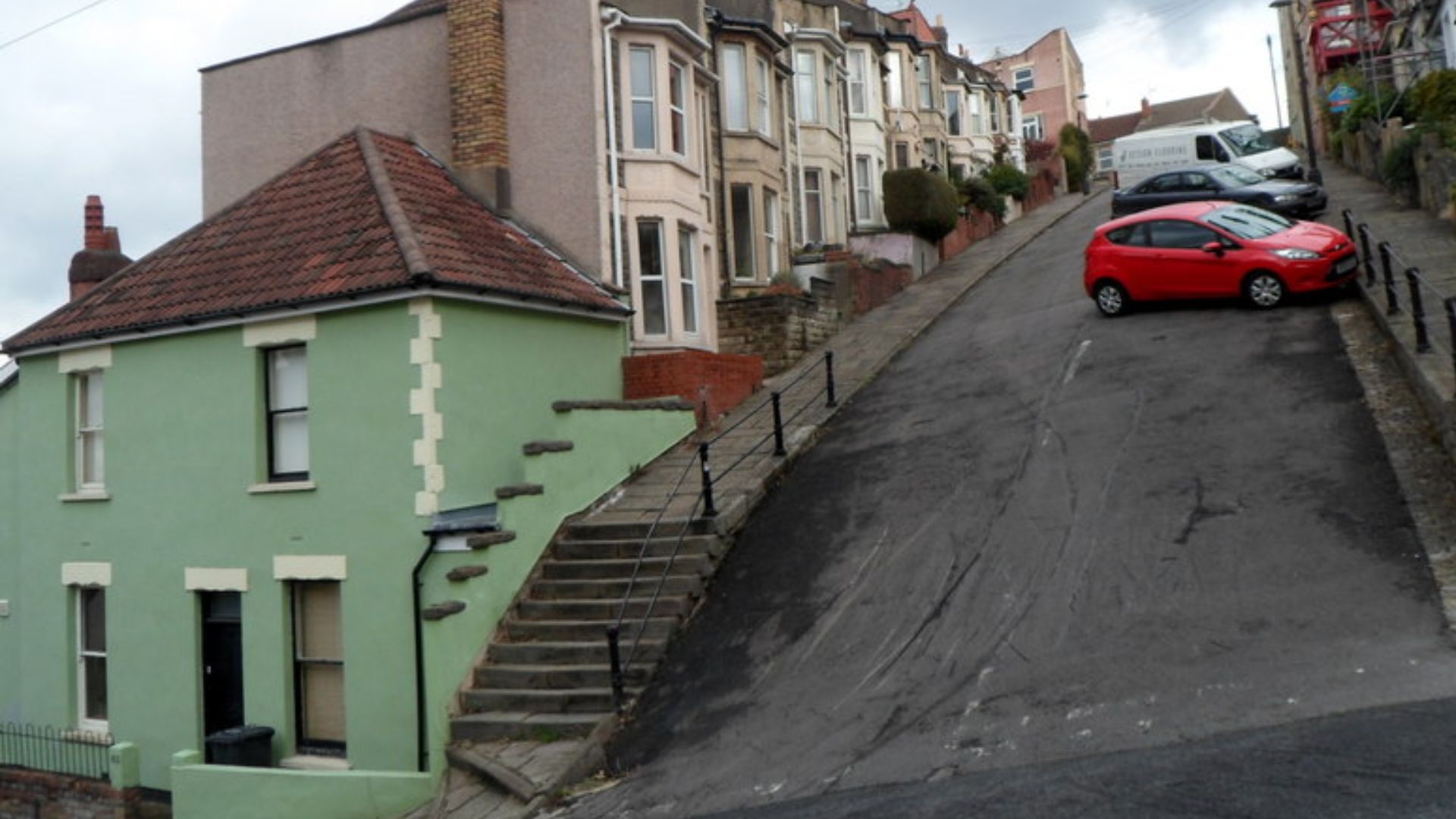
4. Vale Street (Bristol, UK)
Gravity runs the show on Vale Street. Totterdown residents park cars sideways for a reason. Cobbles turn slick quickly, especially during rain. Verified gradients approach 40%, and one-way rules follow. Still, egg rolling races prove the neighborhood learned to laugh uphill.
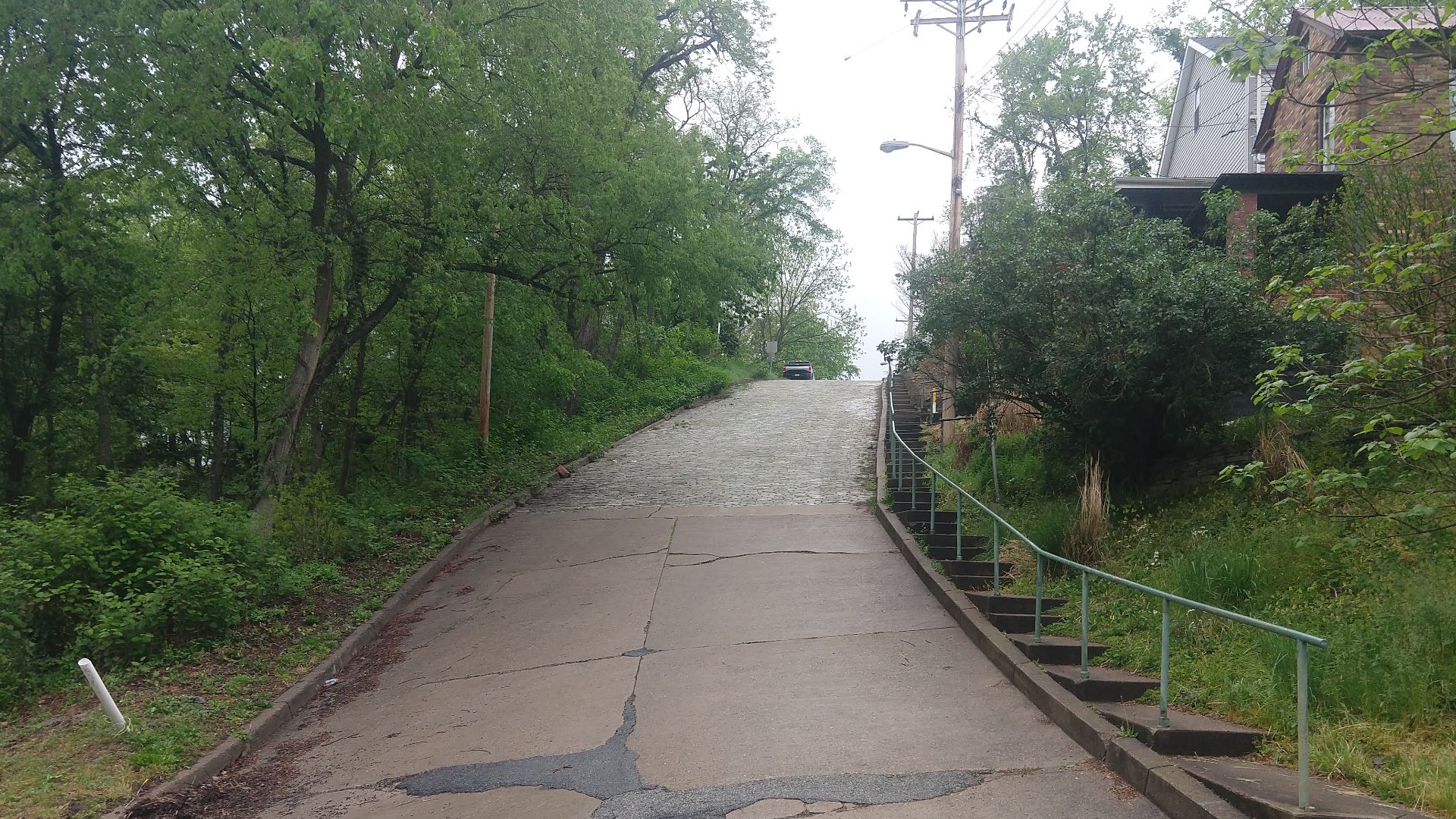
5. Canton Avenue (Pittsburgh, Pennsylvania, USA)
Length fails to save anyone here. Canton Avenue measures barely over 65 meters, yet pitches down at 37%. Cobbles punish tires. Snow worsens control. But local cyclists keep coming anyway. All in all, people don’t need Guinness validation to respect what this short stretch can do.
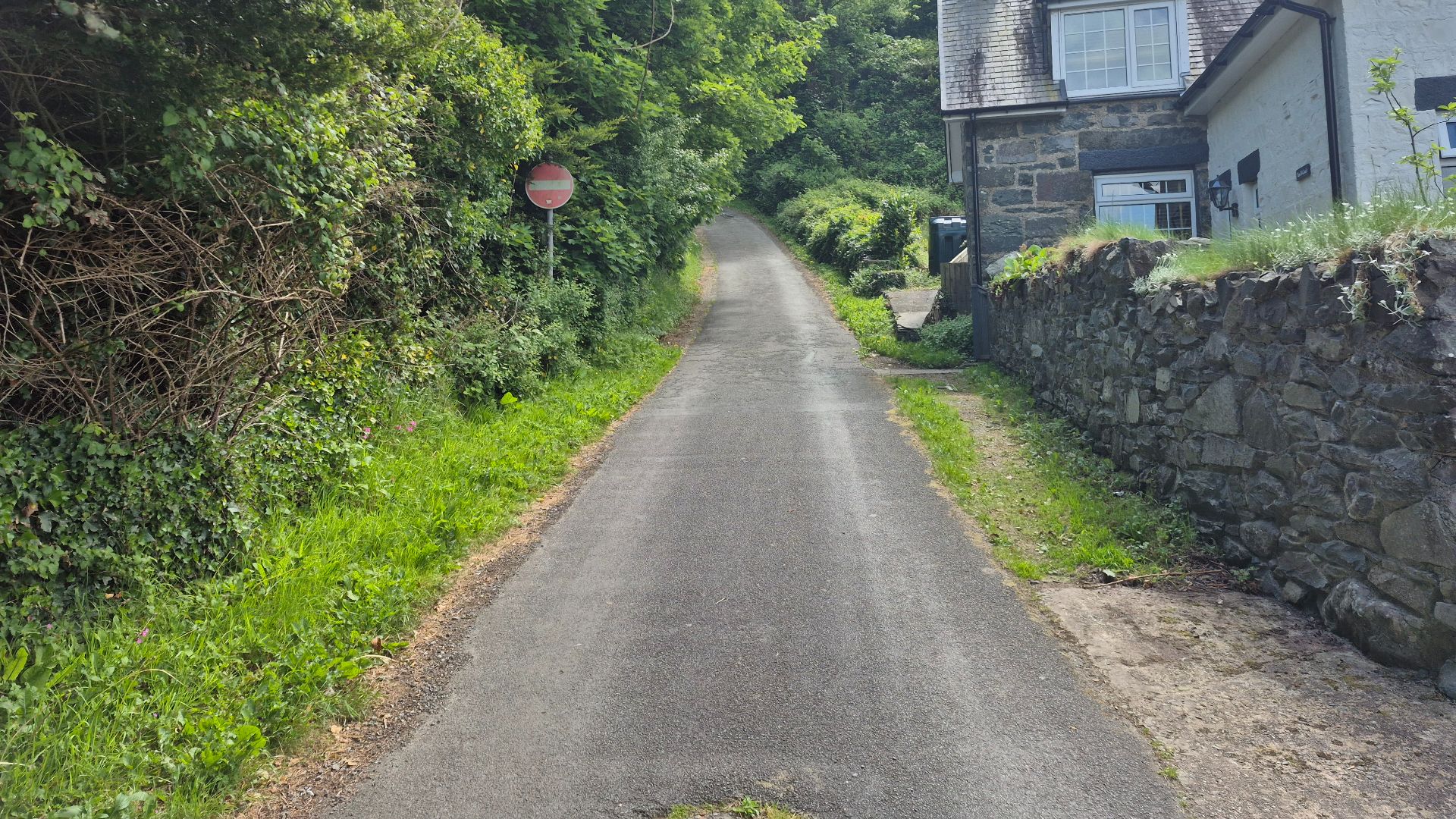
6. Ffordd Pen Llech (Harlech, Wales, UK)
Arguments broke out before tires ever did. Measurements vary depending on where the slope is taken, with inner curves reaching 37.45%. Guinness briefly stepped in, then stepped back. Meanwhile, narrow bends near the castle leave little margin for error during descents.
7. Baldwin Street (Dunedin, New Zealand)
Engineering choices reveal intent here. Concrete holds firm where asphalt would soften. The climb peaks near 34.8%, then settles into a 29.3% average across 350 meters. After review, Guinness returned the record in 2020 using uniform measurement criteria.
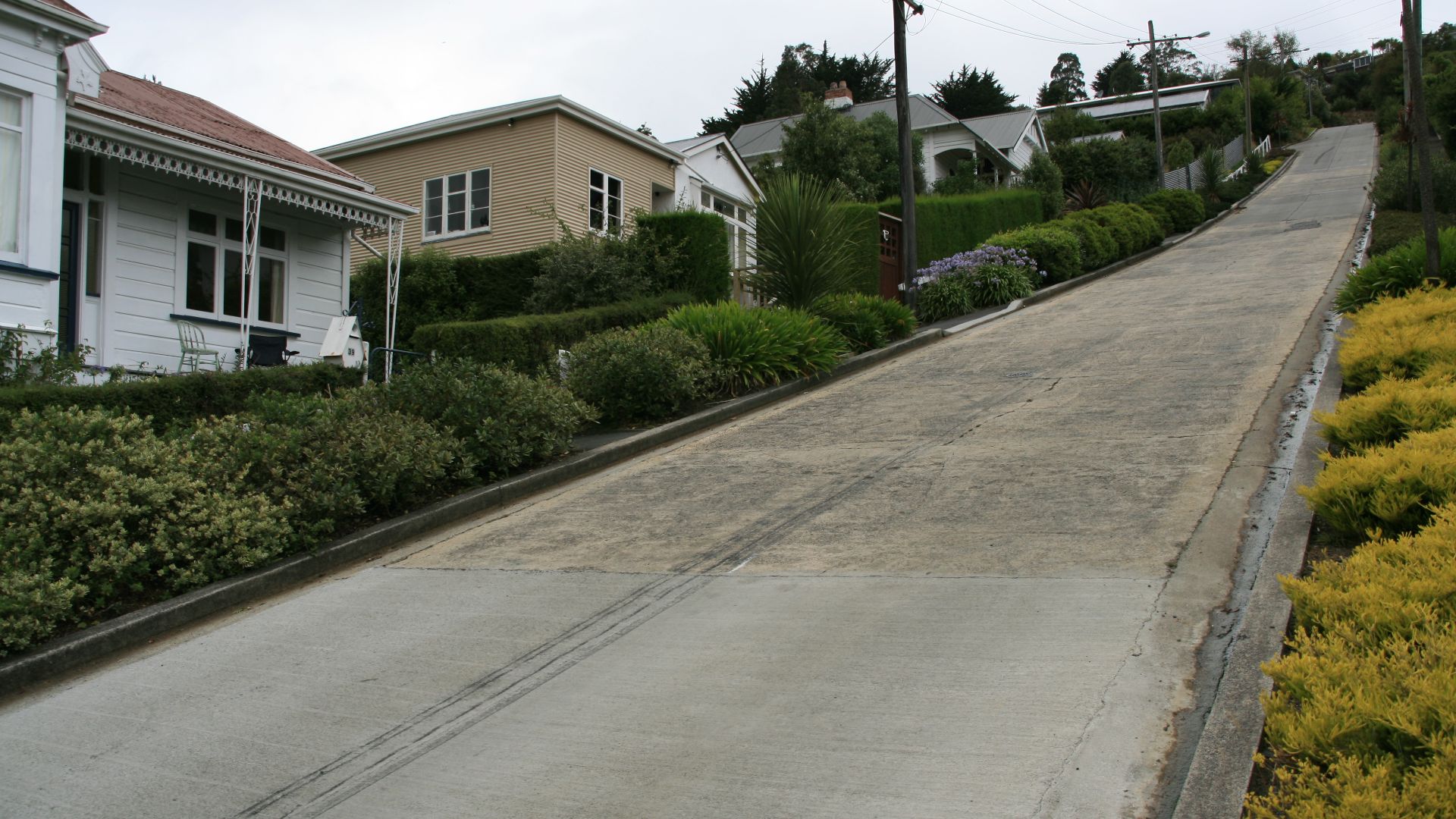 Mark Oliver Dittrich. Released into public domain on his behalf. on Wikimedia
8. Broderick Street (San Francisco, California, USA)
Short blocks cause the most trouble. Pacific Heights hides sections near 35%, confirmed by local measurements. Wet pavement further increases the risk of rollback at stops. Nearby staircases exist for pedestrians, a quiet admission that gravity sometimes wins more than planning intended.
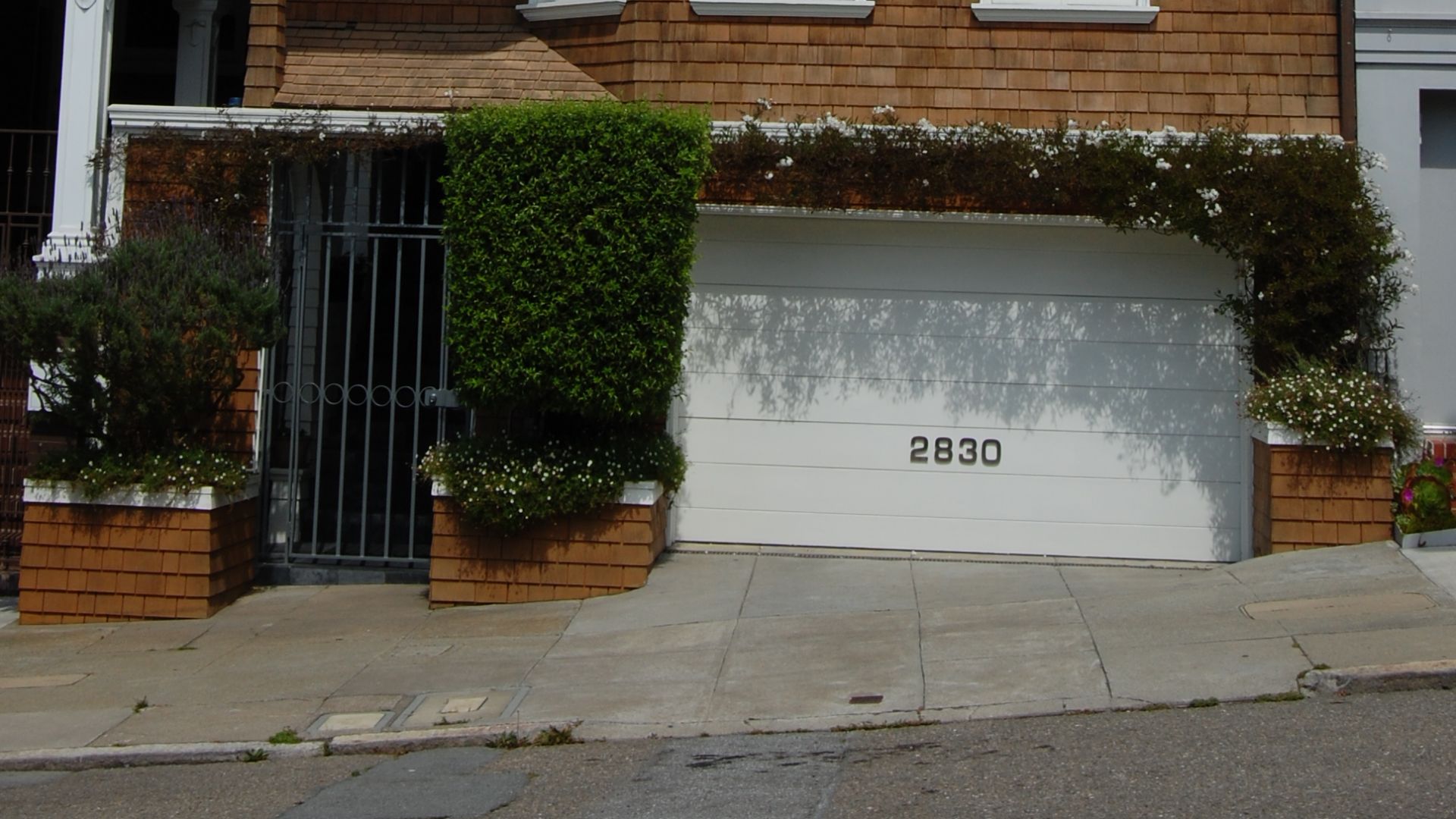
9. Eldred Street (Los Angeles, California, USA)
City surveys confirm a 33% gradient packed into a single block. Highland Park residents see rollovers and traction loss often enough that small service trucks handle deliveries. Winding pavement and narrow width also contribute to the danger, especially during downhill travel after rainfall.
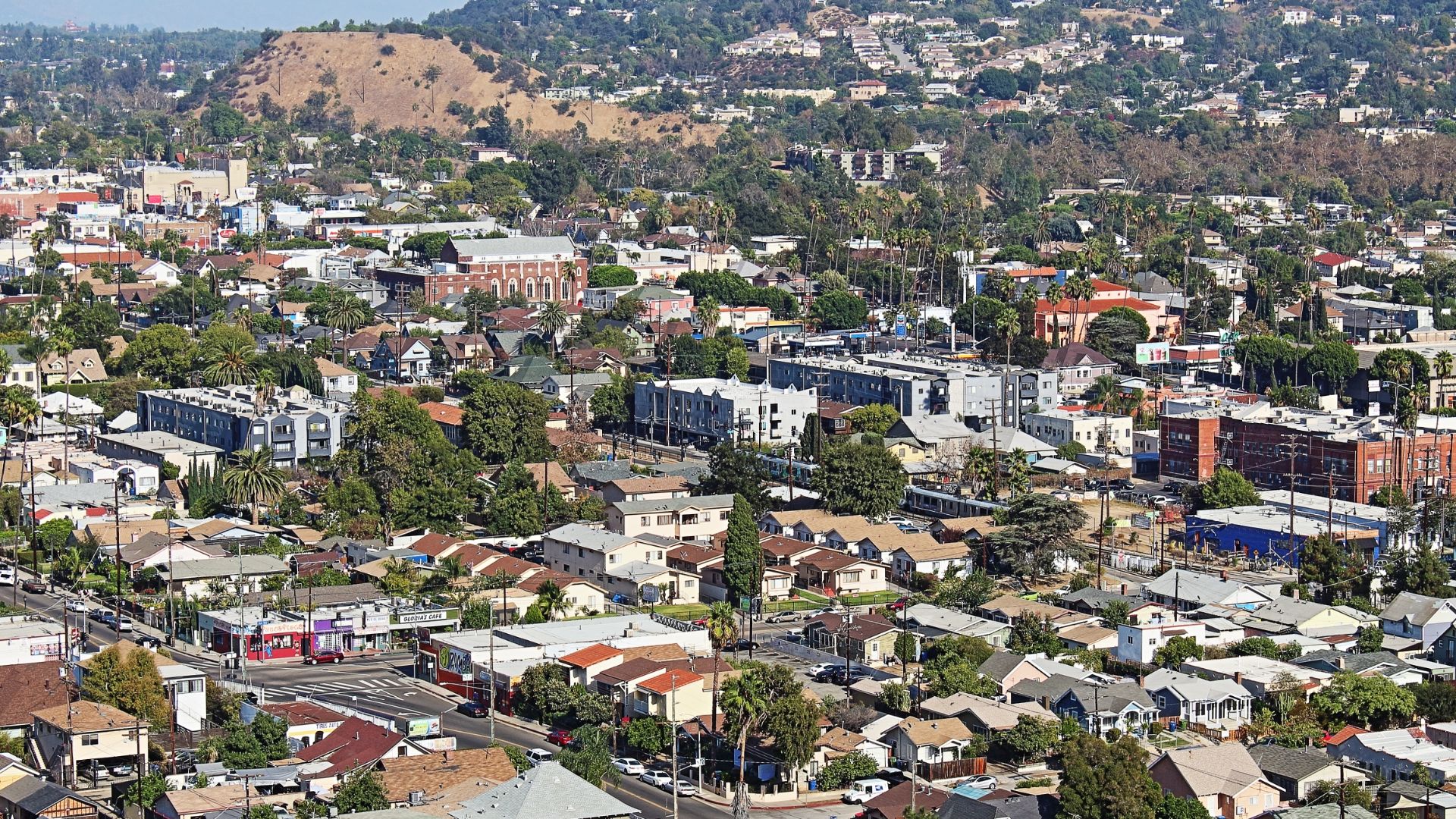
10. 28th Street (San Pedro, Los Angeles, USA)
Planning ignored topography here. Measurements settle firmly at 33.3%, and rain turns descent into a gamble. Heavy loads struggle most, which explains why delivery drivers sometimes bring winches. Locals learn quickly which routes deserve avoidance rather than confidence.
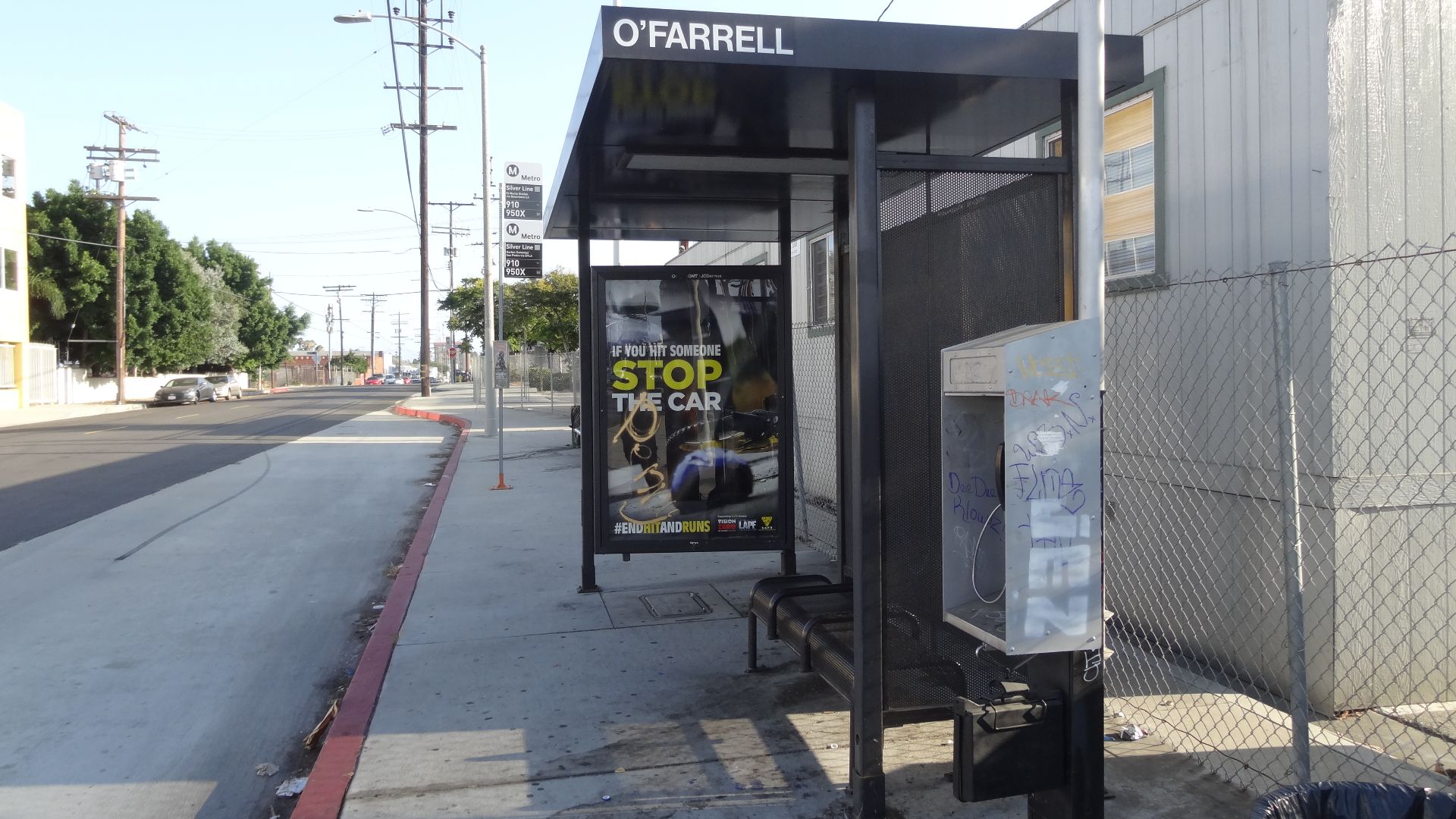
11. Baxter Street (Los Angeles, California, USA)
Baxter Street rewards confidence only once. A 32% slope and unpredictable pavement forced a change after repeated incidents. One-way rules arrived in 2018. Longboarders had their moment here, but safety concerns eventually claimed the final say.
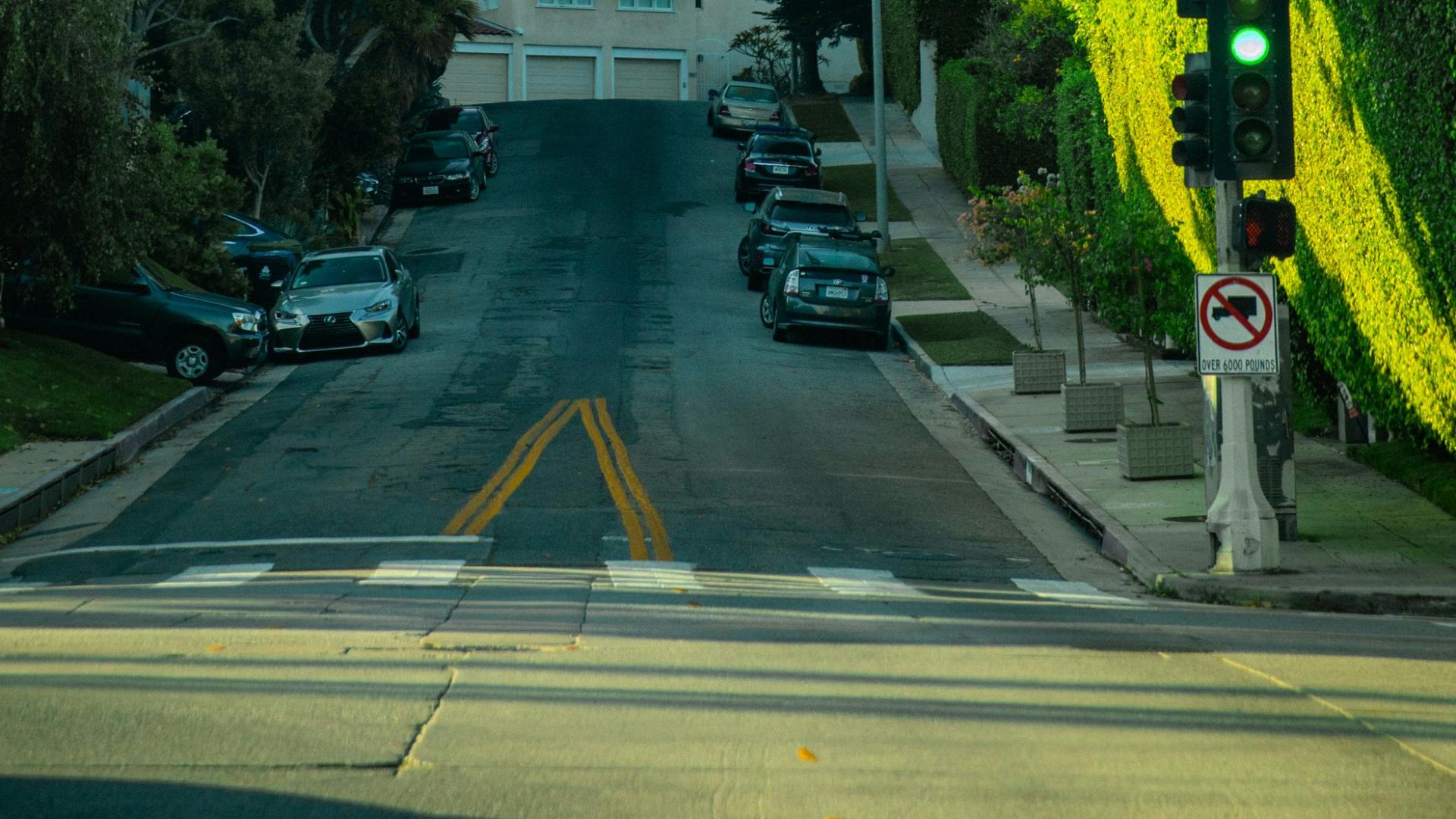 Ekaterina Belinskaya on Pexels
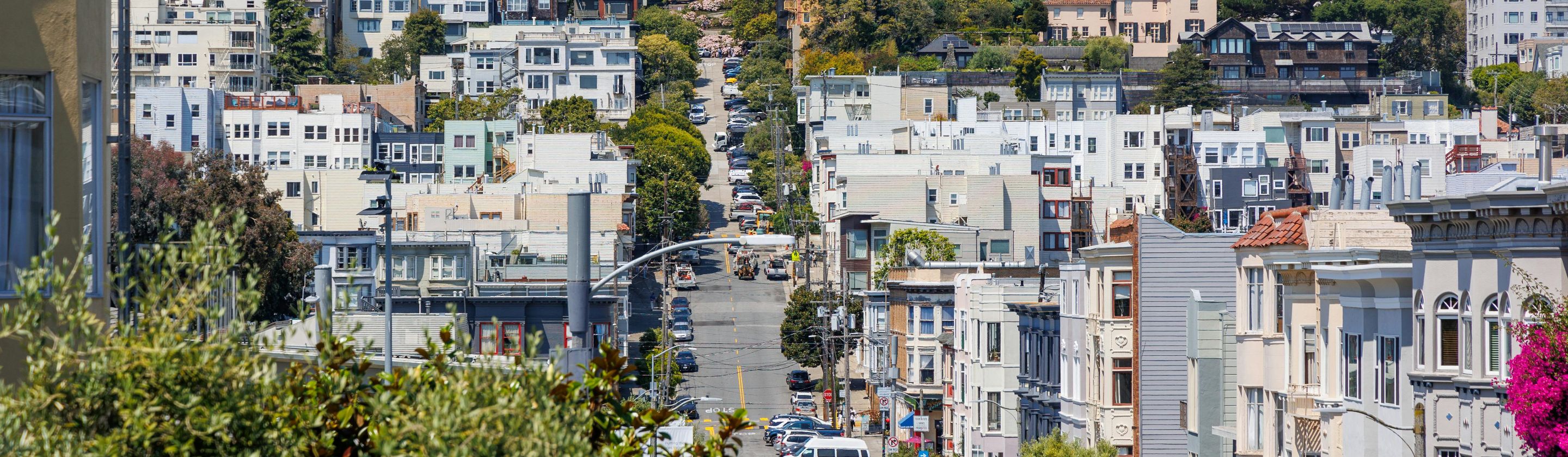
12. Filbert Street (San Francisco, California, USA)
Stories stick to this hill. Filbert Street reaches 31.5% between Hyde and Leavenworth, steep enough to require pedestrian stairs. Vehicles risk bottoming out on descent. A runaway watermelon truck gave the slope its nickname, a reminder that gravity once stole the show.
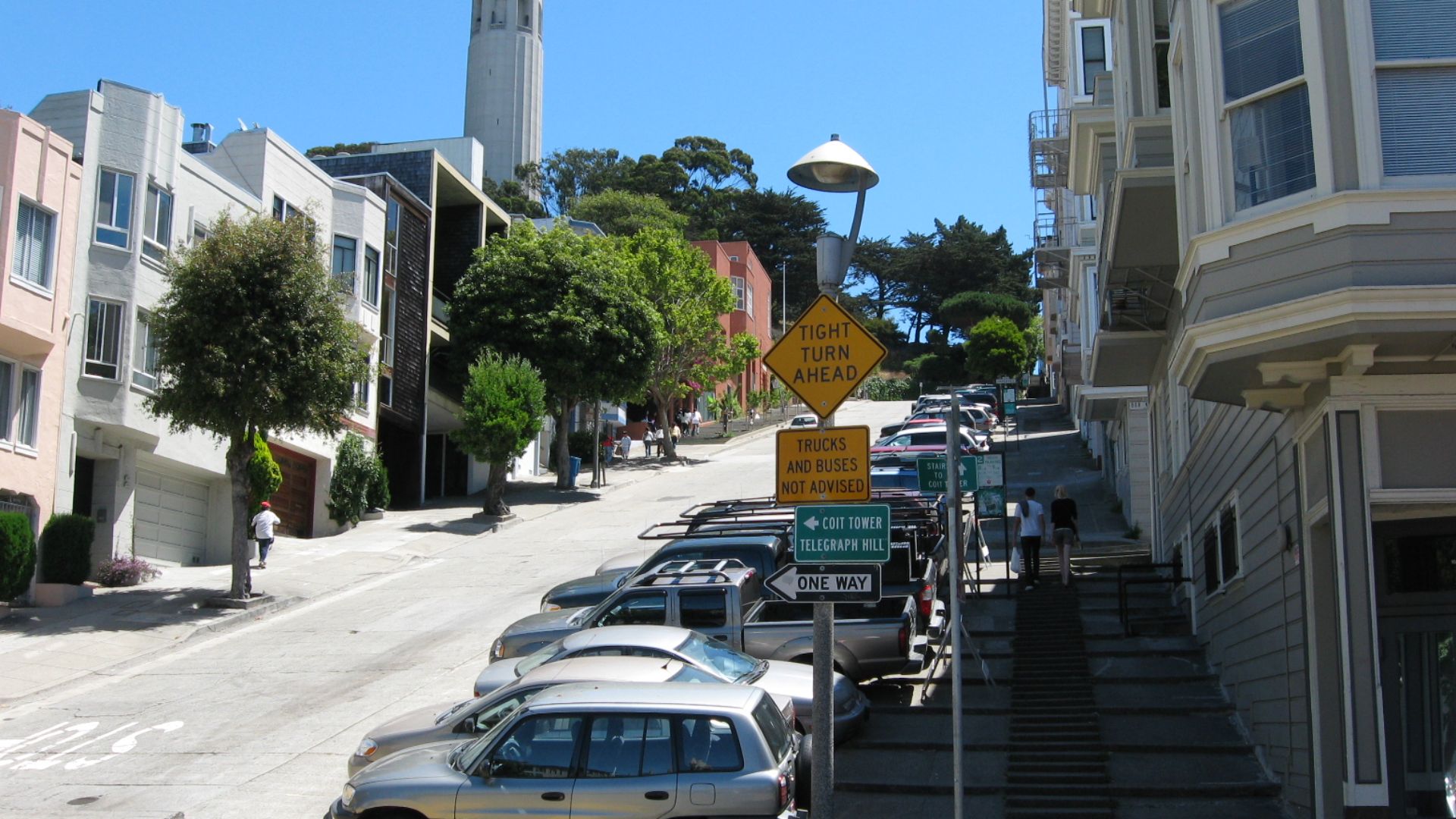
13. 22nd Street (San Francisco, California, USA)
Perspective plays tricks here. Therefore, cameras love the drop, but drivers respect it. A 31.5% grade forced one-way downhill rules. Low gears matter because braking alone struggles. Noe Valley residents accept the view that knowing control matters more than confidence mid descent.
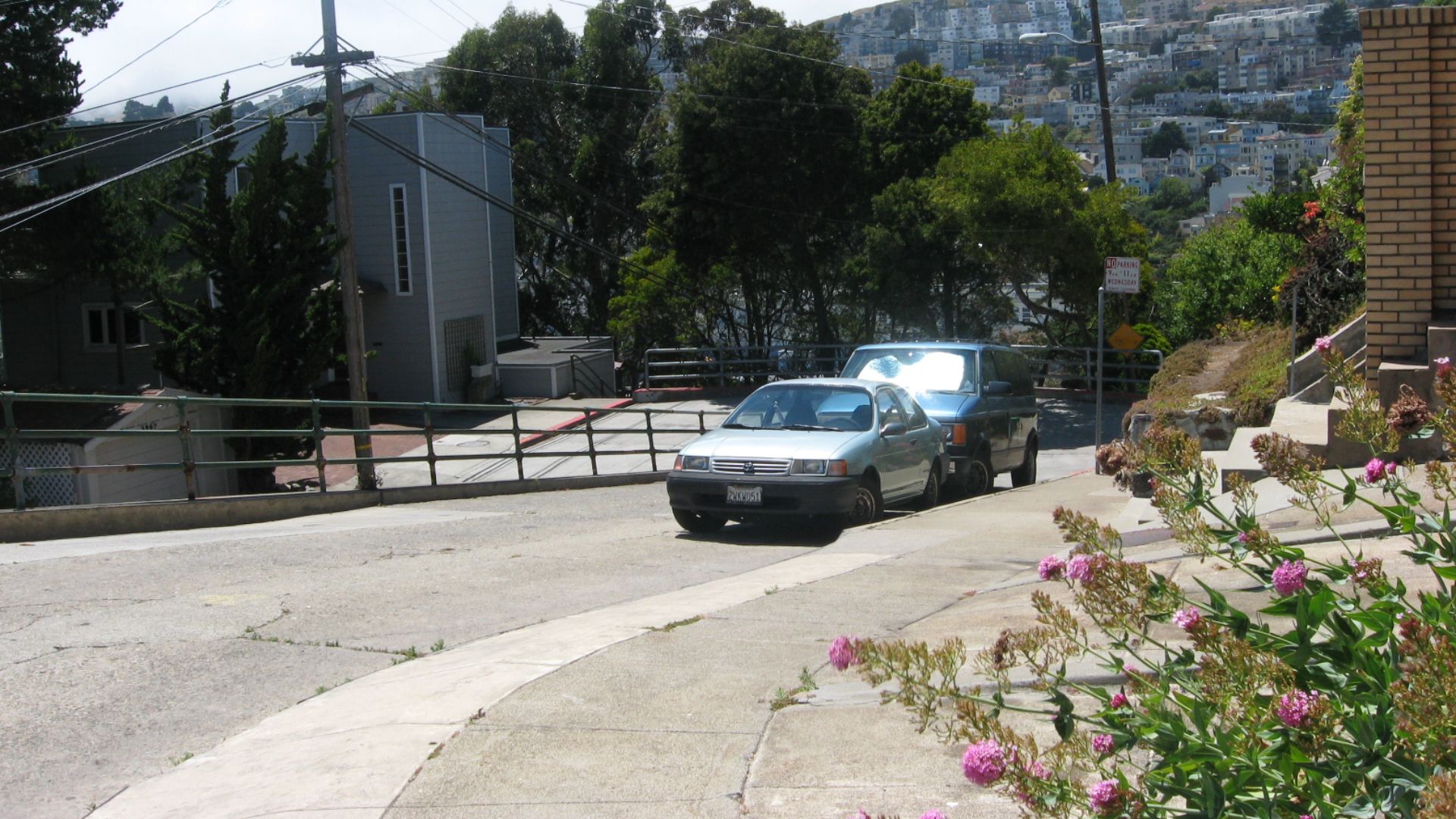
14. Steep Hill (Lincoln, UK)
Routine once meant hauling goods uphill here. Steep Hill climbs nearly 29% across a long stretch of shops leading to the cathedral. Wet stone proved unforgiving, prompting handrails. Over time, races transformed strain into tradition, turning effort into shared memory.
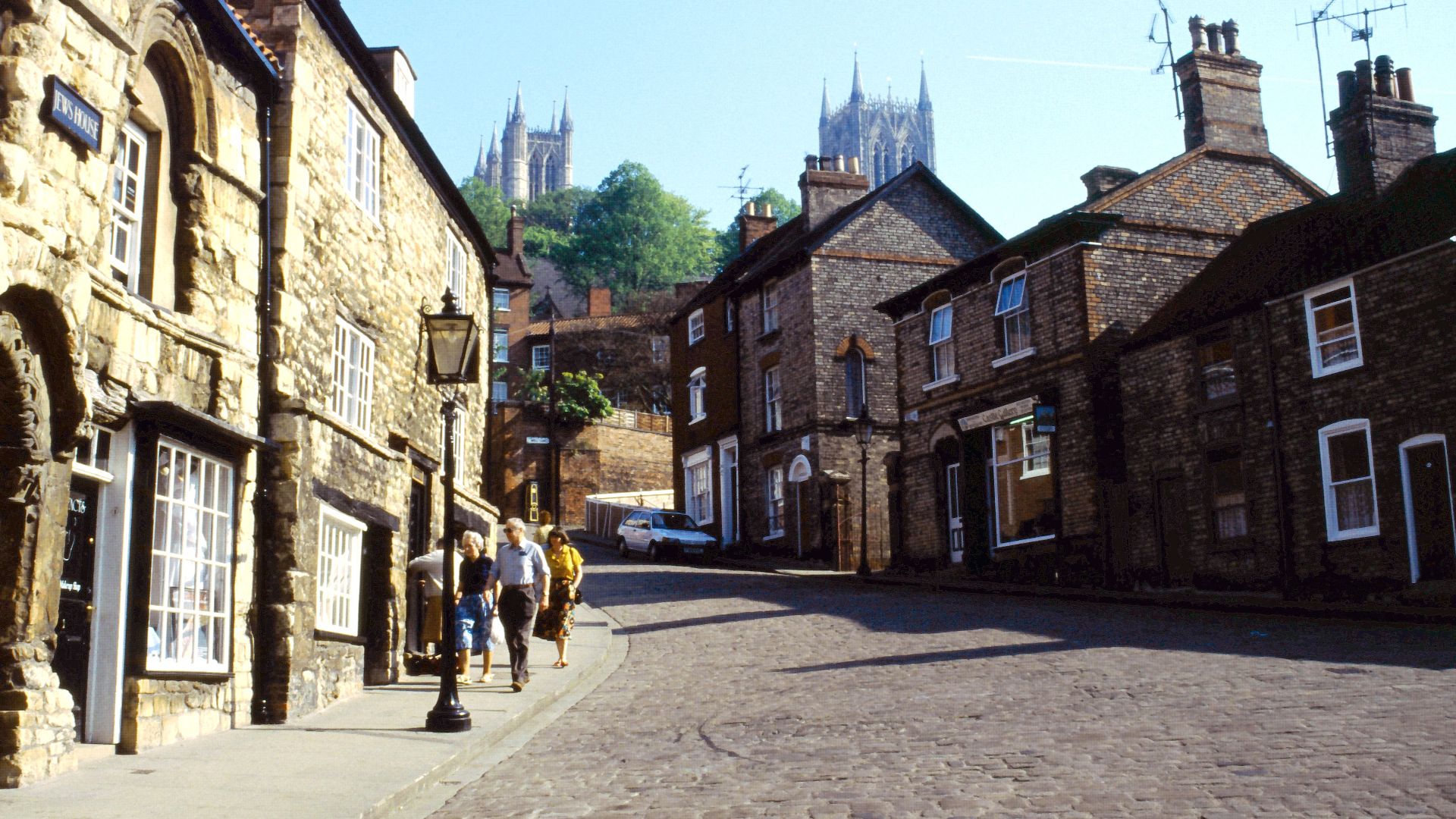
15. Lombard Street (San Francisco, California, USA)
Curves exist for a reason because beneath Lombard Street’s switchbacks sits a 27% grade confirmed by engineering records. Built in 1922, the design slowed crashes. Even now, congestion creates risk, proving control matters more than speed on steep urban descents.
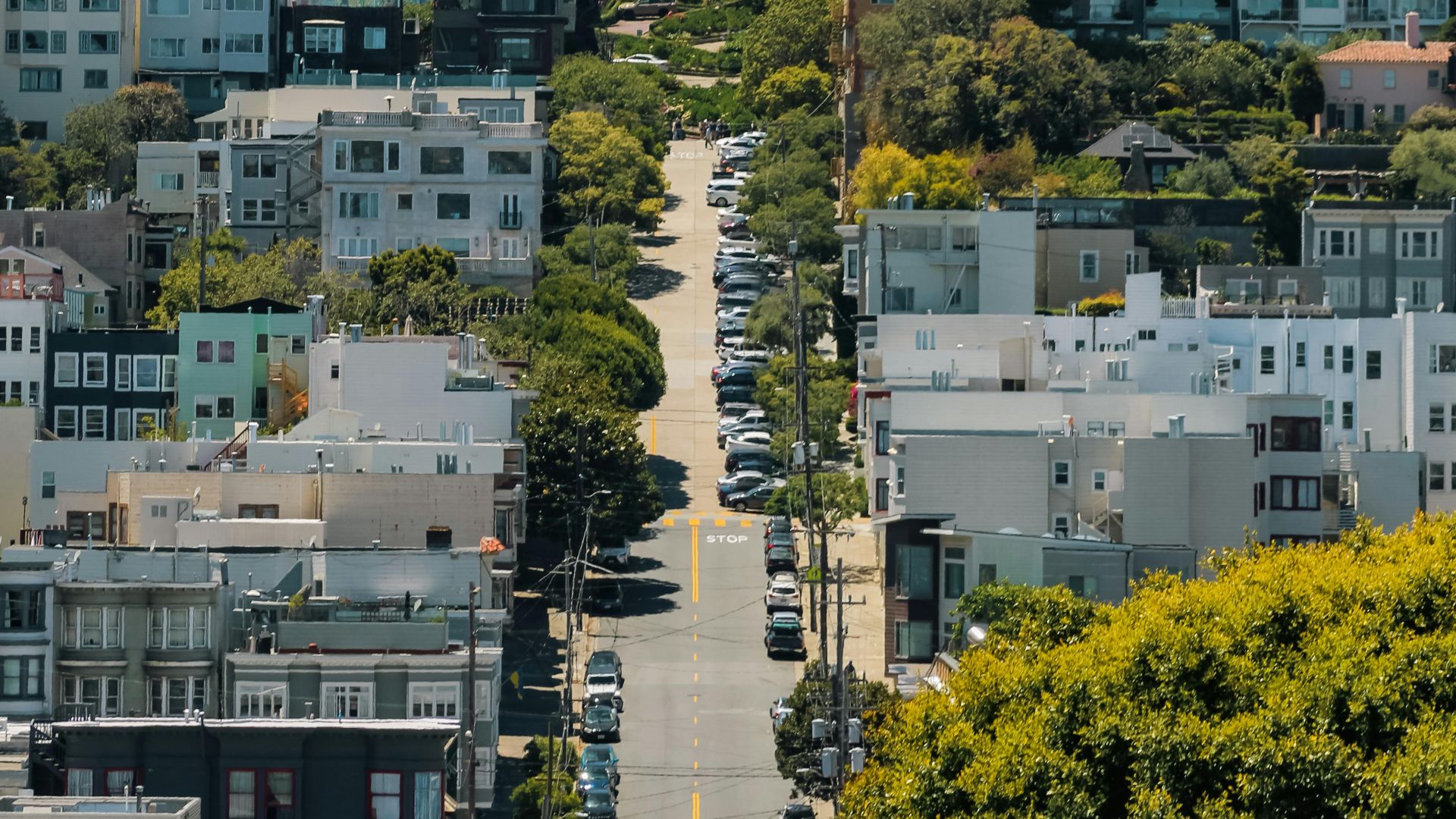
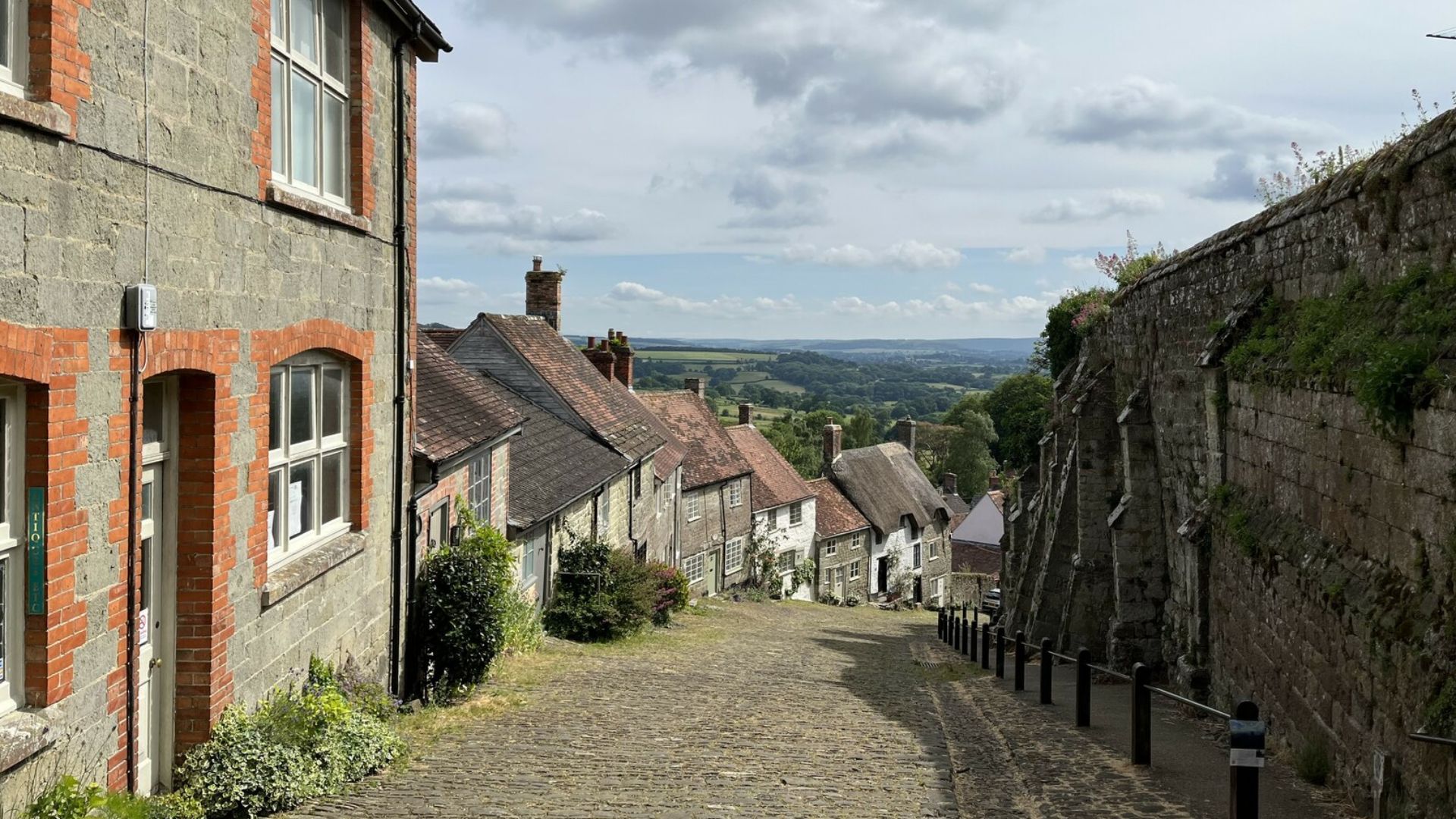
16. Gold Hill (Shaftesbury, UK)
Cobbles tell the story before brakes ever do. Gradients hover between 25% and 30%, and winter ice makes descent unforgiving. A famous 1973 bread advertisement added charm, yet slipping tires remind drivers that heritage streets rarely forgive modern vehicles.
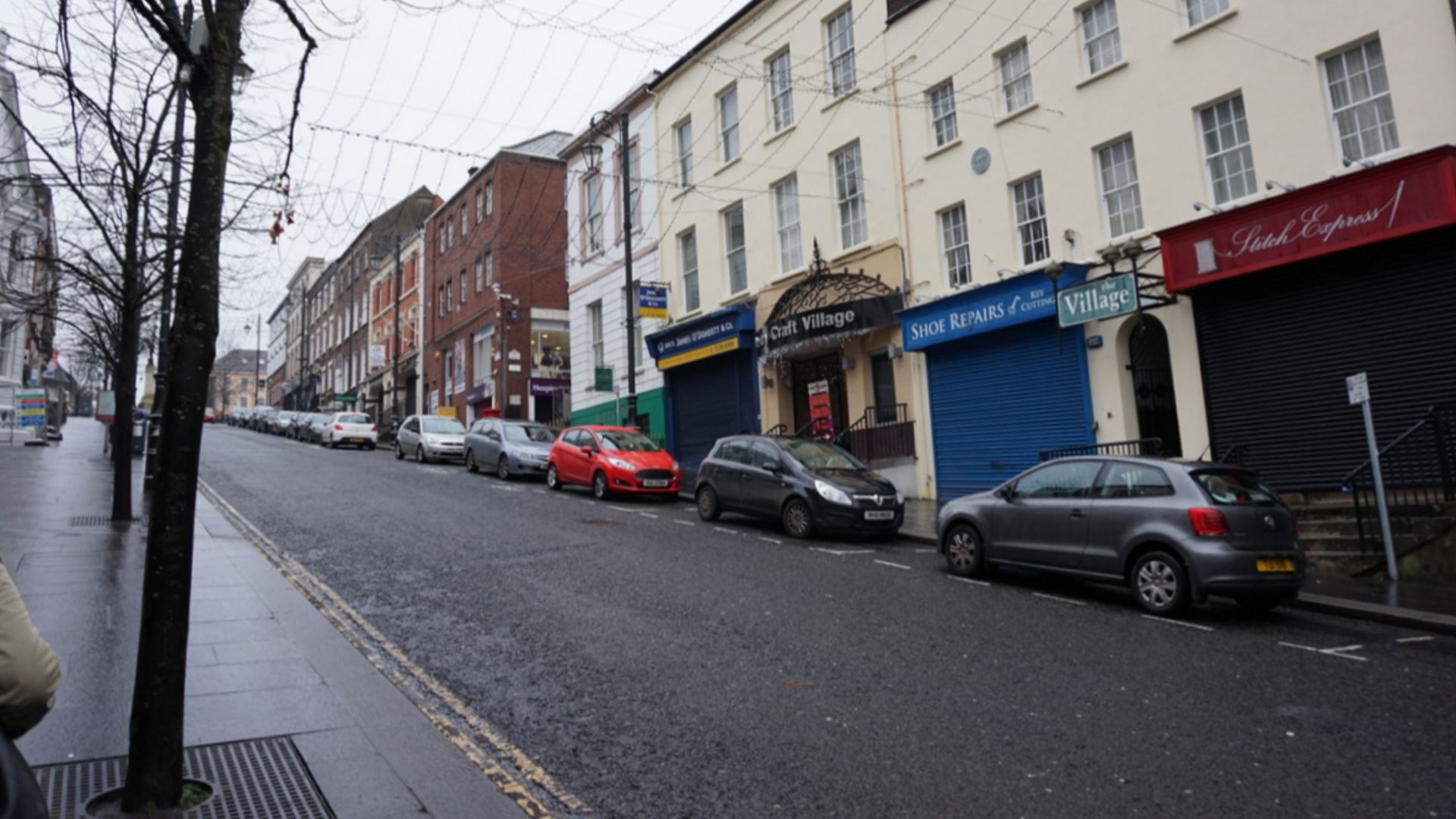
17. Shipquay Street (Londonderry, Northern Ireland)
Shipquay Street carries a downhill gradient close to 25% through a busy commercial corridor. Pedestrian traffic increases risk, especially near pubs and storefronts. The route connects the walled city to the River Foyle, which explains steady downhill momentum and cautious driving habits.
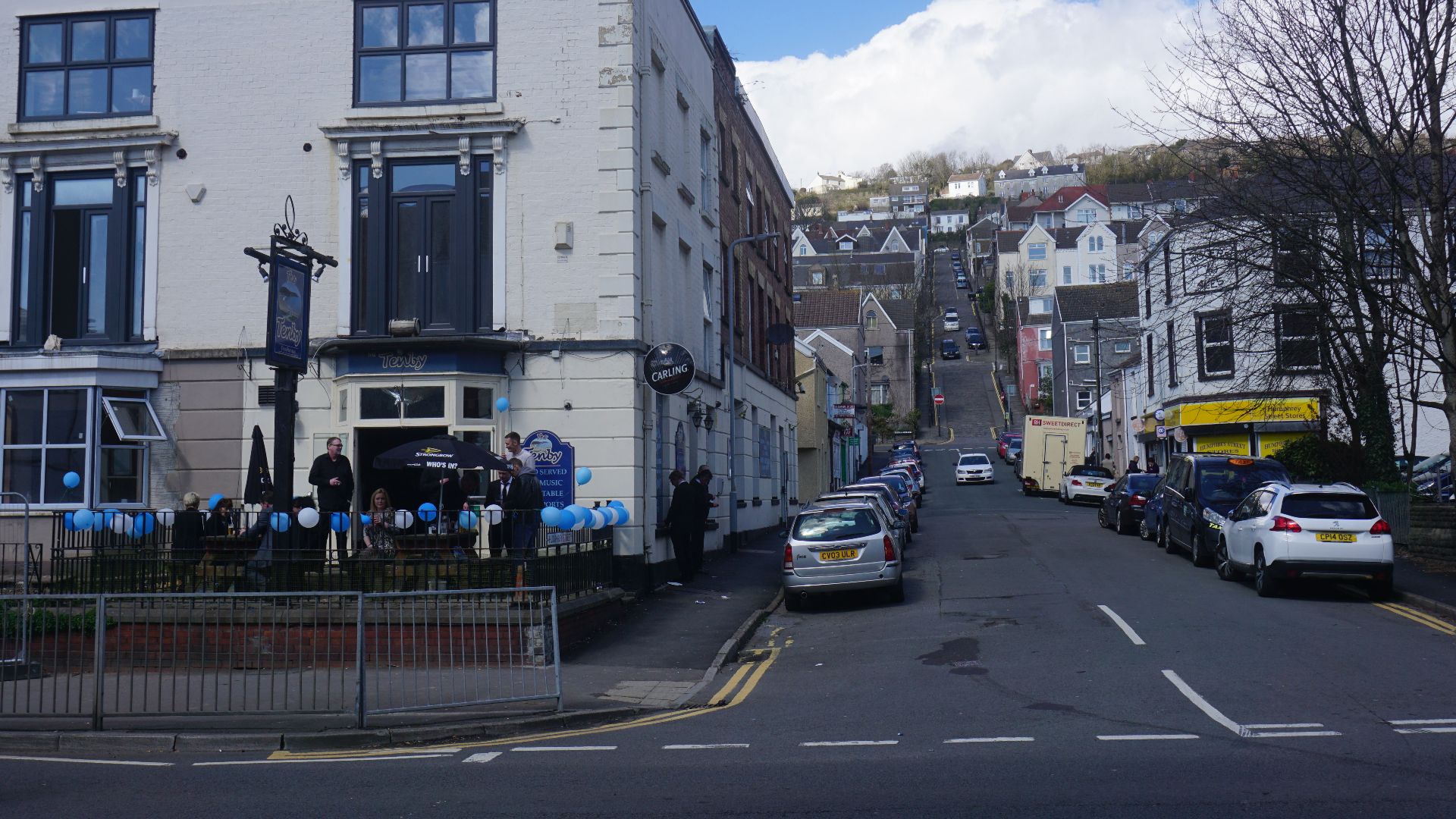
18. Constitution Hill (Swansea, Wales, UK)
Once a tramway, this route now handles cars and cyclists. Surveys confirm a 20% grade, and cobbled surfaces reduce grip. Wet conditions further increase sliding risk. Walking tours still highlight railway history, reminding visitors that steep engineering decisions tend to linger.
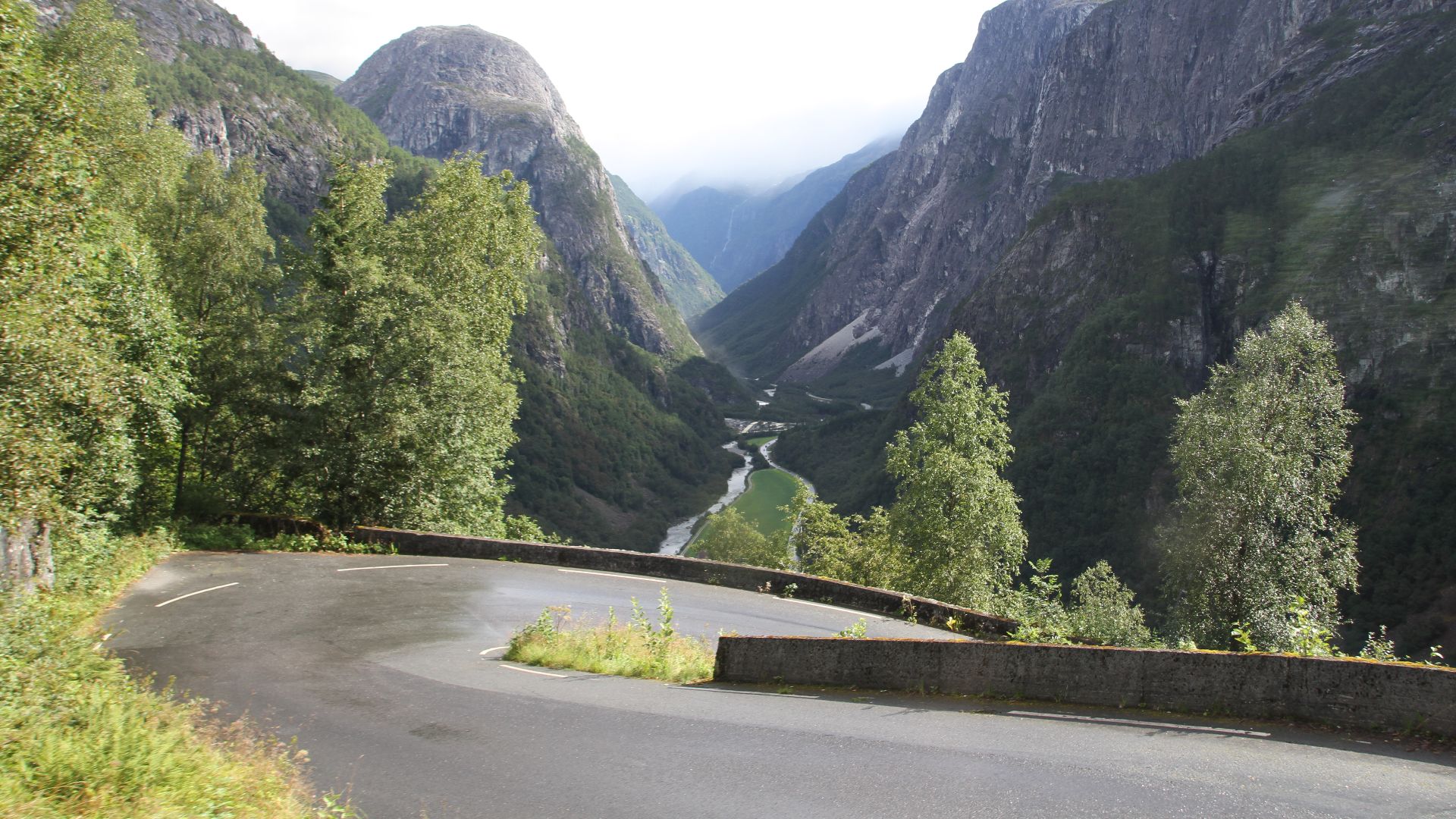
19. Stalheimskleiva (Voss, Norway)
Hairpins stack tightly along this descent. Thirteen turns stretch across 1.5 kilometers, with gradients nearing 20%. Built for carriages, the road later lost favor after rockfalls and brake failures. A tunnel eventually replaced vehicle traffic for safety.
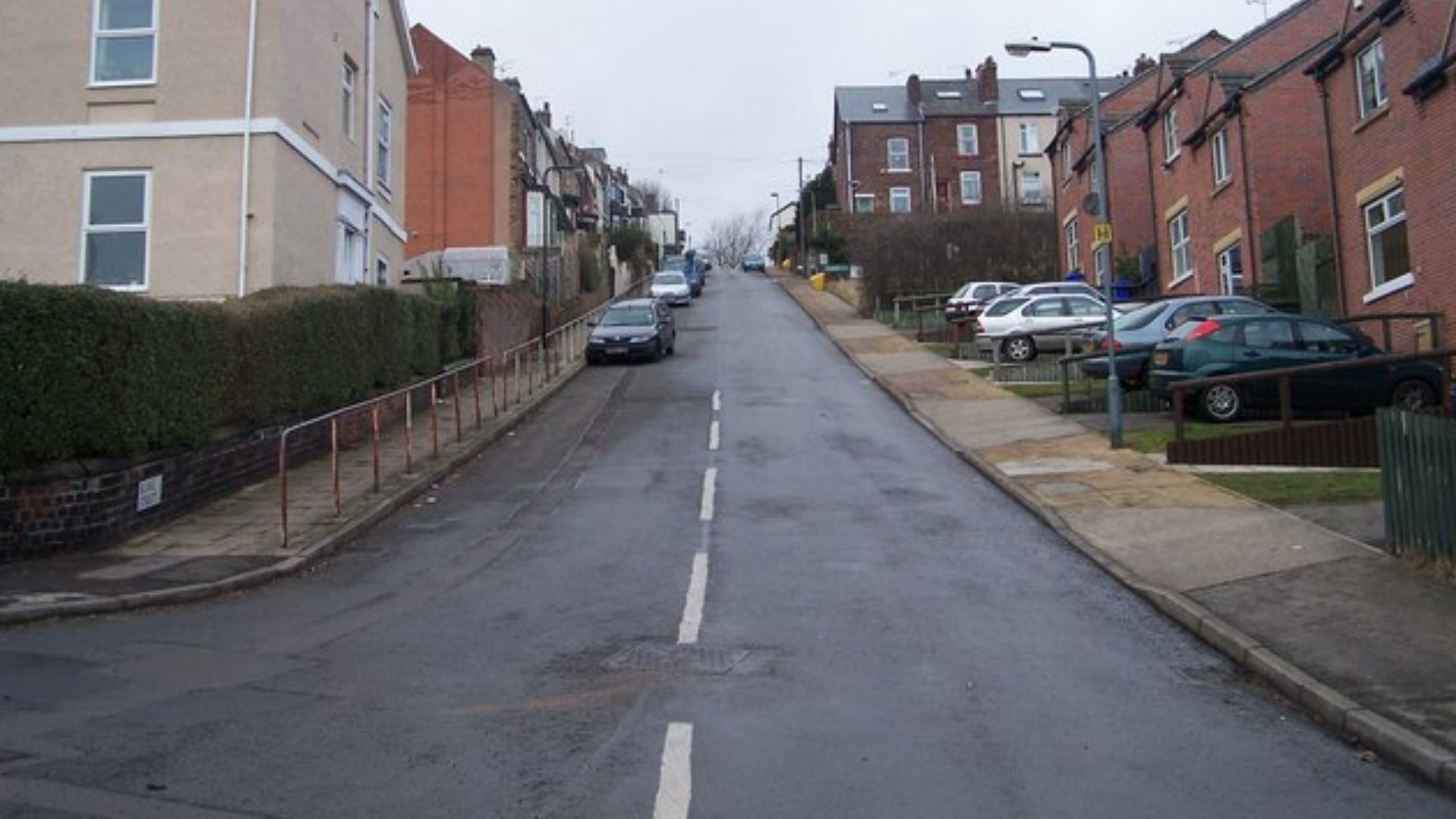
20. Blake Street (Sheffield, UK)
Blake Street presents a sustained urban incline measured between 25% and 30%. Wet conditions increase skidding risk despite traction-focused paving. Residents often use the slope for informal fitness challenges. Drivers approach cautiously, since momentum and braking rarely behave predictably on descent.