
To Keep or Not to Keep?
Most people like to believe they make smart, practical decisions about their cars, but the truth is usually the opposite. After all, when you own a vehicle, you’re juggling money, time, comfort, and a little bit of anxiety about what could go wrong next. There are very human reasons why you might keep a vehicle longer than you probably should, and the equally valid reasons you might trade it in before it’s actually earned the goodbye. Let's take a look at both sides.

1. You Know Exactly What It’s Been Through
When you’ve lived with every repair, weird sound, and small quirk, the car feels predictable. That familiarity lowers your stress because surprises feel less likely. Even when it’s aging, it can seem safer than a different used car with an unknown history.
2. Replacing It Feels Like a Big Financial Leap
Monthly payments can look intimidating compared to a paid-off car sitting in your driveway. You might focus on the absence of a payment rather than the rising cost of maintenance. That mindset can keep you committed long after the numbers stop favoring you.

3. You’re Avoiding the Hassle of Shopping
Car shopping demands research, test drives, negotiating, and paperwork, and that’s exhausting. If your current vehicle still starts and gets you where you need to go, you may decide the hassle isn’t worth it. Convenience often wins even when logic is nudging you toward a change.
 Antoni Shkraba Studio on Pexels
4. You Don’t Want to Risk Getting a Worse Deal
Prices, interest rates, and trade-in values can feel like a moving target. It’s easy to worry that buying at the wrong time means you’ll regret it for years. That fear can keep you waiting for a perfect moment that never really arrives.
 Cytonn Photography on Unsplash
5. You’ve Already Invested in Repairs
After you’ve paid for a major repair, it’s natural to want to get your money’s worth. You might think the car owes you a few more years, even if it doesn’t work that way. The more you’ve put in, the harder it becomes to walk away.
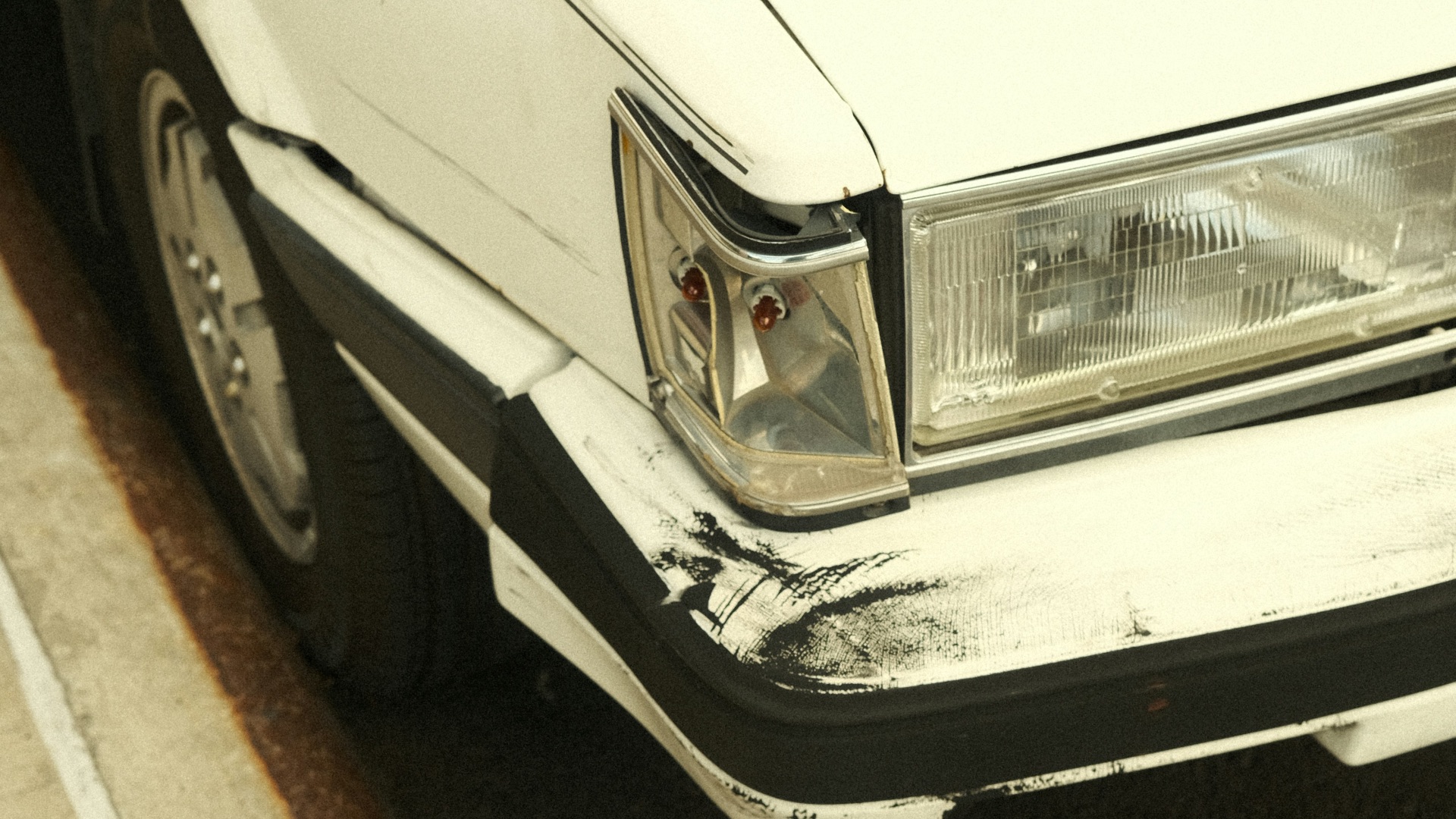
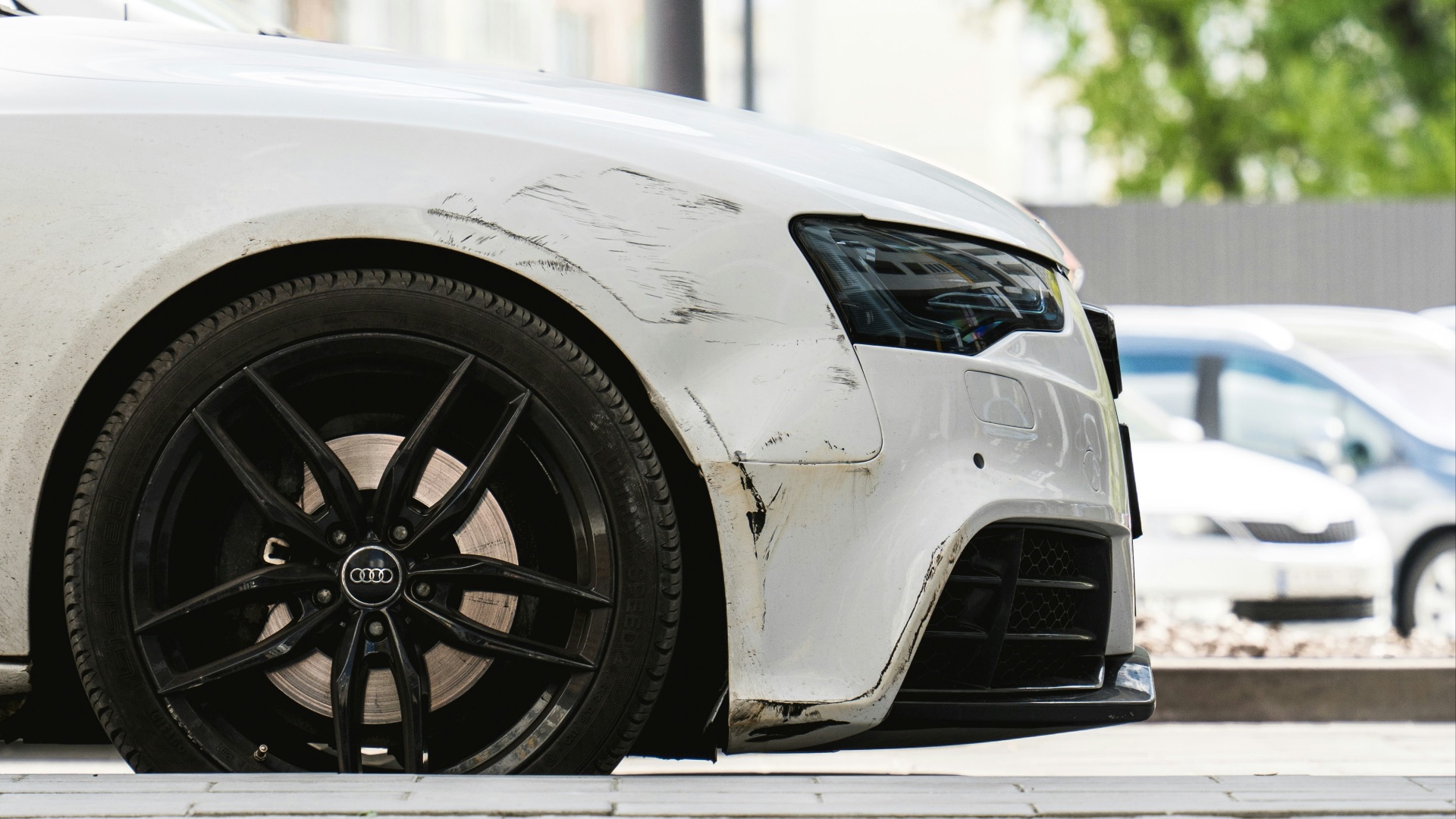
6. You Like Not Caring About Dings and Scratches
An older car can be freeing because you’re not constantly protecting it from parking-lot damage. You may enjoy driving without that extra layer of worry. That relaxed feeling can make a newer, nicer car seem like an unnecessary source of stress.
 Volodymyr Dobrovolskyy on Unsplash
7. You’ve Built Your Routine Around It
You already know how it fits in your garage, where the buttons are, and how it handles in bad weather. Switching cars means re-learning little details that matter more than people admit. When life is busy, sticking with what works can feel like the smartest move.
8. You’re Sentimental
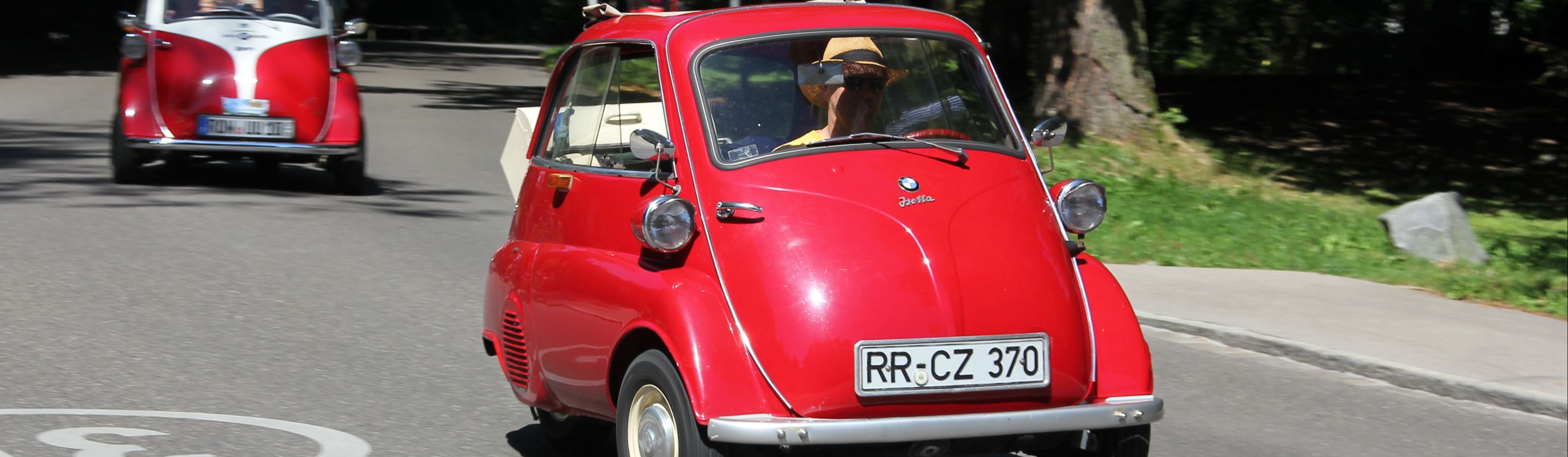
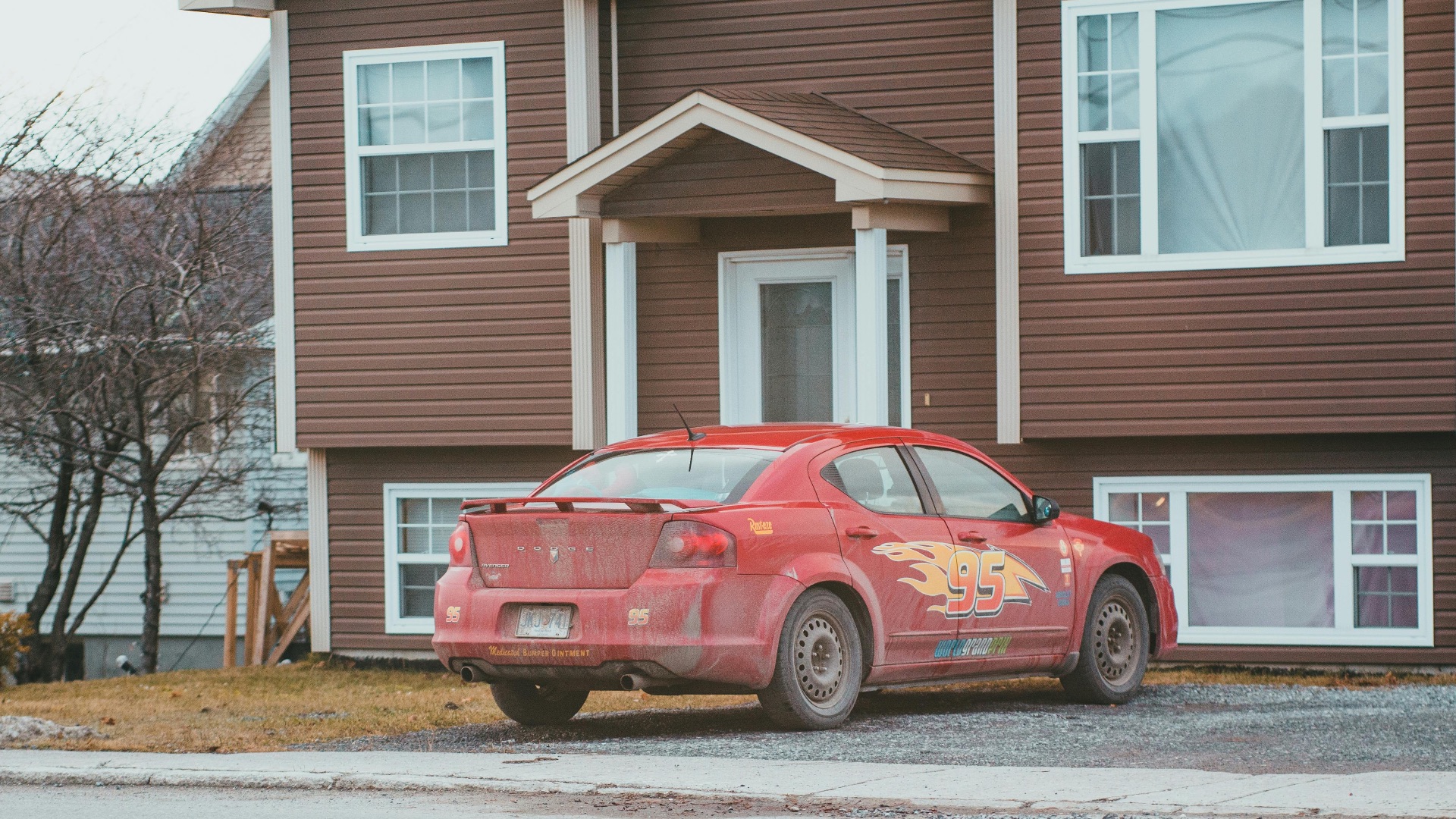
Cars collect memories, and it’s hard to ignore that emotional layer. You might associate it with a job you worked hard for, a big move, or years of family routines. That attachment can outweigh practical concerns, making you keep it long after it has worn out.

9. You’re Confident You Can Keep It Running
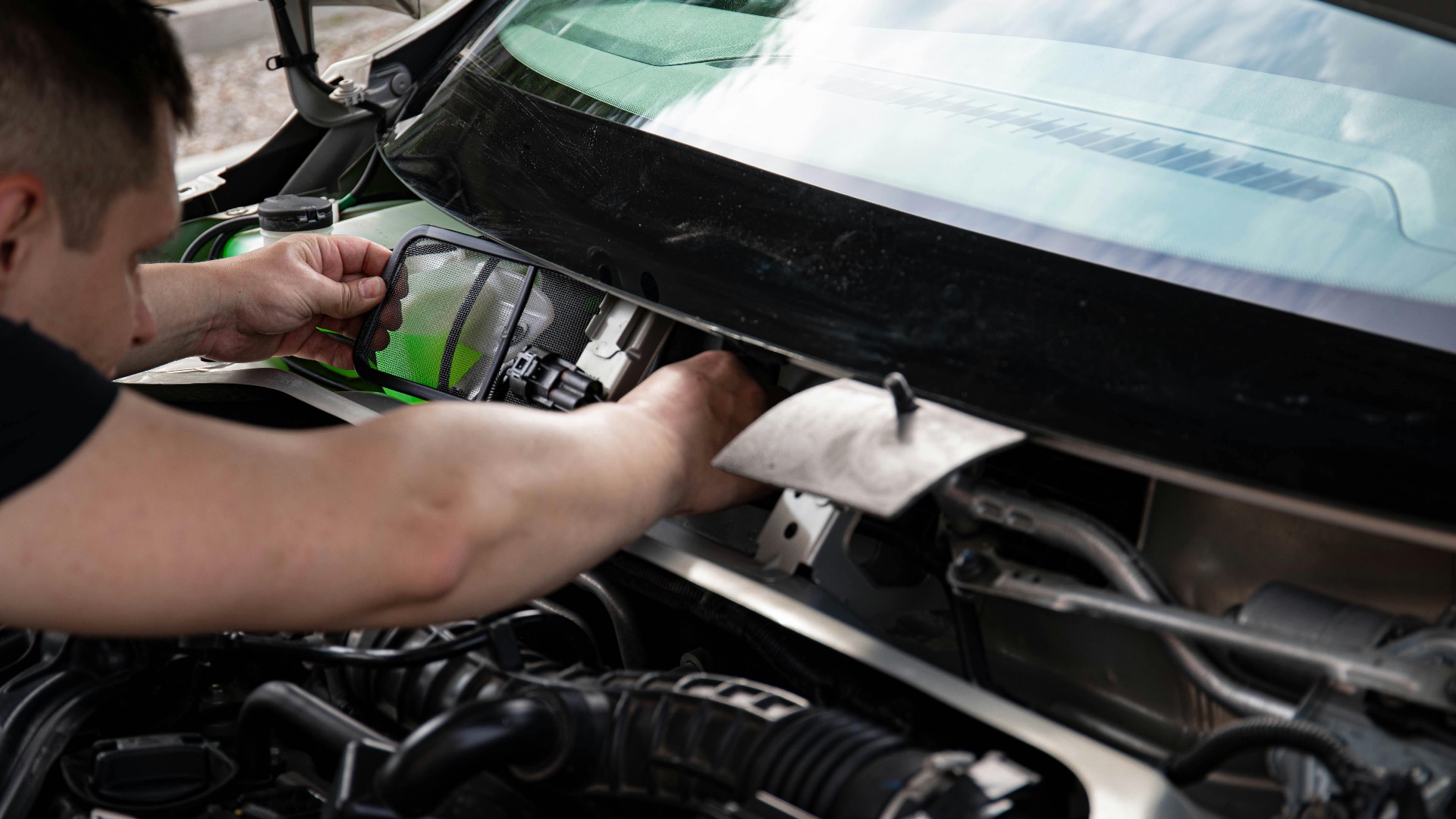
Some people genuinely enjoy maintenance and feel capable of managing repairs. If you trust your mechanic or can handle basic work yourself, the car seems less fragile. That confidence makes holding on feel reasonable rather than risky.
10. You’re Waiting for a Clear Deal-Breaker
Instead of replacing a car proactively, many people wait for a dramatic failure. You tell yourself you’ll decide when it becomes unreliable, even if it’s already inconvenient. The problem is that the breaking point often arrives at the worst possible time.
But then there's the opposite: the people who replace their cars far too soon. Let's jump into that—and why—next.

1. A Few Repairs Make You Panic
A sudden repair bill can feel like a warning siren, even if it’s normal maintenance for the mileage. You may jump to the conclusion that the car is falling apart when it’s actually just aging in predictable ways. That anxiety can push you into replacing it before you’ve truly weighed the costs.

2. You’re Chasing New Features You Don’t Really Need
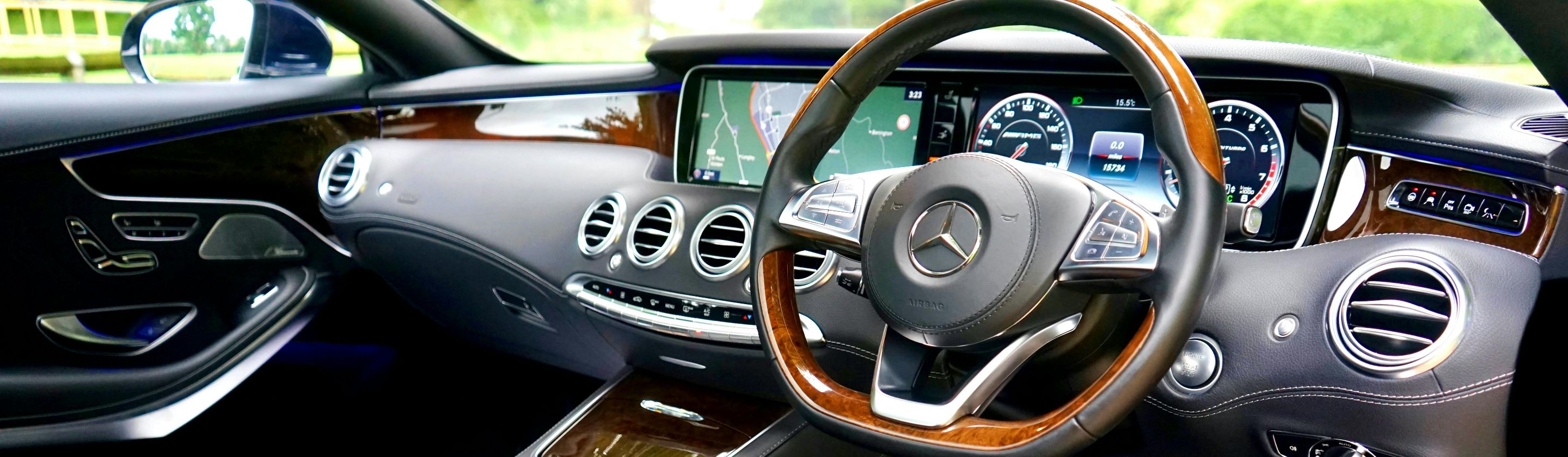
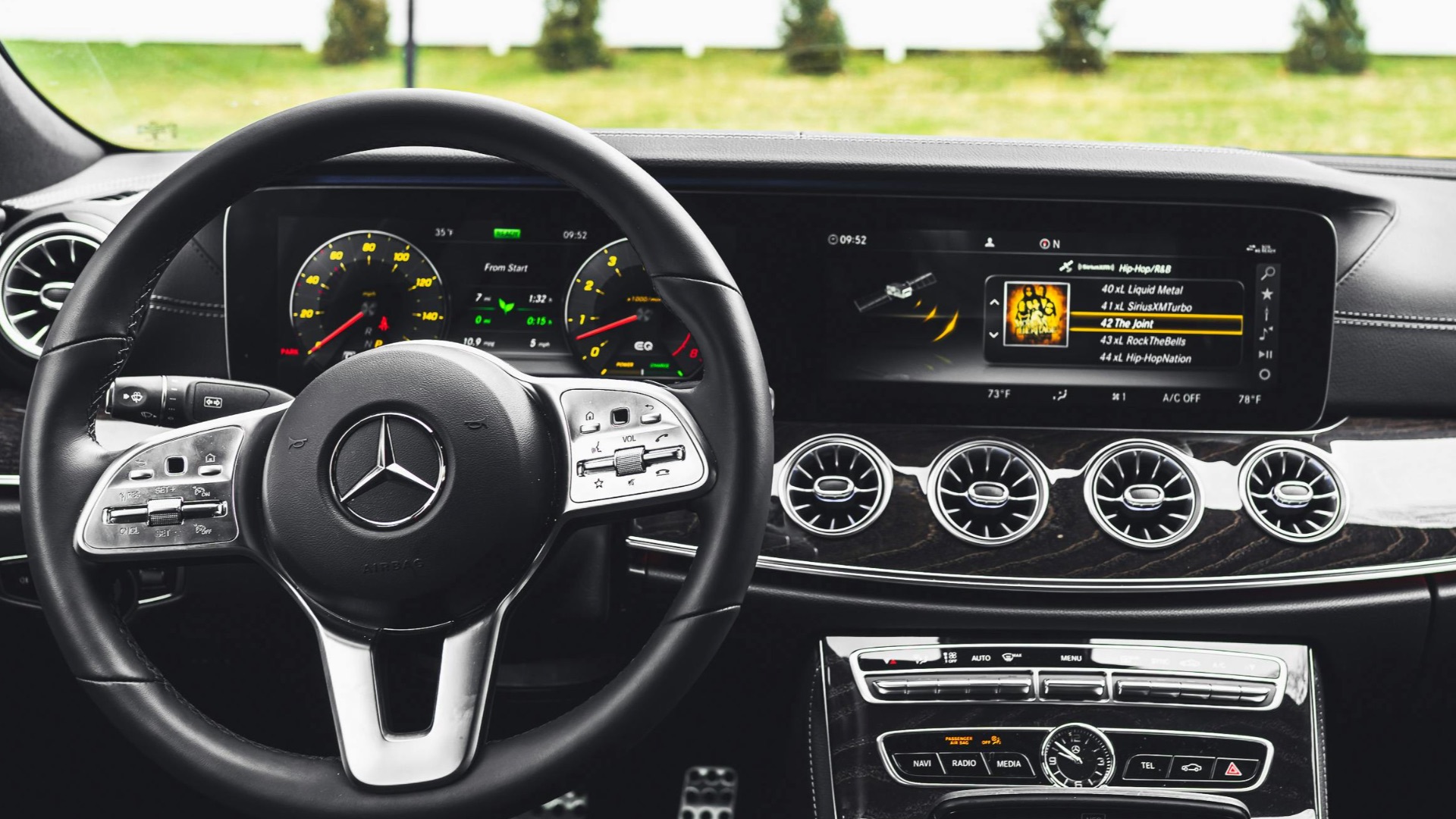
Modern driver-assist features, bigger screens, and upgraded tech are tempting. If you’re not careful, you’ll start treating upgrades as necessities instead of conveniences. The result is a purchase driven by excitement rather than actual gaps in your daily driving.
3. You’re Underestimating the Total Cost of Switching
People often focus on the monthly payment and forget taxes, fees, insurance changes, and higher registration costs. Even a reasonable deal can get expensive once everything stacks up. When those extras hit, you might realize you replaced the car before you had to.
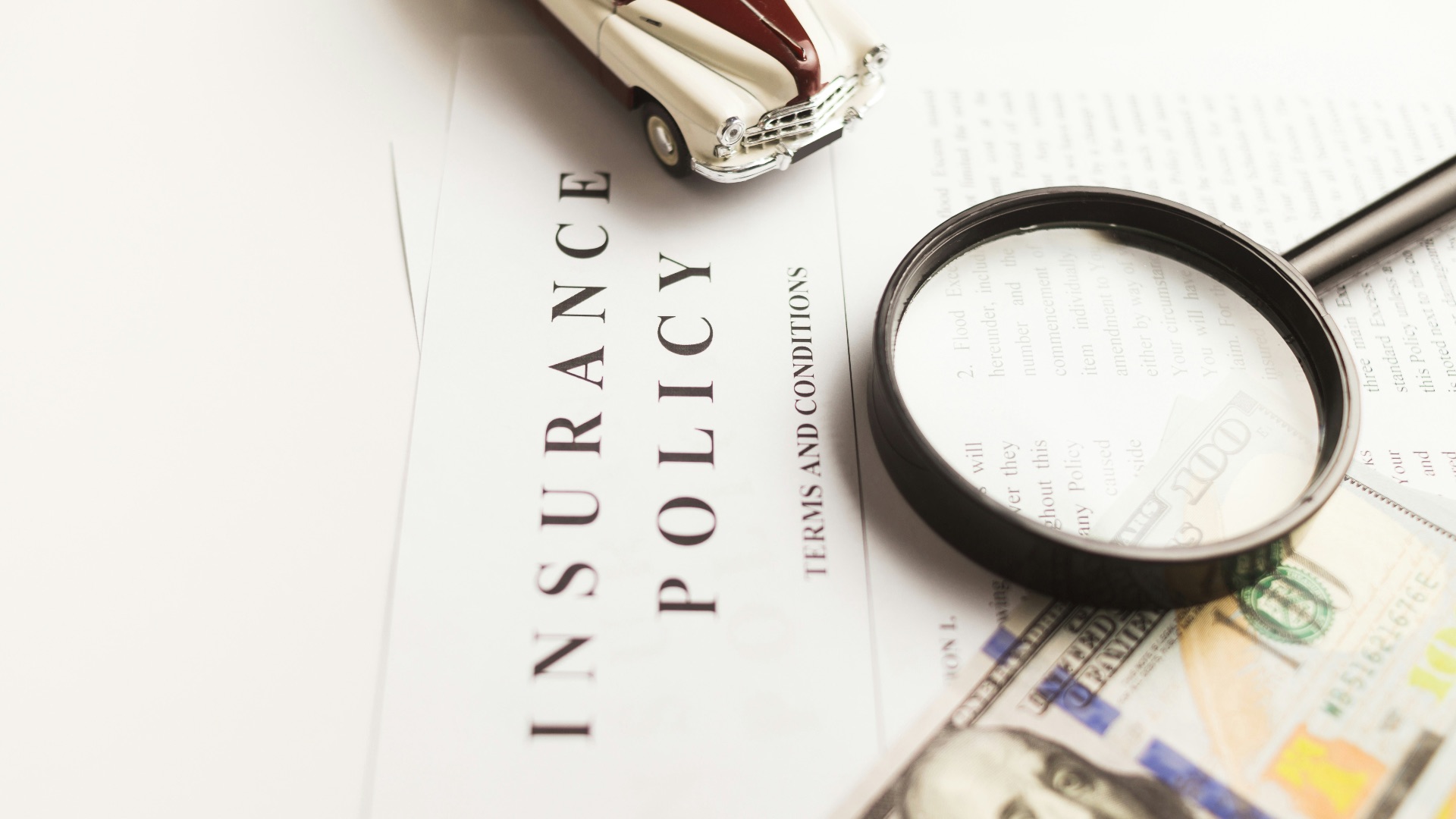
4. You Want to Avoid Looking Like You’re Behind
There’s social pressure tied to cars, even when nobody admits it out loud. If your vehicle feels old compared to what friends or coworkers drive, you may start itching to upgrade. That kind of motivation is real, but it doesn’t always align with your budget.
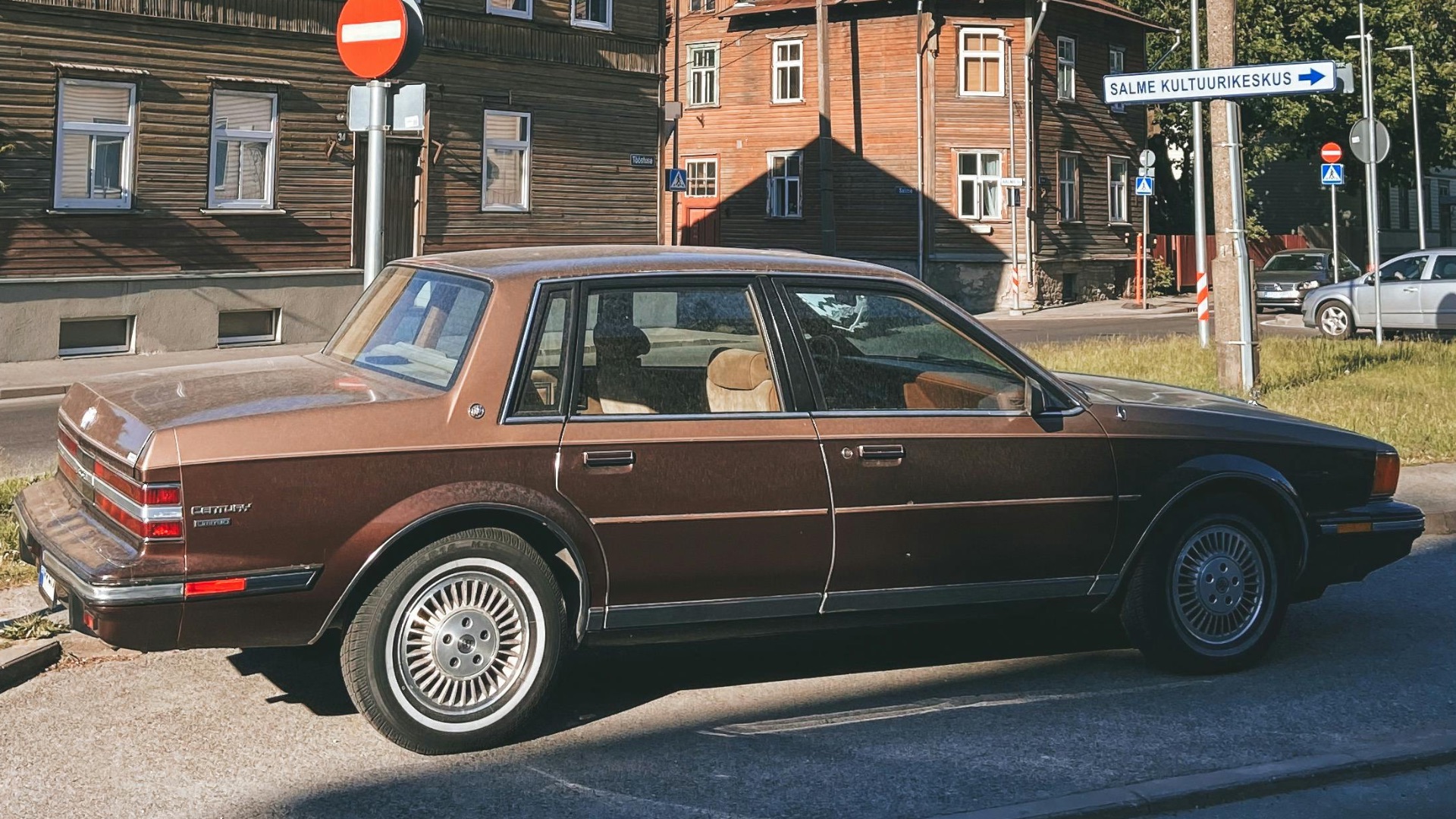
5. You’re Trying to Preempt Future Problems
You might convince yourself that something big is about to break just because the car is no longer new. Sometimes that’s true, but often it’s just worry filling in the blanks. Replacing a car based on vague fear can lead to regret when the old one would’ve been fine.

6. You Got Bored with It
Driving the same car for years can feel dull, even if it’s dependable. Novelty has a way of sounding like a good reason, especially after a long stretch of routine. If boredom is the main factor, you may trade in a perfectly workable vehicle for a shiny distraction.

7. You’re Reacting to One Bad Experience
A breakdown, a dead battery at the wrong moment, or a costly tow can leave a strong impression. That frustration can make you want a fresh start immediately. In the heat of that moment, it’s easy to replace the car without stepping back to evaluate the pattern.
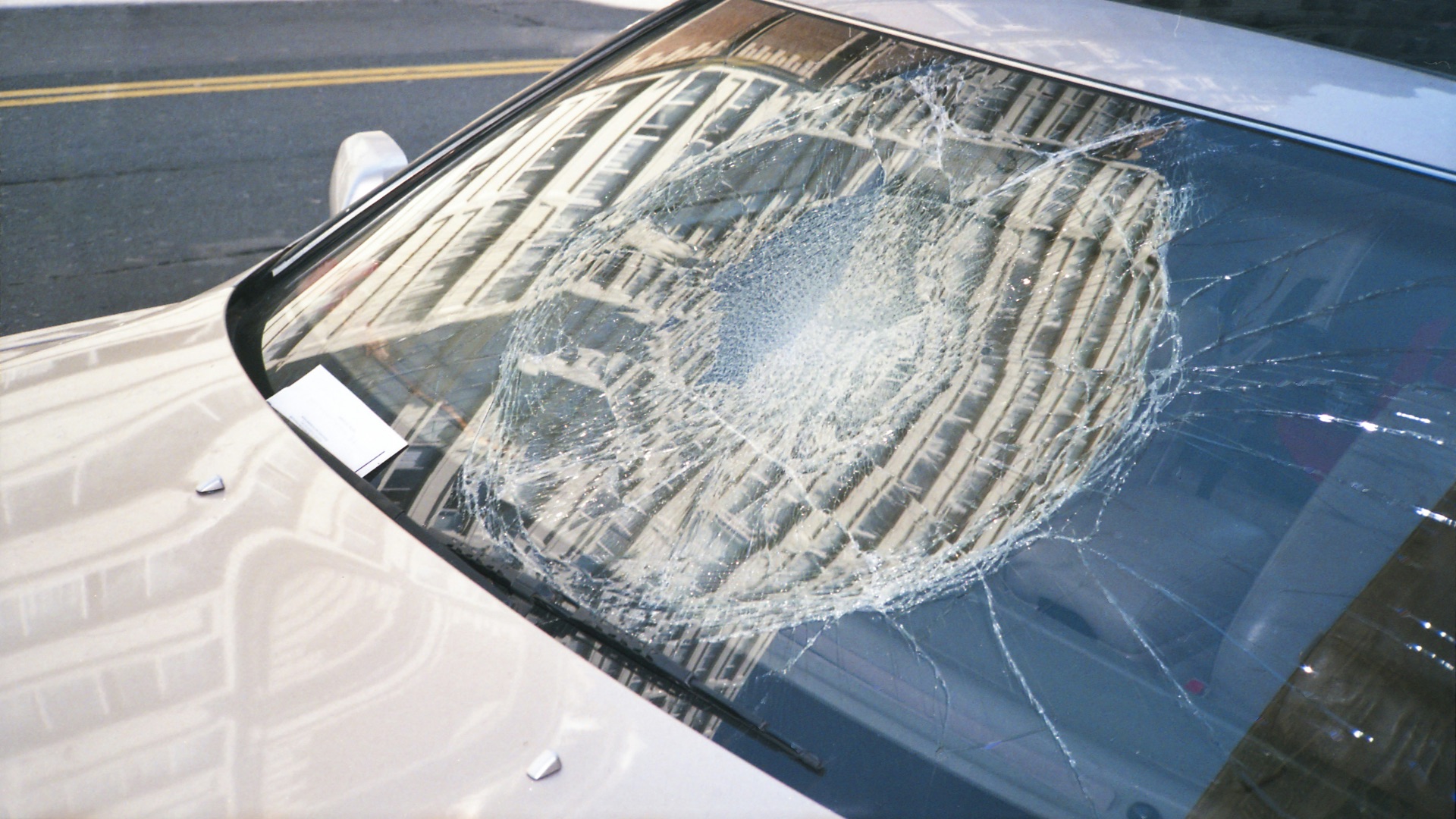
8. You’re Overvaluing Warranty Comfort
A factory warranty feels like protection from uncertainty, and that peace of mind is appealing. Still, warranties don’t eliminate all costs, and you’re paying for that comfort in the purchase price. If the main goal is emotional relief, you could end up upgrading earlier than necessary.
9. You’re Falling for Deal Urgency
Sales events and limited-time offers can make you feel like you have to act now. You may worry that waiting means missing out, even if similar deals come around regularly. That pressure can speed up a decision that should’ve had more breathing room.
 Antoni Shkraba Studio on Pexels
10. You’re Misreading Normal Wear as Total Decline
A car can feel tired because of small annoyances like squeaky brakes, worn tires, or a noisy suspension. Those problems can often be fixed and don’t automatically mean the vehicle is on its last legs. When you treat ordinary wear as a death sentence, you’re more likely to replace it too soon.