South Korea’s Automotive Powerhouses
South Korea has quietly revolutionized the global automotive industry to transform from a manufacturing underdog into a powerhouse that rivals established giants. Be it sleek sedans dominating city streets or advanced electric vehicles leading the sustainability charge, Korean automakers have captured hearts worldwide. Discover which manufacturers are driving this automotive renaissance, and the specific models that have become absolute favorites. Let’s focus on the biggest car brands first.
1. Hyundai
Leading South Korea’s auto market in 2025, Hyundai ranks highly in the charts. Strong safety technology coupled with high resale value reinforces its reputation as Korea’s “national car.”
2. Kia
According to MarkLines, Kia thrives on stylish SUVs and MPVs by holding roughly 39.9% of South Korea’s 2025 vehicle market. Its bold designs attract younger buyers, while shared technology with Hyundai enables innovation.
3. Genesis
This brand commands around 7.1% of South Korea’s 2025 passenger car sales. Premium interiors appeal to professionals to offer European-level comfort at more accessible prices within Hyundai’s growing luxury division. Even the driver’s aids are commendable.
4. BMW
Urban professionals across South Korea gravitate toward BMW for its sporty feel and premium reputation. This one leads all imported brands in 2025 with around 77,127 units sold. Strong demand highlights growing enthusiasm for German performance engineering.
5. Mercedes-Benz
Few luxury badges carry the prestige of Mercedes-Benz in South Korea’s status-driven culture. The brand ranks second among imports in 2025 with 68,467 sales, as per Korea Herald. It thrives on a reputation for refined comfort, advanced technology, and enduring appeal.
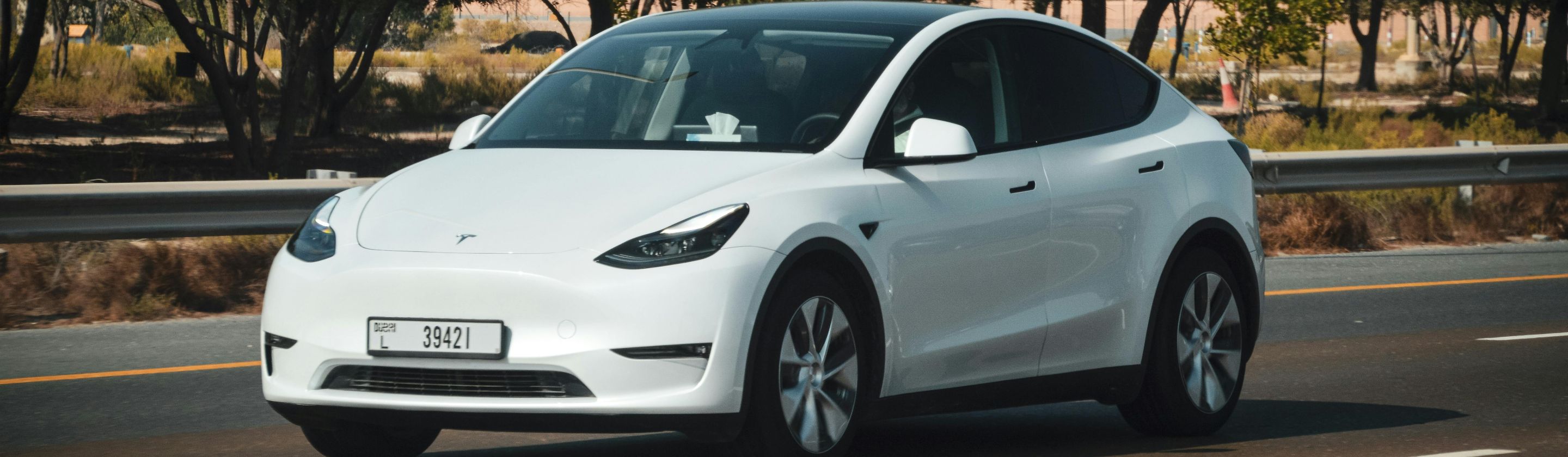
6. Tesla
Rapid EV adoption has transformed Tesla into a major player in South Korea’s auto market. It's reported that the car captures a roughly 19.5% share in 2025 with nearly 60,000 vehicles sold.
7. Renault Samsung (Renault Korea)
Renault Korea holds about 3.8% of South Korea’s 2025 auto market and brings together French design with Korean practicality. Affordable crossovers are engineered for tight parking and fuel efficiency, combined with strong after-sales service.
8. KGM (SsangYong)
Rugged styling defines KGM’s growing presence in South Korea, where it captured roughly 2.9% market share in 2025. Focused on value-driven SUVs for outdoor lifestyles, recent quality upgrades have rebuilt trust among buyers beyond the dominant domestic giants.

9. Volvo
Safety-conscious families increasingly turn to Volvo in South Korea’s import market. It's known for industry-leading crash protection. The brand’s expanding electric lineup also aligns with the country’s rapid shift toward cleaner mobility.
10. Lexus
Refinement and long-term reliability keep Lexus strong in South Korea’s luxury import segment during 2025. Popular hybrids and SUVs deliver fuel efficiency ideal for city traffic, while low ownership costs reinforce their reputation for practical luxury.
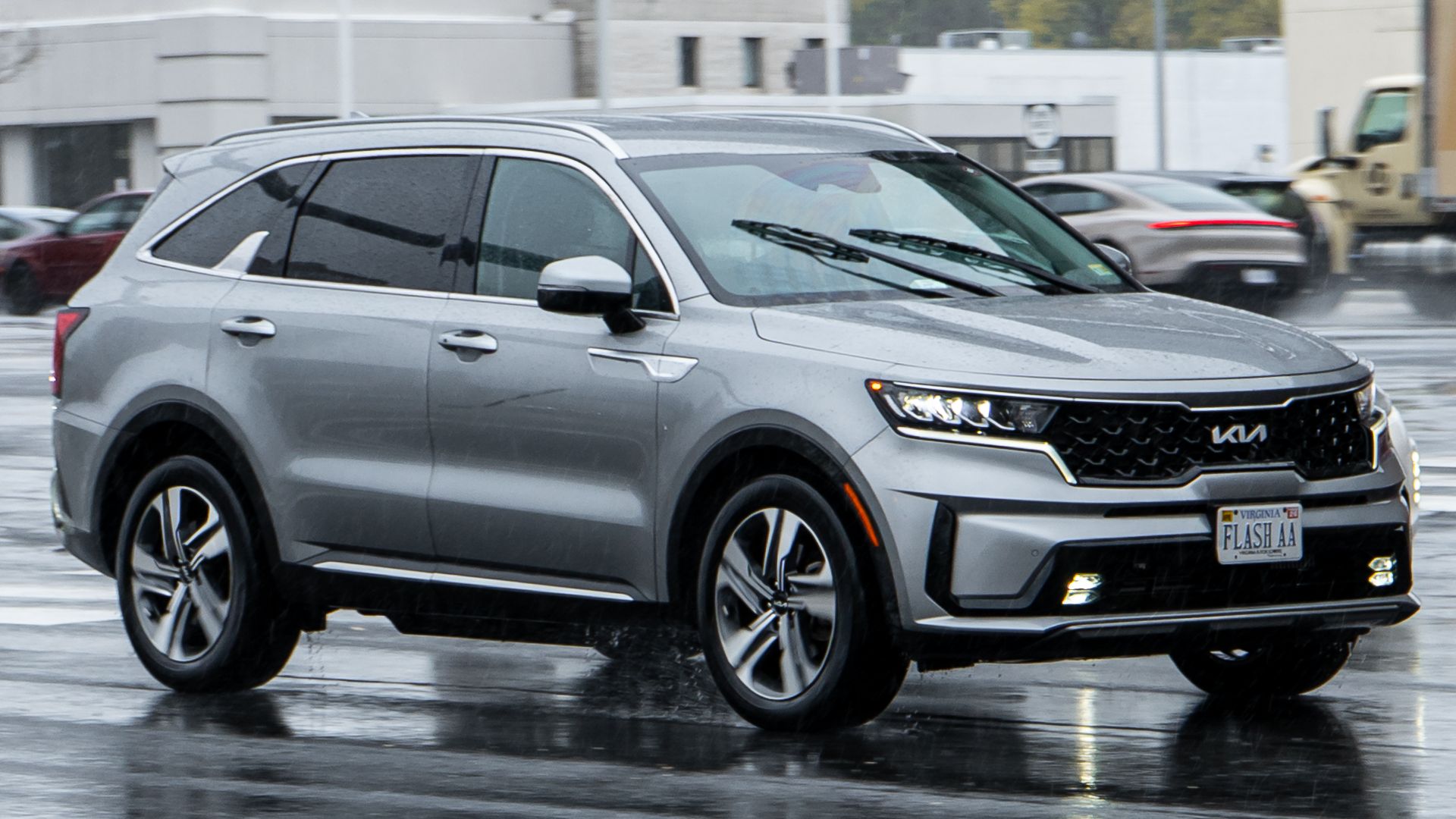
1. Kia Sorento
Topping South Korea’s passenger vehicle sales again in 2025 with nearly 100,000 units sold, the Kia Sorento merges bold styling with strong value. Three-row seating in hybrid options, and advanced safety technology make it especially popular among large families.
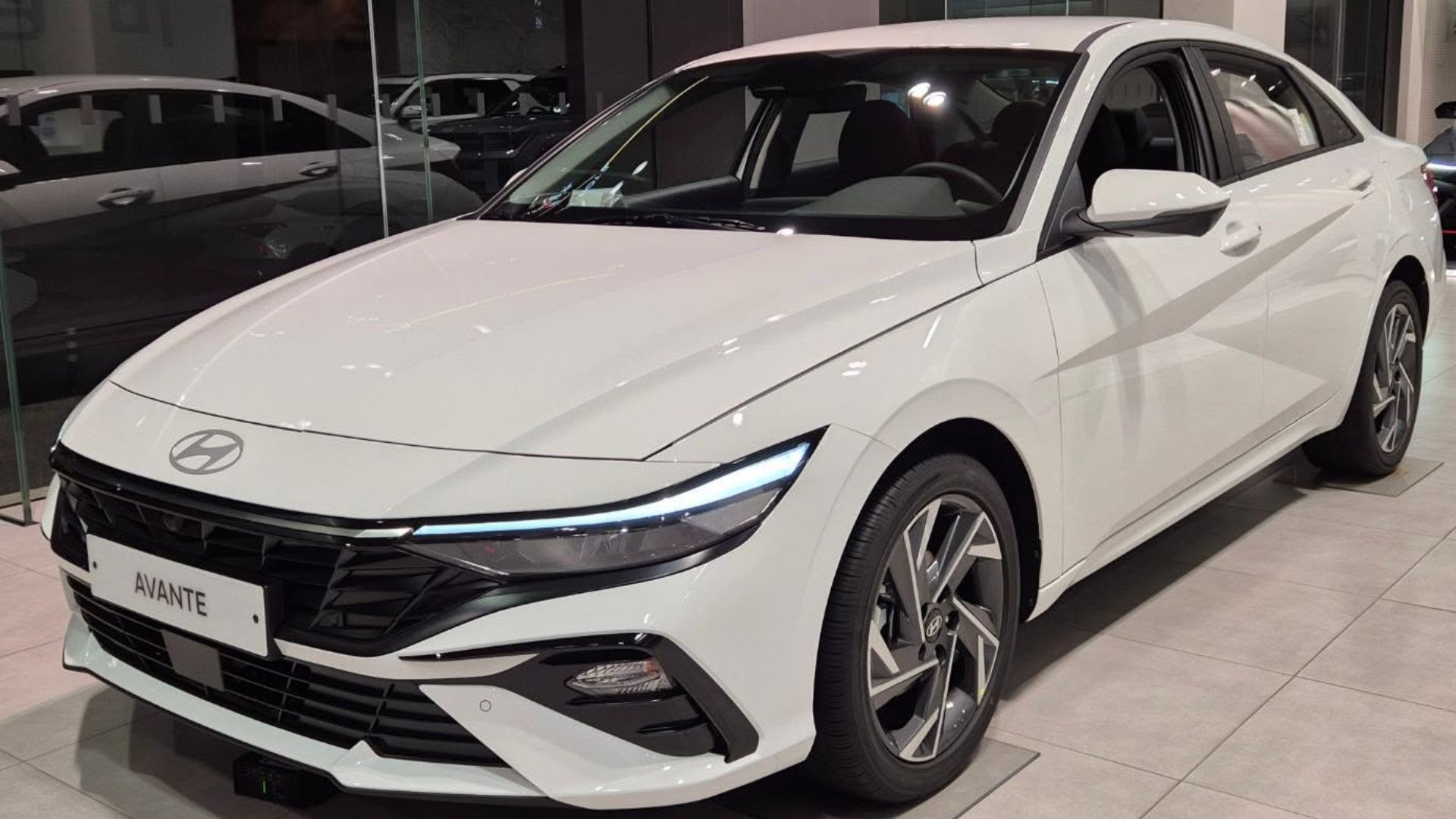
2. Hyundai Avante (Elantra)
This one holds second place in South Korea’s 2025 rankings, with nearly 40% growth. The Hyundai Avante remains a compact favorite. It offers impressive fuel efficiency with modern features that continue attract young professionals.
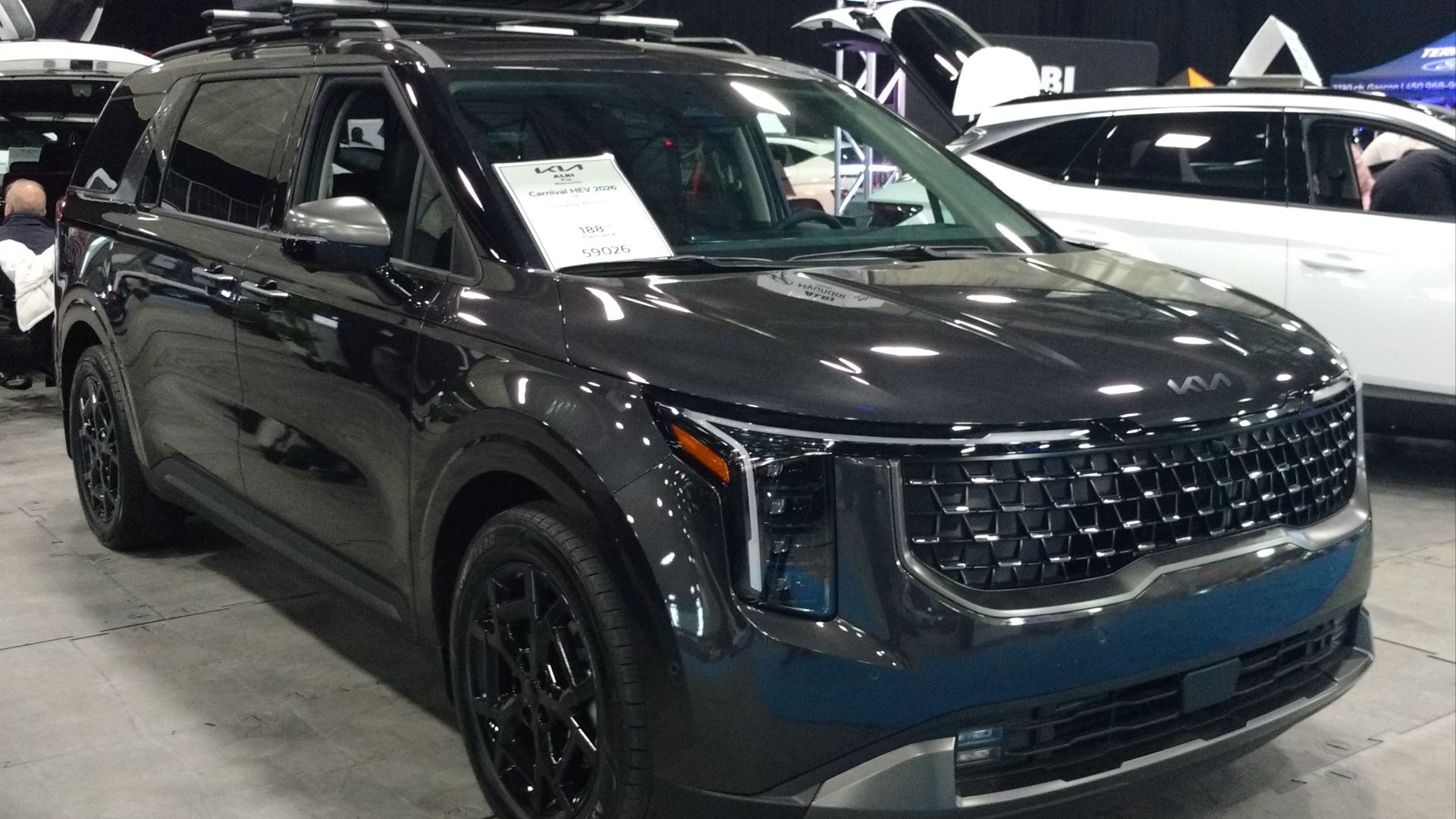
3. Kia Carnival
The Kia Carnival held a top-three sales position in South Korea during 2025 despite a slight decline and was designed as a “Grand Utility Vehicle.” Luxury and flexible seating layouts make it ideal for multigenerational family lifestyles.
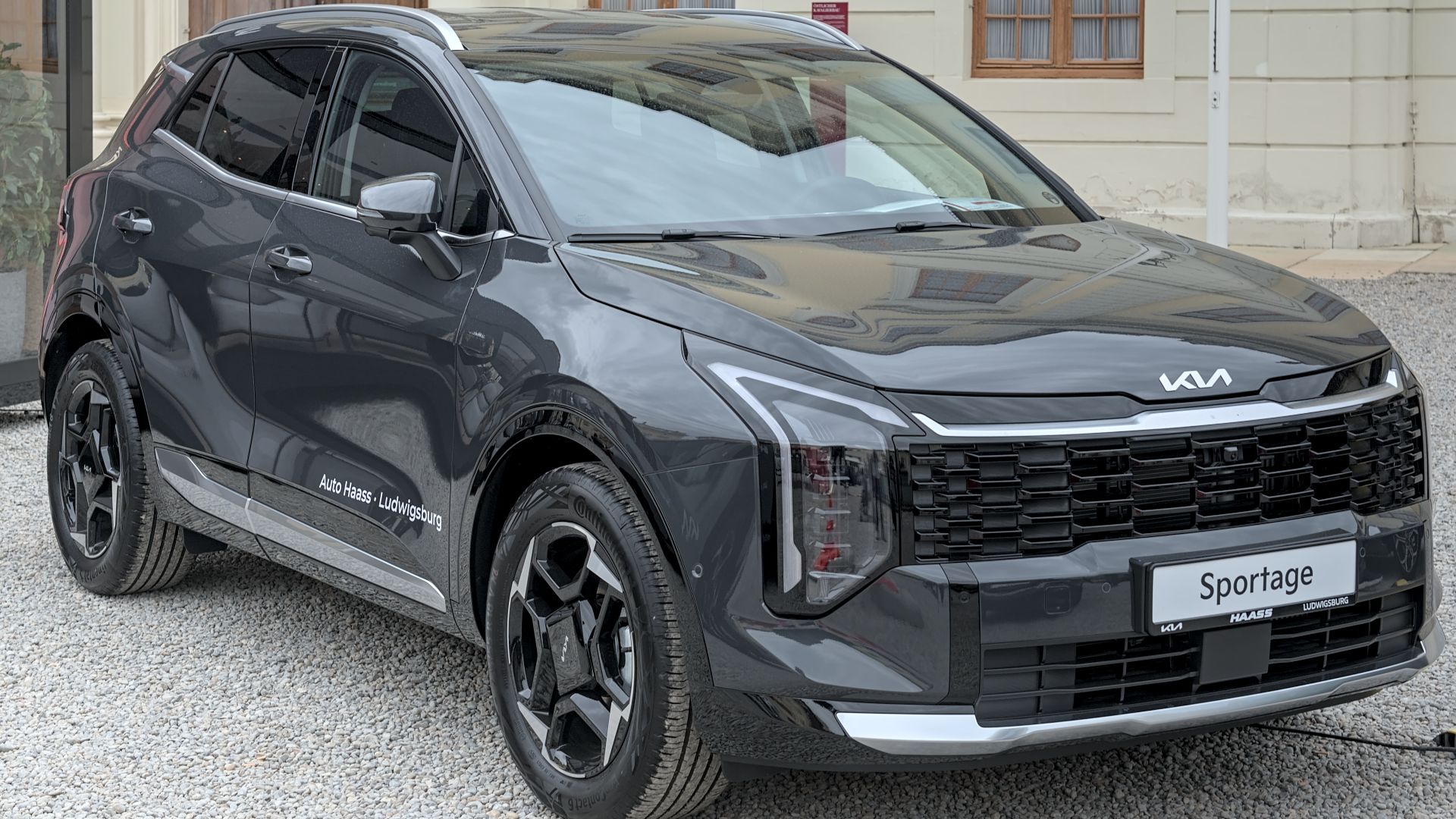
4. Kia Sportage
Colorful and compact, the Kia Sportage stands out across South Korea’s urban streets, ranking among 2025’s top five best-sellers. Designed for young families, the car focuses on smart connectivity.
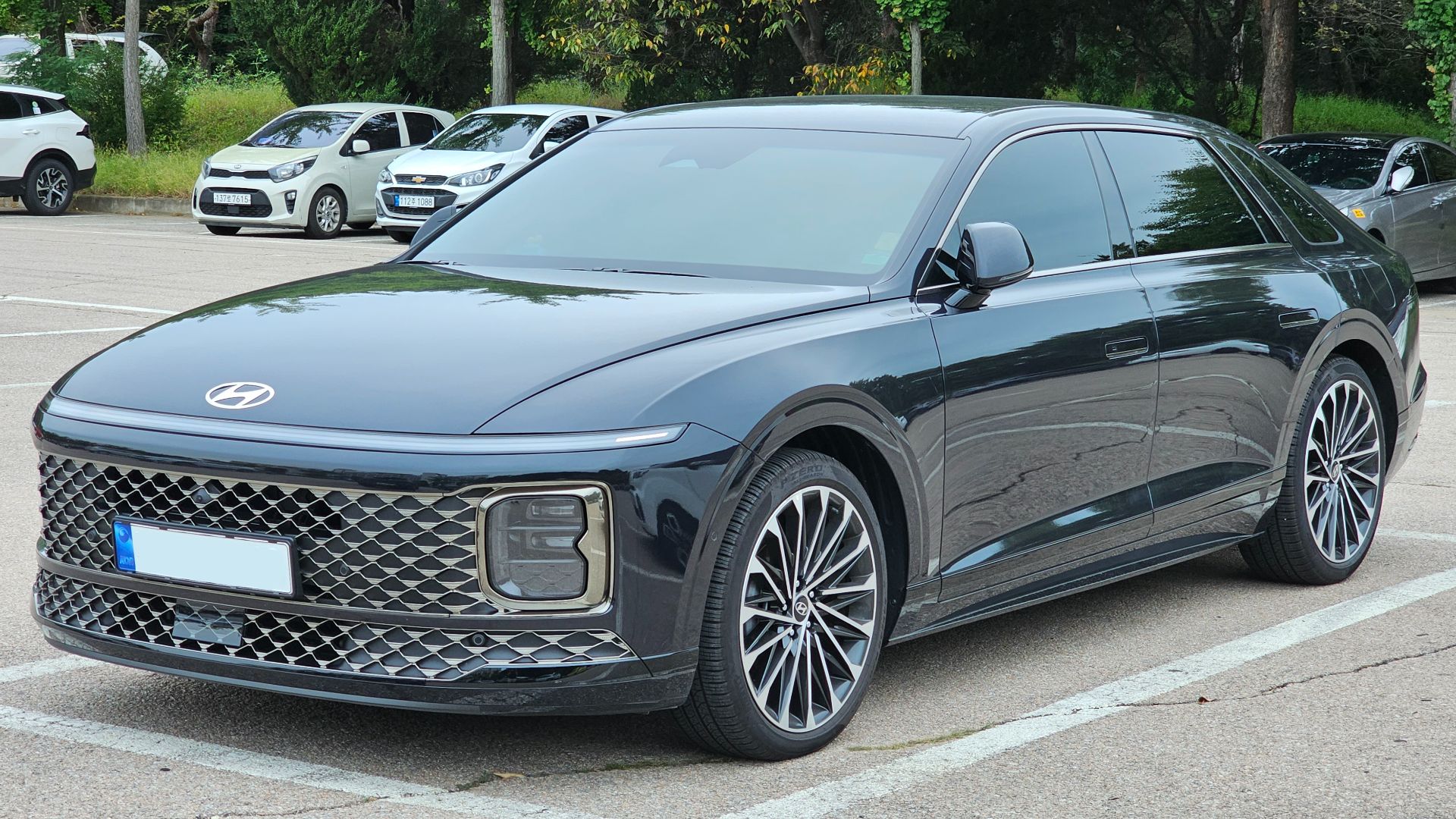
5. Hyundai Grandeur
Few sedans symbolize status in South Korea like the Hyundai Grandeur, frequently seen in official fleets. Its spacious comfort and fuel-saving hybrid options are known for efficiency, which gives it fifth place in the most popular models.
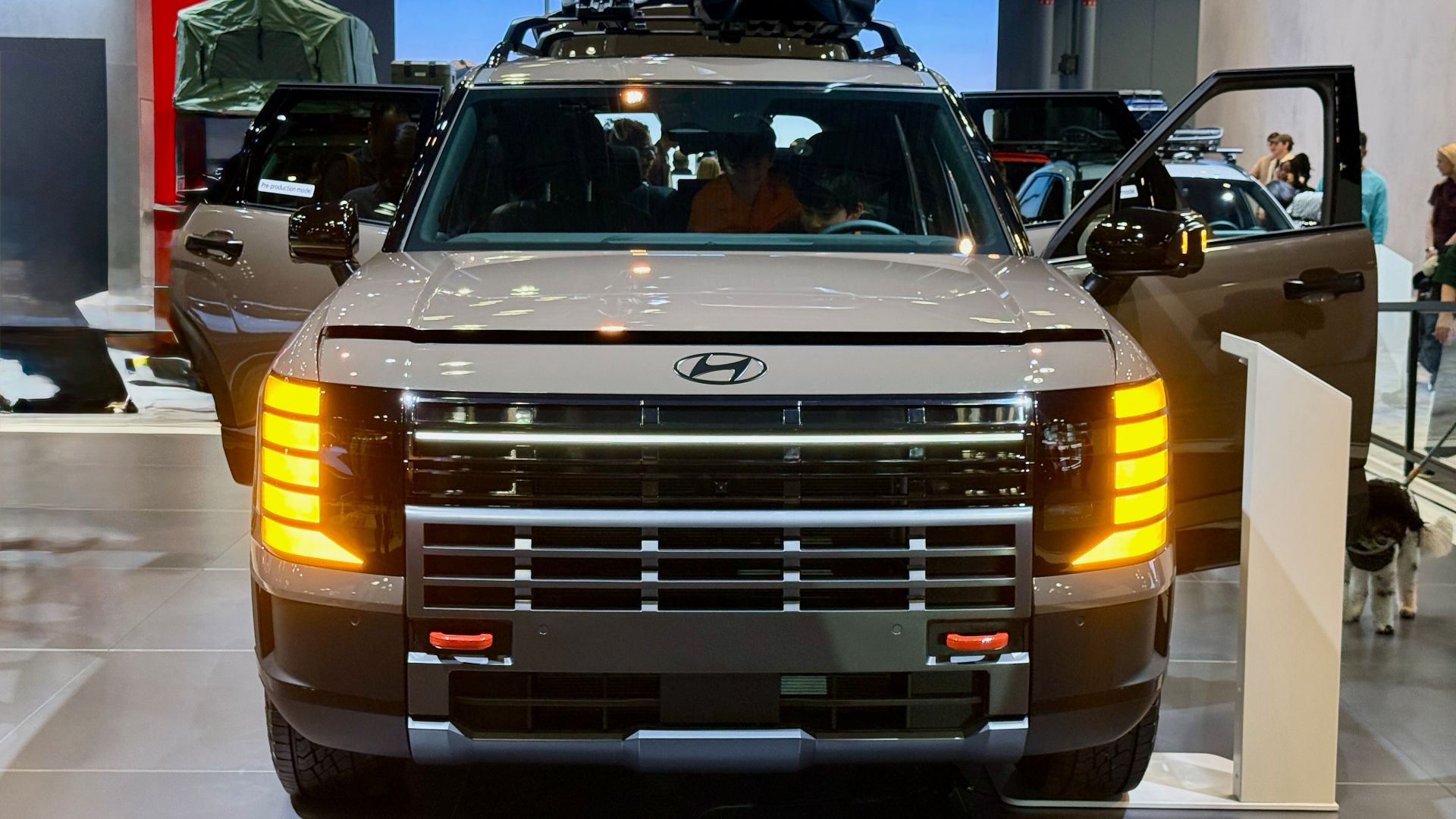
6. Hyundai Palisade
Entering South Korea’s top 10 in 2025 marked a major breakthrough for the Hyundai Palisade. Refined exterior design attracts attention first, followed by a premium interior feel and generous three-row space that suits growing families seeking luxury.
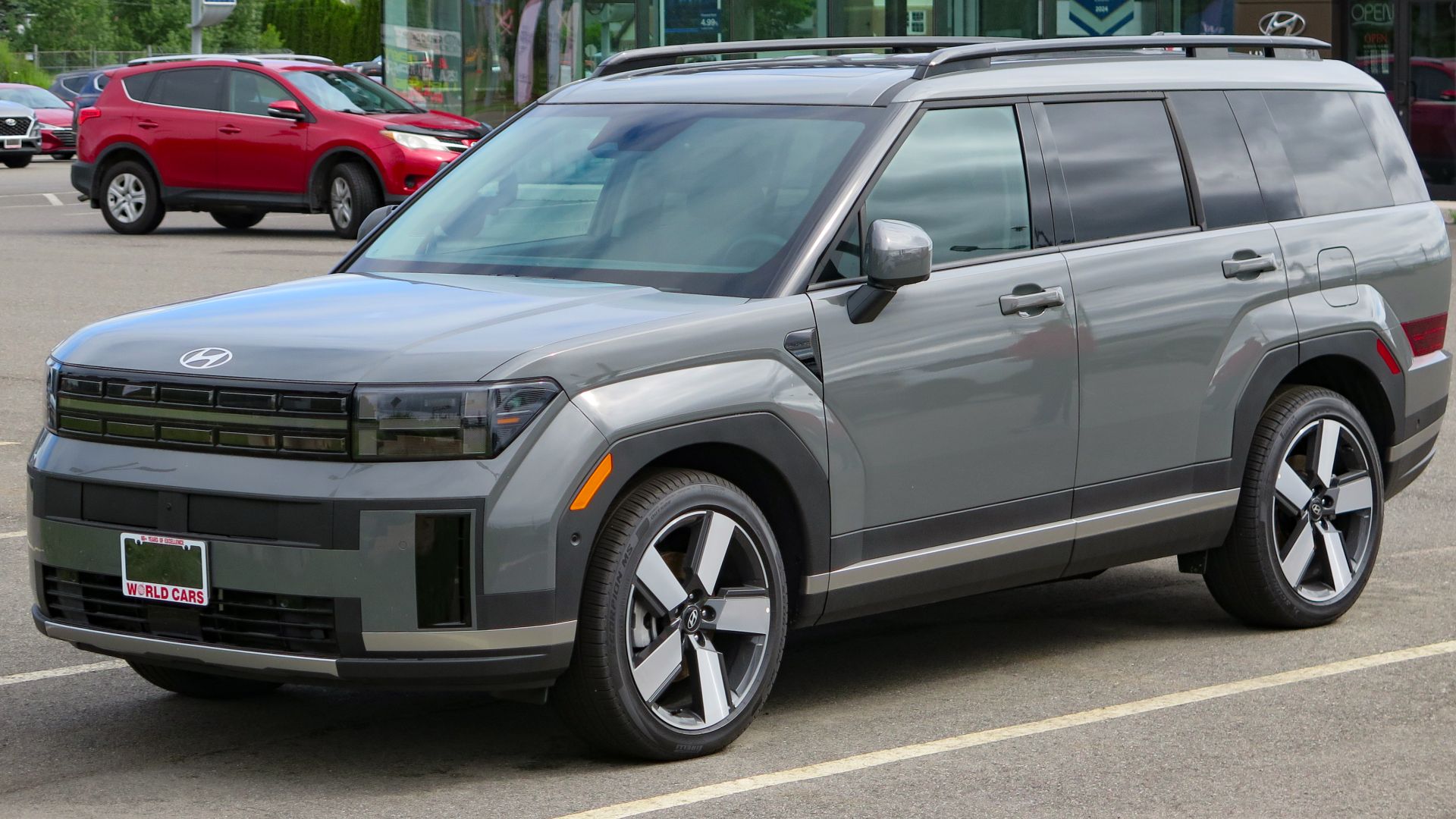
7. Hyundai Santa Fe
Frequently appearing near the top of South Korea’s midsize SUV sales charts in 2025, the Hyundai Santa Fe balances everyday comfort with rugged character. Its hybrid and plug-in hybrid options attract eco-conscious families. Outdoor lovers embrace its adventurous spirit.
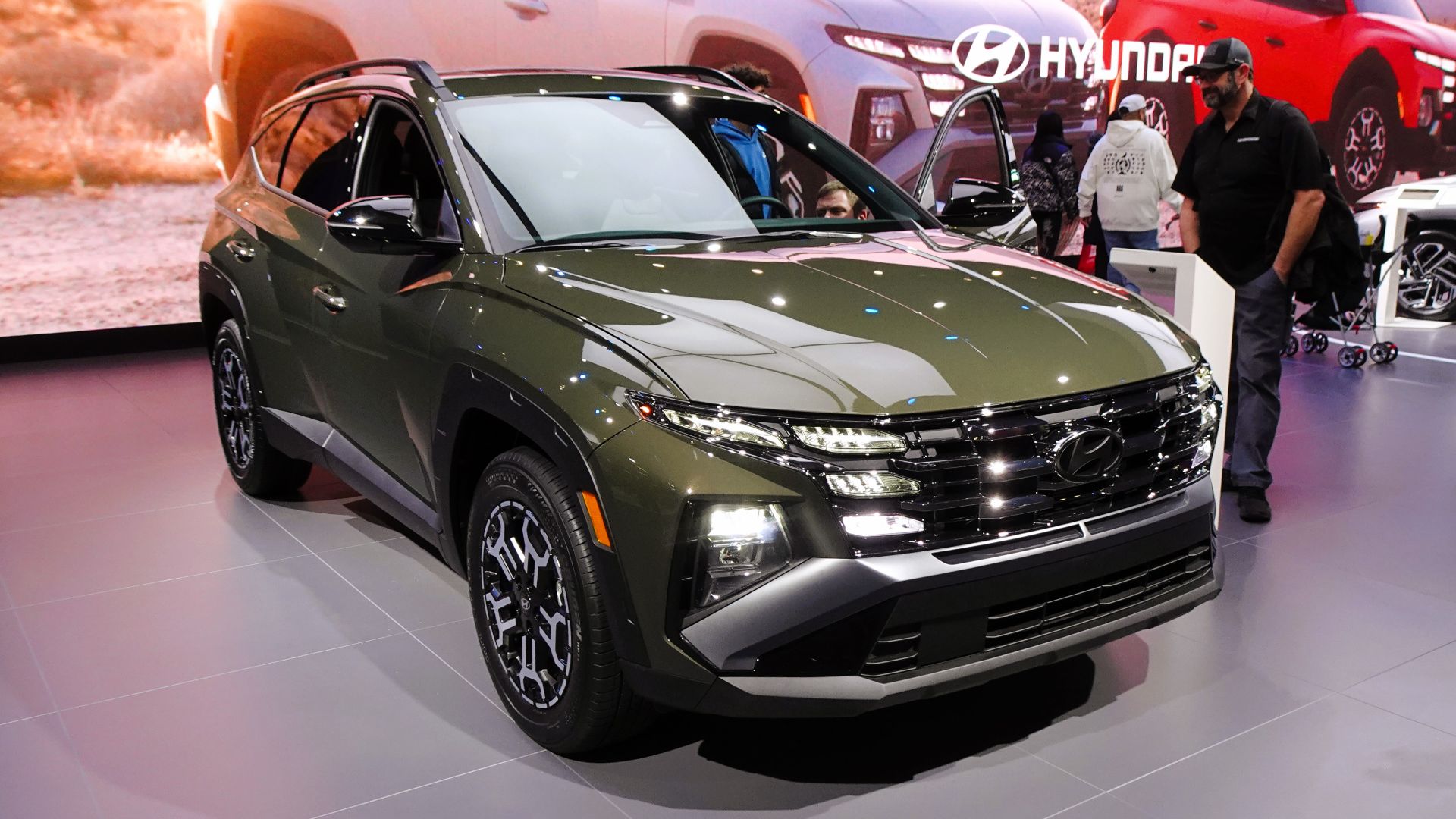
8. Hyundai Tucson
Bold styling helped the Hyundai Tucson hold a strong position in South Korea’s compact SUV rankings during 2025. Younger buyers are drawn to its striking design first, then appreciate its dependable safety performance and suitability for daily family commuting.
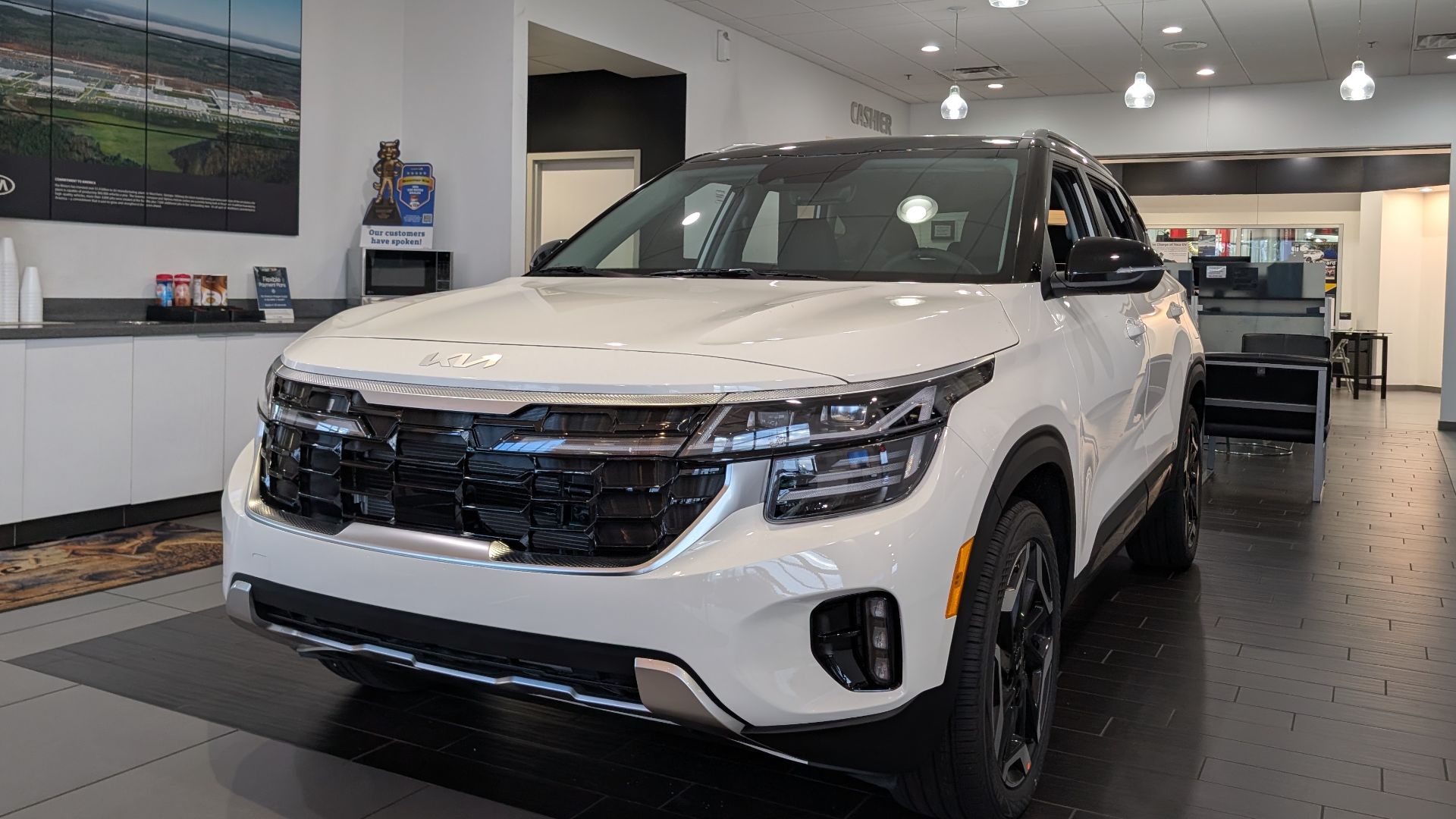
9. Kia Seltos
This car entered South Korea’s top ten best-selling models in 2025 and quickly won over first-time SUV buyers. Its compact shape works well in busy cities, while affordable pricing and a fun, youthful image continue driving strong demand.
10. Tesla Model Y
Tesla Model Y highlights the nation’s accelerating shift toward clean mobility with more than 50,000 units sold. Its family-friendly size supports long trips, as government incentives continue encouraging widespread EV adoption.