

Getting Better Behind the Wheel
Most people can learn the basics of driving pretty quickly, but “comfortable” and “skilled” are two different things. Some maneuvers take time to perfect because they require sharp judgment under pressure, while others are fairly straightforward once you understand the steps. From merging onto highways to understanding four-way stops, here are 10 driving skills that are challenging to master and 10 that are easy to get down.

1. Smooth, Confident Merging at Highway Speeds
Merging well is tricky because you have to match speed, read gaps, and commit without hesitation. You’ll often need to check mirrors, glance over your shoulder, and adjust your speed all within a few seconds. The hardest part is making a decisive move while still staying predictable to the drivers already in the lane.

2. Recovering from a Skid Without Overcorrecting
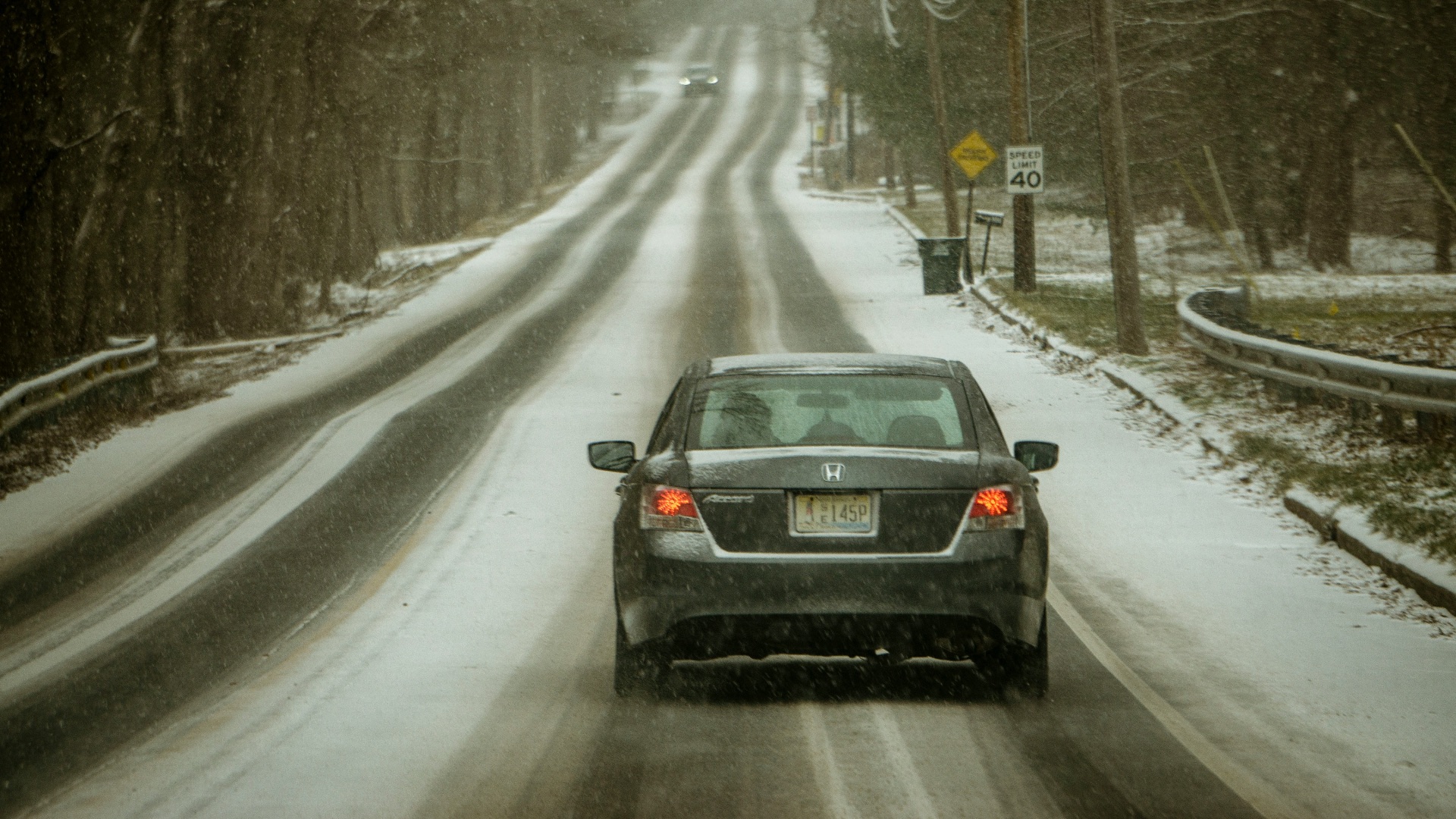
Skid recovery is difficult because your instincts may push you to do the wrong thing, especially when the car suddenly feels out of control. You have to stay calm, ease off inputs, and steer with controlled precision rather than jerky movements. Since road conditions vary, the “right” response can change quickly, which makes it hard to master.
3. Parallel Parking in Tight Urban Spaces
Parallel parking gets challenging when space is limited and you’re trying not to rush because someone is waiting behind you. You need clean steering timing, accurate judgment of distance, and the patience to correct without getting flustered. Even when you know the steps, small differences in curb height, car size, and traffic pressure can throw you off.
 Karolina Grabowska www.kaboompics.com on Pexels
4. Maintaining a Safe Following Distance in Fast Traffic
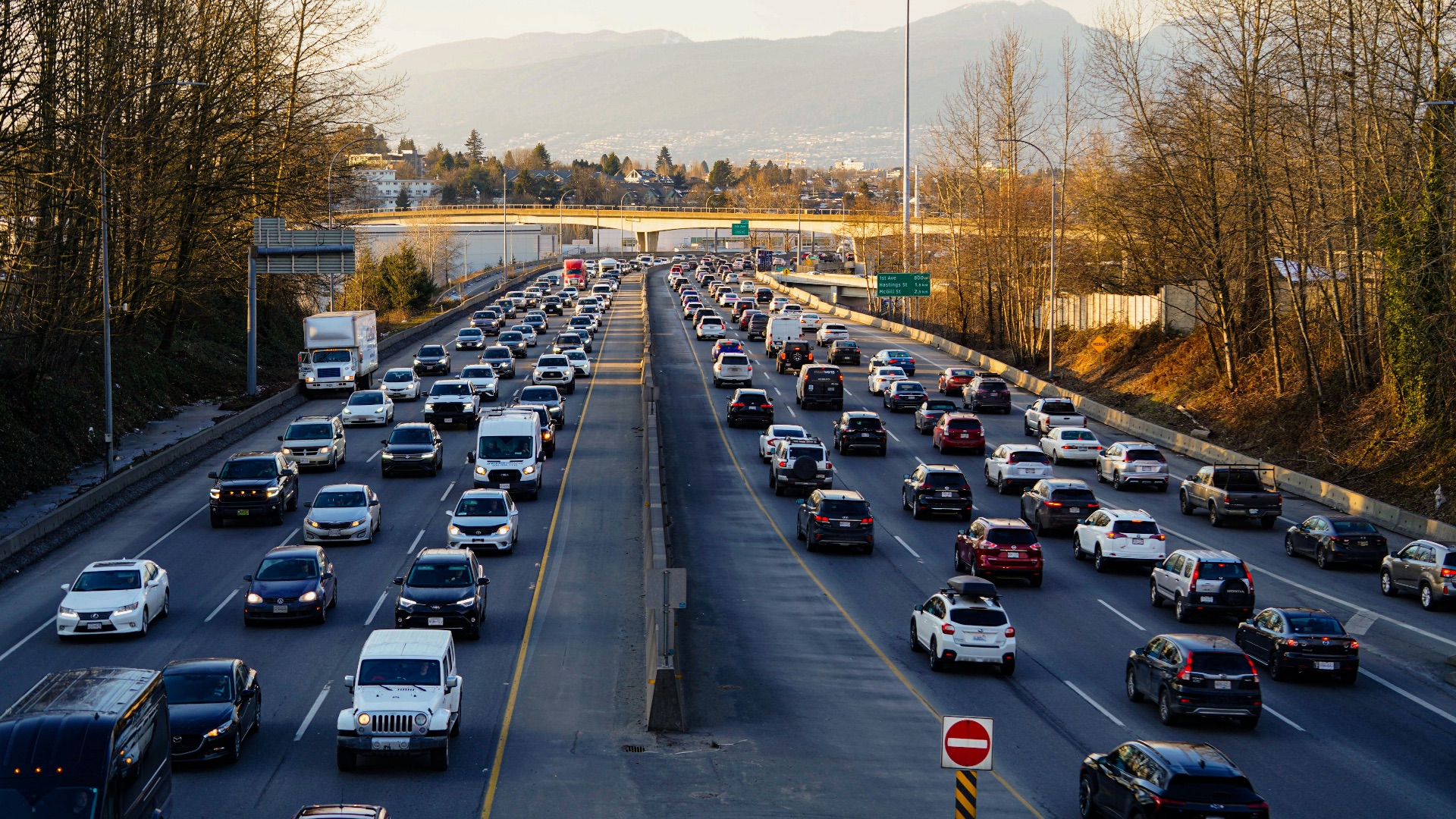
This sounds simple, but it’s hard because traffic flow constantly tempts you to close the gap. You have to resist the urge to “keep up” and instead leave room for sudden braking or a quick lane change ahead. It also takes discipline to maintain space without repeatedly getting cut off and reacting emotionally.
5. Predicting Other Drivers’ Mistakes Before They Happen
This skill takes a lot of experience because it involves noticing subtle cues like drifting within a lane, inconsistent speed, or wheels turning before a car moves. You’re basically scanning for patterns and deciding what risk is most likely next. It’s tough to build because you have to stay alert without becoming anxious or overly reactive.

6. Handling Left Turns Across Busy Traffic
Unprotected left turns can be difficult because you’re judging speed, distance, and whether a gap is actually safe. You also need to watch for pedestrians, cyclists, and cars that might accelerate to “beat” the light. Timing matters, and getting it wrong can create a high-risk situation fast.

7. Keeping Proper Lane Position on Narrow Roads
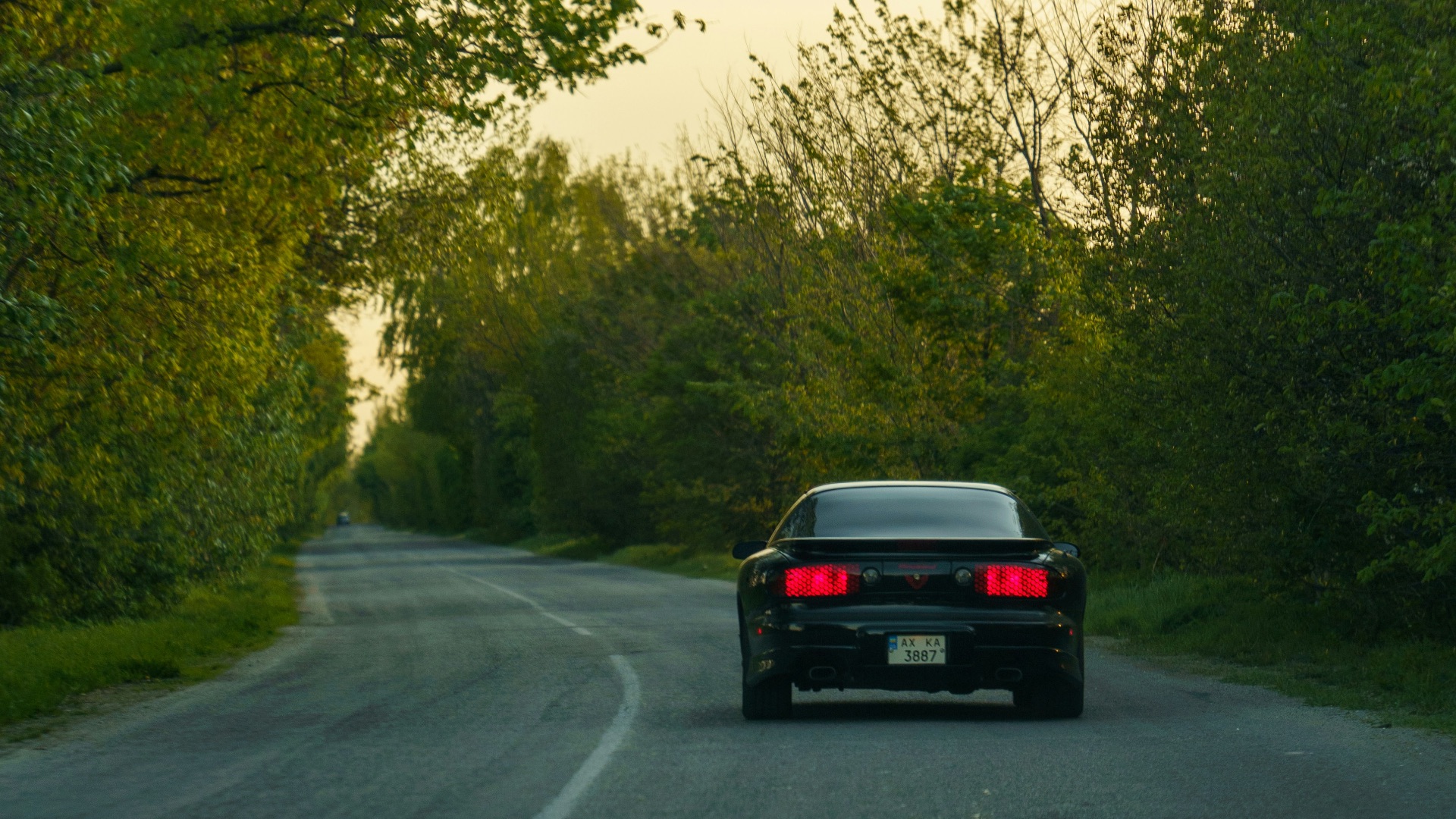
Lane positioning is harder than it looks when the road is tight, lines are faded, or there’s oncoming traffic close by. You have to keep the car centered without drifting toward the shoulder, parked cars, or the center line. It becomes even more demanding at night or in the rain, when visual reference points are reduced.
 Volodymyr Dobrovolskyy on Unsplash
8. Driving Smoothly in Stop-and-Go Without Constant Braking
Stop-and-go traffic challenges you because it rewards anticipation more than quick reactions. If you watch patterns ahead, you can ease off early and roll instead of repeatedly braking hard. Learning to do that consistently takes practice and a little patience, especially when you feel pressured by drivers behind you.

9. Navigating Roundabouts
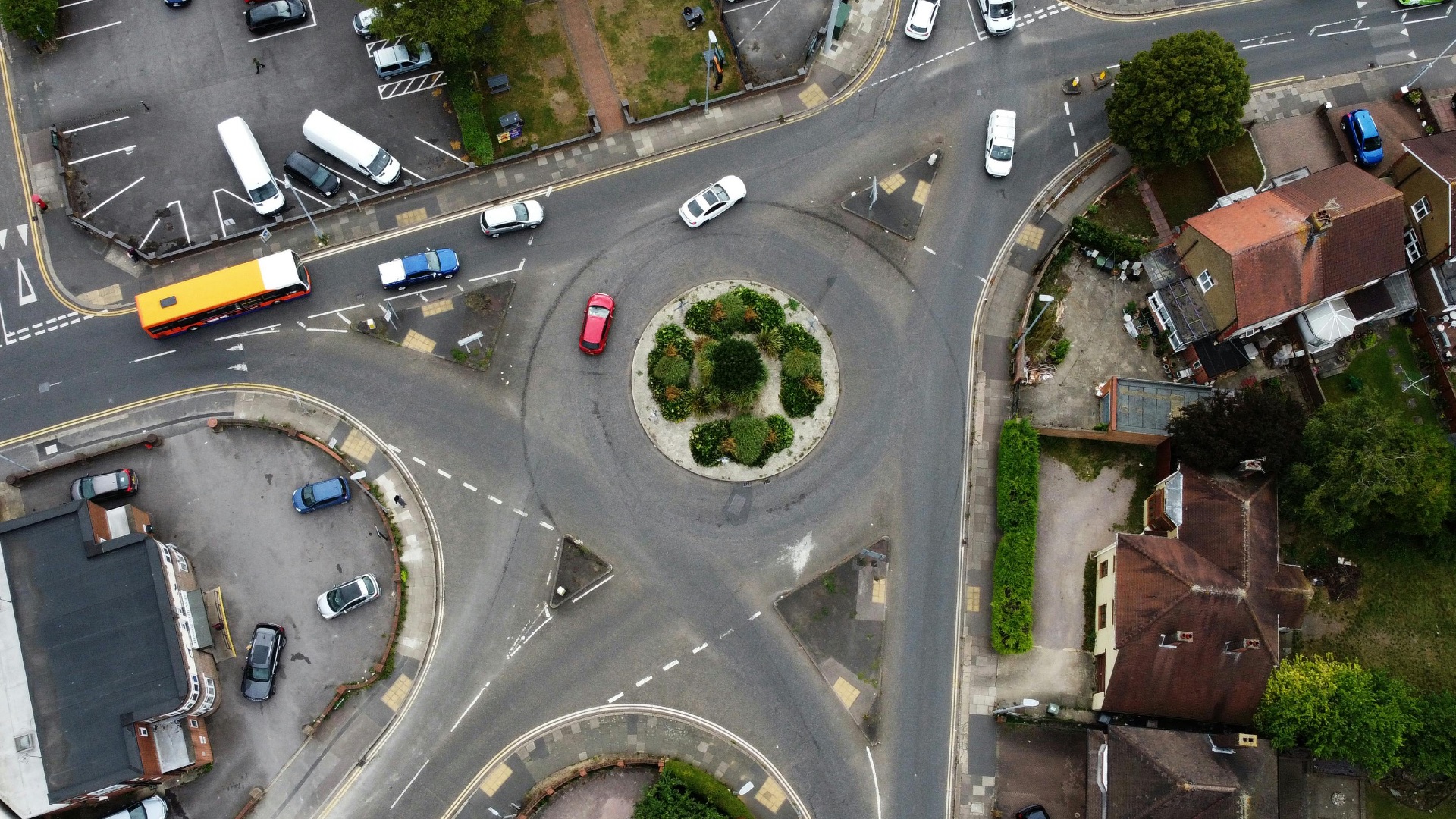
Roundabouts can be confusing because rules vary by location, signage can be subtle, and drivers don’t always behave consistently. You need to choose the correct entry lane, yield properly, and signal your exit at the right time. It’s hard to master because mistakes happen quickly and there’s not much space to “pause and think.”
10. Sharing the Road with Cyclists and Pedestrians
This skill is difficult because it requires careful scanning, lower speeds, and a willingness to give extra space even when you’re in a hurry. You have to watch for sudden moves, like a cyclist swerving around debris or a pedestrian stepping out from between parked cars. Doing it well means staying patient and precise while managing traffic behind you.
So, how did you fare? Do you have some of these skills mastered? If not, let's jump into the easy maneuvers that you should have down pat.

1. Using Turn Signals Consistently
Turn signals are easy once you treat them as a non-negotiable habit rather than an optional reminder. You simply signal early, keep it on through the action, and cancel it once you’ve completed the turn or lane change. It also makes your driving feel calmer because you’re communicating clearly instead of surprising anyone.
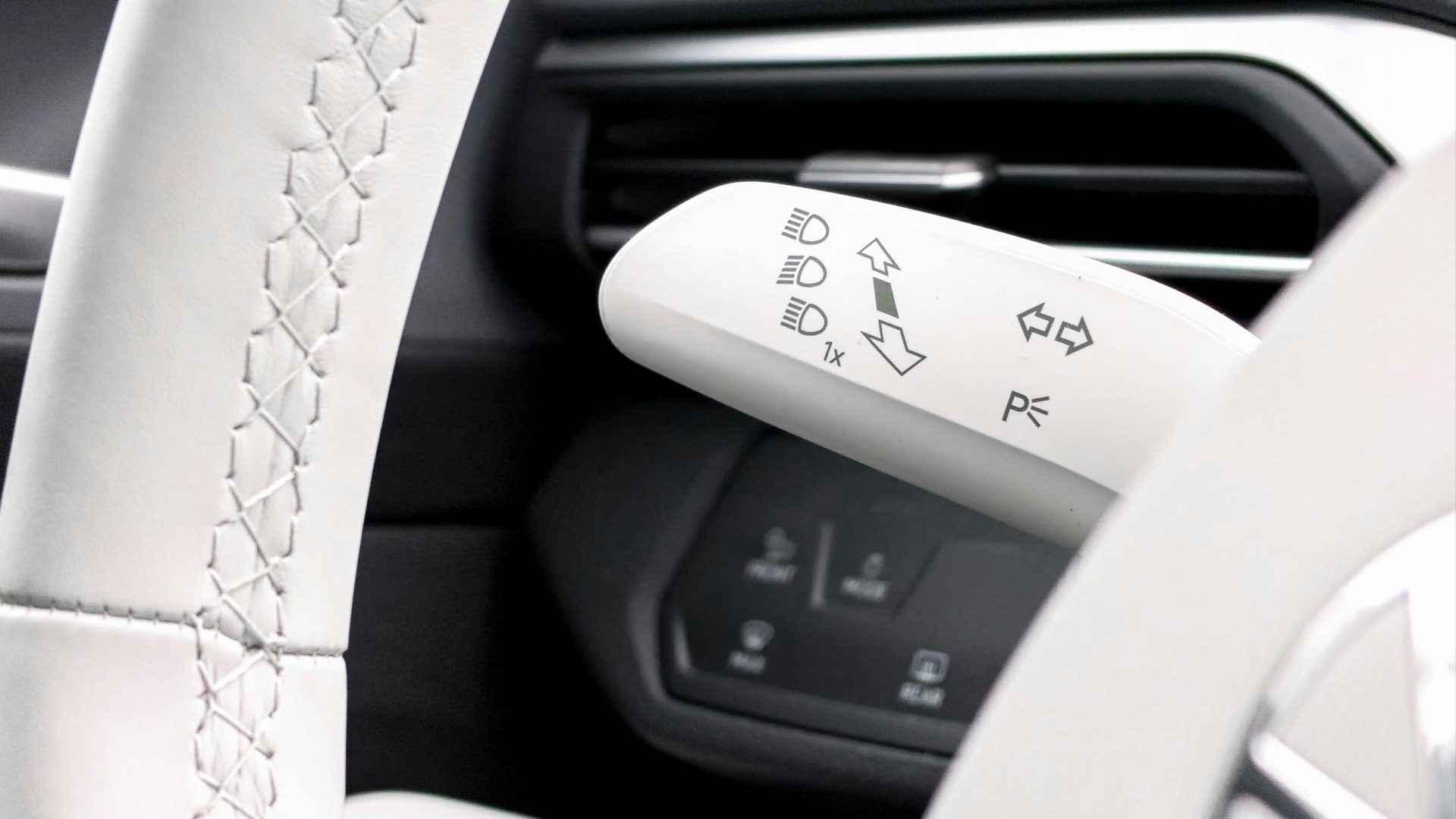 Karen Radley Volkswagen on Pexels
2. Setting Your Mirrors Correctly
Adjusting mirrors is straightforward and pays off immediately in better awareness. You angle them to reduce blind spots, check that you can see adjacent lanes, and confirm your rearview gives a clear picture behind you. Once it’s set, you’ll spend less time guessing and more time driving confidently.
 Devon Janse van Rensburg on Unsplash
3. Maintaining Steady Speed on Open Roads
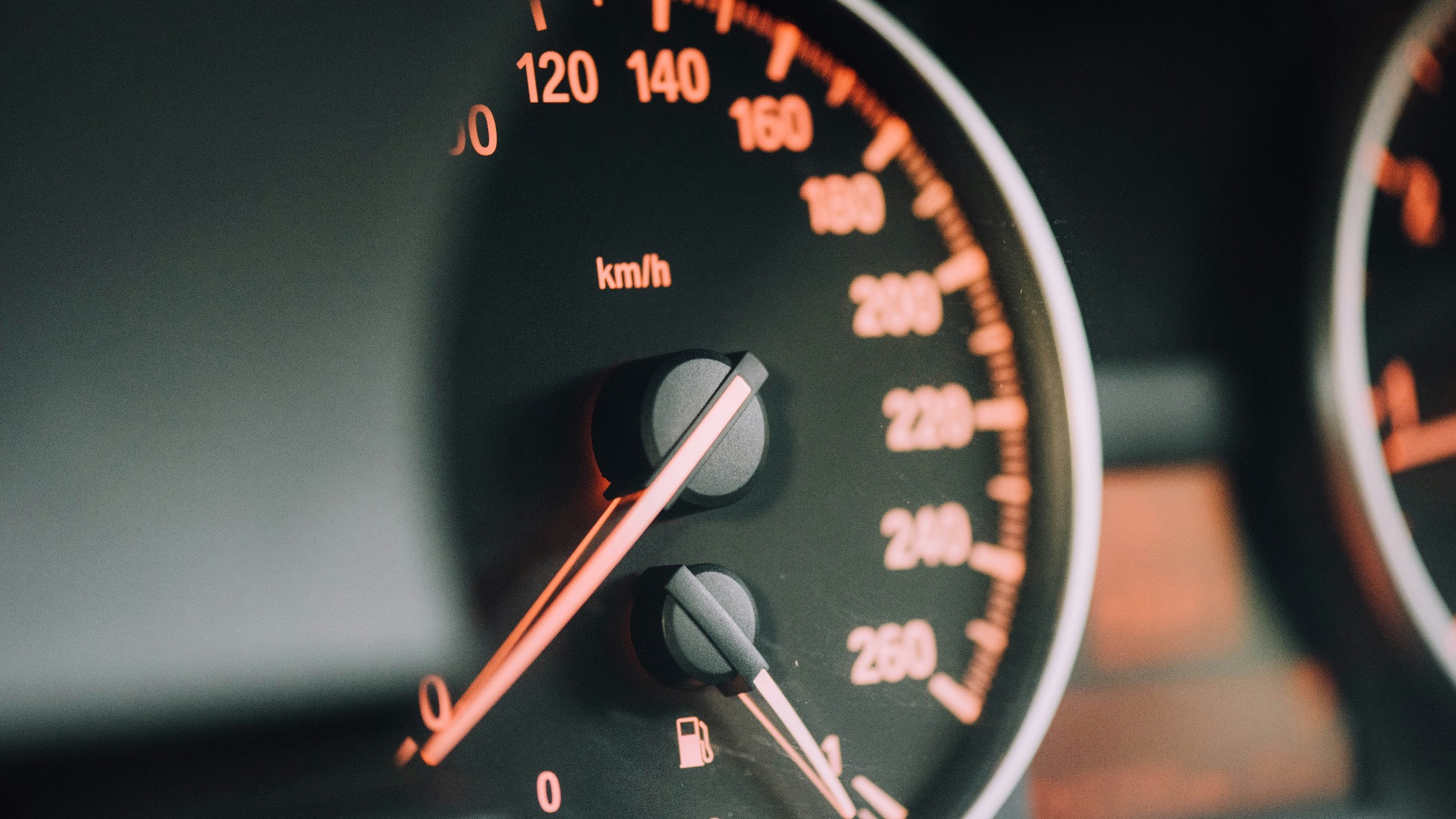
Holding a consistent speed is simple when you look farther ahead and make small, early adjustments. Instead of reacting late with heavy braking or acceleration, you ease off the gas as conditions change. This keeps the ride smoother and reduces fatigue, especially on long drives.
4. Making Clean, Predictable Lane Changes
A good lane change follows a clear sequence that’s easy to learn and repeat. You check mirrors, signal, glance over your shoulder, and move over smoothly without drifting. When you keep it predictable, you’ll notice other drivers respond better and the whole maneuver feels less stressful.

5. Turning with the Correct Hand Position
Using proper hand placement is easy because it’s mostly about consistency and comfort. You keep both hands on the wheel, avoid crossing arms excessively, and steer in a controlled way that maintains stability. Once it becomes natural, your turns feel more precise and you’ll correct less often.

6. Understanding Basic Right-of-Way at Four-Way Stops
Four-way stop rules are simple when you follow the order of arrival and stay alert for simultaneous stops. If two vehicles arrive together, the driver on the right goes first, and clear signaling helps everyone. The key is being decisive but polite so nobody is stuck guessing.

7. Using Headlights Appropriately
Headlight use is easy because it’s guided by clear conditions like darkness, rain, fog, or reduced visibility. You turn them on early enough to be seen, not just to see, and you switch to low beams when there’s oncoming traffic. With a quick habit check, you’ll avoid the common mistake of driving with only daytime running lights.

8. Leaving Extra Space When Backing Out
Backing out safely is simple when you slow down and prioritize visibility. You check for cross traffic, pedestrians, and moving cars, then inch out until you can see clearly. Taking a few extra seconds is usually all it takes to avoid close calls.

9. Keeping the Car Centered During Straight Driving
Staying centered is easy once you use lane markings and consistent visual reference points. You focus your eyes farther down the road instead of staring at the pavement right in front of the hood. Small, gentle steering corrections keep the car steady and prevent wandering.

10. Basic Defensive Scanning
Defensive scanning is easy to learn because it’s a routine rather than a complicated technique. You regularly check mirrors, look ahead for changes, and notice what’s happening to the sides of your lane. When you do it consistently, you’ll feel more in control and less surprised by sudden moves around you.