
Silent Winter Killers
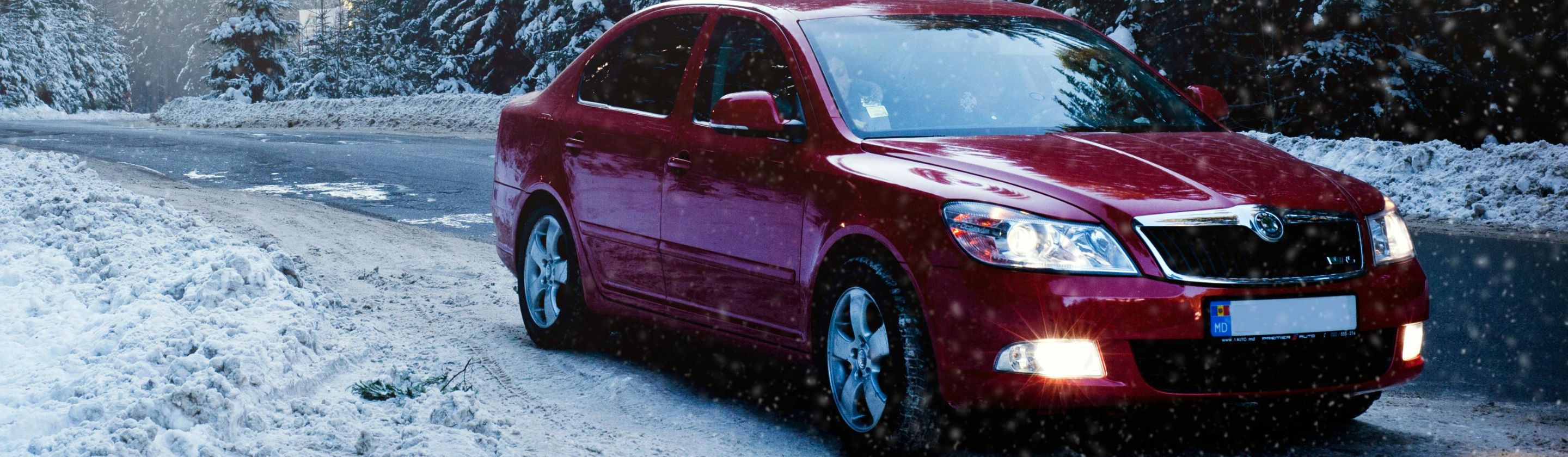
You probably think your car can handle winter just fine. How much damage could snow really cause? Turns out, quite a lot. Cold weather doesn't just make driving treacherous; it wages a silent war on your vehicle's most vulnerable components. Some threats are obvious; others hide in plain sight. Let’s start by looking at 10 ways snow can destroy your ride.
1. Road Salt Accelerating Rust On Undercarriage
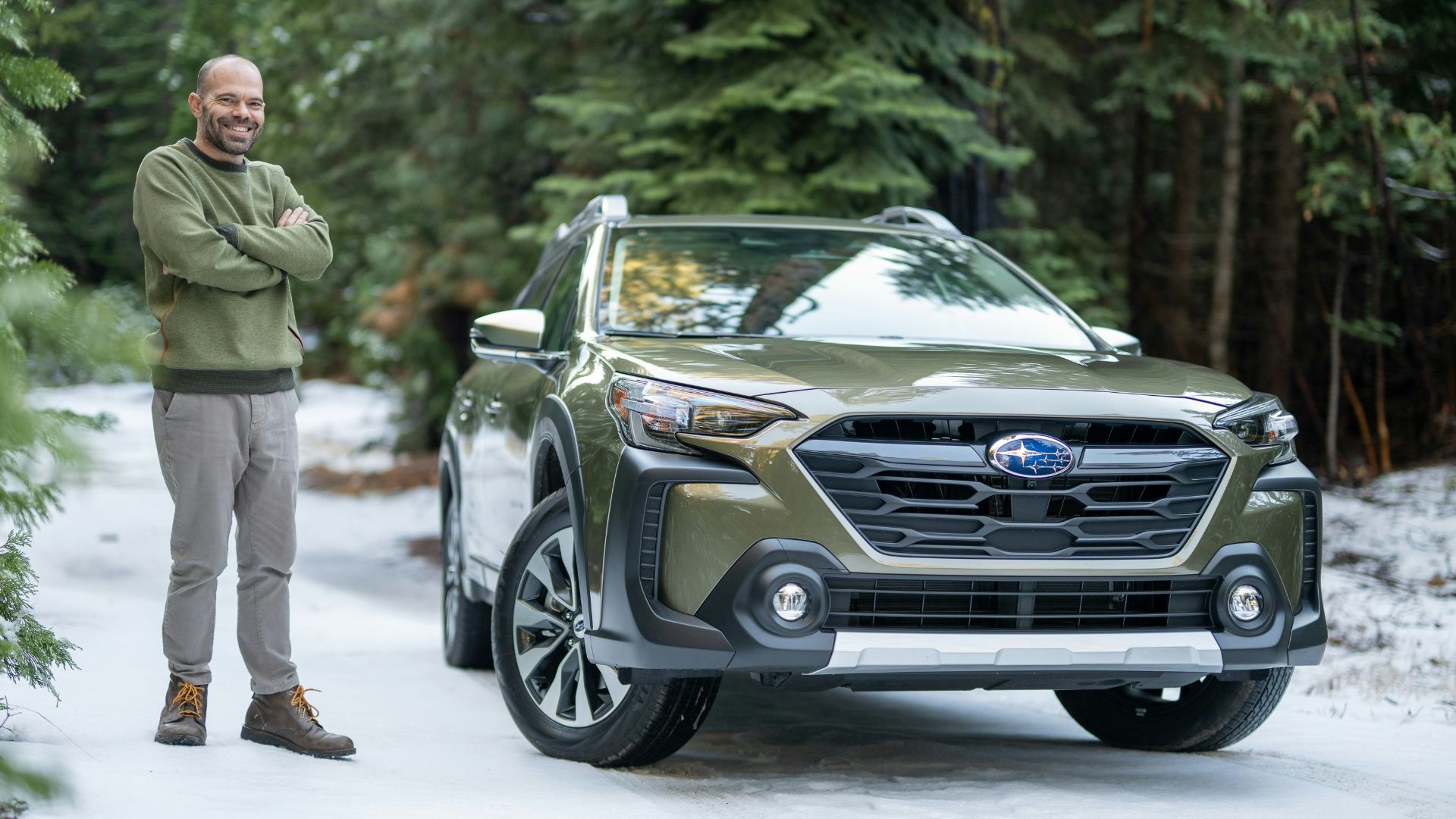
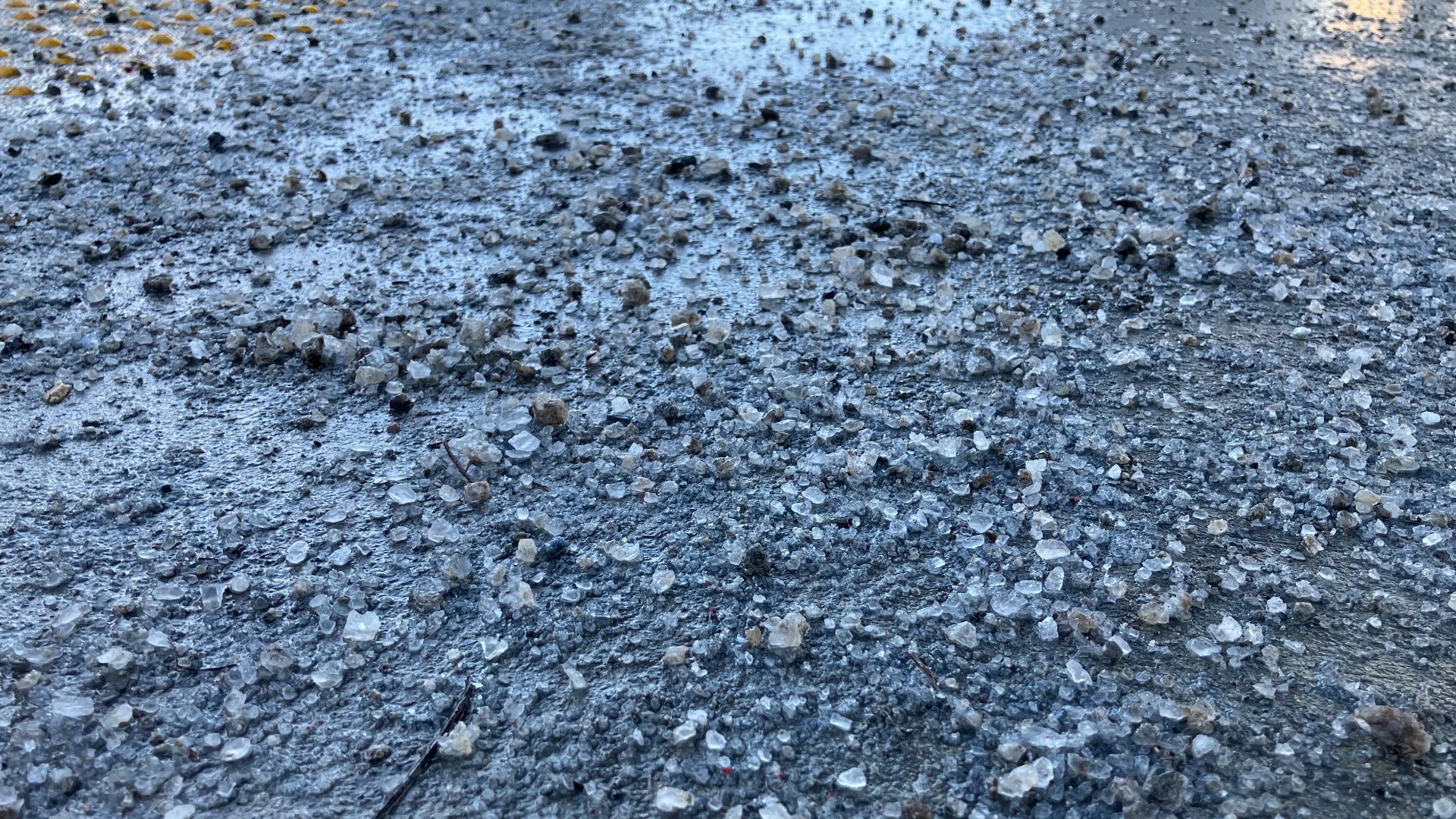
The chemistry behind road salt makes it particularly devastating for your vehicle's underside. Salt lowers water's freezing point and maintains a wet film on metal surfaces. When this moisture-laden salt contacts bare steel components underneath your car, it dramatically speeds up the oxidation process.
2. Heavy Snow Weight Causing Roof Dents
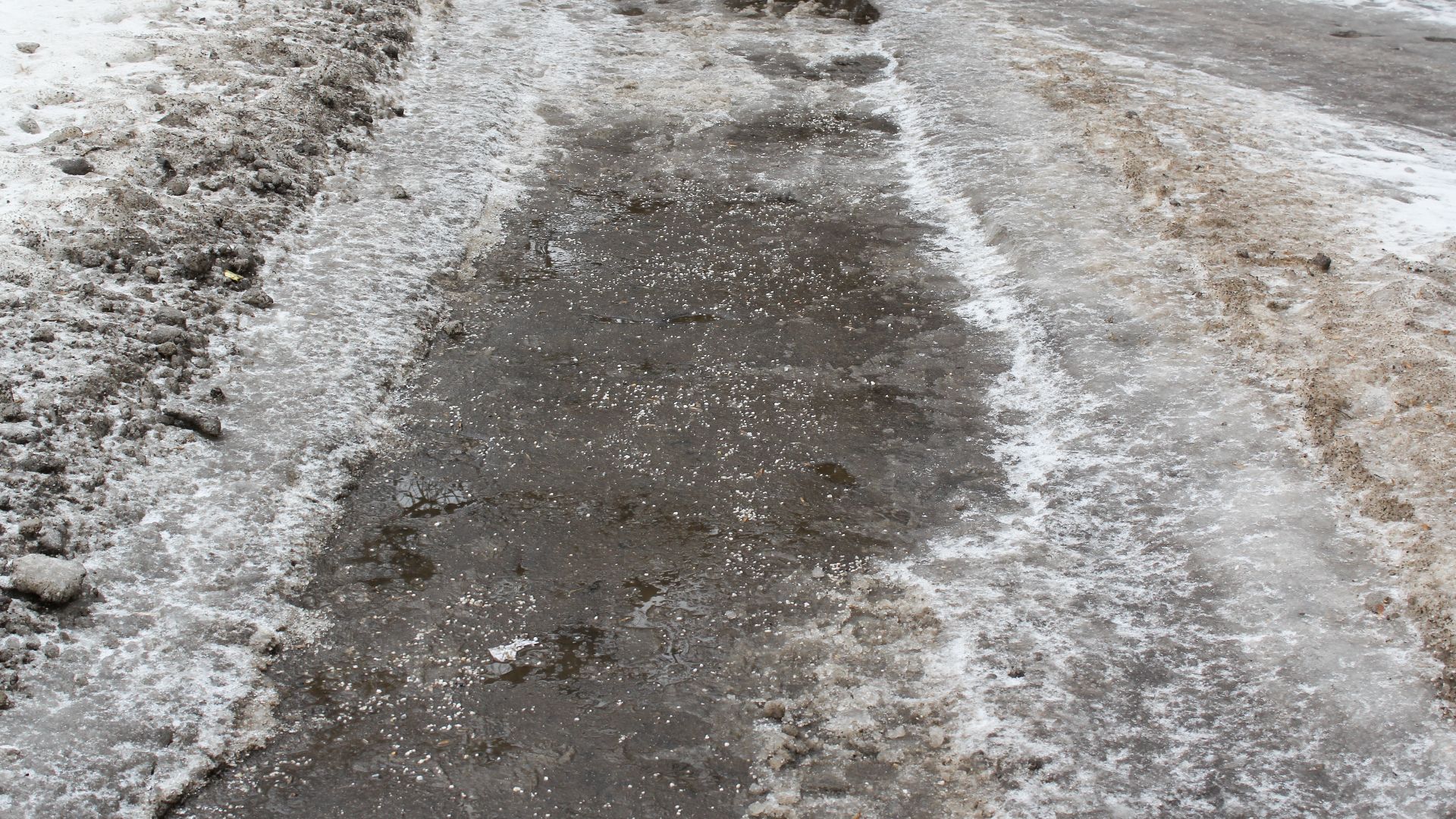
Here's something most drivers never consider until it's too late: vehicle roofs aren't engineered to support heavy, uneven loads sitting on top of them. Snow accumulation on flat or structurally weak roof panels creates concentrated pressure points that thin sheet metal simply can't handle.
3. Ice Buildup Cracking The Windshield
Temperature fluctuations throughout winter create a dangerous expansion-and-contraction cycle. Your windshield becomes vulnerable to any existing chips or tiny cracks, where ice can wedge itself in and expand. The sudden stress from temperature changes puts enormous pressure on glass surfaces.
 runran from An island in the stream on Wikimedia
4. Snow Packing Into The Exhaust Pipe
A blocked exhaust opening might seem like a minor inconvenience, but it creates a genuinely dangerous situation. When your car sits parked during heavy snowfall, snow can seal off the tailpipe, preventing the proper airflow your exhaust system depends on for safe operation.
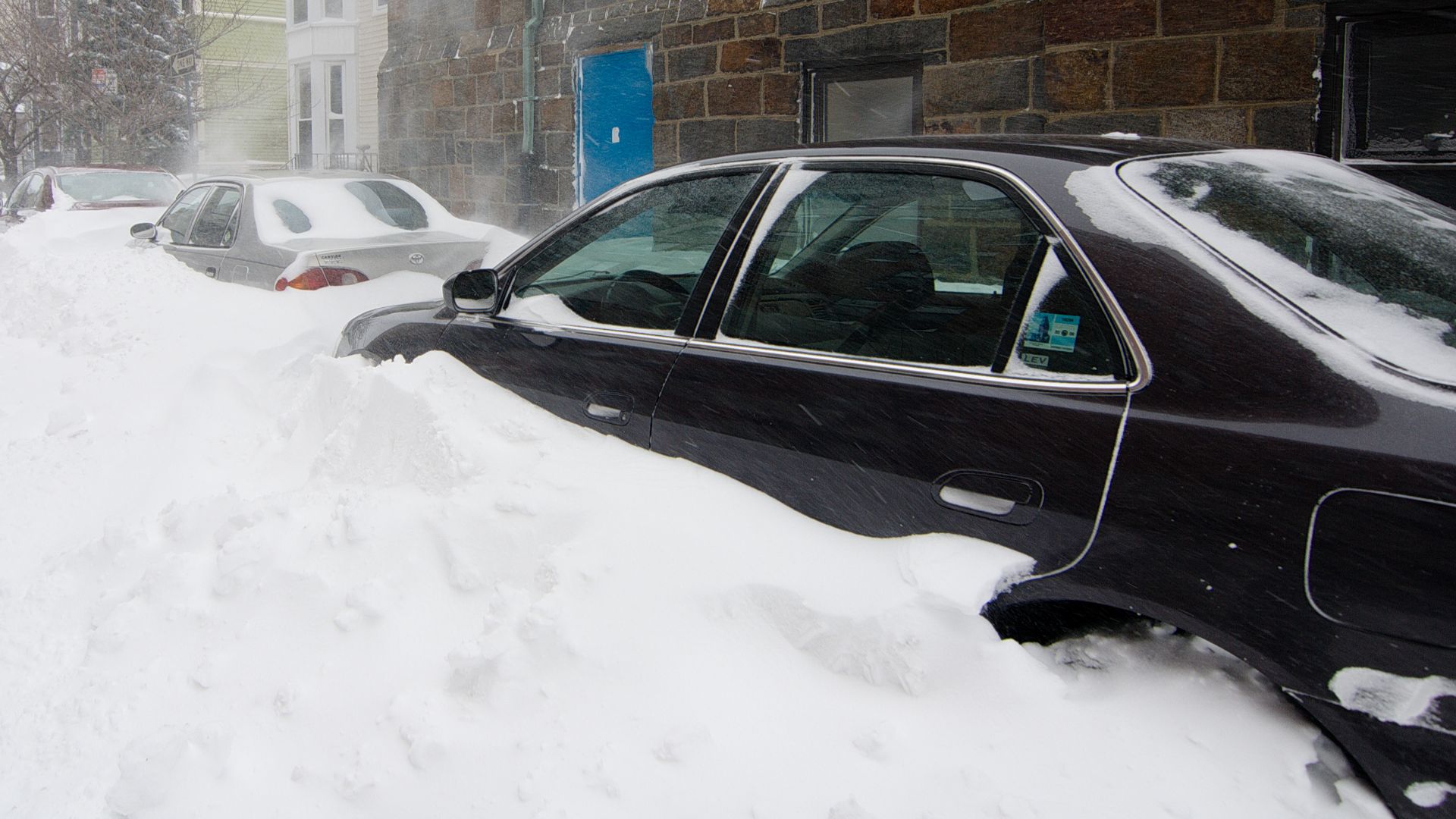
5. Frozen Moisture Damaging Door Seals
The rubber seals around your car doors face a brutal reality during winter months: moisture infiltrates these components and then freezes solid inside them. Once frozen, these normally flexible seals become brittle and lose their essential pliability.
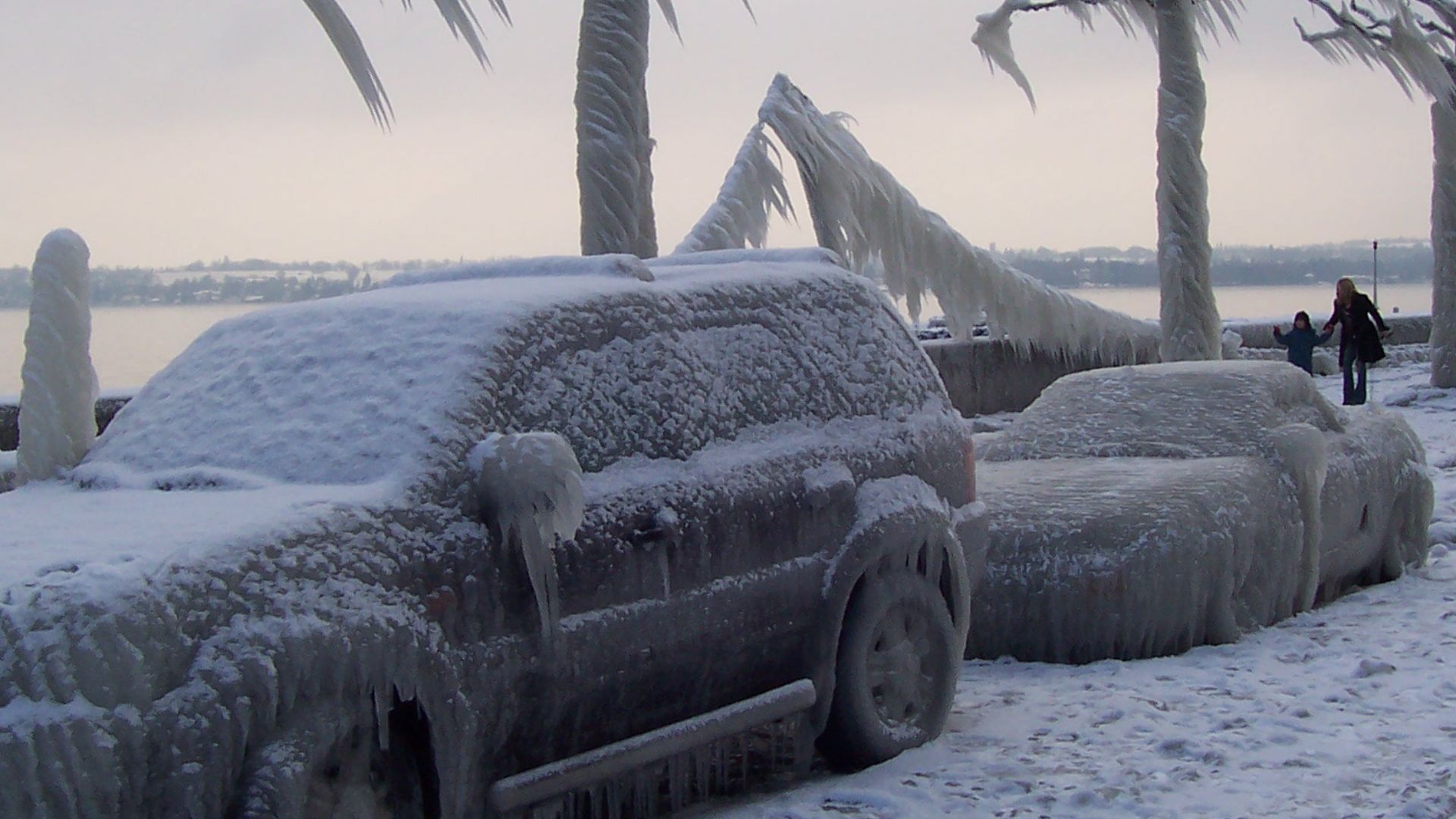 Santiago Puig Vilado… on Wikimedia
6. Salt And Snow Corroding Brake Lines
Underneath your vehicle, brake lines run exposed to everything the road throws at them, making them prime targets for winter damage. Road salt clings stubbornly to these metal brake components, maintaining constant contact between corrosive materials and critical safety systems.
7. Ice Scratching Paint During Removal
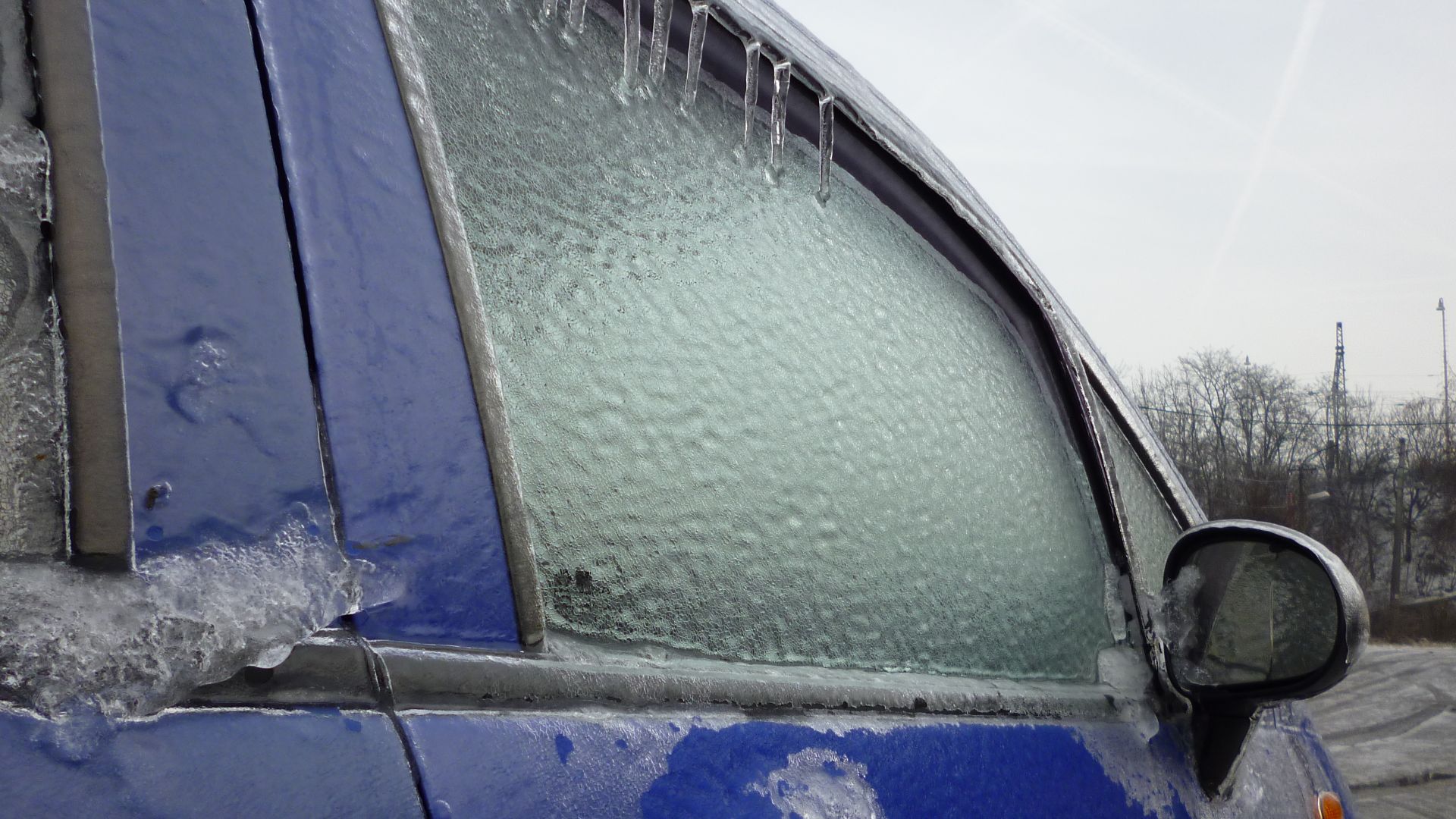
Those hard, sharp edges that form when ice bonds to your car's surface become abrasive weapons against your paint job. Directly scraping ice off painted surfaces—especially with metal tools or aggressive techniques—creates microscopic and visible scratches that compromise your vehicle's finish.
8. Snow Melting Into The Interior
Your car's cabin faces an insidious threat when melted snow introduces excess moisture into the cabin. Interior materials like plastics, vinyl, and composite trim pieces expand when wet and contract when temperatures drop, resulting in a destructive freeze-thaw cycle.

9. Blocked Sensors Disabling Safety Features
Modern vehicles depend heavily on external sensors—cameras, radar units, and ultrasonic detectors—to operate their advanced safety systems. Snow and ice coverage over these components renders them completely blind, unable to read their surroundings accurately for features like adaptive cruise control.
10. Straining Transmission When Stuck In Snow
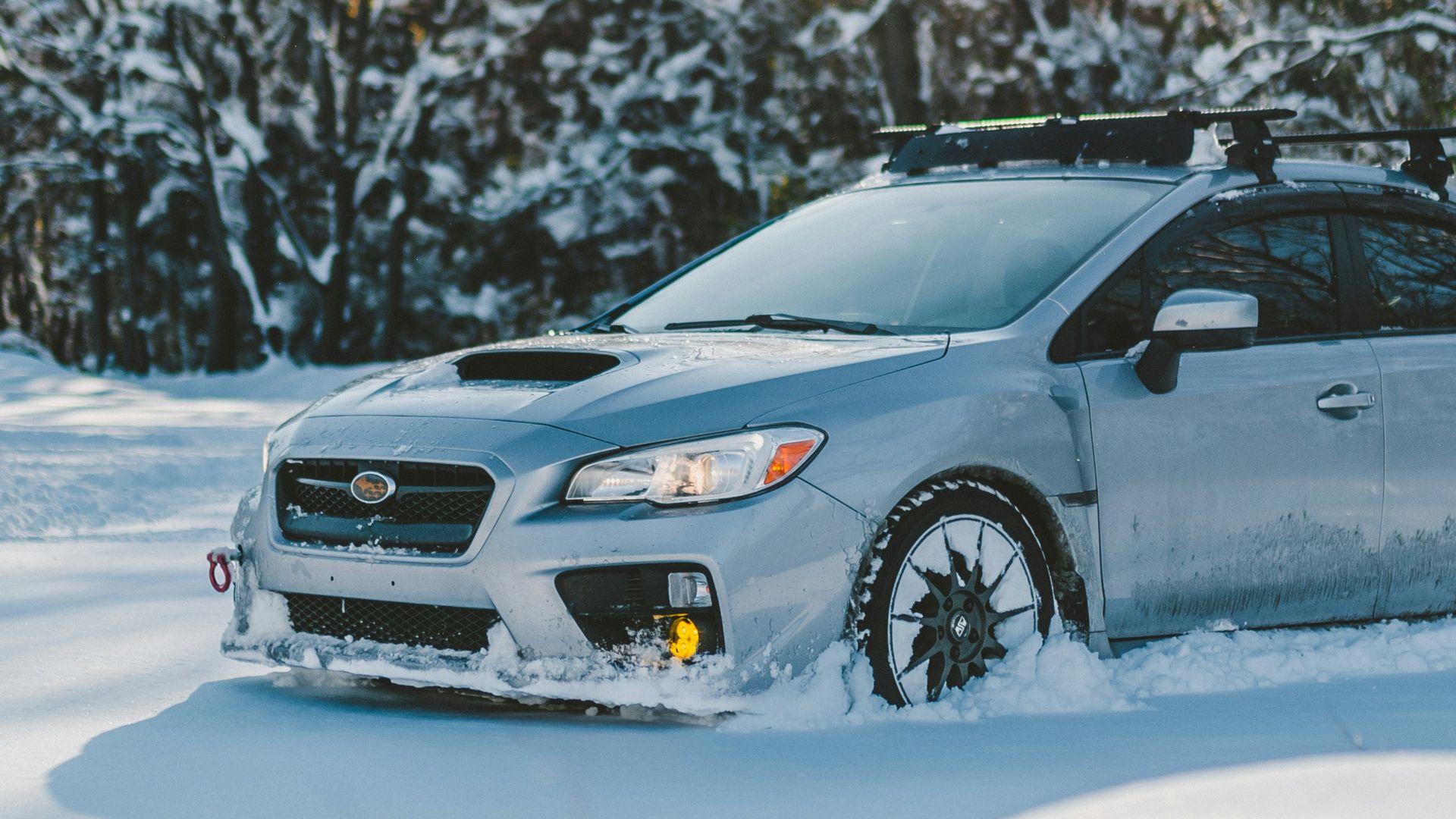
Wheels spinning frantically without gaining traction place tremendous stress on drivetrain components that weren't designed for this abuse. When drivers rock their vehicles back and forth with sudden gear shifts from drive to reverse, they're multiplying the mechanical load on transmission parts exponentially.
The damage is real, but so are the solutions. Here's your defense strategy.
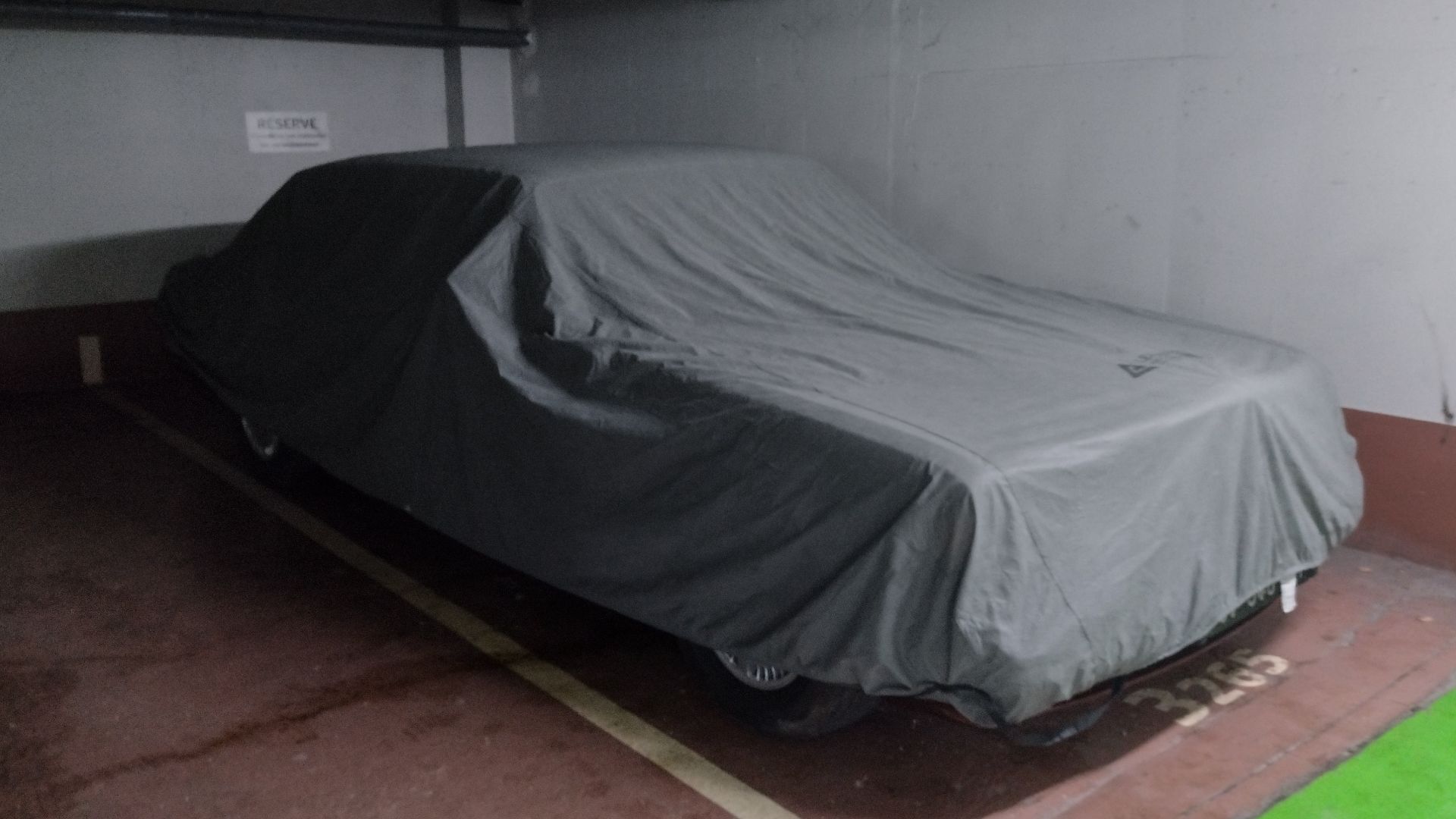
1. Use A Weatherproof Car Cover
Car covers create a physical barrier that stands between your vehicle and winter's worst elements, fundamentally changing how snow and ice interact with your car's surfaces. The weatherproof materials in quality covers resist water penetration while preventing direct contact between moisture and your vehicle's exterior.
2. Apply Winter-Grade Protective Wax Coating
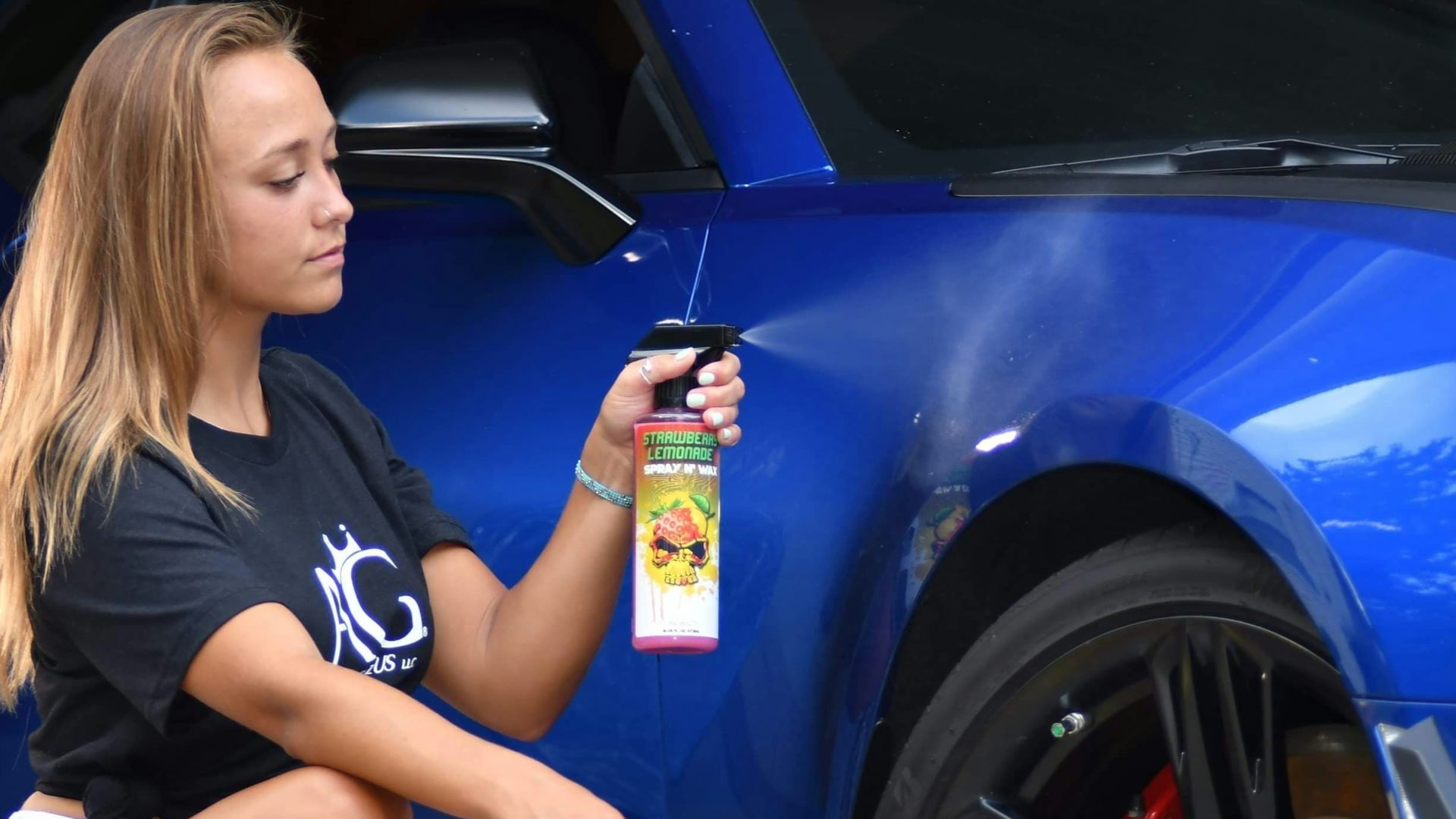
Before winter arrives, wax forms a critical protective layer over your vehicle's paint that acts as your first line of defense. This coating helps repel water, slush, and the salt-laden spray that roads throw at your car throughout the season.
3. Install Durable Winter Wiper Blades
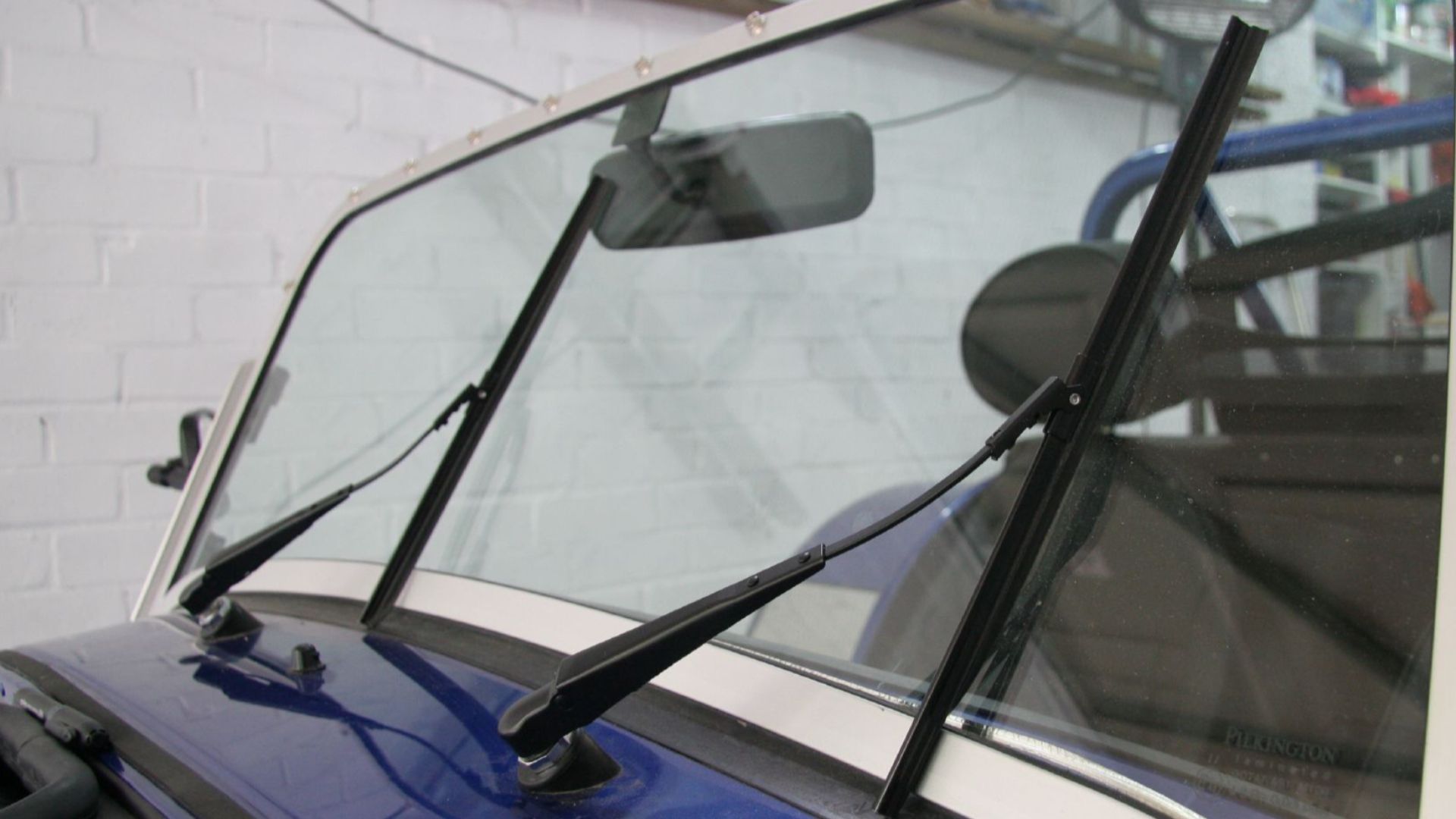
The difference between standard and winter wiper blades becomes immediately apparent during your first snowfall. Winter blades are specifically designed to resist ice buildup through reinforced rubber compounds and enclosed frames that prevent snow from clogging the mechanism.
 Brian Snelson from Hockley, Essex, England on Wikimedia
4. Keep Washer Fluid For Freezing Temperatures
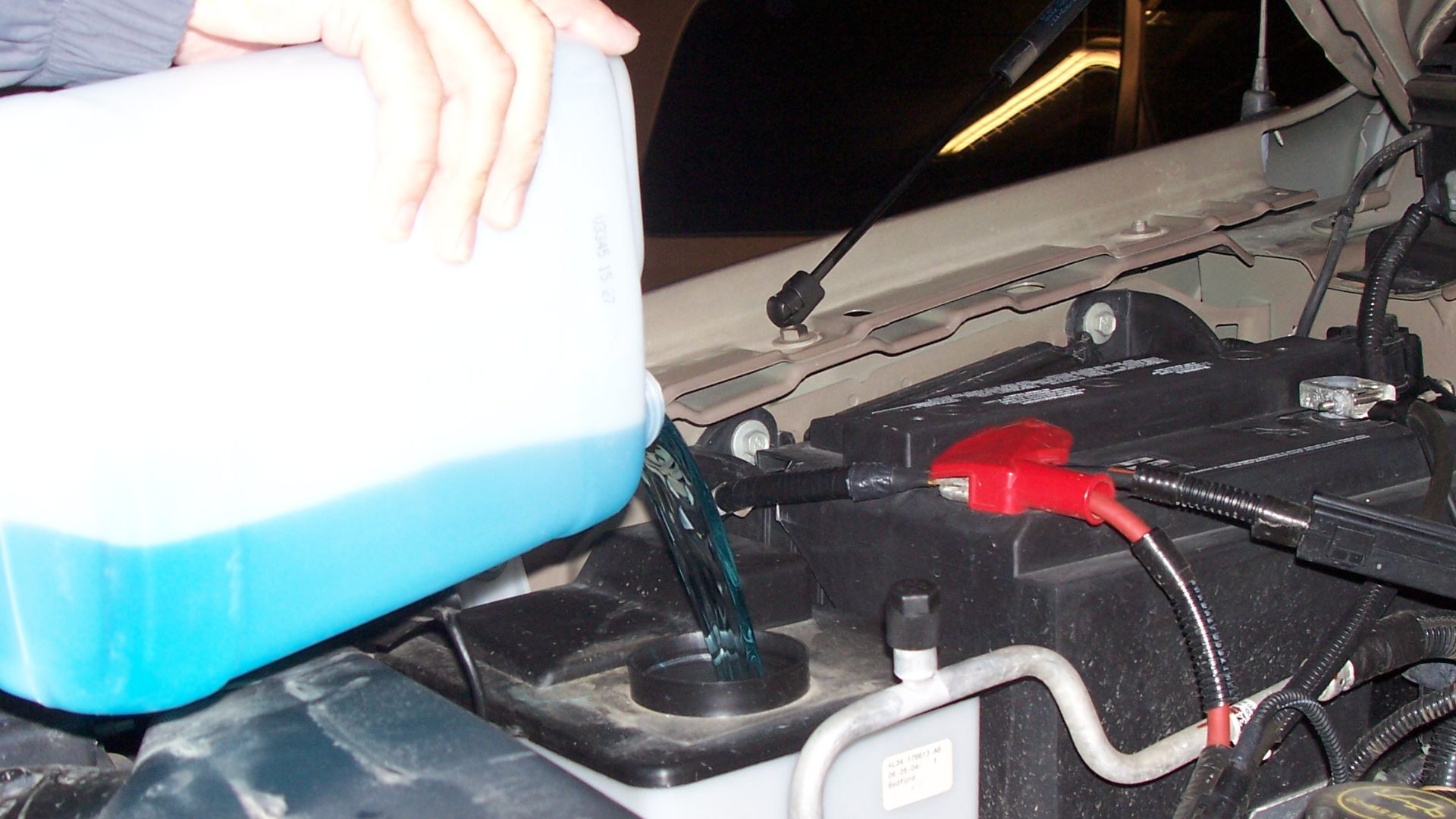
Winter washer fluid resists freezing even when temperatures plummet well below the point where regular fluid would turn to solid ice. If you're still using summer fluid when winter hits, frozen liquid can completely block your washer lines.
 Hamedog at English Wikipedia on Wikimedia
5. Park Vehicle In Garage Or Shelter
Sheltered vehicles experience dramatically less snow accumulation compared to those left exposed to the elements all winter long. Covered parking reduces ice formation on glass surfaces and door frames, eliminating the morning ritual of chipping away frozen layers before you can even get inside.

6. Treat Door Seals With Silicone Spray
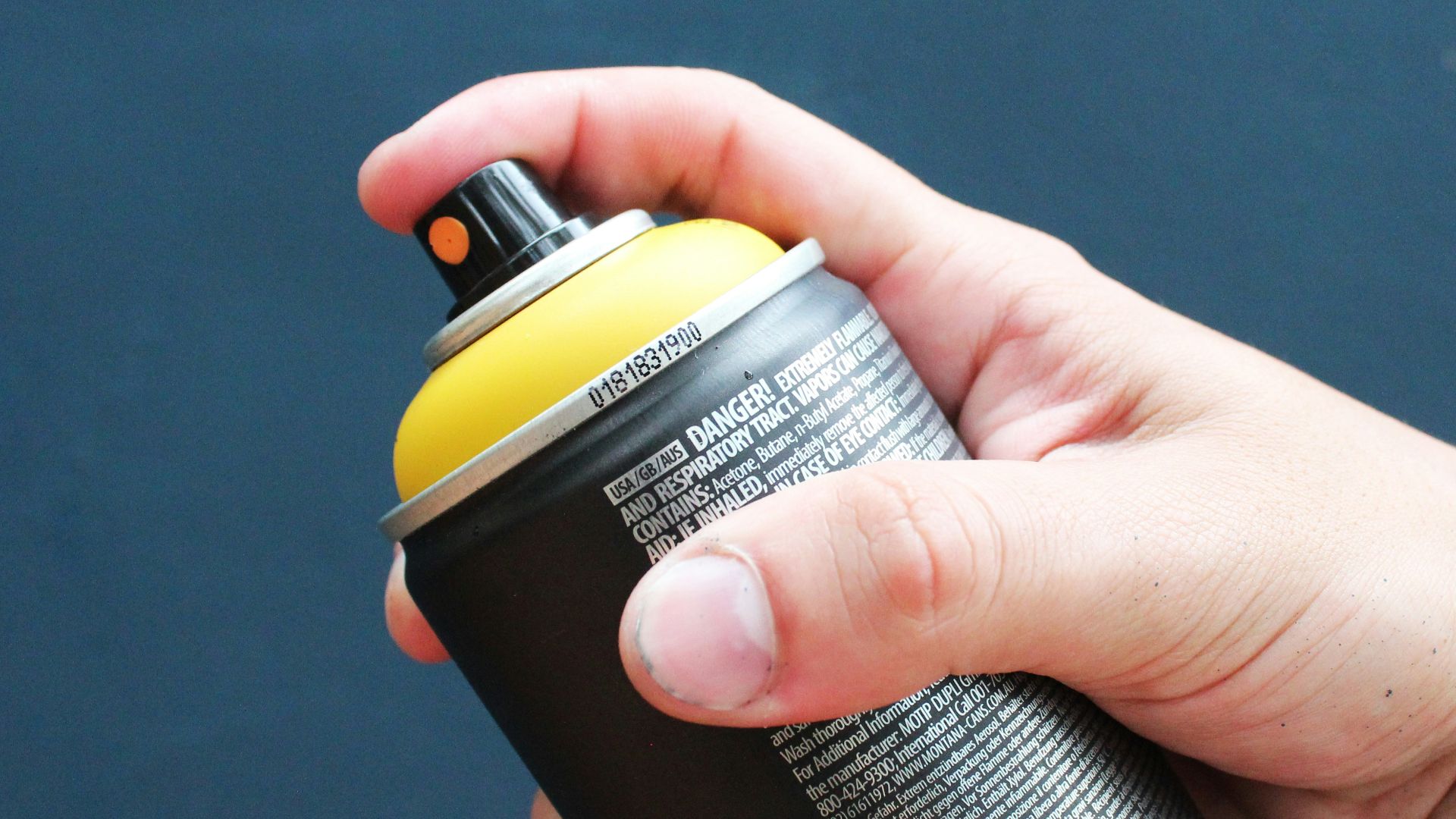
Silicone spray works by repelling moisture on rubber door seals, creating a protective coating that prevents water from settling into the material. Treated seals remain flexible even at very low temperatures, maintaining their ability to compress and rebound.
 Keiron Crasktellanos on Unsplash
7. Apply Anti-Rust Coating To Undercarriage
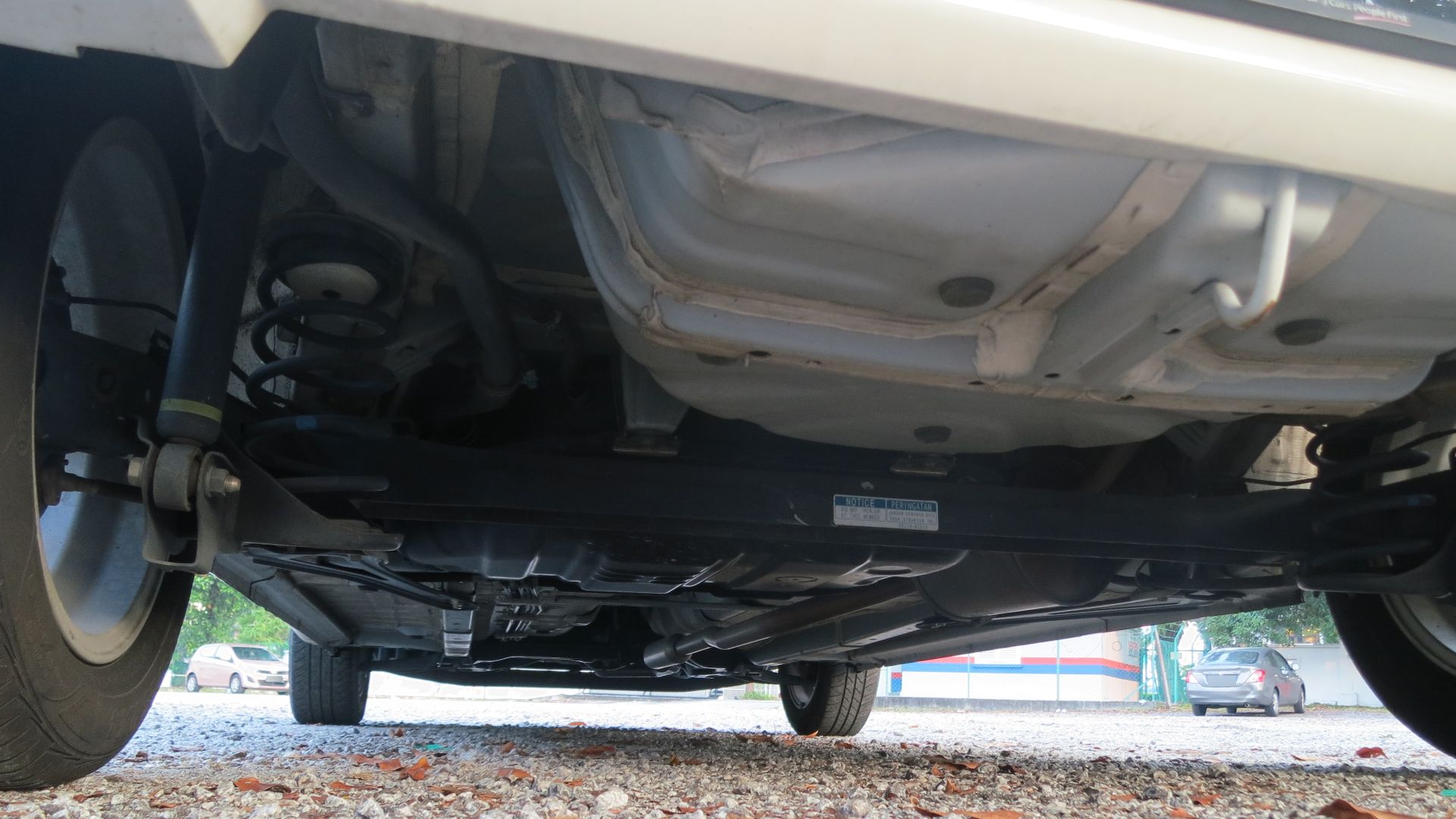
Your undercarriage faces direct exposure to road salt every time you drive in winter conditions. Anti-rust coatings build a durable barrier between moisture-laden salt spray and the vulnerable metal components underneath your vehicle. These specialized coatings slow the corrosion process significantly.
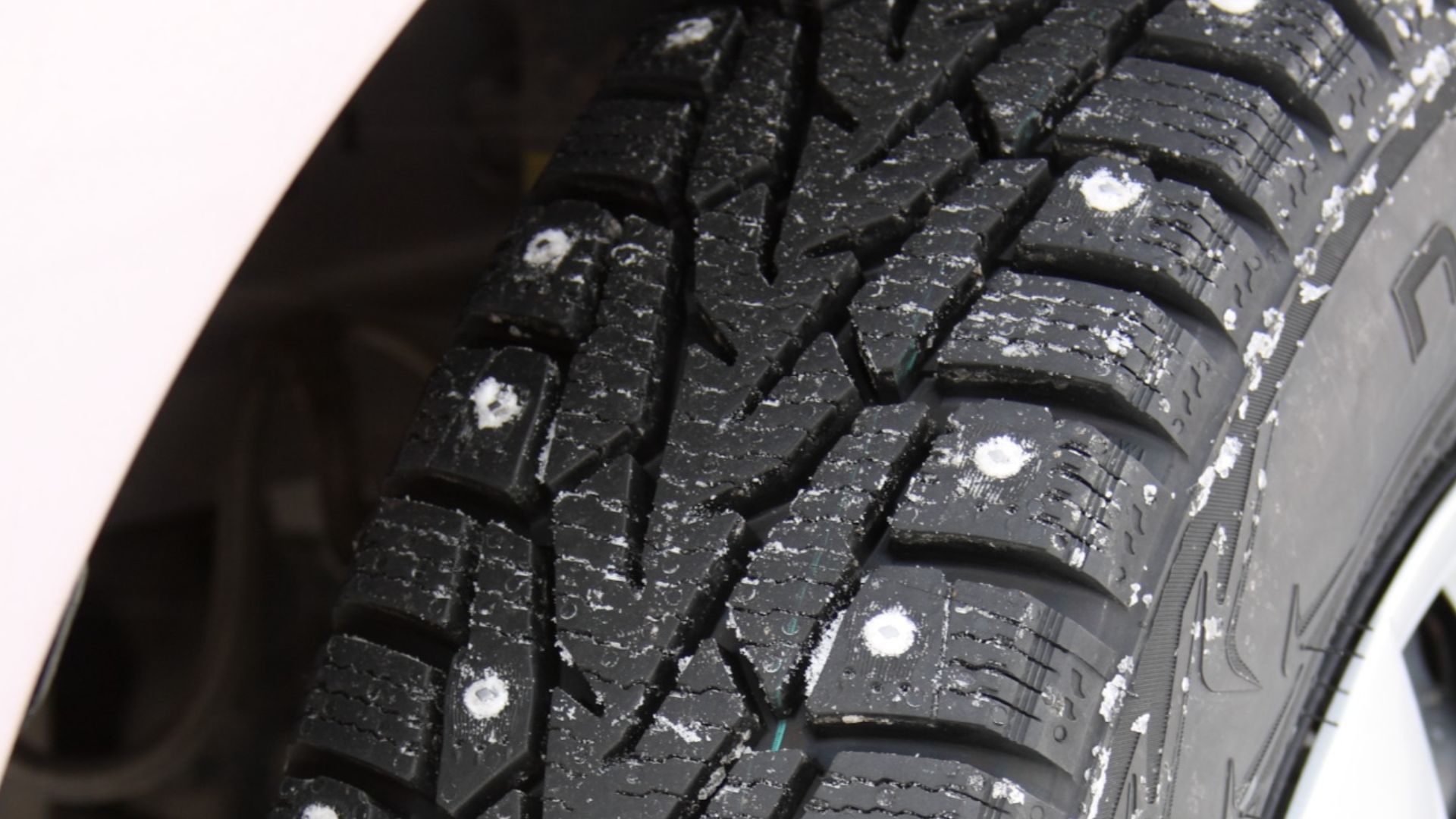
8. Switch To Winter Tires Or Covers
Winter tires utilize rubber compounds specifically engineered to remain pliable in cold temperatures when all-season tires become hard and lose grip. The specialized tread patterns on these tires bite into snow and channel slush away from the contact patch.
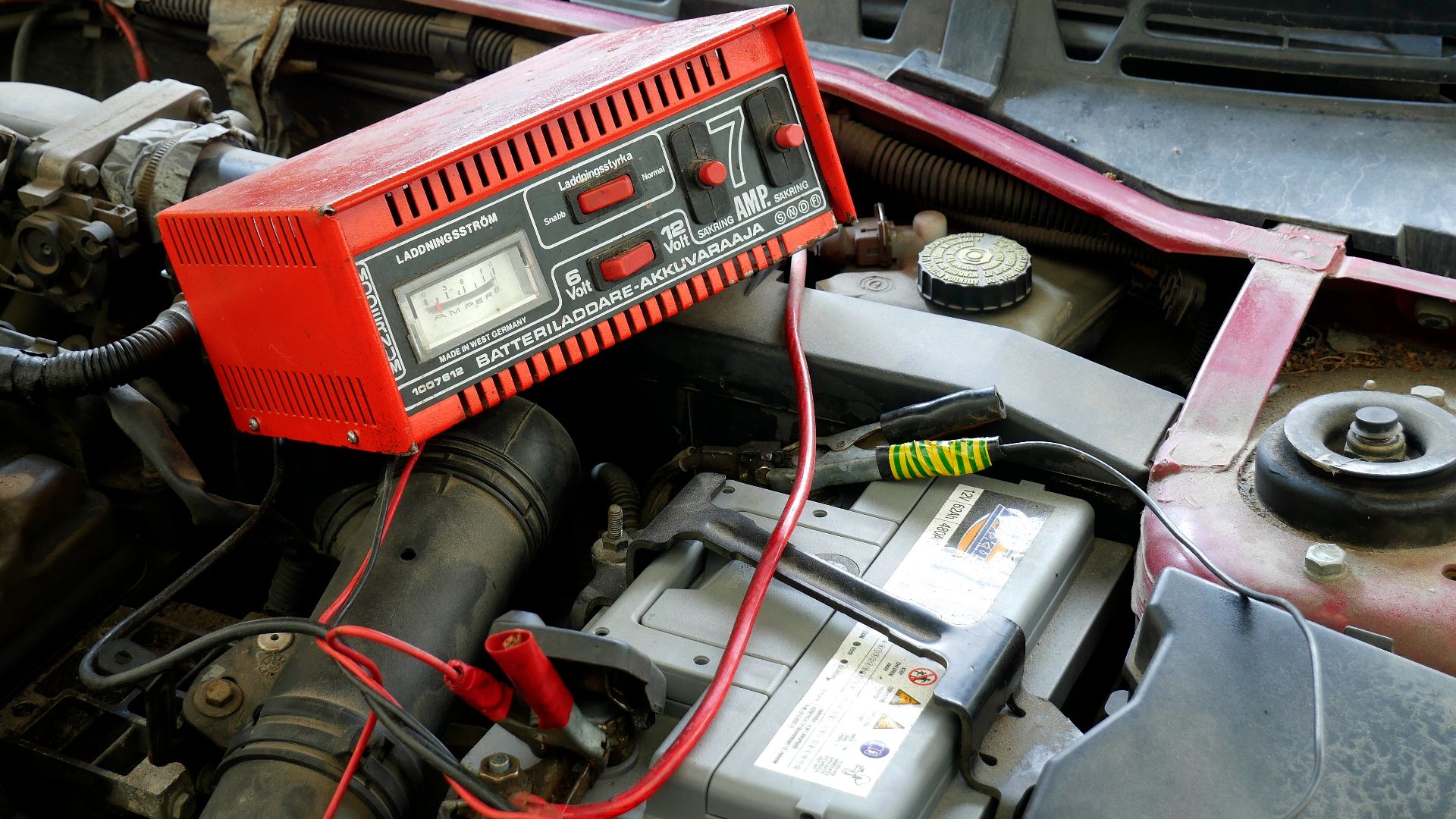
9. Protect Battery Using Thermal Insulation Blanket
Cold temperatures reduce your battery's performance by slowing the chemical reactions that generate electrical current. Battery insulation blankets work by slowing heat loss from the battery case. When batteries stay warmer, they deliver more cranking power to start your engine.
 Santeri Viinamäki on Wikimedia
10. Lubricate Locks With Graphite Spray
Unlike oil-based lubricants that can trap moisture and freeze, graphite remains completely unaffected by cold temperatures inside your locks. This dry lubrication method prevents moisture buildup within the lock mechanism, eliminating the frozen-lock problem that frustrates drivers on cold mornings.