
Driving Quirks That Grind Your Gears
Driving has a funny way of getting on your every last nerve. Whether it's someone cutting you off, tailgating so closely they're practically kissing your bumper, or blaring their horn at you when you're not the problem, it's easy to want to throw in the towel some days. Sure, driving comes with its perks, but it can also be extremely frustrating to deal with other road users. Here are 10 things that get you heated behind the wheel, and 10 ways to help you stay cool-headed.

1. Sudden Cut-Ins Without a Signal
When someone slides into your lane without signaling, it triggers that instant “What are you doing?” reaction because you’re forced to quickly adjust with no prior warning. Your brain reads it as a safety problem first, but once that fades, you're just left with annoyance and anger. Even if nothing bad happens, the fact that you had to brake or re-space your car because of someone else’s impatience can linger and sour the next few minutes.

2. Tailgating That Feels Like Pressure
A tailgater can quickly get on your nerves, because you can’t stop noticing how close they are. It’s distracting in a way that feels unfair, since you’re the one trying to drive safely while they push the situation toward risk. What makes it especially aggravating is that their behavior limits your options: speeding up might be unsafe (and is exactly what they want), braking feels risky, and changing lanes isn’t always available.

3. Slow Driving in the Left Lane
Getting stuck behind a slow left-lane driver feels like being trapped in a preventable bottleneck, especially when the right lane is moving better. The frustration builds because the left lane has an implied purpose, and when someone ignores it, everyone else has to compensate. It also tends to create ripple effects—more lane changes, tighter gaps, and more chances for conflict—so the irritation isn’t just about speed, it’s about the whole flow breaking down.
4. Last-Second Exits and Sudden Swerves
When a driver suddenly realizes they’re about to miss an exit and cuts across lanes, the problem isn’t only that it’s rude, it’s that it forces everyone nearby into emergency decision-making. You’re suddenly checking mirrors, braking, and calculating whether the car behind you is paying attention, too.
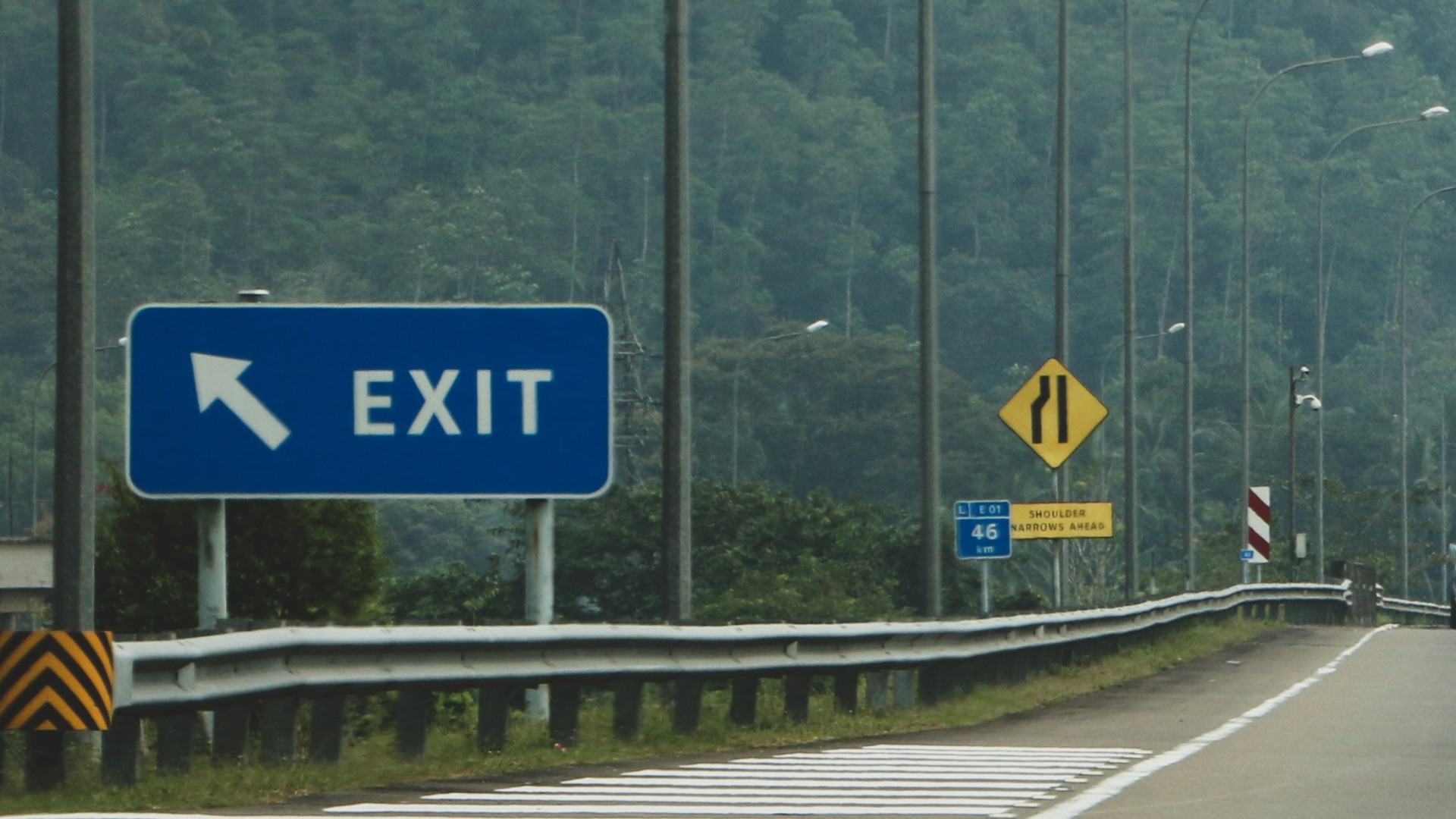 Dithira Hettiarachchi on Unsplash
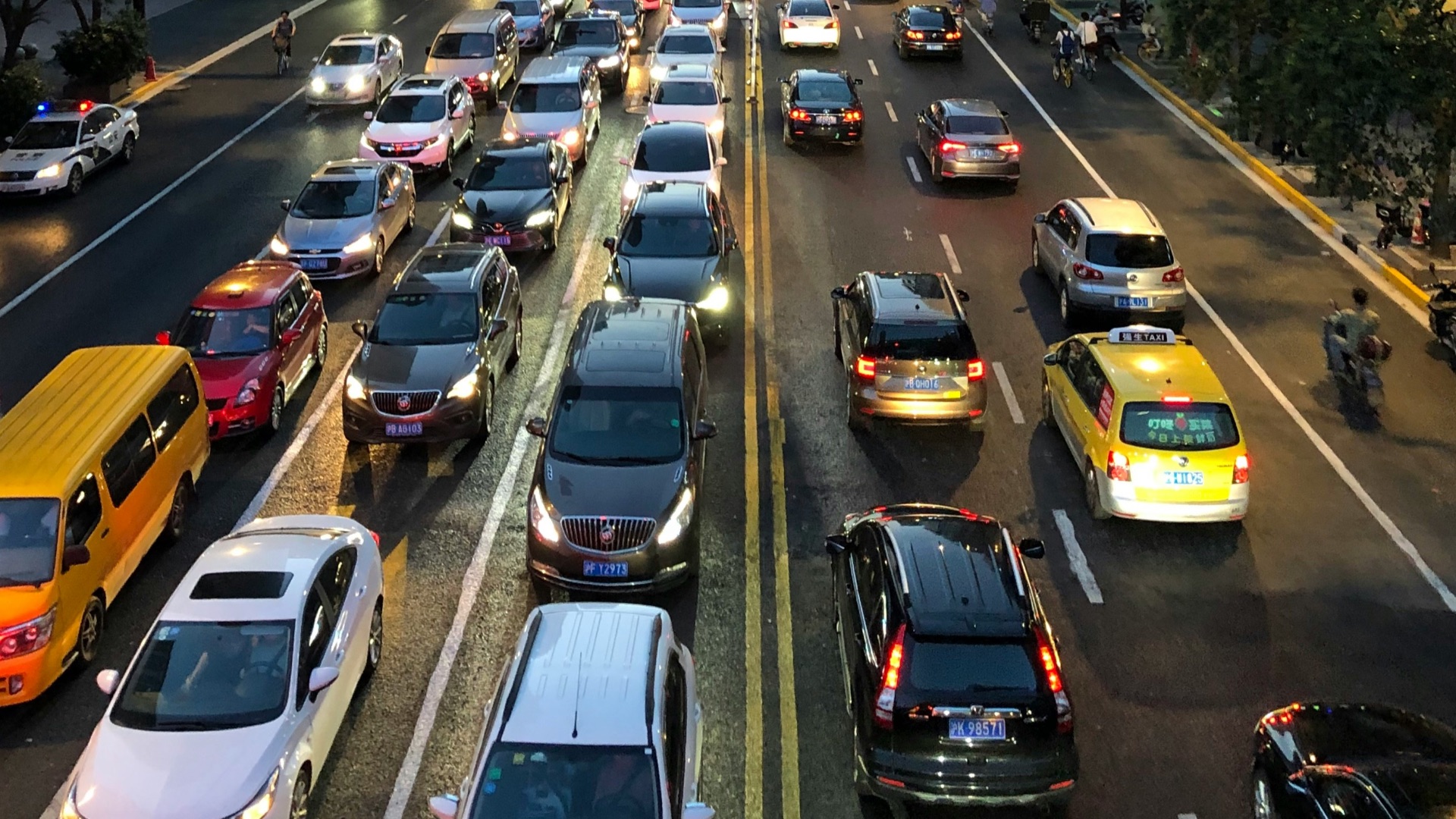
5. Stop-and-Go Traffic That Wears You Down
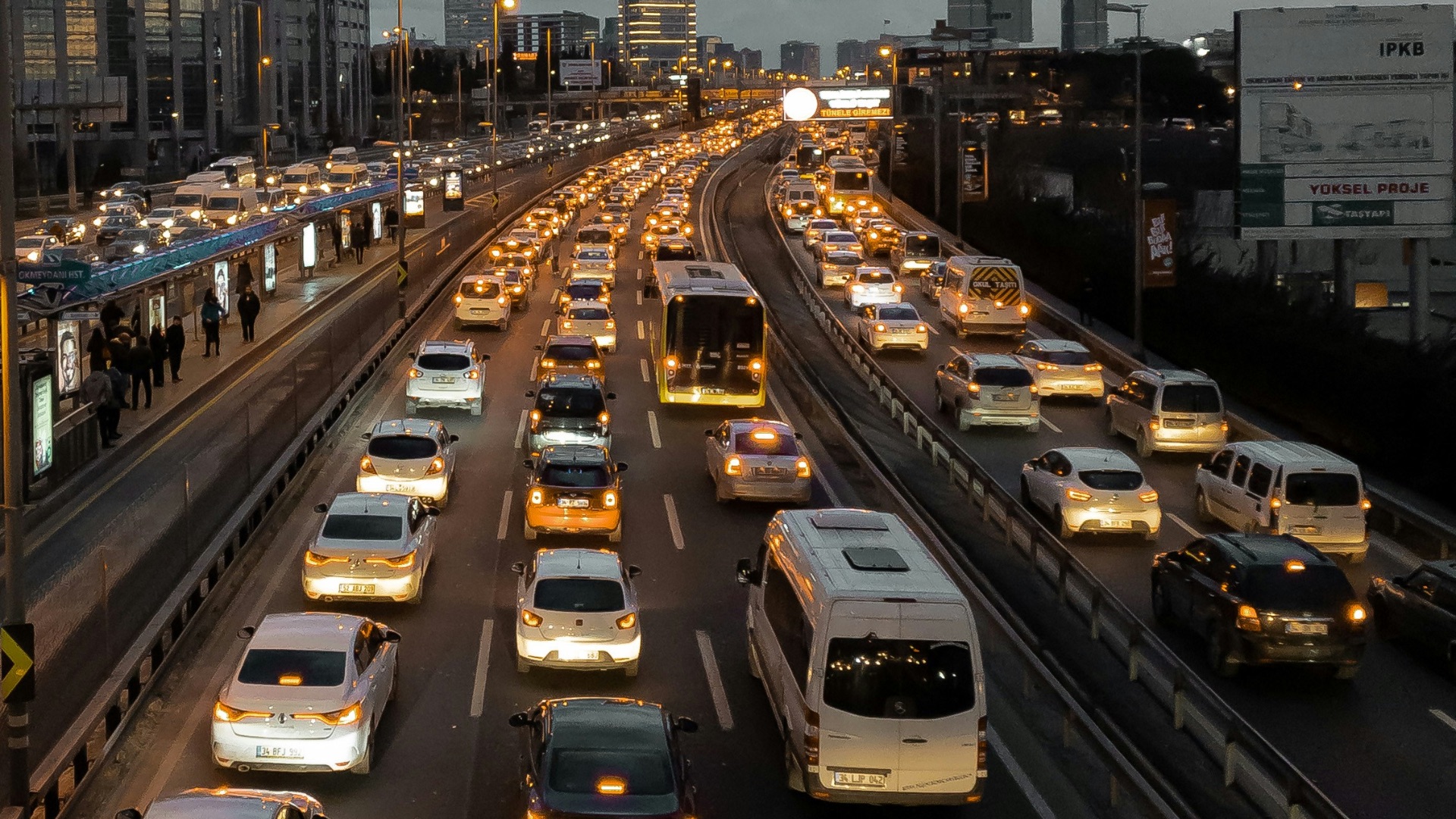
Stop-and-go traffic is tiring because it demands constant micro-decisions while giving you almost no sense of progress. You’re repeatedly accelerating, braking, scanning, and predicting what the car ahead will do, which keeps your body in a semi-alert state. After a while, the irritation becomes less about any single driver and more about the mental drain of being stuck in a cycle that feels pointless.

6. Drivers Who Won’t Merge Properly
A merge should be a smooth, cooperative move, but it often turns into hesitation on one side and territorial driving on the other. When someone blocks the gap, speeds up to prevent a zipper merge, or freezes at the last second, it forces everyone behind them to brake and scramble. The anger comes from how unnecessary it is, because one small act of cooperation would keep the line moving and reduce risk for everyone.
7. Being Honked at When You’re Not the Problem
The horn is a blunt tool, and even when it’s meant as a quick alert, it can land like a personal insult. If you’re waiting for pedestrians, avoiding a cyclist, or simply taking an extra second to be safe, getting honked at can make you feel criticized for doing the right thing.
8. Red-Light Runners and Near Misses
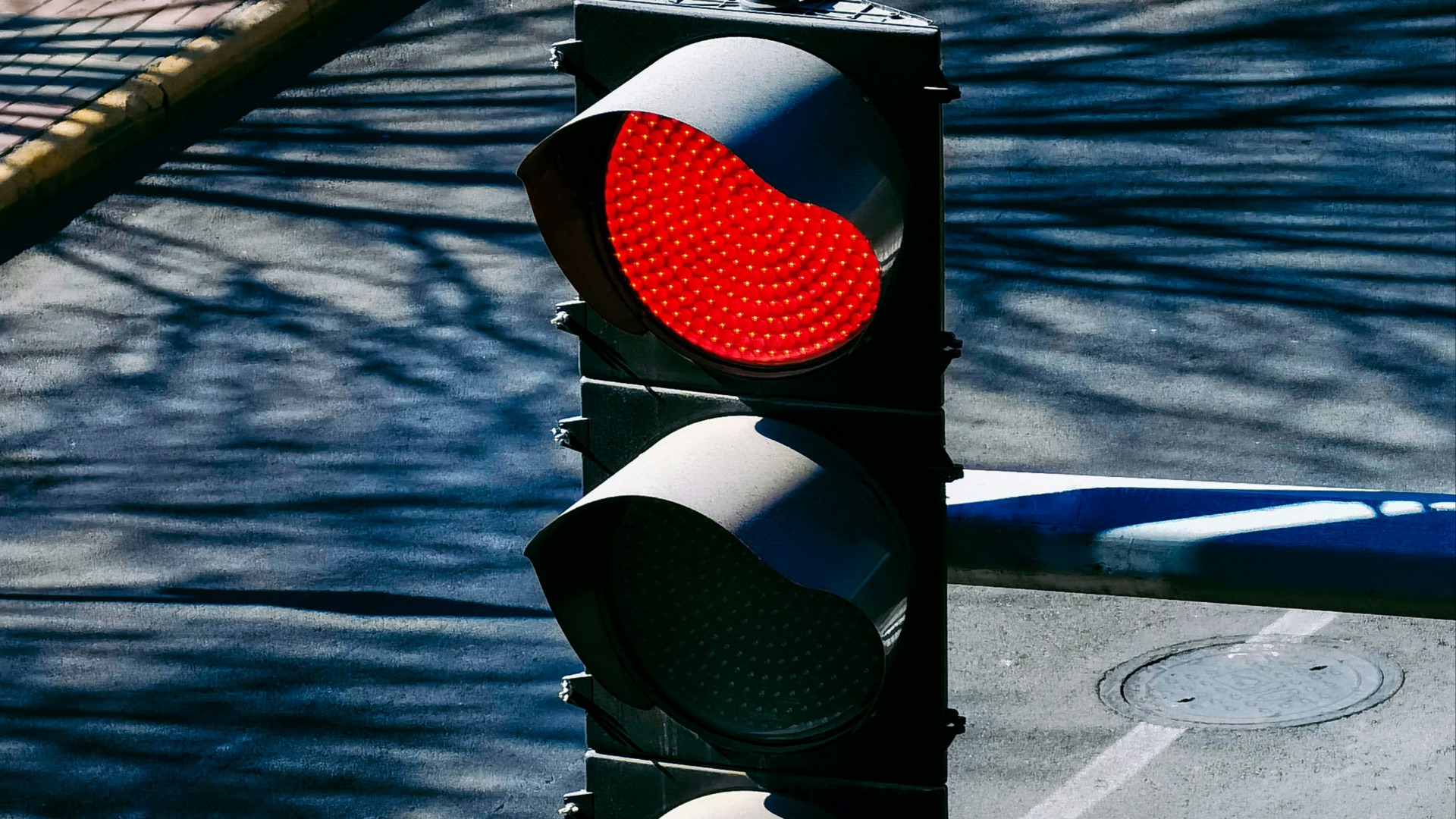
Watching someone run a red light can be infuriating because it’s a reminder that some drivers are willing to gamble with other people’s lives to save a few seconds. Even if you’re not directly affected, your body reacts to the threat, and that surge of fear often converts into anger right after. It’s also hard to shake because you’re left thinking about how little control you’d have if timing had been slightly different.
9. People on Phones or Drifting Between Lanes
A distracted driver is stressful because their unpredictability forces you to drive defensively around them, whether you want to or not. The wandering lane position, inconsistent speed, and delayed reactions create a moving hazard that you have to keep tracking. What makes it maddening is that it’s preventable, and the driver is choosing their phone over the basic responsibility of staying attentive.

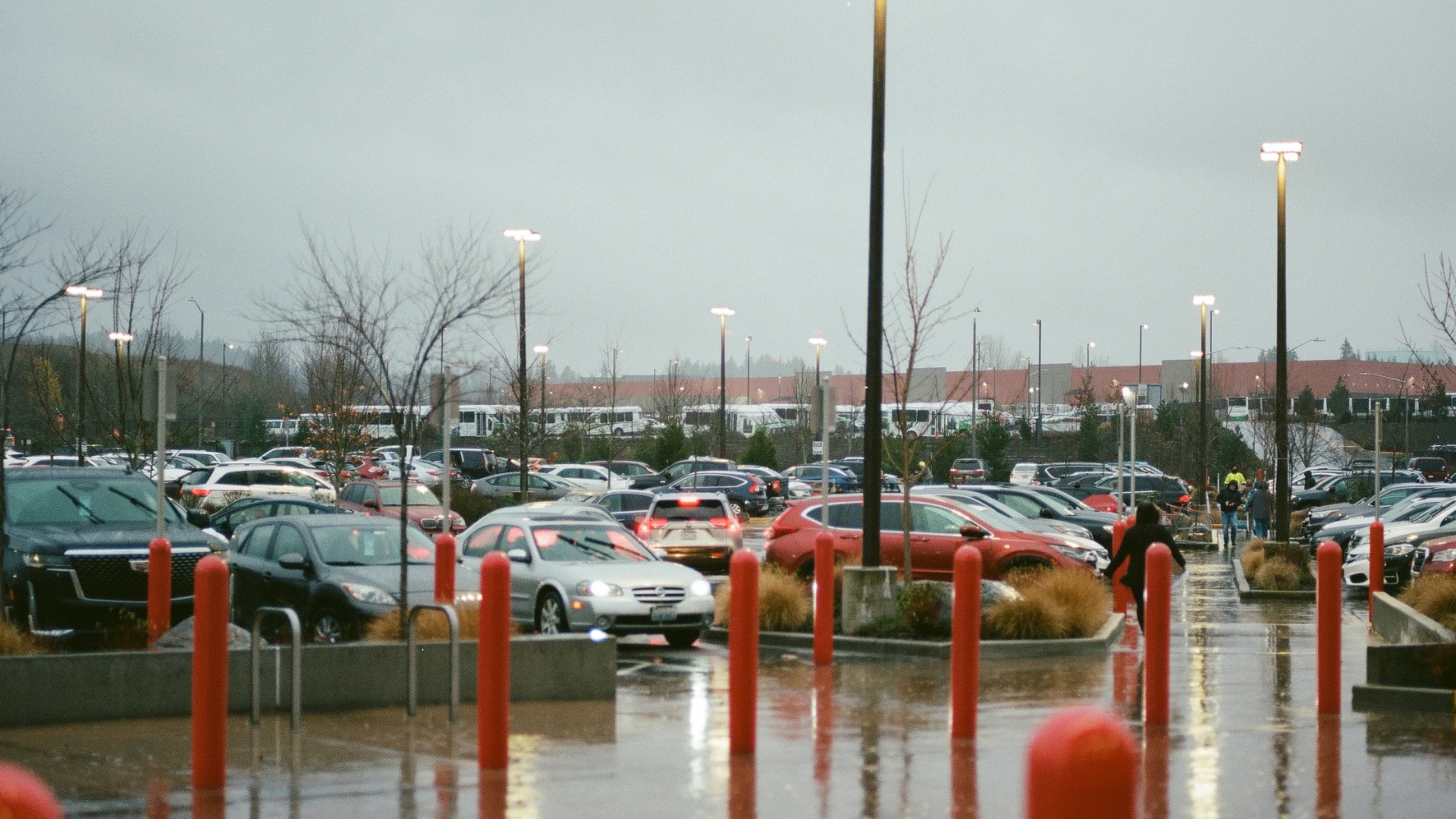
10. Chaotic Parking Lot Behavior
Parking lots bring out a special kind of impatience, partly because the rules feel less formal and partly because everyone’s focused on finding a spot quickly. You’re dealing with pedestrians, backing cars, carts, and drivers who stop in the middle of lanes or cut across rows without looking. The frustration builds because it’s such a small environment, yet it can take an unreasonable amount of time and attention to navigate it safely.
As frustrating as it can sometimes be behind the wheel, it's not always best to fight anger with more fire. So, how can you stay calm and collected? Let's jump into that next:
1. Give Yourself More Time Than You Think You Need
Leaving earlier isn’t just about being punctual; it changes the emotional temperature of the whole drive. When you aren’t stressed about the clock, you can let a slow driver exist without feeling like they’re stealing minutes from your life. That extra time also gives you room to make safe choices—like waiting for a better gap—without feeling trapped between caution and urgency.

2. Set a Calm Driving Default Before You Start
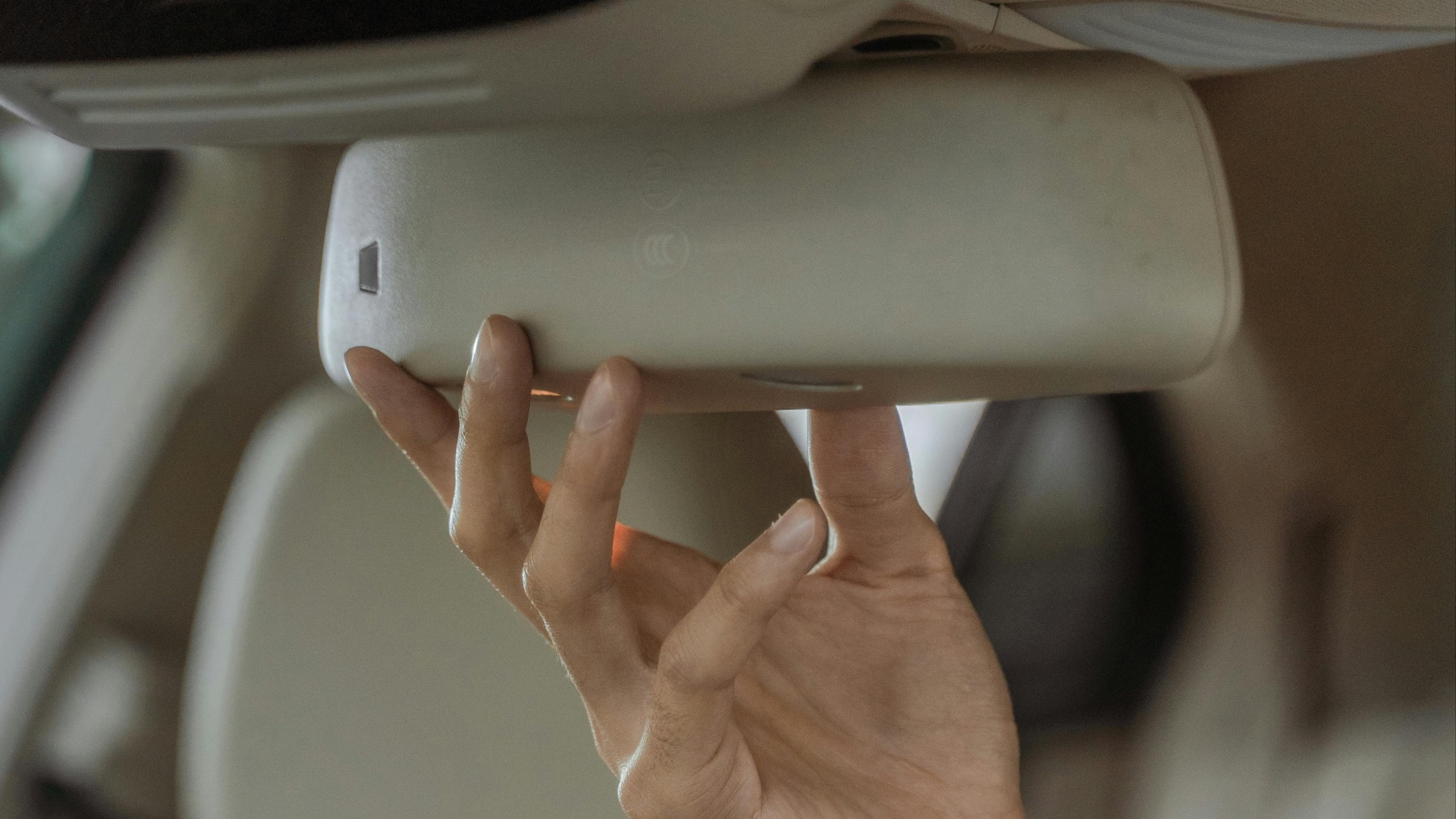
Taking thirty seconds to settle in can prevent you from starting the trip already irritated, which matters more than people think. Adjust your mirrors, get your navigation set, and put your phone where it won’t pull your attention, so you’re not juggling tasks at the first intersection. When you start on purpose instead of rushing, you’re less likely to treat every inconvenience as a crisis.
3. Keep a Safer Following Distance on Purpose
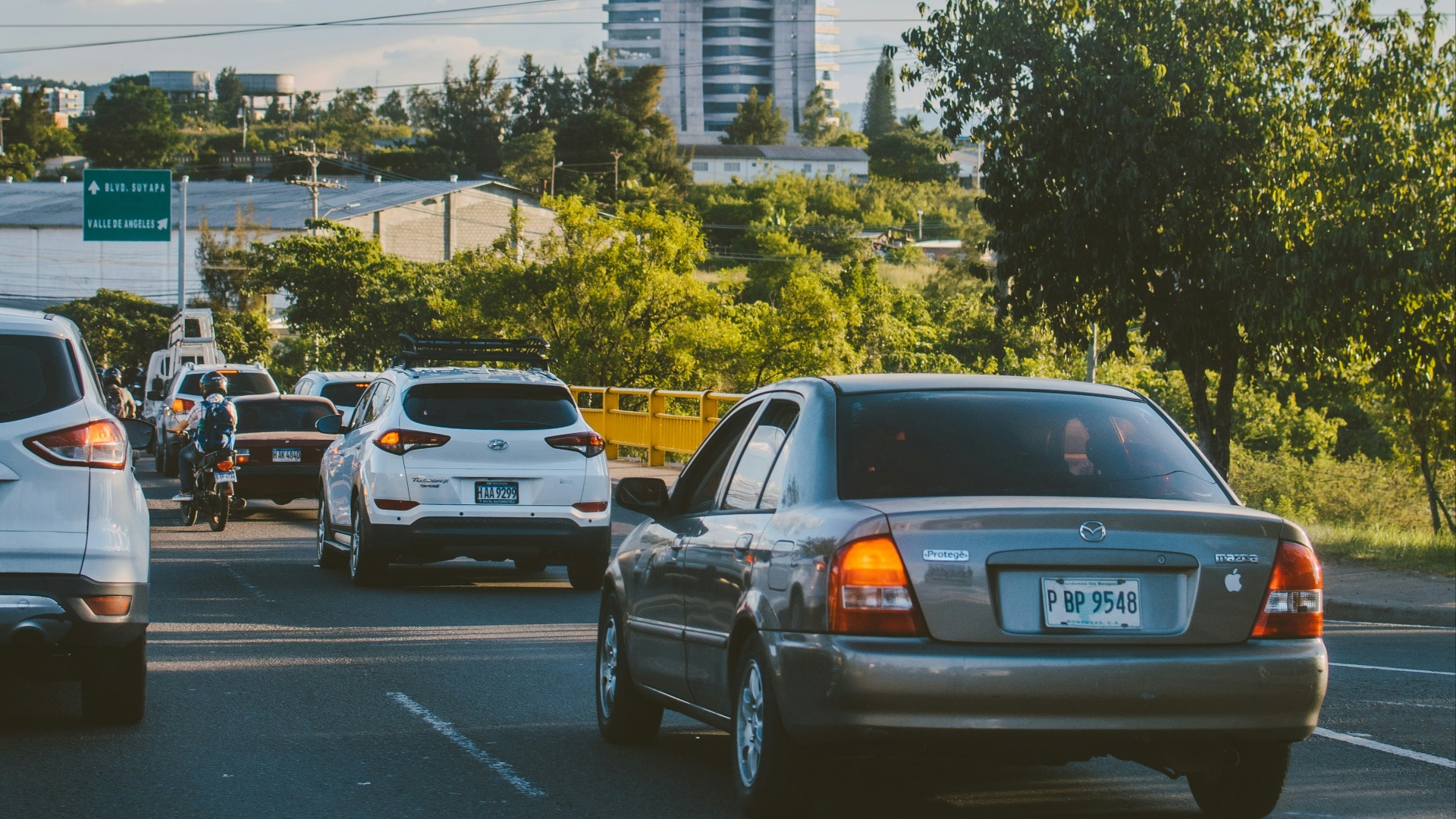
Following distance is one of the simplest ways to reduce your stress because it buys you time and options. With more space, you don’t have to react as sharply to sudden braking, and you’re less likely to feel yanked around by the pace of the car ahead. It also discourages that competitive, bumper-to-bumper dynamic that makes people feel like they’re fighting for position instead of sharing a road.
4. Use the “Let Them Go” Approach When It’s Not Worth It
Letting an aggressive driver pass can feel like swallowing pride, but it’s often the fastest route back to a calmer mindset. When they’re behind you, you’re stuck monitoring them; when they’re ahead, you can re-focus on your lane and your spacing. You’re choosing a practical outcome—less risk, less tension, and fewer distractions—without turning it into a debate about who’s right.

5. Reframe the Situation as a Safety Choice
When you feel yourself getting hot, it helps to label what’s happening as “a safety moment” instead of “a respect moment.” That shift changes your next decision from proving a point to protecting your focus, which is the real resource you need while driving. You can still dislike the behavior, but you don’t have to let it steer your actions or your mood.

6. Don’t Engage with Aggressive Drivers
Engagement is gasoline for bad road behavior, even if you think you’re just communicating frustration. Eye contact, gestures, or a stare in the mirror can escalate the situation in ways you can’t predict, especially if the other person is already worked up. Keeping your attention on your lane, staying predictable, and giving space is a quiet way to de-escalate without sacrificing your own boundaries.
7. Use Simple Self-Talk to Reset Your Mood
A short phrase to yourself can interrupt the mental replay that keeps irritation alive long after the moment has passed. Instead of narrating how wrong the other driver was, you redirect your attention to what you can control: speed, spacing, and awareness. This can help stop feeding the annoyance until it takes over your whole drive.

8. Make Your Car a Low-Stress Environment
Your surroundings influence your patience, so it’s worth removing small things that make you feel agitated or overstimulated. Keep your audio at a level that supports attention, and avoid setting yourself up for irritation with constant alerts, loud notifications, or a cluttered space. When the cabin feels organized and comfortable, it’s easier to respond thoughtfully instead of snapping into a defensive mood.

9. Plan Routes with Less Friction When You Can
If you know certain routes reliably trigger stress—tight merges, confusing interchanges, or heavy pedestrian areas—choosing a calmer path is a smart tradeoff. A slightly longer drive that feels predictable can beat a shorter one that leaves you tense and constantly reacting. Planning ahead also reduces last-second lane changes, which helps you stay composed and keeps everyone around you safer.
 Cristofer Maximilian on Unsplash
10. Pull Over if You’re Too Worked Up to Drive Well
Sometimes the best move is acknowledging that your attention has shifted from driving to stewing, and that’s a real safety issue. If you notice you’re gripping the wheel tightly, replaying an incident, or looking for “payback” moments, it’s a sign you need a reset. Pulling into a safe spot for a minute or two gives your nervous system time to settle so you can return to the road with a clearer head.