
Choosing the Best Option
Driving often feels like the more practical choice, but don't underestimate how far your own two feet can take you. Instead of just hopping into your car for speed, the smarter question is asking which transportation method will get you there safely, comfortably, and with the least hassle, given the distance, time, and conditions. Here are 10 times when walking is the better call, and 10 times when driving makes more sense.

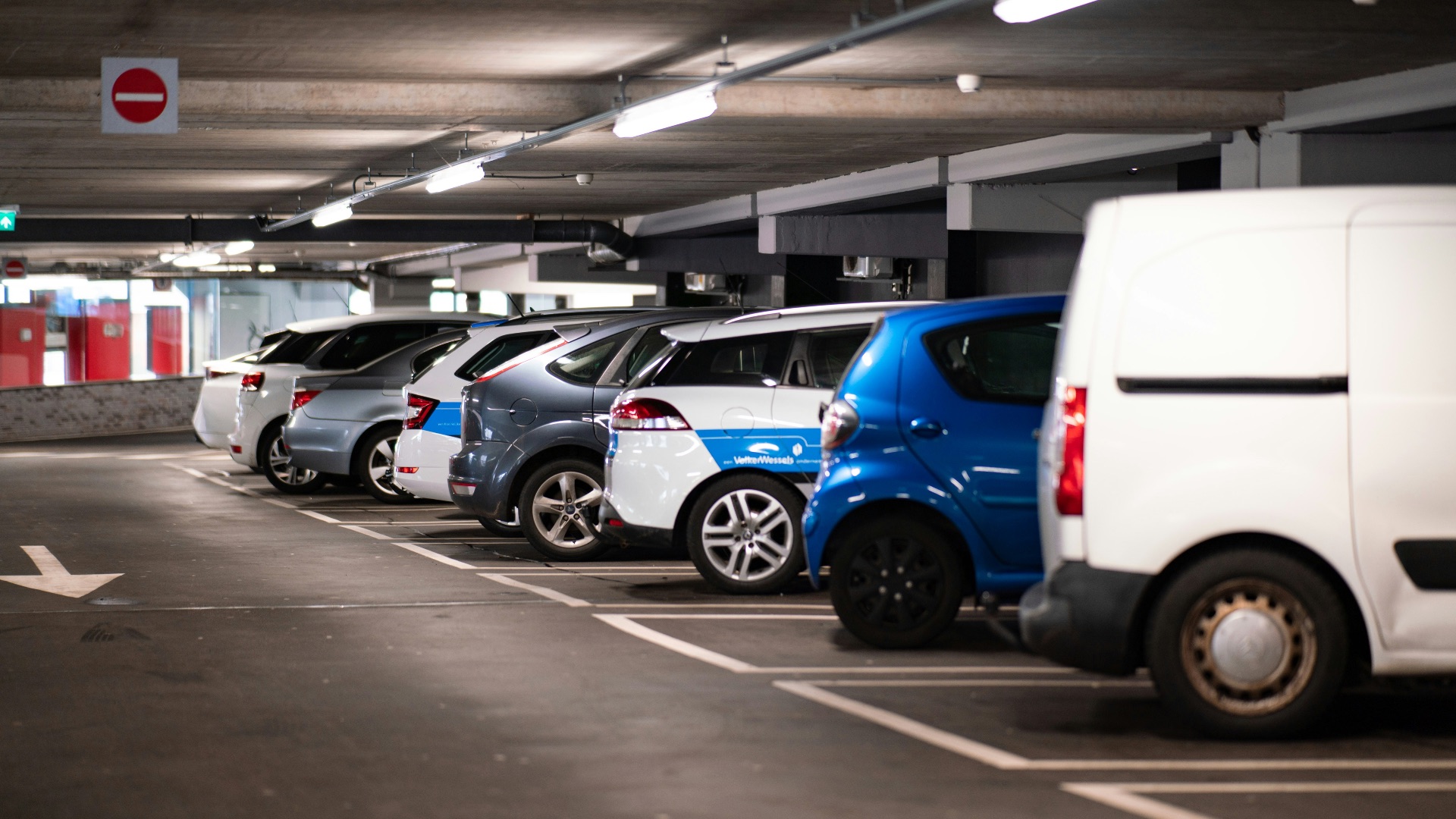
1. When the Trip Is Short and Parking Is a Headache
If you’re going a few blocks and you already know parking will be limited, walking can be the quickest route. You won’t waste time circling, feeding meters, or squeezing into a spot that barely fits your car. By the time you would’ve parked, you could’ve been there and back.
2. When You Want a Built-In Mood Boost
A brief walk can help you feel more alert and less tense, especially if you’ve been sitting all day. It’s also a simple way to reset your attention before heading into work, school, or a meeting. You arrive feeling more present instead of frazzled from traffic.

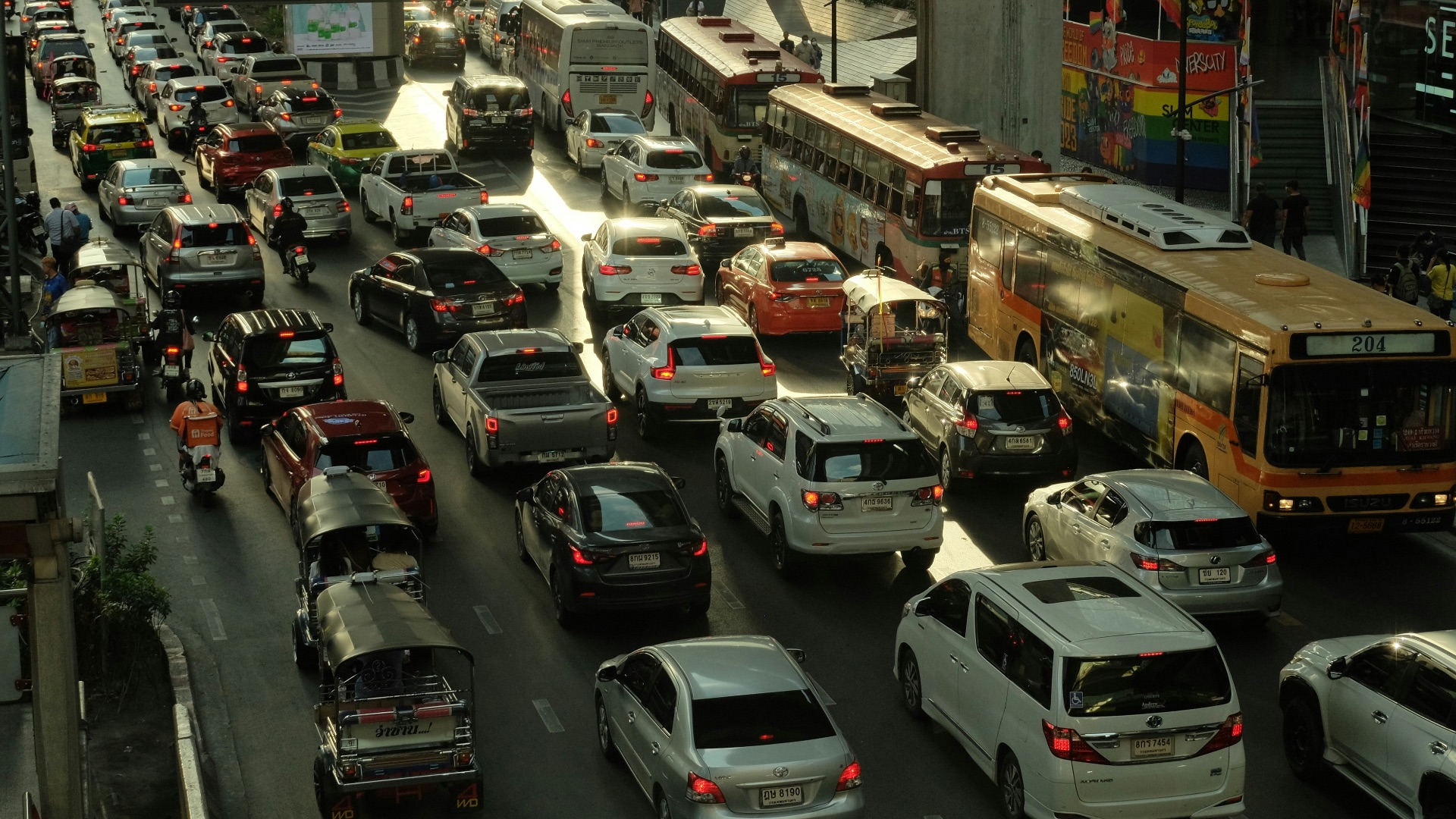
3. When Traffic Is Heavy and Unpredictable
In dense areas, stop-and-go congestion can turn a short drive into a slow crawl. Walking keeps your pace steady, which is often more reliable than a car stuck in a queue. If timing matters, your feet can be a surprisingly dependable schedule.
4. When You’re Running a Single Errand with Light Items
If you’re picking up something small, driving can be more work than it’s worth. Carrying a coffee, a prescription, or a couple groceries is manageable on foot for most people. You also avoid the extra time of starting the car and dealing with stoplights.

5. When You’re Exploring a New Neighborhood
Walking makes it easier to notice details like storefronts, signage, and which streets actually feel safe and comfortable. If you’re trying to get a sense of a place, moving slowly helps you take in what’s around you. You’re also more likely to discover useful spots you’d miss from behind a windshield.
6. When You’re Meeting Friends and Want Flexibility
Walking keeps things simple if plans change at the last minute. If you need to shift to a different café or extend the hangout, you’re not tied to a parking spot or worried about time limits. You can adjust without turning it into a logistical project.
 Priscilla Du Preez 🇨🇦 on Unsplash
7. When You’re Trying to Save Money
Driving can be pretty expensive: gas, parking fees, and wear on your vehicle add up, even on short trips. Walking costs nothing and can reduce how often you need to fill your tank. Over a month, those little choices can make a noticeable difference.

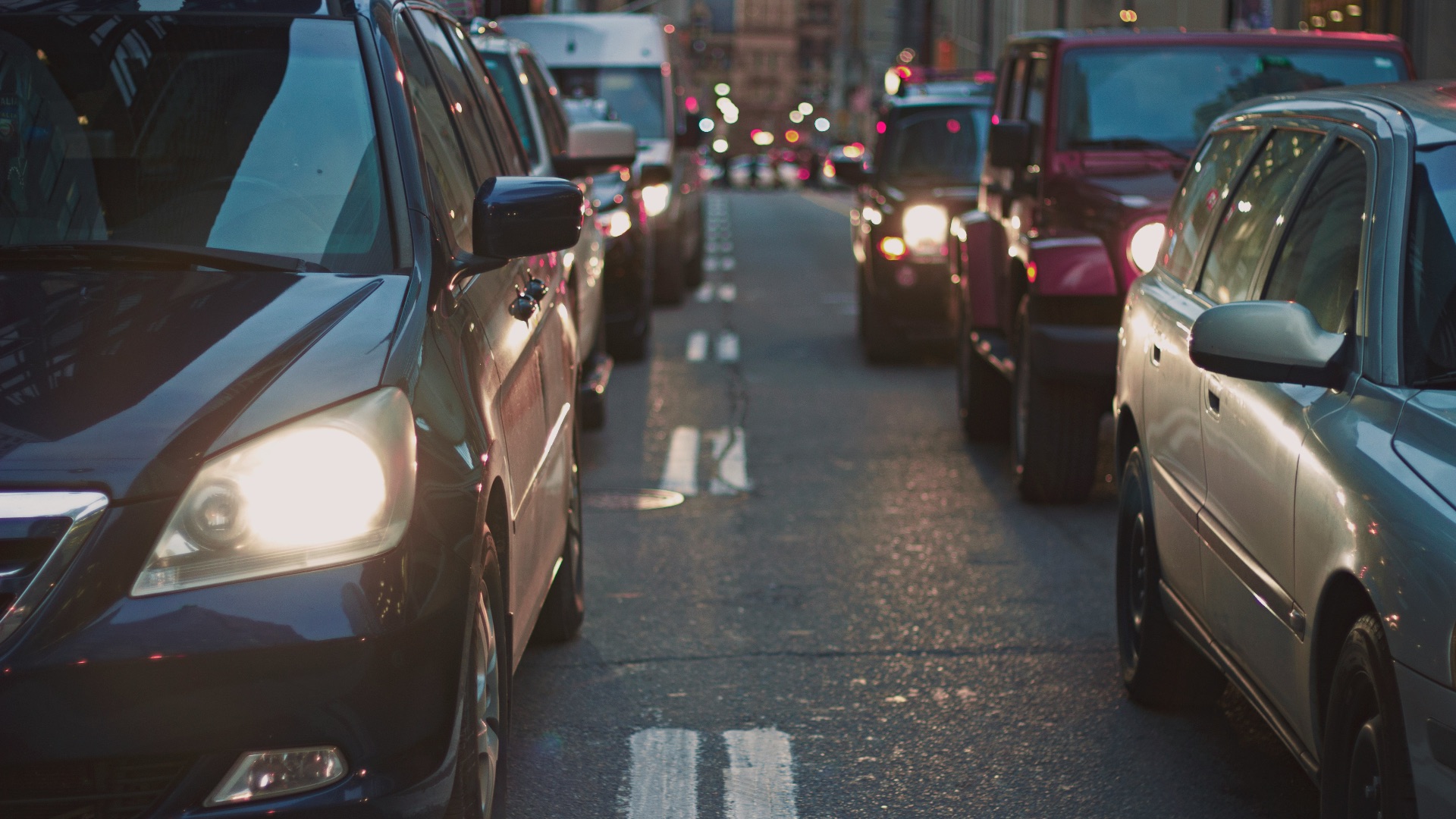
8. When You Want to Avoid the Stress of City Driving
Tight lanes, aggressive merges, and constant stopping can be mentally exhausting. Walking tends to feel calmer because you’re not managing a large machine in a crowded space. If you’re already tired, it can be a kinder option for your nervous system.
9. When the Route Has Reliable Sidewalks and Crossings
A well-designed pedestrian route can be faster and safer than navigating busy roads by car. If sidewalks are wide, crossings are clear, and lighting is good, walking becomes an easy choice. You’ll also spend less time watching for unpredictable drivers in cramped parking lots.

10. When You Need a Quick Break from Screens and Sitting
If you’ve been staring at a screen, a walk can give your eyes and posture a change of pace. It’s an effortless way to add movement without planning a workout. Even a short stroll can leave you feeling less stiff and more energized.
But sometimes, walking isn't always practical. When is driving much better? Here are 10 times when you should probably get behind the wheel instead.
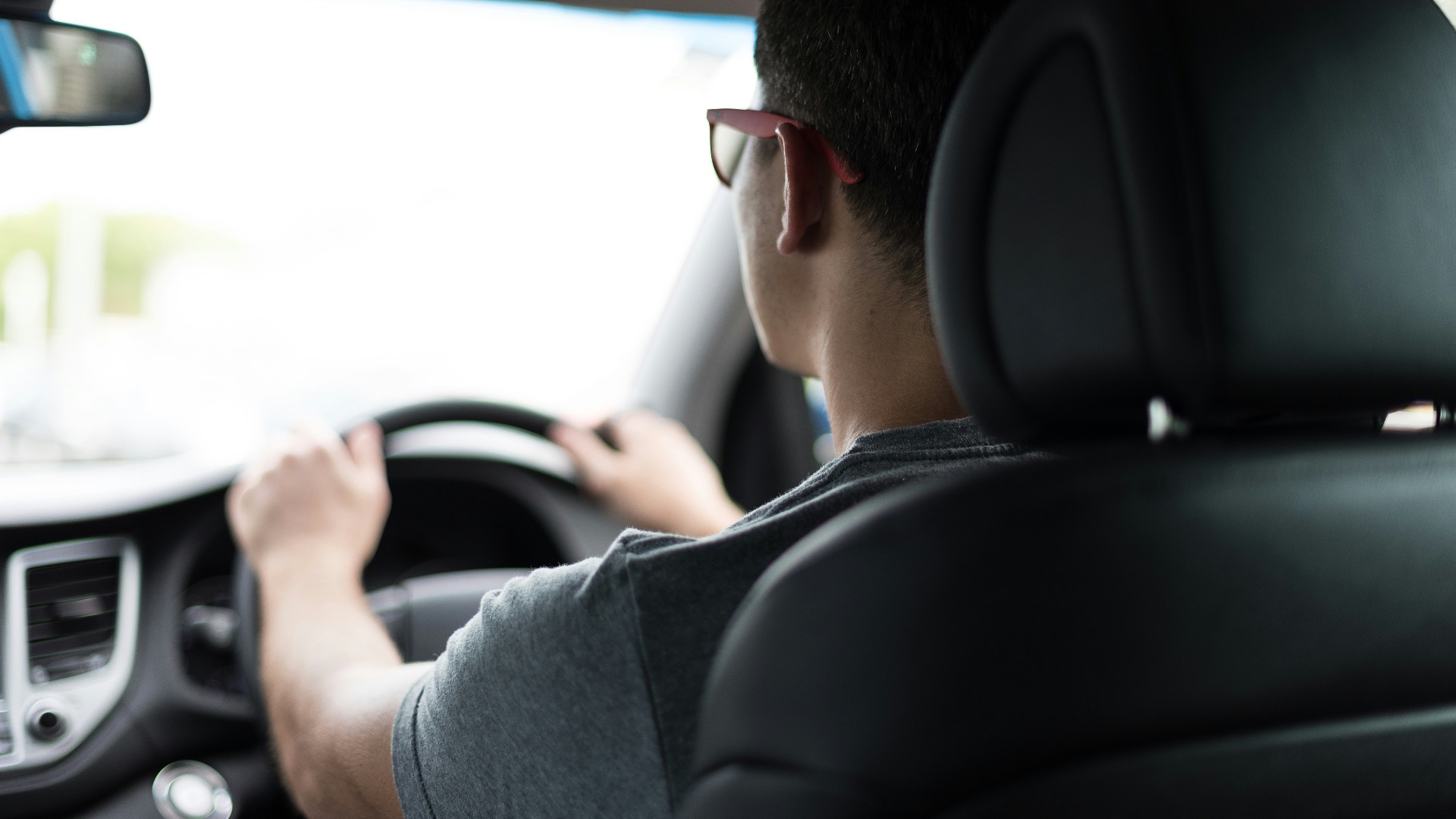
1. When the Distance Is Long or the Time Window Is Tight
A longer trip can be unrealistic on foot if you need to arrive quickly. Driving can help you cover more ground without turning your schedule into an endurance test. If you’re late already, walking likely won’t be the option that saves you.

2. When You’re Carrying Heavy, Bulky, or Fragile Items
If you’re hauling a big grocery run, picking up supplies, or transporting something breakable, driving is often the safer choice. You’re less likely to drop something or strain yourself. It also keeps your hands free to focus on managing the load.

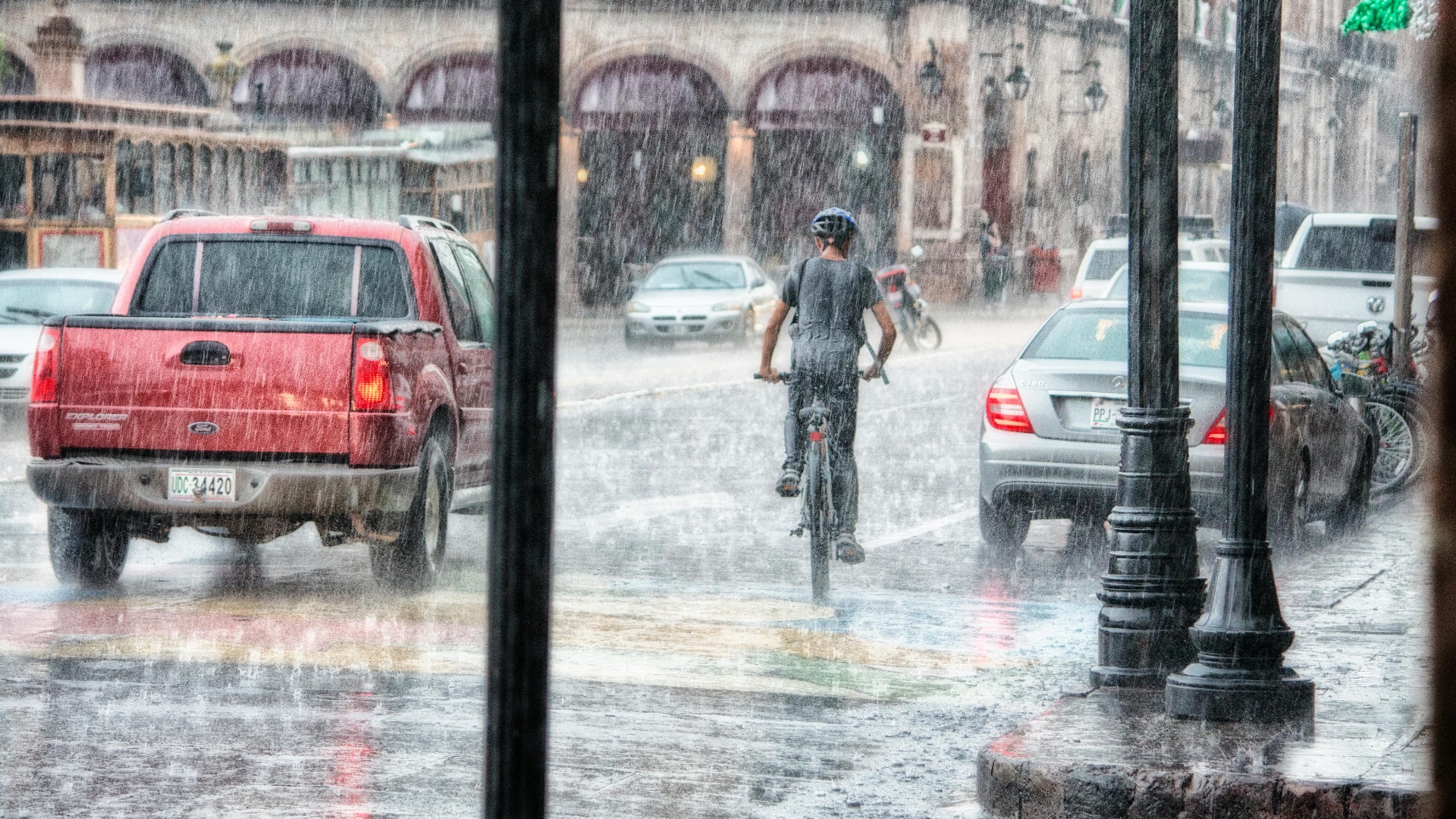
3. When Weather Conditions Make Walking Unsafe
Extreme heat, icy sidewalks, heavy rain, or poor air quality can turn a normal walk into a risky situation. Driving adds shelter and reduces exposure, especially if you have health considerations. Comfort matters because it affects how safely you can move and think.
4. When You’re Traveling with Kids, Older Adults, or Anyone With Mobility Needs
Walking isn’t equally accessible for everyone, and that’s worth acknowledging without judgment. Driving can reduce fatigue, prevent falls, and make transitions easier. It also helps when you’re managing strollers, car seats, or additional support equipment.

5. When It’s Late and the Area Doesn’t Feel Safe
If lighting is poor or you don’t feel comfortable walking alone, driving may be the more secure option. Personal safety should outweigh the ideal of being “more active.” Trusting your instincts is a reasonable part of planning.

6. When the Route Isn’t Pedestrian-Friendly
Some roads are built for cars and make walking dangerous, even if the distance is short. Missing sidewalks, fast traffic, and limited crossings can create unnecessary risk. In those cases, driving is the practical choice.

7. When You Need to Chain Multiple Stops Efficiently
If you’re hitting several places that aren’t close together, walking can turn your errand list into a time-consuming trek. Driving helps you connect stops without draining your day. It’s especially useful when each location has limited hours or strict pickup times.

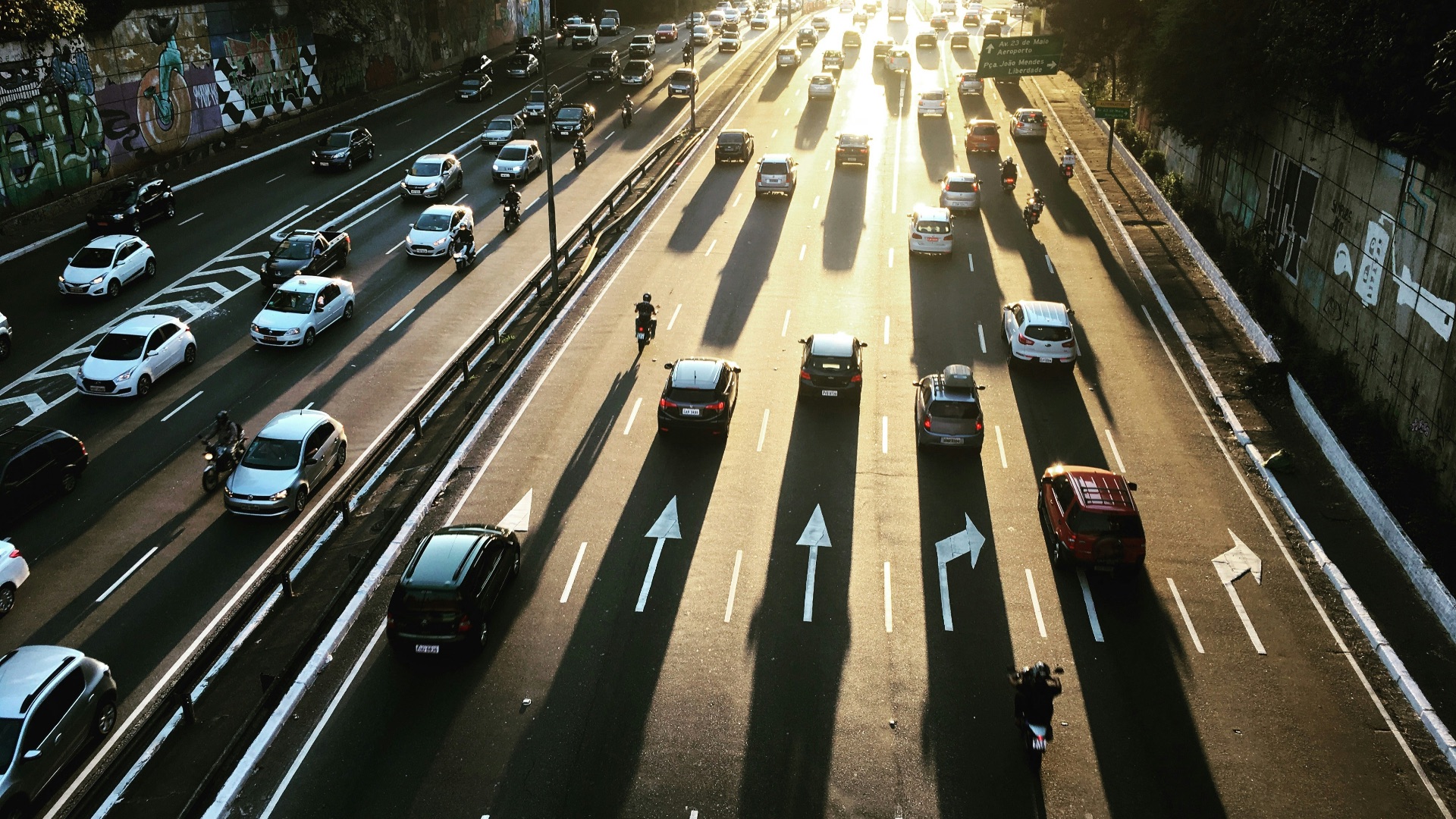
8. When You’re On a Highway or Crossing Natural Barriers
Bridges, tunnels, freeways, and large intersections are often not designed for pedestrians. Driving becomes essential when there’s no safe walking route. Even if a path exists, it may be indirect enough that a car is simply more sensible.
 Victor Sánchez Berruezo on Unsplash
9. When You’re Commuting and Need a Predictable, Polished Arrival
If you’re heading to work or an appointment where you need to look polished, driving can help you avoid arriving sweaty or exhausted. It also reduces the variability that comes with long walks and unexpected detours. For many people, conserving energy for the actual day’s demands is the priority.

10. When You're in an Emergency or Urgent Situation
If something is time-sensitive, driving can provide the quickest response and the ability to carry what you need. You can also reach areas that would take too long to access on foot. In urgent moments, efficiency and safety are the main goals.