
Splitting the Ride
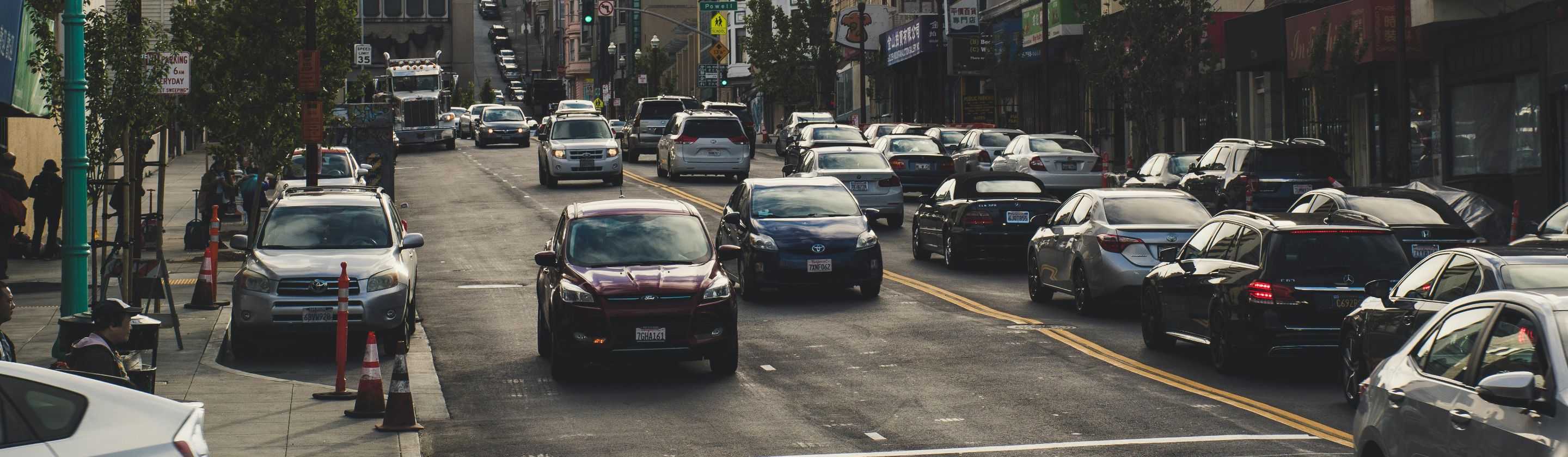
Carpooling sounds like the perfect solution until you're stuck waiting in someone's driveway at 7:00 a.m. Shared commutes promise savings and environmental benefits, but they also bring coordination headaches and lost privacy, and the reality sits somewhere between eco-friendly dream and logistical nightmare. Understanding both sides helps you decide if carpooling fits your lifestyle or if solo driving keeps you sane.

1. Loss of Schedule Flexibility
Picture yourself ready to leave work early for a dentist appointment, only to realize you're stuck waiting for your carpool buddies to finish their tasks. That's the reality of shared commuting—everyone's schedules should align perfectly, eliminating the spontaneous freedom solo drivers take for granted.

2. Coordination Hassles and Added Travel Time
The numbers tell a sobering story: carpooling typically adds 10–30 minutes to your commute through pickups and drop-offs alone, depending on how many people you're shuttling. Beyond the actual driving, there's the invisible labor of planning routes, confirming everyone's availability, and dealing with inevitable no-shows.
3. Invasion of Privacy
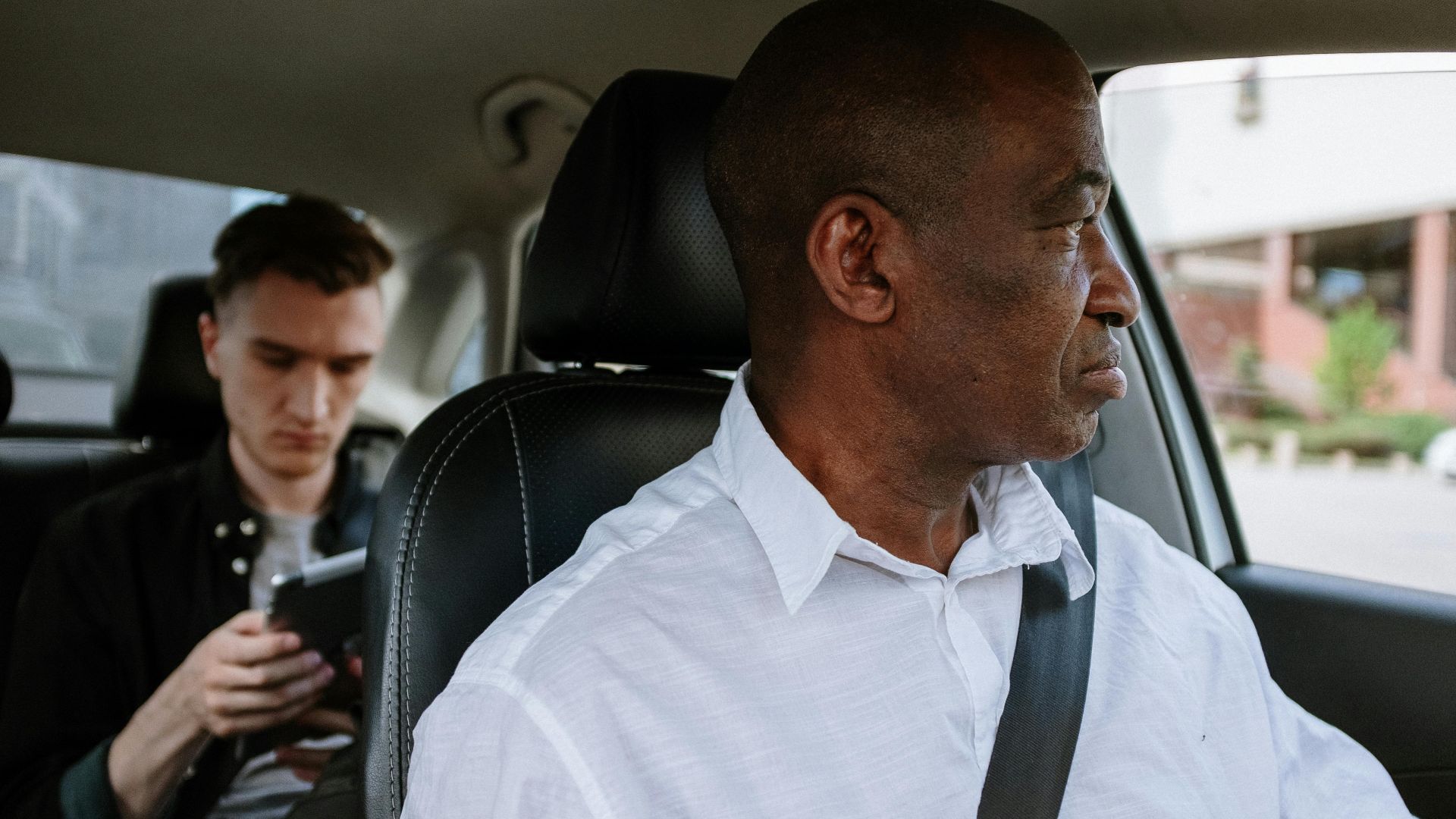
Close quarters mean everything becomes shared territory, whether you like it or not. Your phone conversations, your singing habits, even your podcast choices get put on blast. Pooled rides consistently highlight privacy concerns as a major adoption barrier, with passengers uncomfortable having their personal discussions overheard.

4. Safety Risks With Unfamiliar Passengers
Women rate rideshare safety significantly lower than men, citing legitimate concerns about unfamiliar drivers and passengers. These aren't unfounded worries, either. The danger intensifies with informal carpools, where background checks are typically nonexistent, creating potential exposure to unvetted individuals.

5. Increased Chance of Getting Sick
Carpools essentially function as transmission nodes for respiratory illnesses thanks to prolonged close proximity in enclosed spaces. The confined environment only amplifies risk. Airborne infectious agents circulate far more readily in automobiles with recirculated air.

6. Forced Social Interactions
Shared rides sometimes heighten stress rather than relieve it, particularly when managing awkward social dynamics or uncomfortable silences. Group commuting can trap you in unwanted small talk or expose you to conflicts, increasing mental fatigue compared to the peaceful solitude of solo drives.

7. Insurance and Liability Complications
Rideshare incidents involve layered coverages—personal versus commercial insurance—leading to coverage gaps or legal complexities that solo drivers never encounter. Accidents in carpools trigger fault-based liability, but multi-party involvement often complicates claims and insurance disputes in risky ways.

8. Disputes Over Cost-Sharing
Money tensions poison many carpool arrangements, with uneven contributions for fuel, tolls, or maintenance commonly sparking disagreements among participants. Cost-sharing apps exist specifically to mitigate frequent arguments reported in peer-to-peer carpools, addressing a widespread problem that solo drivers never encounter.

9. Lack of Control Over Vehicle Environment
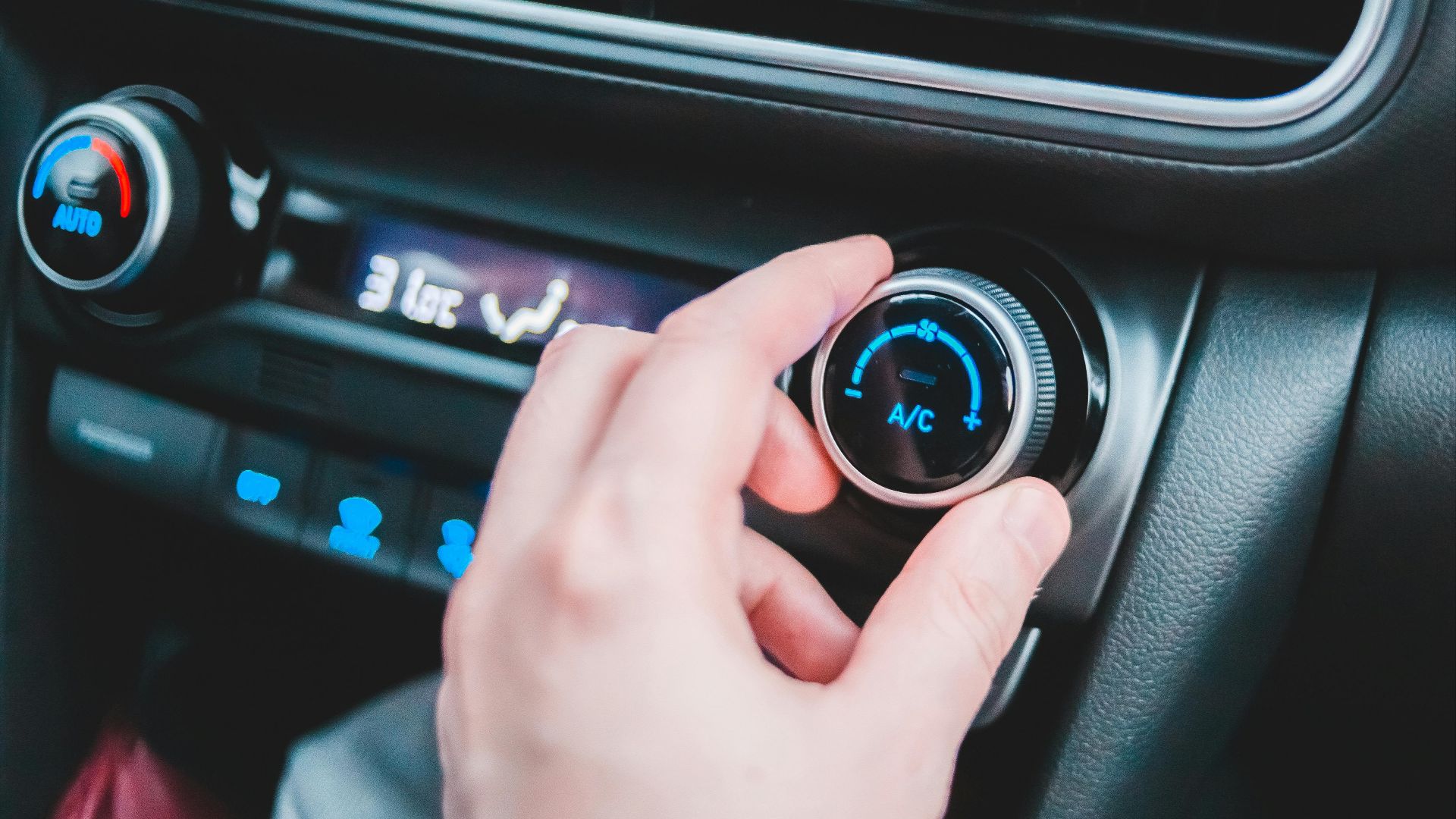
Driver preferences typically dominate shared rides. That means reduced customization you'd otherwise enjoy in your personal vehicle. Passengers relinquish control over temperature, music, windows, and stops, essentially becoming subject to someone else's environmental choices for the entire commute.
10. Hygiene Issues
Passengers frequently encounter odors, food residue, or dirt from previous riders that affect overall comfort and create visceral disgust. Unlike your meticulously maintained personal vehicle, carpools and rideshares circulate through numerous people who each bring their own cleanliness standards, or lack thereof.

The frustrations are real, but so are the benefits that keep carpoolers coming back daily. Now it's time to visit the other side of the road!
1. Major Cost Savings
Four-person carpools tend to slash individual commuting costs through shared fuel, tolls, and parking expenses. Even modest two-person carpooling arrangements can save a lot annually just on gas and wear-and-tear alone, making it accessible for those dipping their toes into shared commuting.
2. Reduced Personal Vehicle Wear
Lower annual mileage correlates directly with decreased brake and suspension wear in participant vehicles, extending the lifespan of expensive components that would otherwise need frequent replacement. Shared riding distributes total commuting mileage across fewer vehicles.
 Media Studio Hong Kong on Pexels
3. Lower Carbon Emissions and Pollution
An average household switching to carpooling can cut CO₂ emissions by up to 2,000 pounds—a full ton—annually, representing a substantial individual contribution to climate change mitigation. These are measurable reductions in the carbon footprint that each person contributes to atmospheric warming.

4. Traffic Congestion Relief
Increased carpooling statistically lowers congestion-related delays for all drivers, creating benefits that extend far beyond carpool participants themselves to improve everyone's commute experience. Removing one vehicle per carpool trip directly decreases overall road volume during peak hours.

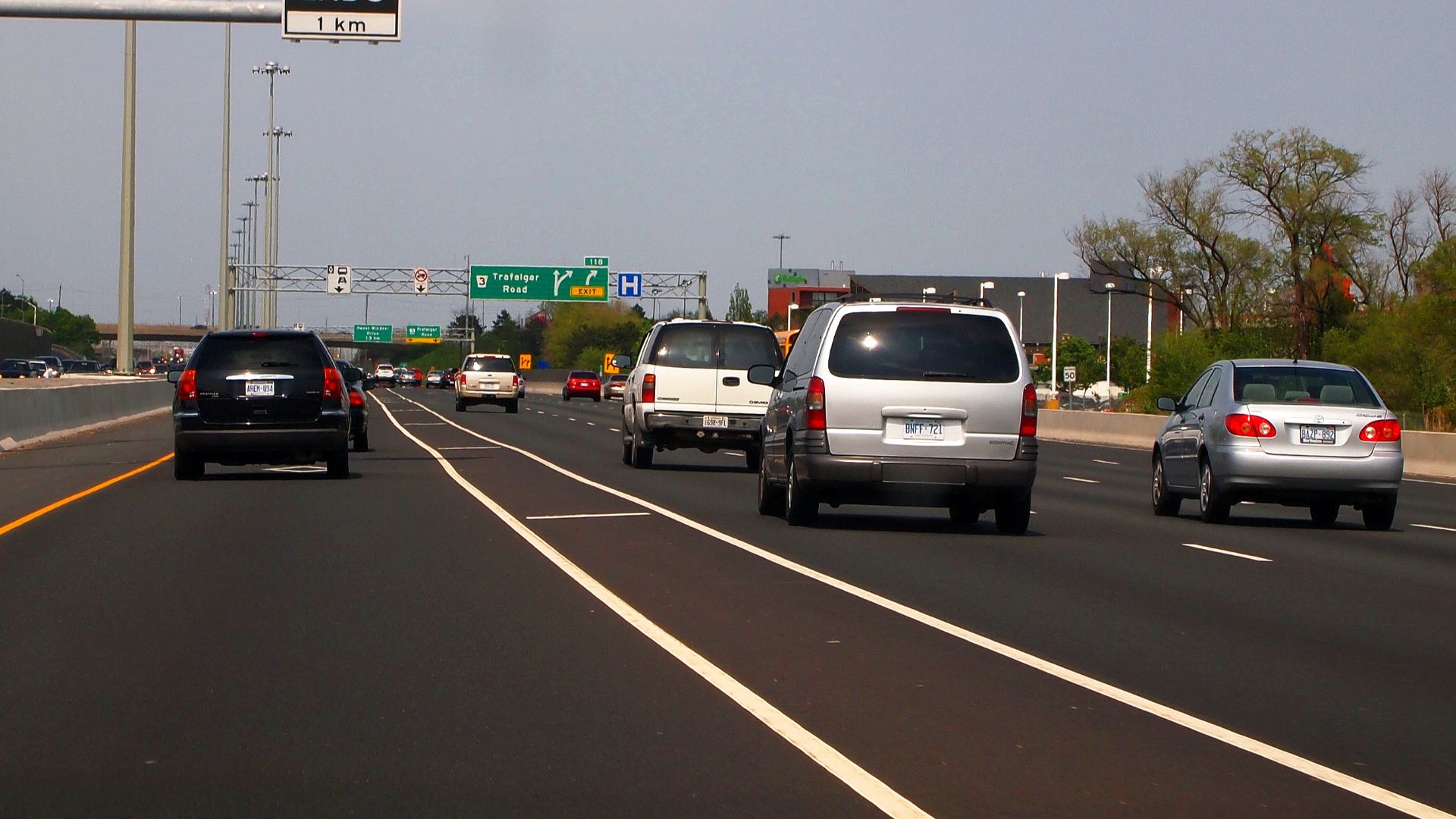
5. Access to HOV/Carpool Lanes
HOV usage has increased vehicle occupancy rates by impressive margins. The time savings compound over weeks and months, returning hours to your life that would otherwise evaporate in traffic gridlock. This isn't just about speed—it's about reduced stress from knowing you'll bypass the worst congestion.
6. Social Connections
Such commutes provide built-in time for meaningful conversations otherwise missed in solo driving. Regular carpooling fosters friendships and professional networking naturally, as repeated interactions allow genuine bonds to form beyond superficial small talk. These relationships often extend beyond the commute itself.

7. Decreased Driving Fatigue
Alternating driving duties allows passengers to relax, read, or rest during travel. Shared responsibility reduces individual driving time and associated fatigue—if you're only behind the wheel two days a week instead of five, you're cutting personal driving stress by around 60%.

8. Priority Parking Perks
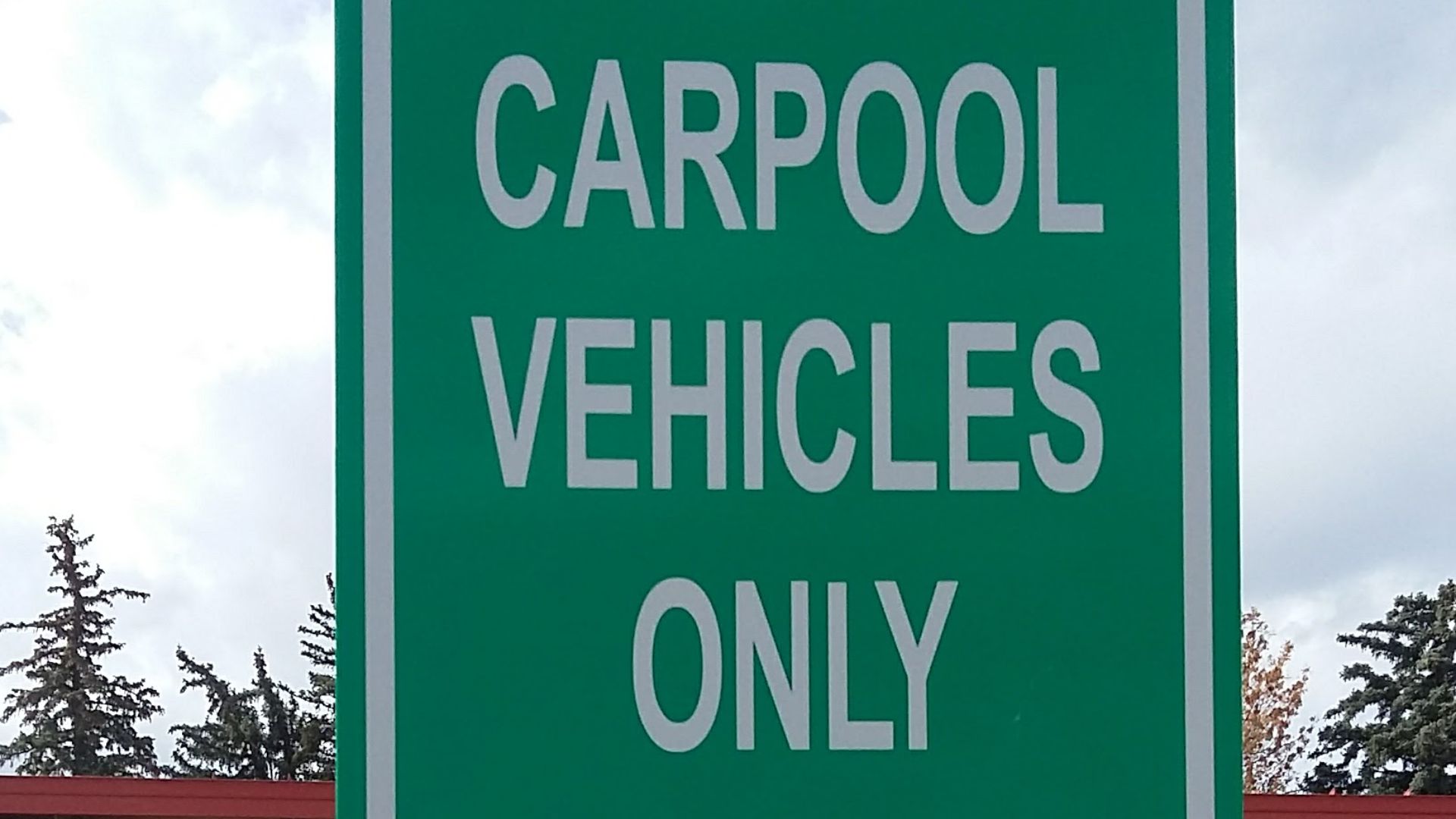
Many employers designate closer or reserved spots exclusively for verified carpool vehicles, rewarding shared commuting with premium parking that solo drivers can't access. Carpool perks such as free or reduced parking fees are common in corporate and campus settings.
9. Lowers Accident Risk Overall
When fewer cars are on the road, the chances of collisions naturally drop. Carpooling reduces traffic density, which means fewer aggressive lane changes, less stop-and-go driving, and lower stress behind the wheel. Roads become safer for drivers, cyclists, and pedestrians alike.

10. Employer Incentives
Companies like Google and Amazon offer carpool programs with rewards estimated at $2,000 to $4,000 annual value. Tax benefits, matching funds, and subsidies are standard in many employer commuter programs, recognizing that facilitating carpooling reduces parking demand.