
What to Check After Long-Term Storage
If you've just returned from a long trip, you might be tempted to hop in your car to restock your fridge and pantry, but unless you took great care of your vehicle before you left, you should probably hold your horses. A car that hasn't been driven for weeks or even months can develop problems even if it looks fine at first glance. Batteries can lose charge, tires can lose pressure, brake rotors can develop surface rust, fluids can leak, and rodents may decide that an engine compartment makes a convenient nesting spot. So, before you start the engine and head down the road, inspect your car carefully—it could save your life.

1. Check the Ground Underneath the Car
Before opening the hood, look underneath the vehicle for puddles, stains, or fresh wet spots that weren't there before. Engine oil, coolant, transmission fluid, brake fluid, and other automotive fluids can escape through seals, hoses, or connections while a vehicle sits, and visible leakage shouldn't be ignored. If you find a significant or unexplained leak, identify the source or have the car inspected before driving it.
2. Inspect the Battery
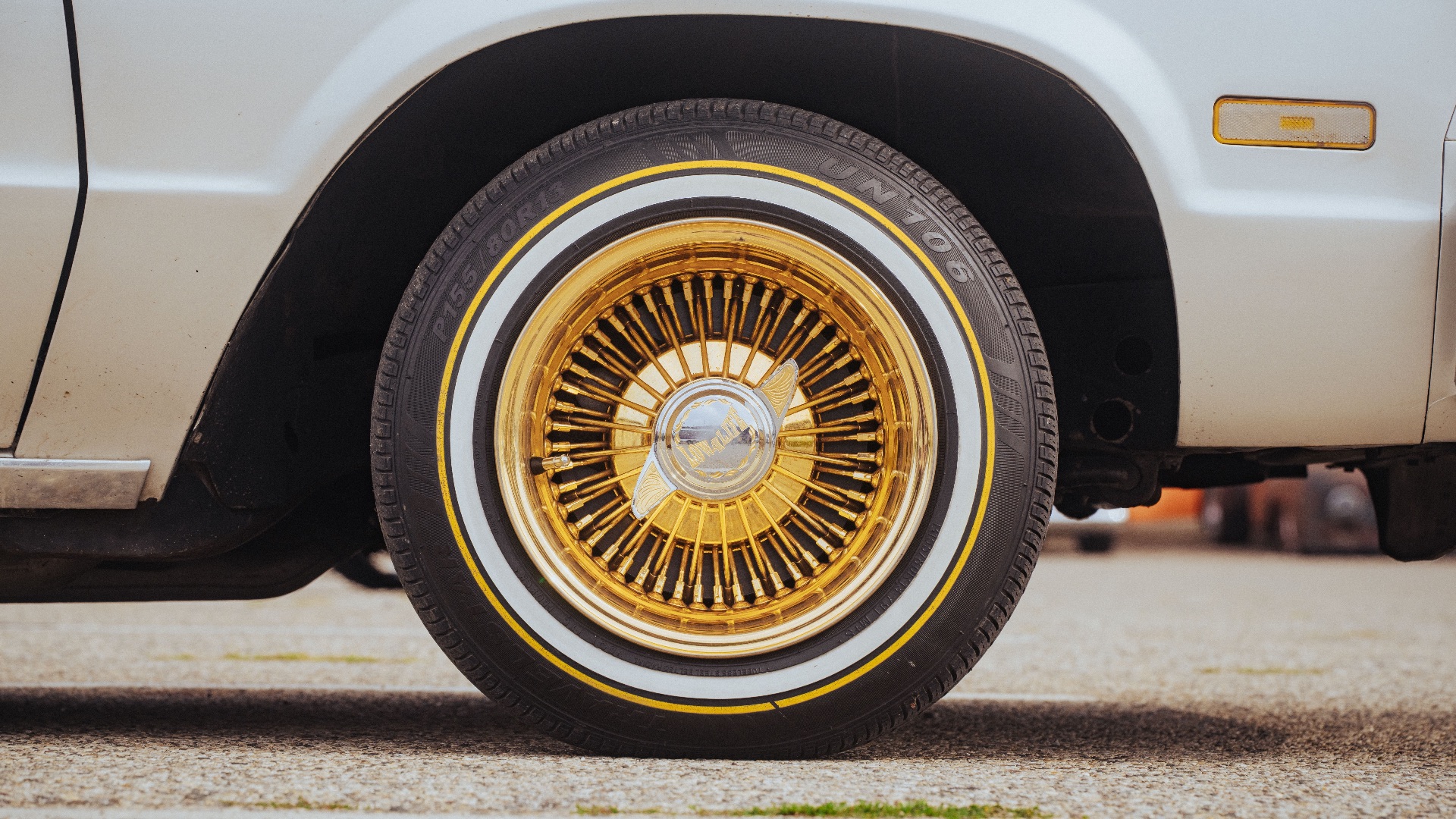
Extended periods without driving can leave a 12-volt battery partially or completely discharged because modern vehicles continue drawing small amounts of electricity while parked. Battery problems are among the most common concerns with cars that sit unused, so check for a weak charge as well as corrosion around the terminals. If the engine cranks slowly or the battery repeatedly needs a jump, testing it can tell you whether charging or replacement is the better option.
3. Look at All Four Tires
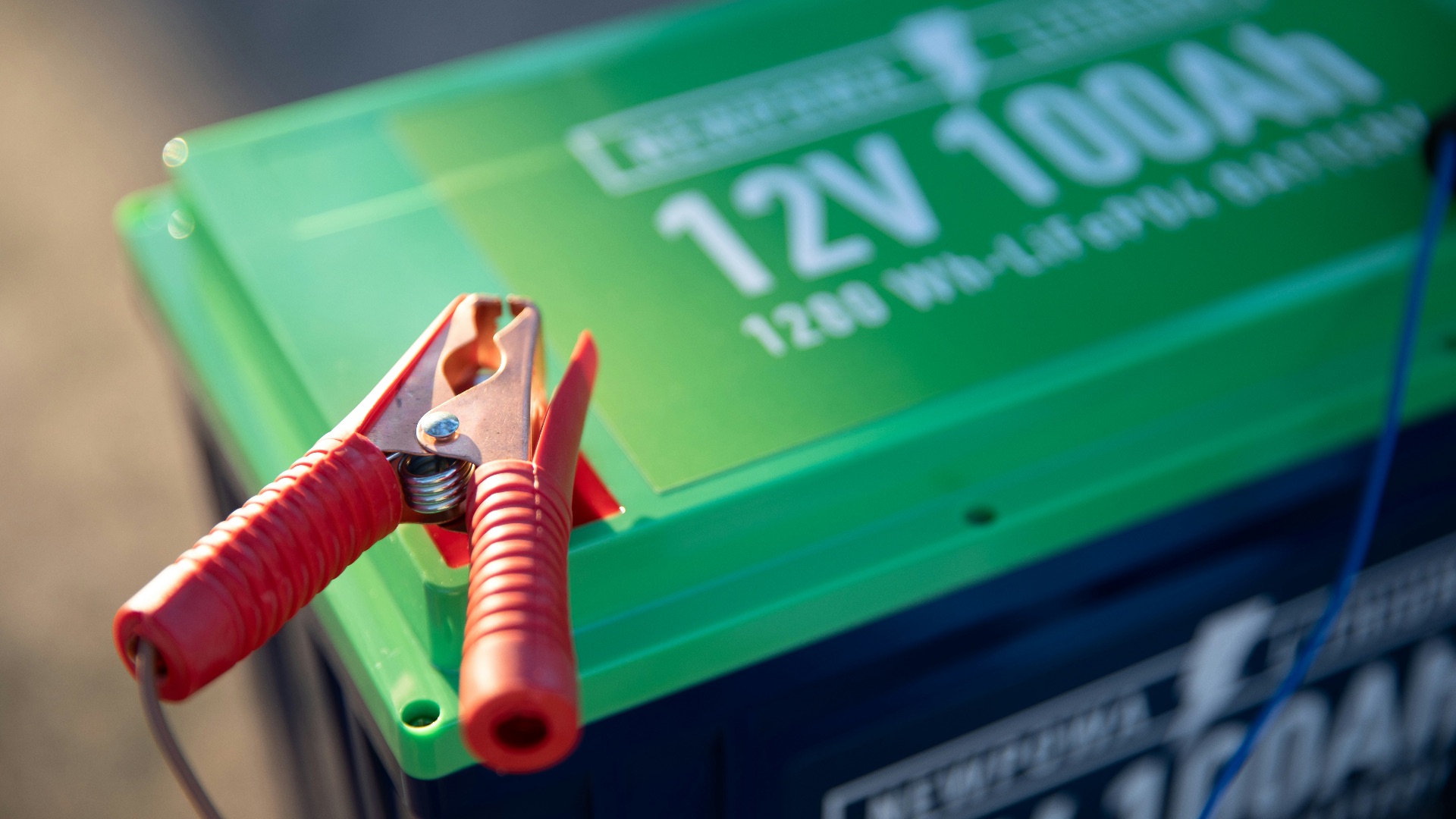
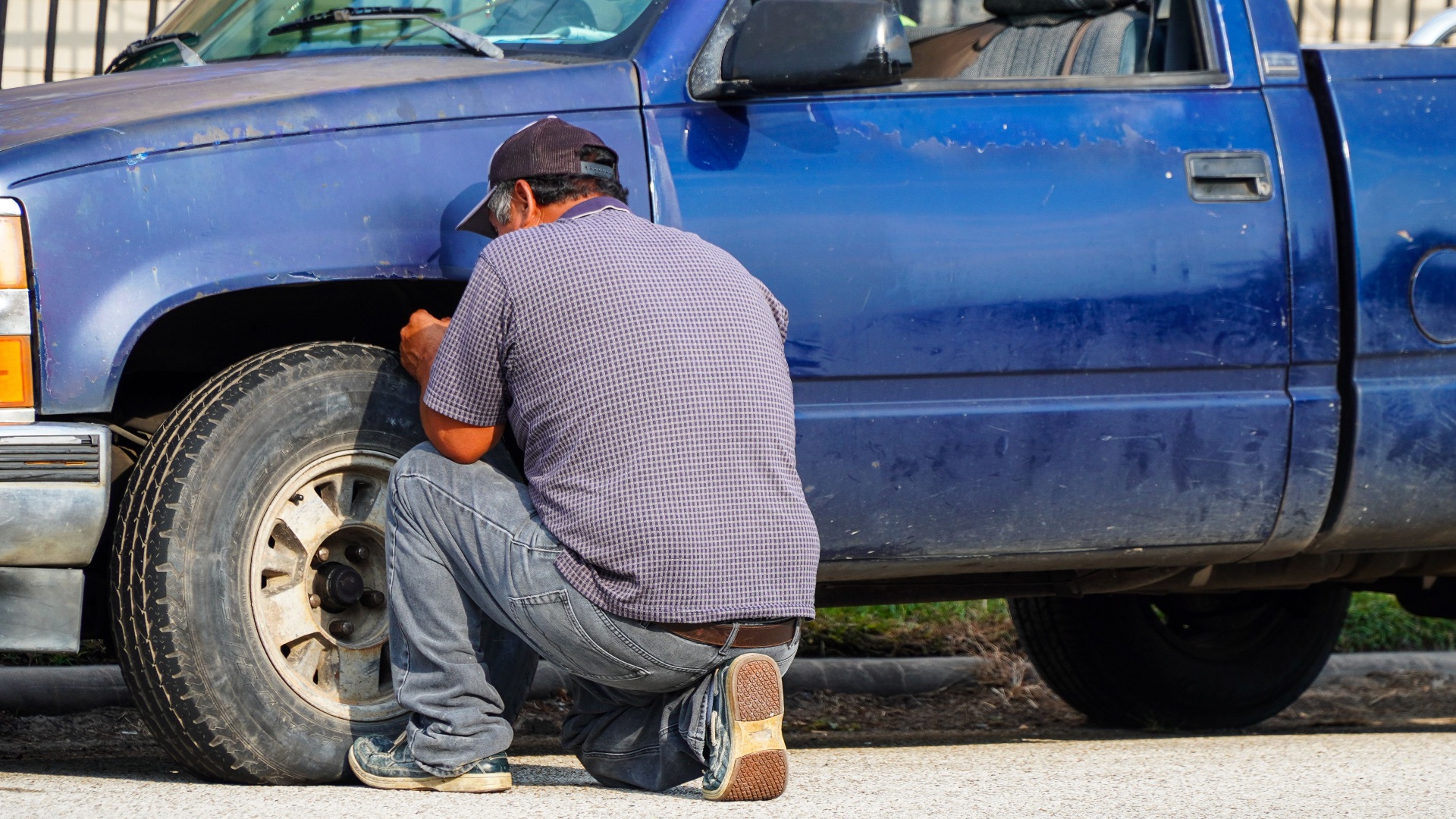
Walk around the vehicle and inspect every tire for visible damage, cracking, bulges, or an obviously low sidewall. Tires that remain in the same position for an extended period can also develop flat spots where the tread stays pressed against the ground. Some temporary flat spotting may lessen after driving, but persistent vibration or visible tire damage deserves professional attention.
4. Measure the Tire Pressure
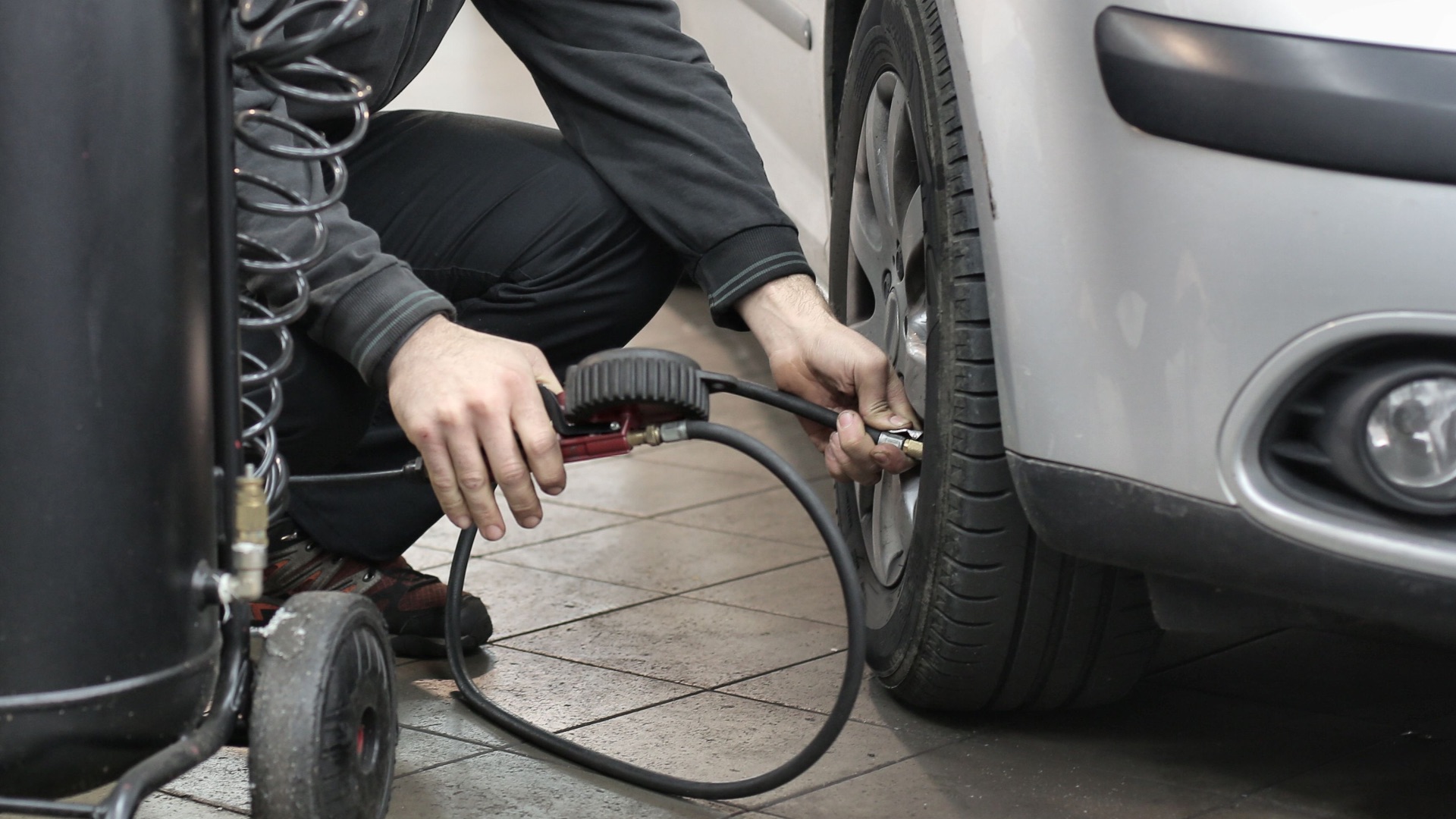
A tire can look reasonably normal and still be several pounds below its recommended inflation pressure. Use a reliable gauge while the tires are cold, then compare the readings with the vehicle manufacturer's specification on the driver's door-frame label or in the owner's manual rather than the maximum pressure molded into the tire. Correcting the pressure before driving helps preserve predictable handling and reduces unnecessary tire stress.
5. Examine the Brake Rotors
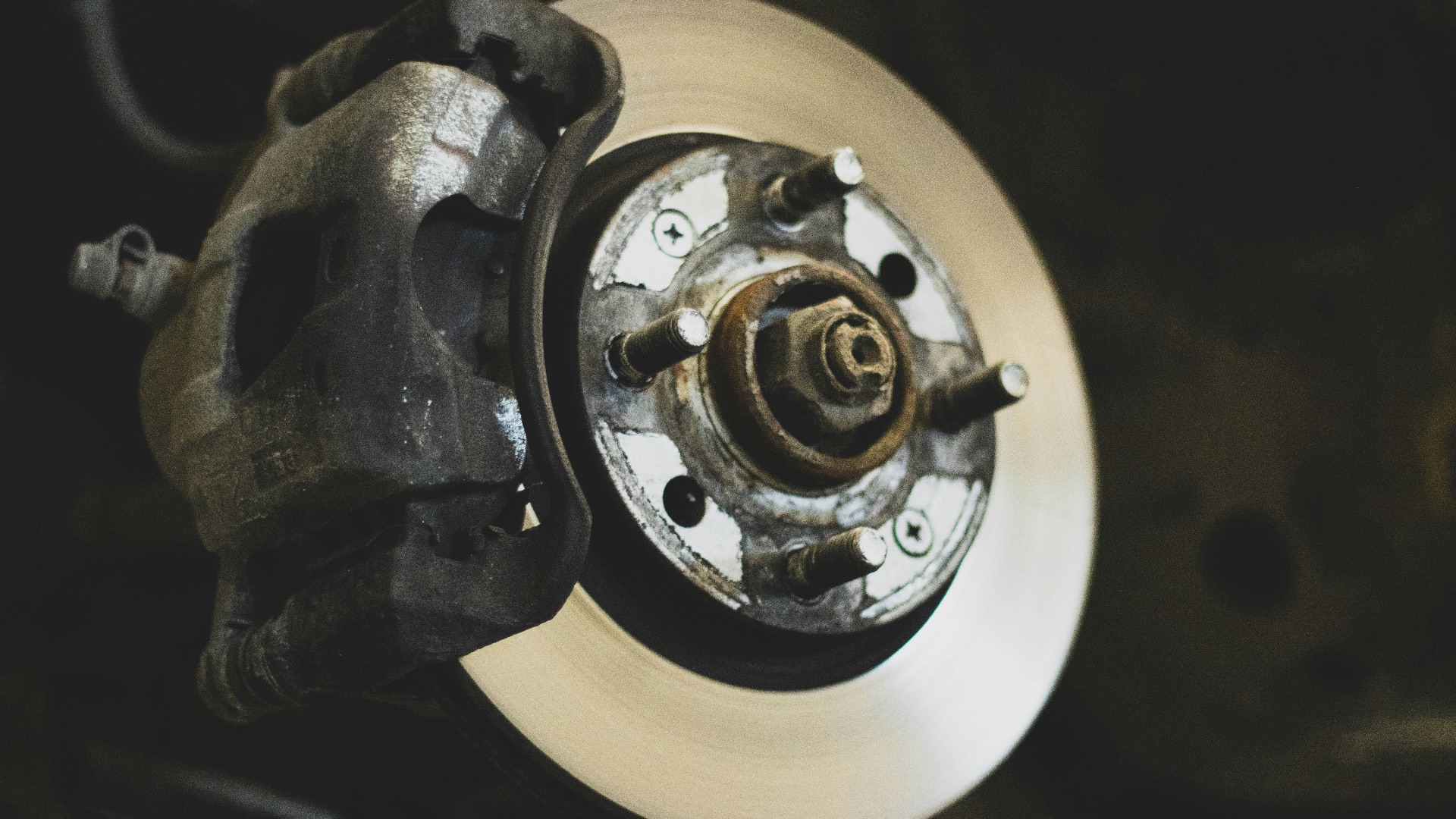
If you can see the brake rotors through the wheels, don't be surprised by a light coating of surface rust after the vehicle has been parked. Minor surface rust can form relatively quickly and may disappear as the brakes are used, but heavier corrosion or unusual brake behavior calls for more attention. Once you begin moving, pay close attention to grinding, strong vibration, or brakes that don't feel normal.
6. Test the Brake Pedal Before Moving
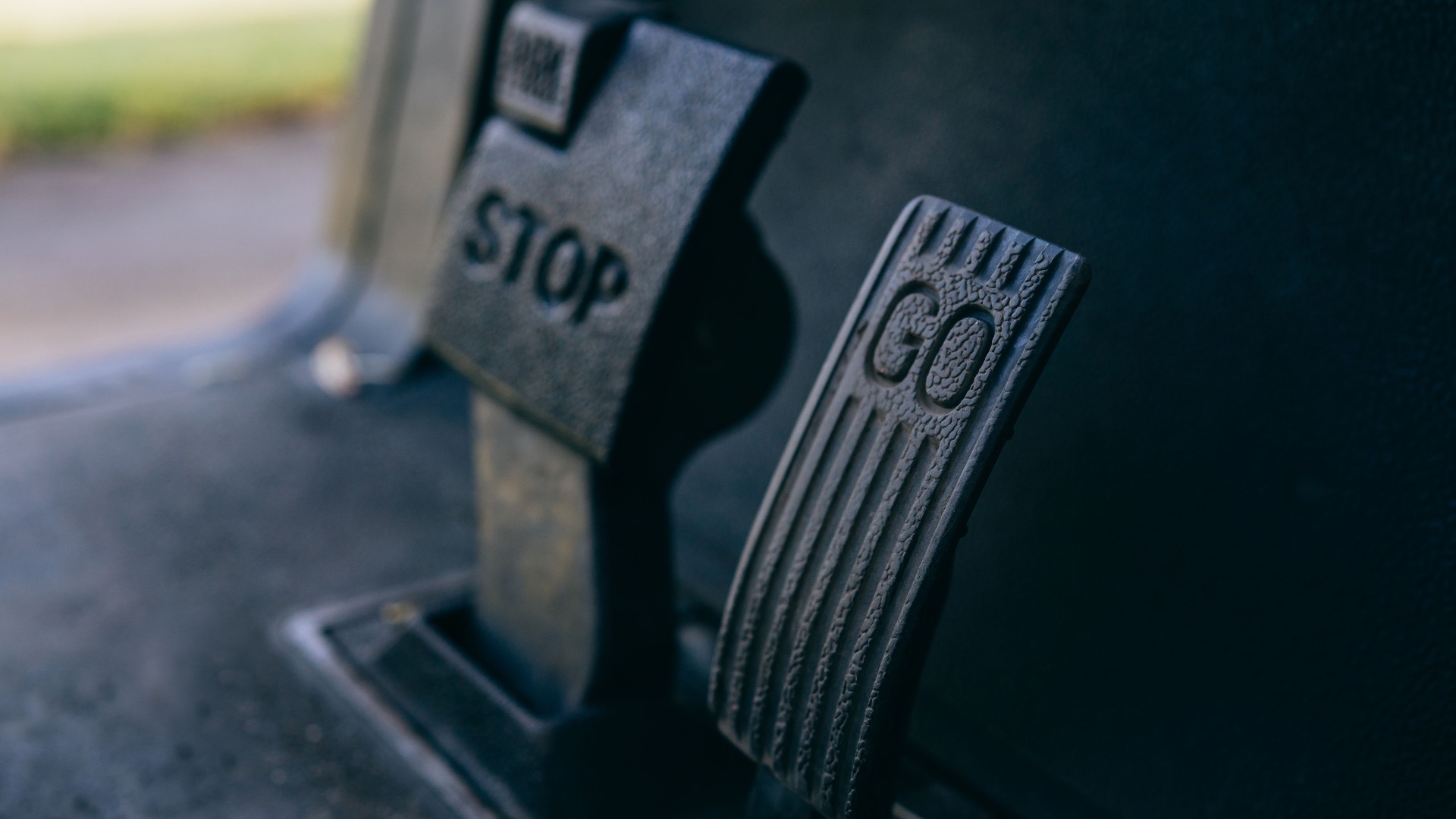
Press the brake pedal firmly while the vehicle is still stationary and make sure it feels consistent with what you're accustomed to. A pedal that suddenly feels unusually soft, sinks excessively, or responds differently shouldn't be dismissed just because the car has been parked. Changes in braking response can indicate a problem that needs inspection before the vehicle returns to regular use, and if you skip it, you could be risking your own life.
7. Check the Engine Oil
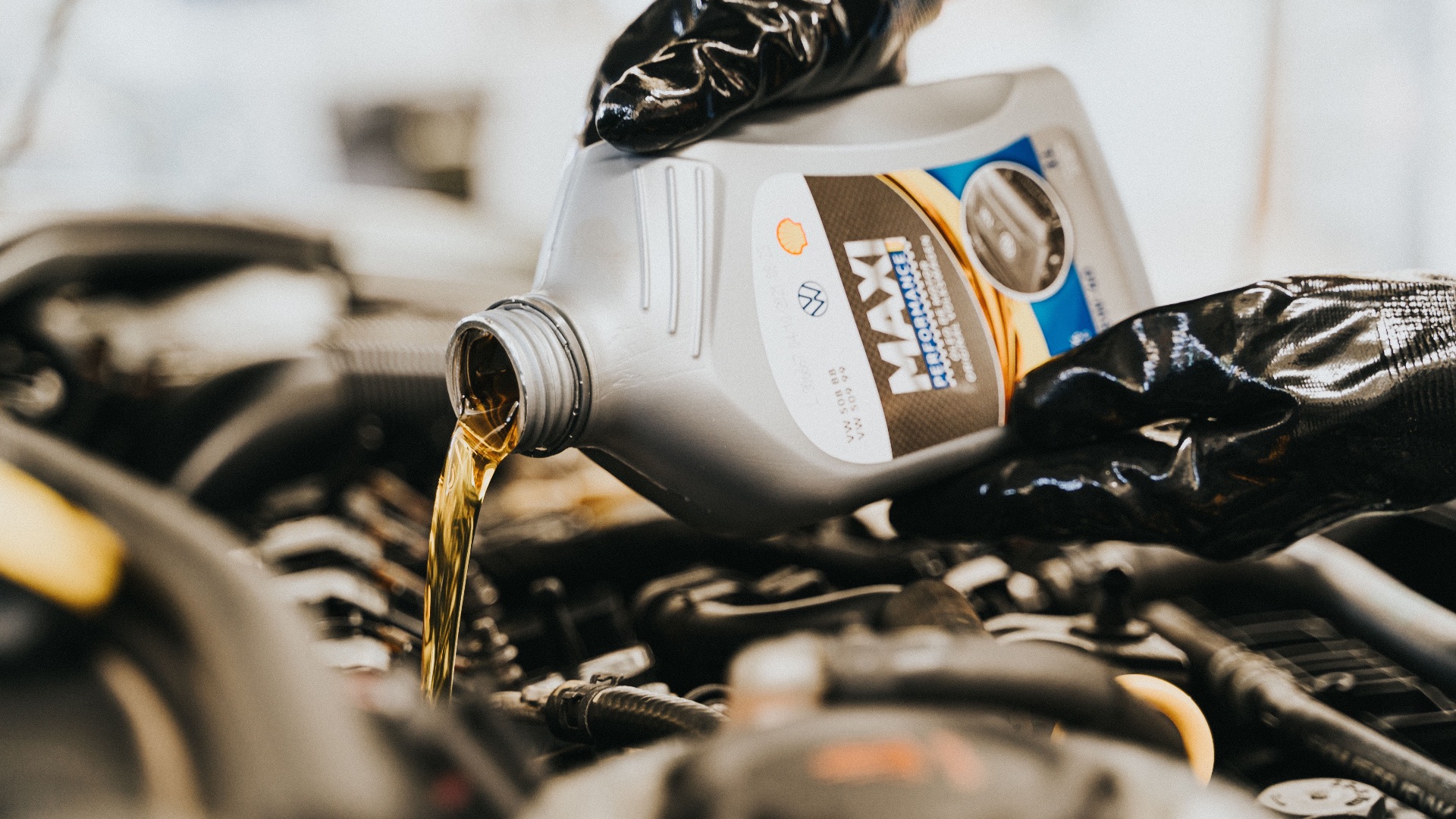
Pull the dipstick, if your vehicle has one, and verify that the engine oil is within the proper range before starting a car that's been sitting for a substantial period. Also pay attention to the vehicle's scheduled maintenance requirements, since oil changes can be based on elapsed time as well as mileage. For especially long storage periods, the oil may warrant changing even if the car has barely moved.
8. Verify the Coolant Level
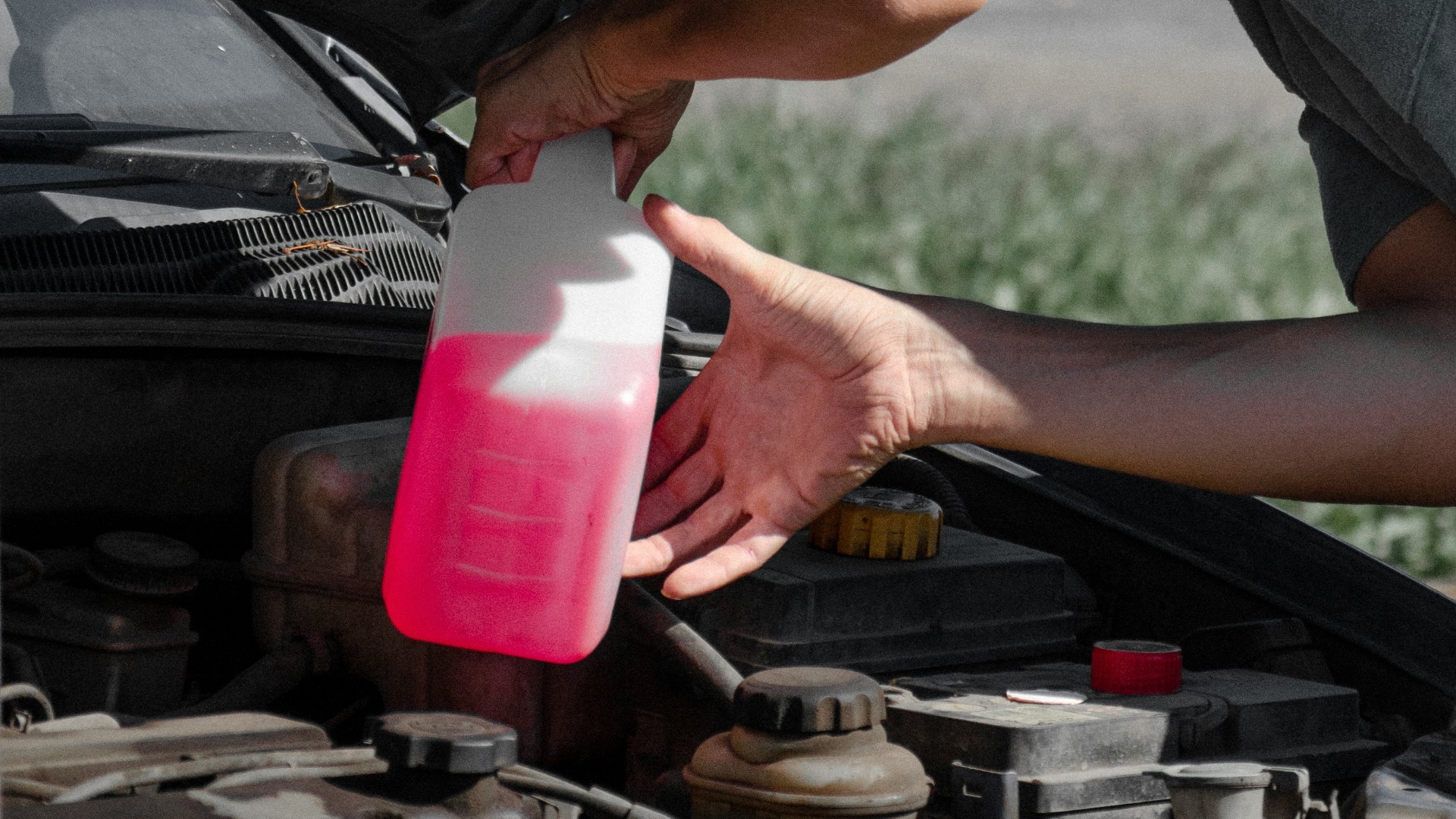
With the engine completely cold, check that the coolant reservoir is at the appropriate level and look for signs that coolant has escaped around hoses, the radiator, or beneath the vehicle. A car that's been stationary can still develop leaks as rubber components age and seals deteriorate. Checking the cooling system before driving is particularly important if the vehicle will soon face hot weather, traffic, or a longer trip.
9. Inspect Other Essential Fluids
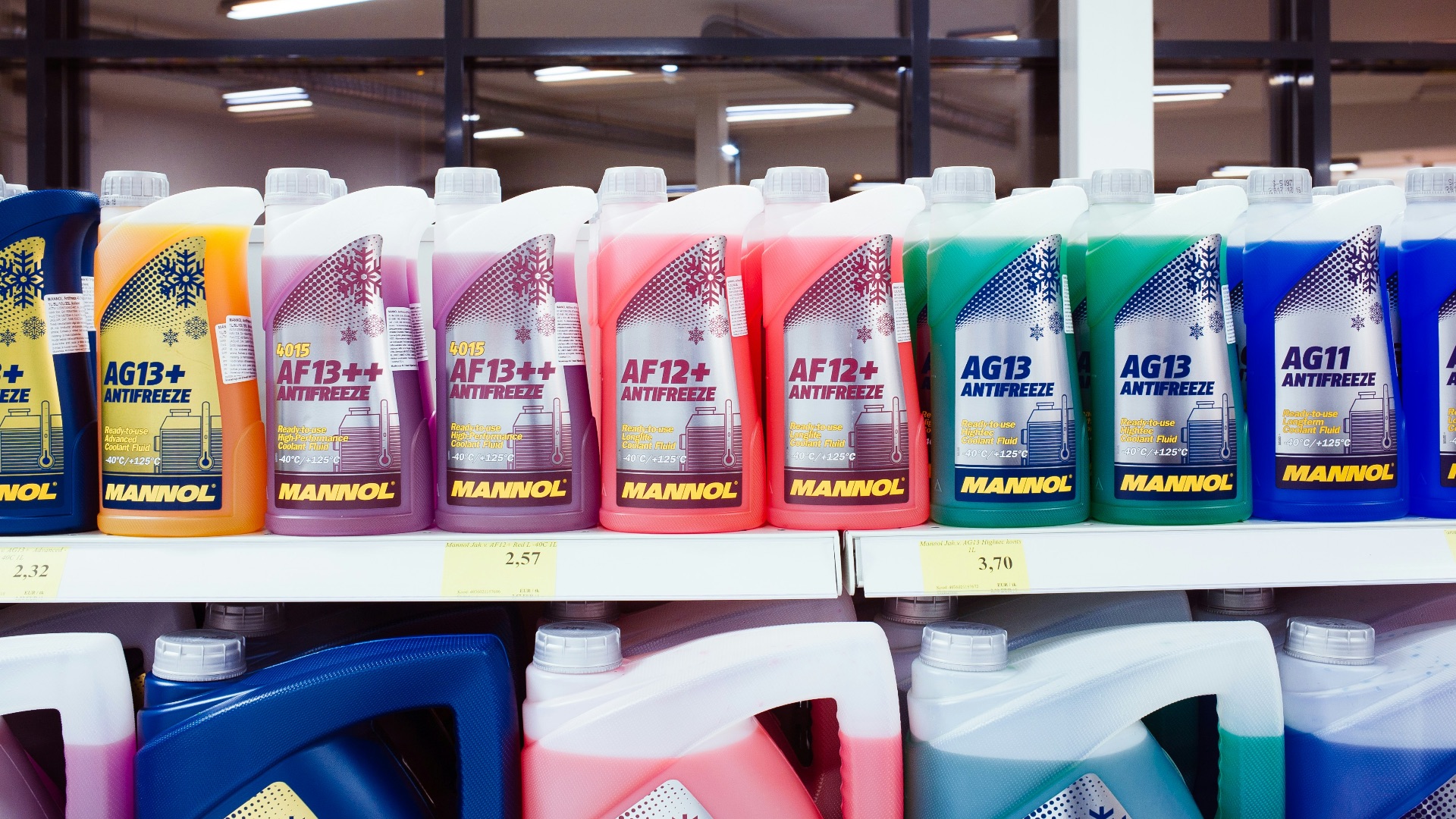
Engine oil and coolant tend to receive the most attention, but they aren't the only fluids worth checking. Depending on the vehicle, inspect the brake fluid, transmission fluid, power-steering fluid, and windshield-washer fluid according to the procedures in the owner's manual. Proper fluid levels are part of preparing a vehicle for safe operation after it has been sitting.
10. Look for Rodent or Insect Activity
Pop the hood and inspect the engine compartment for nests, stored food, droppings, shredded insulation, or chewed wiring. Rodents and other animals can move into vehicles that remain undisturbed, and wiring or hose damage isn't always immediately visible from outside the car. If you notice chewed electrical components or extensive nesting, it's safer to investigate further before turning the key.

11. Inspect the Belts and Hoses
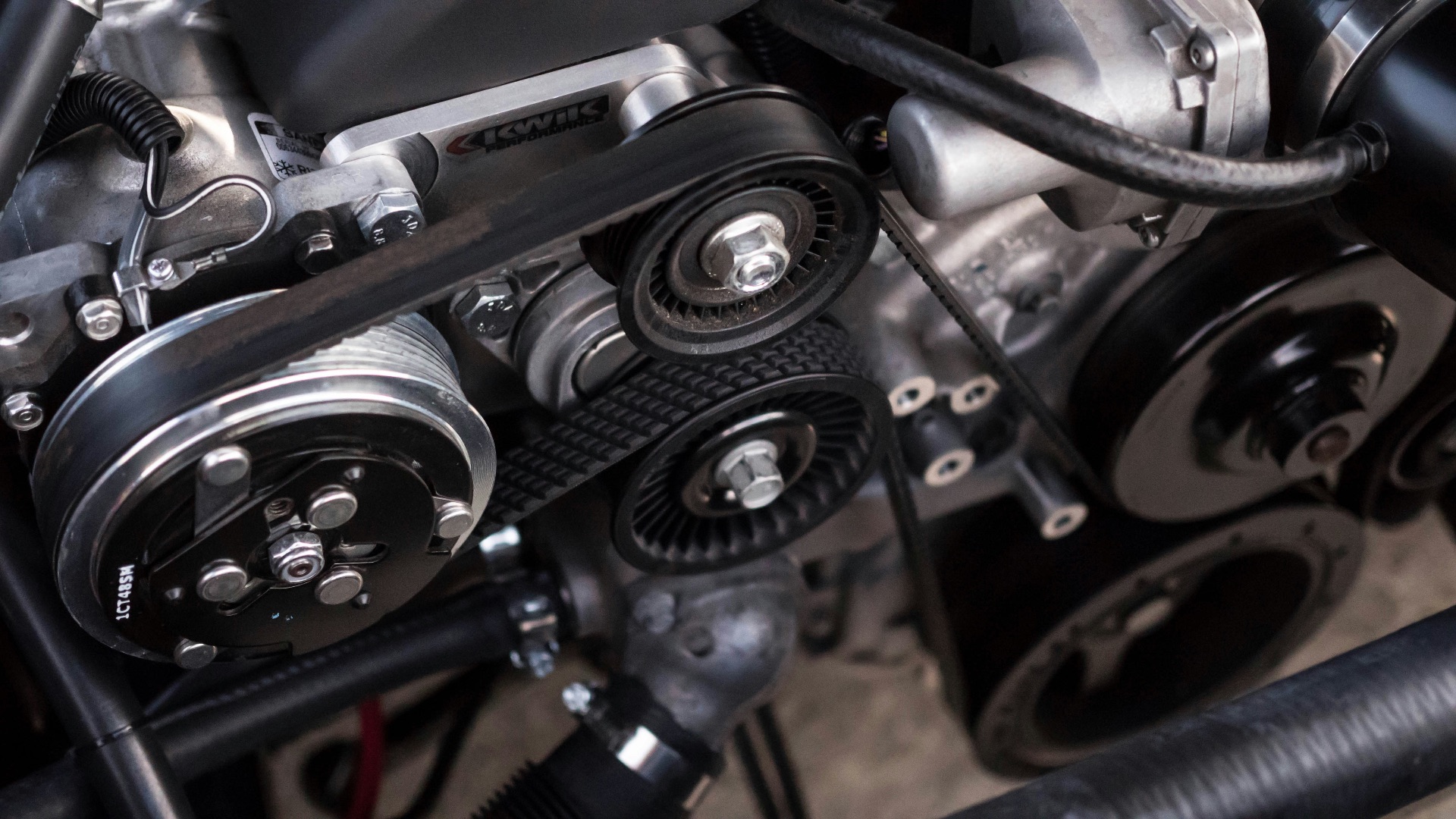
Take a close look at accessible drive belts for cracking, fraying, glazing, or other obvious deterioration. Rubber components can age even when the car isn't accumulating miles, and long periods of inactivity don't stop that process. Experts specifically recommend checking drive belts before putting a stored vehicle back into service.
12. Check the Wiper Blades
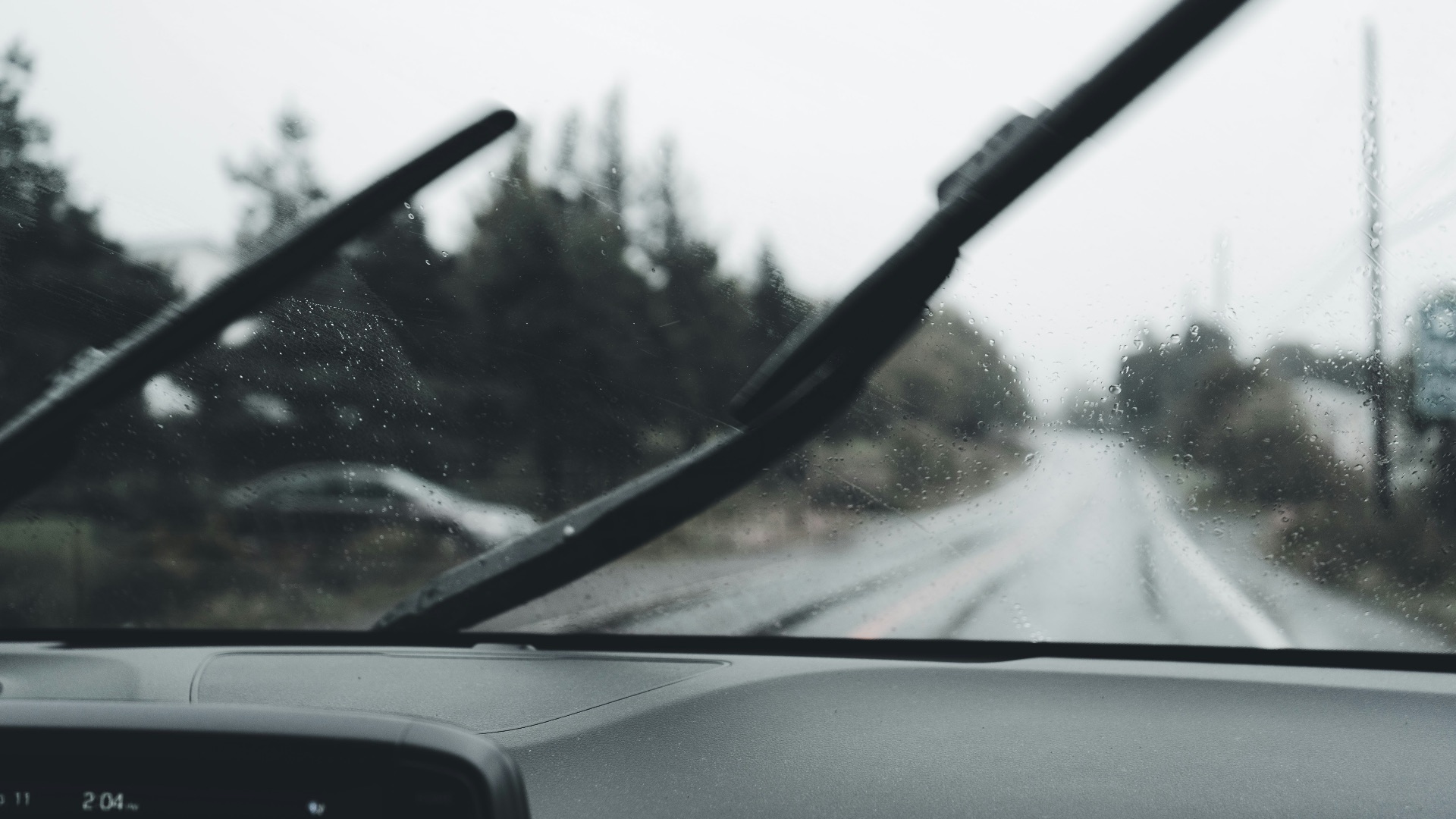
Windshield wipers can harden, crack, or develop distorted edges while they remain pressed against the same portion of the glass. Lift them carefully and inspect the rubber before relying on them in rain, then operate the washer system to confirm that the blades clear the windshield properly. Rubber components such as wipers are among the items that can deteriorate when a vehicle spends extended periods parked.
13. Make Sure the Lights Work
Turn on the headlights, brake lights, turn signals, hazard flashers, and other exterior lighting before returning the car to regular traffic. A bulb may have failed while the vehicle was parked, and electrical issues can also appear when battery voltage has been low. Catching a failed light while you're still parked is much easier than discovering it during nighttime driving.

14. Pay Attention to the Fuel
If the car has been parked for months rather than weeks, consider how old the fuel in the tank is before assuming it's ready for normal use. Gasoline gradually changes during extended storage, which is one reason long-term vehicle-storage guidance commonly addresses fuel preparation. If you suspect the fuel is very old or the engine runs poorly after starting, consult the owner's manual or a qualified technician rather than immediately taking the car on a long drive.
15. Inspect the Air Intake Area
Open the air-filter housing if it's easily accessible and you're comfortable doing so, especially if you've already found evidence of rodents under the hood. Nesting material, seeds, leaves, and other debris can end up in areas that normally receive regular airflow and disturbance when the vehicle is driven. Removing obvious obstructions before starting the engine reduces the chance of drawing debris farther into the intake system.
 Karolina Grabowska www.kaboompics.com on Pexels
16. Look Inside for Moisture or Mold
Give the cabin a careful inspection before settling into the driver's seat, particularly if the car was stored outdoors or in a damp location. Feel for damp carpeting, check the spare-tire well where accessible, and pay attention to musty odors that could suggest water intrusion. Wet carpeting and moisture in hidden areas can point to leaks that deserve attention before they cause additional interior damage.

17. Watch the Dashboard After Startup
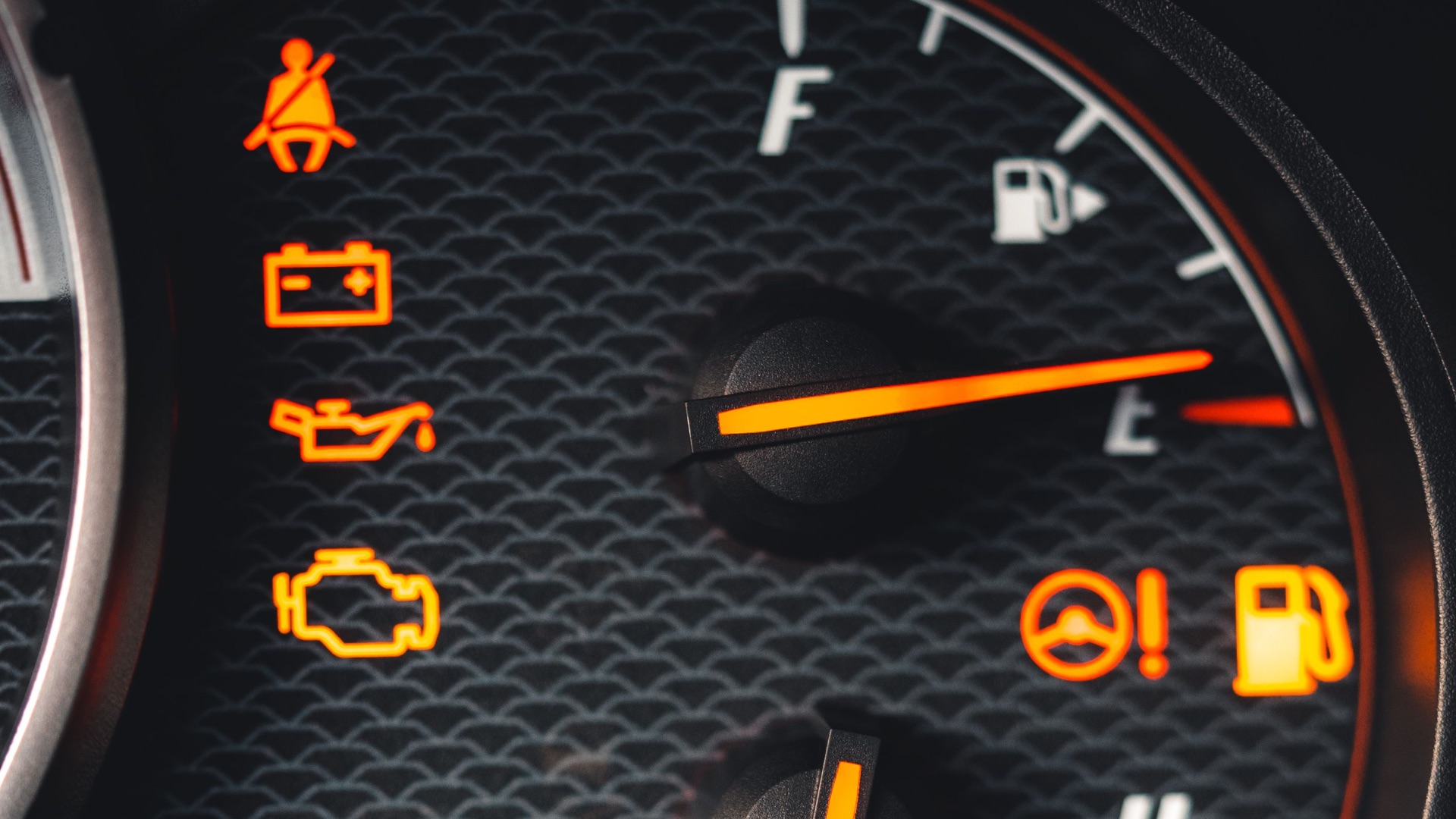
Once the basic checks are complete and it's safe to start the engine, don't immediately shift into gear. Give the dashboard a moment and make sure important warning lights go out as expected rather than assuming every illuminated symbol is simply related to the car having sat unused. An oil-pressure warning, overheating indication, or other serious alert should be addressed before you continue driving.
18. Listen for Unusual Sounds
Pay attention to how the engine sounds during the first few minutes after startup, especially if you know what the car normally sounds like. Persistent knocking, grinding, squealing, or other unfamiliar noises are more important than simply allowing the engine to run and assuming everything is fine. If something sounds seriously wrong, shutting the vehicle off and investigating is preferable to hoping the noise disappears on the road.

19. Test the Brakes at Low Speed
Make the first drive short and controlled rather than immediately merging onto a highway. In a safe area, apply the brakes gently at low speed and notice whether the vehicle stops smoothly, pulls to one side, vibrates, or produces persistent grinding sounds. It's always recommended to have the brakes inspected when braking produces grinding or vibration, both of which deserve particular attention after extended parking.

20. Make the First Drive an Evaluation
Even if every stationary inspection looks good, use the first several miles to monitor how the car behaves instead of treating the trip like an ordinary commute. Watch the gauges, listen for new noises, feel for tire vibration, confirm that steering and braking behave normally, and check the parking area again afterward for fresh leaks. Driving the vehicle rather than merely letting it idle also gives its mechanical systems, fluids, tires, and charging system a chance to return to normal operation.