What Kind of Driver Are You, Really?
What are you like behind the wheel? Do you freak out when you have to do a difficult maneuver? Do you avoid parallel parking? Do you hate merging on the highway? As it turns out, even if you have years of experience, there are usually some telltale signs that reveal whether you're a natural or not. Driving, after all, is one of those skills that can come surprisingly easily to some and be far less intuitive for others. So, which camp do you fall into? Here's how to tell.

1. You Have an Instinctive Feel for Spatial Awareness
You've always known exactly how much space your car takes up without needing to think about it. Parallel parking on the first try comes easily to you, and you rarely clip curbs or misjudge how close you are to other vehicles. This kind of spatial intuition often shows up early, sometimes even before someone gets their license, since it's tied to how the brain naturally processes distance and dimension.
2. Your Reaction Time Is Faster Than Average
When a pedestrian steps out unexpectedly or a car brakes suddenly ahead of you, your foot moves before you've even consciously registered the danger. This quick reflex isn't something you practiced; it's simply how your nervous system is wired. Drivers with naturally fast reaction times tend to avoid accidents that catch others off guard, giving them an edge that no amount of classroom instruction can fully replicate.

3. Multitasking Behind the Wheel Feels Effortless
Checking your mirrors, monitoring your speed, and watching for pedestrians all happen simultaneously for you without any sense of mental strain. Your brain seems built to juggle several streams of information at once, letting you stay alert to everything happening around your vehicle. Plenty of drivers have to consciously remind themselves to check blind spots, but for you, it's just part of the background noise of driving.
4. You Rarely Get Rattled Under Pressure
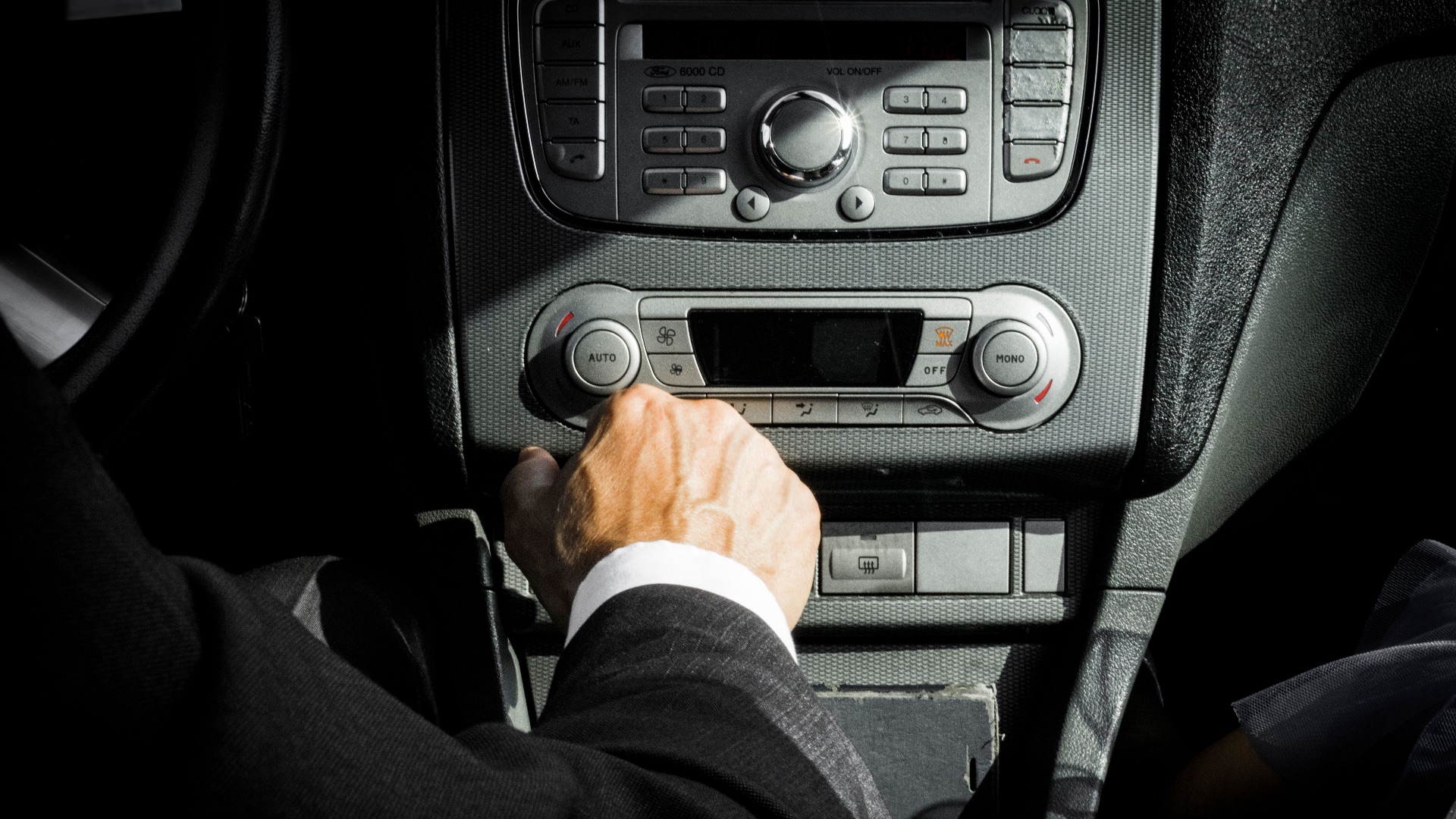
Sudden lane changes from other drivers or an unexpected merge don't send your heart racing the way they might for someone else. You stay calm and adjust your driving smoothly, almost as if your body doesn't register the same stress response that overwhelms less confident drivers. This natural composure often translates into safer decision-making because panic tends to cloud judgment behind the wheel.
5. You Have Strong Hand-Eye Coordination
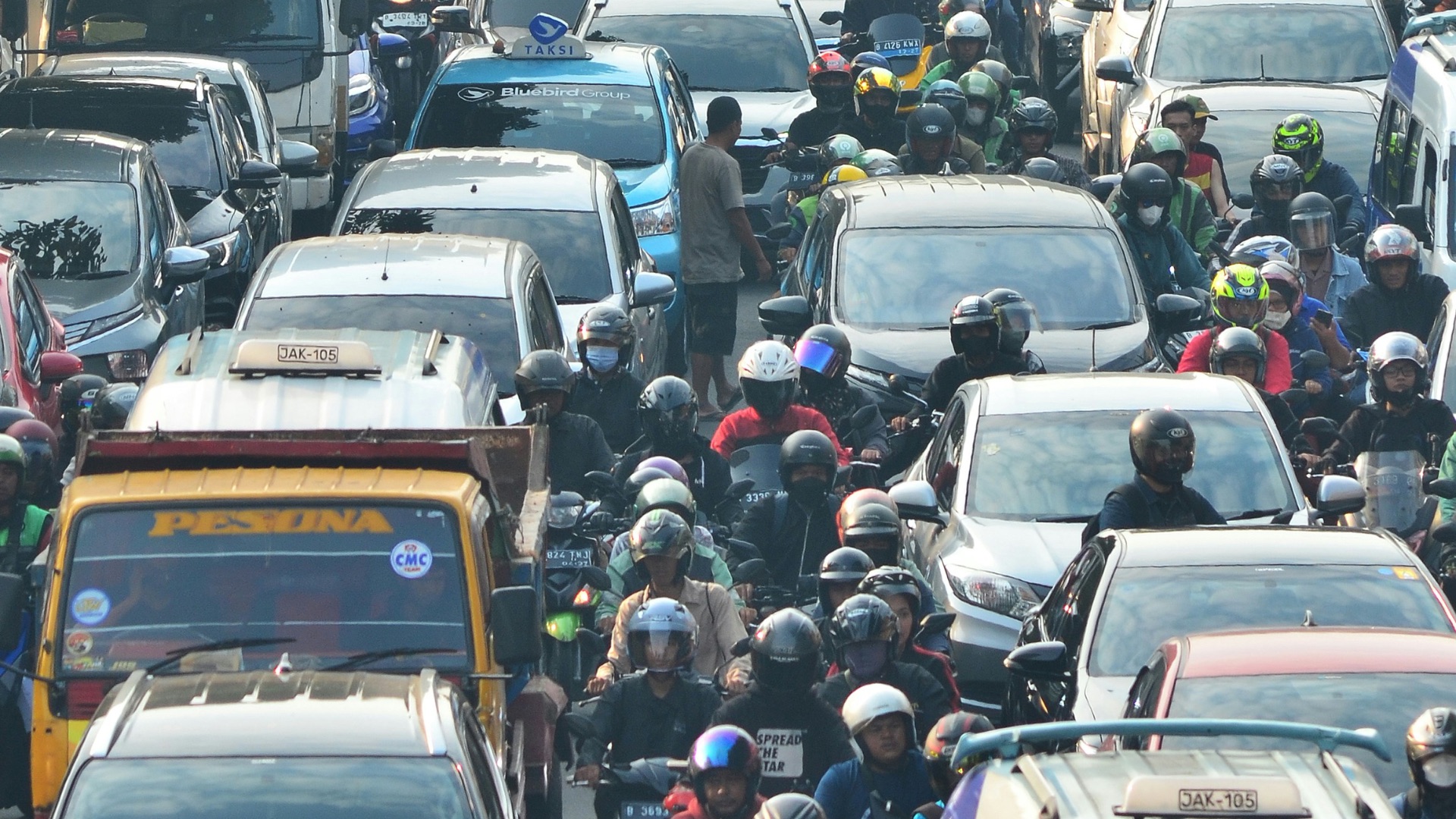
If you excelled at sports or activities requiring precise coordination as a kid, there's a good chance that skill carried over seamlessly to driving. Steering smoothly through curves or timing a lane change with oncoming traffic requires the same kind of coordination athletes rely on. People who develop this ability early in life often find that driving simply clicks once they get behind the wheel.
6. You Can Predict What Other Drivers Will Do
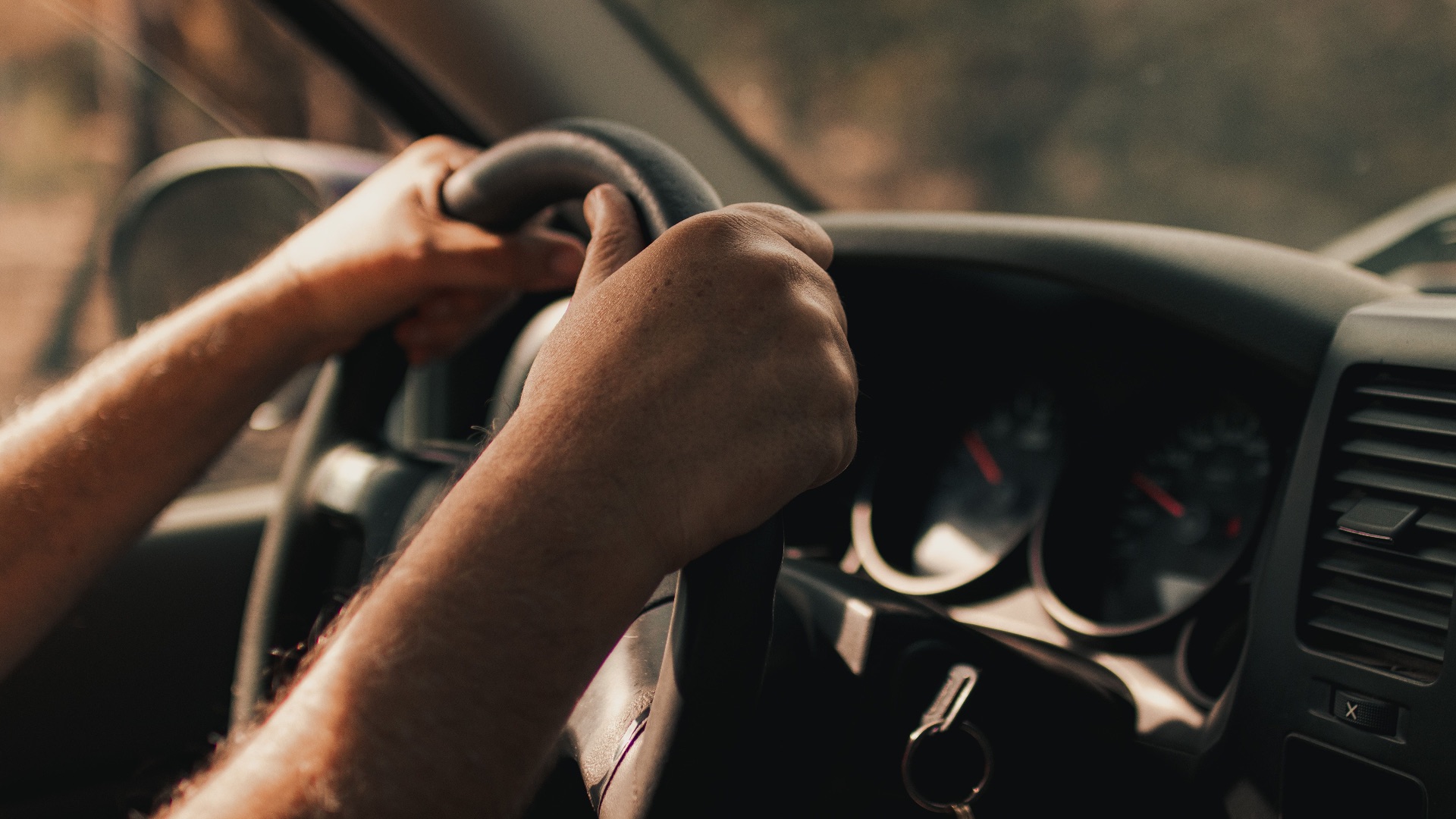
There's an intuitive quality to how you read the road, almost like you can sense when another driver is about to change lanes or slow down before their signal even comes on. This kind of anticipation isn't something you were taught in driver's ed; it seems to come from a natural sensitivity to subtle cues like wheel position or brake timing. That foresight gives you extra seconds to react, which makes a real difference in avoiding close calls.
7. Parallel Parking Never Intimidated You
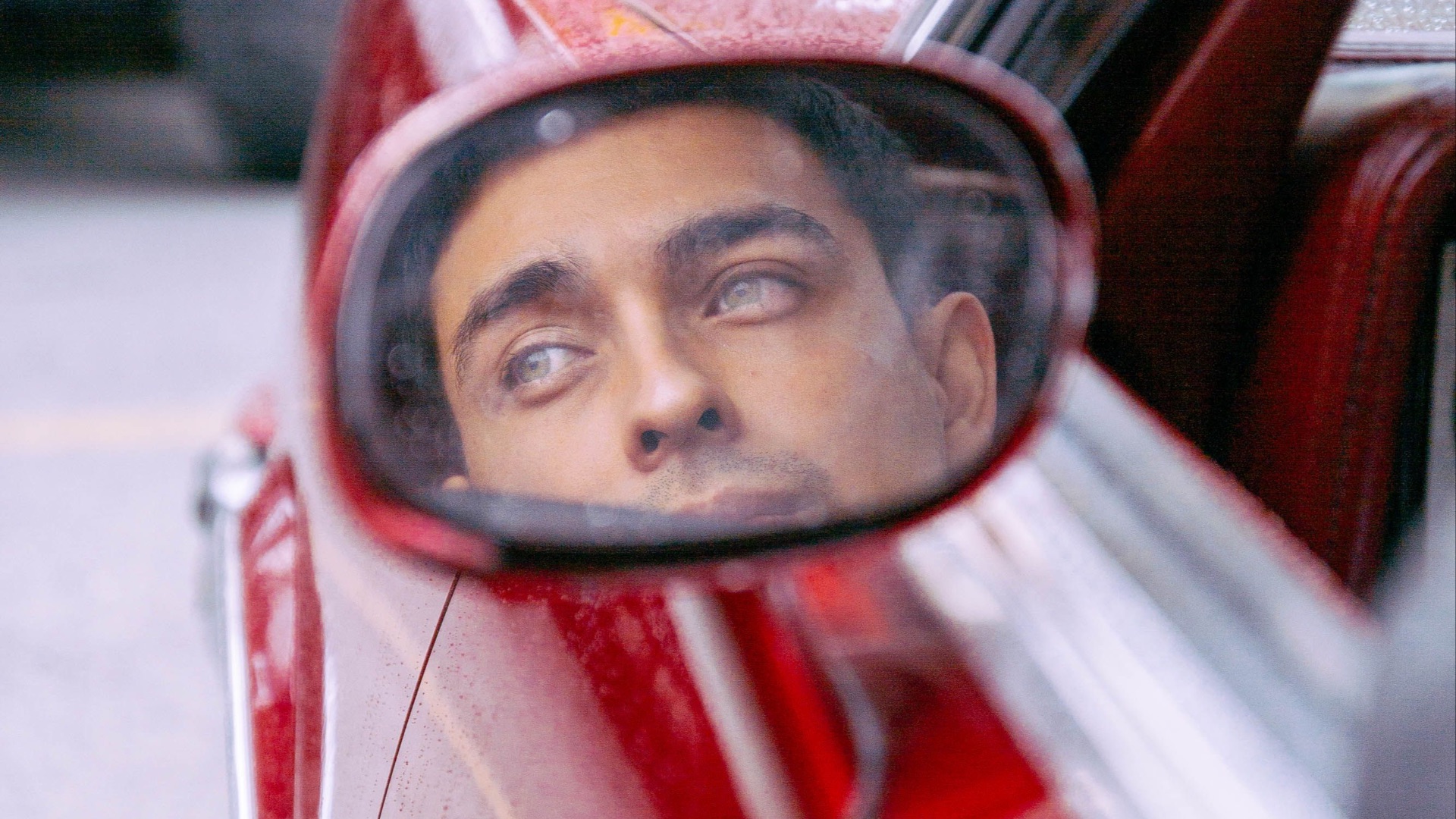
While plenty of new drivers dread the parallel parking portion of their test, you approached it with confidence from day one. Judging angles and distances comes so naturally to you that you rarely need more than one attempt to slide into a tight spot. This particular skill tends to separate naturally gifted drivers from everyone else, since it demands precision that can't always be taught through repetition alone.

8. You Adapt to Different Vehicles Easily
Whether you're driving a compact sedan or a full-size truck, you adjust to the size and handling almost immediately. Some drivers need real time to acclimate to a new vehicle's dimensions and responsiveness, but you seem to calibrate on the fly. This adaptability suggests an underlying comfort with spatial and mechanical relationships that goes beyond simple practice.
9. Your Confidence Never Bordered on Recklessness
Natural talent behind the wheel doesn't mean you take unnecessary risks or drive aggressively. You've always managed to balance self-assurance with caution, trusting your abilities without overestimating them. That combination of skill and restraint tends to produce some of the safest drivers on the road, since overconfidence without ability is far more dangerous than caution paired with skill.
10. Passengers Say Good Comments
Passengers frequently mention how relaxed they feel in your car, noting that your acceleration, braking, and turns all feel remarkably fluid. You've probably never had to think much about smoothing out these transitions since they came together naturally as soon as you started driving. This kind of feedback from others is often one of the clearest signs that your ability behind the wheel isn't something you had to work hard to develop.
Not everyone starts out with these instincts, though, and that's perfectly fine, because plenty of excellent drivers built their skills from the ground up through patience and repetition. Here are 10 signs that say, for you, driving is an acquired skill.
1. You Had to Practice Parallel Parking Extensively
Getting the hang of parallel parking took you weeks of repeated attempts in empty parking lots before you felt comfortable trying it on a real street. Each failed attempt taught you something new about angles and timing, and eventually those lessons became second nature. Now you can parallel park just as well as anyone, but you remember exactly how much effort it took to get there.

2. You Consciously Talk Yourself Through Difficult Maneuvers
Merging onto a busy highway or navigating a complicated intersection still involves a bit of internal narration, even after years of driving. You might silently remind yourself to check your mirrors twice or count out the gap between cars before merging. This deliberate mental process shows that your driving skills developed through active learning rather than pure instinct.
3. Your Reaction Time Improved Through Experience
When you first started driving, unexpected situations sometimes caught you off guard and left you fumbling for the brake. Over time, repeated exposure to similar scenarios trained your brain and body to respond faster and more decisively. That improvement didn't happen overnight, either, but took months or years of accumulated driving experience to sharpen your reflexes.
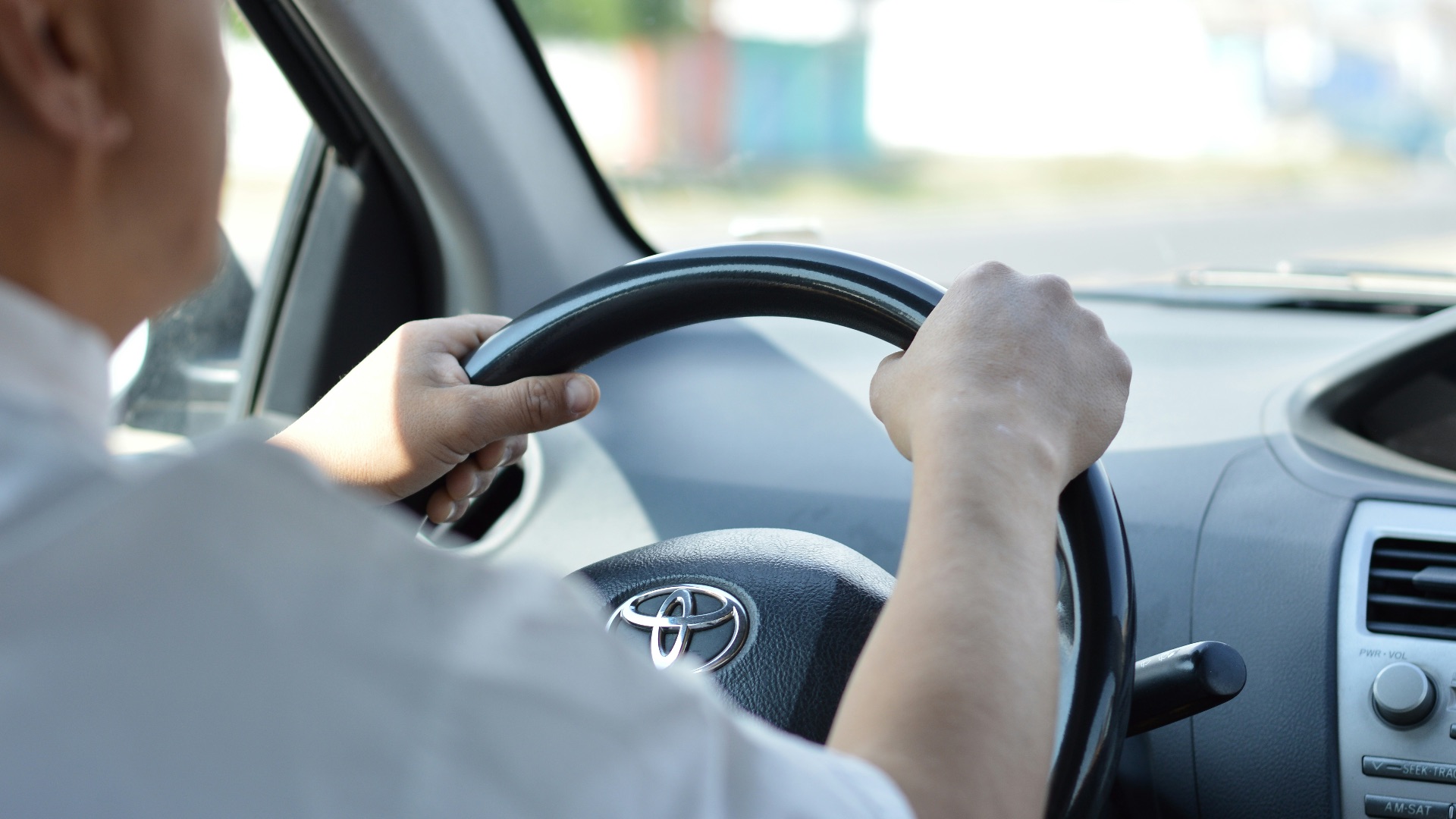
4. You Had to Learn to Stay Calm Under Pressure
Traffic jams, sudden merges, or aggressive drivers used to leave you feeling anxious and overwhelmed during your early driving years. Through repeated exposure to these stressful situations, you gradually trained yourself to manage that anxiety and think more clearly. Now you handle chaotic traffic with a composure that took real effort to build.

5. You Rely on Deliberate Habits Rather Than Instinct
Checking your blind spot before every lane change or leaving extra following distance in bad weather are habits you had to consciously develop rather than skills you were simply born with. You probably picked these habits up from a driving instructor, a parent, or your own trial and error after a close call. These learned behaviors have become so ingrained that they now feel automatic, even though they started as deliberate choices.

6. Improving Your Own Technique Meant Studying Others
Rather than relying purely on instinct, you paid attention to how experienced drivers handled tricky situations and tried to incorporate those techniques into your own driving. Watching how someone else navigated a roundabout or handled a steep hill start gave you practical strategies you could apply yourself. This kind of observational learning played a significant role in shaping the driver you've become.

7. Your Spatial Awareness Developed Gradually Over Time
Judging distances and understanding exactly how much space your vehicle occupies didn't come naturally to you at first, and you probably misjudged more than a few turns or parking spots early on. With enough practice, you developed a much better sense of your car's dimensions and how it fits into different spaces. That improvement reflects real skill-building rather than any innate talent for spatial reasoning.
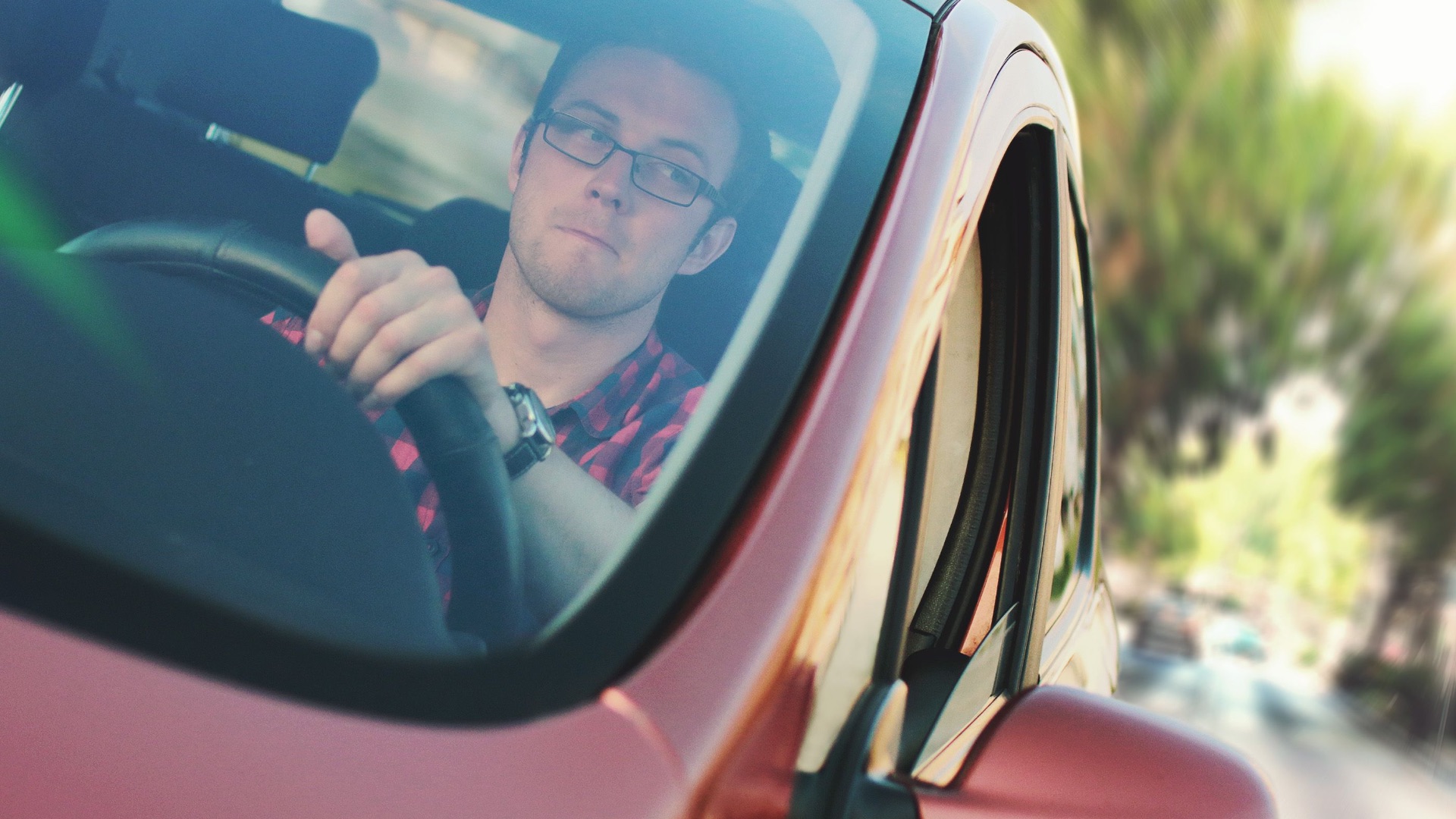
8. You Took Extra Practice Sessions to Build Confidence
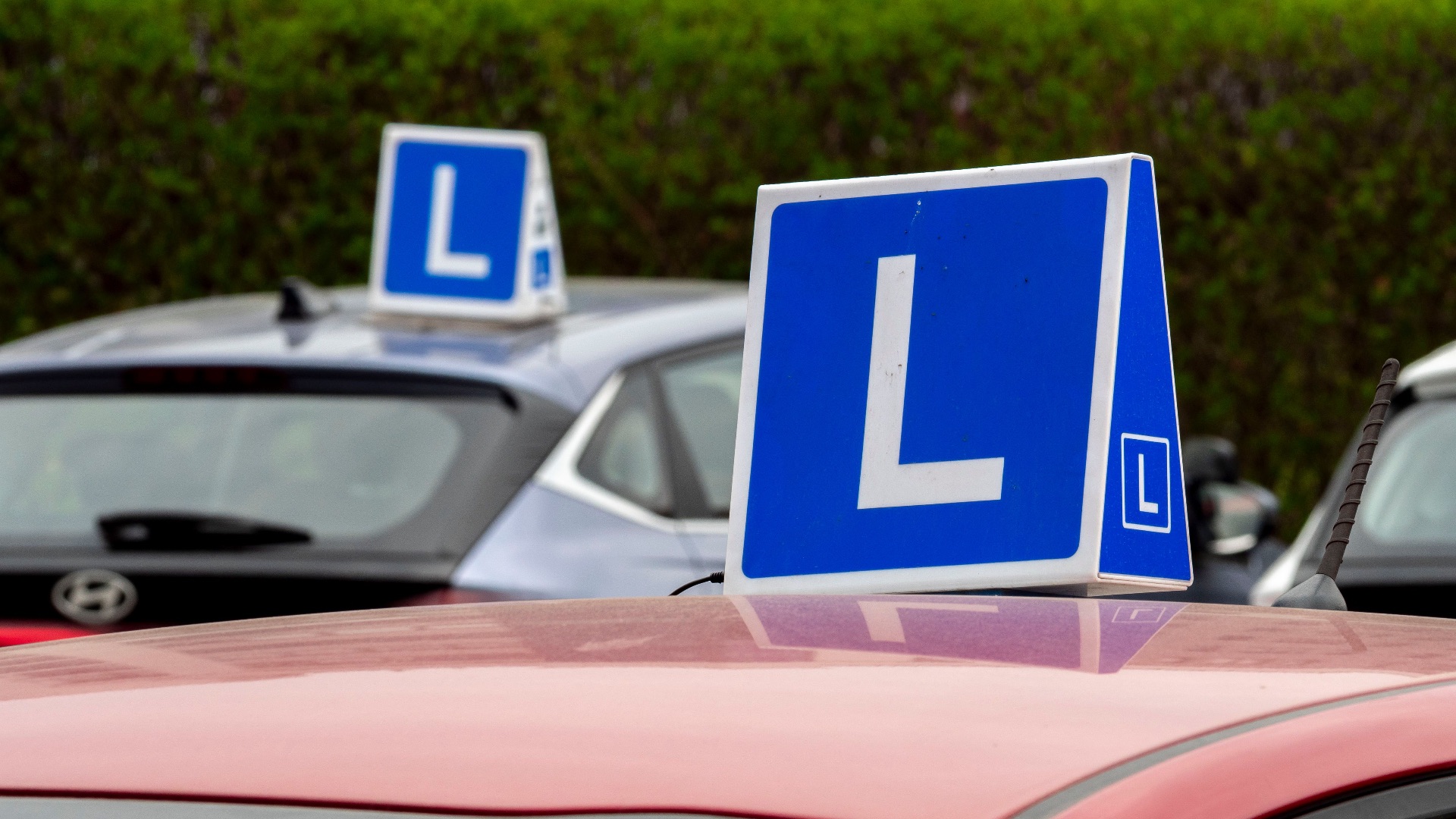
Maybe you signed up for defensive driving courses or asked a family member to ride along with you well after you'd already gotten your license. Recognizing that you needed more practice and actively seeking it out shows a level of self-awareness and dedication that naturally talented drivers don't always need. Those extra sessions helped smooth out weaknesses that might have otherwise stuck with you.
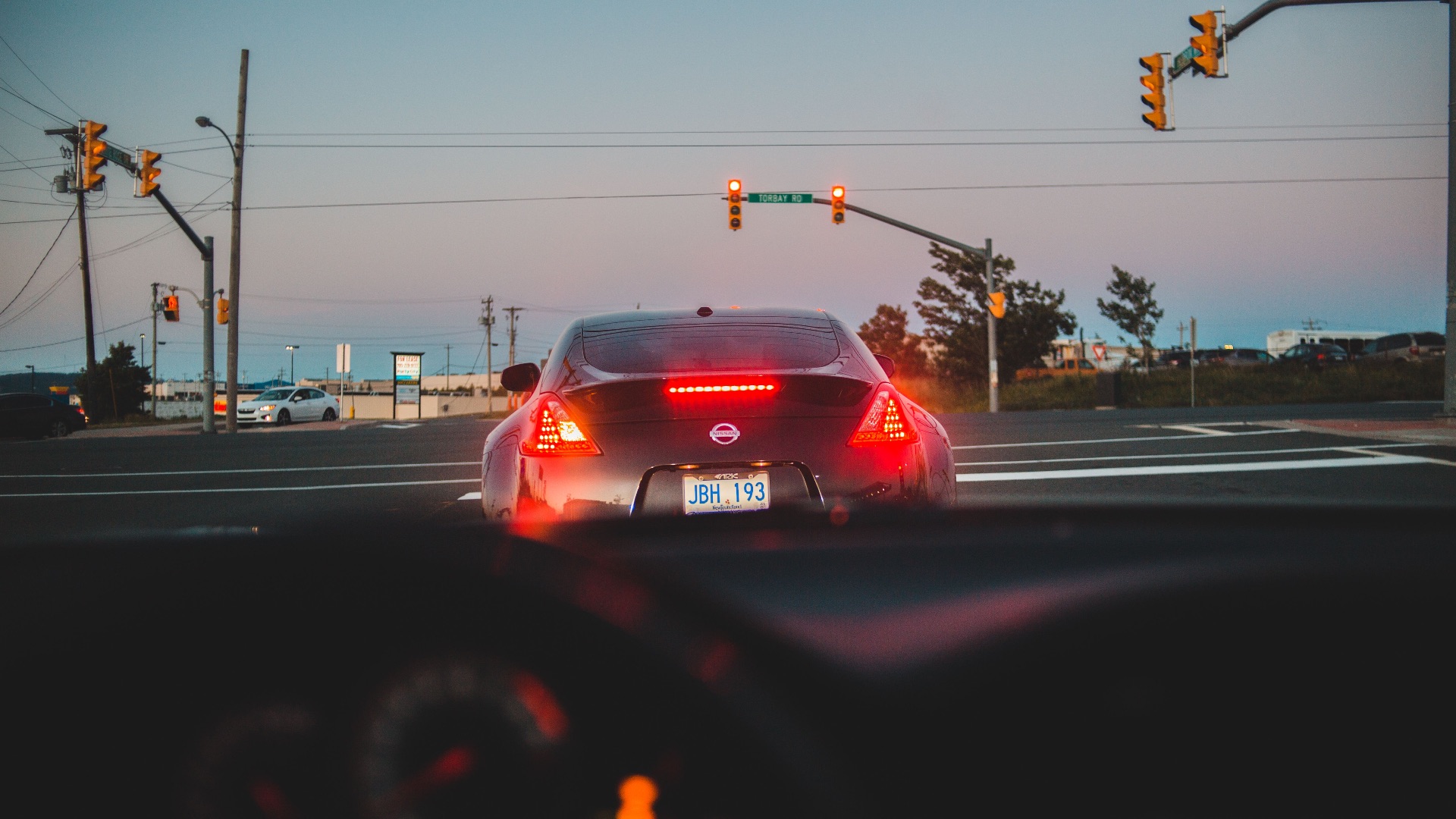
9. Smooth Braking Took Extensive Trial and Error
Early on, you probably dealt with jerky stops or accelerated too aggressively without realizing how it affected your passengers. Through consistent practice and attention to how your car responded, you learned to modulate the pedals with much more precision. That smoothness people compliment you on today came from years of small adjustments rather than an inborn feel for the controls.
10. You Actively Work to Improve Even Now
Unlike drivers who coasted on natural talent from the beginning, you continue to look for ways to sharpen your skills, whether that means reviewing your habits after a near-miss or staying current on updated road rules. This ongoing commitment to improvement reflects the same mindset that helped you become a capable driver in the first place. Your willingness to keep learning proves that skill built through effort can be every bit as strong as skill that came naturally.