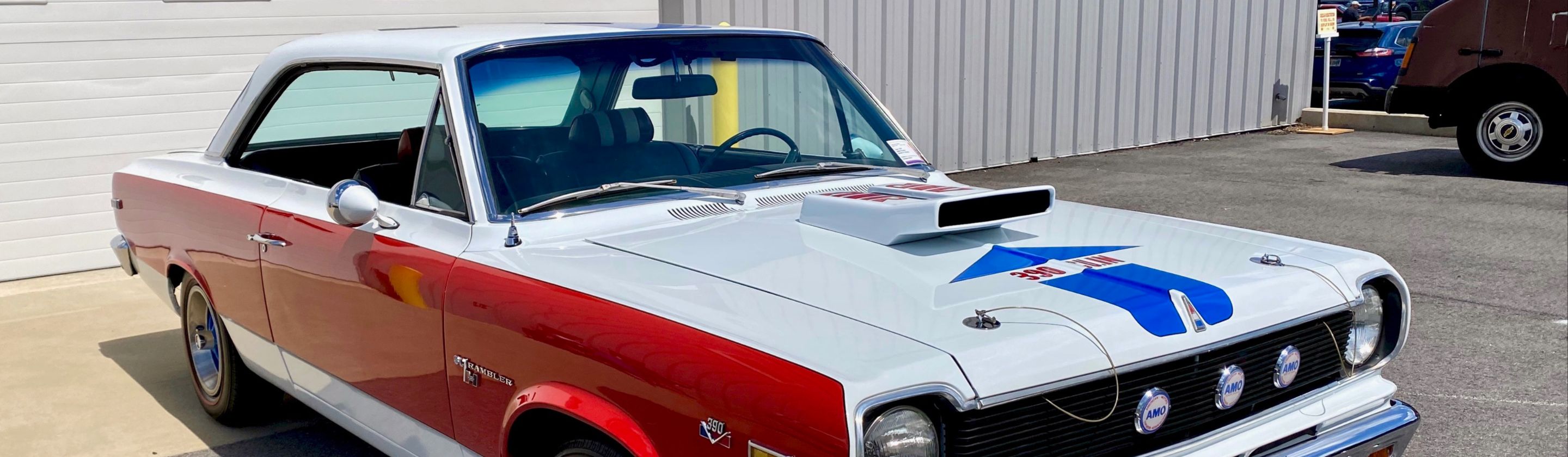
Underrated American Muscle
Not every muscle car got the poster treatment, the movie role, or the auction-room applause it deserved. It’s a shame, too, especially because their being snubbed happened for arbitrary reasons! Some were overshadowed by flashier siblings, some arrived at the wrong moment, and others simply didn’t wear the “right” badge for collectors to care. Well, not anymore. These 20 cars deserve some of the spotlight, and we’re here to give it to them.
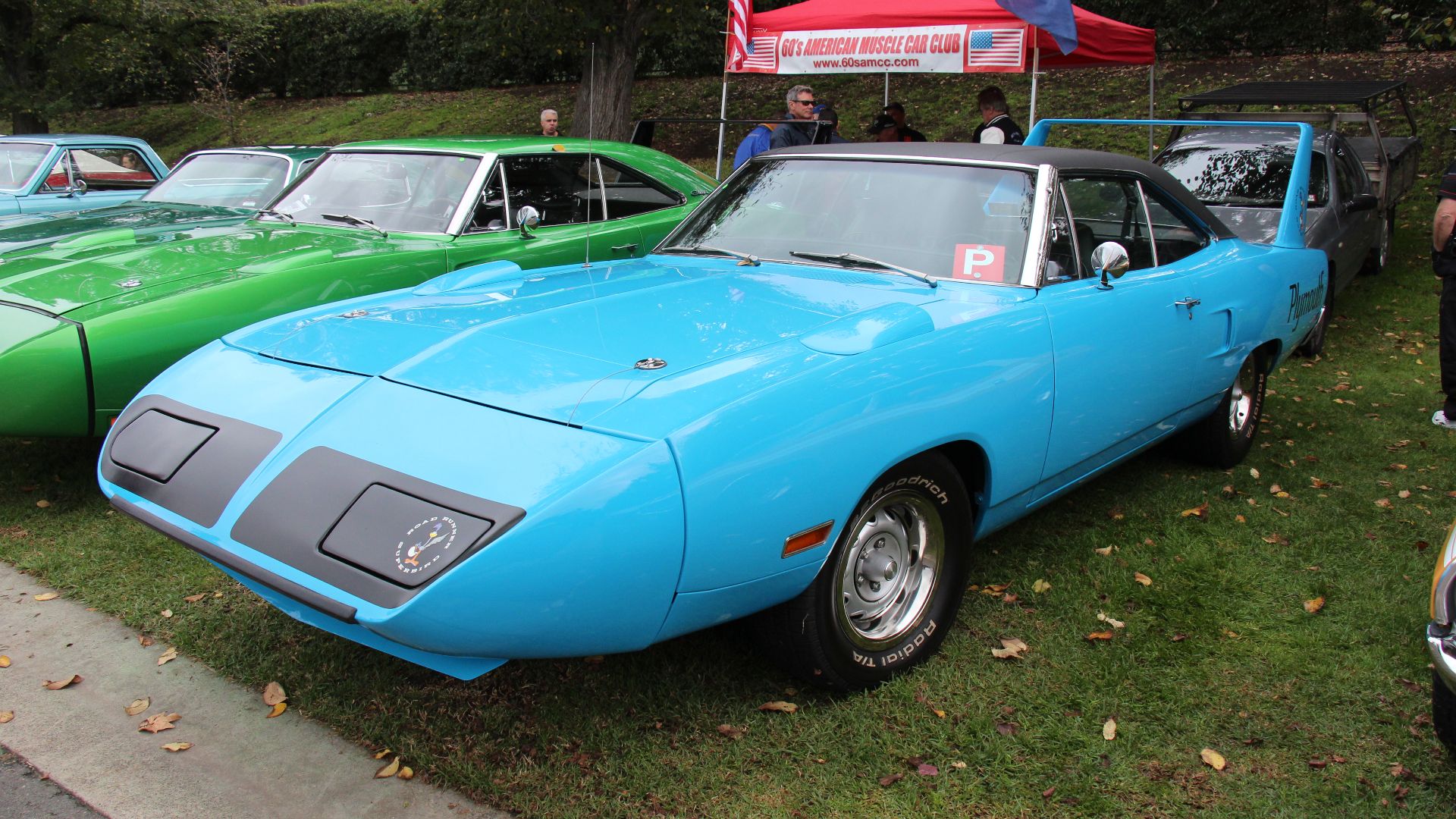
1. 1970 Buick GSX Stage 1
The 1970 Buick GSX Stage 1 had the kind of torque that put other models to shame, mainly with its 455-cubic-inch V8 officially rated at 510 lb-ft. The thing is, Buick’s reputation for comfort worked against it; plenty of people saw the brand as too polished to be as aggressive as this vehicle claimed. Well, people missed out because this thing could run with the big names while giving you a nicer cabin on the way home.
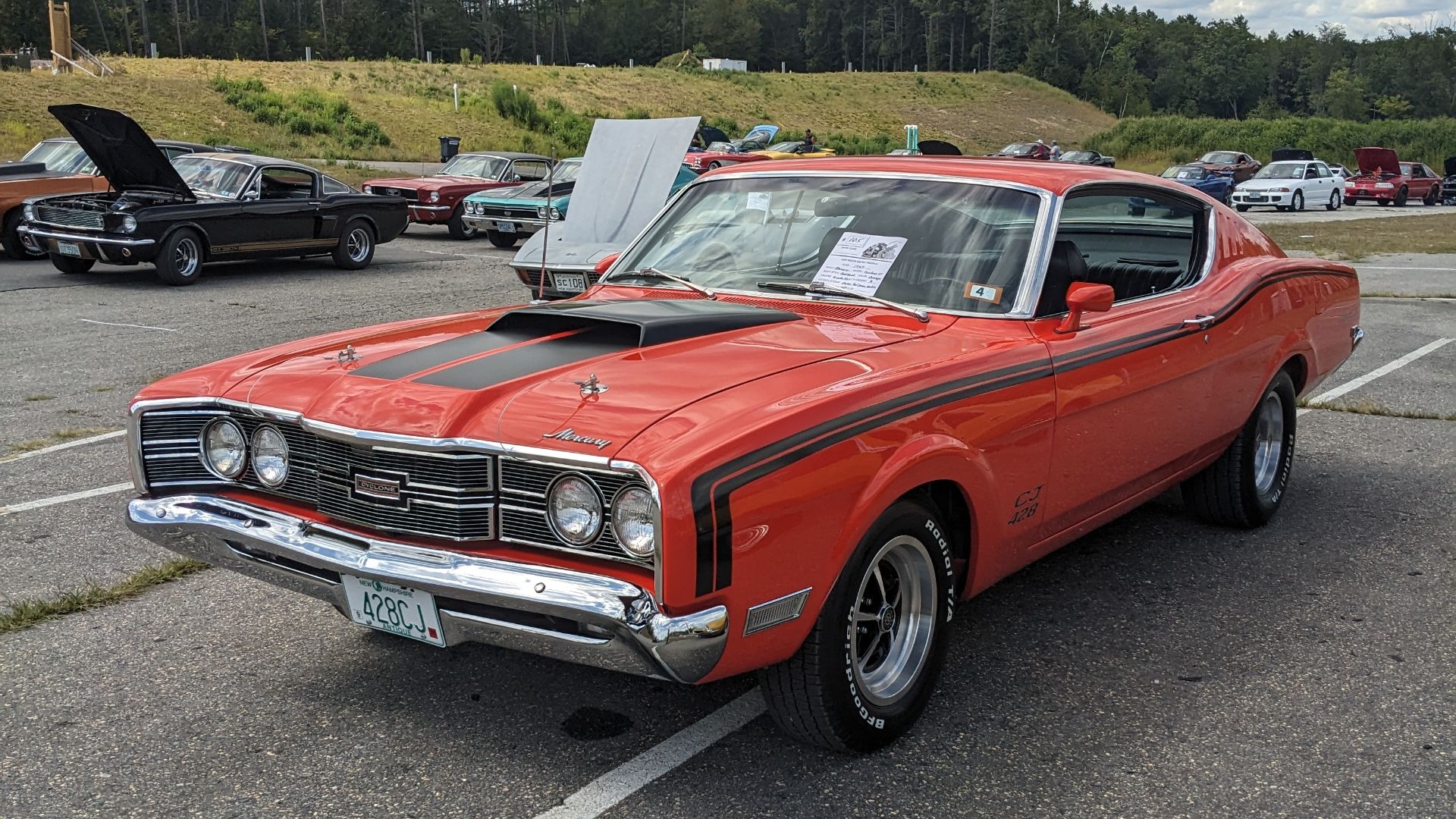
2. 1969 Mercury Cyclone CJ
Mercury rarely got the same attention as Ford, and the Cyclone CJ paid the price for wearing a modest badge. Under the hood, though, the 428 Cobra Jet V8 gave it the right credentials to embarrass plenty of better-known cars at the stoplight. It pulled hard and proved Mercury knew how to build something mean when it felt like it.
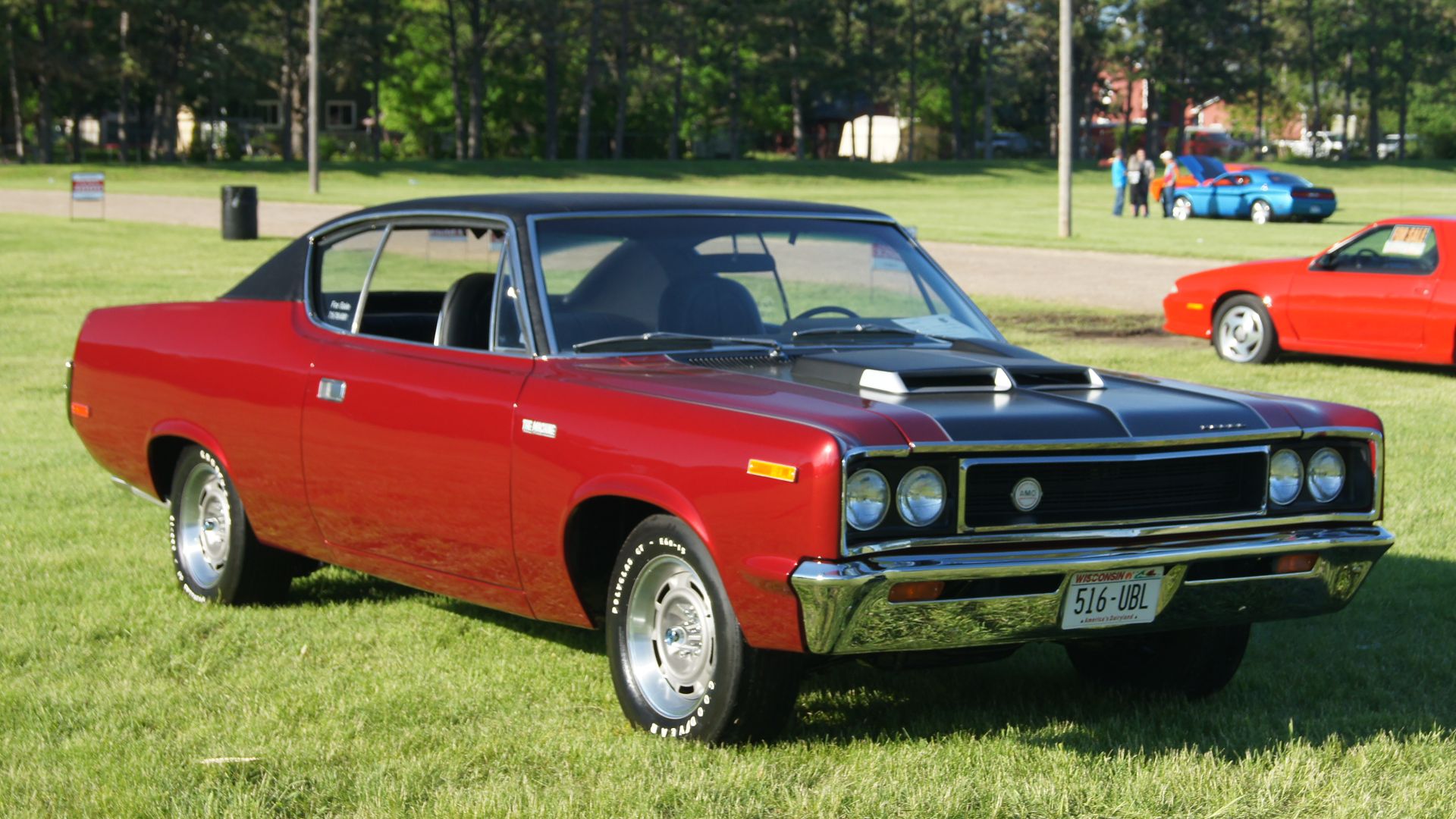
3. 1970 AMC Rebel Machine
AMC didn’t have the marketing muscle of GM or Chrysler, but the Rebel Machine was a dream all its own. Its 390-cubic-inch V8, patriotic paint scheme, and functional hood scoop made it one of the boldest offerings of the decade. Weirdly enough, though, people still treated it like an oddball, even though it had more personality than half the cars out there.
 Greg Gjerdingen from Willmar, USA on Wikimedia
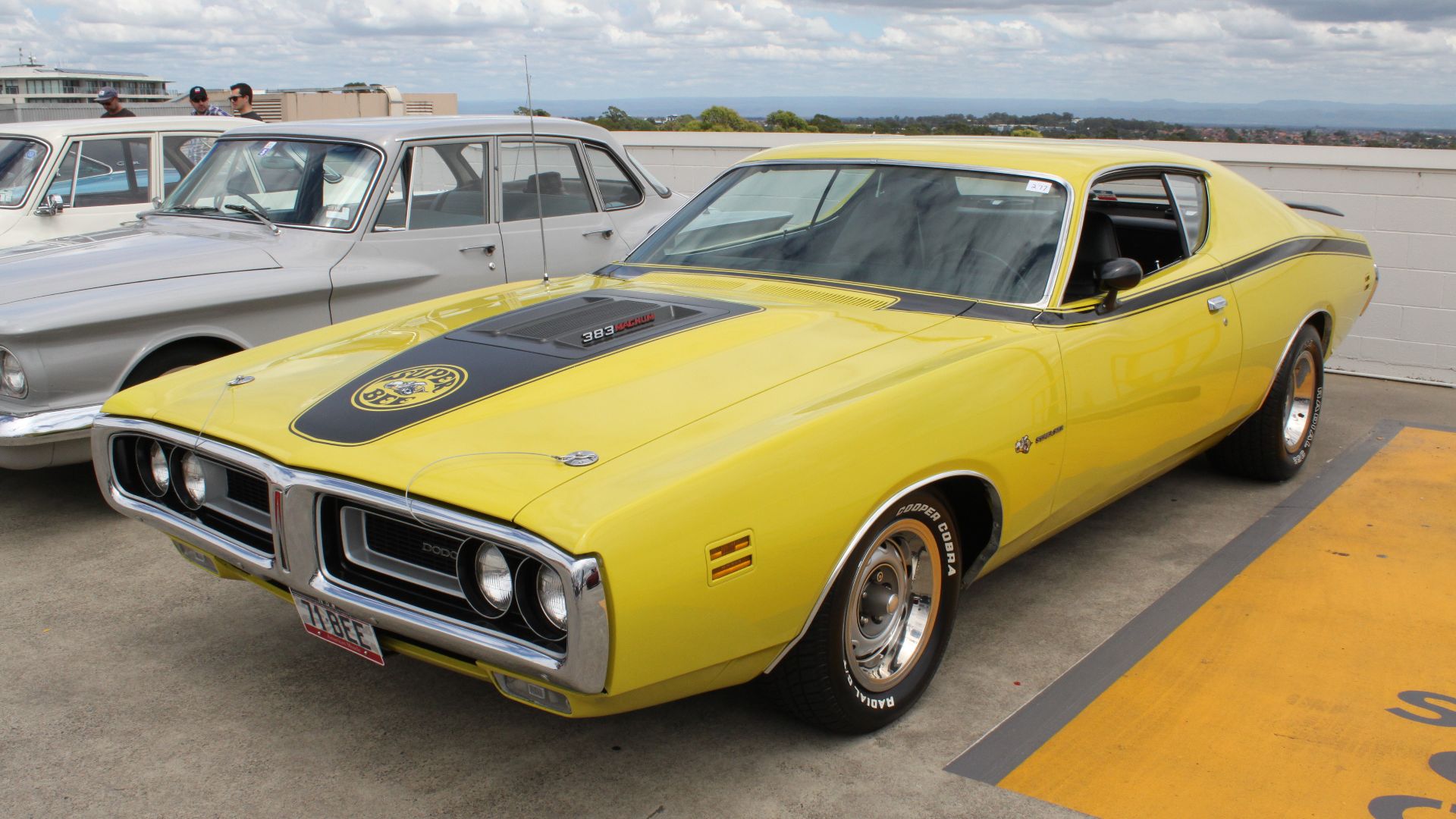
4. 1971 Dodge Charger Super Bee
By 1971, the original muscle-car frenzy was starting to cool, so the Charger Super Bee never got its time in the sun. Unfortunately, that meant buyers missed the serious firepower, including 383, 440, and 426 Hemi options. It wasn’t as cleanly styled as the previous Charger, but that wasn’t a reason to dismiss it.
 Jeremy from Sydney, Australia on Wikimedia
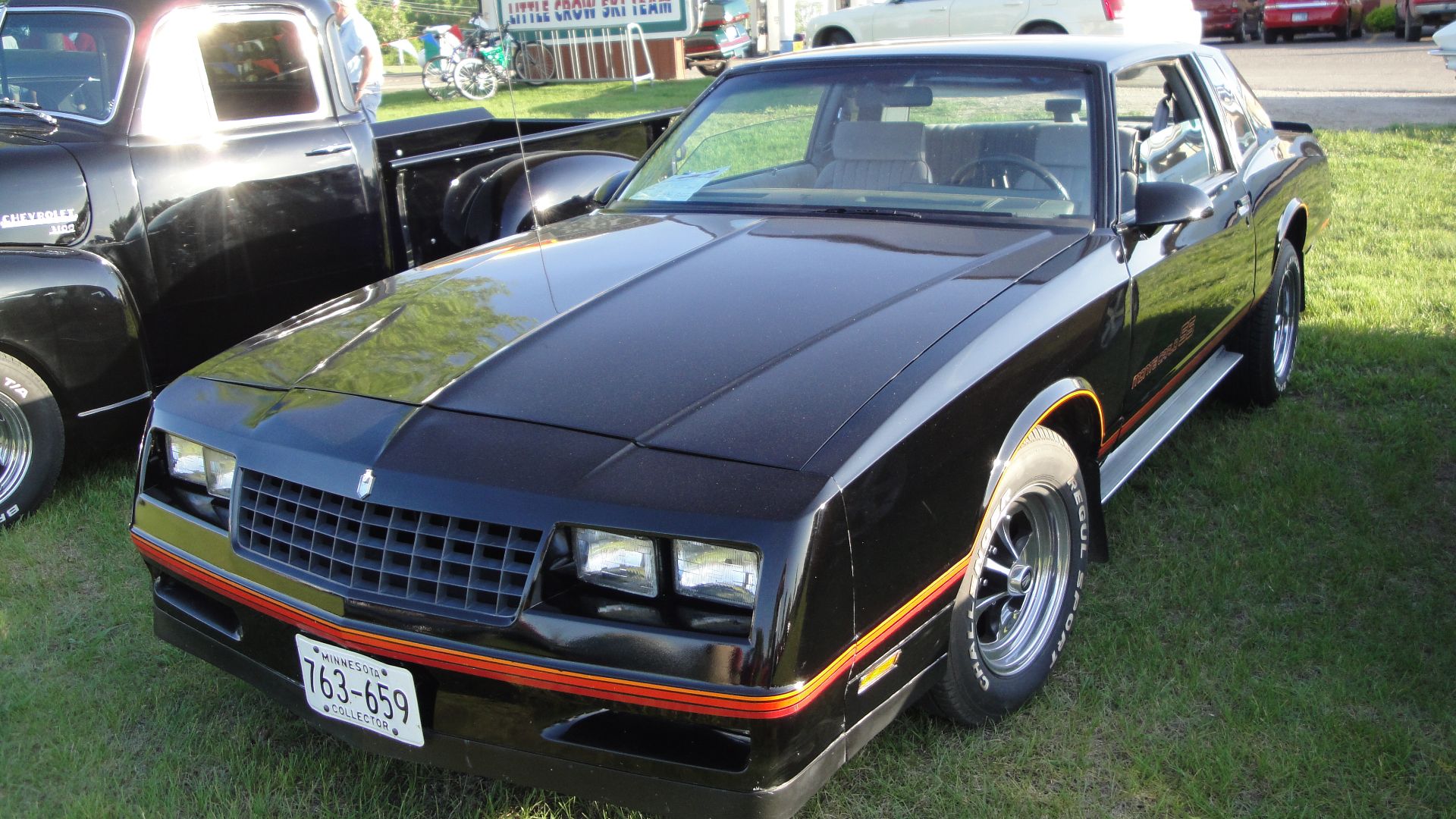
5. 1970 Chevrolet Monte Carlo SS 454
The Monte Carlo SS 454 was almost too classy for its own good. People viewed it as a personal luxury coupe first, and it didn’t help that the 454-cubic-inch V8 gave it real muscle. But more people should’ve paid attention—you could cruise comfortably and still have enough power to remind everyone that you weren’t playing around.
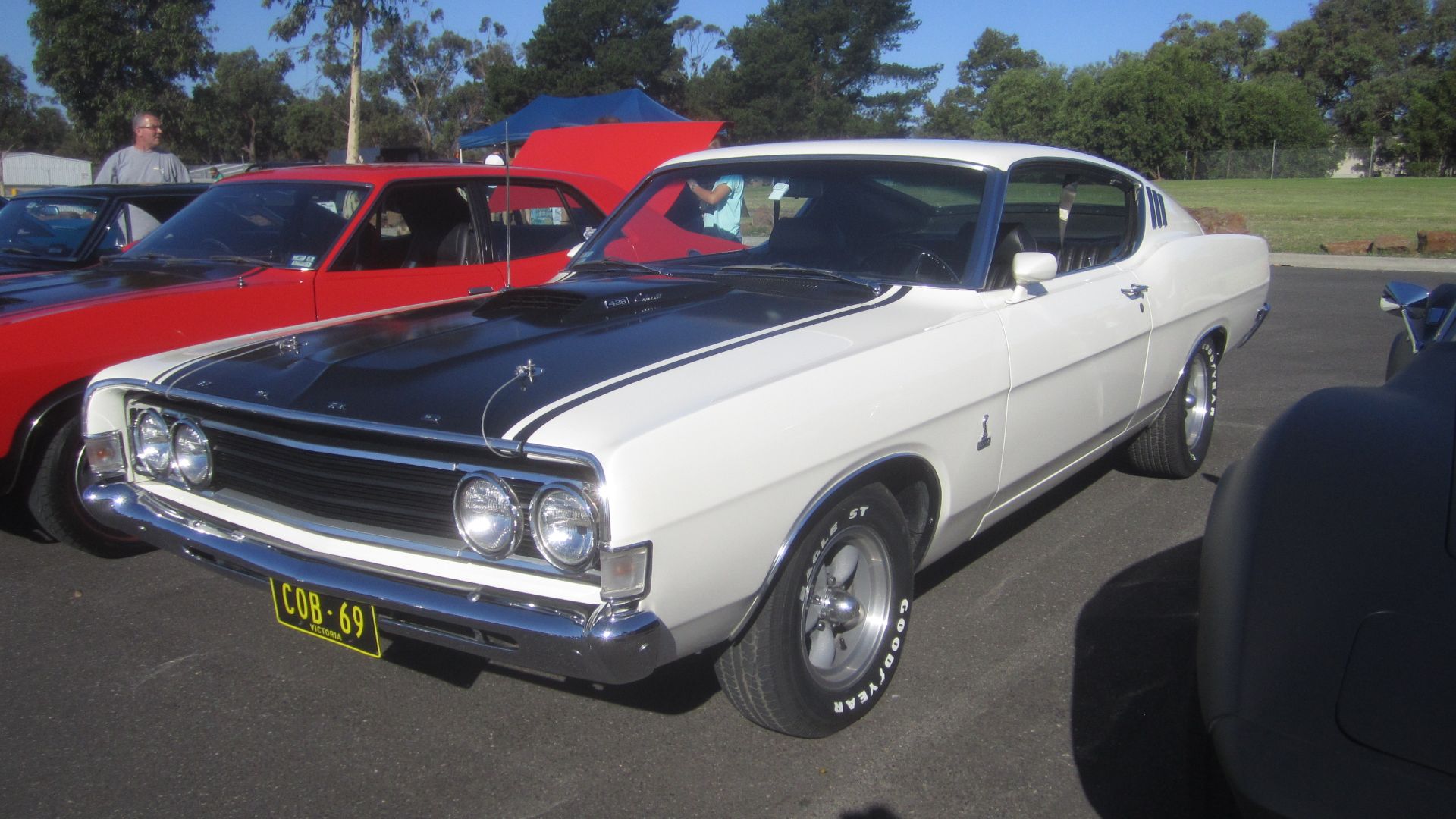
6. 1969 Ford Torino Cobra
Mustangs got the spotlight, and that left amazing vehicles like the 1969 Torino Cobra in the background. But Ford gave it the 428 Cobra Jet as standard equipment, which meant it had the hardware to back up its shape. It wasn’t as instantly recognizable, but it did offer the same kind of big-block drama.
7. 1970 Oldsmobile Rallye 350
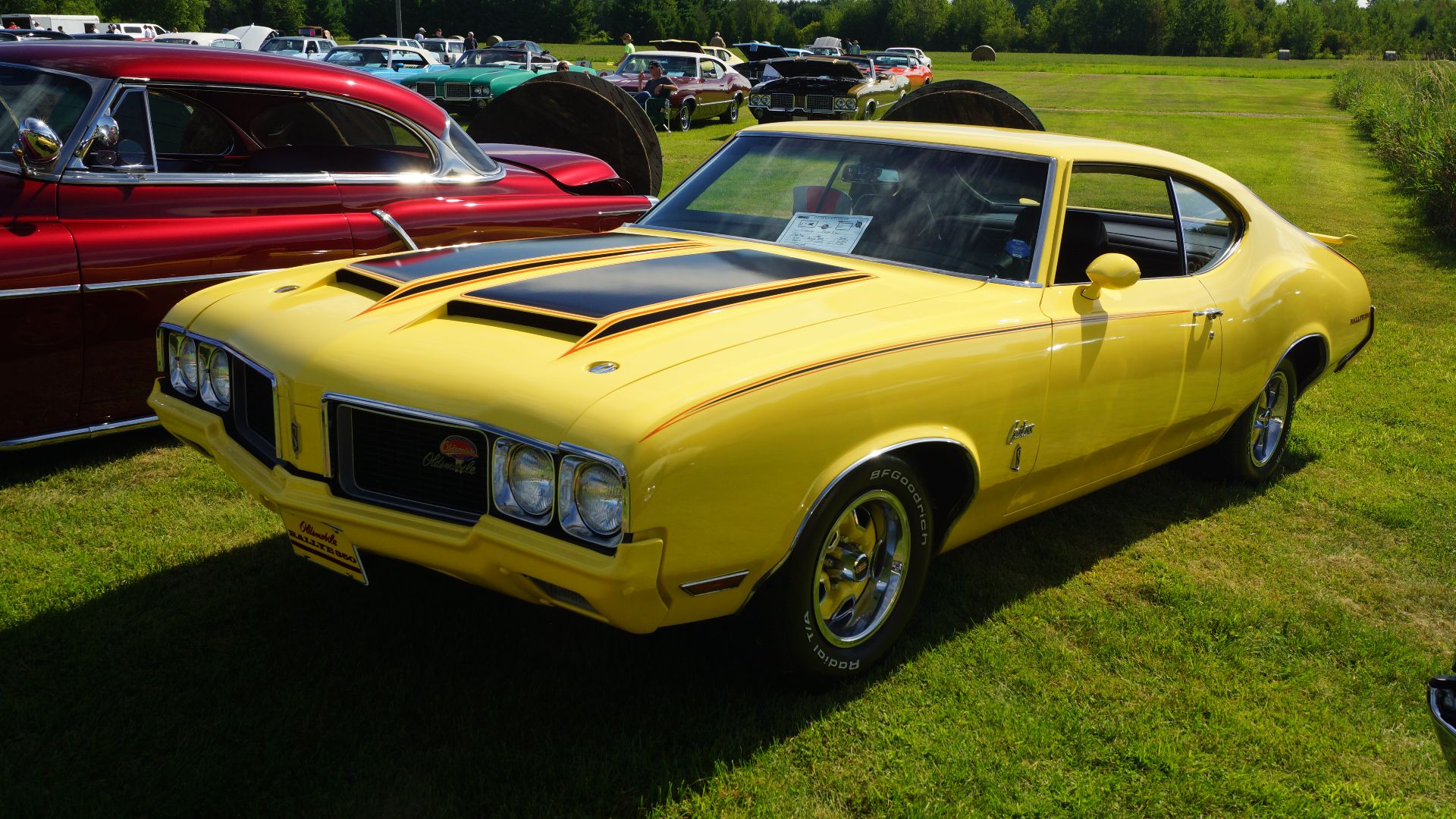
That banana yellow paint made the 1970 Oldsmobile Rallye 350 impossible to miss, but people still overlooked what it was trying to do. Instead of chasing the biggest engine possible, Oldsmobile built a better-balanced muscle car. It also hit the scene as insurance costs and regulations were getting tougher, which made it more impressive than people gave it credit for.
 Greg Gjerdingen from Willmar, USA on Wikimedia
8. 1967 Mercury Cougar GT
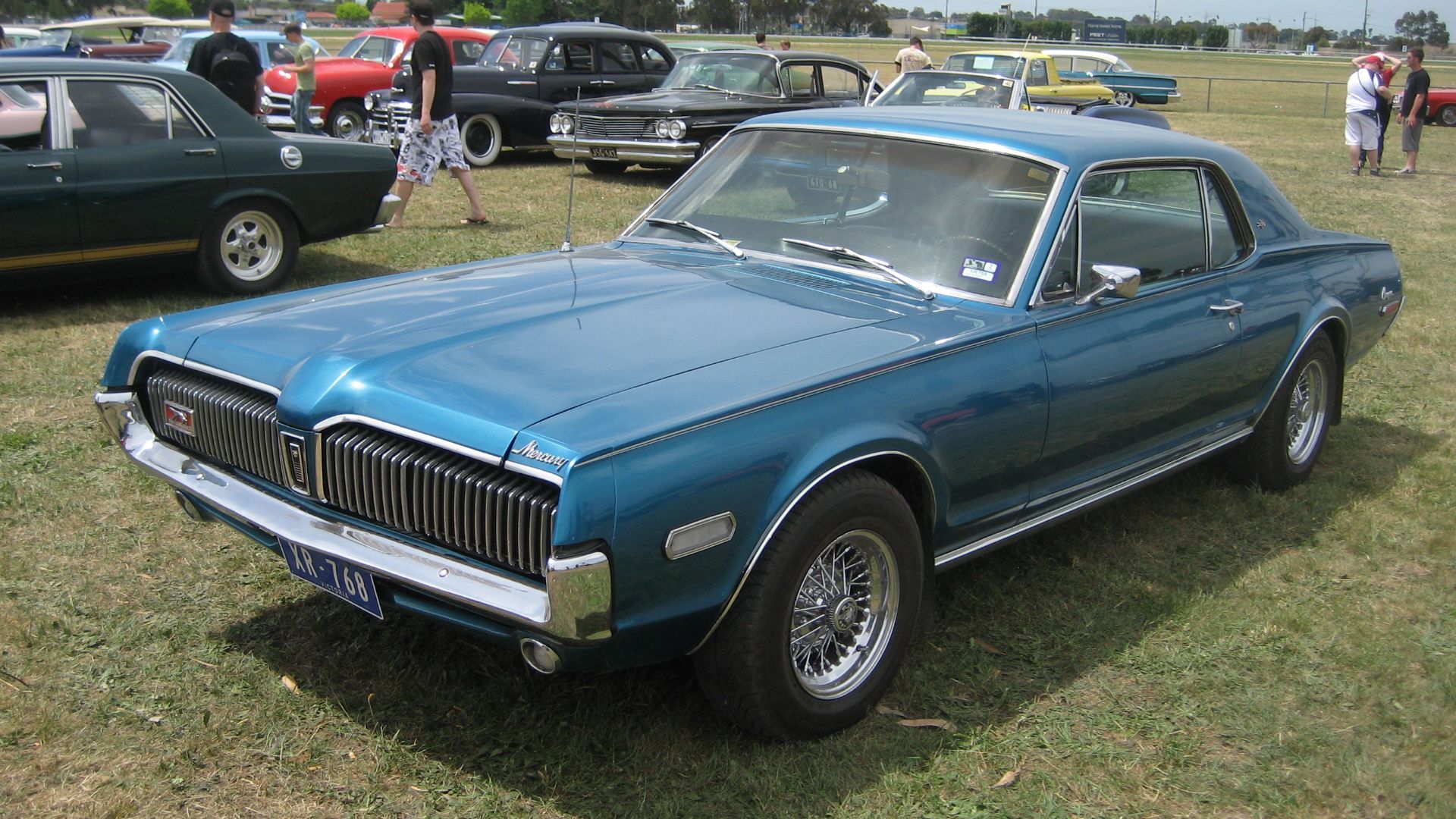
The Cougar GT lived in the Mustang’s shadow from the moment it first arrived, and that just wasn’t fair. With the available 390-cubic-inch V8 and hidden headlights, it blended muscle and style in a way Ford’s pony car didn’t match. The ugly truth is that some buyers simply saw it as softer.
9. 1971 AMC Hornet SC/360
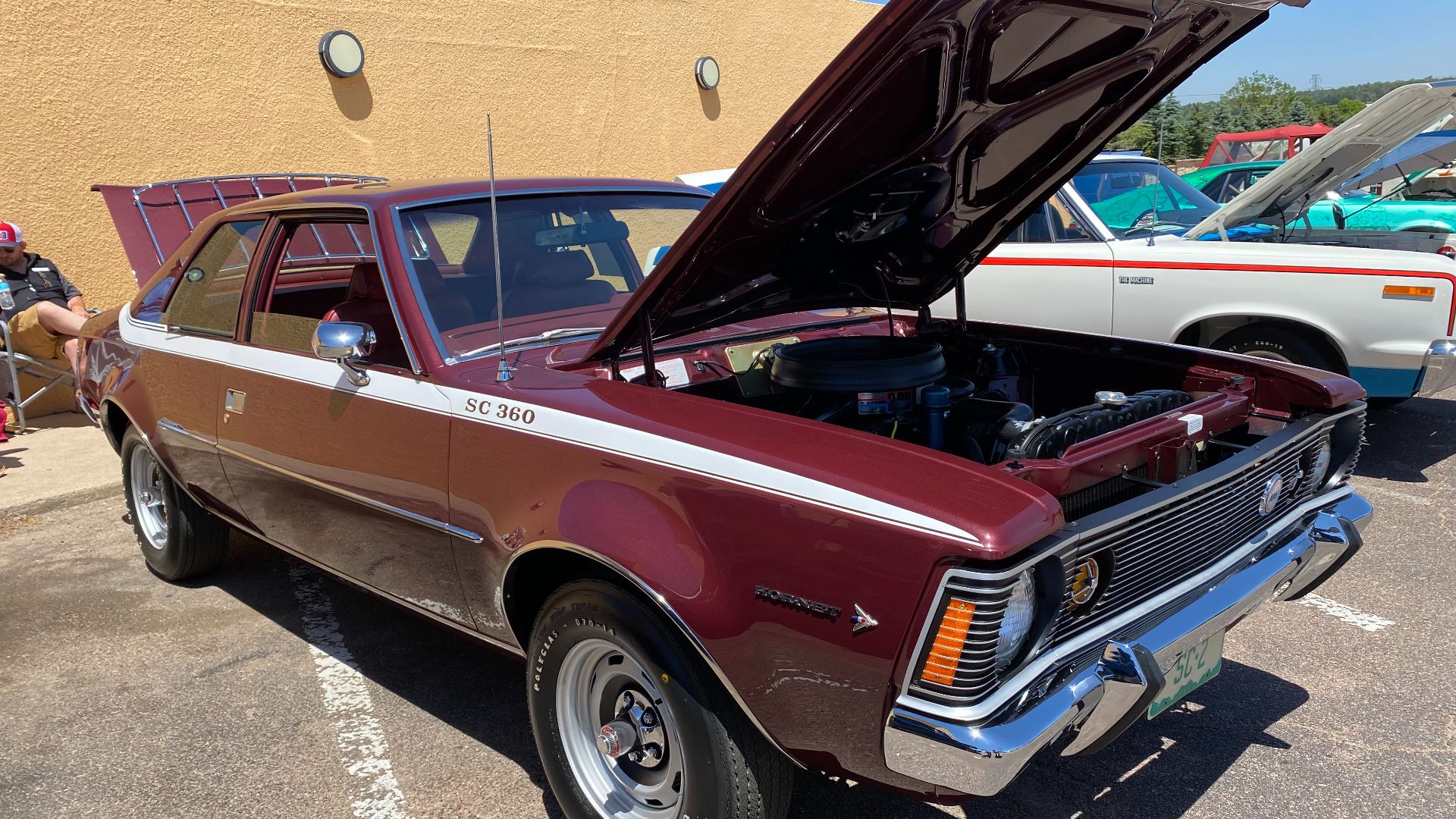
The Hornet SC/360 was proof that AMC understood the early ‘70s better than people realized. Instead of building a massive bruiser, AMC dropped a 360 V8 into a compact package and created a relatively affordable street car. It didn’t exactly sell, but that only makes its underdog charm more obvious today.
 CZmarlin — Christopher Ziemnowicz on Wikimedia
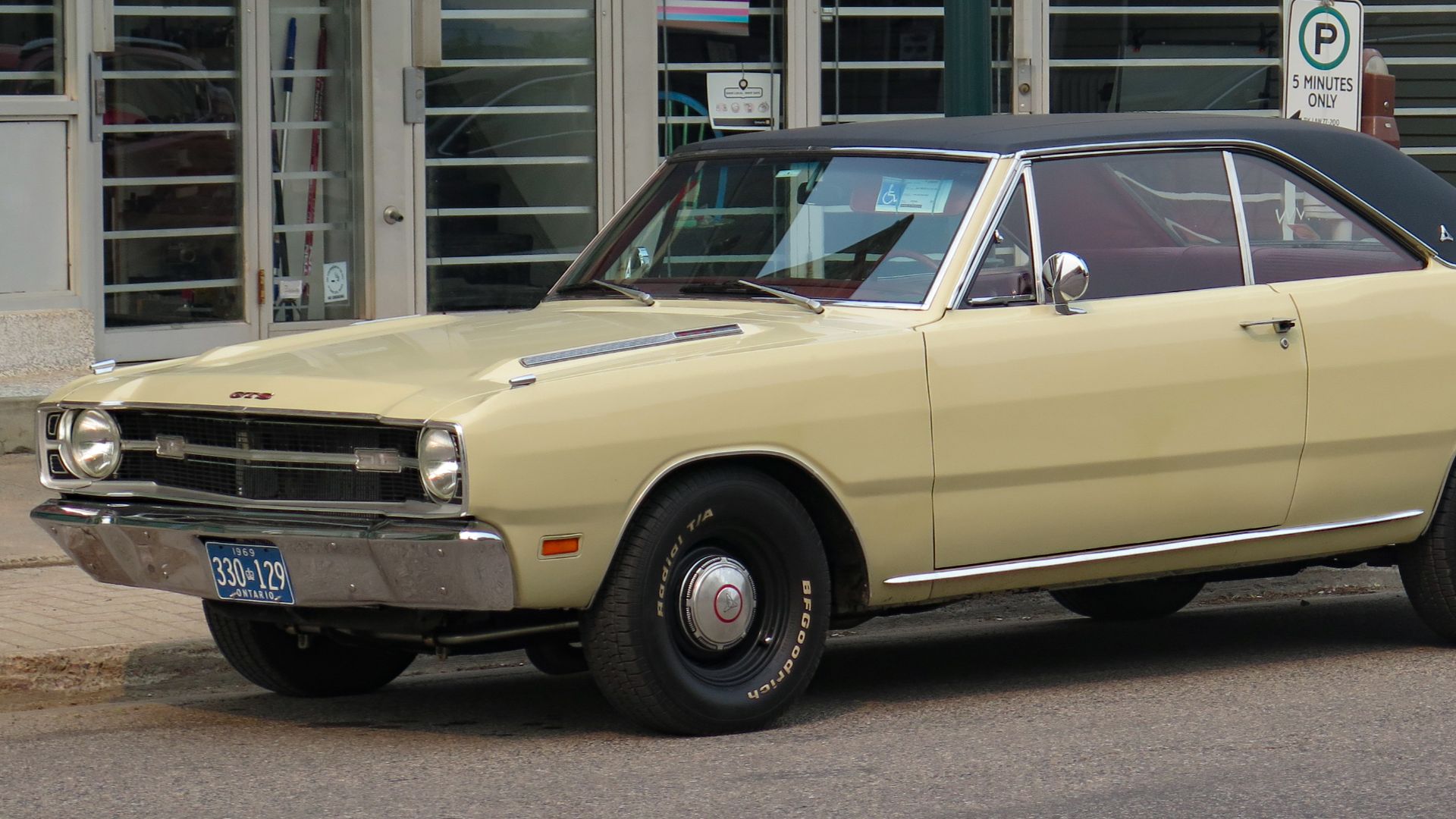
10. 1969 Dodge Dart GTS 440
Stuffing a 440-cubic-inch V8 into the Dodge Dart was excessive, even by muscle-car standards. But it was excessive in the best way! The Dart GTS 440 didn’t come with power steering or power brakes, and though that rough edge probably hurt its reputation at the time, it’s exactly what makes the car so fascinating now.
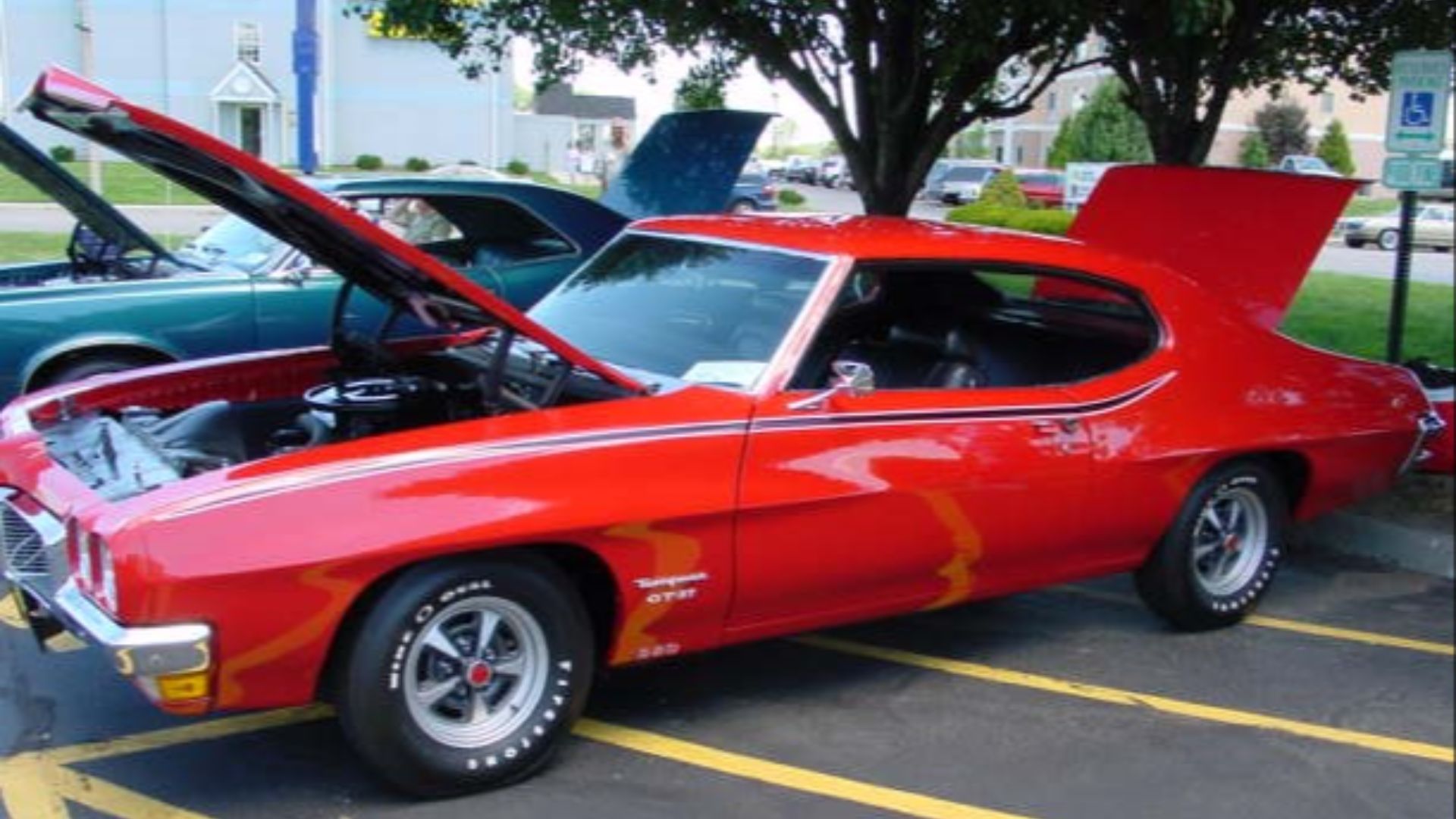
11. 1970 Pontiac GT-37
Pontiac marketed the GT-37 as a more affordable alternative to the GTO, and that budget-minded label kept some enthusiasts from taking it seriously. For those who bit, though, buyers could order real performance equipment, including potent 400 and 455 V8 options in later versions.
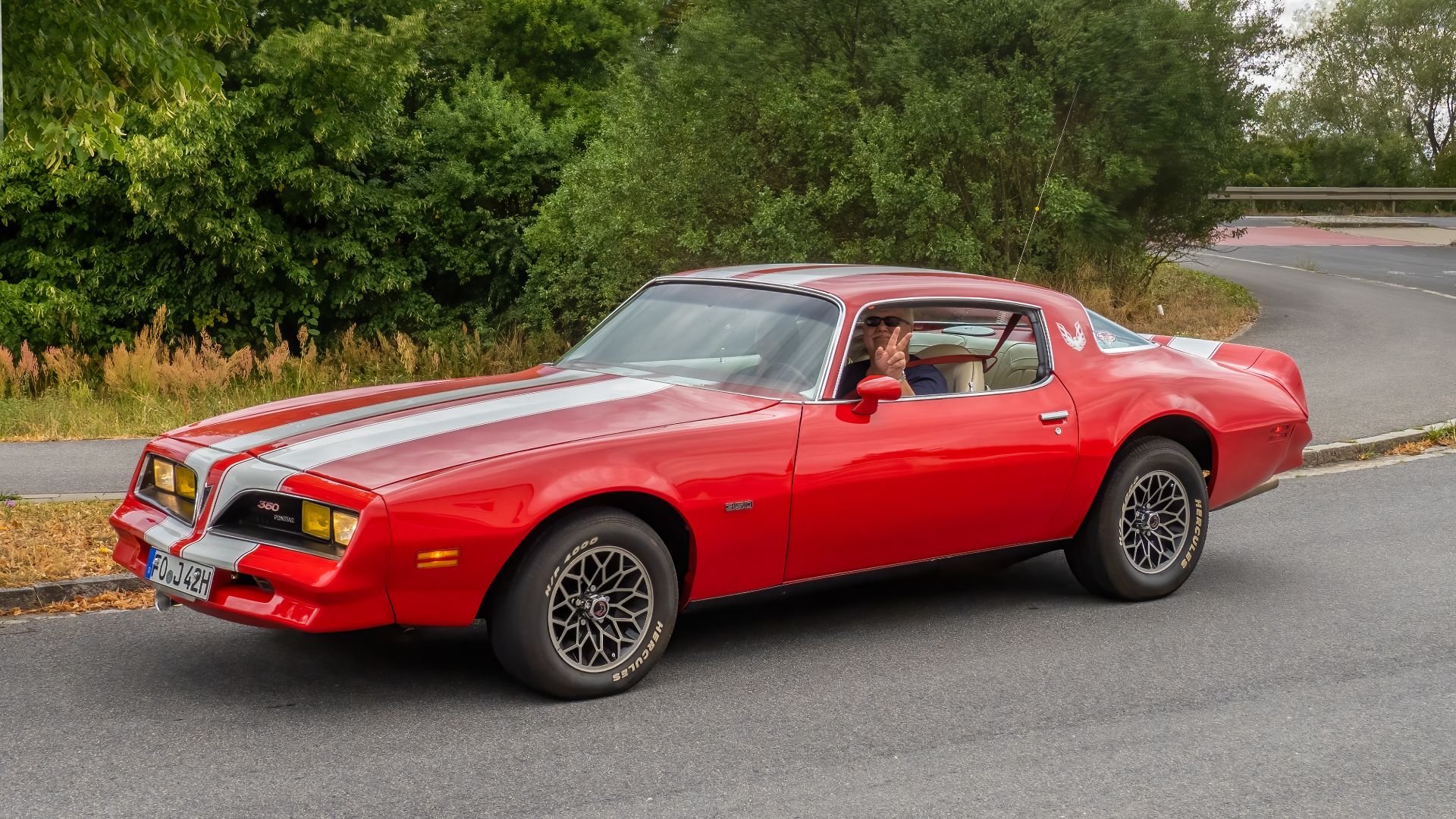
12. 1977 Pontiac Can Am
By 1977, most people had assumed the classic muscle era was over, which made the Pontiac Can Am look more like a late arrival. Even if people turned their backs, that didn’t negate its 400-cubic-inch V8, shaker hood scoop, and Le Mans body. Production problems also cut its run short, so it never got the chance to build the following it deserved.
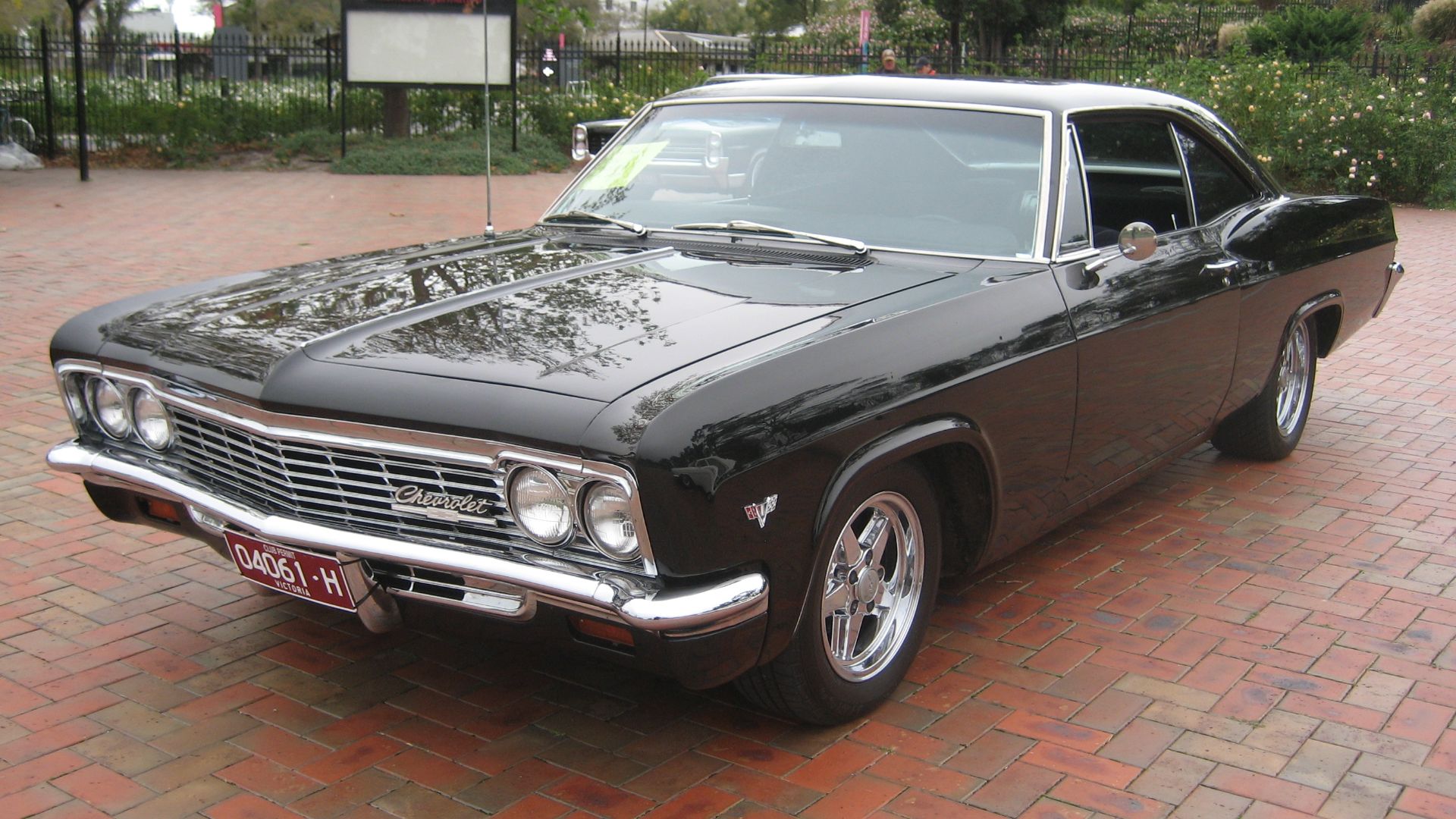
13. 1966 Chevrolet Biscayne L72 427
The Biscayne was the kind of car you bought if you didn’t care about flash, and that was part of its magic. This plain full-size Chevrolet became a serious sleeper with 425 advertised horsepower, and okay, sure, it didn’t have the glamour of a Chevelle SS, but it could make a convincing argument in a straight line.
14. 1970 Ford Falcon 429 Cobra Jet
The 1970 Ford Falcon 429 Cobra Jet barely had enough time to make an impression before the Falcon name disappeared from Ford’s lineup. We hardly had time to soak in the compact body and available 429 Cobra Jet engine. Luckily, rarity and power make it far more interesting than its reputation suggests.
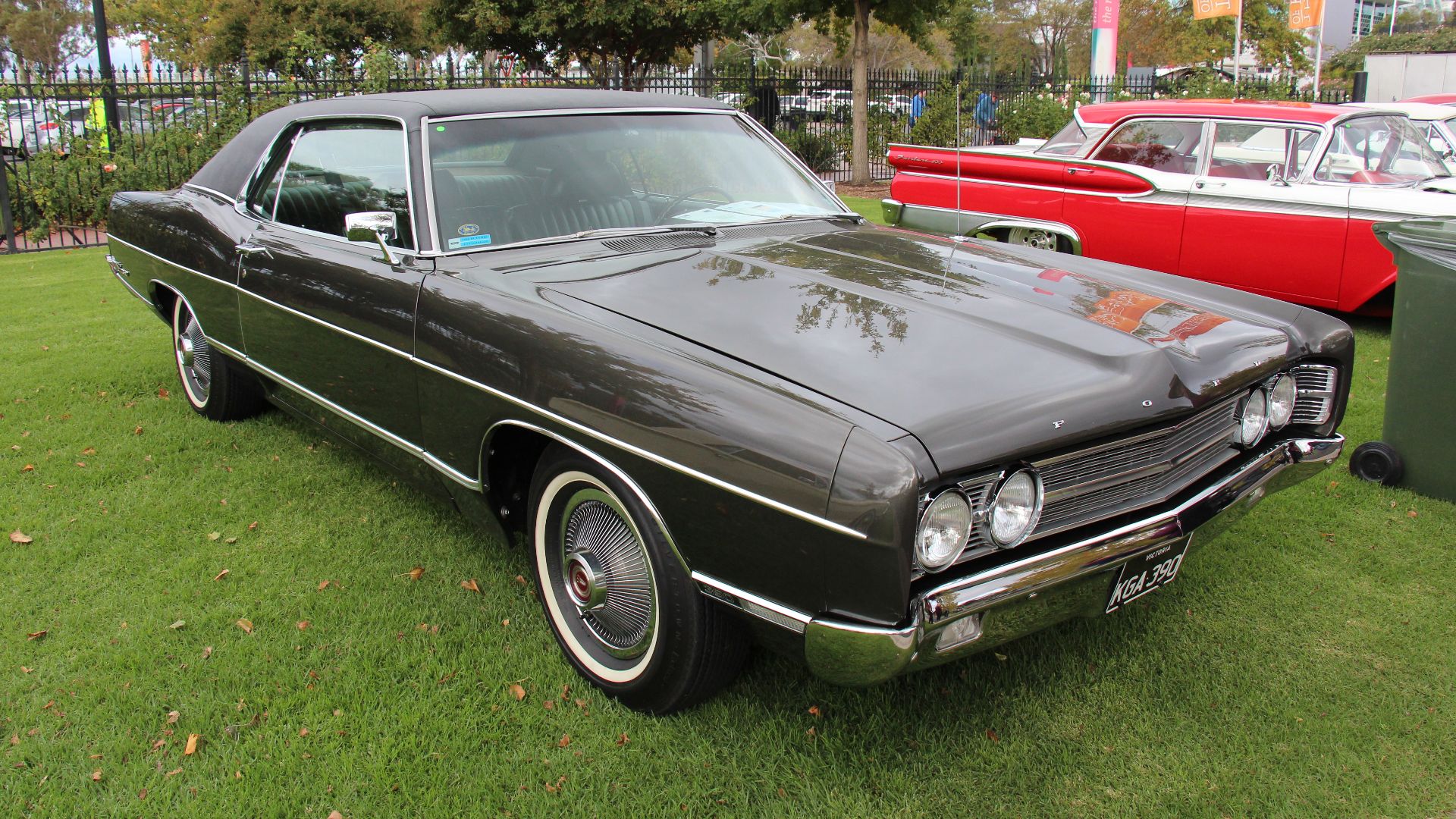
15. 1969 Pontiac Grand Prix SJ 428
A Grand Prix usually brings comfort to mind before quarter-mile performance, which is why the 1969 SJ 428 usually gets overlooked. Pontiac’s 428-cubic-inch V8 gave the car all kinds of strength, and the long-hood styling made it look more expensive than traditional muscle coupes. It wasn’t trying to be a stripped-down street racer, but that’s why it stands out.
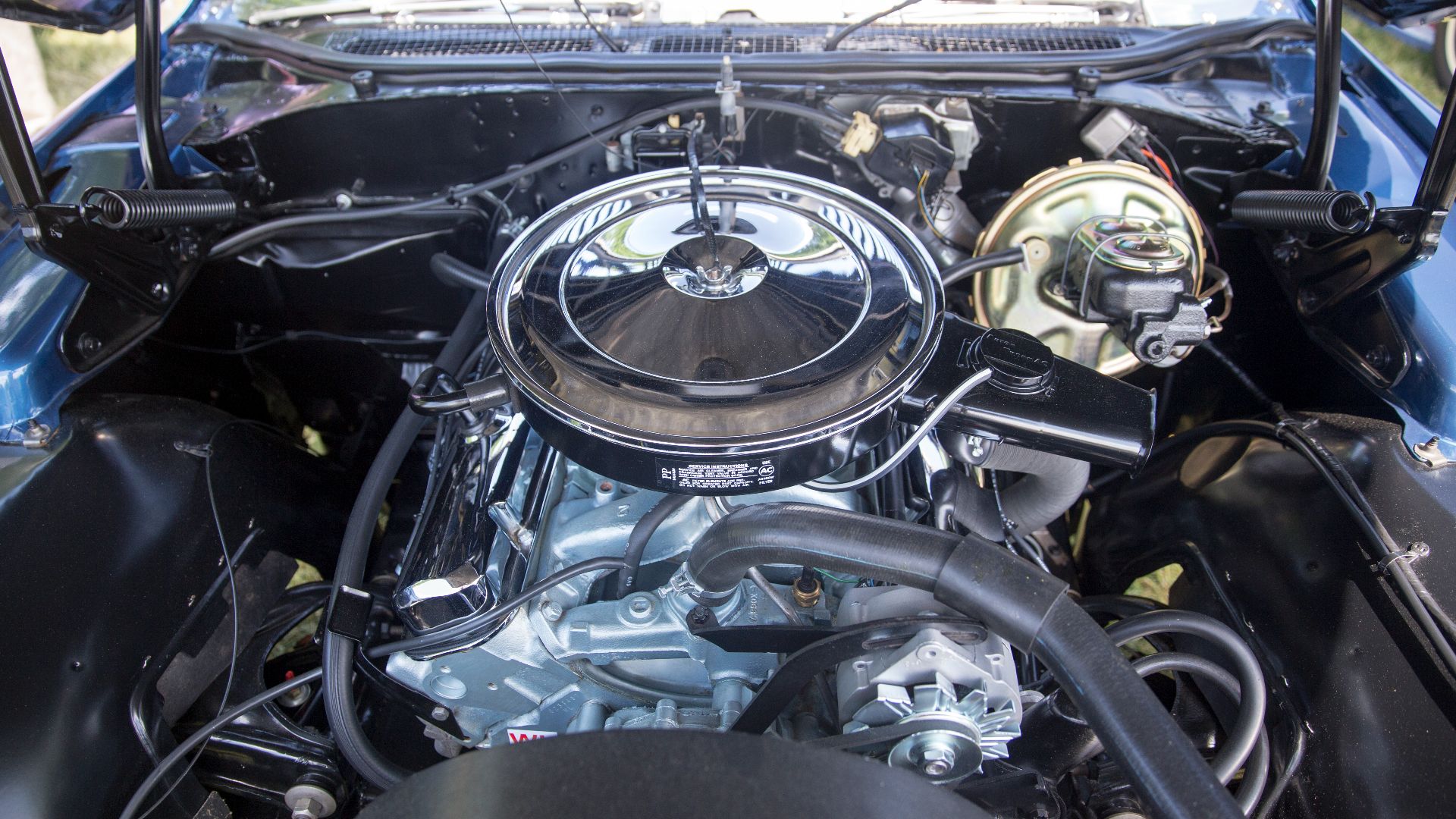
16. 1971 Plymouth Road Runner 340
Everyone talks about the big-block Road Runners, but this version deserves more appreciation. The smaller V8 made the car lighter on its feet, and it still had enough power to keep things entertaining. Long story short, the Road Runner made its point from the start.
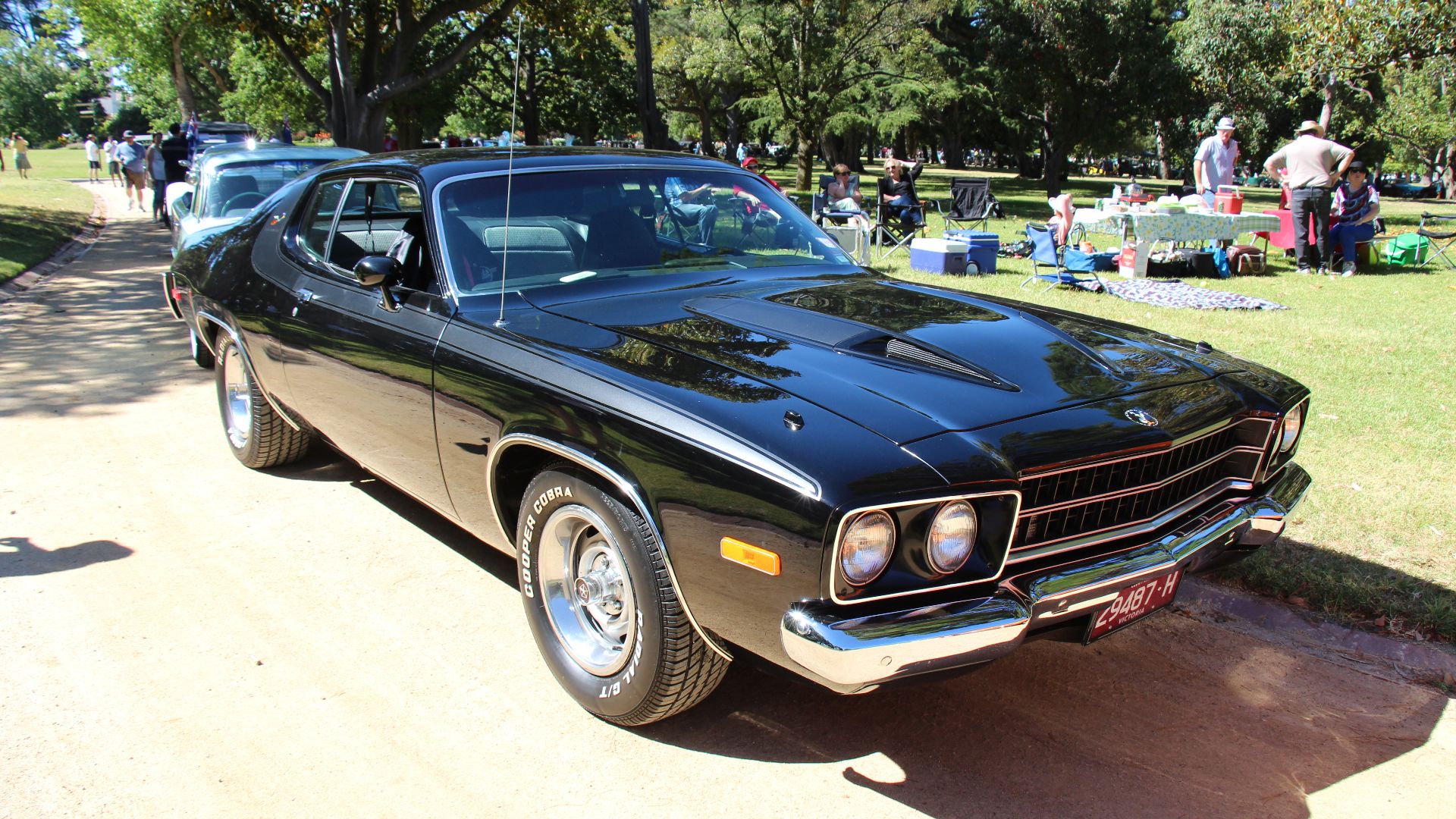
17. 1968 Oldsmobile 442 W-31
The Oldsmobile 442 W-31 never really became a household name, but we never forgot about its high-revving 350-cubic-inch V8 and performance tuning. If anything, that made it a clever alternative to heavier big-block cars, and some enthusiasts missed a car that rewarded you for paying attention.
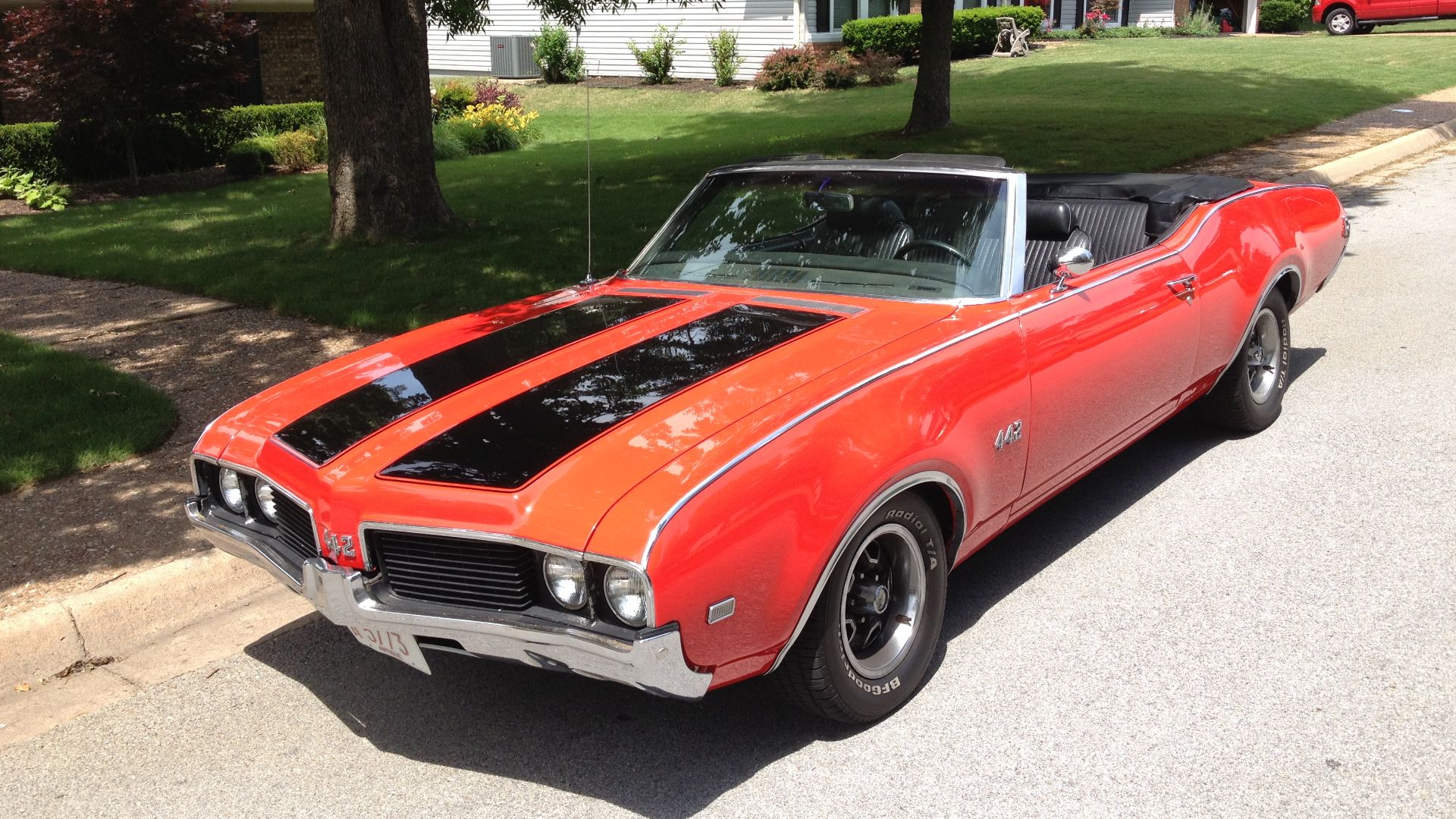
18. 1970 Mercury Cyclone Spoiler
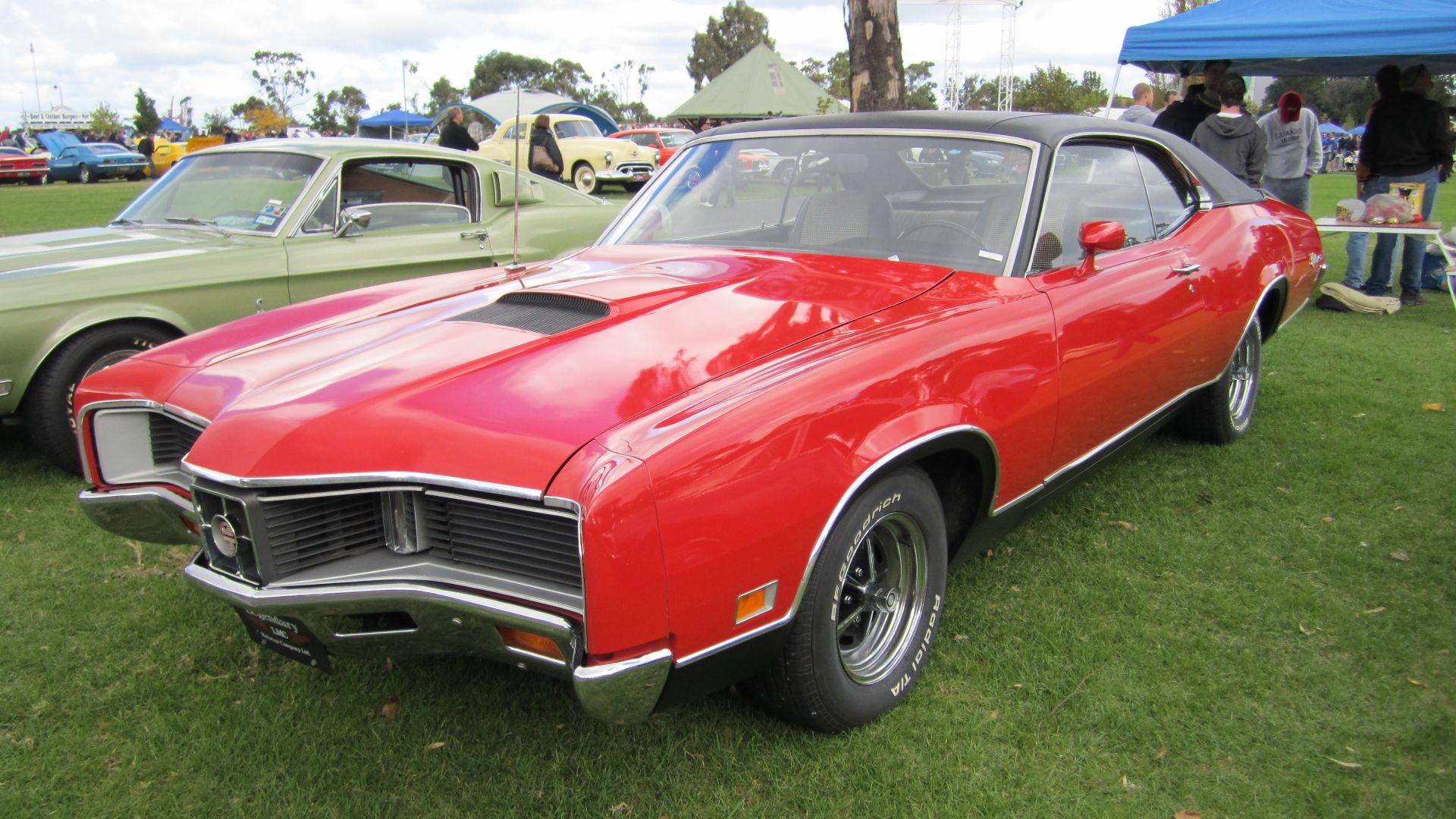
The Cyclone Spoiler had NASCAR-inspired looks: bold striping and available big-block power. Weirdly enough, it still gets treated like a footnote. The reality is that Ford’s Torino and Mustang soaked up more of the attention, leaving Mercury’s coupe to wait for collectors to catch up.
19. 1974 Pontiac GTO
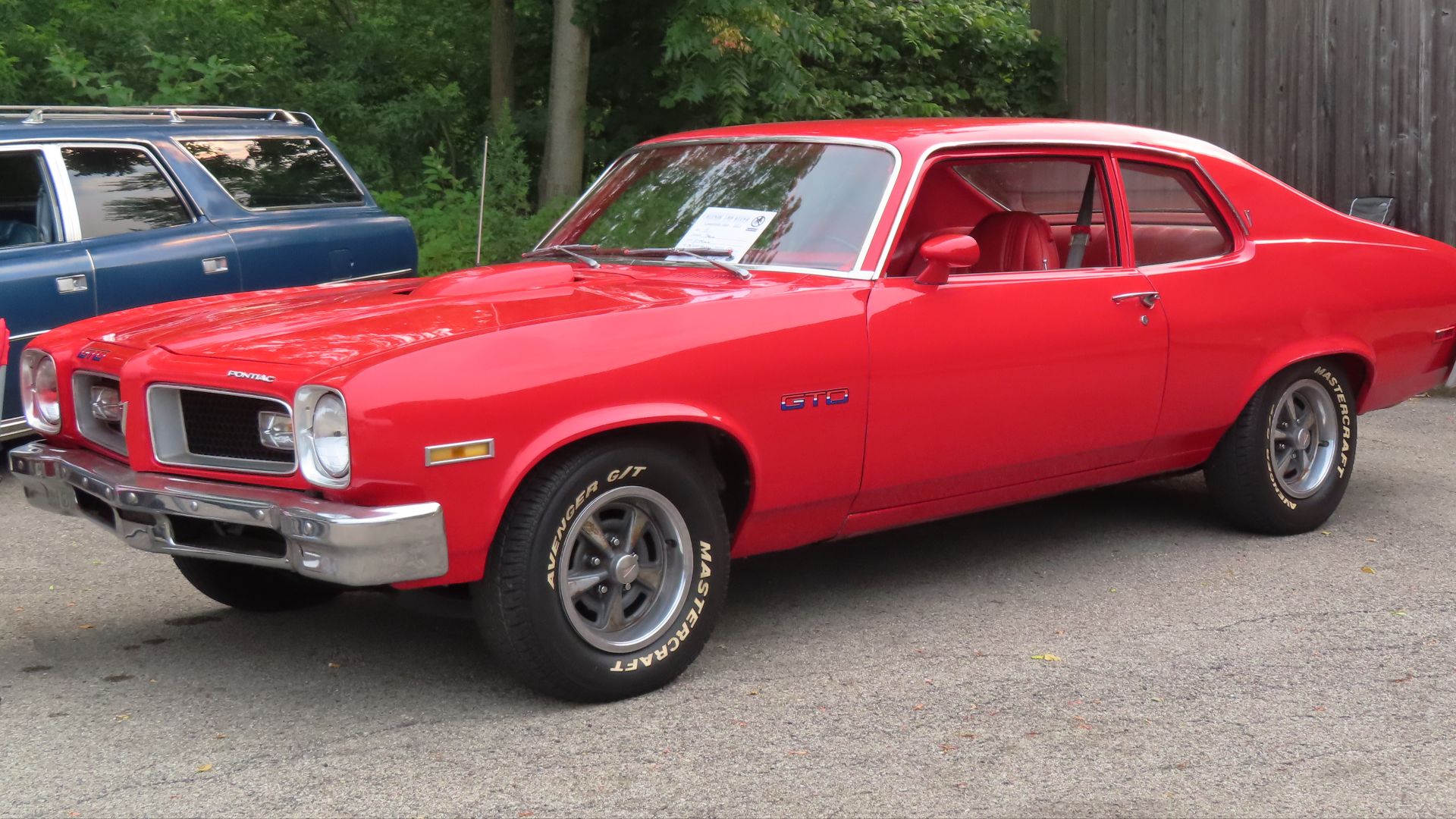
The 1974 GTO gets criticized for being based on the Ventura instead of the larger, earlier GTOs, but that argument completely misses the point. Pontiac was trying to keep performance alive in a more realistic package. It wasn’t the same beast as its cousins, but it still carried the badge with dignity.
20. 1969 AMC Hurst SC/Rambler
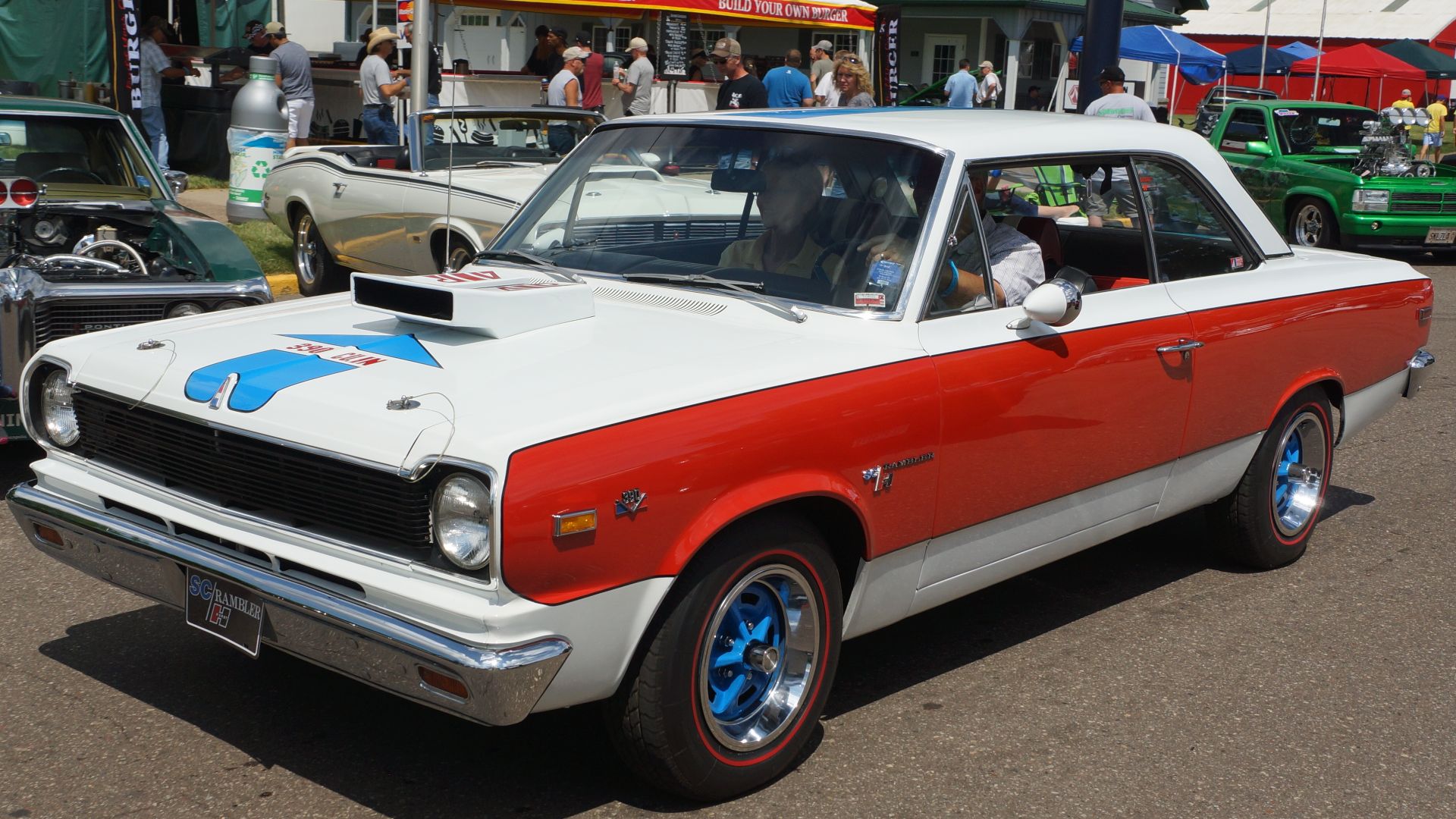
The Hurst SC/Rambler looked outrageous, ran hard, and came from a company that never got enough credit from muscle fans. We’re talking a 390-cubic-inch V8 and lightweight Rambler body that made it a legitimate quarter-mile threat. But because it didn’t say Chevrolet or Dodge on the nose, too many people treated it like a novelty.
 Greg Gjerdingen from Willmar, USA on Wikimedia