
Experience Can Create Its Own Blind Spots
Years behind the wheel can sharpen your judgment, sure, but that doesn't mean you'll never make mistakes again. And as much as we hate to say it, just because nothing bad has happened yet doesn't mean things won't sometimes go wrong. That's why you should never be too overconfident on the road; your arrogance could lead to bad habits and oversight. From resting your foot on the brake pedal to always keeping a hand on the gear selector, here are 20 driving mistakes even experienced drivers make.
1. Accelerating the Instant the Light Turns Green
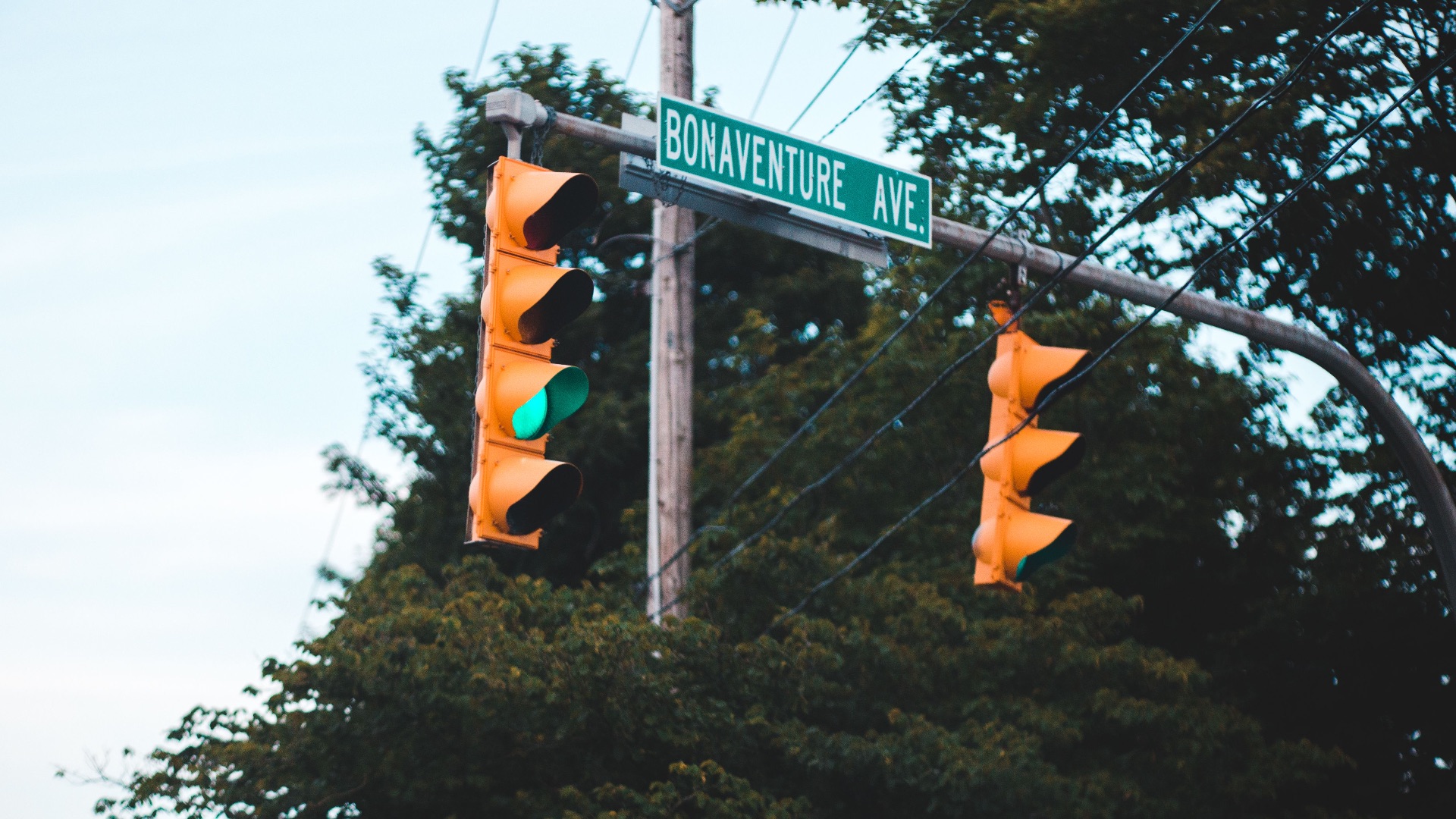
A green light gives you permission to proceed, but it doesn’t guarantee that the intersection is clear. Another driver may be running the red light, while a pedestrian or cyclist could still be crossing. Taking a brief moment to scan both directions can help you catch a hazard before entering the intersection.
2. Turning the Wheels While Waiting to Turn
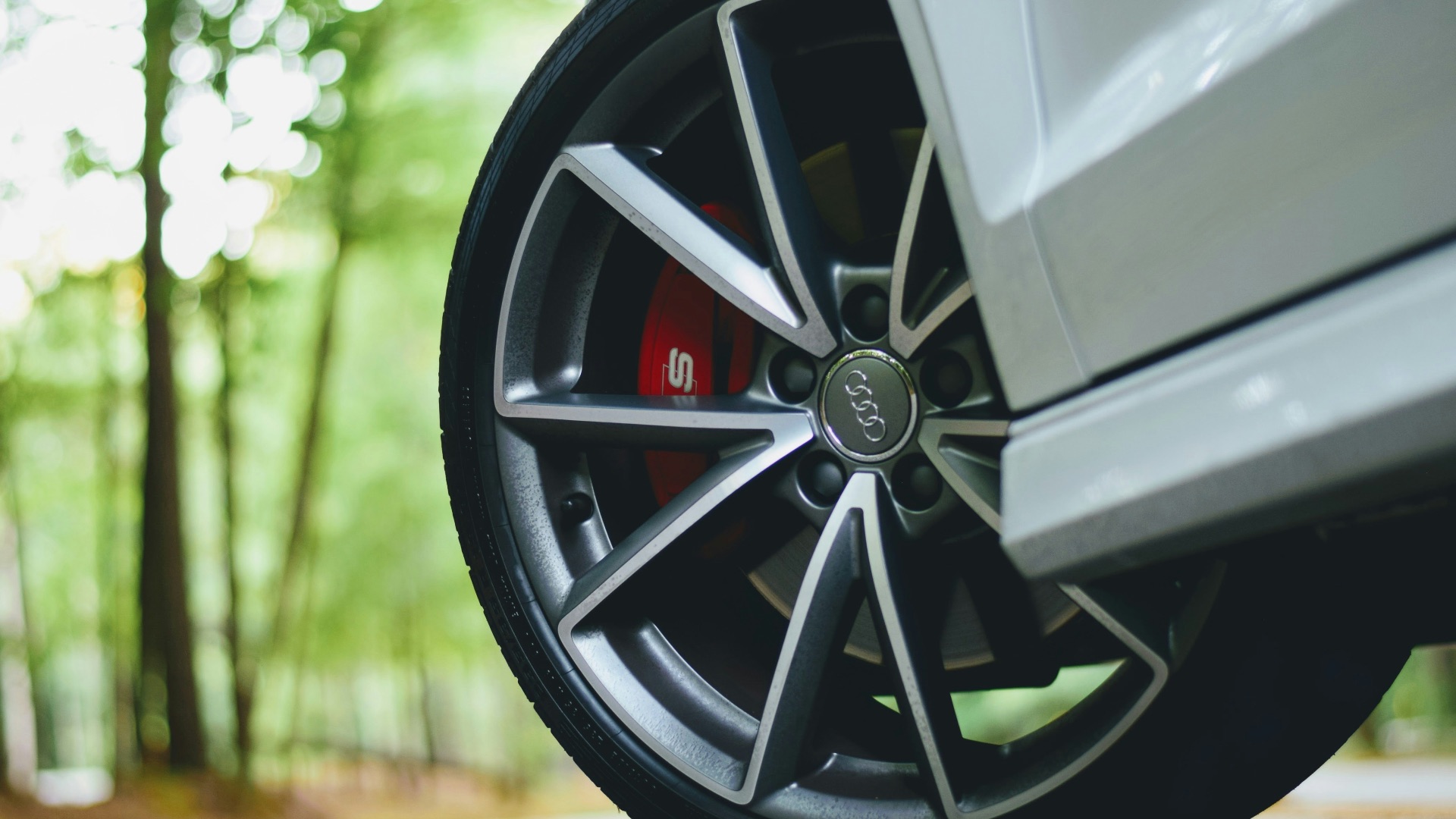
Drivers often angle their wheels toward the turn while waiting for a gap in oncoming traffic. That might sound harmless, but if another vehicle hits you from behind, that wheel position can push your car directly into the opposing lane. Make sure to keep your wheels pointed straight until you begin turning to reduce that risk.
3. Blindly Trusting Another Driver’s Turn Signal
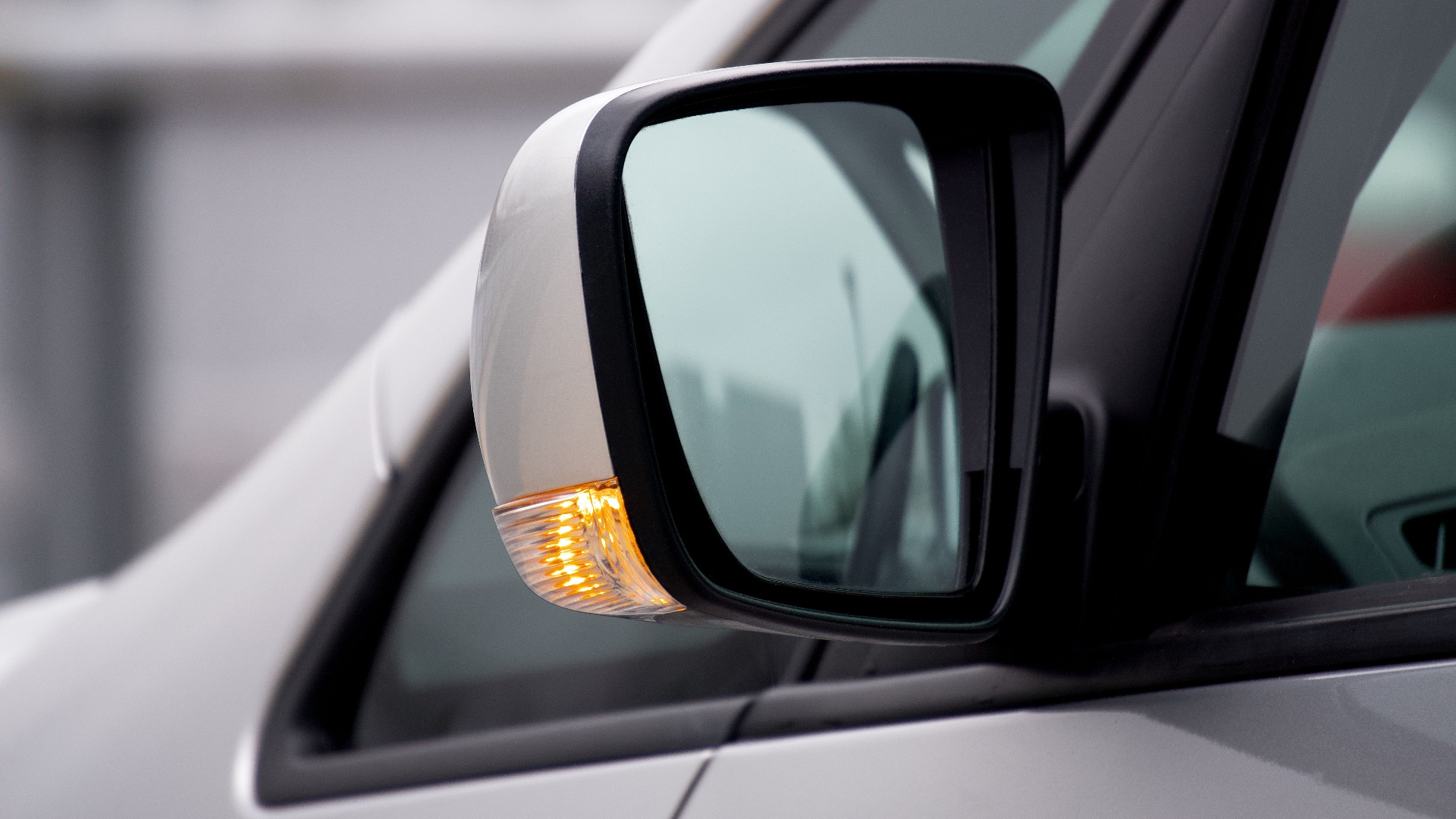
While indicators help us remain predictable to other road users, a continuously flashing signal doesn’t always reflect what someone is about to do. It may have been left on accidentally, a new driver may have signaled left when they meant right, or they could've changed their mind without warning. Wait for the vehicle to slow, turn, or otherwise confirm its movement before pulling into its path.
4. Driving Beside Another Car for Too Long
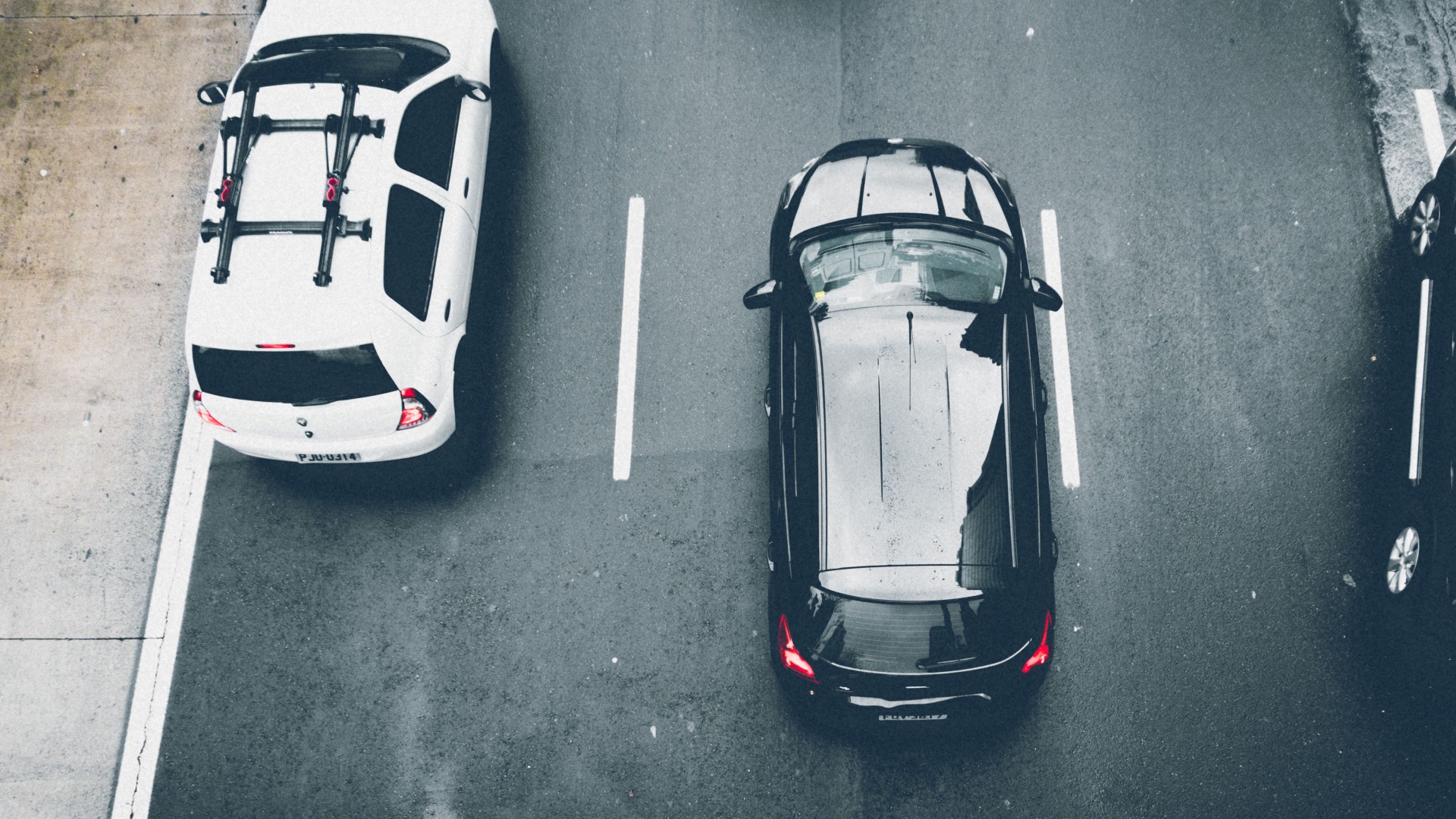
Matching another vehicle’s speed can leave both drivers with fewer places to move during an emergency. It may also block faster traffic and create a rolling cluster of cars behind you. When conditions allow, either complete the pass or fall back enough to restore some open space.
5. Slowing Down Before Entering the Exit Lane
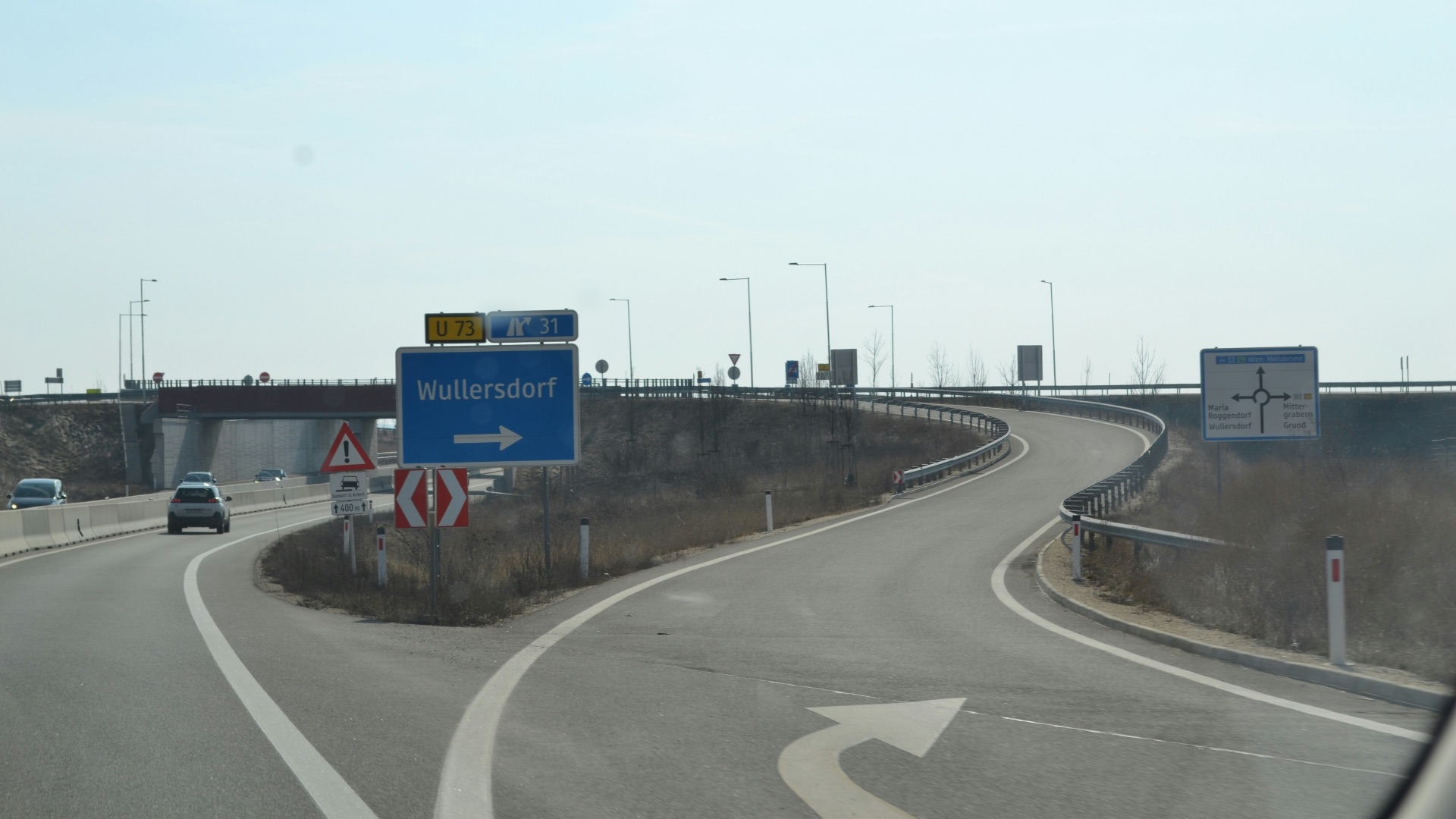
Some motorists begin braking on the highway before moving into the deceleration lane. You might think that's not an issue, but in reality that only forces traffic behind you to slow unexpectedly, even though the exit lane was designed to handle the reduction in speed. Enter the lane first when it’s safe, then brake progressively as you approach the ramp.
6. Leaving Too Little Space at a Stoplight
Stopping close to the bumper ahead may seem efficient, but it removes your ability to maneuver. If the other car stalls, an emergency vehicle approaches, you suddenly want to change lanes, or you notice a threat from behind, you may be trapped and have nowhere to go. Leaving enough room to see the rear tires of the vehicle ahead, therefore, gives you more flexibility.
7. Resting a Foot on the Brake Pedal
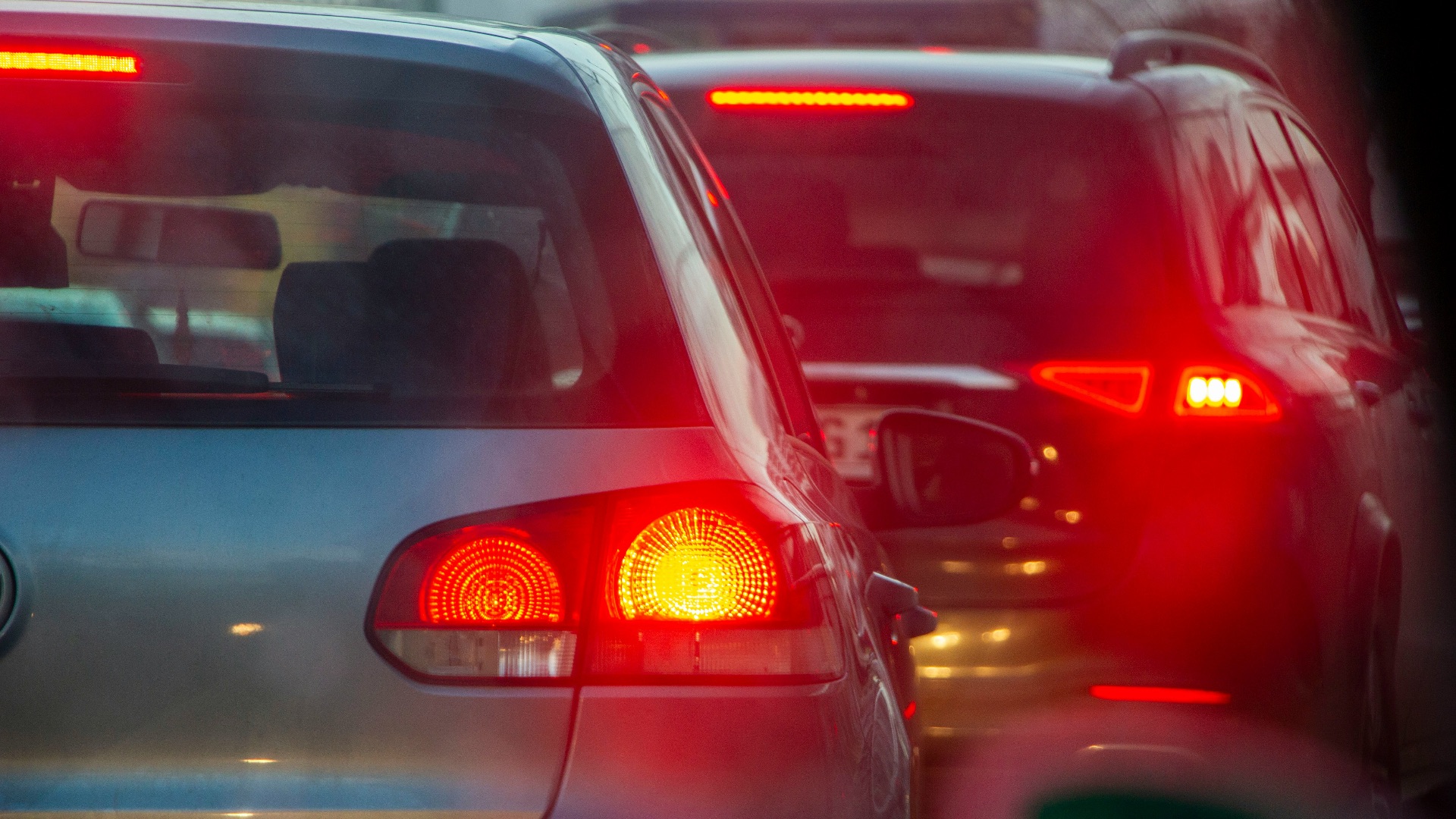
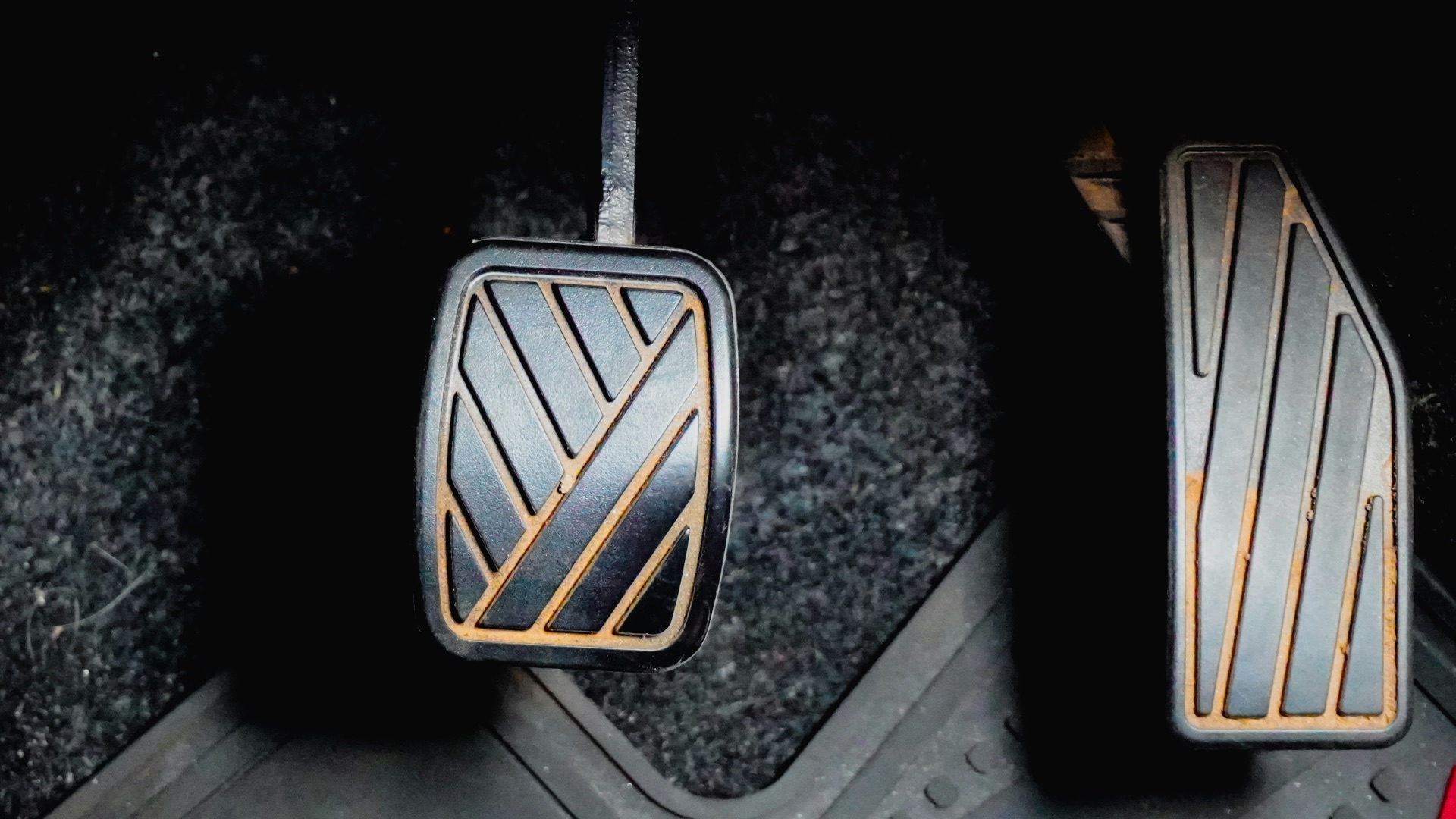
Some drivers keep a foot hovering on or lightly touching the brake, especially in heavy traffic. But remember: even slight pressure can activate the brake lights, which not only confuses the drivers following behind you, but also contributes to unnecessary wear. Keeping your foot clear until braking is actually needed makes your signals more meaningful.
8. Assuming a Parked Car Is Inactive
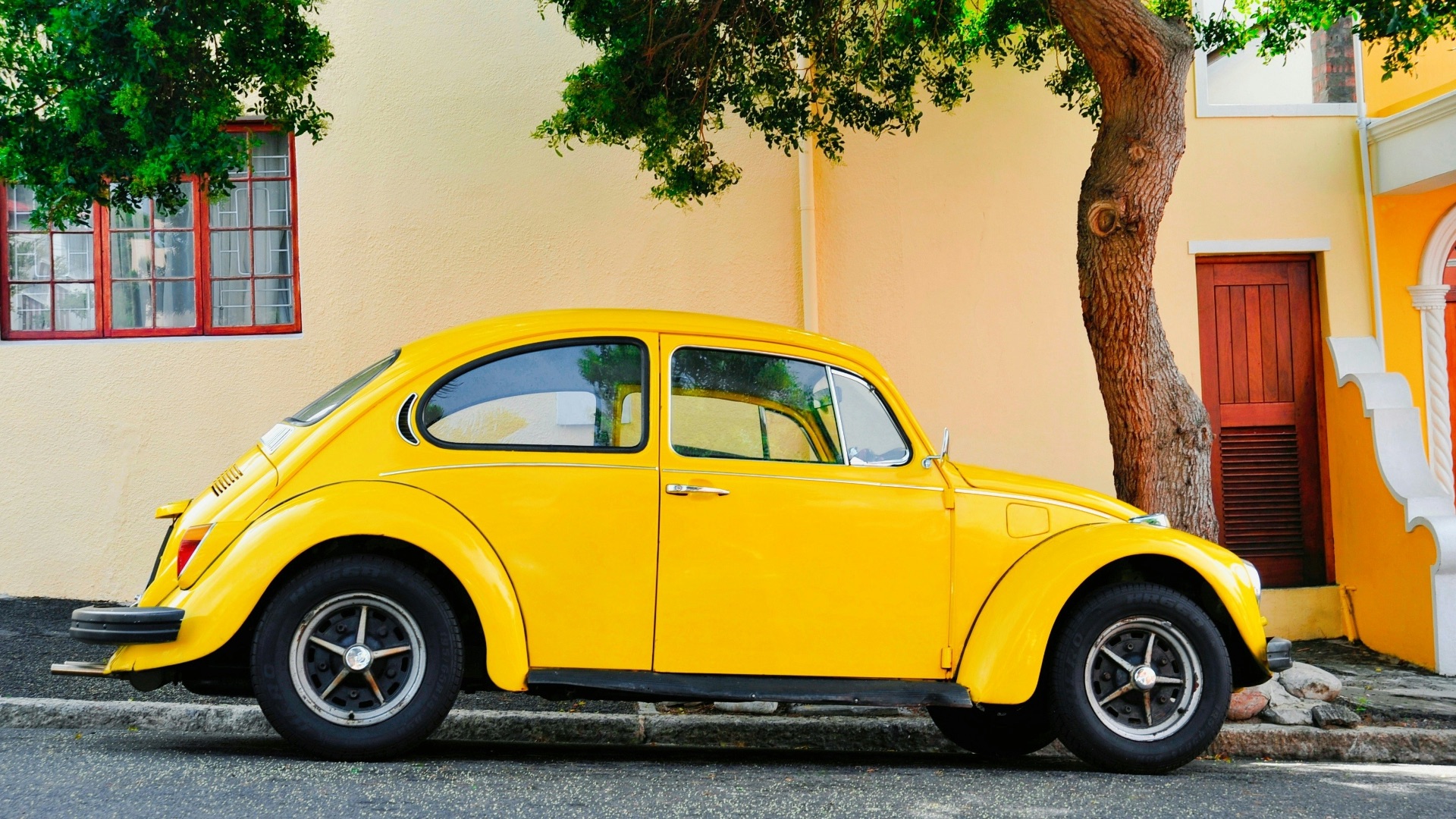
A parked vehicle can create several hazards even when it appears empty. A door may open, a child may step out from behind it, or the driver could pull away without much warning. Always give parked cars additional space and watch for movement inside the cabin or around the wheels.
9. Following a Large Vehicle Through an Intersection
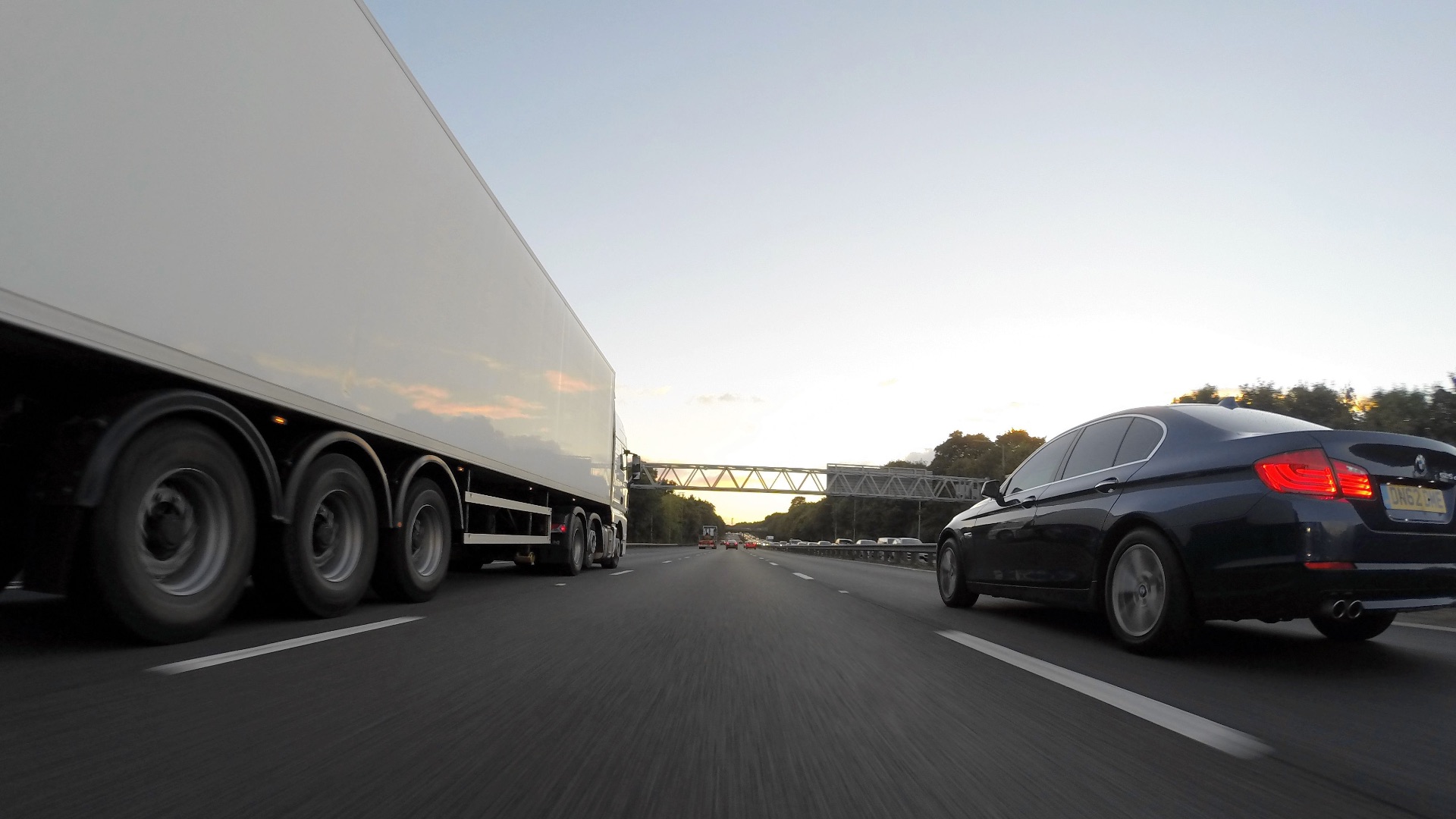
A truck or bus can completely block your view of a traffic light, crosswalk, or developing traffic jam. If you follow too closely, you may enter after the light has changed or discover that there’s no room on the other side. Increasing your distance allows you to see the intersection before committing to it.
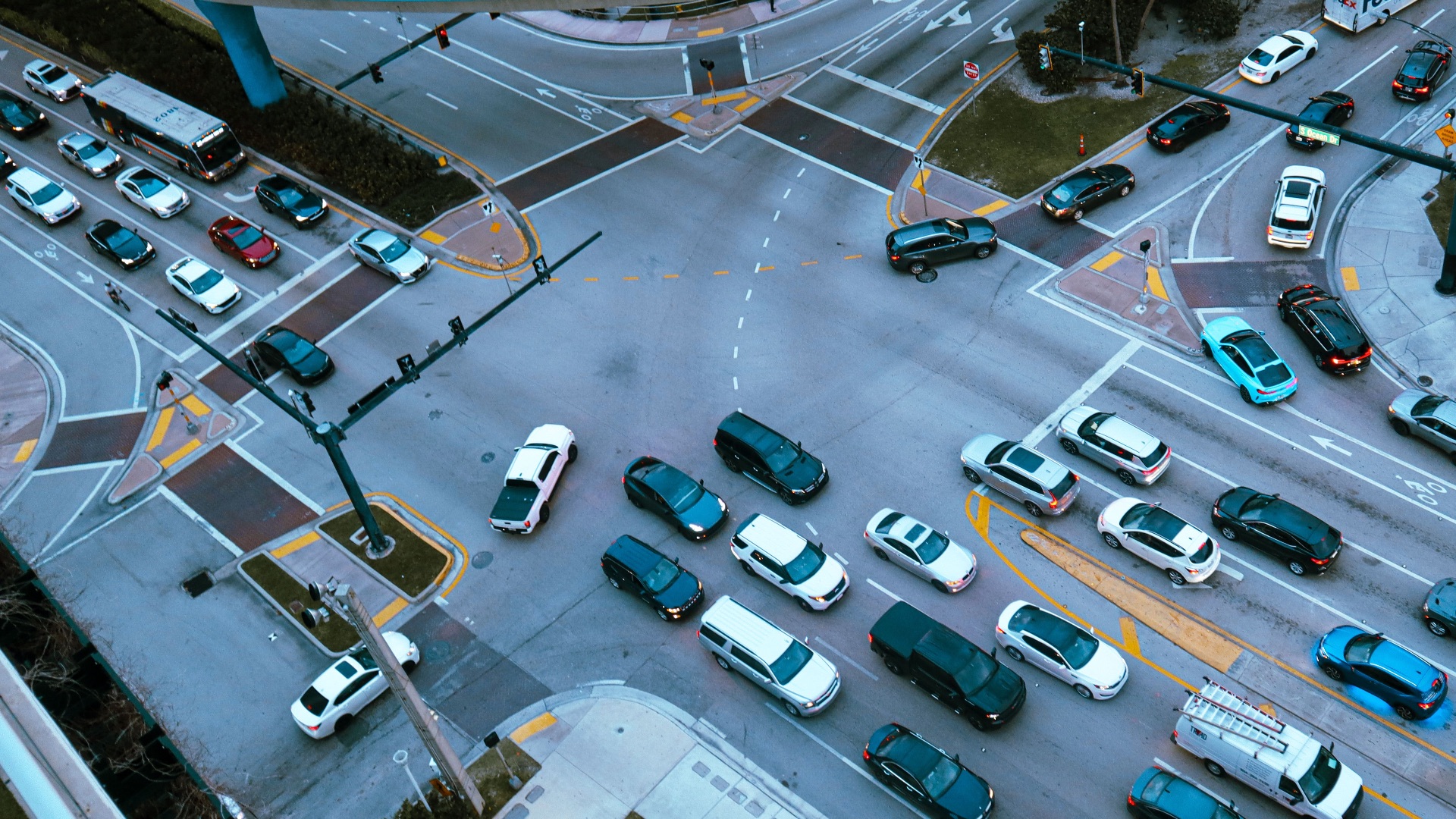
10. Entering an Intersection Without Room to Exit
A green light doesn’t mean you should move forward when traffic is backed up beyond the crossing. Entering anyway can leave your vehicle blocking cross traffic, cyclists, and pedestrians once the signal changes, leading to a lot of angry road users. Make sure to wait behind the line until there’s enough space for your entire car on the other side.
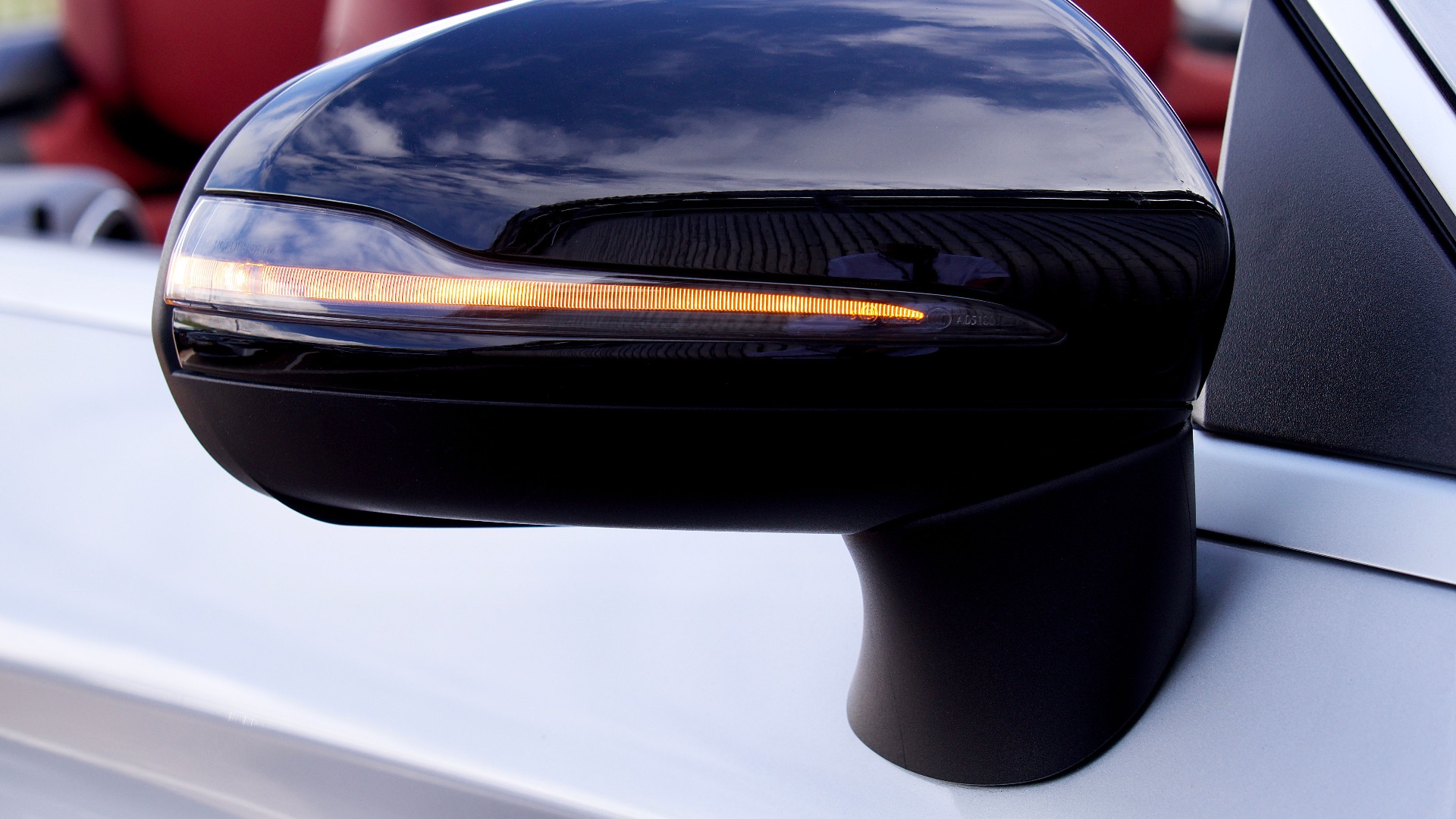
11. Leaving the Turn Signal On
A signal that doesn’t cancel after a lane change or gentle turn can create a misleading message. Someone may pull out in front of you because they believe you’re about to turn. Check the indicator after completing a maneuver, particularly when the steering wheel hasn’t moved enough to cancel it automatically.
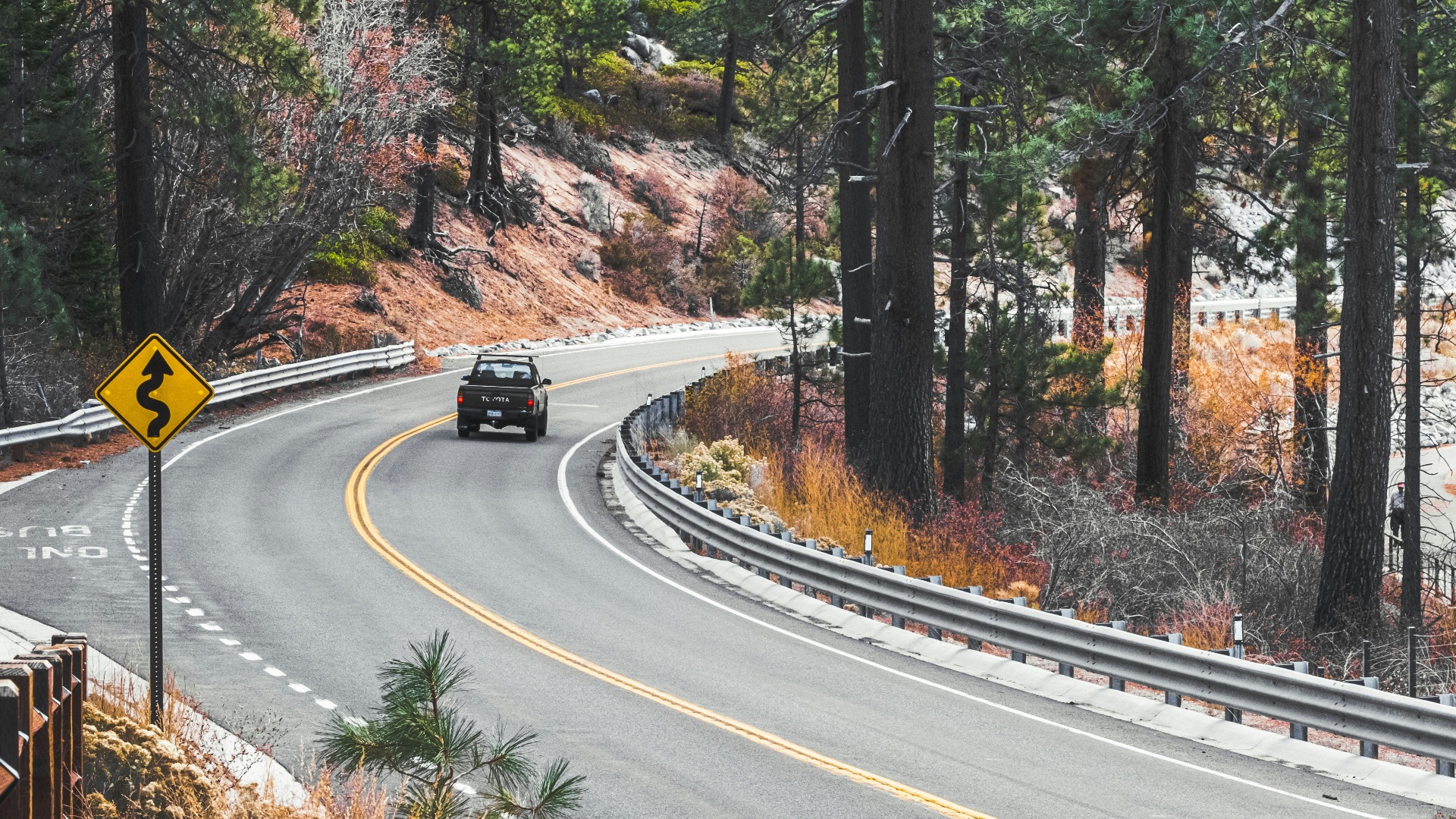
12. Braking Midway Through a Curve
Drivers sometimes enter a bend too quickly and then apply the brakes once they feel the car leaning or drifting outward. But be careful: sudden braking during a turn can unsettle the vehicle, especially when the road is wet or icy, or covered in gravel. Reduce your speed before the curve so you can steer through it with steady control.
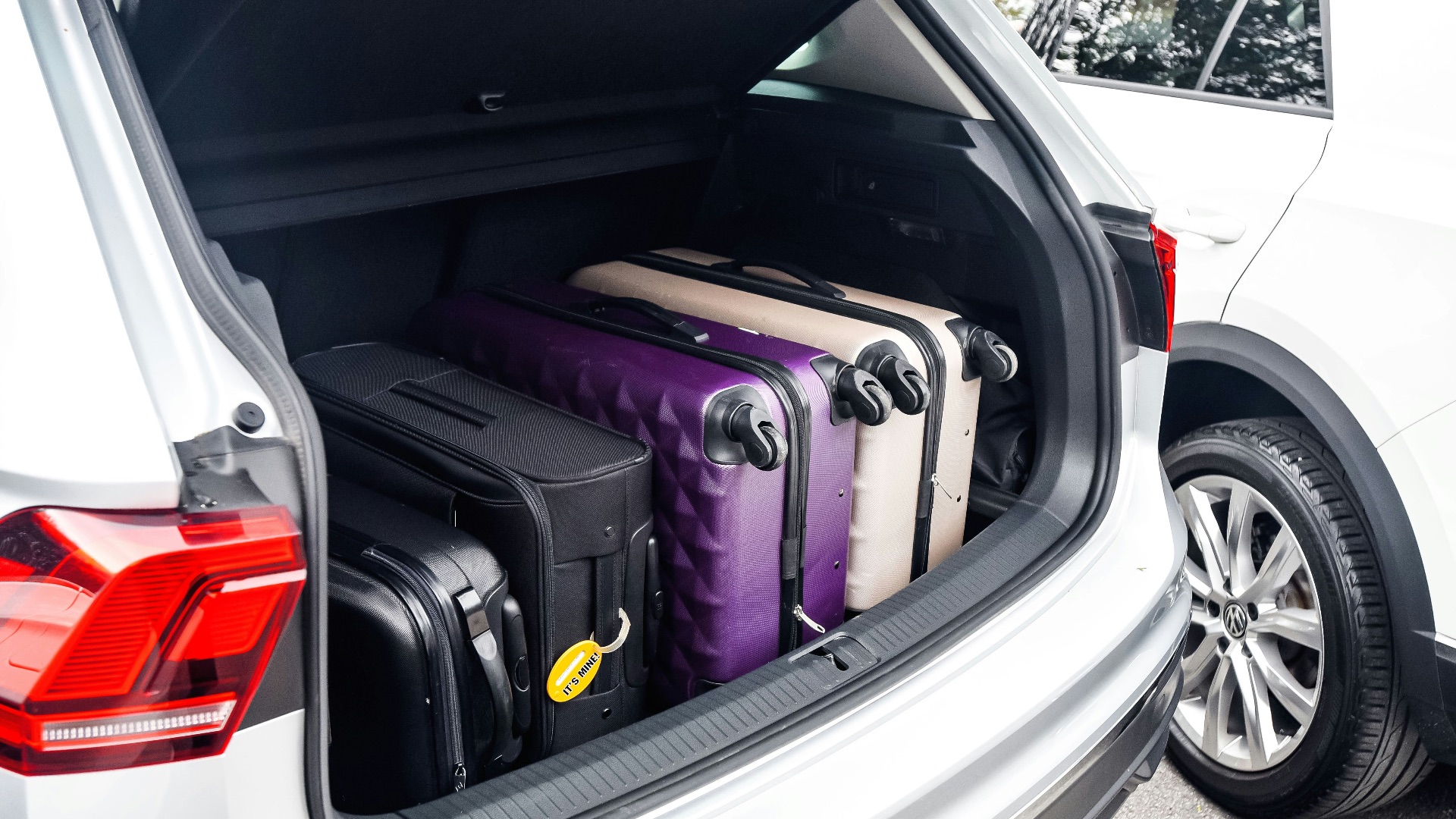
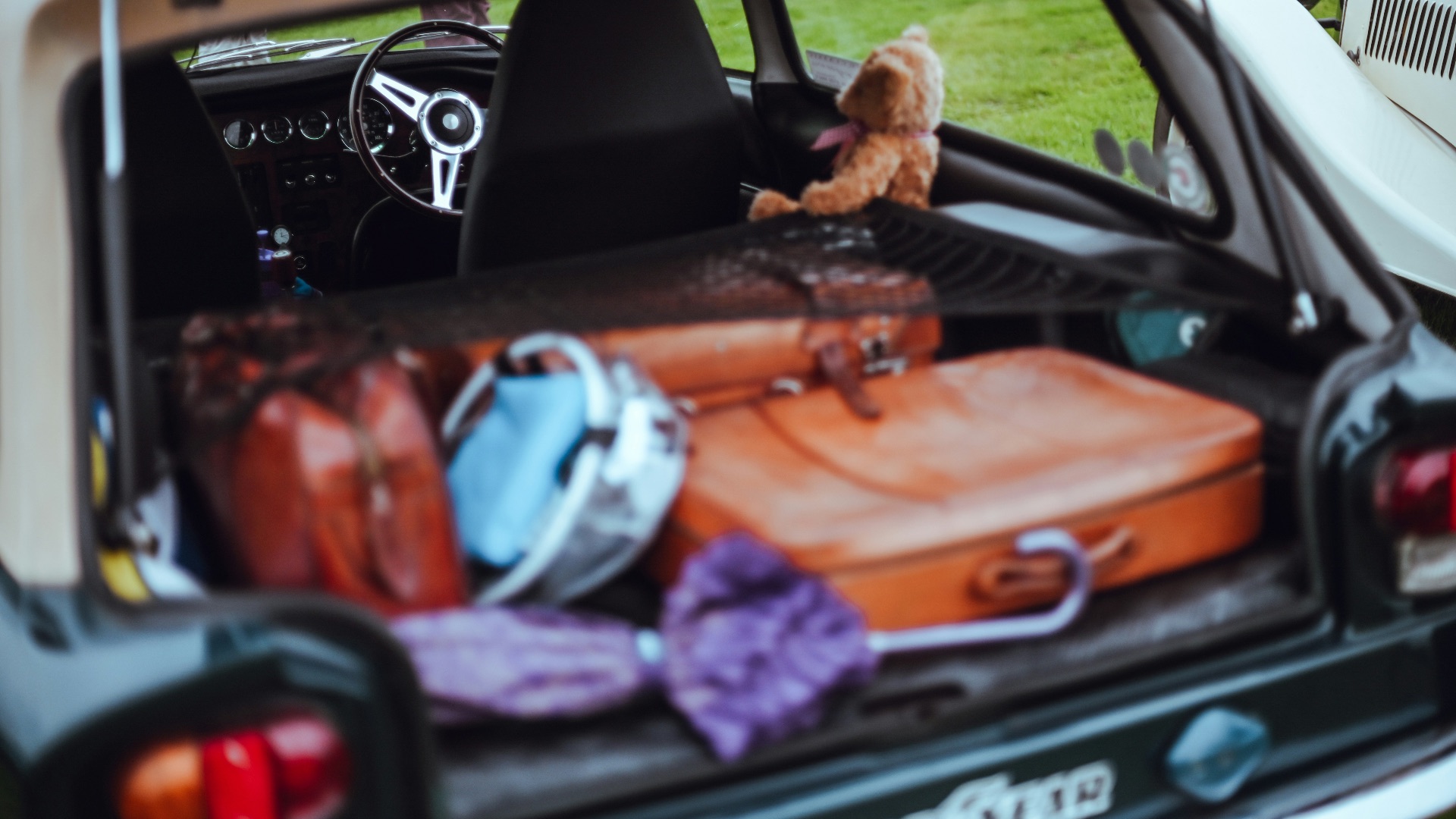
13. Forgetting That Cargo Changes the Car
A vehicle filled with passengers, luggage, tools, or building supplies won’t respond exactly the same as it does when empty. Remember: added weight can increase stopping distance, affect acceleration, and change how the car feels during turns. You should always adjust your speed and following distance to help account for the heavier load.
 Swansway Motor Group on Unsplash
14. Using Cruise Control in Poor Conditions
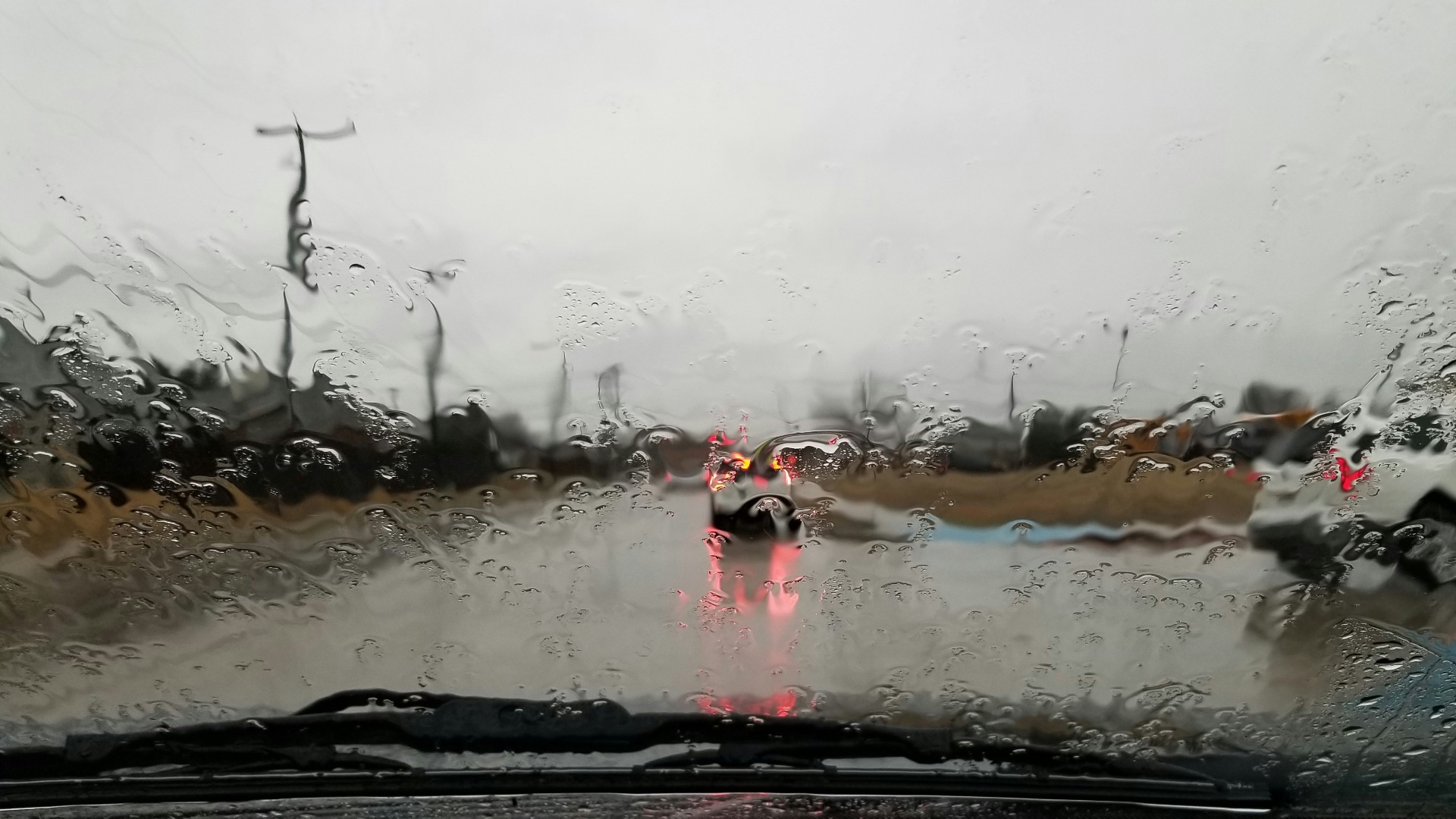
Cruise control is convenient on clear, open roads, but it can be a poor choice during heavy rain, snow, ice, or dense traffic. The system may maintain speed when you’d naturally ease off the accelerator, and that can delay a smoother response to changing traction. Manual control gives you more direct influence over the vehicle in unpredictable conditions.
15. Moving for Emergency Vehicles Without Checking First
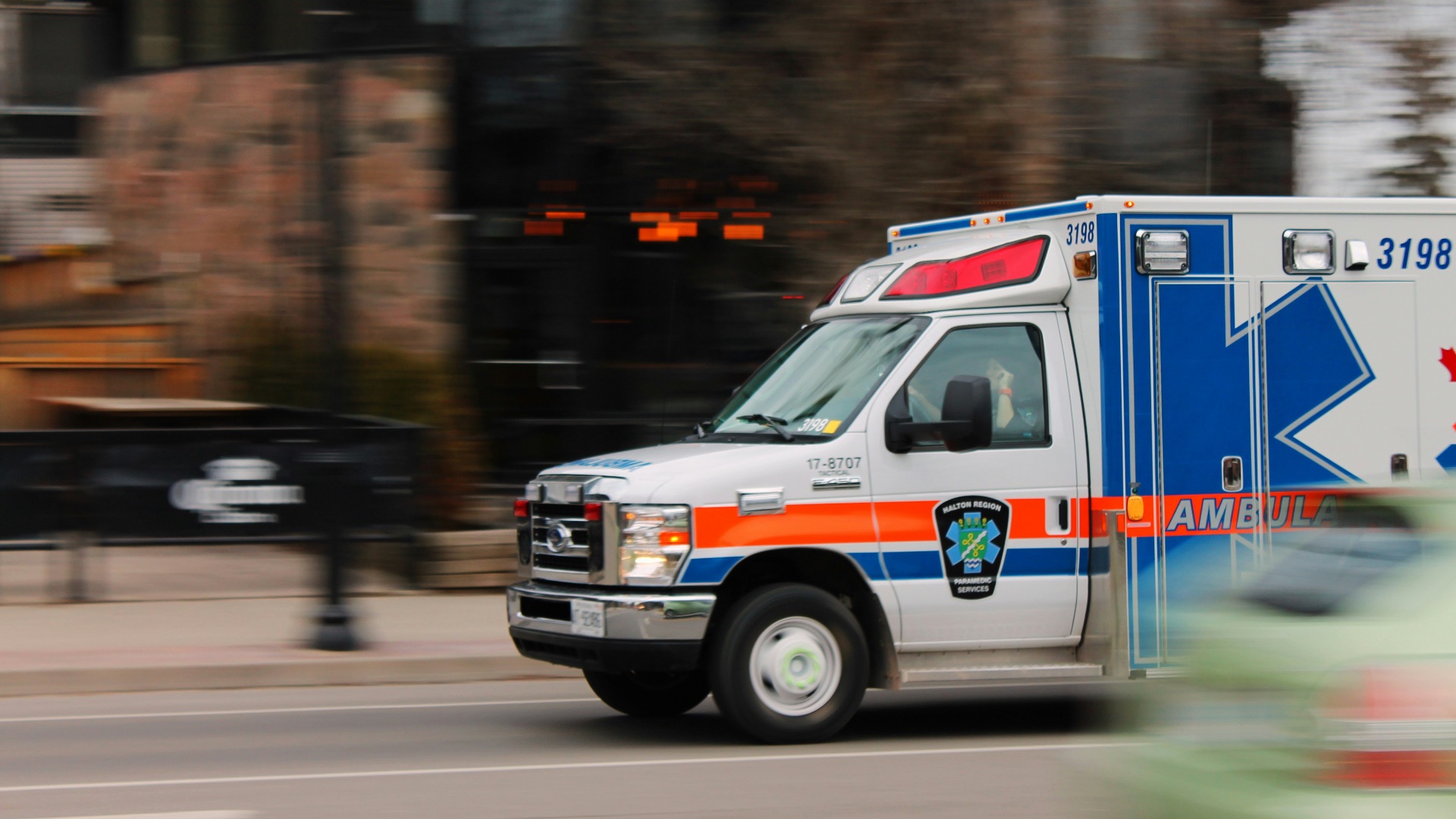
The sound of a siren can make drivers brake sharply or swerve toward the shoulder without looking. That reaction may place them in the path of another car, cyclist, pedestrian, or even the emergency vehicle itself. Check your surroundings, signal your intention, and move aside in a controlled, predictable manner.
16. Ignoring the Effects of Sun Glare
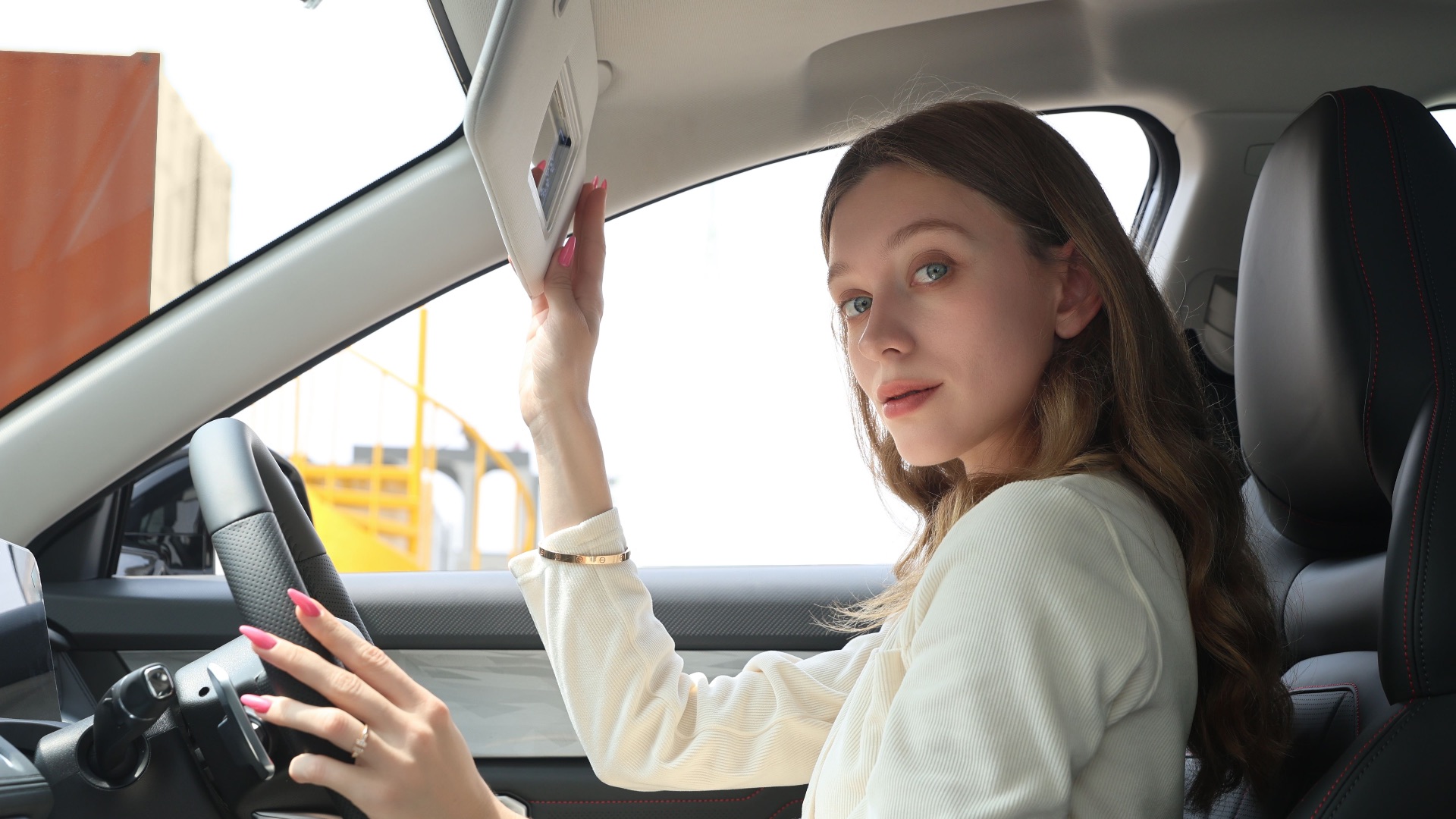
A familiar route can become far more difficult when low sunlight obscures traffic signals, lane markings, or people crossing the street. Drivers sometimes maintain their usual speed even when they can’t see as clearly as normal. Clean glass, sunglasses, and a lower speed can improve your ability to respond.
17. Keeping a Hand on the Gear Selector
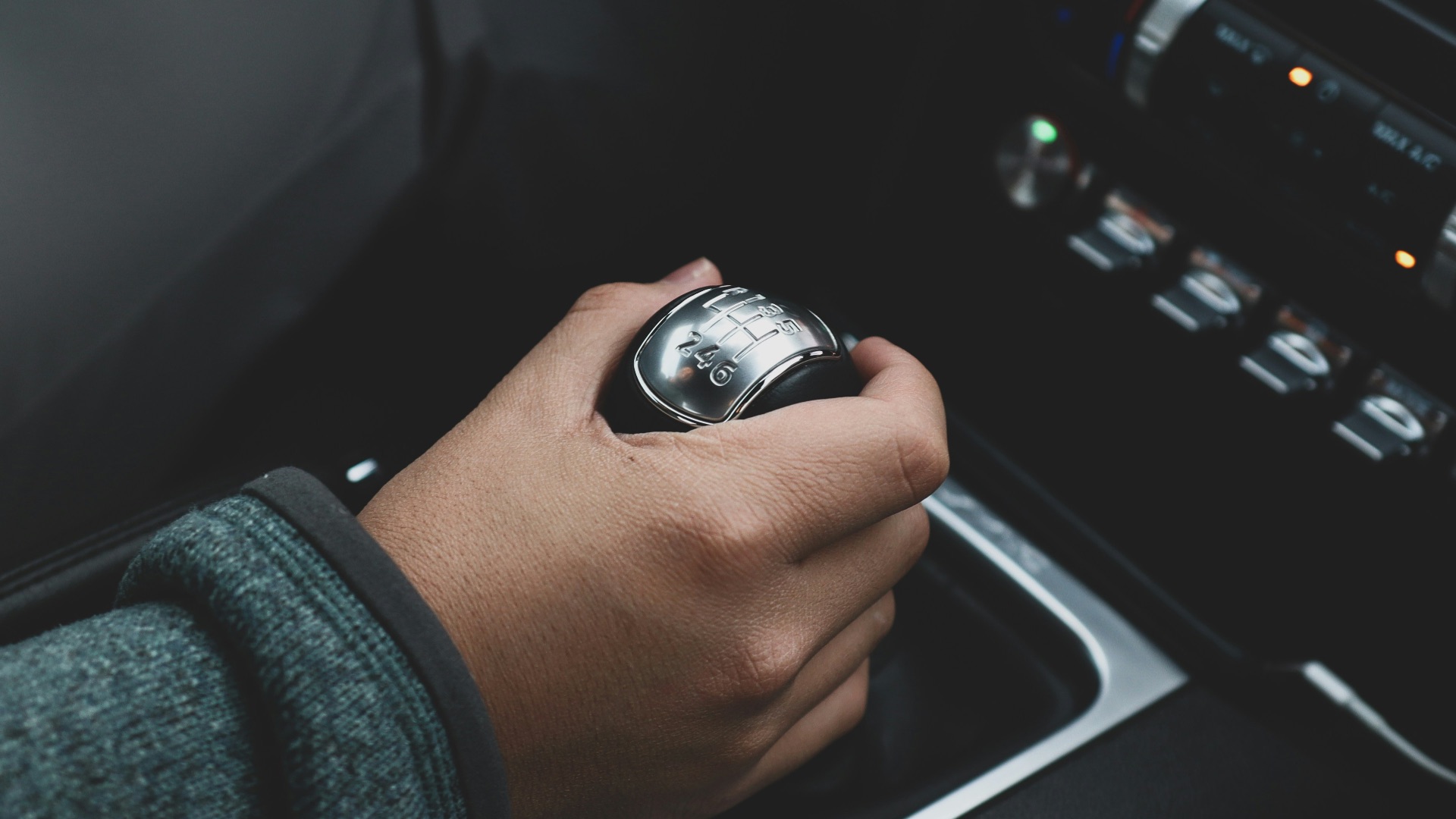
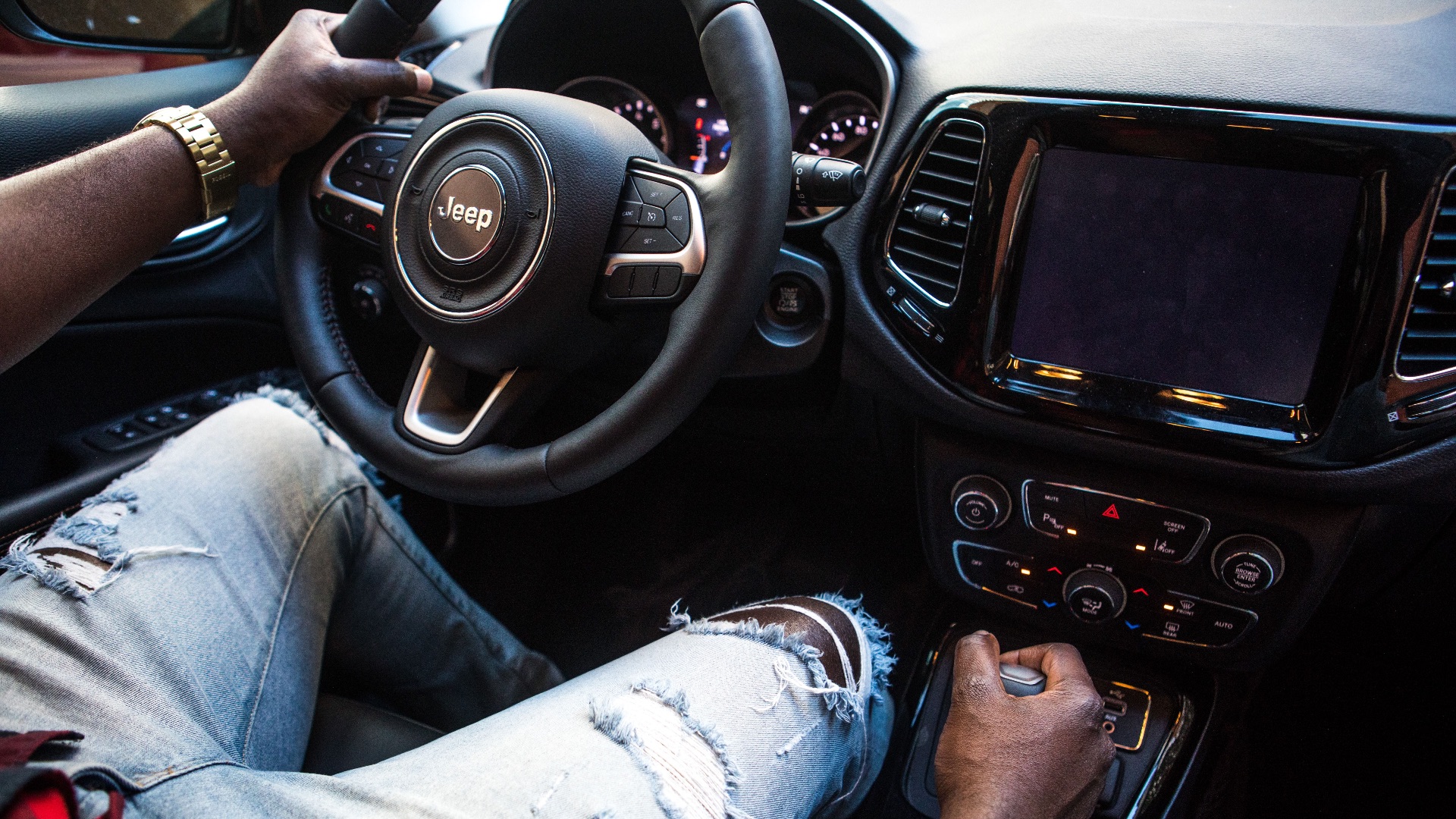
Many drivers leave one hand resting on the shifter after changing gears. In a manual vehicle, that pressure may contribute to wear in the transmission mechanism, while in any other car it leaves only one hand available for steering. Even if you're used to driving one-handed, it's best to keep both hands on the wheel for better control if something changes unexpectedly.
18. Letting Things Obstruct Your View
Tall passengers, stacked luggage, hanging clothing, or bulky items can interfere with mirrors and rearward visibility. Because the obstruction is inside the vehicle, drivers may accept it rather than rearranging the load. Before setting off, make sure you can use every required mirror and see clearly around the cabin.
19. Driving from Memory Instead of Reading the Road
Familiar routes can encourage drivers to rely on what they expect rather than what’s actually in front of them. But that means a new stop sign, changed speed limit, lane closure, or temporary construction pattern can be easily missed. No matter how many times you've driven the same path, always continue reading signs and markings so you're aware and prepared.
20. Assuming Experience Cancels Out Small Mistakes
A long driving history can create confidence, but it doesn’t prevent distraction, fatigue, or lapses in judgment. Minor habits often remain uncorrected because they haven’t caused an obvious problem yet. Experienced drivers stay safer when they continue reviewing their behavior instead of treating skill as something permanently mastered.