What Your Dashboard Is Telling You
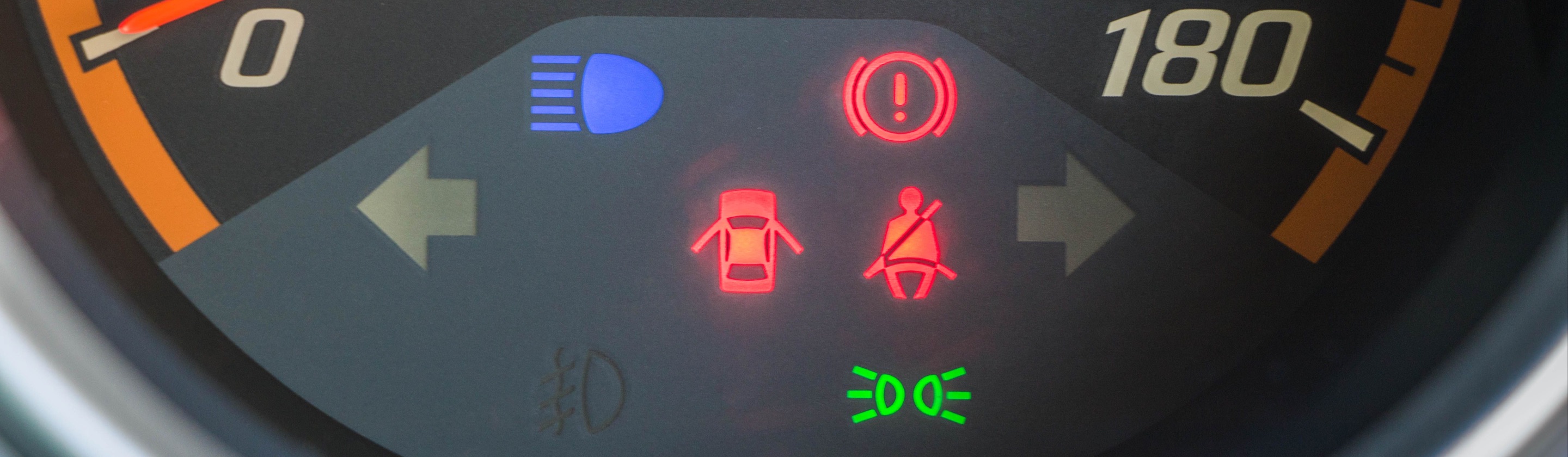
When your dashboard illuminates with strange lights, your first response might be to panic. Should you continue driving? Should you immediately stop? Do you need to get your vehicle serviced right away? Unless you're an expert on dashboard lights, though, you might not know that not all warnings demand the same response. Some may indicate a problem serious enough to require pulling over as soon as the light pops up, but others aren't quite as scary. Keep in mind, too, that colors, symbols, and meanings can differ among makes and models, so you should always check your owner’s manual when an unfamiliar light appears. Still, knowing the general level of urgency behind common symbols can help you decide whether to stop driving, head to a repair shop, or continue your trip.
1. Oil-Pressure Warning Light
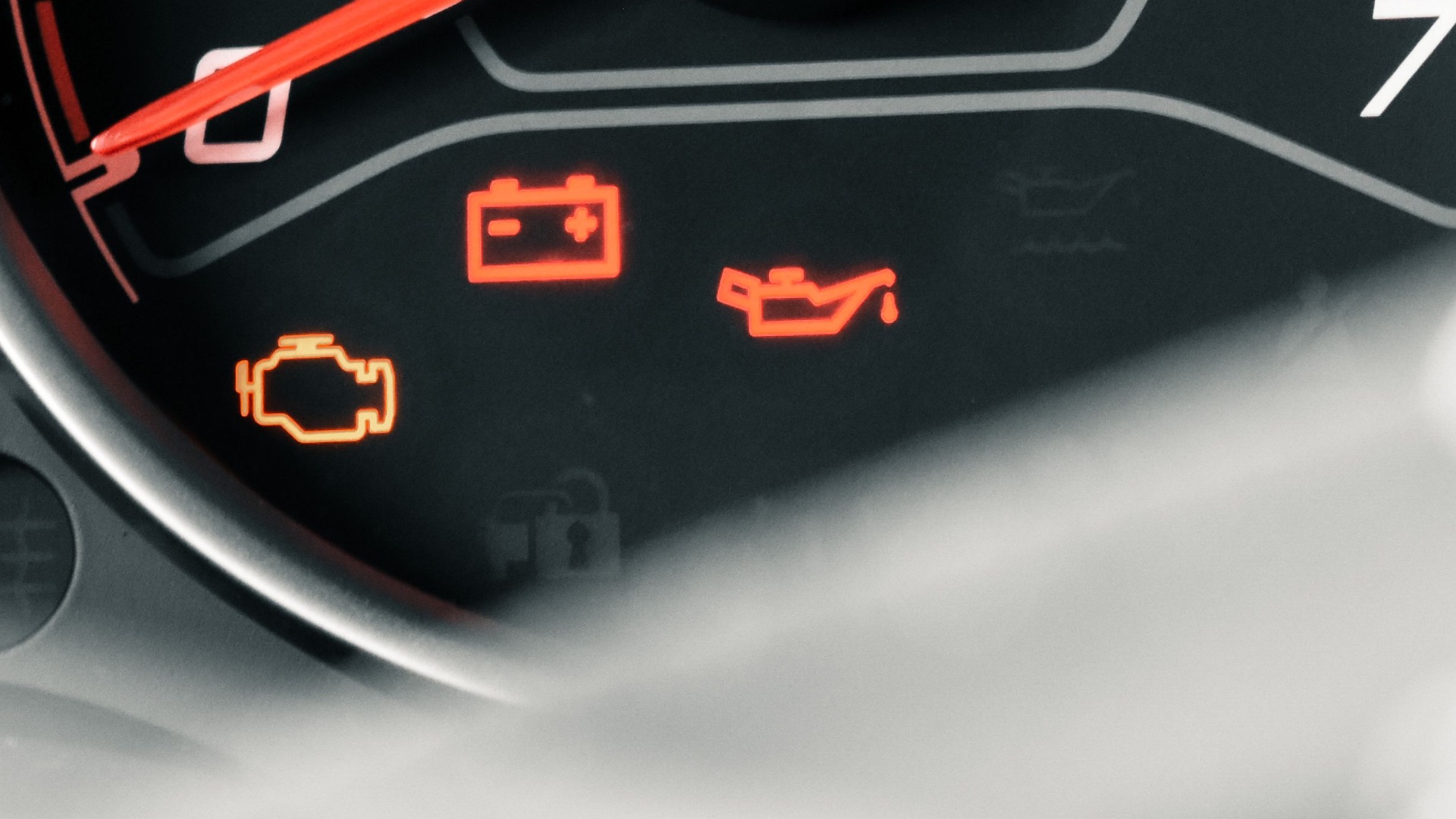
The red oil-can symbol usually means the engine isn’t receiving sufficient oil pressure, which can quickly cause severe internal damage. Pull over in a safe location, turn off the engine, and check the oil level only after the vehicle has had time to settle. Adding oil may help if the level is low, but you shouldn’t continue driving if the light remains illuminated. Arrange roadside assistance rather than risking an engine failure.
2. Engine-Coolant Temperature Warning
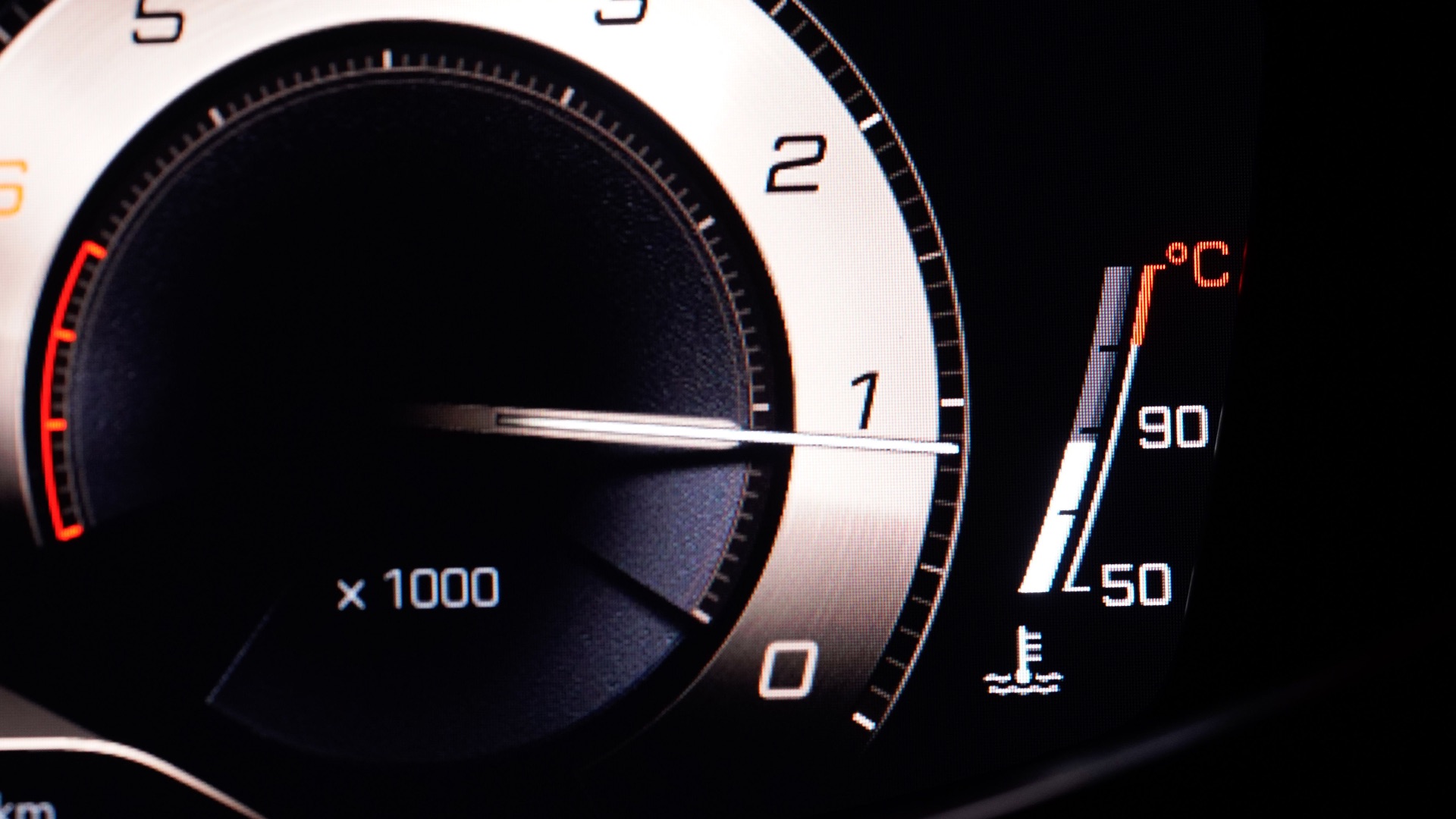
A red thermometer over wavy lines indicates that the engine is overheating or that the cooling system has detected a dangerously high temperature. Shut off the air conditioning, move safely out of traffic, and stop the engine as soon as possible. Don’t remove the radiator cap while the engine is hot because pressurized coolant can cause serious burns. The vehicle should be inspected for problems such as low coolant, a leak, a failed fan, or a malfunctioning water pump.
3. Brake-System Warning Light
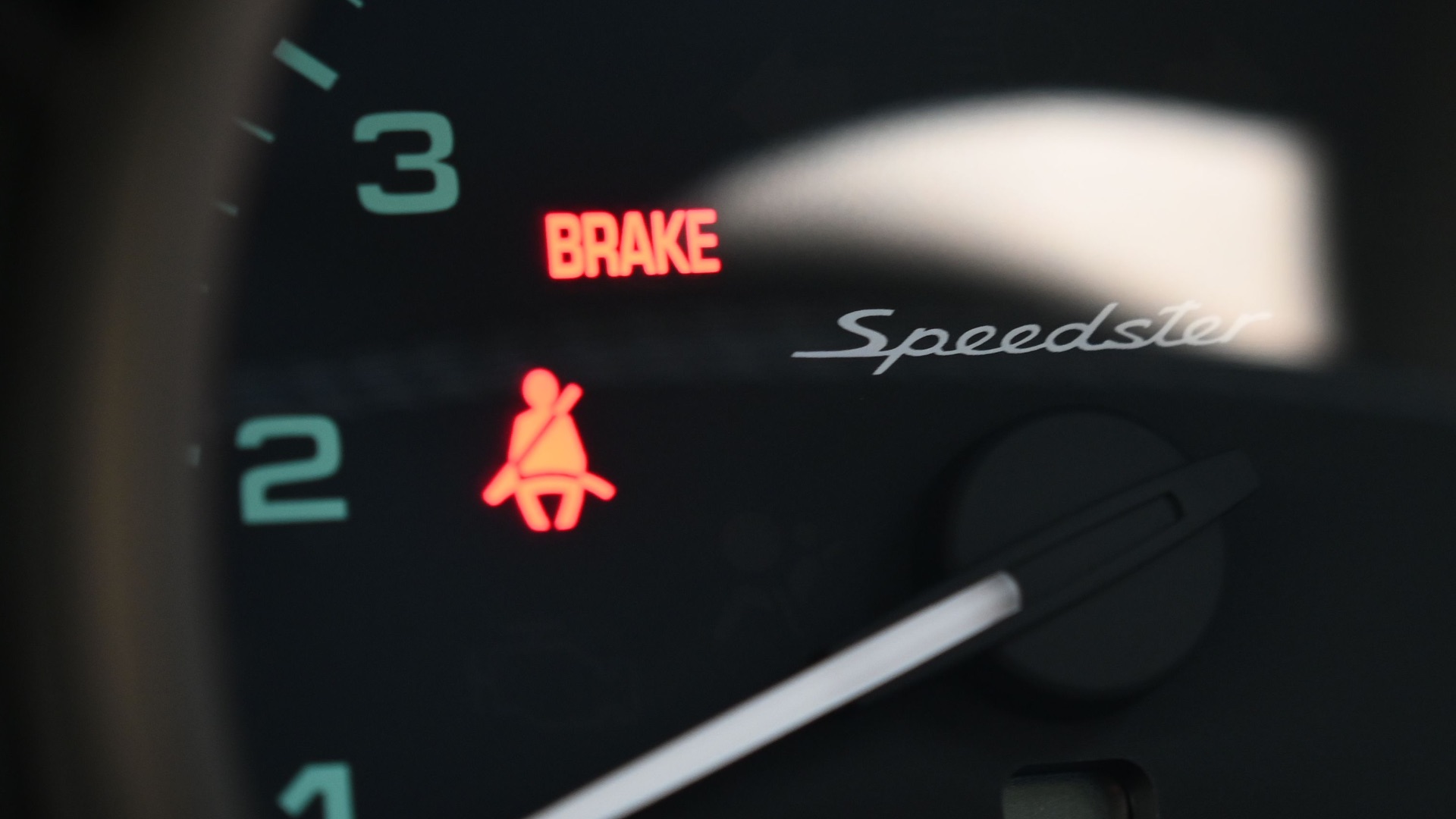
A red circle with an exclamation point or the word “BRAKE” can indicate the parking brake is engaged, but it may also signal low brake fluid or a hydraulic system failure. First, make sure the parking brake has been fully released. If the light stays on, especially when the brake pedal feels soft or requires additional pressure, stop driving and have the vehicle towed. Continuing could leave you with reduced braking ability or no dependable brakes at all.
4. Charging-System Warning Light
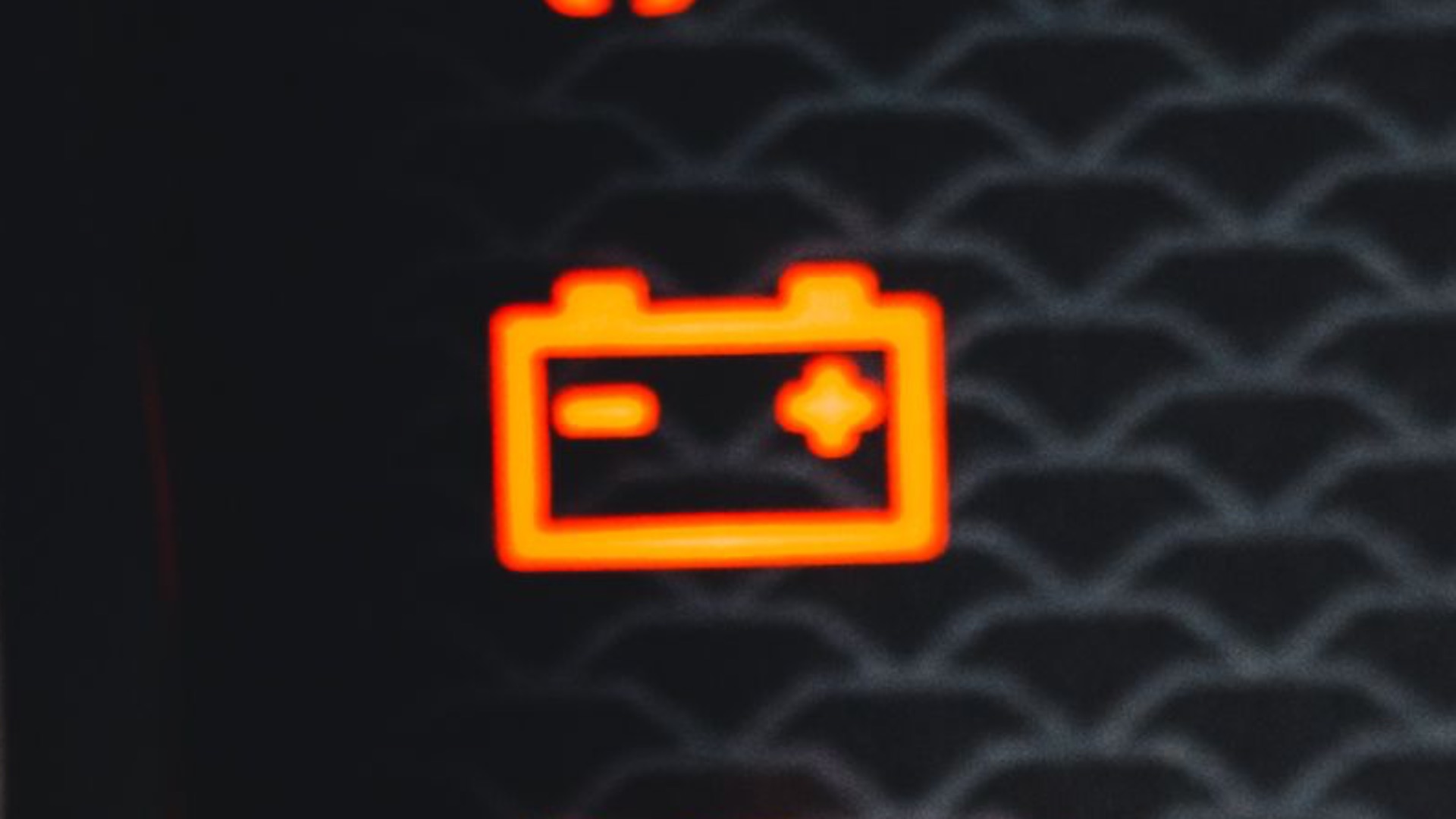
The red battery symbol doesn’t necessarily mean that the battery itself is defective. It usually indicates that the alternator or another part of the charging system is no longer supplying enough electricity while the engine is running. Turn off unnecessary electrical equipment and find a safe place to stop, since the vehicle may shut down once its remaining battery power is depleted. A loose belt, damaged wiring, weak alternator, or failing battery could be responsible.
5. Flashing Check Engine Light
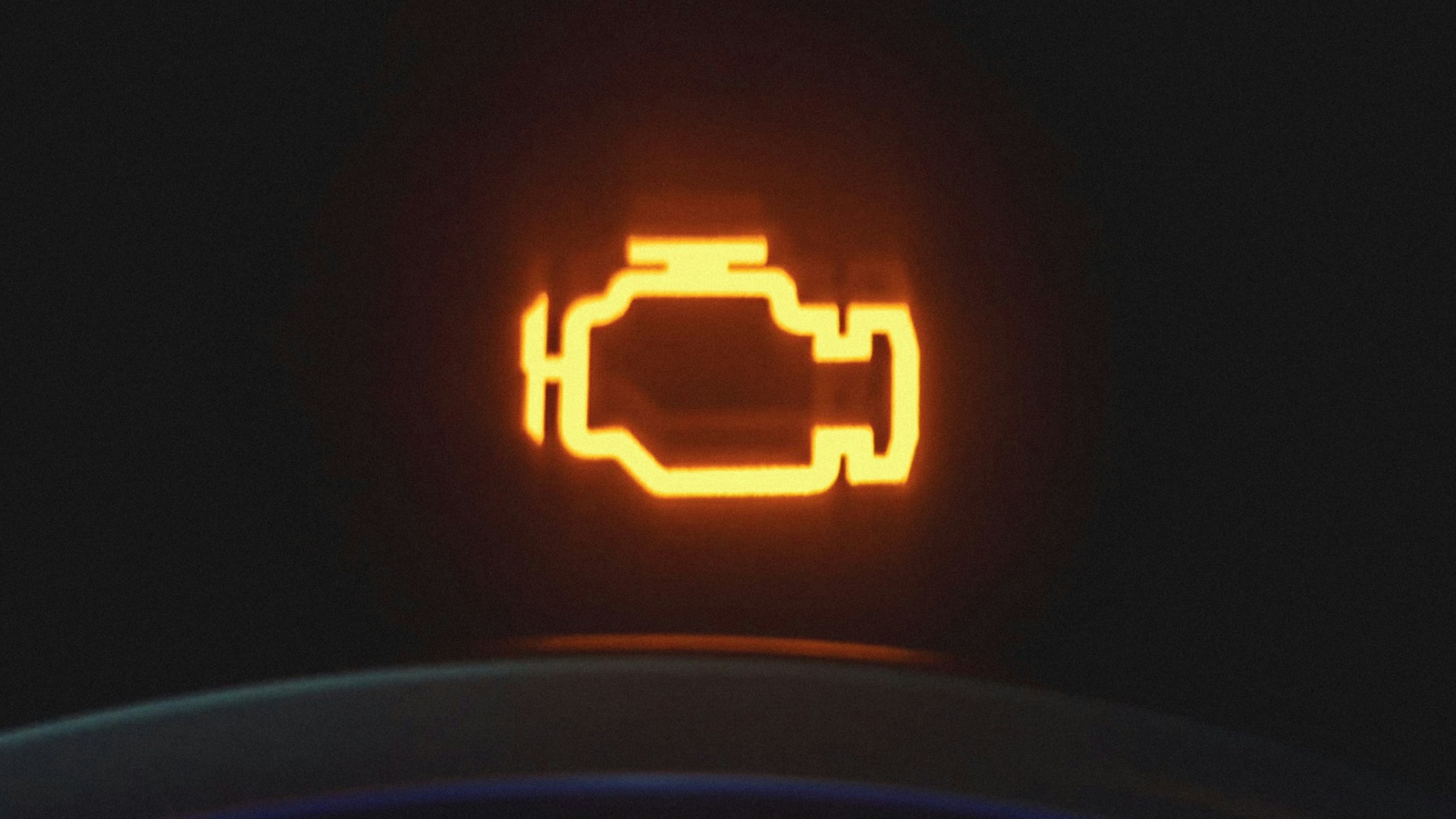
A steady check engine light can sometimes wait for a prompt diagnostic appointment, but a flashing one requires immediate attention. Flashing commonly indicates a severe engine misfire that may damage the catalytic converter and cause poor or unpredictable performance. Reduce your speed, avoid hard acceleration, and pull over if the engine is shaking, losing power, or producing unusual odors. Driving any farther than necessary can turn a repairable fault into a much more expensive problem.
6. Airbag or Supplemental Restraint Warning
The airbag symbol typically shows a seated passenger with a circle in front of them. When it remains on after startup, one or more airbags, seat-belt pretensioners, sensors, or control components may not operate correctly during a collision. The car may still drive normally, but an important occupant-protection system could be unavailable when you need it. Schedule an inspection immediately and avoid assuming the airbags will deploy as intended.
7. Power-Steering Warning Light
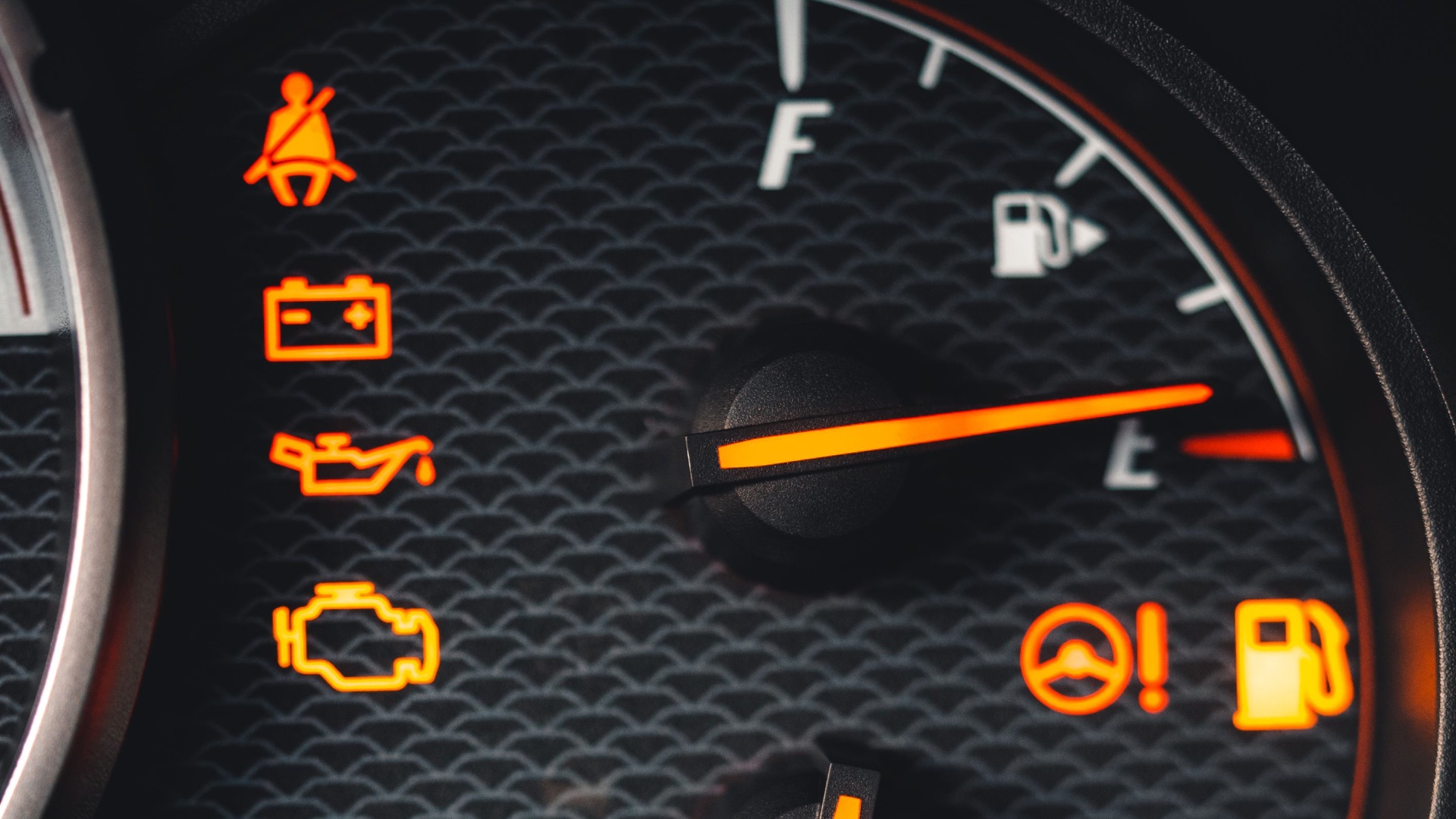
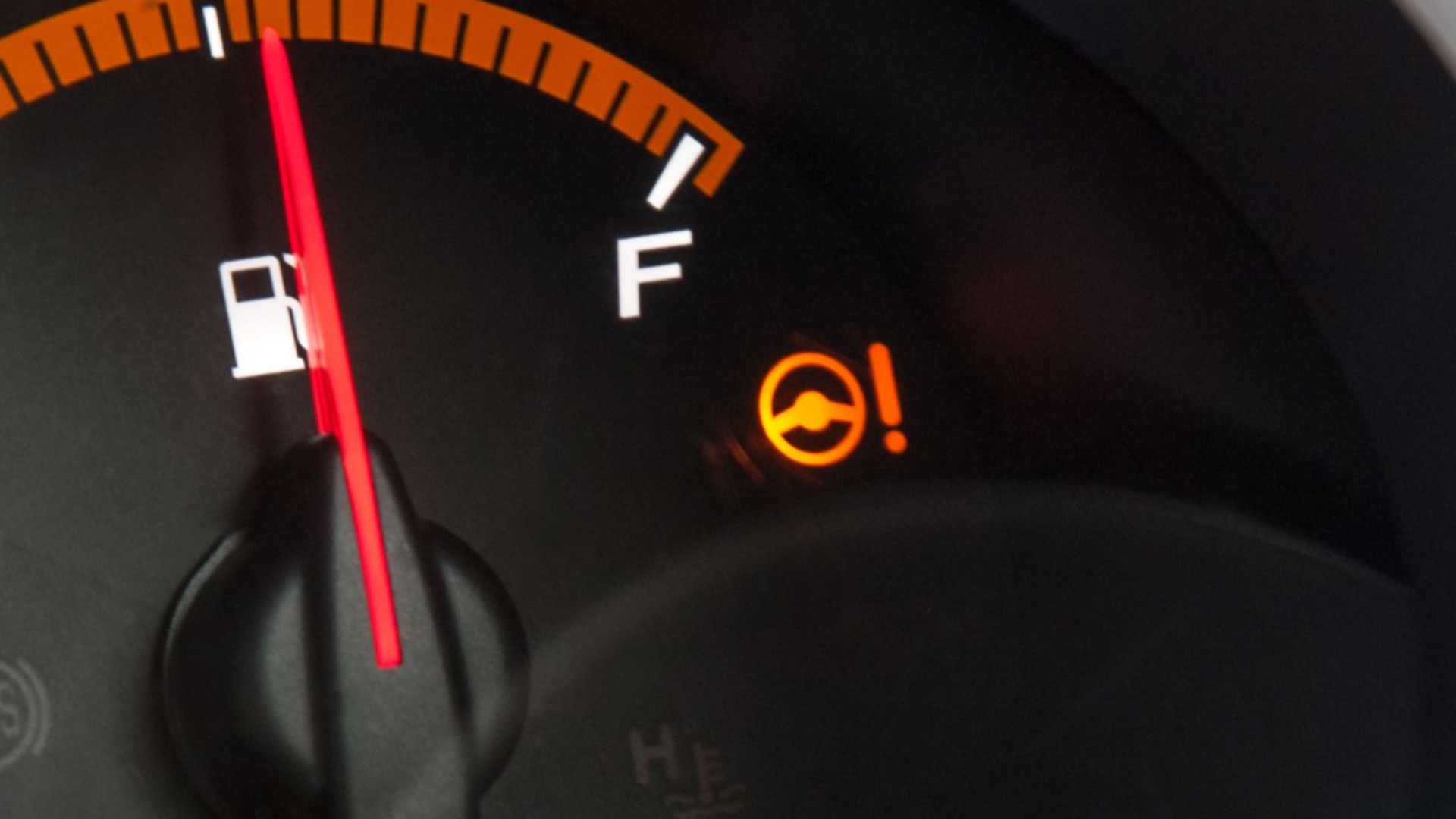
A steering-wheel symbol, sometimes accompanied by an exclamation point, indicates a problem with the hydraulic or electric power-steering system. Steering may suddenly become much heavier, particularly at lower speeds or while parking. Hold the wheel firmly, slow down, and move out of traffic without making abrupt turns. You shouldn’t continue driving until you know whether the vehicle can be controlled safely.
8. Transmission-Temperature Warning
A thermometer inside or beside a gear symbol means the transmission fluid has become excessively hot. Pull over, place the vehicle in Park, and follow the cooling instructions in the owner’s manual, which may vary by model. Towing, steep climbs, heavy loads, low fluid, or an internal transmission problem can trigger the warning. Ignoring it can damage seals, clutches, and other costly components.
9. Low Brake-Fluid or Braking-Power Warning
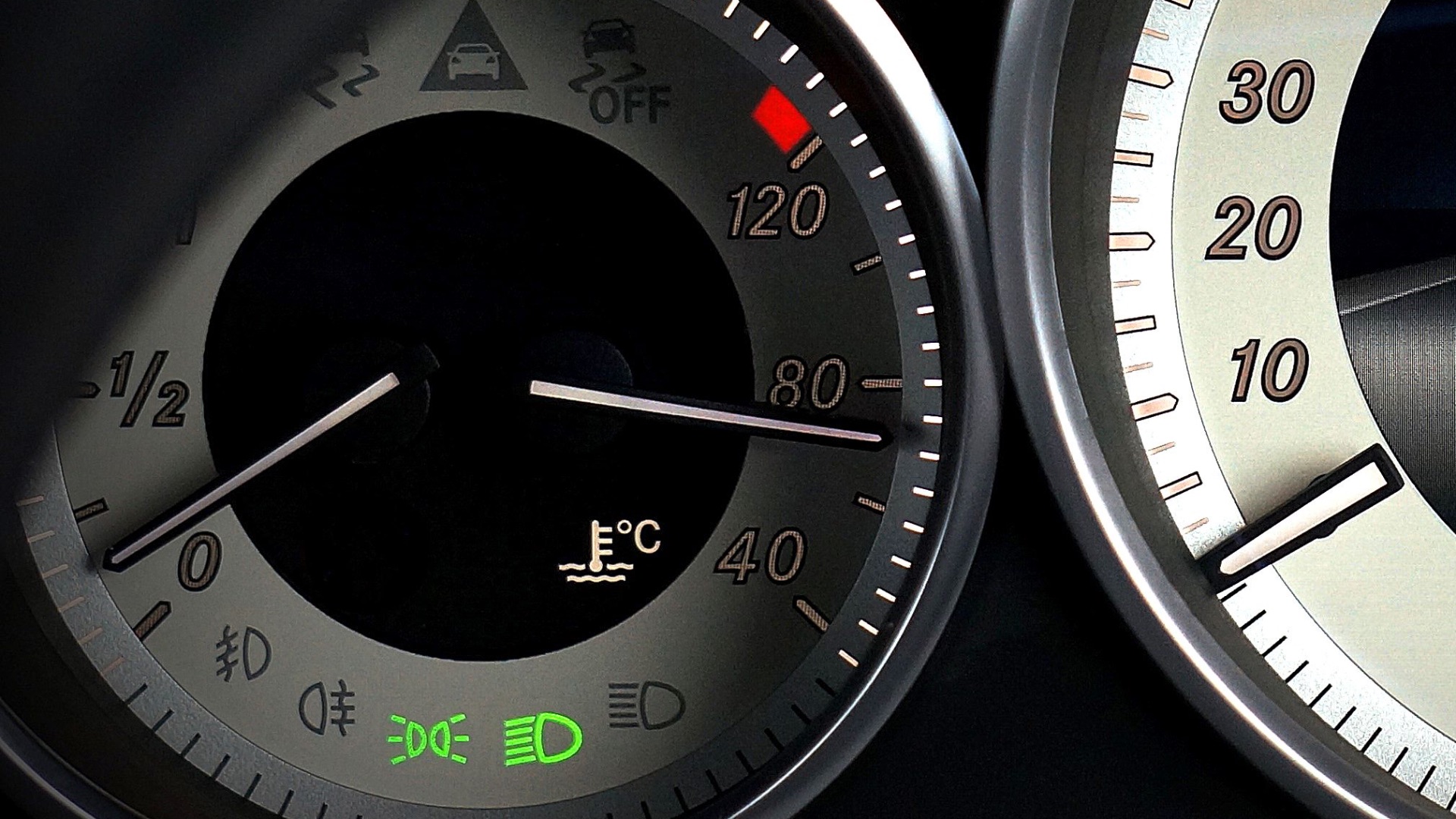
Some newer vehicles display a specific message stating that brake fluid is low or braking power has been reduced. Treat this separately from routine brake-pad reminders because it can indicate a leak or a serious pressure problem. Stop the vehicle using smooth, gradual pedal pressure and choose a location away from moving traffic. Don’t attempt to drive to a repair facility when the dashboard is warning that normal braking performance may be unavailable.
10. Hybrid or Electric-System Fault Warning
Hybrid and electric vehicles may use a red triangle, a vehicle-and-exclamation-point symbol, or a message instructing you to stop safely. This can indicate a fault involving the high-voltage battery, inverter, electric drive system, cooling equipment, or related controls. Follow the exact dashboard instructions, pull over when directed, and don’t touch any high-voltage cables or components. Roadside assistance or a qualified technician should determine whether the vehicle can be moved.
Contrary to what you might think, though, not every illuminated symbol calls for an immediate stop. Provided your car still feels normal and doesn't flash any red warnings or produce unusual sounds or odors, these next 10 lights give you a bit of leeway, though you'll still want to get them checked out eventually.

1. Steady Check-Engine Light
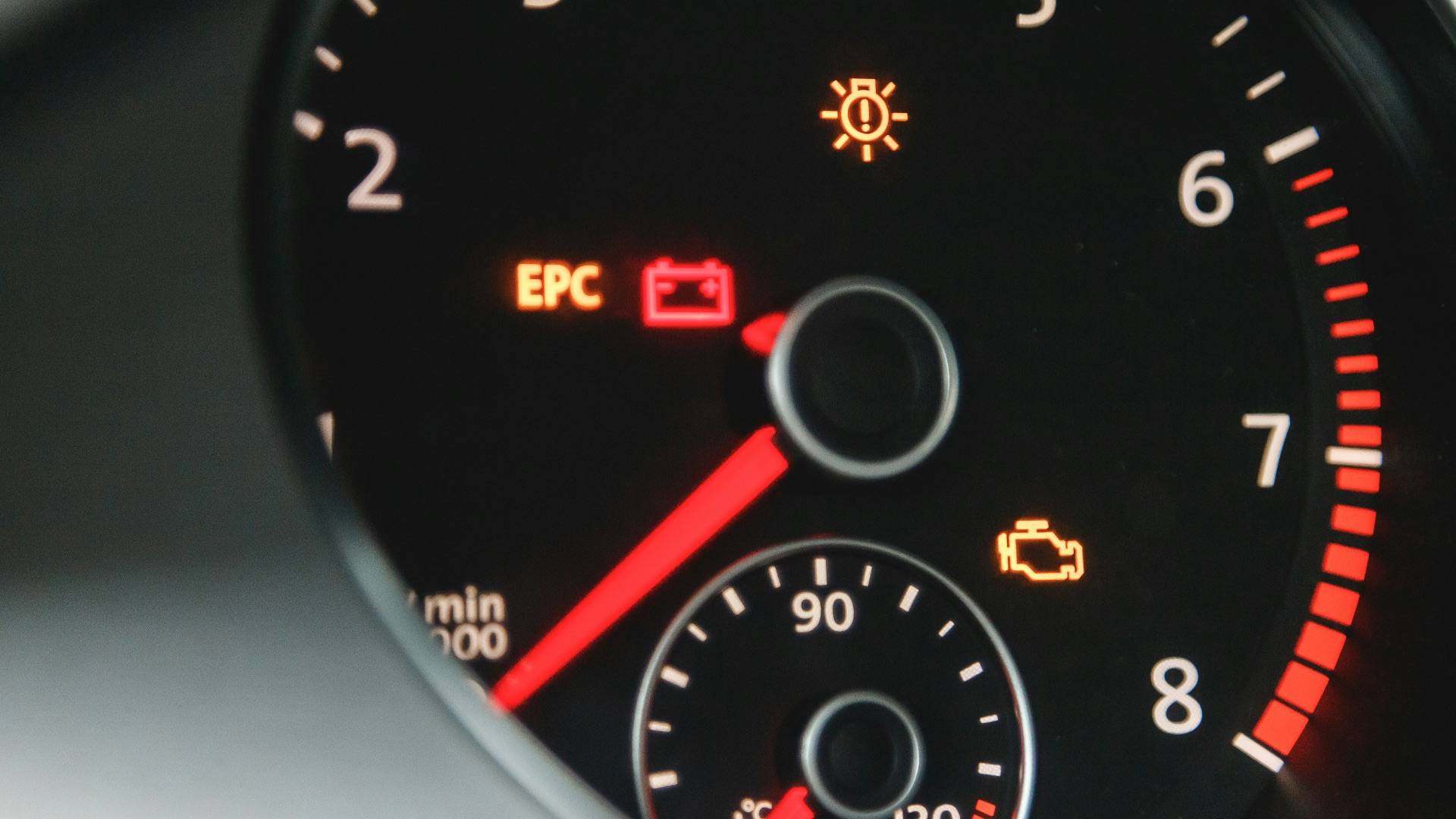
A steady amber check engine light means the vehicle’s computer has detected an engine or emissions-related fault, but it doesn’t always represent an immediate emergency. You can generally finish a necessary trip when the car is running smoothly and no other warning signs are present. Check that the fuel cap is properly tightened, then arrange a diagnostic scan soon. Don’t postpone the appointment indefinitely, since even a minor fault can affect fuel economy, emissions, or long-term reliability.
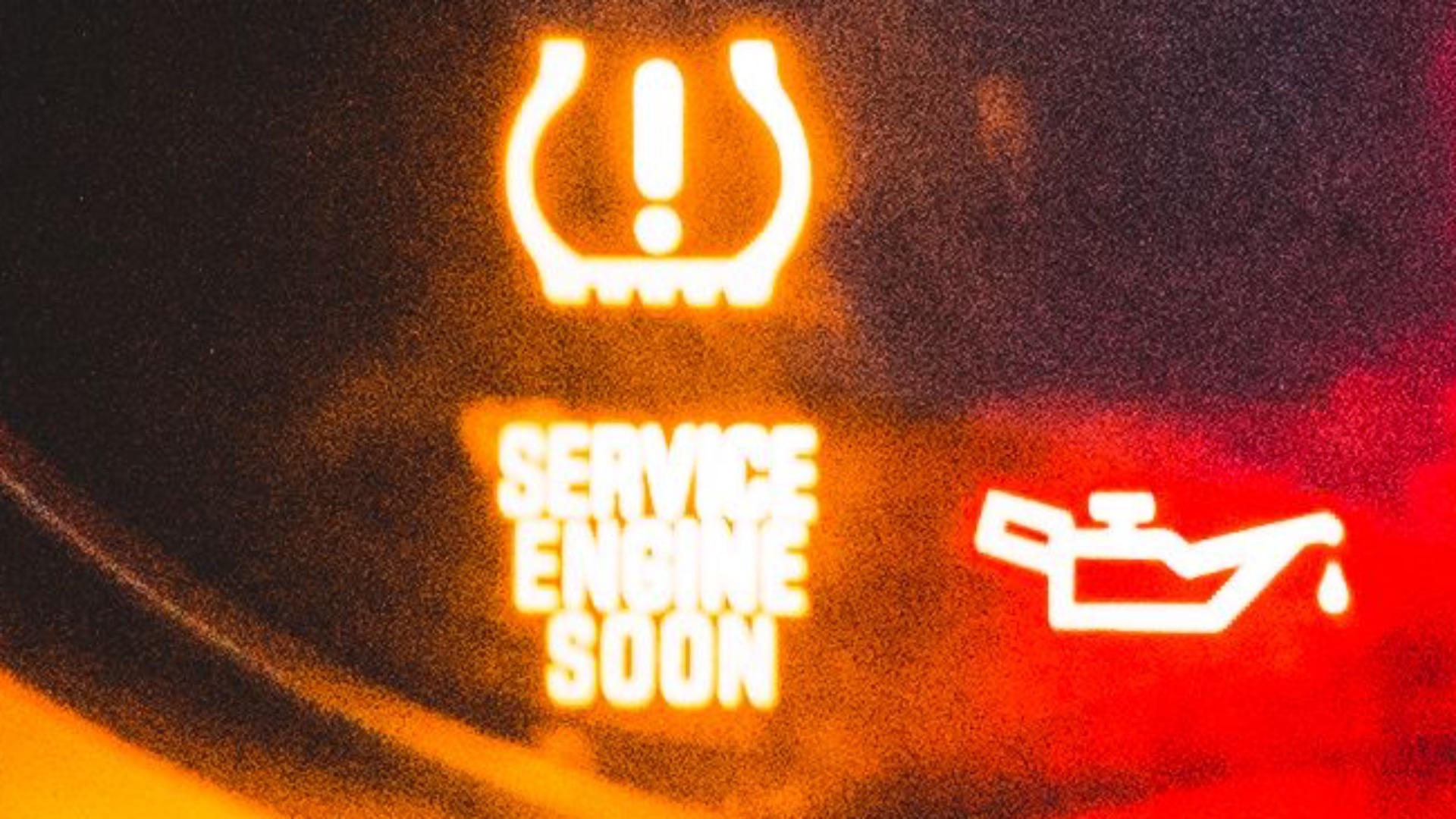
2. Tire-Pressure Monitoring Light
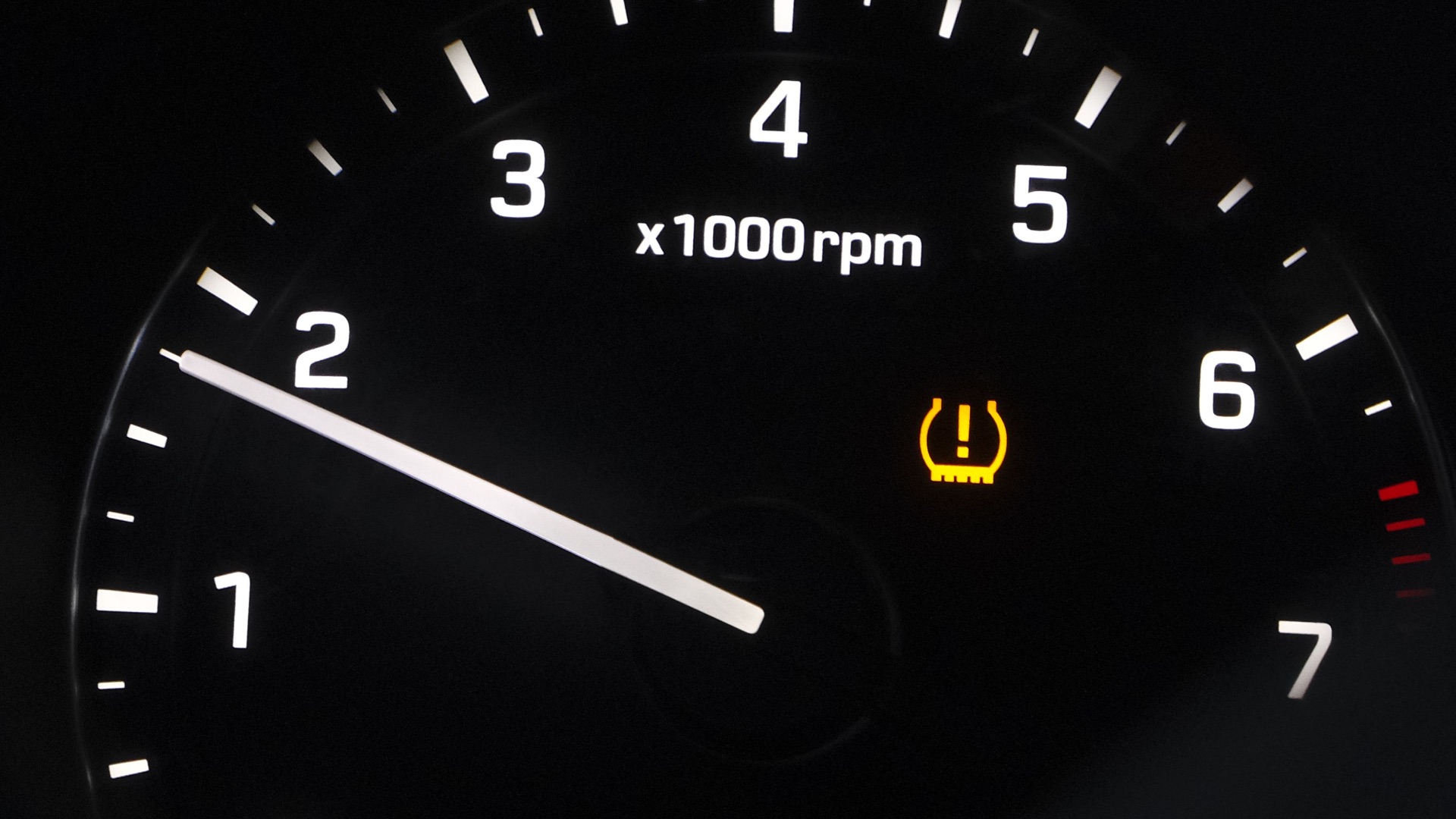
The horseshoe-shaped symbol with an exclamation point means at least one tire may be significantly underinflated. You normally have time to reach a nearby service station or another safe place where the tires can be inspected and inflated to the pressure listed on the driver’s-door placard. Slow down and avoid hard cornering until you’ve checked them. Pull over immediately instead if the vehicle begins to vibrate, pull to one side, or show signs of a rapidly deflating tire.
3. Low-Fuel Warning
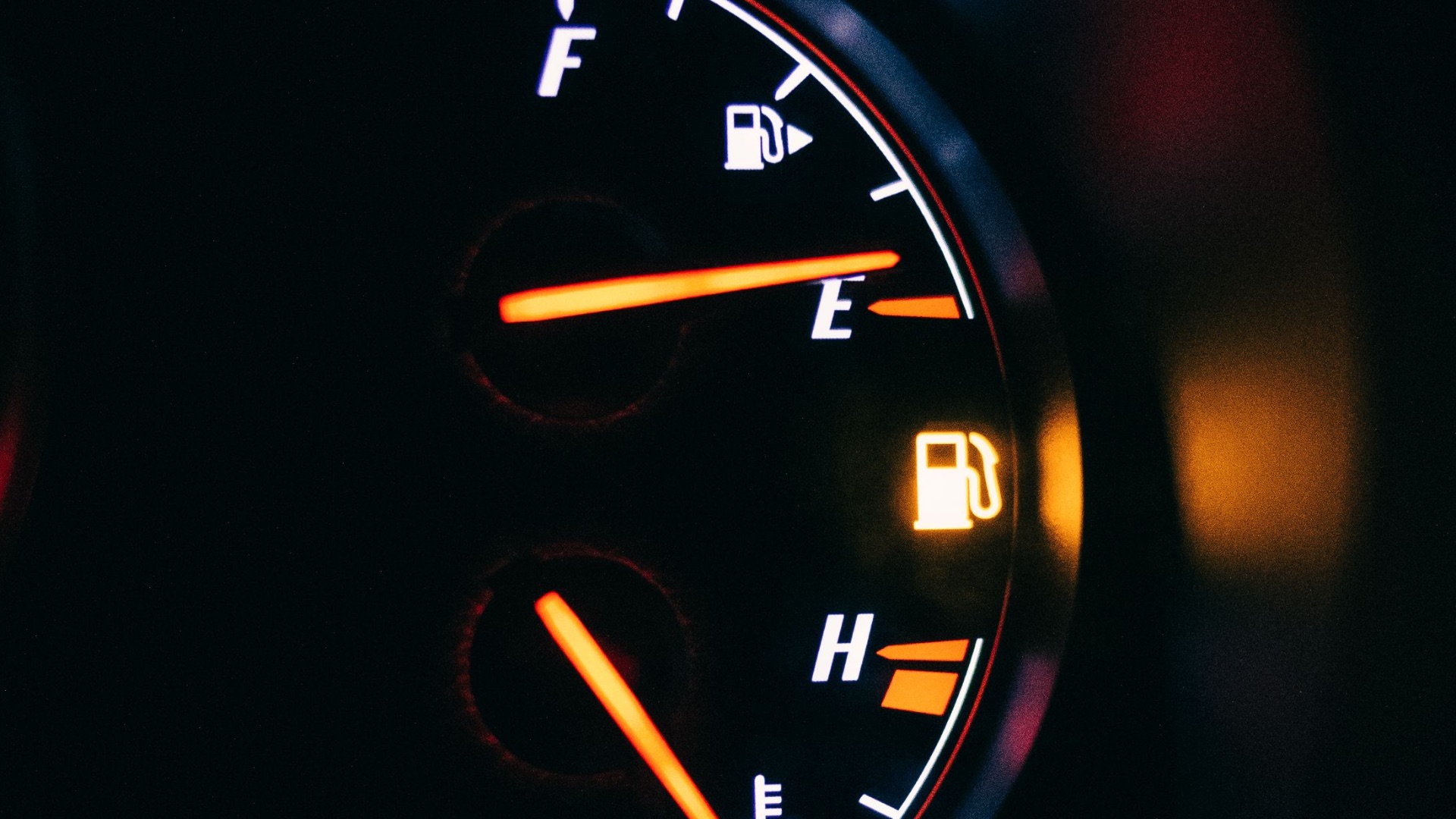
The fuel-pump symbol is a straightforward reminder that the tank has reached its reserve level. You don’t have to stop the moment it appears, but you should plan to refuel before traveling far or entering an area with limited services. Frequently driving with very little fuel can leave you stranded and may place unnecessary strain on certain fuel-system components. The remaining range shown by the vehicle is an estimate, so don’t treat it as a guarantee.
4. Windshield-Washer Fluid Light
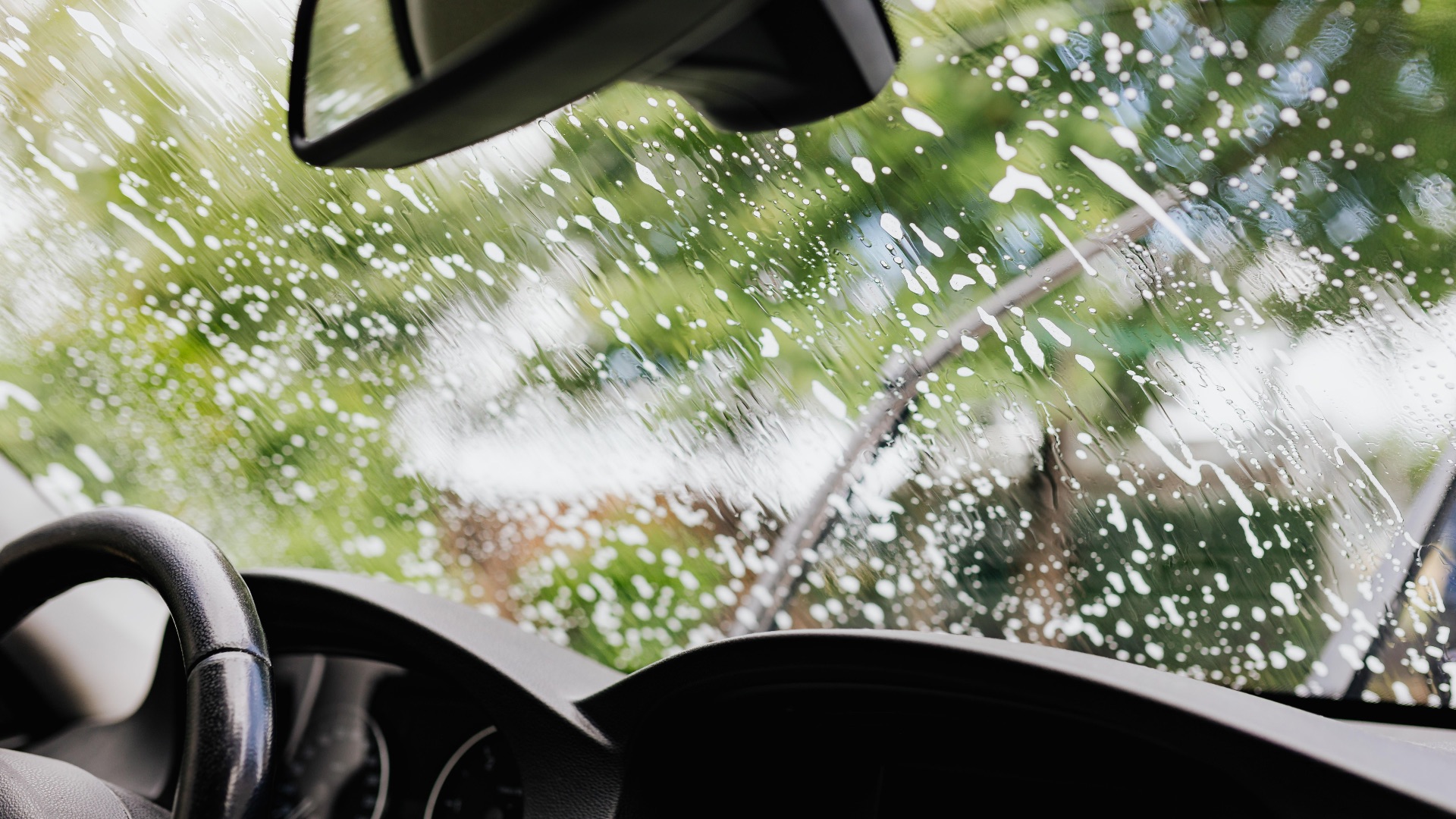
A windshield symbol with a spray pattern usually means the washer-fluid reservoir is nearly empty. It won’t harm the engine or drivetrain, so you can refill it when you reach a convenient location. However, the issue becomes more urgent during winter weather or on muddy roads where visibility can deteriorate quickly. Use a fluid suitable for the expected temperatures rather than filling the reservoir with plain water.
 https://kaboompics.com/ on Pexels
5. Scheduled-Maintenance Reminder
Messages such as “Maintenance Required,” “Service Due,” or a wrench symbol generally indicate that the vehicle has reached a mileage- or time-based service interval. They don’t usually mean that a mechanical failure has already occurred. Review your maintenance records and book the required oil change, inspection, or scheduled service within a reasonable period. Resetting the light without completing the work only removes the reminder and doesn’t address the maintenance itself.
6. Low Engine-Oil Level Reminder
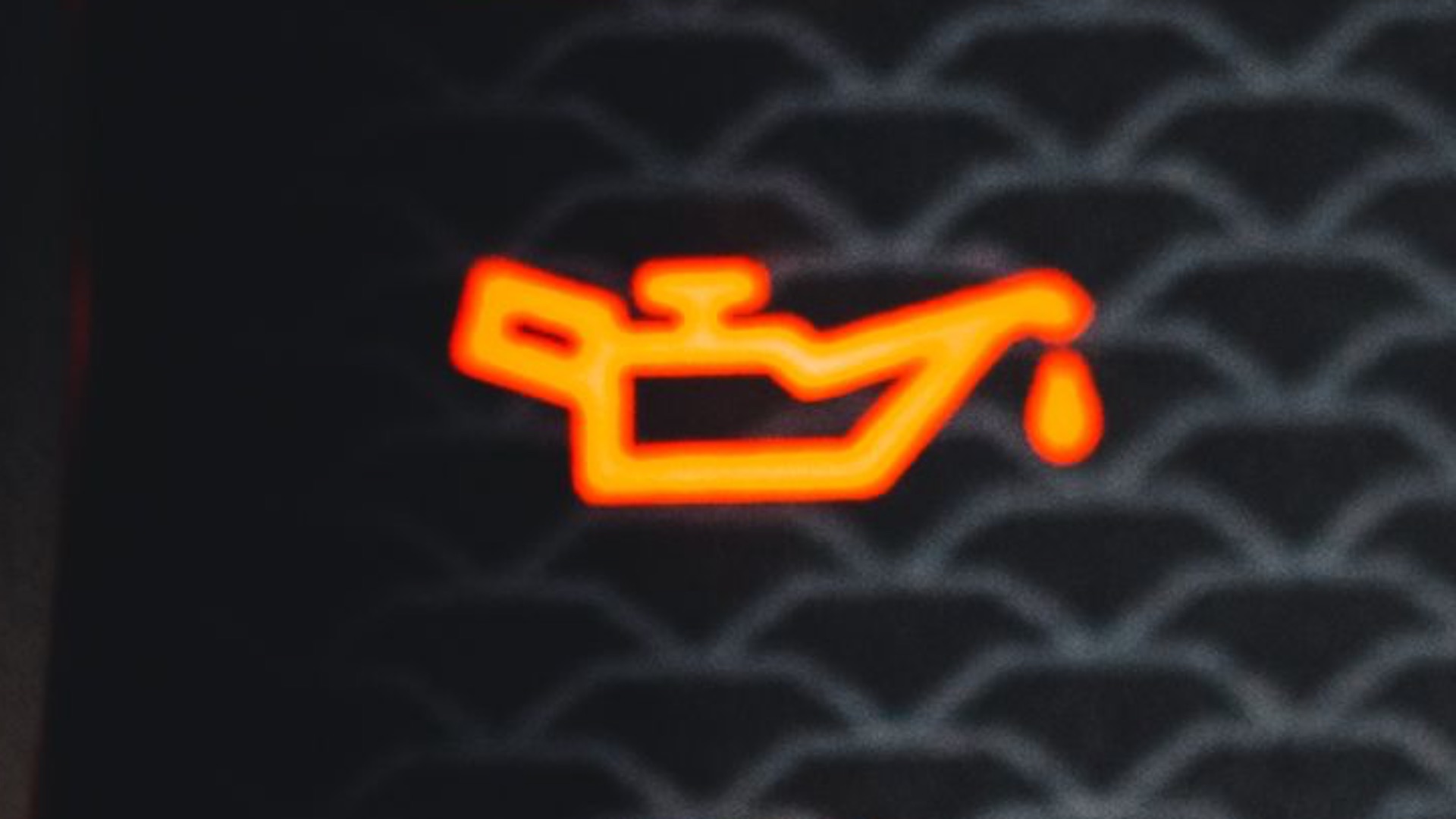
Some vehicles have an amber oil-level message that is separate from the red oil-pressure warning. An amber level reminder usually allows you to stop at a suitable location, check the dipstick according to the manual, and add the correct oil if needed. You shouldn’t continue taking long trips while the level remains low, even when the engine appears to run normally. Stop immediately if the symbol turns red, the oil-pressure light appears, or the engine begins making abnormal noises.
7. Traction-Control Indicator
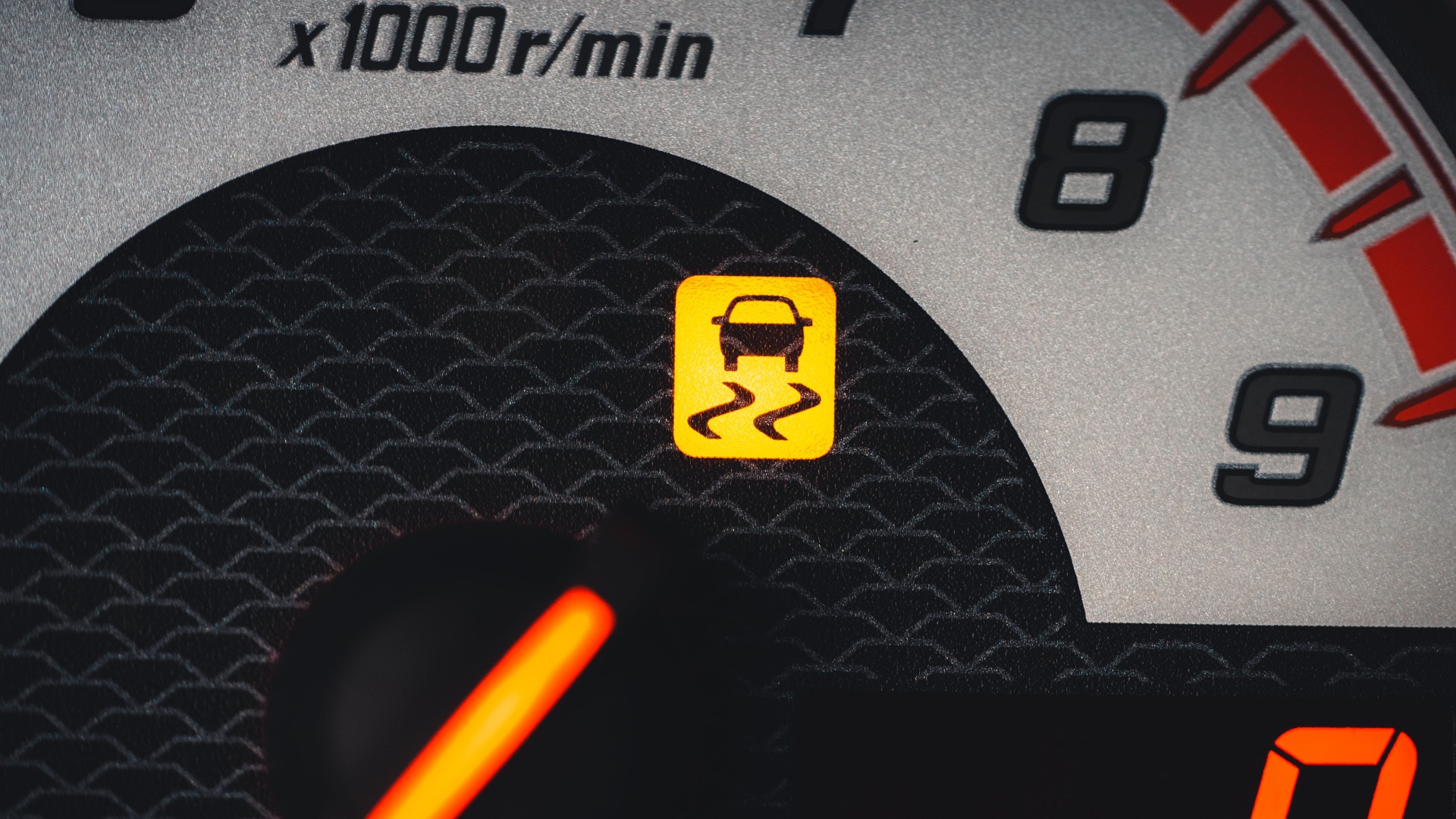
A flashing car-with-skid-marks symbol commonly means the traction-control or stability-control system is actively reducing wheelspin. You don’t need to stop, but the flashing light tells you that available grip is limited and your speed may be too high for the conditions. Ease off the accelerator, increase your following distance, and steer smoothly. If the light stays on continuously during normal driving, the system may be disabled or malfunctioning and should be checked later.
8. Anti-Lock Brake System Warning
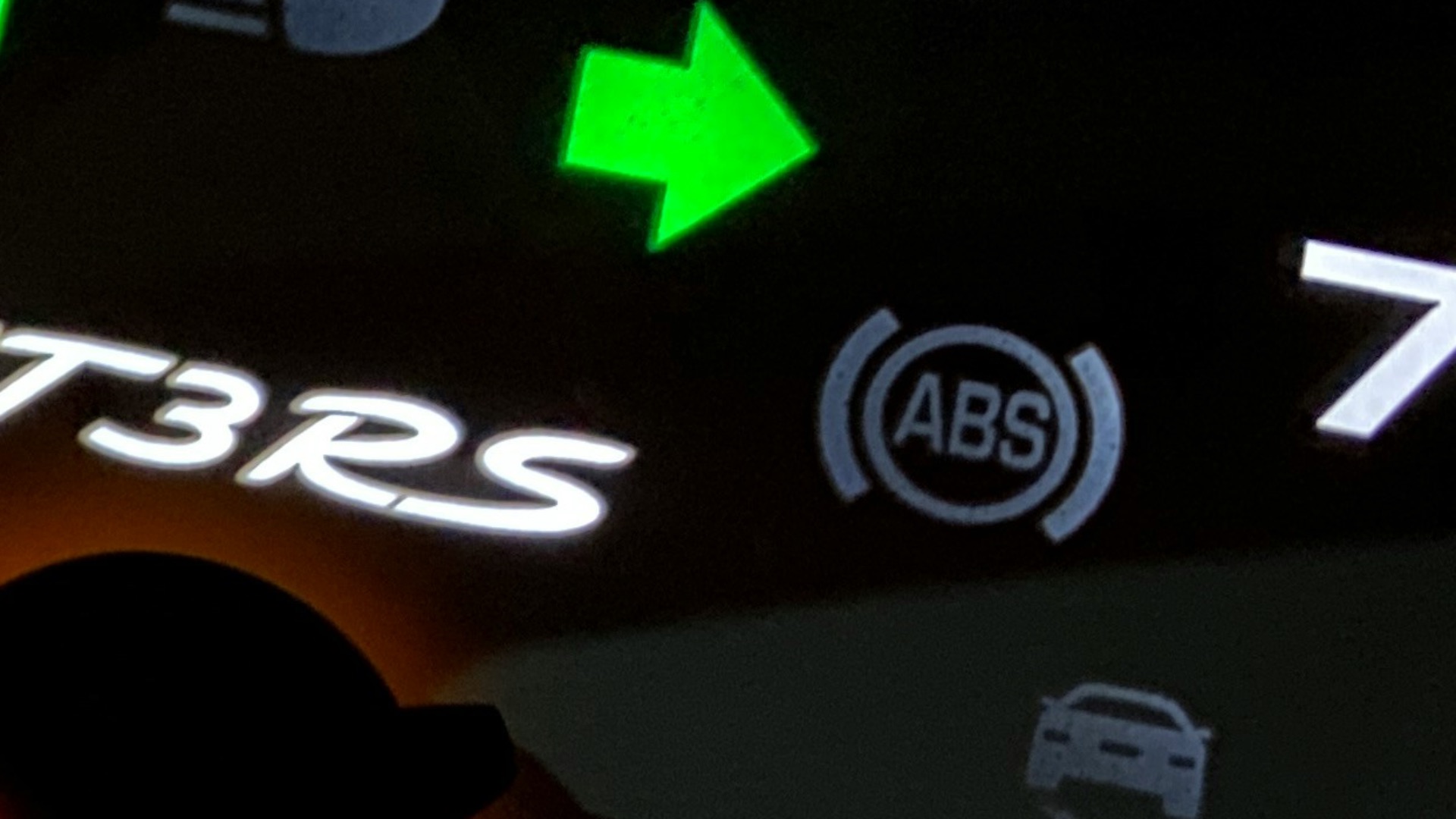
An amber “ABS” light means the anti-lock portion of the braking system may not function, although conventional braking often remains available. You can usually drive cautiously to a repair facility when the brake pedal feels normal and the red brake warning isn’t illuminated. Leave additional stopping distance because the wheels may lock during hard braking, especially on wet, icy, or loose surfaces. If both the ABS and red brake lights appear, stop treating the situation as something that can wait.
9. Automatic Start-Stop Unavailable Indicator
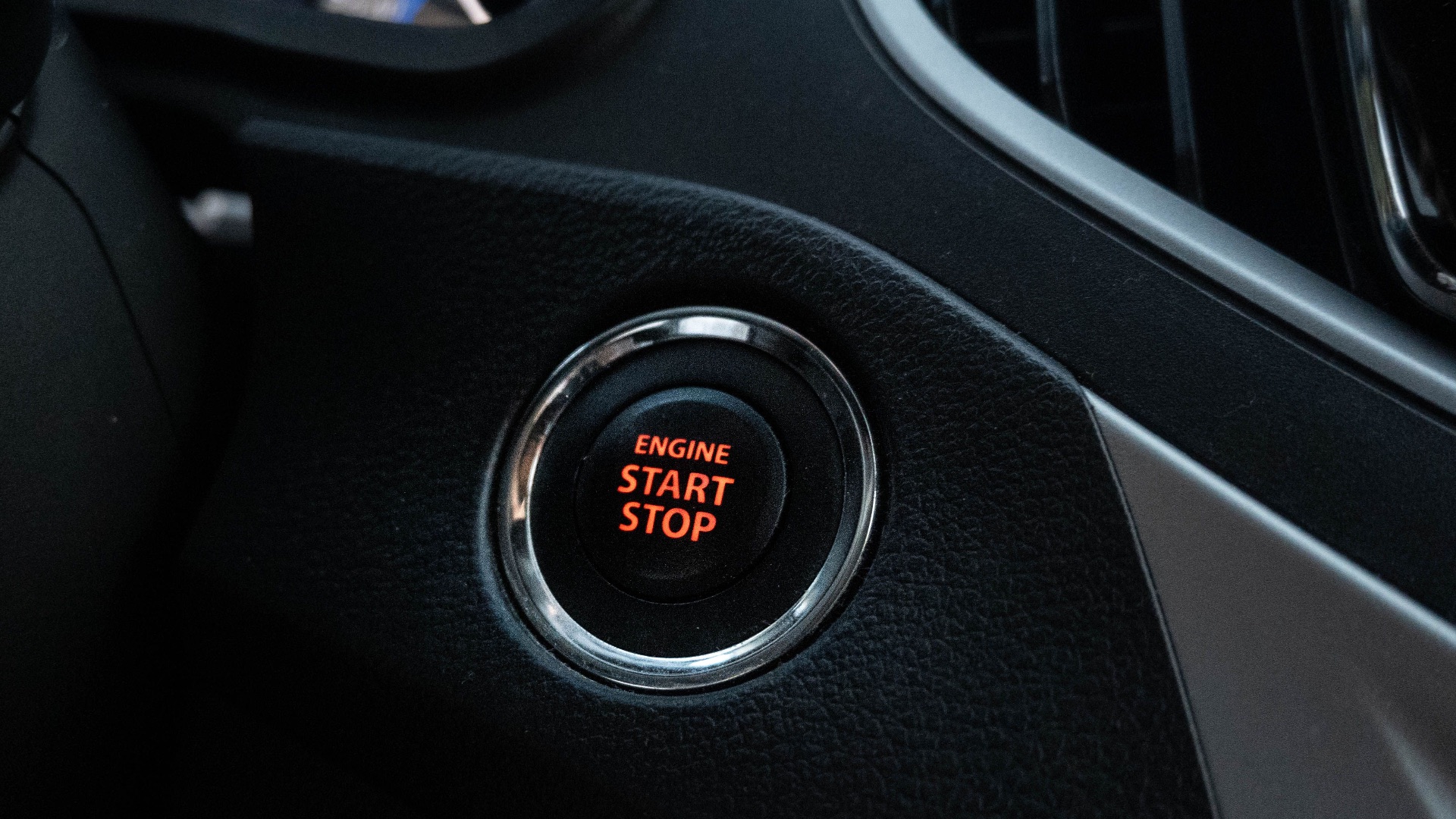
A crossed-out “A,” circular arrow, or related message may show that the automatic engine stop-start feature is temporarily unavailable. This often occurs because the battery charge, engine temperature, cabin climate demand, or another operating condition isn’t suitable. The vehicle can generally be driven normally, with the engine simply remaining on when you stop. Have it inspected during routine service if the warning persists or appears alongside battery and electrical problems.
10. Cold-Temperature or Snowflake Indicator
A snowflake symbol usually warns that outside temperatures are low enough for ice to form on the road. It doesn’t indicate a defect in the vehicle, and no repair appointment is necessary. Continue driving, but reduce your speed and remain alert for slippery bridges, shaded areas, and untreated pavement. The absence of the symbol later doesn’t prove that every section of the road is free from ice.