How Good Are You at Parking?
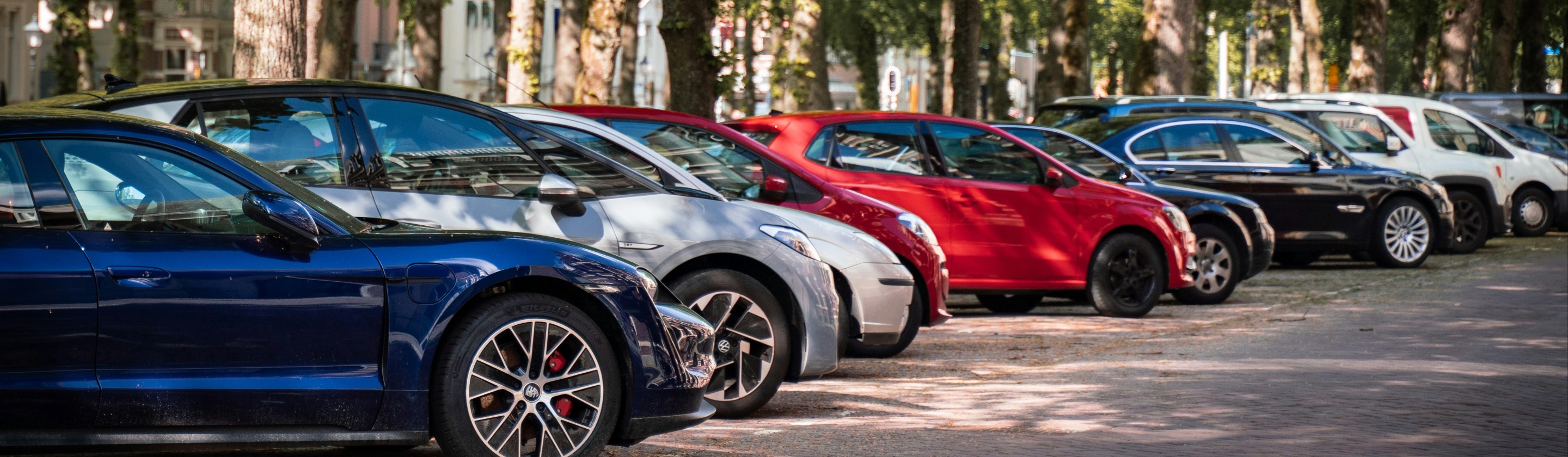
Parking seems like the easiest part of driving, but plenty of drivers fall into habits that wear down their vehicles without realizing it. From curb rash on your wheels to strain on your transmission, the way you park can mean all the difference in how long your car lasts. There's also something to be said for those who always park in the shade versus under the blistering sun. If you want to make sure you're not accidentally wearing your vehicle down, here are 20 amateur parking mistakes you don't want to be making.
1. Curbing Your Wheels
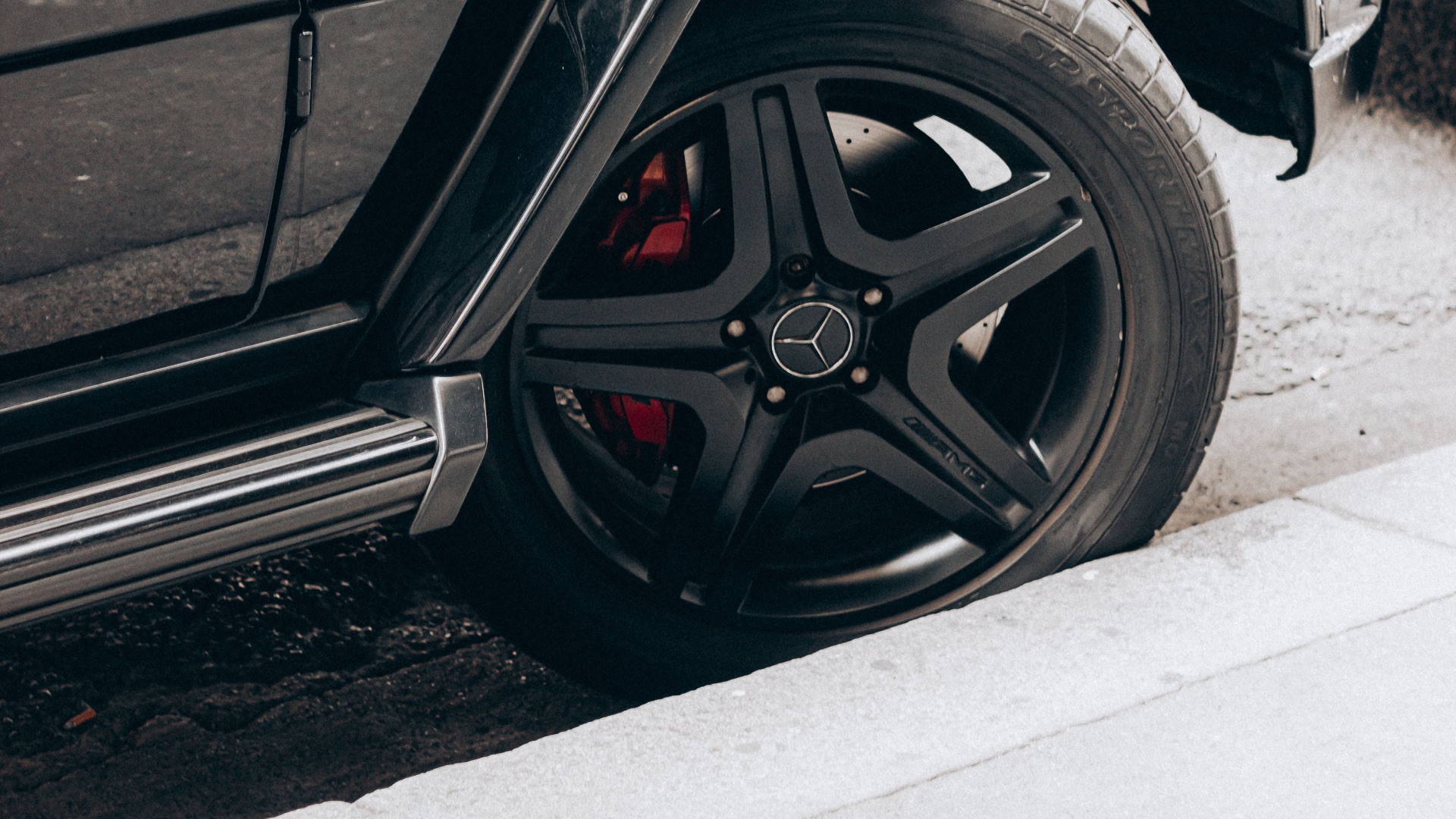
Rolling your tires right up against the curb might feel like a good way to keep your car from drifting, but it puts your wheels at serious risk of scraping and denting. Repeated contact with curbs can crack your alloy wheels or throw off your alignment, leading to uneven tire wear down the road. Try to leave a few inches of space so your rims stay in good shape.
2. Cranking the Wheel While Stationary
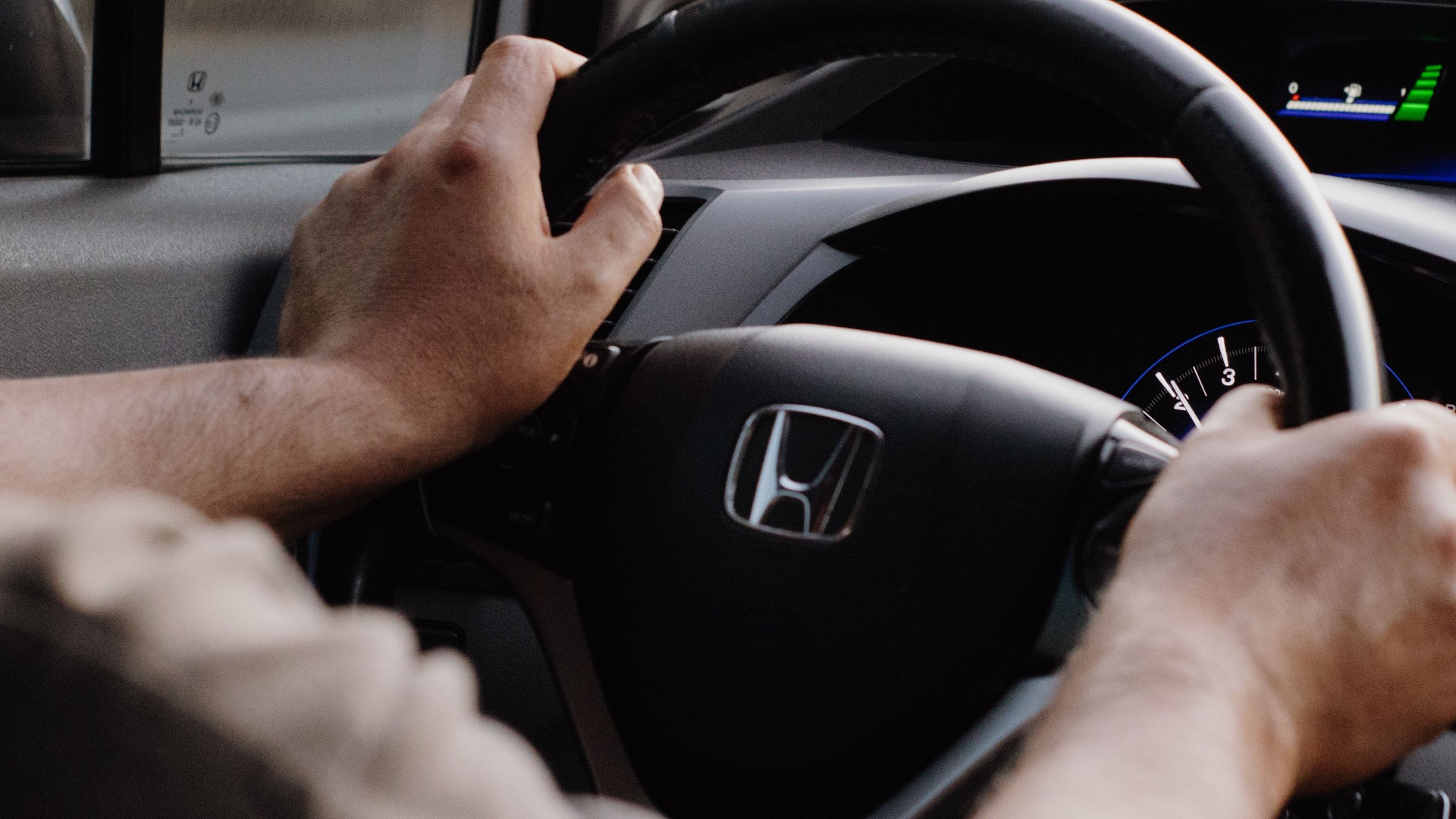
Turning your steering wheel all the way to one side while your car isn't moving puts extra strain on your power steering system. This habit, known as dry steering, forces the pump to work harder than it should and can wear out components faster than normal use would. It's better to turn the wheel gradually as you're rolling instead of cranking it while parked.
3. Riding the Brakes Into a Spot
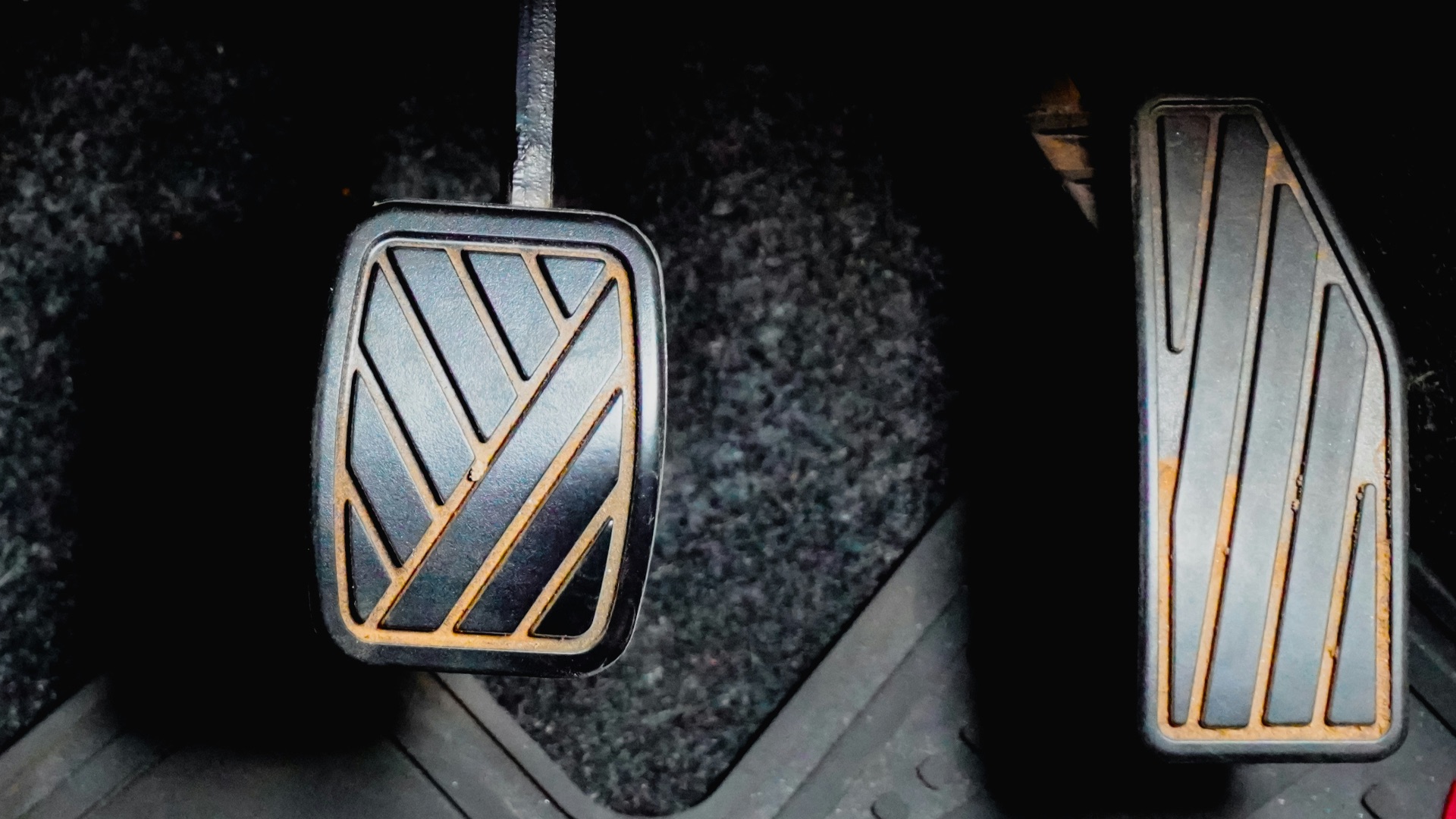
Some drivers coast into their parking space and slam the brakes at the last second instead of slowing down gradually. This kind of abrupt stopping puts unnecessary stress on your brake pads and rotors, which wears them down faster than a smooth, controlled stop would. Easing off the gas earlier gives your brakes a break and keeps them lasting longer.
4. Parking Under Trees Without Thinking Twice
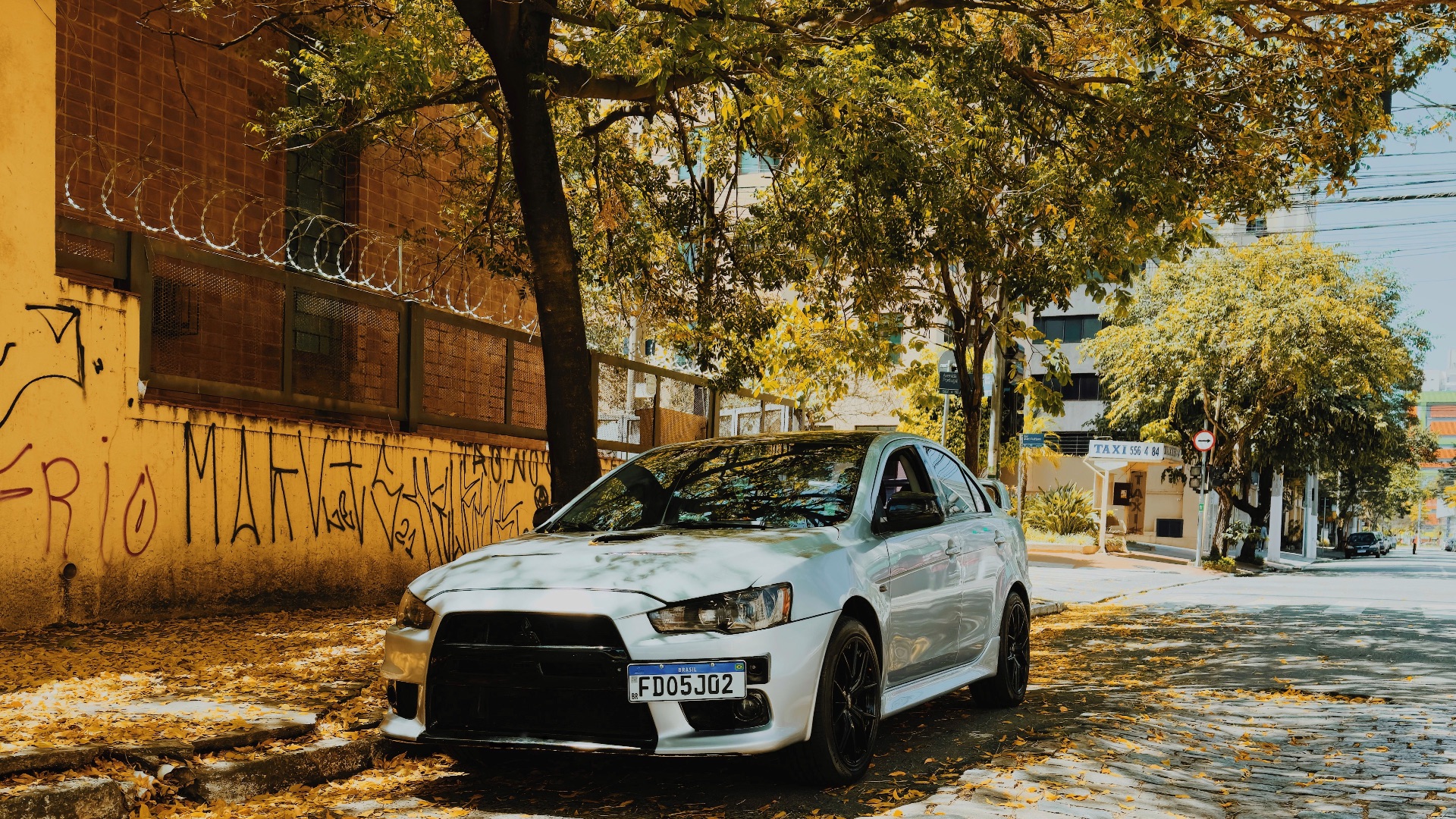
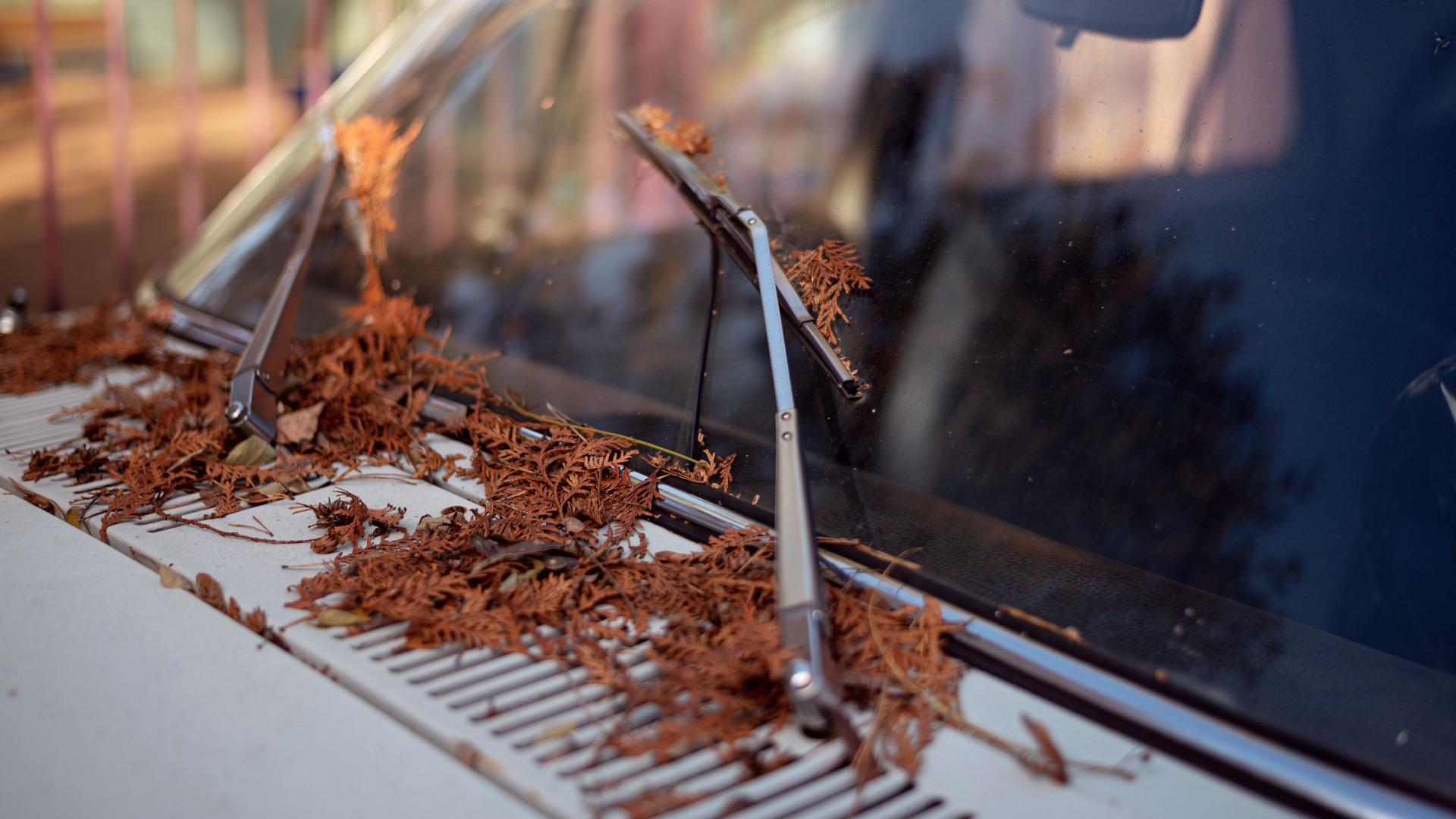
That shady spot under a big tree might feel like a smart move on a hot day, but it comes with its own set of problems. Sap, bird droppings, and falling branches can damage your paint job and even crack your windshield if you're unlucky. Over time, sap in particular can eat into your clear coat if it's not cleaned off promptly.
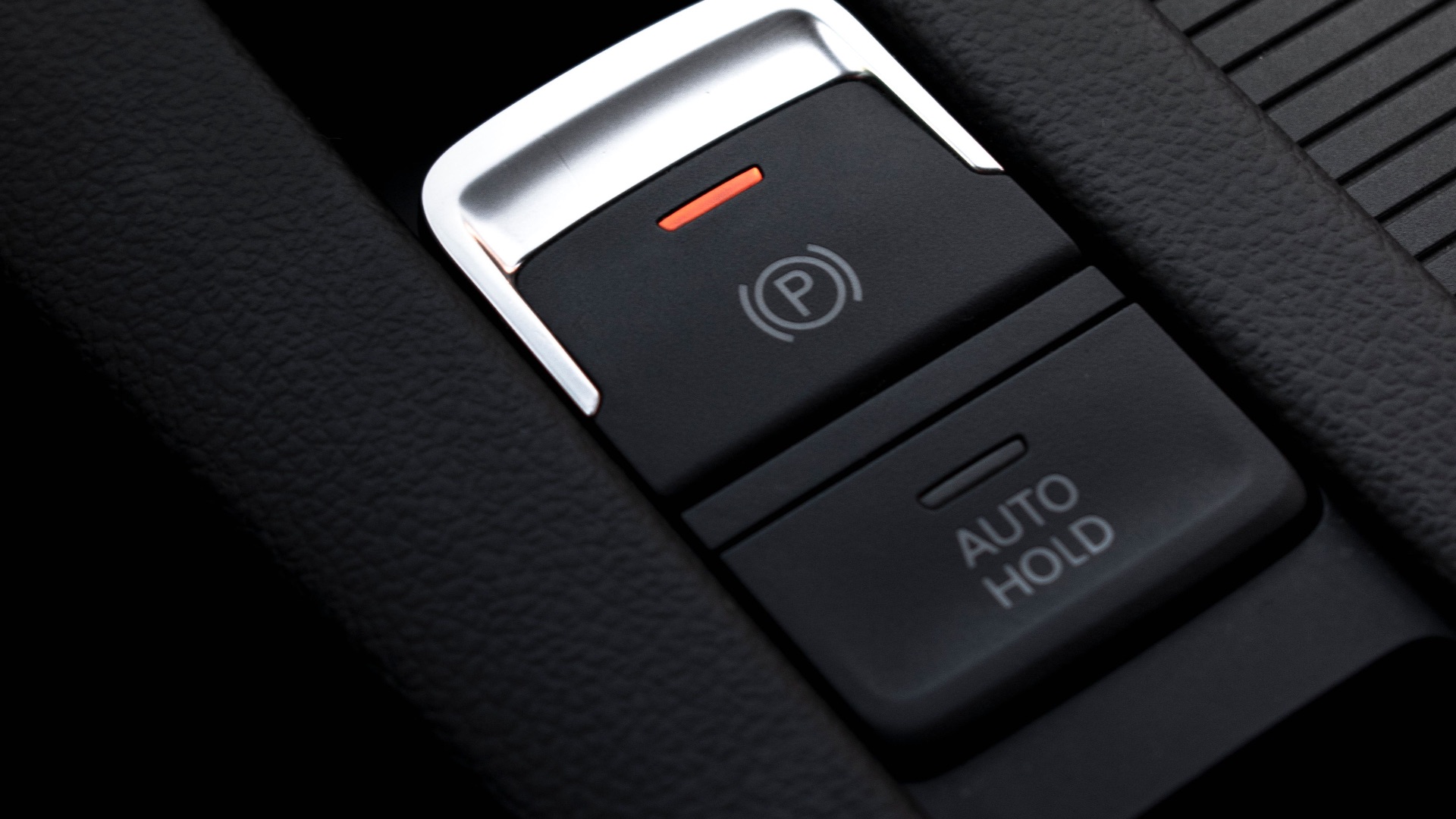
5. Leaving the Parking Brake Off on Flat Ground
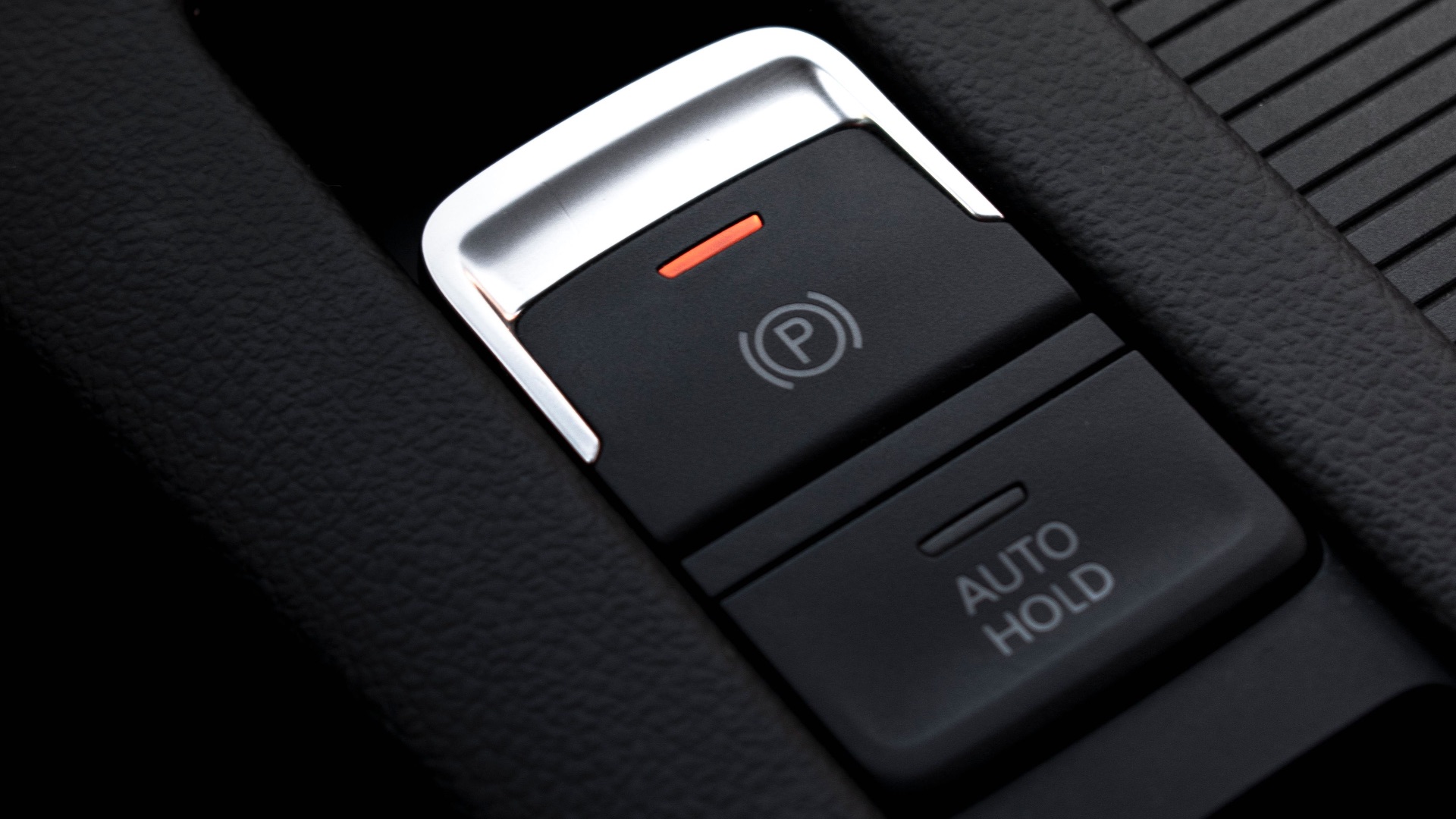
Even on level surfaces, skipping the parking brake puts more pressure on your transmission's parking pawl than necessary. This small metal piece is designed to hold your car in place, but it's not meant to bear that weight indefinitely without backup. Using your parking brake regularly takes the load off this part and helps it last longer.
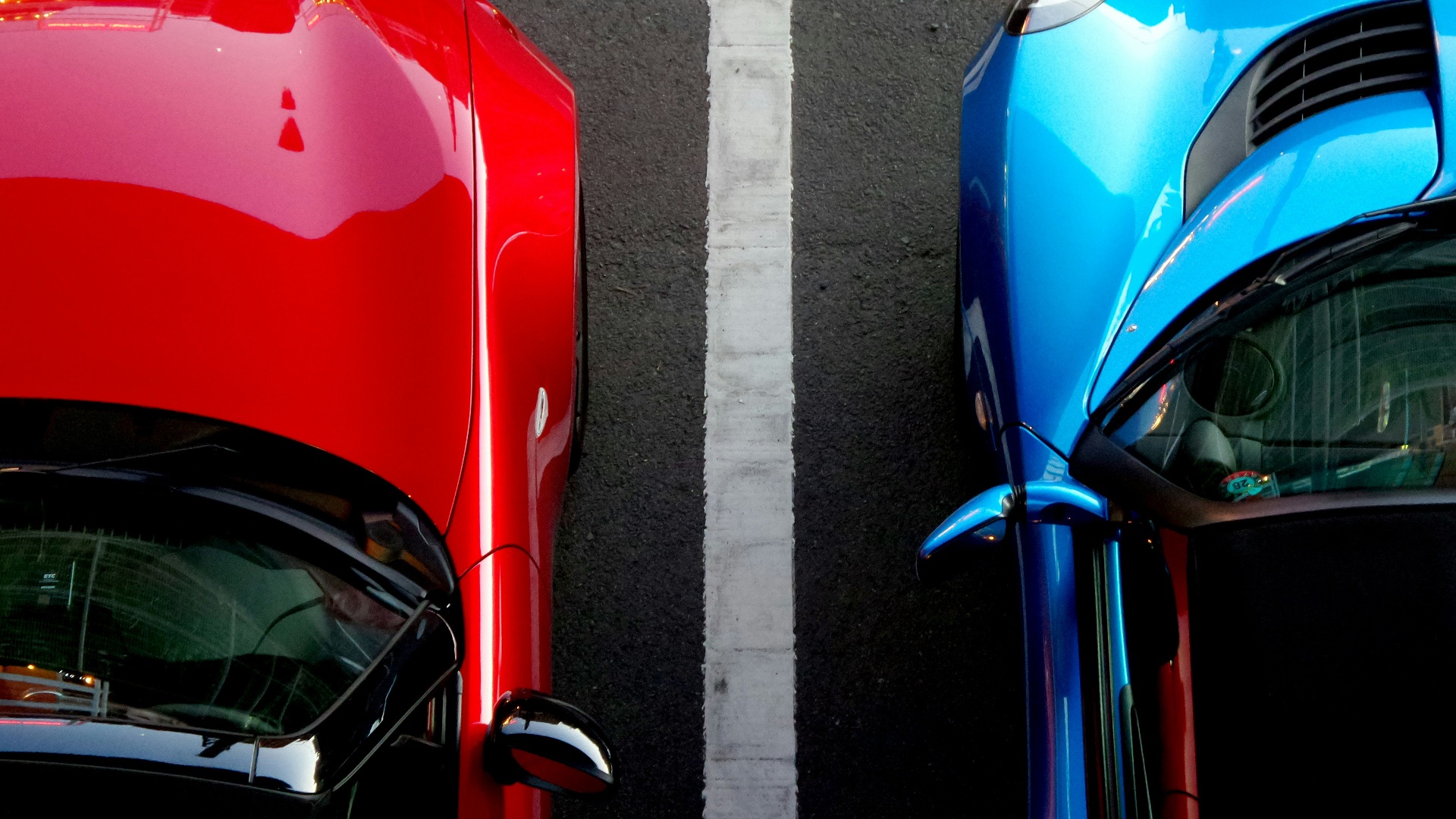
6. Squeezing Into Spots That Are Too Tight
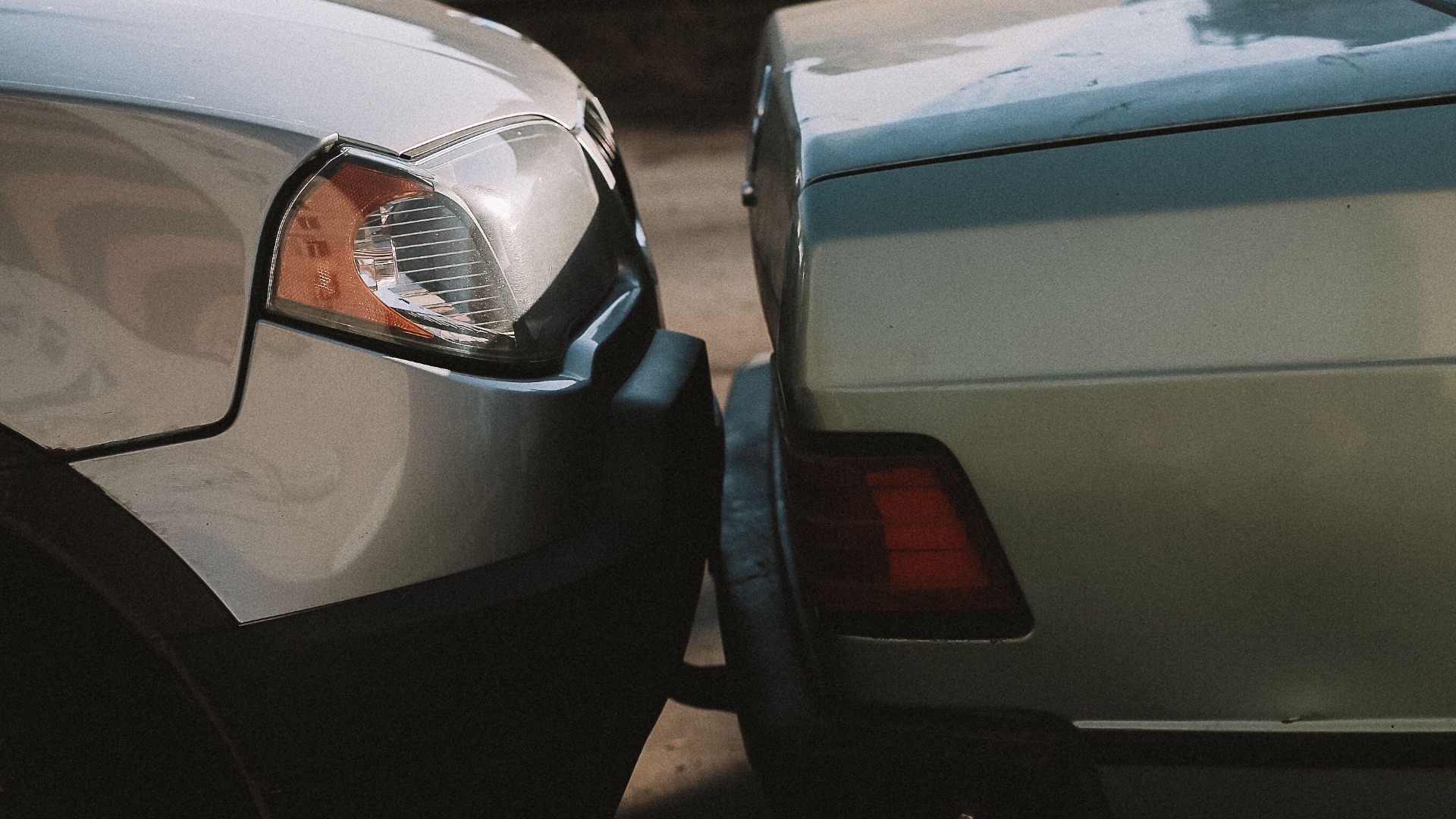
Trying to wedge your car into a space that's barely big enough for it often results in door dings, scraped bumpers, and scratched paint. Other drivers opening their doors carelessly can leave marks on your car that add up over time. When possible, opt for a slightly bigger space, even if it means parking a little farther from your destination.
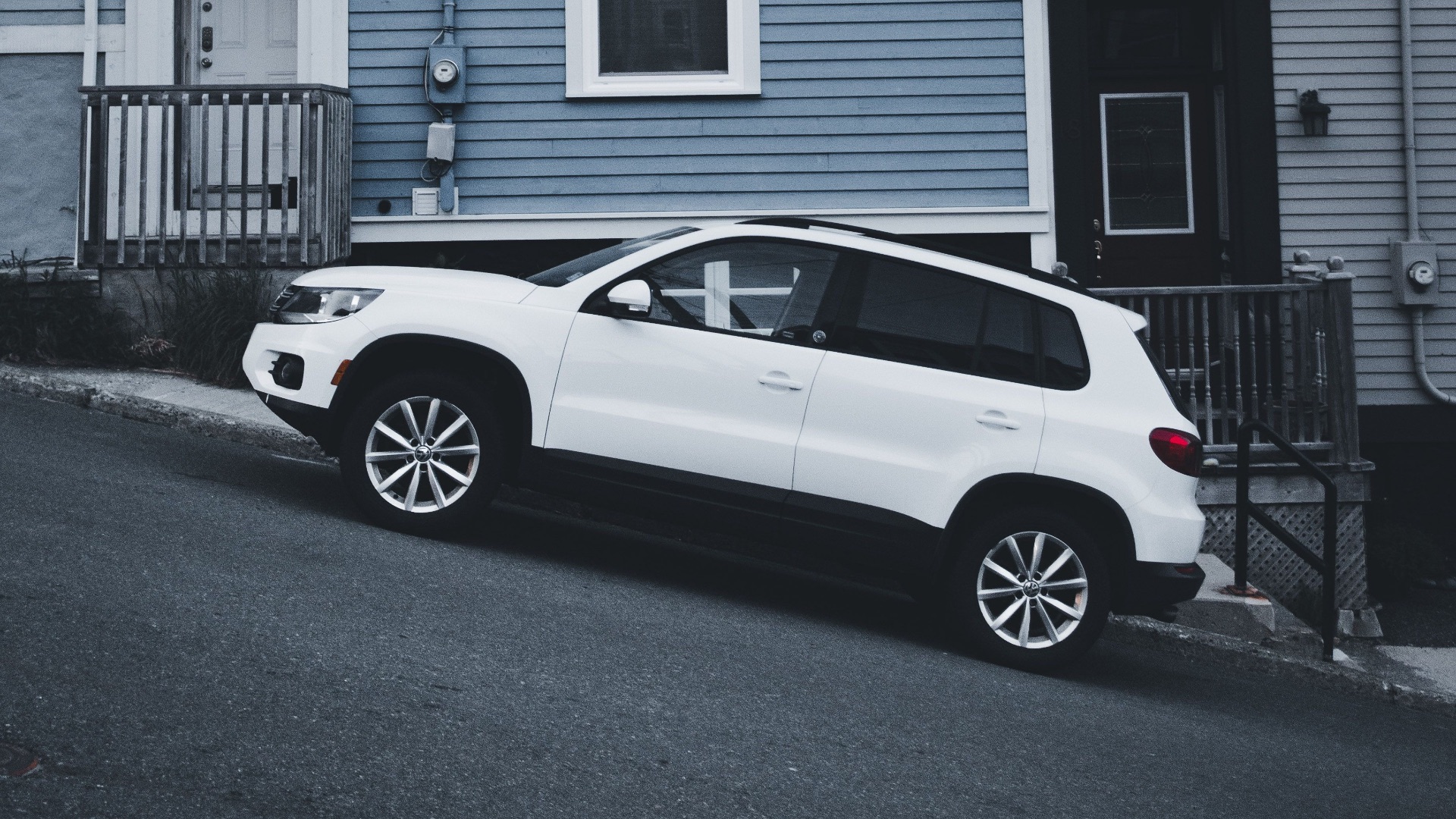
7. Ignoring Uneven or Sloped Surfaces
Parking on a steep incline without proper precautions can put excess strain on your transmission and parking brake system. Gravity works against your vehicle's components when they're left to hold the full weight of the car on a slope for extended periods. Turning your wheels toward the curb and using your parking brake together helps distribute that weight more safely.
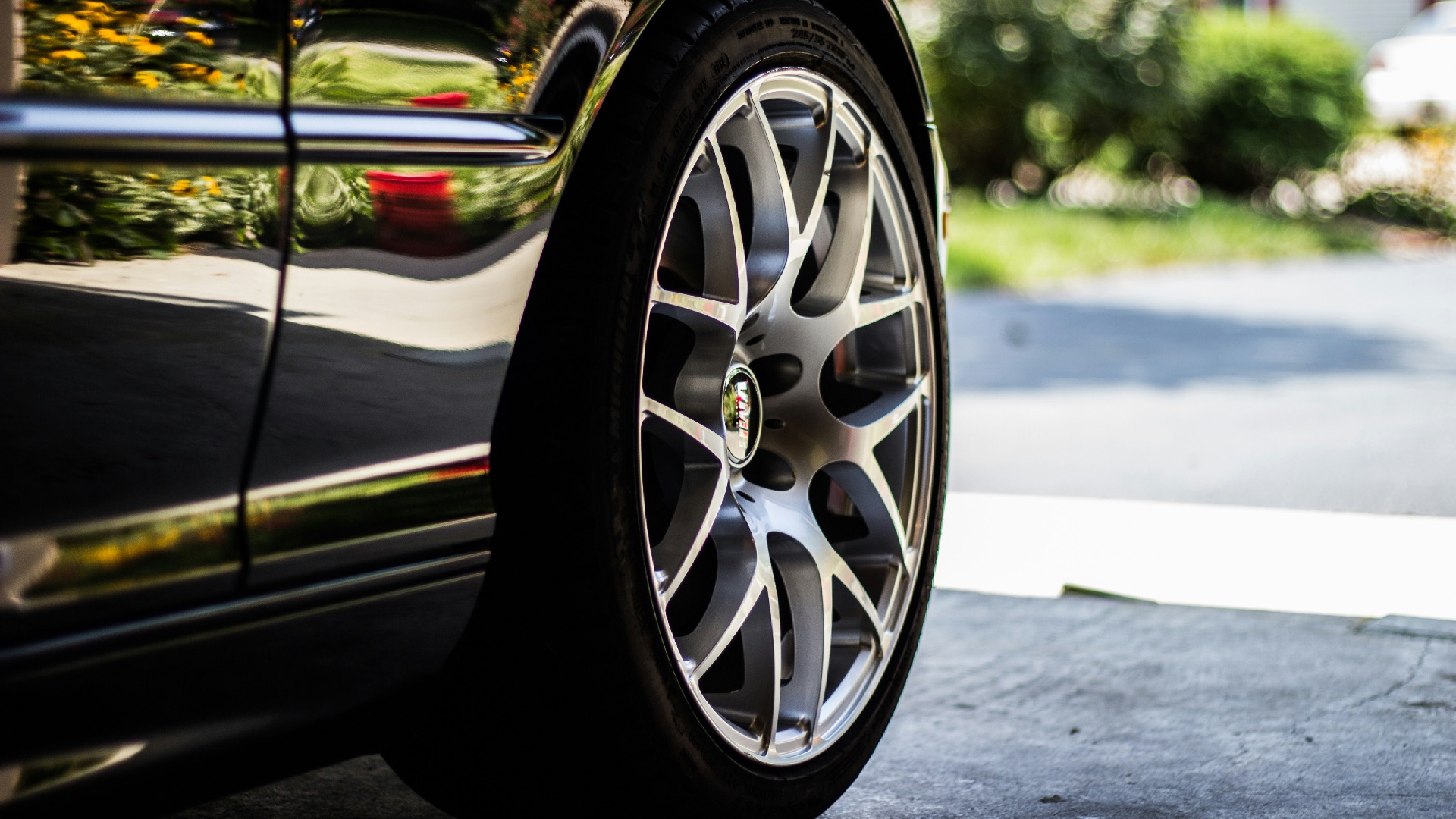
8. Letting Your Tires Sit in the Same Position for Weeks
If your car sits parked in the same spot for a long stretch without moving, your tires can develop flat spots from the constant pressure on one area. This is especially common with vehicles that aren't driven often, like a second car or a seasonal ride. Moving your car every so often, even just a short distance, helps prevent this kind of tire damage.
9. Parking Too Close to Other Vehicles
Squeezing in close to your neighbors in a crowded lot increases your odds of getting dinged by their doors or mirrors. It also makes it harder for you to maneuver in and out without scraping something yourself. Giving yourself a little breathing room on both sides can save you from unnecessary bodywork down the line.
10. Forgetting to Check for Debris Underneath
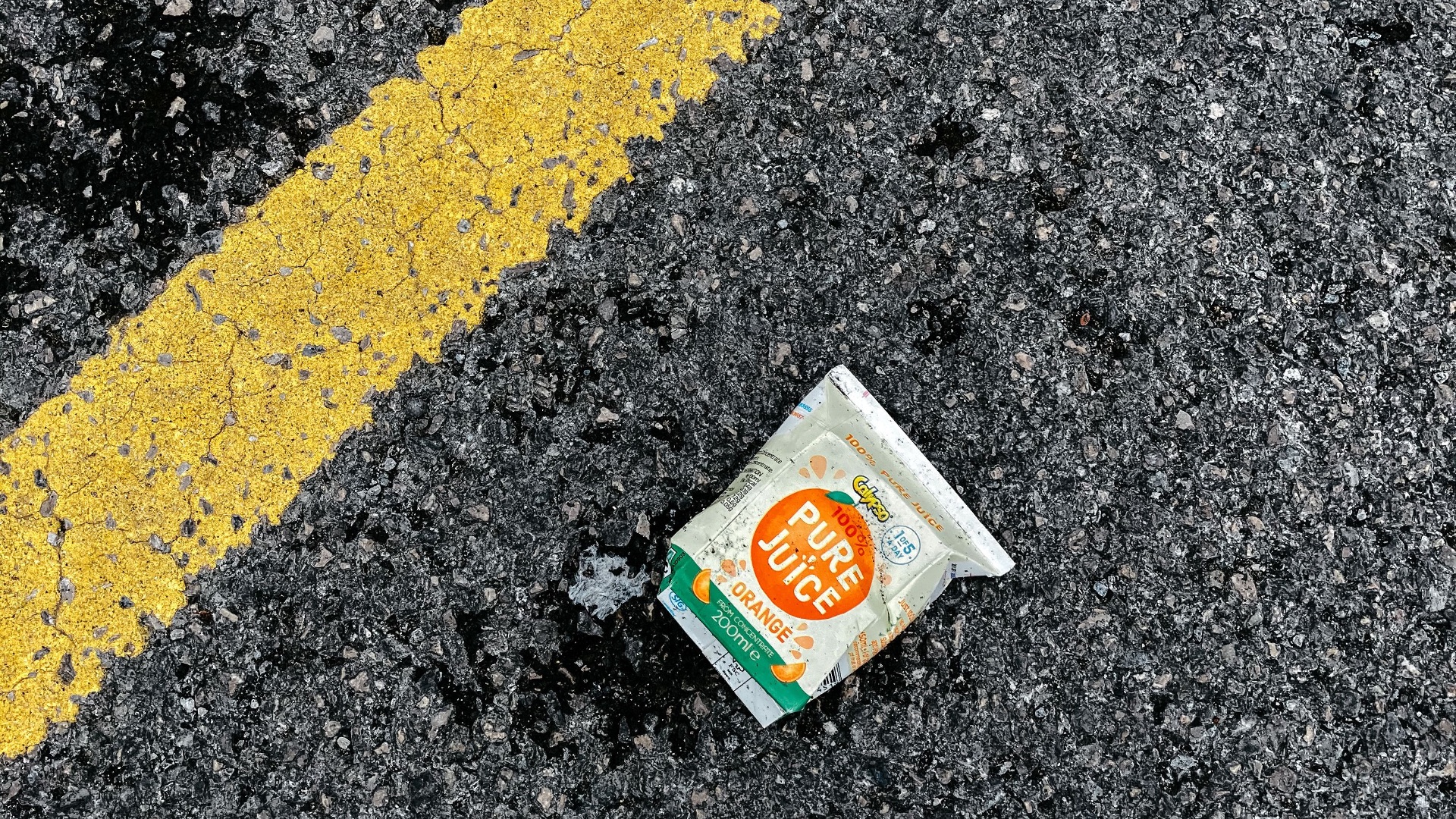
Driving over debris and then parking on top of it without checking can lead to punctured tires, leaks, or worse if the car sits there for hours. Sharp objects, nails, or glass hiding under your vehicle can slowly work their way into a tire and cause a flat later on. It only takes a quick glance to spot anything sketchy before you leave.
11. Parking in Direct Sunlight for Hours
Leaving your car baking in the sun day after day accelerates the fading and cracking of your dashboard, seats, and paint. UV rays break down materials over time, and the interior of your car can reach temperatures that damage electronics and adhesives holding trim pieces together. A shaded spot or a sunshade for your windshield can go a long way in protecting your interior.
12. Skipping the Fuel Cap Check
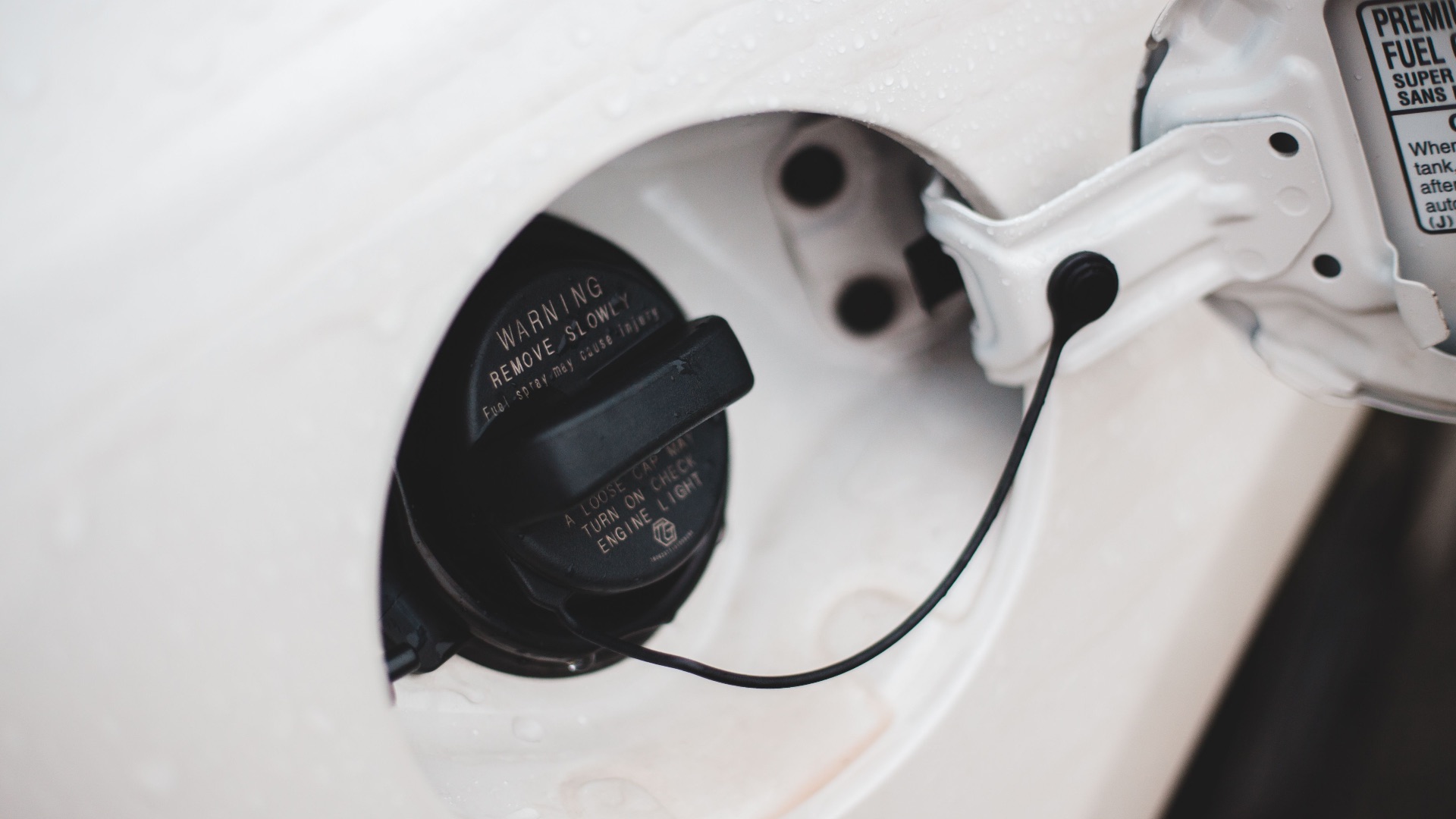
It sounds unrelated to parking, but plenty of drivers park their cars without realizing they never tightened the fuel cap after their last fill-up. A loose cap can let fuel vapors escape, which trips your check engine light and wastes gas while your car sits idle. Getting into the habit of double-checking it before you walk away saves you a headache later.
13. Parking Near Fire Hydrants or in Restricted Zones
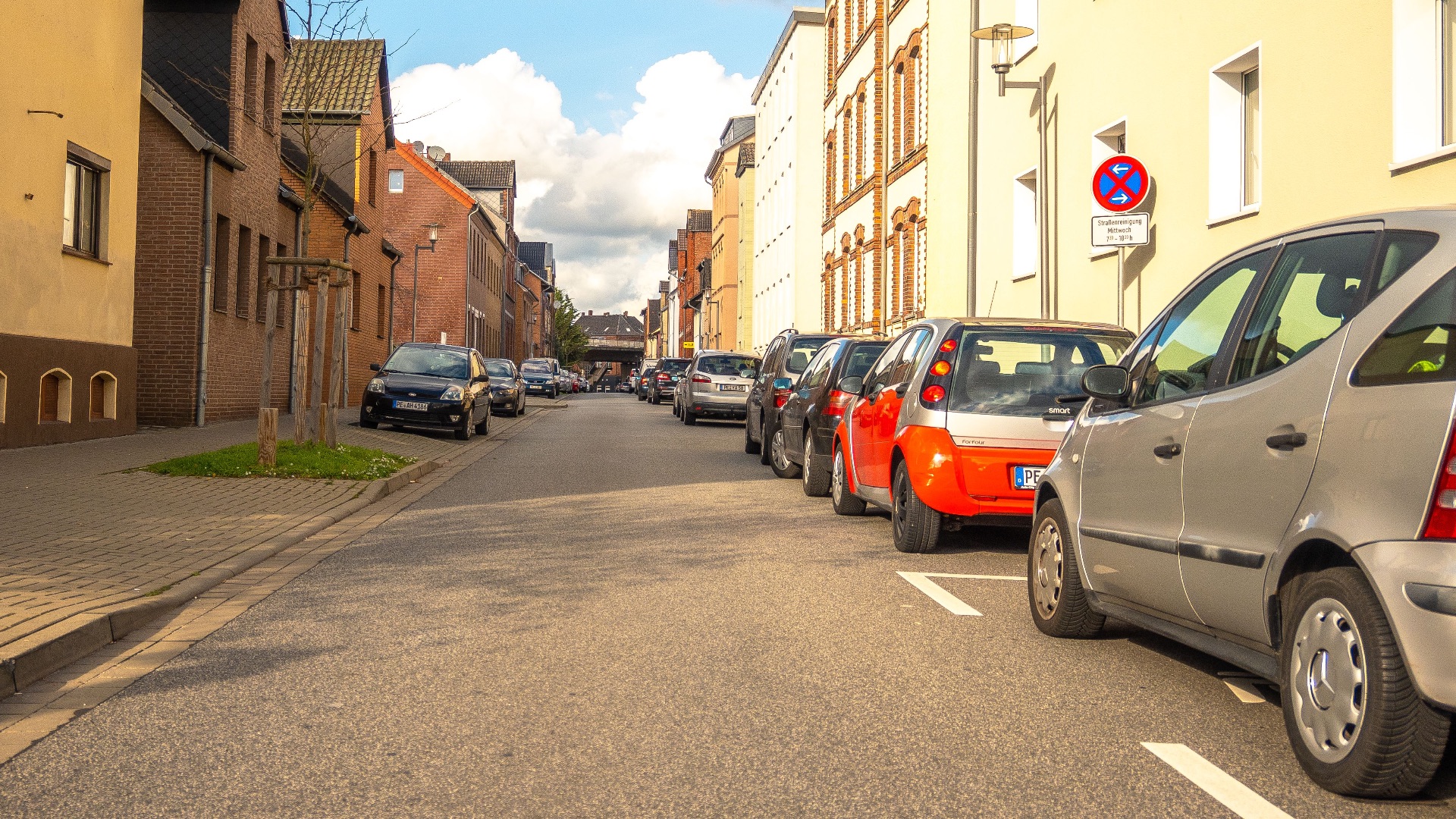
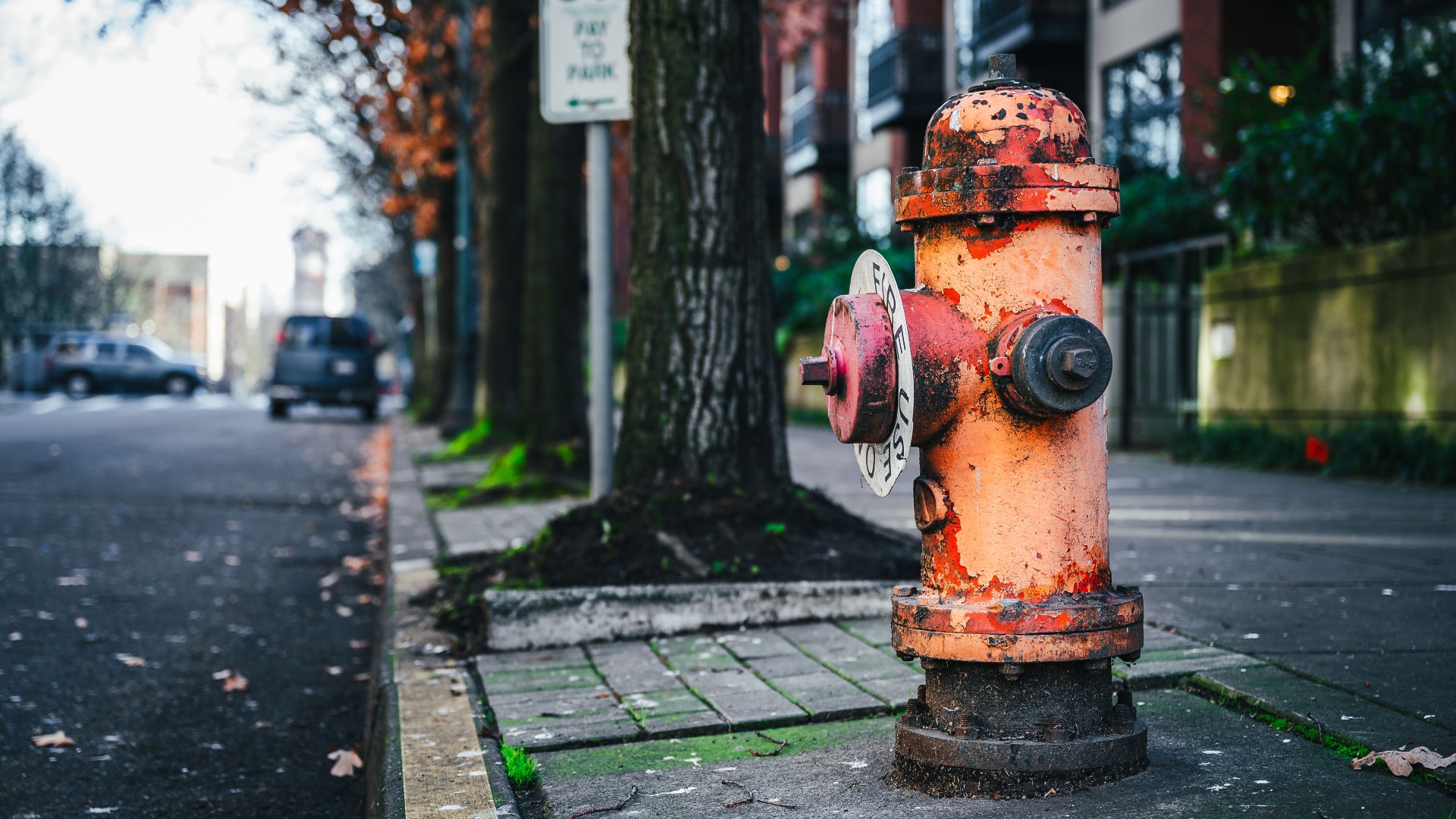
Beyond the obvious risk of a ticket, parking illegally near hydrants or in restricted areas can mean your car gets towed and damaged in the process. Tow trucks aren't always gentle, and the process of hooking up and hauling your vehicle can leave scratches or worse. It's worth the extra minute to find a legal spot instead of risking the consequences.
14. Parking on Soft or Unstable Ground
Pulling onto grass, mud, or gravel that isn't properly compacted can cause your car to sink slightly or shift over time, especially after rain. This uneven settling can throw off your alignment and put stress on your suspension components. Sticking to paved or stable surfaces whenever you can helps avoid this kind of gradual wear.
15. Not Considering Wind Exposure
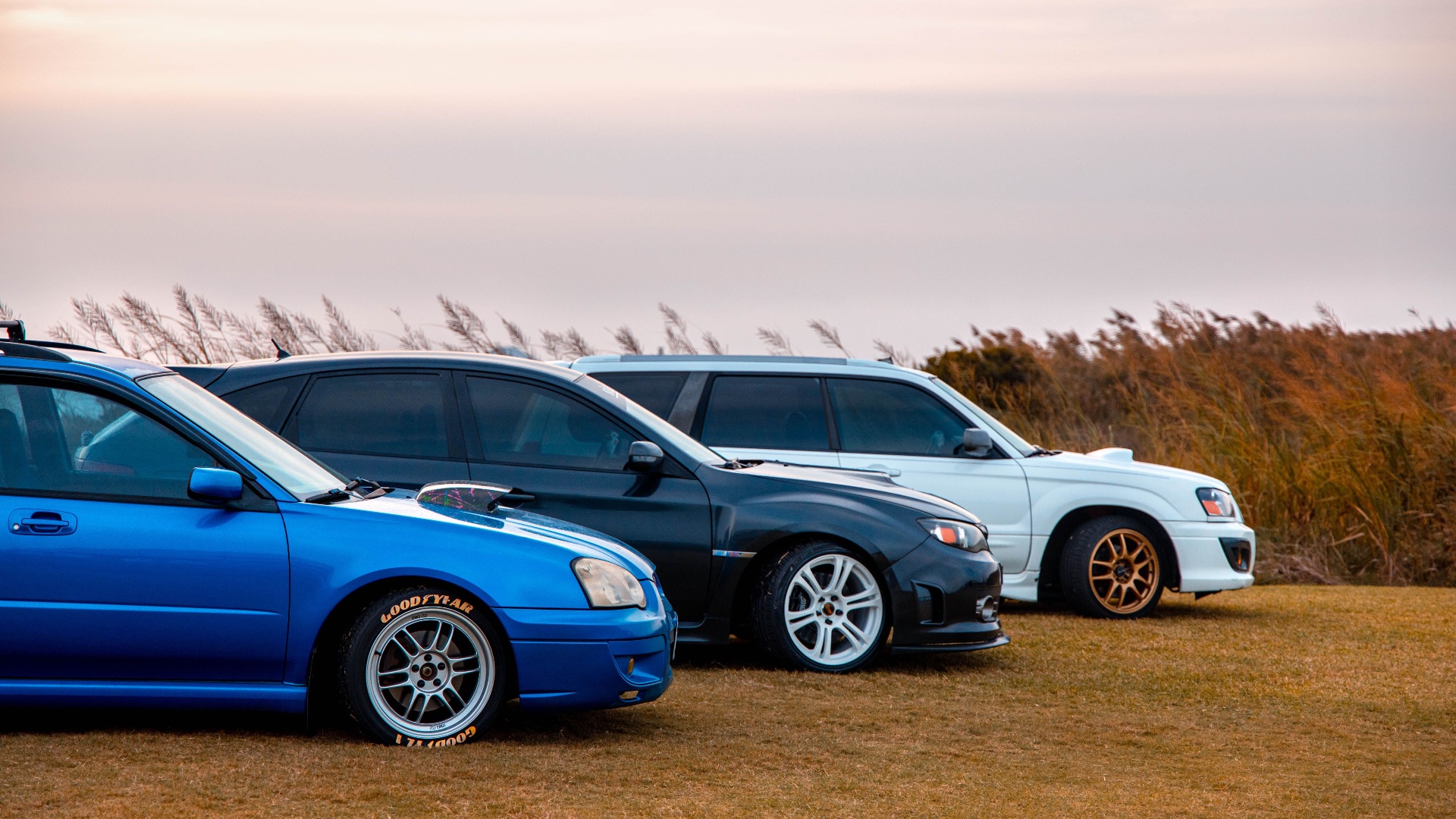
Parking your car out in the open during high winds leaves it vulnerable to flying debris, branches, and dust that can scratch your paint or crack your windshield. This is especially true in areas prone to storms or open lots without much cover. Choosing a more sheltered spot when possible reduces the odds of unexpected damage.
16. Parking Too Close to Construction Zones
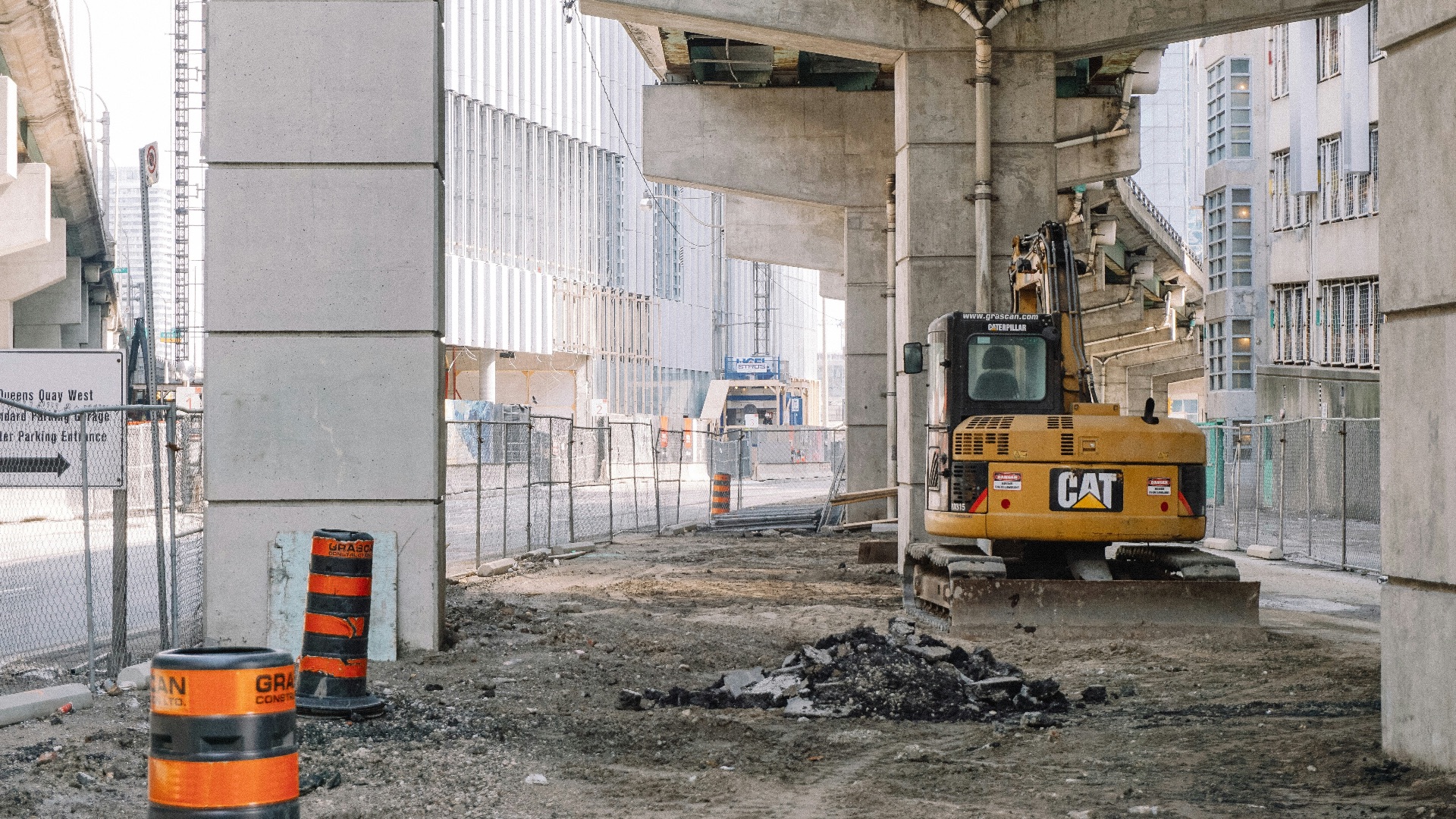
Construction sites kick up dust, debris, and sometimes stray materials that can scratch your paint or dent your car if something falls or blows your way. Even parking near a site for a short time can expose your vehicle to grit that settles into your paint and clear coat. Steering clear of these areas, even if it means walking a bit farther, keeps your car looking its best.
 Maarten van den Heuvel on Unsplash
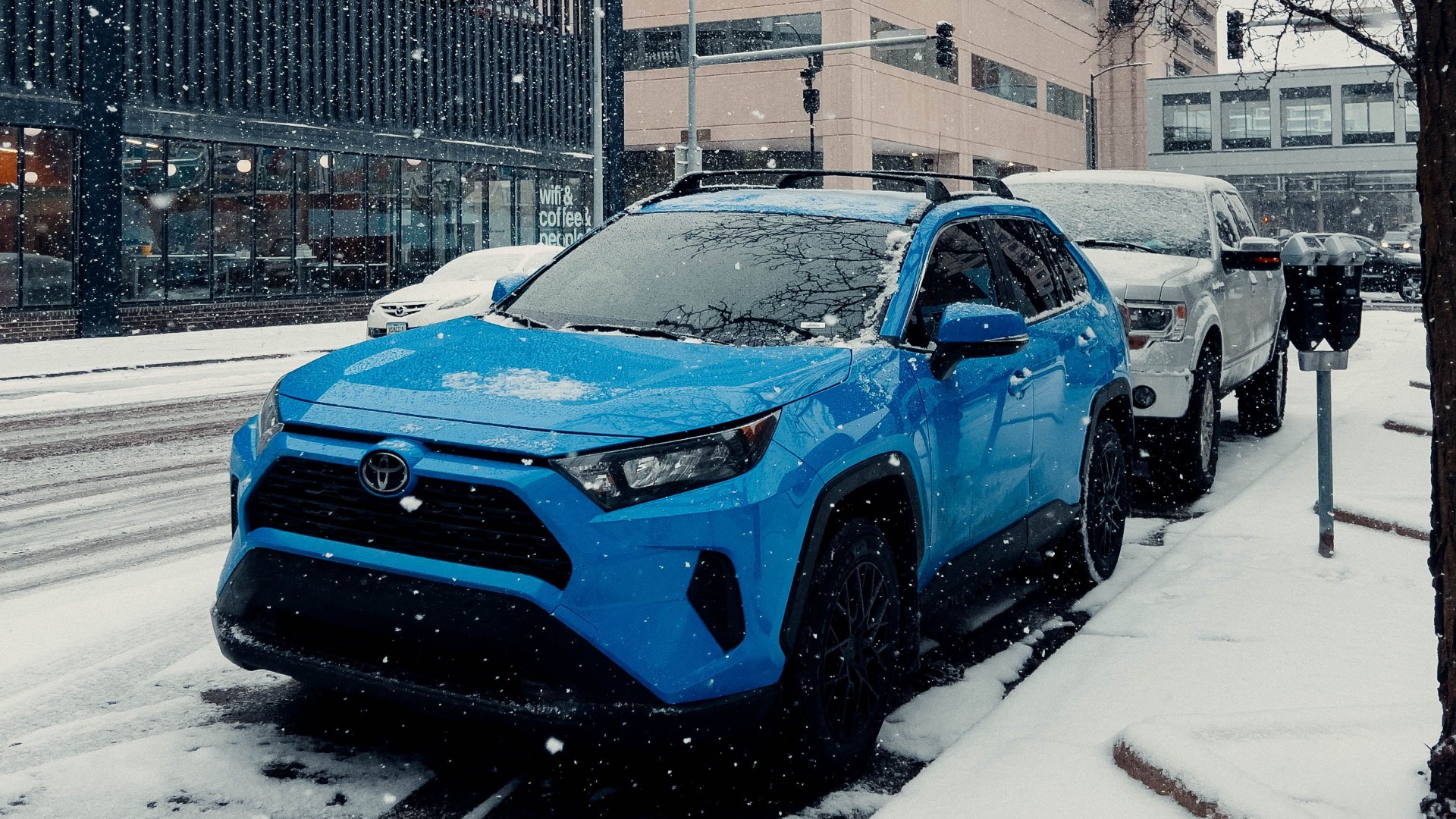
17. Ignoring Salt and Chemical Exposure in Winter
Parking on streets treated with road salt during winter months exposes your car's undercarriage to corrosive chemicals that eat away at metal over time. This is a major contributor to rust, especially on older vehicles or those without proper undercoating. Rinsing off the undercarriage periodically during winter helps slow down this kind of damage.
18. Leaving Windows Cracked in Bad Weather
Some drivers crack their windows for ventilation and forget about it when rain or snow rolls in unexpectedly. Moisture getting into your interior can lead to mold, mildew, and damage to your upholstery and electronics that's tough to reverse. It's better to double-check your windows are fully closed before walking away, especially if the forecast looks uncertain.
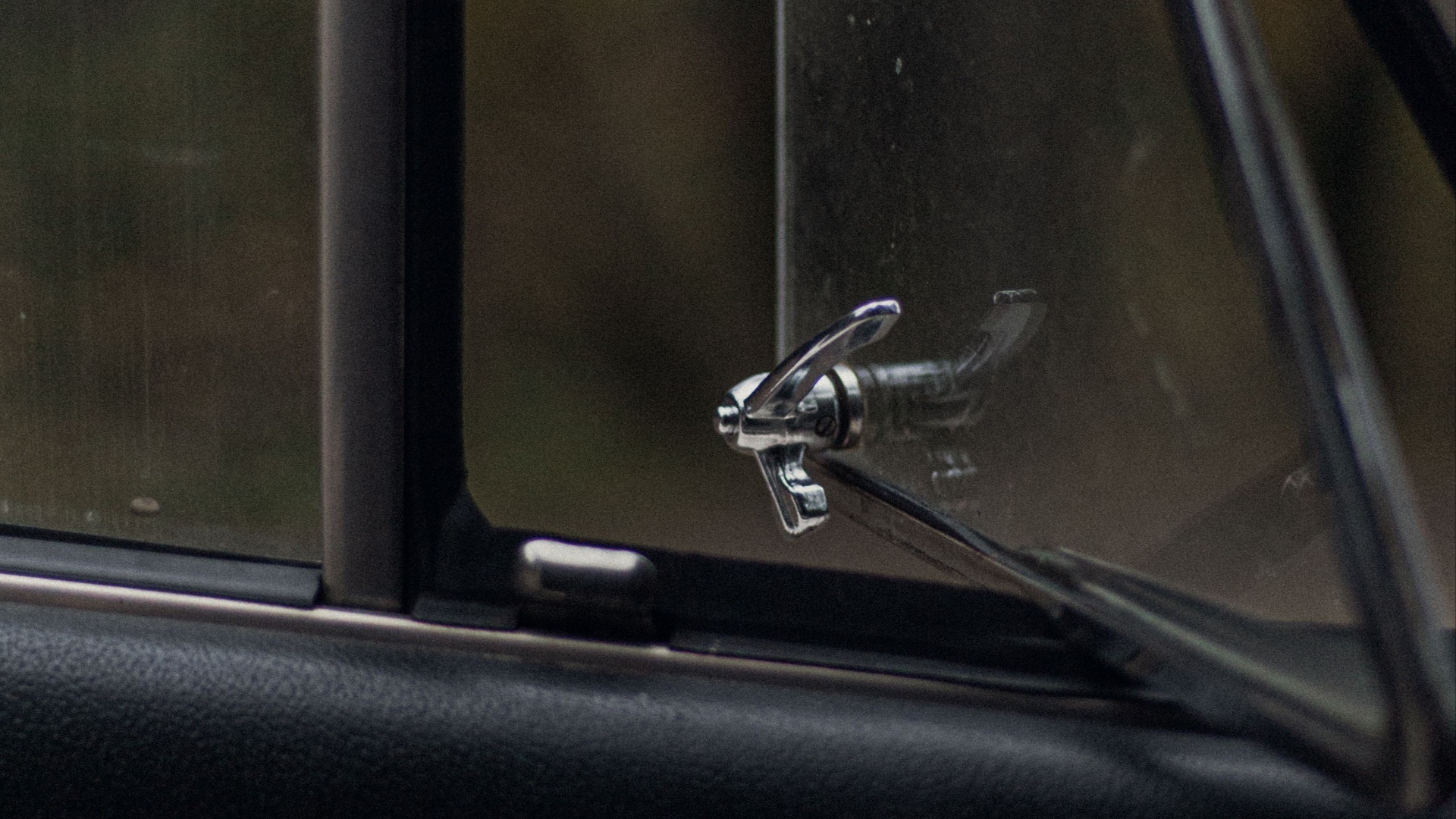
19. Neglecting the Mirrors
Leaving extended mirrors exposed in tight garages or busy street spaces makes them easy targets for passing cars, bicycles, and pedestrians. A single impact can damage the housing, and if it's a hit-and-run, good luck getting it fixed. Unless your car automatically does it for you, always make sure to fold them in before walking away whenever clearance is limited.
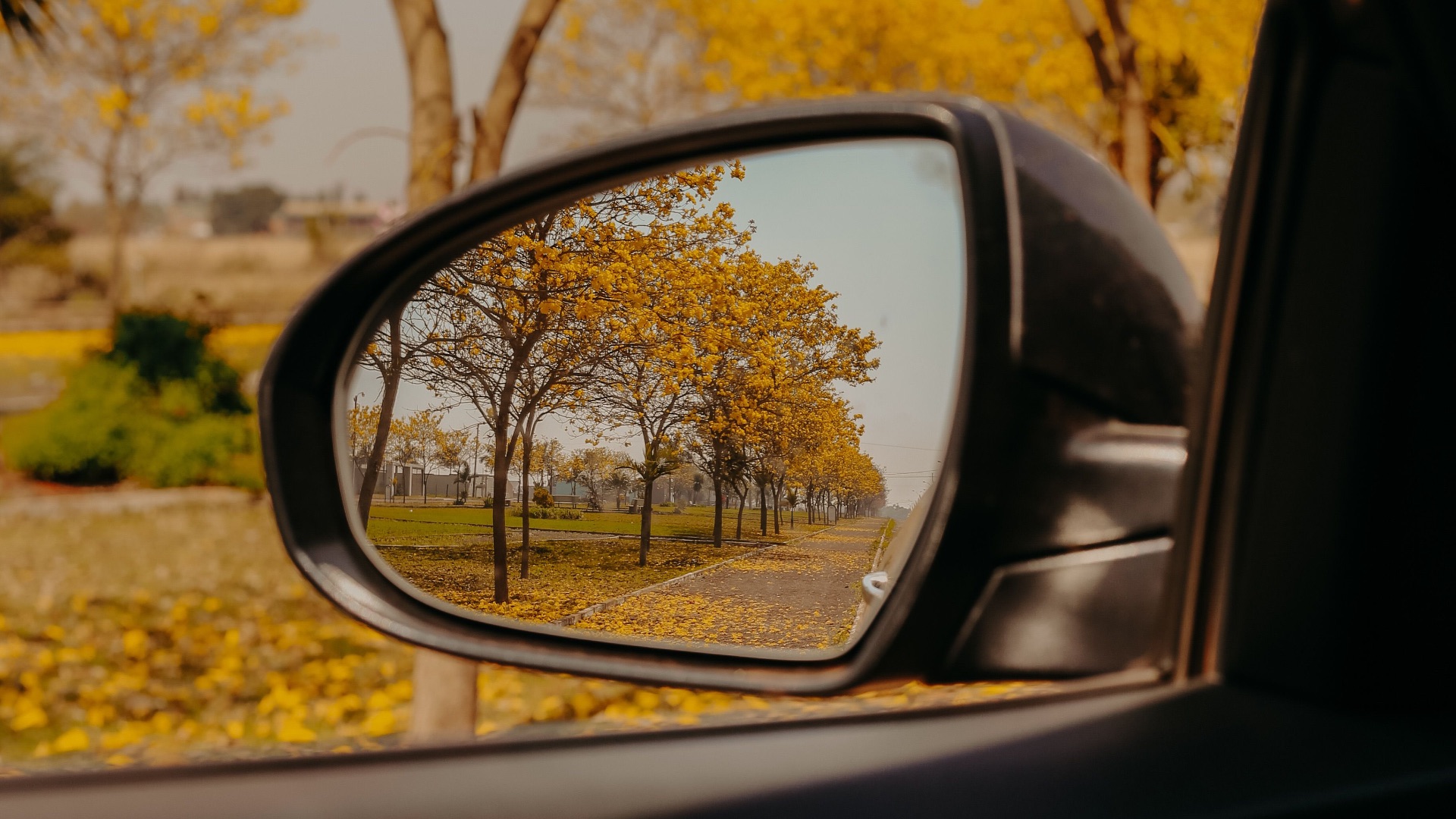
20. Forgetting to Rotate Your Parking Spot at Home
If you always park in the exact same spot in your driveway or garage, oil stains, leaks, and ground moisture can start affecting the same area of your car's undercarriage repeatedly. This is a small thing many drivers overlook, but it can contribute to localized rust or corrosion over the years. Switching up where you park every so often, even slightly, can help distribute wear more evenly.