
The Modern Car Is Changing Fast
Just as cell phones have morphed from simple text-and-call devices to full-blown mini computers, cars, too, have continuously evolved. From ignition keys being replaced by the engine start button to gear-shift levers turning into tiny knobs, the pace of change in today’s vehicles can make a model from just 10 or 15 years ago feel incredibly different. Sure, some of these changes have certainly made everyday driving easier, but they also remove features that many older drivers still prefer. If you’re attached to any of the following 20 items, you may want to enjoy them while they’re still available.

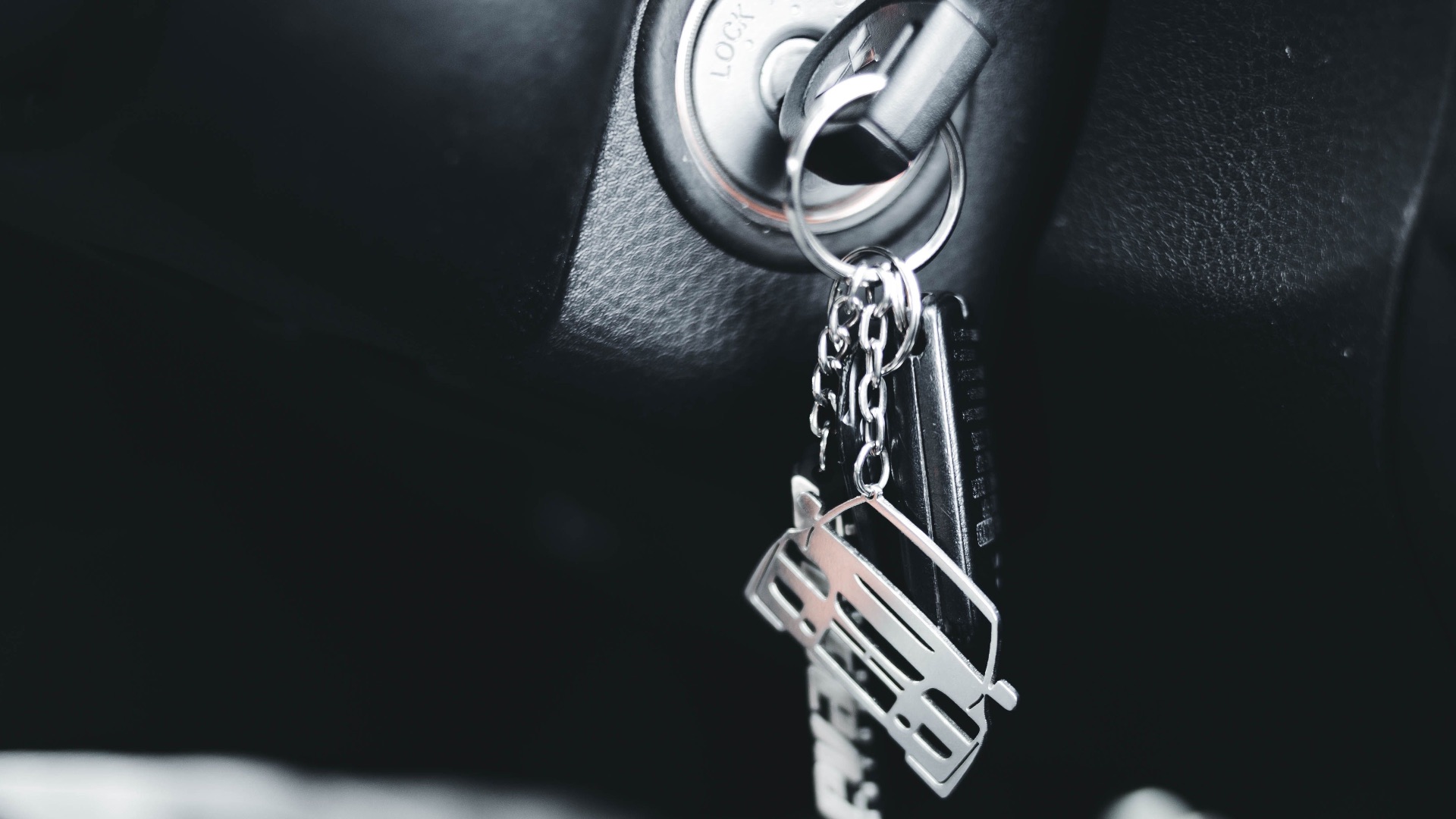
1. Physical Ignition Keys
Putting a metal key into the ignition used to be one of the first things you did after getting into a car, but push-button start has made the routine increasingly uncommon. Proximity key fobs let drivers unlock and start a vehicle without taking anything out of a pocket or bag, which adds a level of convenience that’s difficult for traditional keys to match. Even relatively affordable new cars now commonly offer keyless ignition. There are still exceptions, but the old-fashioned ignition cylinder is becoming much harder to find.
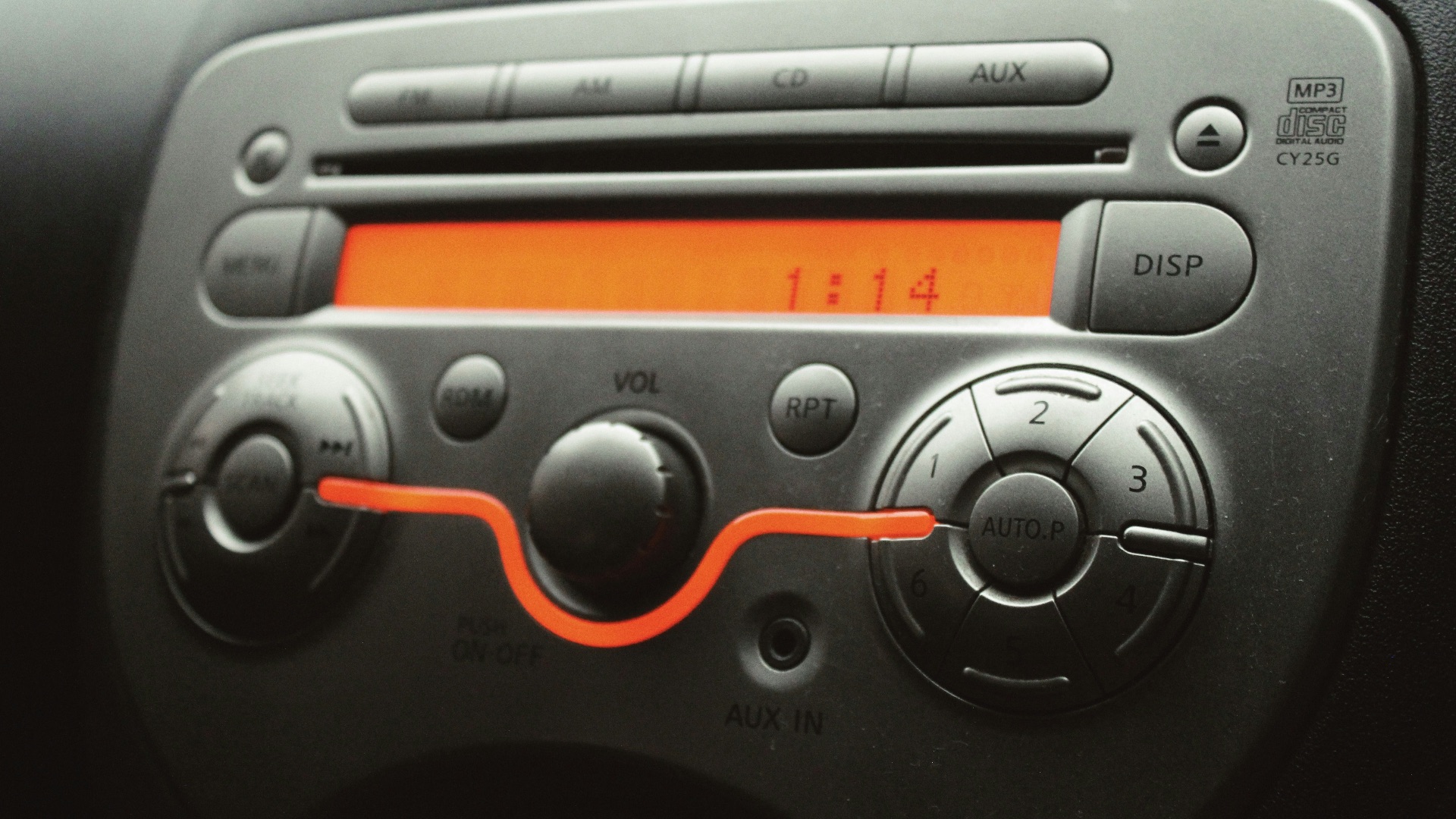
2. CD Players
A built-in CD player remained common long after smartphones arrived, particularly because so many drivers had large music collections they wanted to keep using. Bluetooth audio, smartphone integration, and streaming services have reduced the need for a dedicated disc drive, while eliminating one also gives manufacturers more freedom when designing dashboards. Some older buyers may still miss being able to slide an album into the stereo and start listening immediately. In most new vehicles, however, that slot has already disappeared.
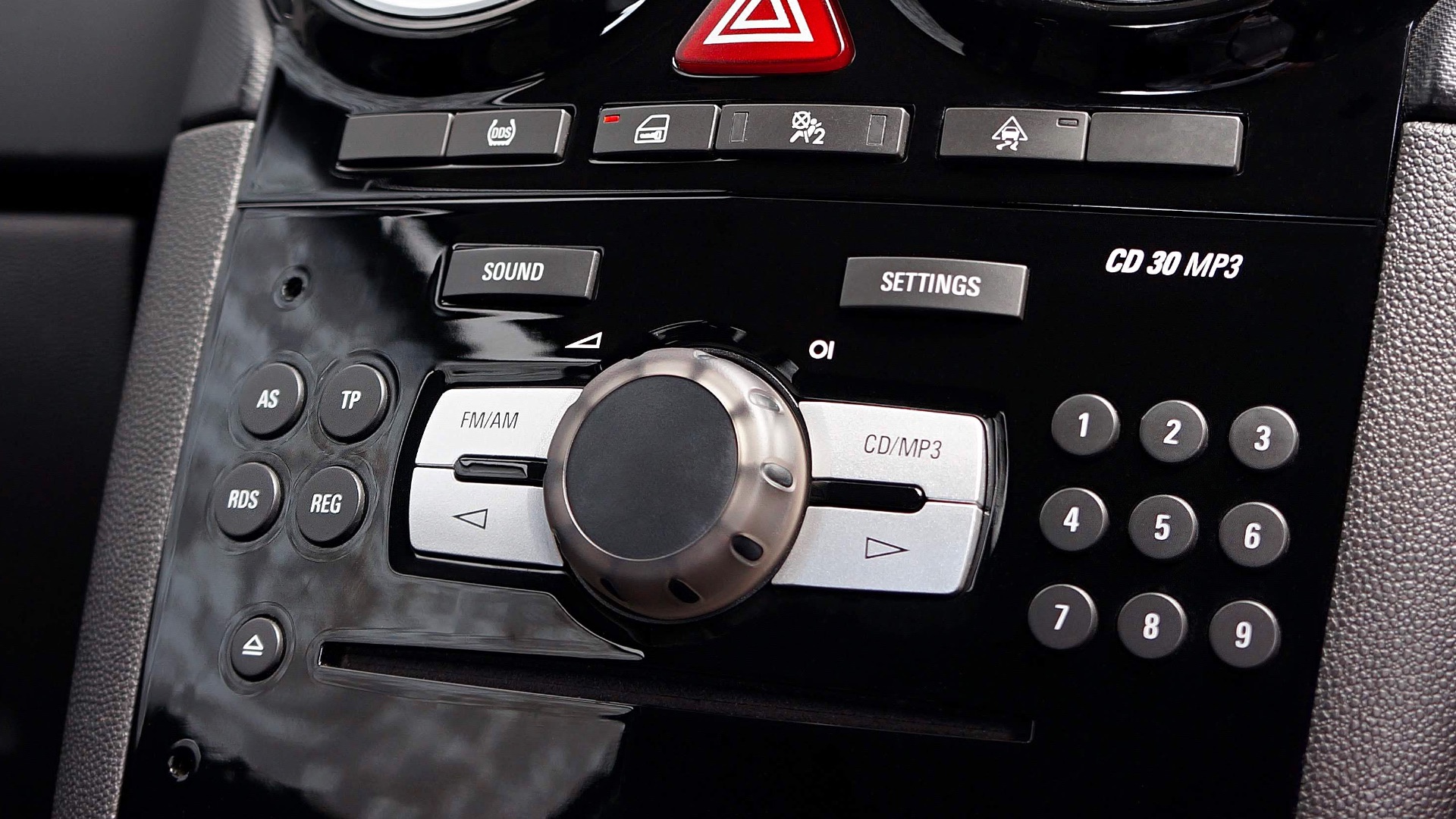
3. Auxiliary Audio Jacks
The 3.5-millimeter auxiliary input once provided one of the easiest ways to connect an MP3 player or phone to a car stereo. Wireless Bluetooth connections and systems such as Apple CarPlay and Android Auto have made that small port far less important to most drivers. Newer phones have also dropped their own headphone jacks, giving automakers even less reason to keep an AUX input around. Anyone hanging on to an older iPod or another wired audio device will have fewer new cars that support it directly.
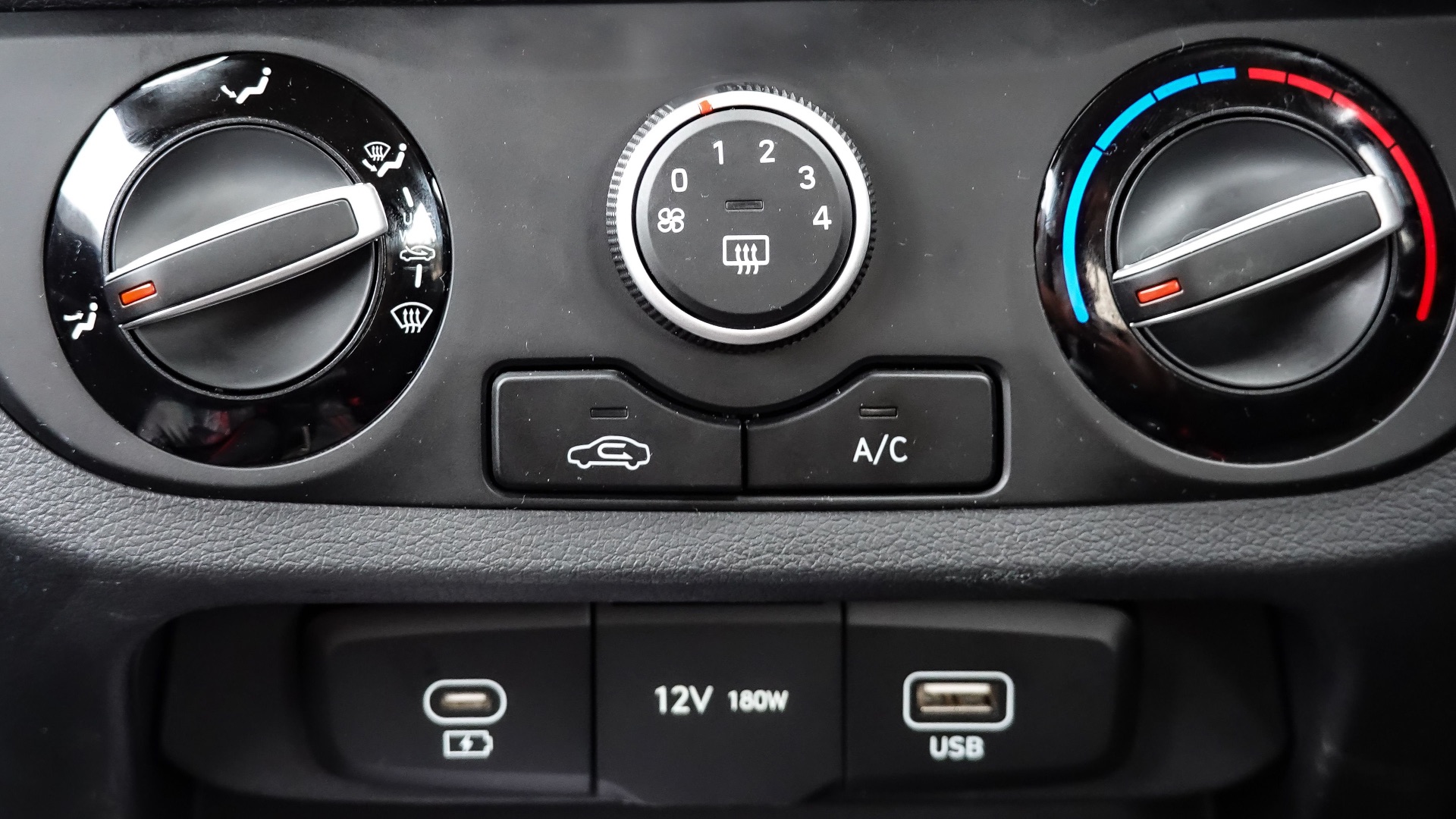
4. USB-A Ports
USB-A hasn't vanished from cars yet, but its long-term replacement is becoming increasingly obvious. USB-C can provide faster charging and data transfer while using a smaller connector, and newer consumer electronics are steadily moving to the newer standard. Many recently designed interiors now include USB-C either alongside older USB-A ports or in place of them entirely. Drivers with older cables may soon need an adapter if they want to plug them into the latest vehicles.
5. Analog Gauge Clusters
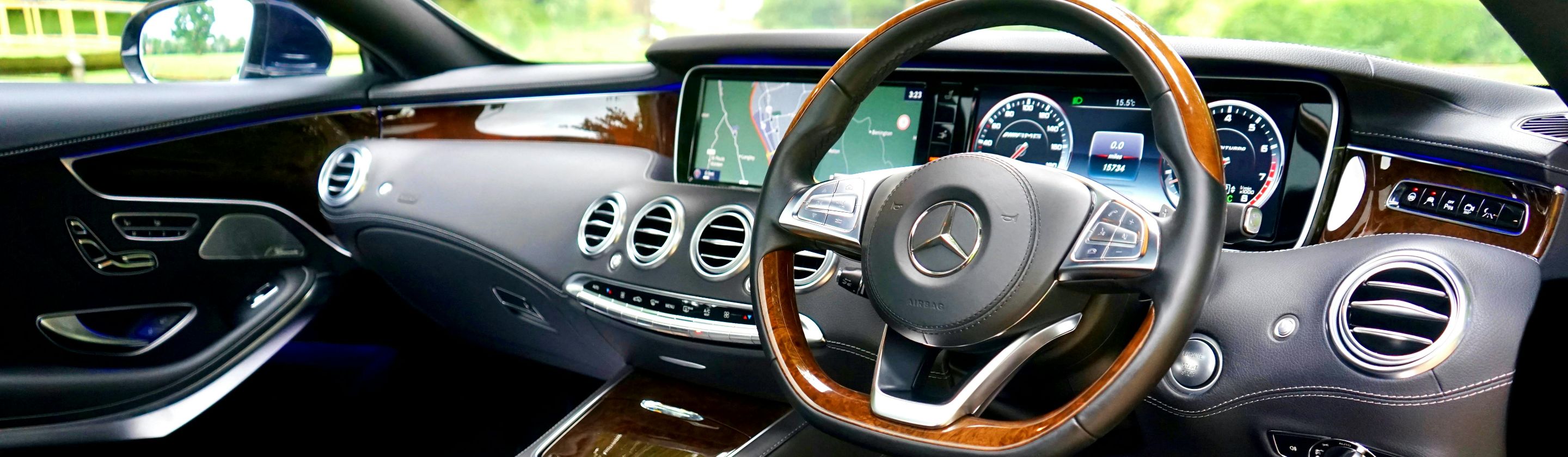
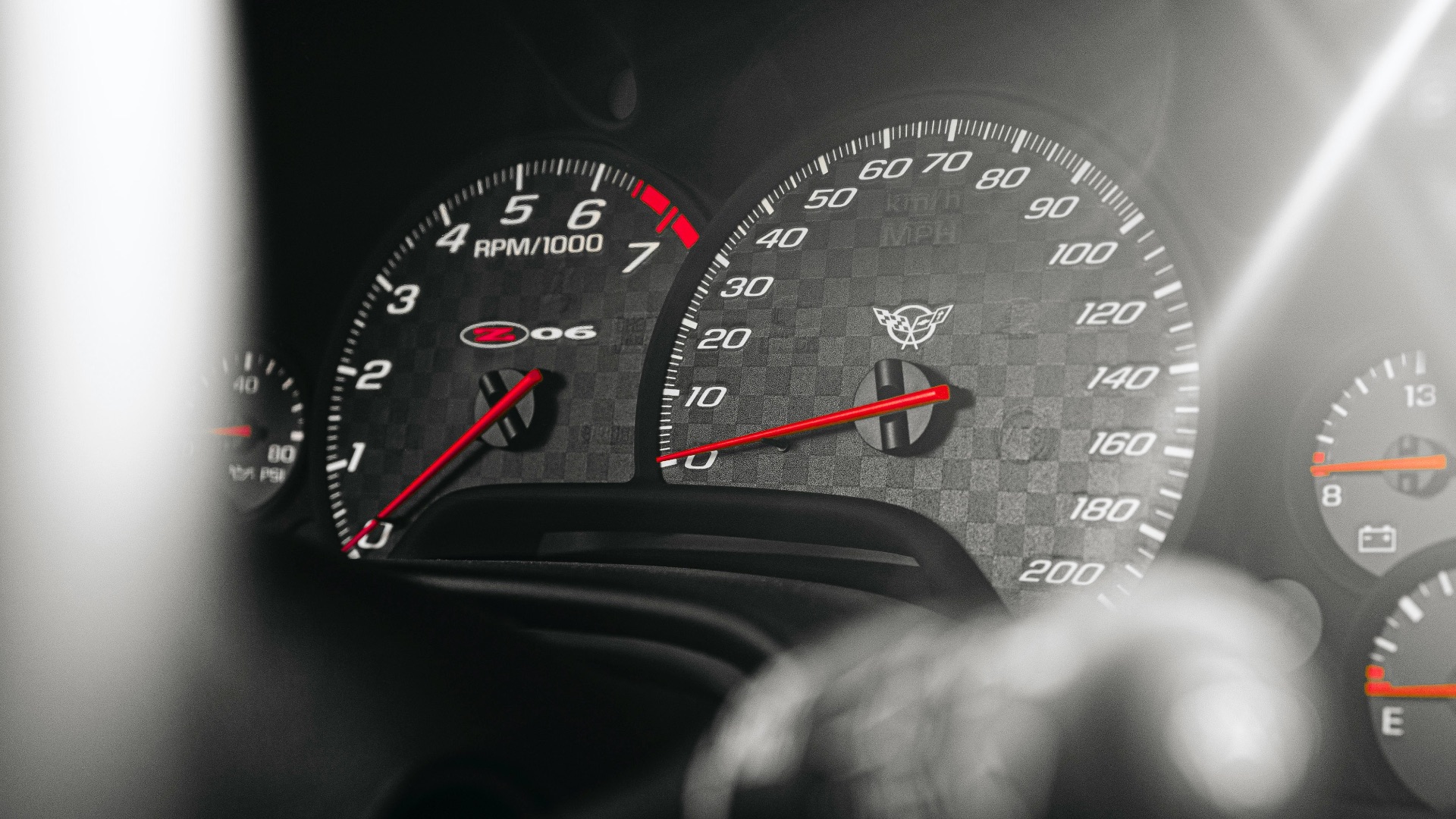
Mechanical-looking speedometers, tachometers, and fuel gauges defined instrument panels for generations, but full digital displays are taking their place. Screens allow manufacturers to change layouts, display navigation information, show driver-assistance graphics, and offer different visual modes without adding more physical components. Even performance cars that once treated analog gauges as part of their identity are adopting digital clusters. The traditional arrangement of permanent needles and printed numbers is becoming more of an exception with every model cycle.
6. Printed Owner’s Manuals
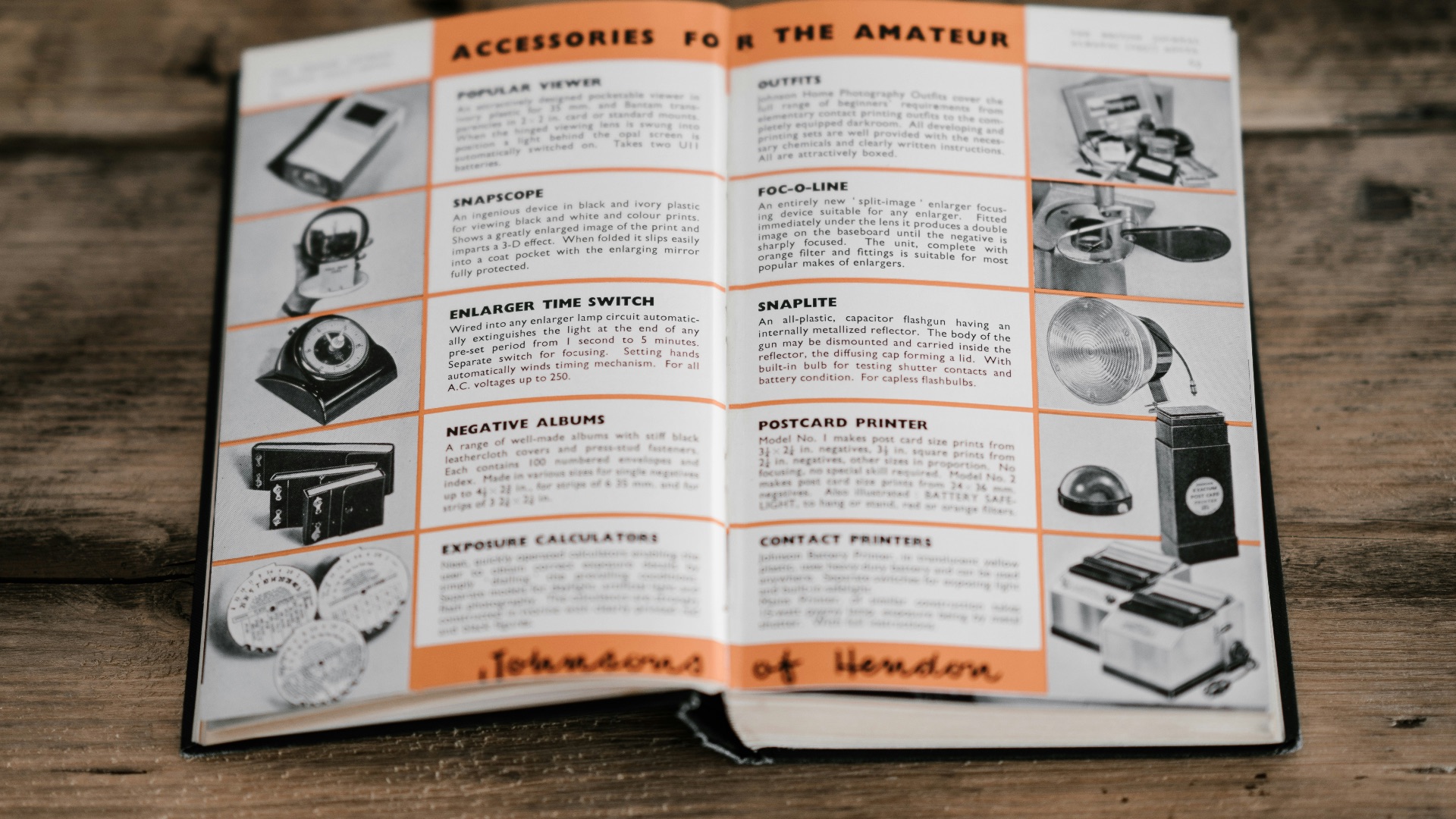
The thick booklet sitting in the glove compartment has survived countless changes in automotive technology, although its future isn't particularly secure. Digital manuals can be built into the infotainment system, placed in a smartphone app, or accessed online, giving manufacturers a way to provide searchable information without printing hundreds of pages for every vehicle. That can be convenient when you know what term to search for, but some drivers still prefer having instructions available without relying on a screen. Physical manuals haven't disappeared entirely, yet they're no longer guaranteed to come with every new car.
7. Full-Size Spare Tires
Having a matching spare wheel and tire in the trunk used to provide considerable reassurance on a long trip. Automakers have increasingly switched to temporary spares, compact repair kits, or run-flat tires because removing a full-size spare saves weight and frees up cargo space. The trade-off becomes obvious when a tire is too badly damaged for sealant or when you're far from a repair shop. If a full-size spare matters to you, it's now something worth checking specifically before buying.

8. Traditional Automatic Gear Levers
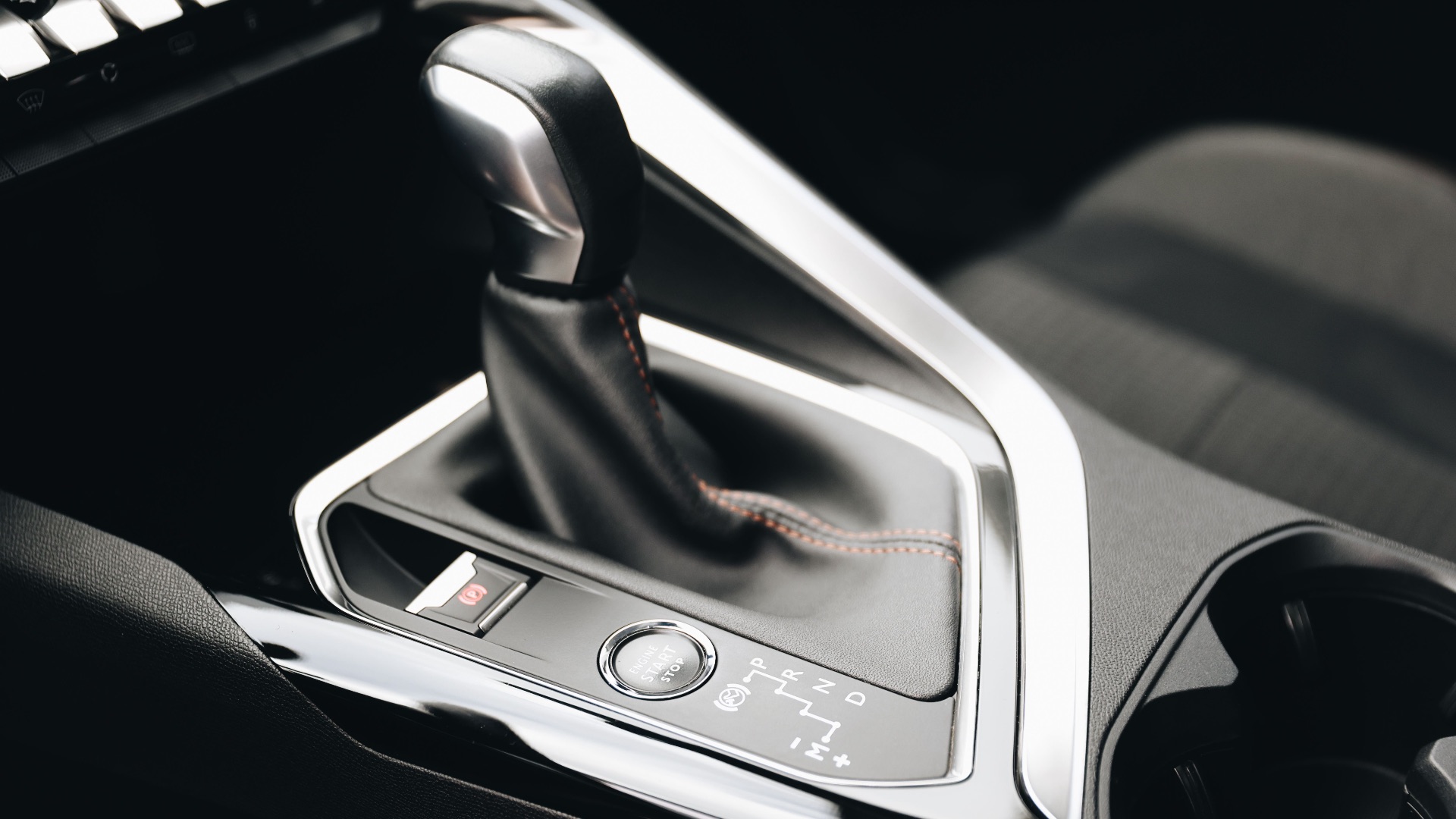
A large PRNDL shifter mounted on the center console once seemed inseparable from an automatic transmission. Electronic shift-by-wire systems mean there's no longer a mechanical need for that type of lever, so manufacturers can use buttons, rotary knobs, small toggles, or column-mounted electronic selectors instead. Removing the conventional shifter can also open up storage space between the front seats. You can still find familiar levers in plenty of cars, but they're increasingly a design choice rather than a mechanical necessity.
9. Mechanical Parking Brake Levers
Pulling a handbrake lever gives you direct physical confirmation that the parking brake has been applied, but electronic systems are rapidly replacing that setup. A small switch takes up less room, and electronic parking brakes can automatically engage or release under certain conditions. They also work easily with functions such as brake hold, which can keep the vehicle stationary at traffic lights. Drivers who prefer the simplicity of a traditional lever are finding fewer new models that offer one.
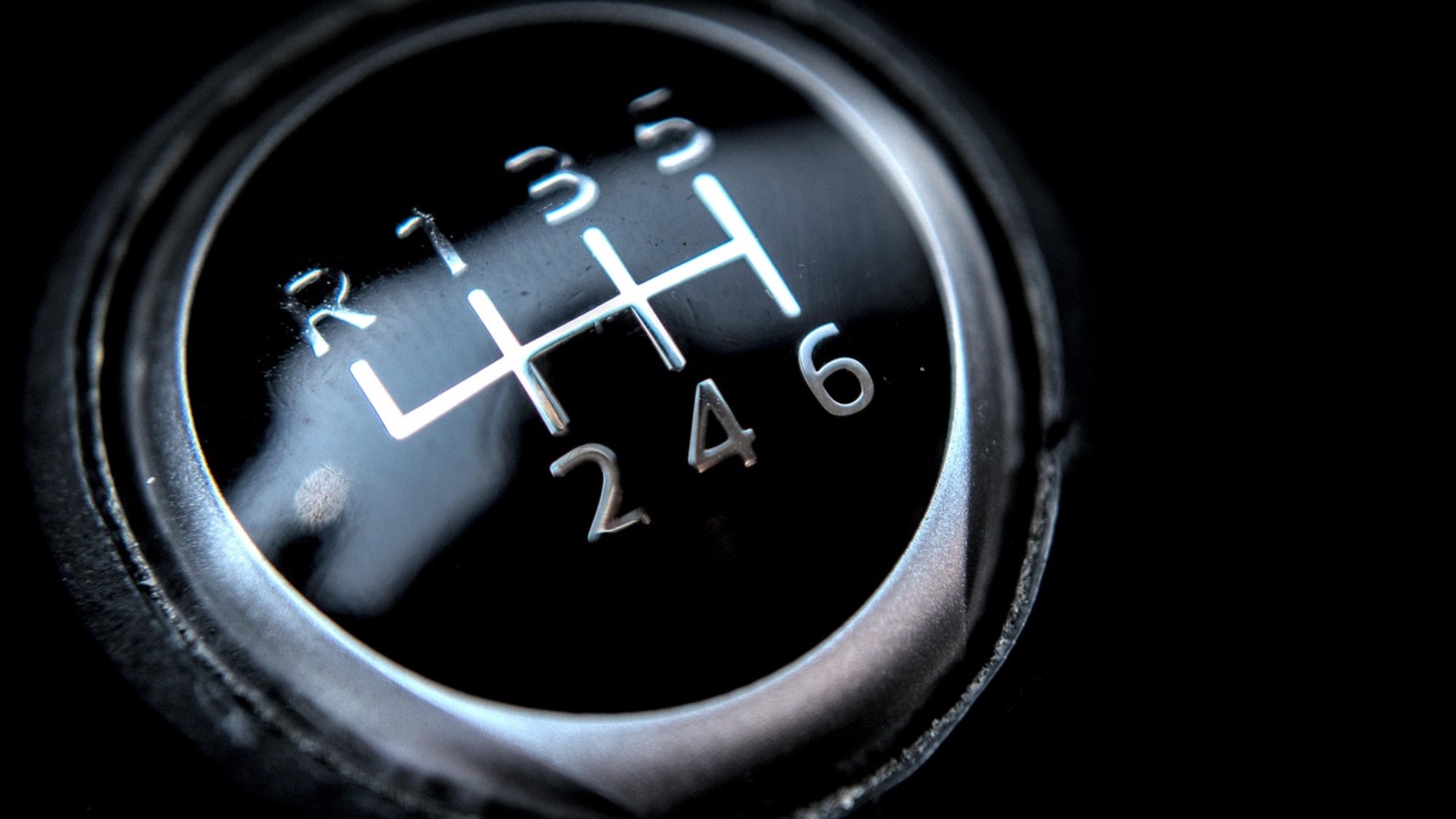
10. Manual Transmissions
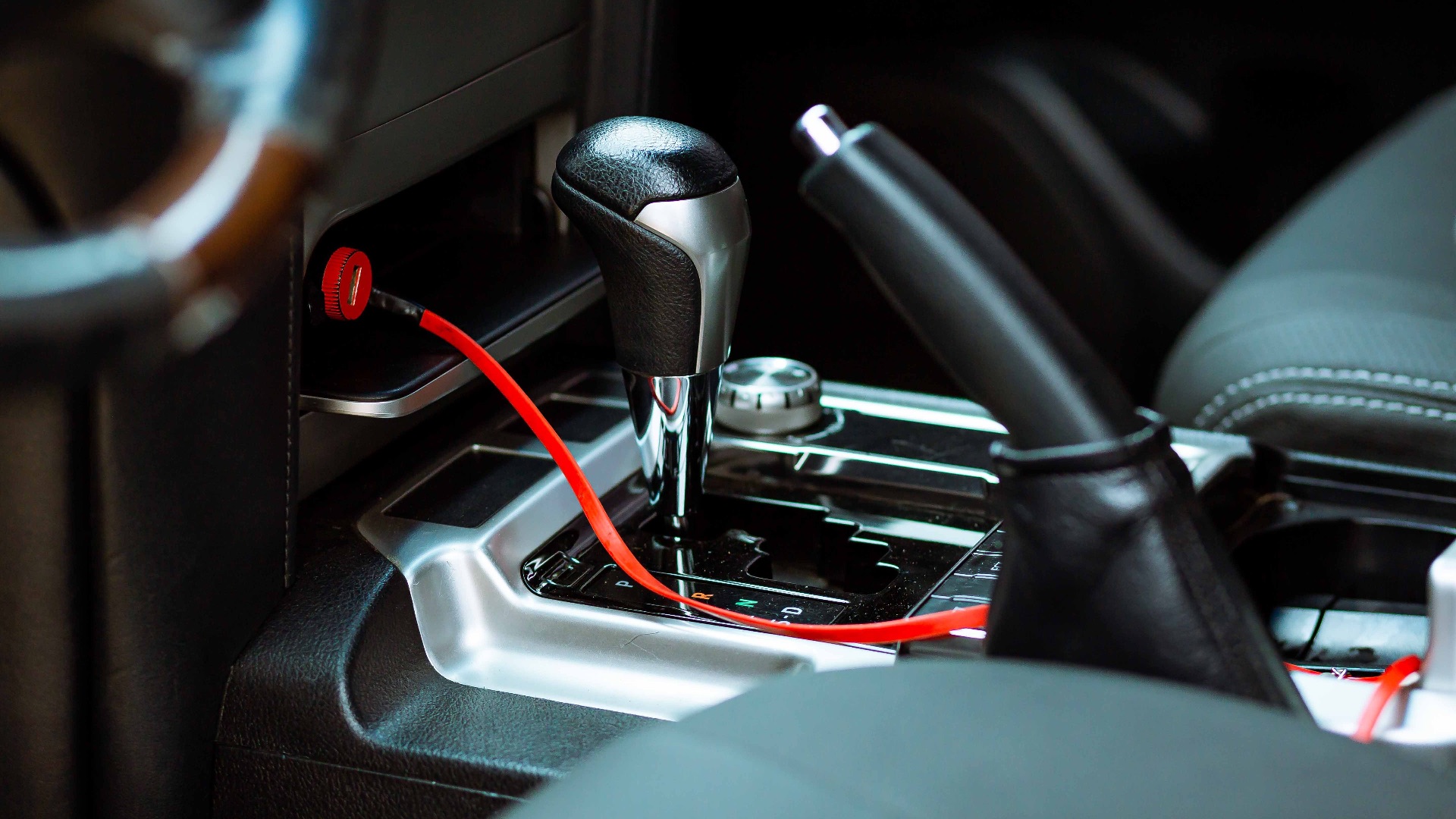
The manual gearbox has been declining for years, and electrification gives it another major obstacle to overcome. Modern automatics can shift quickly, deliver strong fuel economy, and appeal to far more buyers, leaving manufacturers with less incentive to develop separate manual versions of mainstream cars. Enthusiast models continue to keep the three-pedal layout available in parts of the market, so it isn't gone yet. Outside those specialized vehicles, though, choosing your own gears is becoming an increasingly rare option.
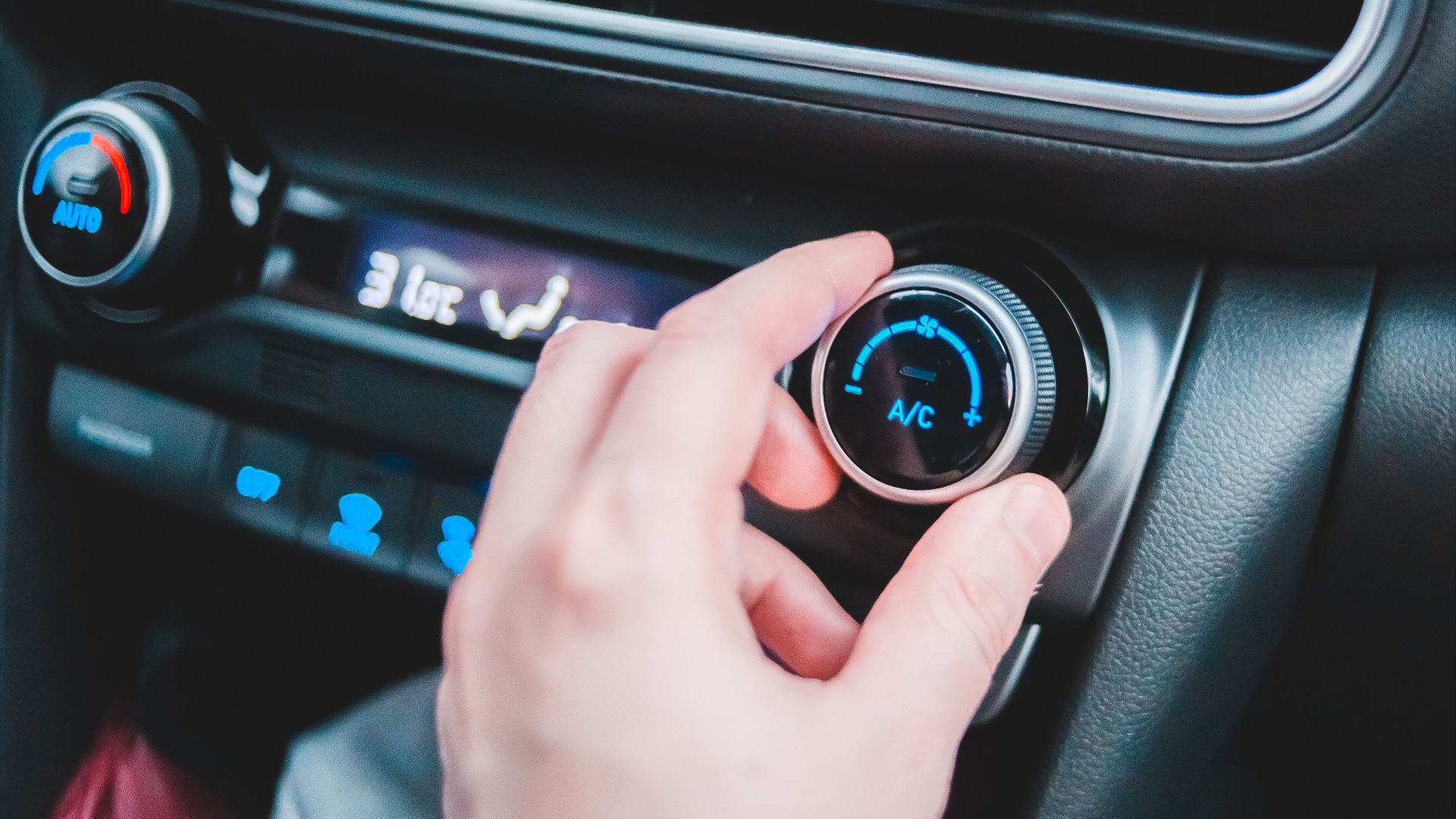
11. Physical Climate Controls
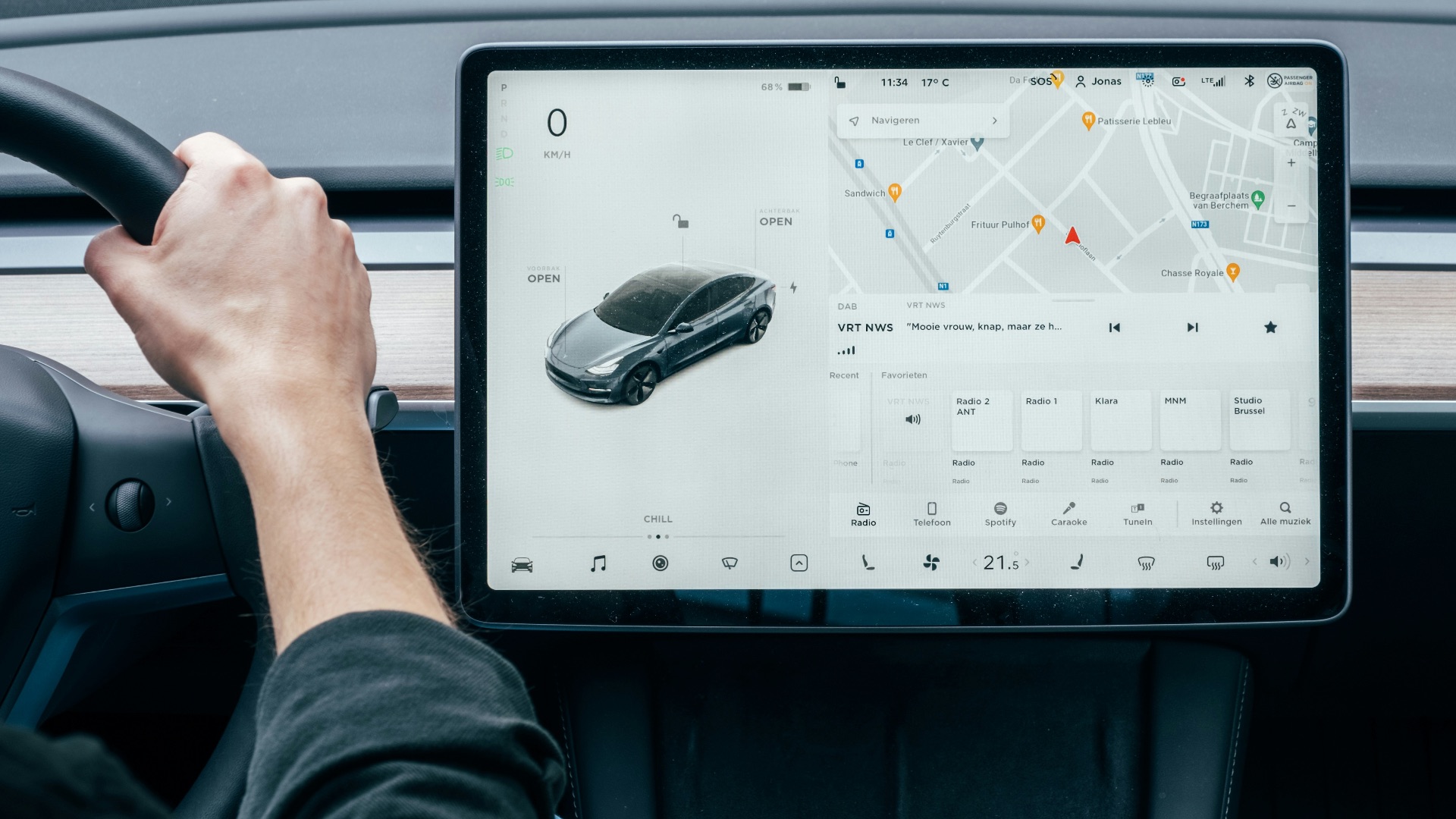
Temperature knobs and dedicated fan-speed buttons have steadily migrated onto touchscreens in many modern interiors. Moving those functions into software allows manufacturers to reduce the number of separate switches and create simpler-looking dashboards, especially when one large display handles several vehicle systems. Not every driver likes having to look at a screen to adjust the air conditioning, and some automakers have started emphasizing physical controls again for frequently used functions. Even with that pushback, traditional climate-control panels are far less universal than they once were.
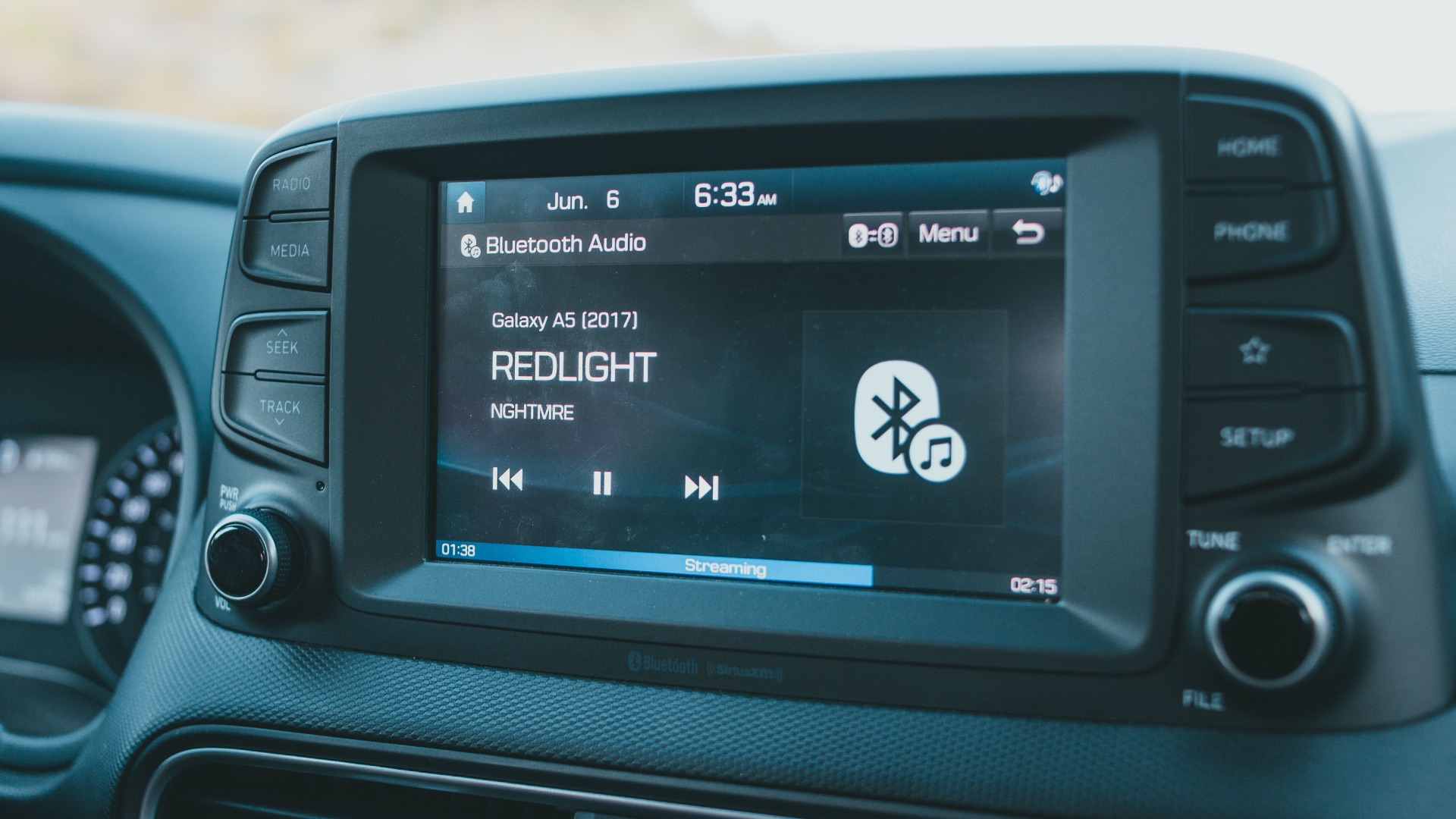
12. Physical Volume Knobs
The familiar stereo volume knob has faced a similar challenge from touch-sensitive surfaces, steering-wheel controls, and infotainment screens. A digital interface can perform the same basic function while allowing designers to eliminate another piece of dashboard hardware. Plenty of vehicles still include a real knob, and criticism of screen-heavy interiors has encouraged some manufacturers to preserve or restore tactile controls. Still, you can no longer assume that a new car will give you a dedicated dial for something as basic as changing the volume.
13. Built-In Ashtrays and Cigarette Lighters
There was a time when manufacturers expected enough occupants to smoke that ashtrays were integrated into dashboards and door panels. Dedicated cigarette-lighter elements have largely given way to 12-volt accessory sockets, USB ports, and wireless charging pads as the priorities inside the cabin have changed. Buyers who want an ashtray can usually purchase a removable accessory that fits inside a cupholder instead. The factory-installed versions that older cars routinely provided have largely passed out of mainstream use.

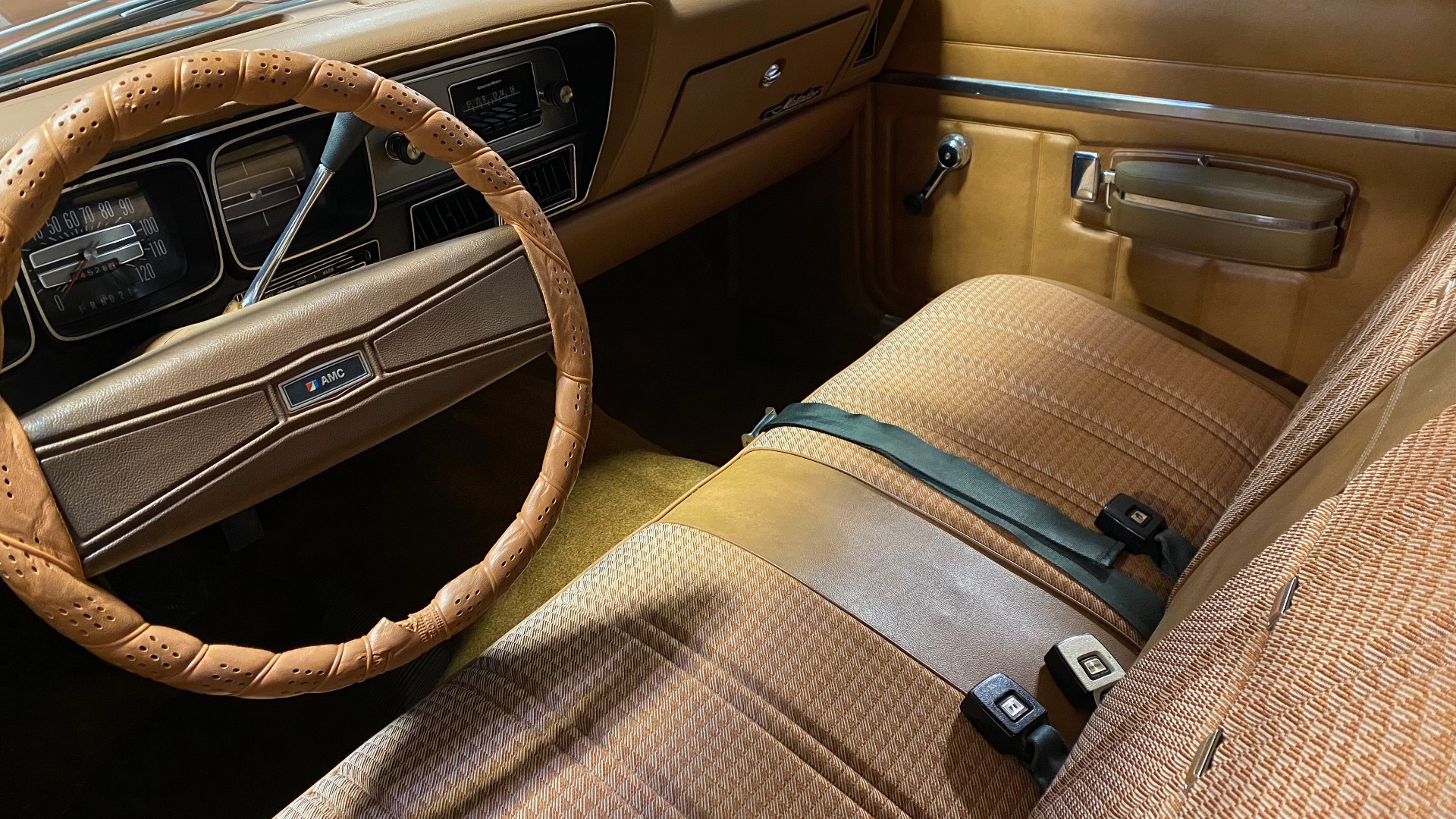
14. Front Bench Seats
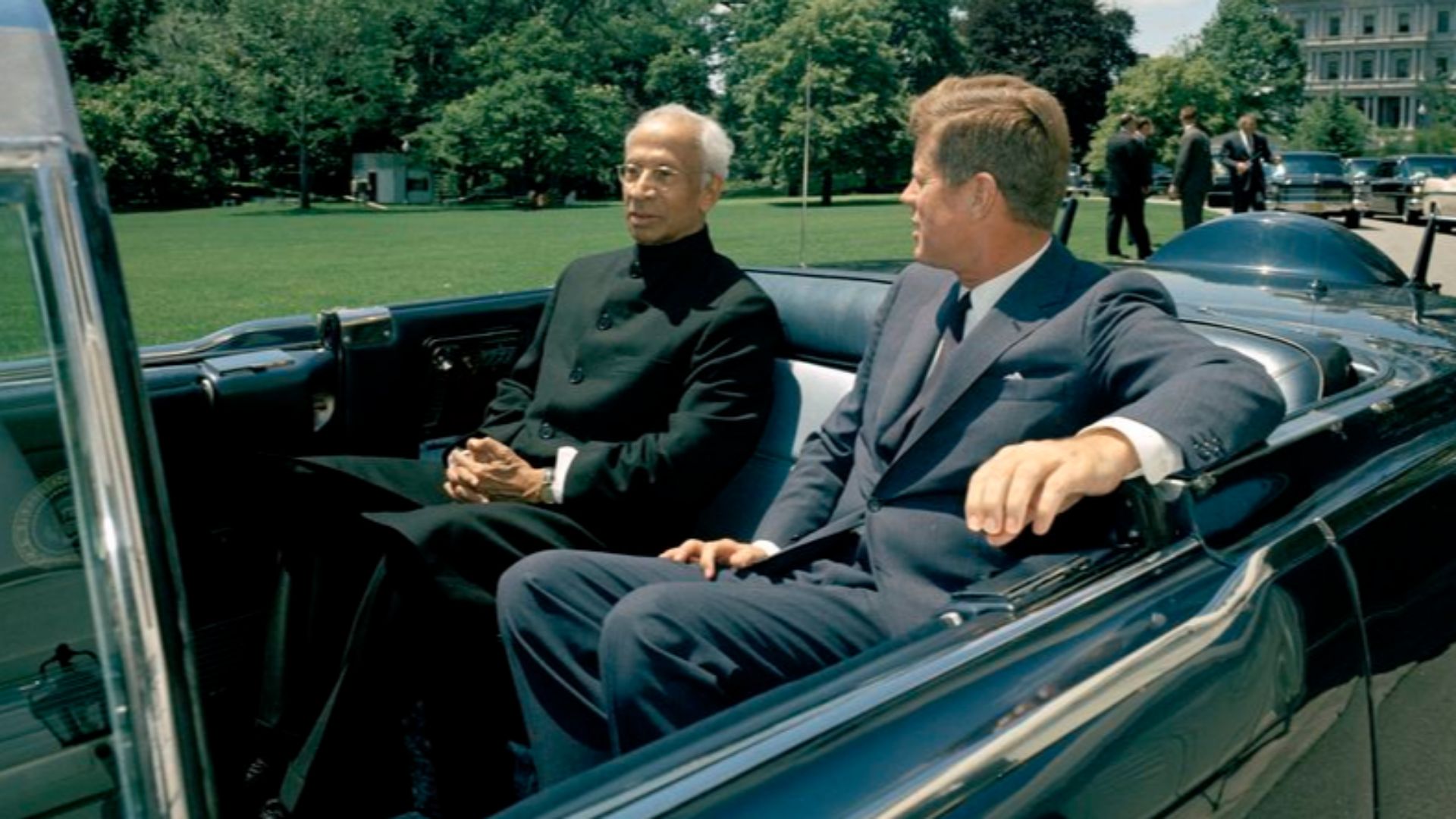
A front bench once allowed three people to sit across the first row, making six-passenger sedans and other everyday vehicles fairly normal. Modern safety requirements, center consoles, storage areas, individual seat adjustments, and increasingly elaborate infotainment layouts have all favored separate front seats instead. Bench seating remains common in the rear and can still appear in certain work-oriented vehicles, but finding one up front has become difficult. For most drivers shopping today, two individual front seats are simply the expected layout.
15. Hand-Crank Windows
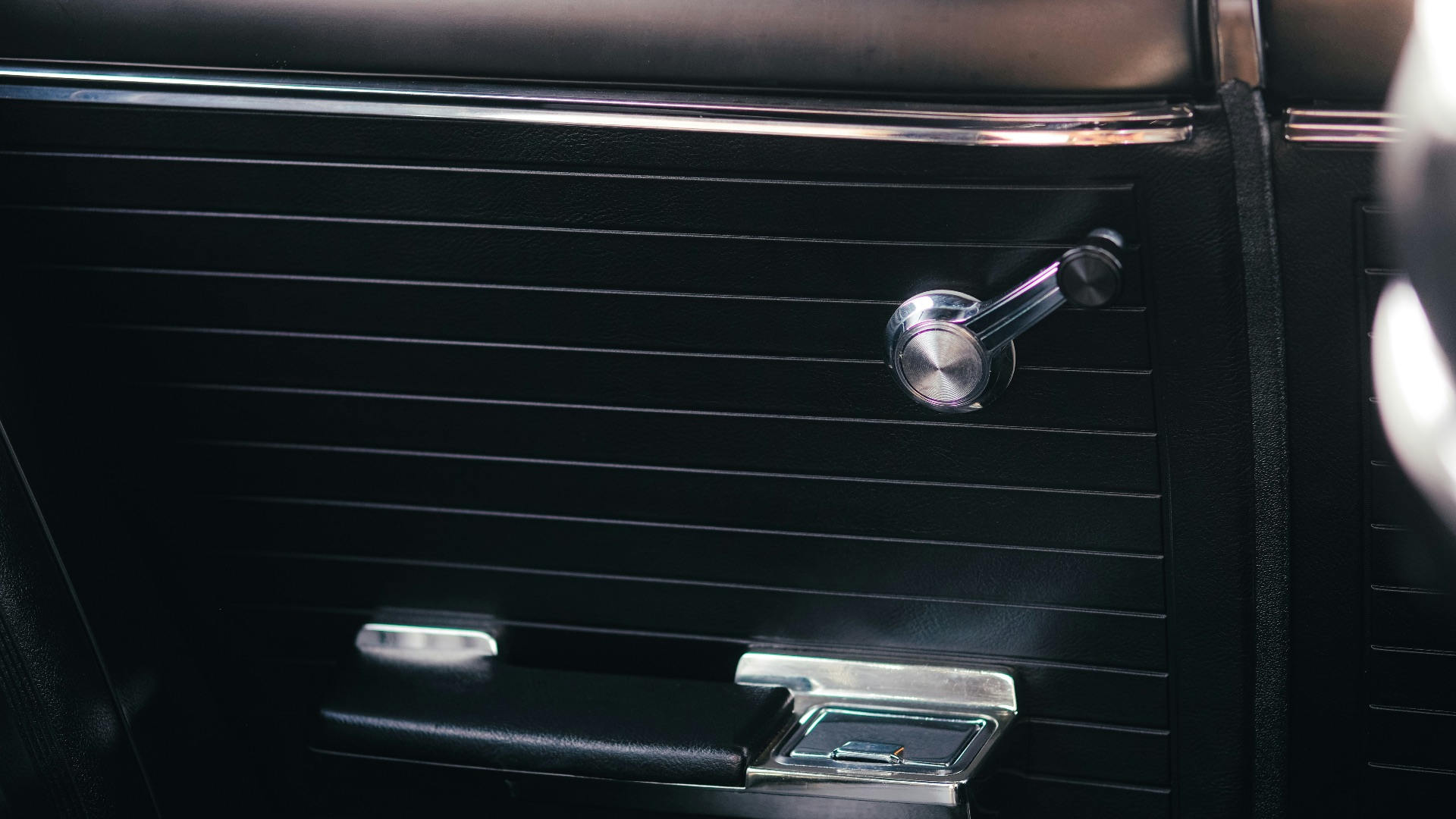
Manual windows once represented the basic version of a car, while power windows were an option you had to pay extra to receive. Electric controls became so inexpensive and widely expected that crank handles eventually disappeared from nearly every mainstream passenger vehicle. You may still encounter them in older cars or a small number of stripped-down models in certain markets. In a modern American showroom, however, reaching over to roll a window down by hand is becoming a memory.
16. Engine Oil Dipsticks
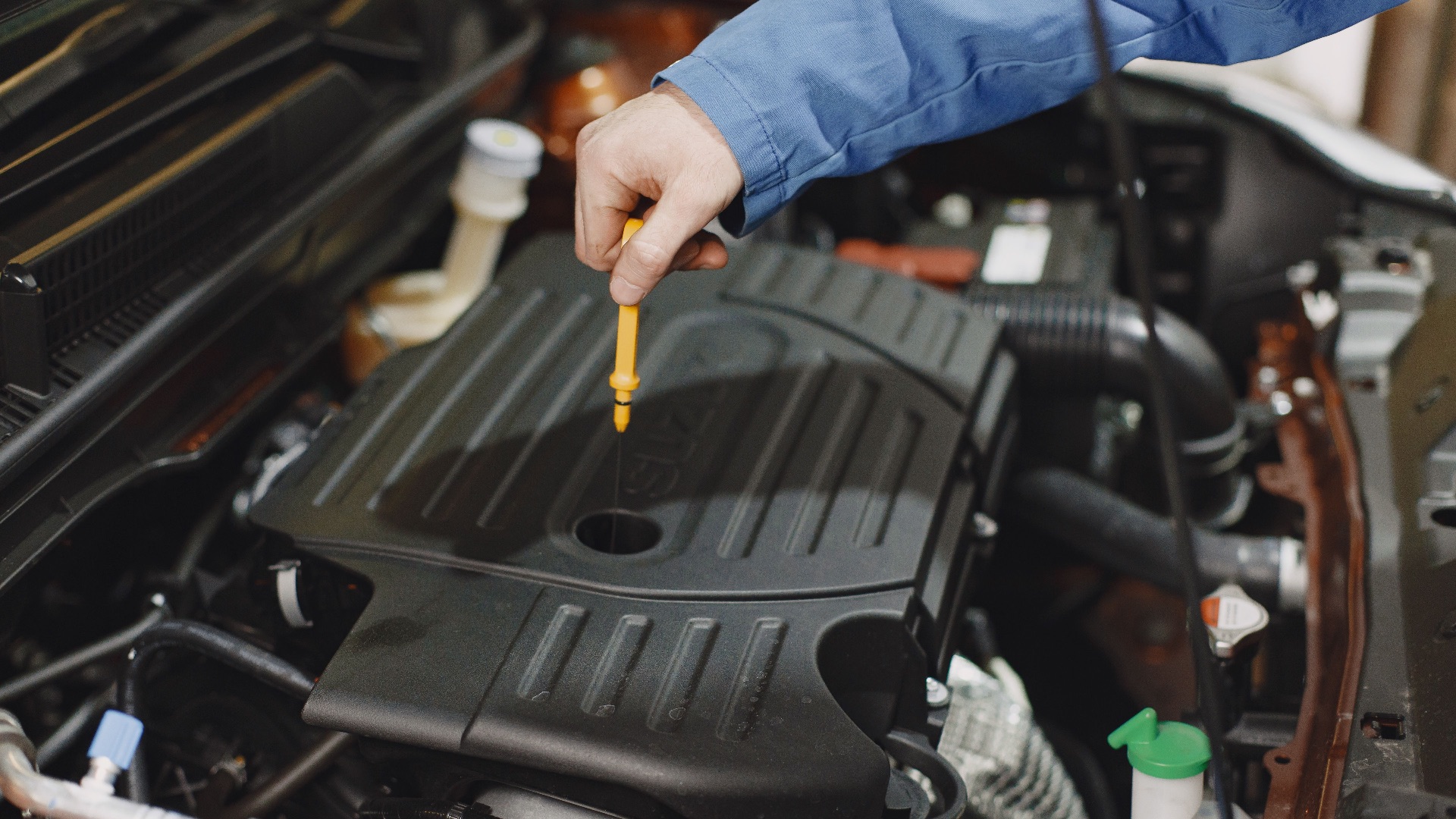
Checking the oil level yourself used to involve little more than opening the hood, pulling out a dipstick, wiping it clean, and checking it again. Some manufacturers have replaced that mechanical method with electronic oil-level sensors that display the information through the instrument panel or infotainment system. The electronic approach is convenient, although drivers who perform their own maintenance may prefer the direct confirmation that a dipstick provides. As vehicles become more electronically monitored, even this basic piece of engine hardware is no longer guaranteed.
17. Halogen Headlights
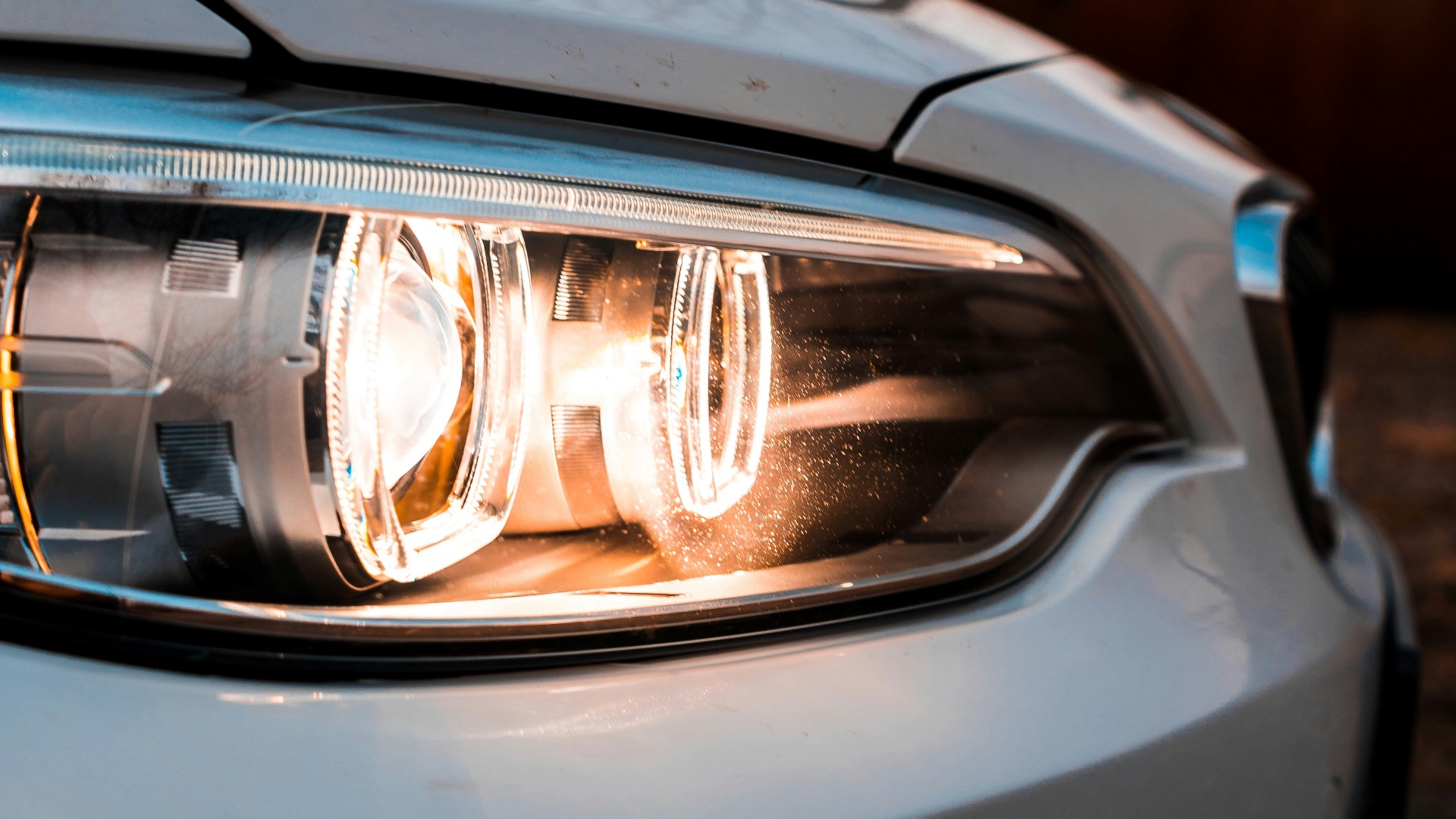
Halogen bulbs were the default automotive lighting technology for decades because they were inexpensive, straightforward, and easy to replace. LEDs now offer automakers greater freedom in headlight design while consuming less power and supporting increasingly sophisticated lighting systems. They have moved rapidly from expensive luxury equipment into ordinary cars, trucks, and SUVs. Halogen lights will remain on the road for many years in existing vehicles, but they're steadily losing their place on newly designed models.
18. Naturally Aspirated Engines
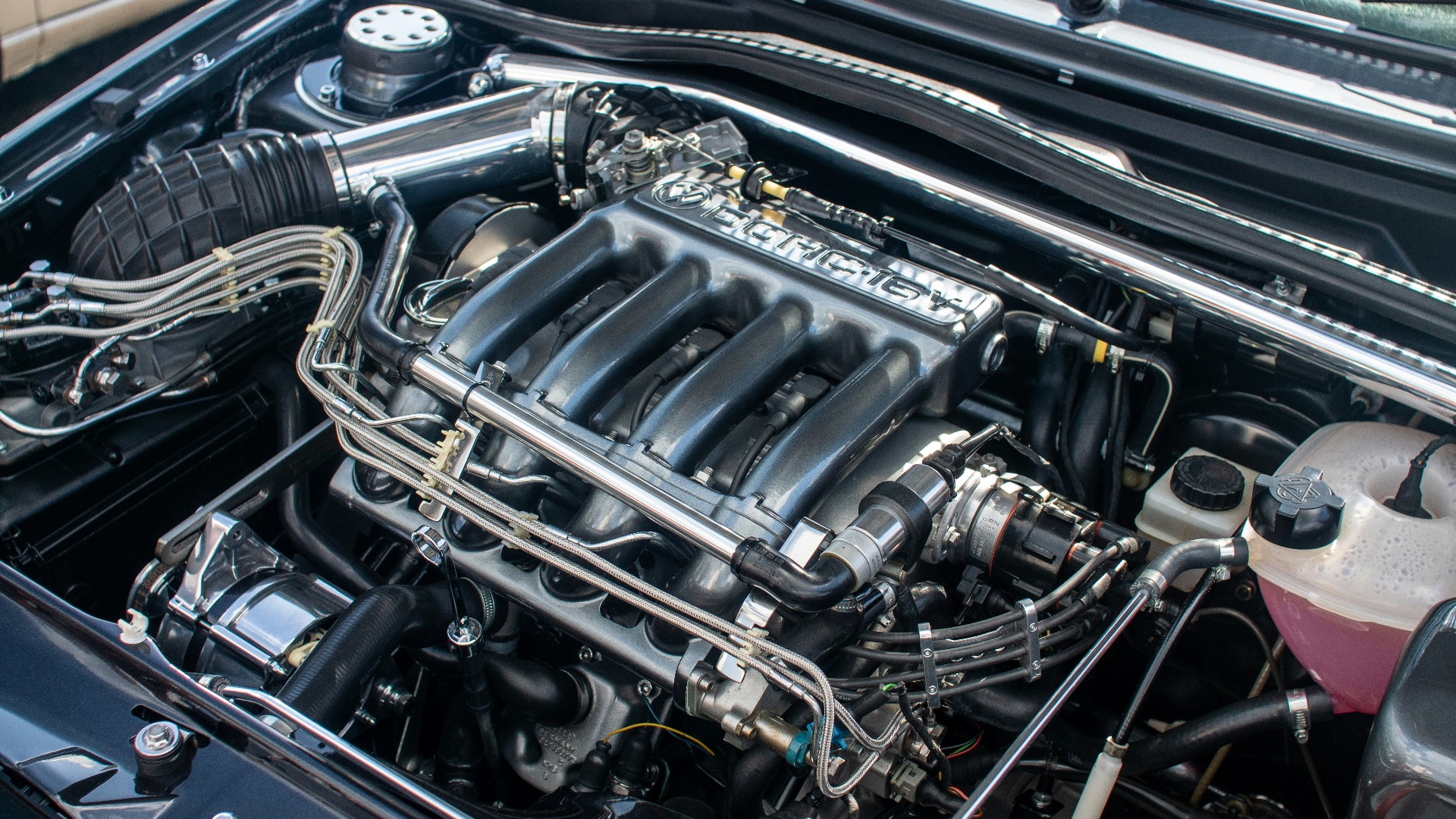
Engines without turbochargers or hybrid assistance are becoming less common as manufacturers look for ways to improve efficiency while maintaining the performance buyers expect. Smaller turbocharged engines can produce power that once required greater displacement, while hybrids can supplement an engine with electric motors. Naturally aspirated powerplants remain available in several segments and still have loyal fans, particularly among performance enthusiasts. Their presence across ordinary new-car lineups, however, has narrowed considerably.
19. Large-Displacement V8 Engines
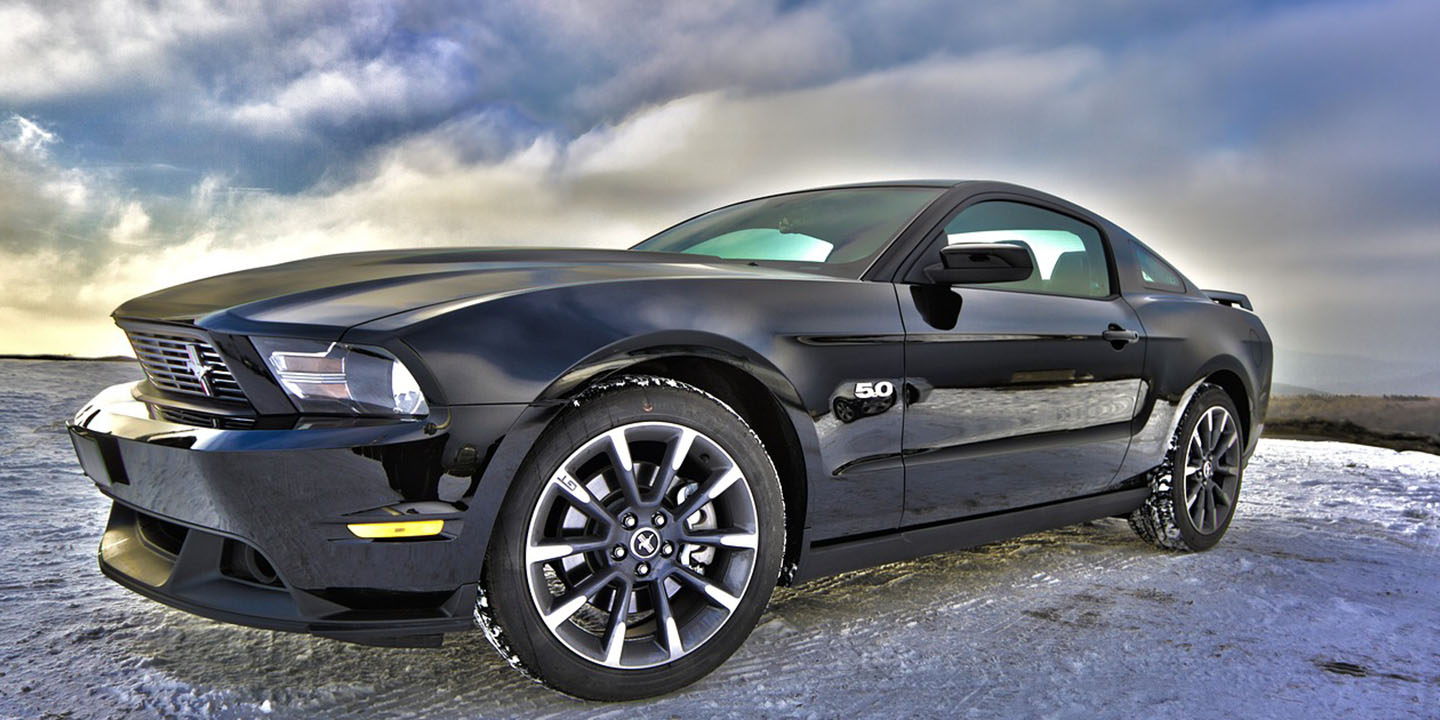
V8 engines aren't disappearing overnight, especially in pickups and performance vehicles, but their position in the market has changed substantially. Turbocharged six-cylinder engines, hybrids, and high-output electric powertrains can provide the performance that once made eight cylinders necessary for many applications. Fuel-economy targets and the cost of developing multiple engine families also give manufacturers reasons to concentrate on smaller or electrified alternatives. Buyers who specifically want a naturally aspirated or large-displacement V8 are already working with a shorter list of new vehicles than they once had.
20. Conventional Mechanical Controls
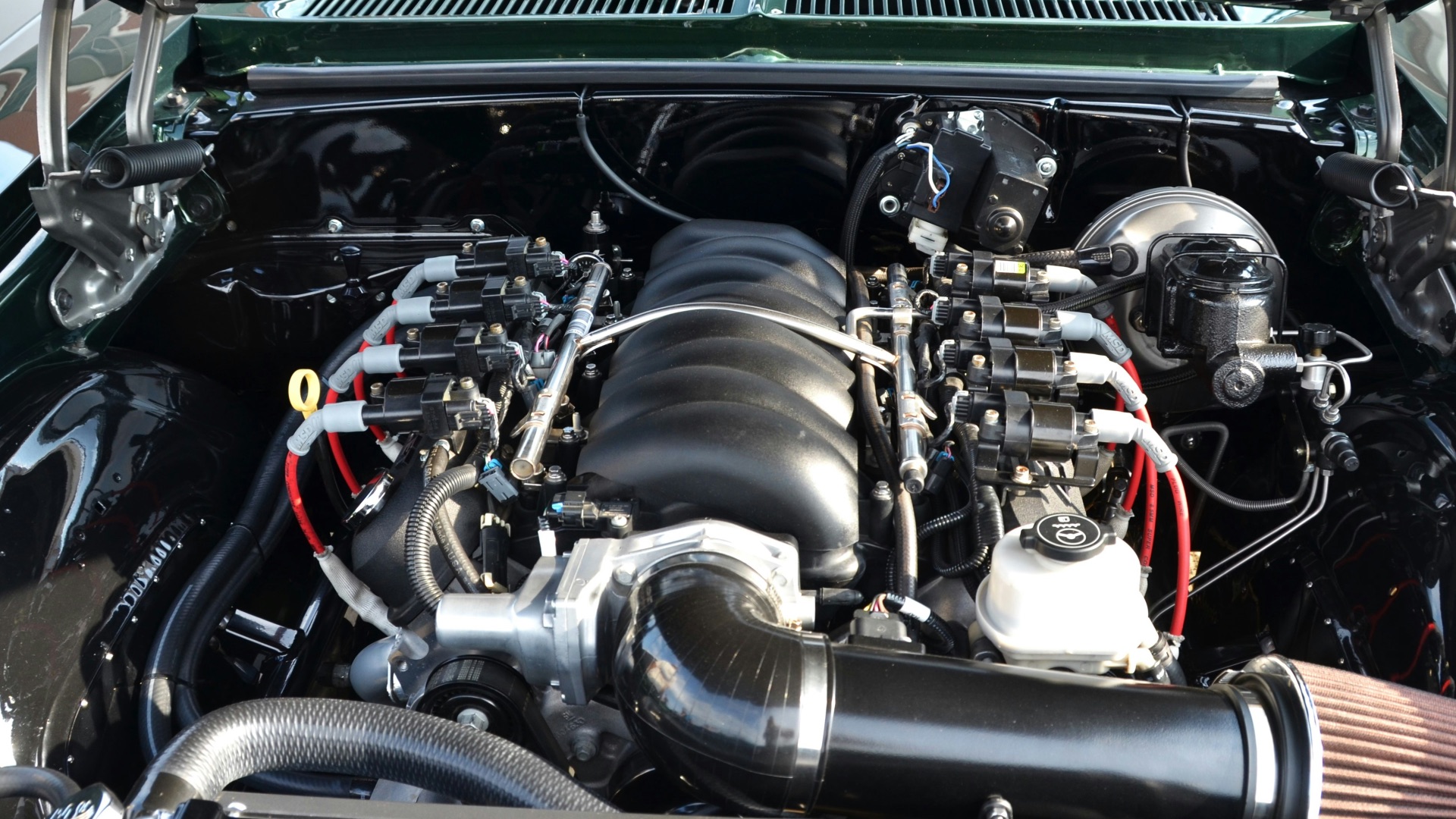
One of the broadest changes taking place inside cars is the gradual replacement of controls that operate through direct mechanical connections. Steering, shifting, parking brakes, throttles, and many other functions increasingly rely on electronic signals, sensors, motors, and software rather than cables or other traditional linkages. The change can reduce packaging constraints and make advanced driver-assistance features easier to integrate, but it also changes how much physical feedback reaches the driver. As vehicles become more software-dependent, purely mechanical controls are likely to become associated increasingly with older cars and specialized enthusiast models.