The Brands Whose Final Years Weren’t the Glory Years
Car brands rarely disappear because of one terrible model, and some doomed marques actually produced excellent cars shortly before the end. Still, there’s something especially unfortunate about watching a once-respected badge spend its final years attached to an awkward, outdated, poorly received, or blatantly recycled product. From Pontiac’s infamous crossover experiment to Packard’s strangely restyled Studebakers, these 20 models made their brands’ departures considerably less dignified.
1. Pontiac Aztek
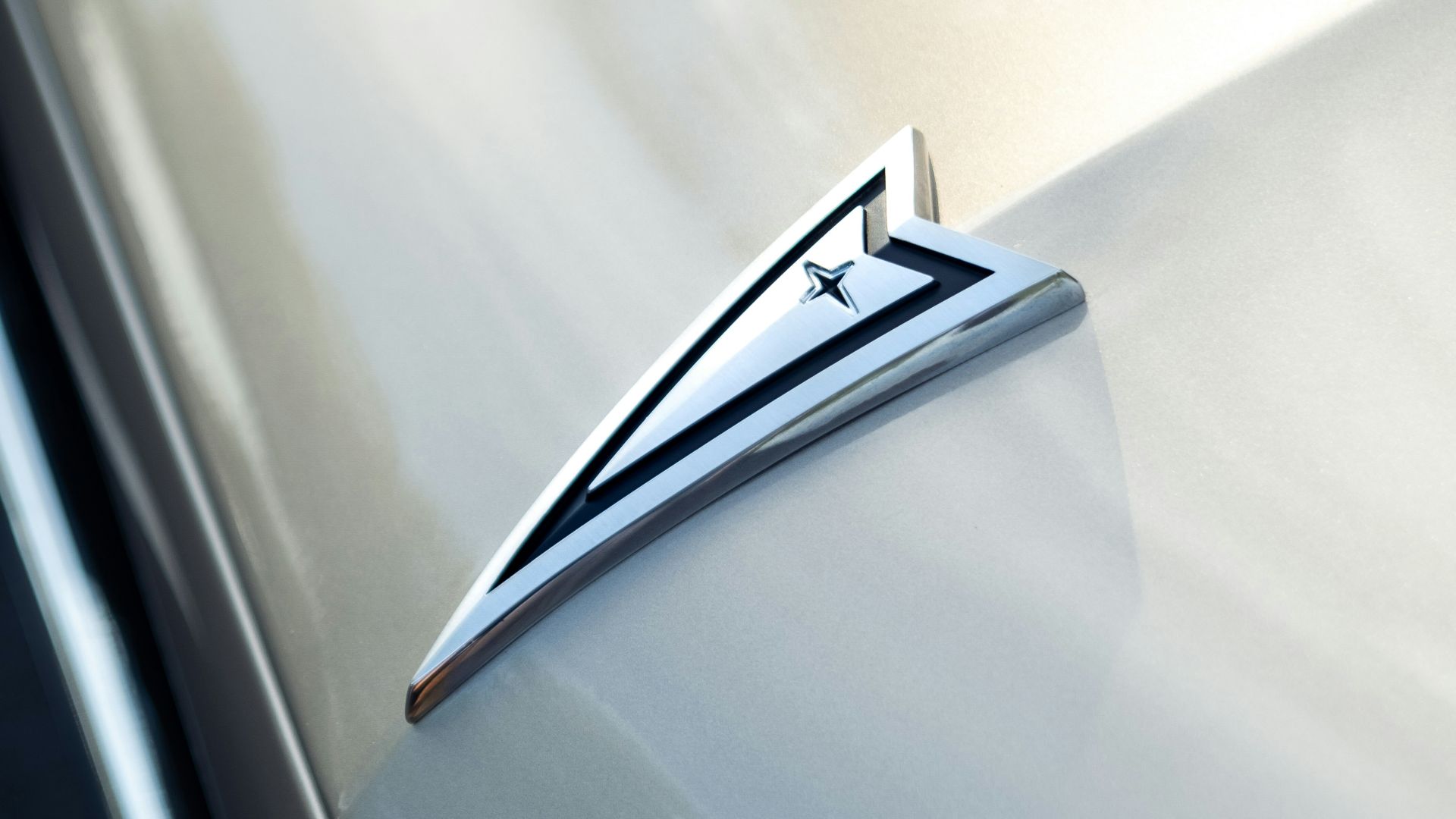
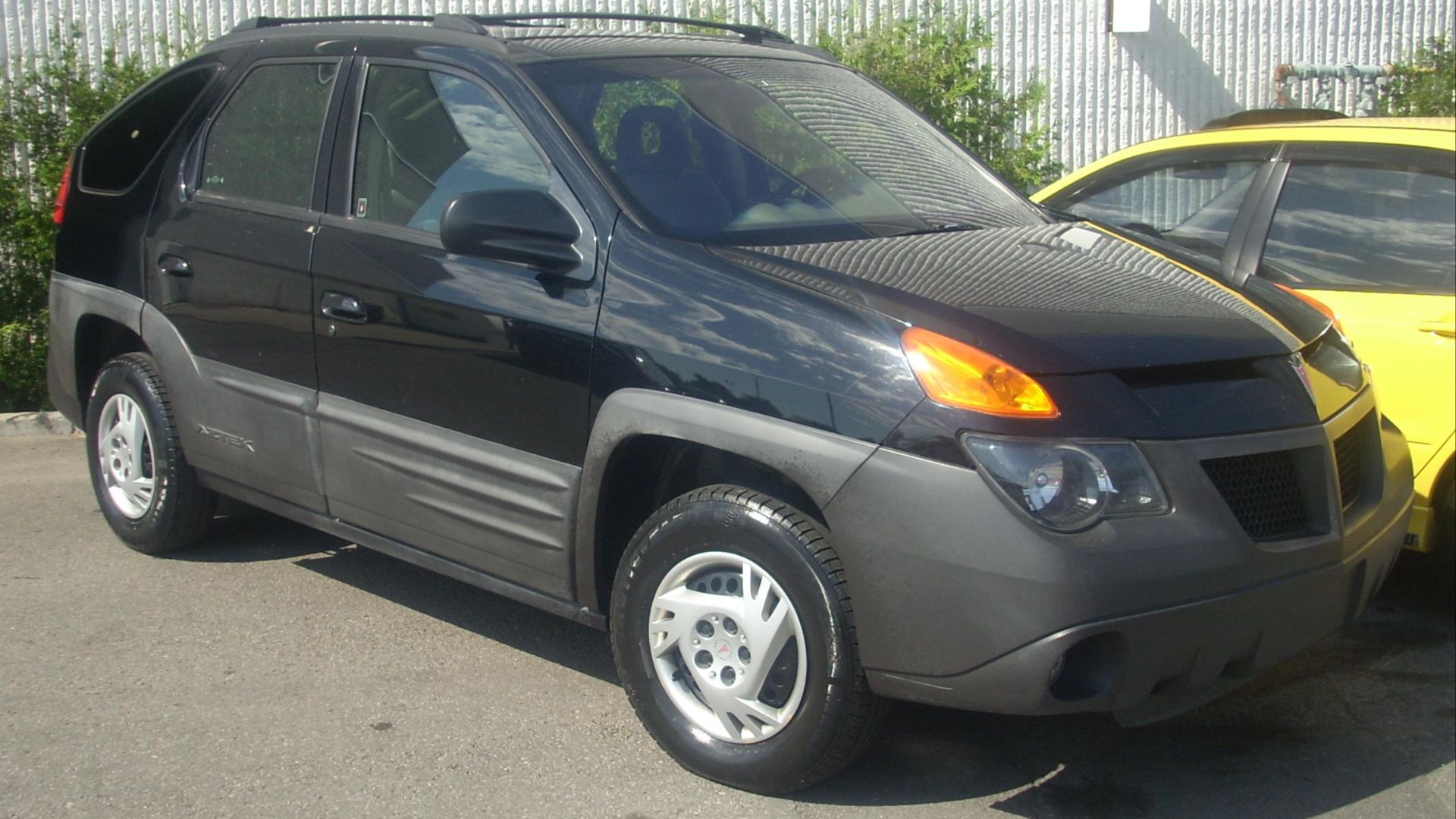
Pontiac gave America cars such as the GTO and Firebird, which makes the Aztek’s place in its later history particularly tragic. The crossover may have been surprisingly practical underneath, but its strange proportions and cluttered styling were what people noticed. Pontiac survived until 2010 and produced much better cars afterward, but the Aztek remains one of the strongest symbols of the confused period that preceded the brand’s demise.
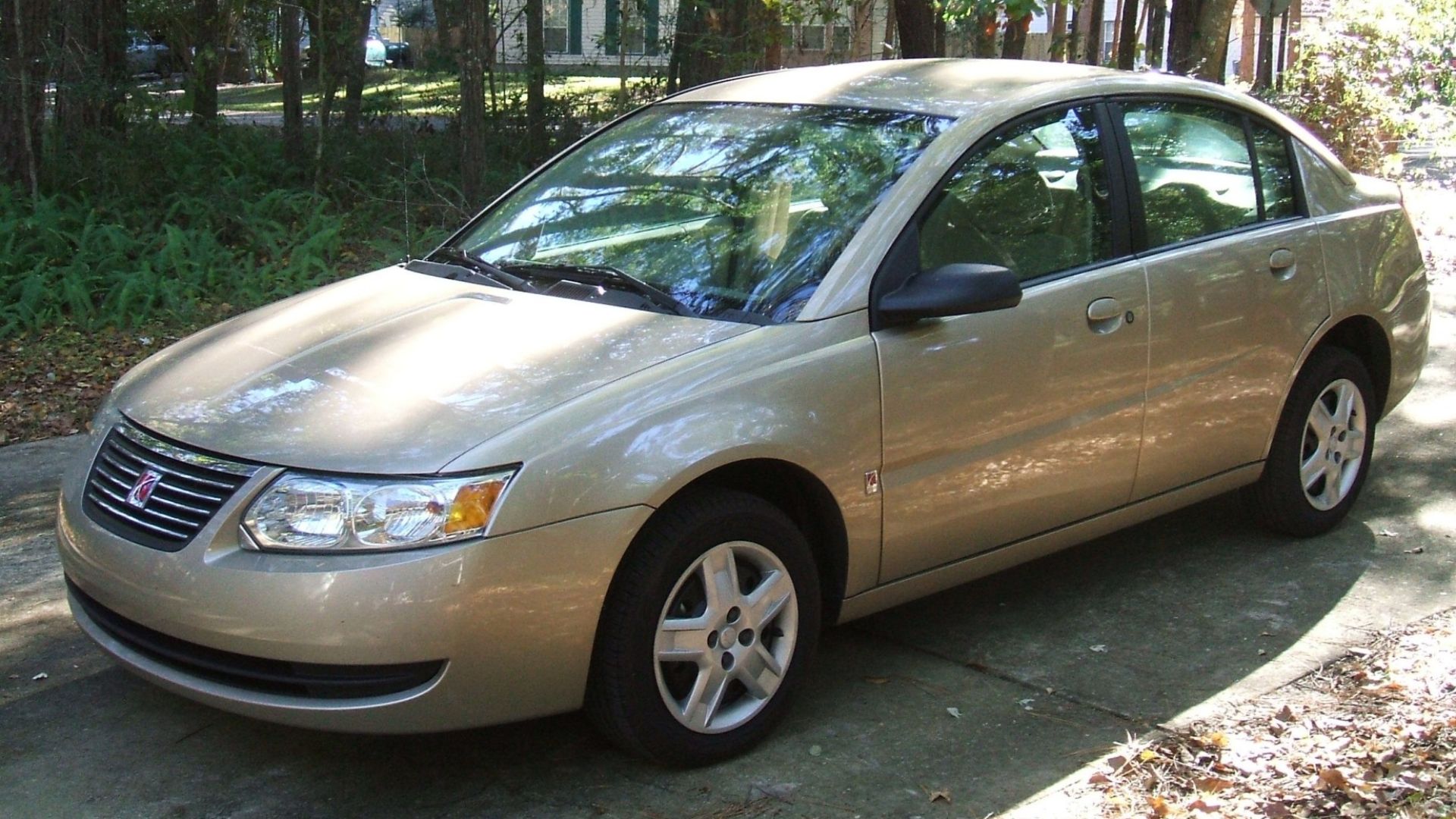
2. Saturn Ion
Saturn began with an ambitious plan to rethink everything from dealership experiences to the way GM built compact cars. By the time the Ion appeared, that original identity was fading, and reviewers criticized its crude behavior, odd center-mounted gauges, and disappointing steering. Saturn lasted a few more years, but the Ion marked the company’s decline.
 Noles1984 (talk) 17:34, 10 December 2008 (UTC) on Wikimedia
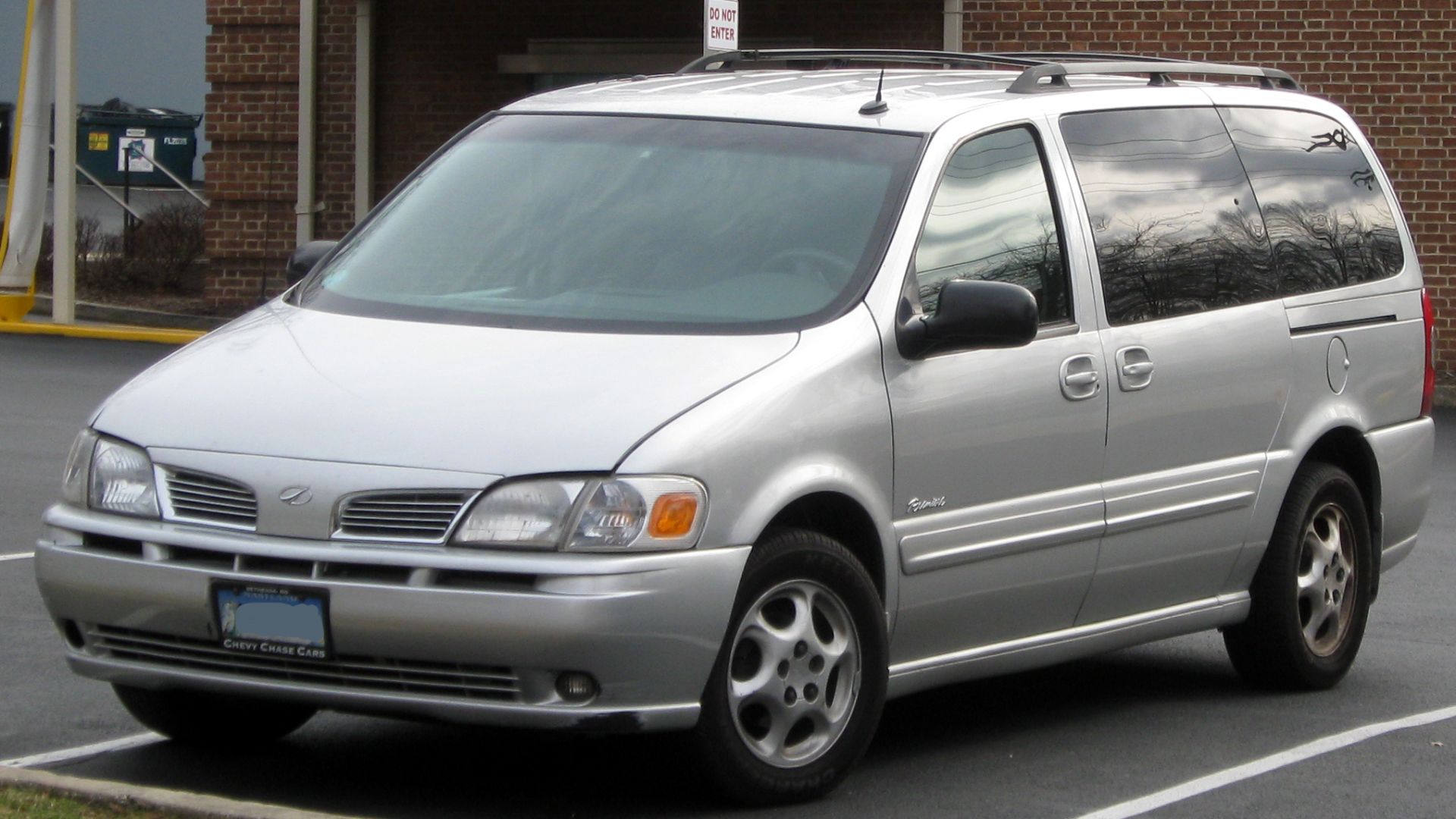
3. Oldsmobile Silhouette
Oldsmobile had once been one of America’s most innovative brands, but its late-era Silhouette wasn’t exactly a reminder of those engineering triumphs. The second generation shared most of its structure and appearance with Chevrolet and Pontiac minivans, leaving relatively little that felt distinctly Oldsmobile. When the division disappeared in 2004, badge engineering had become part of the reason its identity was so hard to define.
4. Mercury Mountaineer
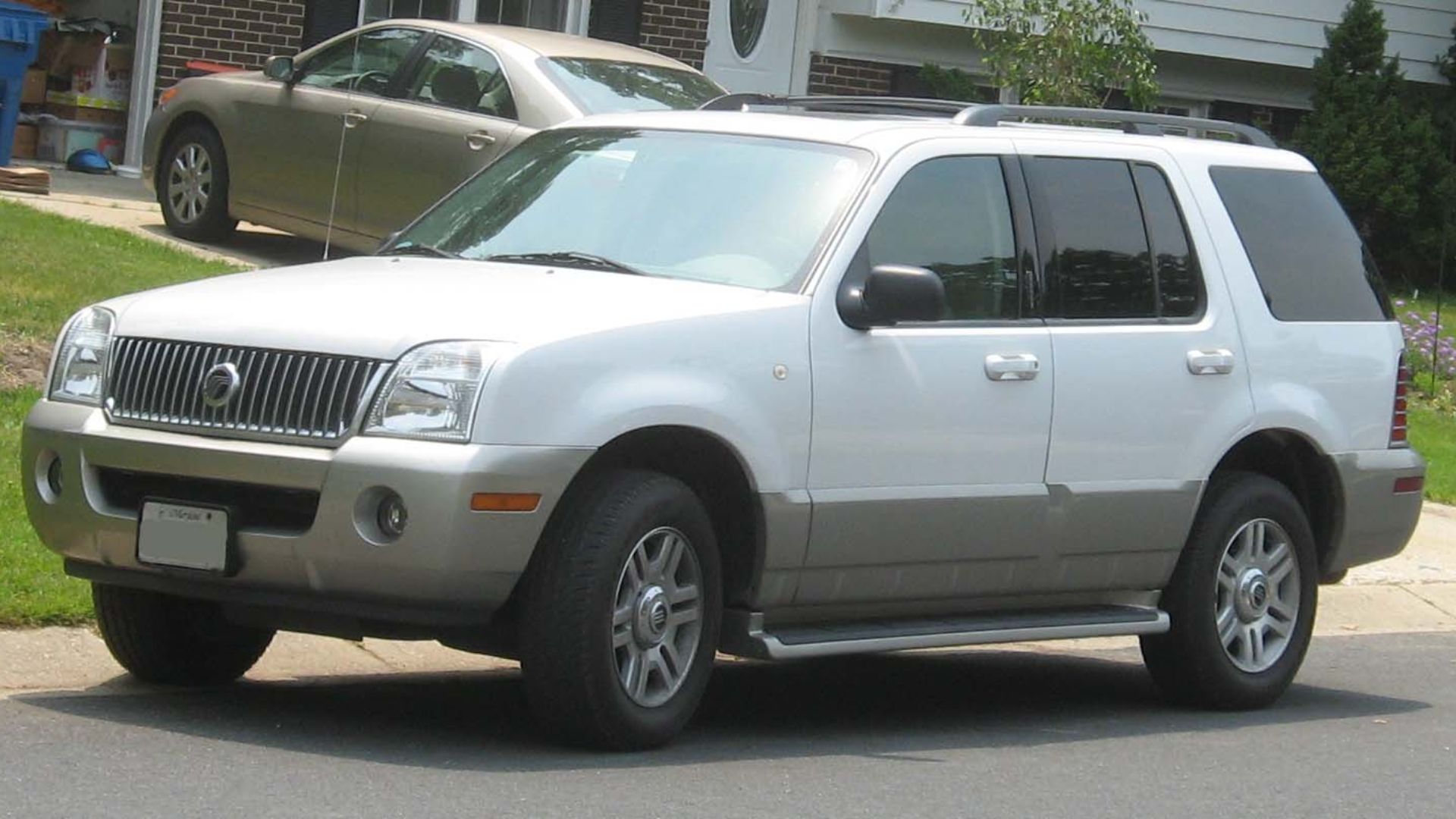
Mercury was supposed to occupy the space between everyday Fords and upscale Lincolns, but the Mountaineer often struggled to justify that middle ground. Essentially a more decorated Ford Explorer, it represented the sort of product duplication that eventually made consumers wonder why Mercury needed to exist at all. The brand ended in 2010, with its final Grand Marquis rolling off the line in early 2011.
5. Plymouth Breeze
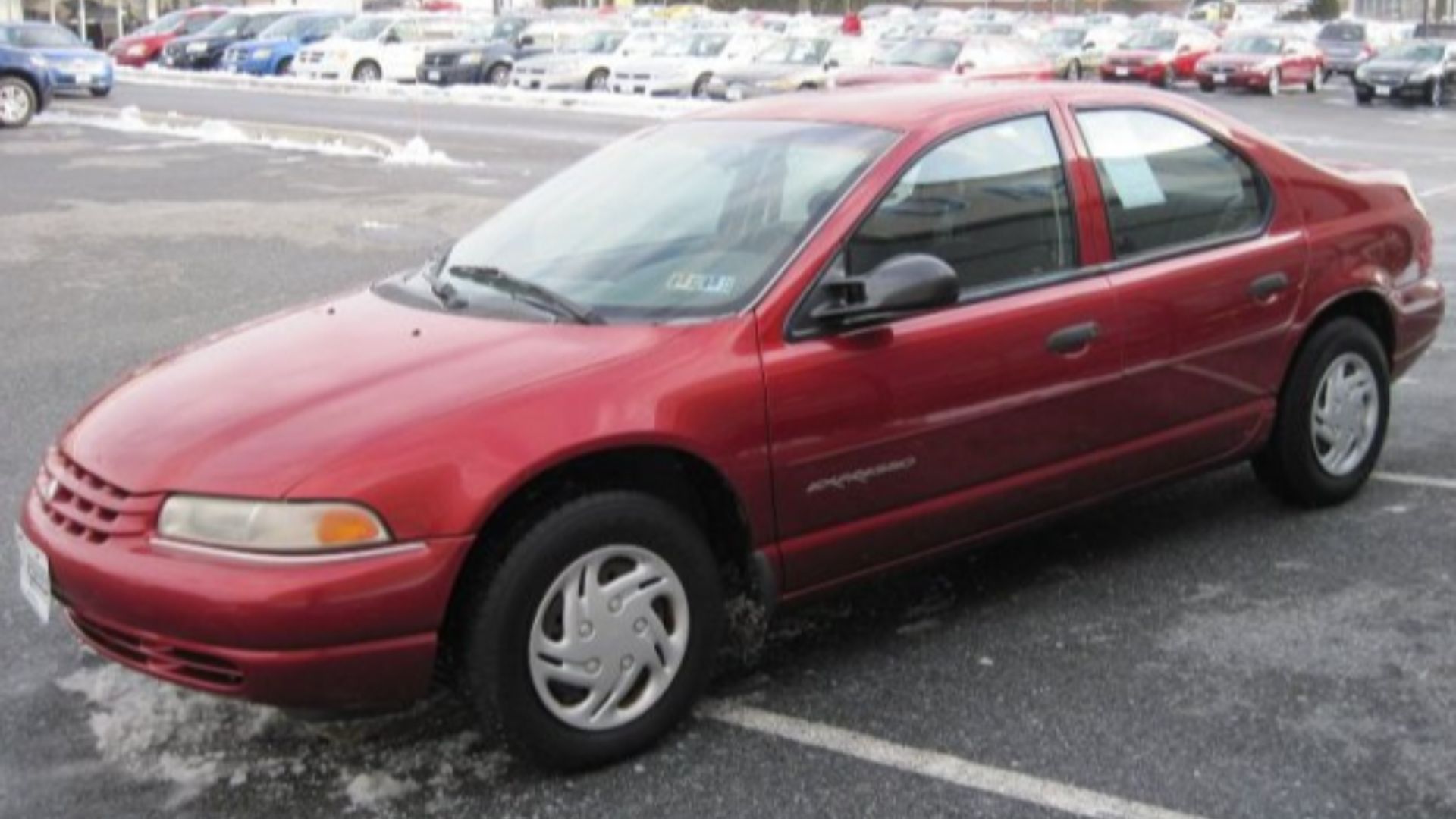
The Breeze arrived during a period when Chrysler was producing genuinely interesting cars, but Plymouth received one of the least exciting versions. It shared heavily with the Dodge Stratus and Chrysler Cirrus while offering little reason to choose the Plymouth badge instead. MotorTrend later argued that the Breeze helped demonstrate just how redundant the division had become.
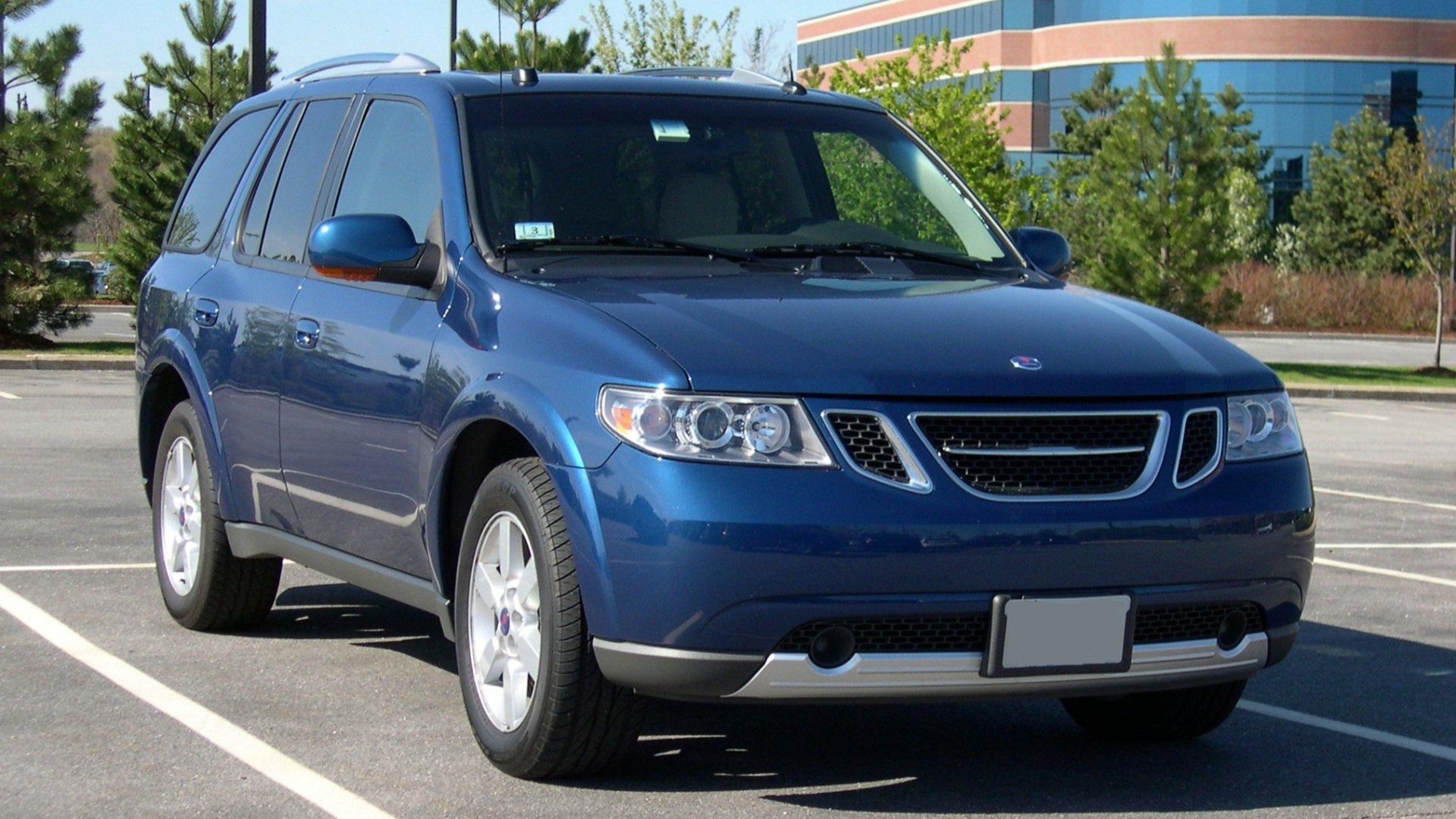
6. Saab 9-7X
Few brands had a personality as distinctive as Saab, which makes the 9-7X particularly frustrating. It was essentially GM’s Chevrolet TrailBlazer-based SUV redesigned with enough Saab cues to make the family connection slightly less obvious. Saab enthusiasts who admired quirky Swedish engineering suddenly had an American truck wearing the badge, and even period commentary viewed it as an example of GM misunderstanding what made Saab special.
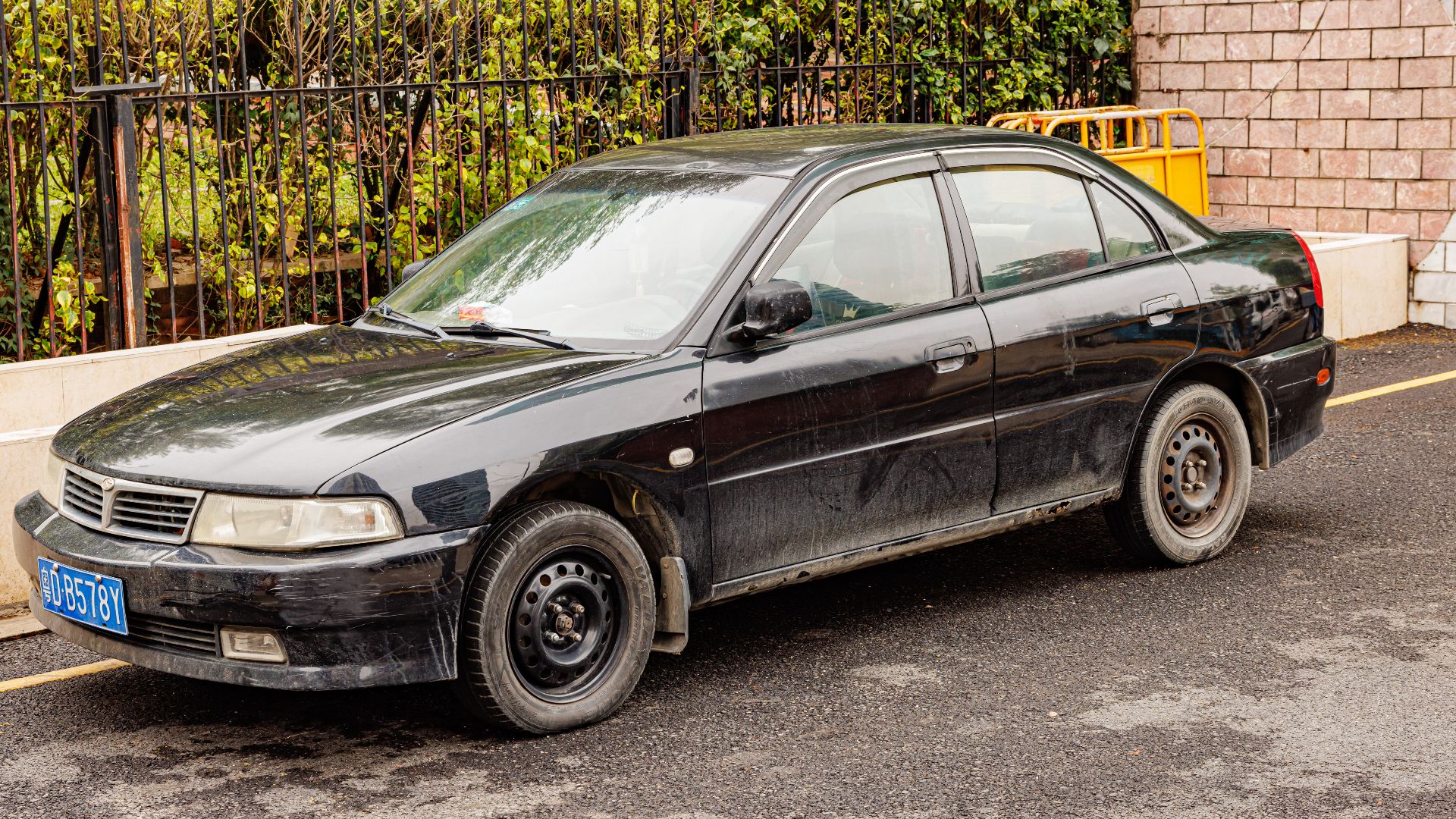
7. Eagle Summit
Chrysler created Eagle from assets inherited after its acquisition of American Motors, but the brand never developed a particularly clear reason for existing. The Summit was based on Mitsubishi products and joined a lineup filled with vehicles developed by other manufacturers. Eagle disappeared after the 1998 model year, having spent much of its life attaching a new badge to somebody else’s engineering.
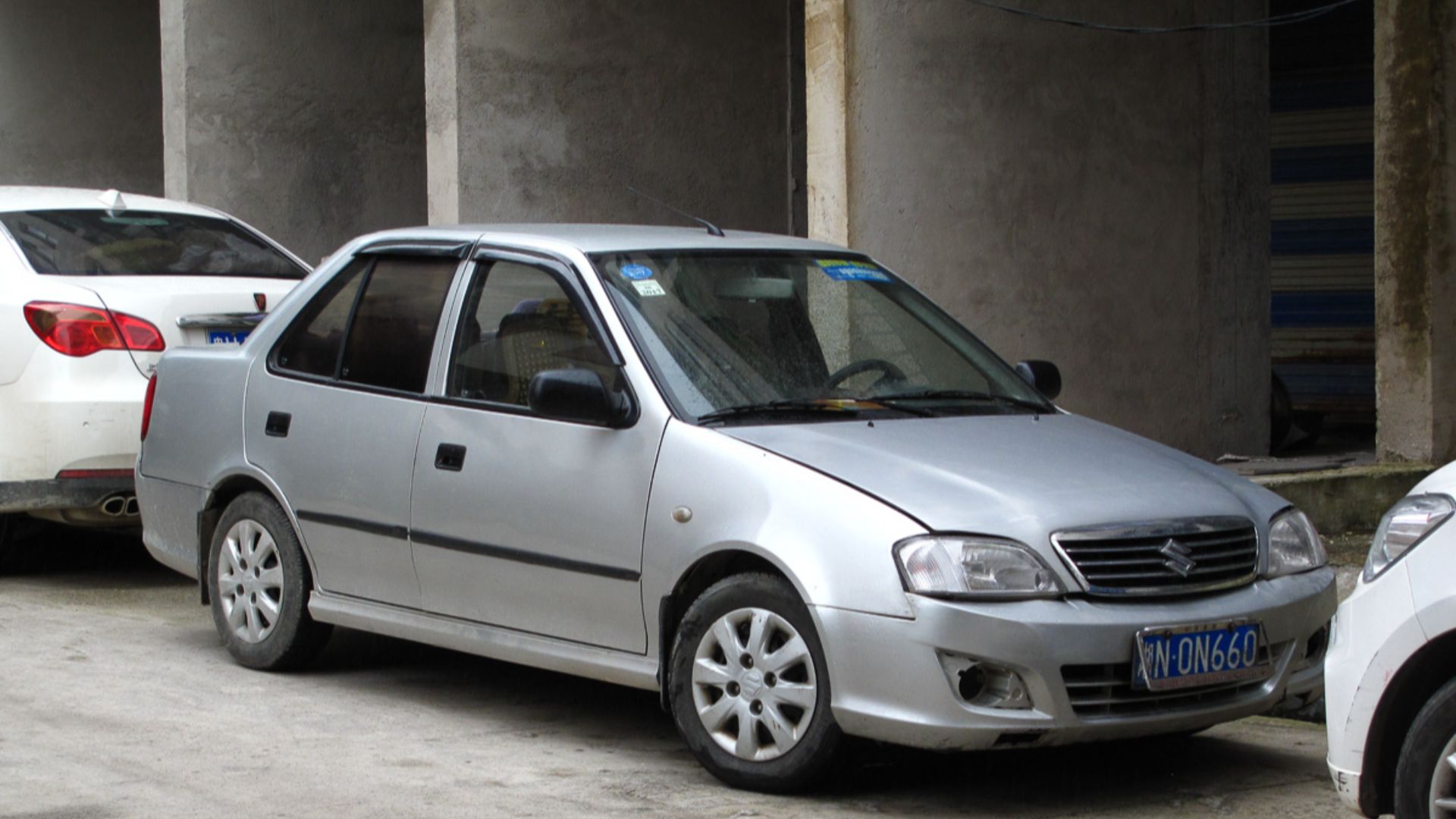
8. Geo Metro
The Metro deserves credit for exceptional fuel economy and wonderfully simple transportation, but refinement wasn’t part of the package. With tiny engines, basic interiors, and modest performance, it could feel more like an exercise in minimizing automobile than an exciting new direction for GM. Geo vanished after 1997, and the Metro simply continued as a Chevrolet, which showed how little the separate brand had ultimately mattered.
 Rutger van der Maar on Wikimedia
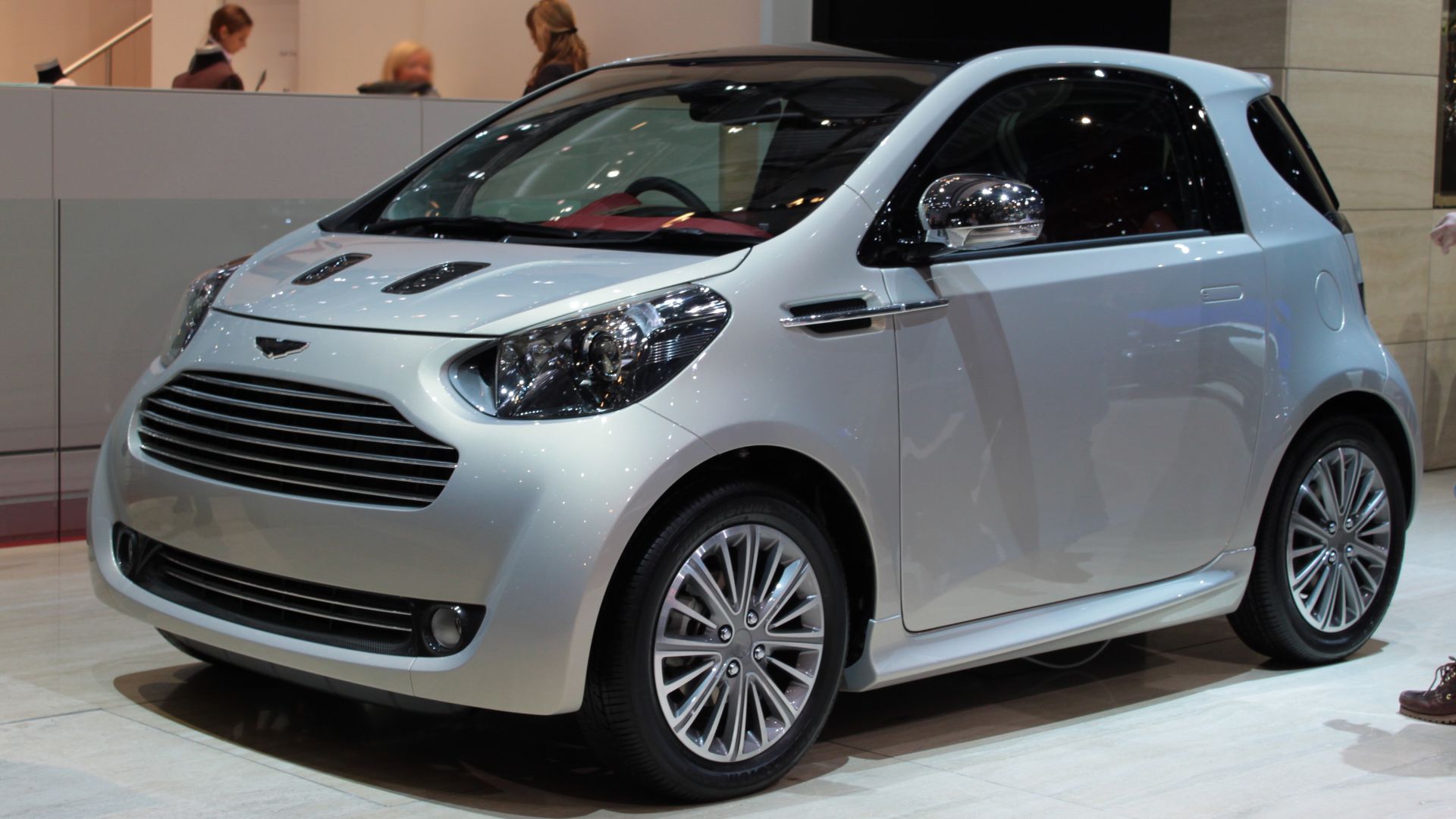
9. Scion iQ
Scion began with inexpensive, distinctive cars aimed at younger customers, but the iQ arrived when that formula had started losing momentum. Toyota’s tiny city car was clever in some respects, yet Americans showed limited enthusiasm for a miniature premium-priced runabout competing in a market that already struggled to embrace the Smart Fortwo. By the time Scion disappeared in 2016, the iQ looked less like a youthful rebellion and more like an experiment that never found its audience.
10. Rover CityRover
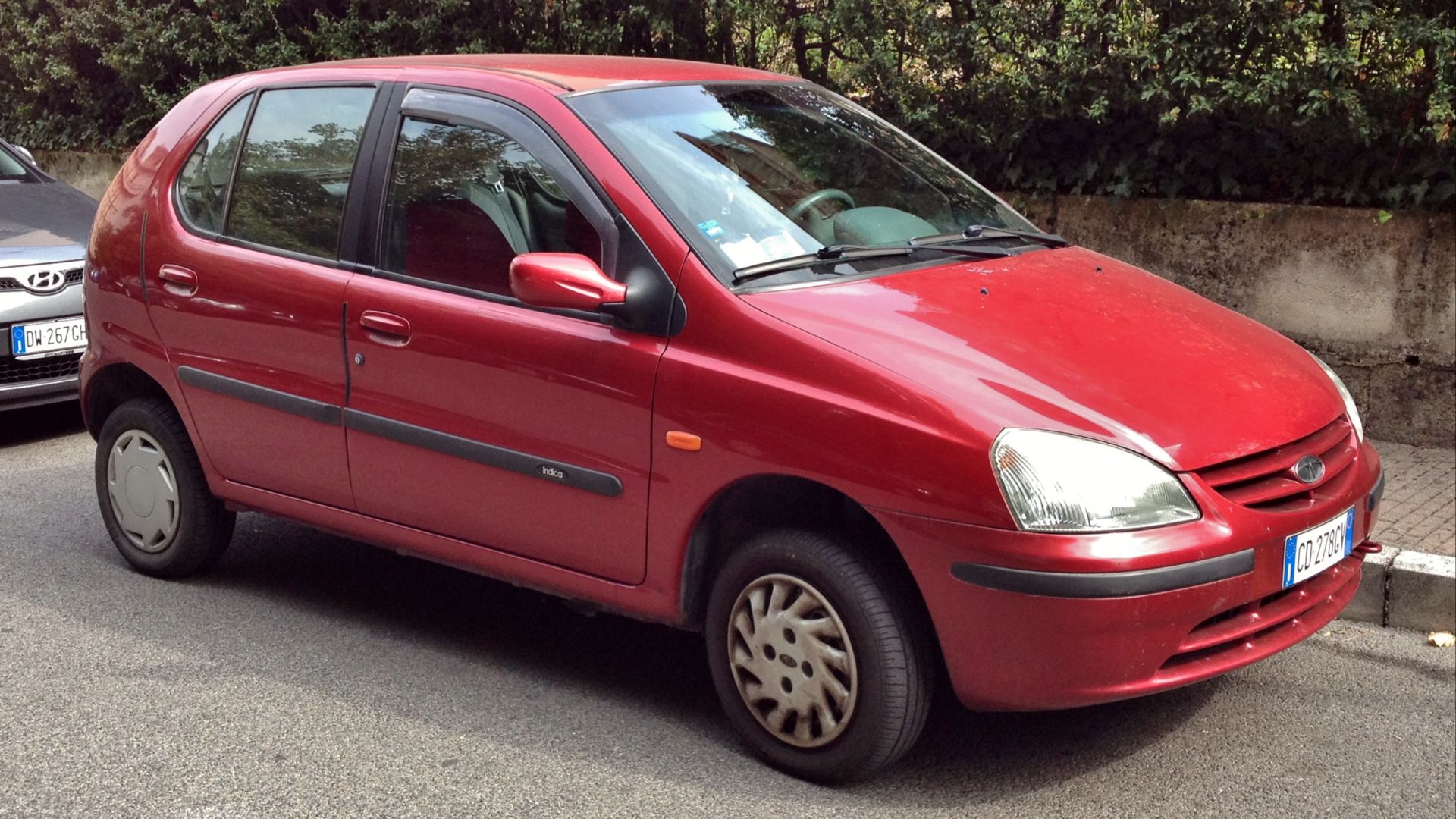
Few final chapters are as painfully appropriate as the CityRover. MG Rover imported the Tata Indica from India, gave it some cosmetic changes, and hoped the inexpensive hatchback could plug a major hole in its lineup. Poor interior quality and an uncompetitive overall package made it an underwhelming last new Rover before the brand collapsed in 2005.
11. Talbot Tagora
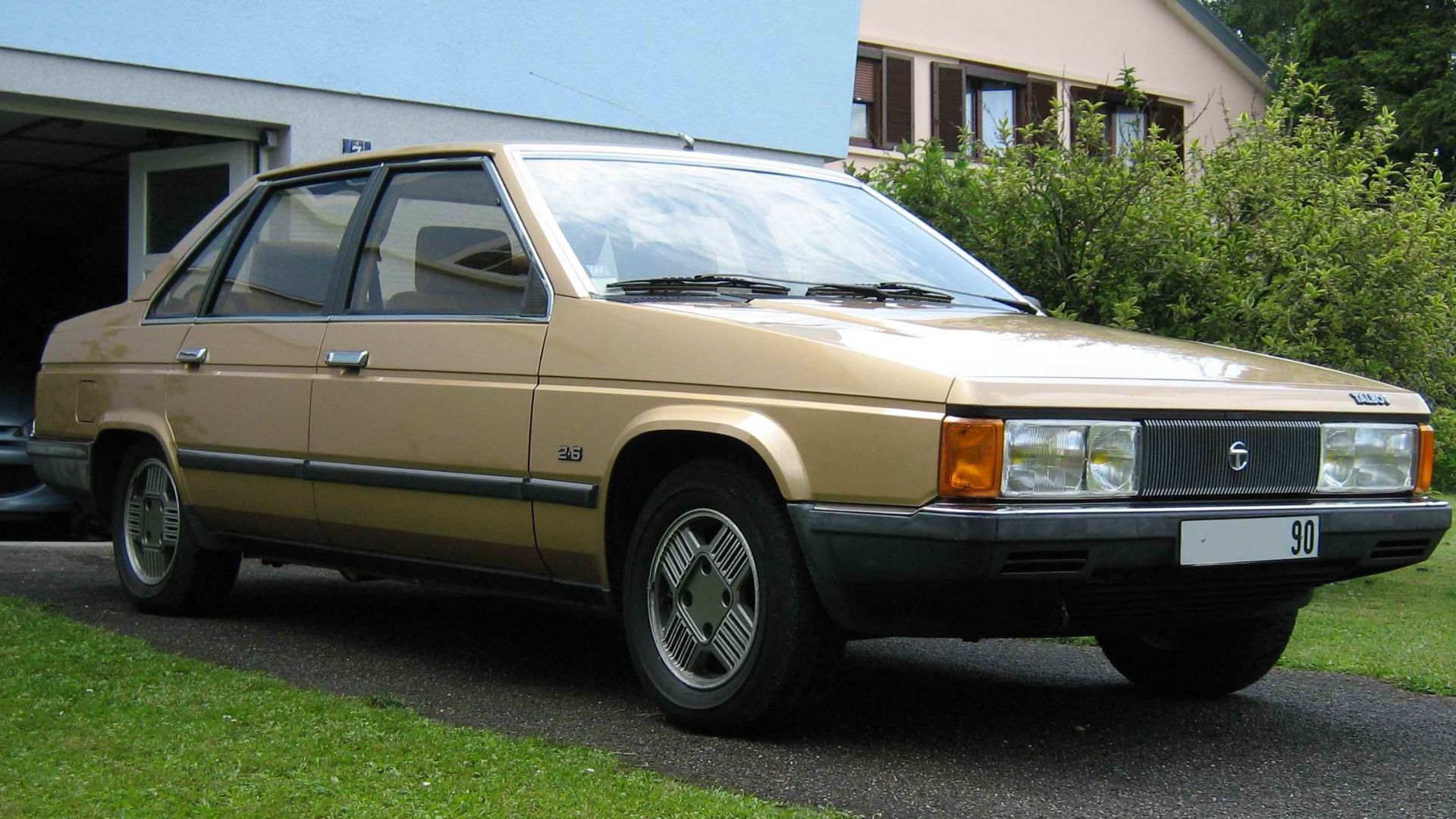
The Tagora was supposed to give Talbot a credible executive sedan, but buyers weren’t especially interested in discovering what it had to offer. Developed during Chrysler Europe’s troubles and launched after Peugeot took control, the large sedan entered a segment filled with better-established competitors and sold fewer than 20,000 examples. Talbot lingered a little longer with smaller cars, but the Tagora became one of the clearest signs that the revived nameplate wasn’t heading anywhere promising.
12. Triumph Acclaim
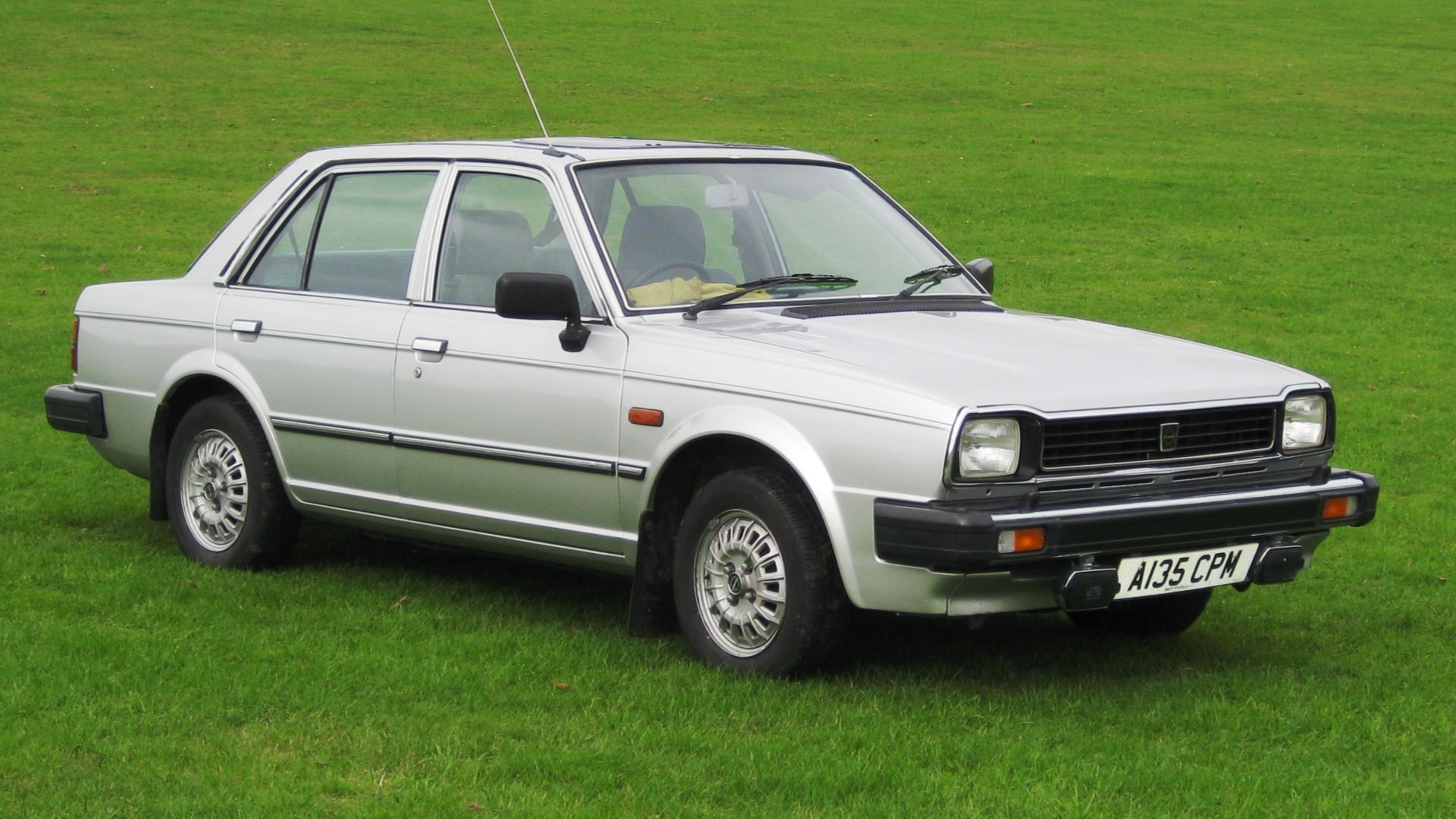
Calling the Acclaim a bad car isn’t entirely fair because its Honda-derived engineering actually brought welcome reliability to British Leyland. The problem was what it represented for Triumph, a company once associated with distinctive sports cars and sporting sedans. Its final vehicle was essentially a locally built Honda Ballade wearing Triumph badges, so the marque ended not with another TR sports car but with a boring front-wheel-drive family sedan.
13. Packard Hawk
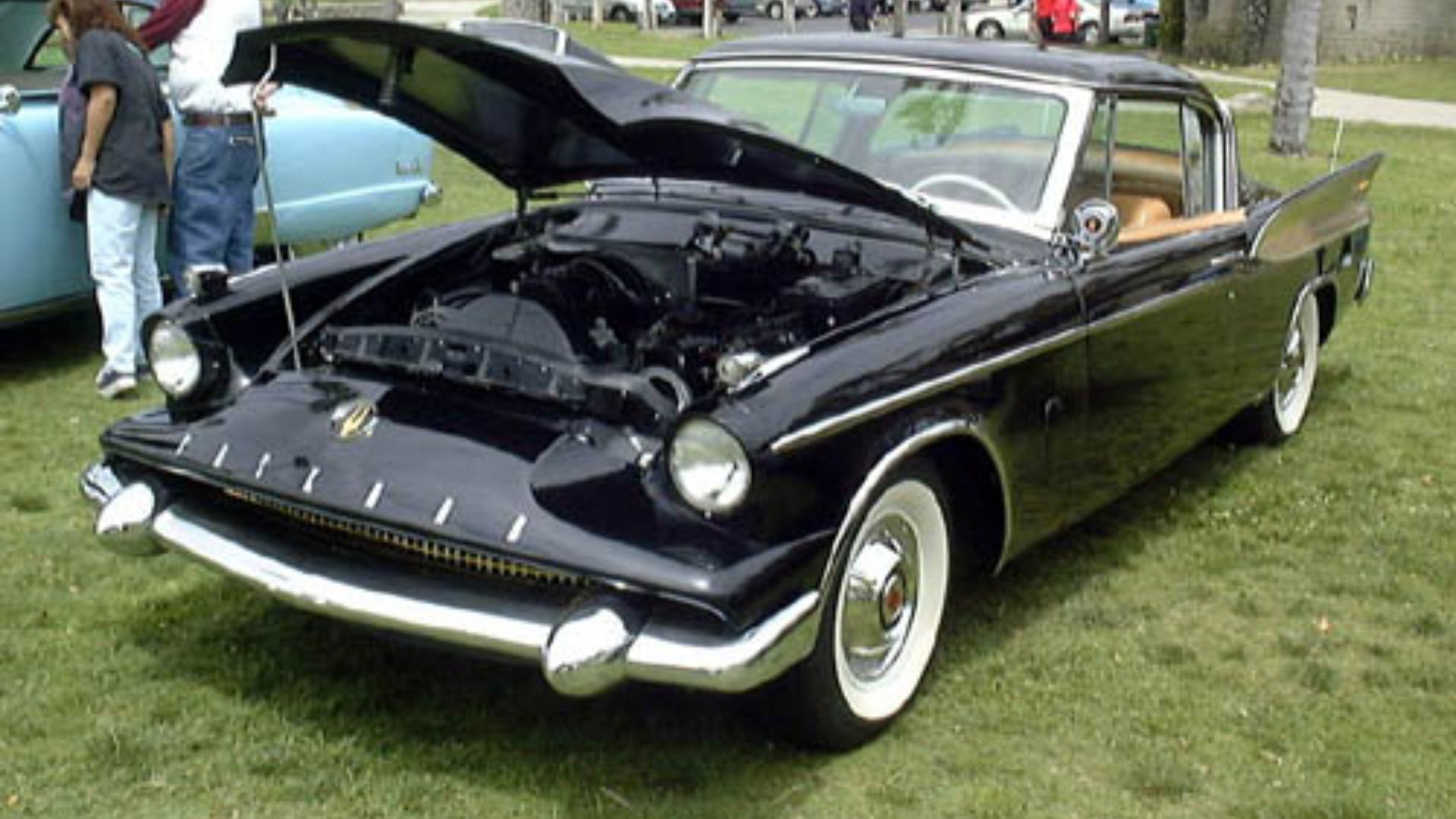
Packard had once competed with America’s finest luxury manufacturers, which made its 1958 lineup especially difficult for loyalists to accept. With money running out, the company relied on Studebaker bodies dressed with Packard styling elements, and the Hawk received a particularly controversial front end. Only 588 Packard Hawks were produced, and the entire marque disappeared after a final year whose cars were among the most criticized designs bearing the famous name.
14. Studebaker Cruiser
Studebaker’s final cars weren’t disasters, but by 1966 the company was trying to compete with products rooted in aging designs and increasingly limited resources. The Cruiser sedan was respectable transportation, but it lacked the freshness needed to fight much larger manufacturers with deeper pockets and rapidly changing model lines.
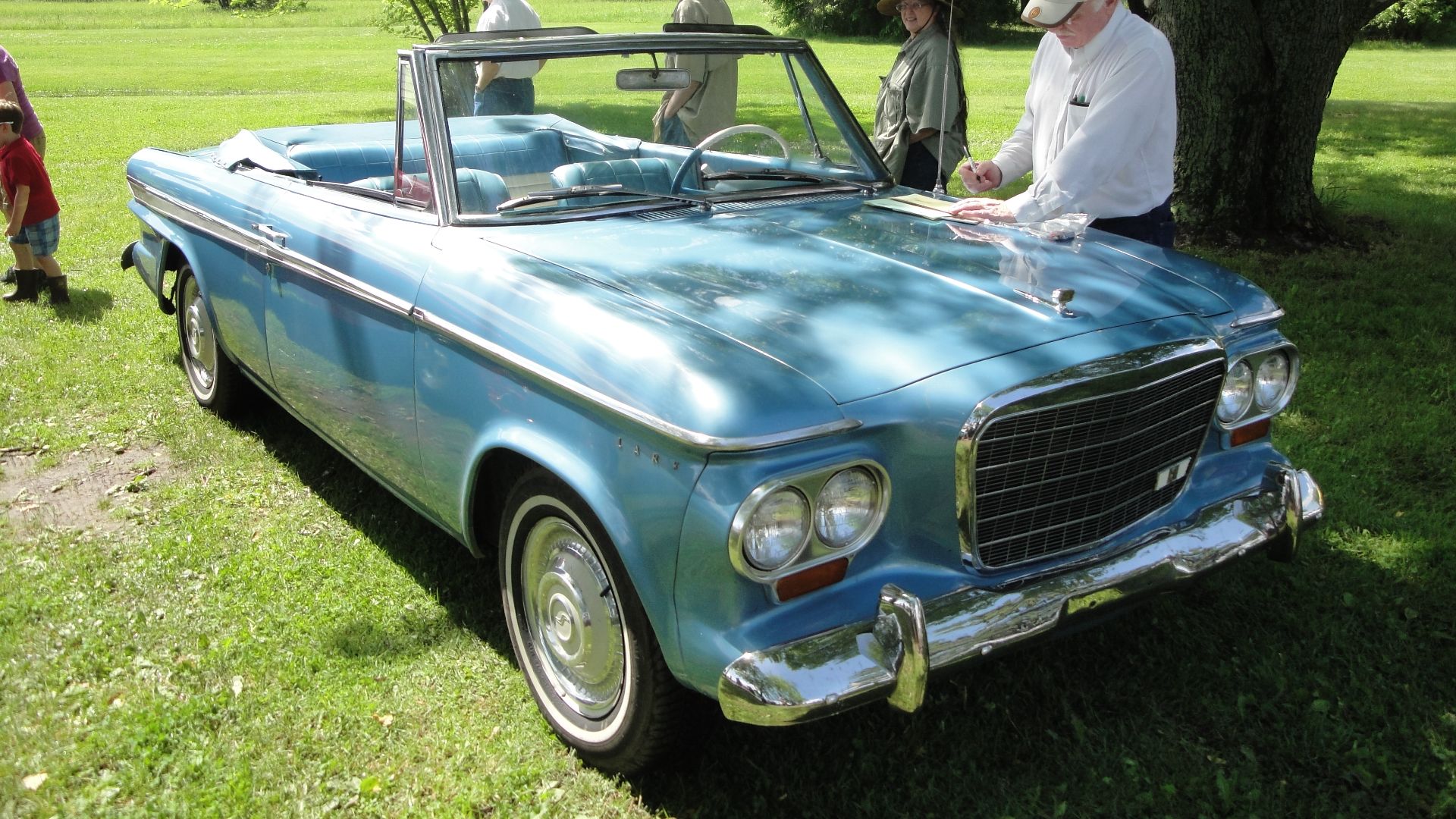
15. Edsel Citation
Edsel barely had enough time to develop a good era and a bad one because Ford killed the marque after only a few model years. The 1958 Citation arrived with elaborate styling, a controversial vertical grille, and a price position that left many shoppers unsure where Edsel belonged. The whole project became one of the auto industry’s most famous marketplace failures, which means its most extravagant models now carry a reputation few designers would volunteer to inherit.
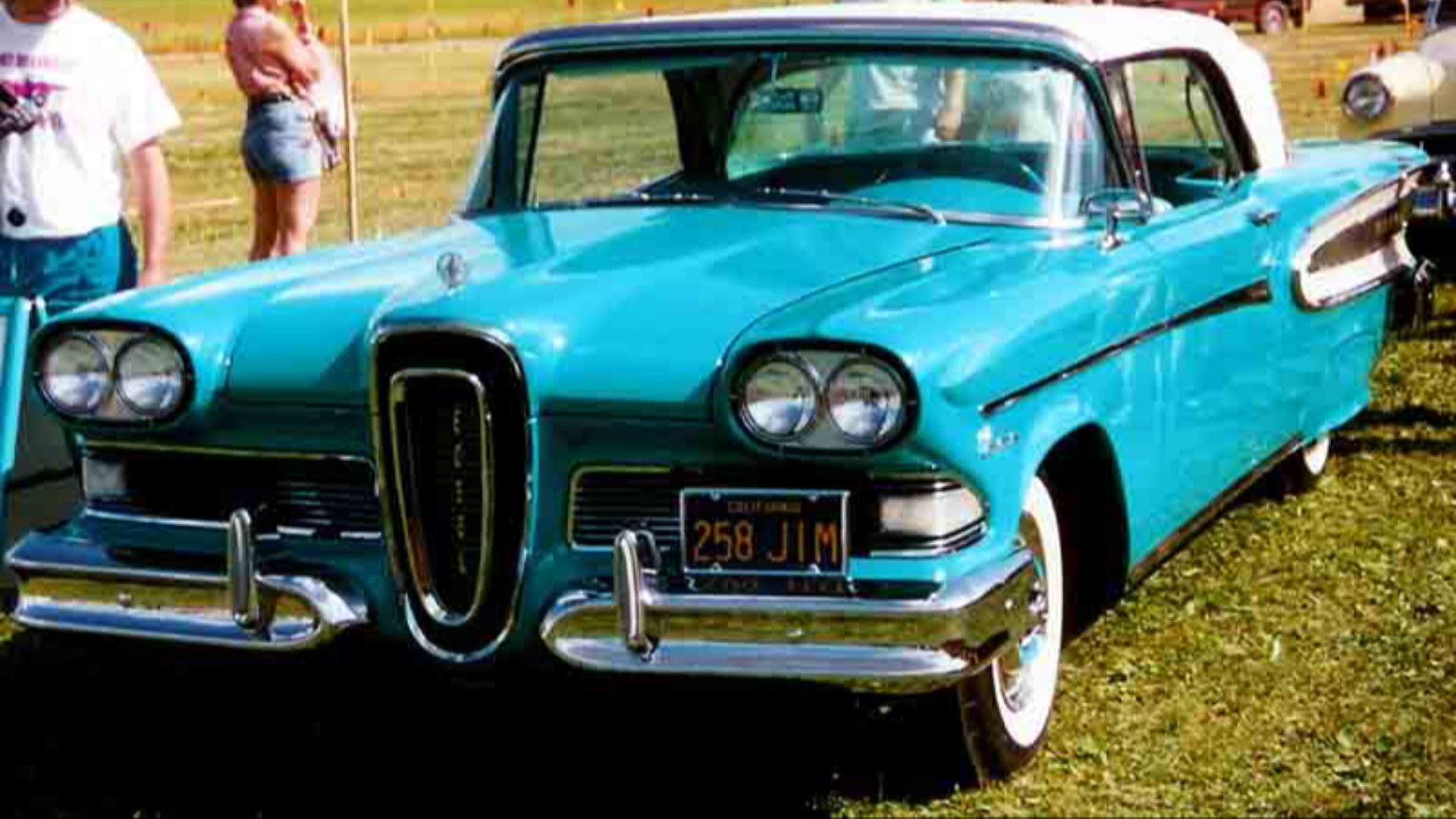 Lars-Göran Lindgren Sweden on Wikimedia
16. DeSoto Adventurer
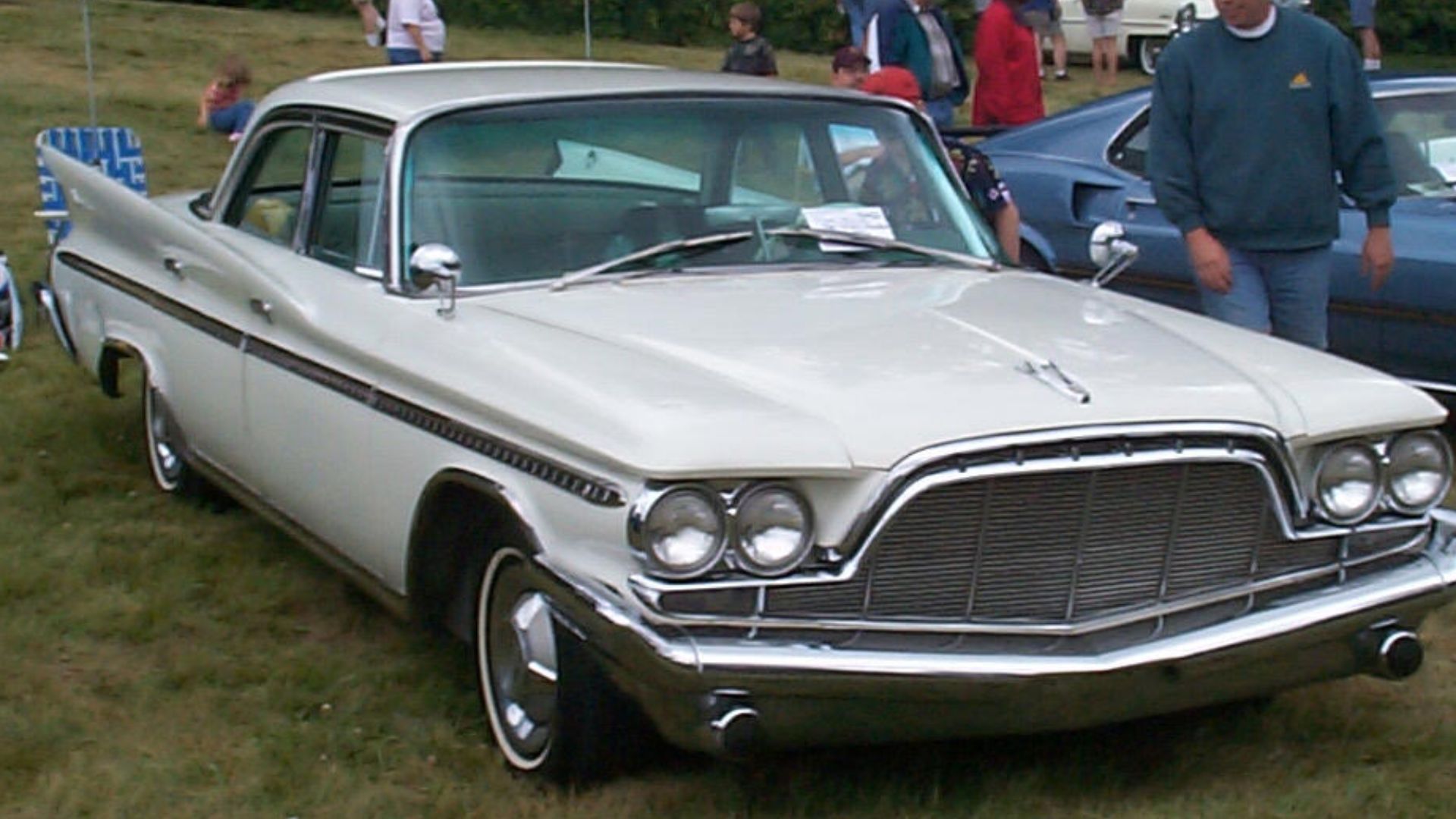
The 1961 DeSoto Adventurer carried a name that had once belonged to one of the brand’s most exciting performance cars, but the final version was far less special. By then, DeSoto’s lineup had been reduced dramatically, and the Adventurer shared much of its engineering and structure with other Chrysler products while wearing increasingly awkward styling. Production ended during the 1961 model year, leaving this diminished version of a once-proud nameplate as one of DeSoto’s last impressions.
17. AMC Alliance
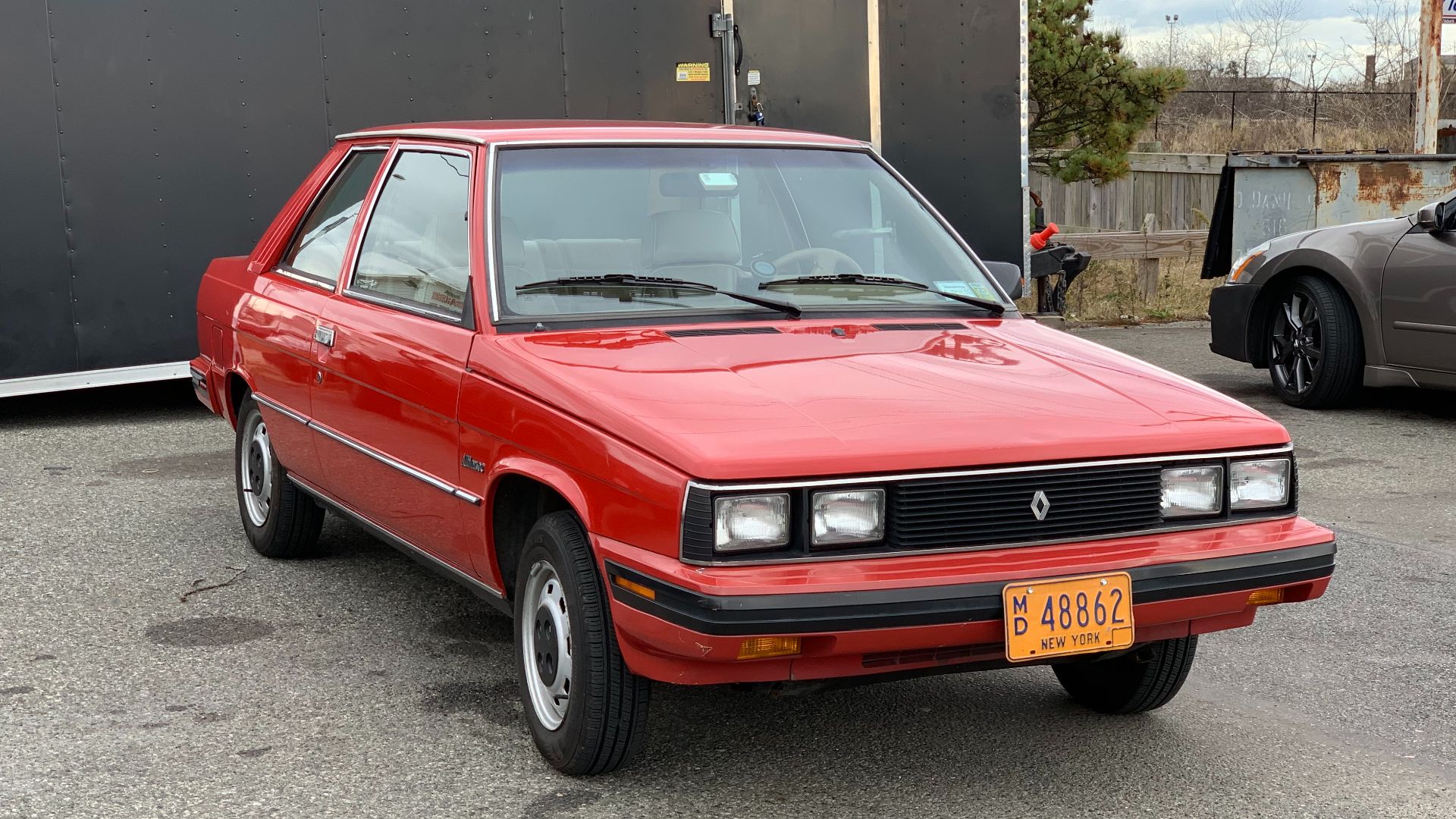
American Motors built some genuinely clever cars, but its partnership with Renault produced the Alliance at a time when the company desperately needed a major success. The small sedan earned early praise, but its reputation later suffered from quality and durability complaints. AMC itself disappeared into Chrysler in 1987, leaving the Alliance as one of the more complicated examples of a promising idea that aged badly.
18. Bricklin SV-1
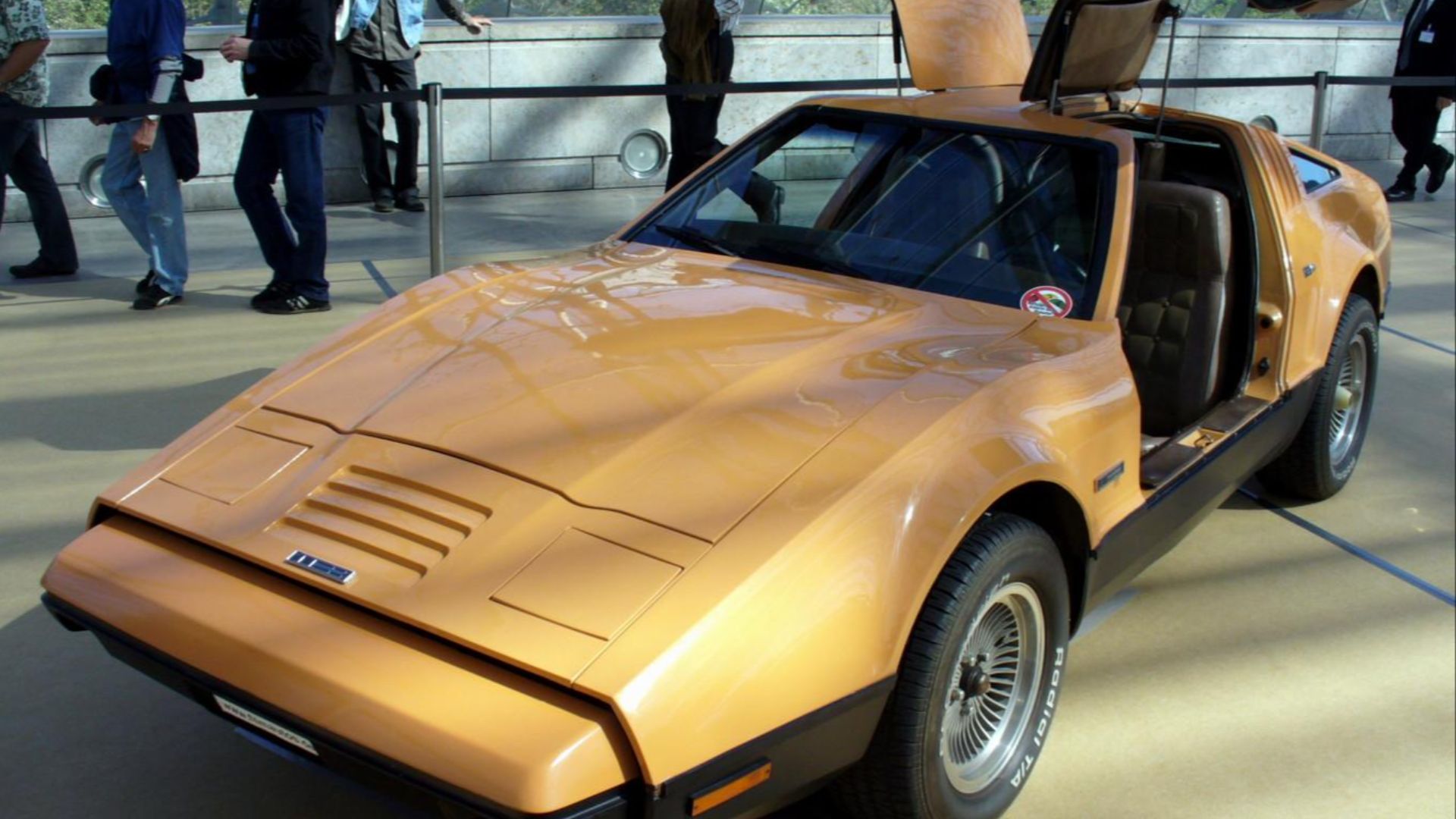
Bricklin only had one real production model, so the SV-1 was simultaneously its best and worst car. Gullwing doors and dramatic safety-focused styling made it memorable, but production problems, high costs, inconsistent quality, and underwhelming performance undermined the dream. Fewer than 3,000 were sold before the company collapsed.
19. DeLorean DMC-12
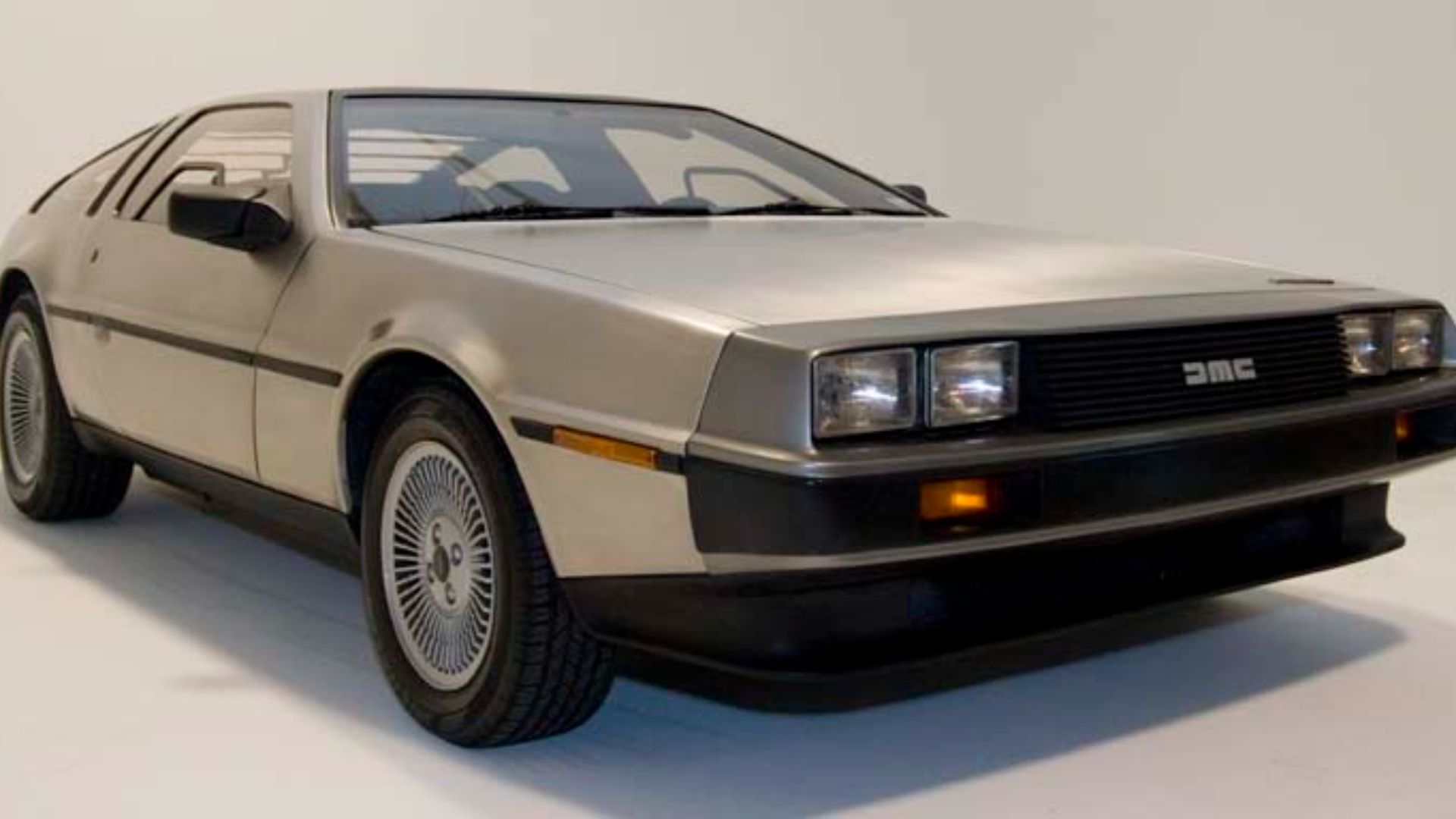
The DMC-12 is now a cultural icon, but fame arrived after the company responsible for building it was already gone. Its stainless-steel body and gullwing doors looked exotic, while the 130-horsepower V6 delivered considerably less excitement than the appearance suggested. Hollywood eventually turned it into one of history’s most recognizable cars, but that couldn’t retroactively make the original DeLorean Motor Company financially successful.
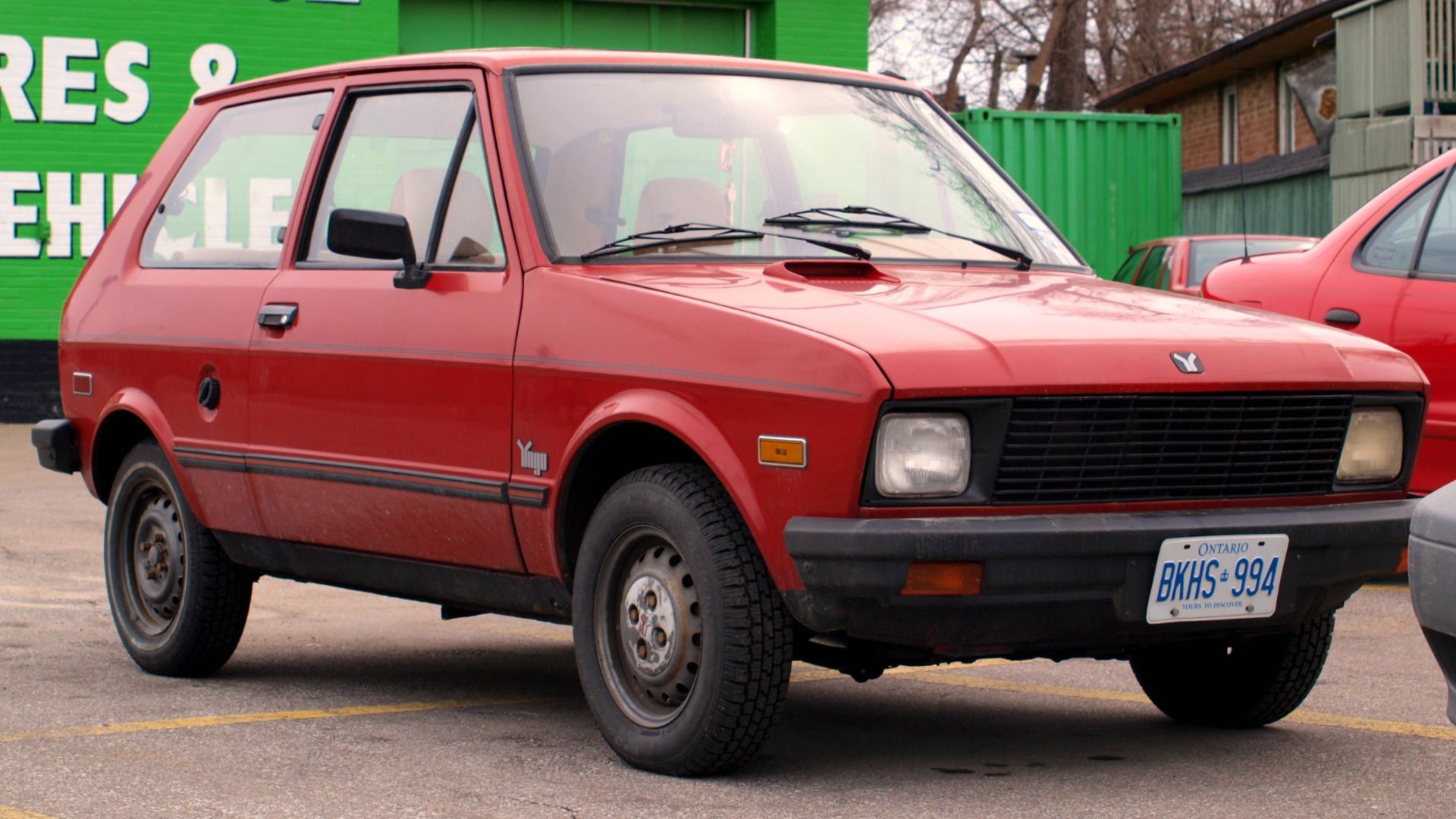
20. Yugo GV
Yugo’s American reputation became so horrible that calling something “a Yugo” became a shorthand metaphor for any exceptionally bad car. The inexpensive GV promised basic transportation for very little money, but poor quality and a reputation for fragility overwhelmed the appeal of its bargain price. The Yugo name endured longer in its home region than it did in America, yet the little GV remains infamous as one of the worst cars in history.