When a Fresh Start Goes Wrong
We might not always like them, but a successful redesign can keep car sales up for another decade. But that doesn’t mean you can just do whatever you want. Getting too adventurous can wipe away the qualities people liked in the first place. While a few eventually found defenders, it’s easy to understand why these 20 redesigns still cause arguments among car enthusiasts.
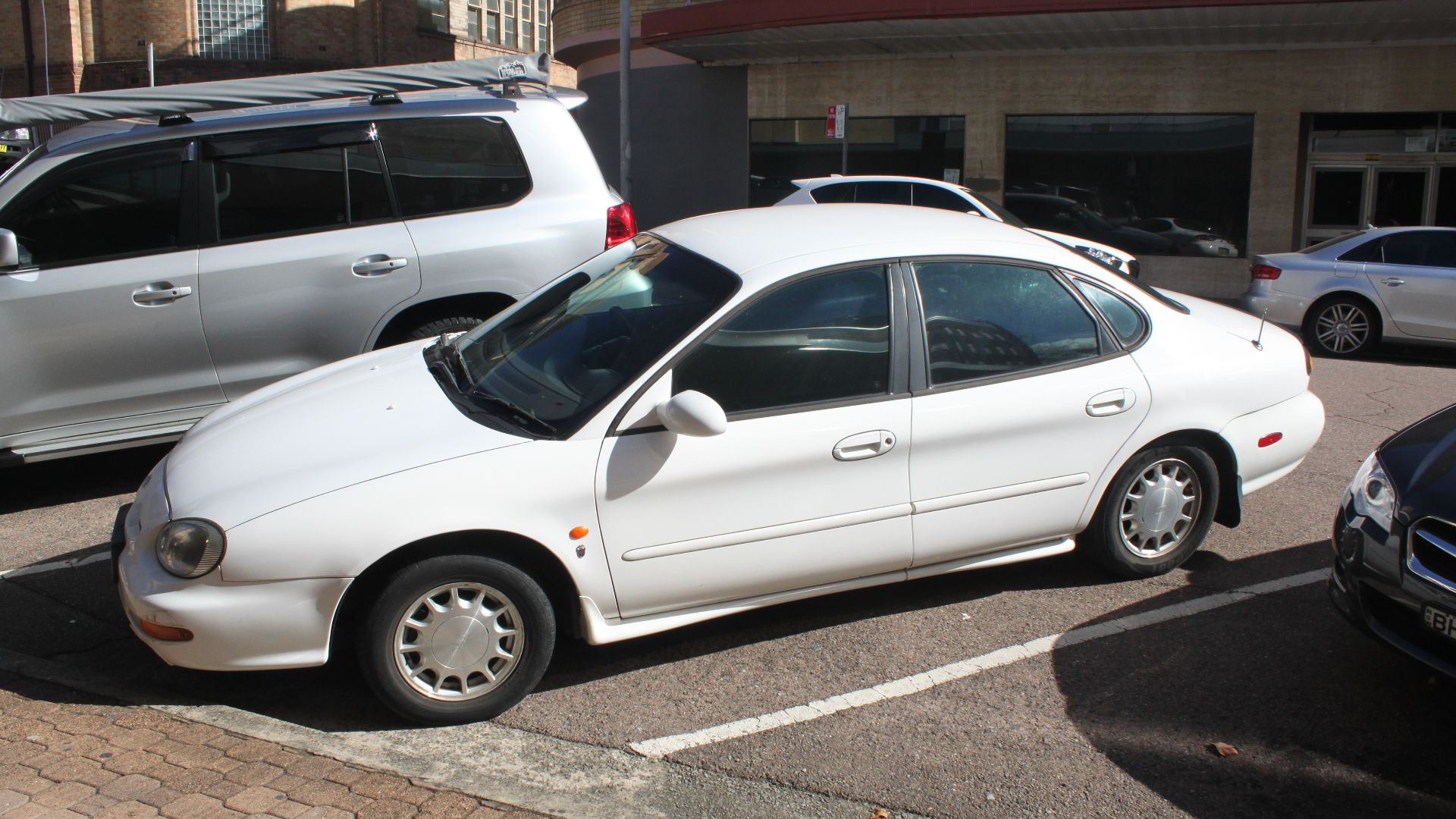
1. 1996 Ford Taurus
Ford turned the Taurus into America's best-selling passenger car, so redesigning it for 1996 should've been easy. Instead, nearly every part was shaped around some sort of weird oval theme, giving the once-clean sedan a more divisive appearance. It was widely criticized for that styling, even though it initially remained near the top of the sales charts.
 Jeremy from Sydney, Australia on Wikimedia
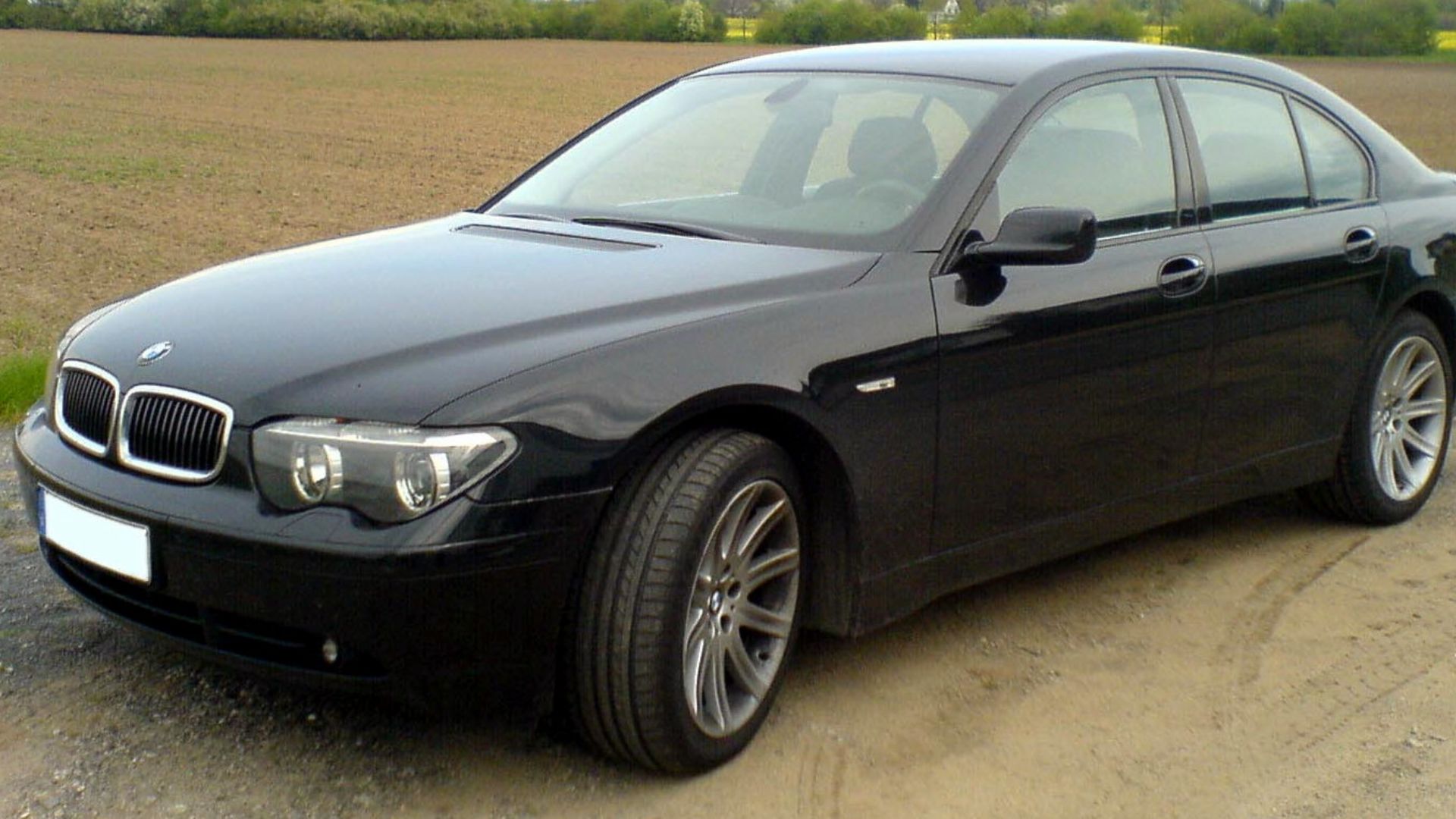
2. 2002 BMW 7 Series
Few luxury sedans have suffered a more jarring transition than the E38 7 Series to the E65. Its unusually raised trunk, unconventional headlights, and early iDrive immediately rocked the boat. You might even remember that the rear earned its dismissive “Bangle butt” nickname.
 Matti Blume, MB-one 11:03, 1 May 2006 (UTC) on Wikimedia
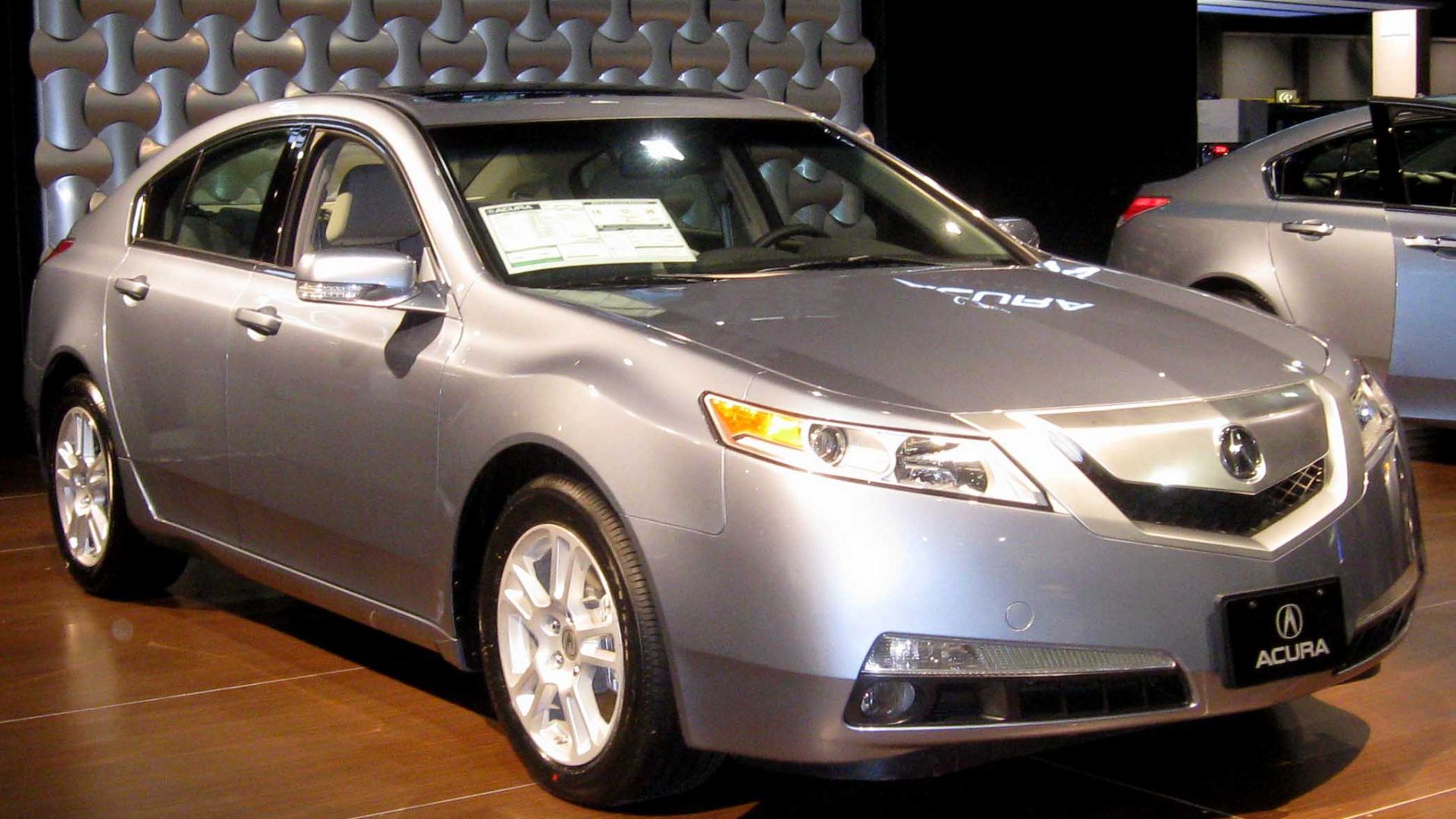
3. 2009 Acura TL
The third-generation TL had a clean shape that still looks modern, and that’s exactly what made Acura's 2009 replacement so tough. The new car grew larger and brought the enormous chrome “Power Plenum” grille that became one of the brand's most controversial designs. No one was really impressed.
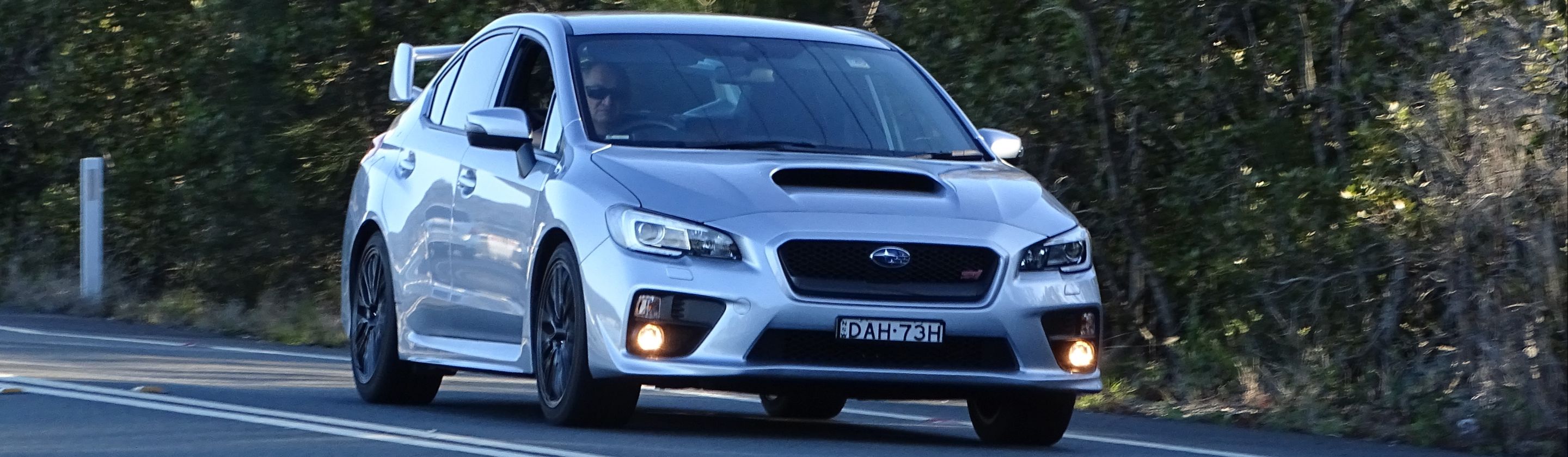
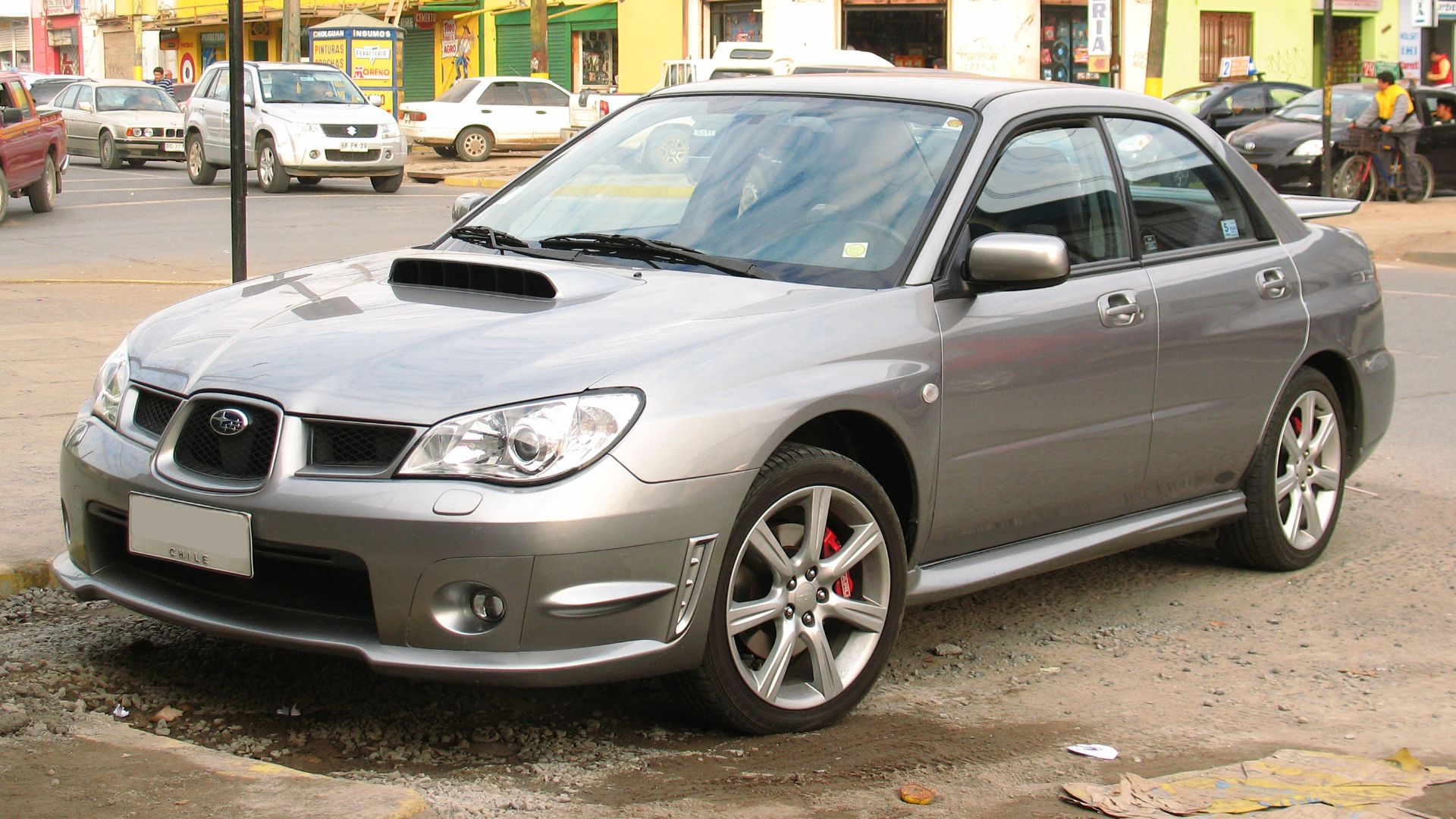
4. 2008 Subaru Impreza WRX
For years, the WRX proudly looked a little weird, but the 2008 redesign went in the opposite direction. It replaced previous detailing with conservative bodywork as Subaru tried to attract a broader audience. Motorists noticed immediately, and just about everyone hated its new appearance.
 order_242 from Chile on Wikimedia
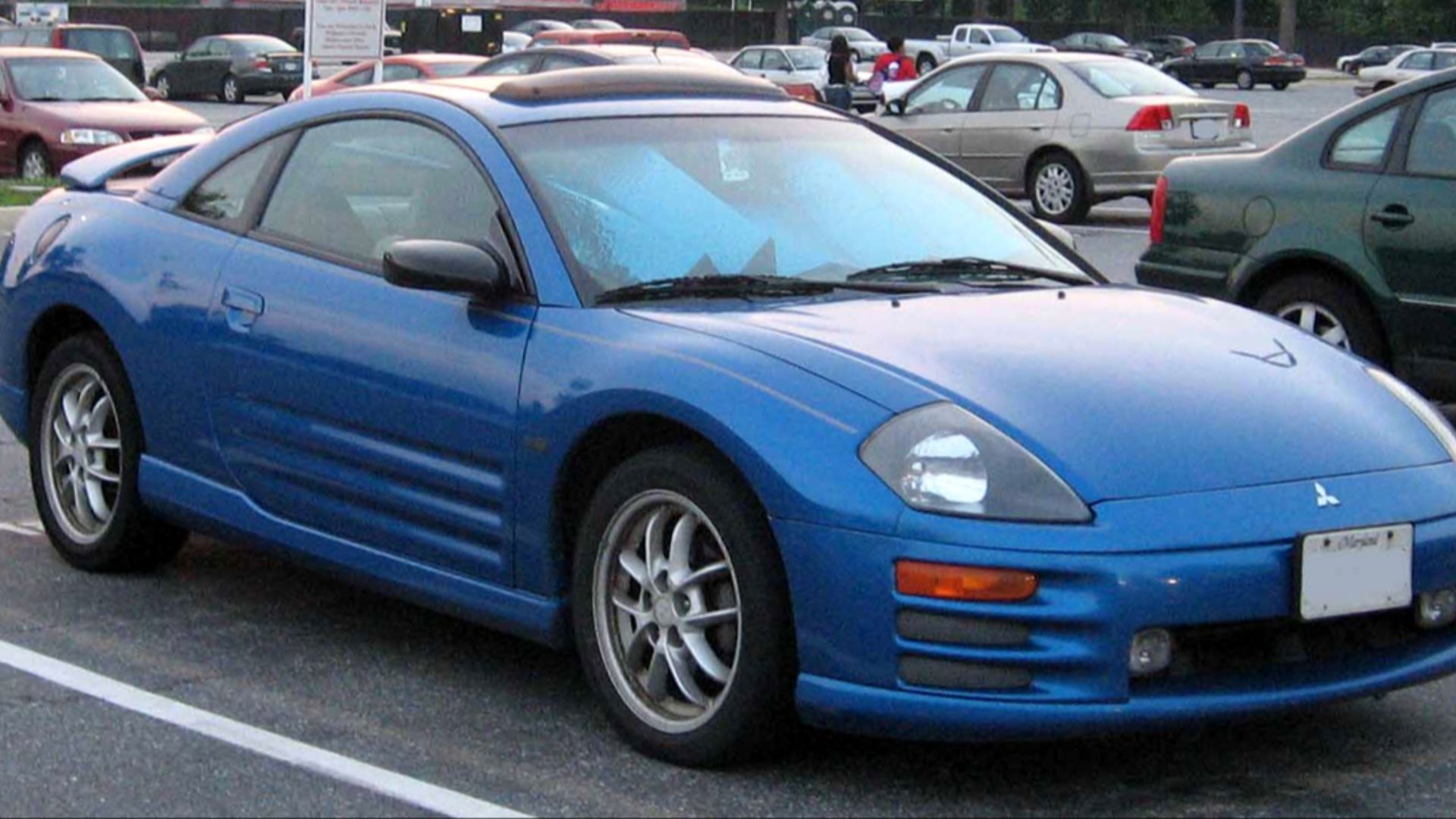
5. 2000 Mitsubishi Eclipse
If you wanted an Eclipse in the 90s, you could get turbocharged engines and, on the GSX, all-wheel drive in one recognizable design. But the third-generation 2000 model? It ditched the combo and took on a heavier-looking styling inspired by Mitsubishi's SST concept. The redesign lost a lot of its predecessor's personality.
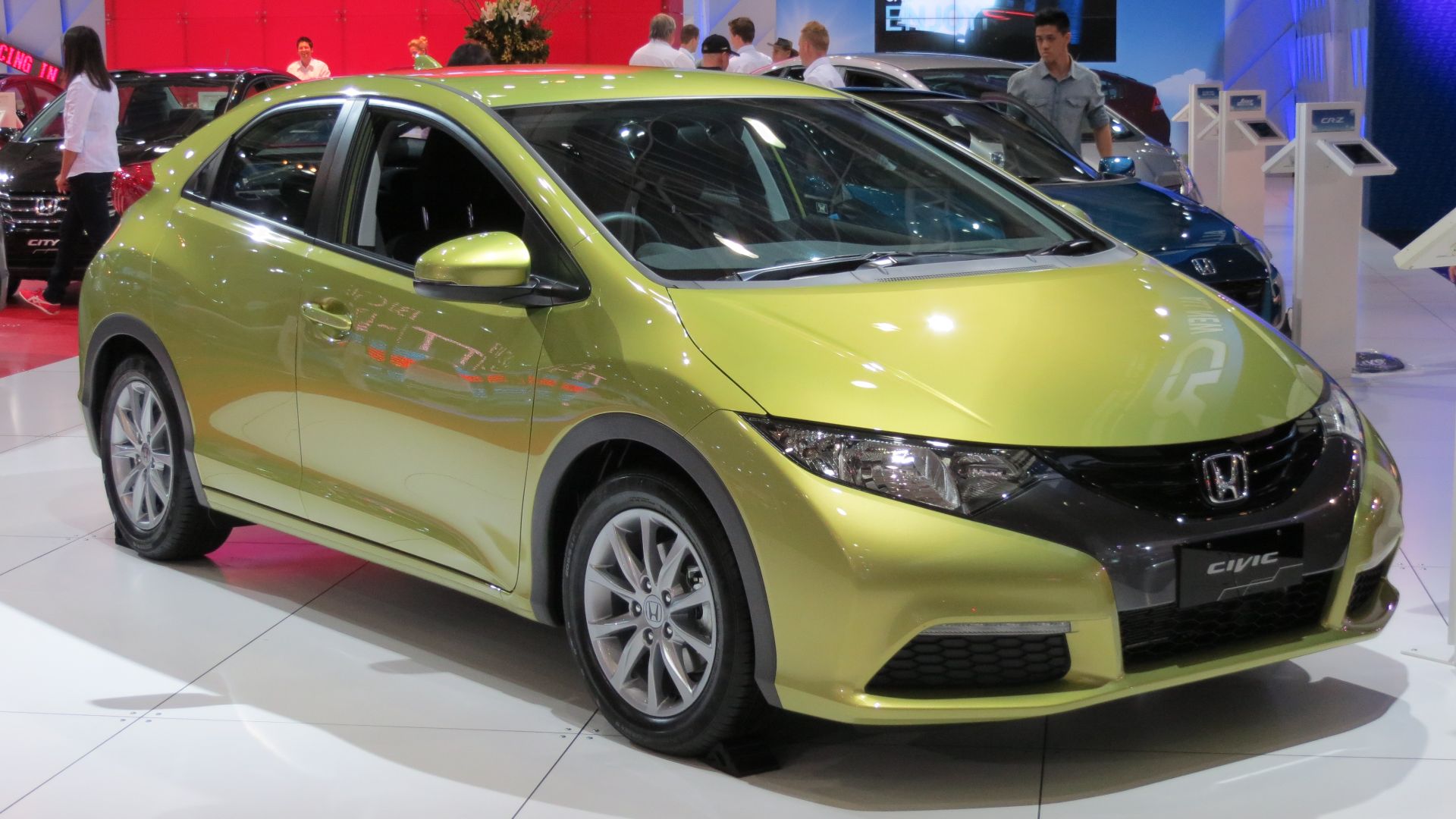
6. 2012 Honda Civic
Honda normally gets the Civic right, and that explains why the ninth generation's reception was so bad. Critics complained that the 2012 redesign felt cheaper than the outgoing Civic, and to make matters worse, the exterior barely seemed to move the design forward. That said, Honda went into panic mode for 2013.
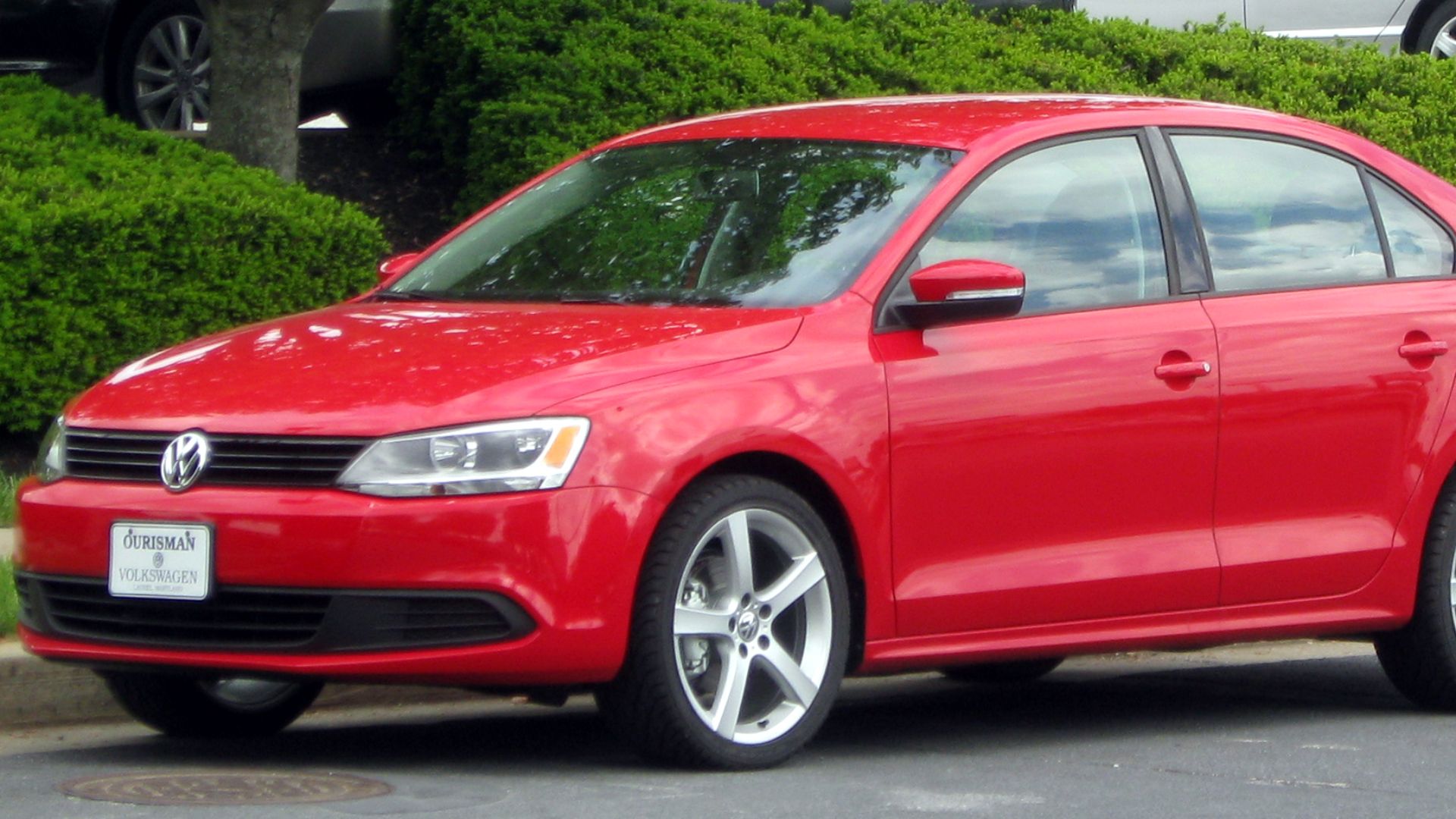
7. 2011 Volkswagen Jetta
The fifth-generation Jetta wasn't cheap, but its solid interior and European styling made the money easier to justify. The thing is, VW chased a lower starting price with the redesigned 2011 model, but the character changed far too much, and critics were quick to harp on it.
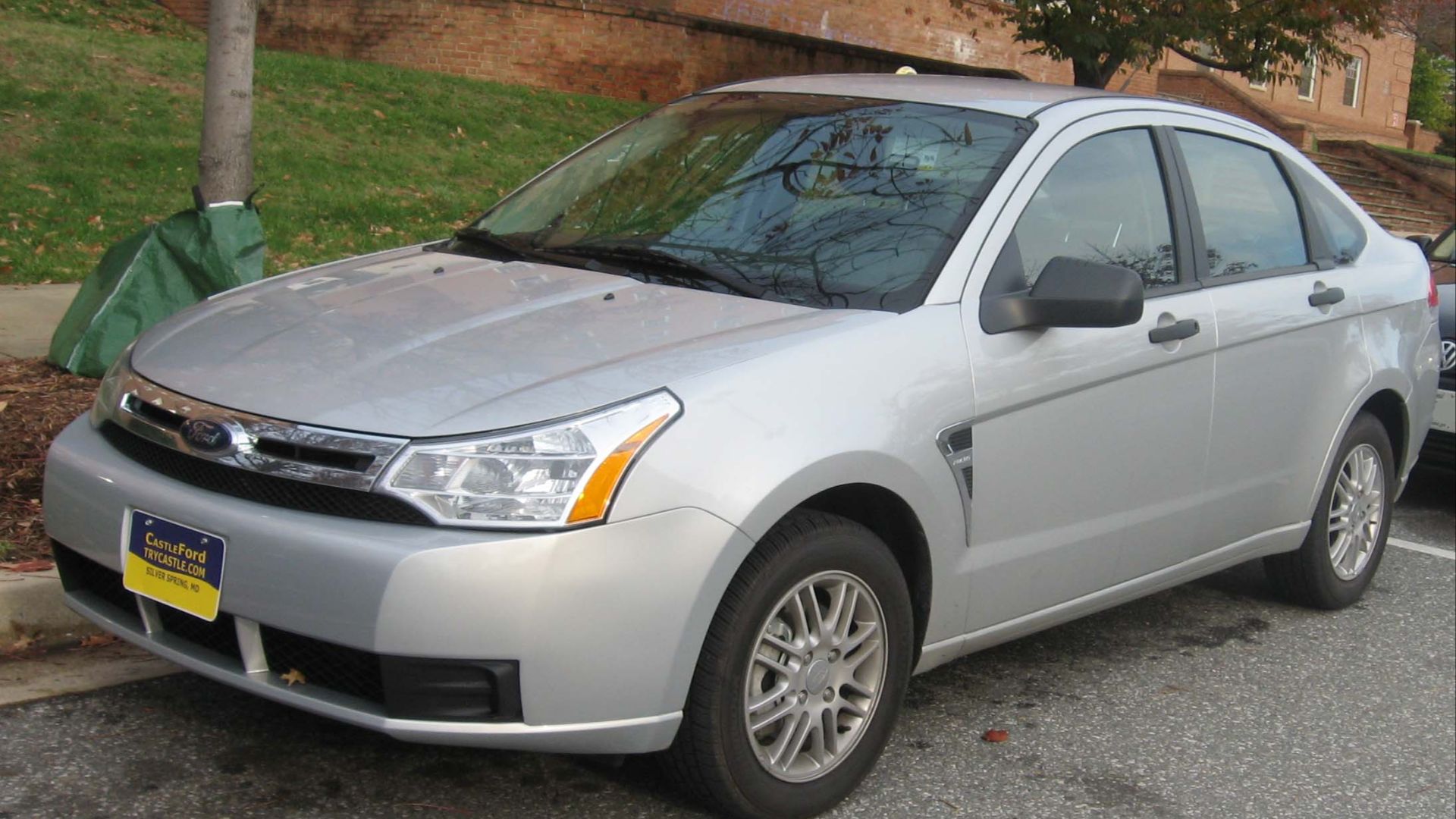
8. 2008 Ford Focus
American buyers never got the same second-gen Focus that Ford sold in Europe, and the 2008 newcomer didn't make that any easier to swallow. Ford restyled the original platform and covered the sedan in busier detailing. Not only did drivers not get what they wanted, but they also got a wonky design to boot.
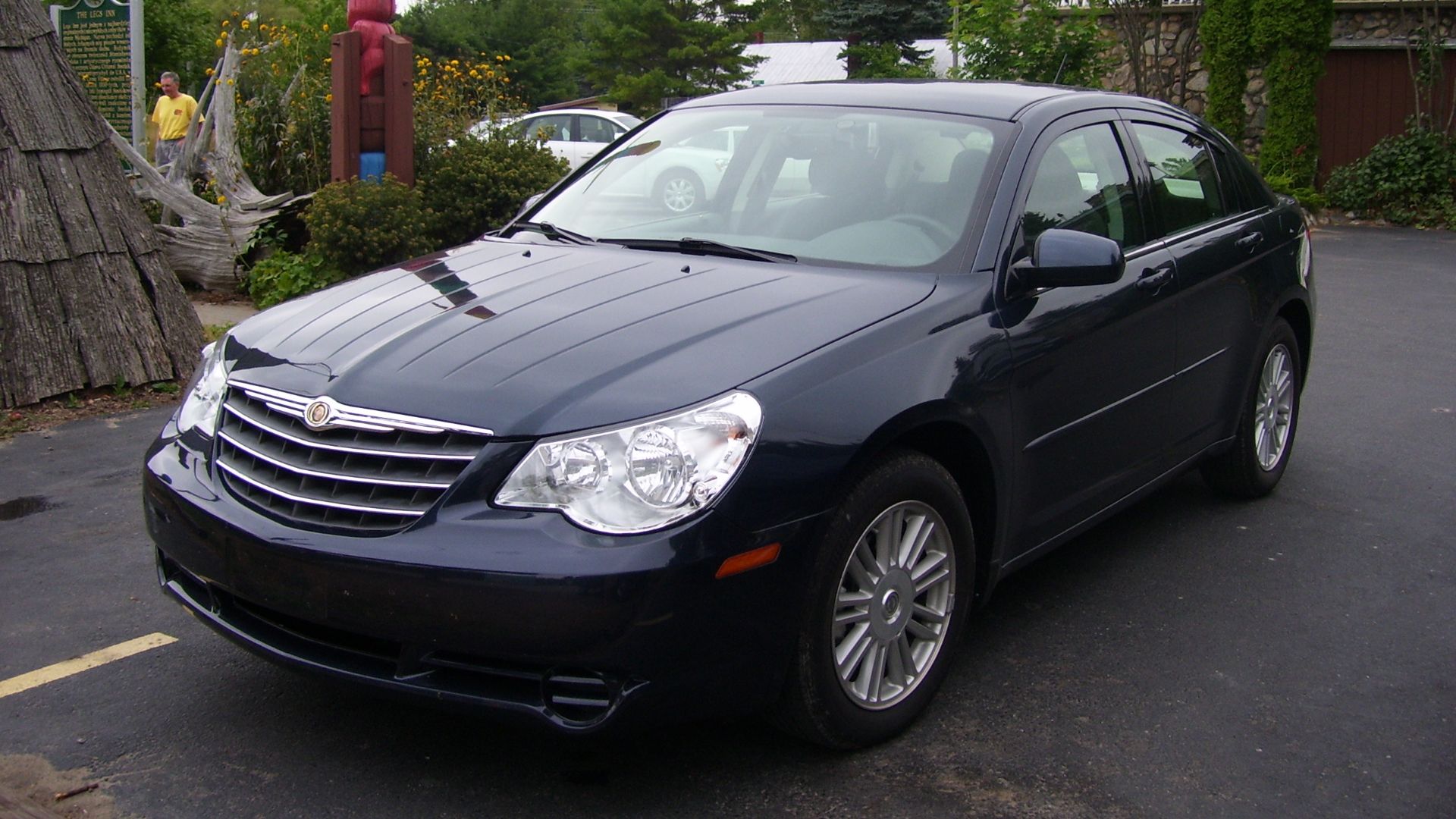
9. 2007 Chrysler Sebring
Okay, the previous Sebring wasn't a masterpiece, but its simplicity was easier on the eyes than what showed up in 2007. Drivers had to stomach a tall body, unusual hood grooves, and an interior filled with hard plastics. The controversial redesign basically ruined the previous car's styling, and it was pretty divisive to say the least.
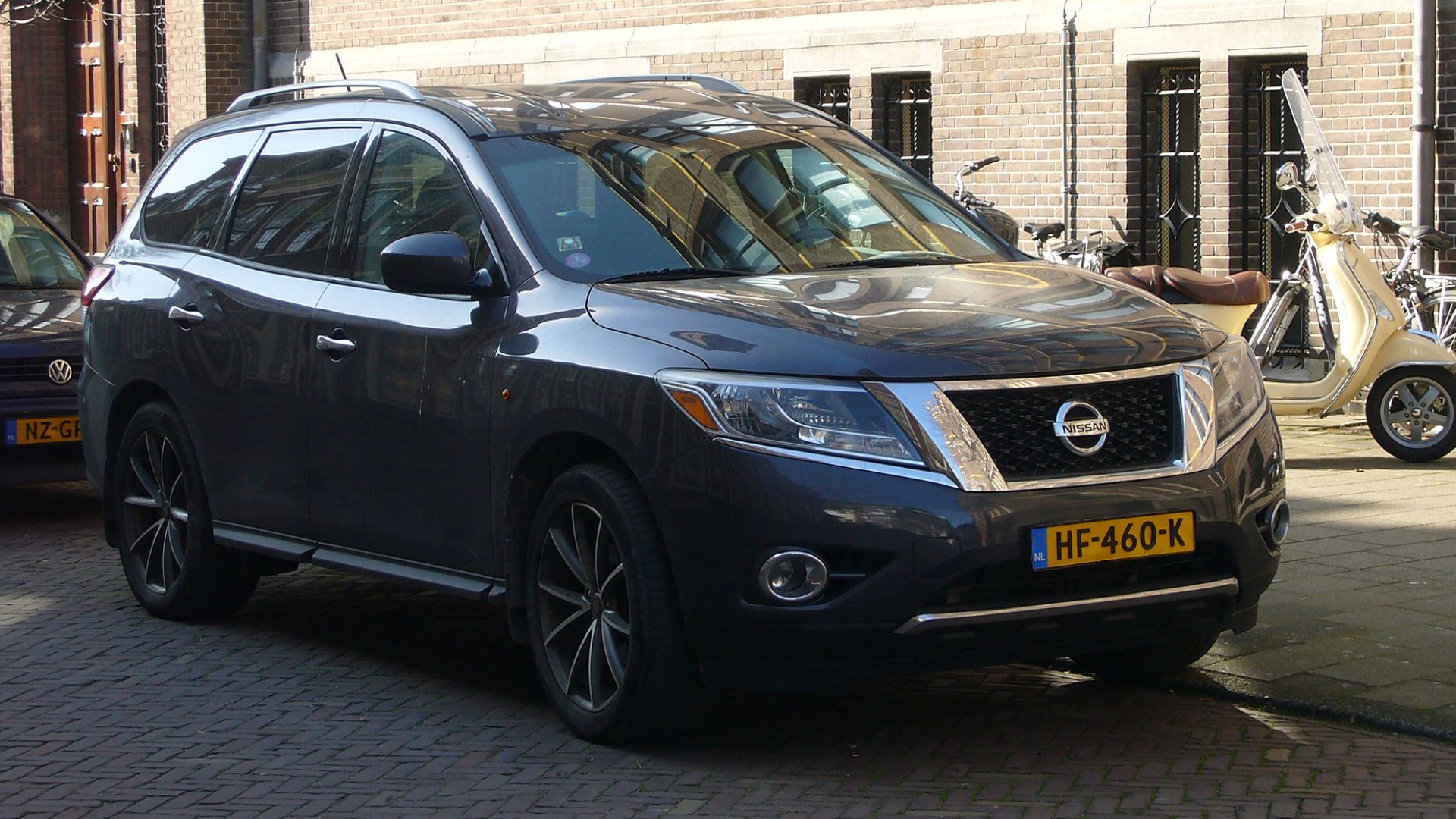
10. 2013 Nissan Pathfinder
The fourth-generation Pathfinder took the name in a very different direction—and not for the best. Nissan replaced the old setup with a front-wheel-drive-based crossover platform for 2013. The redesign made sense on paper, but longtime fans were left scratching their heads.
 Rutger van der Maar on Wikimedia
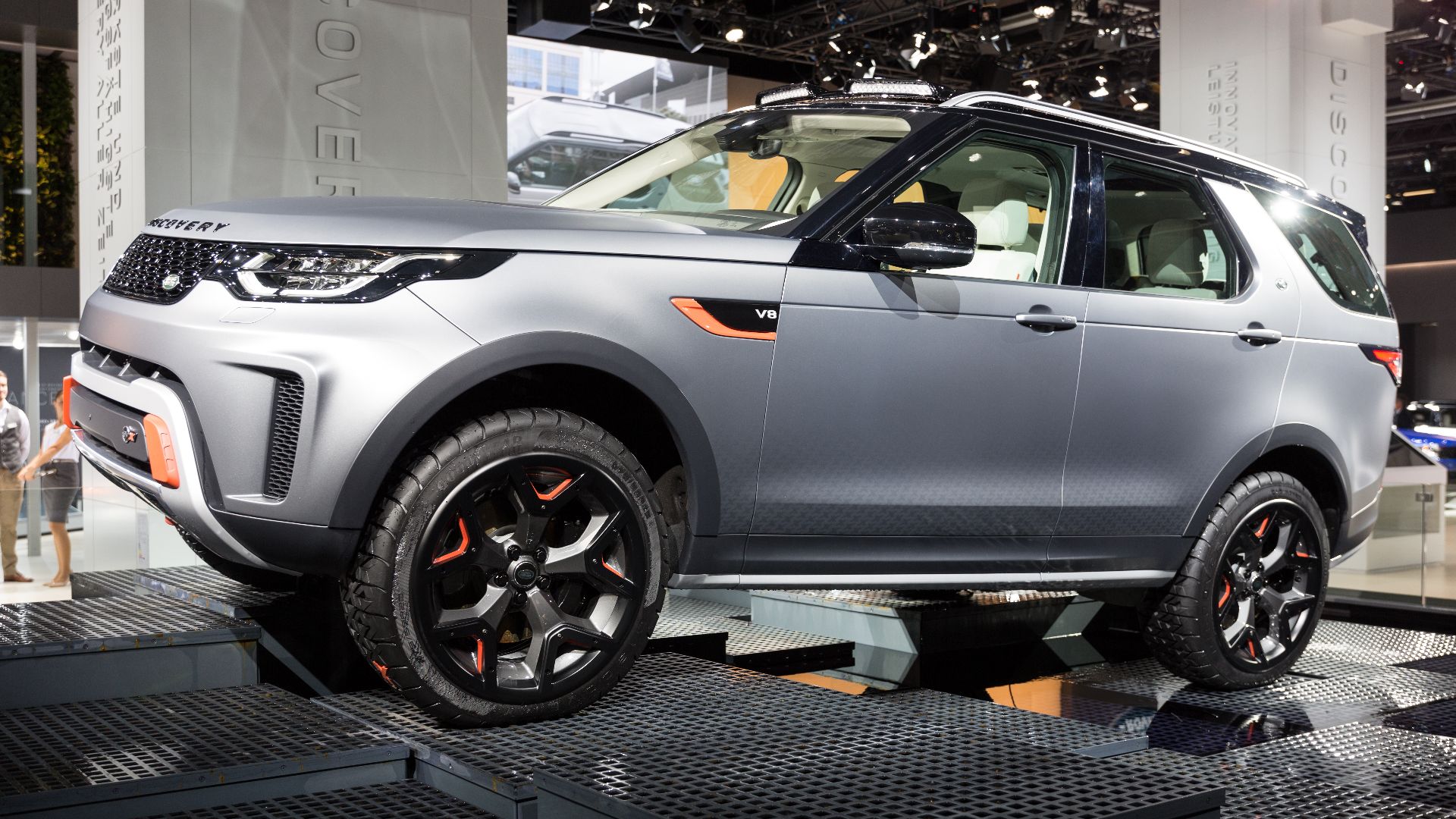
11. 2017 Land Rover Discovery
The LR4-era Discovery had a lot of cool features: an upright roof, squared-off body, and split tailgate that made it easy to spot from any angle. Its 2017 replacement, however, became smoother, while the offset rear license-plate area left a controversial view from behind. Even contemporary reviews called that asymmetric tail a huge gamble.
12. 2019 Chevrolet Camaro SS
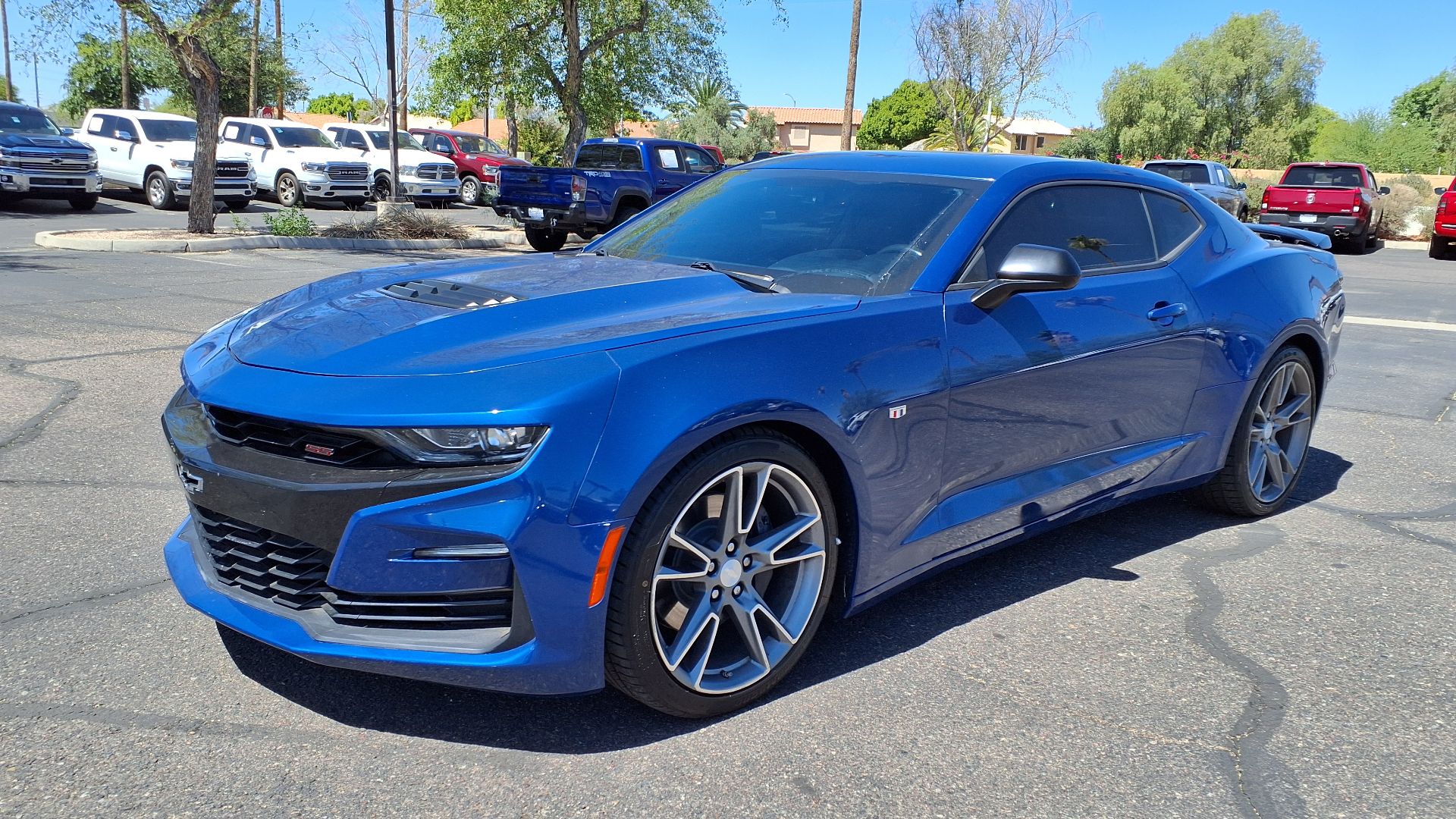
Chevrolet didn't need a new Camaro to prove just how much damage one decision could do. For 2019, the SS received a huge front crossbar with the Chevrolet bowtie placed in its center, immediately distracting from an otherwise excellent design. The feedback was so bad that Chevrolet changed the nose the following year.
13. Porsche 911 996
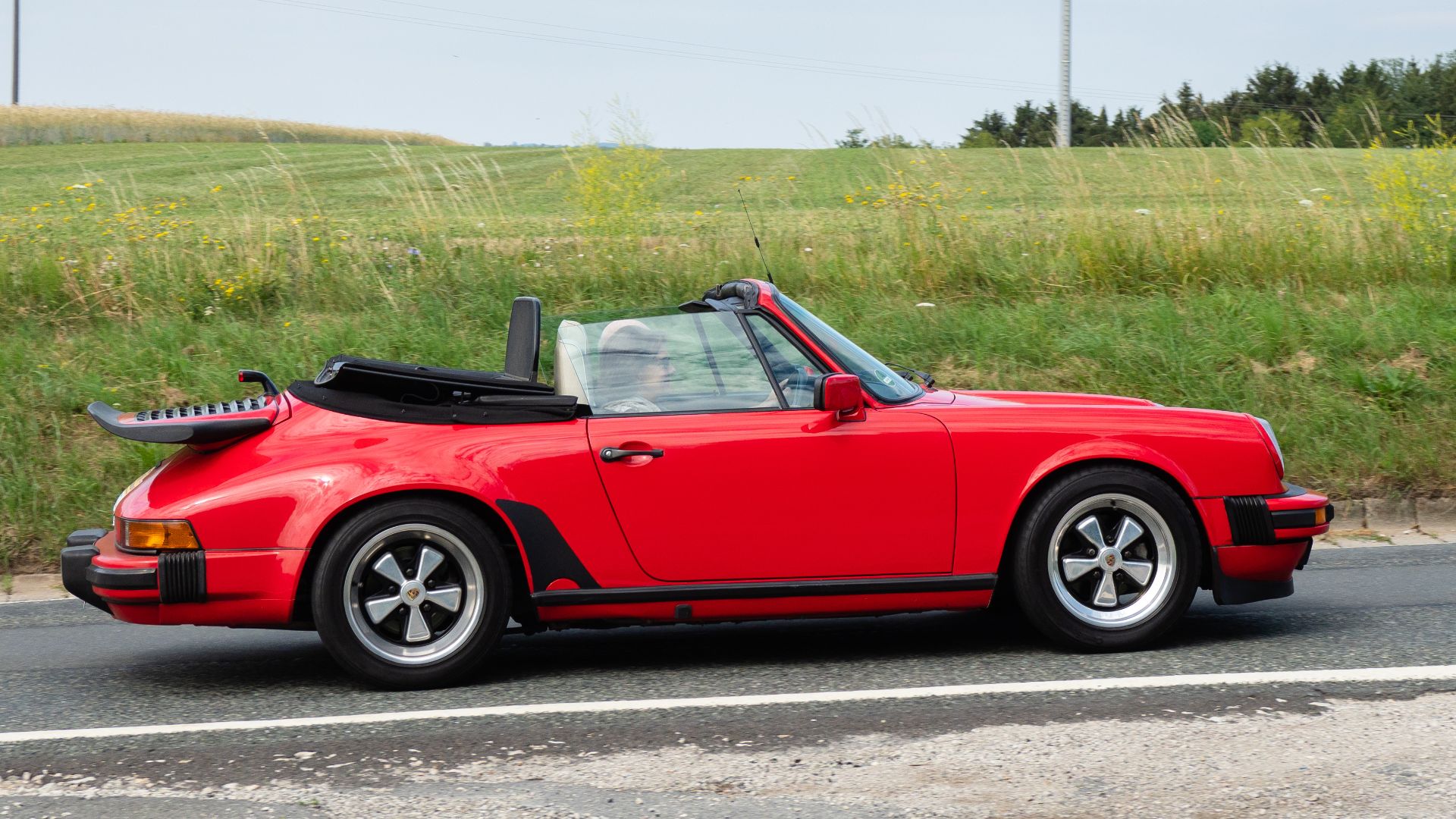
No one said following the 993 was going to be easy, but Porsche made the 996-generation 911 especially difficult for fans to accept. The redesign abandoned the classic headlights for irregular ones, introduced a different interior, and marked the 911's historic switch to water cooling. Those so-called “fried egg” headlights helped make it one of the most controversial changes ever made.
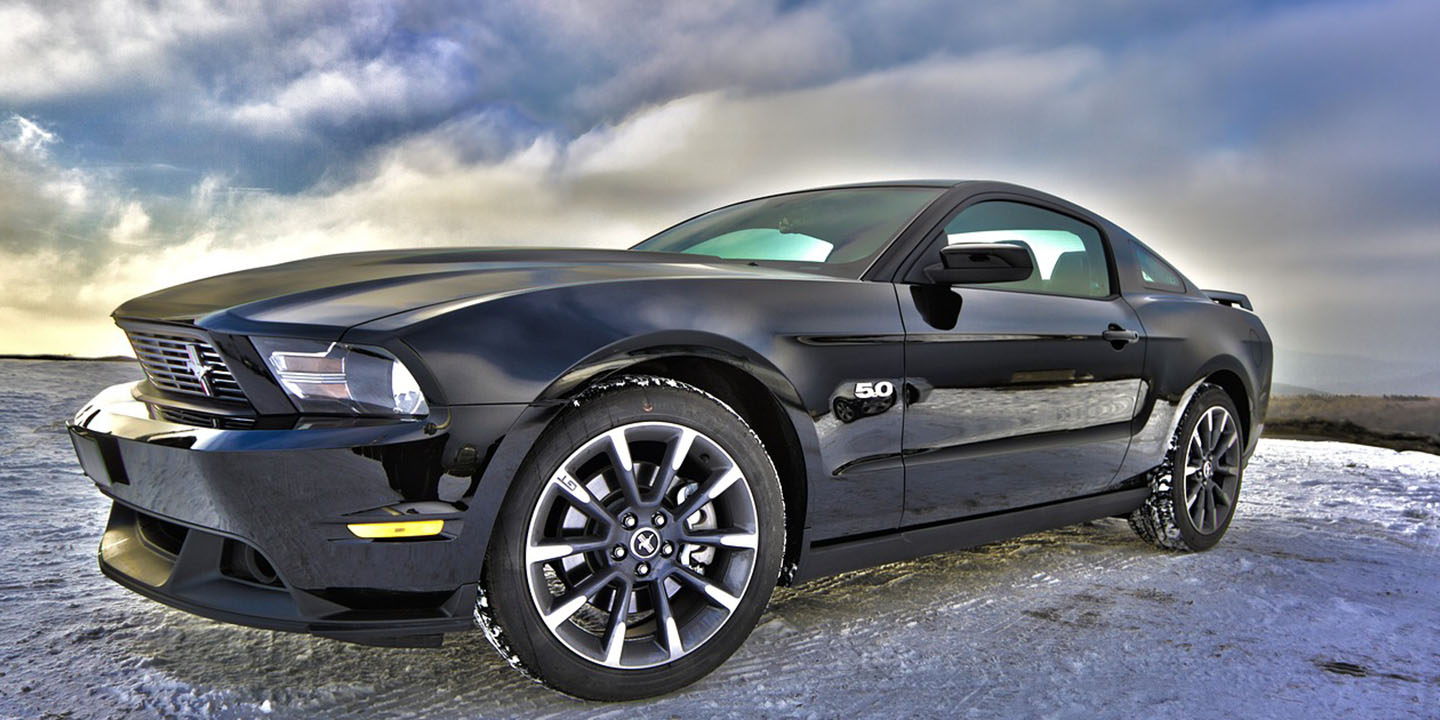
14. 1974 Ford Mustang II
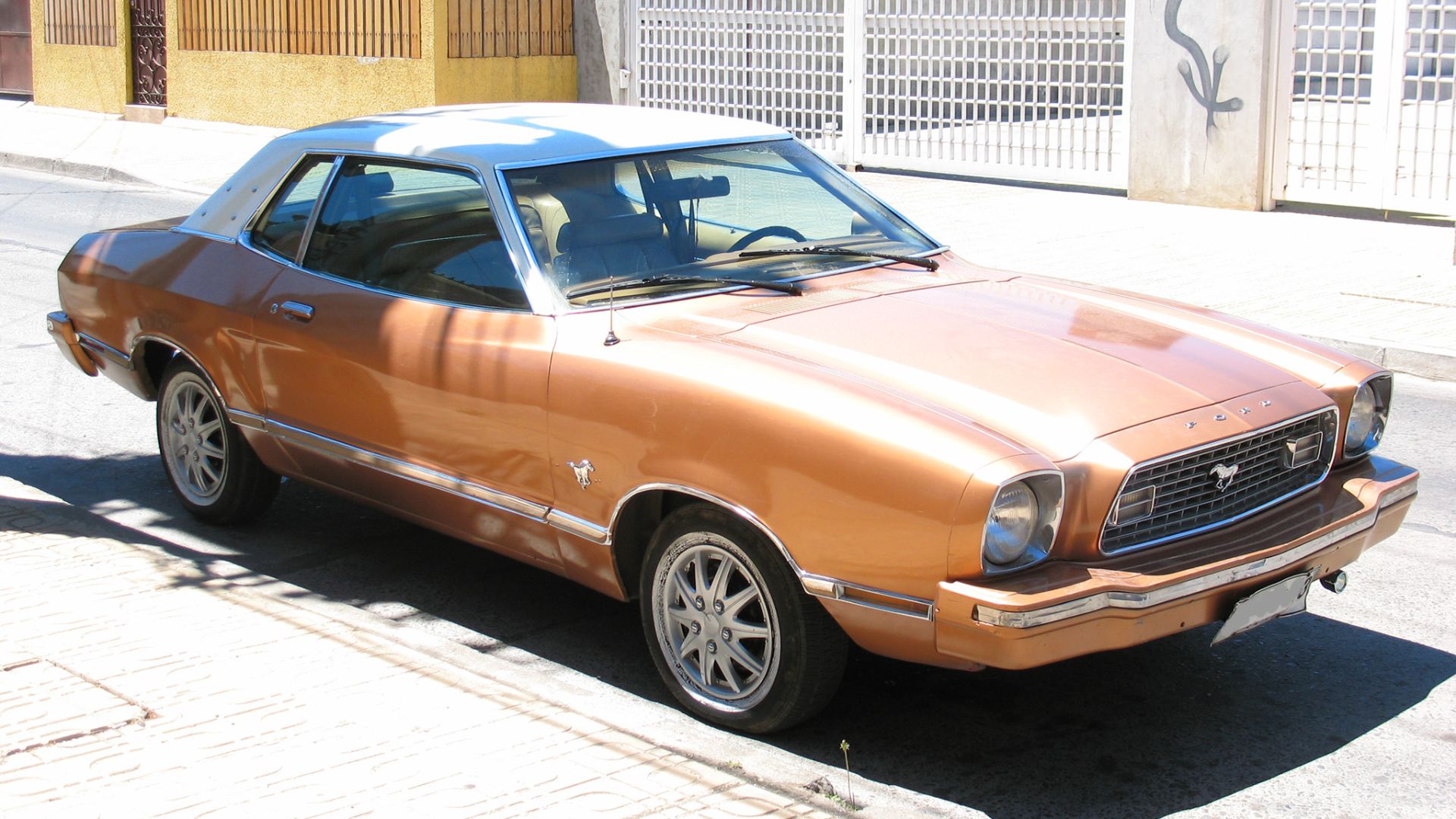
By 1973, the Mustang was larger than the original, so Ford had a few reasons to shrink it. The Mustang II went much further than that, though, launching with a 2.3-liter four-cylinder as its standard engine while performance took a step back. Buyers actually reached for it quite a bit, but decades of criticism kept it from soaring sales.
 order_242 from Chile on Wikimedia
15. 1982 Dodge Charger
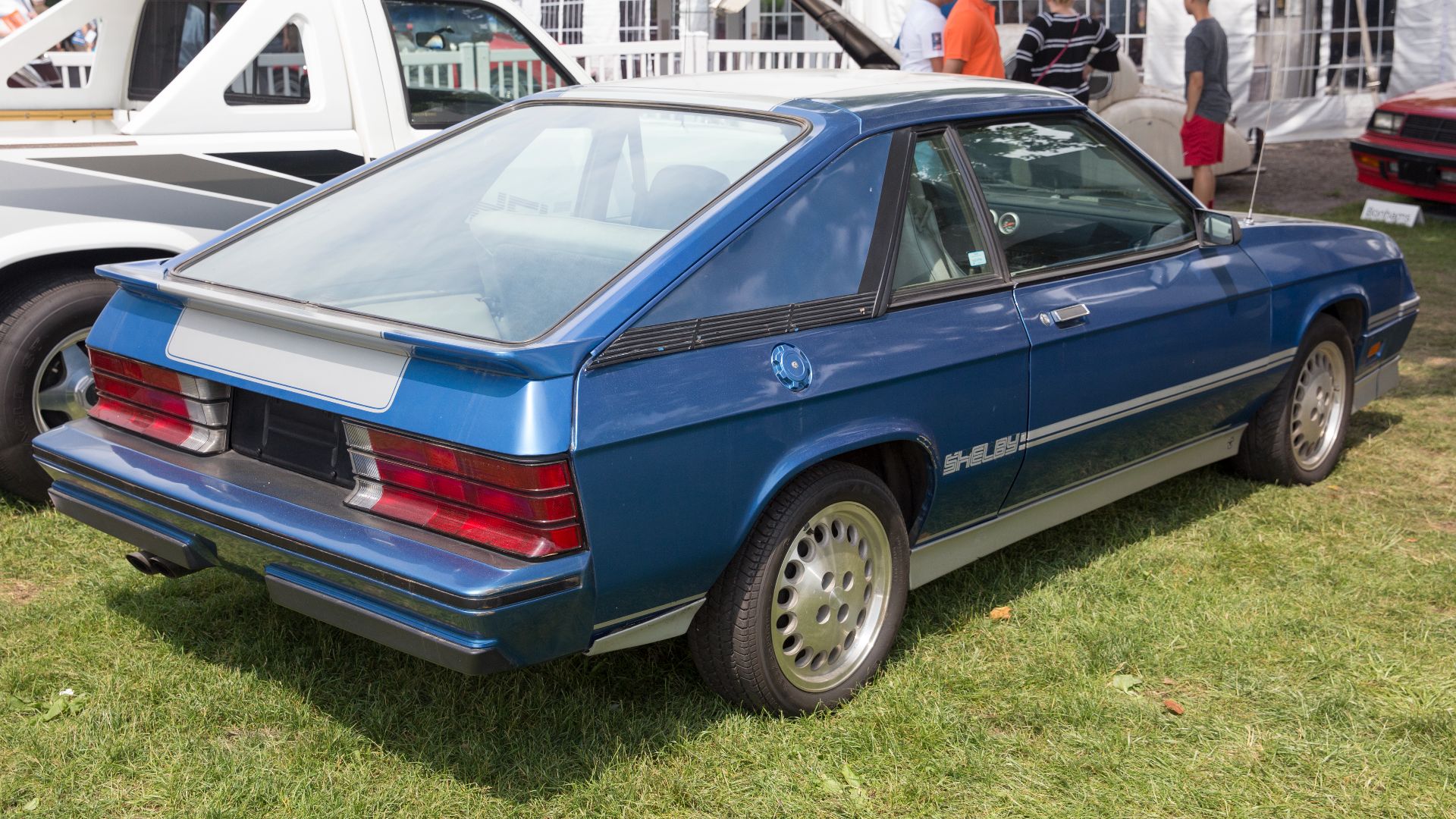
Imagine walking into a Dodge showroom after the old Chargers only to see the 1982 model instead. Later versions made the little Charger interesting, but the original redesign changed the car's identity so much that the badge was left to do most of the work.
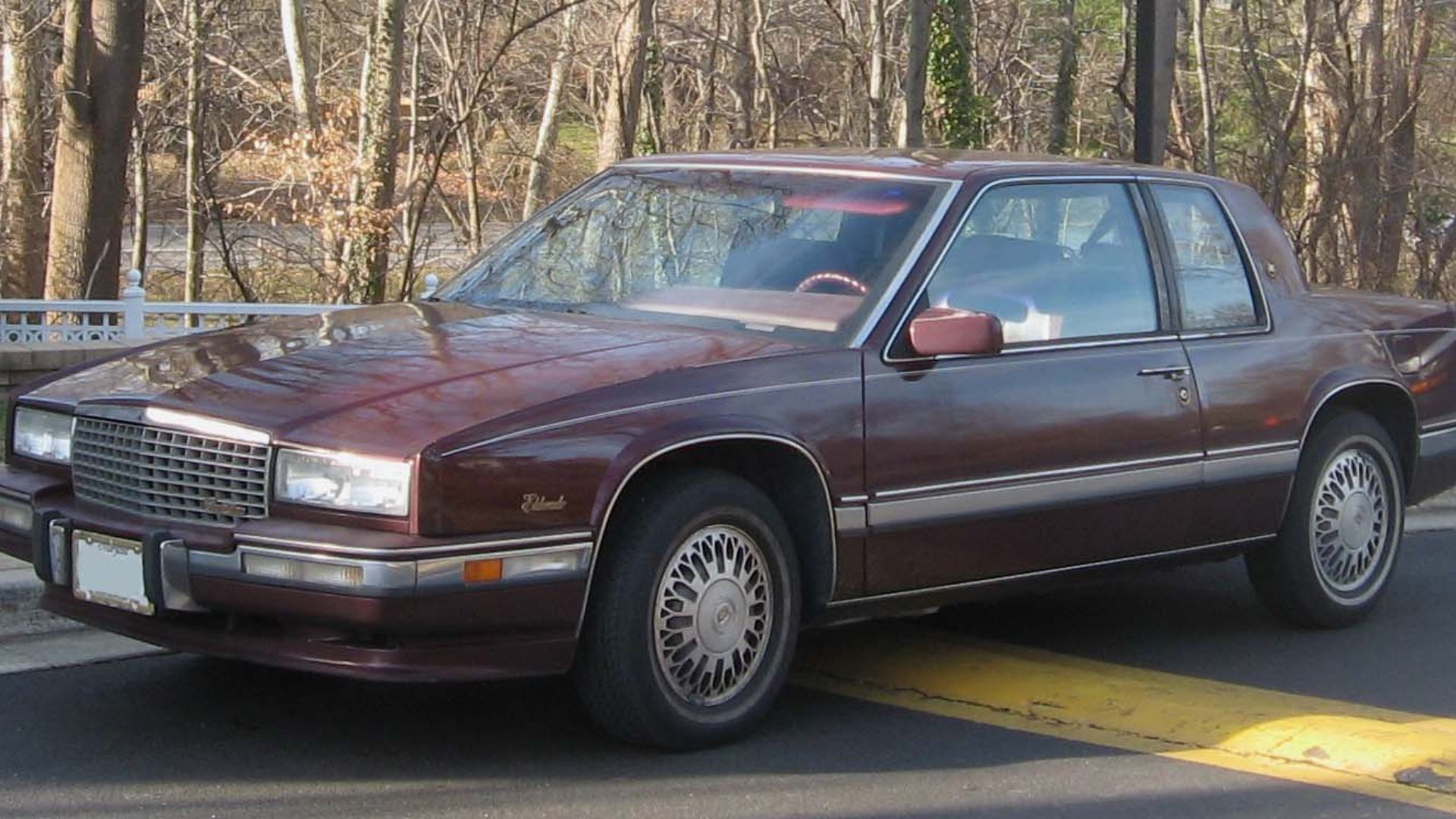
16. 1986 Cadillac Eldorado
Cadillac downsized the Eldorado once for 1979, but when another redesign arrived in 1986, the Eldorado shrank again. It also got much more anonymous, losing the strong proportions that had once separated it from ordinary coupes. Buyers weren't happy either, with sales falling during the redesign's early years.
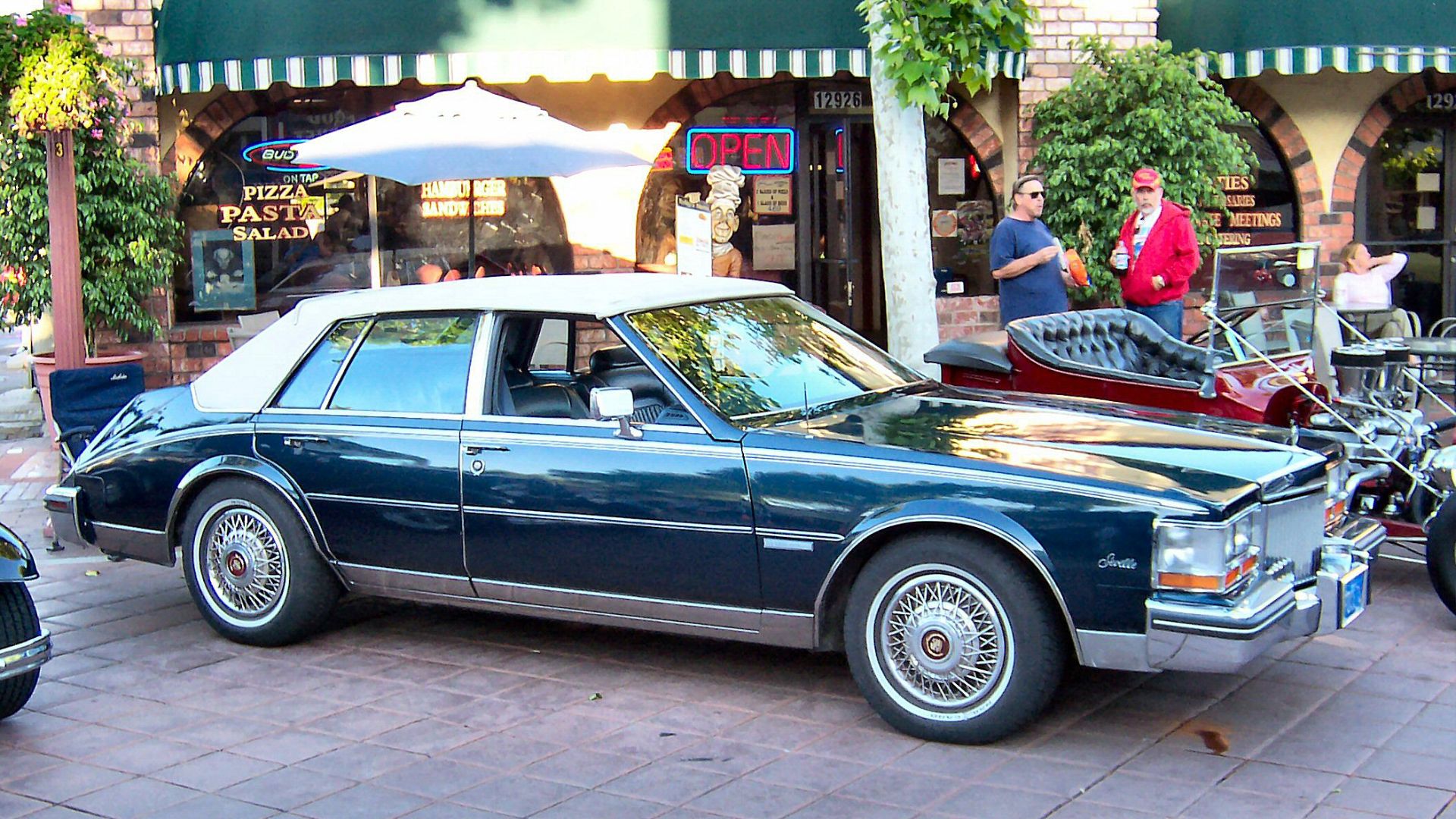
17. 1980 Cadillac Seville
The original Seville proved Cadillac could build a pretty compact luxury sedan without giving up the style customers wanted. Its 1980 successor, however, took a much bigger risk: a sloping “bustleback” rear end. The shape has its admirers, sure, but figures show demand dropping sharply during the bustleback generation.
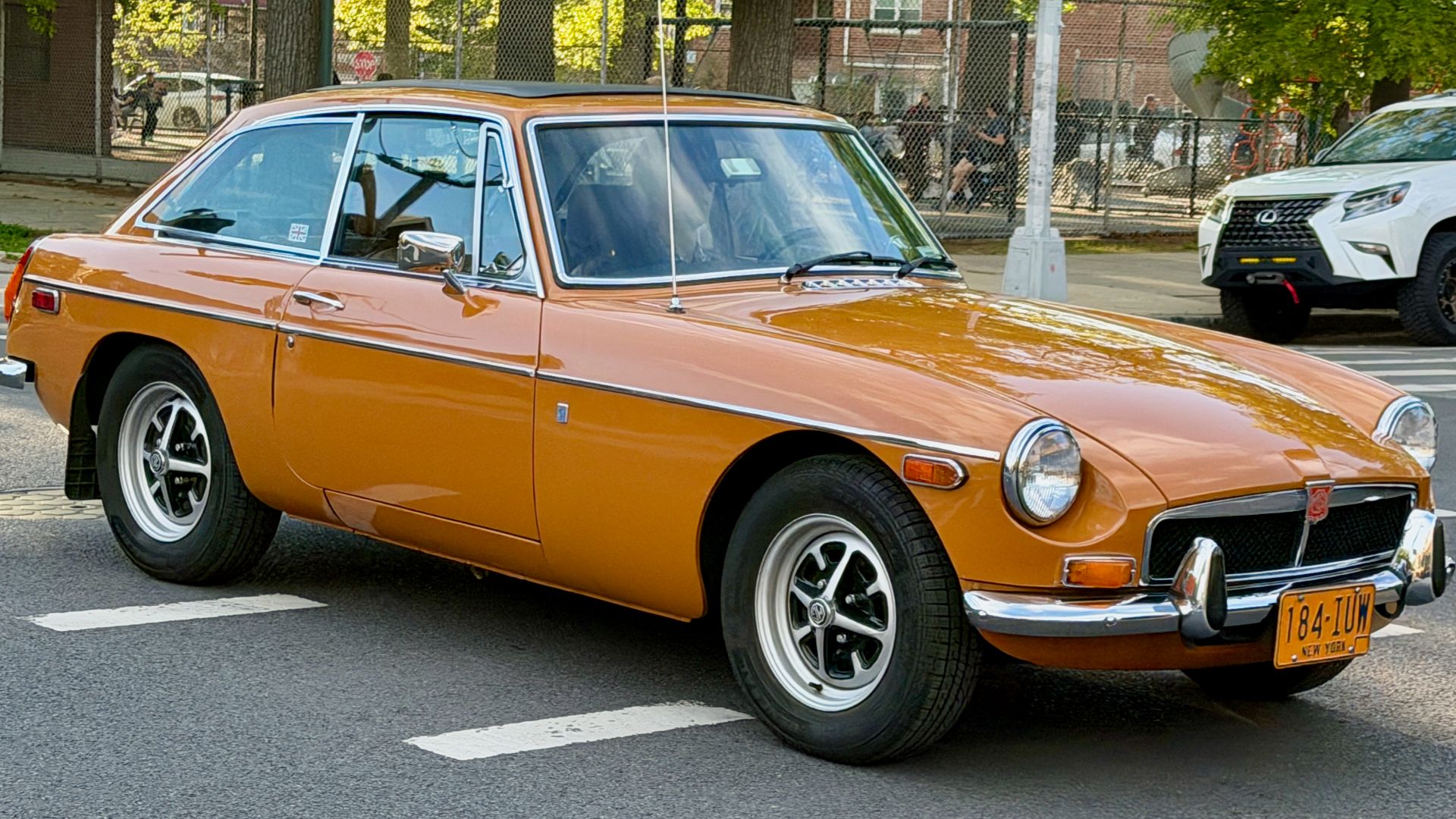
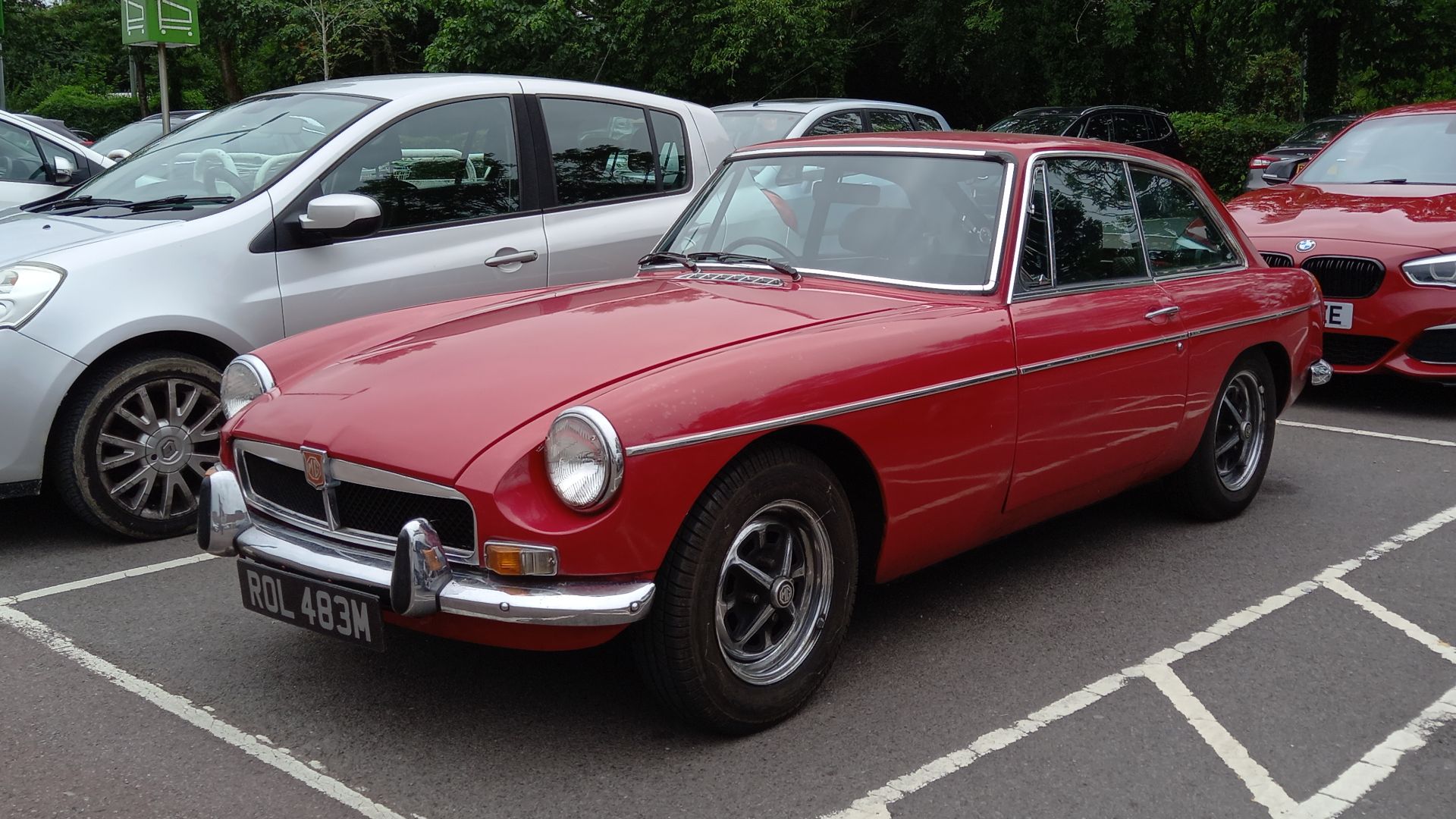
18. 1974 MGB
The MGB's chrome bumpers were a major part of its original appearance, but safety regulations actually forced substantial changes. Later 1974 cars gained large black bumpers and increased ride height, altering both the proportions and the way it drove. Unfortunately, die-hard fans weren’t exactly on board.
 Hugh Llewelyn from Keynsham, UK on Wikimedia
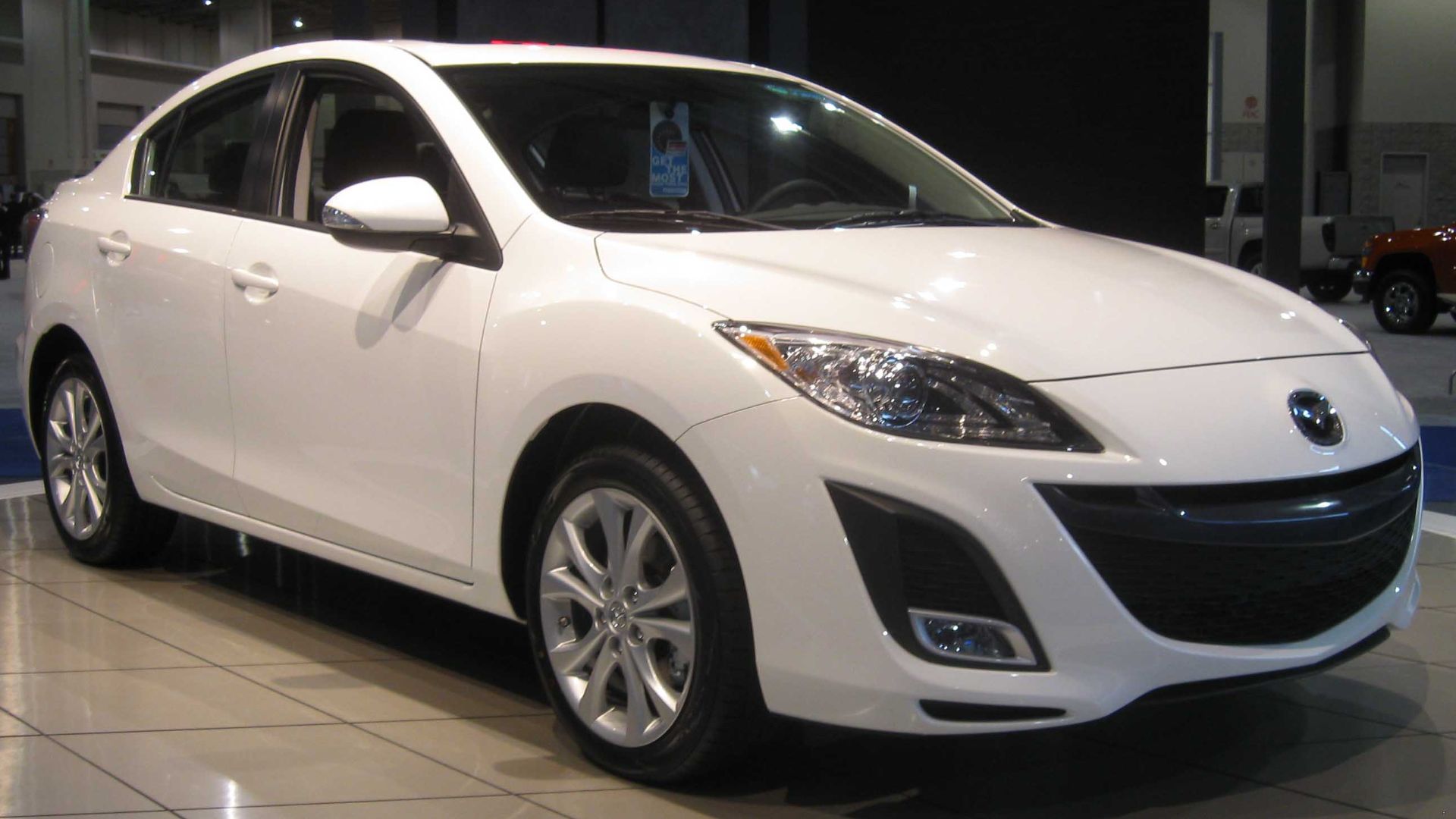
19. 2010 Mazda3
The first Mazda3 balanced sporty details with a straightforward shape, which is why so many people loved it. Things didn’t look all bad for the 2010 redesign; it preserved the good stuff but fitted an enormous lower grille that ate up most of the profile. The controversial choice remains the defining feature of the second generation.
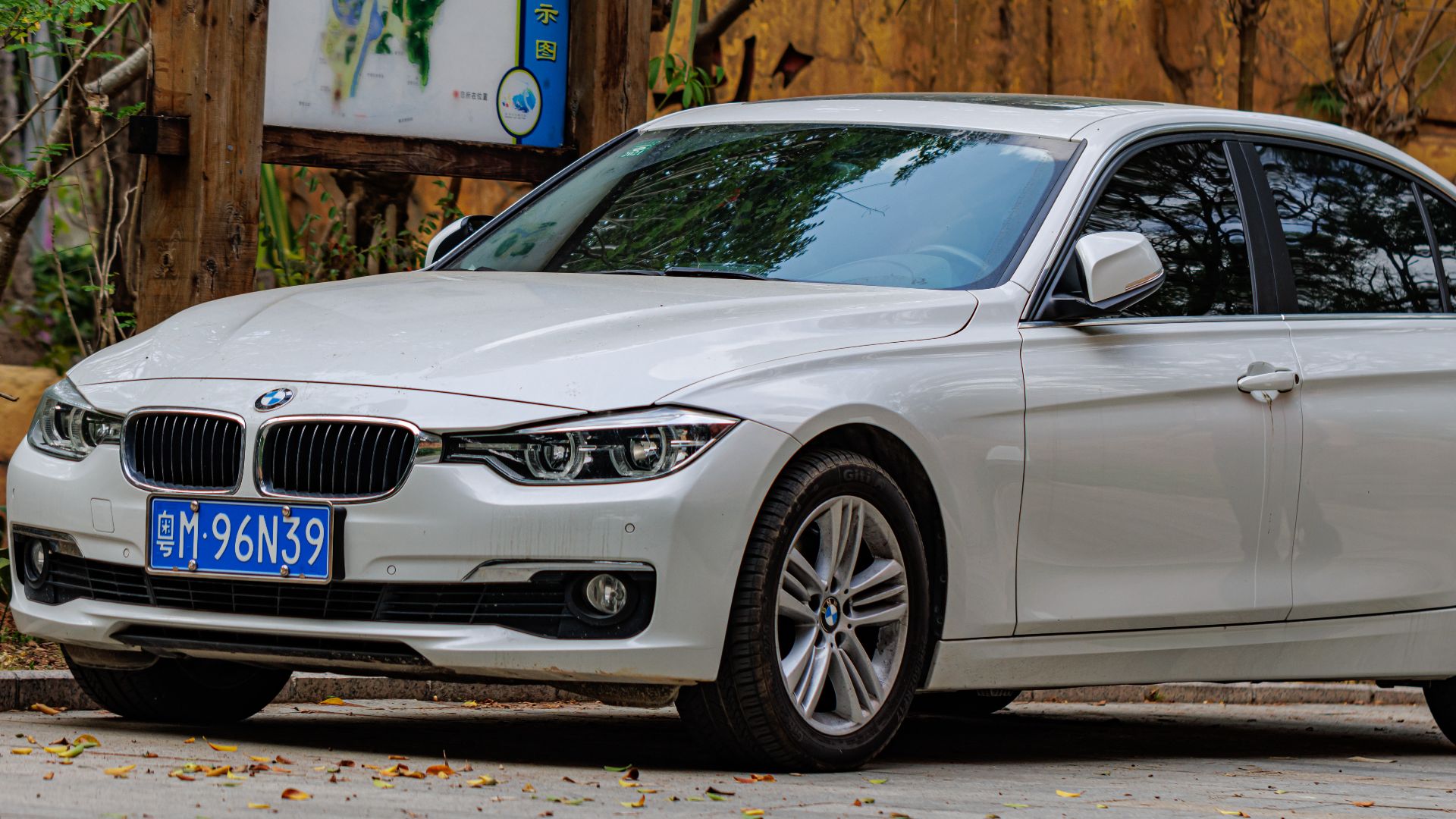
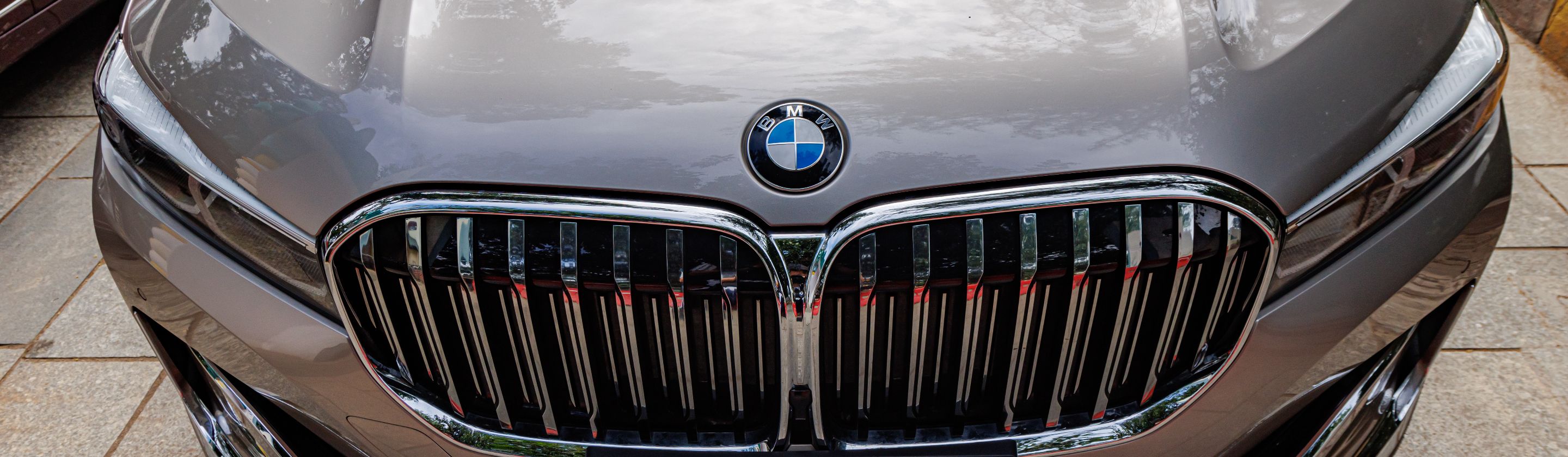
20. 2021 BMW 4 Series
BMW's first-generation 4 Series wasn't all that much to look at, but its proportions left little room for improvement. Then the 2021 redesign arrived—stretched kidney grilles covered most of the nose, and discussion of the new coupe centered almost entirely on that one choice. Reviewers couldn’t shake the look, and the redesign never recovered.