
Before You Hand Over the Keys
Buying a first car for your teen is exciting, but it's also important to really evaluate whether they're responsible enough to get their ticket to true independence. If they’ve already shown consistency, judgment, and follow-through in other parts of life, that's a great sign. If not, you might want to rethink handing over the keys. Here are 10 signs your teen is ready for their first car, and 10 red flags that show they aren't.
1. They Handle Independence Like a Responsibility
When you give your teen room to manage something on their own, and they don’t immediately test how far they can push it, that's a good sign. That means they understand that trust is something they keep earning, not something they cash in for perks. That mindset matters because driving is often a long series of choices made without supervision.
 Antoni Shkraba Studio on Pexels
2. When They Mess Up, You Hear the Truth First
Instead of handing you a carefully edited version of events, they tell you what happened and where they slipped. They don’t love consequences, but they don’t lie to dodge them either. A teen who can be honest when it’s uncomfortable is far more likely to learn from mistakes behind the wheel.

3. They Notice What’s Going On When Driving
Most teens are just excited to drive, which means they're often ignoring the conditions around them. But if your teen picks up on details like weather changes, traffic patterns, or when someone nearby is acting unpredictably, you can tell they’re not just physically present, they’re mentally engaged behind the wheel. That kind of awareness is a big deal because safe driving starts with seeing problems early, not reacting late.
4. They Don't Use Excuses to Speed
Does your teen show good time management? This means they’re not constantly sprinting out the door, blaming the clock, or acting shocked when they only have five minutes to get where they need to be. It also means they're not the type to use those excuses to justify speeding, which most teens (and adults, too) are guilty of.

5. They Can Take Coaching Without Getting Defensive
When you correct your teen, they don’t act like you attacked their character. Instead, they take your advice, ask questions, and actually regularly prompt for feedback so they get better. That attitude makes learning to drive smoother, and it also makes you more willing to keep teaching.

6. Pressure Doesn’t Make Them Reckless
When something stressful happens, they tend to slow down and think rather than speeding up emotionally. You’ve seen them handle disappointment, conflict, or a last-minute change without spiraling. Driving demands that same steady internal brake, because the road doesn’t care about their mood.
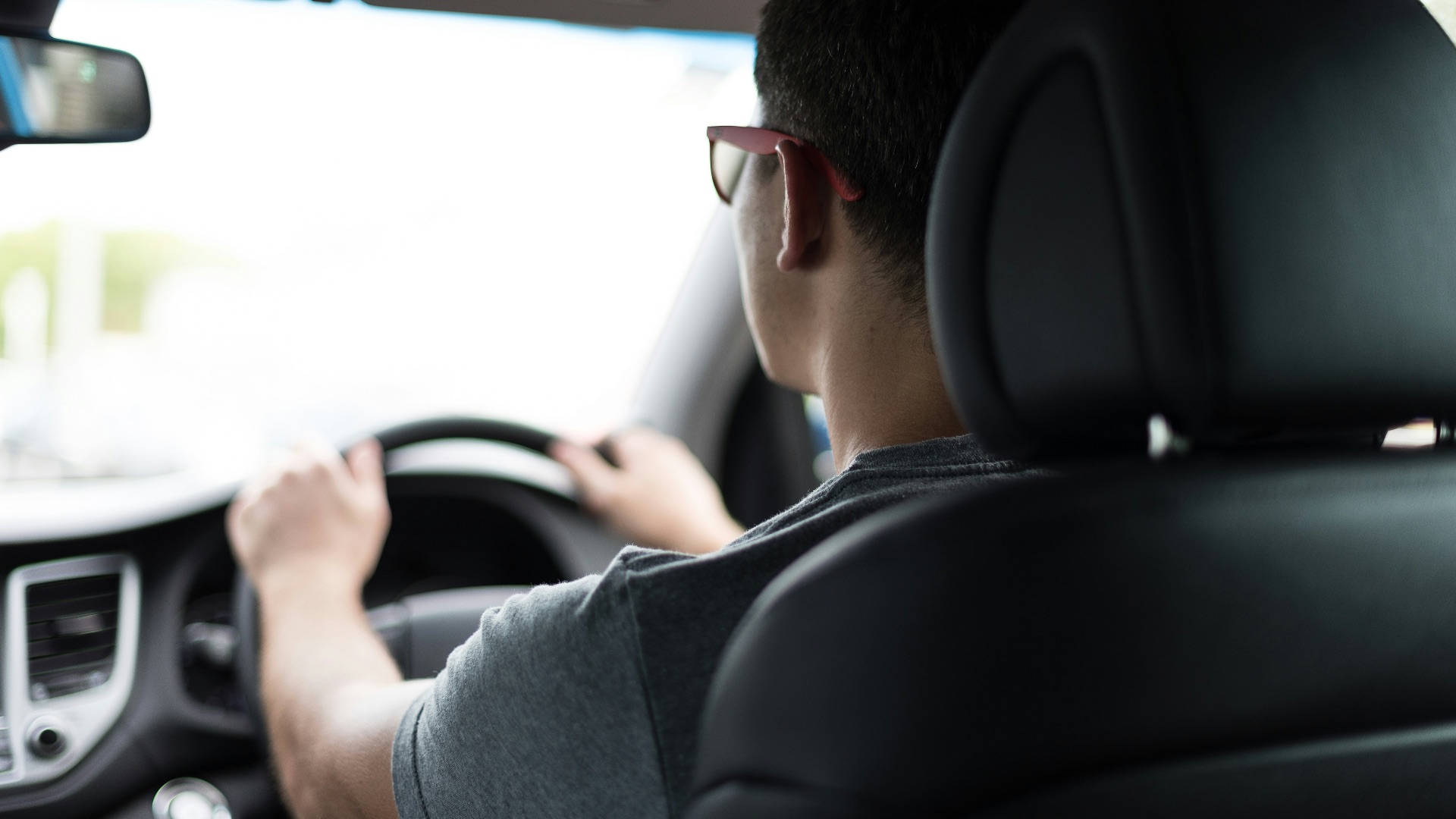
7. They Understand That Driving Has a Real Risk Factor
They don’t talk about cars like they’re a guaranteed ticket to unlimited freedom. Instead, they acknowledge that accidents can happen and that prevention takes effort, not luck. When your teen takes safety seriously without you having to lecture them, that’s a really good sign.

8. They Respect Your Rules
They might disagree with some of the strict rules you set, but nonetheless still show up, follow through, and live within boundaries most of the time. They don’t treat every rule like a debate they can win if they argue long enough. Traffic laws are the definition of non-negotiable, so if they can show accountability off the road, that's a good thing.
9. They Have Some Financial Reality
They get that gas doesn’t magically appear and that maintenance is not optional. Even if you’re helping them with the costs, your teen understands what things roughly cost and why budgeting and driving safely matter. That awareness often shows up as better care for the car and fewer impulsive trips.

10. They Show Smart Driving Patterns
When your teen is behind the wheel, they aren’t only following instructions but anticipating what could happen next. You see them scanning, checking mirrors, adjusting speed early, and making choices that look calm instead of rushed. A teen who drives with intention during practice is much more likely to drive safely when they’re alone.
What are some signs that show your teen might not be ready for their first car, then? Let's jump into that next.
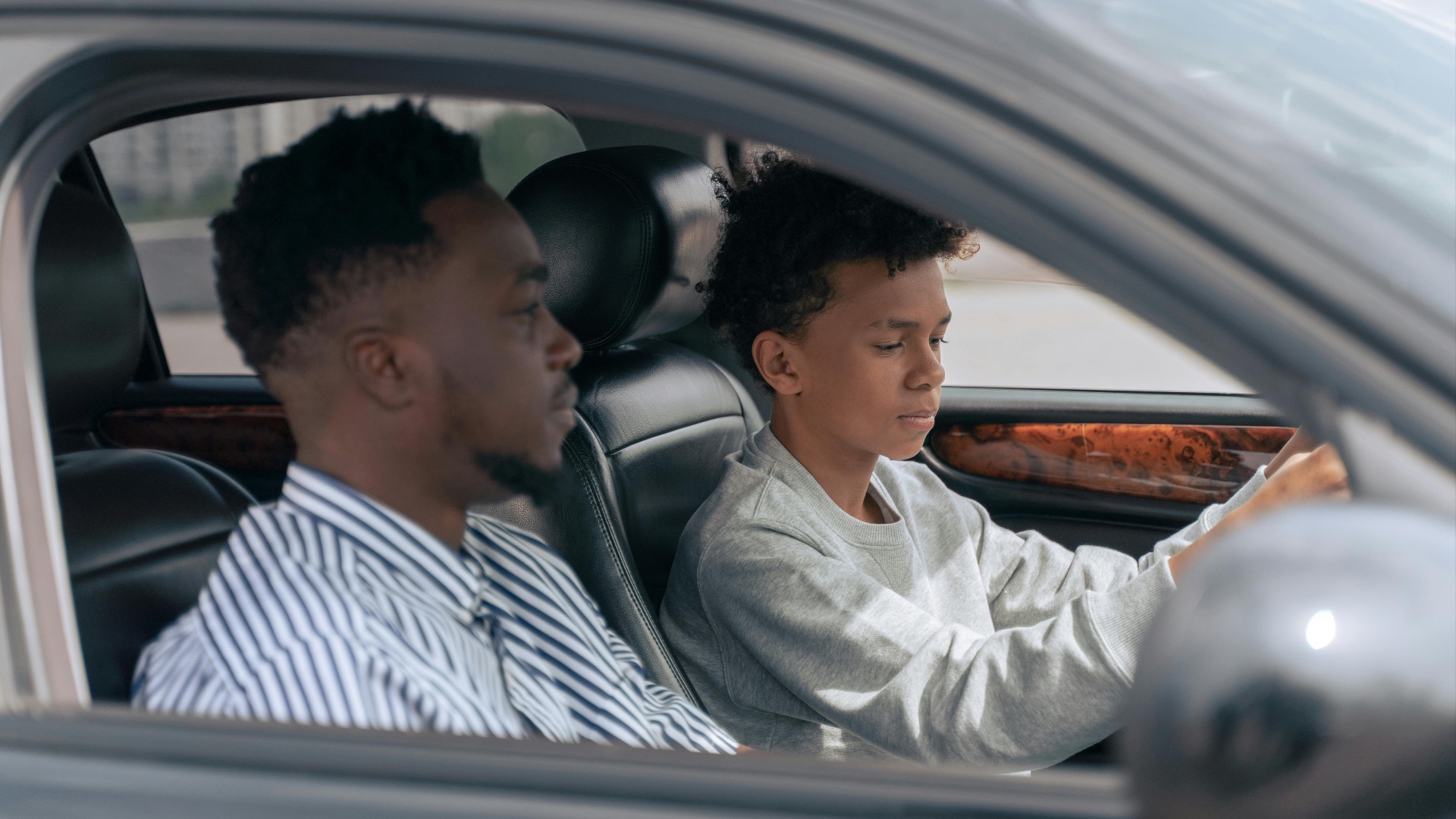
1. They Don't Respect Boundaries
Instead of following rules, they look for loopholes, technicalities, and ways to do the opposite of what you meant. You end up exhausted because every expectation becomes a negotiation. That personality pattern is risky, because in a car, driving requires quick compliance with rules, not trying to "outsmart" the system.

2. Simple Feedback Makes Them Defensive
You point out a mistake, and suddenly it’s excuses, attitude, or a lecture about how you’re being unfair. They focus more on protecting their pride than improving their behavior. Since driving demands constant correction in the early months, defensiveness is a real safety issue.

3. They Drive Distracted
They bounce between phone notifications, conversations, and random thoughts without realizing how checked out they get. Even when they mean well, they lose the thread of what they’re doing. Driving punishes divided attention, so this is one of those signs you should immediately flag.

4. They Make Decisions Impulsively
Does your teen agree to plans without thinking, take risks because it feels exciting, or act on impulse and then regret it? Do you often hear a lot of "I didn't think that through" after the fact? A car doesn’t leave much room for after-the-fact learning, so this is a flashing warning light.
5. They Act Different Around Certain Friends
You’ve noticed that some friends bring out better judgment in your teen while others bring out the worst decisions. If they become louder, bolder, and less careful in certain friend groups, that's a red flag. Peer influence is powerful, and a car can quickly turn into a social tool instead of a responsibility.

6. They're Not Good at Maintaining What They Already Have
Don't just pay attention to how your teen treats the car; look at how they maintain their room, backpack, or electronics, too. If their belongings are always in a mess, broken, or constantly missing pieces, and you’re often the one replacing, fixing, or reminding them to take basic care of things, you might want to think twice about handing them their own car keys. A vehicle requires steady upkeep, and neglect adds up quickly in cost and safety.

7. Mood Swings When Driving
When your teen drives, do they go from fine to furious, or from calm to overwhelmed, and it’s hard for them to come back down? Do they slam doors, say reckless things, or make dramatic choices when they're upset? If they're constantly battling extreme mood swings, it might be worth reconsidering getting them their own car. Driving while emotionally charged is a bad mix, and it’s not something you want them practicing alone.

8. They Try to Bargain Over Safety Rules
They want exceptions for texting, extra passengers, late-night driving, or skipping the basics because it’s annoying. You hear arguments that sound like they’re trying to wear you down rather than understand the why. If they resist safety boundaries now, they’re likely to ignore them later when you’re not there.

9. Trust Has Been Wobbly Lately
If your teen has hidden things, lied about small stuff, or repeatedly failed to follow through on agreements, that's a bad sign. Even if nothing is extreme, you’ve probably started double-checking because you don’t feel confident taking their word. A first car requires trust, and if trust isn’t stable, the whole setup becomes stressful and unsafe.

10. They Keep Making the Same Mistakes
If your teen continuously misses stop signs, forgets to scan, drifts in their lane, or needs frequent reminders about basic attention, that's another glaring red flag. Everyone makes beginner mistakes, sure, but repeated carelessness suggests they’re not taking the risk seriously. If progress is stuck, it’s smarter to slow down the timeline than to hope independence fixes it.