
When You Should Immediately Pull Over
Driving is one of those everyday tasks that you don't usually have to think too much about, other than making sure you're operating safely behind the wheel, but there are still situations that sometimes pop up that render it impossible to continue. From deflated tires and spongy brakes to sleepiness or dizziness, when you find yourself caught in these scenarios, the best thing to do is to always pull over. Here are 20 situations where you should immediately stop driving.
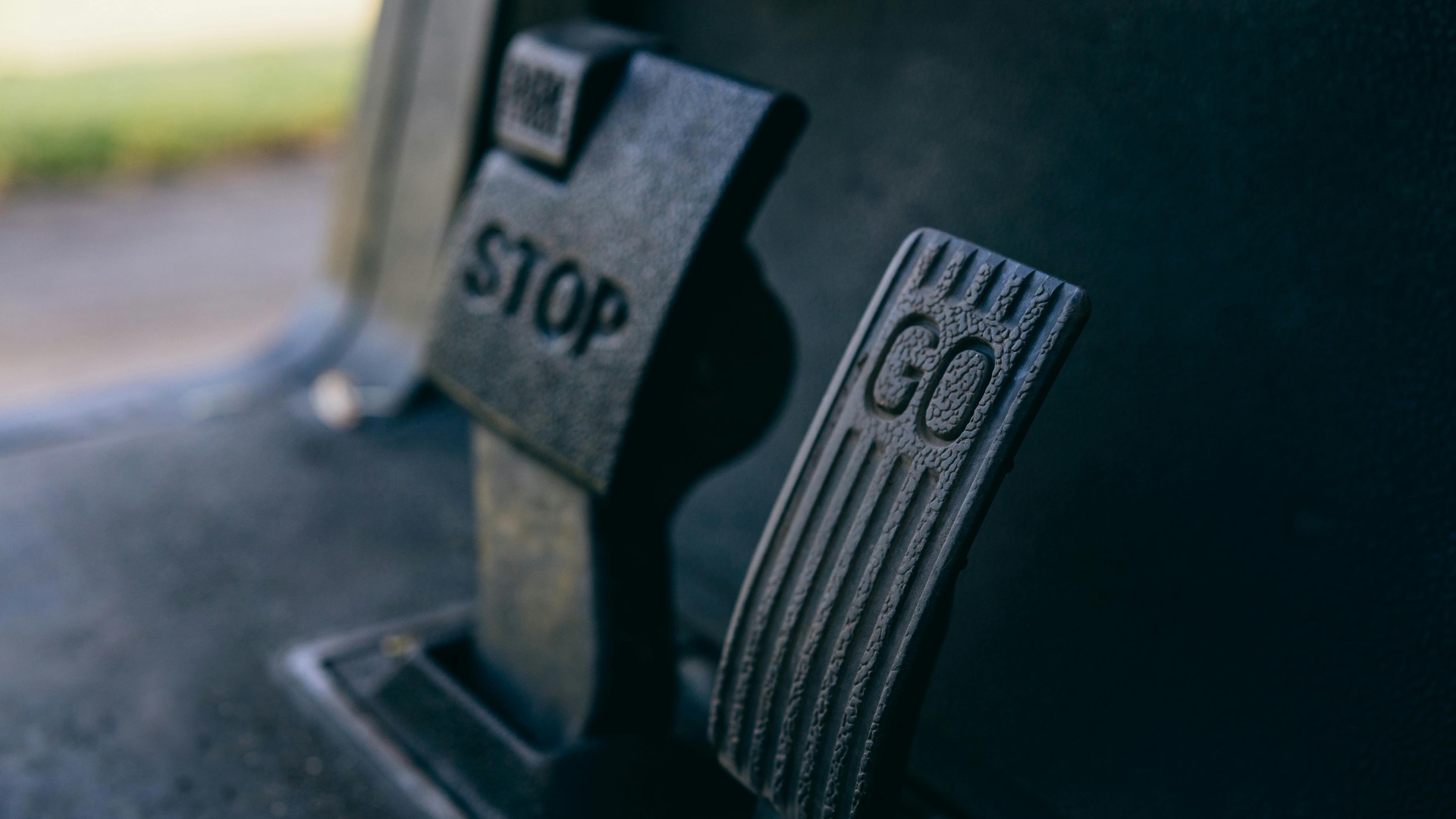
1. Your Brakes Feel Soft or Spongy
If the brake pedal suddenly feels mushy or takes longer to stop the car, you’re losing the ability to control speed safely. Ease off the accelerator, turn on your hazard lights, and pull over somewhere protected. Don’t keep testing the brakes in traffic because the next press might not work the way you need it to.
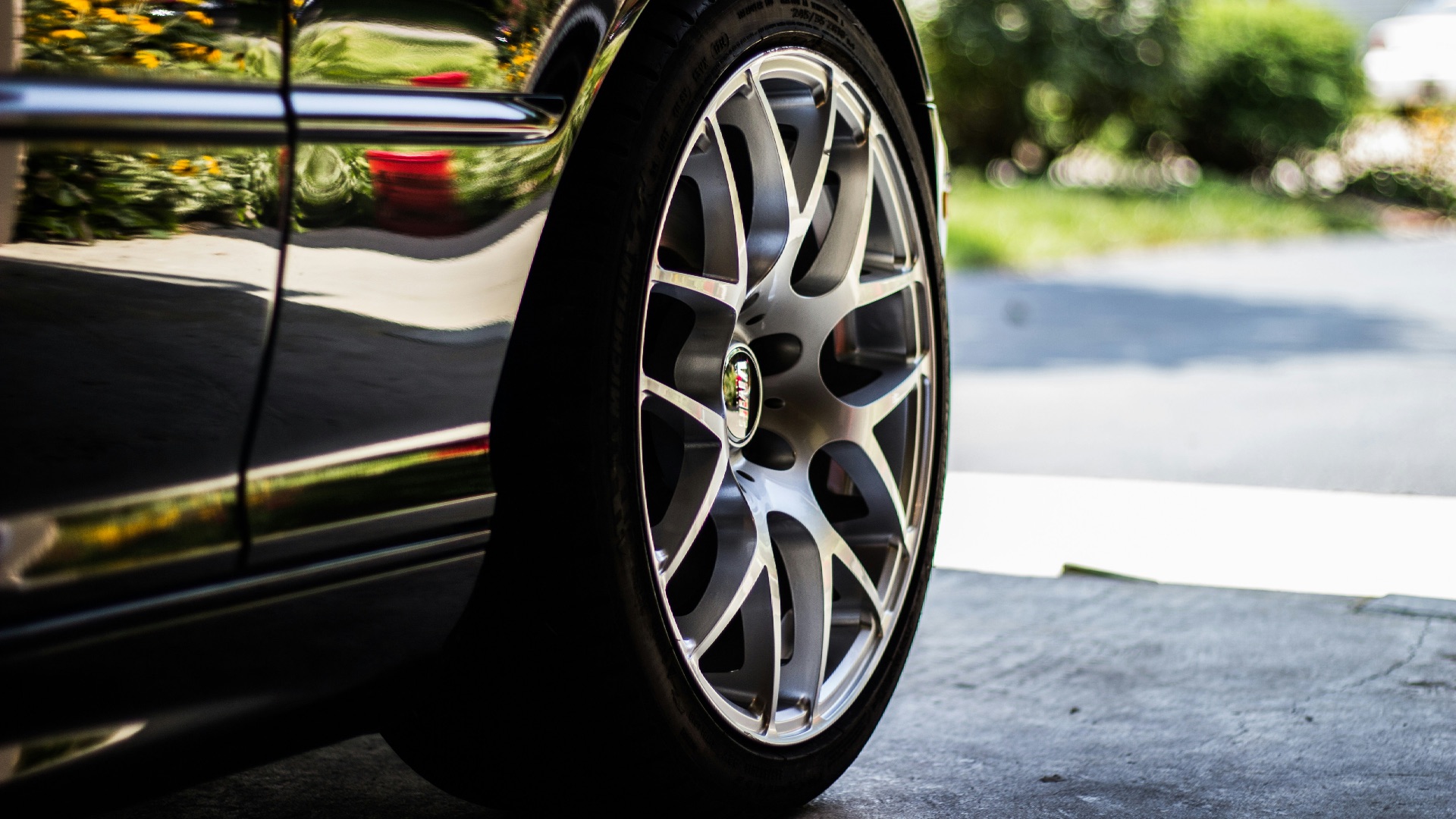
2. A Tire Blows Out or You Notice Rapid Deflation
A blowout or fast leak can make the steering feel unstable and the car may start pulling hard to one side. Keep a steady grip, avoid sudden braking, and slow down gradually as you move to a safe shoulder or parking area. Once stopped, stay clear of traffic while you assess whether you can change the tire or need roadside help.
3. Your Engine Temperature Light Comes On or Steam Appears
An overheating engine can cause sudden breakdowns and expensive damage if you keep driving. Get off the road as soon as you can and shut the engine down so it can cool. Opening the hood carefully and calling for assistance is a better plan than pushing the car until it quits.

4. You Smell Burning or See Smoke from the Vehicle
A burning smell or visible smoke can mean anything from overheated brakes to an electrical issue, and none of it improves with more driving. Signal, pull over, and turn off the engine right away. If smoke continues or you see flames, move to a safe distance and call emergency services.
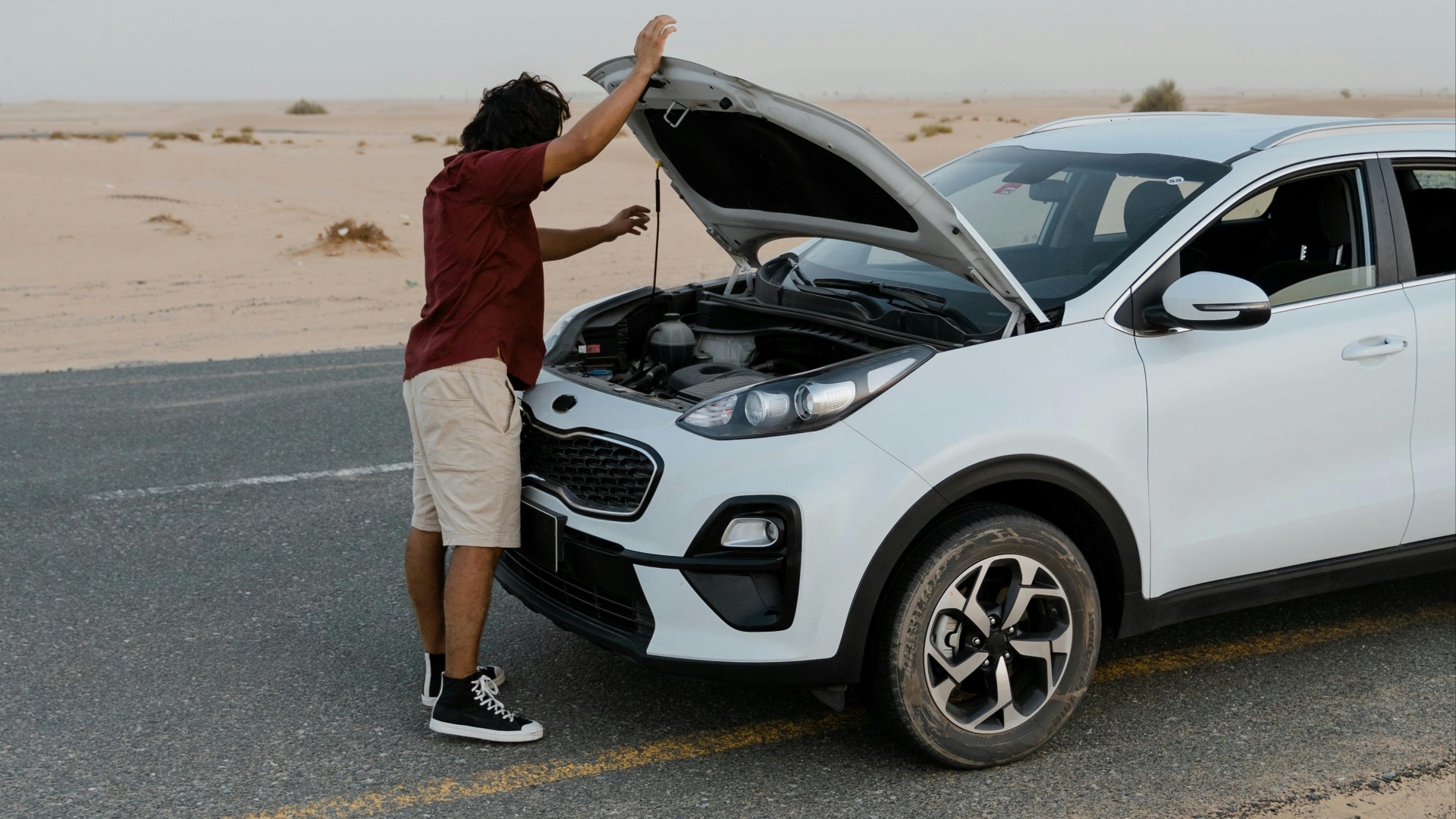
5. Your Steering Suddenly Feels Loose, Heavy, or Unresponsive
When the steering doesn’t feel normal, you can’t reliably keep the car in its lane or react to hazards. Reduce speed, avoid sharp turns, and find a safe spot to stop. Continuing with questionable steering is a gamble you don’t need to take.
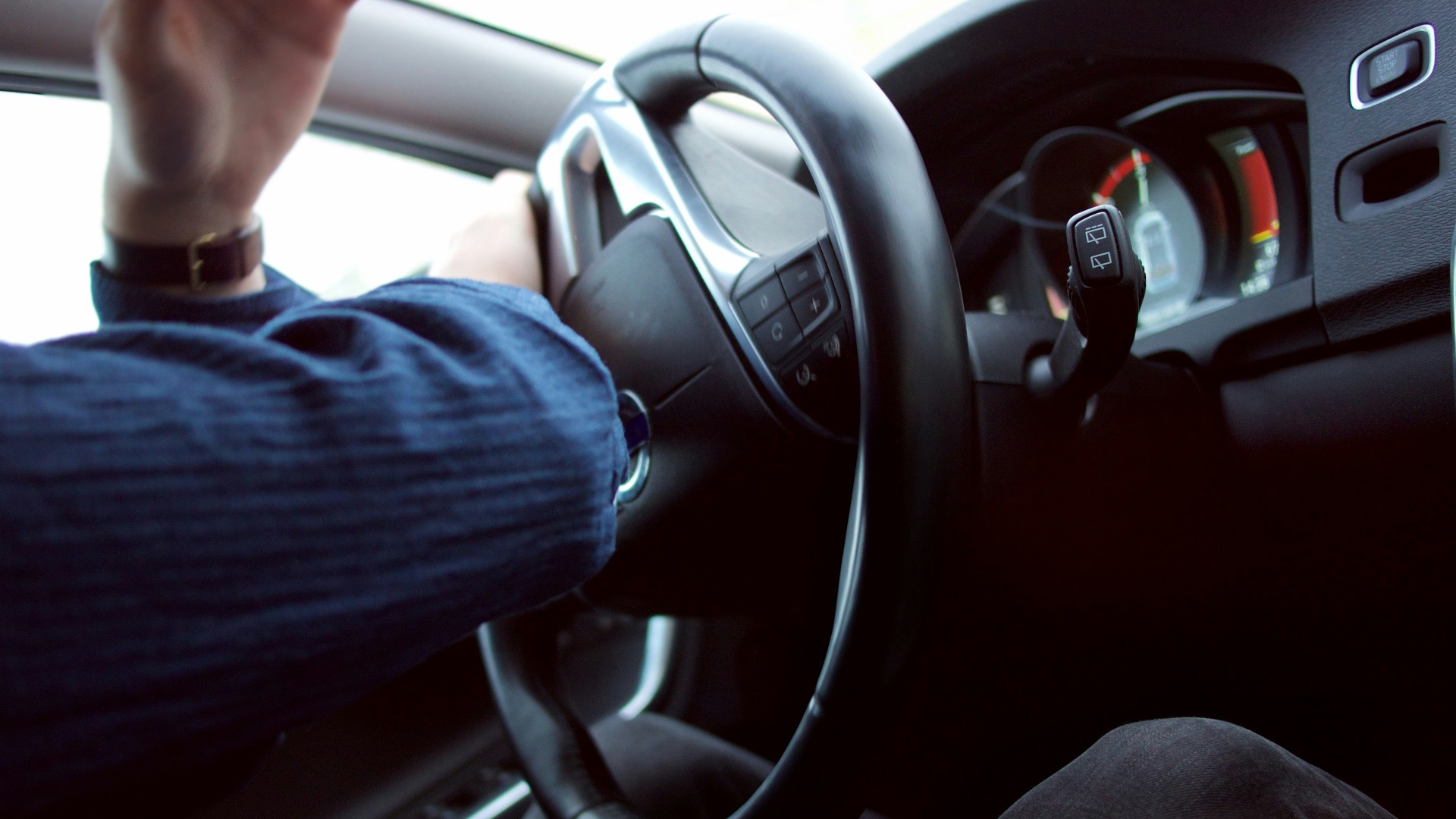
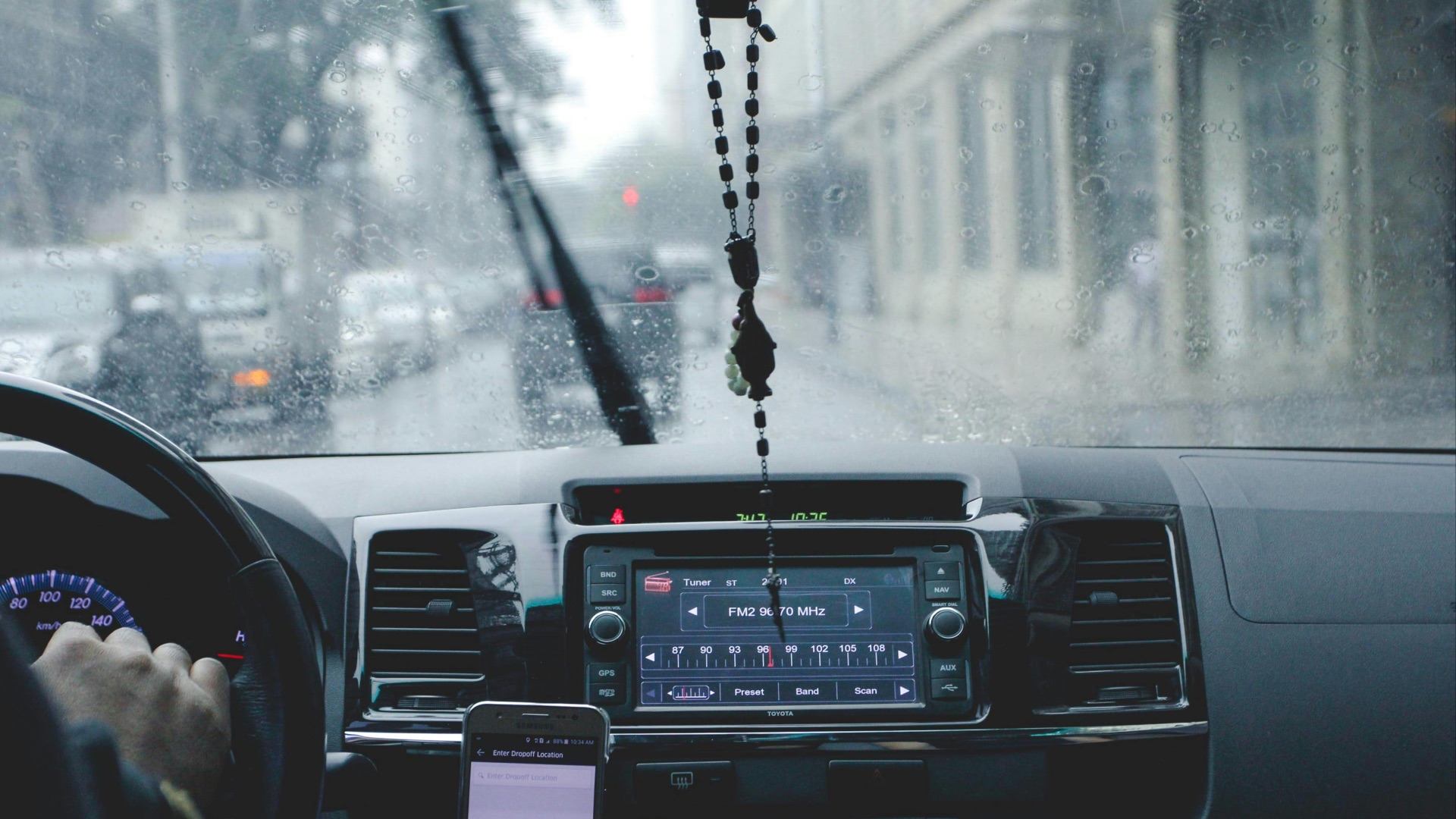
6. Your Visibility Drops to Near Zero
If rain, snow, fog, spray, or glare makes it hard to see the road ahead, you’re essentially driving without enough information. Use hazard lights when appropriate and slow down as you move off the road. Waiting a few minutes for conditions to improve is far safer than guessing your way forward.
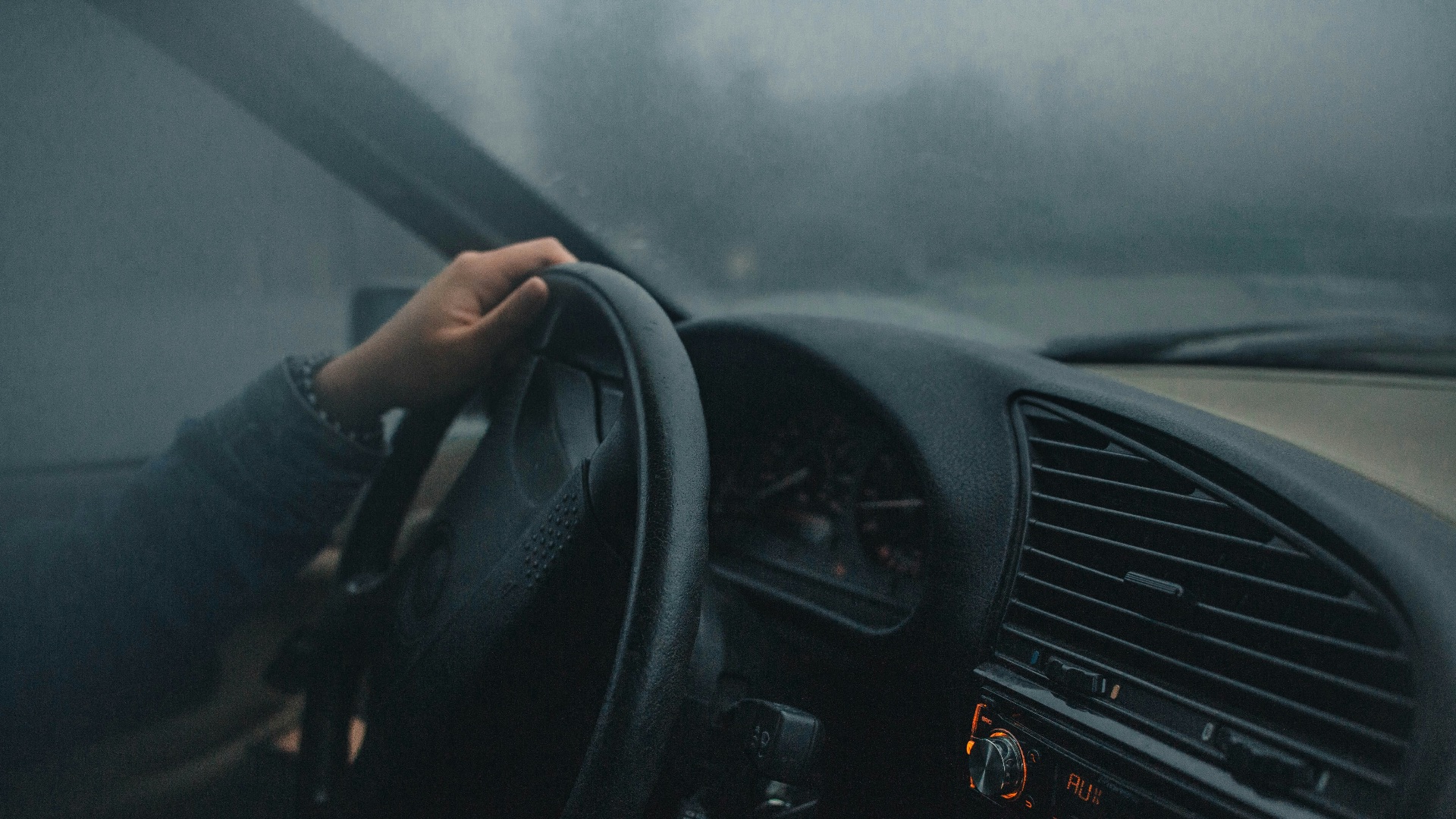
7. You Experience Sudden Dizziness, Faintness, or Confusion
Even mild dizziness can affect reaction time, decision-making, and coordination behind the wheel. Pull over promptly, put the car in park, and take a moment to ground yourself. If symptoms don’t improve quickly, ask for help or call for a ride instead. Never try to power through.
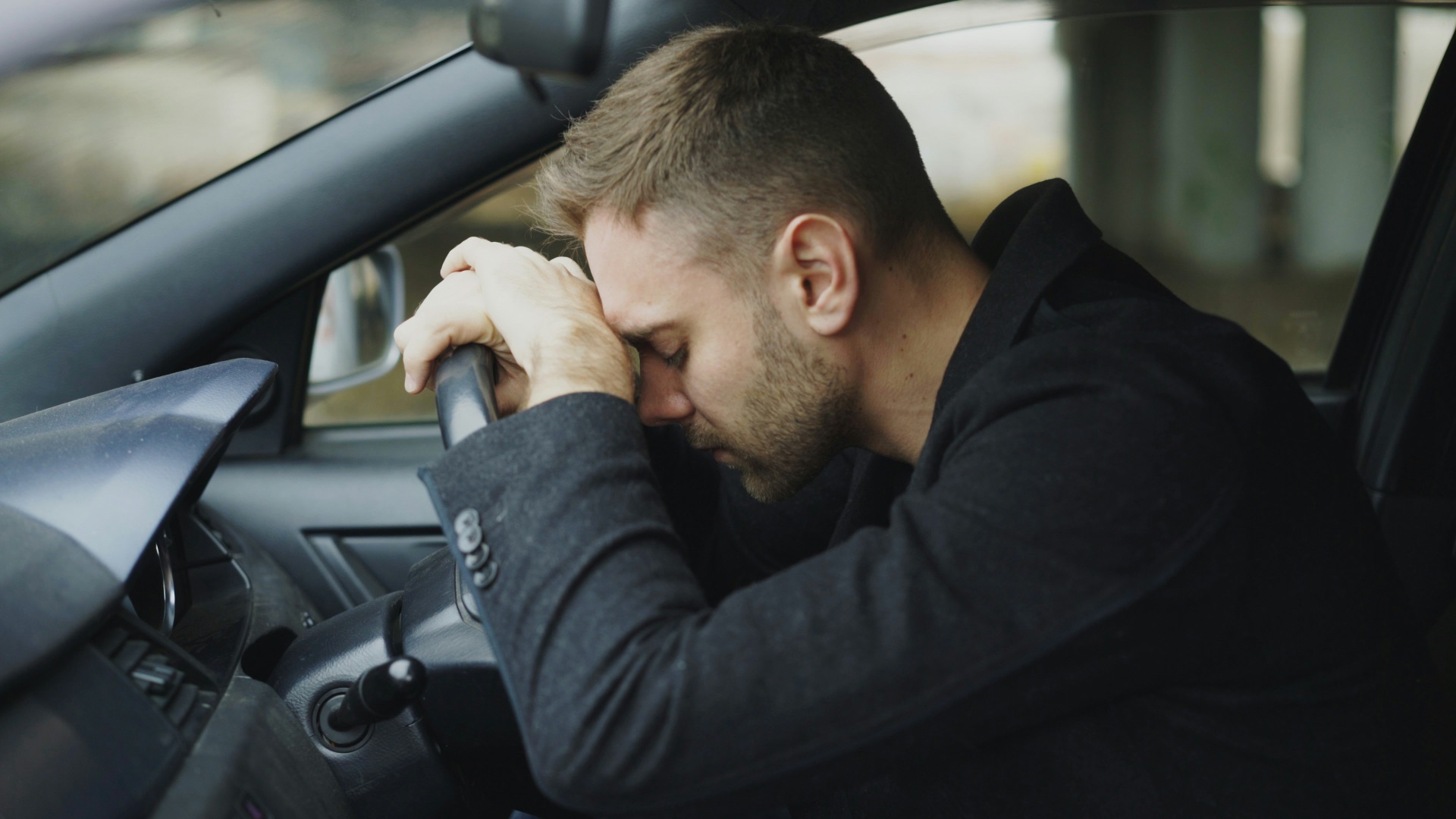
8. You’re Fighting Sleep or Microsleeps Start Happening
If your eyes are closing without you intending them to, you’re already past the safe line. Get off the road immediately and take a real break. A short nap or switching drivers (if possible) is more responsible than hoping you'll stay awake long enough to get to your destination.

9. You’ve Had a Recent Medication Change and Feel Impaired
New prescriptions and even over-the-counter medications can cause drowsiness, slowed reactions, or blurred focus. If you notice any impairment while driving, stop as soon as it’s safe and reassess. Calling someone to pick you up beats trying to guess how your body will adapt mid-trip.

10. Your Dashboard Shows a Critical Warning You Can’t Ignore
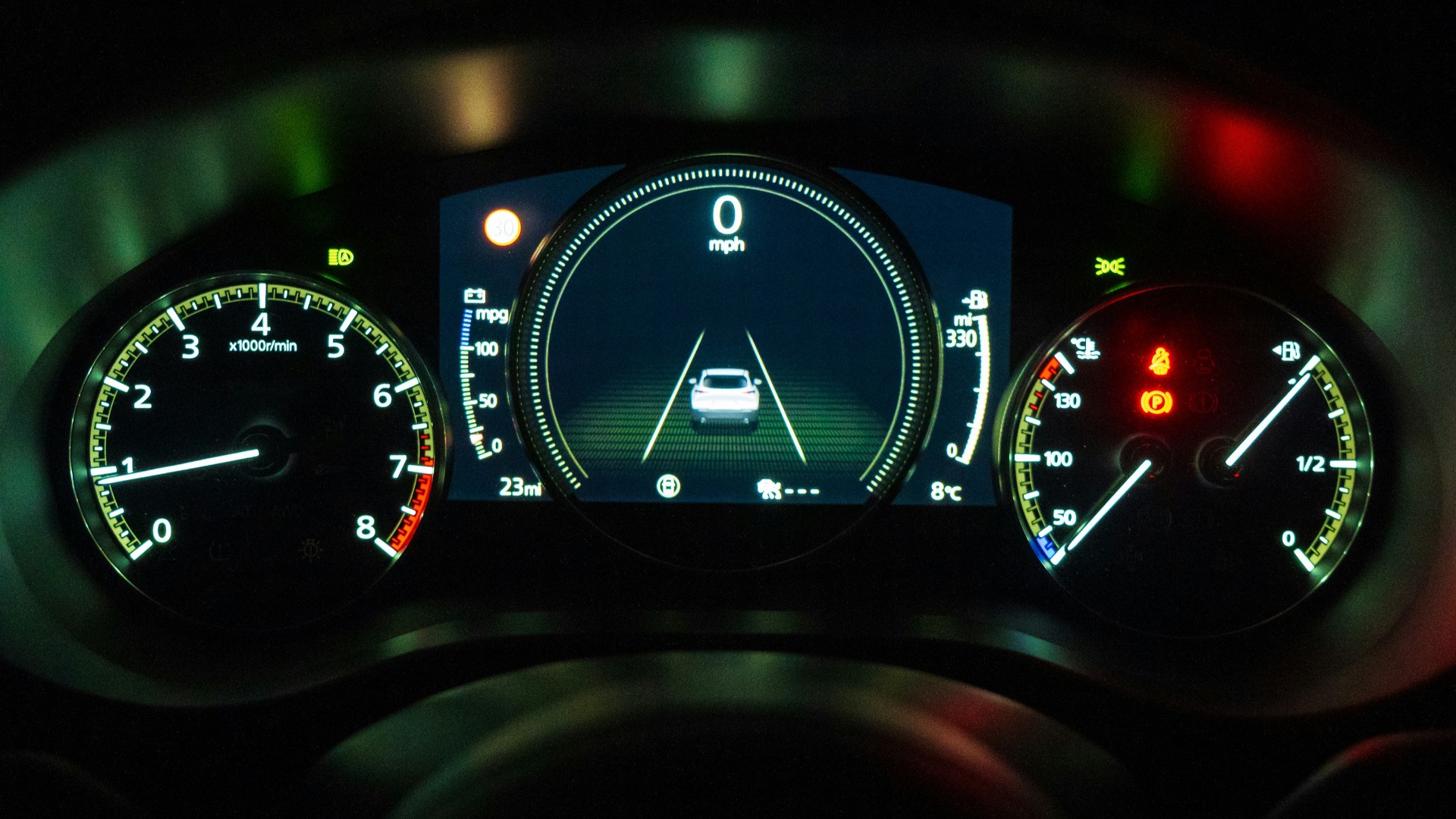
Some warning lights mean stop now, not schedule service later, especially if they indicate oil pressure, charging system failure, or severe engine trouble. Find a safe place to pull over and consult your manual or roadside assistance. Driving on with a major warning can turn a manageable issue into a dangerous breakdown.
11. You Hit Something Hard and the Car Starts Acting Strange
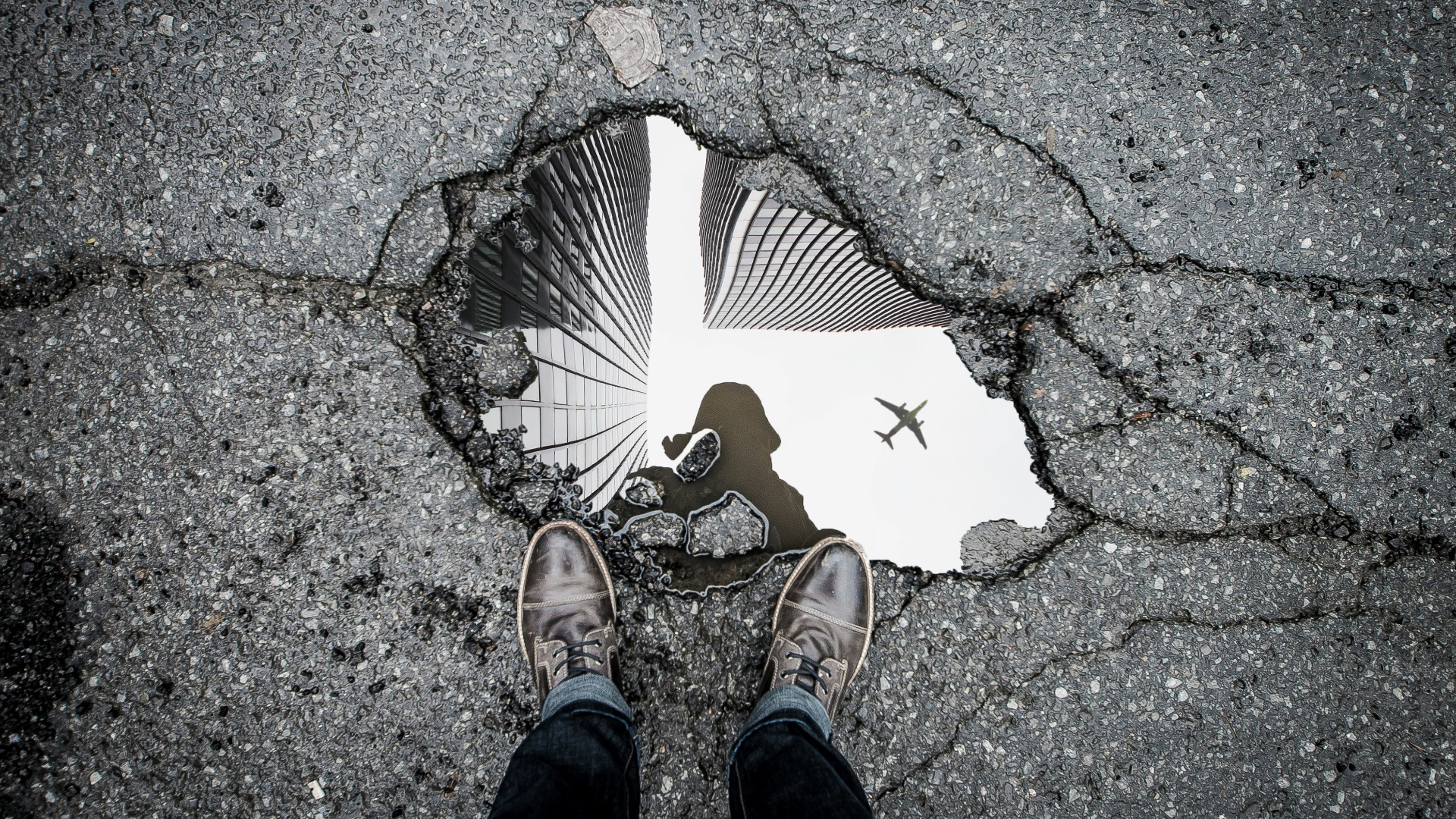
A deep pothole, curb strike, or debris impact can damage tires, suspension, steering components, or the undercarriage. If the car vibrates, pulls, or makes new noises afterward, reduce speed and get off the road. It’s better to check for damage immediately than to have a failure at highway speed.
 Marc-Olivier Jodoin on Unsplash
12. Your Headlights, Taillights, or Brake Lights Fail at Night
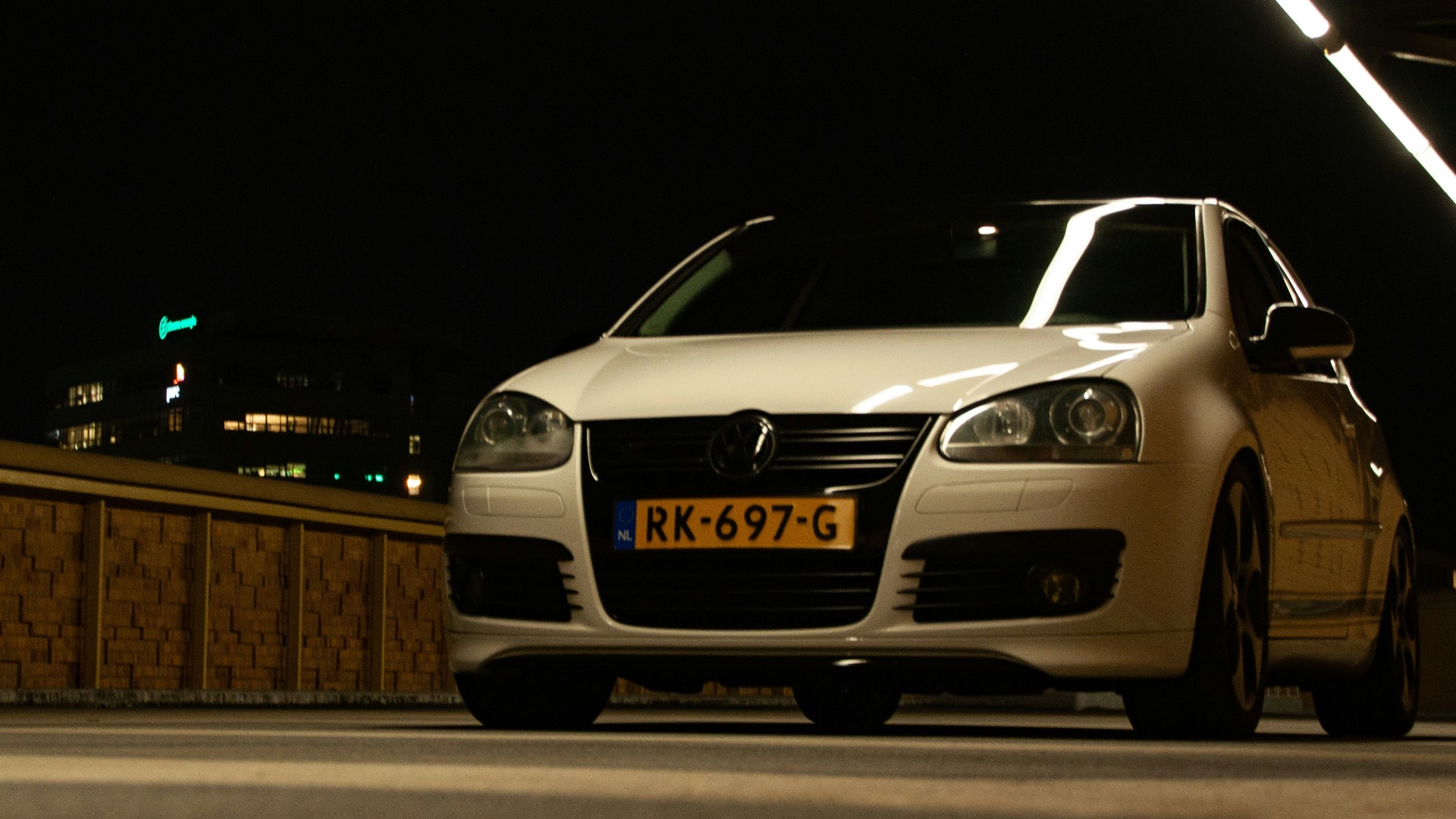
If you can’t see well or other drivers can’t see you, you’re adding risk that doesn’t need to be there. Pull into a well-lit area and confirm what’s working before you continue. If the lights can’t be restored quickly, arrange another way to get home.
 Boran Kleinlugtenbeld on Unsplash
13. Your Windshield Wipers Stop Working in Heavy Weather
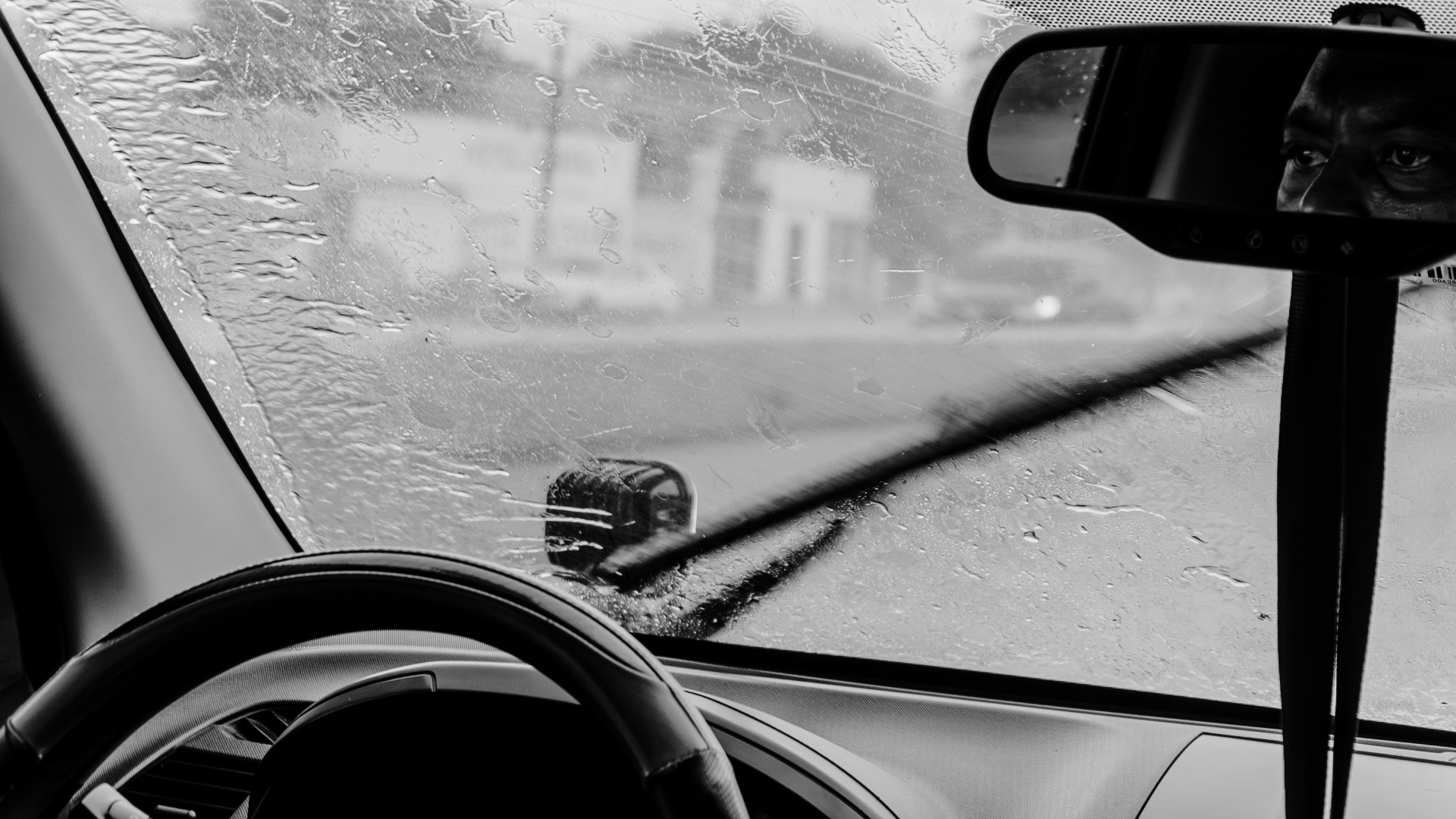
Wipers failing in rain or snow can turn visibility from good to impossible in seconds. Move carefully to a safe place and stop driving until you can properly see outside your windshield. Even if you're close to home or your destination, you never want to drive blind.
14. Your Car Starts Hydroplaning or Sliding Repeatedly
If you’re losing traction often, the road conditions are telling you they’re not safe at your current speed or with your tires. Slow down and exit the roadway as soon as it’s reasonable, especially if the sliding feels unpredictable. Waiting out a downpour or rerouting can prevent a spin or crash.
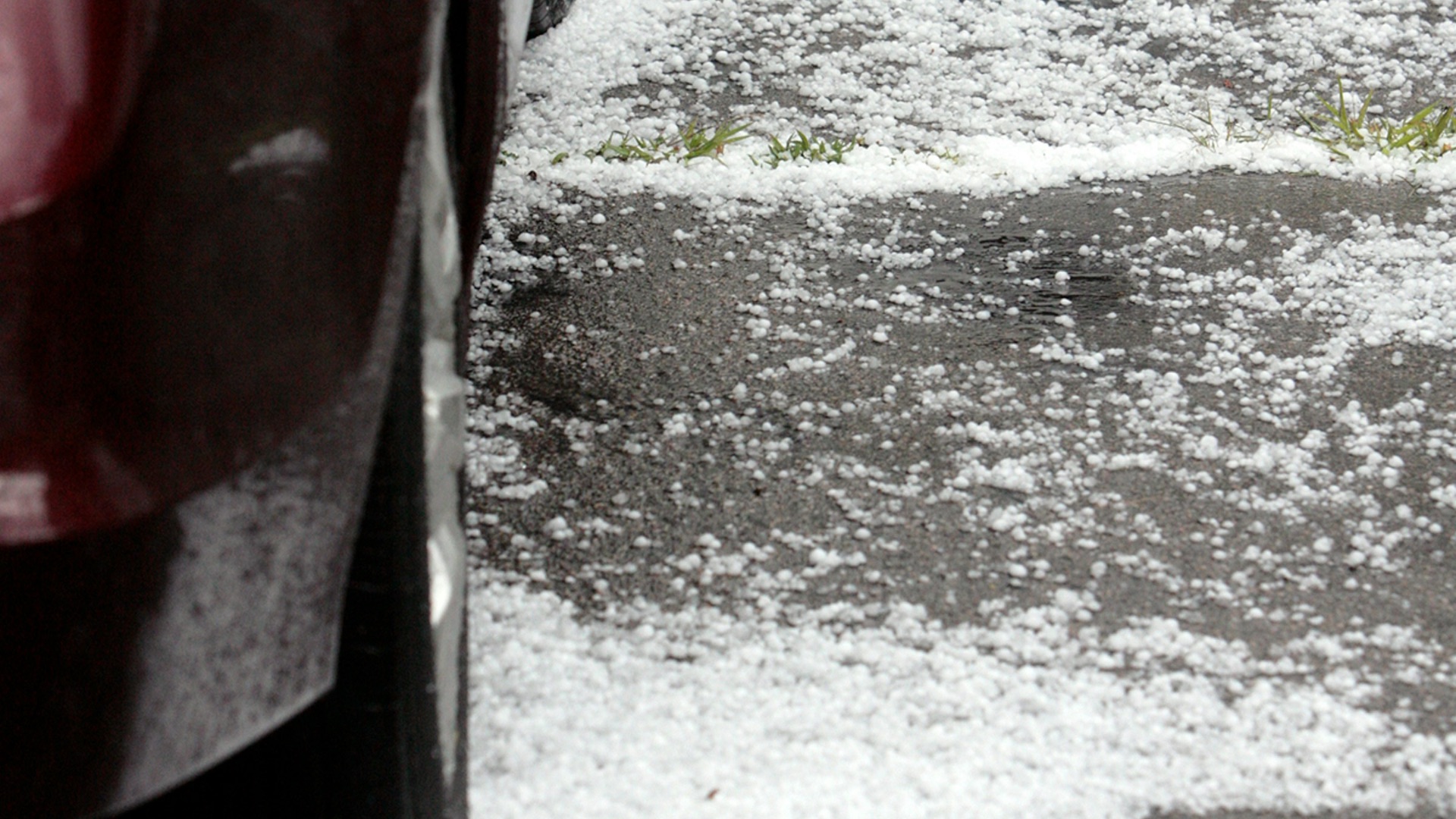
15. You’re Caught in Hail or Debris
Hail, falling branches, or windblown debris can damage the car and distract you into overcorrecting. Look for a safe covered area like a parking garage or a protected spot away from trees that could drop larger branches. Once stopped, keep your seat belt on and wait for the hazard to pass.
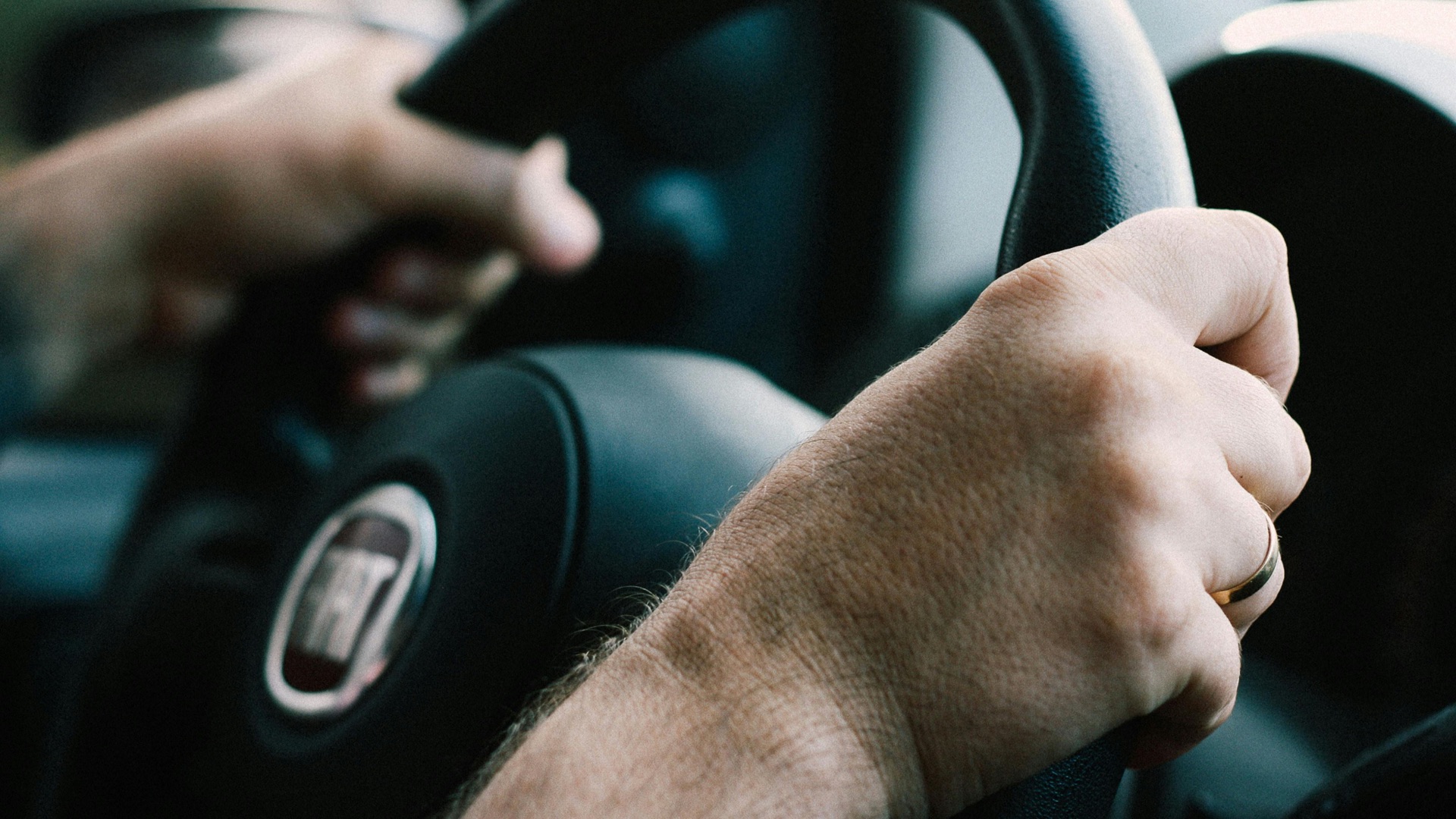
16. Your Vehicle Starts Shaking Violently at Speed
A sudden, severe shake can indicate tire failure, wheel issues, or mechanical problems that can worsen quickly. Ease off the gas, avoid hard braking, and pull over with hazard lights on. Don’t try to outdrive a vibration that’s clearly escalating.
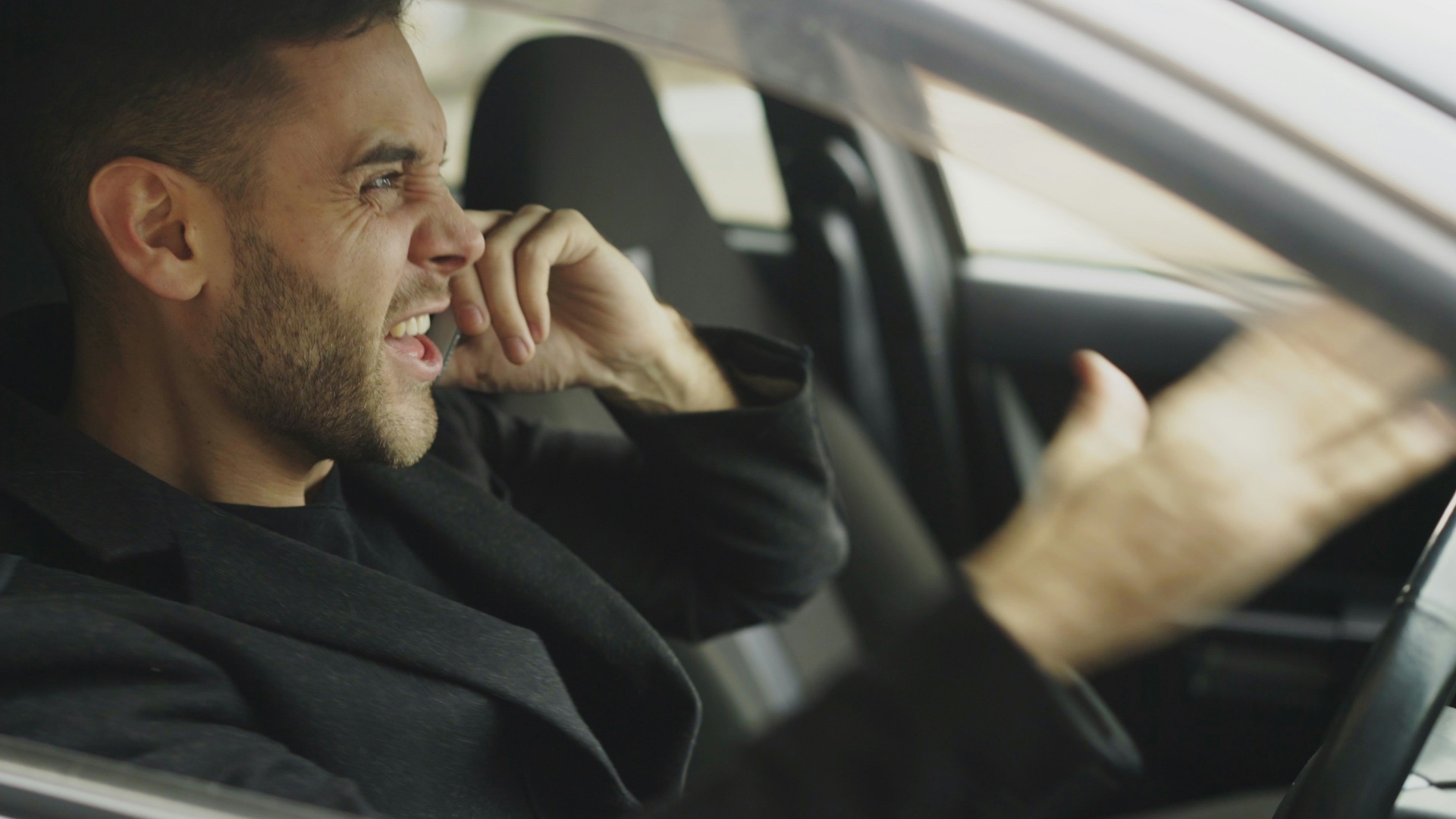
17. You’re Too Upset to Focus on the Road
Strong anger, panic, or emotional distress can narrow attention and lead to aggressive or distracted driving decisions. Find a safe place to stop, take a few minutes, and let your mind settle before you continue. If you can’t regain focus, it’s smarter to call someone than to keep going on autopilot.
18. You’re Receiving a String of Urgent Calls or Messages
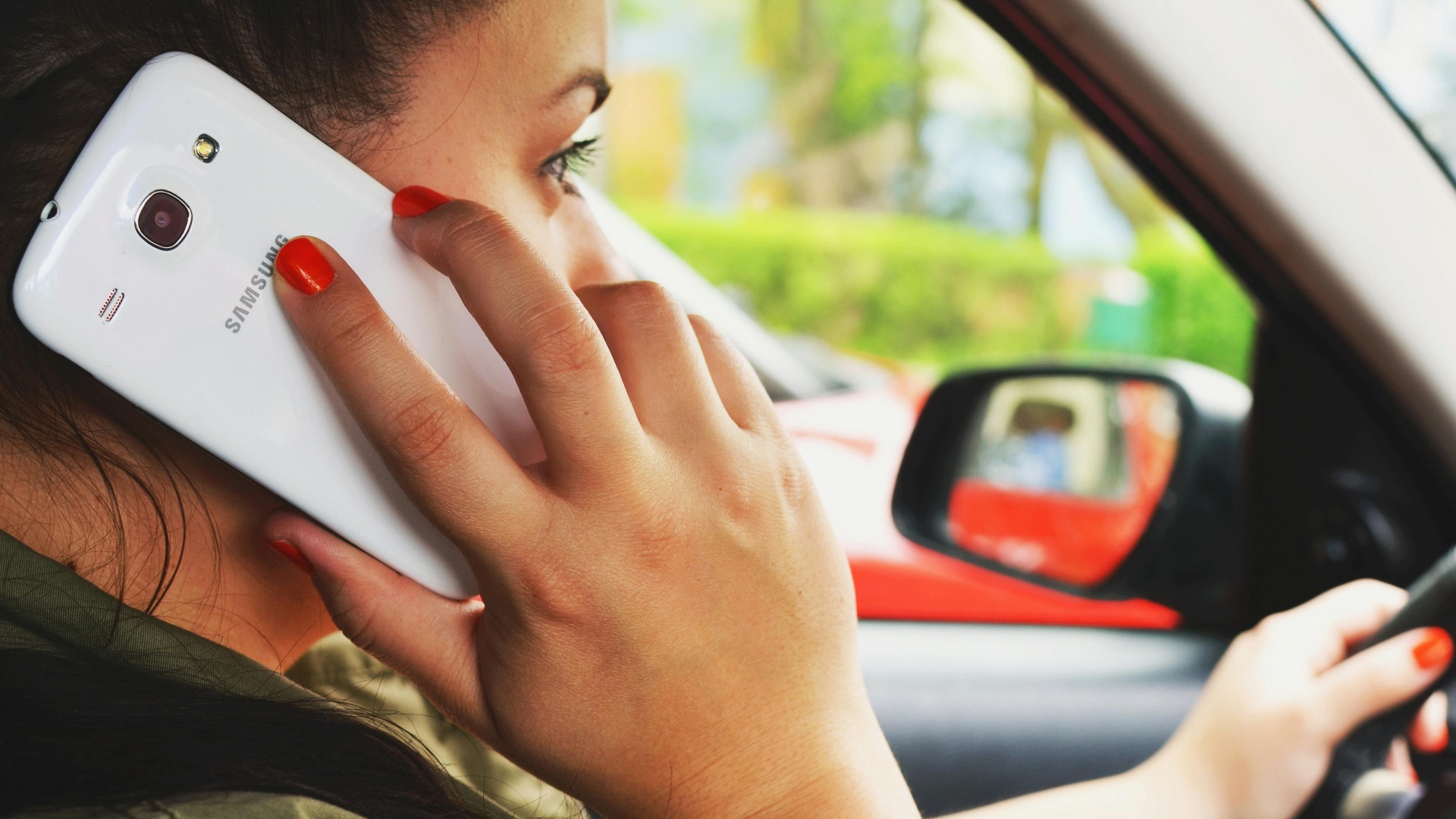
If your attention is being pulled away by something truly urgent, the safe option is to stop and handle it off the road. Never text or use your phone while you're behind the wheel; pull into a parking lot or other legal stopping point first, then respond without multitasking. Even hands-free conversations can distract you more than you think when the stakes feel high.
19. You’re Lost
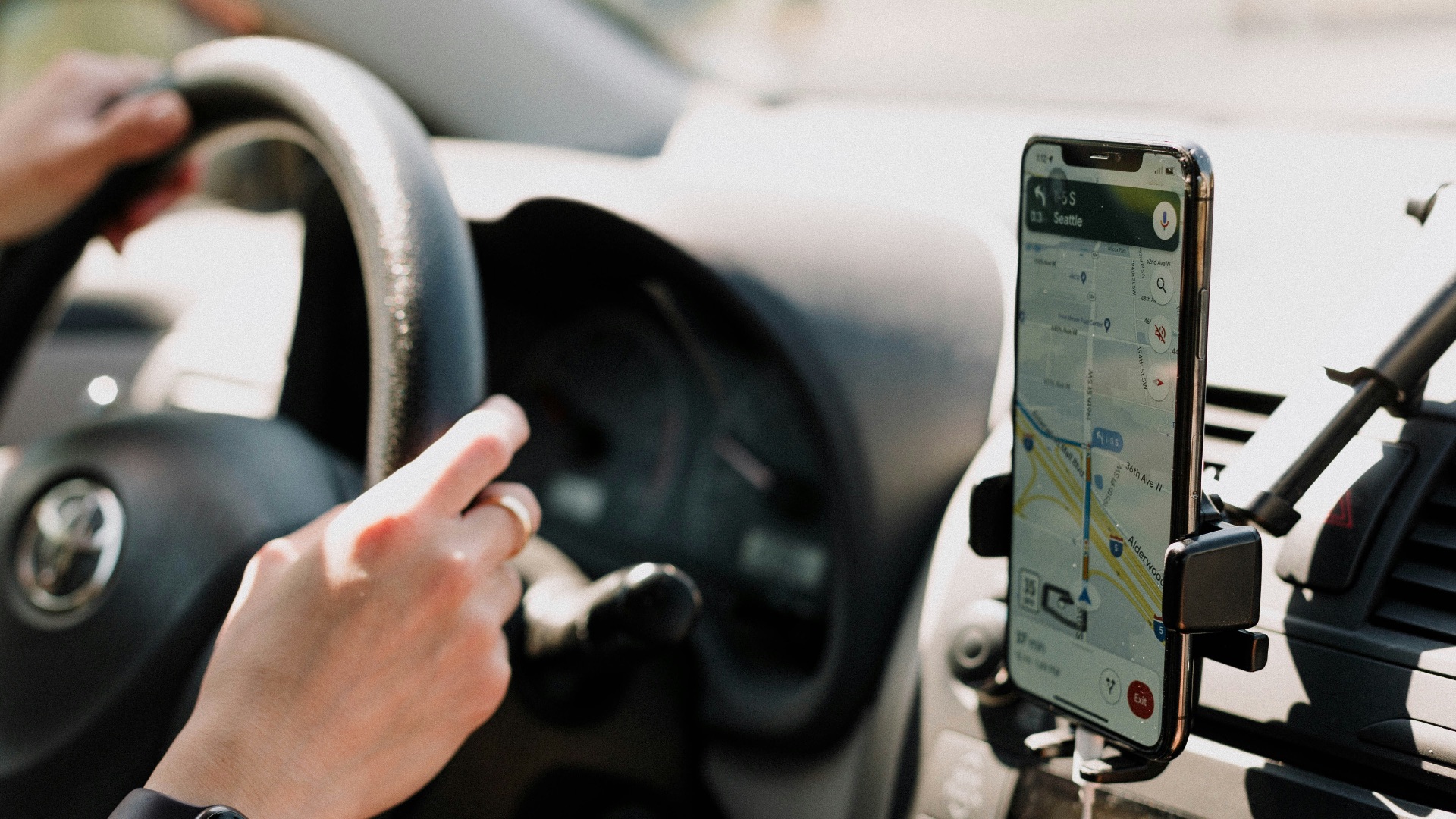
Missing a turn is normal, but cutting across lanes or stopping abruptly to fix it is not. Keep moving safely until you can pull over somewhere appropriate and reset your navigation. Taking an extra minute to reroute is far better than creating a hazard for everyone around you.
 Priscilla Du Preez 🇨🇦 on Unsplash
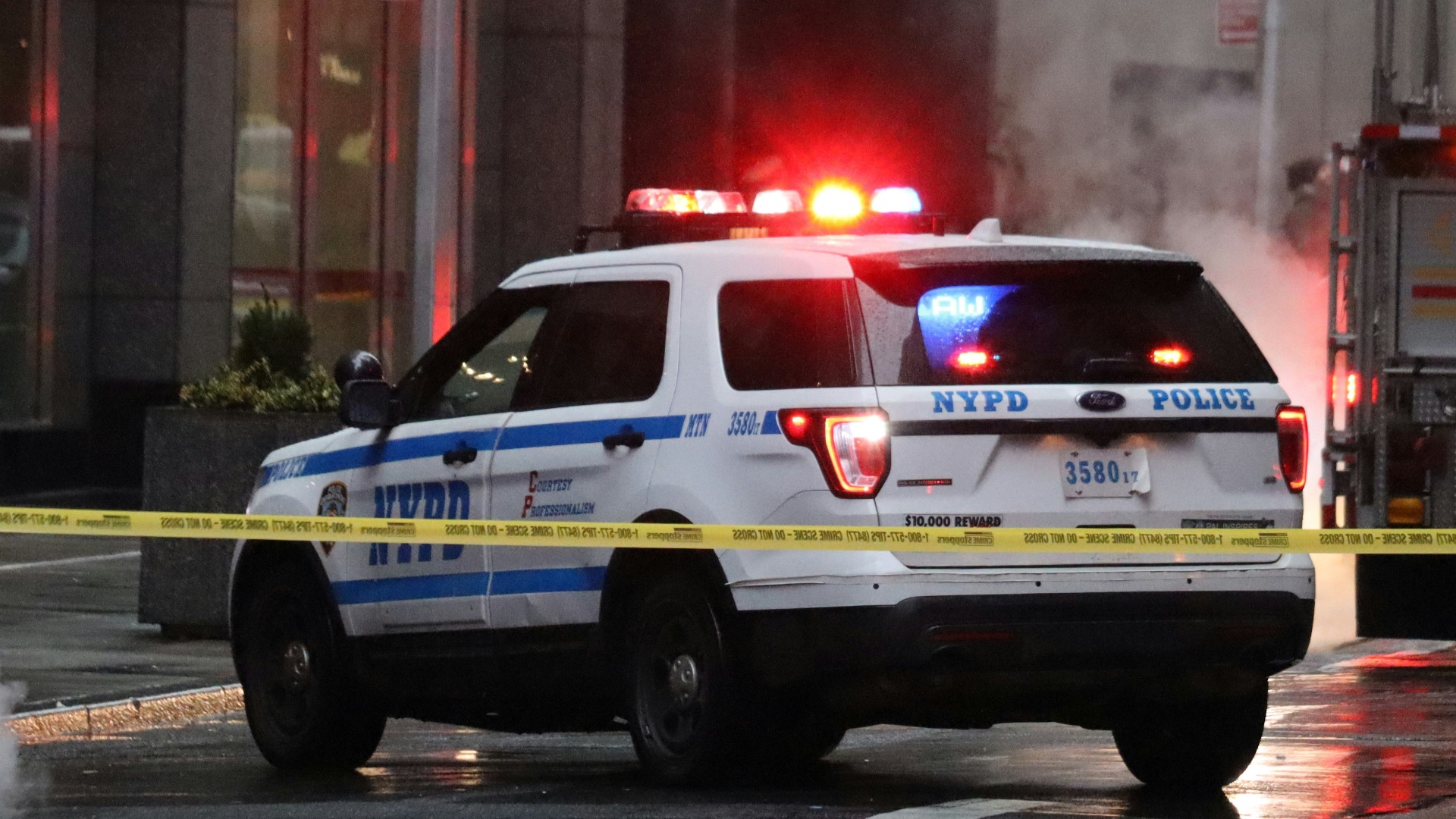
20. A Police Car Signals You to Pull Over
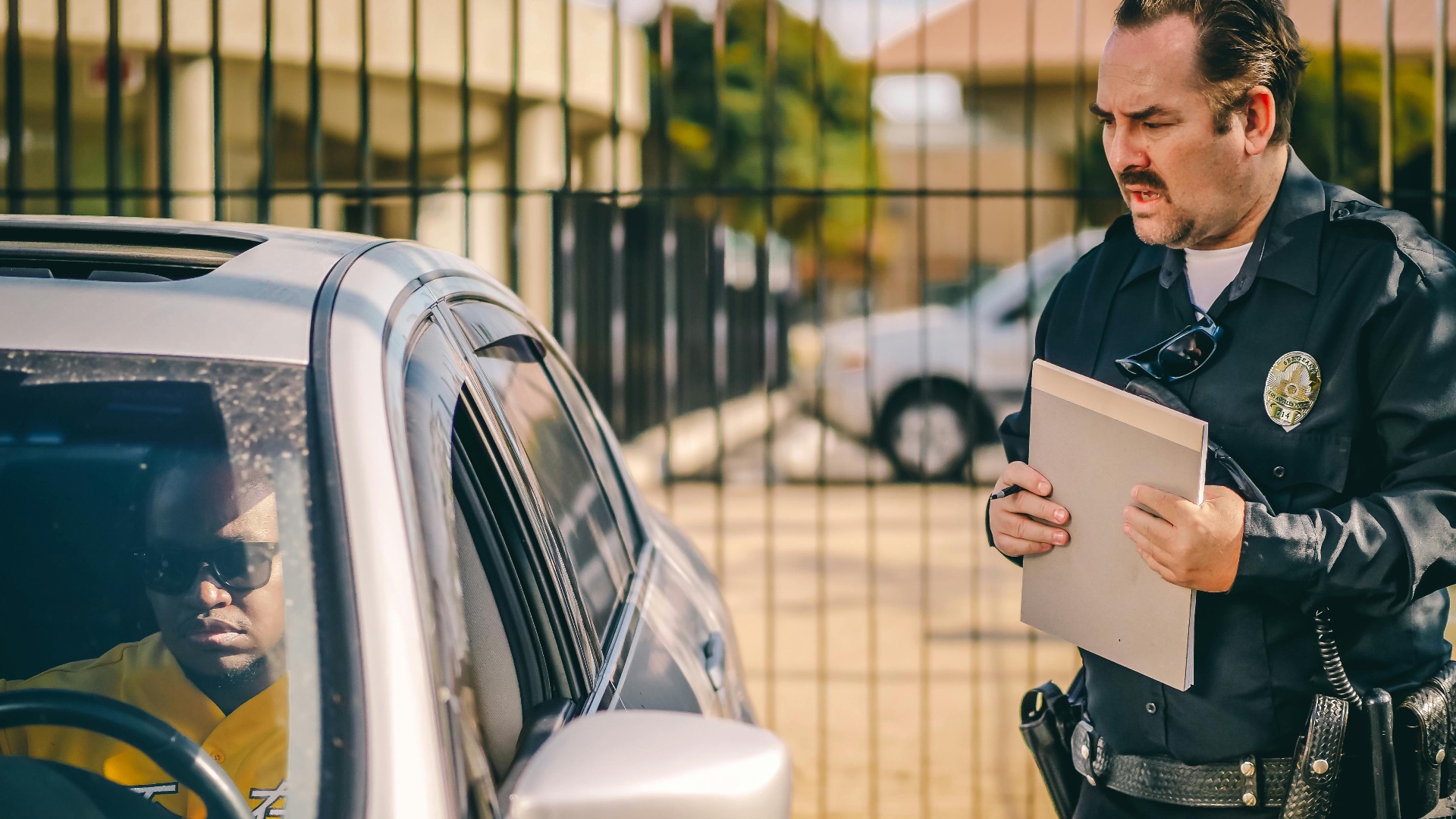
If you see police lights behind you that are clearly directed at your vehicle, you should assume you’re being instructed to stop. Put on your turn signal, slow down calmly, and pull over to the nearest safe, well-lit spot on the right, then shift into park and keep your hands visible. Stay in the car unless you’re told otherwise, and wait for instructions without rummaging around or making sudden movements.