
Lessons Learned the Hard Way
Back in the day, drivers were also required to be mechanics. Boomers learned how to tell if their car was performing properly just by listening to the engine and feeling the vibrations through the steering wheel. Most young drivers today would have no idea how to read their car without a plethora of apps to save them. With that in mind, here are 20 truths every boomer knows by heart.
1. The Mystery of the Manual Choke
Thanks to fuel injection systems, you no longer have to dance with the choke knob to start your car on a cold morning. Push it in too far, and you’ll flood the carburetor full of gasoline. Pull it out too far, and the engine won’t turn over.
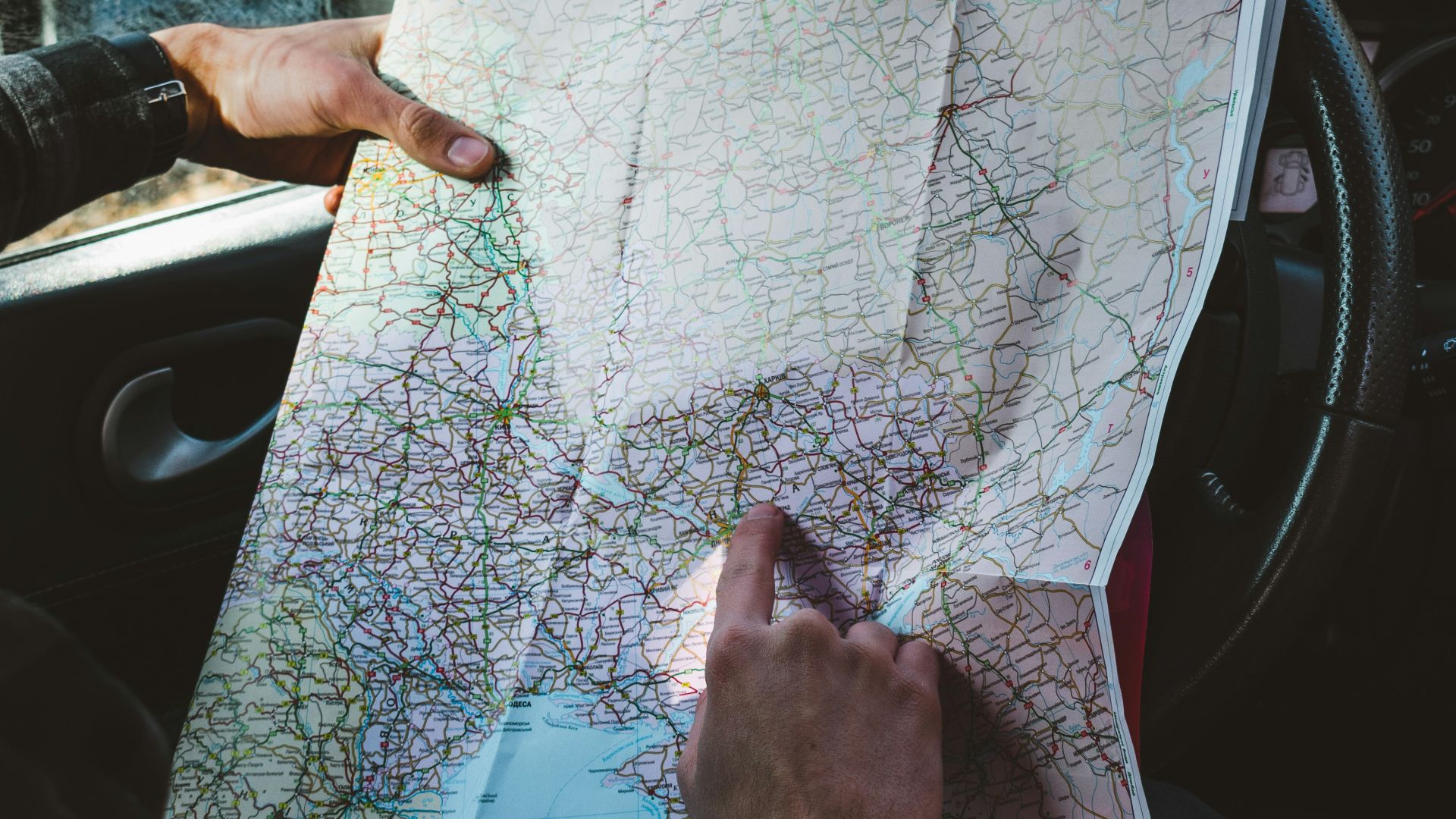
2. Navigating with a Paper Atlas
Back in the day, you couldn’t simply listen to a calm voice prompting you when to make your next turn. You had to crack open an overstuffed and foldable road map across your dashboard (praying your co-driver was actually watching for the road sign).
3. Mastering the Three-Pedal Dance
Automatic transmissions were not the standard back then, like they are now. You needed to coordinate your left foot with your clutch foot if you wanted to successfully operate a standard transmission vehicle. Miss just slightly and you’ll roll back into traffic or stall your engine while an angry procession of cars beep at you behind.

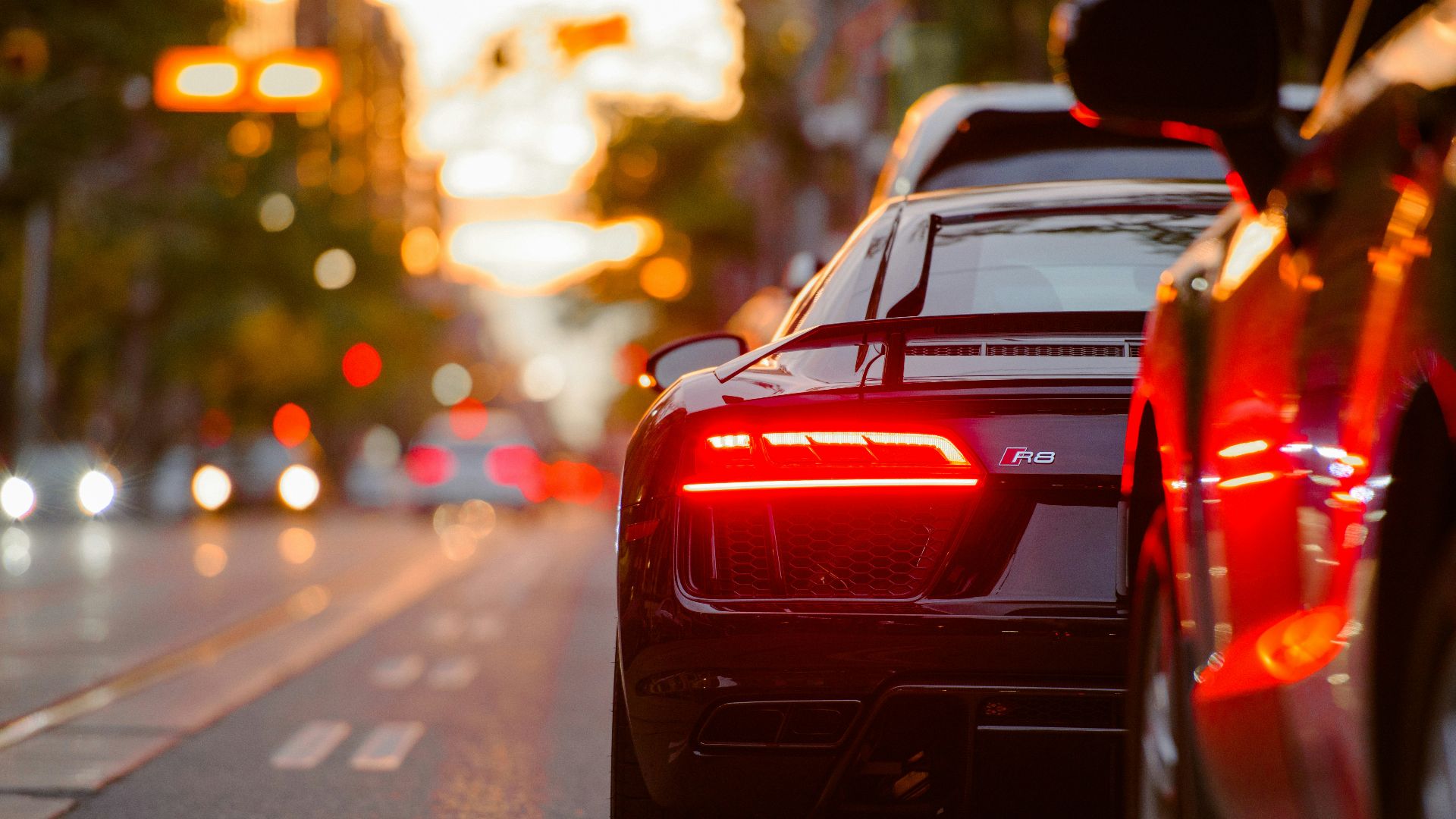
4. Adjusting the High Beam Floor Switch
High beams used to be activated by a small metal button mounted to the floorboard left of your brake pedal. There was no gentle joystick-style lever mounted to your steering column as you find in most cars these days. Using your feet for this task was quick and convenient once you learned where it was by feel.
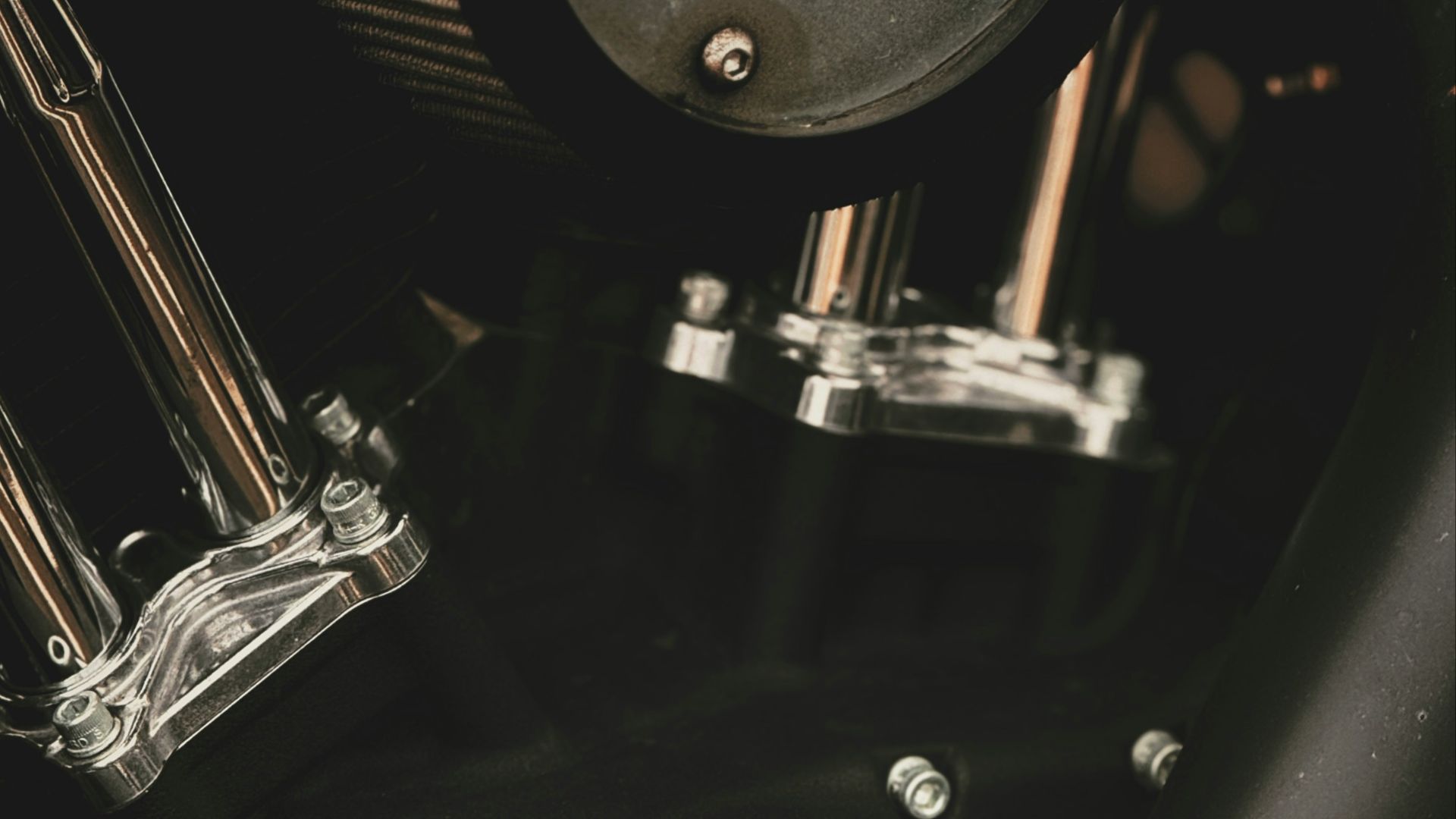
 Evgeny Tchebotarev on Unsplash
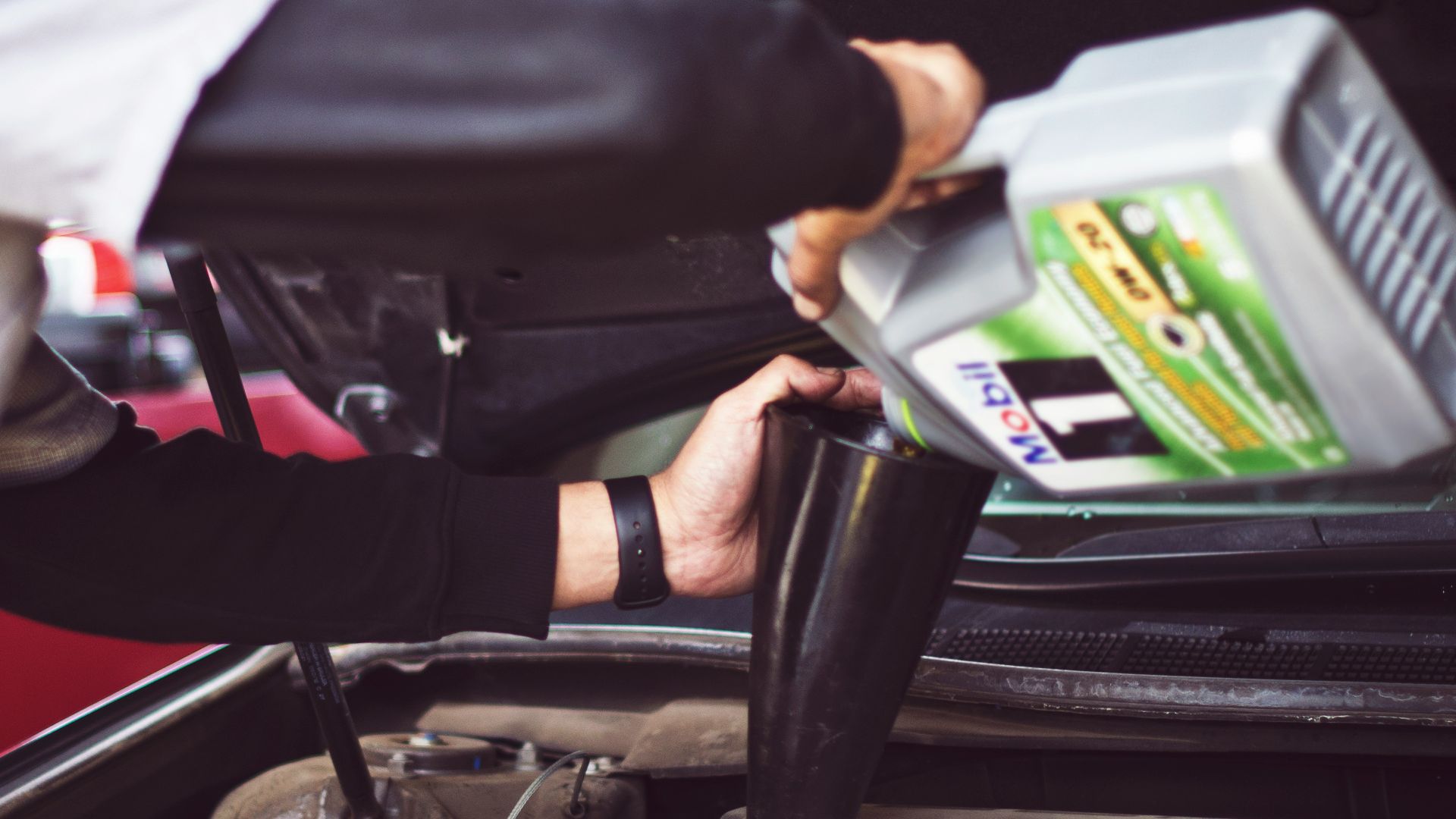
5. Checking the Oil with a Dipstick
Digital dashboards may alert you when it’s time to add some fresh grease, but good old boomers know how to stick a long metal rod into our engine and eyeball it. Remove the dipstick, wipe it off with a dirty rag, then dip it right back in to see where your oil level registers.
6. The Necessity of Vent Windows
Don’t forget about the miraculous wonders of vehicle vent windows. They allowed you to pull in fresh air without all that obnoxious wind noise that comes with cracking your windows down too far. Adjust it just right, and you could aim a cool breeze directly onto your face.
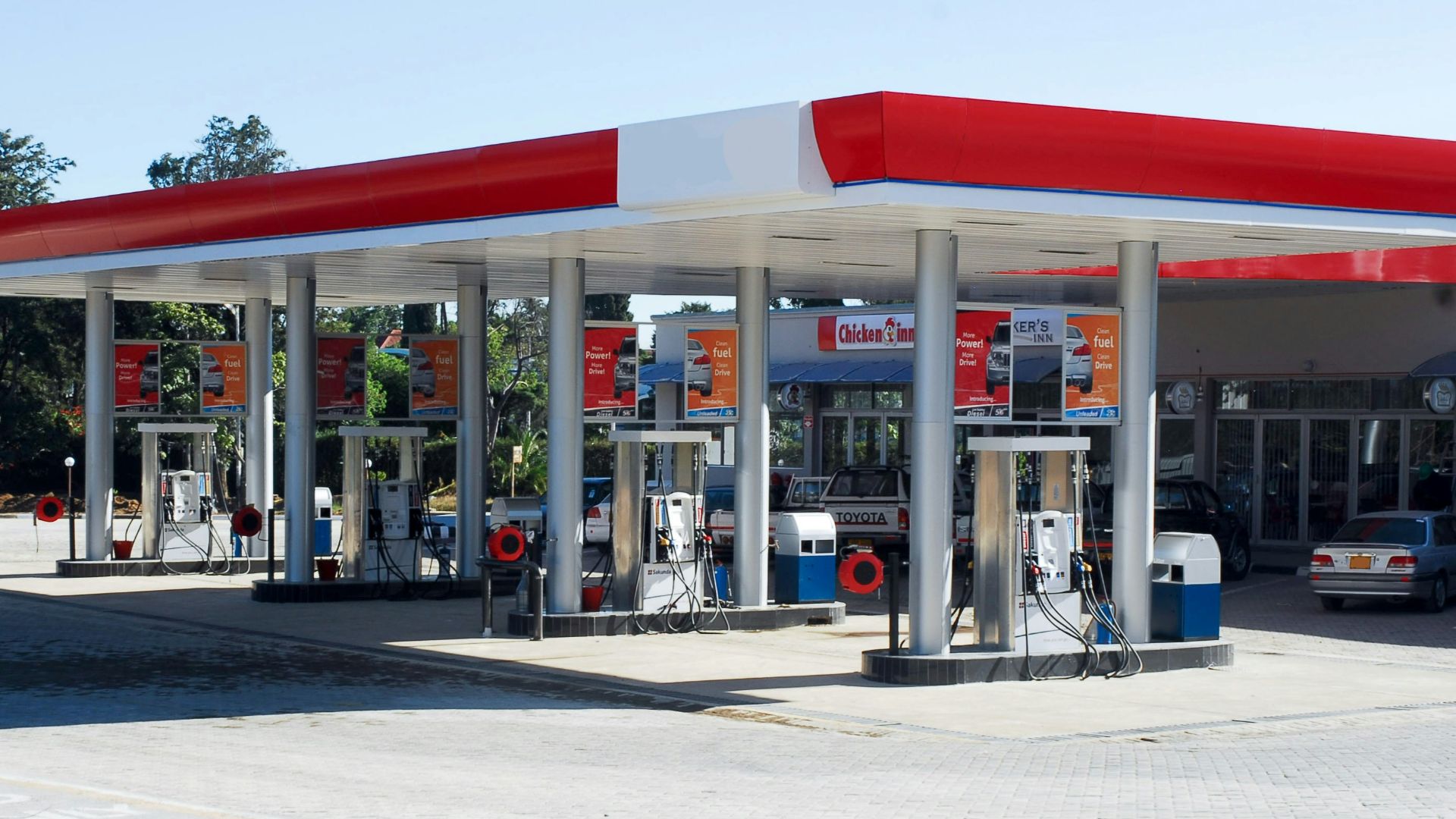
7. Managing the Full-Service Experience
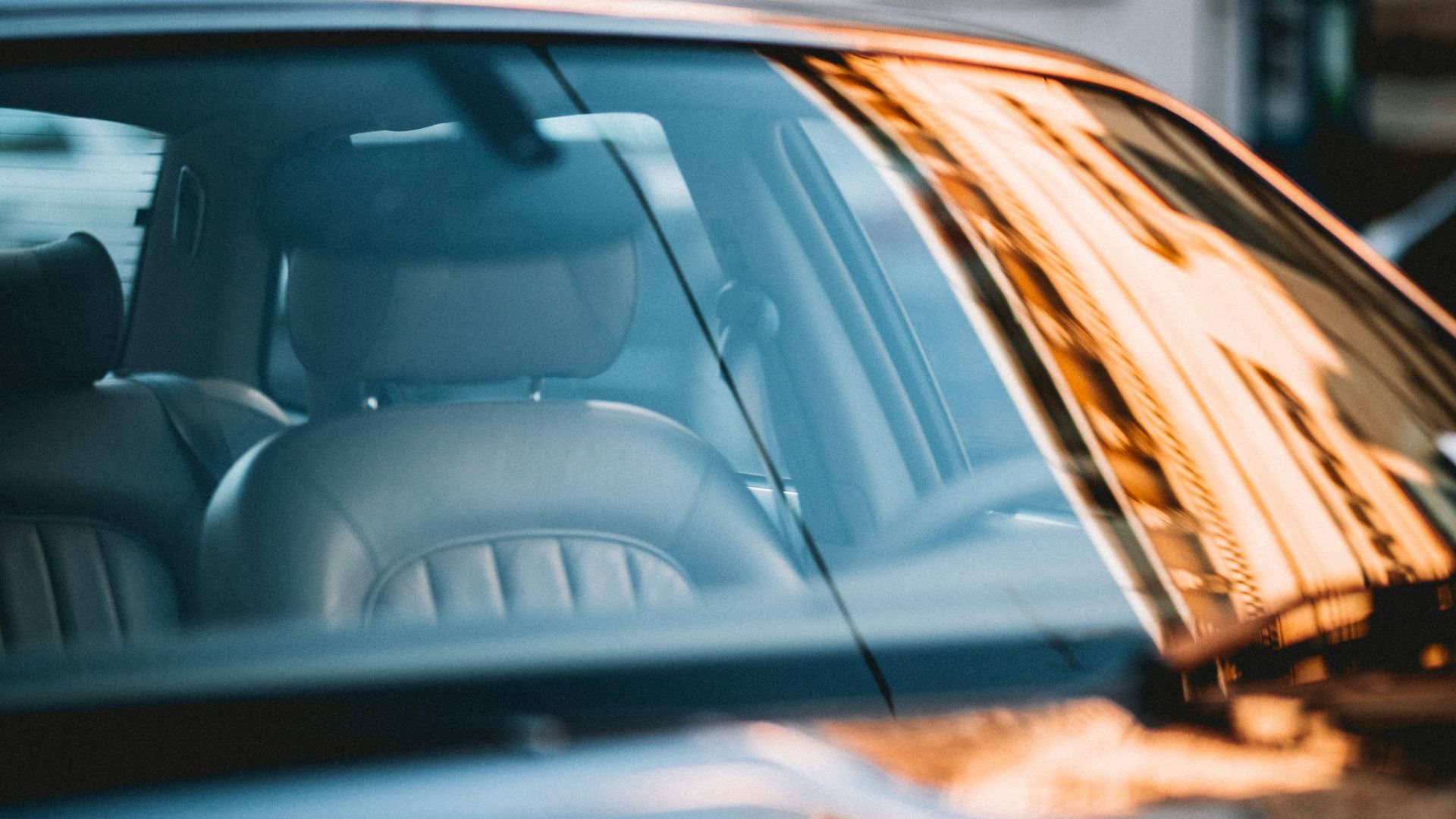
In this day and age, you have to get out of your car to pump your own gas. Back in the day, you simply pulled into your friendly neighborhood gas station and waited for an attendant to run out and fill it up for you. While he was at it, he’d usually give your windshield a good cleaning too!
8. Pumping the Gas Pedal to Prime the Engine
Remember how you used to have to pump your gas pedal before turning the key to the “on” position? This helped pre-fill the automatic choke device, so you’d have enough gasoline to start the engine. Do it too many times, though, and you’ll fill your engine with raw gas.
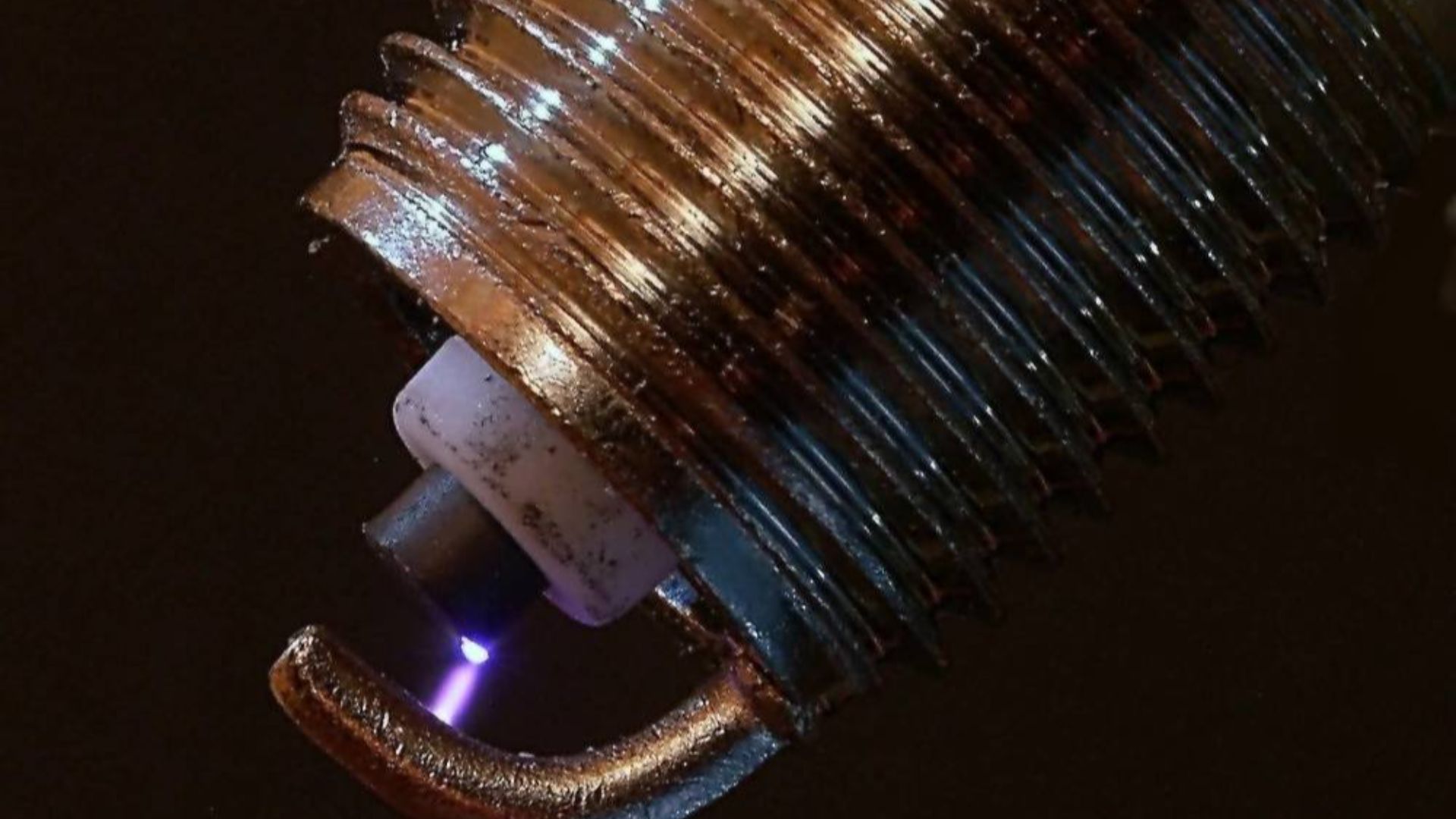
9. Replacing Your Own Spark Plugs
Nowadays, younger kids have their dads change their spark plugs. But back in the day, that was something you did yourself after school on Saturday. All you needed was a simple socket set, and you were good to go. Install your new plugs and check the gap to help your engine run smoothly.
 Ralf Schumacher, Dresden SchumacherDresden on Wikimedia
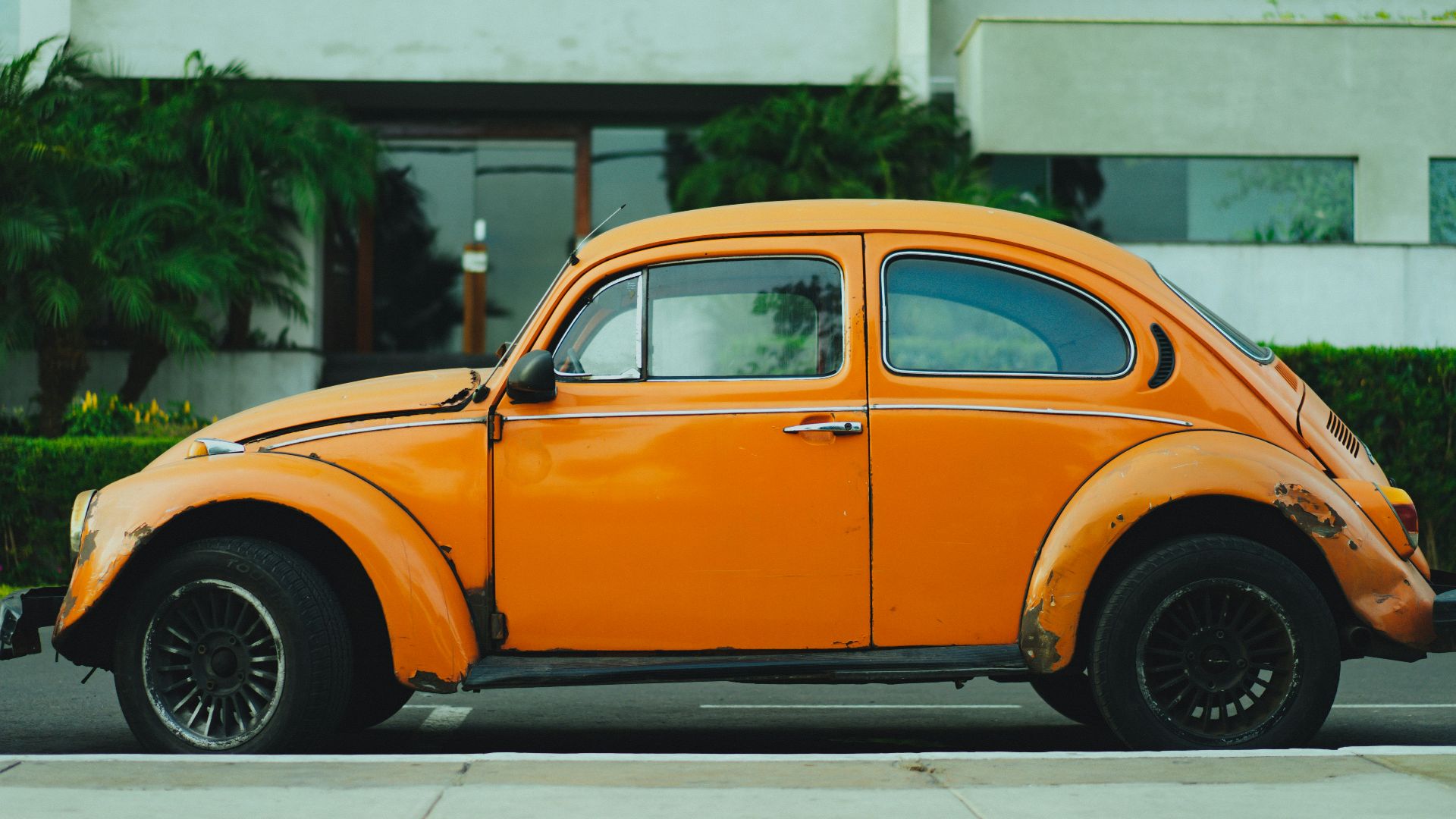
10. The Struggle of the Bench Seat
All cars used to come equipped with a bench seat up front that comfortably sat three adults across. Sure, you didn’t have any lateral support if you took a corner too fast, but it allowed you to cozy up next to your sweetie at the drive-in theatre.
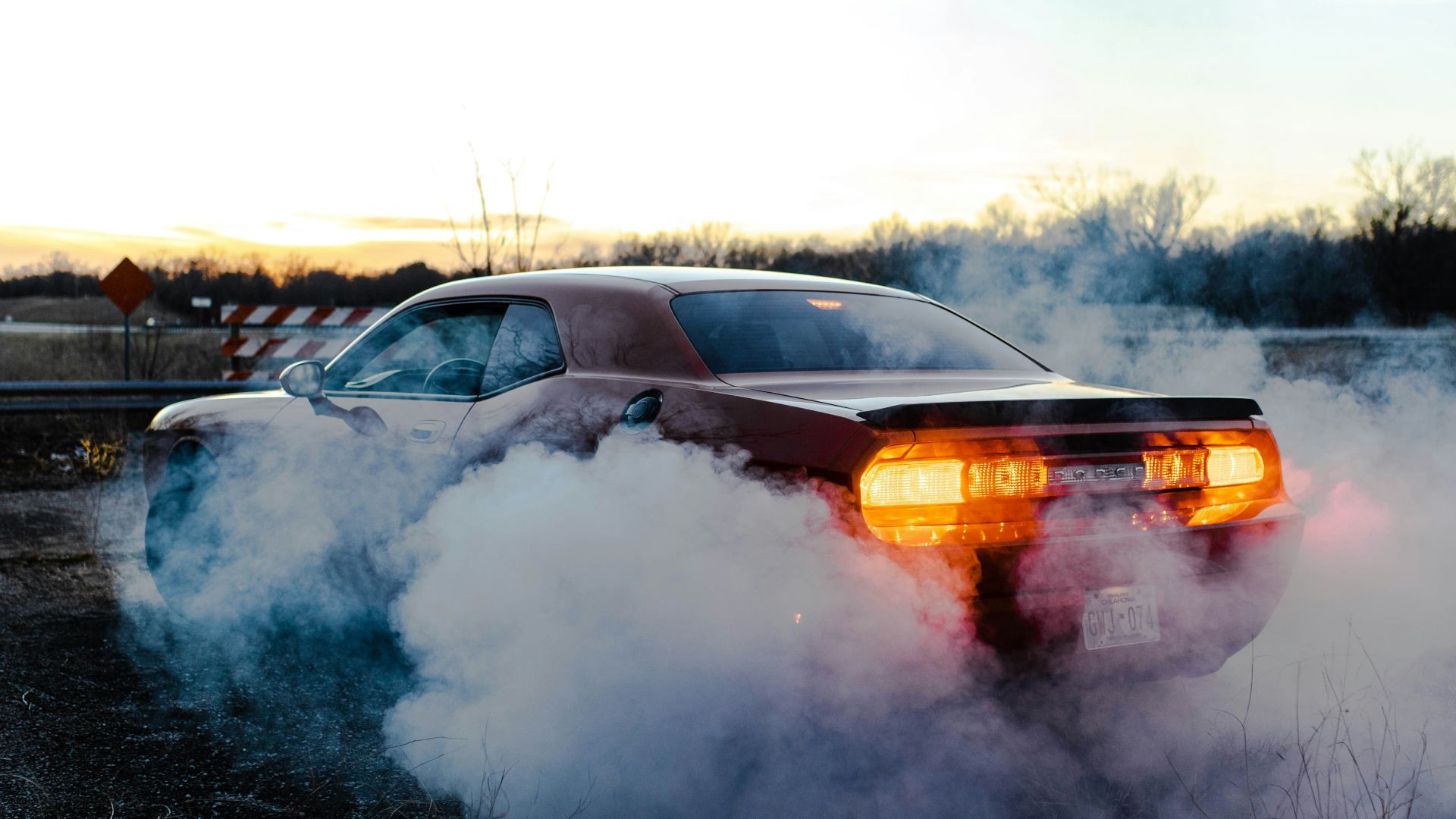
11. Decoding Tailpipe Smoke Colors
These days, younger generations don’t know how to read the smoke coming from their cars. Blue smoke meant oil burning, and white smoke indicated a coolant leak or a broken head gasket. Diagnosis was easy when you knew what to look for.
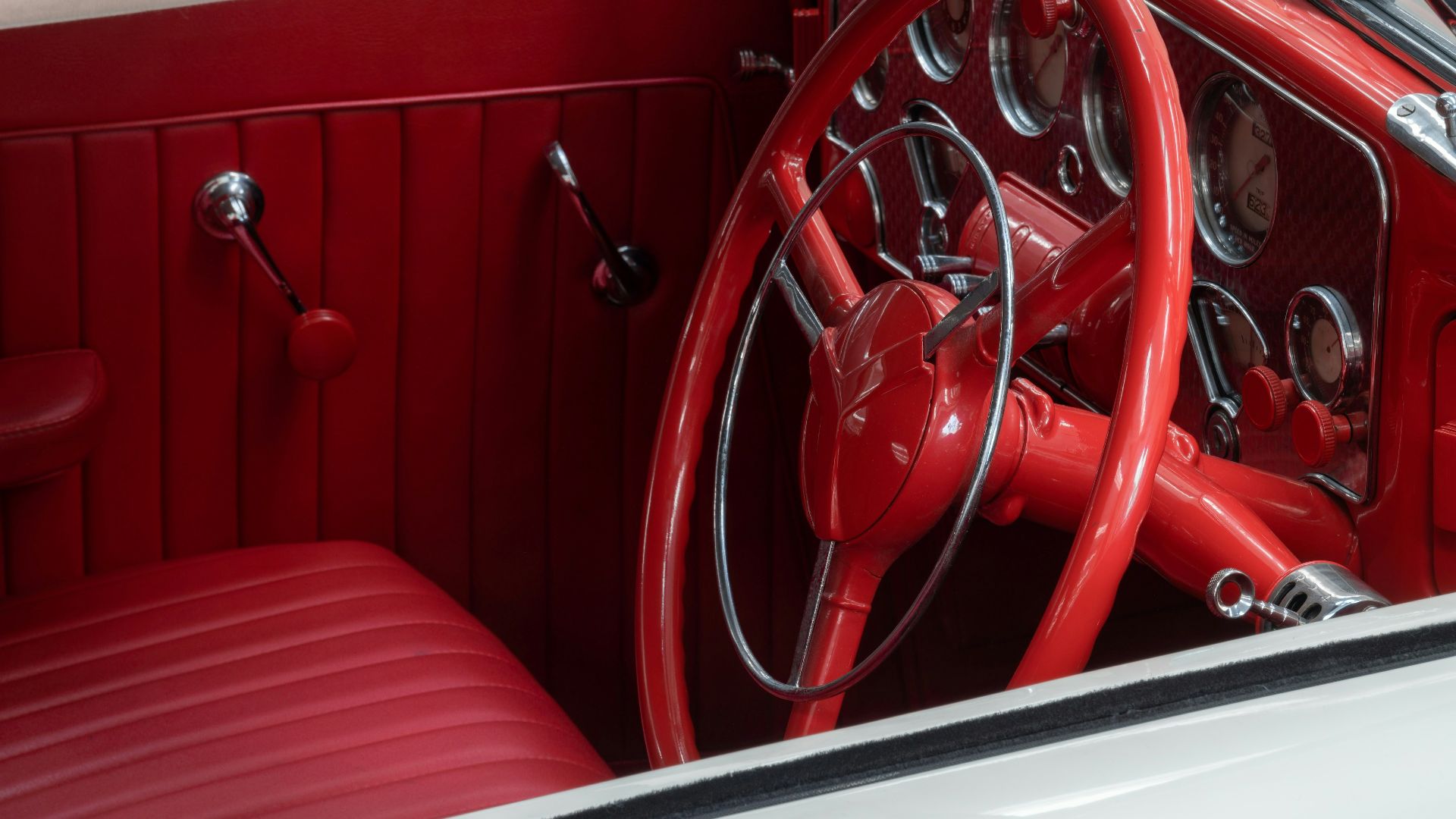
12. Manual Window Cranking Power
Originally, windows were lowered by manually turning a plastic crank on the door panel. Rolling all four down was a laborious task when you were the only passenger on a hot day. Pushing buttons didn’t exist yet, so you just cranked away until you felt the wind blow back.
 Sebastian Schuster on Unsplash
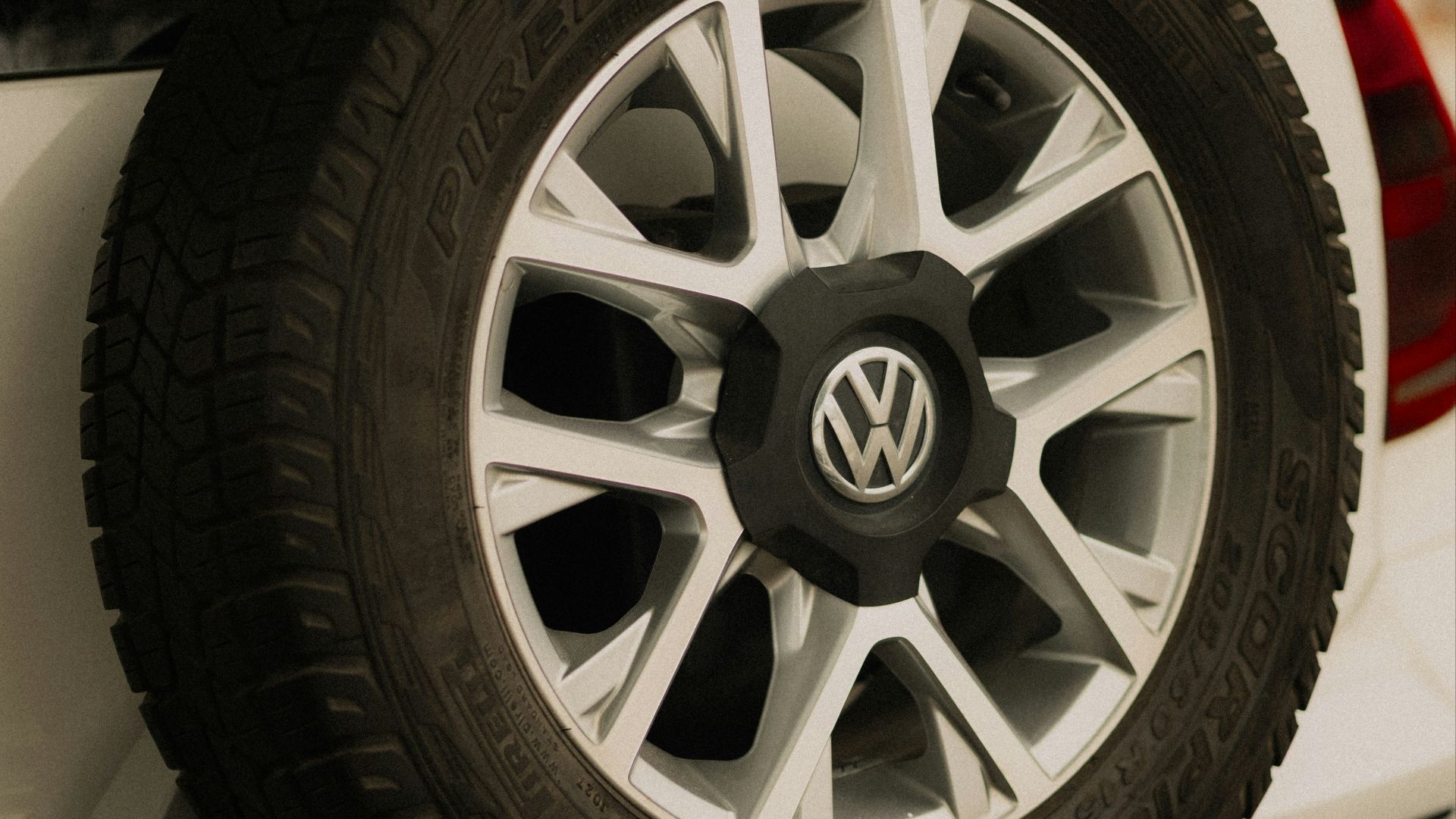
13. Carrying a Full-Size Spare Tire
Extra space wasn’t reserved for a full-size spare tire, as your dad’s old car had. Most cars these days come with a temporary “donut” spare tire, or nothing at all besides Fix-A-Flat foam spray. Back in the day, there was always a huge fifth wheel hidden in your trunk.
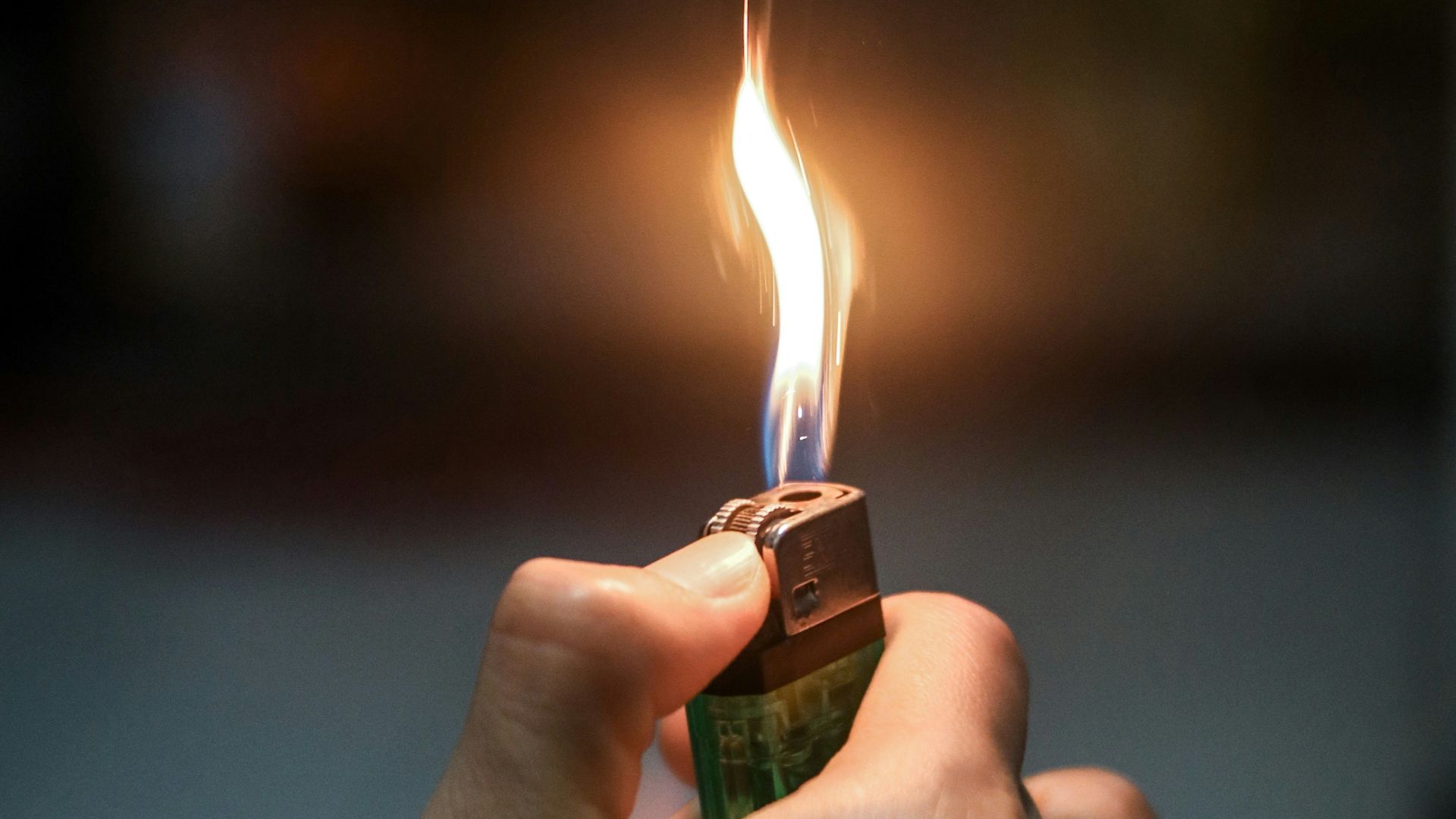
14. Using a Lighter for Everything
Back in the day, lighters were the cure-all for most issues. Flip open that socket in your dash and wait for it to heat up like a coil of metal on a George Foreman Grill. Long before iPhones needed to be charged, pre-heating that thing was the main reason you saw it in cars.
15. Fixing Things with a Tap on the Dashboard
Bopping your radio with your fist was sometimes the only way to get it back into working condition. Either unstick something that came loose or knock some dust out of the connection with enough force. Who knows how it worked?
16. Understanding Vapor Lock on Hot Days
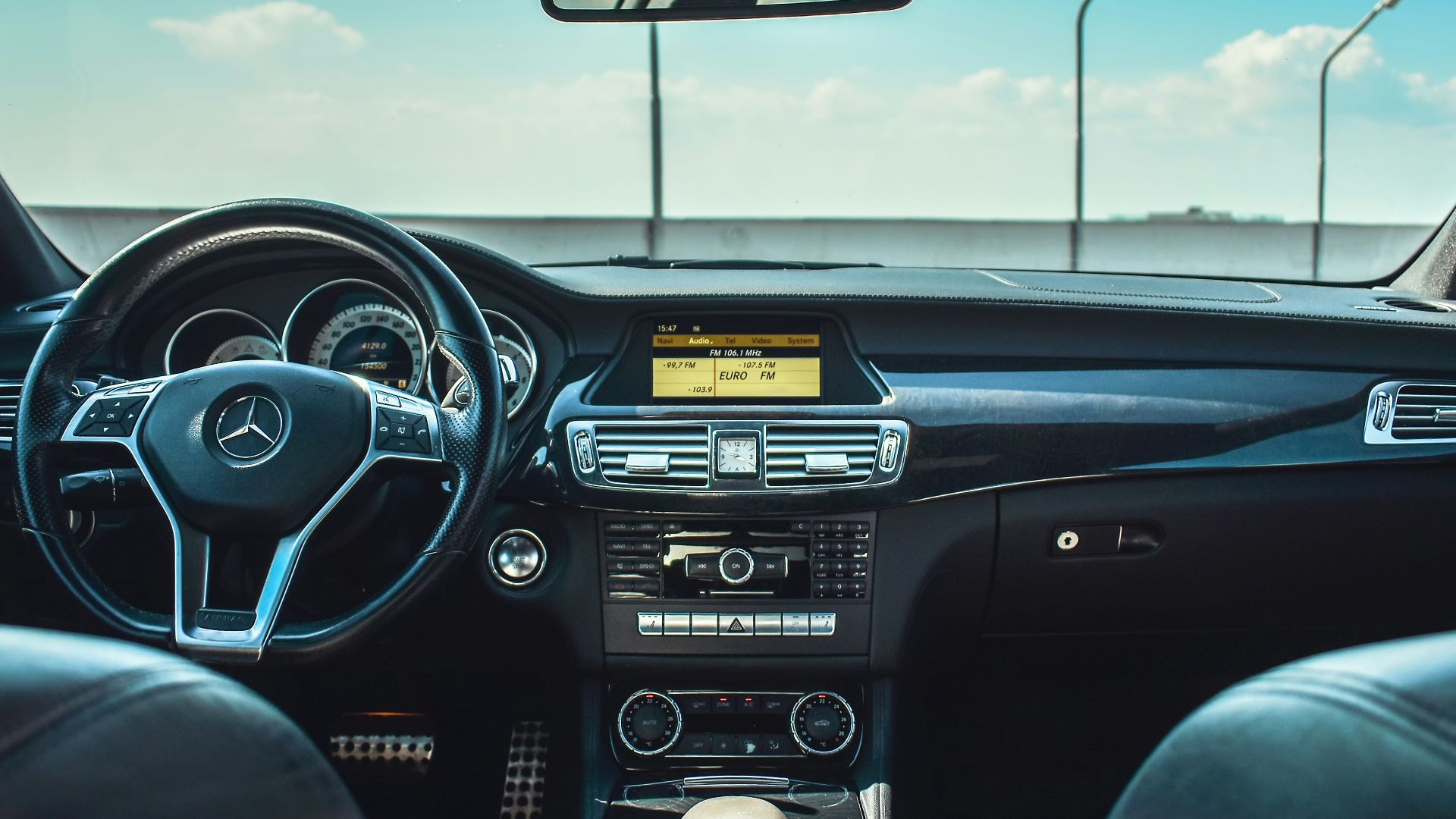
Driving on an unbearably hot day could cause fuel in your gas lines to evaporate and cause your car to quit running. Your only option was to wait for the fuel lines to cool down, so the gasoline turned back into liquid. Roll those windows down and just enjoy the heat until your car magically starts working again.
17. Adjusting Your Own Side Mirrors
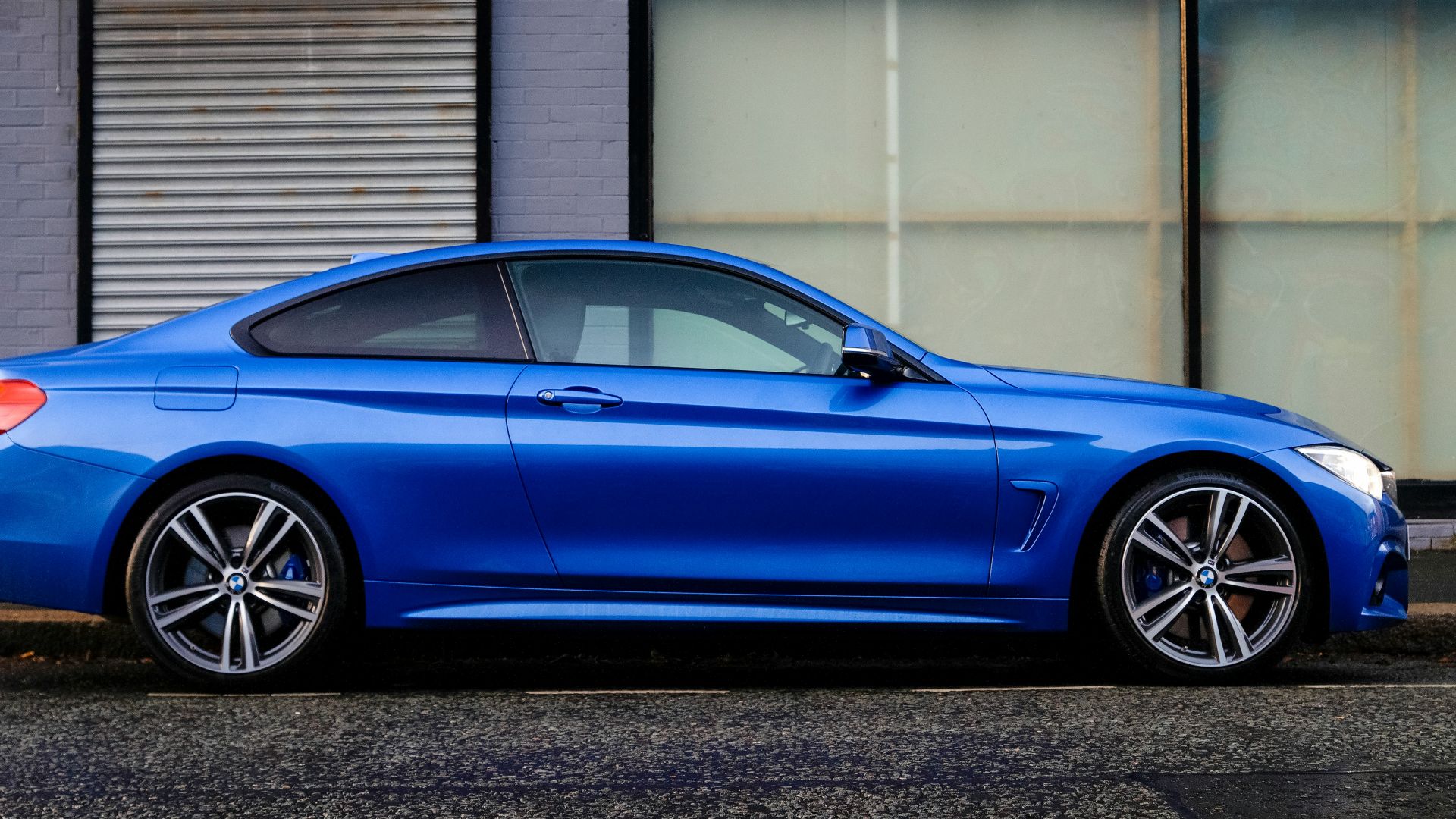
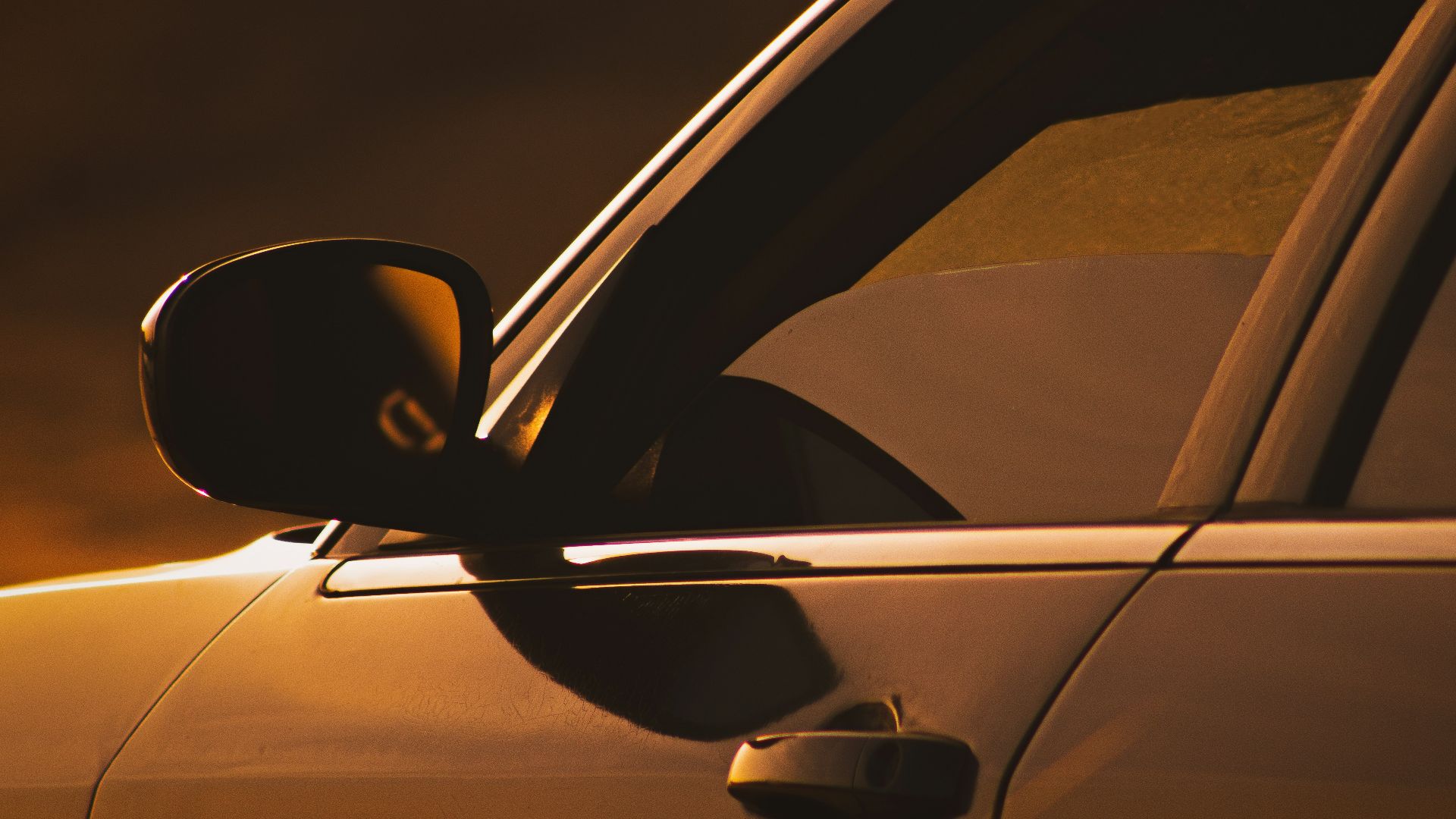
You couldn’t twist a knob on your door and have the perfect angle to see into the next lane when you needed to change. Instead, you had to reach out the window and manually move the actual glass mirror to where you wanted it or hope your passenger was there to do it for you on their side.
18. The Weight of a Real Metal Bumper
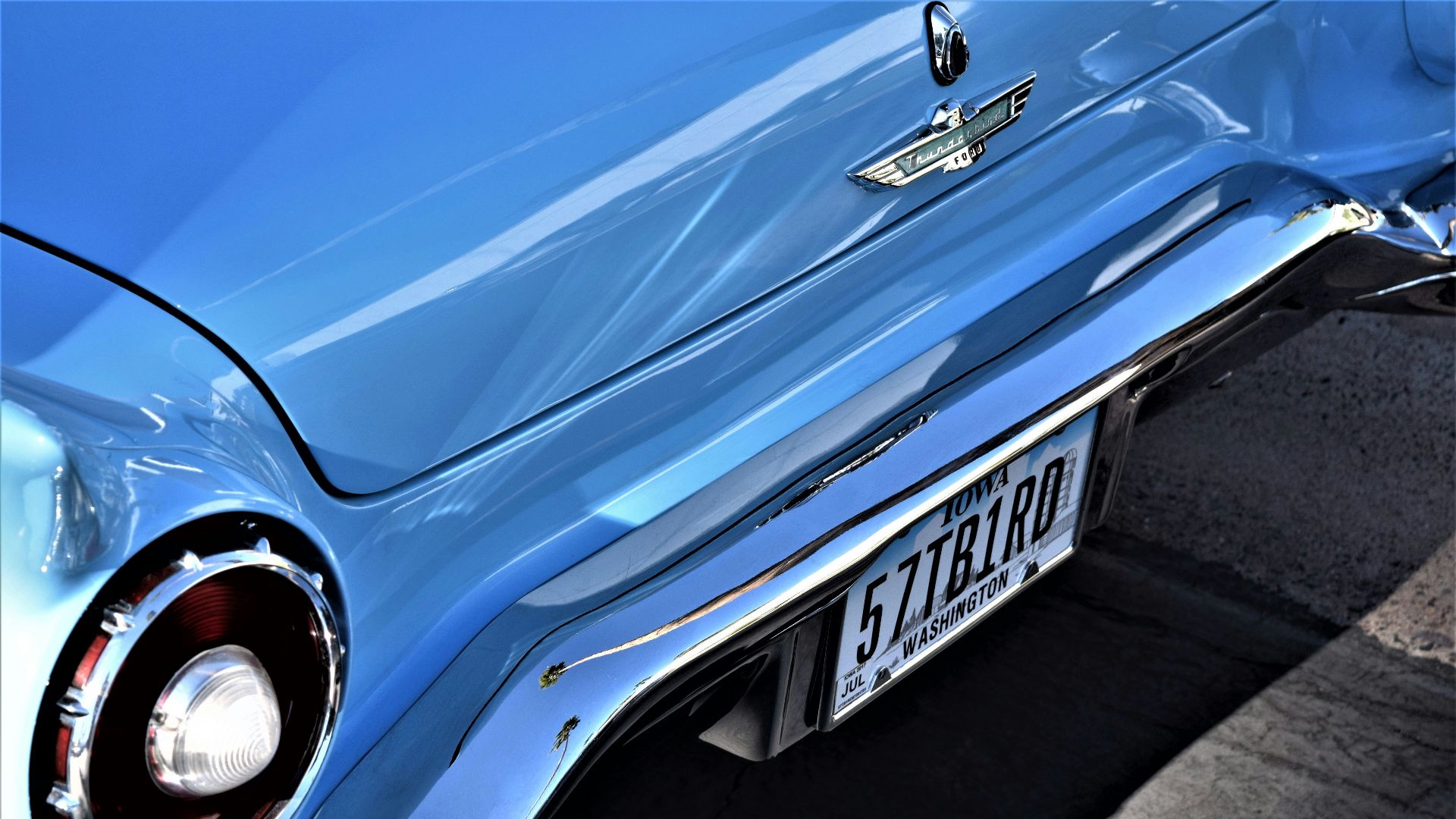
Bumpers used to be big, heavy, chrome-plated hunks of metal. They would take a minor scrape and not damage your bodywork like today’s “bumper stickers.” So big and heavy were those bumpers that you could sit on them during a tailgate and never feel guilty about it.
19. Keeping a Can of Starting Fluid Handy
Ether starting fluid was great when your engine just didn’t want to cooperate on a particularly cold day. Just spray some of that highly combustible fuel into the air intake and watch your car roar to life. Keep a can of starting fluid in your trunk next to your jumper cables.
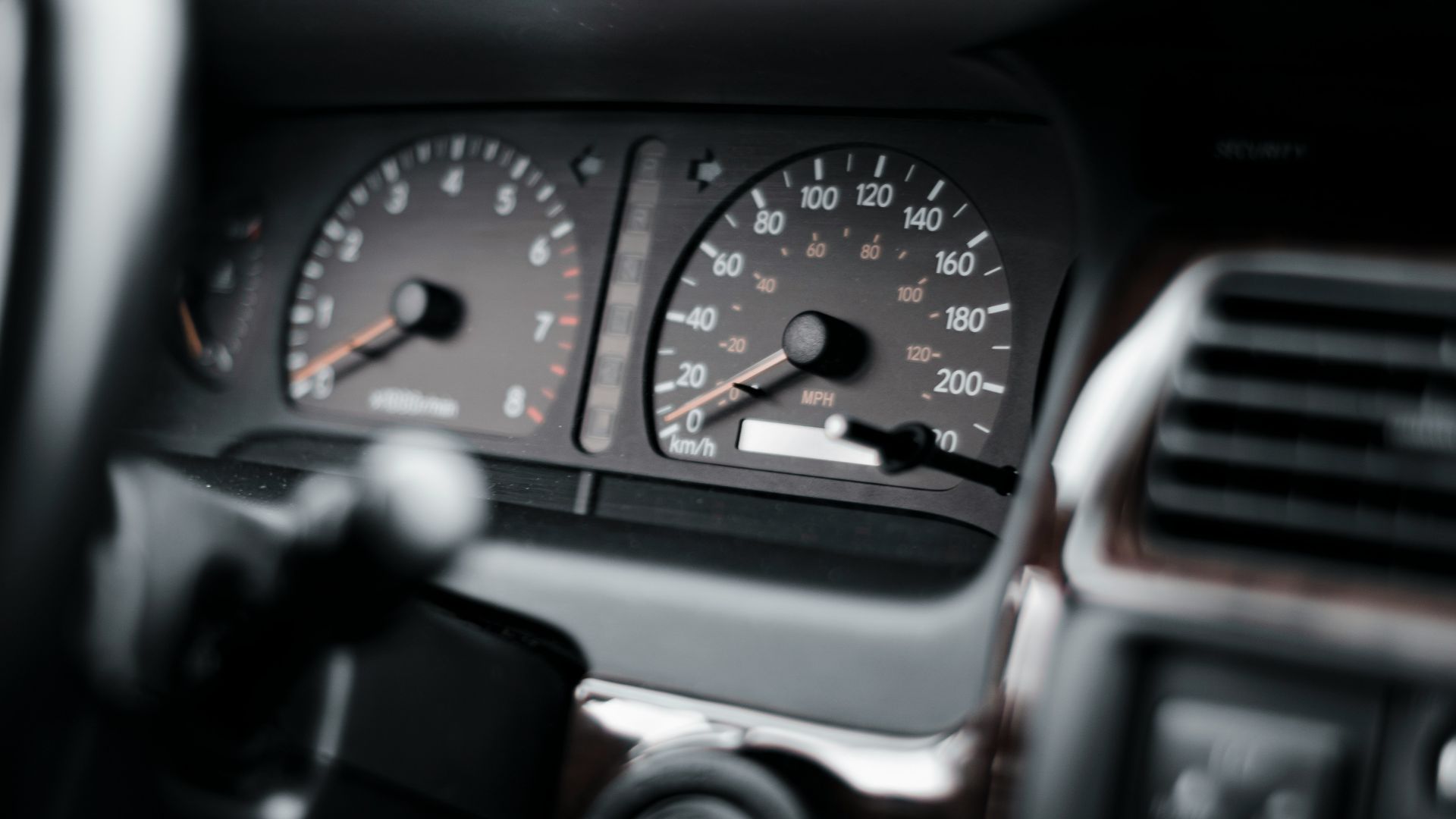
20. Appreciating the Odometer Roll
One of the best parts about older models was definitely the analog odometer. Watching all those zeros sweep across the dash was awesome. Congratulations on taking such good care of your car and driving it so many miles that the odometer only has numbers left!