
Driving: The Good and Bad
Sure, driving is convenient, but it can also sometimes be extremely stressful and feel like a constant hassle. It's costly to own a car; it's frustrating to deal with all the things you'll see on the road, too. Sometimes the decision to stop driving just seems like the smarter choice—though for others, stepping away from the wheel can feel impossible. If you’ve ever wondered why some people walk away from the driver’s seat while others hold onto it for life, here are 20 reasons that cover the most common motivations on both sides.

1. The Costs Stop Making Sense
Car payments, insurance, fuel, repairs, and parking can pile up fast, and that can serve as a big motivator to give up driving altogether. Since, once you add up the real total, driving can feel like an expensive habit rather than a helpful tool. If your budget is tight, cutting the car might be the smartest way to save money.

2. The Commute Is Draining
Long drives before and after work can make your schedule feel like it belongs to traffic, not to you. Even when nothing goes wrong, the time cost can start to feel unreasonable. Many people stop driving because they want their mornings and evenings back.
3. Parking Is a Constant Hassle
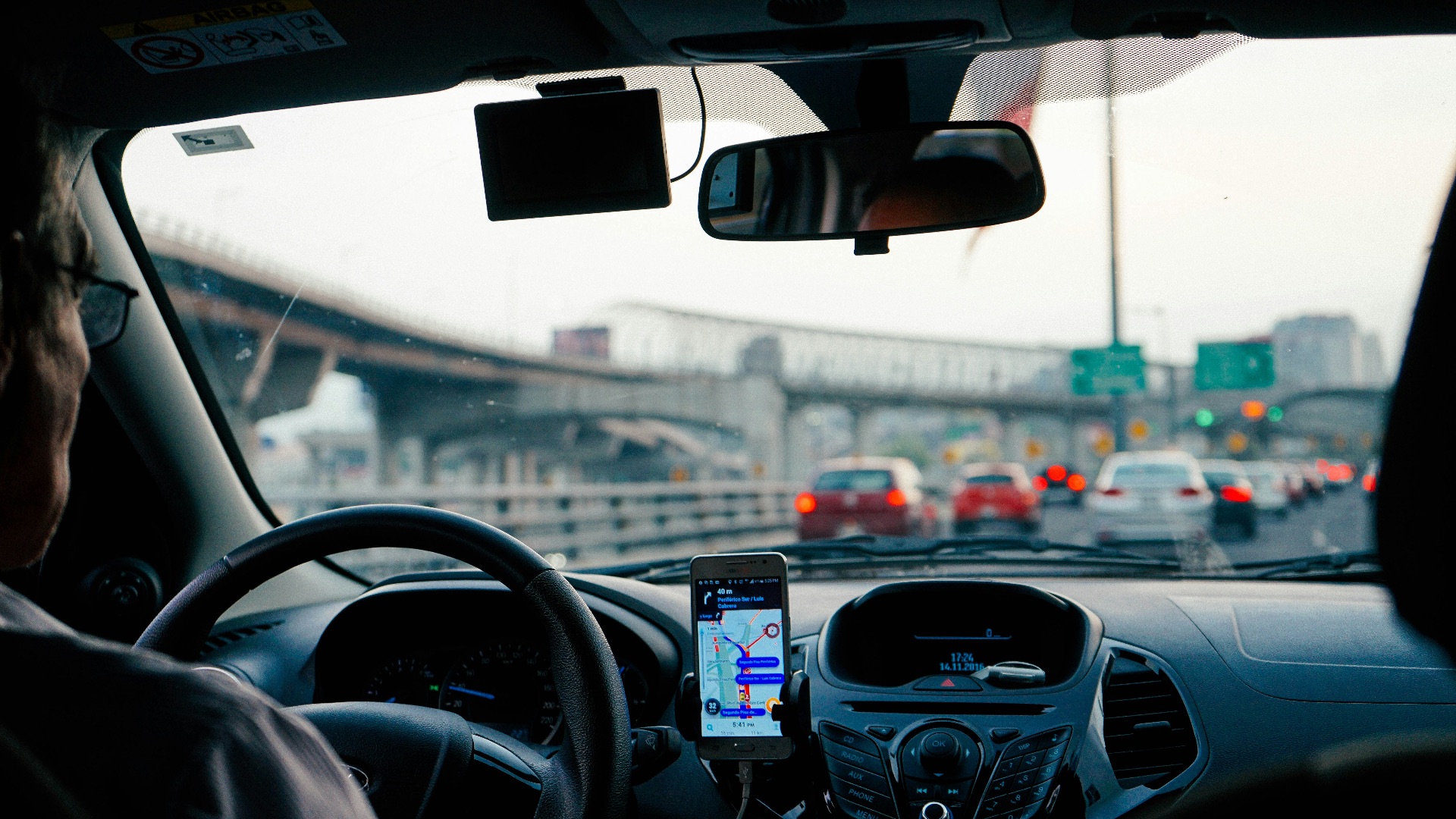
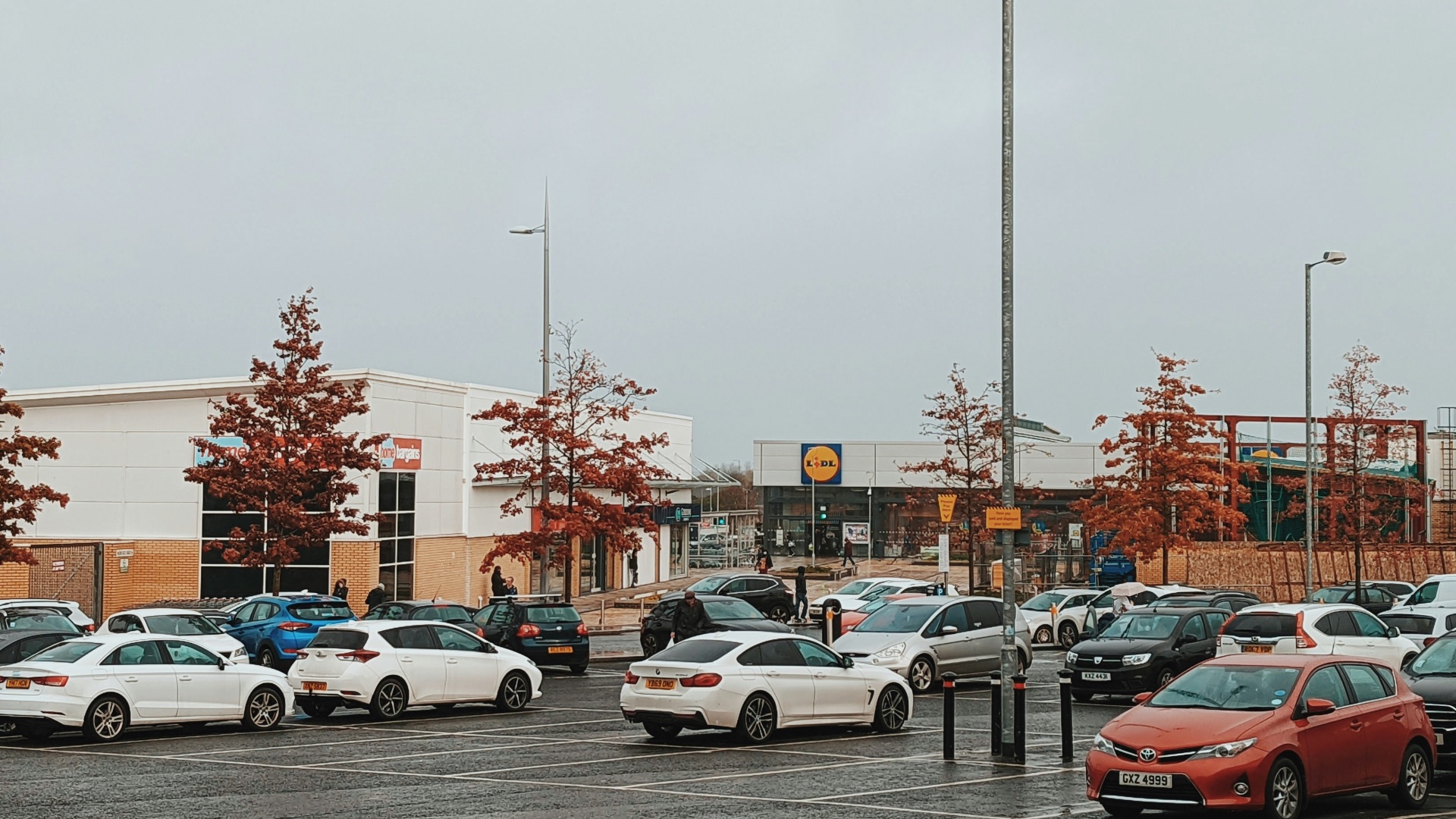
If every errand includes circling blocks, paying fees, or worrying about tickets, the hassle adds up quickly. That kind of friction can make driving feel less like freedom and more like another chore on the list. Eventually, you may decide it’s easier to choose other ways to get around.
4. Anxiety or Stress Makes It Hard to Stay Confident
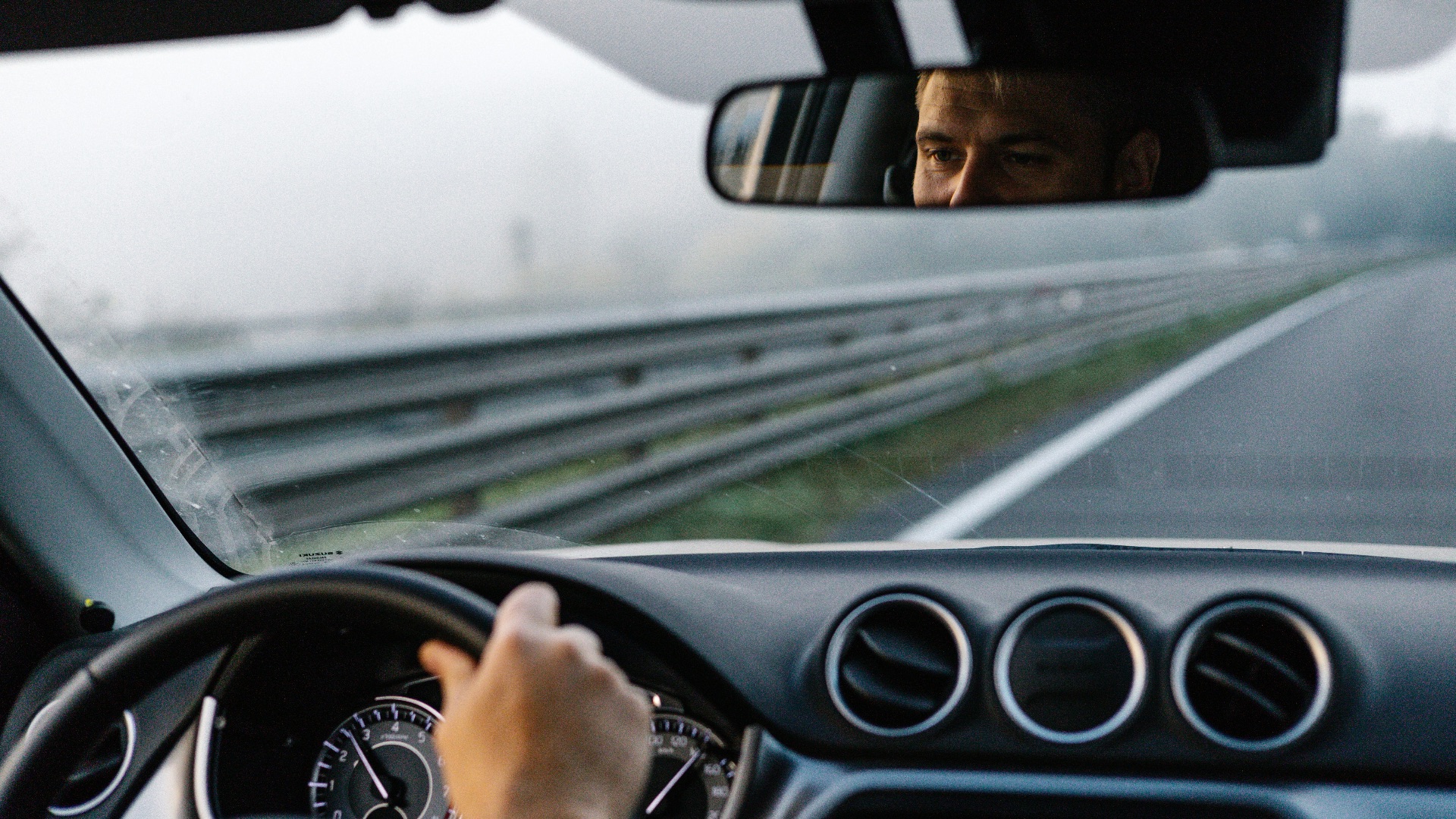
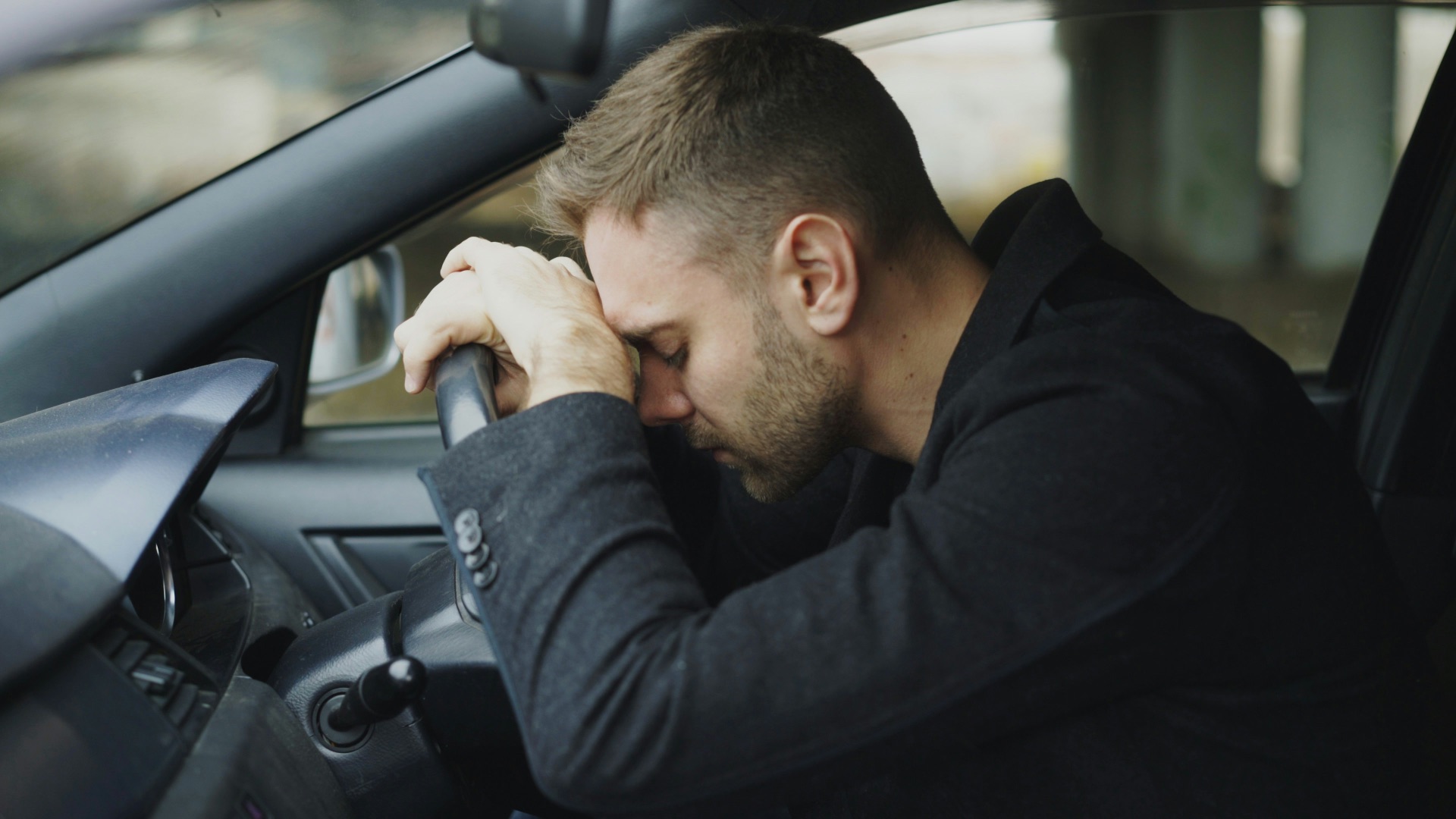
Driving demands attention, fast decisions, and comfort with unpredictability, and not everyone enjoys that mix. If you find yourself tense behind the wheel more often than not, it can start affecting your overall well-being. In those cases, stepping away can feel like a relief rather than a loss.
5. Changes in Health Forces a Rethink
Vision shifts, medication side effects, or slower reflexes can make driving feel riskier than it used to. Even temporary issues can push someone to stop, especially if recovery takes time. When safety feels uncertain, many people choose to pause or quit entirely.

6. A Bad Experience Creates Discomfort
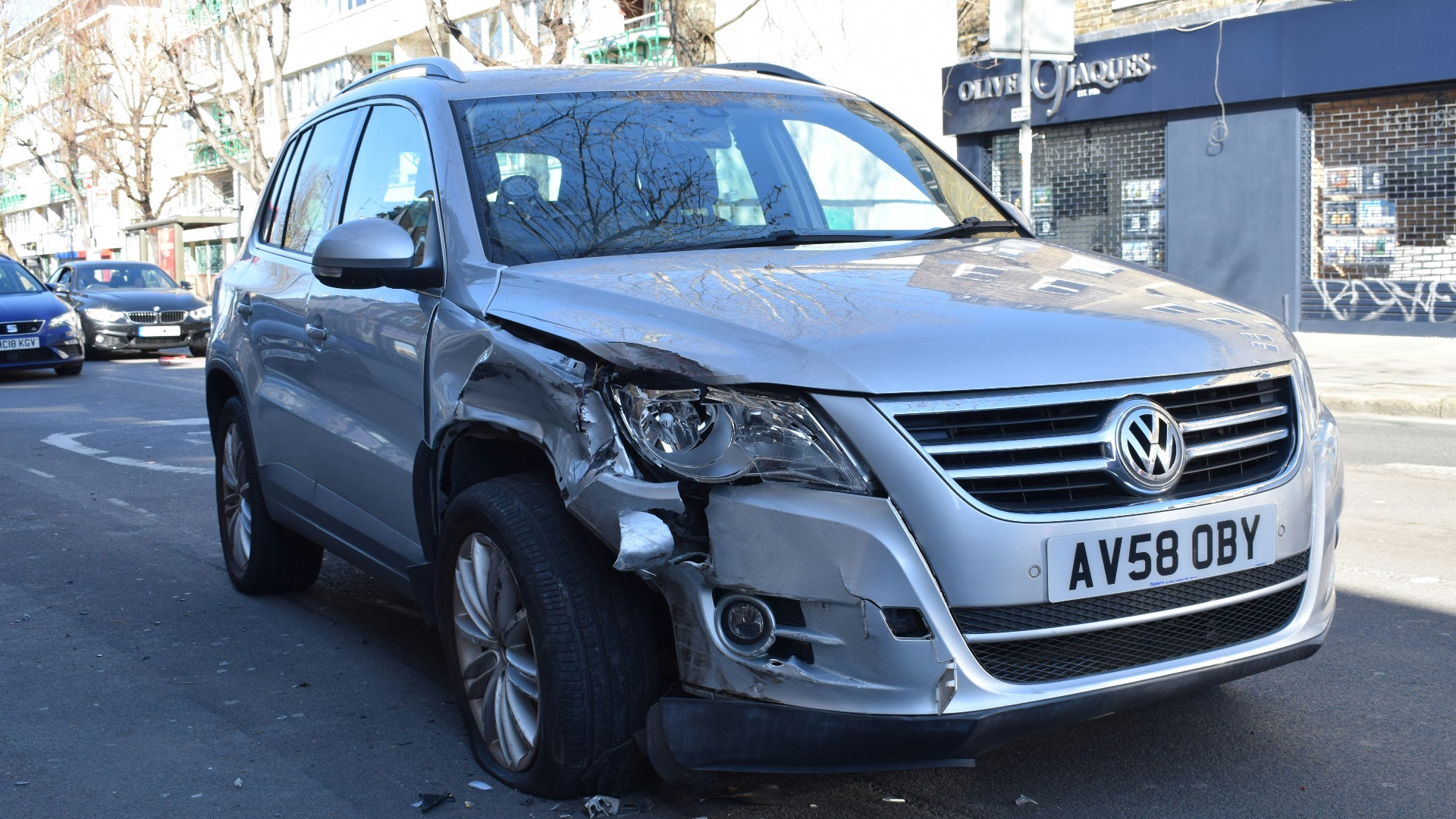
A collision or a near-miss can instantly change how you feel about driving overnight. After something scary, it’s common to question whether the convenience is worth the risk. Some people stop because they don’t want to carry that stress every time they leave the driveway.
7. The Car Is a Never-Ending Repair Project
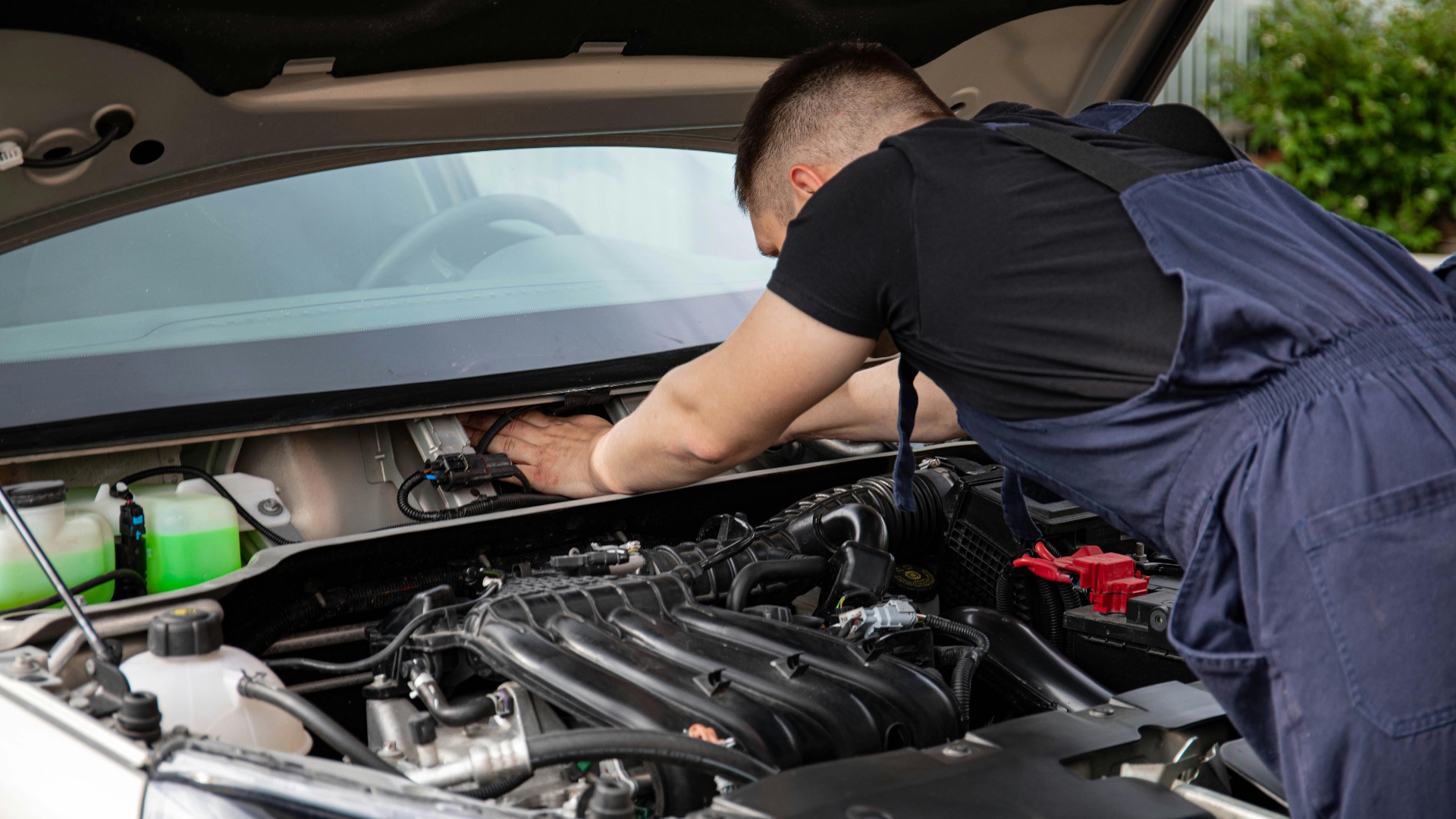
Frequent repairs can create a cycle of inconvenience, surprise expenses, and constant scheduling headaches. Even if you can afford fixes, you might get tired of losing time to maintenance. At some point, the car stops feeling reliable enough to justify keeping it.
8. Public Transit or Rideshares Become Good Enough
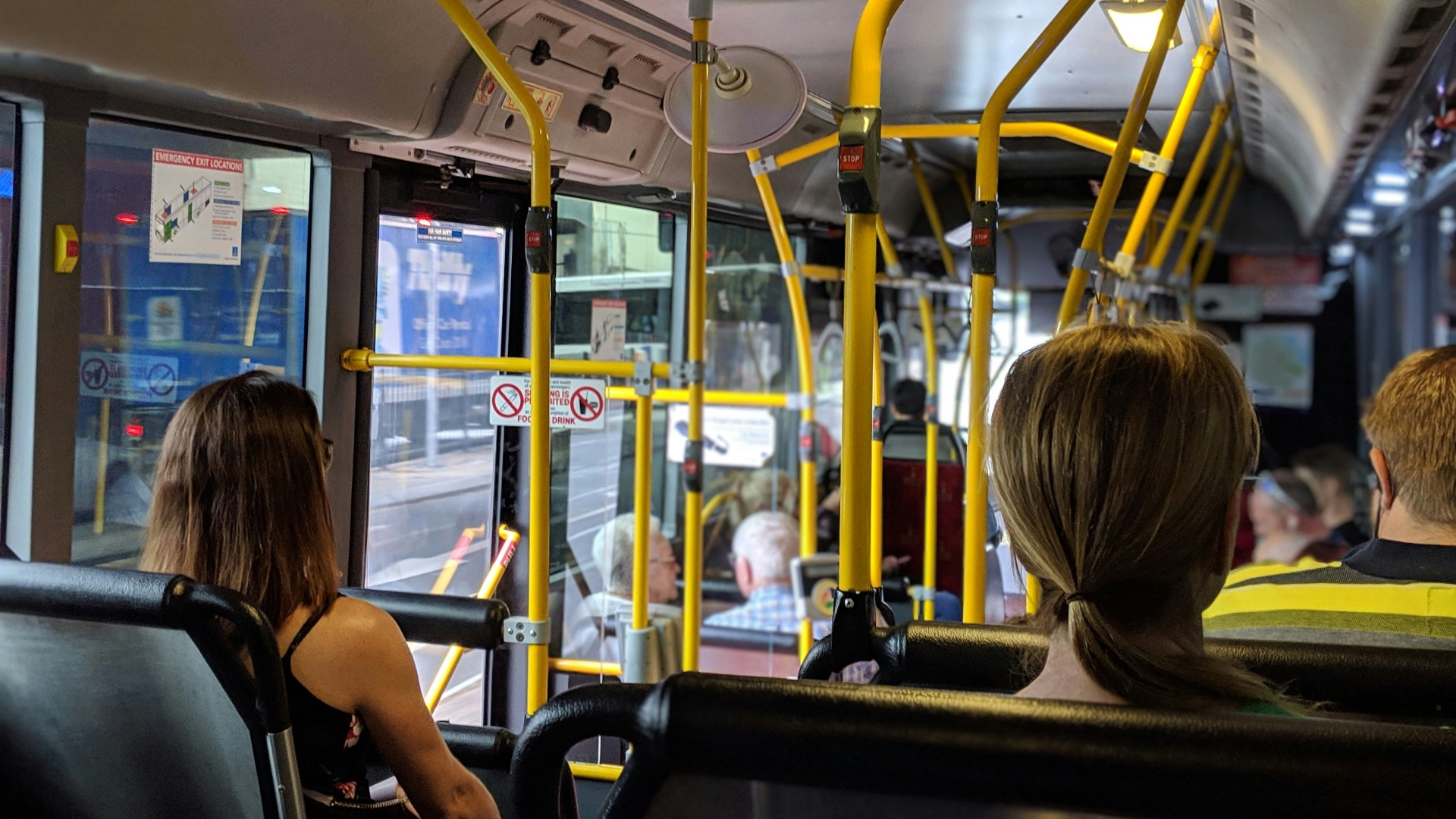
When buses, trains, or rideshare options are genuinely workable, owning a car can start to look unnecessary. Convenience doesn’t have to be perfect for it to be competitive with driving. If alternatives meet your daily needs, you may choose to let the keys go.
9. Life Moves Closer to Everything
A new job, a different neighborhood, or a smaller routine can reduce the need for a car. After all, when most places you go are nearby, driving can feel like extra effort rather than the default. People often quit because their geography or lifestyle changes, not because their personality does.

10. It's Hurting the Environment
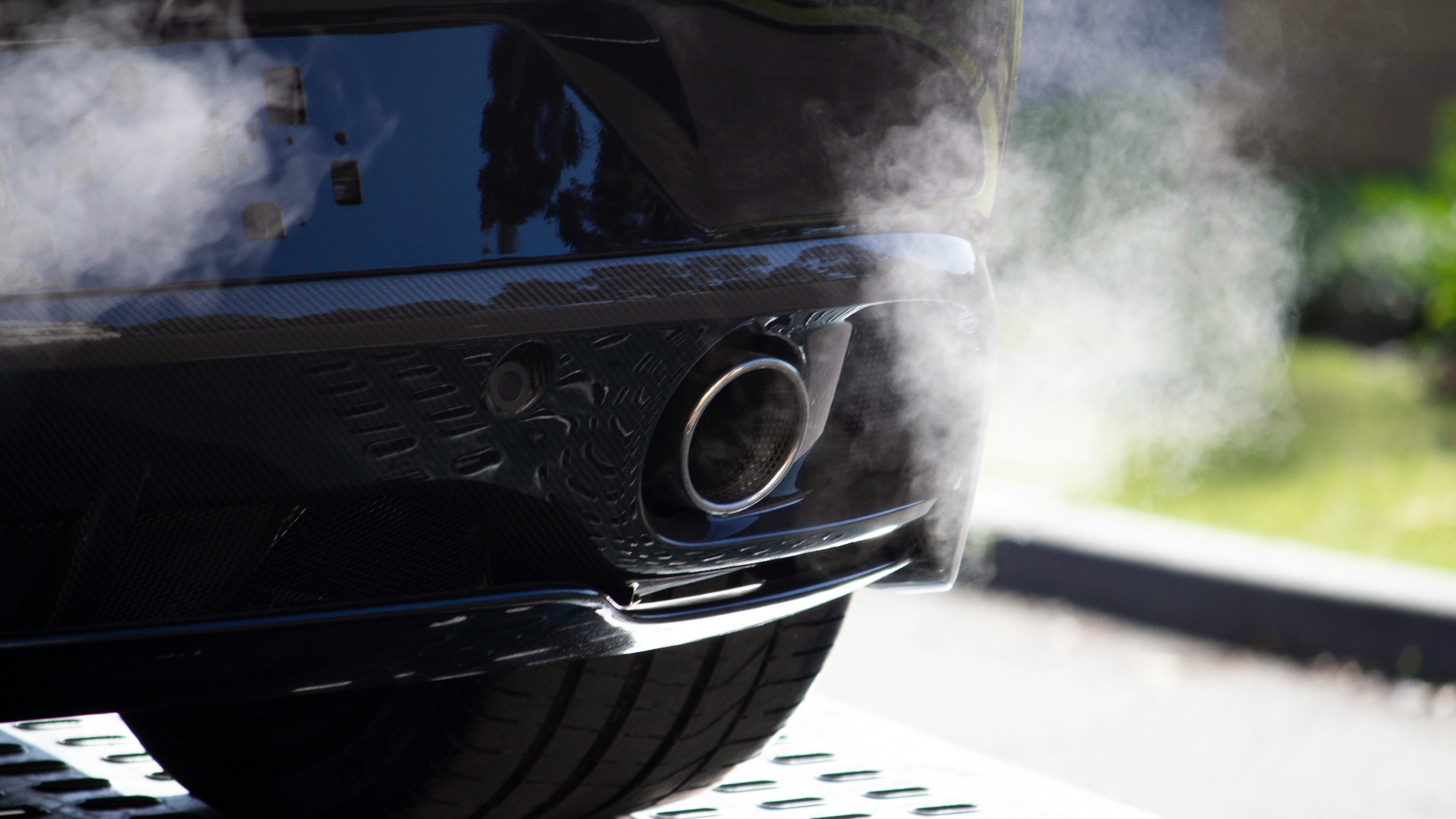
Some people stop driving because they want to reduce emissions and live with fewer resource-heavy habits. That choice can feel more urgent when you connect it to daily behavior rather than abstract values. If you’re motivated by impact, giving up driving may feel like a direct and meaningful step.
But for others, the convenience of having a car and knowing how to drive is so important that they never quit getting behind the wheel. Here are 10 common reasons why they rarely choose to give up the keys:
1. Independence Matters More Than Convenience
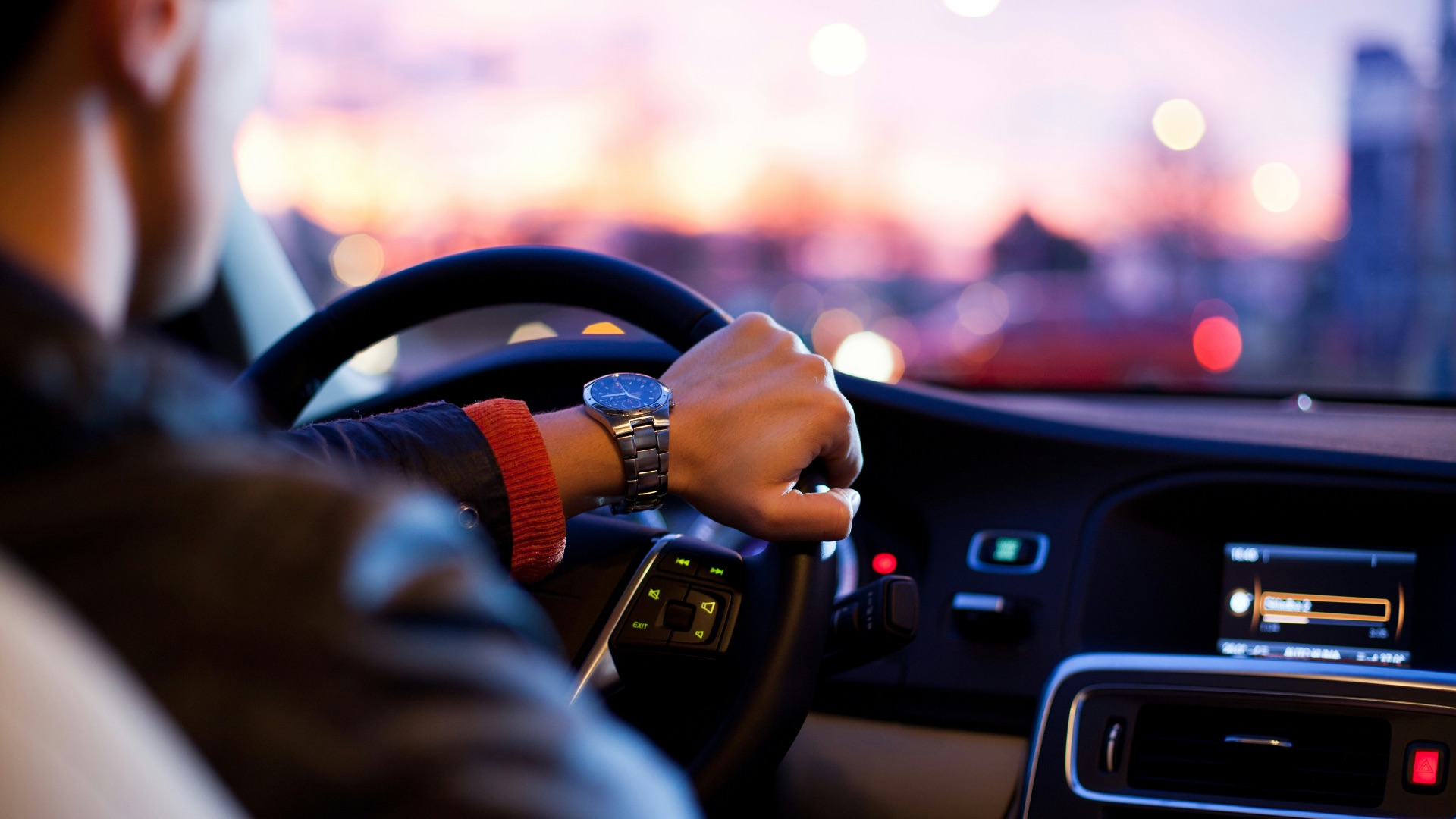
For many drivers, having a car means being able to leave whenever they want without coordinating with anyone else. The control over timing, route, and destination can feel essential to daily life. Even if driving is annoying sometimes, the autonomy can be hard to replace.
2. Not Driving Isn’t Realistic
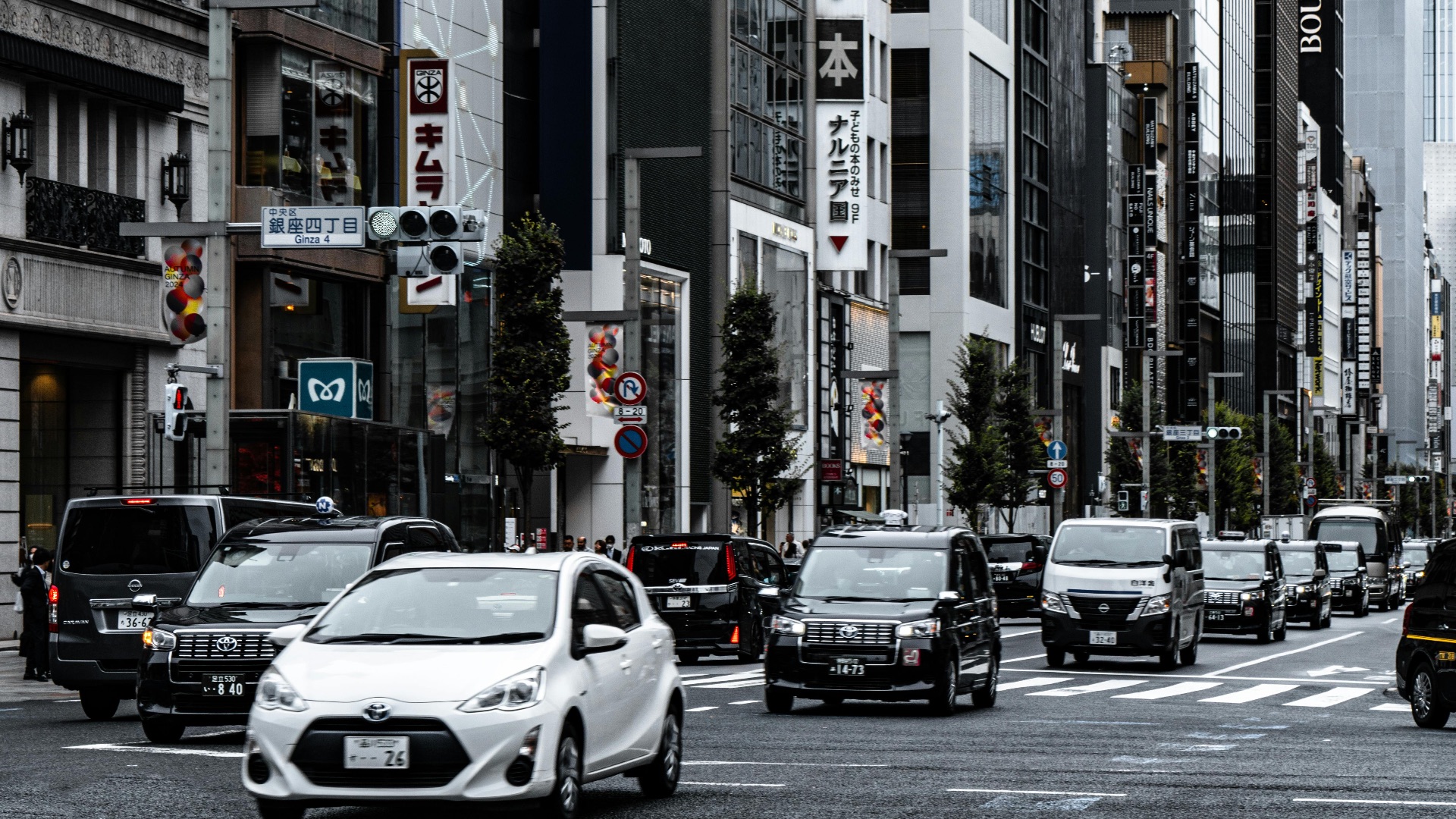
In many areas, transit is limited, distances are long, and sidewalks aren’t reliable. In those places, a car isn’t a luxury, it’s the basic infrastructure for getting to work, school, or groceries. If you’re in that situation, quitting driving can feel like opting out of normal life.
3. Work Requires It
Some jobs demand travel between sites, transport of tools, or irregular hours that don’t match transit schedules. Even remote workers may need a car for client meetings, errands, or family responsibilities. If driving is tied to income, letting it go can feel like cutting off options.

4. Family Logistics Depend on a Car
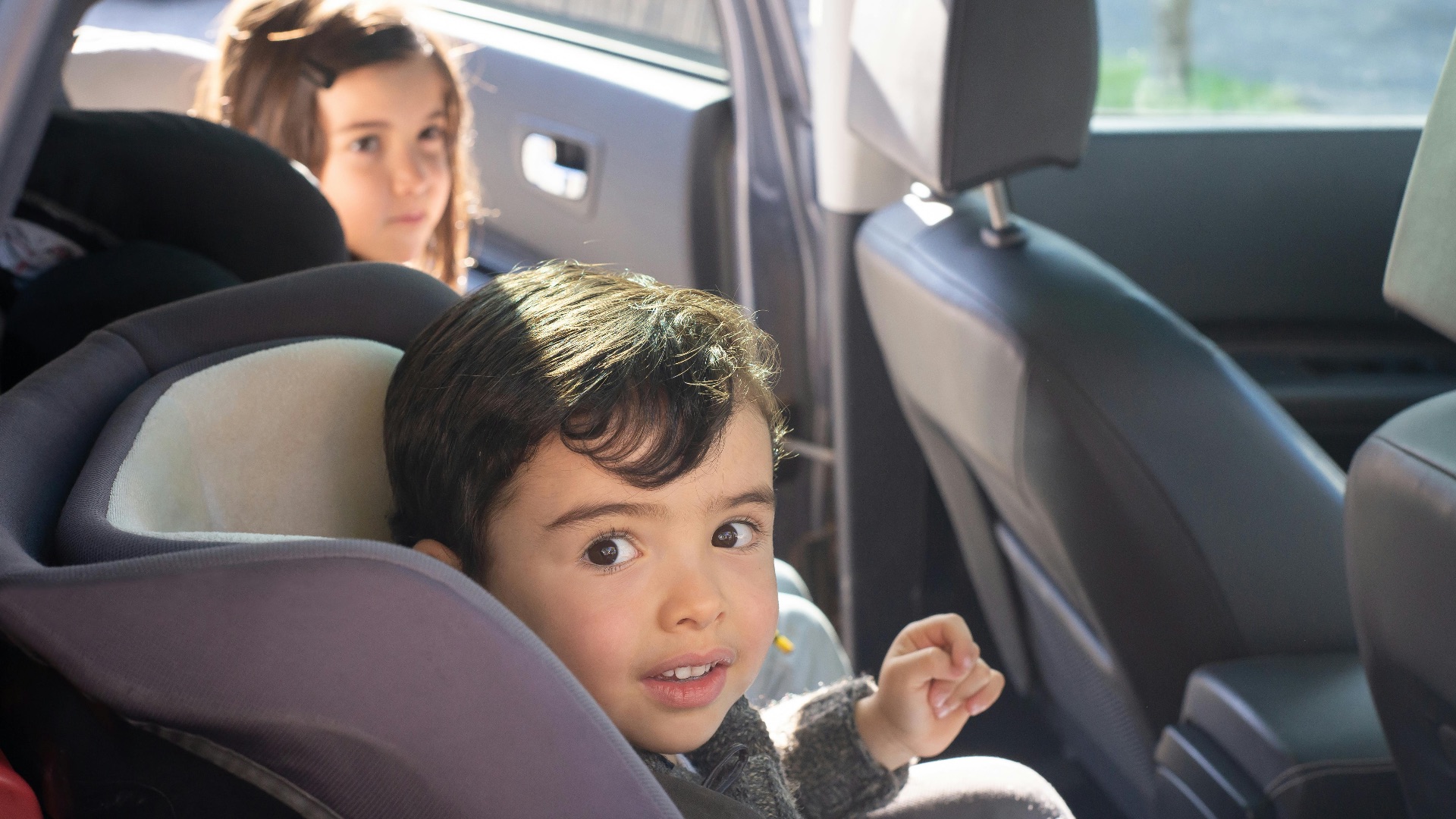
Kids, caregiving, and packed schedules often require quick pivots and multiple stops. A car makes it easier to handle last-minute changes without turning everything into a planning exercise. Many people keep driving because it keeps the household functioning smoothly.
5. Actually Enjoy Driving
Not everyone sees driving as stressful, and some people find it satisfying and straightforward. Comfort behind the wheel can make even routine trips feel manageable. When you enjoy driving, the idea of giving it up doesn’t feel appealing.

6. Built a Life Around Car Access
Housing choices, shopping habits, and social routines often assume you can drive easily. Once that pattern is established, switching away from driving can require more change than people are willing to take on. Many drivers stay with it because their entire setup is already optimized for it.
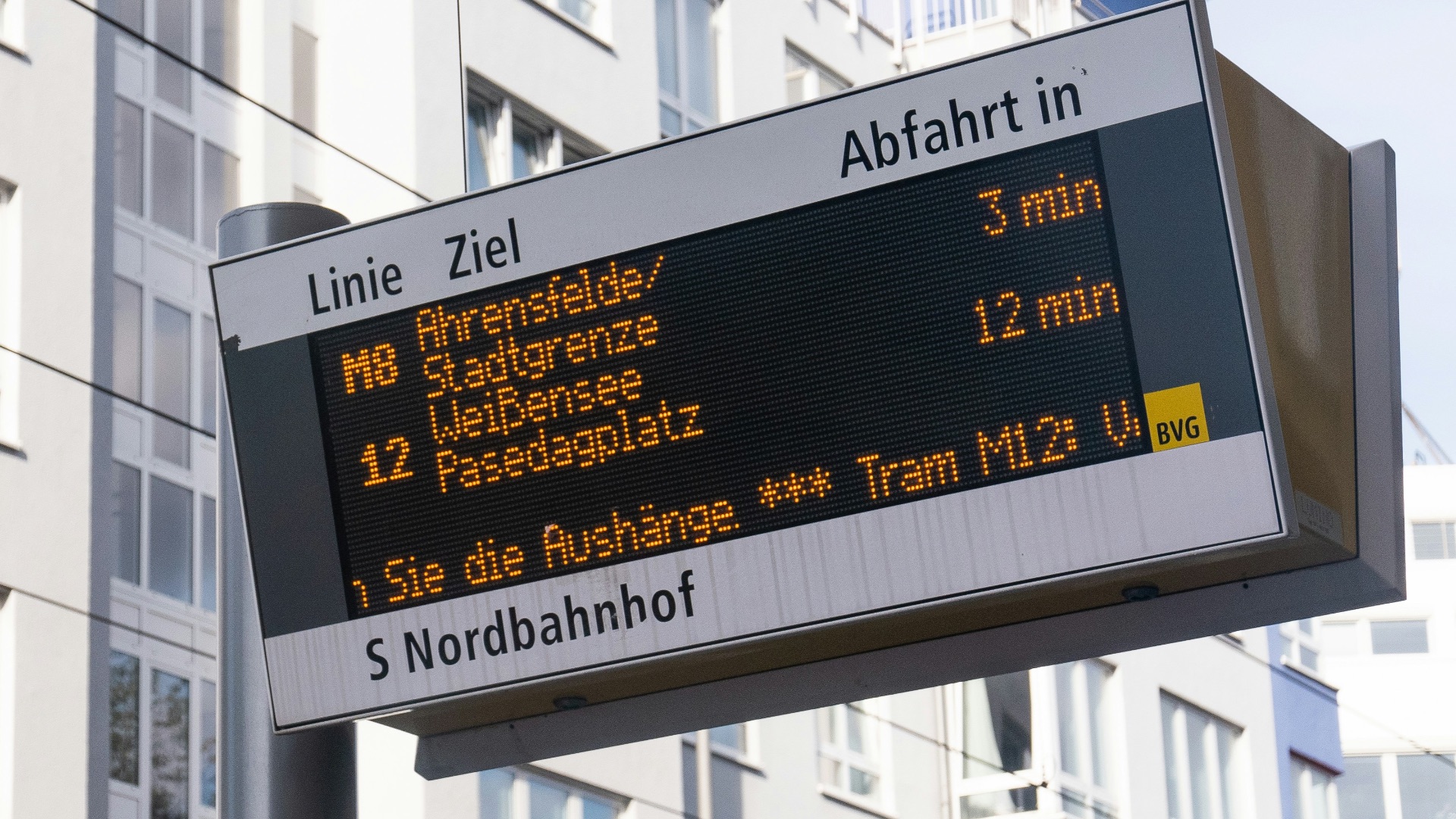
7. Don’t Trust Alternatives to Be Reliable
Transit delays, limited routes, and inconsistent service can make other options feel risky. Even rideshares can be expensive, unavailable during peak times, or unpredictable in certain areas. If reliability is your priority, driving can still feel like the safest bet.

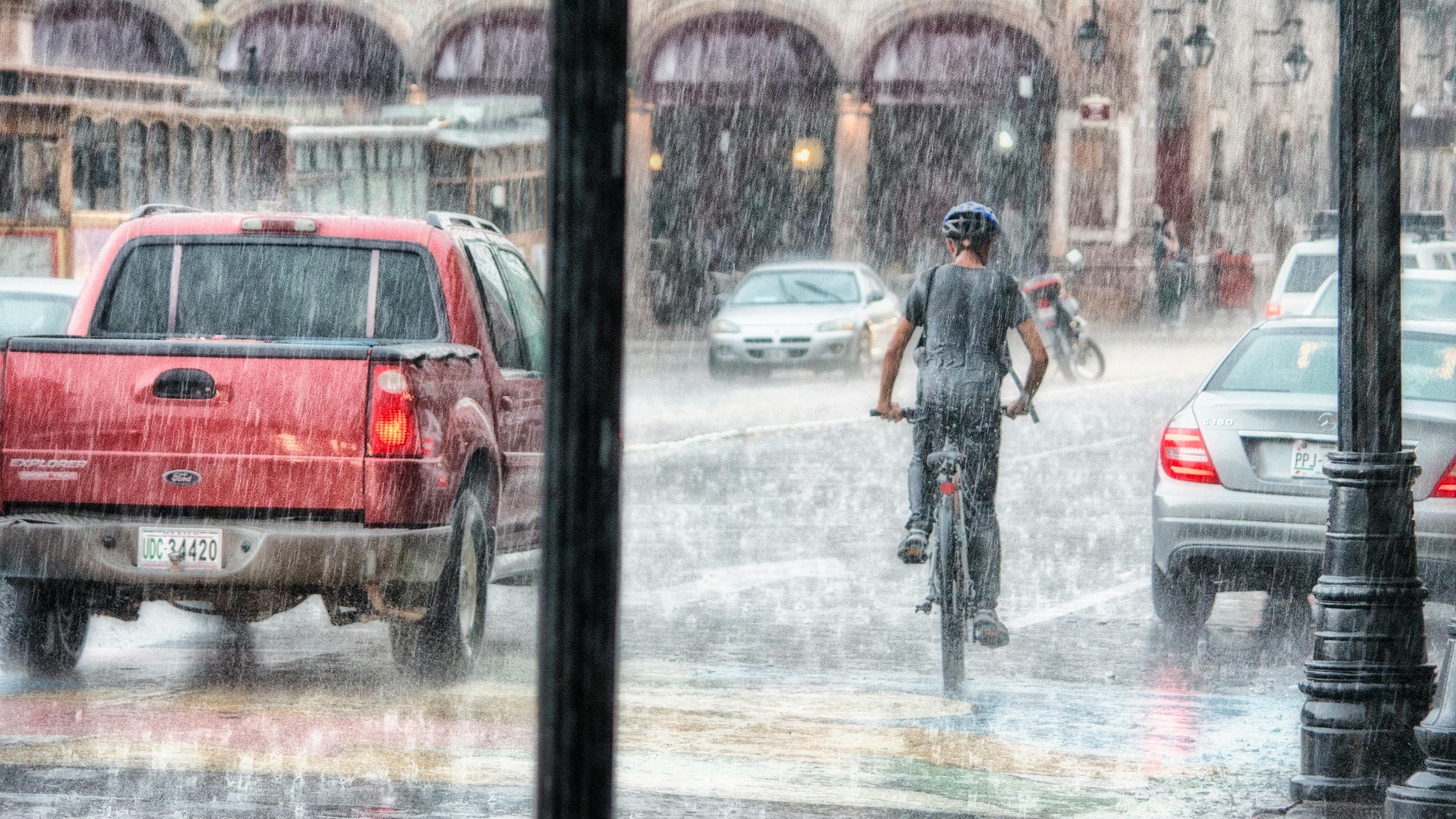
8. Weather Makes Walking or Biking Hard
Extreme heat, heavy rain, snow, or icy conditions can turn simple errands into unpleasant or unsafe trips. A car provides shelter and stability when the outdoors is working against you. In places with rough weather, driving often remains the practical choice.
9. Control Over Personal Safety and Privacy
Some people feel more secure in their own vehicle than they do in shared transit or rideshares. Being able to choose who you’re around and when you leave can reduce stress. If personal space matters to you, driving can feel like the clearest option.
 Sangga Rima Roman Selia on Unsplash
10. It's Easier Than Relearning Everything
Changing transportation habits can require new routes, new timing, and a lot of trial and error. Even when alternatives exist, the mental effort of restructuring routines can feel like too much. Plenty of people keep driving simply because it’s familiar, and familiarity is powerful.