

If you’ve ever thought about selling or trading in your car, you know that every little detail counts. From scratches to mileage, every factor influences how much your vehicle is worth. But while many car owners focus on the obvious, there’s one thing that quietly chips away at value more than almost anything else.
This common culprit isn’t flashy, but it’s surprisingly powerful in affecting resale prices. Many people underestimate its impact because it happens gradually or feels unavoidable. Recognizing what it is and taking steps to prevent it could save you thousands when the time comes to sell.
Neglecting Regular Maintenance
One of the biggest ways car value drops is through neglected maintenance. Skipping oil changes, ignoring warning lights, or postponing routine inspections might not seem like a big deal day-to-day, but it adds up. Over time, small issues can become major repairs, leaving potential buyers wary of hidden problems.
Cars with a spotty maintenance record often raise red flags. Even if the vehicle looks clean on the outside, a lack of documented service history can make buyers hesitant. They want assurance that the car has been cared for consistently, and without it, value takes a hit.
Regular maintenance also protects performance and longevity. Brake wear, tire condition, and fluid levels all affect how well your car runs and how much it’s worth. Staying on top of service schedules demonstrates responsible ownership and preserves value for the long term.
Ignoring Cosmetic Upkeep
Beyond mechanical care, appearance plays a huge role in resale value. Faded paint, dents, scratches, and worn interiors can instantly make a car feel cheap, even if it’s mechanically sound. Buyers often judge a vehicle by first impressions, and cosmetic neglect sends the wrong message.
Interior upkeep is just as important. Stains, odors, and torn seats reduce appeal and suggest a lack of care. Simple efforts like cleaning regularly, using seat covers, and removing clutter can make a big difference in how a car is perceived.
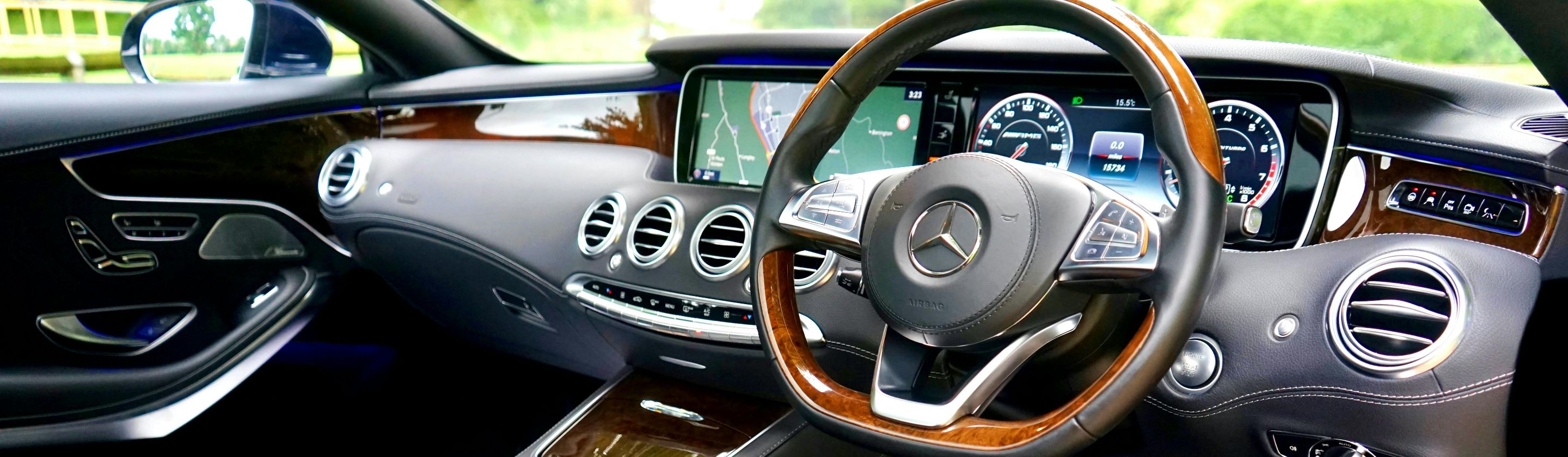
Even small details count. Cracked dashboards, missing trim pieces, or scratched wheels might seem minor, but they signal to buyers that your car hasn’t been treated with care. Addressing these cosmetic issues isn’t just about pride, it directly influences how much someone is willing to pay.
Overlooking Documentation and Records

A surprisingly common factor that hurts a car’s value is a lack of proper documentation. Service records, receipts, and proof of repairs reassure buyers that the car has been well-maintained. Without these documents, buyers assume the worst, which drives down the price.
Title issues can also create major problems. Any uncertainty about ownership history, liens, or past accidents makes a buyer cautious. Even minor paperwork mistakes can make your car harder to sell or result in a lower offer than expected.
Insurance and accident history also play a role. Cars with unresolved claims or missing reports may be perceived as higher risk, even if repairs were completed perfectly. Being organized and transparent about your car’s history protects its value and makes selling smoother.
Many car owners focus on mileage or mechanical issues when thinking about value, but these hidden factors often matter more. Neglecting maintenance, ignoring cosmetic care, and failing to keep records gradually erode resale price over time. Being proactive in these areas is far more effective than relying on last-minute fixes when it’s time to sell.
Even if your car is older, consistent attention to appearance and upkeep signals to buyers that it’s been loved. A well-maintained, clean, and properly documented car inspires confidence and encourages higher offers. Small, regular efforts today pay off big when you eventually sell.
Ultimately, the single most common thing ruining a car’s value isn’t a single dent, scratch, or missed oil change, it’s a pattern of neglect. Buyers are willing to overlook age and mileage if they see a history of responsible care. When every detail reflects attention and maintenance, your car holds its value and appeals to the widest range of buyers.
By investing in routine service, cosmetic care, and organized documentation, you’re protecting your car from silent depreciation. It’s not glamorous, and it may feel tedious, but these habits make a real financial difference. Your vehicle will not only look and run better, but it will also command a higher resale price, giving you a solid return on years of ownership.