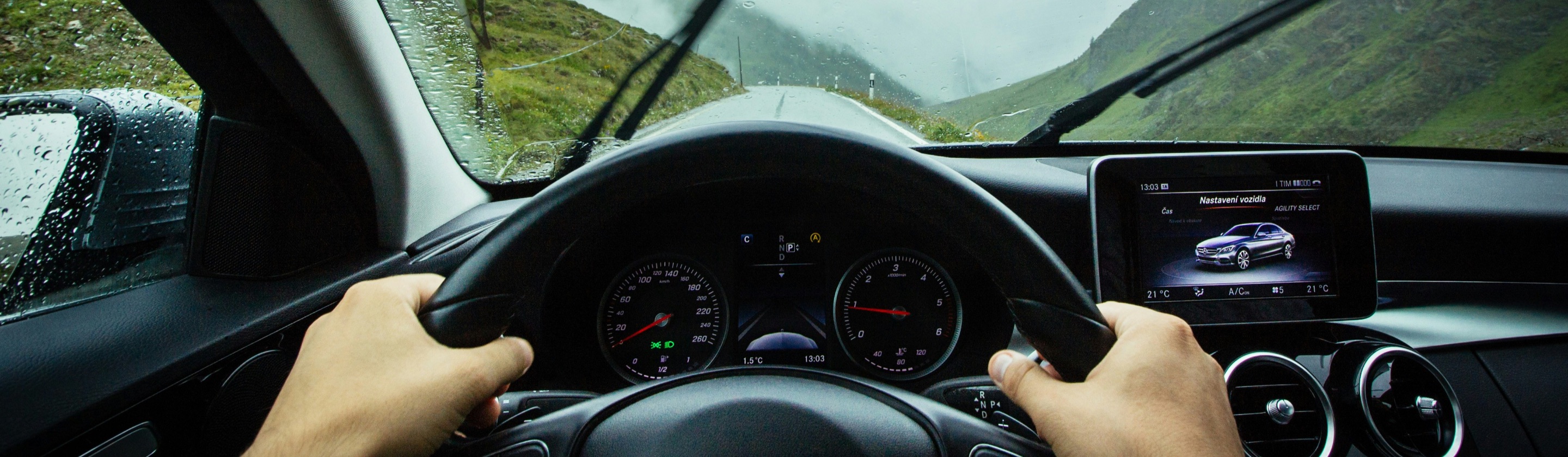
Two Different Driving Mindsets
Driving confidence can be helpful, but when it turns to either extreme—overconfidence or nervousness—it can make you a hazard on the road. Whether you're speeding way above the limit or shooting far under the posted number, your actions behind the wheel can confuse (and frustrate) others around you, and being unpredictable is never a good thing. So what mistakes do overconfident and anxious drivers make? Let's dive in.
1. Assuming You’re the Best Driver
Overconfidence can make you treat other drivers like obstacles in a video game instead of real humans making decisions in real time. You may, for example, take it personally when someone goes slower, then respond with impatience, thinking you're better than them. That attitude often leads to choices you wouldn’t make if you simply gave the situation an extra second.
2. Speeding Because You "Know" the Road
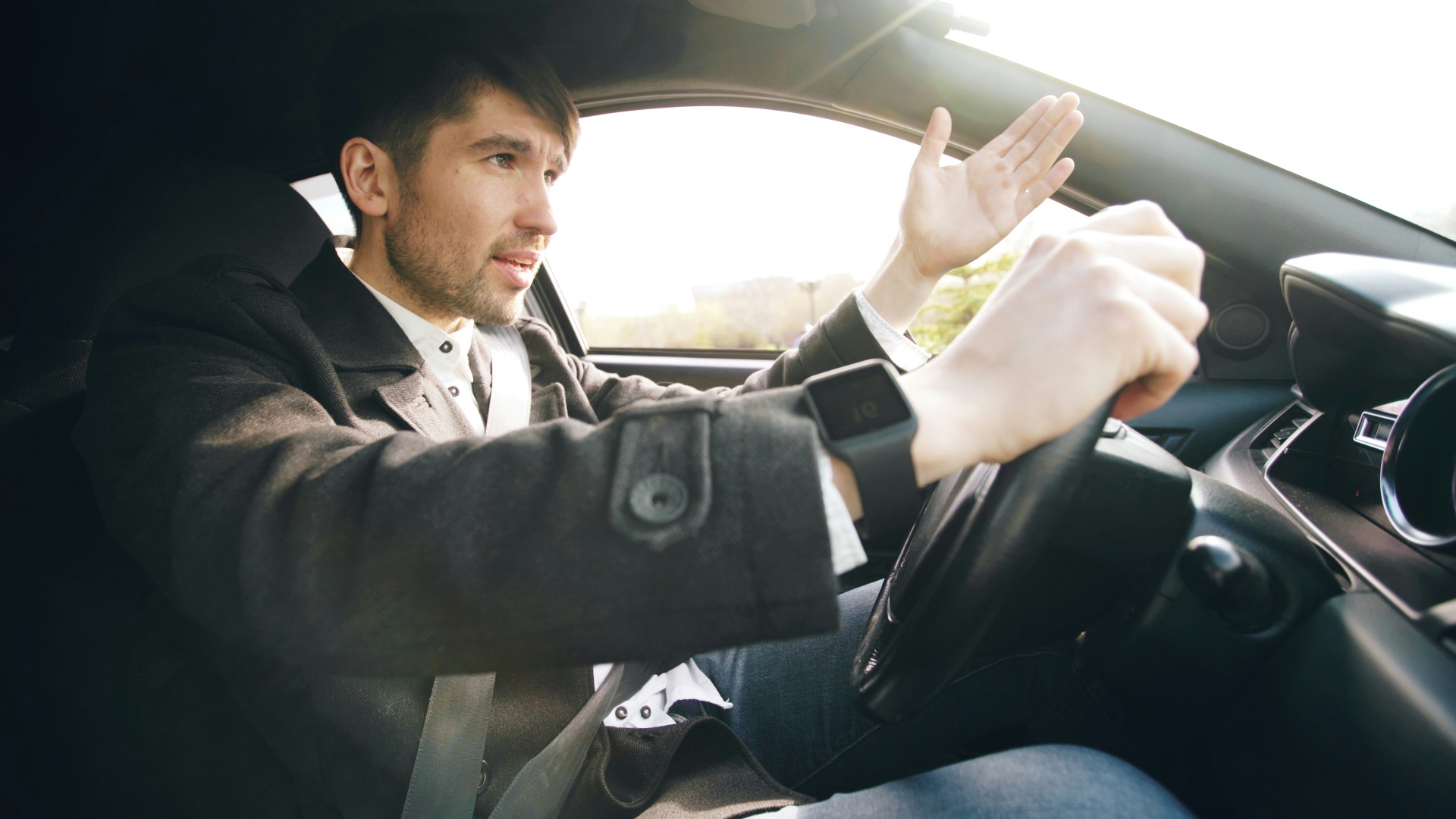
Driving fast can feel controlled right up until something unpredictable happens. Sure, it's easy to step on the gas and cruise, but when you do, your stopping distance grows quickly, and your ability to react shrinks just as fast. Even if you don’t crash, you’re forcing everyone else to adjust to you, which is not a great trade.
3. Tailgating to Nudge Someone to Move
Following too closely doesn’t communicate skill; it communicates pressure. By tailgating, you’re shooting yourself in the foot by cutting your margin for error down to almost nothing, especially if the car ahead brakes suddenly. It also distracts you because you’re focused on them instead of scanning what’s farther up the road.

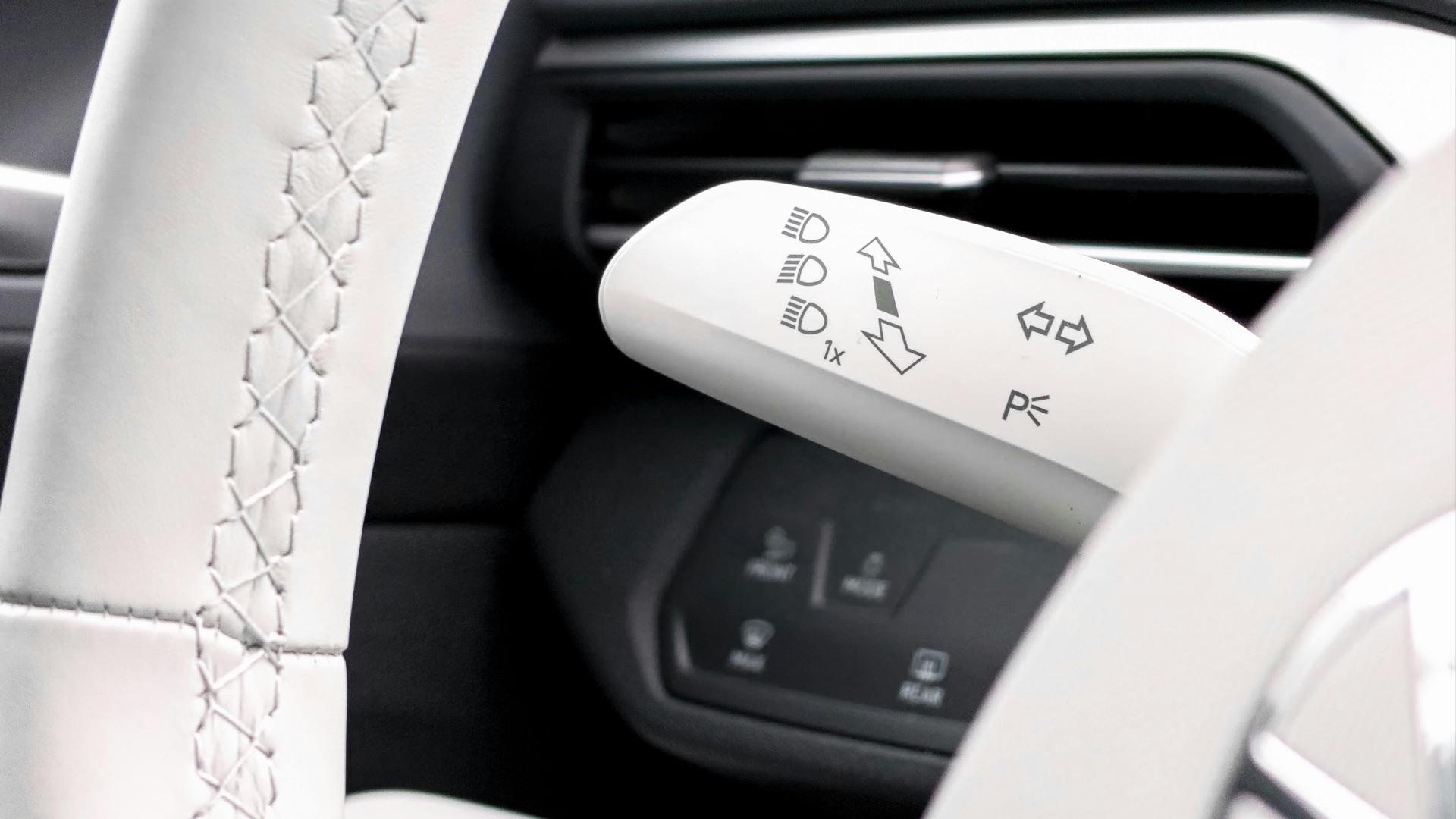
4. Treating Turn Signals Like They're Optional
Skipping signals is a classic overconfident move because you assume others can read your mind and predict your intentions. Newsflash, they can’t, and they shouldn’t have to guess. Using your signal early makes traffic smoother and reduces the chance that someone reacts in a way you didn’t expect.
 Karen Radley Volkswagen on Pexels
5. Rolling Through Stop Signs
A rolling stop often comes from believing you can judge the intersection perfectly every time, in just a few seconds or short glances. The trouble is that pedestrians, cyclists, children, or a fast-approaching car can appear late (or suddenly) in your scan. A complete stop, therefore, gives you a clear pause to confirm what’s actually there.

6. Changing Lanes Without a Shoulder Check
Mirrors are useful, but they don’t show everything, and you know that even if you insist you're on top of the game. Blind spots are real, and other cars don’t disappear just because you feel certain the lane is clear and you have enough space to merge. Even worse than this? When you thread in and out of different lanes.

7. Braking Late
Waiting to brake can feel efficient, but it actually creates a huge risk for you and a lot of stress for anyone behind you. You’re also more likely to slam the brakes if conditions change, which is exactly what “smooth” driving is supposed to avoid. Starting your slowdown earlier gives you options instead of forcing a single hard decision.

8. Multitasking Because You Think You're Good at It
Overconfident drivers often glance at a phone, adjust music, get into heated or emotional conversations, or reach for something in the backseat because they assume they can handle it. Remember: the road doesn’t care about your confidence, and it can change in the split second you look away. If you need to do something, it’s safer to pull over and do it properly.

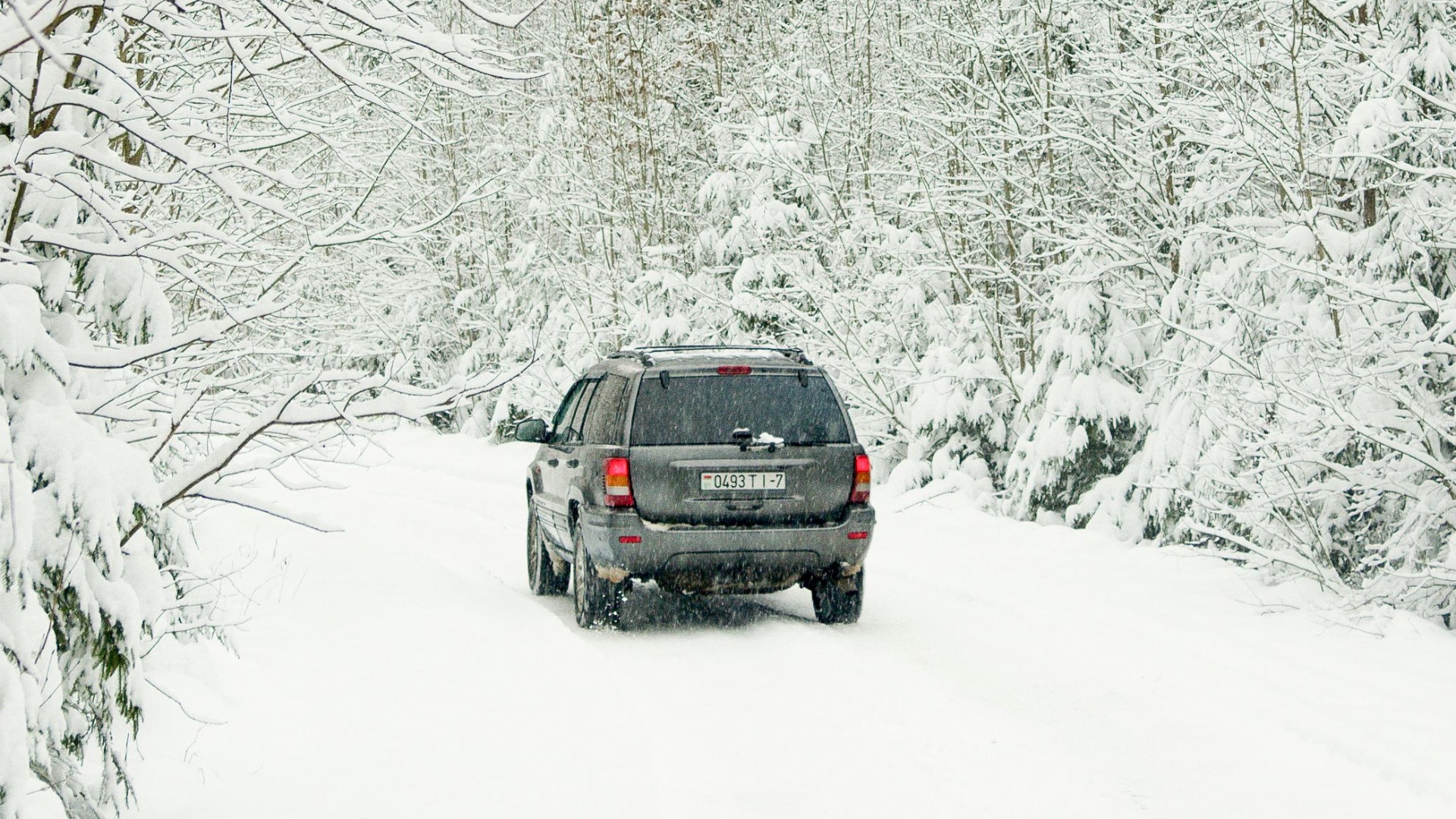
9. Dismissing Bad Weather
Rain, fog, and snow require you to be extra vigilant on the road, which means overconfidence doesn't get you home safer. Reduced traction and visibility turn normal maneuvers into higher-stakes choices. Instead of treating the road like something you can weave through with your eyes closed, make smarter choices.
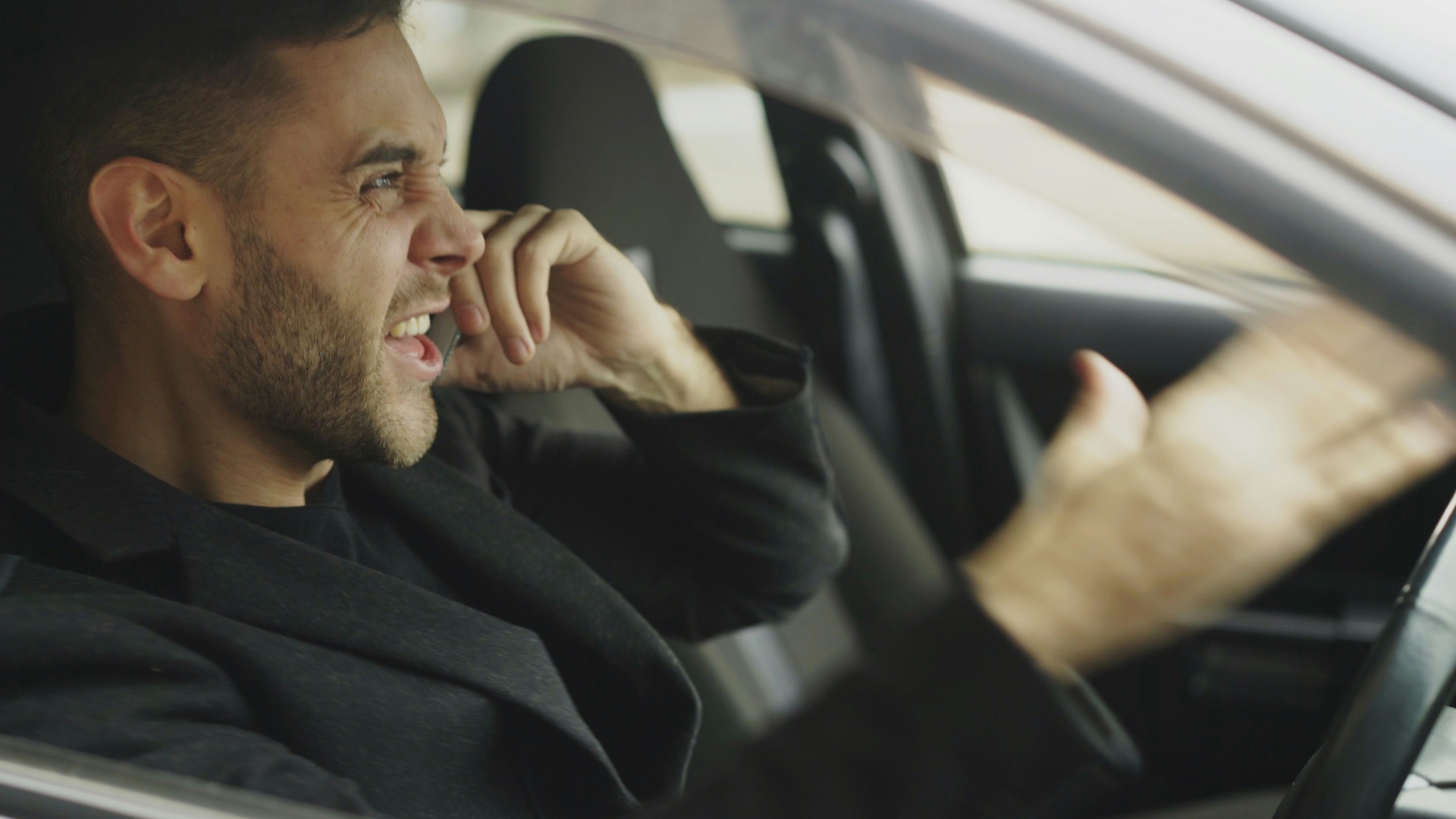
10. Escalating Situations Instead of Letting Things Go
If someone cuts you off, it’s tempting to correct them with a gesture, a honk, an insult, or a move that “teaches a lesson.” But that urge usually makes the moment last longer and raises the odds of a dangerous interaction; it does nothing to solve the situation at hand. The safer play is to create space, reset your focus, and move on.
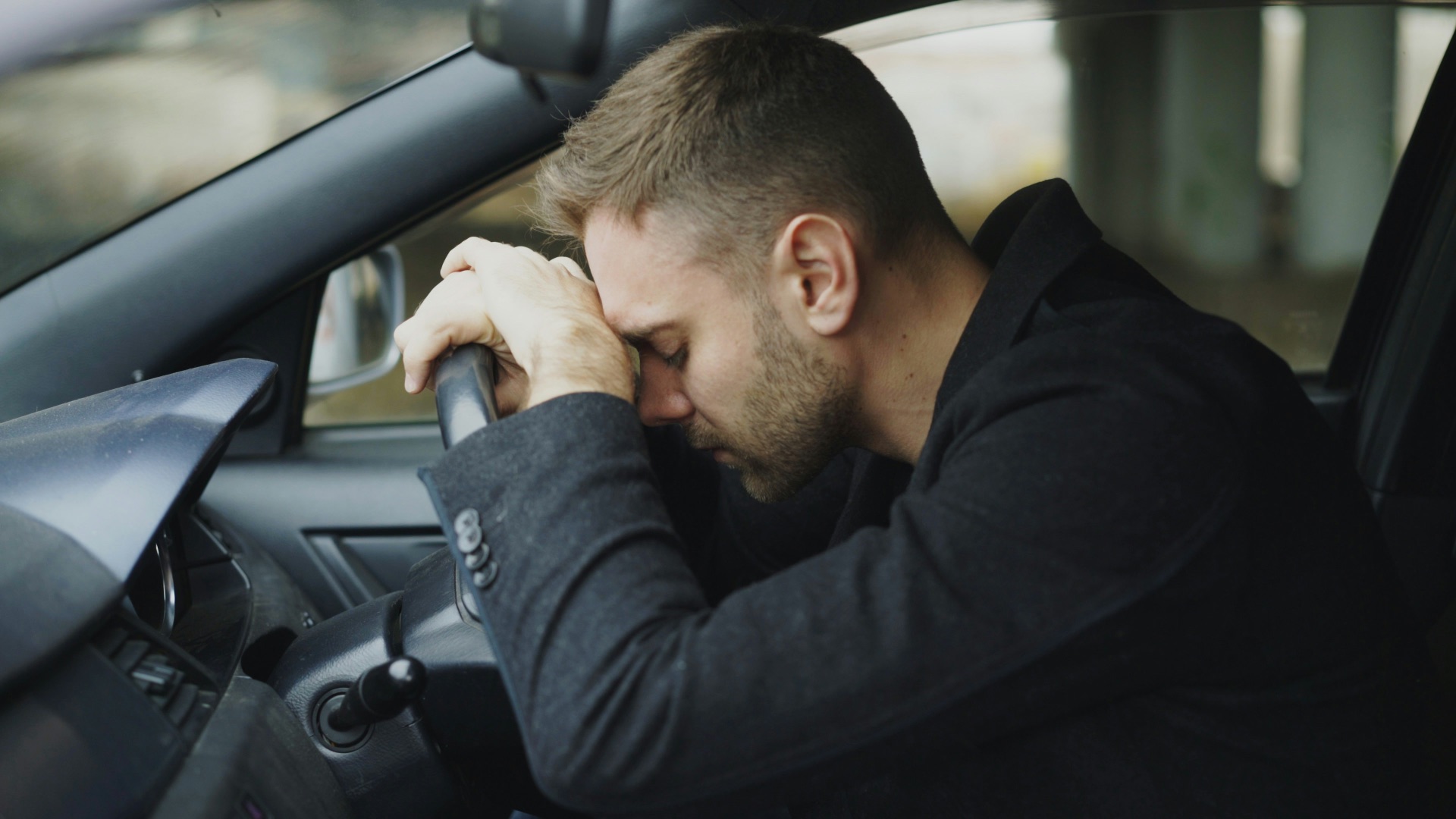
Unfortunately, overconfident drivers aren't the only ones making glaring errors on the road. Let's jump next to how anxious drivers sometimes make the roads less safe.
1. Hesitating Too Long at a Four-Way Stop
Nervous drivers can freeze because they don’t want to make the wrong move, especially when multiple cars arrive close together. Unfortunately, extra-long pauses confuse others and can trigger someone else to go when you finally decide to move. If it’s your turn, commit to it calmly and proceed in a predictable way.

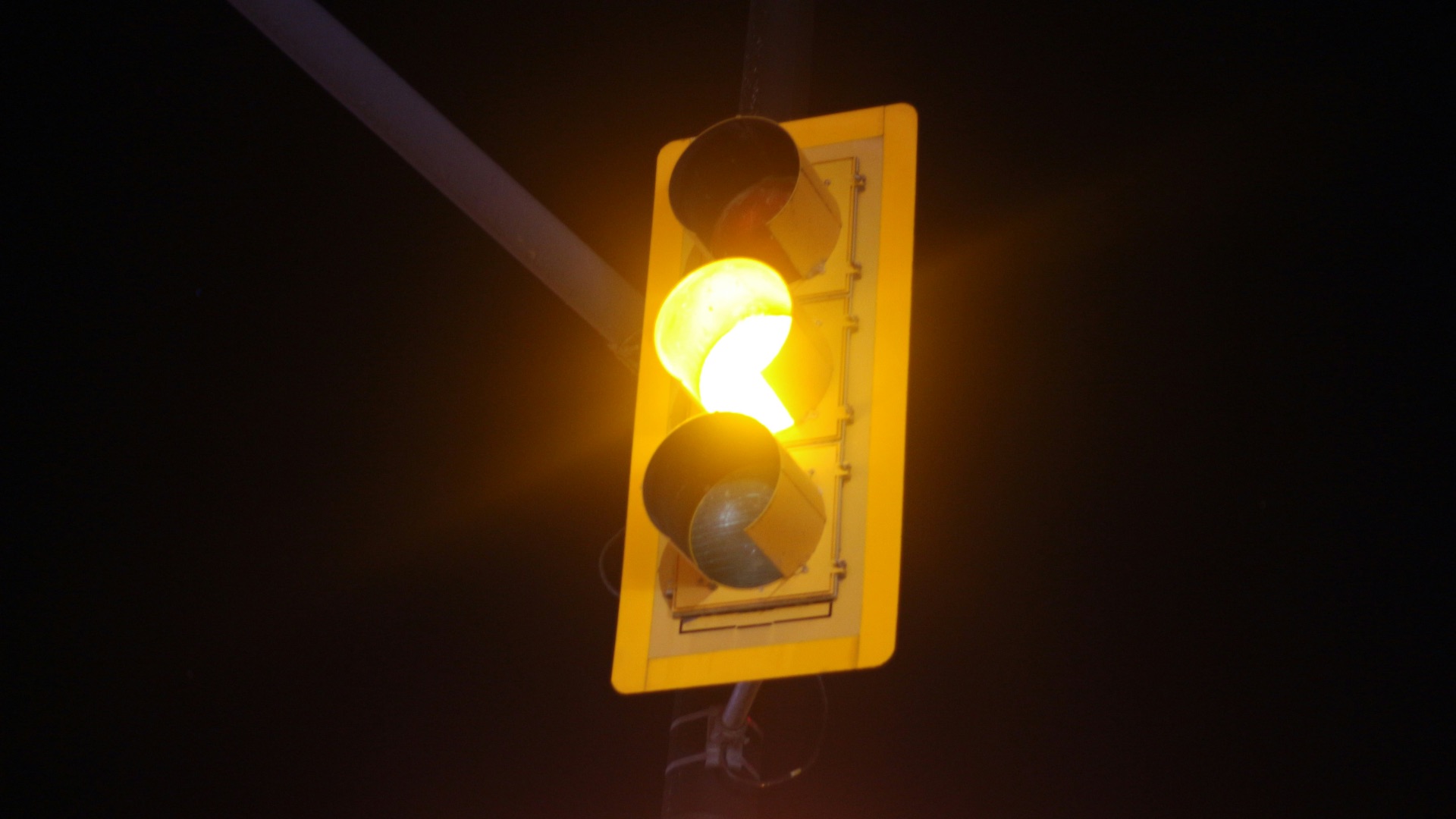
2. Stopping Early for Yellow Lights
A sudden stop at a yellow can catch the driver behind you off guard. If you’ve got time and space to pass through legally and safely, continuing is often the smoother, more predictable choice. If you do have ample time to stop, ease into the brake so your intent is clear.
3. Driving Much Slower Than the Flow of Traffic
Speeding kills, but going much slower than everyone else can also be dangerous. It might feel safer, but it can also create a rolling bottleneck, and impatient drivers may pass you aggressively, creating tension on the road. The better choice is to aim for a safe speed that still matches the general flow (and sticks to the limit), adjusting for conditions rather than fear.
4. Over-Braking for Small Changes in the Road
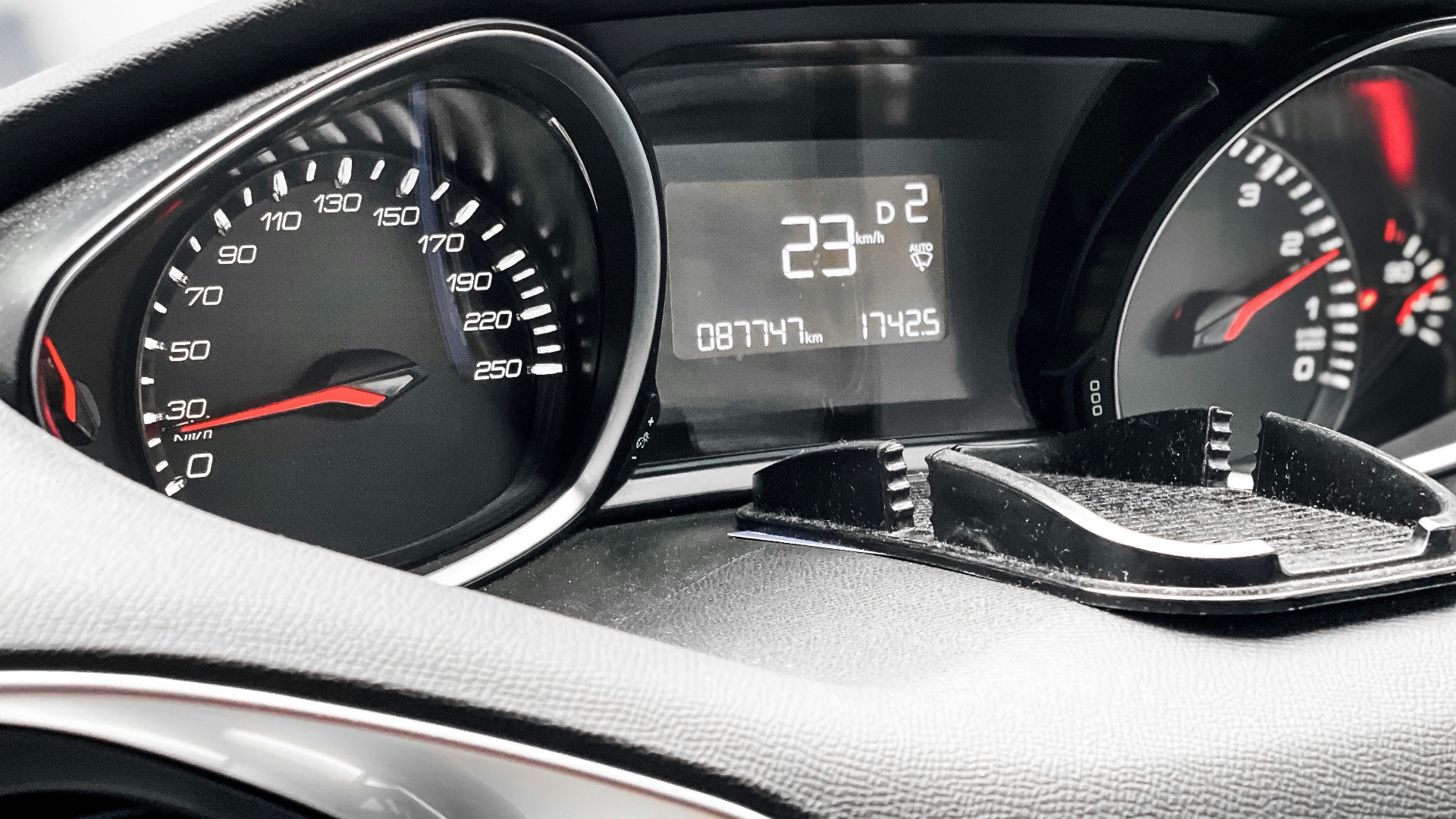
Nervous braking happens when you’re trying to manage every little variable by slowing down immediately. Frequent, unnecessary braking makes your driving harder to predict and can lead to rear-end collisions. A steadier pace with more following distance often reduces the need to brake at all.
5. Avoiding Merges Until the Last Second
If merging makes you anxious, you might delay it and hope a perfect gap appears. That tends to make the merge sharper and more stressful, which can prompt abrupt movements. Signaling early and matching speed gives you more time to find a safe opening.
6. Creeping Into Lanes While Waiting to Turn
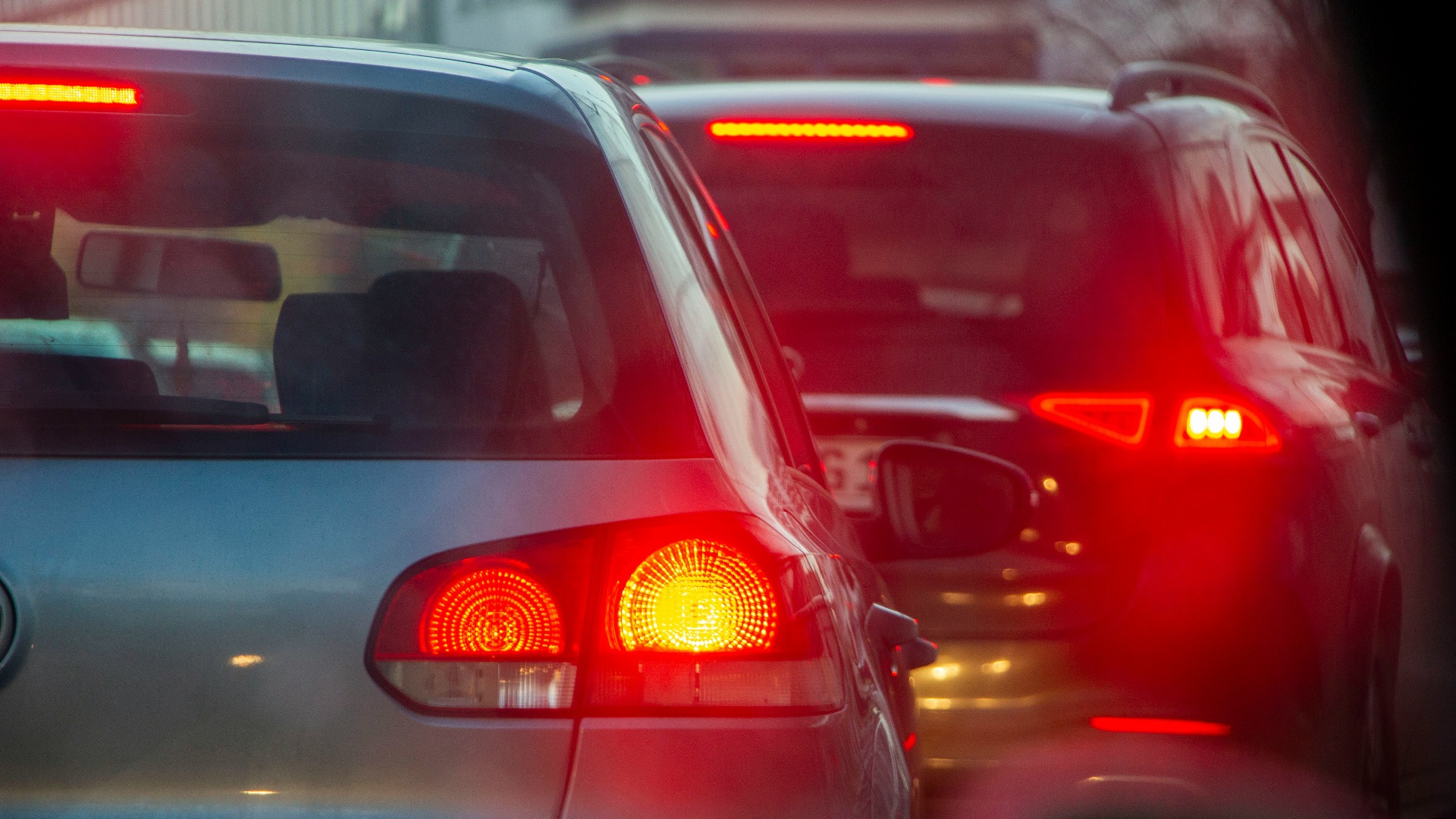
Many nervous drivers inch forward to “get ready,” but it can unintentionally block traffic or pressure pedestrians. That creeping also divides your attention because you’re half-committed without actually going. It’s better to stop fully at the correct line, scan, and then turn when you actually have space.
7. Second-Guessing Your Moves Mid-Way
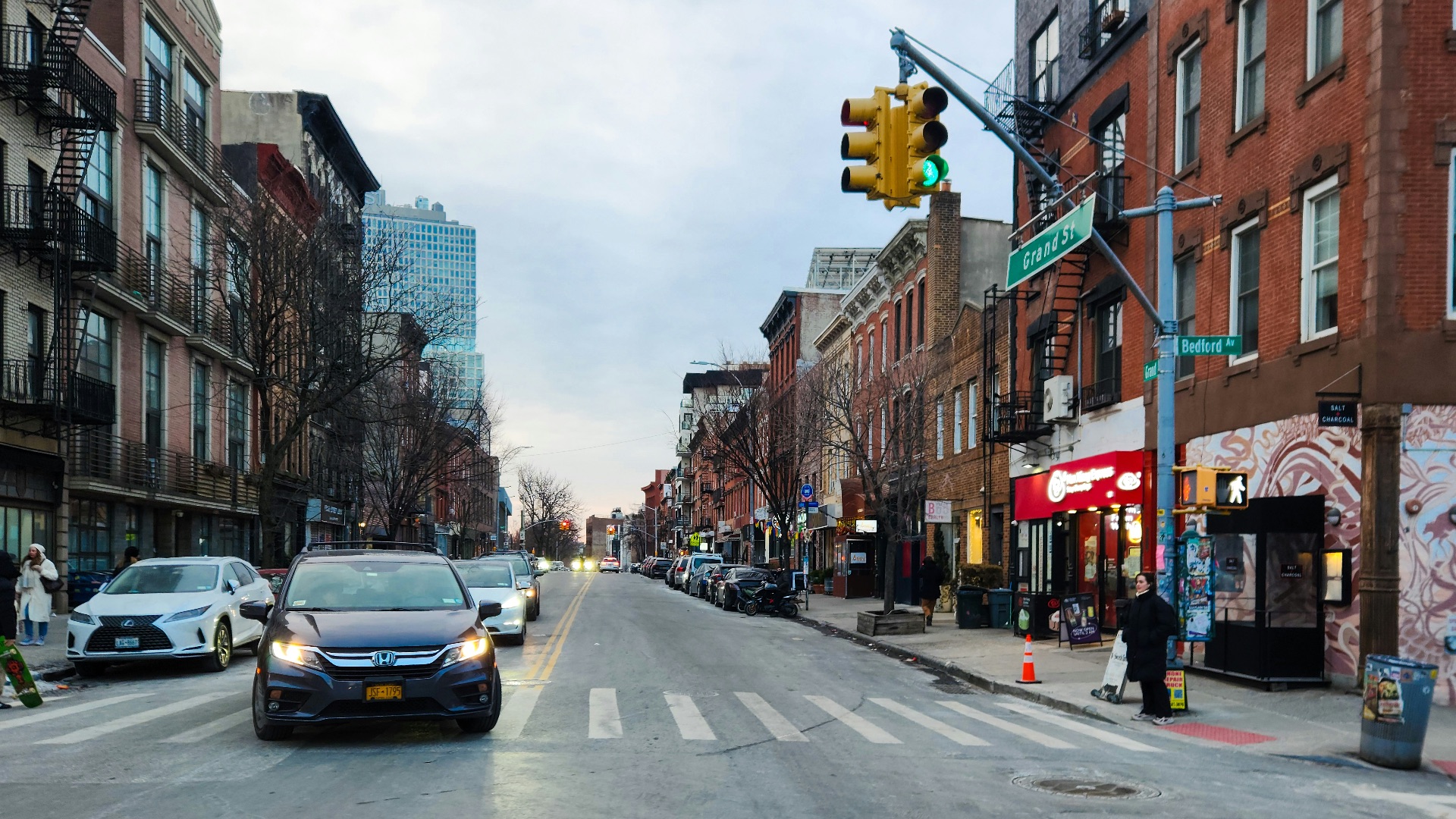
You can start a maneuver correctly, only to then lose confidence halfway through. That sudden uncertainty can look like you’re changing your mind, which can confuse other drivers on the road. It's better to follow through smoothly once you've confirmed it’s safe and it’s your turn to go.
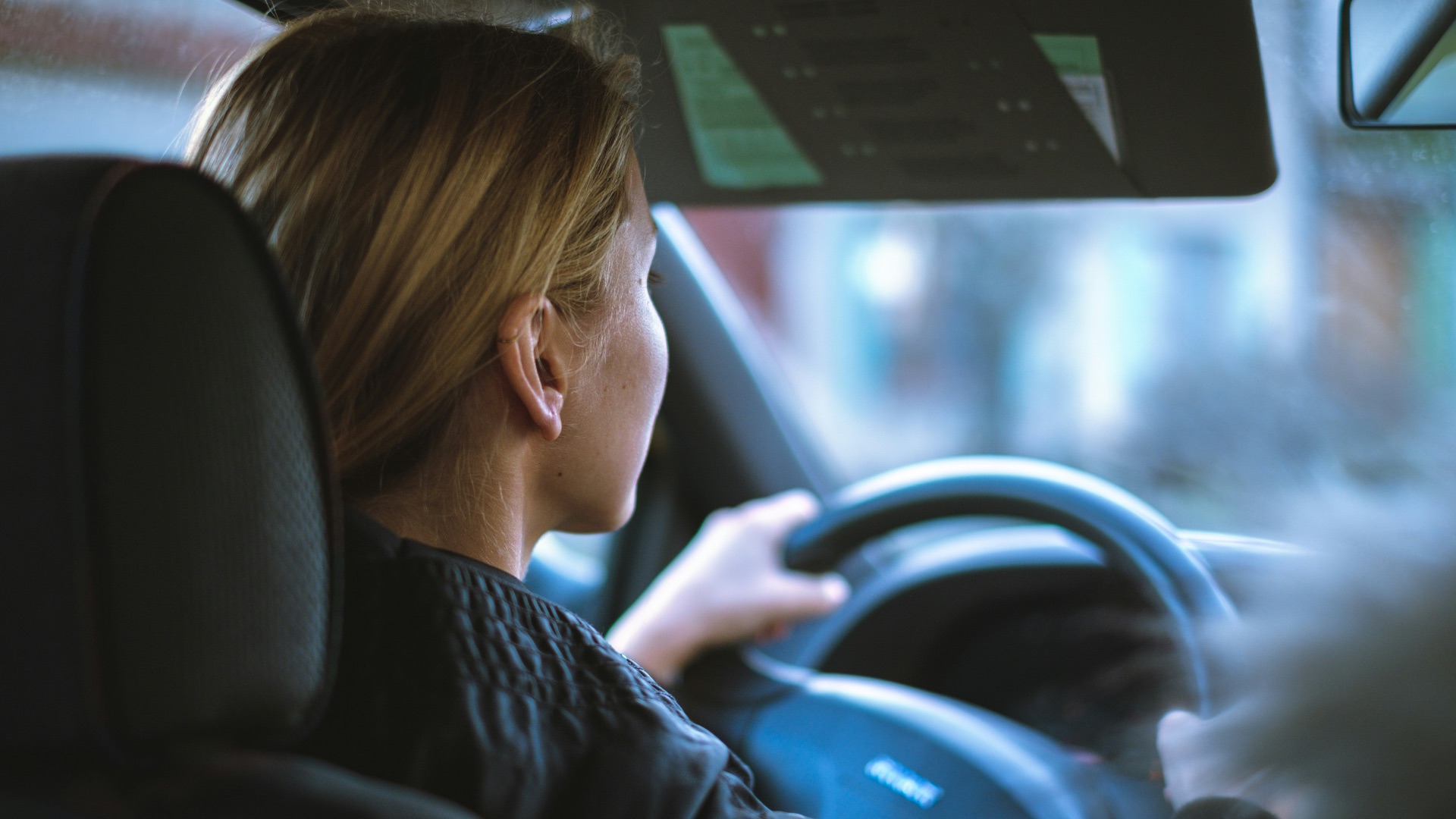
8. Ignoring Your Mirrors Due to Stress
When you’re tense, it’s tempting to lock your eyes forward and avoid checking what’s behind you. The problem is that you still need awareness to change lanes, brake responsibly, and respond to fast-approaching traffic. That's why regular mirror checks help you feel more in control because fewer things will surprise you.
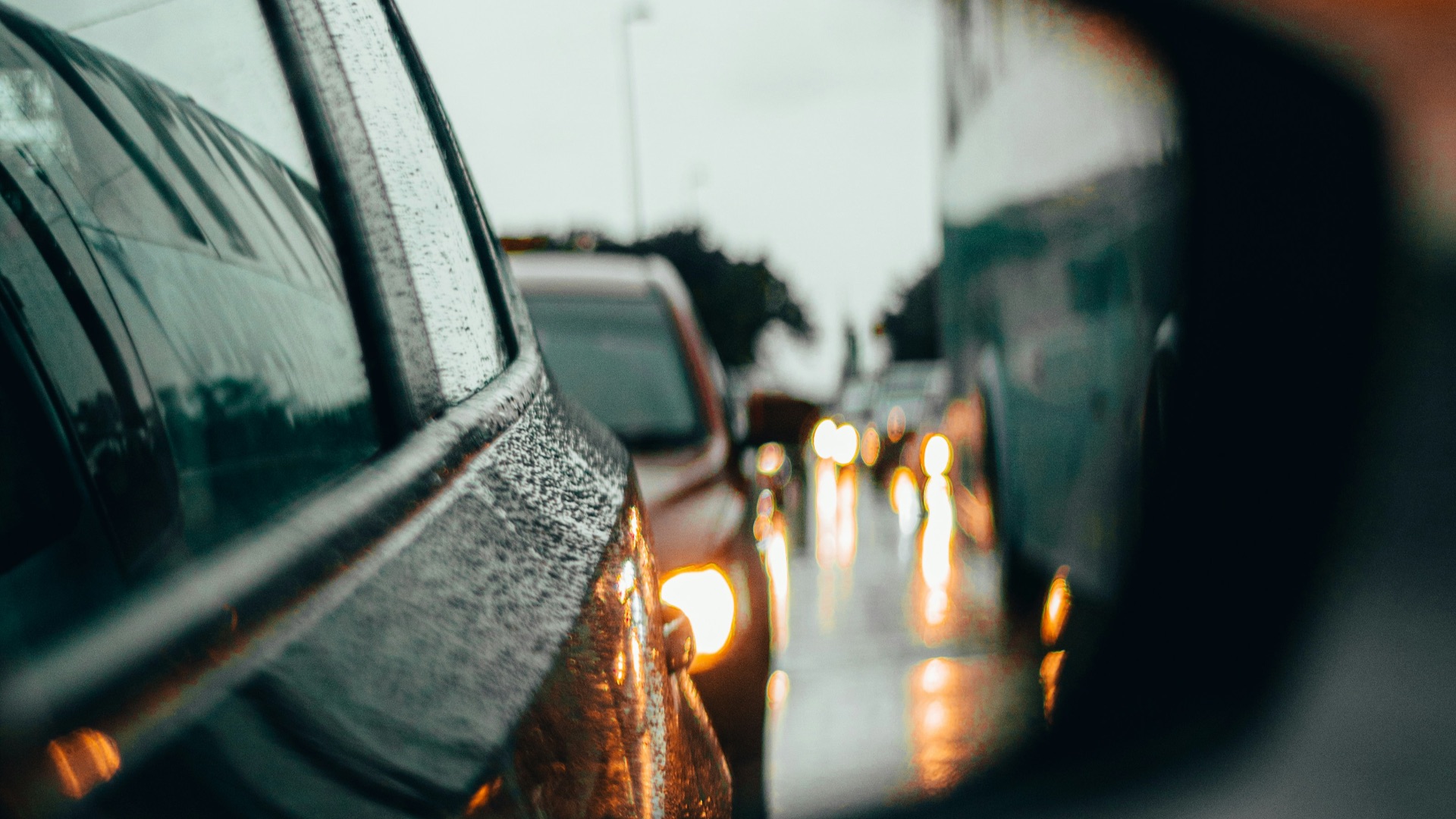
9. Overrelying on GPS
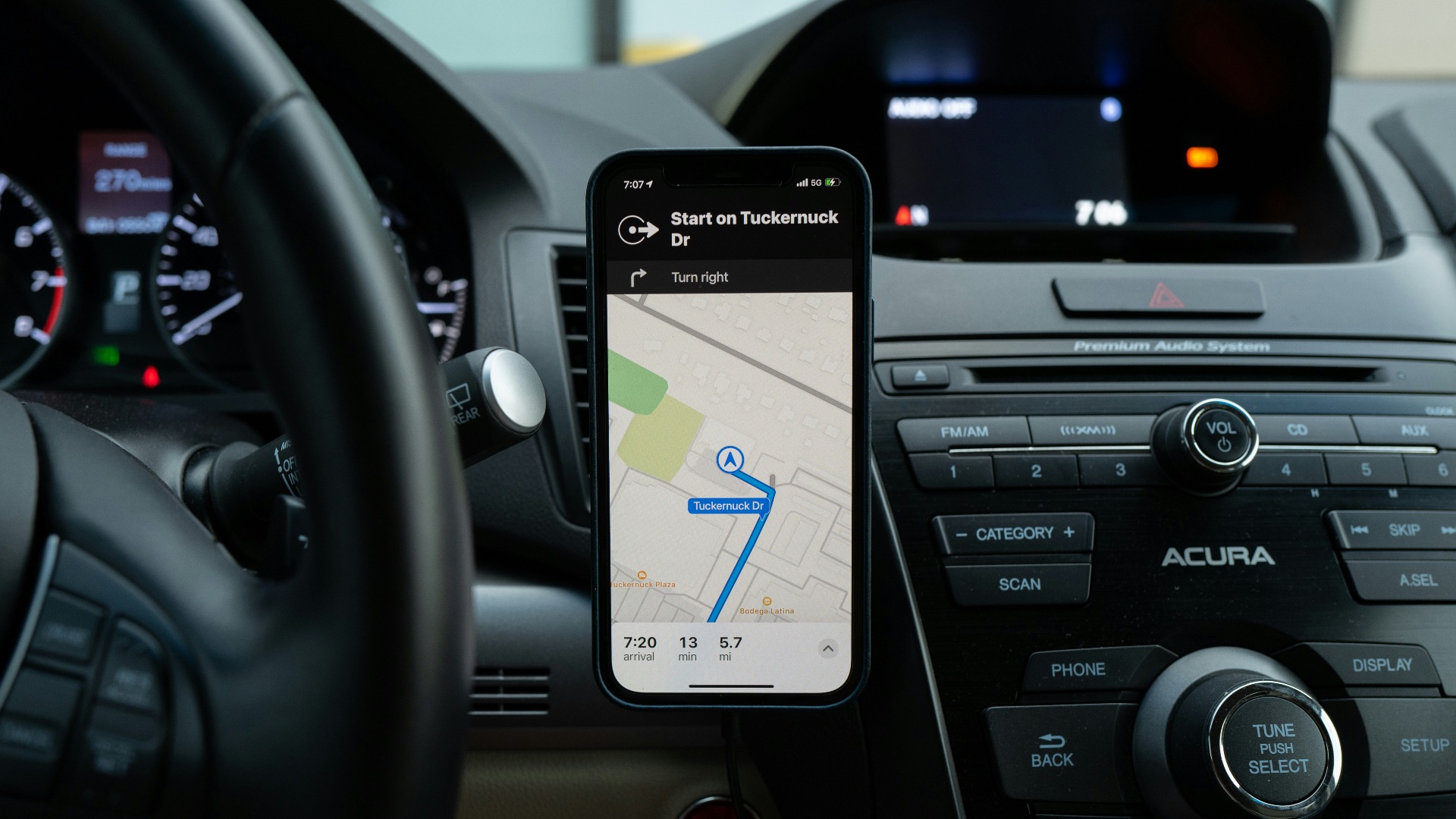
Nervous drivers sometimes treat the GPS like the only authority, even when the road clearly says something different. That can lead to sudden lane changes or last-second turns that you didn’t need to make. While it's fine to use navigation as a guide, keep your priority on signs, lanes, and what’s happening around you.
10. Avoiding Practice
If driving makes you uneasy, skipping it for weeks will only make the anxiety stronger, not weaker. Confidence usually comes from consistent exposure, not from waiting until you “feel ready” out of nowhere. Short, planned drives on familiar routes can build skill without overwhelming you.