
10 Common Fears Drivers Have & 10 Ways to Overcome Them
Driving Anxiety Is More Common Than People Admit
You might think only new drivers have fears behind the wheel, but you'd be surprised: even experienced drivers have things they're nervous about. Merging onto a highway, for one, may spike panic in some; for others, it's driving over bridges. As much as driving gives us freedom, it's not hard to see how easy and how quickly things can sometimes go wrong. Here are 10 of the most common fears drivers have, and 10 tips that can help you overcome them.
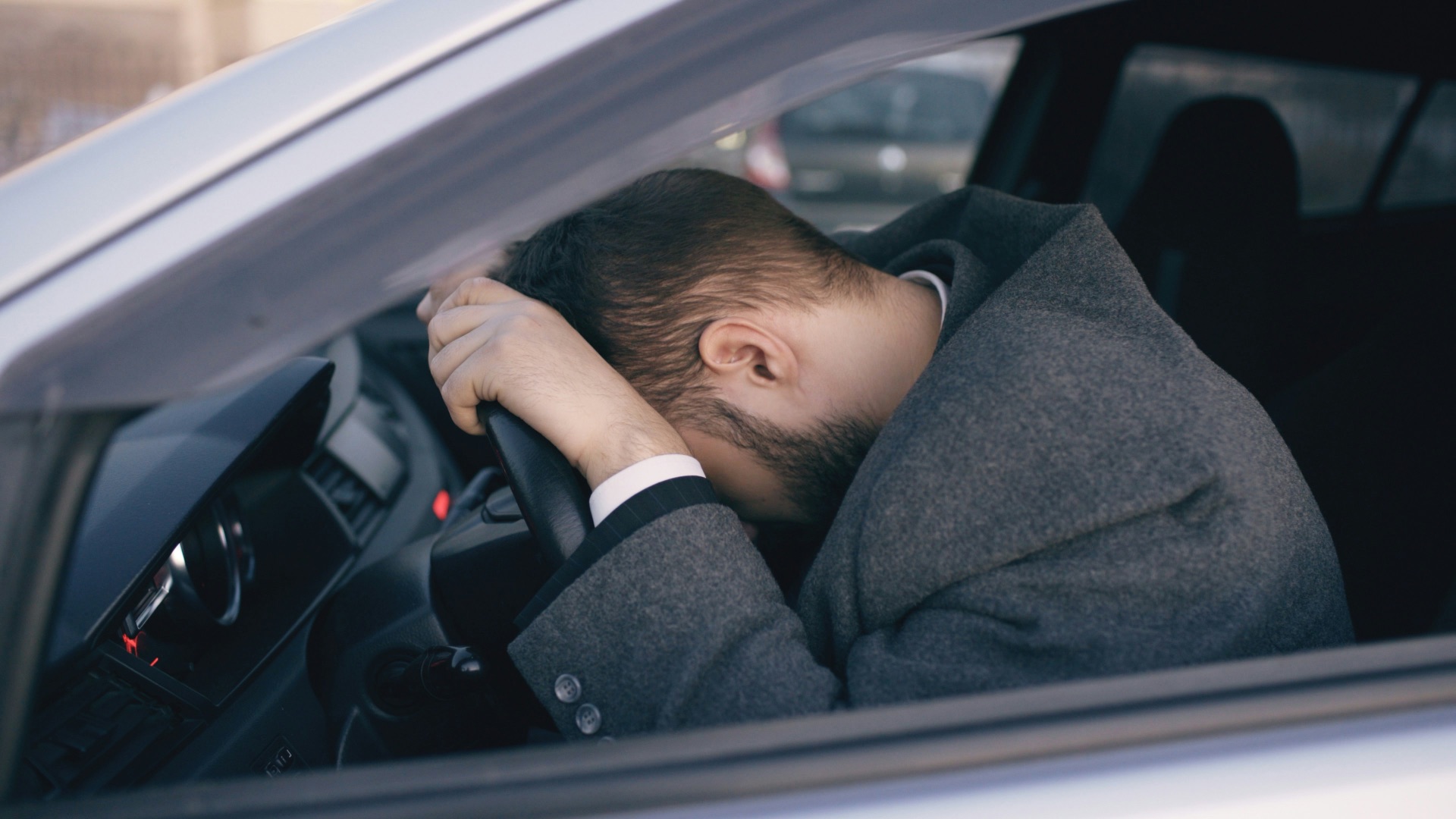
1. Merging Onto the Highway
Merging can feel stressful because everything happens quickly, and you have to judge speed, distance, and timing at the same time. Many drivers worry they’ll run out of lane before finding a safe opening. The pressure from cars behind them can make the moment feel even more intense, especially on short entrance ramps.
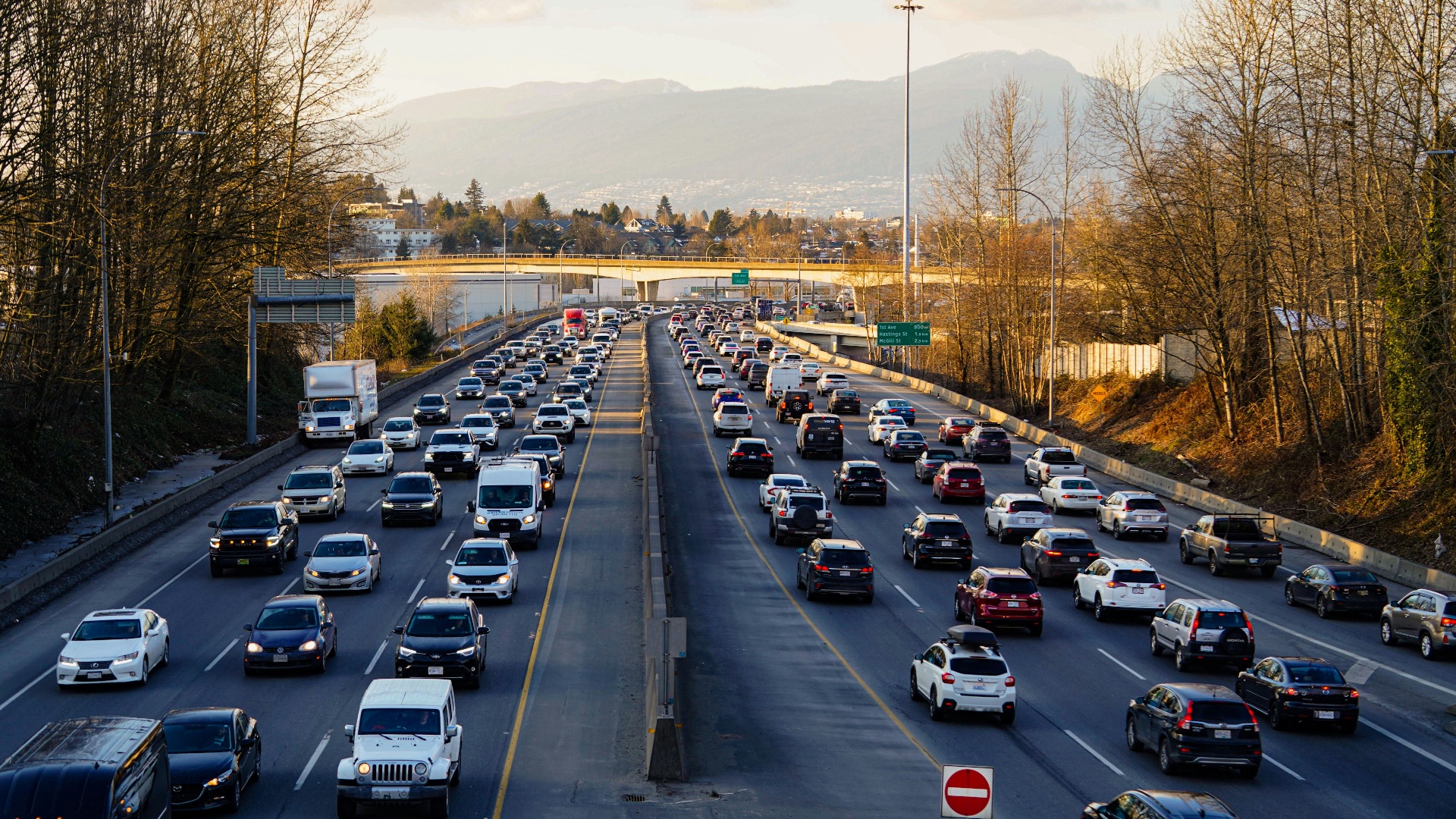
2. Driving Next to Large Trucks
Large trucks can make smaller vehicles feel boxed in, especially when you’re passing one or sitting beside it in traffic. Drivers often worry about blind spots, wide turns, or debris coming from the truck. Even experienced drivers may feel uneasy when a truck drifts within its lane or blocks the view ahead.

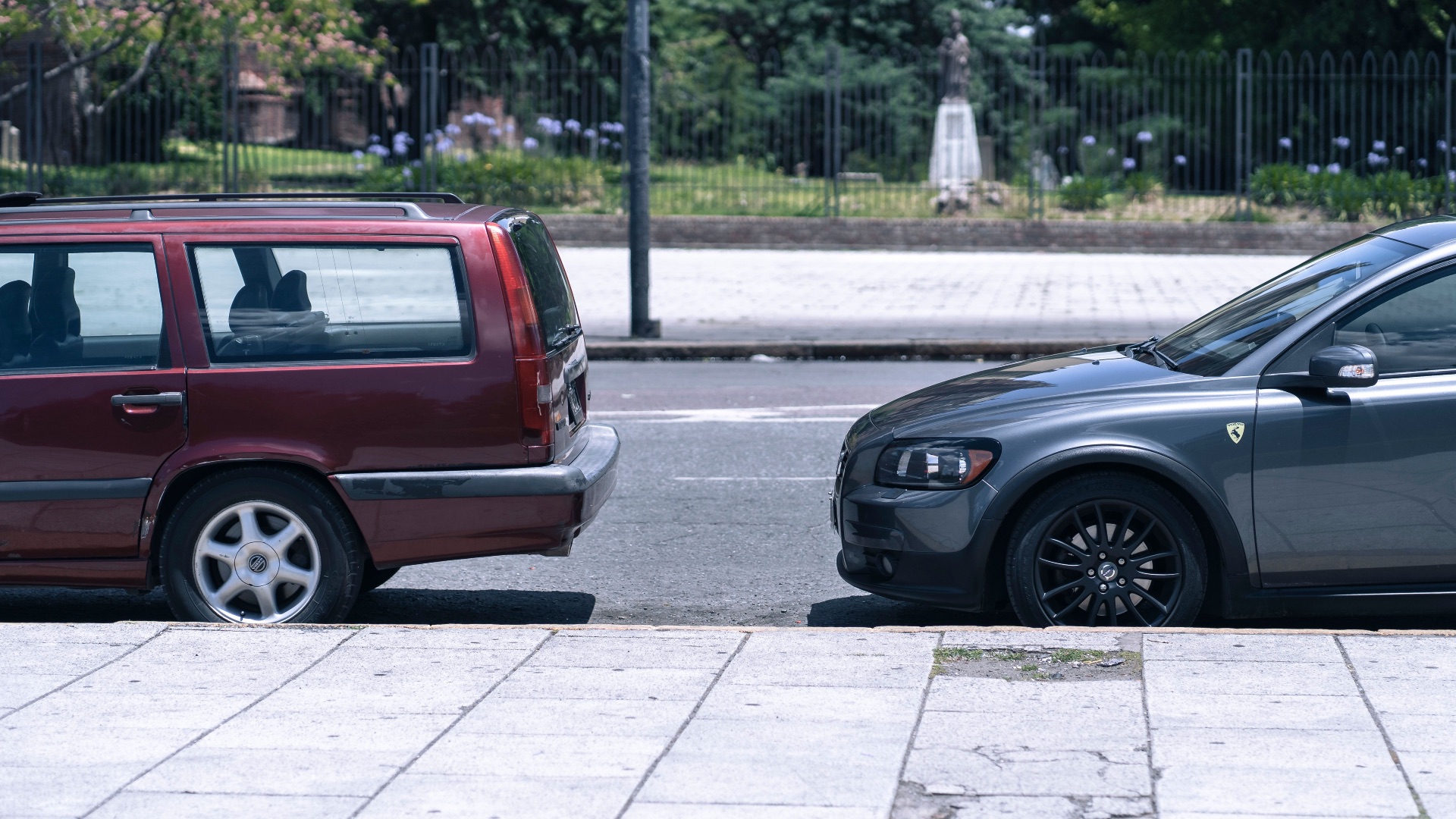
3. Parallel Parking
Parallel parking makes a lot of drivers nervous because it usually happens while other cars are waiting. The fear often comes from misjudging the curb, hitting another vehicle, or needing several tries while people watch. Since the space feels tight, even small mistakes can seem more noticeable than they really are.
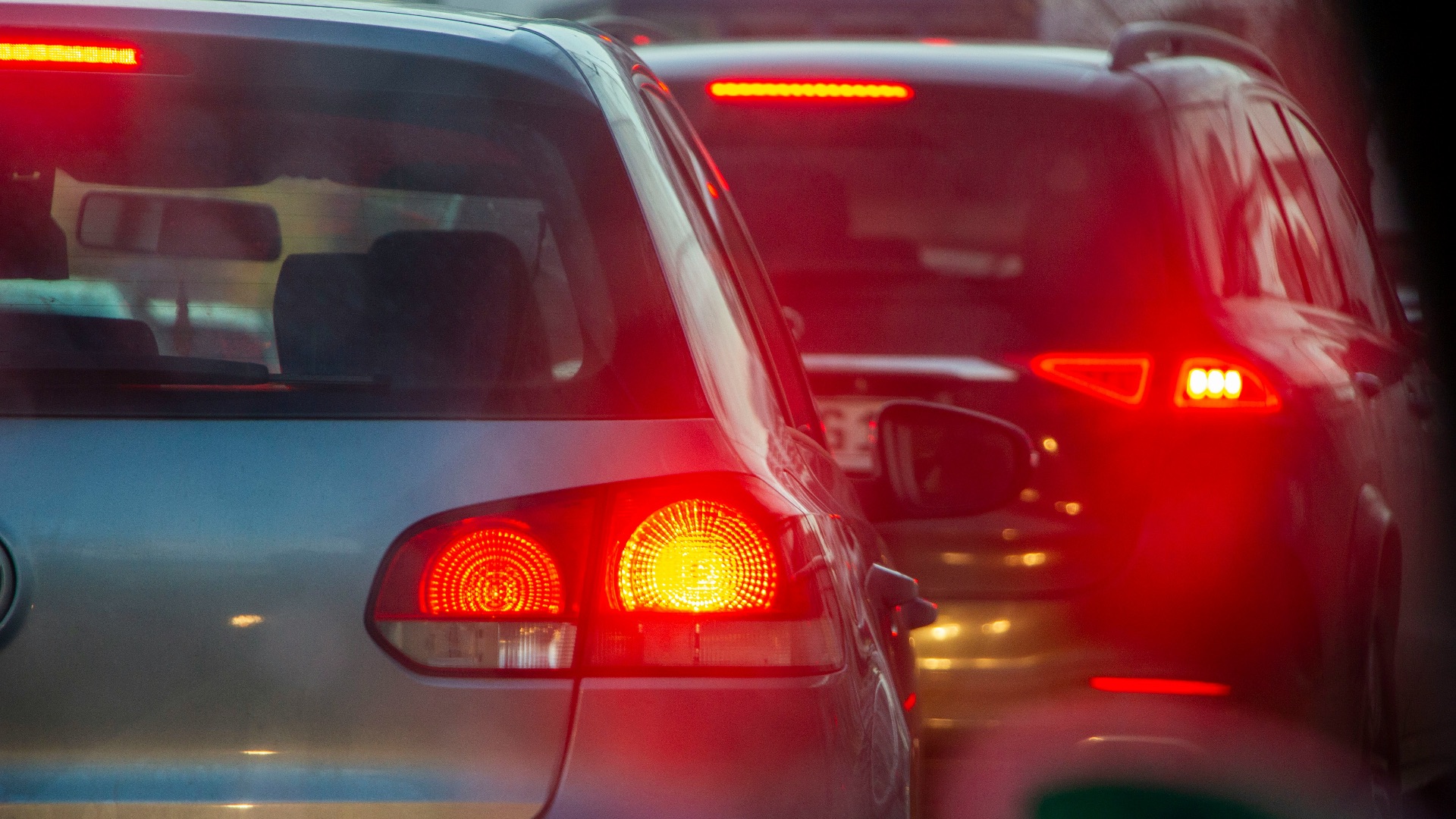
4. Driving in Heavy Traffic
Heavy traffic can make drivers feel trapped because there are cars on every side and little room to correct mistakes. Stop-and-go movement also requires constant attention, which can become mentally tiring. For some people, the frustration of other drivers makes the experience just as stressful as the driving itself.
5. Driving at Night
Night driving can feel harder because visibility drops, headlights can glare, and familiar roads may look different in the dark. Drivers may worry about missing signs, seeing pedestrians too late, or reacting slowly to hazards. This fear can be stronger on rural roads where lighting is limited and help feels farther away.
 Volodymyr Proskurovskyi on Unsplash
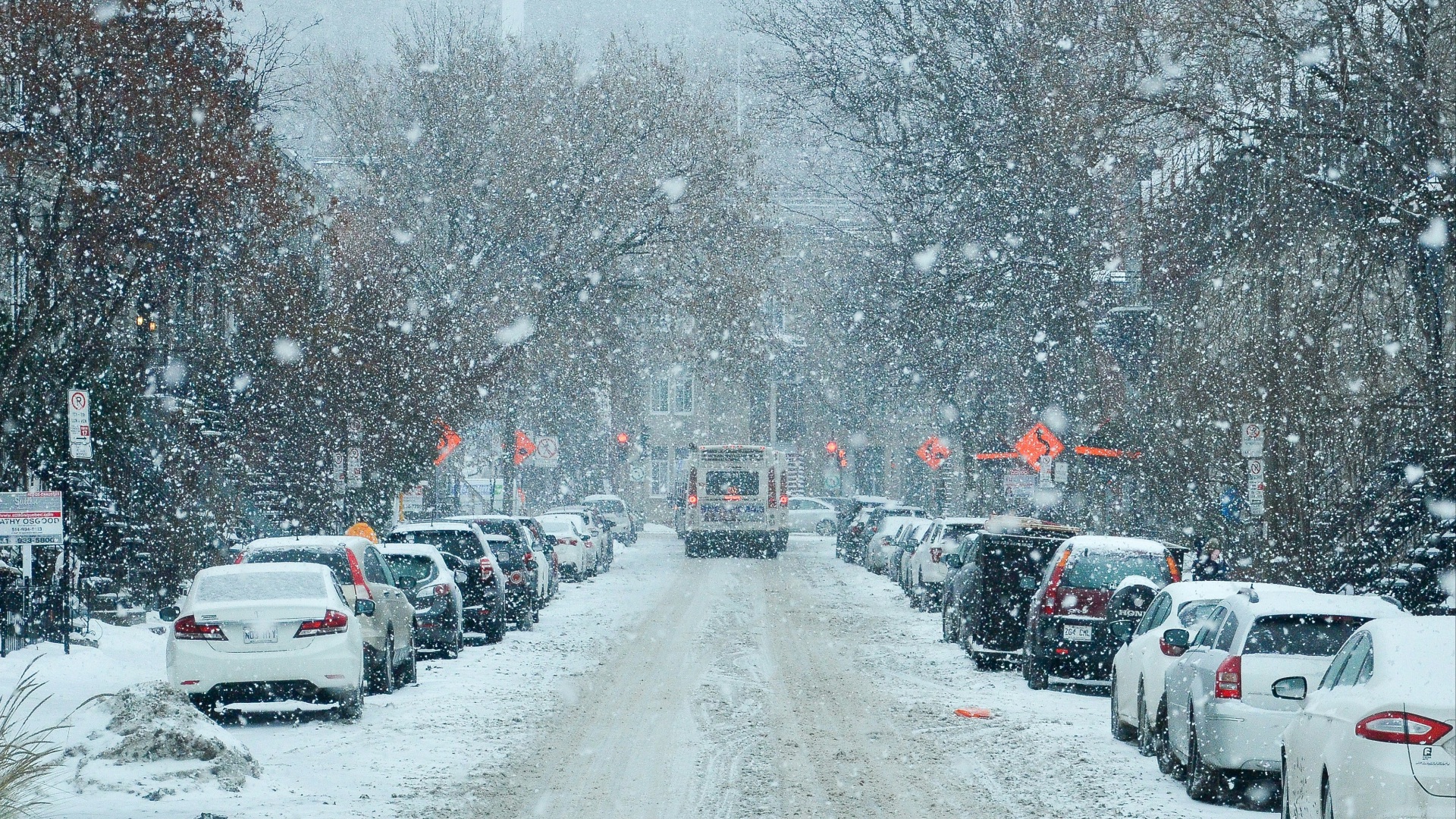
6. Driving in Bad Weather
Rain, snow, fog, and ice can make driving feel unpredictable, even for people who are usually comfortable on the road. Drivers may worry about losing control, braking too late, or not being seen clearly by others. Bad weather also changes how the car responds, which can make routine movements feel less certain.
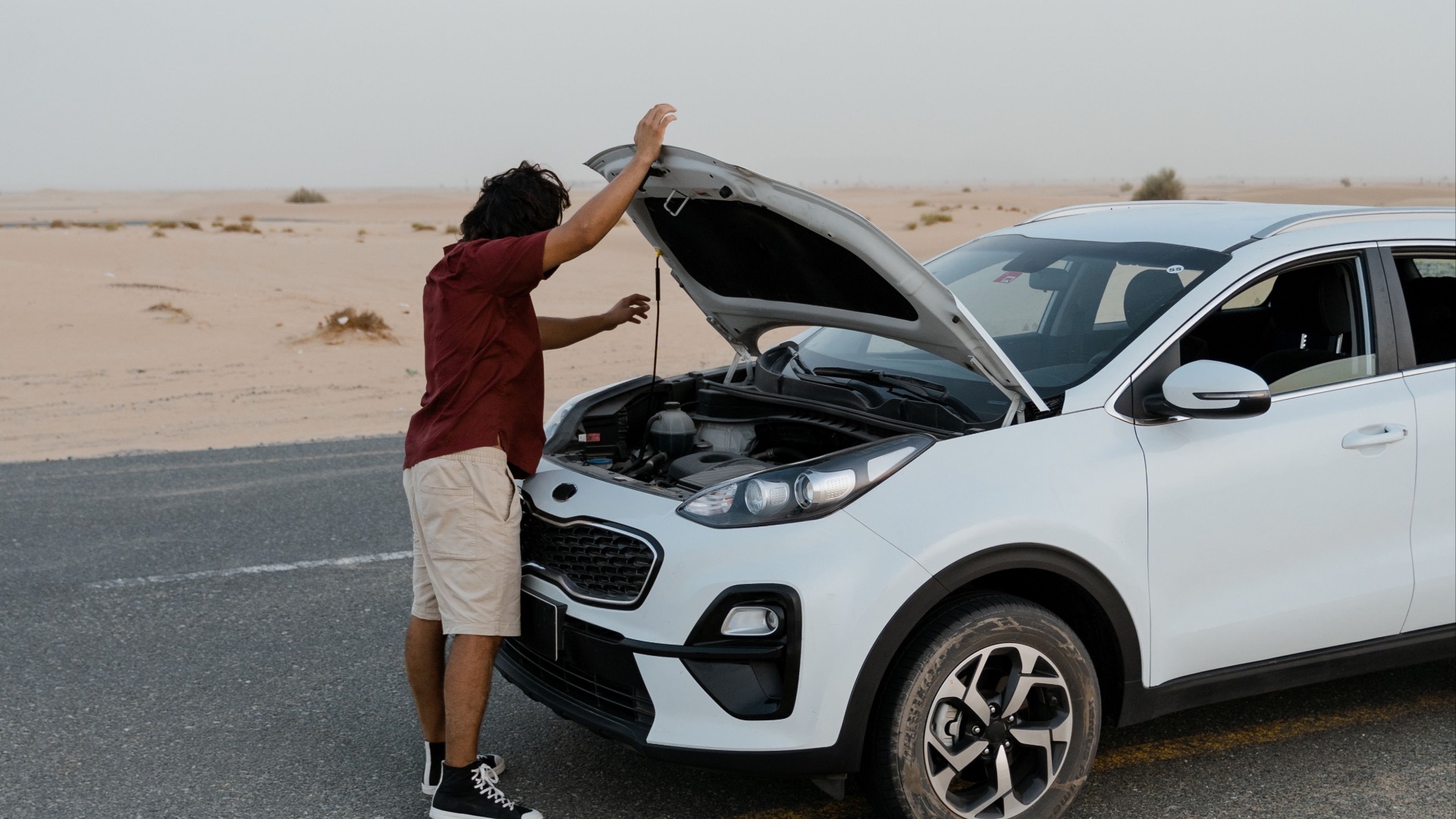
7. Getting Stranded
Some drivers feel anxious about their car breaking down without warning, especially in isolated areas or on busy highways where help may not be immediately available. The thought of being stuck without assistance, dealing with traffic rushing by, or not knowing how long it will take to get help can make this fear feel overwhelming. Even routine drives can feel uncertain when there’s a worry that something could go wrong at any moment.
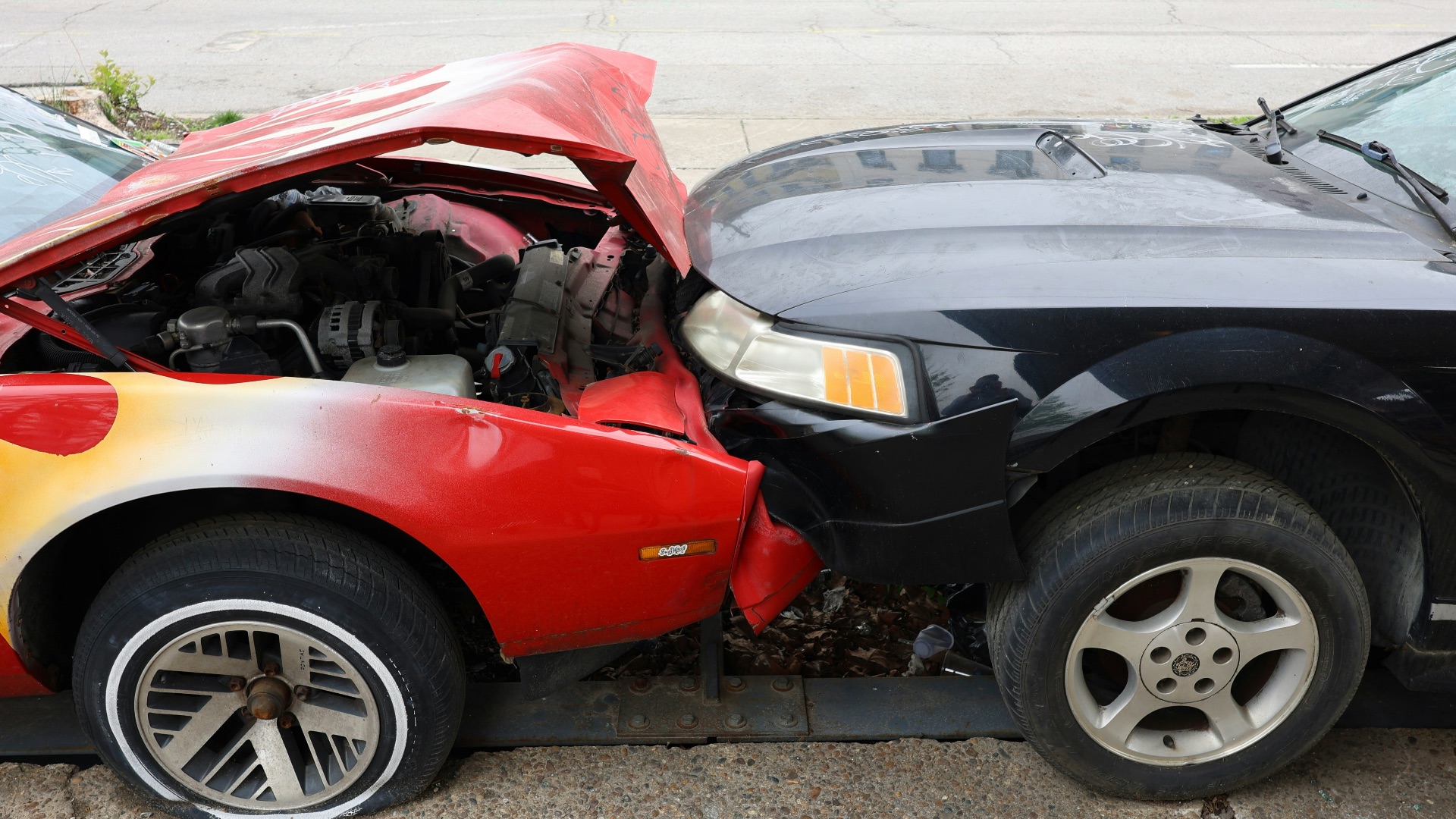
8. Causing an Accident
The thought of making a mistake that hurts someone or damages a car can weigh heavily on a driver’s mind. This fear can be especially strong for new drivers, parents, or anyone who’s been involved in a crash before. Because driving involves other people’s choices too, it can feel hard to trust that you’re fully in control.
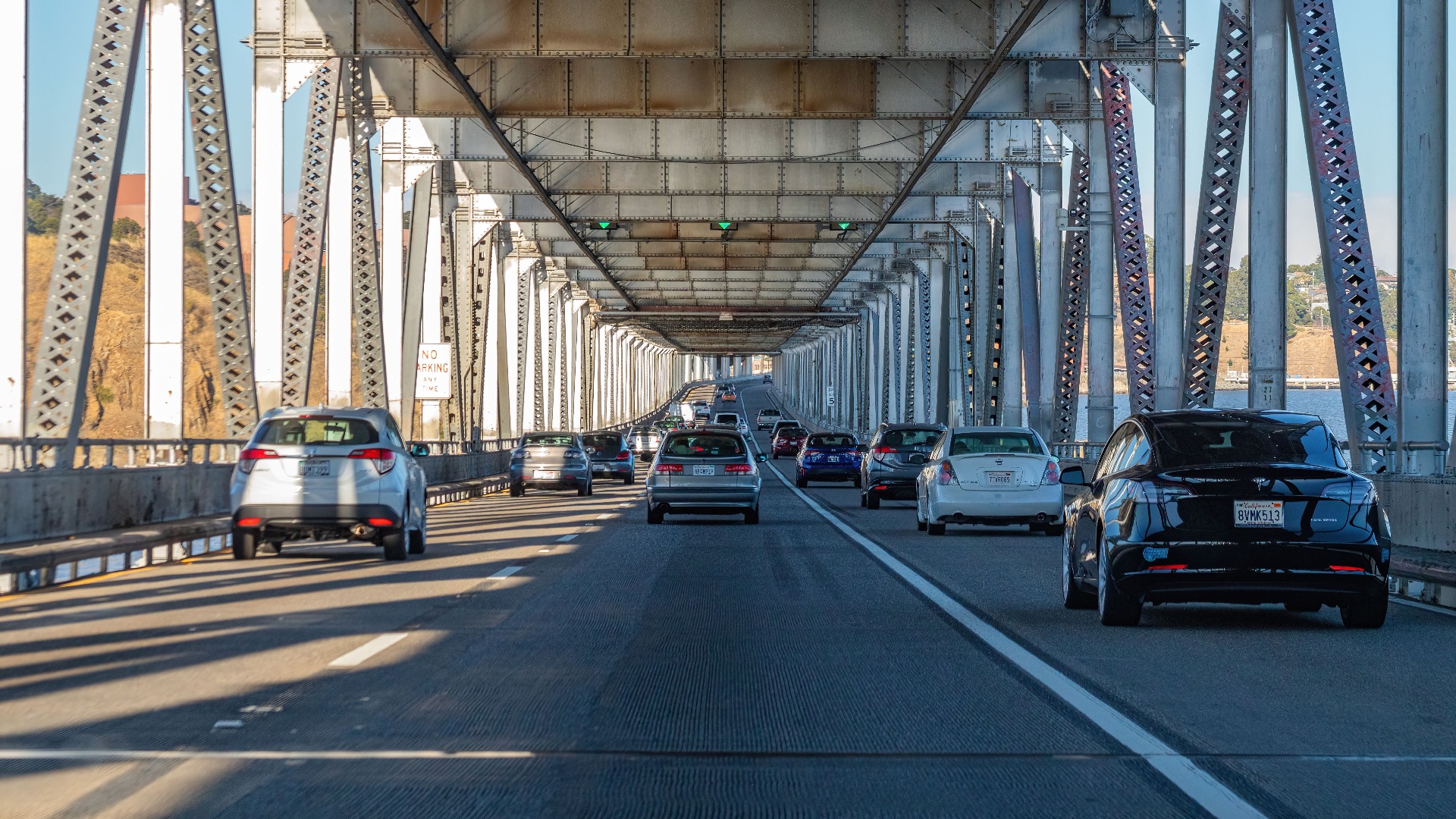
9. Driving Over Bridges
Bridges can make drivers uneasy because they’re elevated, narrow, or surrounded by water. Some people worry about getting stuck in traffic on a bridge, while others feel uncomfortable with the lack of easy exits. Wind, height, and tight lanes can make the fear feel stronger than it does on regular roads.
10. Being Judged by Other Drivers
A lot of drivers worry that others are annoyed with them, especially if they’re driving slowly, hesitating at turns, or taking extra time to park. Honking, tailgating, and impatient gestures can make someone feel embarrassed or rushed. This fear can push drivers into making decisions faster than they’re comfortable with, which only adds to the stress.
While these common driving fears can feel very real, they don’t have to control you every trip. Here are 10 tips that might help you overcome your anxiety:

1. Practice in Low-Pressure Places
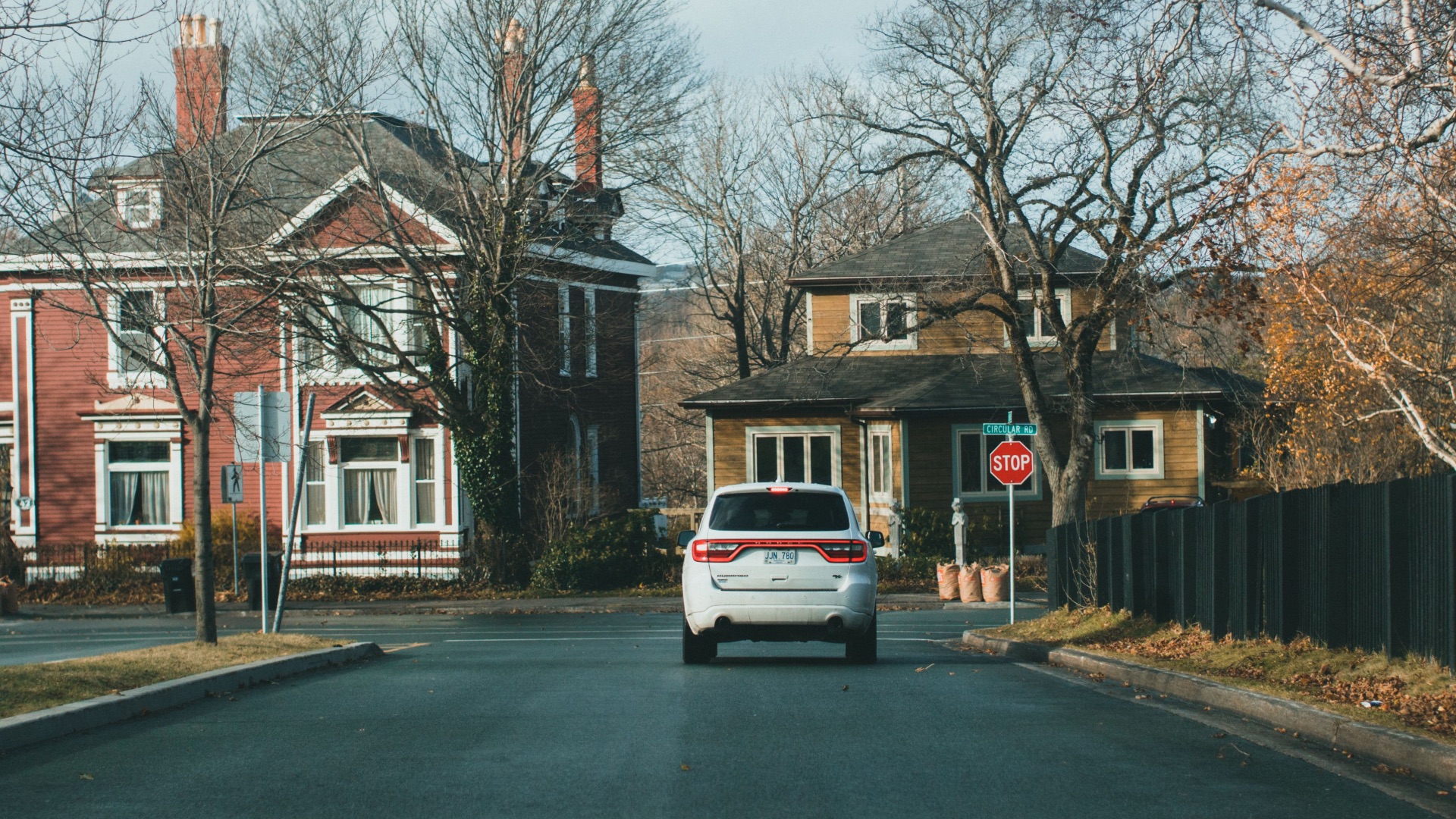
Empty parking lots, calm neighborhoods, and less crowded roads are useful places to rebuild confidence. You can work on turns, braking, parking, and lane changes without feeling surrounded by impatient drivers. As those skills become more familiar, it becomes easier to bring them into heavier traffic.

2. Break Hard Drives Into Smaller Goals
Instead of forcing yourself into a stressful route all at once, start with a shorter version of the drive. You might practice one highway entrance, one bridge crossing, or one busy intersection before adding more. Smaller goals give you a clear sense of progress without making the whole experience feel too much at once.
3. Plan Your Route Before You Leave
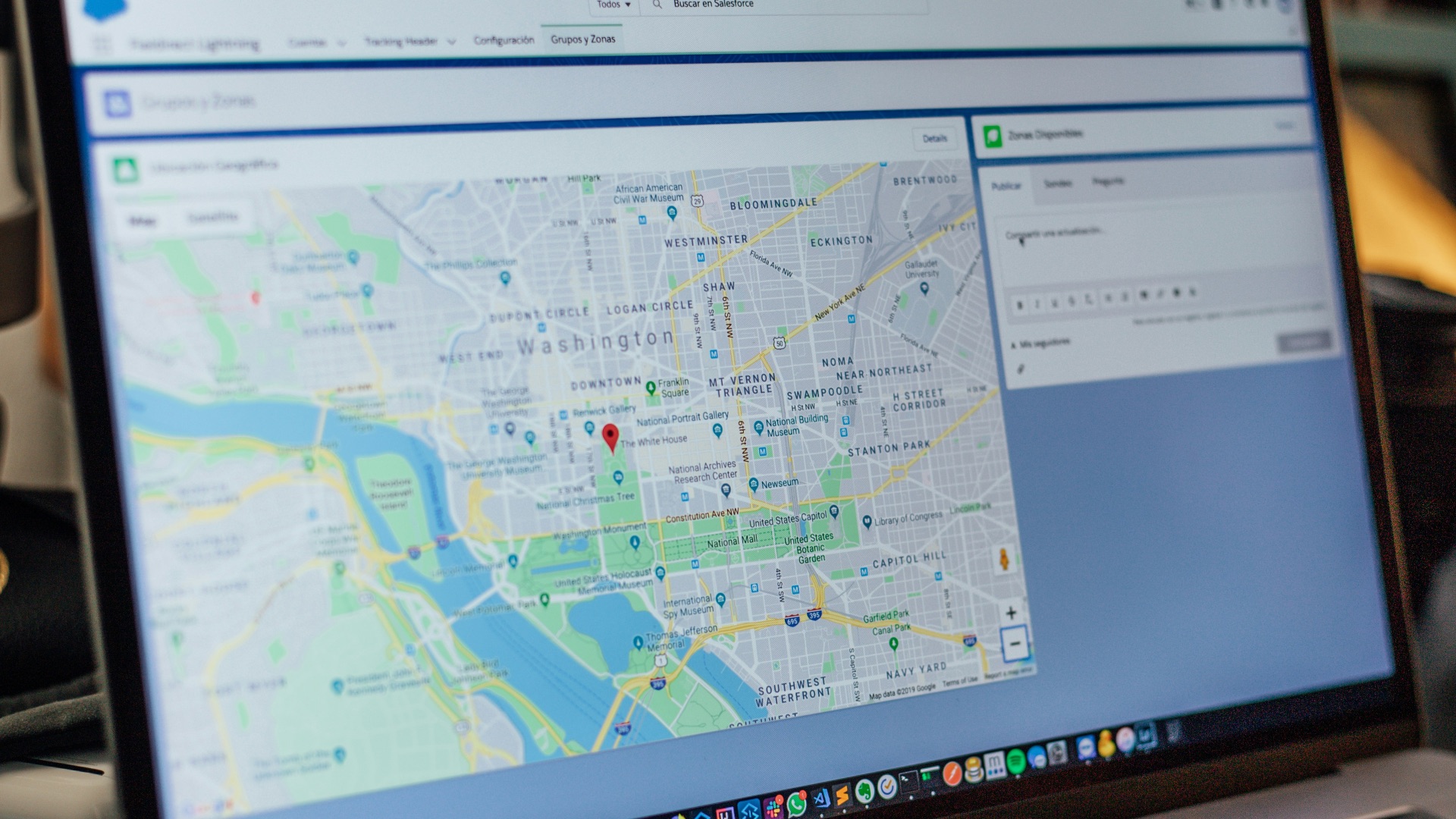
Looking at the route ahead of time can lower the chance of last-minute panic. Check where the turns, exits, parking options, and lane changes are before you start driving. When you already know what’s coming, you can focus more on the road and less on figuring things out in the moment.
4. Leave Earlier Than You Need To
Running late makes almost every driving fear worse because it adds pressure to decisions that already feel stressful. Giving yourself extra time lets you drive at a steady pace, take missed turns calmly, and park without feeling rushed. It also makes it easier to choose safer options instead of faster ones.

5. Use Breathing to Reset Your Body
Anxiety can make your hands tighten, your shoulders rise, and your breathing get shallow. Taking slow, steady breaths before you start driving or while stopped at a light can help your body settle. This doesn’t erase the fear instantly, but it can make your reactions feel less intense.

6. Take a Refresher Lesson
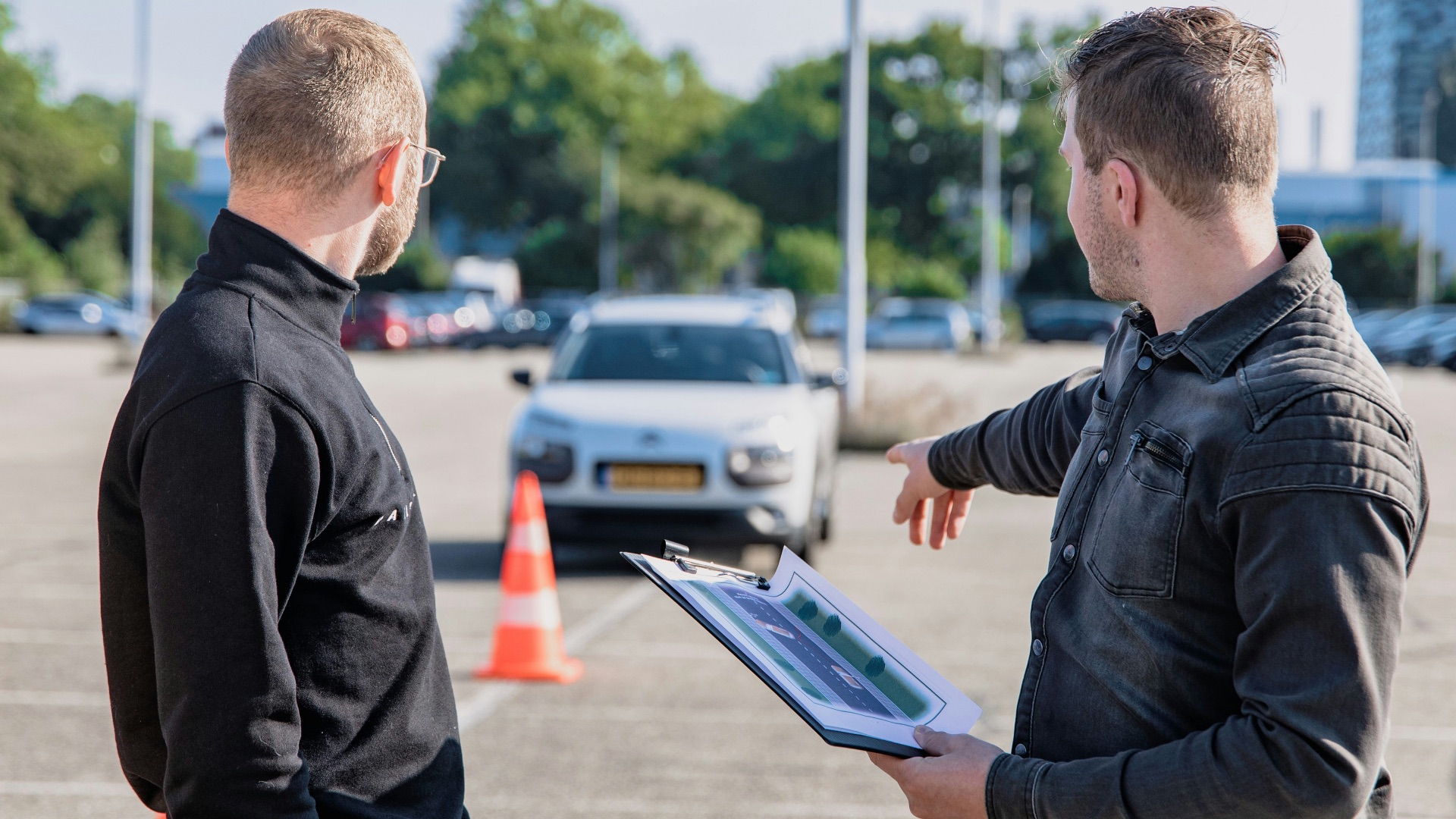
A driving instructor isn’t only for brand-new drivers. A refresher lesson can help you practice specific fears, such as highway merging, parking, or driving in traffic. Having a trained person guide you through the situation can make the experience feel more structured and less personal.
7. Keep Your Car Prepared
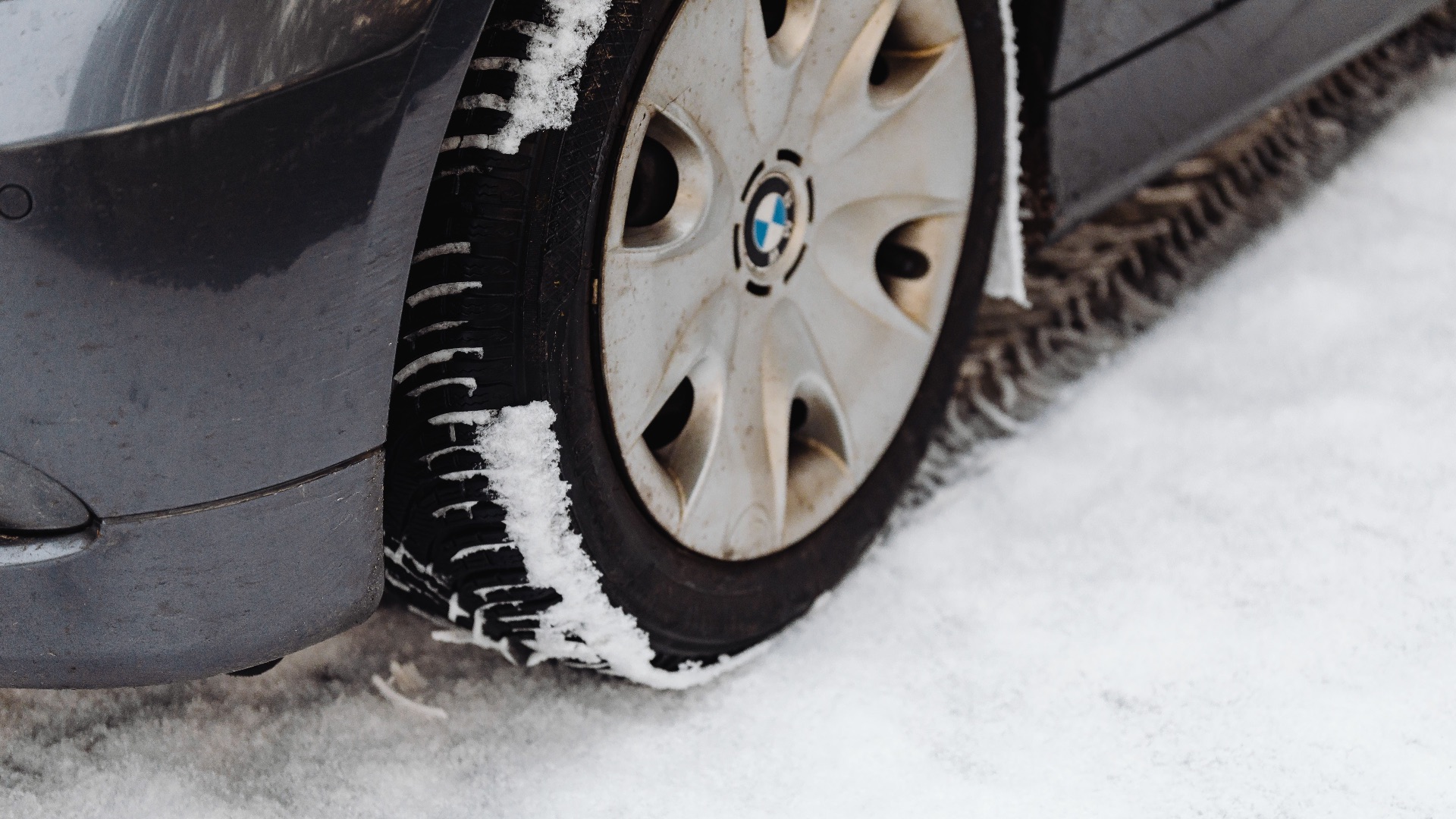
A well-maintained car can reduce some of the worries that come from uncertainty. Check your tires, lights, wipers, mirrors, and fuel before longer drives or bad-weather trips. When you know the car is ready, you have one less thing competing for your attention.
8. Avoid Comparing Yourself to Other Drivers
Some people have been driving for decades, while others are still building comfort one trip at a time. Comparing yourself to confident drivers can make your own progress feel smaller than it is. Focus on being safe, alert, and steady rather than trying to match someone else’s pace.

9. Practice Assertive, Predictable Driving
Confidence behind the wheel doesn’t mean being aggressive. It means signaling clearly, choosing a lane early, keeping a safe following distance, and making decisions other drivers can understand. When your driving is predictable, you’re easier to share the road with, and that can make you feel more secure, too.

10. Get Support If the Fear Feels Unmanageable
Some driving fears become strong enough to interfere with work, errands, or daily life. When that happens, it may help to talk with a therapist, driving instructor, or anxiety specialist who understands gradual exposure and practical coping skills. Support can help you build confidence in a safer, more realistic way, so you're not panicking every time.