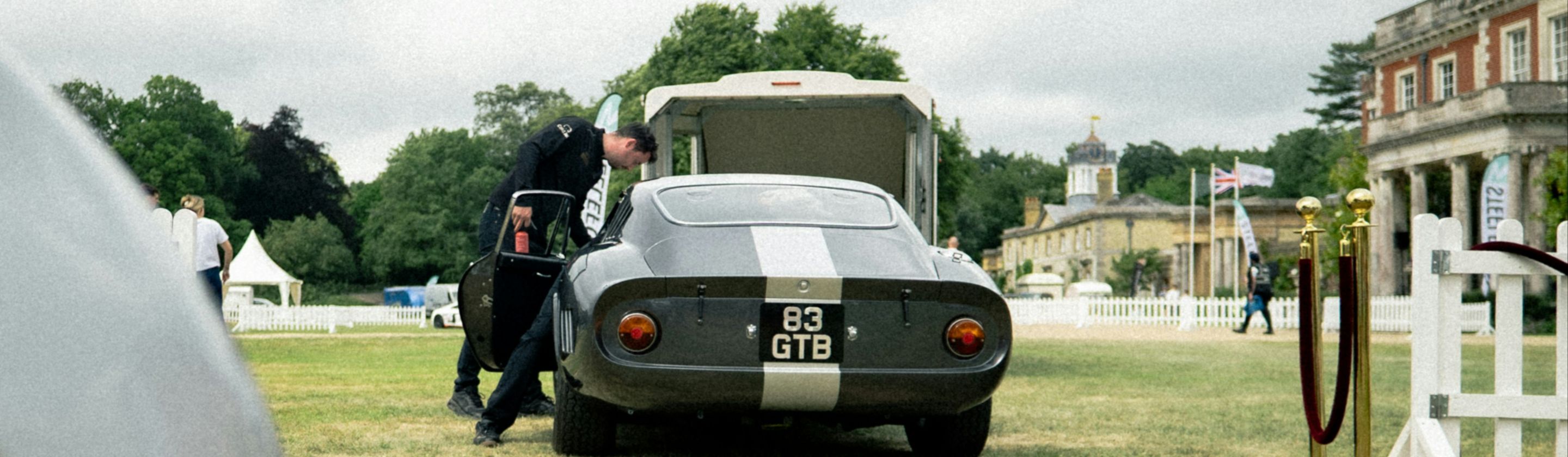
A Car That’s Prepared, Not Just Presentable
Getting a classic car ready for an auto show takes more than a quick wash and a decent parking spot. You’ll be out there all day among stiff competition, and everyone from judges and spectators to other owners notices details that casual drivers usually miss. But don’t worry—that doesn’t mean you aren’t ready to rock. Before you roll onto the show field, these are the 20 signs that your car is ready to be judged, admired, and taken seriously.
1. The Paint Has Real Depth
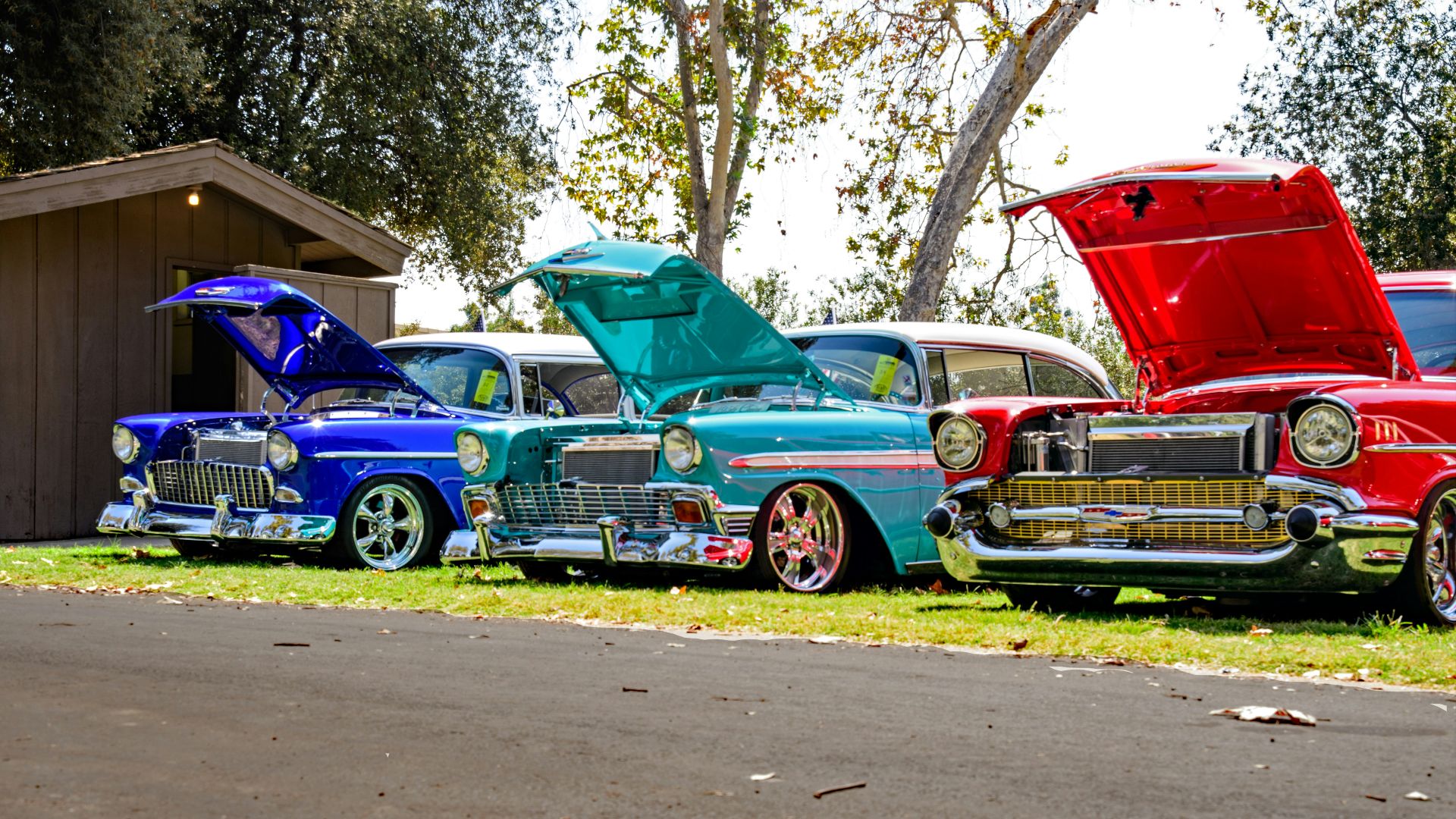
A show-ready classic has paint that looks clean, even, and properly finished from every angle. Think of a 1969 Chevrolet Camaro or a 1957 Chevrolet Bel Air; the color should hold its shine across the hood, roof, doors, and quarter panels without dull patches. That means if the finish has been properly protected, you’re already in strong shape.
2. Clean and Consistent Chrome
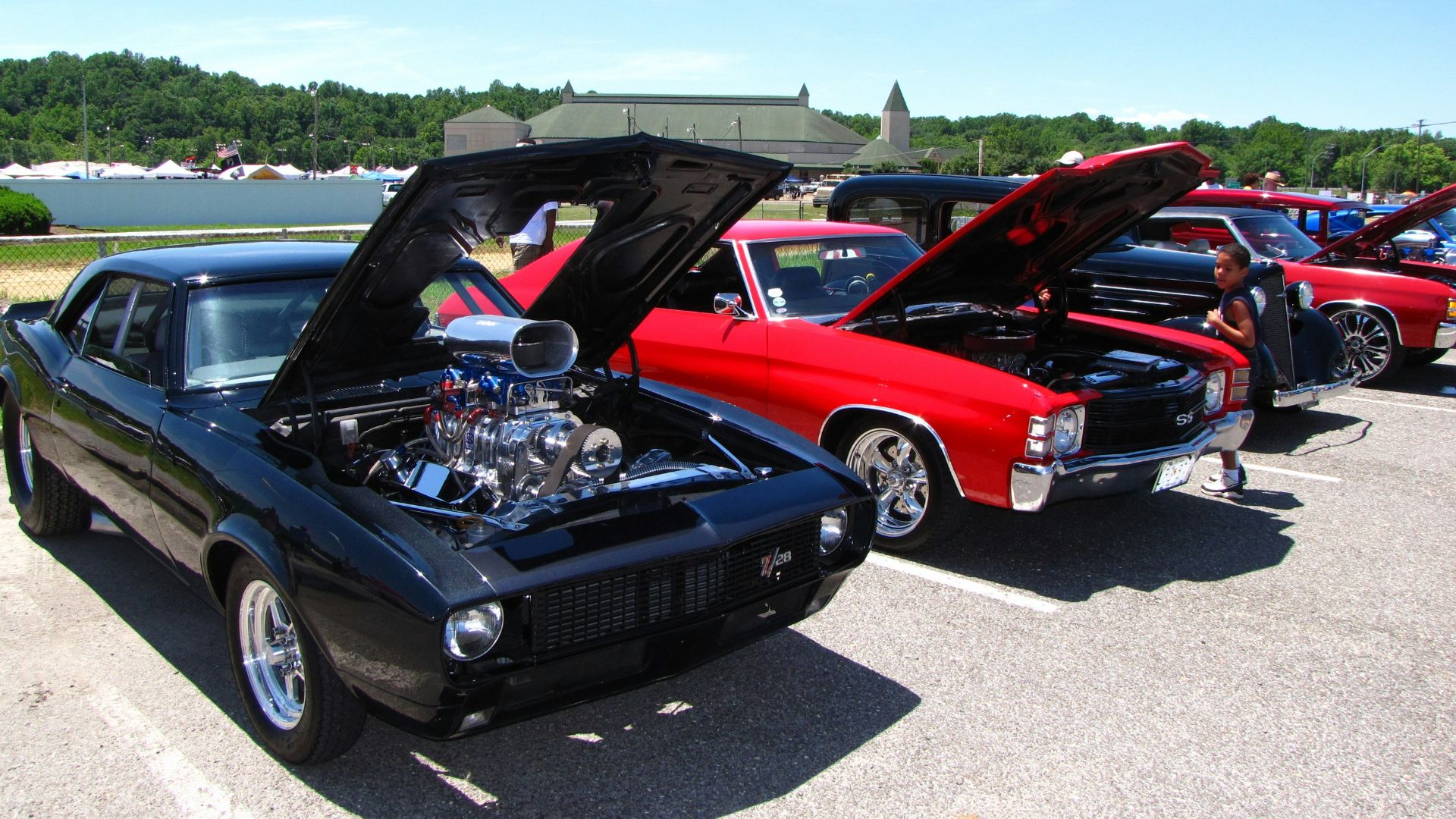
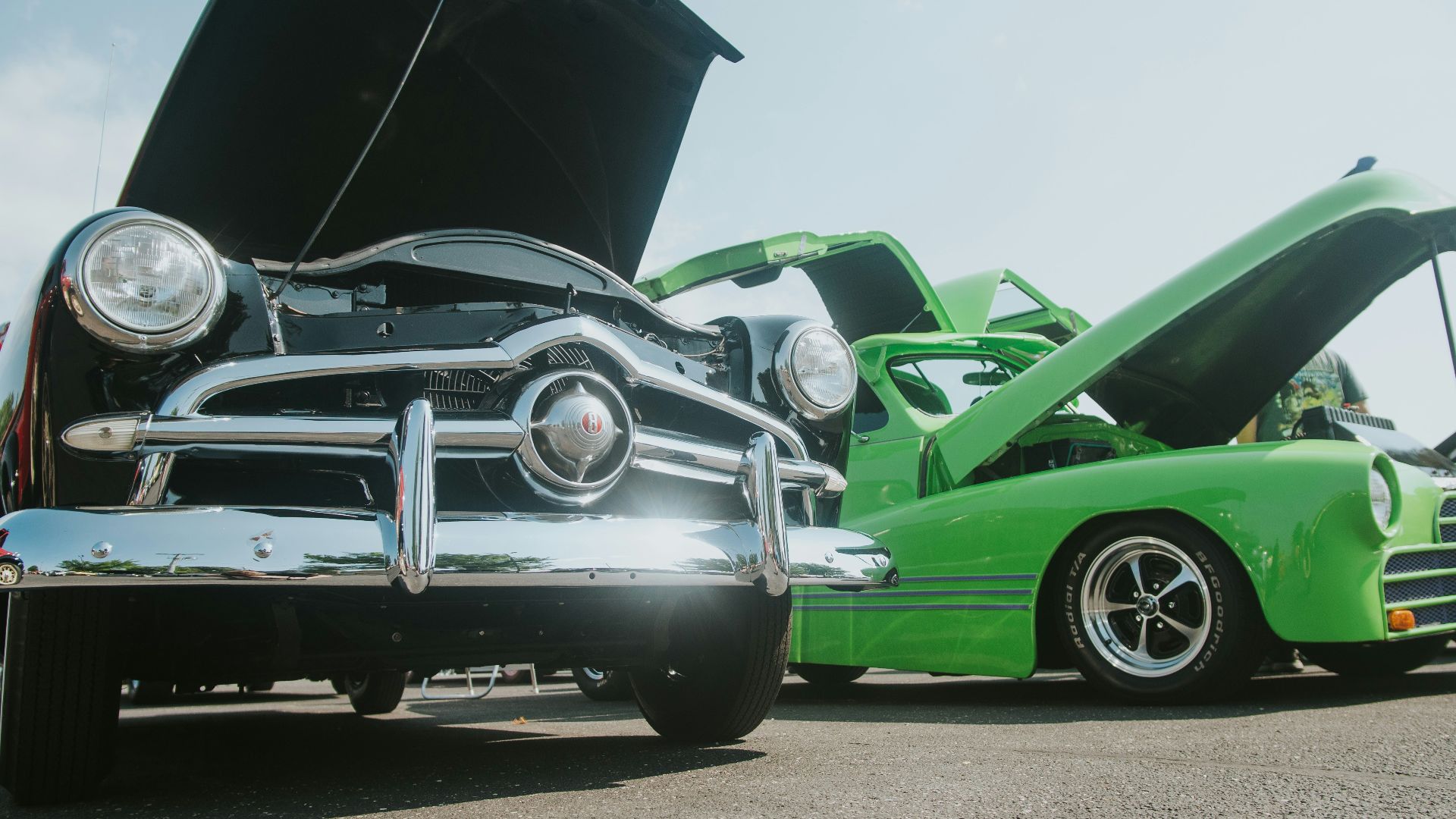
Chrome trim can make or hurt the entire presentation of a classic car, and proper owners know that. Bumpers, window surrounds, grille pieces, mirrors, and door handles should be free of all the major issues, especially rust spots and heavy pitting.
3. A Complete Interior
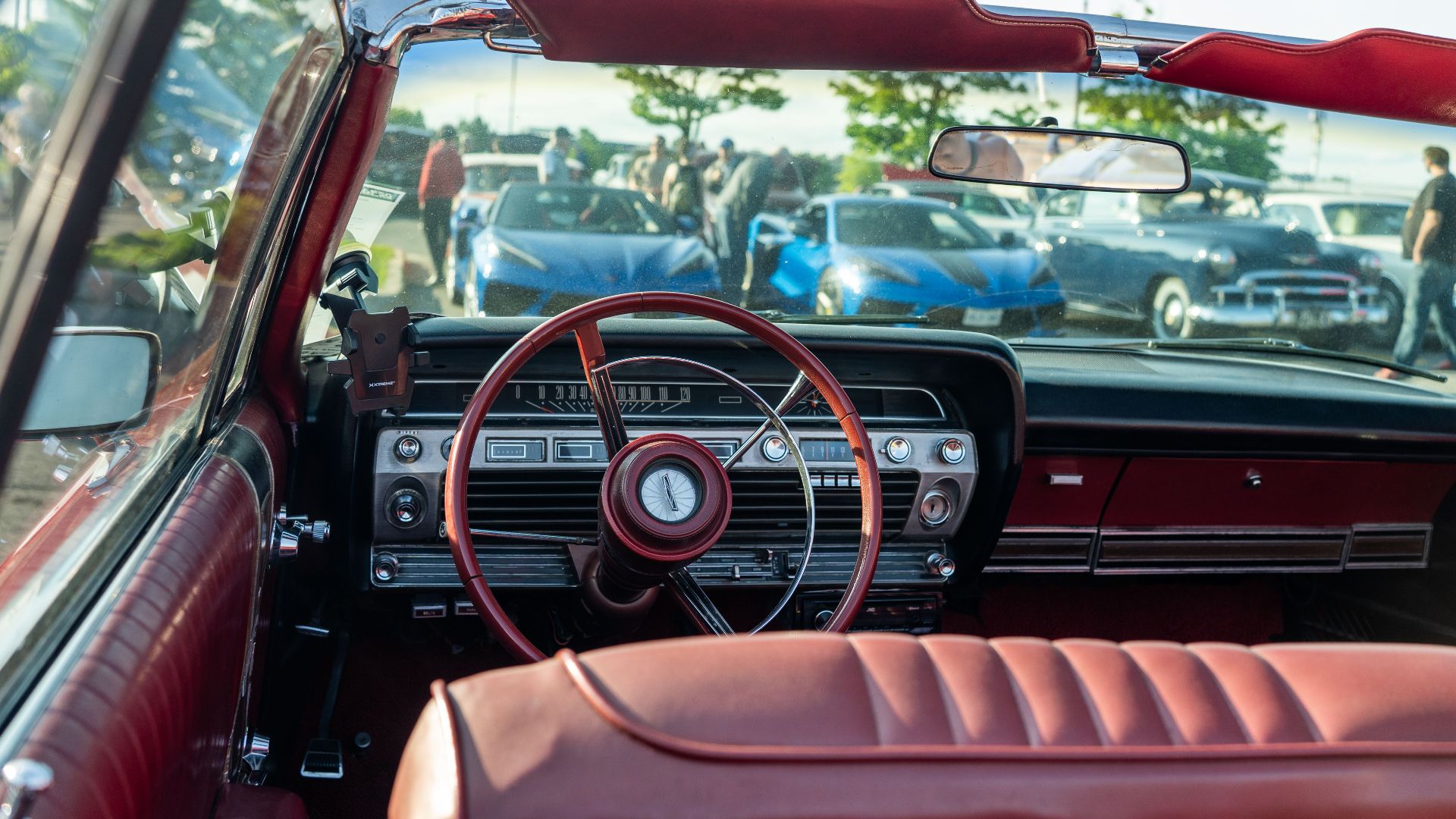
The cabin needs to feel finished, not just freshly vacuumed. What that means for you is that everything from the seats and door panels to the carpets and dashboard trim should match the condition level of the exterior. If your 1970 Challenger has restored upholstery but cracked armrests, those weak spots stand out.
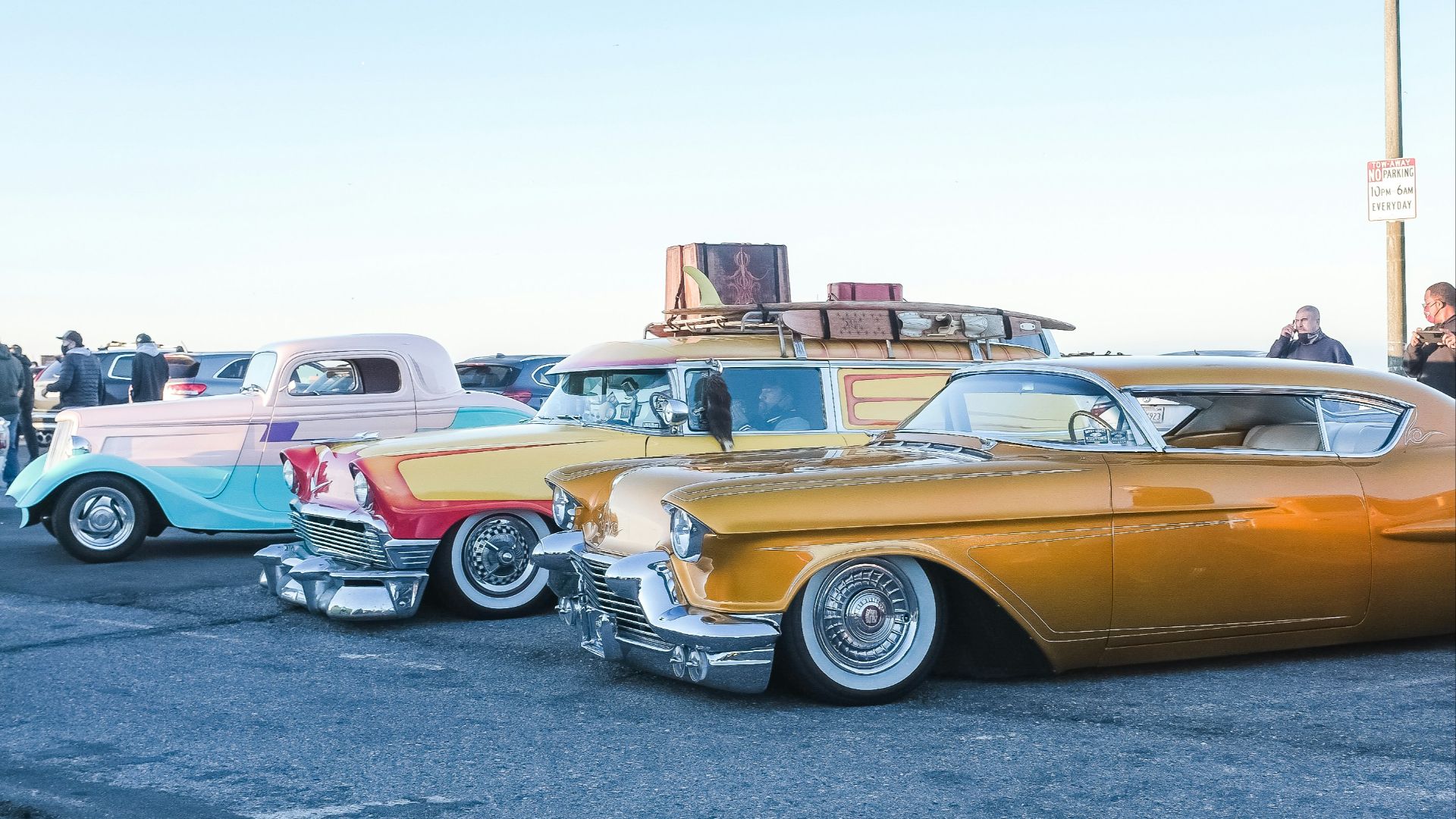 Lilibeth Bustos Linares on Unsplash
4. A Presentable Engine Bay
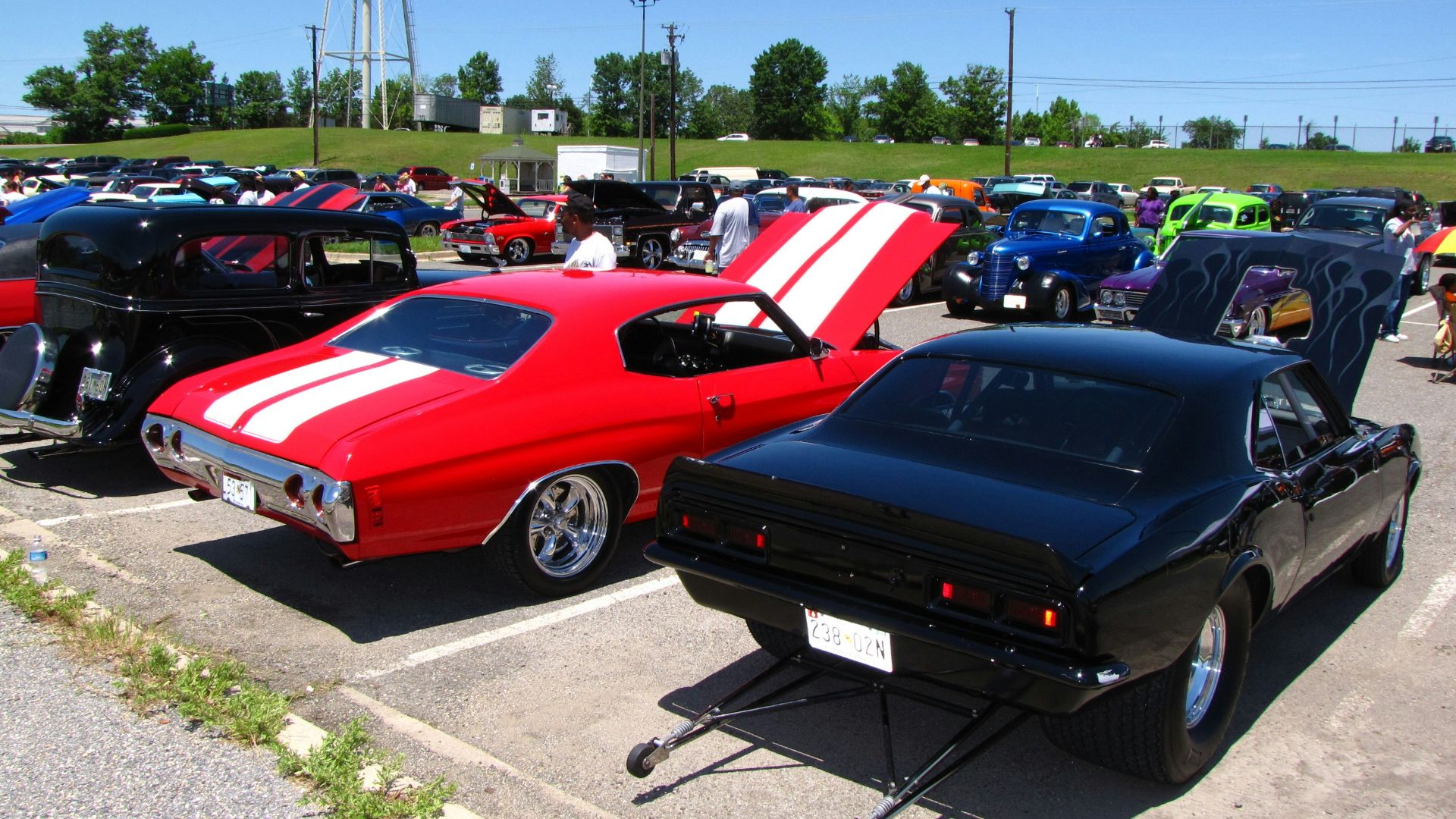
A clean engine bay tells people the car is cared for beyond the parts everyone sees first. All the nitty-gritty needs to be taken care of, like the hoses, belts, wiring, and inner fenders. Long story short, they should look organized and clean without dripping fluids or layers of grime.
5. The Tires Match the Car
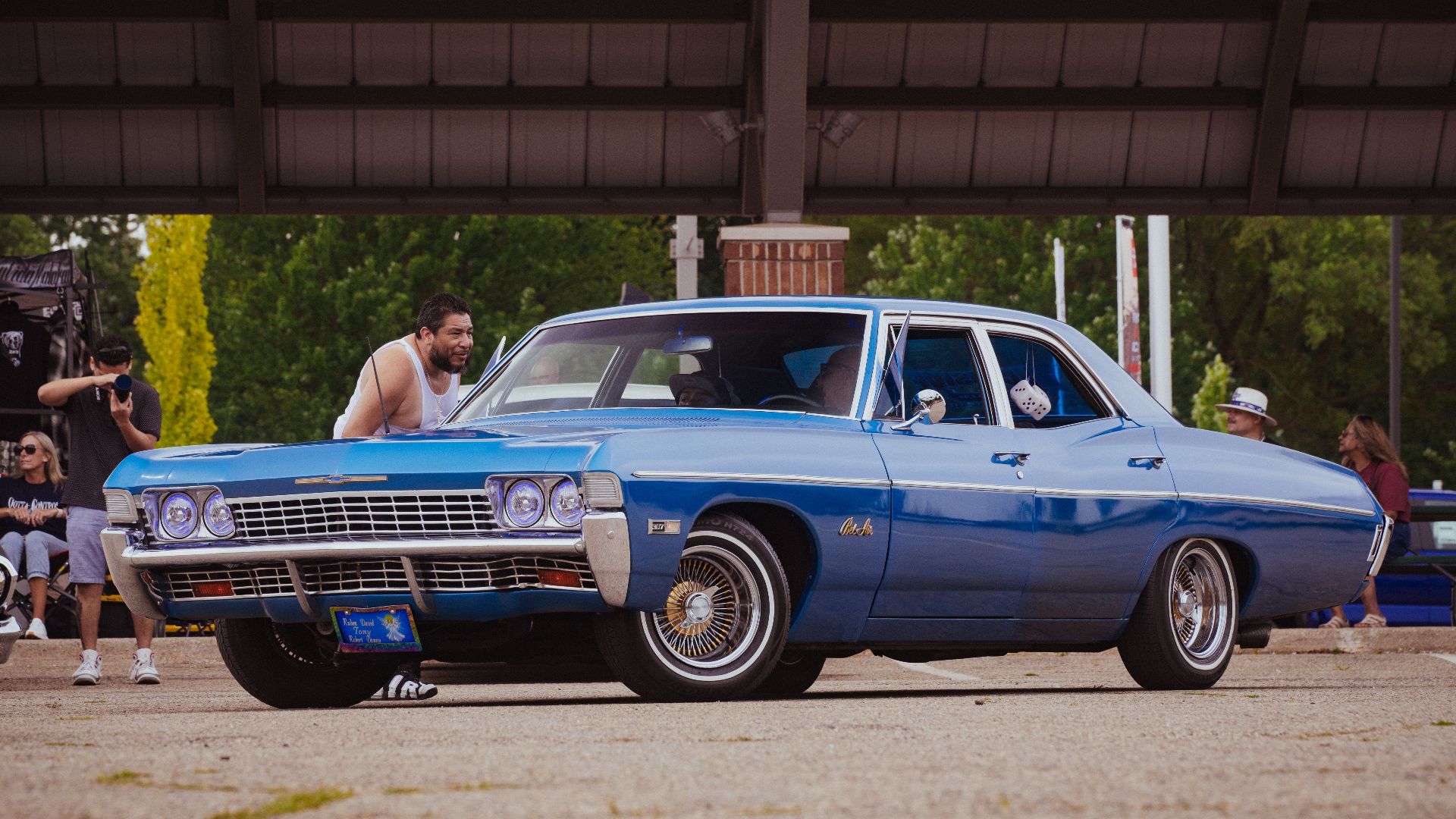
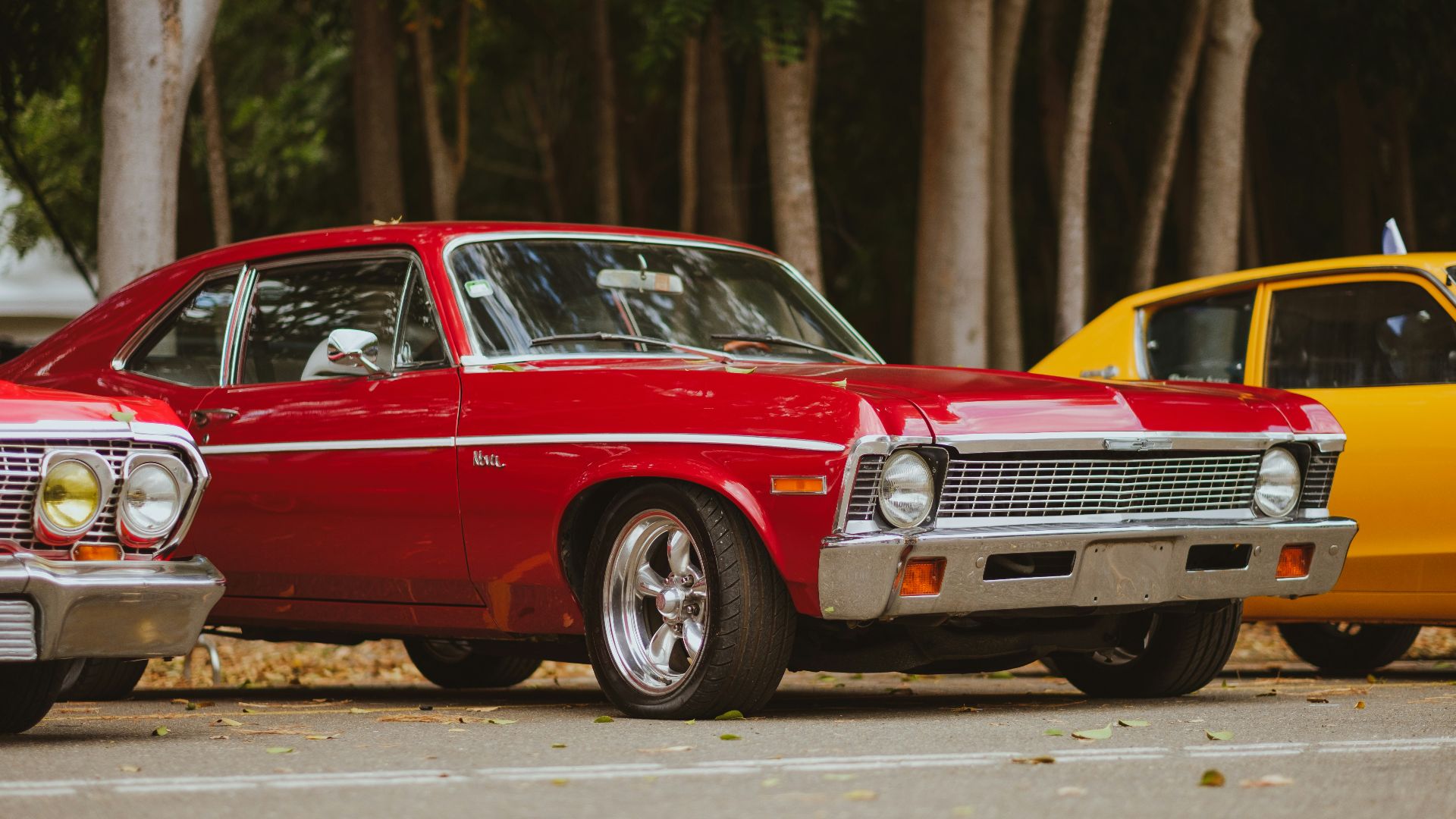
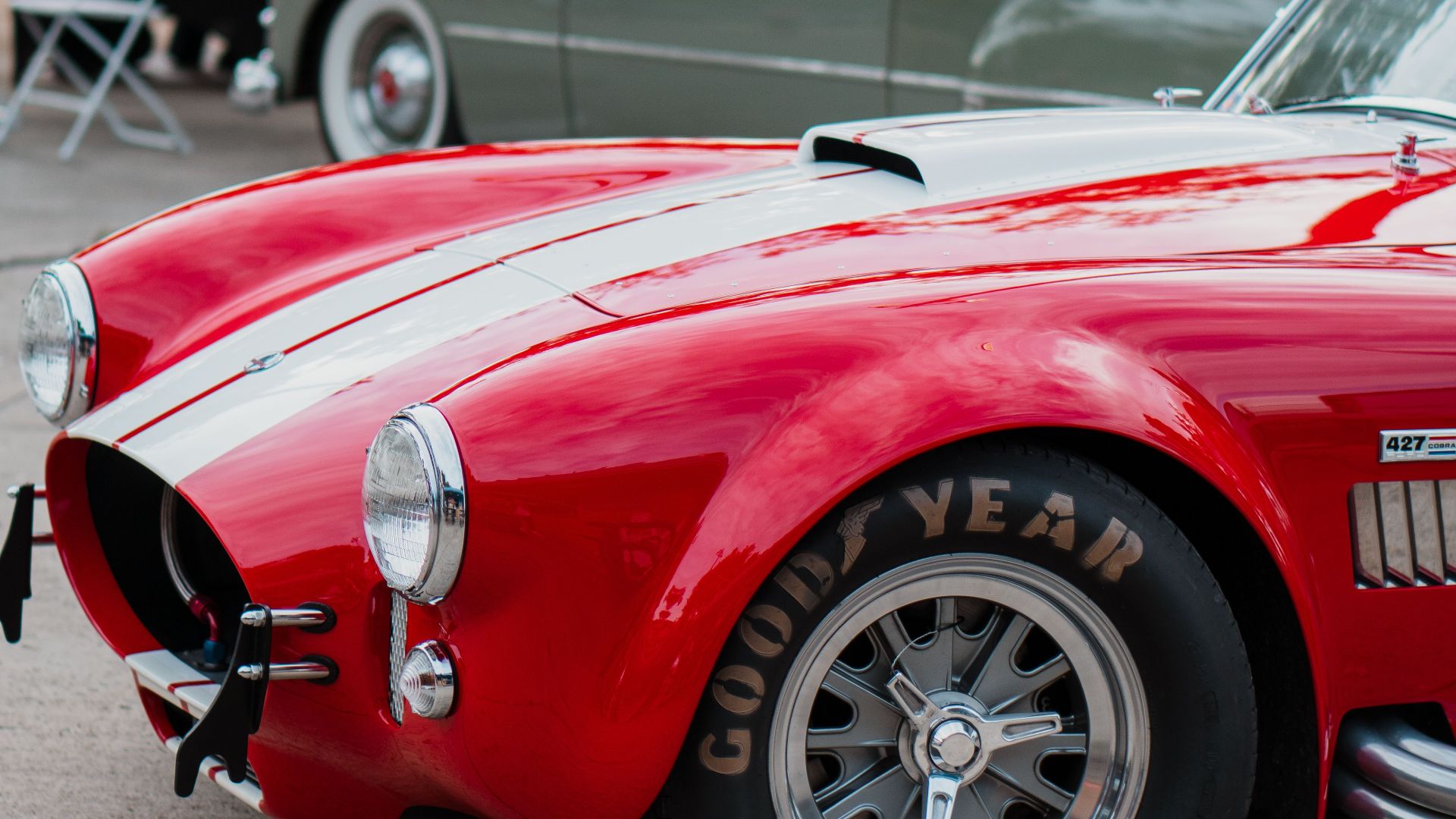
Make no mistake—tires can make a classic car look either correct or careless. A restored 1963 Corvette deserves tires that fit the period and stance, whether that means narrow whitewalls or properly sized blackwalls. The last thing you want is to stroll in with cracked sidewalls and incorrect sizing.
6. Properly Detailed Wheels
Speaking of wheels, they can also collect brake dust, polish residue, and road grime faster than most owners want to admit. Whether your car wears Rally wheels or factory hubcaps, the finish should be clean all the way into the creases. (Don’t assume people won’t notice, either.)
7. Clear Glass
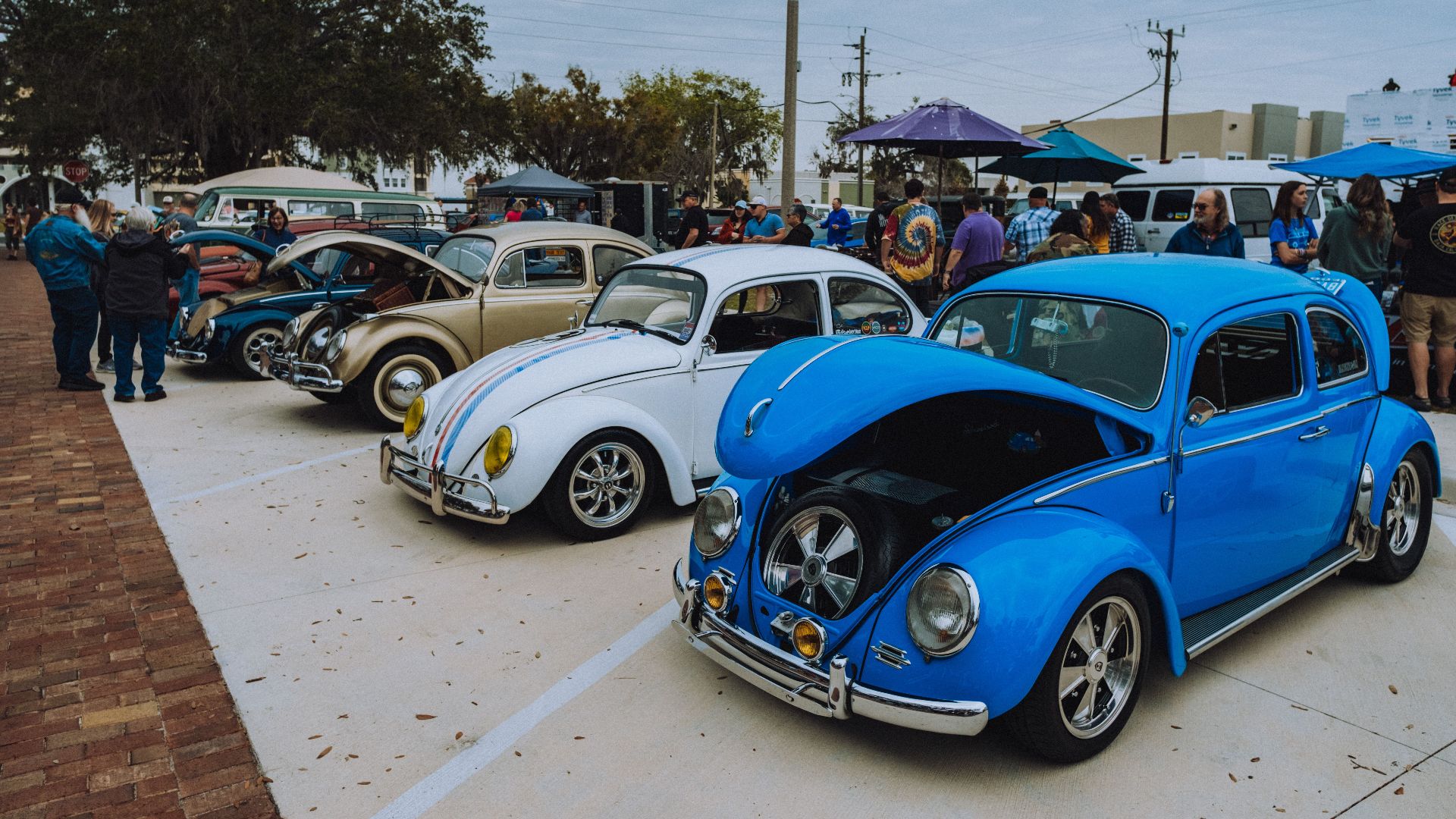
Clean glass gives a classic car a sharper and more finished appearance. We’re not just talking about the windshields, either; side windows, vent glass, and rear glass should also be free of fingerprints and old sticker residue. Don’t forget that the glass area is large and highly visible, so cleanliness matters more than many realize.
 Connor Scott McManus on Pexels
8. The Weatherstripping Looks Fresh
Classic cars are all about the sum of their parts, which means old rubber can make a restored car feel tired even when the paint is excellent. Door seals, window channels, and hood bumpers shouldn’t be hanging out of place. If you open the door and the seal flakes apart, the car isn’t show-ready yet.
9. An Organized Trunk
An everyday trunk is easy enough to dismiss, but not on a classic car! On the old guys, the trunk should look like part of the display. You need to pay attention to the details, like a clean mat, a proper jack, and tidy side panels. Those small touches can add real credibility to a car’s presentation.
10. The Lights Work Correctly
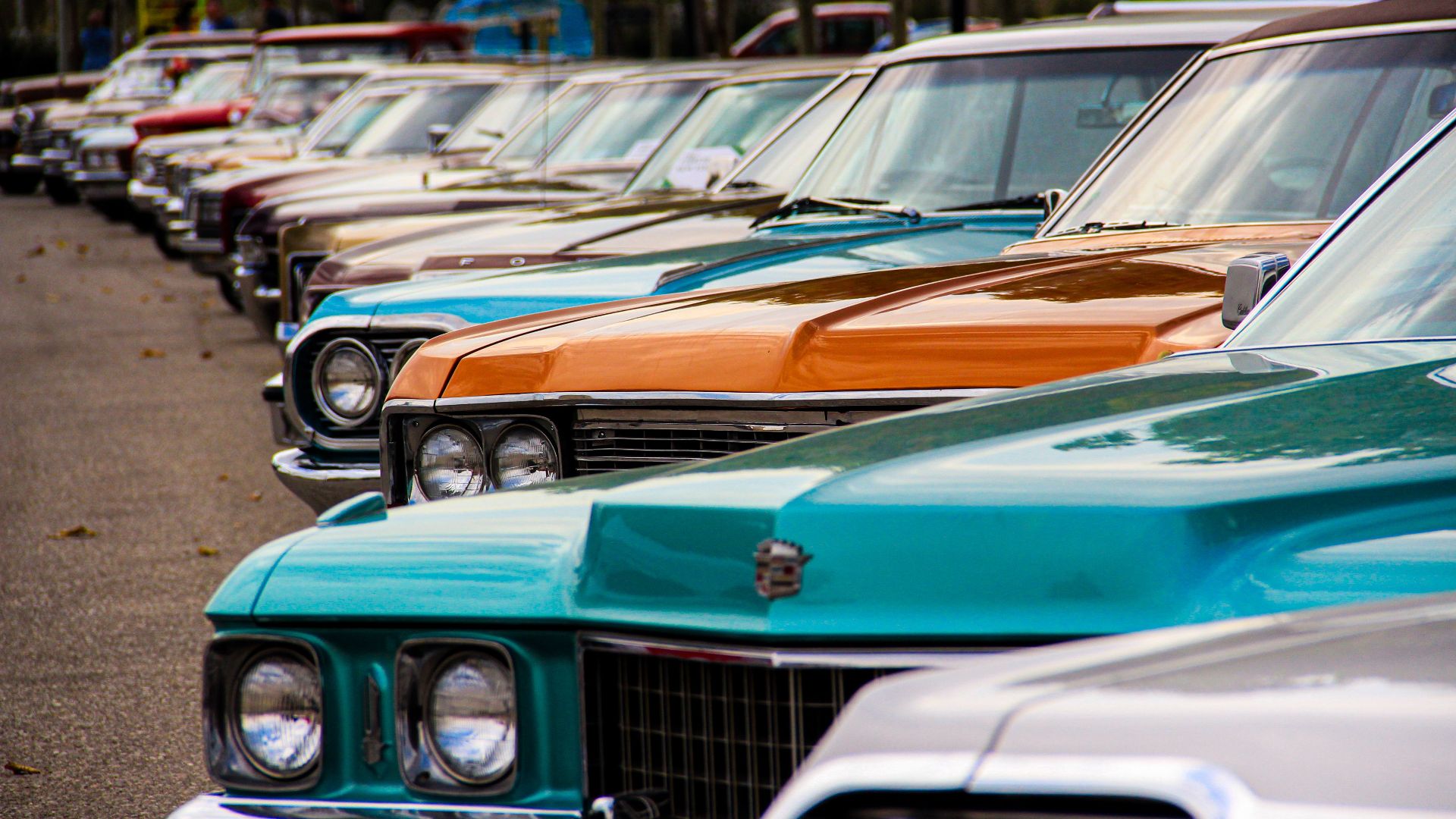
Functional lights show that the car is more than a polished display piece, so make sure you test them before you head out to a show. Headlights, brake lights, turn signals, reverse lights, license plate lights, and interior courtesy lights should all work before you arrive, and if they don’t, people will likely walk right on by.
11. The Emblems Are Correct
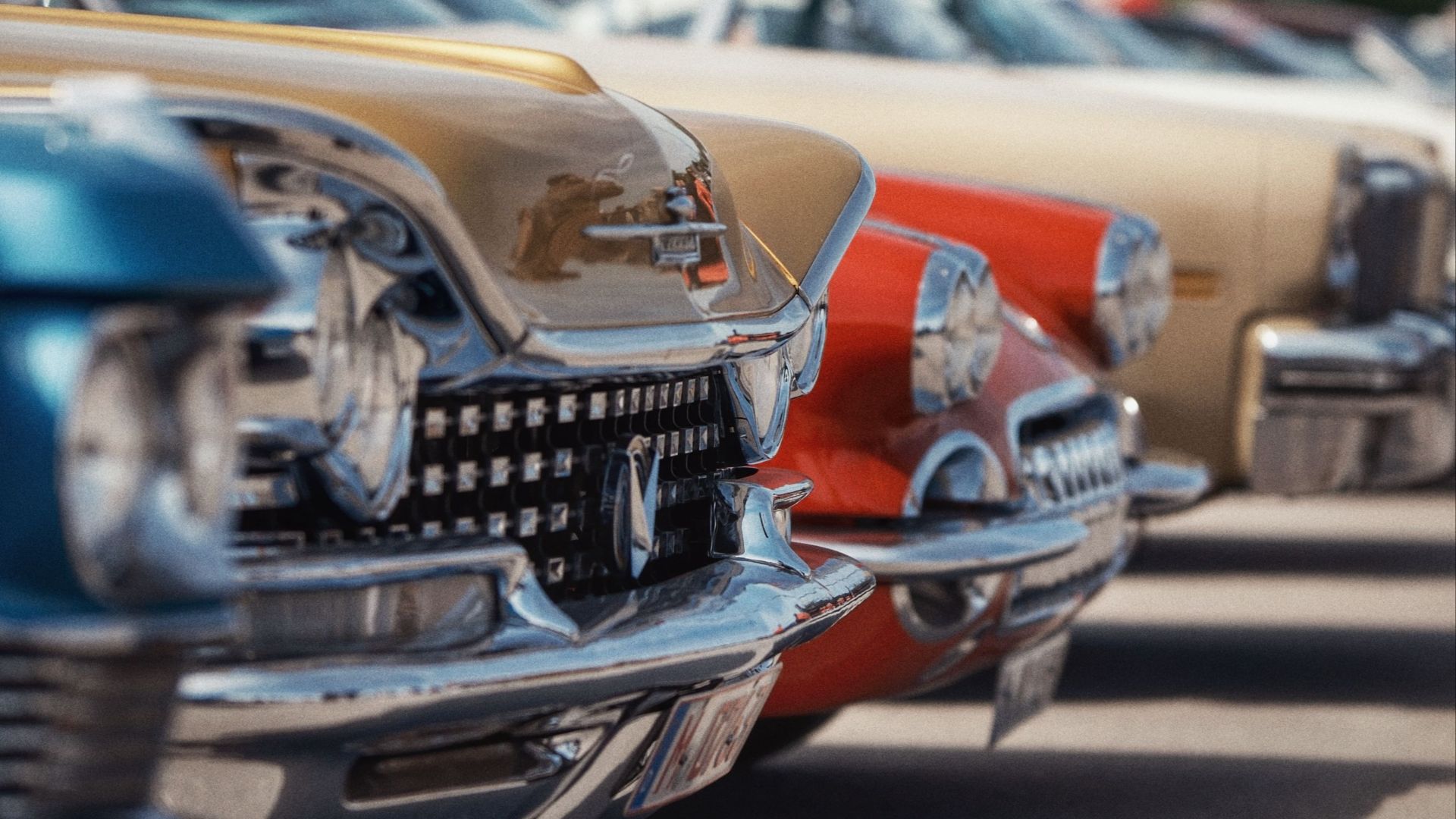
Badges are small, but that doesn’t mean they have no value. Incorrect or poorly placed ones can quickly raise questions, and even on tribute cars, straight alignment and clean mounting make the difference between intentional and sloppy.
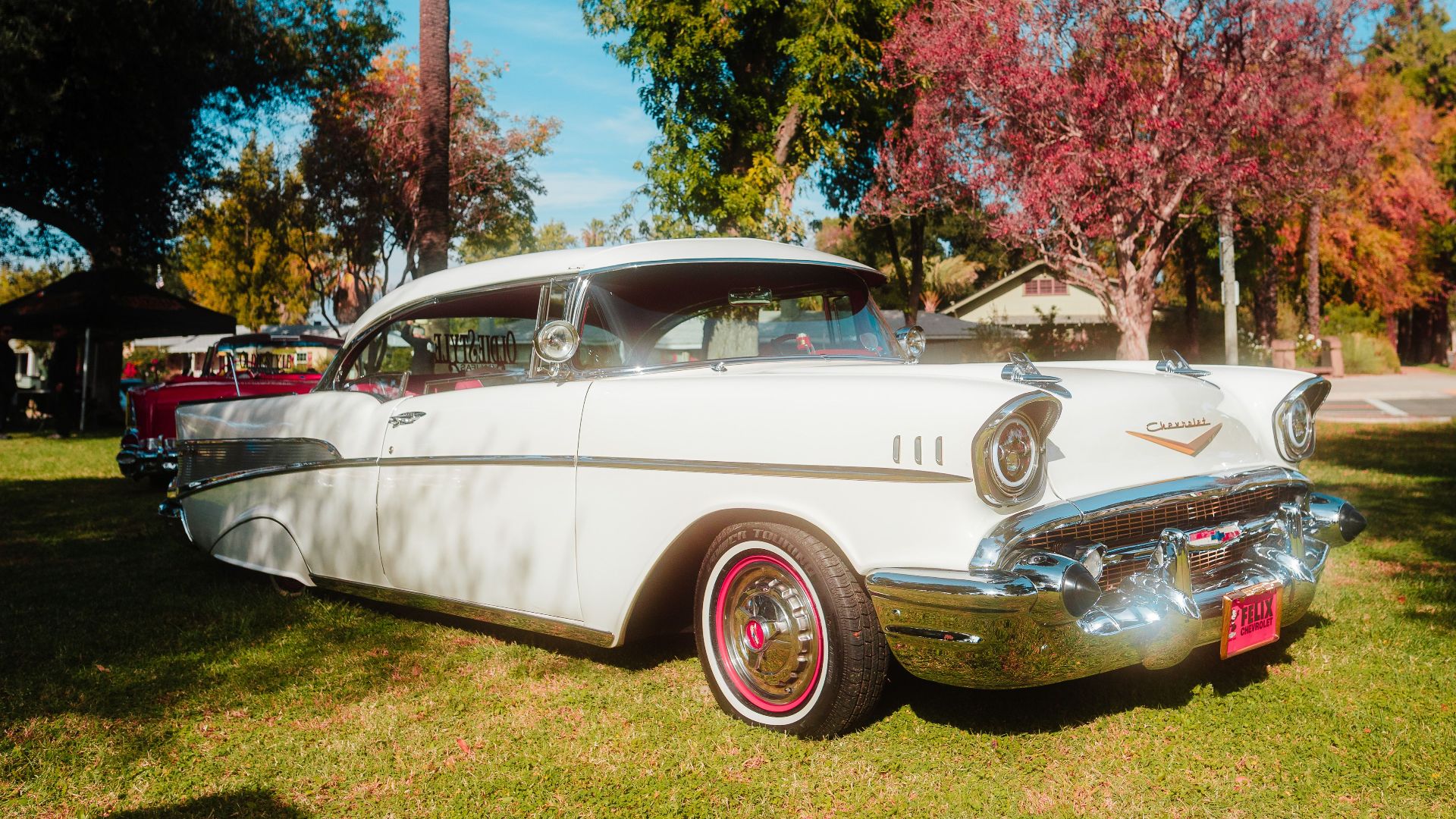
12. The Panel Gaps Are Even
Good panel alignment shows patience and proper bodywork. Doors, hood edges, trunk lines, fender gaps, and rocker panel alignment should look consistent from side to side. Remember that uneven gaps around the long doors can become glaringly obvious under show lighting.
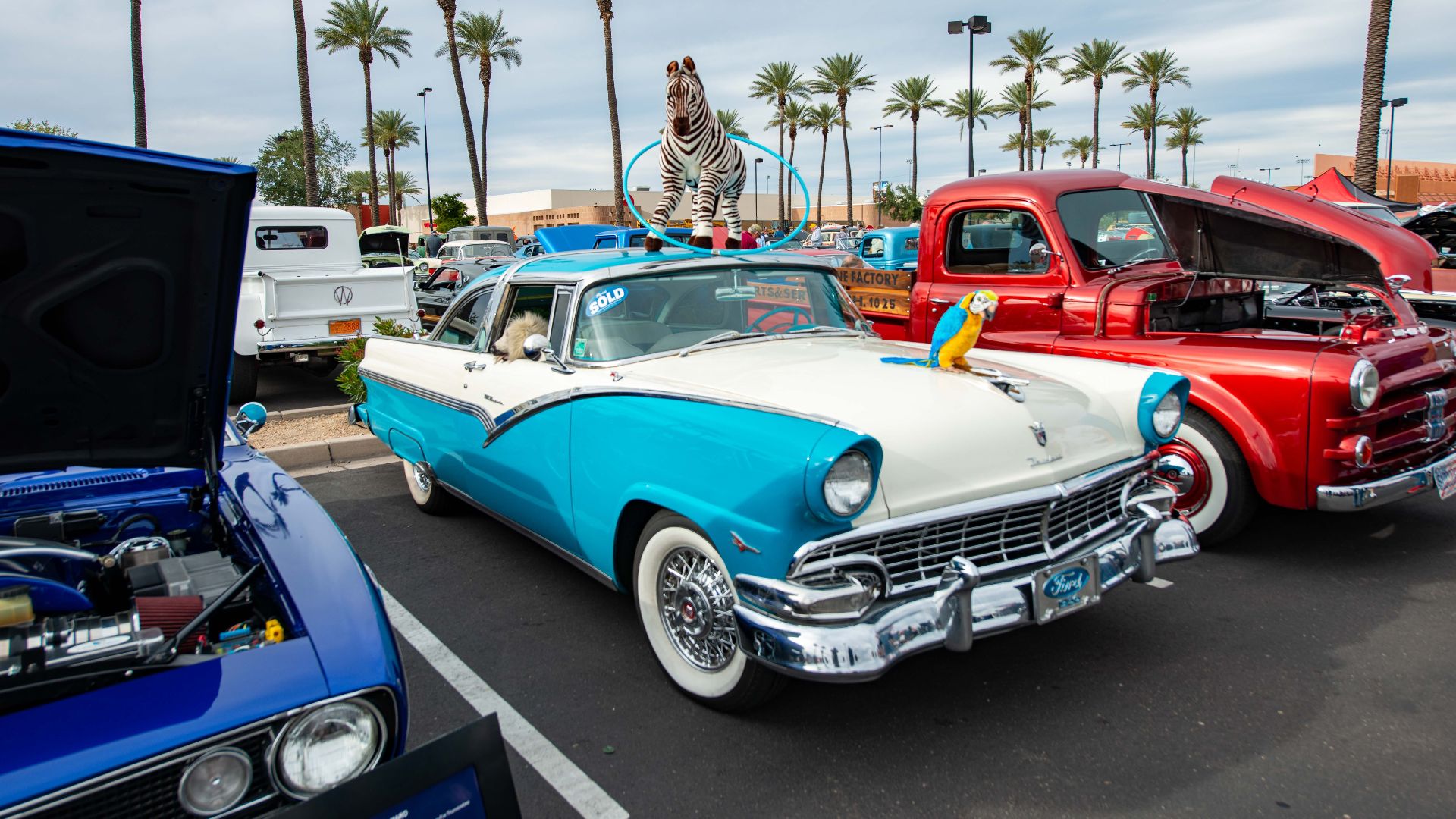
13. The Undercarriage Isn’t Forgotten
Don’t get us wrong, not every car needs a concours-level underside. That being said, it also shouldn’t look neglected. A clean undercarriage on a 1964 Impala tells a much better story than fresh paint covering up rusty hardware.
14. The Exhaust Sounds Healthy
A huge part of classic cars is their roars, so the exhaust should sound confident without suggesting underlying trouble. Leaks, popping, excessive smoke, or an uneven idle can actually make people question the condition of the engine. Do yourself a favor and test it out at home before presenting it to the public!
 Connor Scott McManus on Pexels
15. The Documentation Is Ready
Paperwork doesn’t seem like much at an auto show, but it really does make your car more interesting and credible. If your 1970 Plymouth Road Runner still has paperwork showing its original details, that’s worth displaying neatly.
16. Details Match the Era
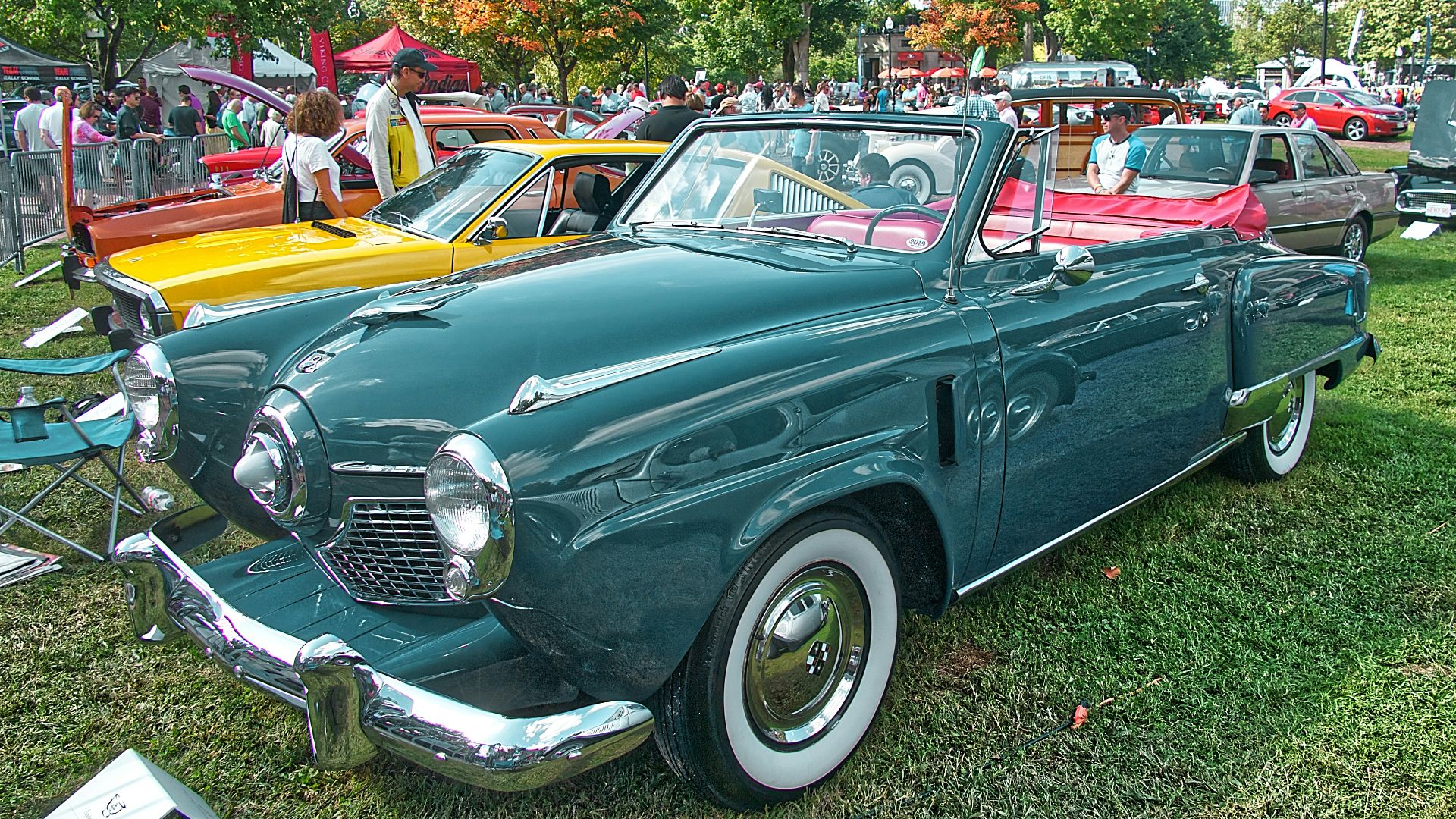
A classic looks more convincing when its details fit the year and style of the build. Even the seemingly small details like factory-style decals, period-correct radios, and original-style upholstery can all strengthen the presentation.
17. The Car Starts Without Issue
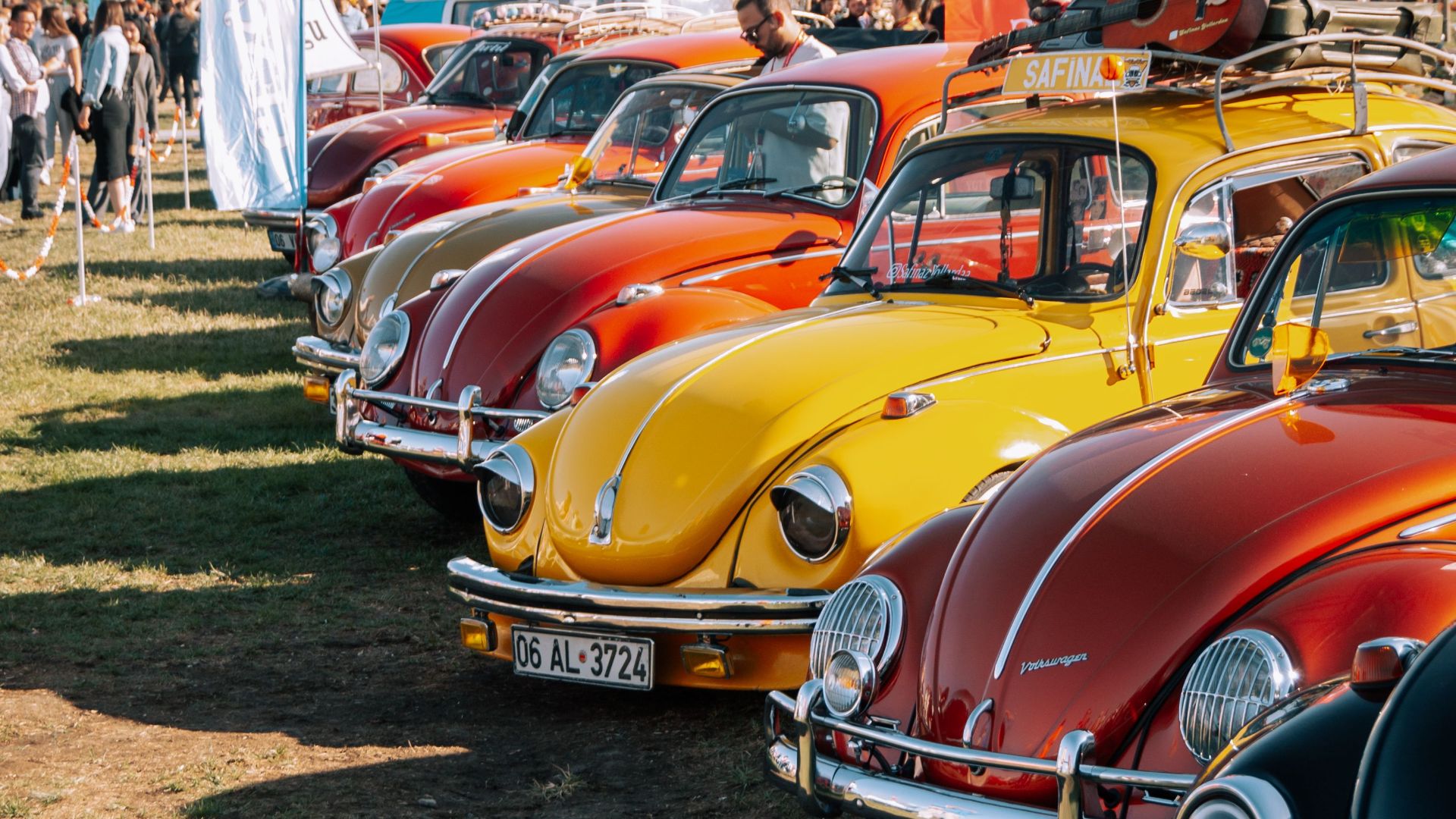
It’s one thing to get a rust bucket from point A to B, but it’s another when a well-maintained car does it. Problems like long cranking and rough warmups can make even a beautiful classic feel unreliable, so make sure everything’s ready to go at a moment’s notice.
 Connor Scott McManus on Pexels
18. The Stance Looks Intentional
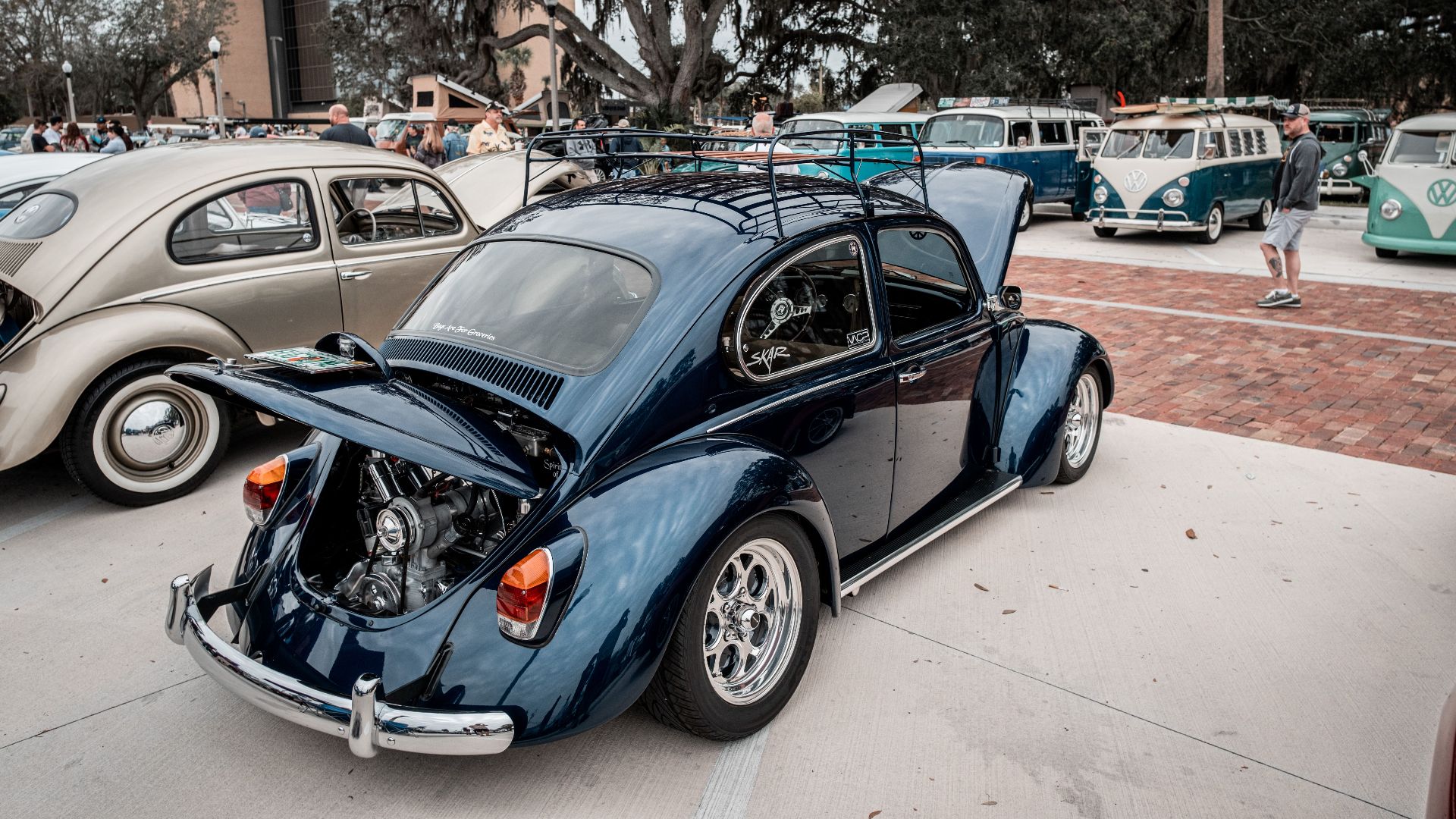
The way a classic car sits can affect the entire impression. It’ll also be sitting around all day, so you want to make sure you get it right. Don’t forget that a 1971 Chevy can look excellent with a tasteful lowered stance, but it needs to sit level and clear the tires properly.
19. The Small Hardware Looks Clean
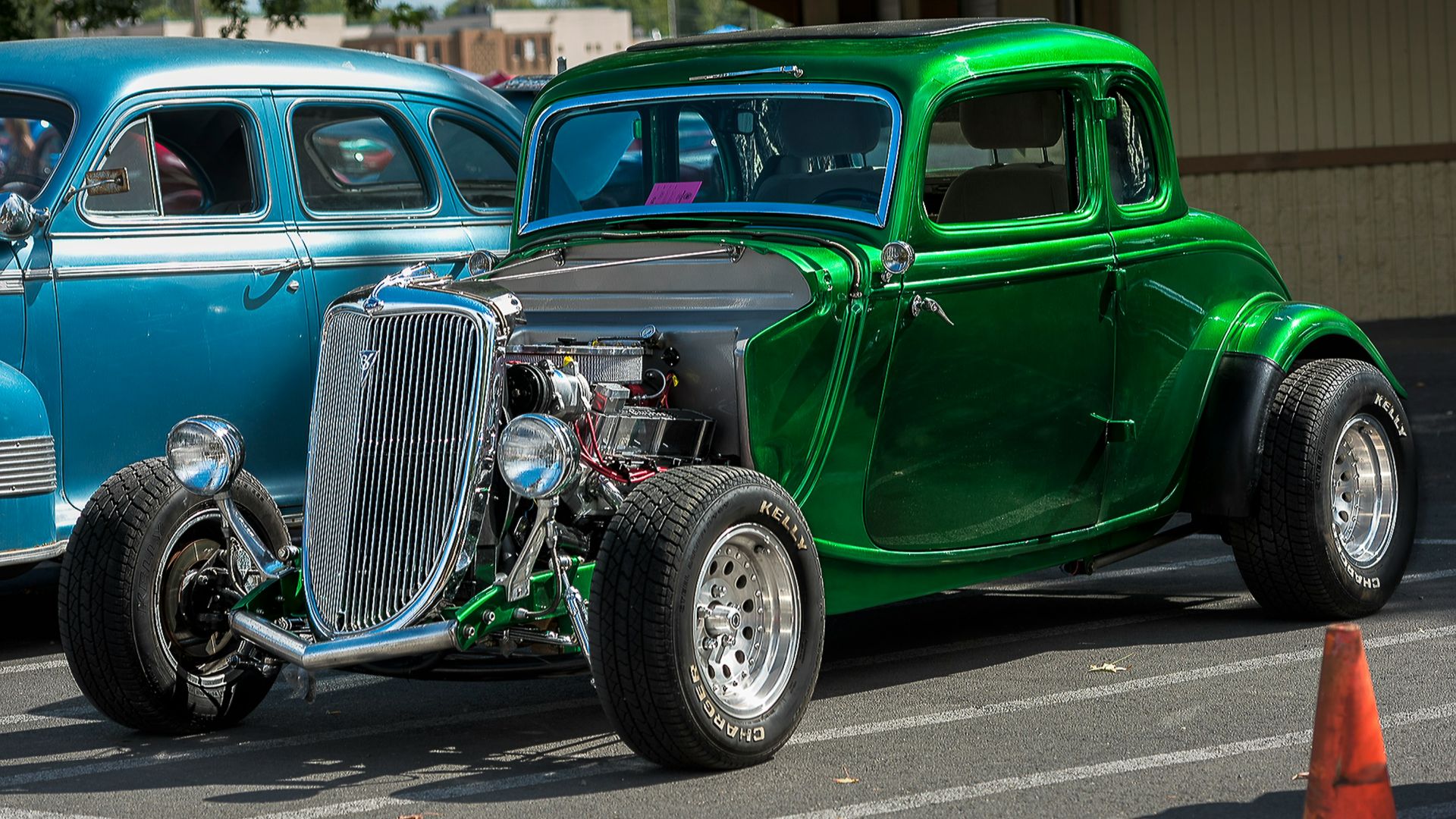
Screws, bolts, clamps, brackets, and fasteners can reveal how carefully the car was finished. Rusty work or missing pieces will almost always detract from expensive restoration work, so clean hardware helps the whole car feel complete.
20. You’re Proud Of It
The final sign is actually the simplest one: you’re comfortable showing people the whole car! Nothing about it should reveal surprises you hoped no one would notice. Everything should look pristine. When you can invite someone to look closer without making excuses, your classic car is ready for the auto show.