
Preparation Can Go a Long Way
Thinking of selling your car? Before you pull the trigger and list it on the market, you'll want to prep it thoroughly—glaze over the details, and you might not receive many serious offers. And by prepping, we don't just mean cleaning your car and taking nice pictures of it; you'll want to do the nitty-gritty stuff, too, like knowing your car's market value and possibly sending it in for a pre-sale inspection. If you need a proper walk-through, you're in the right place: here are 20 things you should do if you're looking to get your car a new owner.
1. Clean the Exterior Thoroughly
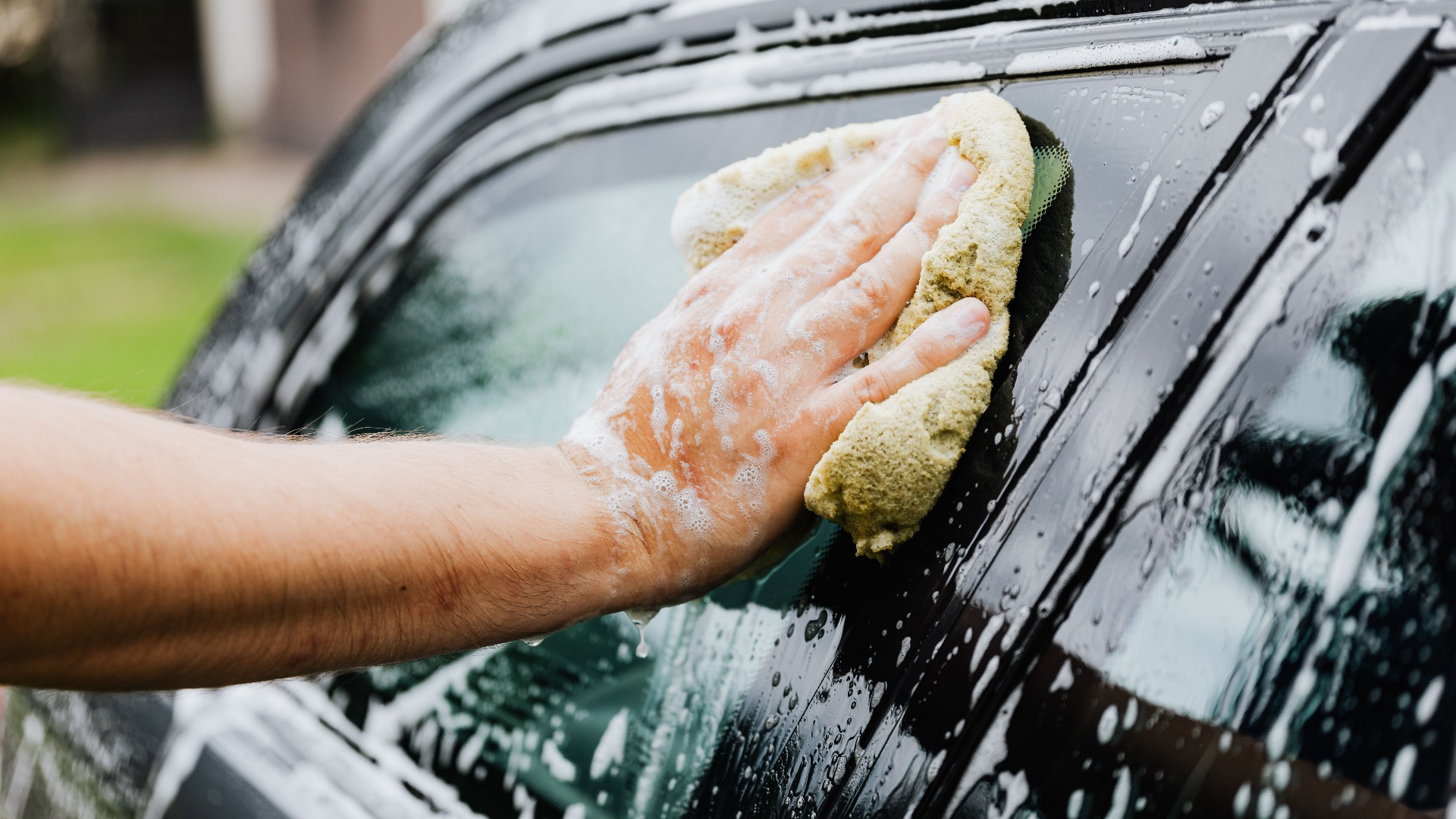
A clean exterior helps your car make a better first impression before a buyer even reads the listing. Wash the body, wheels, windows, mirrors, and lights so the car looks cared for in photos and in person. You don’t need to pay for a full professional detail, but removing dirt, dust, and road grime can make a noticeable difference. If there are small spots of sap, tar, or bug residue, take care of them before taking pictures.
2. Deep-Clean the Interior
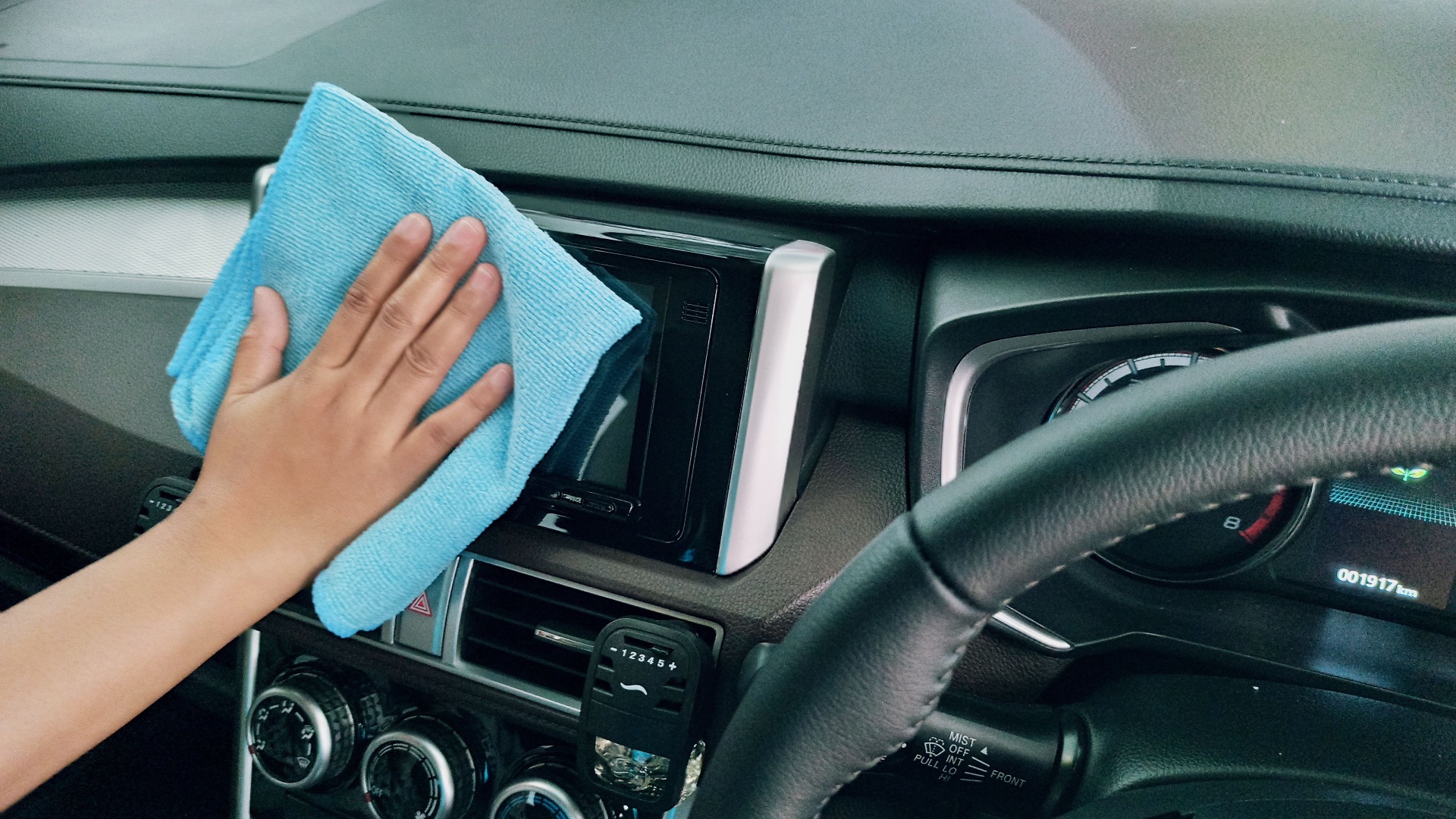
The inside of the car can influence a buyer’s opinion just as much as the outside. Vacuum the seats, carpets, floor mats, trunk, and small storage areas, then wipe down the dashboard, center console, cup holders, and door panels. Remove crumbs, pet hair, receipts, charging cables, and anything else that makes the car feel personal rather than ready to sell. A fresh, uncluttered interior helps buyers imagine themselves owning it.
3. Remove Personal Items
Before listing the car, check every compartment for anything that belongs to you. Look in the glove box, center console, seat pockets, trunk, sunglass holder, and under the seats, since small items are easy to miss. You should also remove old parking passes, decals, garage remotes, insurance cards, and registration documents that contain personal information. Clearing everything out protects your privacy and makes the vehicle feel more prepared for sale.
4. Gather Maintenance Records
Maintenance records can give buyers more confidence in the car’s history. Collect receipts for oil changes, brake work, tire replacements, battery service, inspections, and any major repairs you’ve had done. If you don’t have every receipt, write down the key services you remember, including approximate dates and mileage. Being organized shows that you’ve paid attention to the vehicle’s upkeep.
 Anastassia Anufrieva on Unsplash
5. Check the Title Status
Make sure you know exactly where the title is and whether it’s clean, rebuilt, salvaged, or still tied to a loan. If there’s a lien on the car, contact the lender before listing it so you understand the payoff process and what paperwork will be needed. Buyers are often cautious when the title situation is unclear, so it’s better to sort this out early. Having a straightforward answer ready can prevent delays once someone is interested.

6. Look Up the Car’s Market Value
Pricing your car well starts with knowing what similar vehicles are actually selling for. Check listings for the same year, make, model, trim, mileage, condition, and location, then compare those numbers with valuation tools. Don’t rely only on the highest asking prices, because some listings sit for weeks without serious interest. A realistic price can help you attract buyers without leaving too much money on the table.

7. Decide on Your Negotiation Range
Before the listing goes live, decide on the lowest price you’d be comfortable accepting. This helps you respond to offers more calmly instead of making a rushed decision during a conversation with a buyer. You may want to list the car slightly above your minimum to leave room for negotiation, but the asking price should still feel reasonable. Knowing your range ahead of time makes the selling process easier to manage.

8. Fix Small, Affordable Issues
Minor problems can make buyers wonder what else might be wrong with the car. Replacing burned-out bulbs, worn wiper blades, missing valve caps, or a dead key fob battery can be inexpensive but worthwhile. These small fixes show that the vehicle has been looked after and reduce easy reasons for someone to ask for a discount. If a repair is cheap and quick, it’s often better to handle it before taking photos.

9. Be Honest About Larger Problems
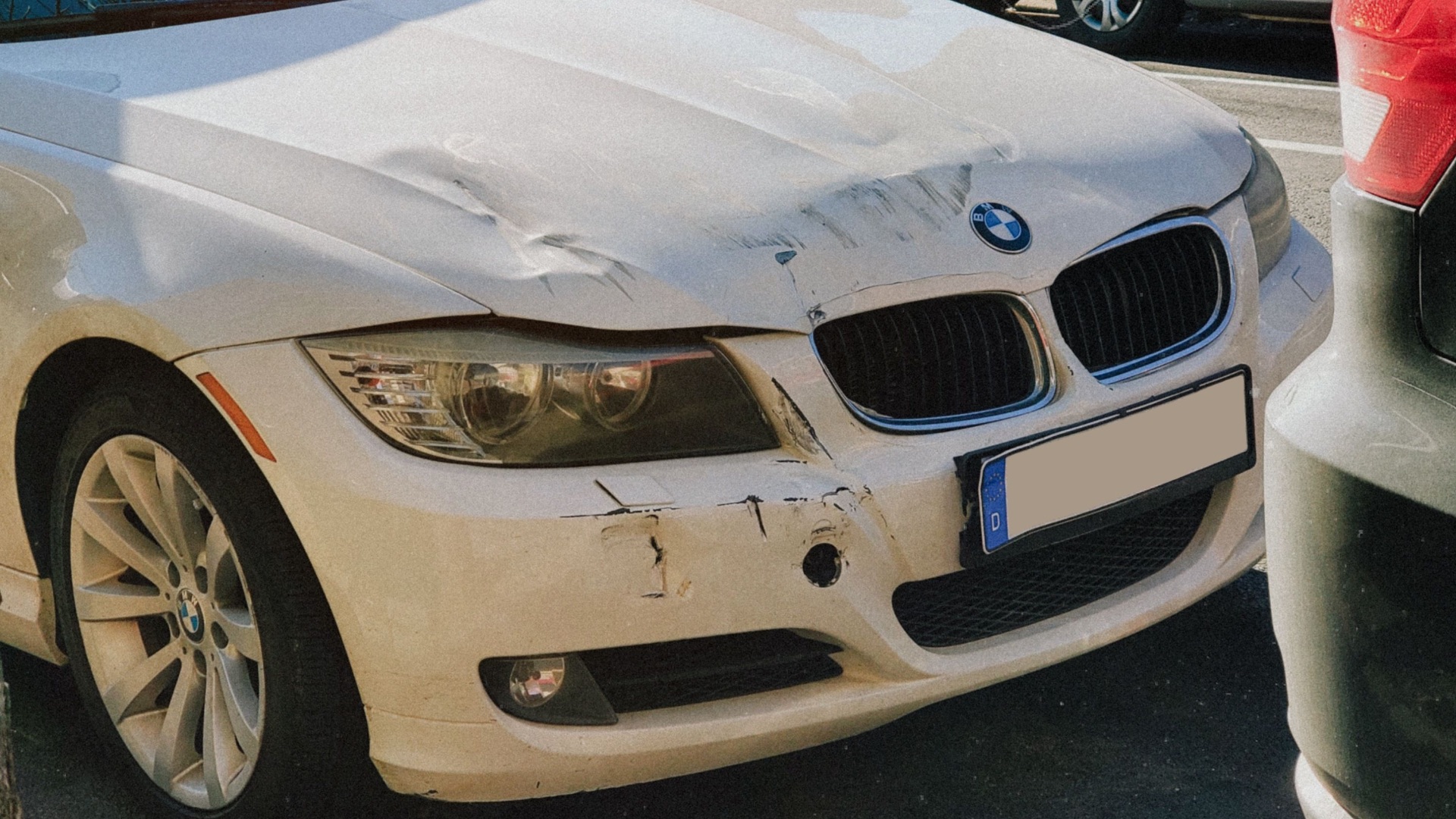
If the car has mechanical issues, warning lights, accident history, or cosmetic damage, don’t try to hide it. Buyers may discover those problems during a test drive, inspection, or vehicle history check, which can damage trust and waste everyone’s time. Be clear about what you know, even if it means adjusting the price. Honest listings tend to attract buyers who are more realistic about what they’re coming to see.
10. Consider Getting a Pre-Sale Inspection
A pre-sale inspection can be useful if you want to give buyers extra reassurance. A mechanic can identify issues you may not know about, and you can decide whether to fix them, disclose them, or factor them into the price. This is especially helpful for older vehicles, higher-mileage cars, or models that buyers may inspect carefully. Even if the car isn’t perfect, having a recent inspection can make you look more prepared.
11. Check Fluid Levels
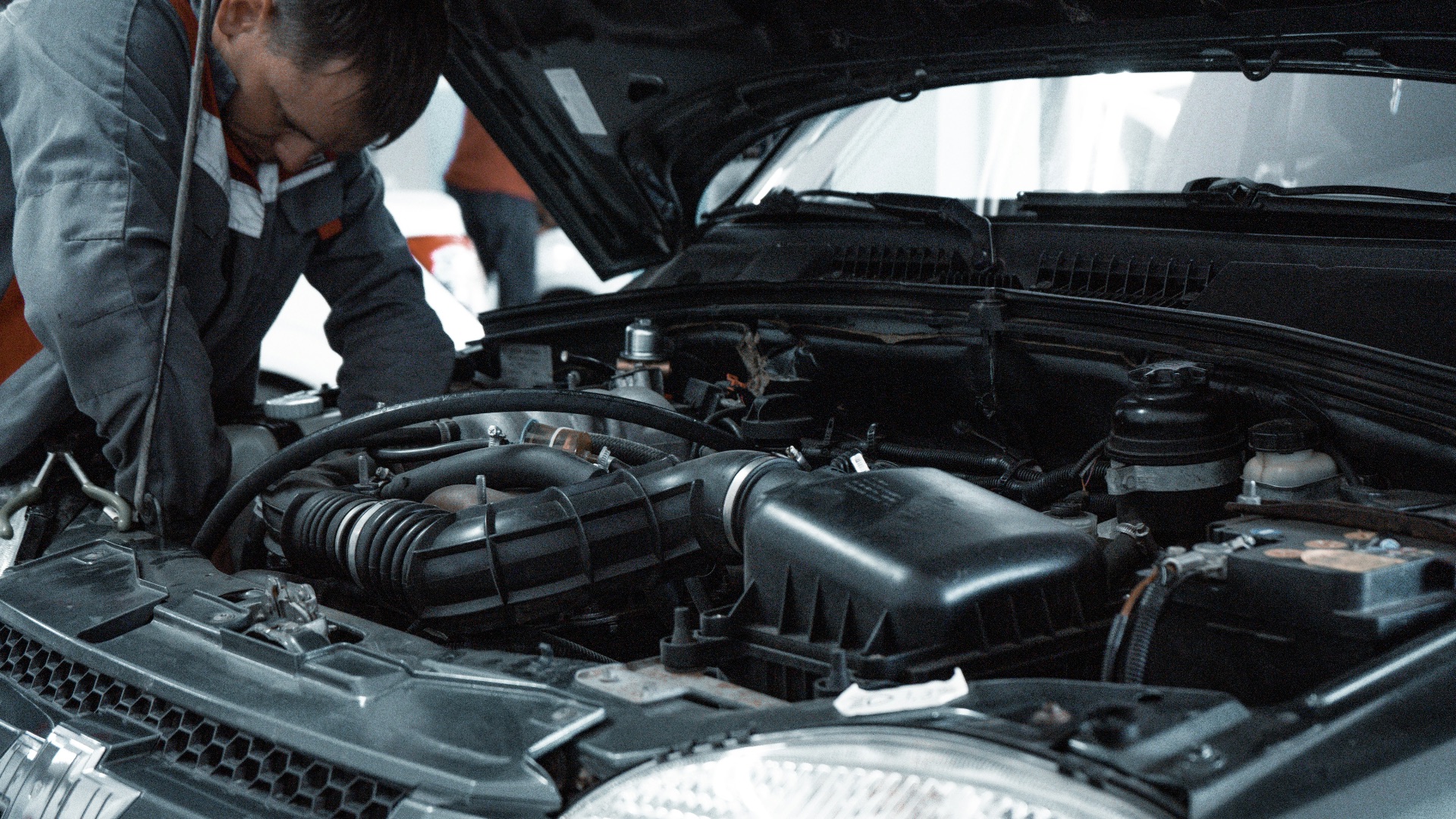
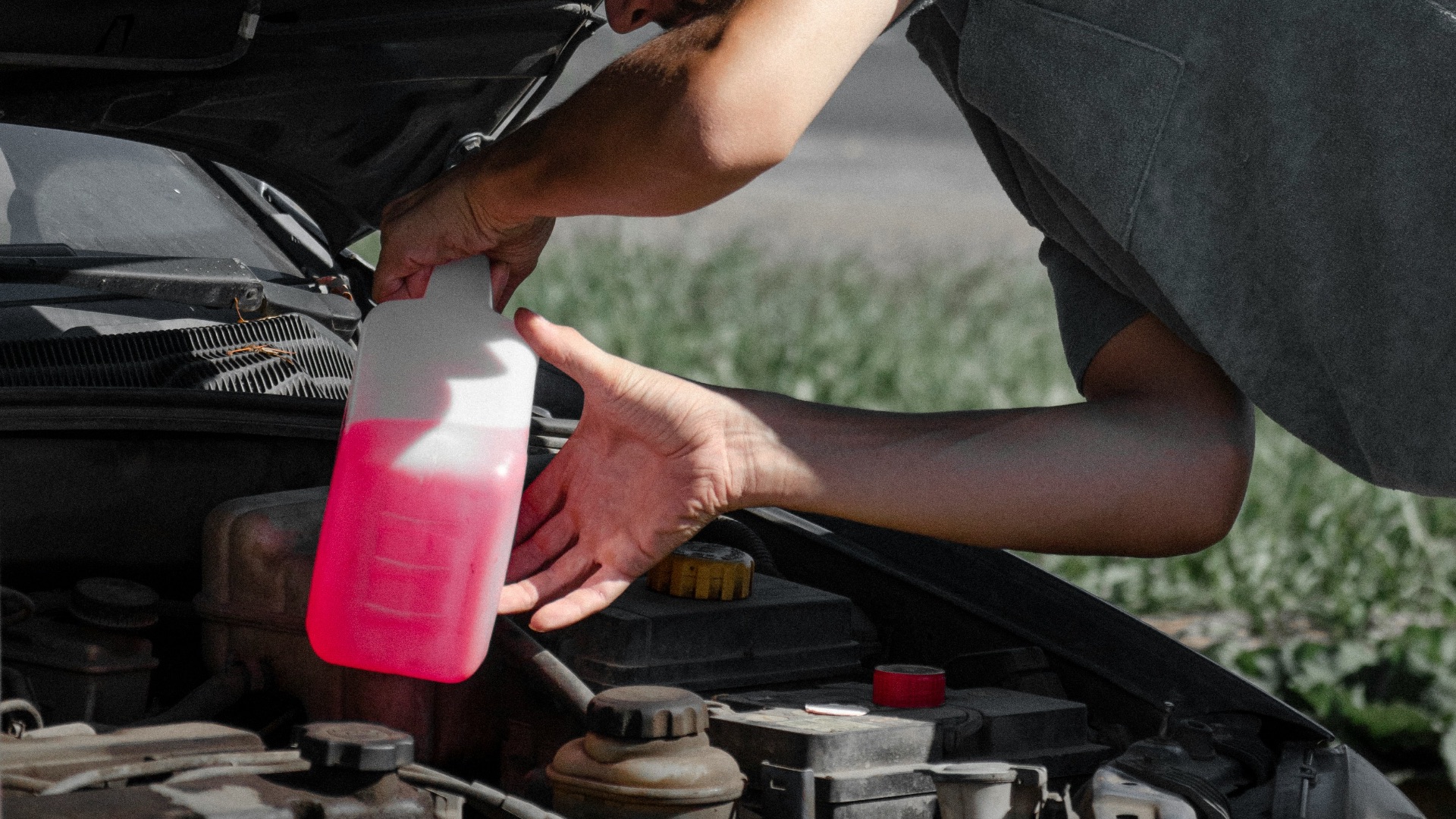
Before showing the car, check the oil, coolant, brake fluid, windshield washer fluid, and any other accessible fluids recommended in the owner’s manual. Low or dirty fluids can make the car seem neglected, even if it runs well. You don’t have to perform a full service unless it’s due, but topping off simple items can prevent awkward moments during a viewing. If a fluid looks unusual or keeps dropping, have the issue checked before selling.
12. Inspect the Tires
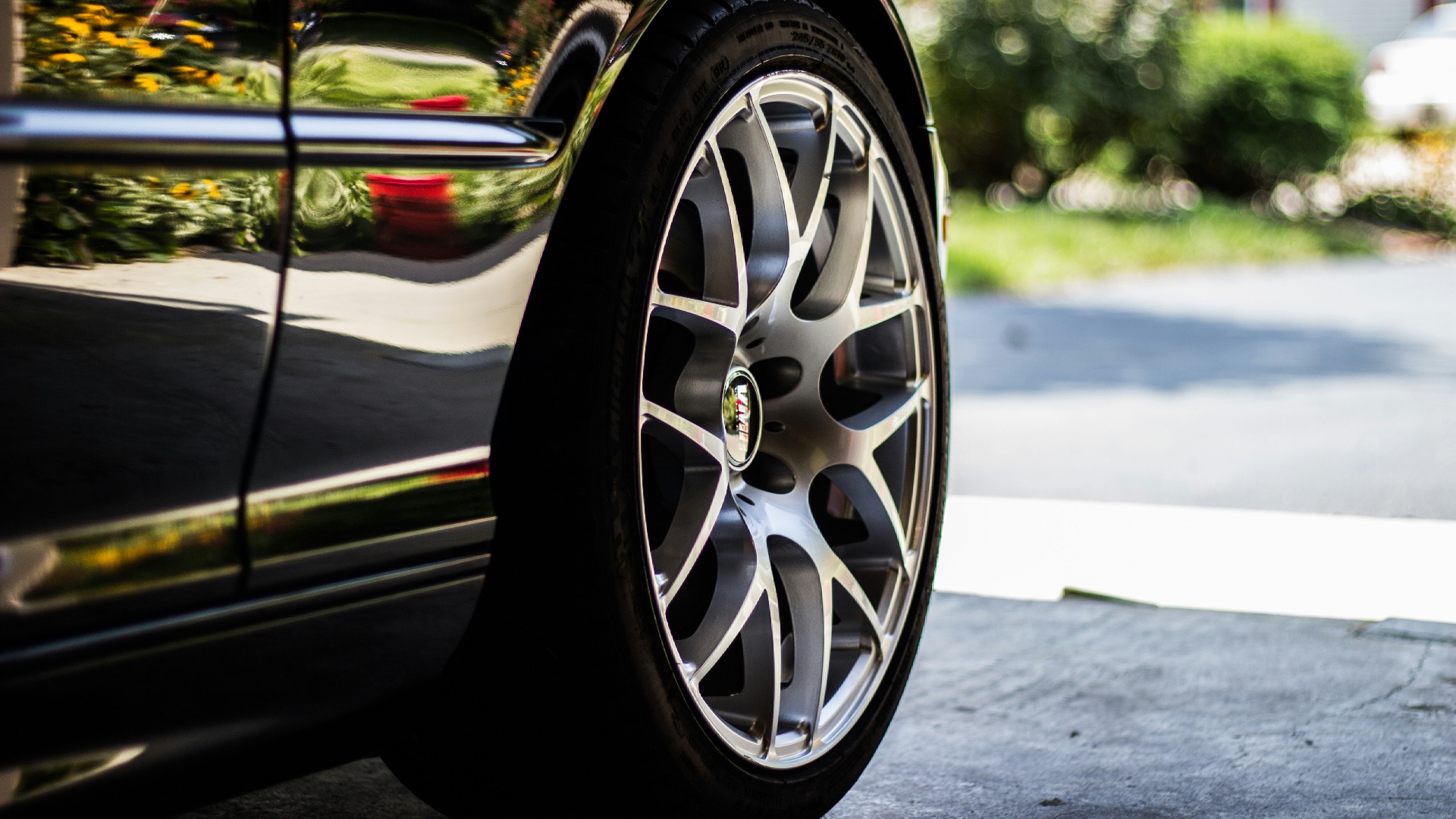
Tires are one of the first things many buyers notice because they can be expensive to replace. Check the tread depth, look for uneven wear, and make sure all tires are properly inflated. If the tires are near the end of their life, mention that in the listing or account for it in your price. Buyers appreciate clear information, and it can reduce negotiation surprises later.
13. Take Clear Photos
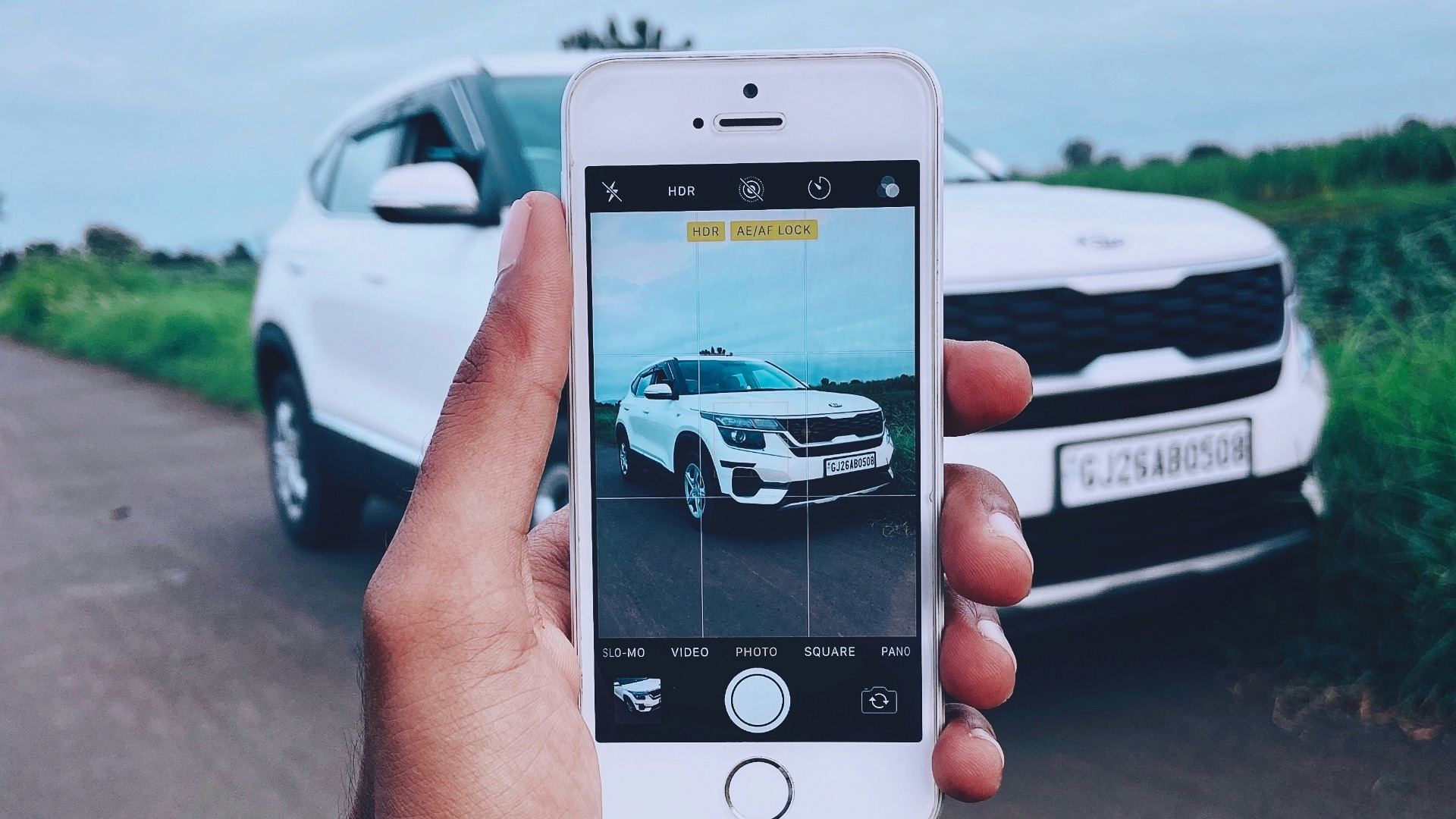
Good photos can make your listing stand out immediately. Take pictures during the day in a clean, open location, and include the front, rear, both sides, wheels, interior, trunk, dashboard, odometer, engine bay, and any notable flaws. Avoid heavy filters or angles that hide the car’s condition, since buyers want to know what they’re actually considering. Clear, honest images can bring in more serious inquiries.
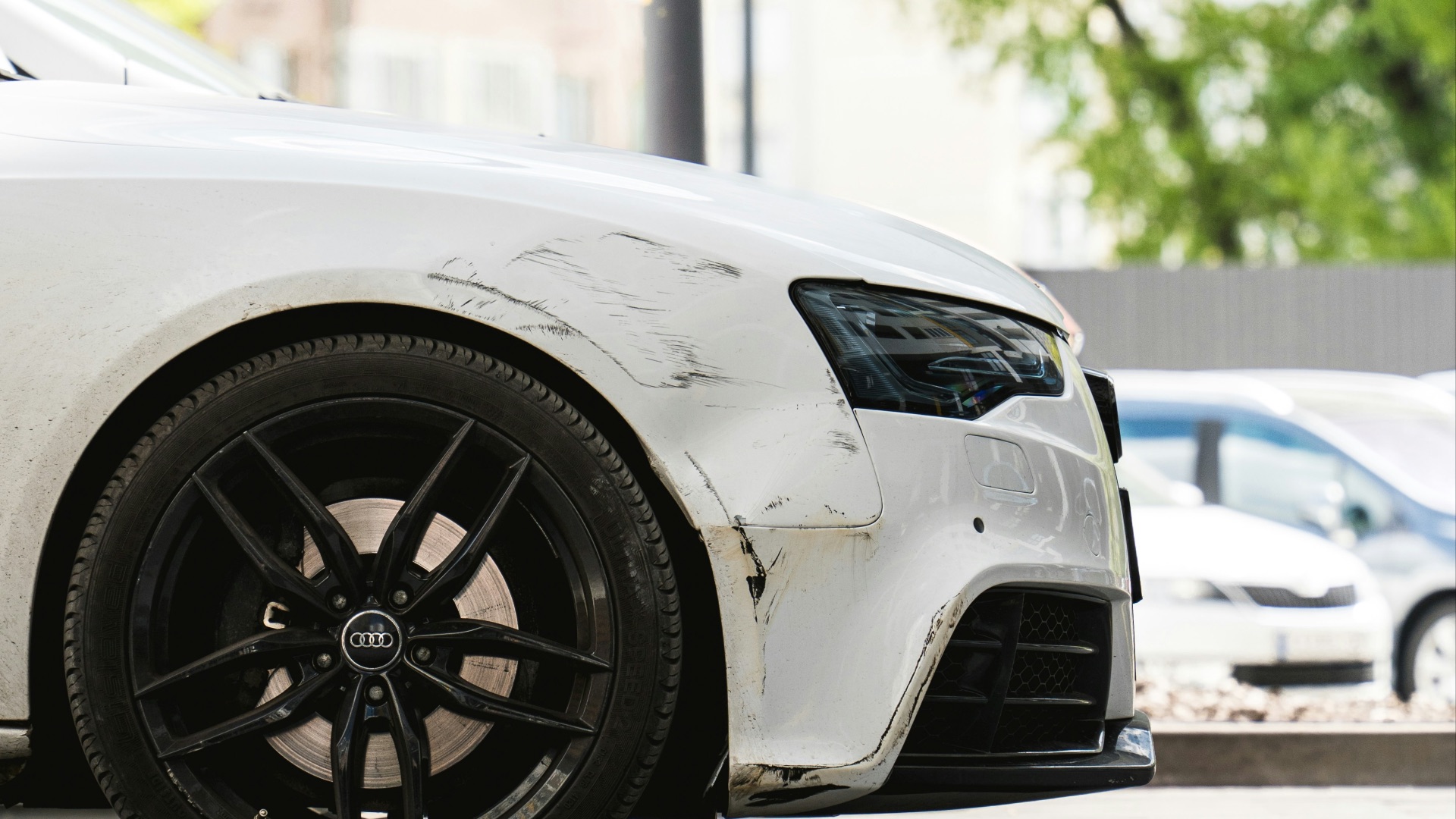
14. Photograph Damage Up Front
Scratches, dents, worn seats, cracked trim, rust, and other flaws should always be shown clearly. It may feel tempting to leave those photos out, but buyers will see the issues eventually. Including them in the listing helps set expectations and can save you from unnecessary appointments with people who won’t accept the car’s condition. Transparency also makes your listing look more credible.
 Volodymyr Dobrovolskyy on Unsplash
15. Write a Detailed Description
A strong description should give buyers the information they’d naturally ask for. Include the year, make, model, trim, mileage, engine or drivetrain details, ownership history, title status, recent maintenance, tire condition, known issues, and reason for selling if you’re comfortable sharing it. Avoid vague phrases that don’t add much, and focus on specific details that help someone decide whether the car fits their needs. A fuller description can reduce repetitive messages.
 Glenn Carstens-Peters on Unsplash
16. Include the VIN When Appropriate
Many buyers will want the vehicle identification number so they can run a history report. Sharing the VIN in the listing or providing it to serious buyers can make the process more efficient. If you’re not comfortable posting it publicly, you can state that it’s available upon request. Either way, being prepared to provide it shows that you’re not trying to make the car’s history difficult to check.
17. Prepare Answers to Common Questions
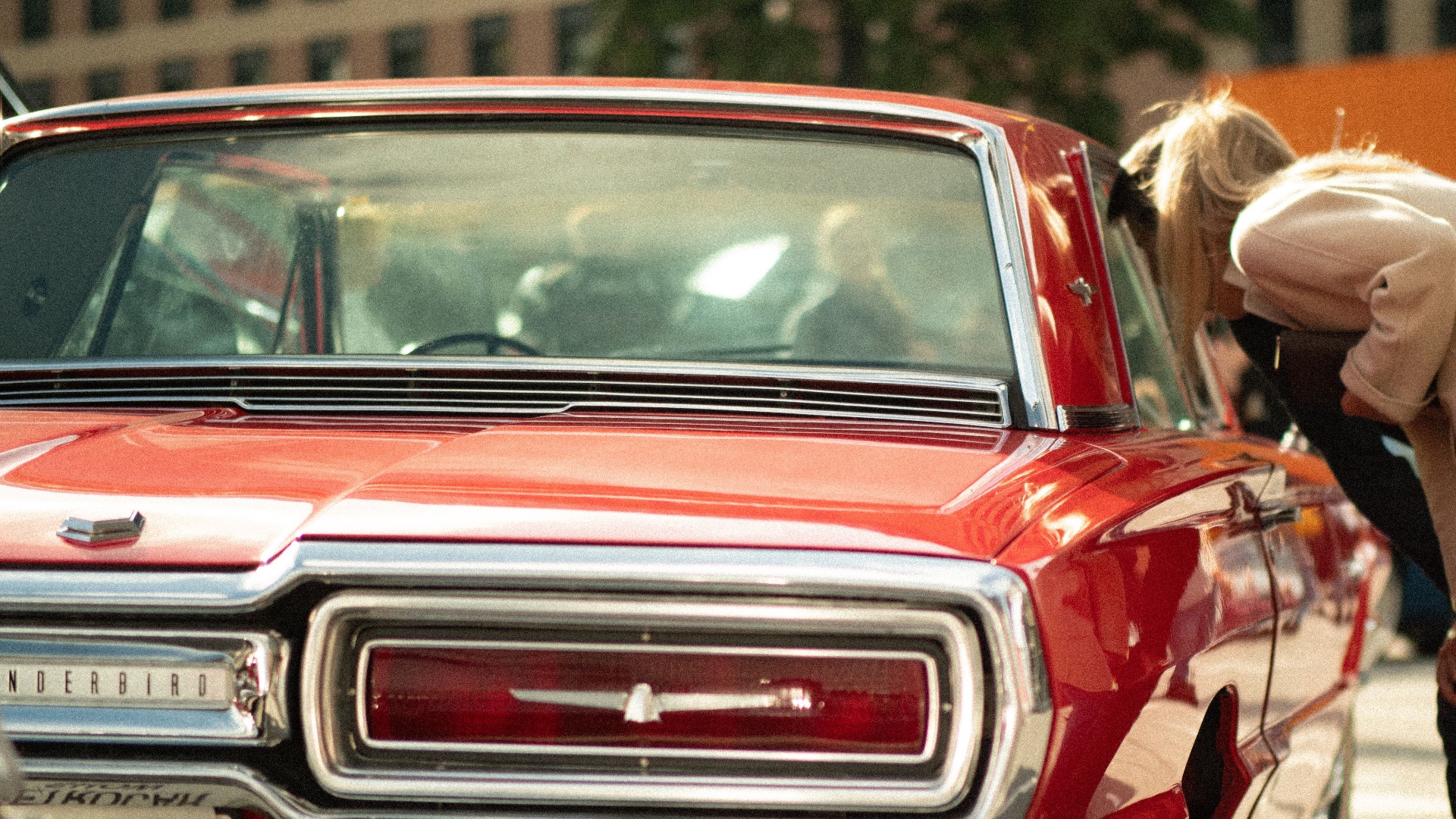
Buyers often ask about accidents, ownership history, maintenance, fuel economy, warning lights, tire age, smoking, pets, and why you’re selling. Think through your answers before the listing goes live so you can respond clearly and consistently. You don’t need to oversell the car, but you should be ready to explain its condition honestly. Prepared answers help conversations move faster and make you seem more reliable.
18. Choose a Safe Place for Viewings
Plan where you’ll meet potential buyers before the messages start coming in. A public, well-lit location is usually best, and some police stations or community centers offer designated areas for online transactions. Try to avoid having strangers come to your home unless you’re comfortable with that and have taken basic precautions. Safety matters, even when the buyer sounds polite and interested.

19. Decide How Test Drives Will Work
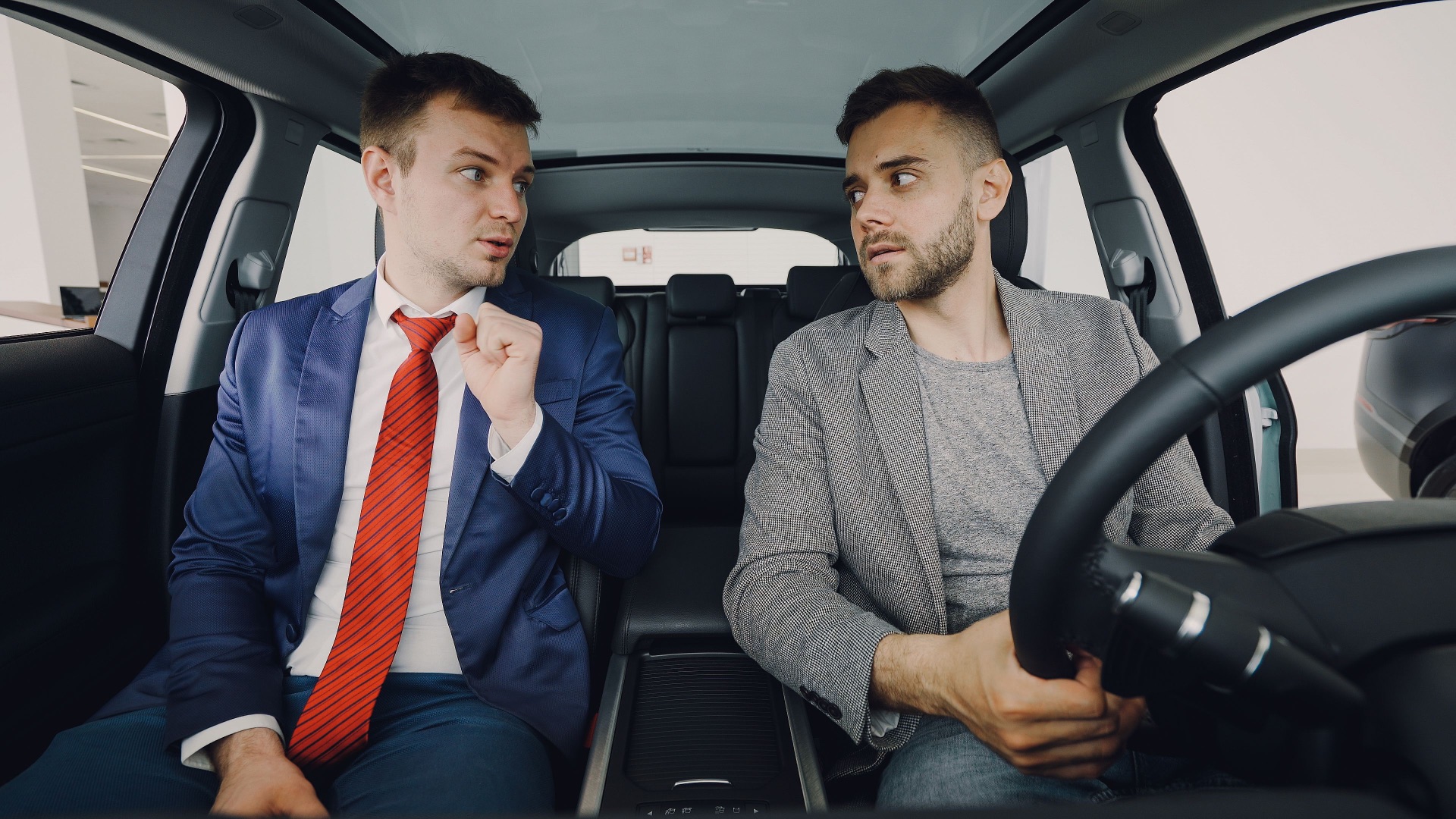
A test drive is a normal part of selling a car, but you should set boundaries ahead of time. Ask to see a valid driver’s license, keep your insurance requirements in mind, and consider riding along rather than letting someone leave alone with the vehicle. Remove valuables from the car before the appointment, and don’t hand over the keys until you’re ready for the drive to begin. Clear expectations can prevent confusion and protect you during the showing.

20. Prepare the Sale Paperwork
Before you accept an offer, find out what paperwork your state requires for a private vehicle sale. You may need the title, bill of sale, odometer disclosure, release of liability, emissions certificate, or other state-specific forms. Fill out only what’s appropriate at the time of sale, and make copies or take photos for your records when allowed. Having the paperwork ready helps the transaction feel organized and reduces the chance of problems afterward.