
Bigger Cars Come with Bigger Trade-Offs
It's not just your driving skills that make up your experience on the road; in fact, the car you drive is just as important. Plus, most will agree that bigger is often better. Whether it’s an SUV, truck, van, or large crossover, the extra size changes almost everything about how you park, merge, fuel up, and move through tight spaces. Yet, for all its advantages, there are also everyday annoyances that drivers with smaller cars simply don’t deal with as often. Here's a breakdown of the 10 most common complaints alongside the 10 perks that make bigger vehicles worth the trade-offs.
1. Parking Takes More Patience
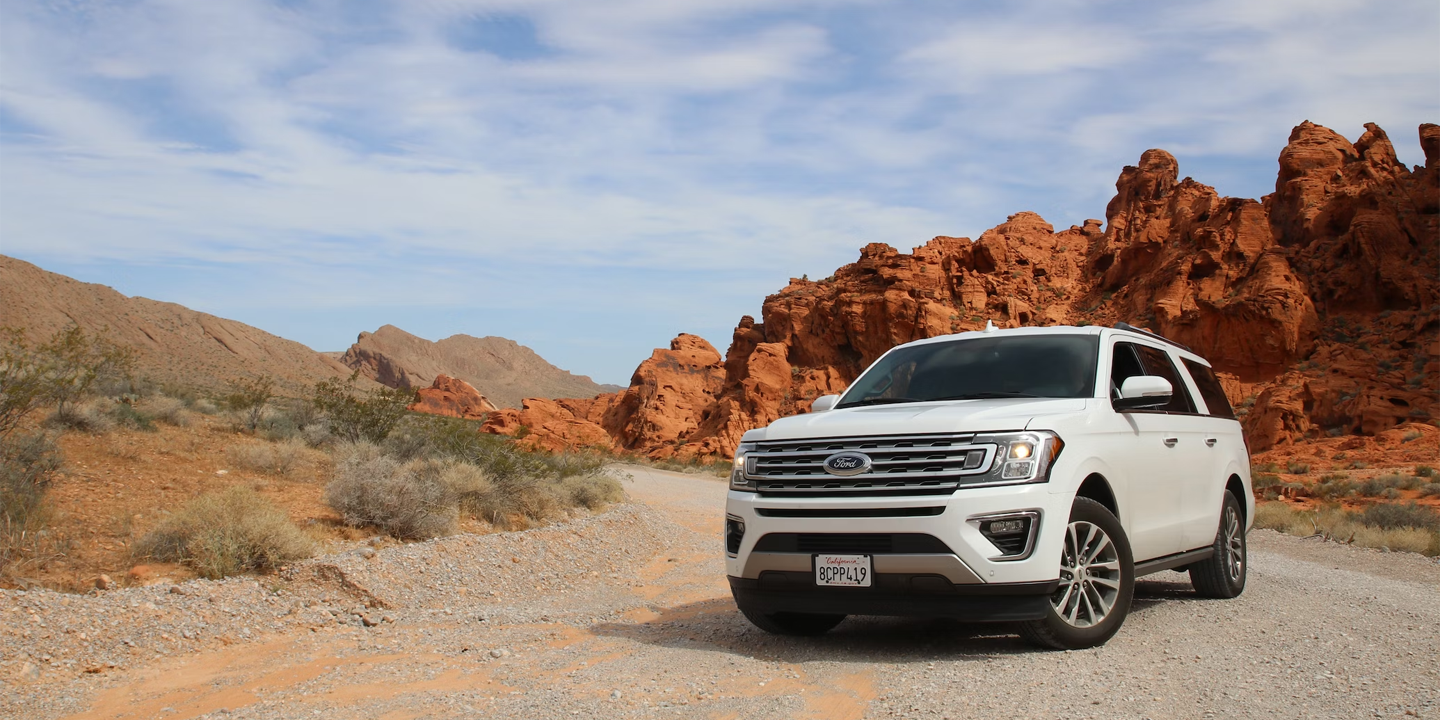
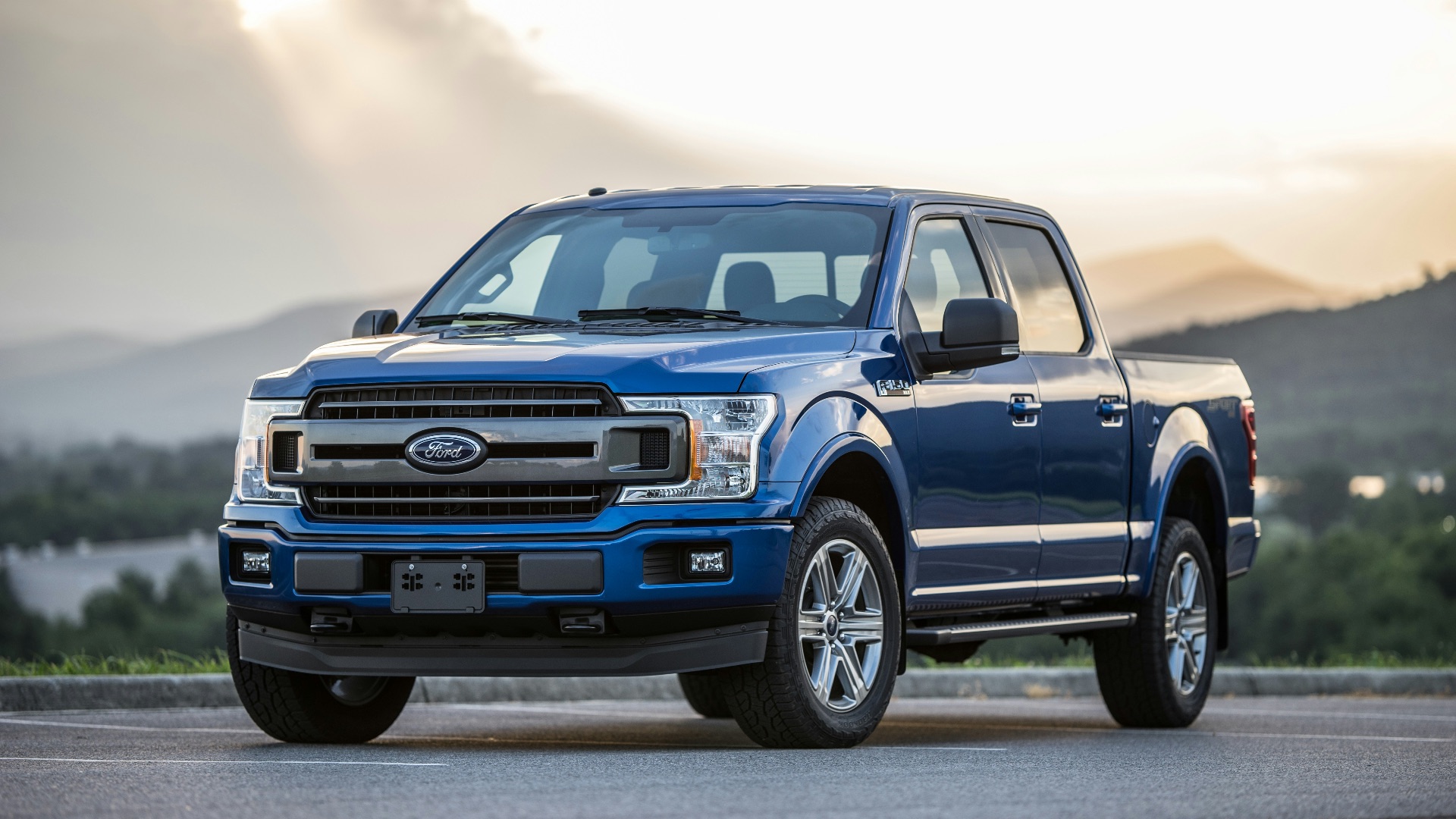
Finding a parking spot can become a small challenge when your vehicle is longer, wider, or taller than average. Compact spaces are often too tight, and even regular spots can feel cramped when other drivers park too close to the lines. You may end up circling longer than you’d like, especially in busy shopping centers or older lots with narrow spaces. Even when you find a spot, getting in and out cleanly can take extra care.
2. Tight Turns Feel More Complicated
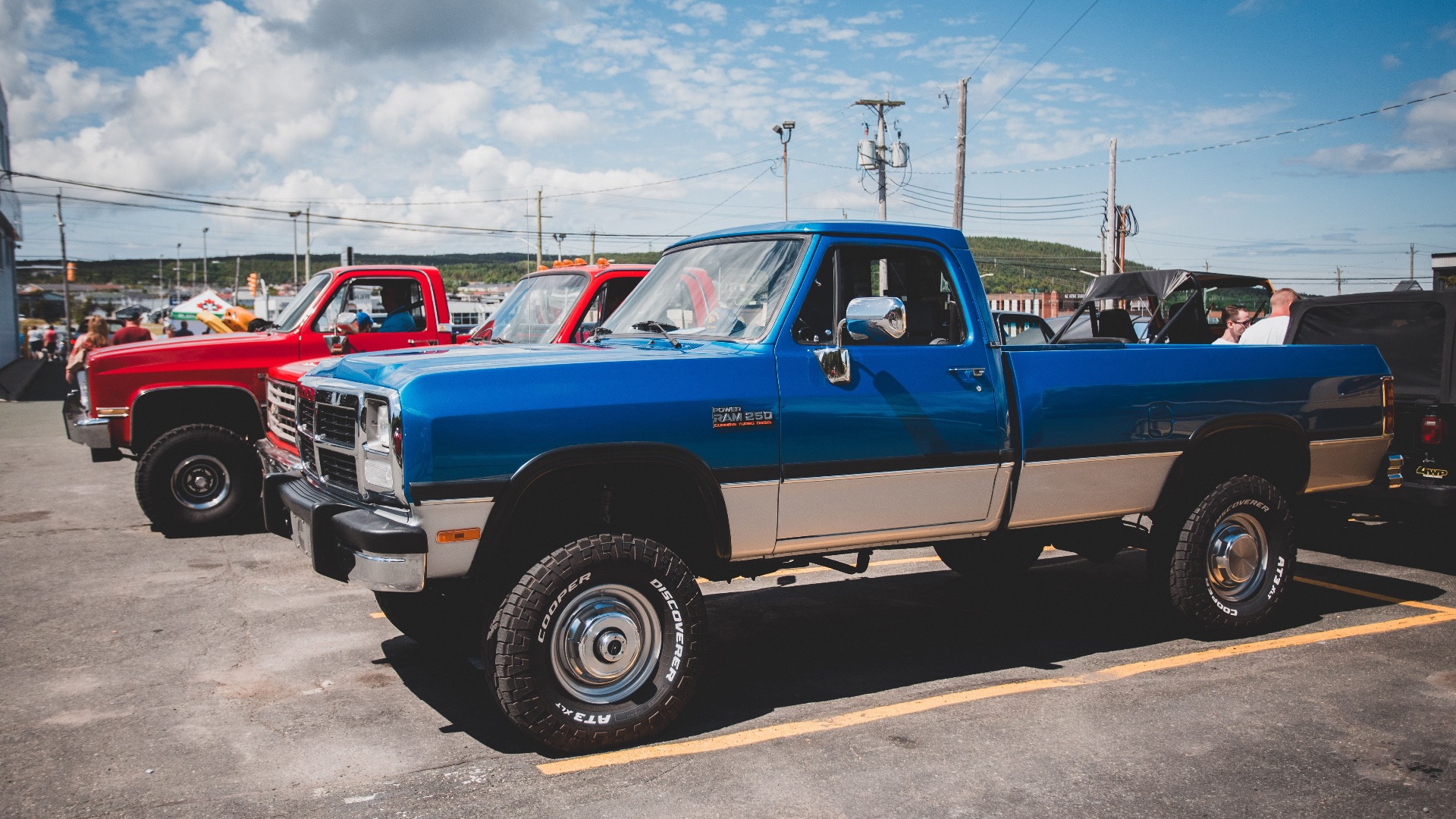
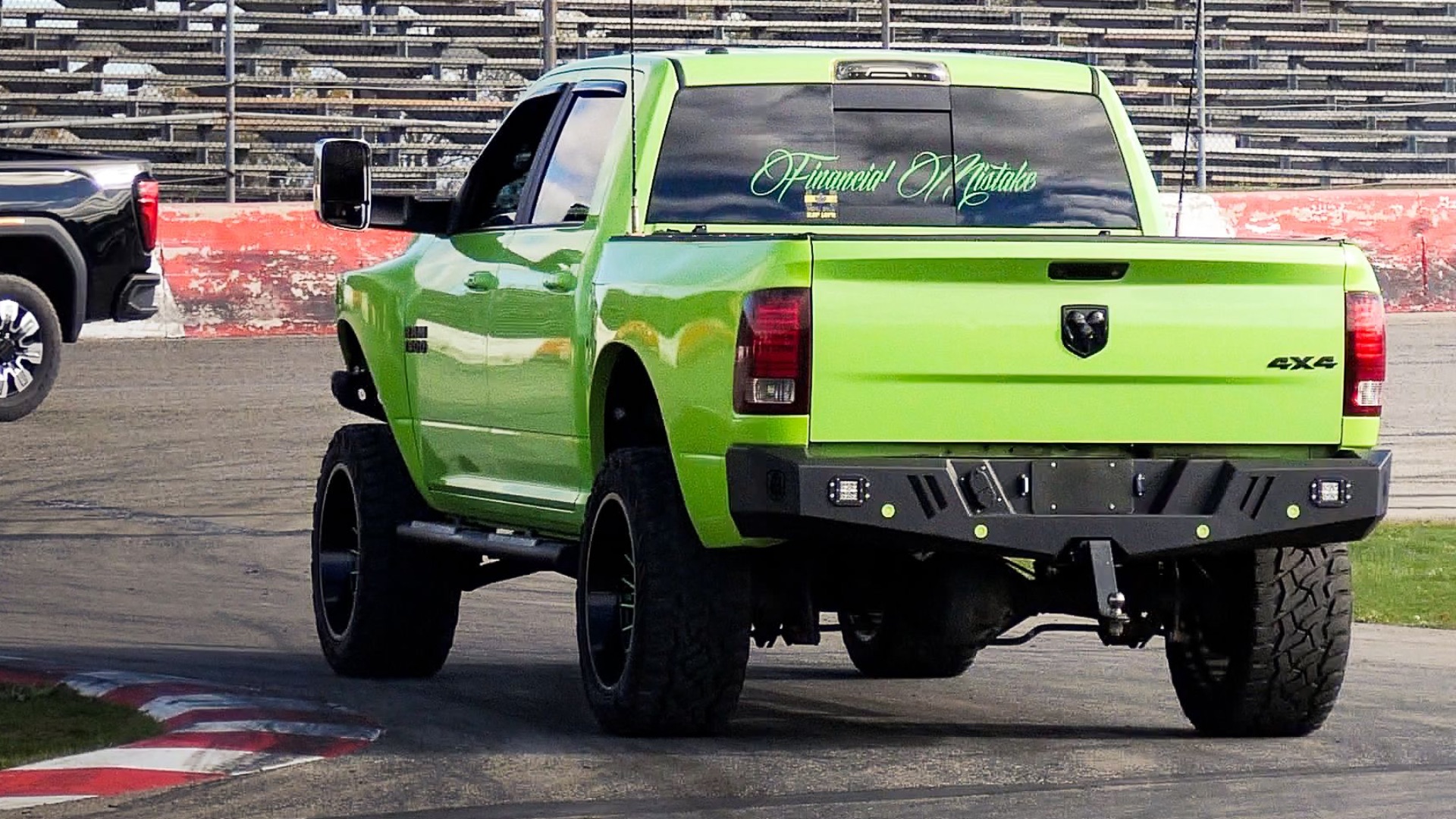
A bigger car usually needs more room to turn, which can make tight corners and narrow driveways feel less forgiving. You have to think about your front end, your back end, and how much space you’re taking up in the lane. Small streets, parking garages, and drive-thrus can make every turn feel more deliberate than it would in a smaller vehicle. It’s not impossible, but it does demand more attention.
3. Gas Costs Add Up Fast
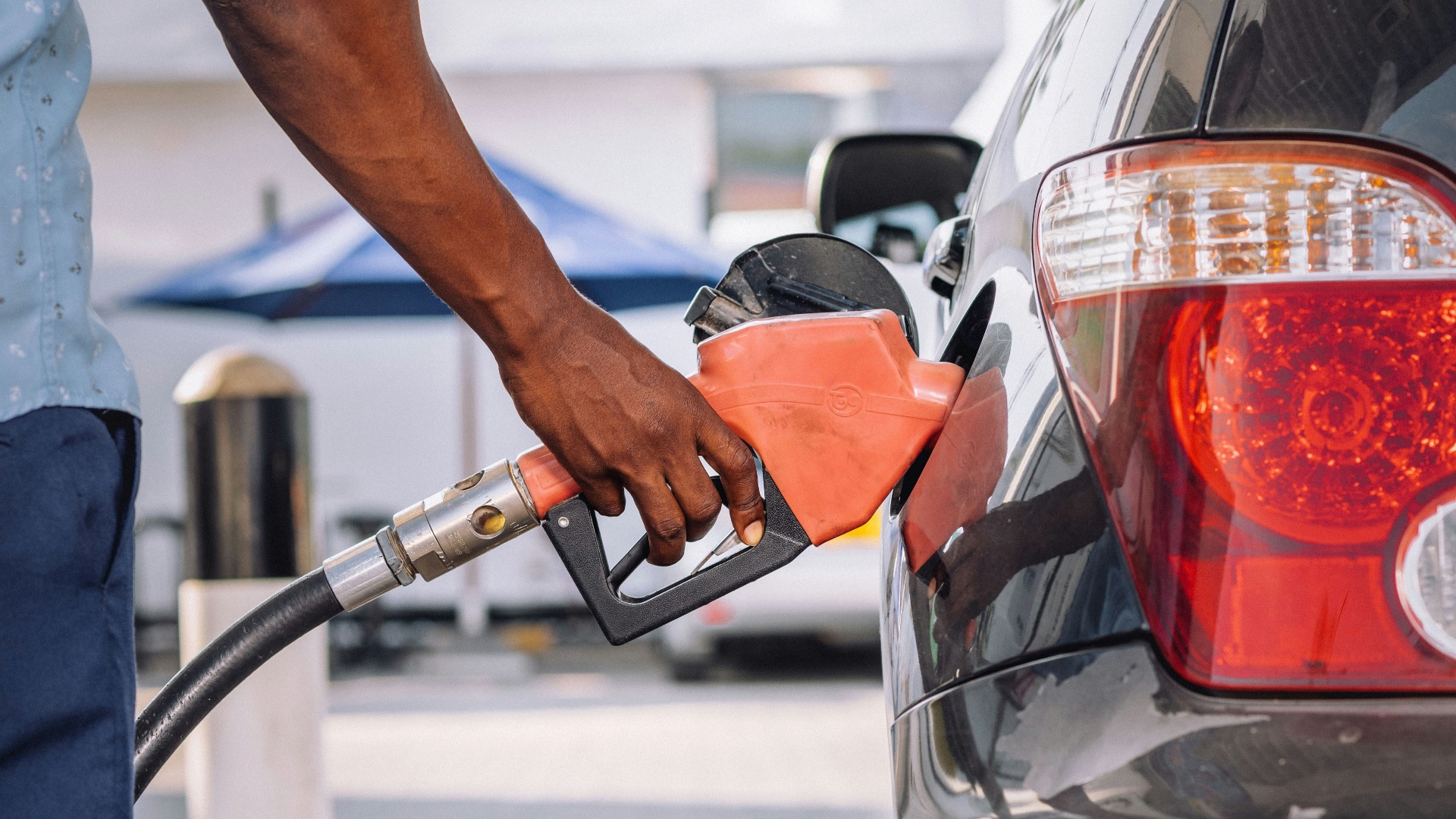
Larger vehicles often use more fuel, especially if you drive in stop-and-go traffic or take a lot of short trips. Even if the difference doesn’t seem huge at first, it becomes more noticeable when you’re filling the tank week after week. Road trips can also cost more, particularly if your vehicle has a large engine or a heavy body. For many drivers, fuel expenses are one of the biggest downsides of going bigger.
4. Parking Garages Can Be Stressful
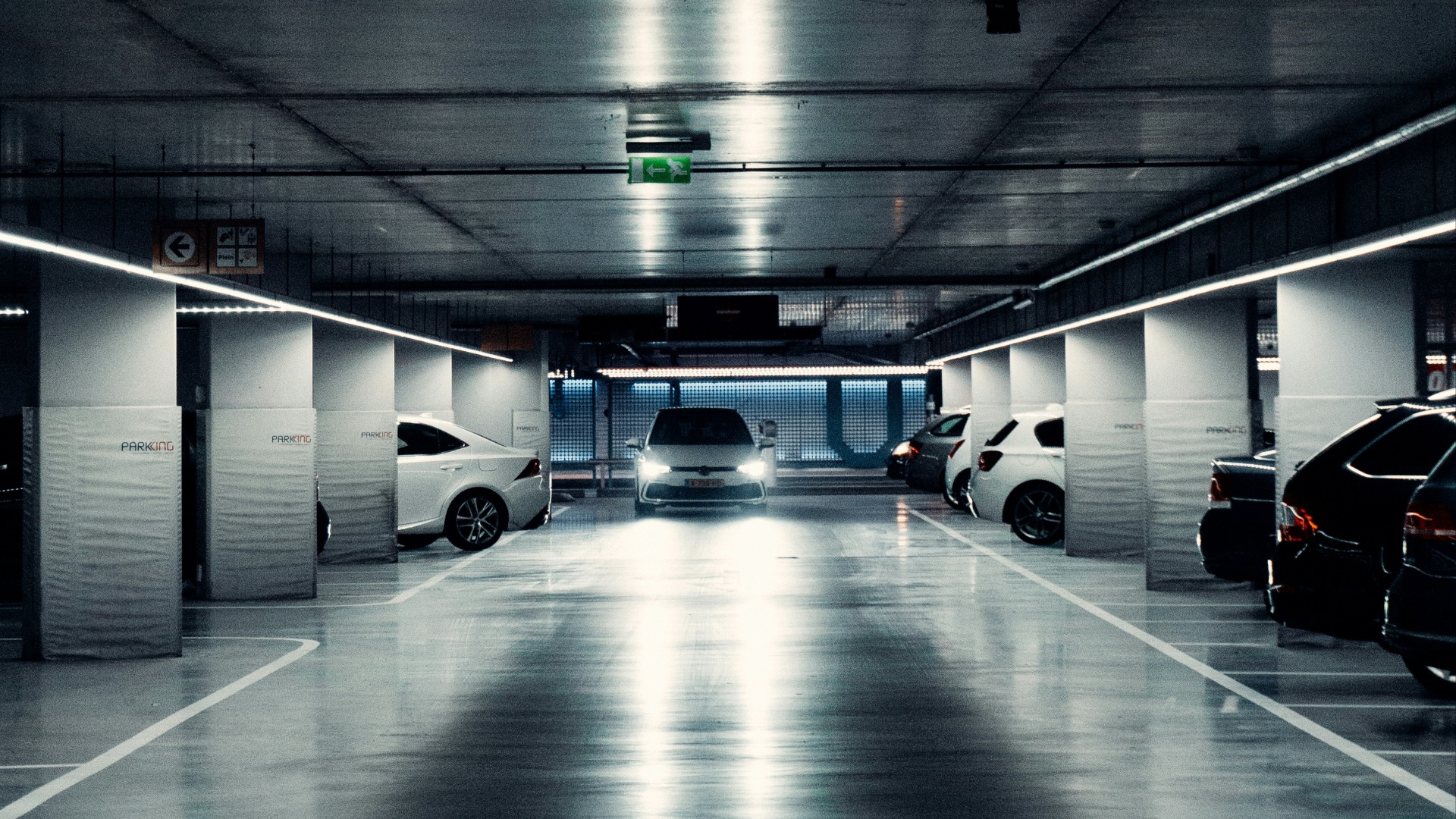
Low ceilings, narrow ramps, and sharp turns can make parking garages feel like they weren’t designed with bigger vehicles in mind. Height limits are especially annoying if you drive a tall SUV, truck, or van. You may have to check clearance signs carefully before entering, and even then, ramps can feel tight. Some drivers eventually learn which garages to avoid altogether.
5. Blind Spots Can Be More Noticeable
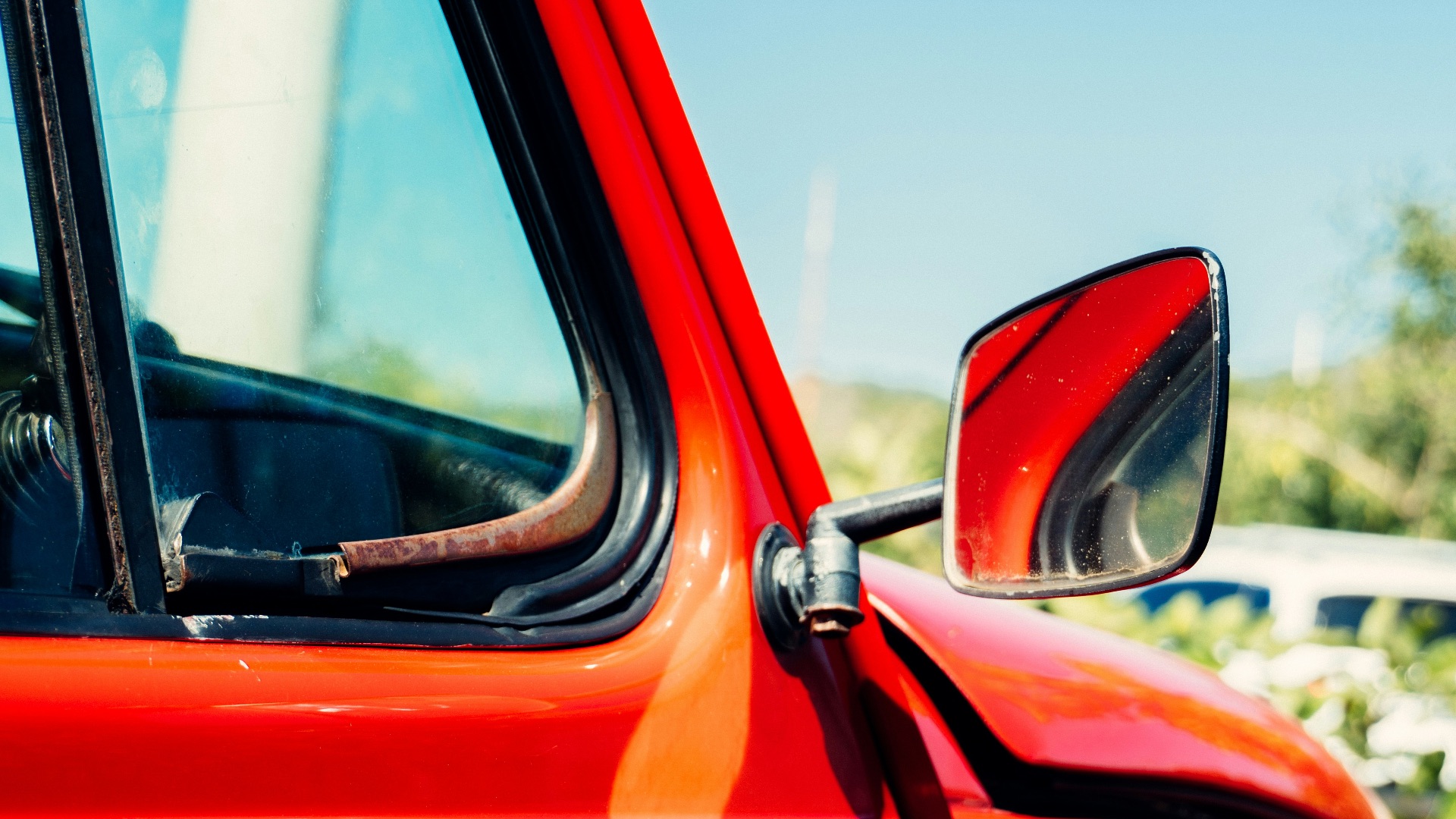
Bigger vehicles often have more bodywork, larger pillars, and higher seating positions that can create awkward blind spots. Backup cameras and sensors help, but they don’t completely replace careful checking. Pedestrians, cyclists, smaller cars, and low obstacles can be harder to spot if you’re not paying close attention. This is one area where confidence has to come with caution.
6. City Driving Can Feel Clumsy
Dense city streets are usually easier to handle in a small car, especially when lanes are narrow and traffic is packed. With a bigger vehicle, changing lanes, pulling over, and navigating around delivery trucks can take more planning. You may feel like you’re always watching your mirrors and measuring space. It can still be manageable, but it’s rarely as effortless as driving something smaller.
7. Maintenance Can Be More Expensive
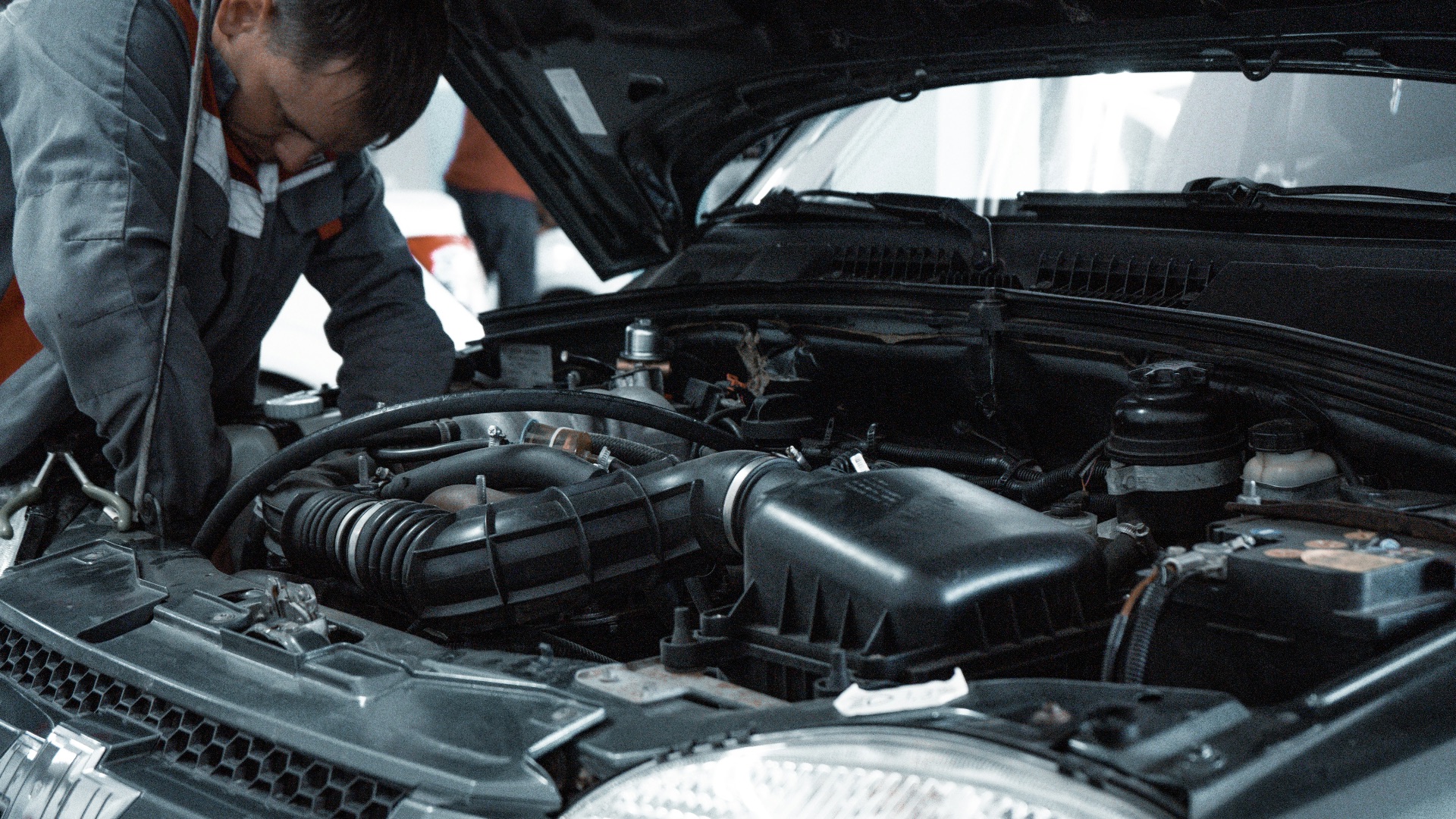
Bigger cars often come with bigger parts, larger tires, and more expensive replacement costs. Tires alone can cost much more than they would on a compact sedan, especially if your vehicle uses specialty sizes. Brake work, suspension repairs, and fluid changes may also be pricier depending on the model. Even routine maintenance can feel more painful when every bill is scaled up.
8. Washing It Takes More Effort
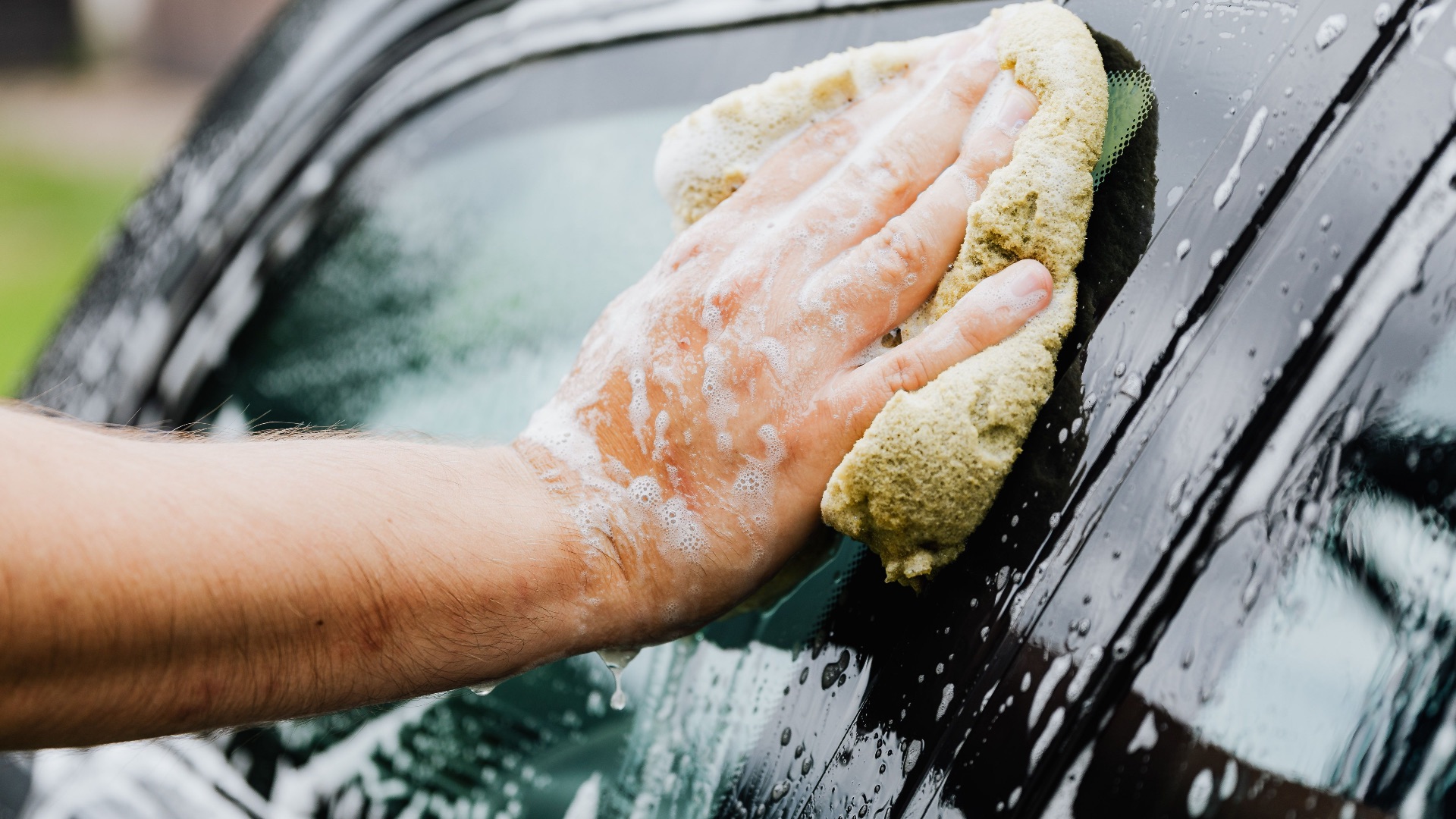
Cleaning a bigger car can take longer, whether you’re doing it yourself or going through a car wash. Reaching the roof, cleaning wide panels, and drying everything properly can become a full task. If you drive a truck or SUV, dirt also seems to collect around wheel wells, running boards, and rear windows. It’s satisfying when it’s clean, but getting it there takes work.
9. Narrow Roads Can Be Uncomfortable
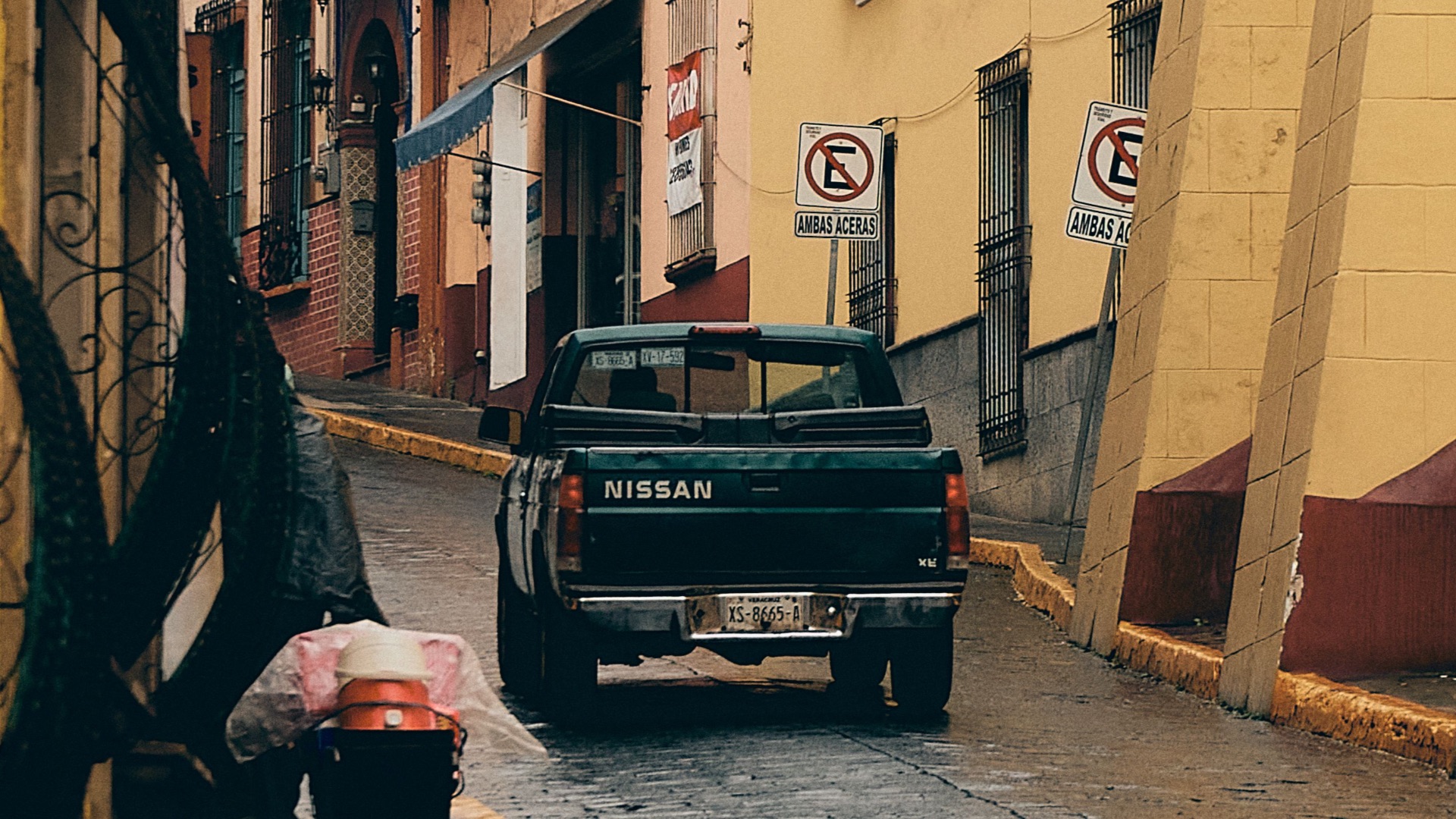
Older neighborhoods, rural roads, construction zones, and tight residential streets can feel more stressful in a larger vehicle. Passing parked cars may require slowing down, and meeting another large vehicle on a narrow road can make you hold your breath for a second. You also have less margin for error when road shoulders are small or uneven. The vehicle may be capable, but the road doesn’t always feel welcoming.
10. It Can Be Harder to Judge Space
Even experienced drivers need time to adjust to the size of a bigger car. The front end may extend farther than expected, the rear may swing wider, and the sides may feel harder to place in tight spaces. That can make curbs, garage walls, and shopping carts feel more threatening than they should. Once you know your vehicle’s dimensions, it gets easier, but the learning curve can be frustrating.
Driving a bigger car isn’t always that inconvenient, though. For every awkward parking job or expensive fill-up, there’s usually a practical benefit that reminds you why larger vehicles are so popular. Let's take a look at the perks next:
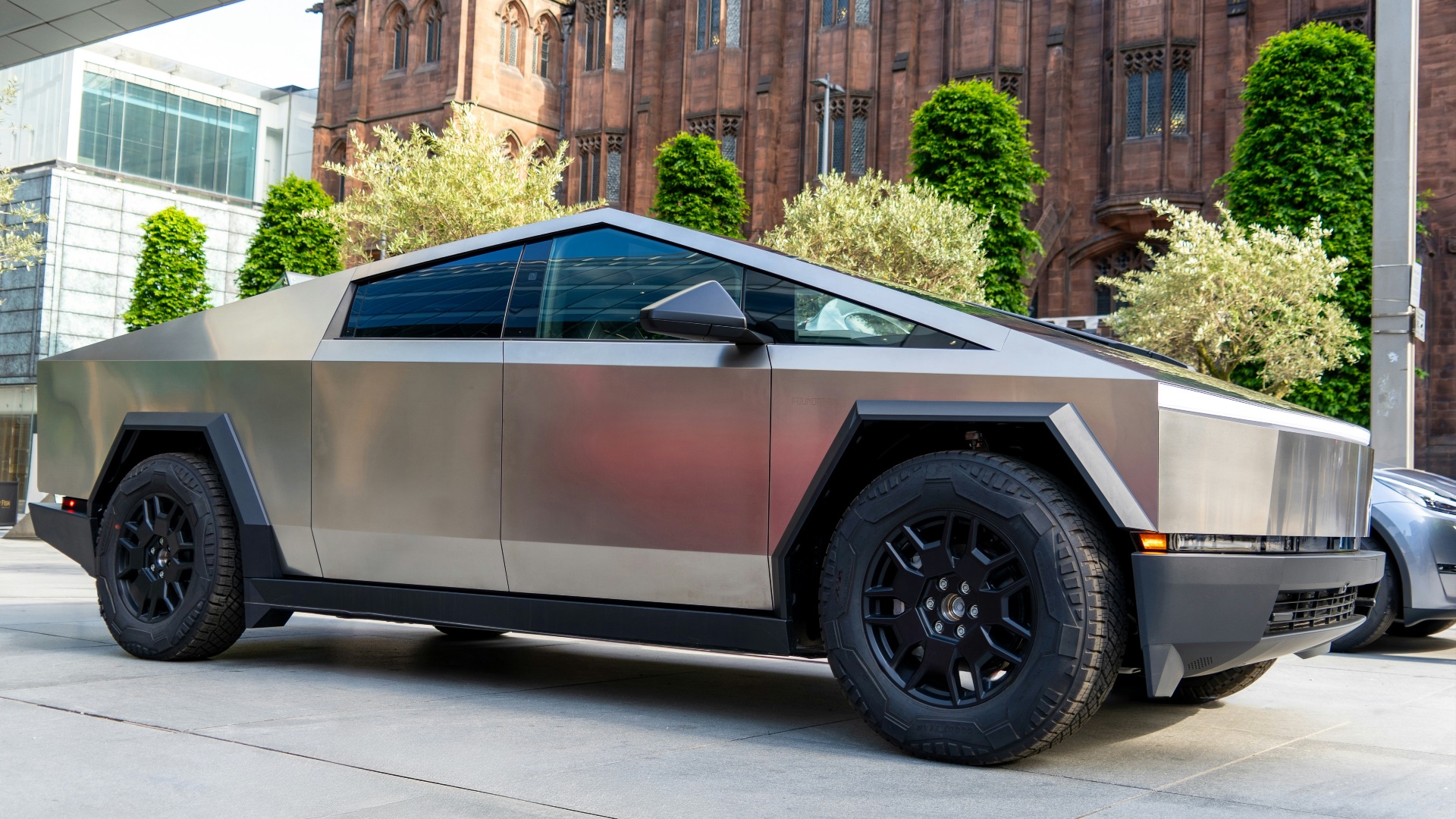
1. You Get More Room to Stretch Out
One of the clearest perks of a bigger car is the extra interior space. Passengers usually have more legroom, shoulder room, and headroom, which makes everyday driving more comfortable. This matters even more on long trips, when cramped seating can make everyone restless. A larger cabin can make the whole ride feel more relaxed.
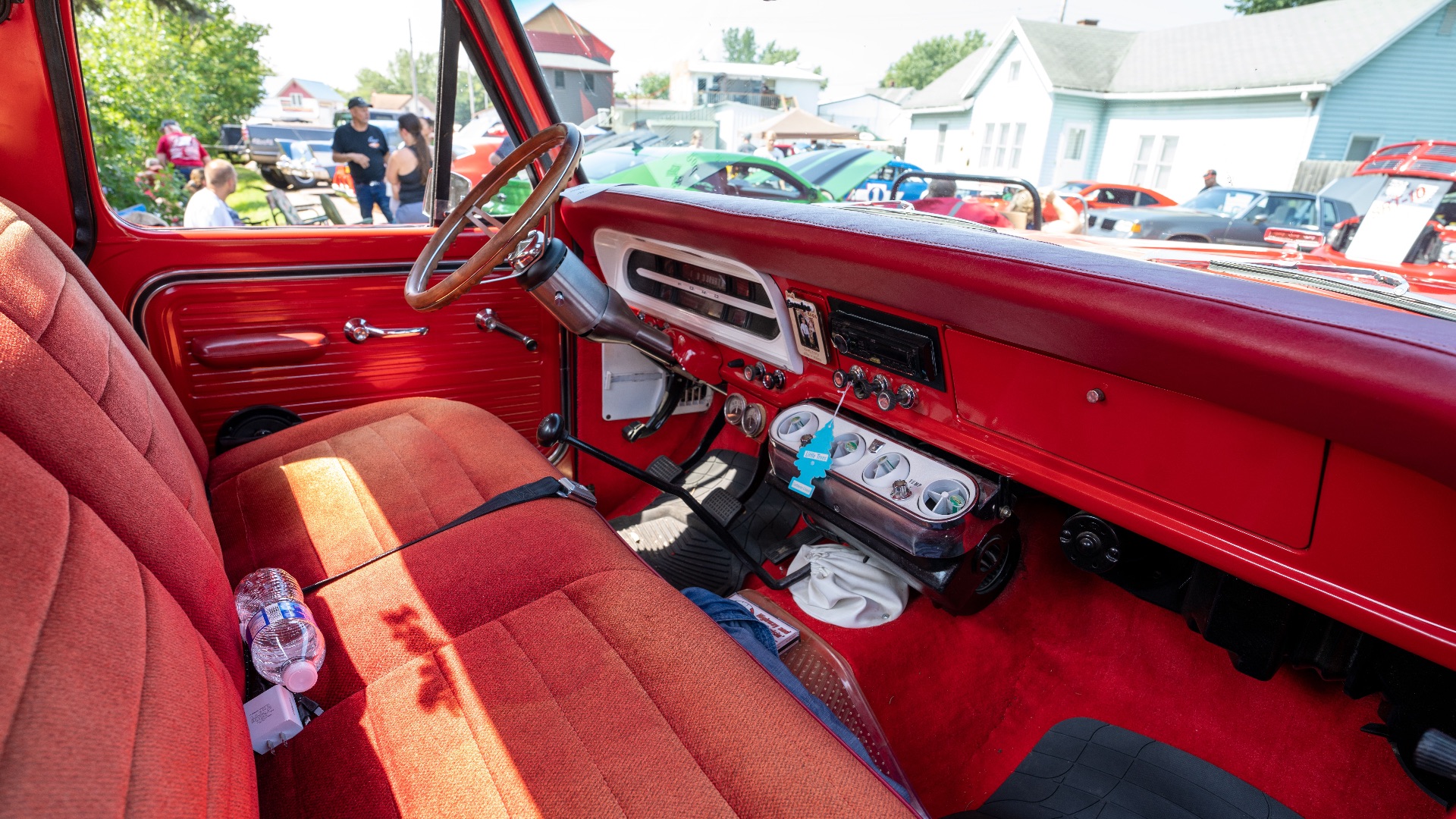
2. Cargo Space Is a Major Advantage
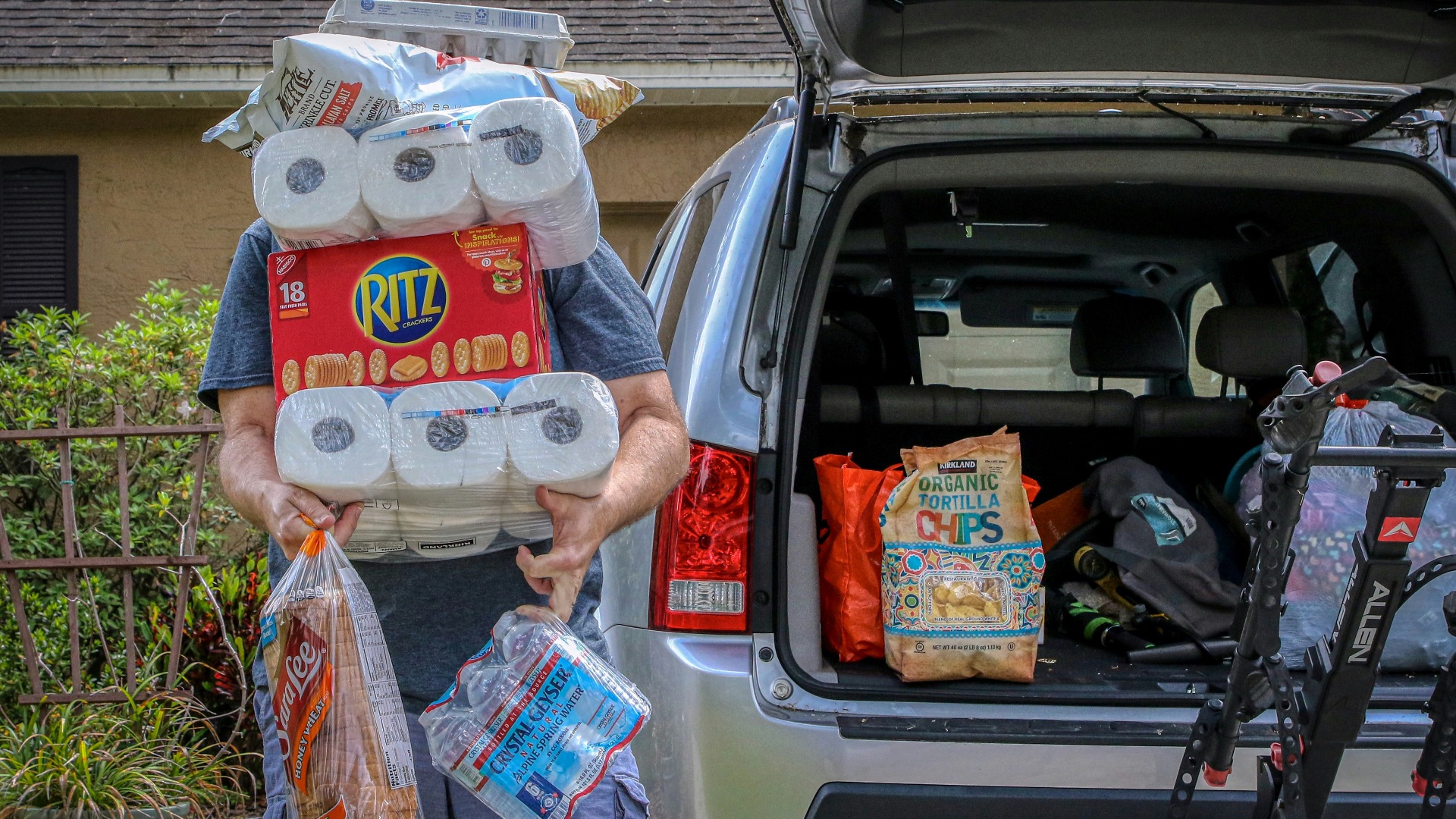
Bigger vehicles are usually much better at carrying groceries, luggage, sports gear, furniture, and everything else life throws into the back. You don’t have to play a guessing game every time you buy something bulky or pack for a weekend away. Many SUVs, vans, and trucks can handle large loads with the seats folded or the bed open. That flexibility can make daily errands and bigger plans much easier.
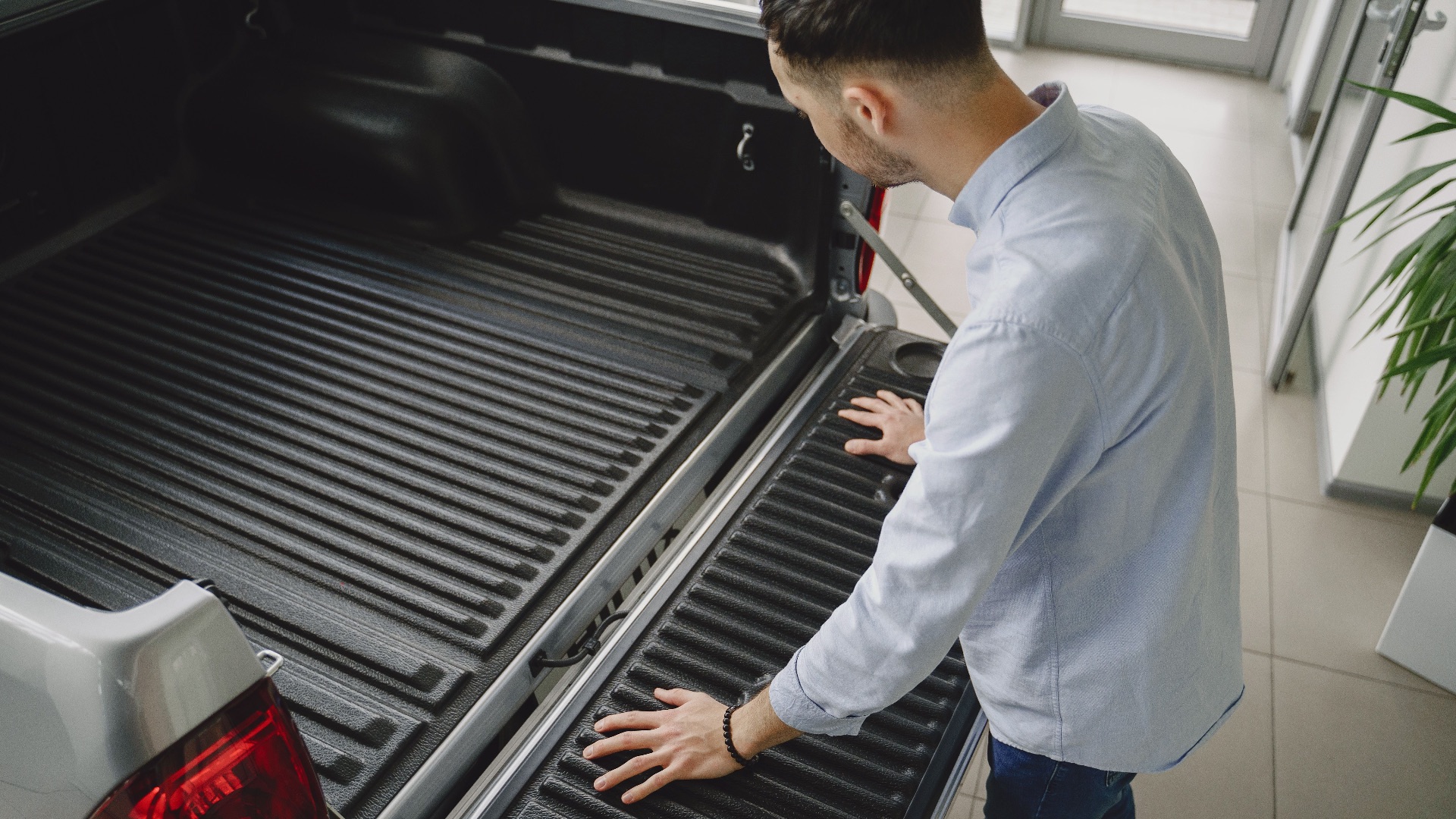
3. Road Trips Feel More Comfortable
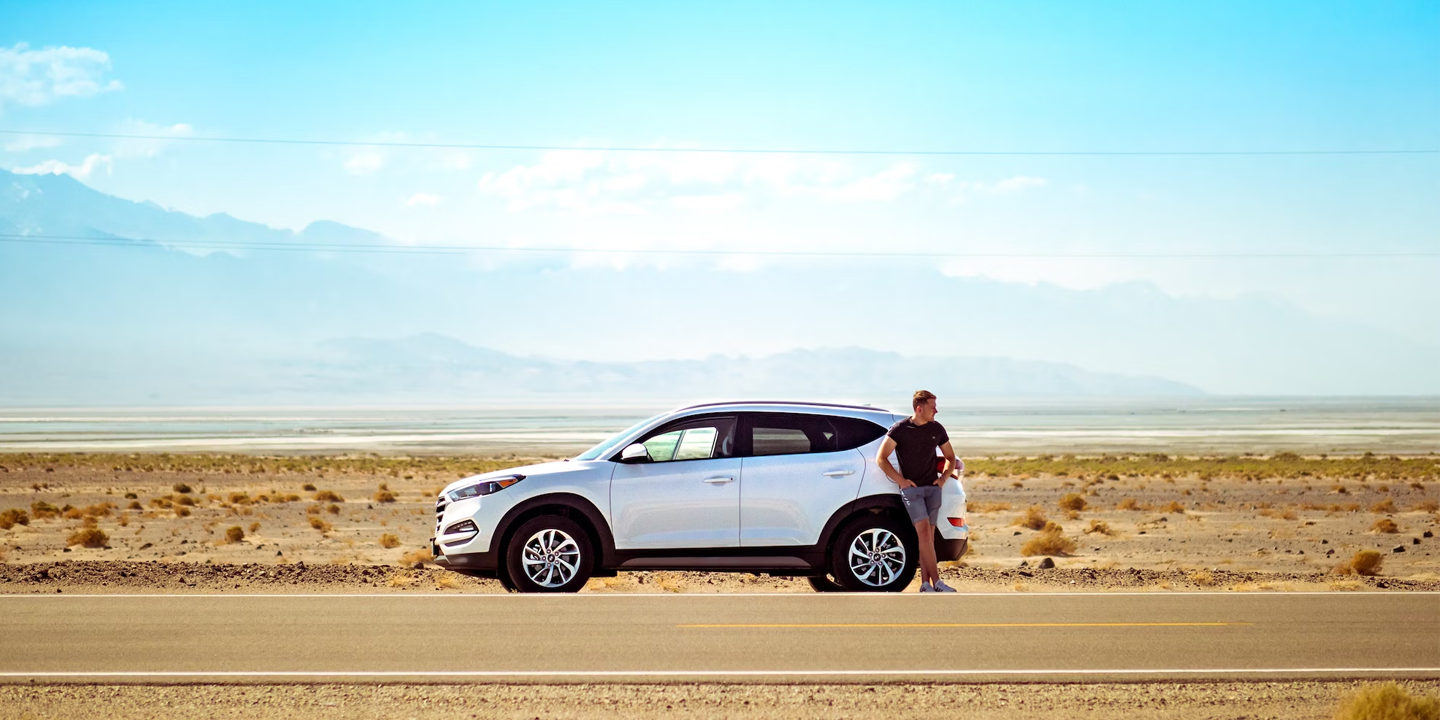
Long drives are often better in a bigger vehicle because there’s more space for passengers and belongings. People can spread out a bit, bring extra bags, and keep snacks, chargers, jackets, and personal items within reach. The ride may also feel smoother depending on the vehicle’s suspension and wheelbase. When you’re spending hours in the car, comfort makes a real difference.

4. You Sit Higher on the Road
A higher driving position can give you a broader view of traffic, road conditions, and what’s happening ahead. Many drivers like feeling more aware of their surroundings, especially on highways or busy streets. It can make lane changes and merging feel easier once you’re familiar with the vehicle’s size. That elevated view is one reason people often hesitate to go back to smaller cars.

5. It’s Easier to Carry Kids and Pets
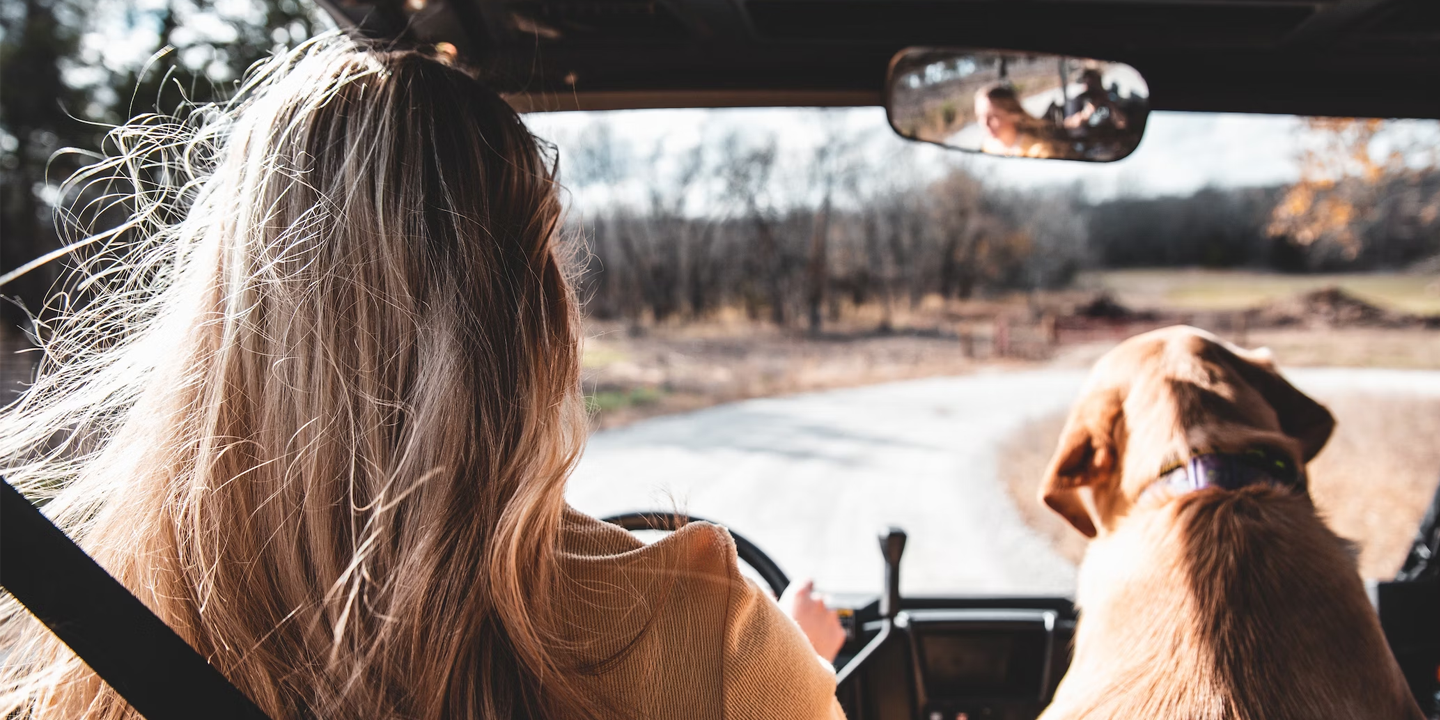
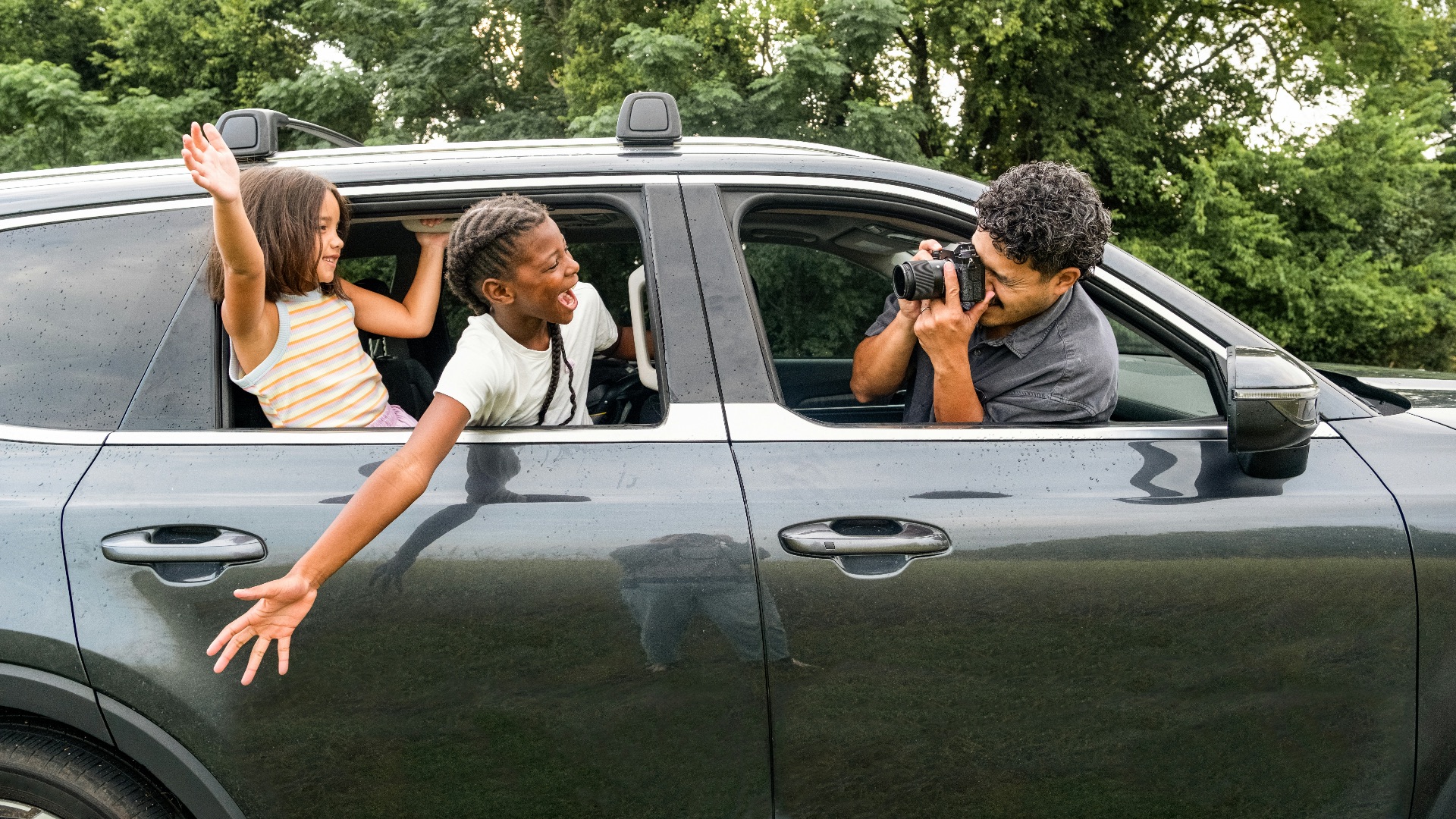
Families often appreciate bigger vehicles because car seats, strollers, backpacks, and pet carriers all take up more room than expected. Wider doors and taller cabins can make loading kids in and out less awkward. Pets also have more space to sit comfortably without crowding passengers. For busy households, the extra room can reduce a lot of daily hassles.

6. You Can Handle Bigger Tasks
A larger vehicle can be useful for moving, home projects, camping trips, and other tasks that require more hauling power. Trucks and larger SUVs may also offer towing capacity, which can help with trailers, boats, or small campers. Even if you don’t use that capability every week, it’s helpful to have it when the need comes up. Bigger cars often give you more options without needing to borrow or rent another vehicle.
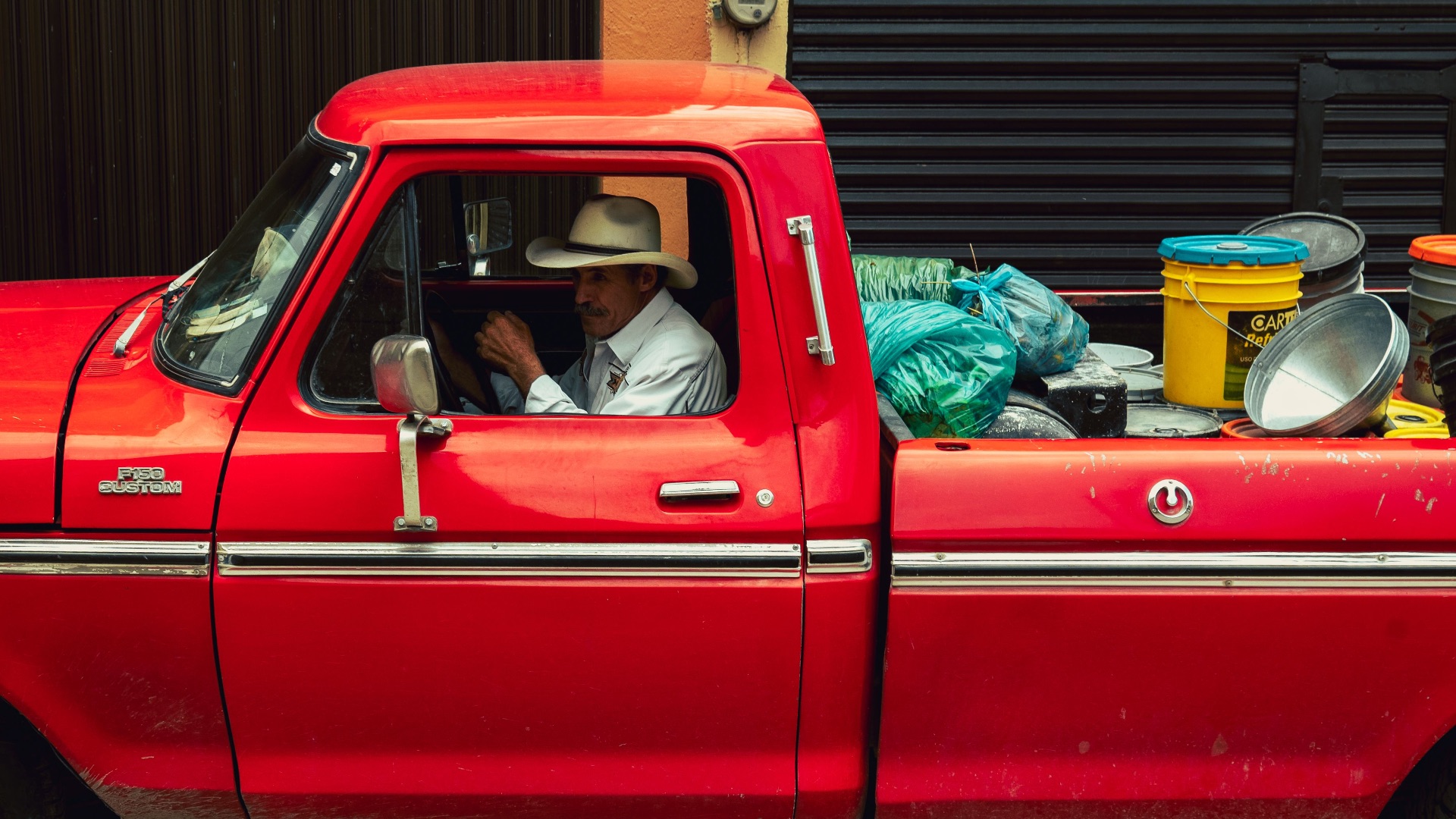
7. Passengers Usually Appreciate the Space
People tend to notice when they’re riding in a vehicle that doesn’t make them feel squeezed. Bigger cars often make it easier for adults to sit in the back without feeling uncomfortable. If you carpool, travel with friends, or drive relatives around, that extra space can be a real plus. It also makes the vehicle feel more welcoming for longer outings.
8. Bad Weather Can Feel More Manageable
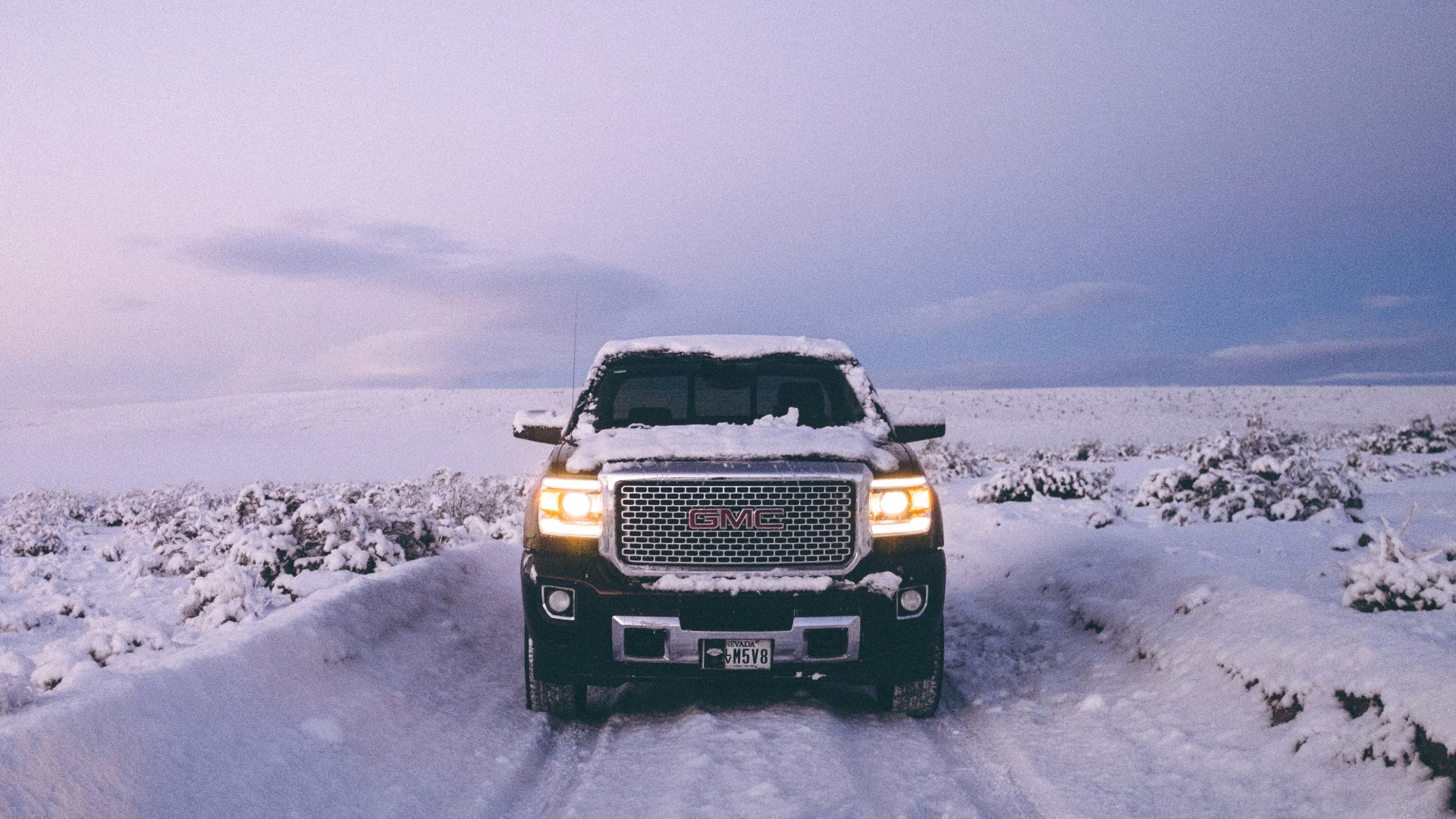
Many larger vehicles come with available all-wheel drive, four-wheel drive, higher ground clearance, or heavier builds that can help in rough weather. Snow, rain, slush, and uneven roads may feel easier to handle when your vehicle is designed for more than dry pavement. You still have to drive carefully, of course, because size doesn’t replace safe habits. Even so, having a capable vehicle can add confidence in difficult conditions.
9. It Can Feel More Practical for Everyday Life
A bigger car can make ordinary routines simpler when your schedule involves school drop-offs, sports practices, errands, work gear, or frequent passengers. You’re less likely to run out of space at the worst possible moment. The vehicle can adapt to different parts of your day without requiring much rearranging. For many drivers, that everyday practicality is worth the extra size.
10. You’re Ready for More Situations
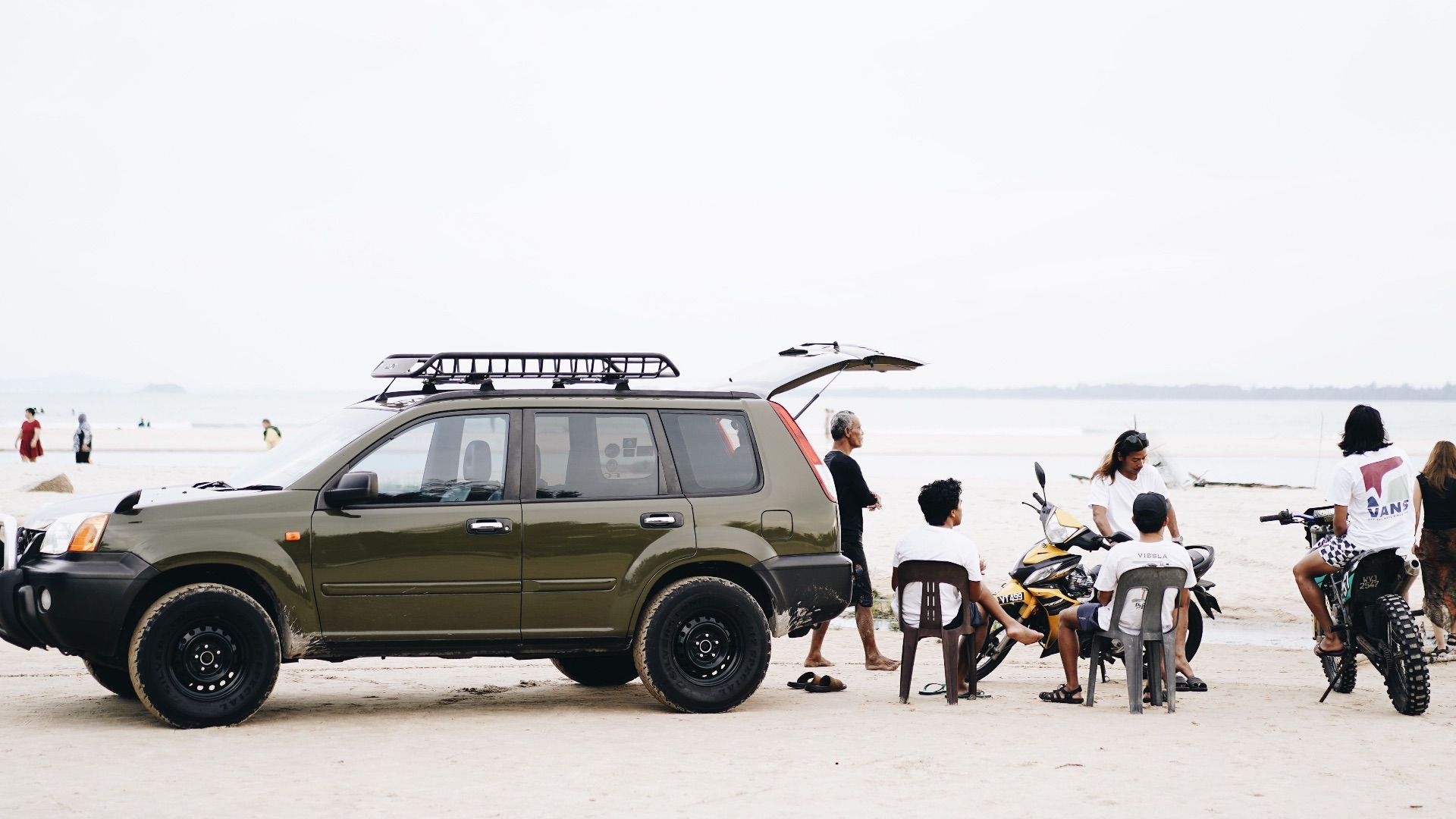
The best part of driving a bigger car is knowing you have room and capability when plans change. A spontaneous road trip, a large grocery haul, an airport pickup, or a last-minute furniture purchase becomes easier to handle. You may still grumble about parking or fuel costs, but the convenience can be hard to give up. Once you get used to having extra space, smaller cars can start to feel limiting.