Don’t Let the Lot Do the Talking
Buying a car should feel exciting, not like you’re being rushed through a decision you barely understand. Yet, many dealerships can sniff out a wary buyer, or an inexperienced one who will just trust anyone with a badge. Don’t you worry—we’re here to break down the most obvious red and green flags to look out for before you sign on the dotted line.

1. The Price Keeps Changing
A dealership that advertises one price online and gives you a higher number in person is already testing your patience. They’re either hoping you won’t notice or hoping you’ll stay quiet. They might even have nonsense excuses for why it happened.
2. They Won’t Allow An Independent Inspection
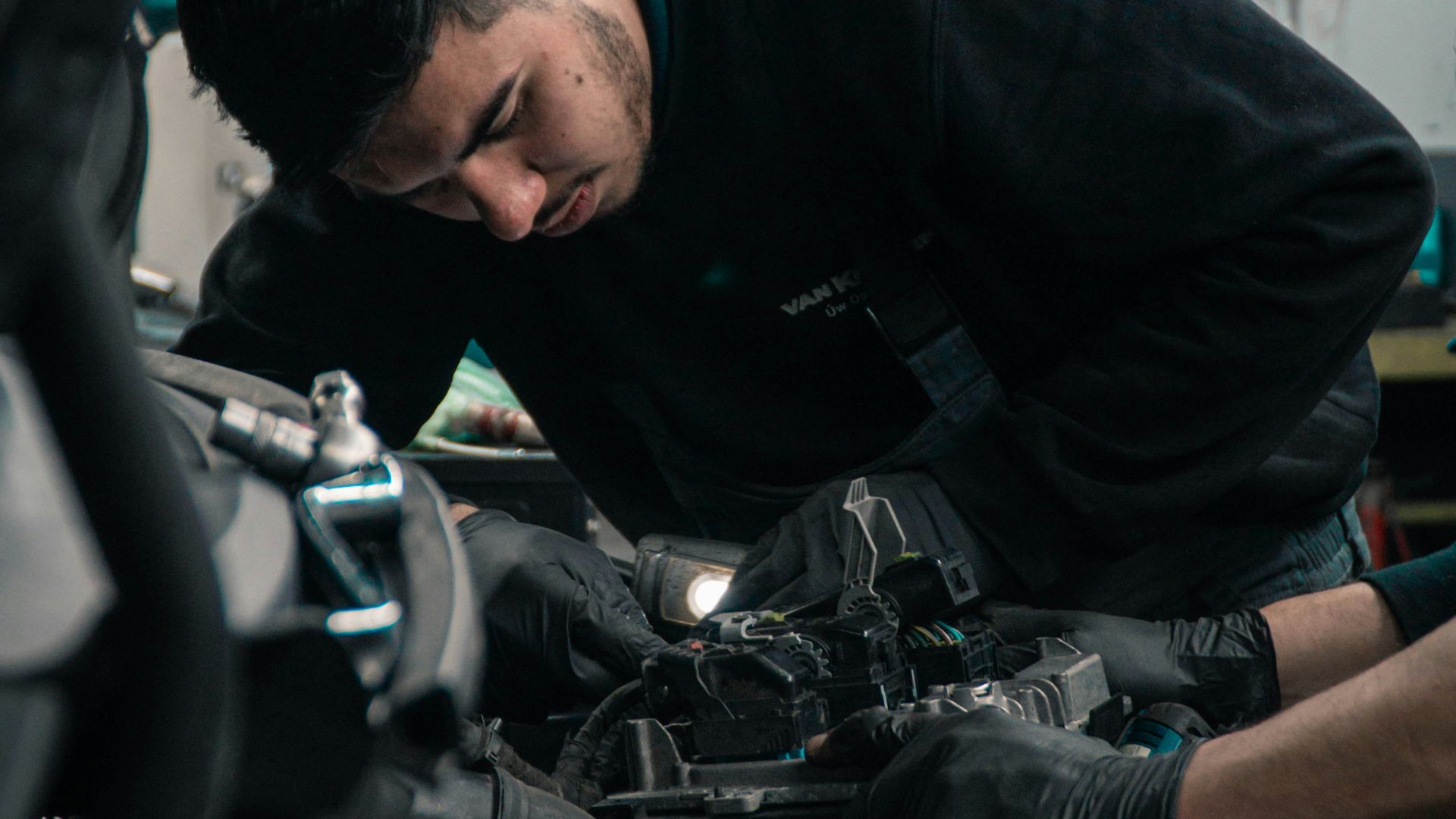
Any used car can look decent after a quick detail, but a mechanic is the one who spots problems. If the dealership refuses to let you take the vehicle to a trusted shop, that’s a warning sign. Reputable spots have no trouble with you doing your own homework.
3. The Salesperson Keeps Dodging Vehicle History
You shouldn’t have to beg for a Carfax or AutoCheck when you’re buying a used vehicle. But a shady dealership will almost always avoid showing accident records, title issues, flood damage, or mileage inconsistencies. Why? Because those details can ruin the sale.
4. They Push Add-Ons
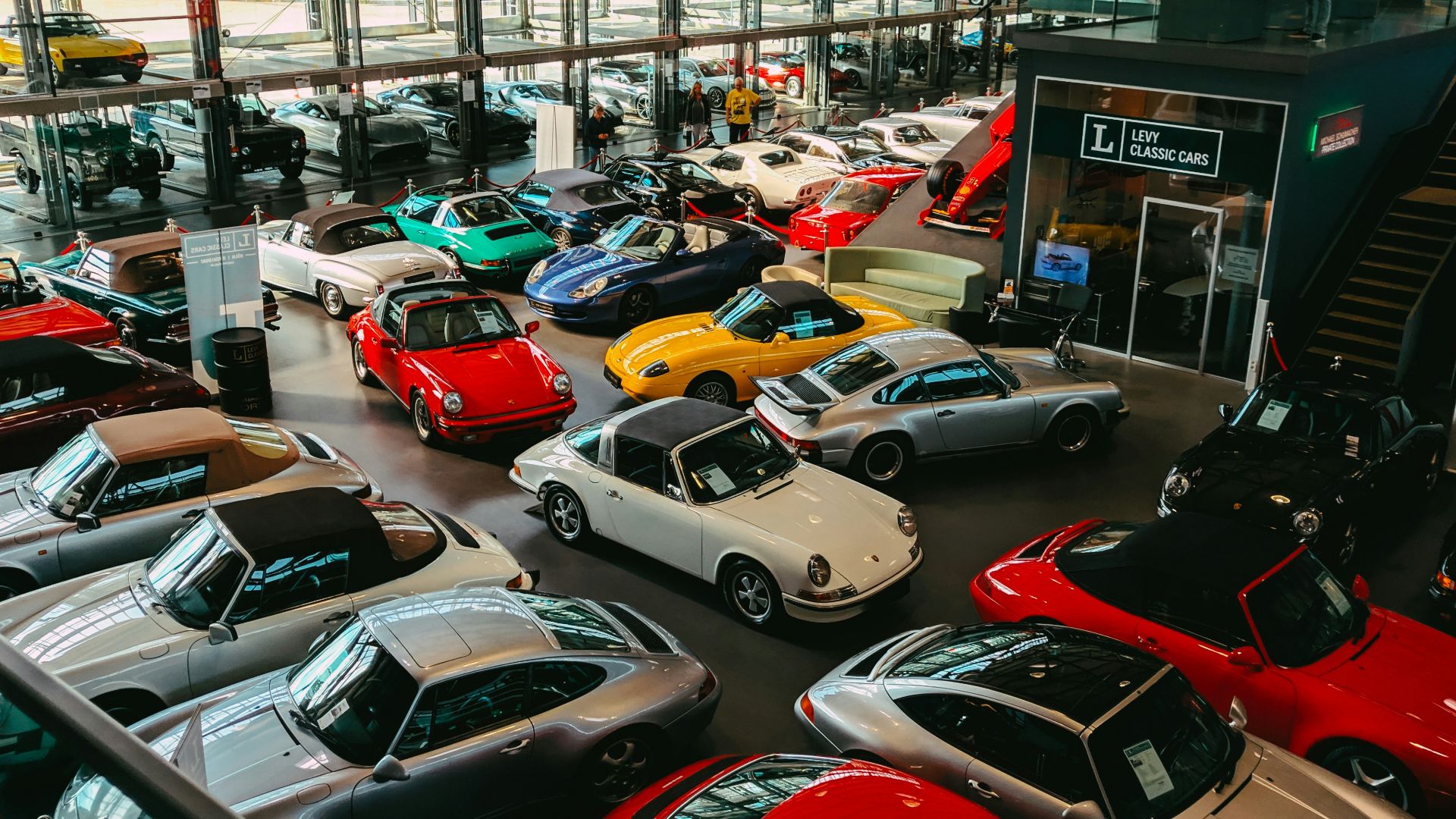
A dealer that talks too much about tire protection and extended warranties deserves a raised eyebrow. Some add-ons can be useful, sure, but they shouldn’t appear as surprise charges after you’ve already agreed on the price. Don’t forget to ask for every extra fee in writing.
5. The Financing Terms Sound Too Good To Be True
There is such a thing as sounding too good to be true, and it happens all the time on lots. Low monthly payments can hide a loan that stretches for seven or eight years. They can also carry a high interest rate or include a large balloon payment at the end.
6. They Pressure You To Buy
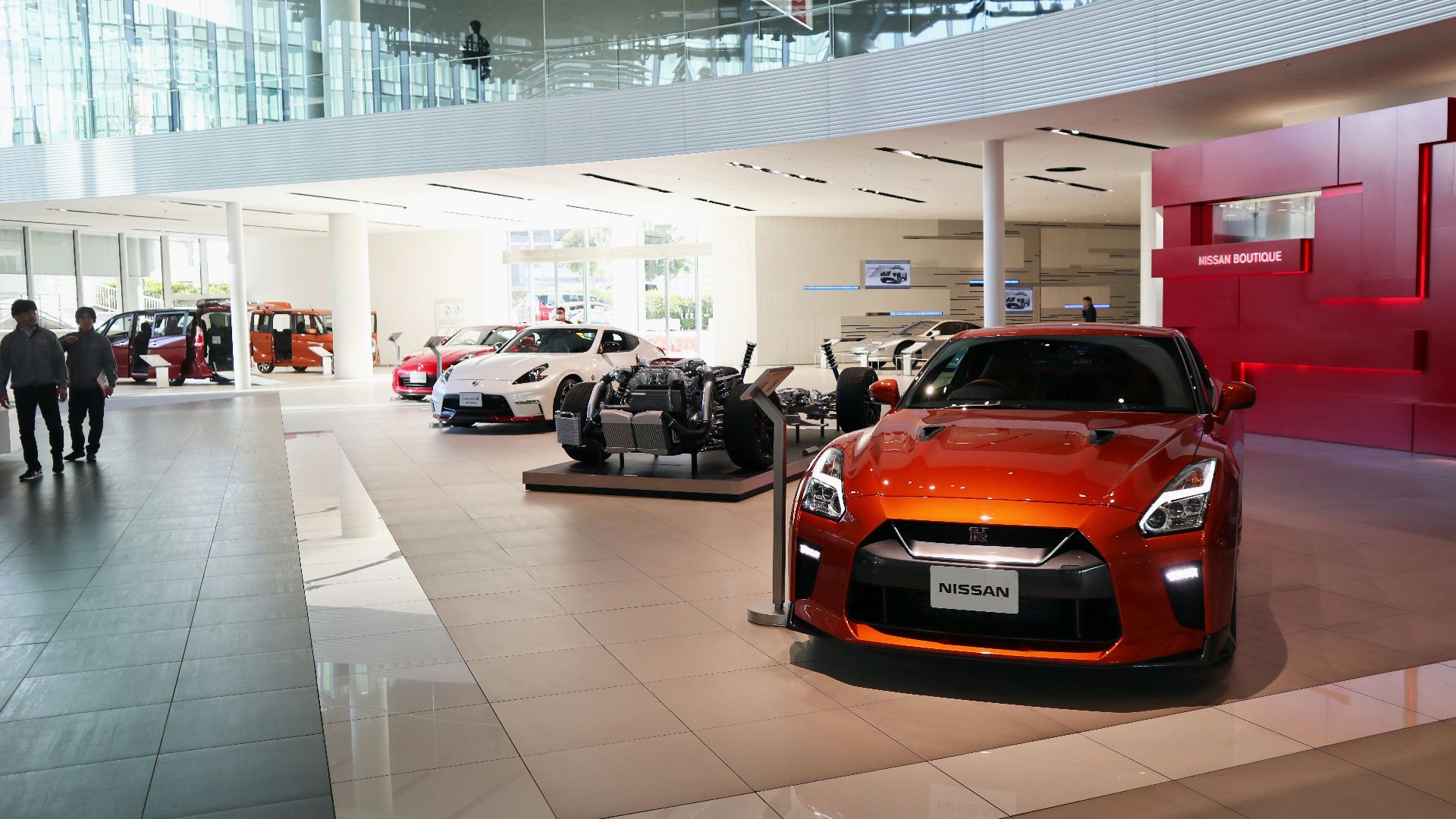
No legitimate place is going to hover or force a pen into your hand. Keep an eye out for shady tactics, like someone telling you that another buyer is on the way. They might also tell you that the sale ends tonight, or the manager can only approve the deal if you act immediately. That kind of pressure is designed to make you stop comparing prices and start worrying about missing out.
7. The Paperwork Has Blank Spaces
It’s a small thing, but never sign a contract that has empty lines, missing numbers, or vague language. A dishonest dealer will often use those gaps to change terms after the conversation is over, especially if you don’t get a complete copy. Take your time at the desk, and don’t let them hustle you.

8. They Won’t Put Promises In Writing
Verbal promises are easy to make when someone wants to close a sale—they’re another to follow through on. If they say they’ll replace the tires, include a second key, or repair a cracked windshield, it needs to be written into the agreement.
9. Poorly Presented Cars
It’s normal for used cars to have minor cosmetic flaws, but a pattern of mismatched panels and filthy interiors says a lot. All that suggests is that the dealership moves inventory quickly without doing basic reconditioning or safety checks.

10. Reviews Mention the Same Complaints
Online reviews are one of the biggest ways to prepare yourself for a potential scam. Of course, every dealership gets an unhappy customer once in a while, but repeated complaints are harder to ignore. Before visiting, check recent reviews and local forums so you know what patterns other buyers have already spotted.

A pristine car dealership doesn’t just look clean under bright showroom lights; it makes the whole buying process honest and calm. With some red flags out of the way, let’s explore a few signs that you’re in a squeaky-clean dealership.
1. Detailed Cars Don’t Look Overdone
A strong dealership keeps its vehicles clean, and it doesn’t try to hide used-car reality. You should be able to see clean seats, clear windows, tidy engine bays, and paint that hasn’t been buffed into an oddly glossy blur. You also shouldn’t smell an overpowering air freshener.

2. The Staff Knows the Inventory
A good salesperson can explain the difference between trim levels, mileage, service records, and common ownership costs without any guesswork. If you ask about a Toyota Camry Hybrid or a Subaru Outback’s all-wheel-drive system, they should give you a useful answer. If not, don’t just assume it’s first-day jitters.

3. An Active Service Department
A dealership with a busy service area often has more accountability than one that only focuses on selling cars. You’ll likely see technicians working in clean bays or repair orders being handled. Make no mistake—that matters. A dealership connected to a functioning service department has a stronger reason to care about what it sells.
4. They Let You Compare Without Hovering
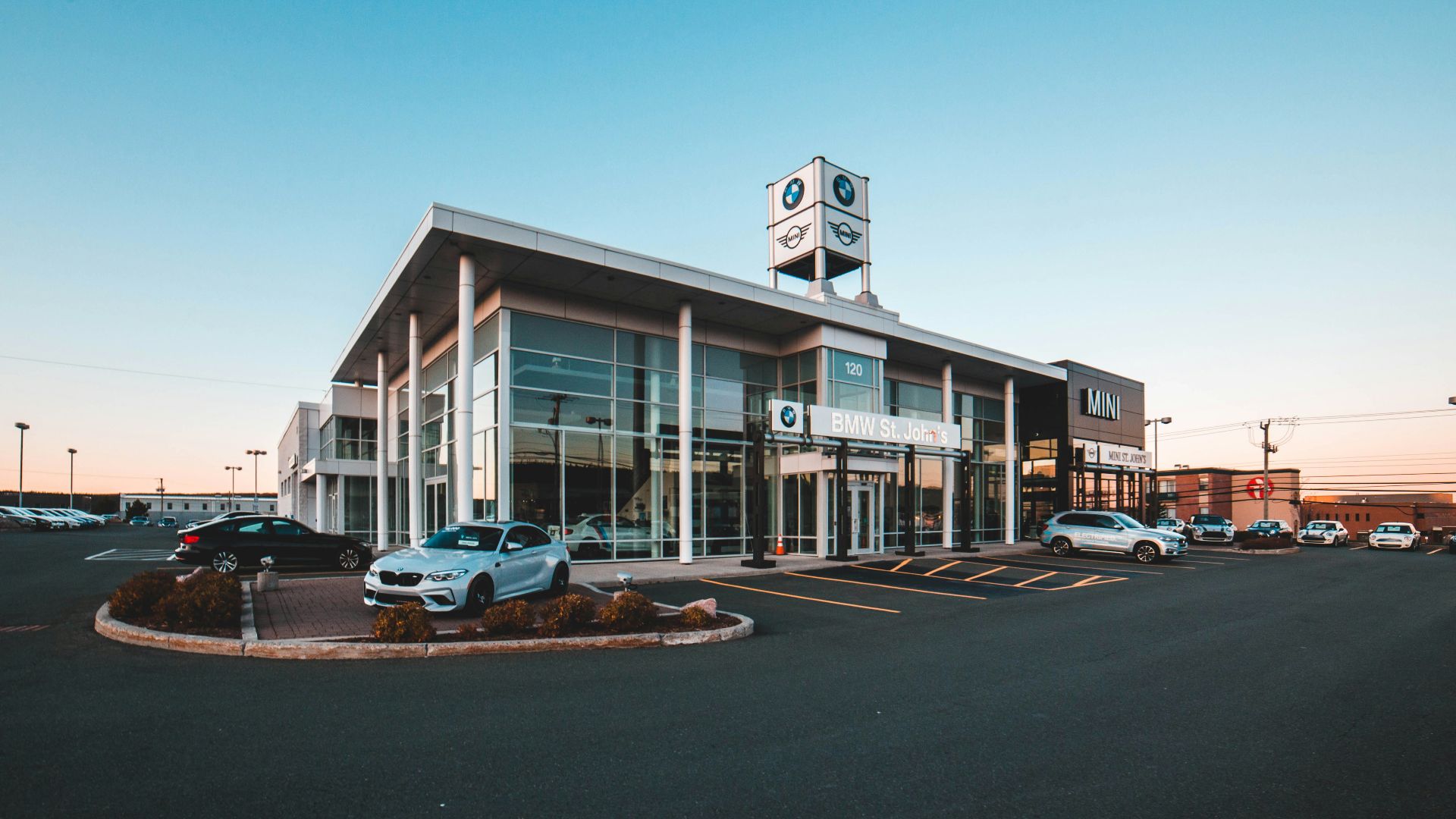
Clean dealerships give you room to look at different vehicles and talk things over, and they’ll do it without breathing down your neck. You should be able to comfortably compare a compact SUV against a midsize sedan, or decide whether leather seats are worth the higher trim, without feeling rushed.
5. The Test Drive Feels Real
One loop around the block doesn’t tell you much about a car, and shoddy dealers know that. A quality one, however, lets you drive on a mix of streets when possible, including normal traffic, stop-and-go areas, and a stretch where you can reach regular road speeds.
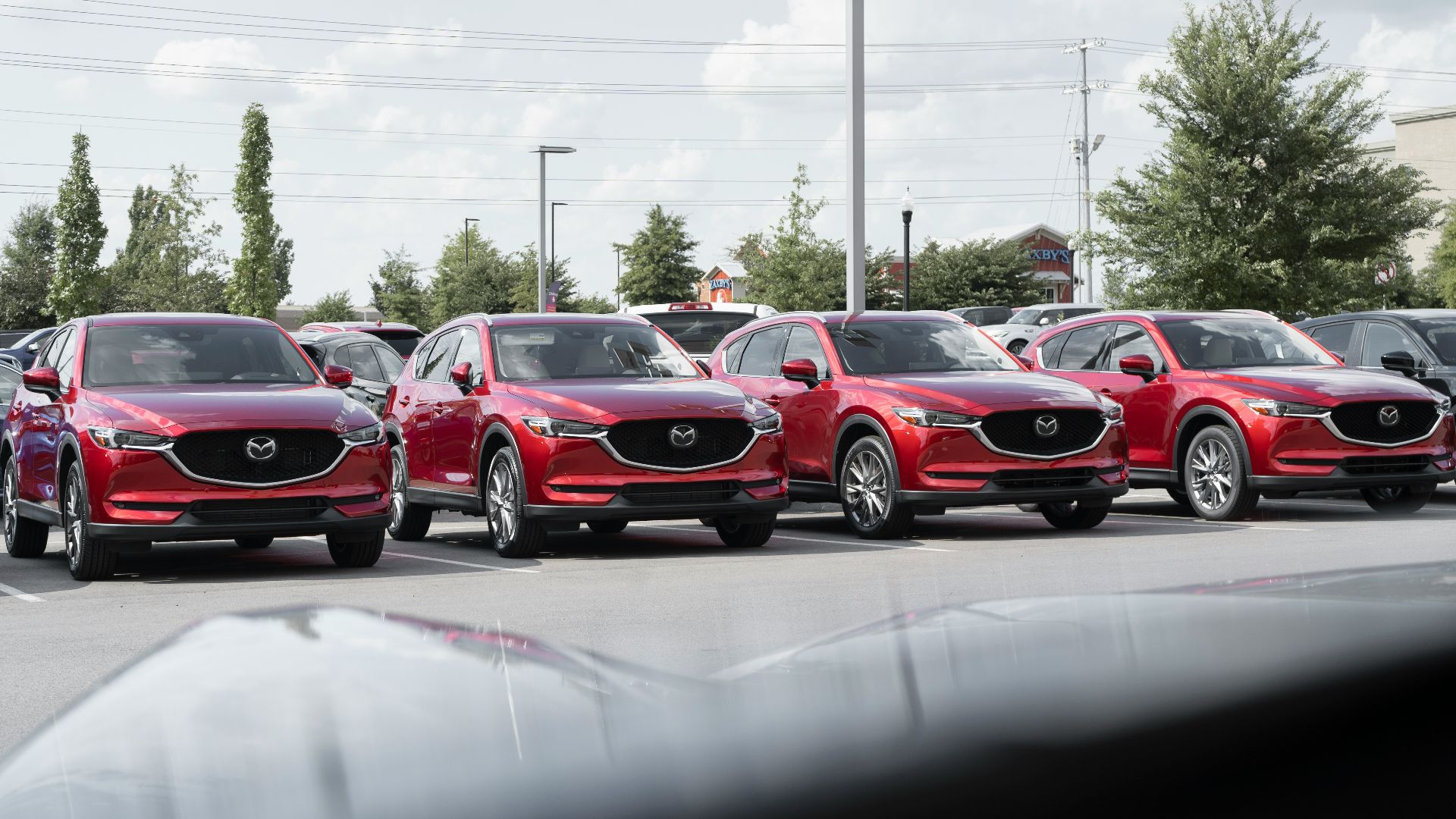
6. The Team Talks About Ownership Costs
A pristine dealership doesn’t pretend the purchase price is the only number that matters. It’s normal and professional for someone to point out the important stuff, like fuel economy, tire costs, maintenance intervals, or whether premium gas is recommended. When a dealer brings up those details before you ask, they’re thinking about what happens after the sale.
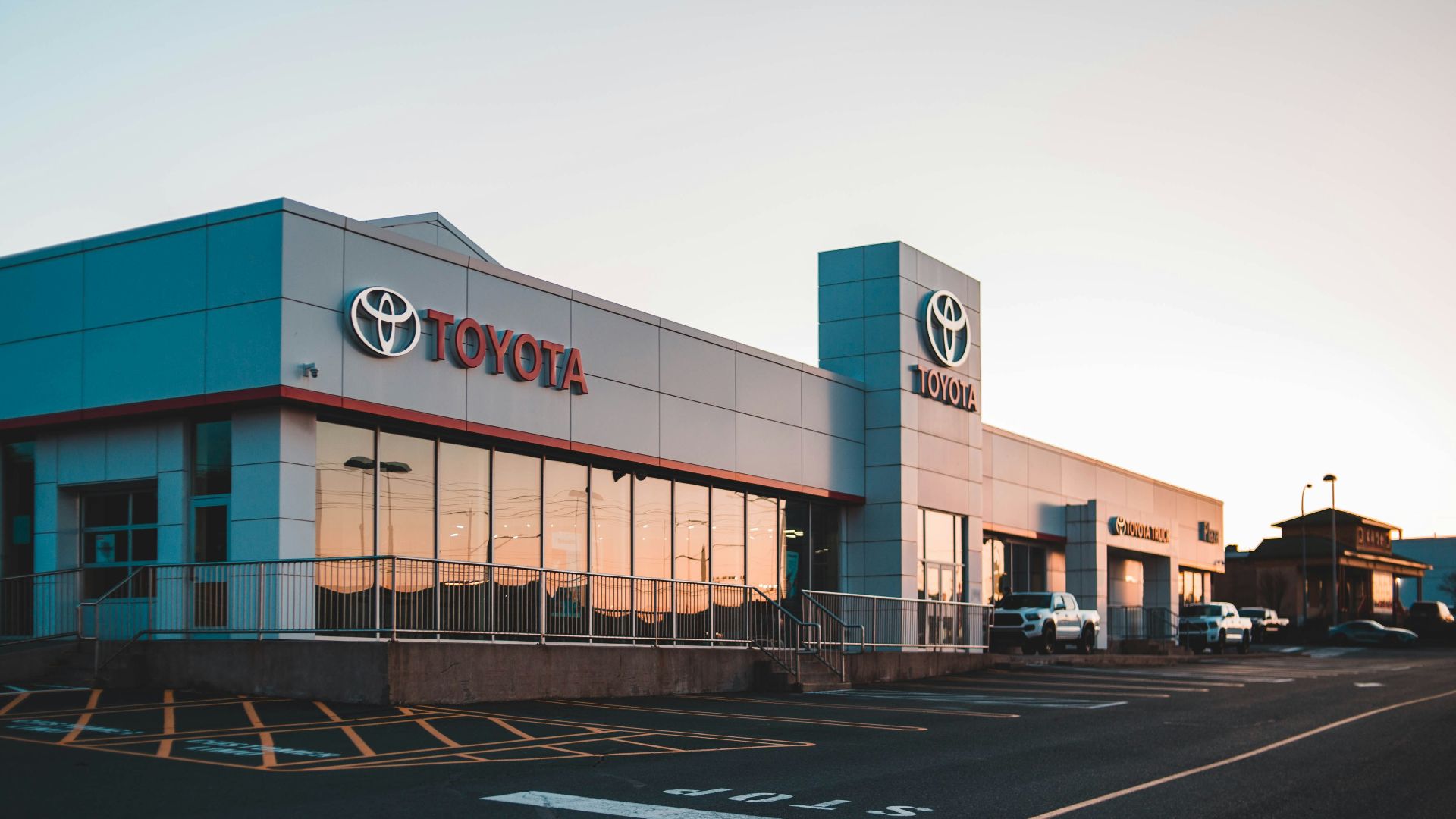
7. Respectful Trade-In Process
Trading in your current car shouldn’t feel like you’re being insulted. A better dealership explains how it reached the offer by looking at mileage, accident history, and reconditioning needs. Most importantly, even if the number isn’t as high as you hoped, a legitimate explanation is better than a mysterious lowball.

8. The Online Listings Match the Lot
When things run smoothly, a dealership’s website is updated with real photos, accurate mileage, correct trim names, and vehicles that are actually available. You shouldn’t arrive to see a completely different place than what was presented online.

9. Customer-Friendly Waiting Areas
A clean waiting room won’t guarantee great service, but it does show how the business treats people. Small details are more important than you’d think, especially because sloppy public spaces reflect the same attitude behind the scenes. Look for comfortable chairs, clean restrooms, Wi-Fi, and maybe even a few normal customer amenities.
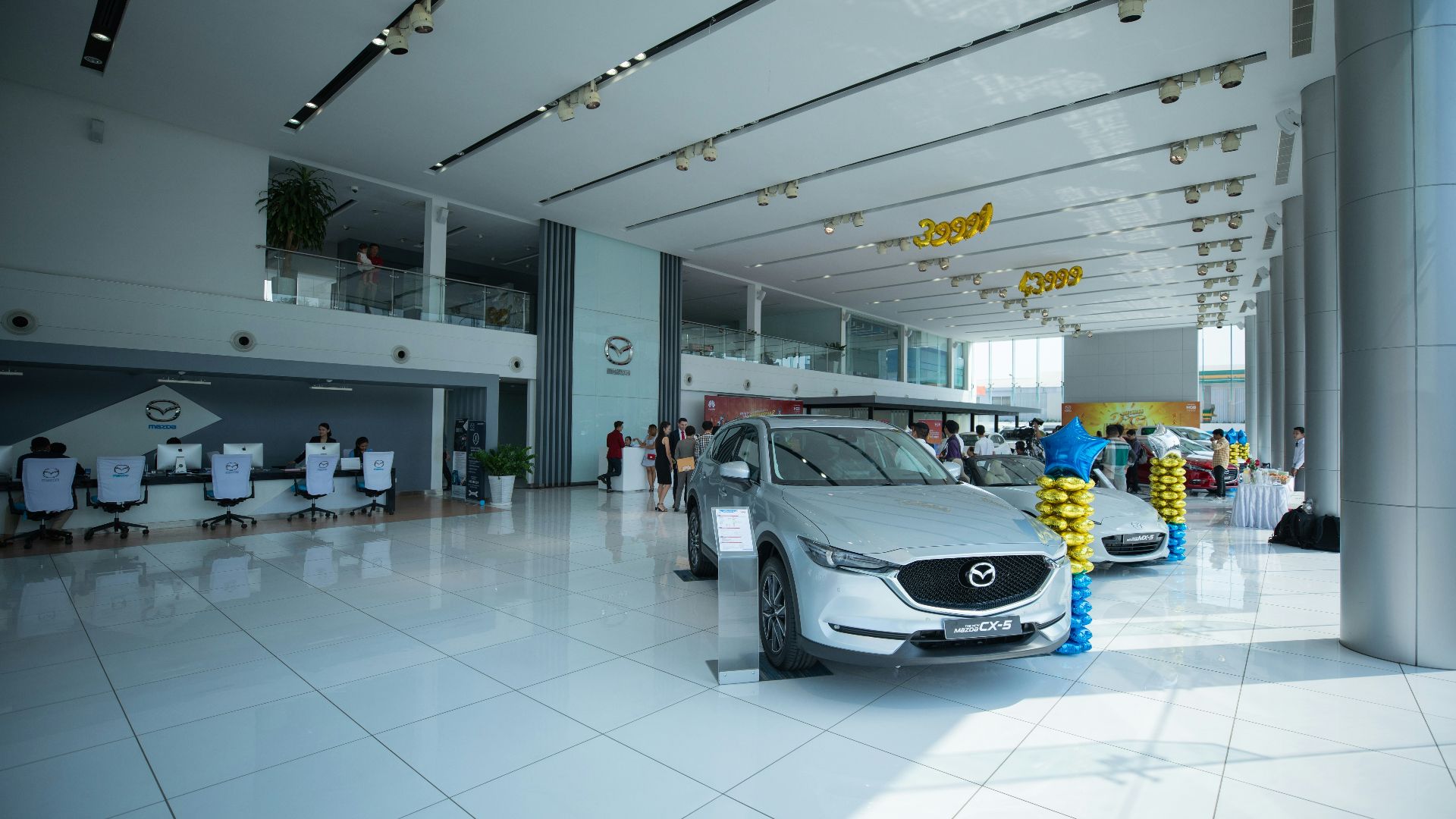
10. Former Customers Come Back
One of the strongest signs of a pristine dealership is seeing repeat buyers. It’s best to peek at reviews that mention specific staff members and easy second purchases; those stories carry more weight than generic praise.