A Bad Deal
A used car doesn’t have to be perfect, but it shouldn’t start creating serious problems as soon as you drive it home. Though we’d all like to think that we got sold the best car on the lot, it’s important to know the warning signs before you show it off. Let’s take a closer look at 20 signs that the car you bought may be a lemon.

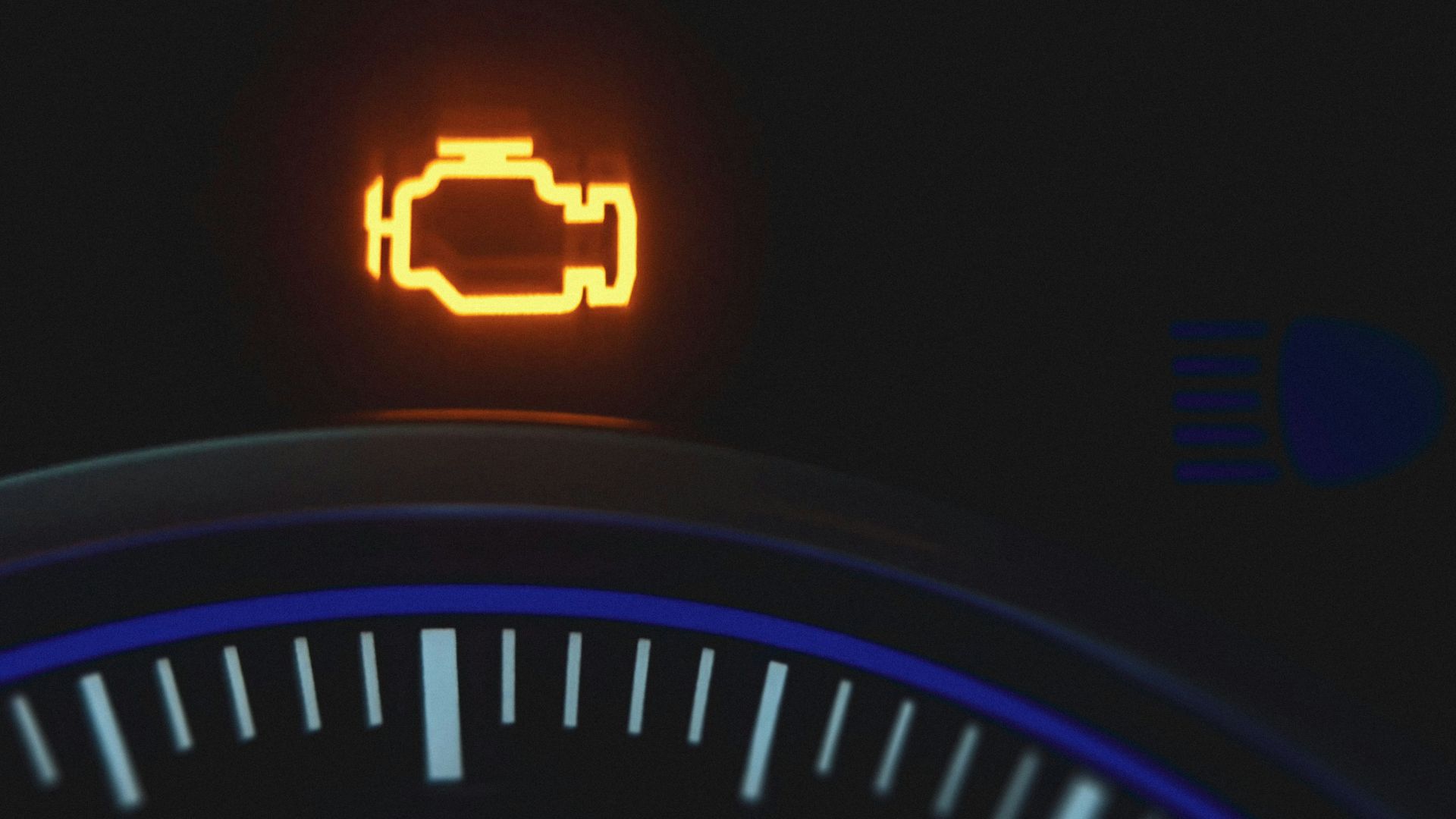
1. The Check Engine Light Comes Back
A check engine light that returns shortly after purchase is one of the most obvious signs that something was already hidden from you. It’s worse if the light comes back within days; you’re likely dealing with a problem that wasn’t fixed before the sale.
2. The Car Struggles In Normal Conditions
All cars have their bad days, but a vehicle that hesitates or needs multiple attempts to start shouldn’t be dismissed as an inconvenience. It could point to internal issues, so if you’re already worried about whether the car will start in your driveway, that’s a red flag.

3. The Transmission Shifts Roughly
A healthy transmission should shift smoothly without hesitation. That means if it revs high before moving or feels like it loses power between shifts, the transmission could very well be wearing out. Don’t fluff that off, either; repairs can cost thousands.
4. You Notice Fluid Leaks
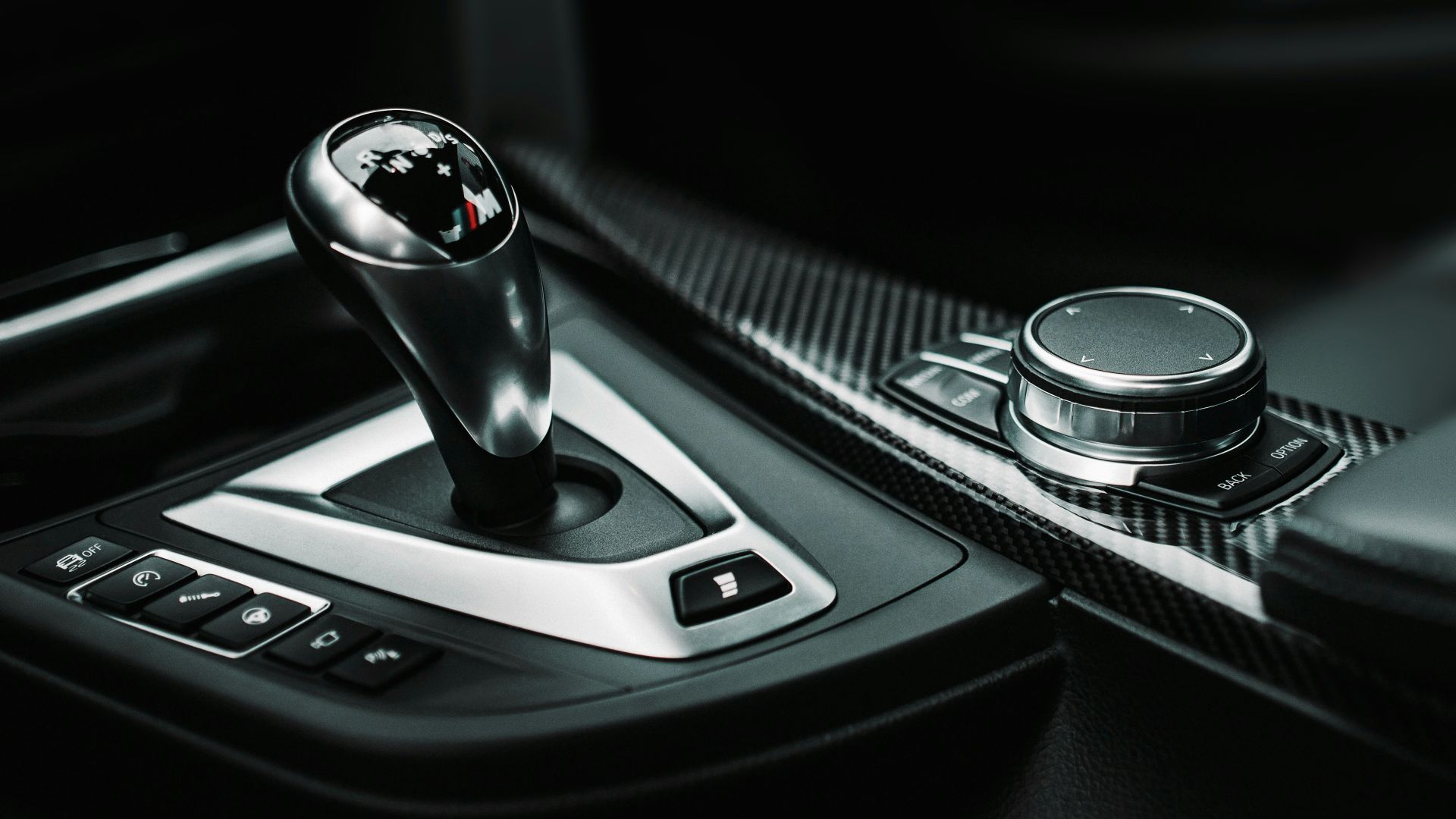
The last thing anyone wants to see is fresh spots under the car. Oil, transmission fluid, brake fluid, or power steering fluid can all leak from damaged components, so keep an eye out. A few drops may seem minor, but they can point to repairs the dealership either missed or conveniently chose not to mention.

5. The Brakes Feel Soft
Brakes should feel predictable every time you press the pedal—no one wants to encounter ones that are spongy or noisy. Keep an ear out. Grinding may mean the pads are worn down to the metal, while vibration can point to warped rotors or uneven wear.
6. The Steering Pulls
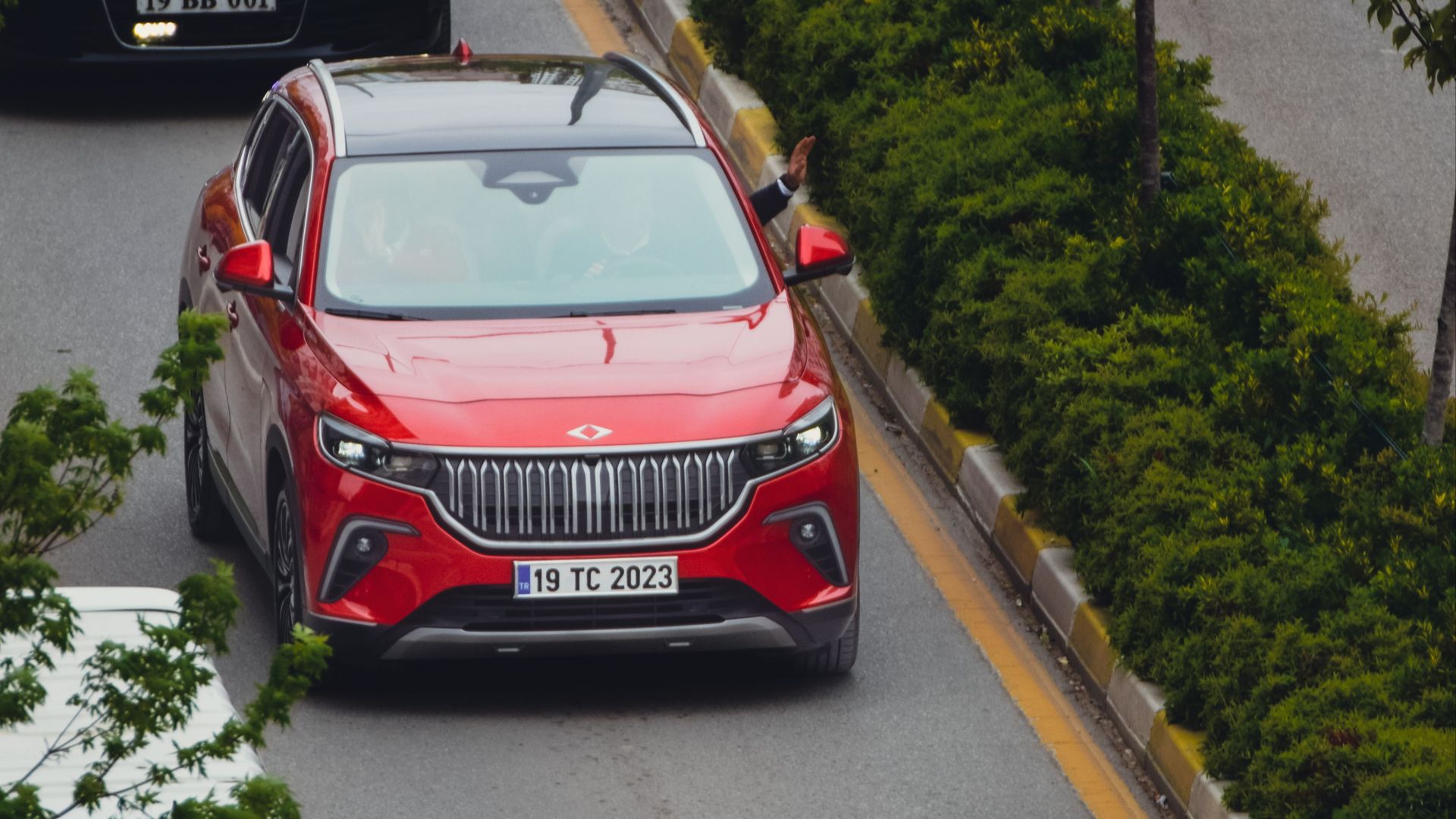
Do you know how shoddy controllers often pull to the left in a video game? Well, it’s the same idea as a car that drifts or pulls while driving straight. It could have worn suspension parts, damaged tires, or previous accident damage that wasn’t disclosed.
7. The Tires Show Uneven Wear
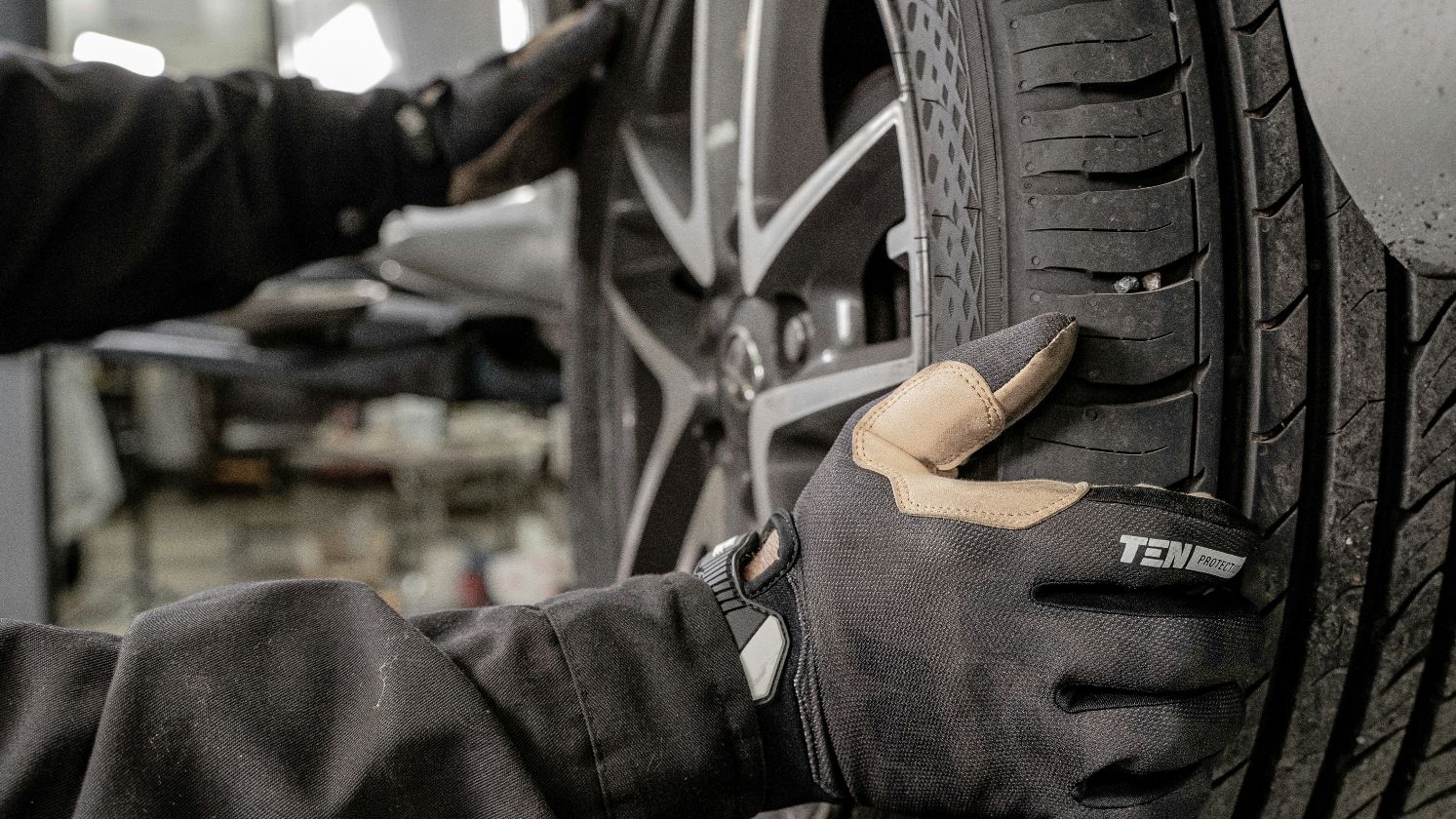
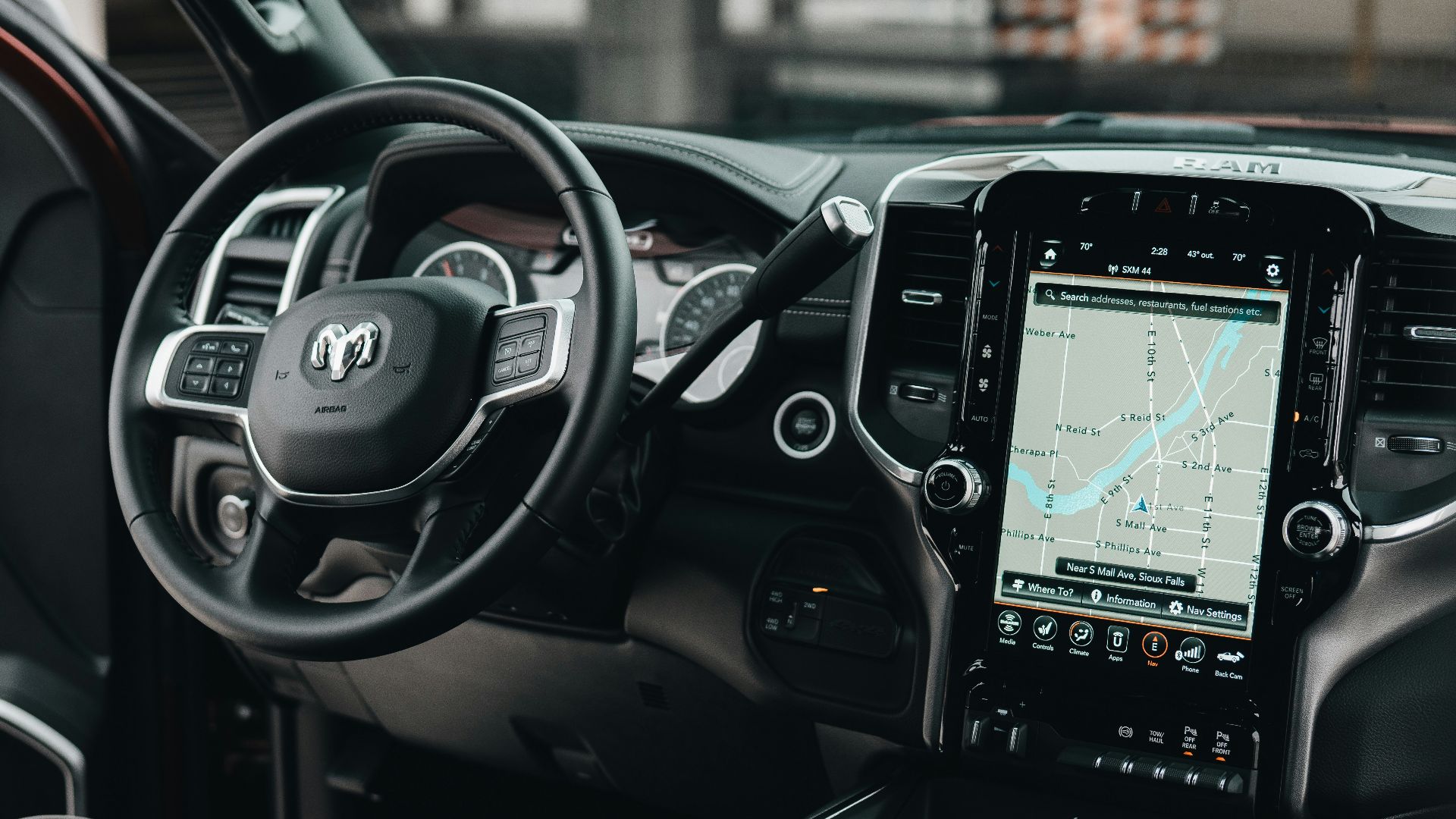
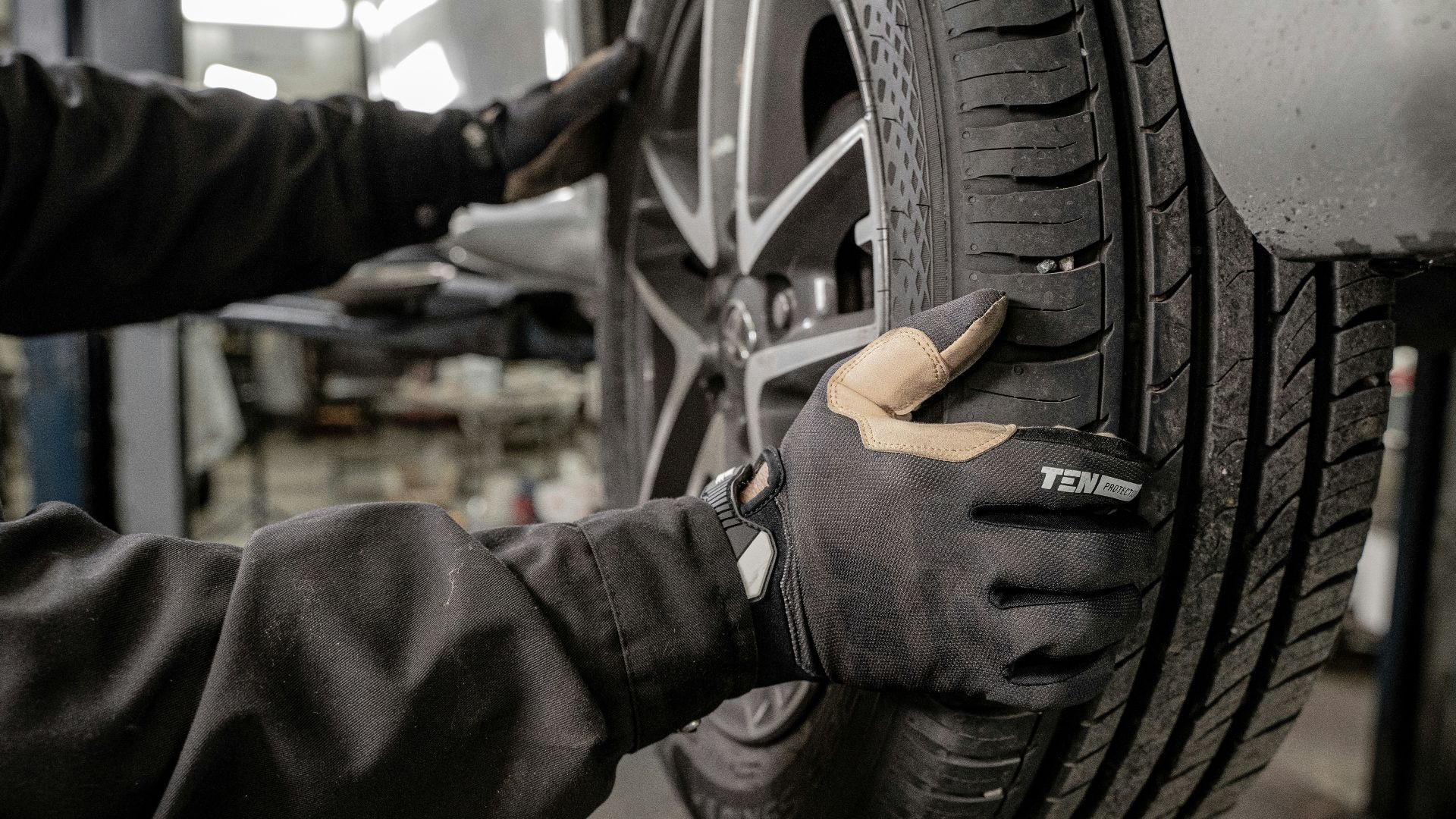
Tires can tell you a lot about how well a car was taken care of before you owned it. If one tire is bald on the inside edge (or all four are mismatched), there may be any number of issues: suspension, alignment, or neglect hiding underneath. No good dealership installs cheap used tires.
 Jimmy Nilsson Masth on Unsplash
8. The Engine Overheats In Regular Driving
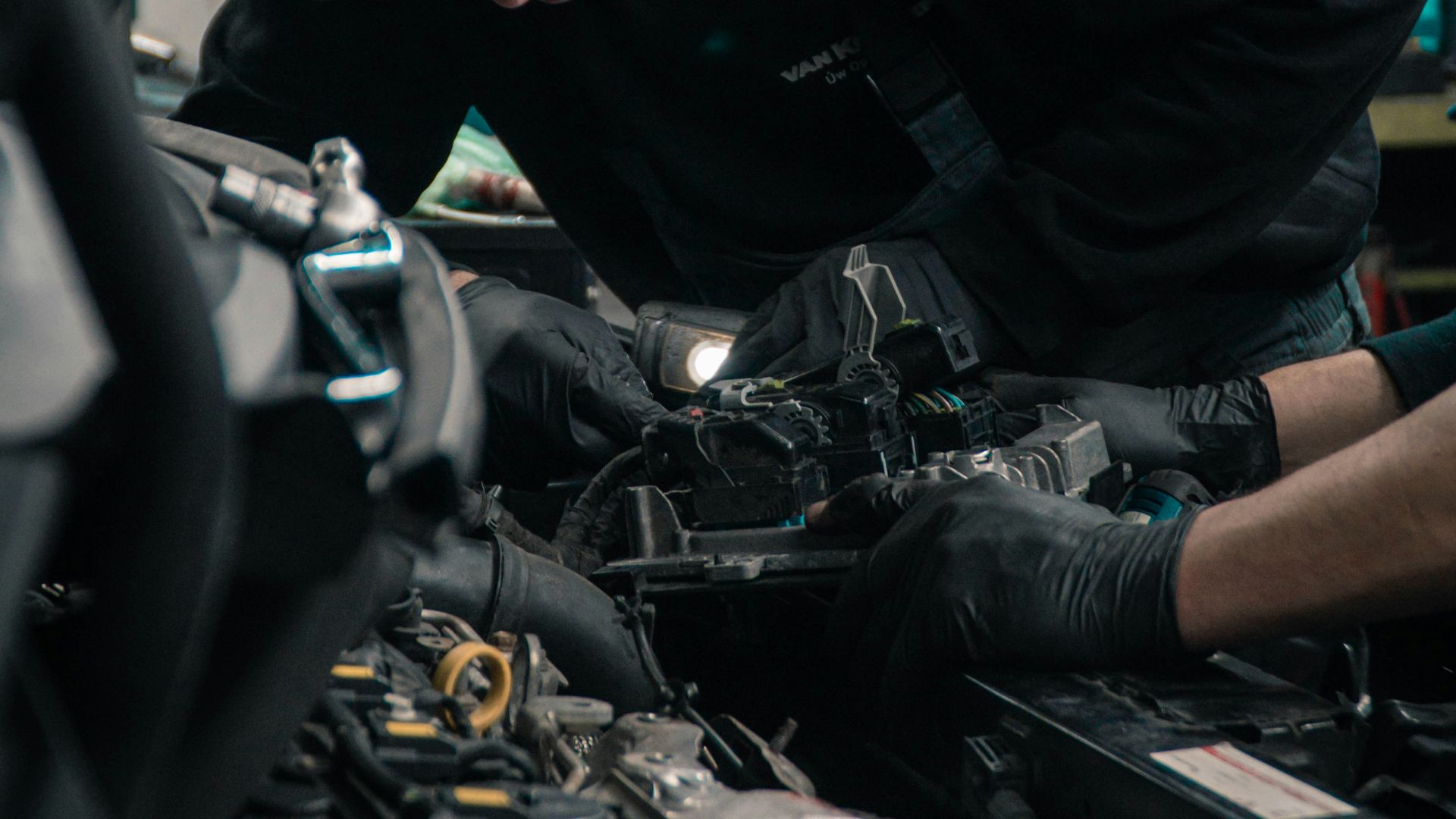
An overheating engine is never something to ignore, even if it only happens in traffic. The cause could be something serious, like a leaking radiator, failing water pump, blown head gasket, or cooling fan issue. What’s more, the temperature gauge shouldn’t climb right after you buy it.
9. The Car Has a Strong Burning Smell
As you can imagine, that’s never good. A burning odor after a normal drive can signal oil dripping onto hot parts or electrical wiring trouble. These smells aren’t just annoying, either; they can indicate problems that affect safety and reliability, so always make sure to check them out.

10. The Warning Lights Keep Appearing
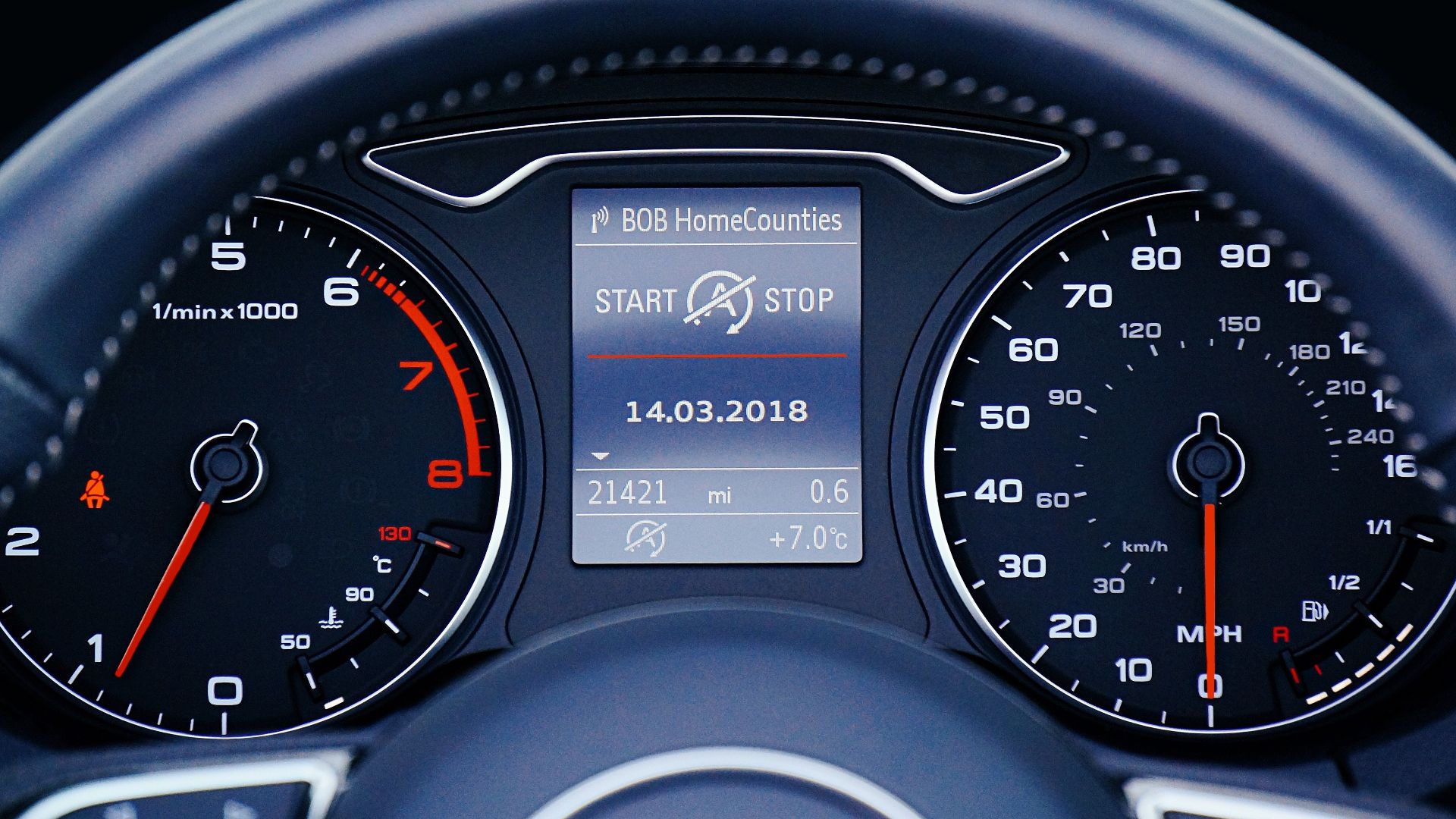
One warning light can happen on any used car, don’t get us wrong. But several lights appearing together? That’s a bigger concern. If the dealership told you the car passed inspection, but the dashboard lights up like a Christmas tree, you have reason to question what was inspected.
11. The History Doesn’t Match the Car
A clean-looking report doesn’t always mean the car has a clean past, which means you need to keep an eye out. Paint overspray, replaced headlights, or mismatched body panels can suggest prior damage that never made it onto the report.

12. The Mileage Seems Suspicious
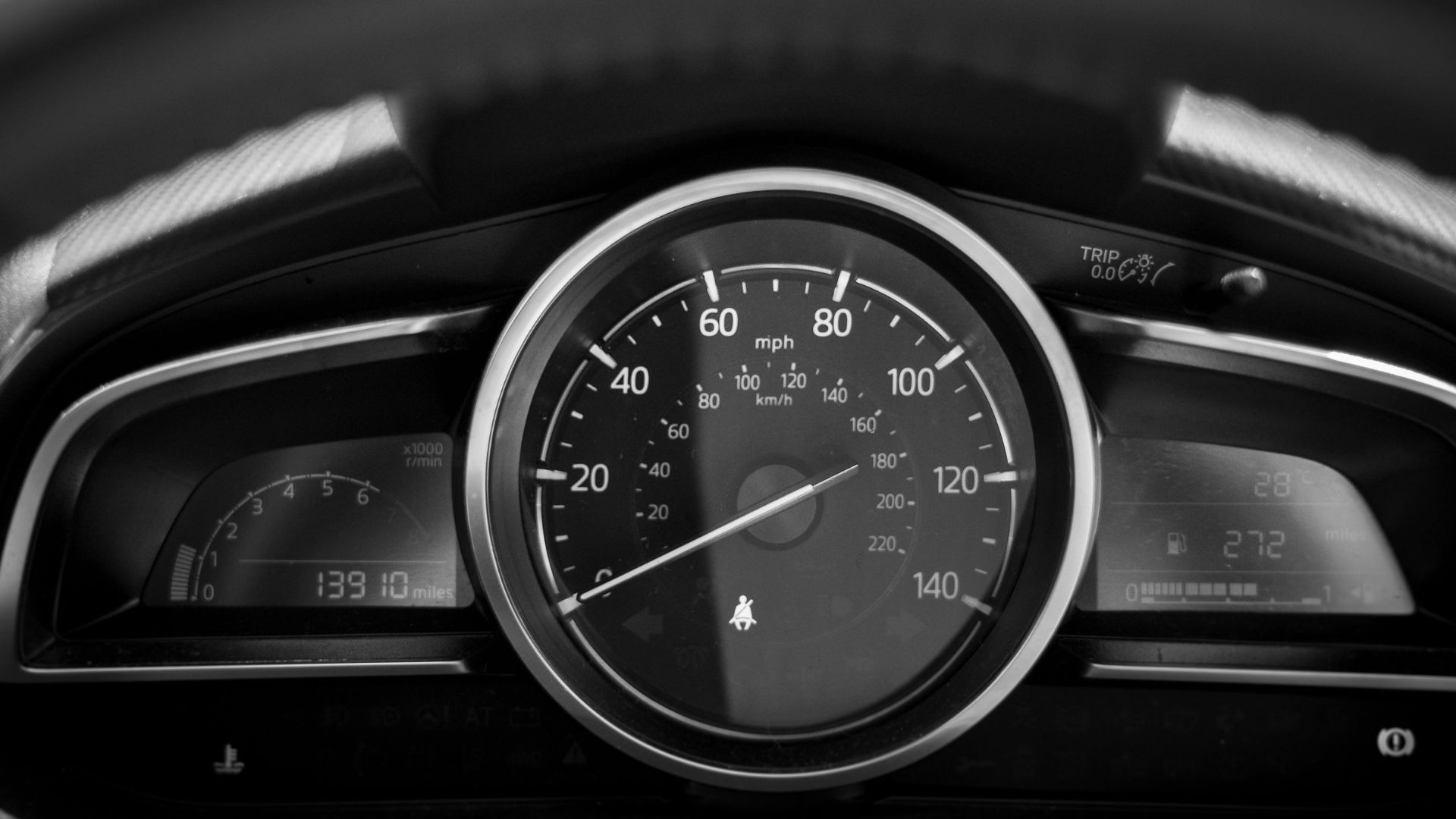
We all know that low mileage can make a car more appealing, but the wear inside should match the number on the odometer. You might need to sift for details, but a vehicle showing 42,000 miles shouldn’t have a worn-out driver’s seat, sagging pedals, and heavily chipped controls. When the condition feels far older than the mileage suggests, it’s worth checking records.
13. The Dealership Avoided Providing Records
Speaking of records, only a shady place won’t offer you any—or get cagey if you ask. The reason why is that records show all kinds of important information, like oil changes, timing belt service, brake work, transmission fluid changes, and recall repairs. If the dealer can’t show anything to back up their claims, they likely don’t mean much.
14. The Car Fails Inspection
A vehicle that fails a state inspection right after the sale was probably not as road-ready as advertised. There’s no harm in bringing your new vehicle to an outside inspection for a second opinion, especially since you bought it.
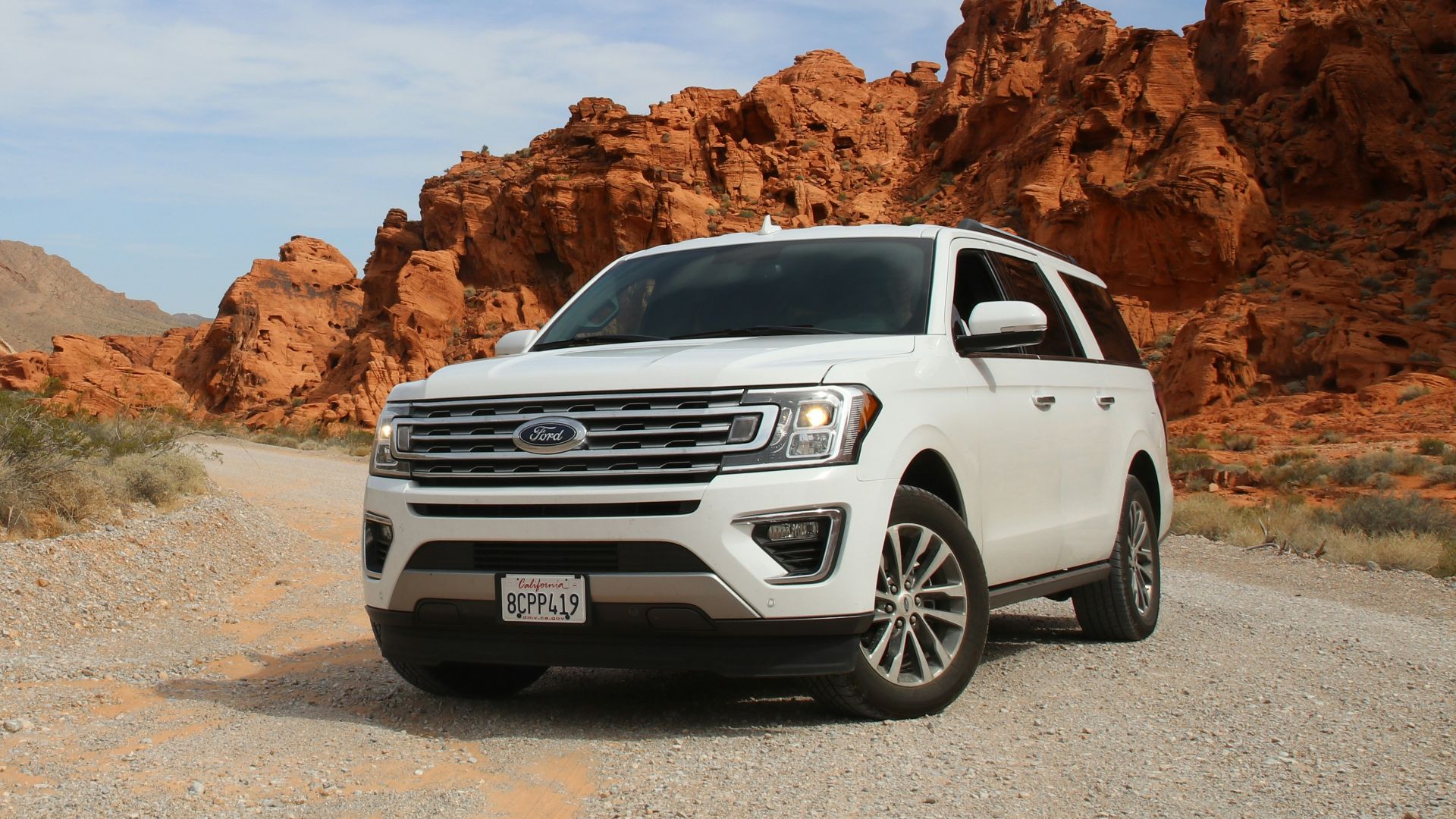
15. The Air Conditioning Doesn’t Work Properly
Climate control problems often lead to costly repairs. Weak air conditioning may come from a leaking compressor or evaporator, while poor heat can point to coolant problems, a clogged heater core, or thermostat trouble. If the system failed after a few days, the dealership may have slapped a band-aid solution on it.
16. The Car Makes New Noises
Used cars can have a few odd noises, but not a steady stream of them. A clunk over bumps could come from worn control arms, and a knocking sound from the engine can signal major internal wear. Each drive shouldn’t reveal new sounds every time, and when they do, it’s time to get it checked out.
17. The Electronics Behave Unpredictably
Modern vehicles rely heavily on electronics, so glitches can become more than a hiccup. Power windows that stop working, infotainment screens that reboot, key fobs that fail, or headlights that flicker may point to heavier problems. If the dealership brushes off these issues, you’ll be left paying for diagnostics later.

18. The Dealer Pressured You
No dealership worth its salt hustles you for a sale, and they definitely don’t rush you to purchase without paperwork. If the salesperson claimed inspections weren’t allowed or warned that someone else was itching to buy your car, that pressure was almost always intentional.
19. Repairs Pile Up
One repair can happen, but a quick pattern of repairs is different. If you’ve already paid for a battery, alternator, and a coolant leak within the first month, the car likely had neglected issues before the sale—ones the salespeople should have told you about.
20. The Dealership Stops Responding
It’s never a good sign when calls go unanswered. It’s not good when service appointments keep getting delayed, either. Do yourself a favor and keep written records of every issue, repair estimate, and visit; documentation matters if you need to push for a lawyer.