

Knowing When to Move On and When to Hold Steady
Thinking of getting a new car? Maybe you're tempted by all the shiny new features that modern vehicles have, or you just think it's time. But buying a new car isn't the same as getting a new phone, and you'll need to factor way more points into your decision before you pull the trigger. However, if your ride is constantly leaving you stranded in the middle of nowhere and even your mechanic is giving you the no-go, it might be time to retire it. Here's how to tell how much juice your car still has left.

1. Repairs Are Becoming Too Frequent
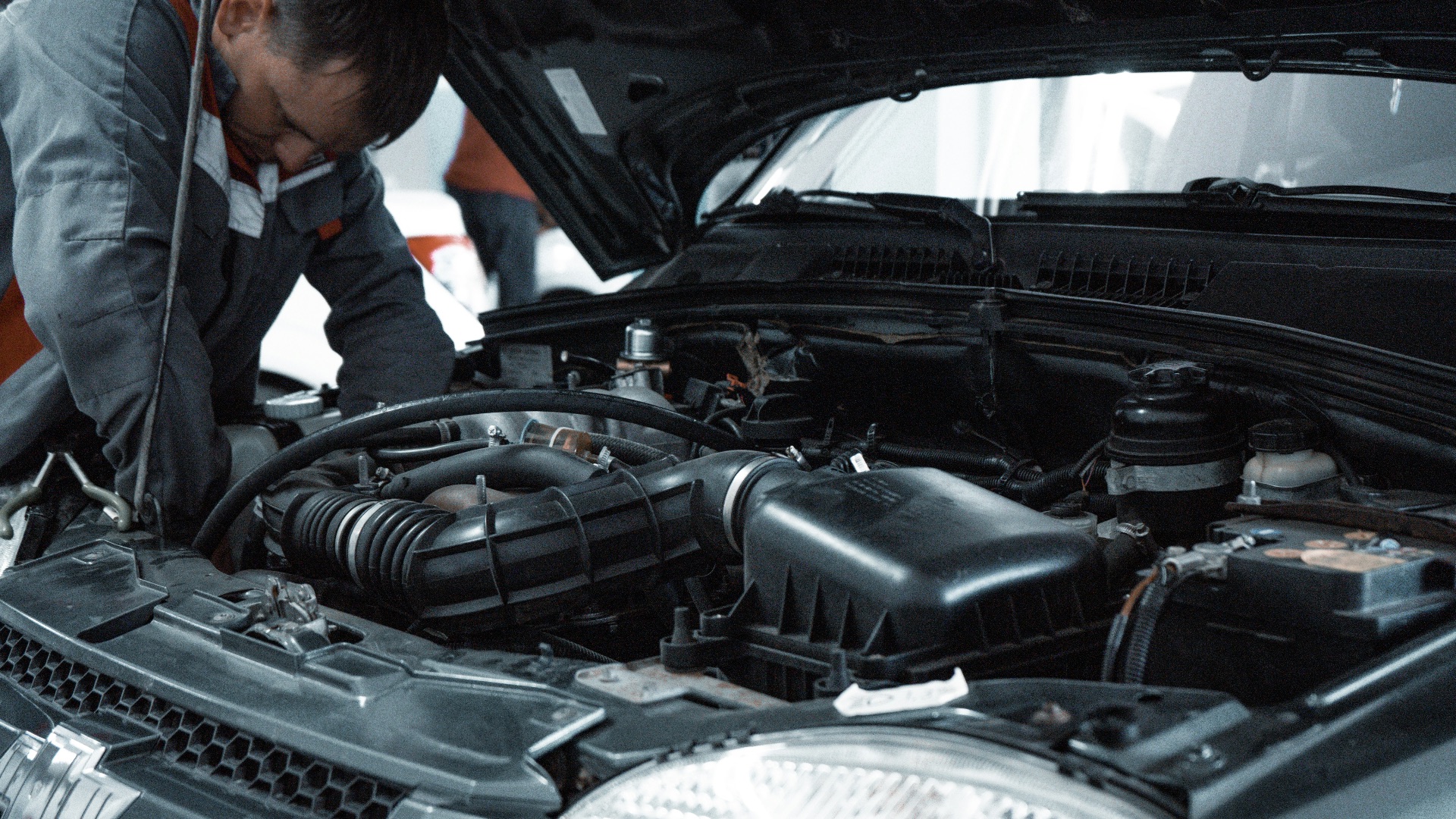
A repair here and there is normal, but constant trips to the mechanic are a different issue. When your car seems to need something fixed every few weeks or months, it can start costing you time as much as money. Frequent breakdowns also make it harder to trust the vehicle for commuting, errands, or longer drives. At some point, the pattern itself becomes a sign that the car is no longer serving you well.
2. The Repair Costs Are Higher Than the Car’s Value
One expensive repair doesn’t always mean you need a new car, but the math matters. If fixing the vehicle costs as much as the car is worth, or more, it may not be a smart place to put your money. This is especially true if the repair won’t address other aging parts that could fail soon after. You don’t want to keep investing in a car that’s giving you less value with every bill.

3. Safety Features Feel Outdated
Older cars can still be dependable, but they may lack modern safety technology that has become standard in newer models. Features like backup cameras, blind-spot monitoring, lane assistance, and improved crash protection can make daily driving safer and less stressful. If you’re driving a vehicle that feels far behind current safety expectations, it’s worth taking that seriously. Your car doesn’t need every new feature, but it should still help protect you well.
4. You No Longer Feel Confident Driving It
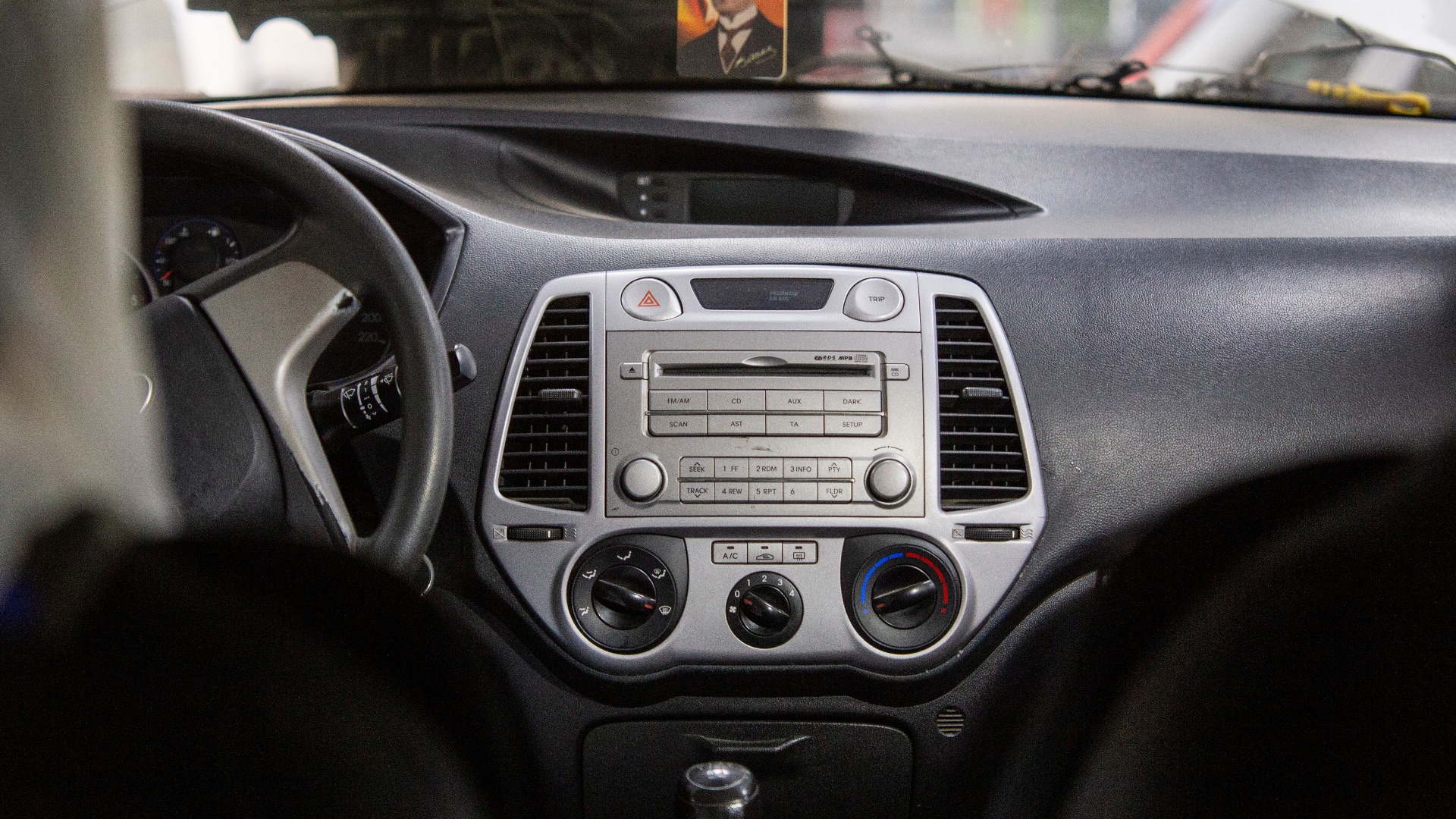
A car should feel predictable when you’re behind the wheel. If you’re constantly worried about stalling, overheating, strange noises, or whether it will start again after you park, that stress can wear on you. Driving should require attention, but it shouldn’t feel like a gamble every time you turn the key or press the start button. When confidence is gone, the car may have reached the end of its practical usefulness.

5. Fuel Costs Have Become Hard to Justify
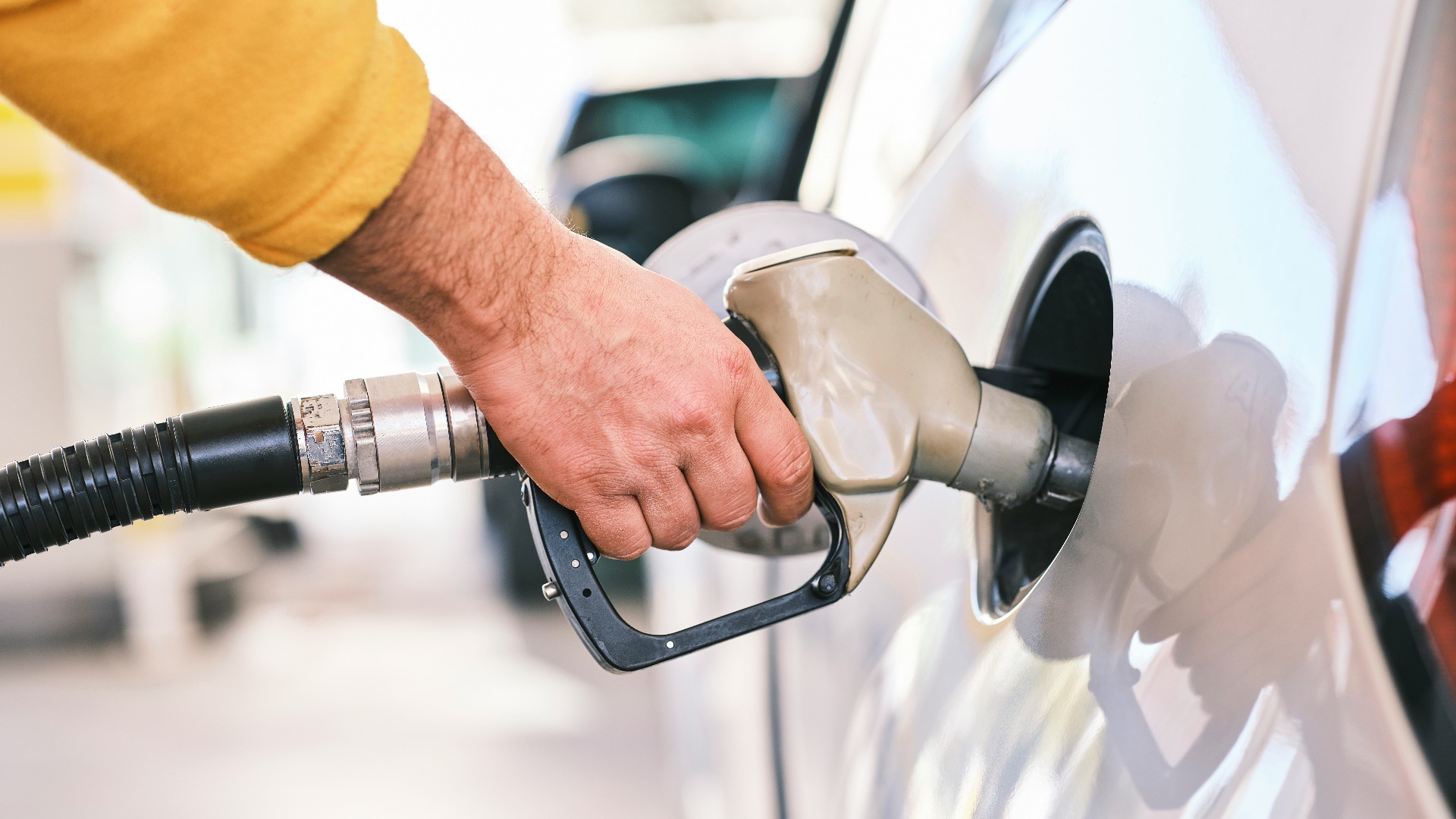
Gas prices can make any vehicle feel expensive, but some older cars become noticeably inefficient over time. If your fuel economy has dropped and repairs haven’t helped, you may be spending more than you realize just to keep it moving. A newer or more efficient vehicle could reduce your monthly costs, especially if you drive often. It’s worth comparing what you spend on fuel now with what you could save by switching.
6. The Car No Longer Fits Your Life
Sometimes the car itself isn’t terrible, but it no longer matches what you need. A small coupe may not work for a growing family, while a large SUV may feel excessive if your lifestyle has changed. You might need better cargo space, easier entry, more seating, or a vehicle that’s better suited to your commute. When your car makes everyday routines harder, it may be time to find one that fits your current life.

7. Major Components Are Starting to Fail
Parts like the transmission, engine, suspension, or electrical system can be expensive and complicated to repair. When one major component fails, it may be manageable, but several major problems close together are a warning sign. These repairs often suggest the car is aging beyond basic maintenance needs. Before approving another big repair, it’s smart to ask whether you’re buying more dependable years or just delaying the next problem.
8. Rust or Structural Damage Is Getting Worse
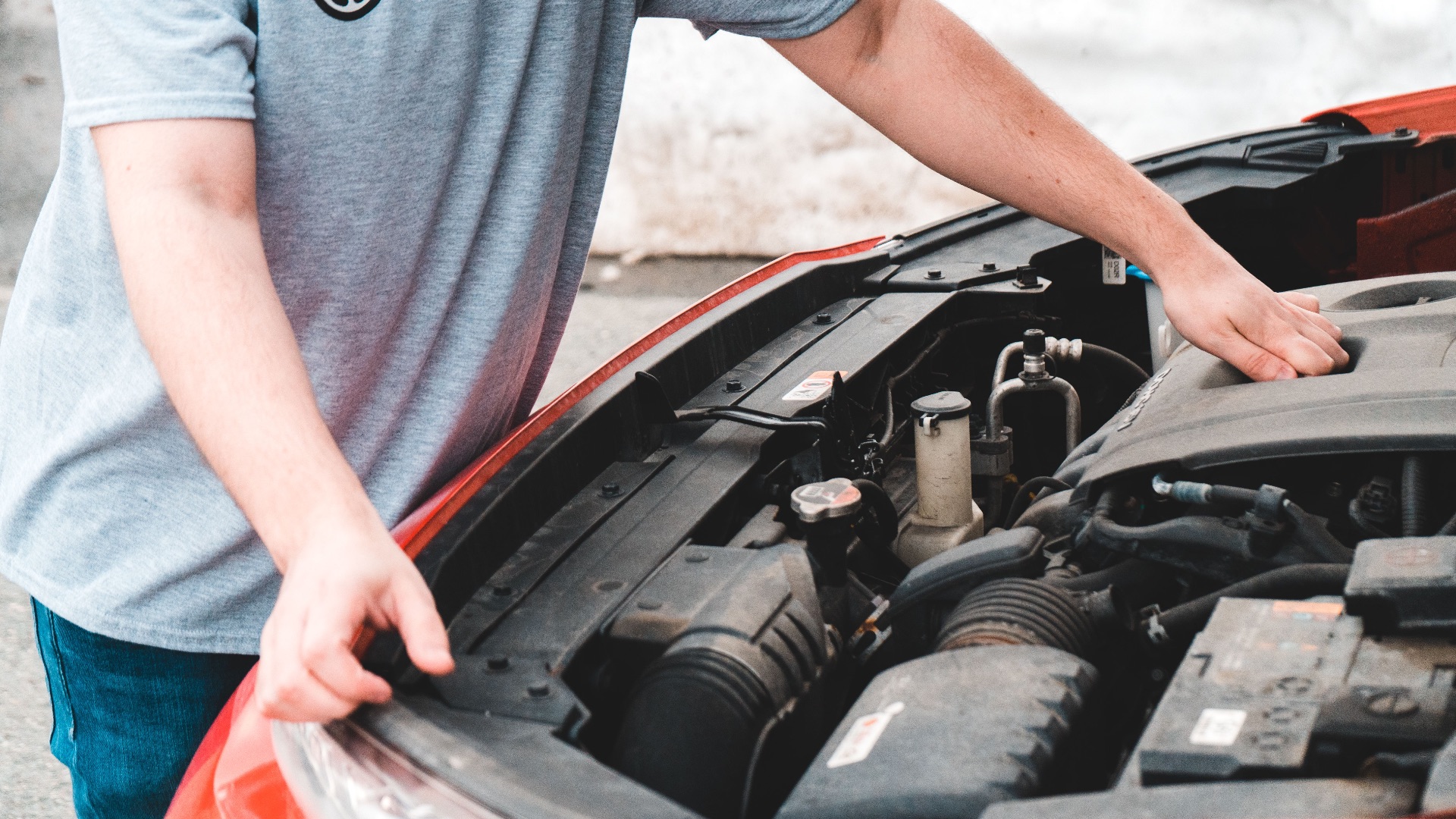
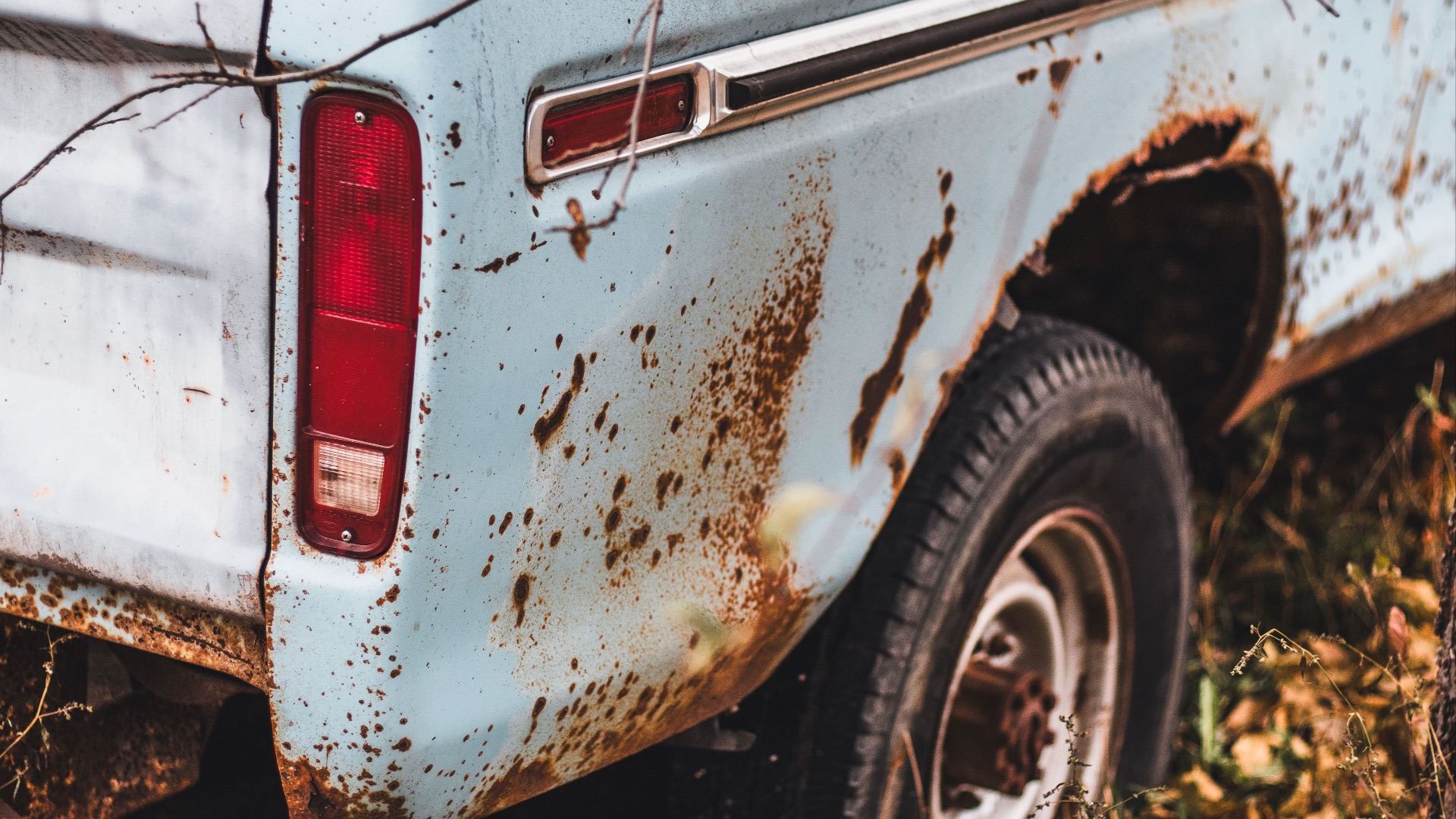
Cosmetic rust can be annoying, but structural rust is far more serious. If corrosion affects the frame, underbody, brake lines, or suspension mounting points, the car may become unsafe even if it still runs. Damage from past accidents can also create long-term problems that aren’t always obvious right away. When the vehicle’s structure is compromised, replacement may be the safer decision.
9. It Struggles to Pass Inspection or Emissions Tests
A failed inspection doesn’t automatically mean the car is finished, but repeated failures are a concern. If you keep paying for repairs just to meet legal requirements, the vehicle may be nearing the point where it’s no longer practical to keep. Emissions problems can also be difficult to diagnose and costly to correct. When staying road-legal becomes a recurring challenge, replacing the car may save you frustration.
 Jimmy Nilsson Masth on Unsplash
10. You’re Missing Work, Plans, or Appointments Because of It
Reliability has real consequences beyond the repair shop. If your car’s problems are making you late, forcing cancellations, or requiring last-minute rides, it’s directly affecting your daily life. Even an inexpensive car can become costly when it disrupts your schedule and creates constant inconvenience. When transportation stops being dependable, it’s reasonable to start looking for a better option.
With all this said, a car can have problems without being ready for replacement, though. Before you decide it’s time to move on, it’s worth looking at the other side: the signs that your current vehicle is still doing its job and may be worth keeping.

1. It Starts Consistently and Runs Smoothly
A car that starts reliably is already giving you one of the most important things a vehicle can offer. If the engine runs smoothly, doesn’t hesitate, and feels steady during everyday driving, that’s a positive sign. Occasional maintenance needs are normal, but consistent performance matters more than age alone. A well-running car may still have a lot of useful miles ahead.
2. Maintenance Has Been Regular and Documented
A strong maintenance history can make a big difference in how long a car lasts. If oil changes, tire rotations, brake service, fluid checks, and scheduled inspections have been handled on time, the vehicle has likely been cared for properly. Documentation also helps you understand what has already been done and what may be coming next. A car with a clear service record is often easier to trust than one with an unknown history.
3. Repair Costs Are Still Reasonable
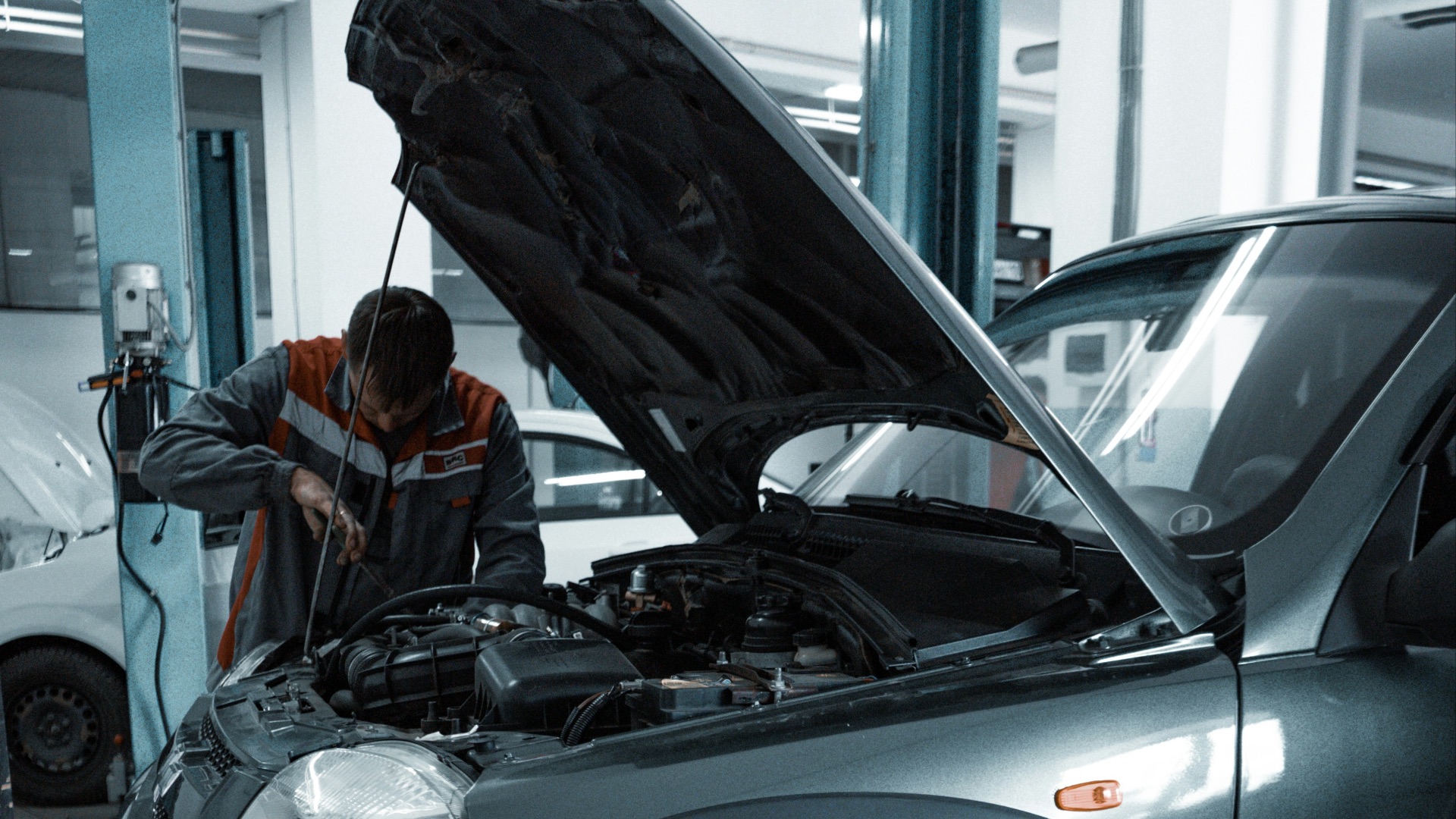
Every vehicle needs repairs eventually, but affordable, predictable fixes are usually manageable. If your car only needs routine items like tires, brakes, filters, or batteries, that doesn’t mean it’s failing. These expenses are part of normal ownership and often cost far less than taking on a new car payment. As long as repairs remain occasional and sensible, keeping the car may still be the better financial choice.

4. It Feels Safe and Stable on the Road
A car that brakes properly, steers accurately, and stays composed at highway speeds is showing healthy signs. You shouldn’t feel pulling, shaking, grinding, or unusual movement when driving under normal conditions. Stability matters because it affects both comfort and safety. If the vehicle feels controlled and predictable, it may still be in solid condition.

5. There Are No Major Warning Lights Staying On
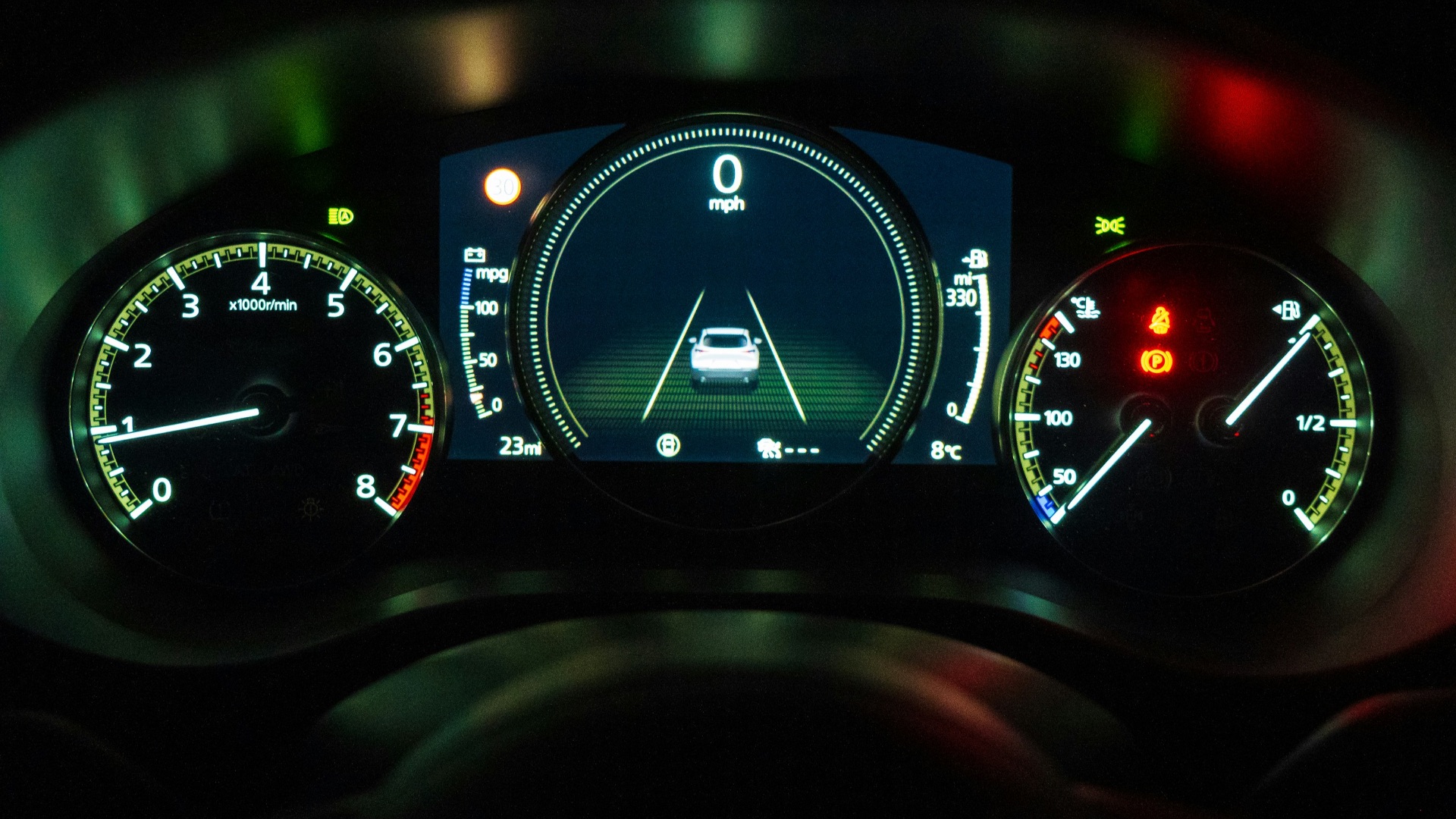
Dashboard warning lights shouldn’t be ignored, but their absence is encouraging. If your check engine light, oil pressure light, battery light, and brake warnings aren’t staying on, the main systems may be functioning as they should. That doesn’t replace regular inspections, but it does suggest there are no obvious active alerts. A clear dashboard is one small but useful sign that the car is behaving properly.
6. Fuel Economy Has Stayed Consistent
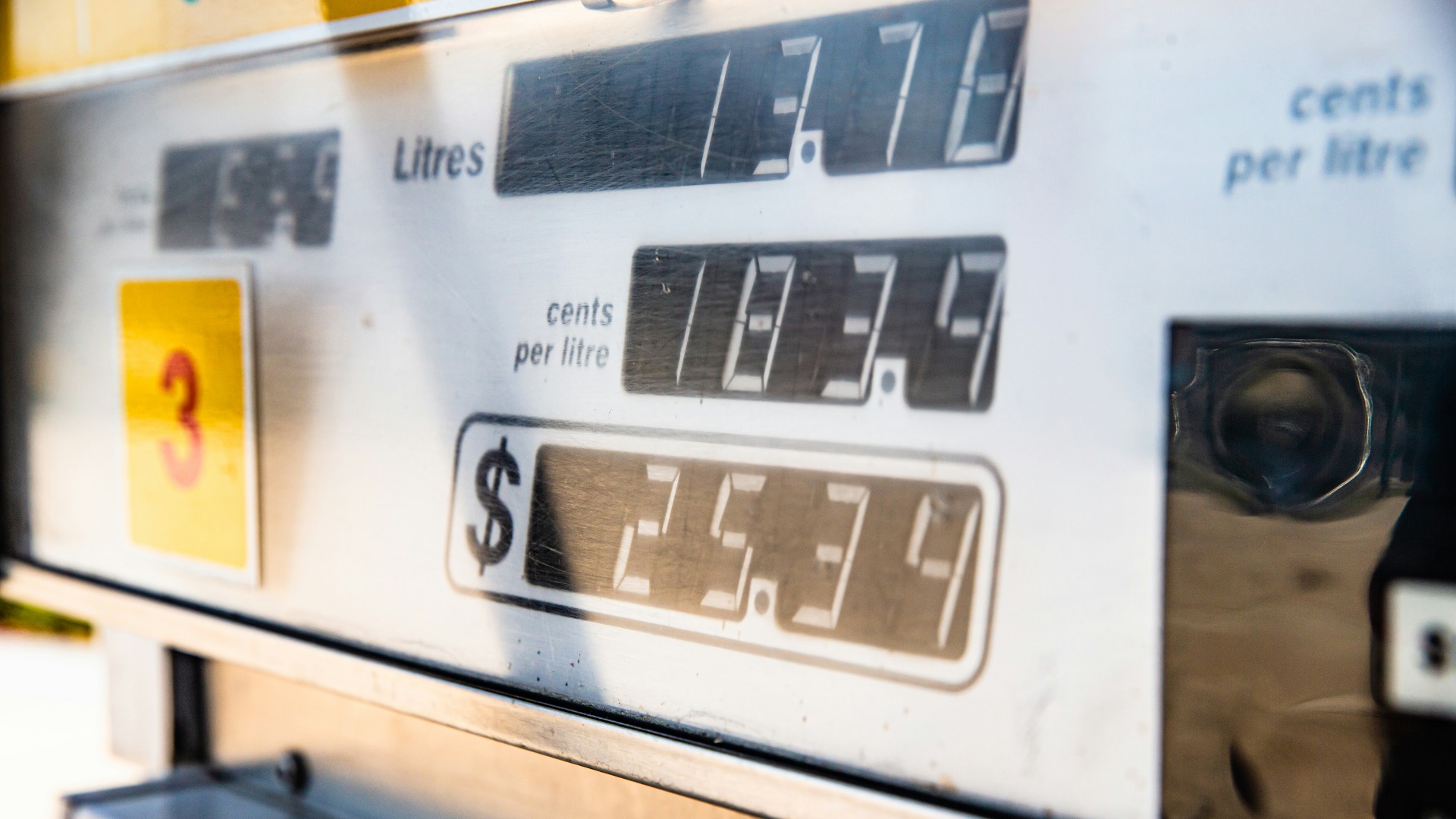
A sudden drop in gas mileage can point to mechanical problems, but steady fuel economy is reassuring. If your car still gets close to the mileage you expect, the engine and related systems may be working efficiently. Consistent fuel use also makes your monthly transportation costs easier to plan. When performance and mileage haven’t changed much, there may be no urgent reason to replace it.
7. The Interior and Exterior Are Holding Up Well
A few scratches, stains, or dents don’t mean much, especially on a car that’s been used daily. Still, a vehicle that has a clean interior, intact seats, working doors, and a body free from serious rust is usually easier to keep. Good physical condition can reflect careful ownership and reduce the chance of certain problems getting worse. If the car still looks and feels well kept, that’s a point in its favor.

8. It Still Meets Your Everyday Needs
The best car for you is the one that fits your actual routine. If your current vehicle handles your commute, passengers, errands, parking situation, and cargo needs without frustration, that matters. You don’t need to upgrade just because newer options exist or because your car is a few years old. When it continues to match your lifestyle, keeping it can be the practical choice.

9. Your Mechanic Isn’t Concerned About Its Condition
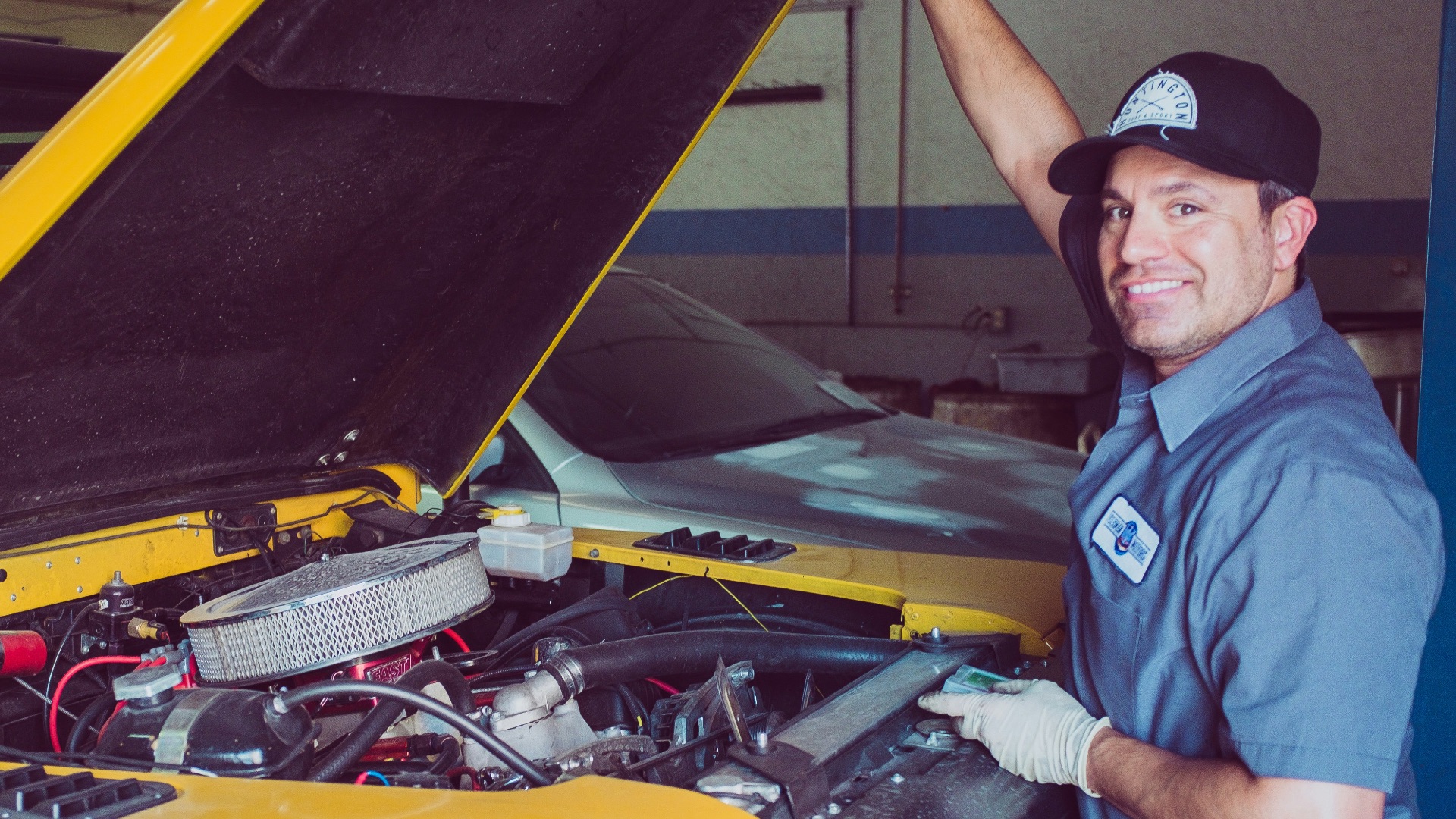
A trusted mechanic can give you a clearer view than guesswork can. If inspections keep coming back with only minor recommendations, that’s a strong sign your car is still healthy. Mechanics can often spot patterns you might miss, especially with belts, hoses, leaks, suspension wear, and brake condition. When a professional sees no major red flags, you have a better reason to keep driving it.
10. It’s Paid Off and Still Dependable
A paid-off car that works well can be a major financial advantage. Without a monthly payment, you may have more room in your budget for savings, maintenance, insurance, or other priorities. If the vehicle is dependable and doesn’t require constant repairs, replacing it too soon could cost more than it saves. In many cases, the smartest car is the one you already own and can still count on.