
What Happens to Your Car Under the Sun?
Are you ready for the summer? While you might already be in your swim trunks and sunglasses, ready to bask in the sunlight, your car might not be so prepared for the inevitable heat. Prolonged sun exposure can put a surprising amount of stress on your vehicle, after all, and most drivers don't realize how many systems are affected until something goes awry; you might see peeling paint, a failed battery, or even unusual warnings flashing on your dashboard. If you want to keep your car in tiptop shape all season long, here are 10 things to watch out for as well as how to prevent lasting damage.
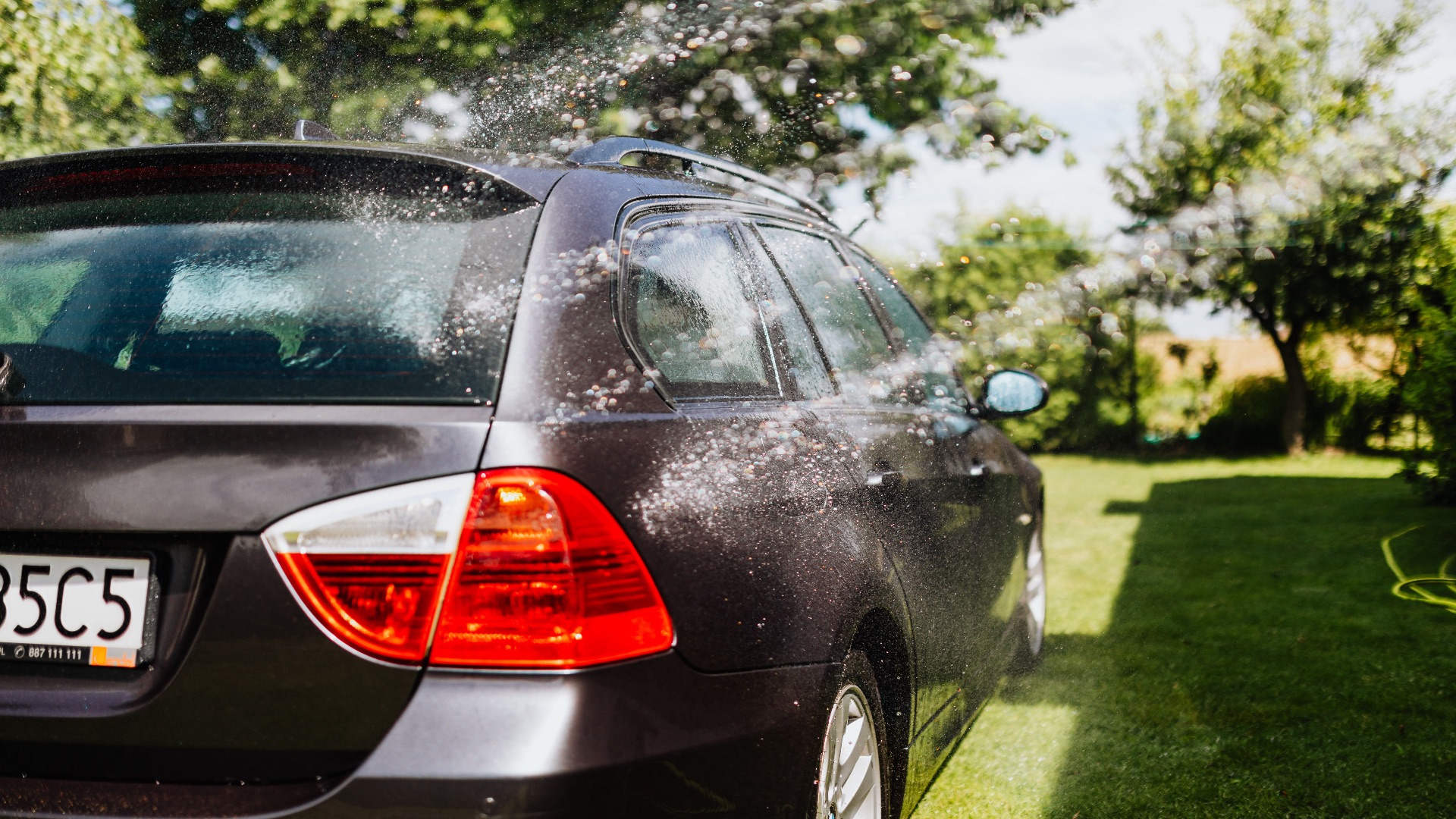
1. Tire Blowouts Are More Likely
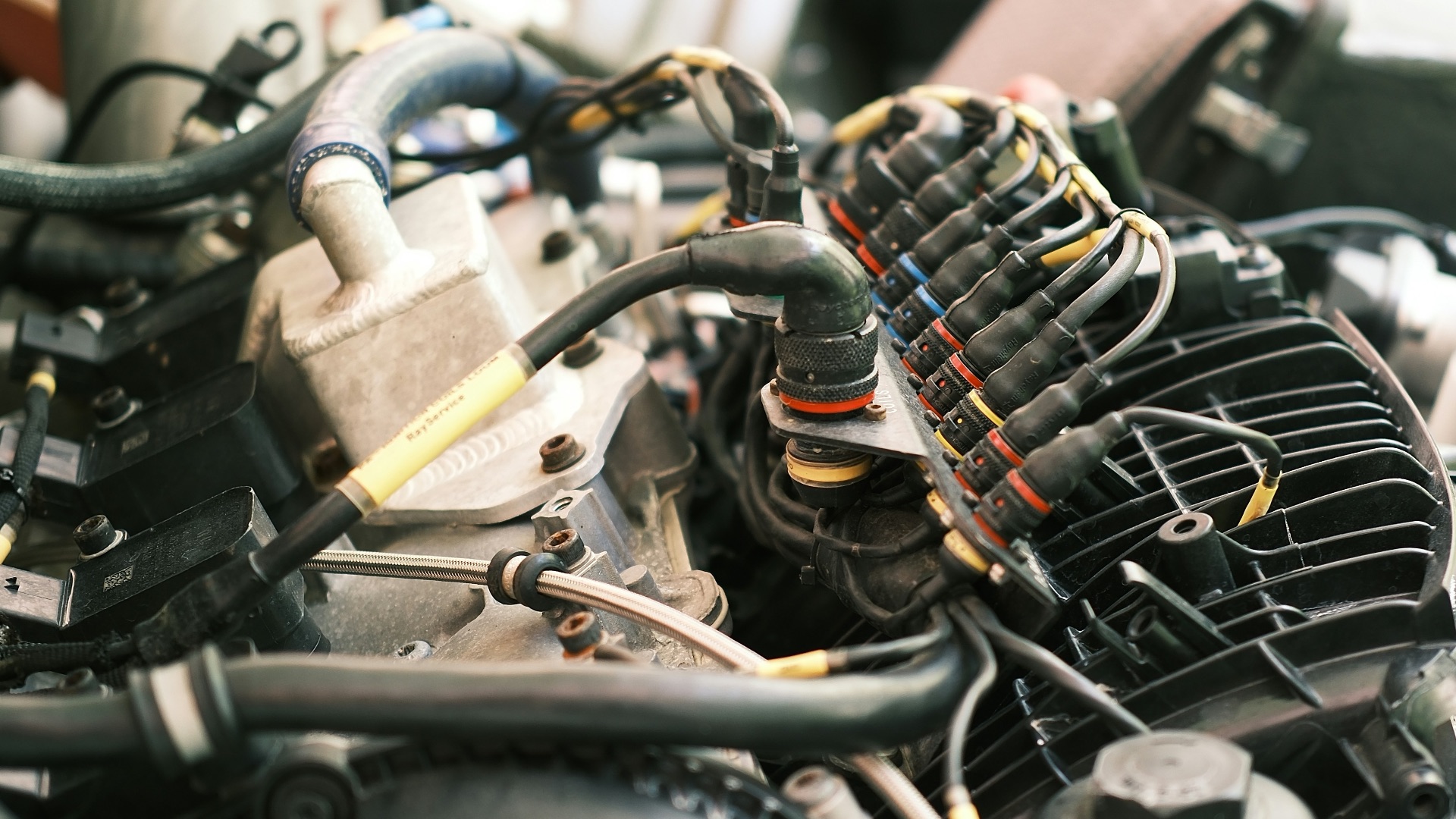
Hot pavement causes the air inside your tires to expand, and that added pressure puts extra strain on the rubber. If your tires are already worn or underinflated, the heat can push them past their limit and cause a blowout while you're driving. Long road trips in extreme heat make this risk even higher, especially when tires are carrying a full load of passengers or luggage.
2. Your Battery Can Fail Without Warning
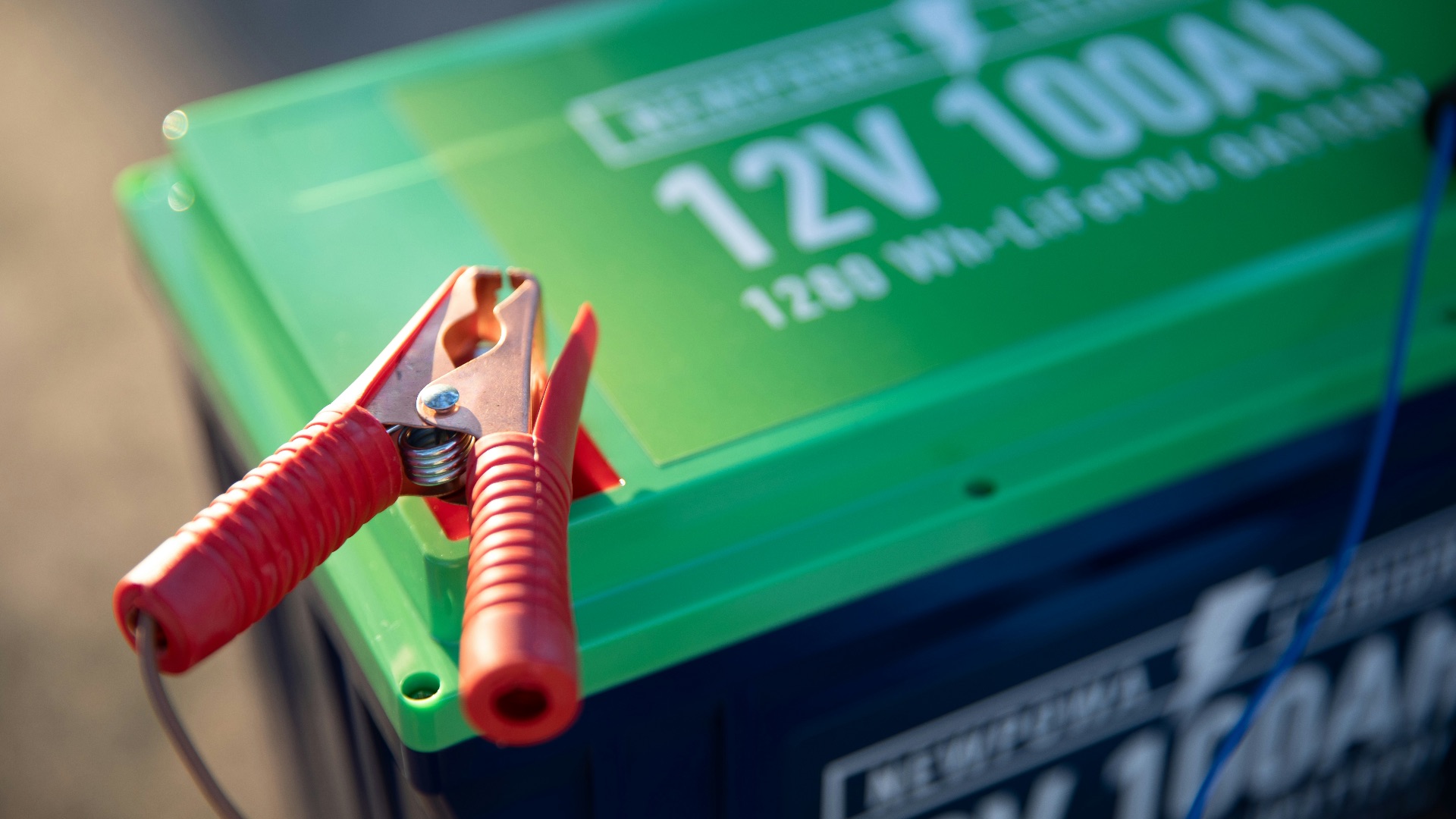
Many people assume cold weather is the main threat to a car battery, but heat actually causes more long-term damage. High temperatures speed up the chemical reactions inside the battery, which leads to fluid evaporation and internal corrosion. This process can leave you with a battery that suddenly won't start your car, even if it seemed fine the day before.
3. Engine Fluids Break Down Faster
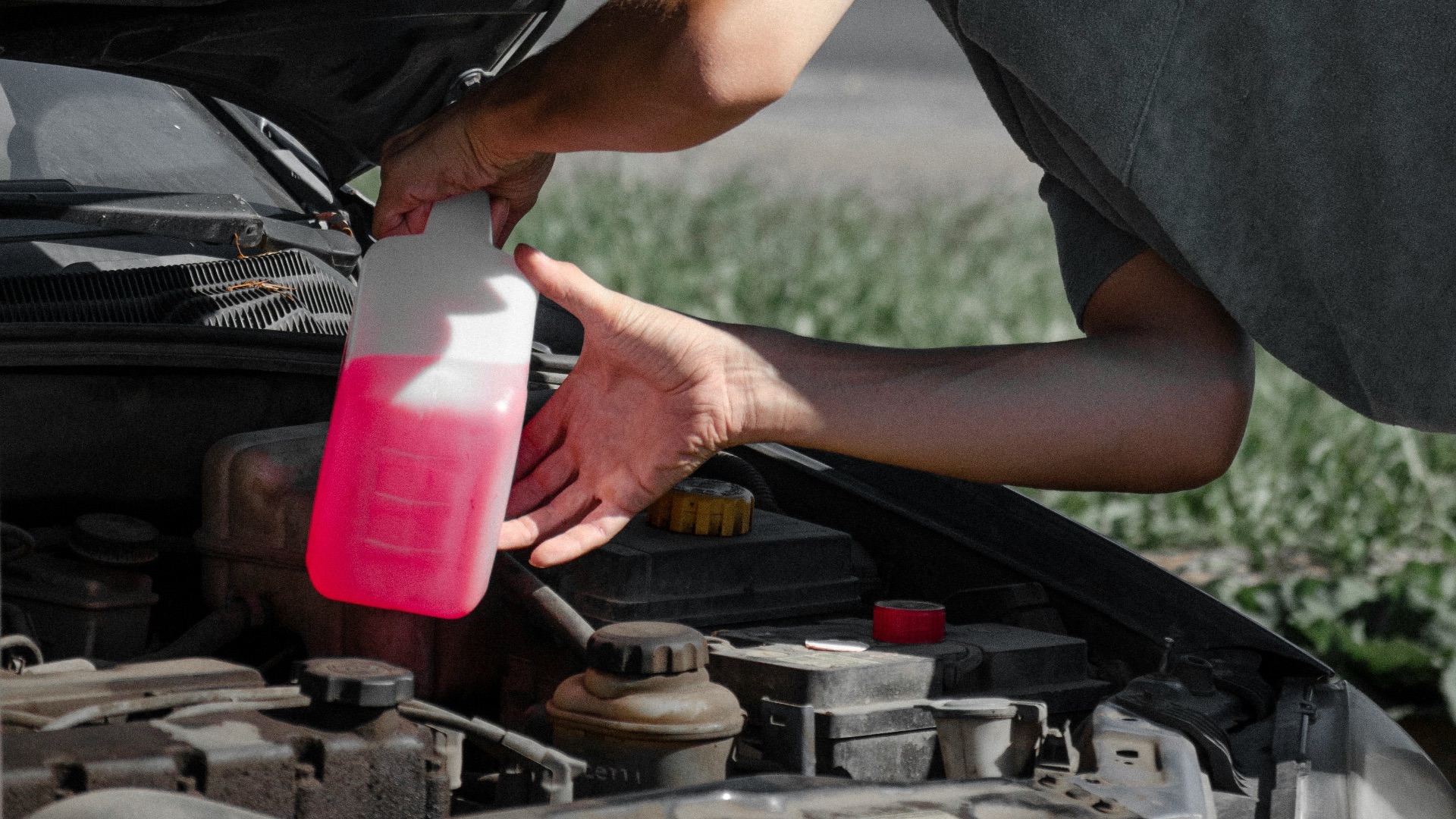
Motor oil, coolant, and transmission fluid all have a harder time doing their job when temperatures soar. Heat thins out oil and accelerates the breakdown of its protective additives, which means your engine gets less lubrication exactly when it needs more. Over time, this can lead to increased friction and wear on critical engine components.
4. The Dashboard and Interior Trim Can Crack
Sunlight beating down on your dashboard for hours at a time causes the plastic and vinyl to dry out and lose flexibility. Once that happens, even small amounts of pressure or temperature fluctuation can cause visible cracks to form. This kind of damage tends to happen gradually, so you might not notice it until the cracks are already deep and difficult to repair.
5. Your Car's Paint Can Fade and Peel
Ultraviolet rays and intense heat work together to break down the clear coat that protects your car's paint job. Once that layer starts to degrade, the color underneath becomes more vulnerable to fading, chalking, and even peeling in severe cases. Cars parked outside without any shade for long stretches tend to show this kind of damage much sooner than vehicles kept in a garage.
 chatchawarn loetsupan on Pexels
6. Your Engine May Overheat
When outside temperatures climb, your engine has to work harder to stay within a safe operating range. If your cooling system isn't in top shape, whether due to low coolant, a failing fan, or a clogged radiator, the engine can overheat much faster than it would in milder weather. An overheated engine can warp components or cause a blown gasket, both of which lead to costly repairs.

7. Tire Pressure Sensors Can Trigger Warnings
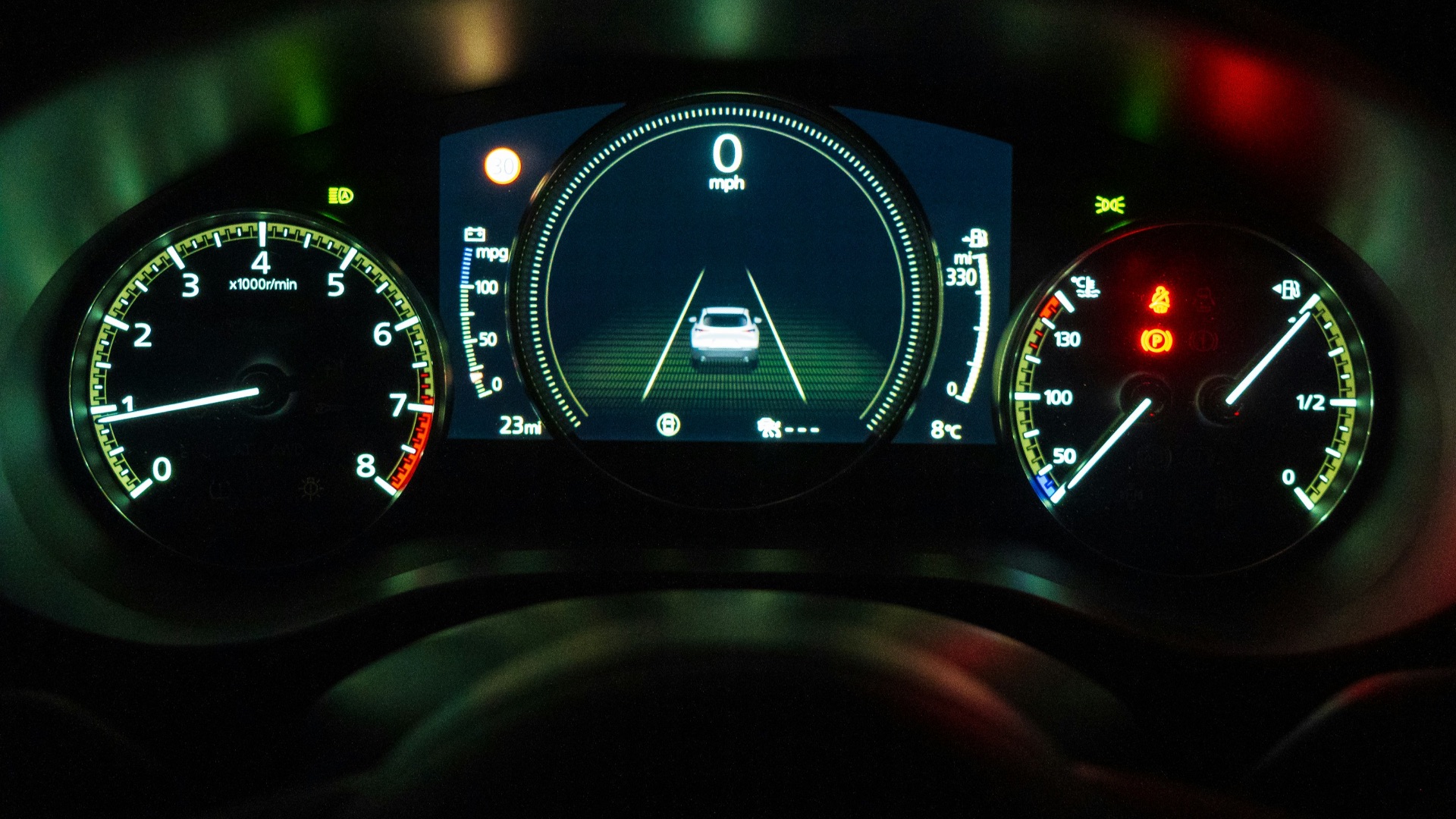
As tires heat up from both the sun and friction with the road, the air inside expands and changes the pressure readings your car's sensors pick up. This can cause your tire pressure warning light to come on even when nothing is mechanically wrong. While it's not always a sign of danger, it's worth checking your tires anyway since the sensor could be detecting a legitimate issue hiding behind the heat-related fluctuation.
8. The Air Conditioning System Has to Work Overtime
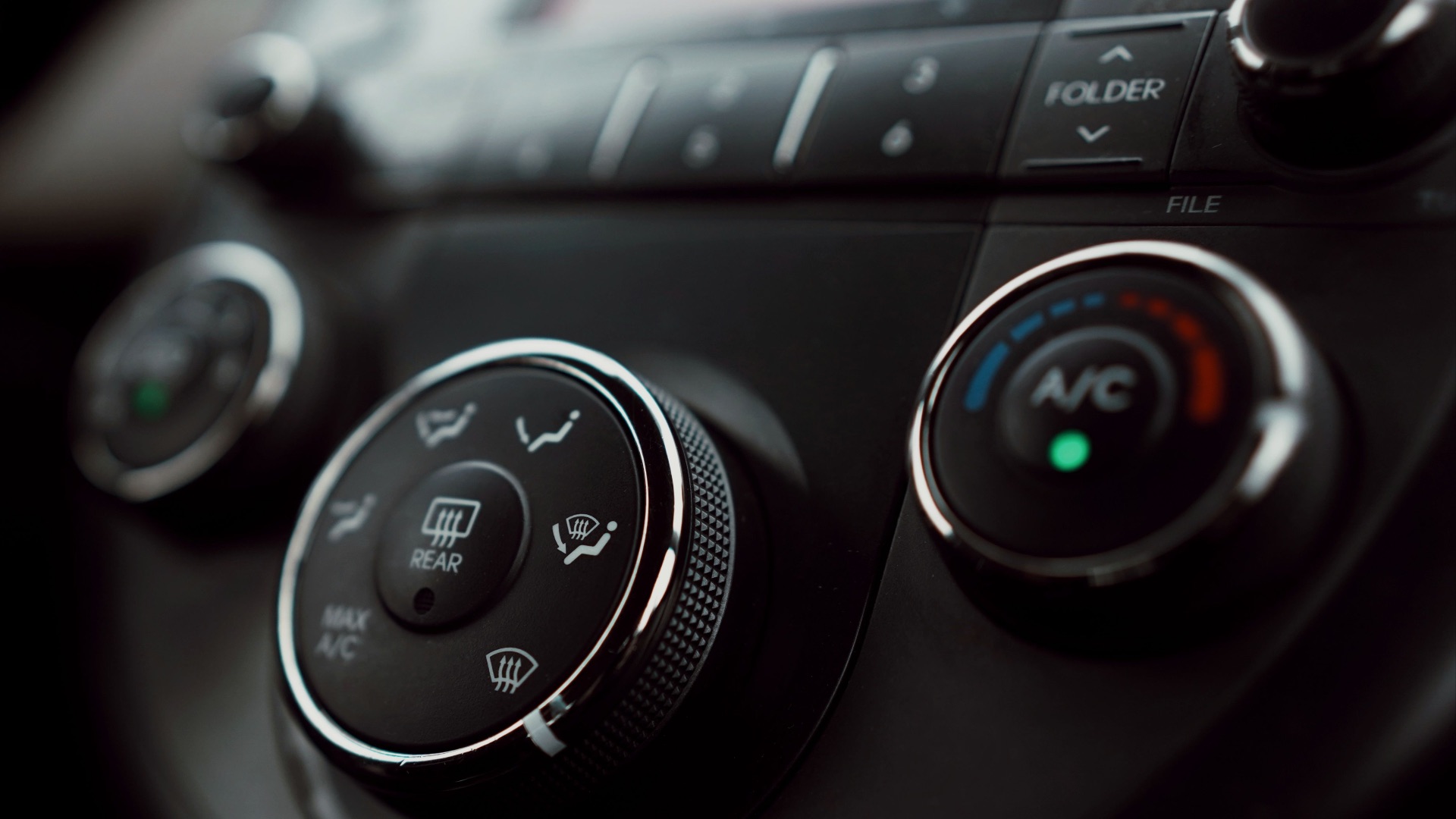
Your air conditioning compressor and refrigerant lines face significant strain during the hottest months because they're constantly working to combat extreme outdoor temperatures. This added workload can expose existing leaks, worn seals, or weak components that might have gone unnoticed during cooler seasons. A struggling air conditioning system not only makes for an uncomfortable ride but can also signal a larger mechanical issue forming underneath the surface.
9. Rubber Hoses and Belts Become Brittle
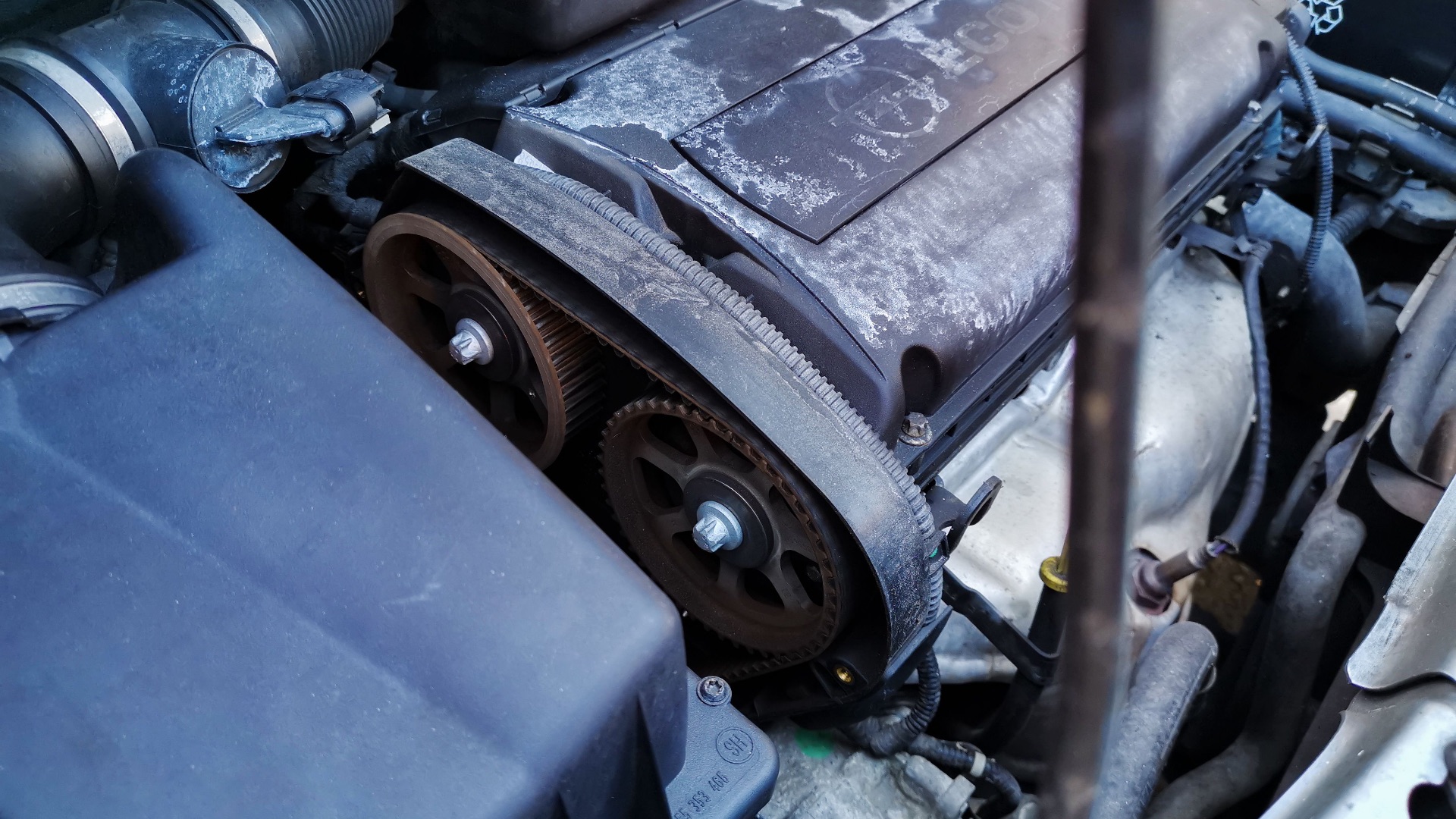
The rubber components under your hood, including belts and hoses, are particularly sensitive to prolonged heat exposure. Constant high temperatures cause these parts to dry out and lose their elasticity, making them more prone to cracking or snapping. A sudden belt failure can leave you stranded, especially if it happens to be the belt responsible for powering your alternator or water pump.
 Frederick Adegoke Snr. on Pexels
10. Electronics and Wiring Can Malfunction
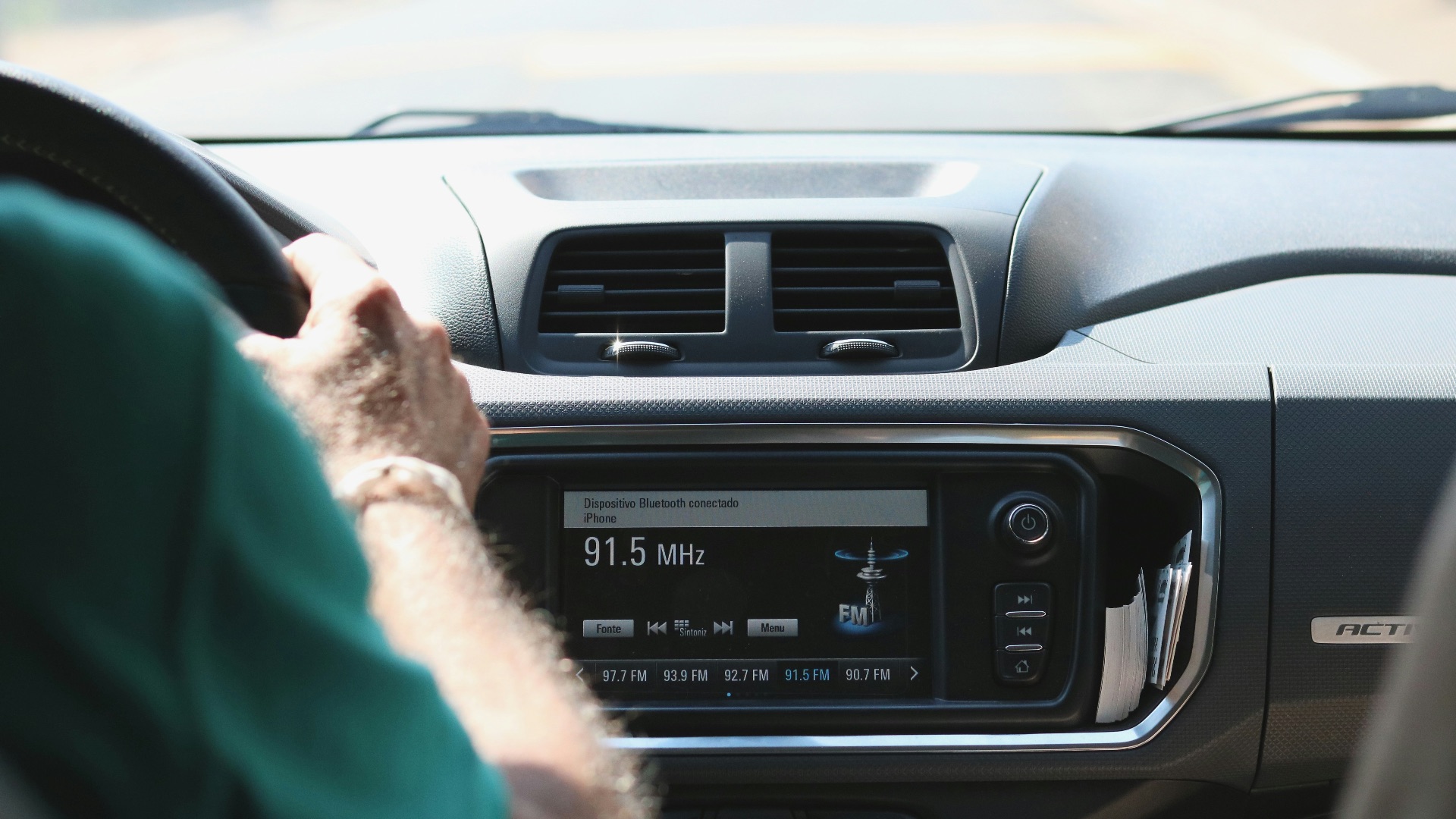
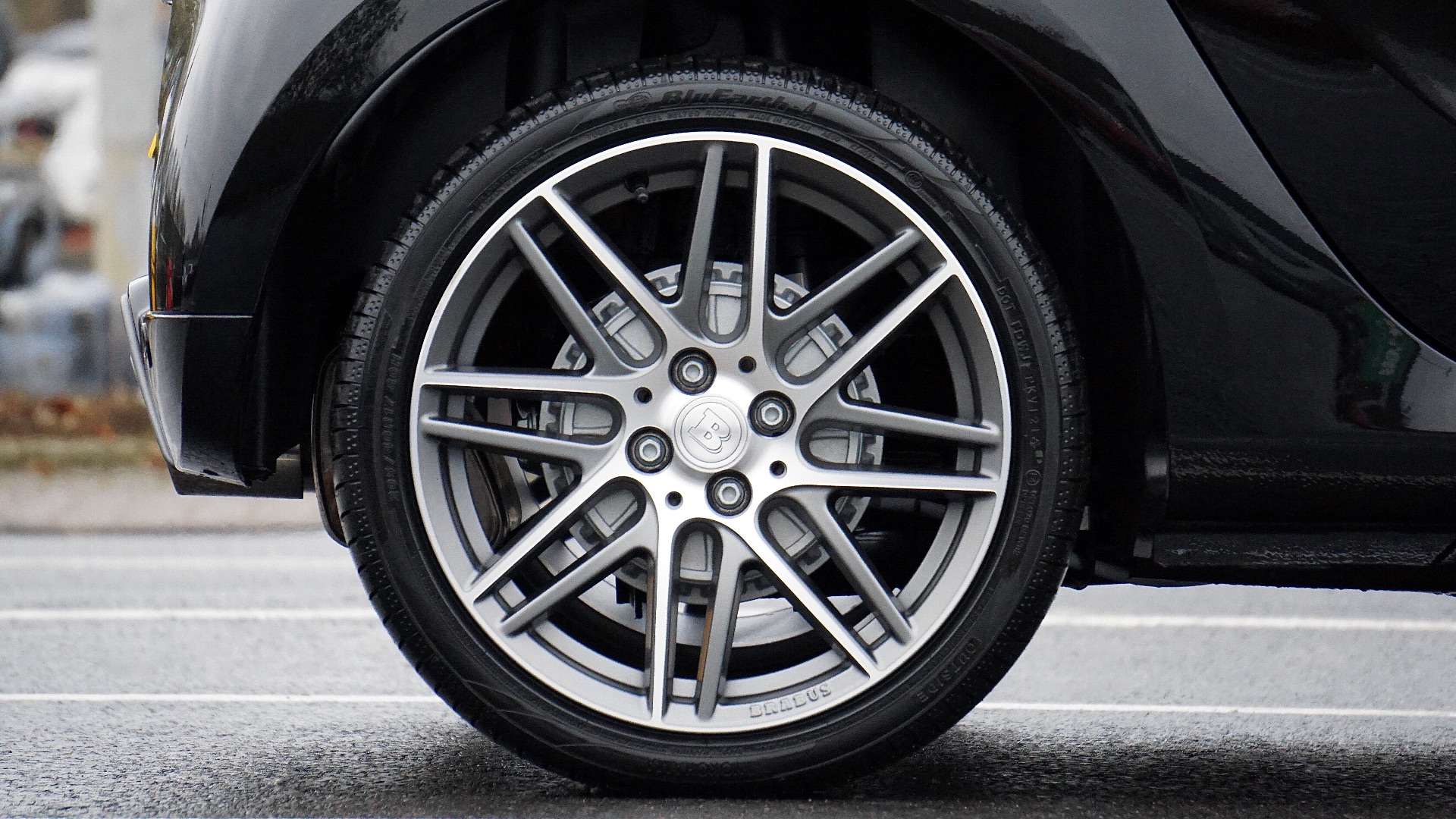
Modern cars rely on a huge network of sensors, wiring, and computer modules, many of which are sensitive to extreme heat. When temperatures inside the engine bay or cabin rise too high, these components can experience glitches, false warning lights, or even permanent damage. This is especially true for vehicles parked in direct sunlight for hours without any kind of ventilation or shade.
Now that you know what kind of damage summer heat can cause, let's look at some practical ways to protect your vehicle so it holds up all season long.
1. Check Your Tire Pressure Regularly
Make it a habit to check your tire pressure at least once a month during the summer, since heat causes the air inside to expand and fluctuate more than usual. Use a reliable gauge and check the pressure when the tires are cold for the most accurate reading. Keeping your tires properly inflated reduces the risk of blowouts and helps your car handle more predictably on hot pavement.
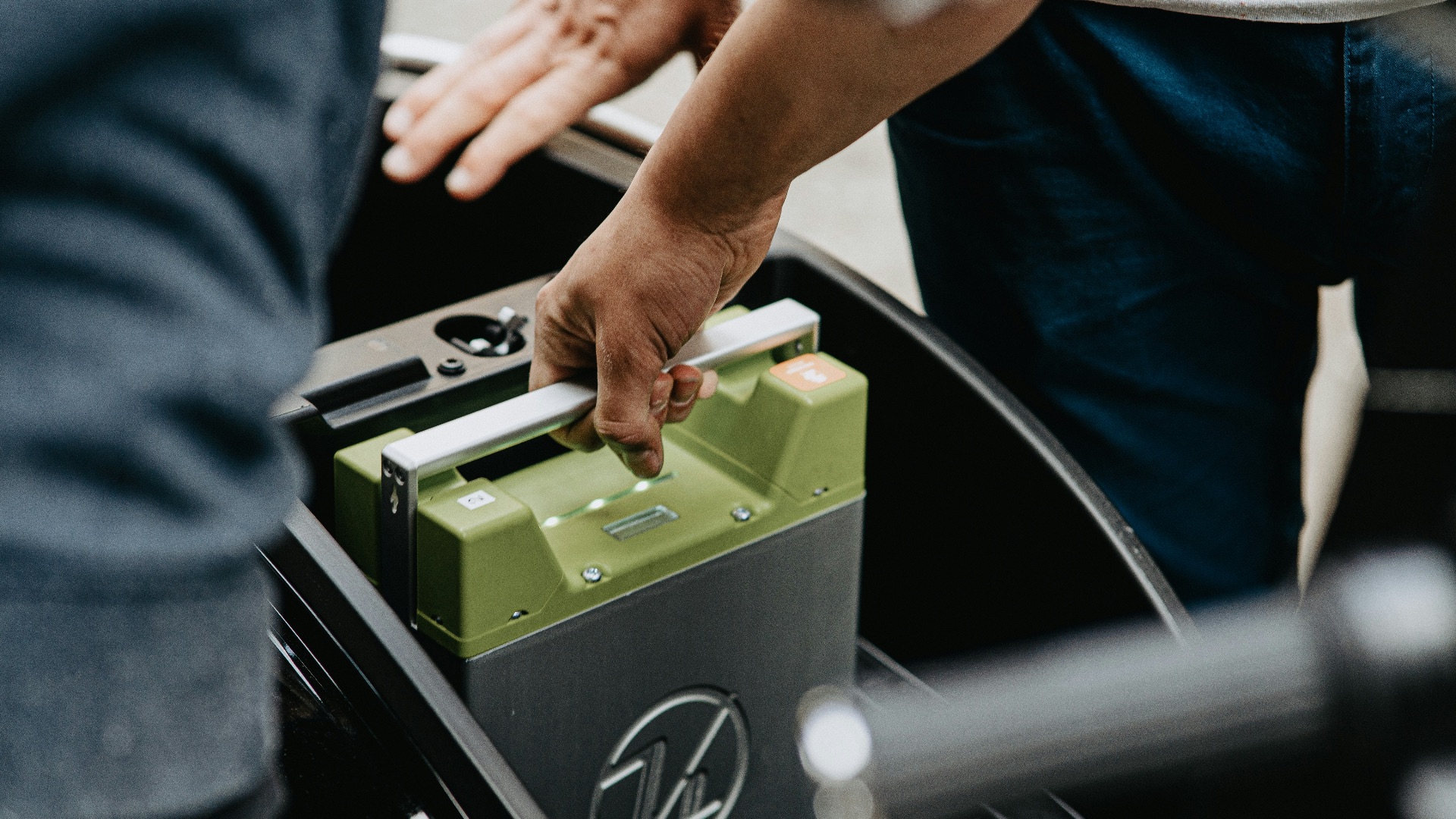
2. Have Your Battery Tested Before the Heat Hits
Getting your battery tested at the start of summer can help you catch weak spots before they turn into a dead battery on the side of the road. Most auto shops offer this service quickly and often at no charge. If your battery is more than three or four years old, it's worth replacing proactively rather than waiting for it to fail unexpectedly.
3. Keep Up with Fluid Changes
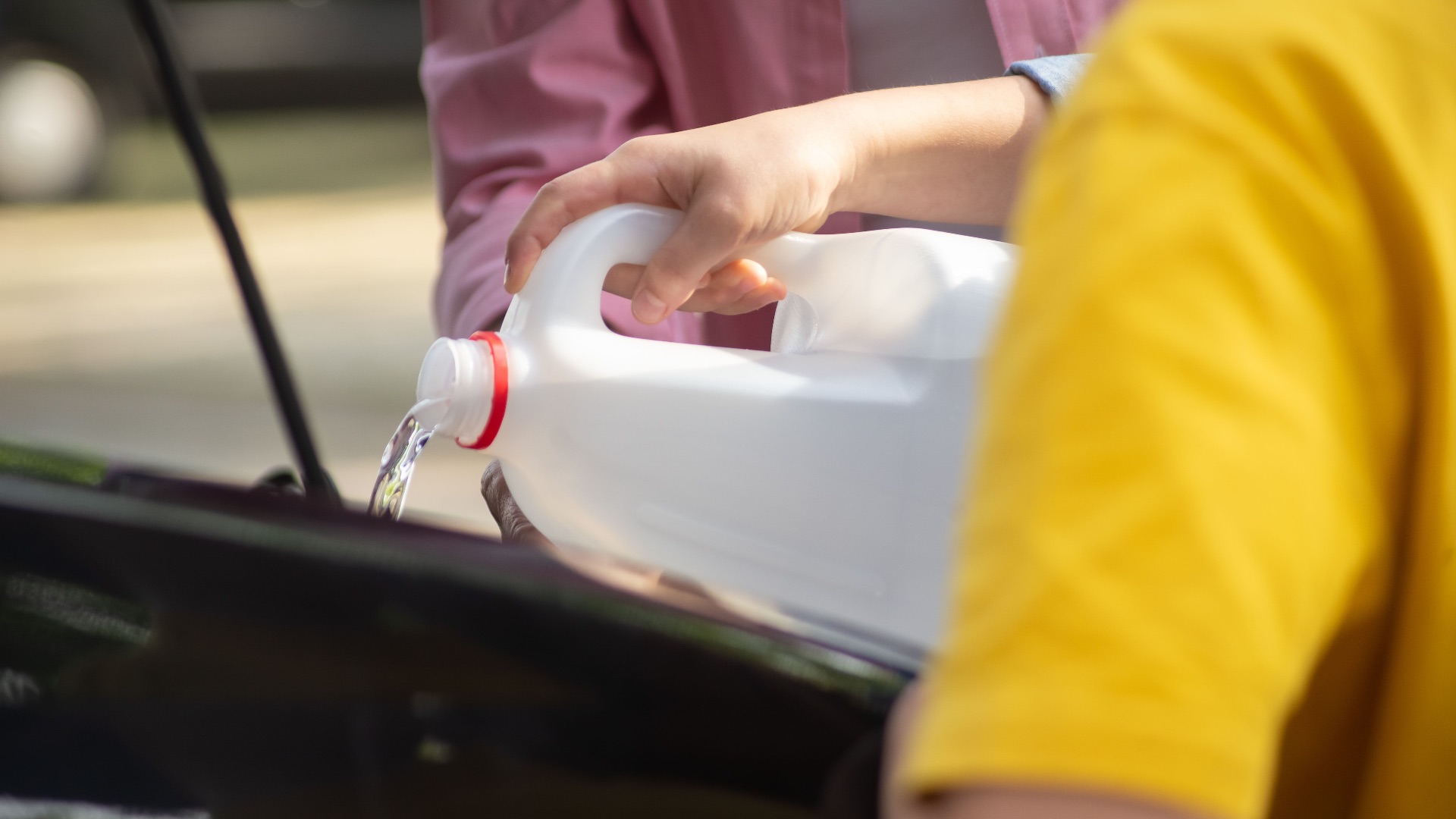
Sticking to your car's recommended maintenance schedule for oil, coolant, and transmission fluid becomes even more important once temperatures rise. Fresh fluids handle heat much better than fluids that are old or breaking down, giving your engine the protection it needs. If you're unsure when your last fluid change happened, checking your maintenance records or asking a trusted mechanic can clear that up quickly.
4. Use a Sunshade or Park in the Shade
Parking under a tree, in a garage, or even just using a reflective sunshade can dramatically lower the temperature inside your car and protect the dashboard and trim from sun damage. This small habit also helps reduce the strain on your air conditioning system once you start driving again. Over time, consistent shade can noticeably slow down fading and cracking on both interior and exterior surfaces.

5. Apply Wax and Protective Coatings
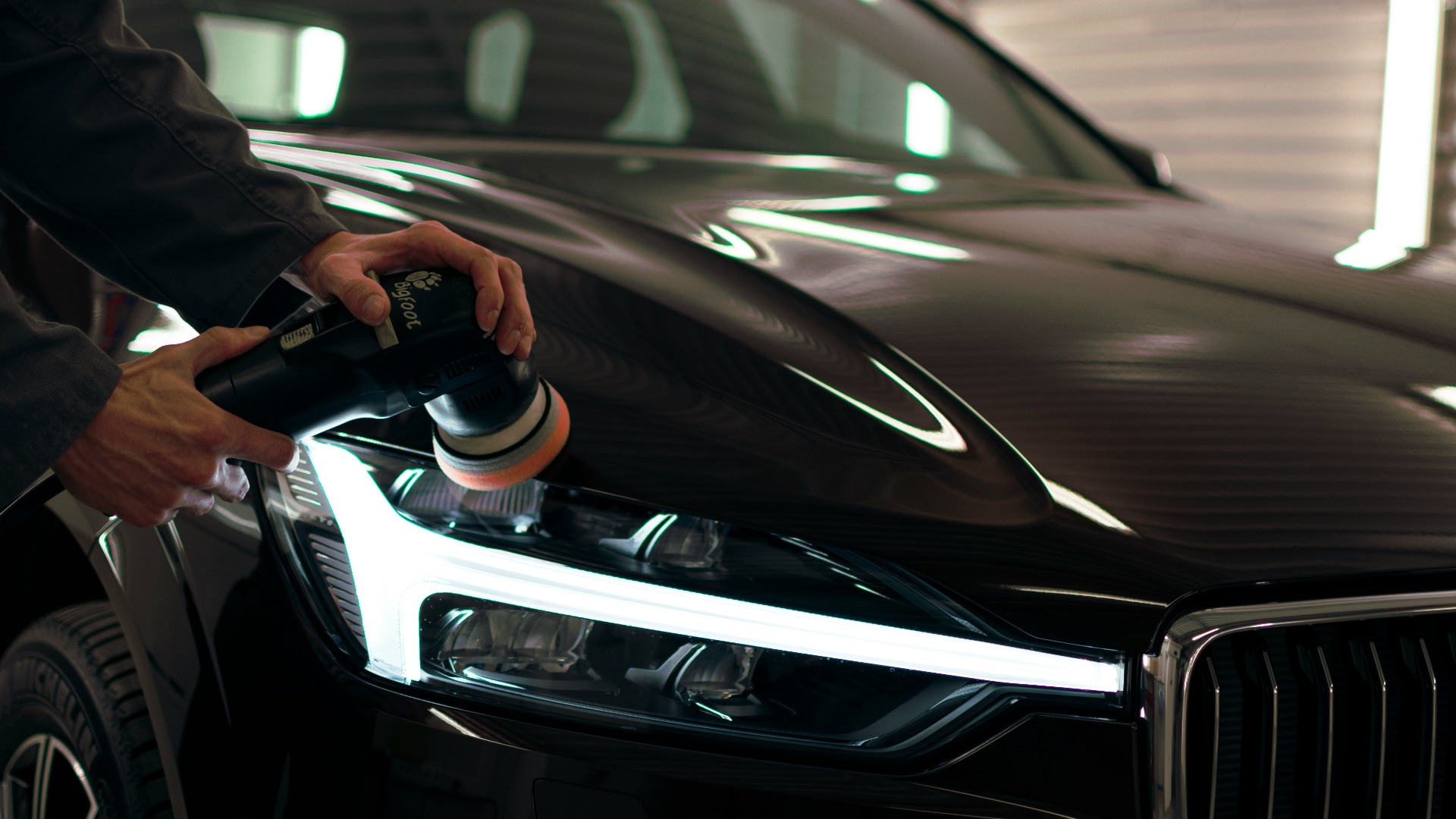
Applying a quality wax or paint sealant creates a barrier between your car's clear coat and the damaging effects of UV rays. Doing this every few months during the warmer seasons helps maintain that protective layer and keeps your paint looking vibrant for longer. Many auto detailing shops also offer ceramic coatings, which provide even longer-lasting protection if you're willing to invest a bit more.
 Vitali Adutskevich on Unsplash
6. Monitor Your Cooling System Closely
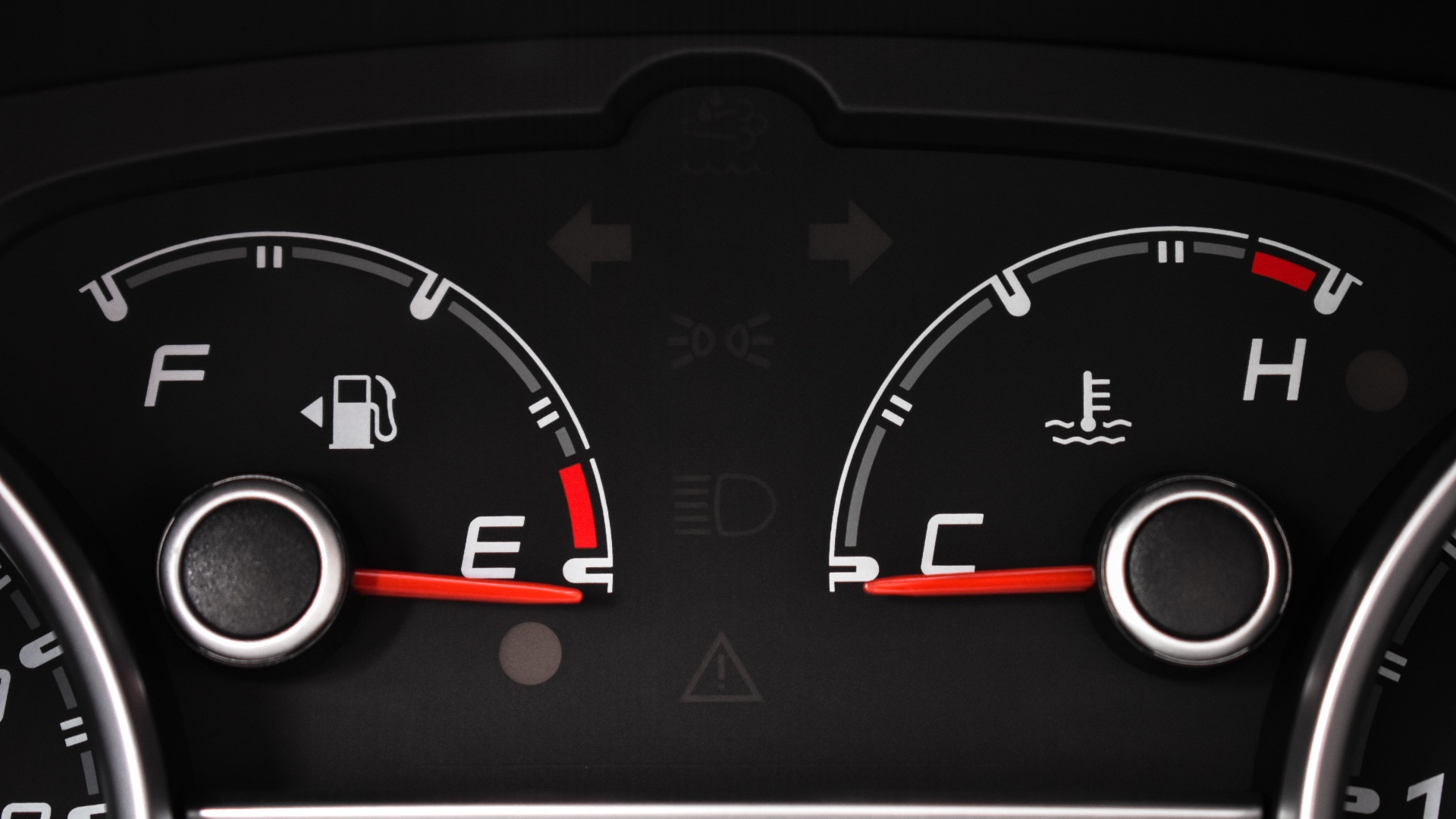
Pay attention to your temperature gauge and watch for any warning lights that suggest your engine is running hotter than it should. Having your radiator, hoses, and cooling fan inspected before summer arrives can catch small issues before they turn into a major breakdown. A well-maintained cooling system makes a significant difference in how your car handles extreme heat during long drives.
7. Don't Ignore Dashboard Warning Lights
If your tire pressure warning or any other alert comes on, take a few minutes to investigate rather than assuming it's just heat-related noise. Sometimes a sensor is picking up a legitimate issue that happens to coincide with rising temperatures. Taking warning lights seriously, even during the summer, helps you catch real problems before they become dangerous on the road.

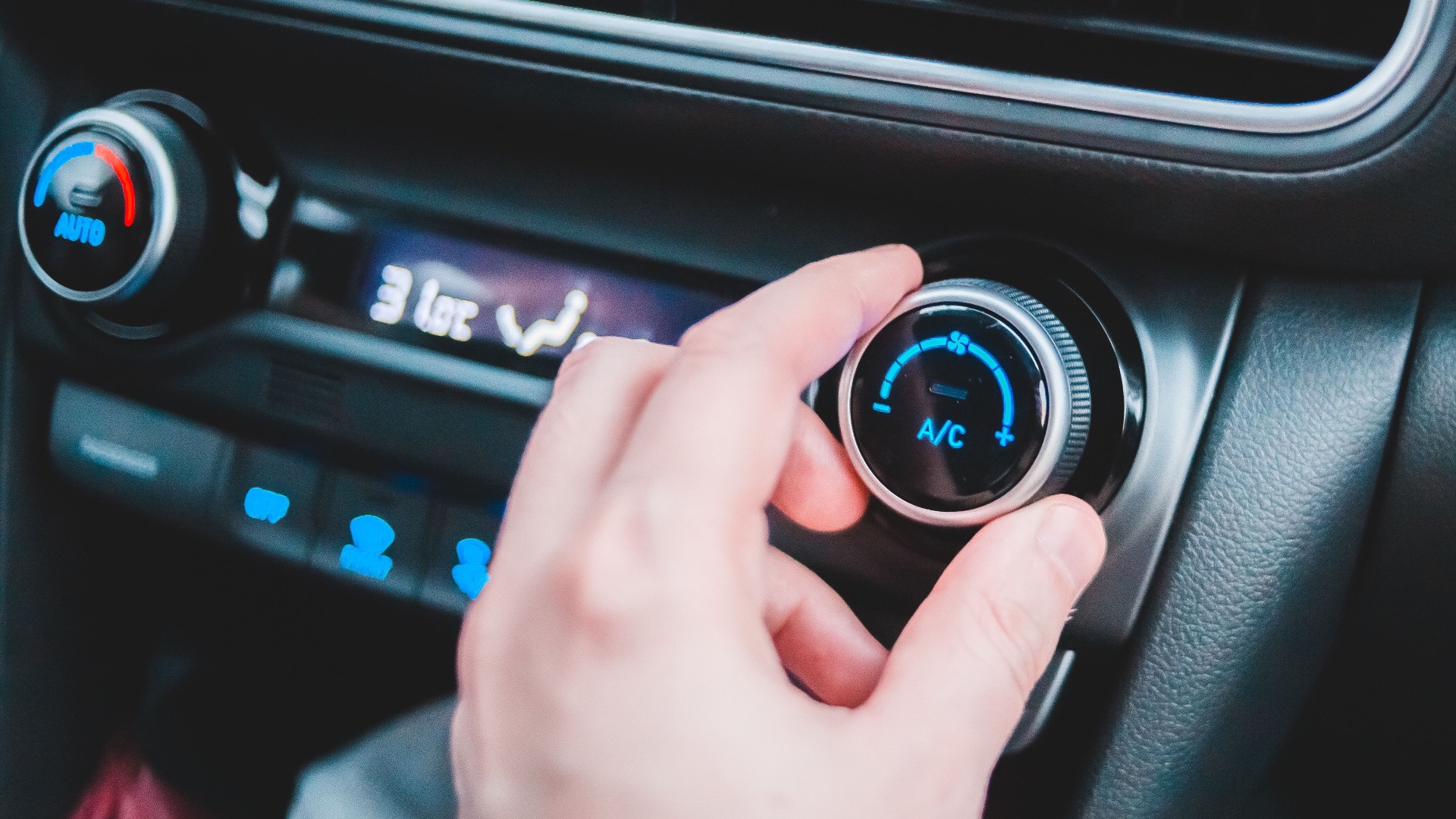
8. Get Your Air Conditioning System Inspected
Before the hottest part of the year arrives, have a mechanic check your air conditioning system for leaks, worn seals, or low refrigerant. Catching these issues early prevents them from turning into bigger, more expensive repairs down the line. A properly functioning system also keeps you and your passengers comfortable on long summer drives.
9. Inspect Belts and Hoses for Wear and Tear
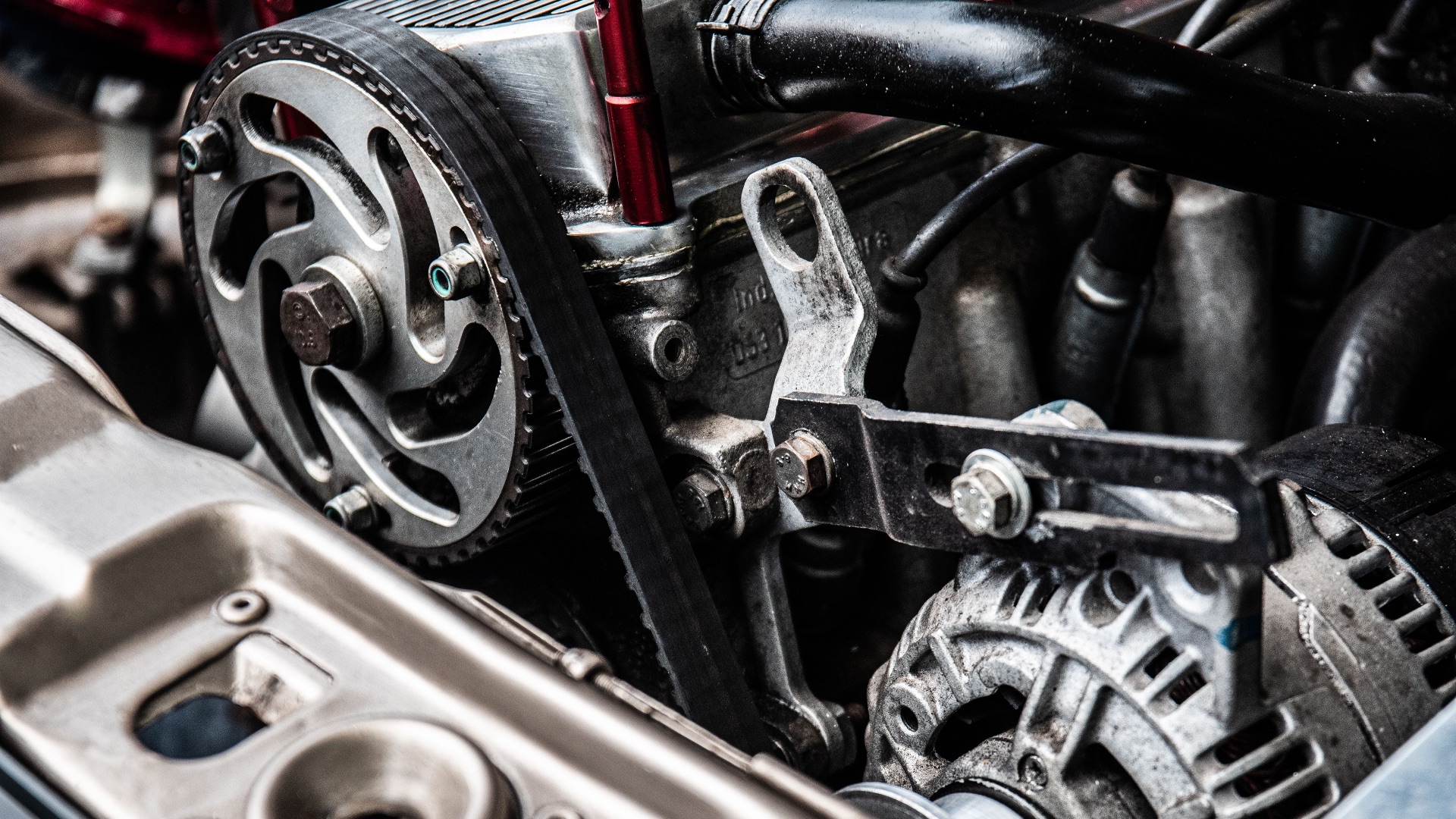
Take a few minutes to visually inspect your belts and hoses for cracks, fraying, or any signs of brittleness, especially if your car has higher mileage. Replacing worn components before they fail saves you from the inconvenience and cost of an unexpected breakdown. Many mechanics will check these parts during a routine oil change if you ask them to.
10. Limit Sun Exposure for Electronics
Whenever possible, avoid leaving sensitive electronics like phone chargers, dash cams, or aftermarket gadgets exposed to direct sunlight for extended periods. Extreme heat buildup inside a parked car can cause these devices to malfunction or degrade faster than they normally would. Cracking your windows slightly or using a sunshade can help keep the interior temperature more manageable and protect both built-in and aftermarket electronics alike.