Is It Time for an EV?
Whether you've already been thinking about replacing your car or you've been tempted to switch to an electric model after seeing too many Teslas on the road, one thing's for sure: EVs have moved far beyond being a niche option. With today's market offering everything from relatively affordable compact crossovers to three-row family SUVs and long-range luxury sedans, the switch is truly worth it. Charging infrastructure and vehicle range have also improved, while the simpler mechanical design of an all-electric powertrain can reduce routine maintenance requirements compared with a conventional gas vehicle. Of course, an EV still won't be the best choice for every driver, but if several of the following signs describe your daily routine, it might be time.
 Hyundai Motor Group on Unsplash
1. Most of Your Driving Is Close to Home
If the majority of your miles come from commuting, errands, school drop-offs, or other local trips, you're already using your car in a way that suits an EV particularly well. Modern electric models commonly provide enough range to cover several days of ordinary driving before needing a substantial recharge. When long-distance trips are the exception rather than a weekly occurrence, range becomes much less of a concern.

2. You Have a Convenient Place to Charge Overnight
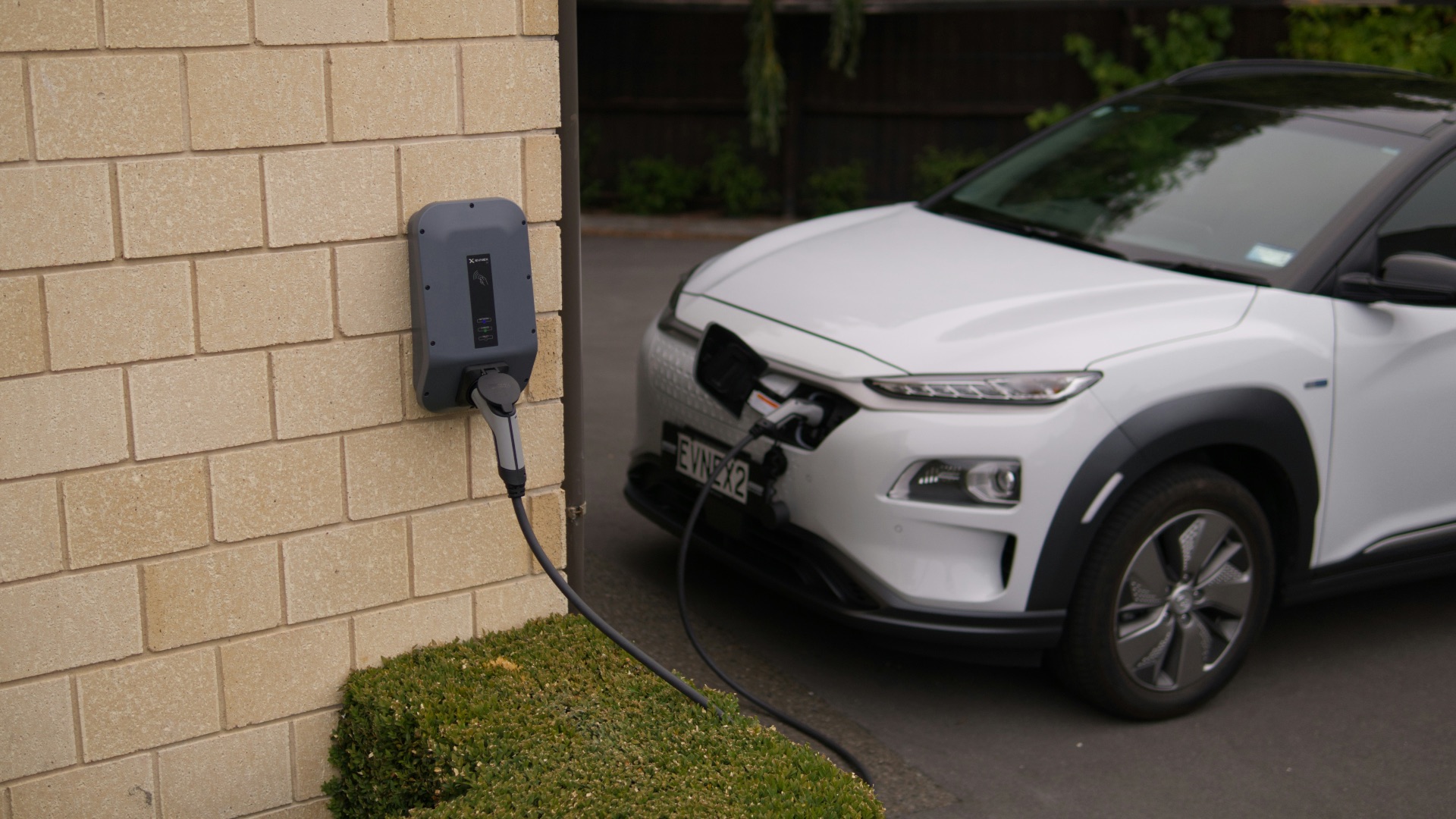
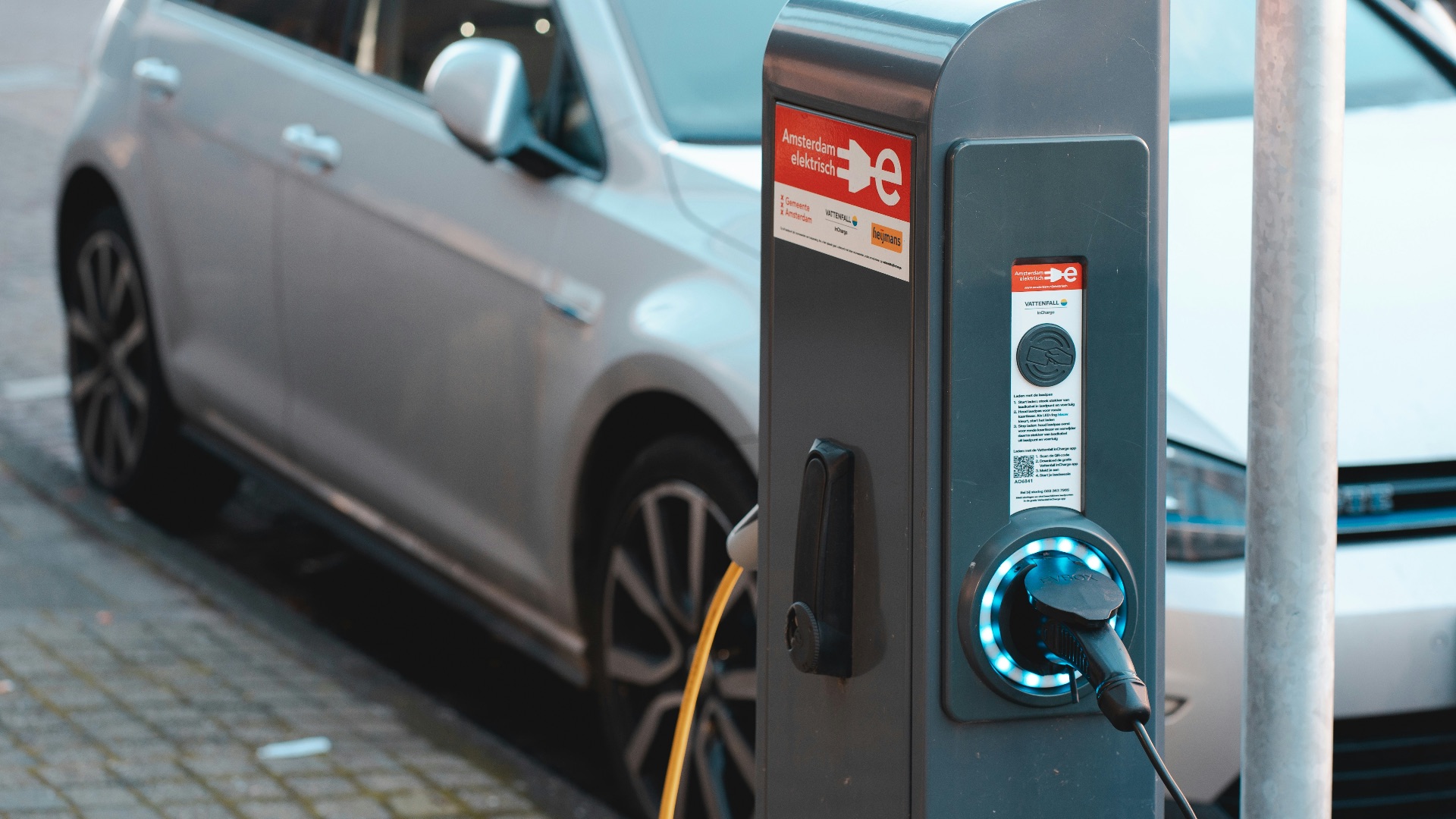
Having a garage, driveway, or another dependable parking spot with access to electricity changes the EV ownership experience considerably. Most EV charging happens at home, and drivers commonly plug in overnight using Level 1 or Level 2 equipment so the vehicle can recharge while it isn't being used. If you can start most mornings with the battery replenished, trips to public charging stations may become relatively infrequent.
3. You Have a Predictable Daily Commute
If most of your driving follows the same route between home and work, an EV can be particularly convenient. A predictable commute makes it easy to estimate how much range you'll use and how often you'll need to charge. For many drivers, that means plugging in at home and starting the next day with plenty of battery remaining.

4. Your Current Vehicle Requires Frequent Maintenance
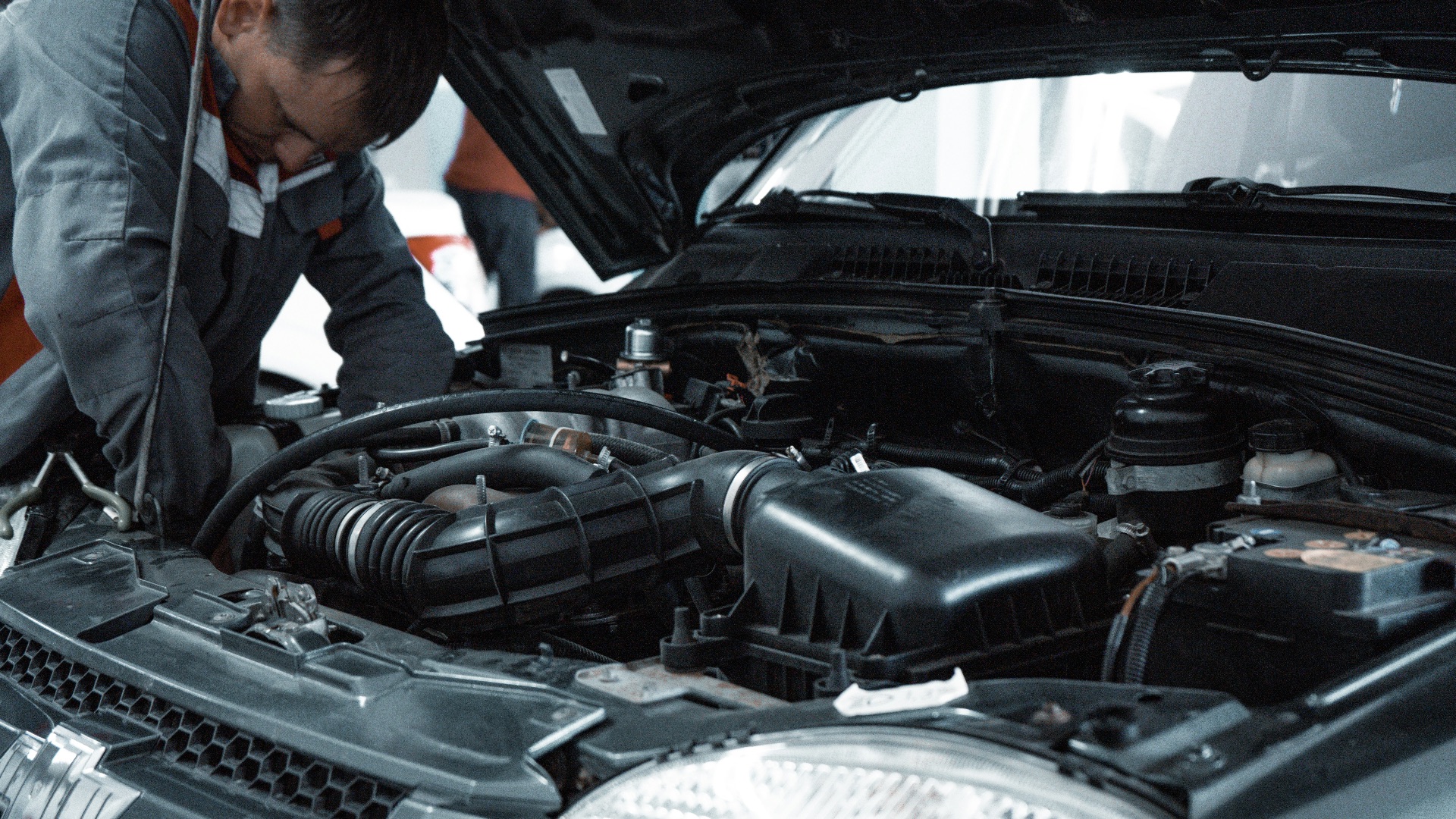
Gas-powered vehicles depend on engine oil, spark plugs, exhaust components, and many other parts that EVs simply don't use. Electric vehicles still require maintenance for items such as tires, brakes, suspension components, and cabin filters, but their drivetrains have fewer routine service requirements. If you'd rather spend less time thinking about oil changes and engine-related upkeep, that simplicity can be appealing.
5. You're Spending More Than You'd Like at the Pump
Fuel costs matter most to people who drive frequently, which means high-mileage commuters have more opportunities to benefit from lower operating costs. Electricity prices vary by location and charging method, but home charging typically costs less than relying heavily on public fast chargers and can provide operating-cost savings compared with conventional fuel. Running the numbers using your actual electric rate and current fuel spending can reveal whether those savings would be meaningful for you.

6. You Rarely Drive Hundreds of Miles in One Day
Some drivers regularly cover enormous distances, but plenty of people can go months without taking a road trip that pushes the limits of an EV's battery. If your normal routine involves predictable distances and you're willing to plan charging stops on occasional longer journeys, an electric vehicle becomes easier to live with. Public charging can extend an EV's useful travel range whenever you do venture farther from home.

7. You Have Charging Available at Work
Free or paid workplace charging can make EV ownership attractive even if your home charging situation isn't ideal. A car that spends eight hours sitting in an office parking lot has plenty of time to recover miles while you're working, reducing how often you need another charging source. Workplace stations are one of several ways public and shared charging can expand the practical daily range available to EV drivers.
8. You're Planning to Replace Your Car Anyway
Switching to an EV makes more sense when you're already entering the market for a new vehicle rather than replacing a perfectly usable car solely to change powertrains. Today's selection spans sedans, compact crossovers, three-row SUVs, performance vehicles, and other categories, giving shoppers considerably more choice than earlier EV buyers had. With models now covering very different price points and priorities, you can compare electric options alongside gas and hybrid vehicles rather than treating them as a completely separate category.

9. You Want Strong Response in Everyday Driving
Electric motors can deliver torque without waiting for an engine to build revs or a transmission to select another gear, which gives many EVs particularly immediate acceleration. You don't have to buy a high-performance model to notice the difference when merging, passing, or pulling away from a stop. If responsive power is high on your shopping list, even relatively mainstream electric vehicles may provide the driving characteristics you're looking for.
10. EV Compromises Aren't as Worrisome Anymore
Maybe you previously ruled out an EV because 200 miles of range wasn't enough, the available vehicles didn't fit your family, or charging options around you were limited. But the market now includes mainstream models with roughly 300 miles or more of EPA-estimated range, along with larger vehicles capable of seating six or seven people. If the reasons you dismissed electric cars were based on what was available several years ago, it may be time to evaluate them again.
Do these signs sound like you? If so, you might be ready to go electric. To get you started, let's take a look at 10 models you might want to consider.

1. Chevrolet Equinox EV
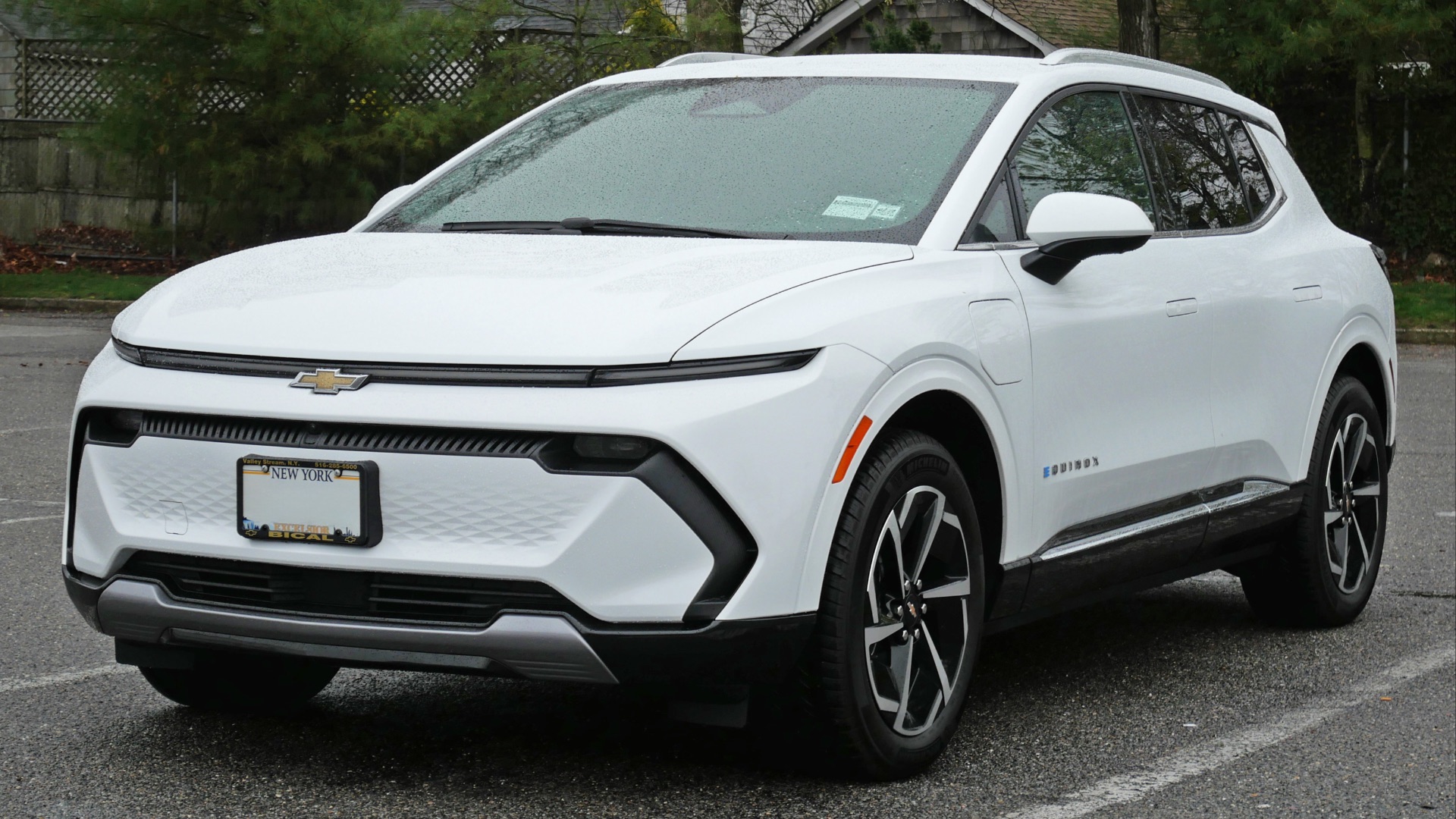
For shoppers who want an electric SUV without immediately entering luxury-car territory, the Equinox EV is one of the strongest places to begin looking. The 2026 front-wheel-drive model offers an EPA-estimated 319 miles of range, seats five, and provides up to 57.2 cubic feet of cargo space with the rear area configured for maximum capacity. Its combination of useful range and familiar compact-SUV practicality makes it particularly easy to compare against conventional family crossovers.
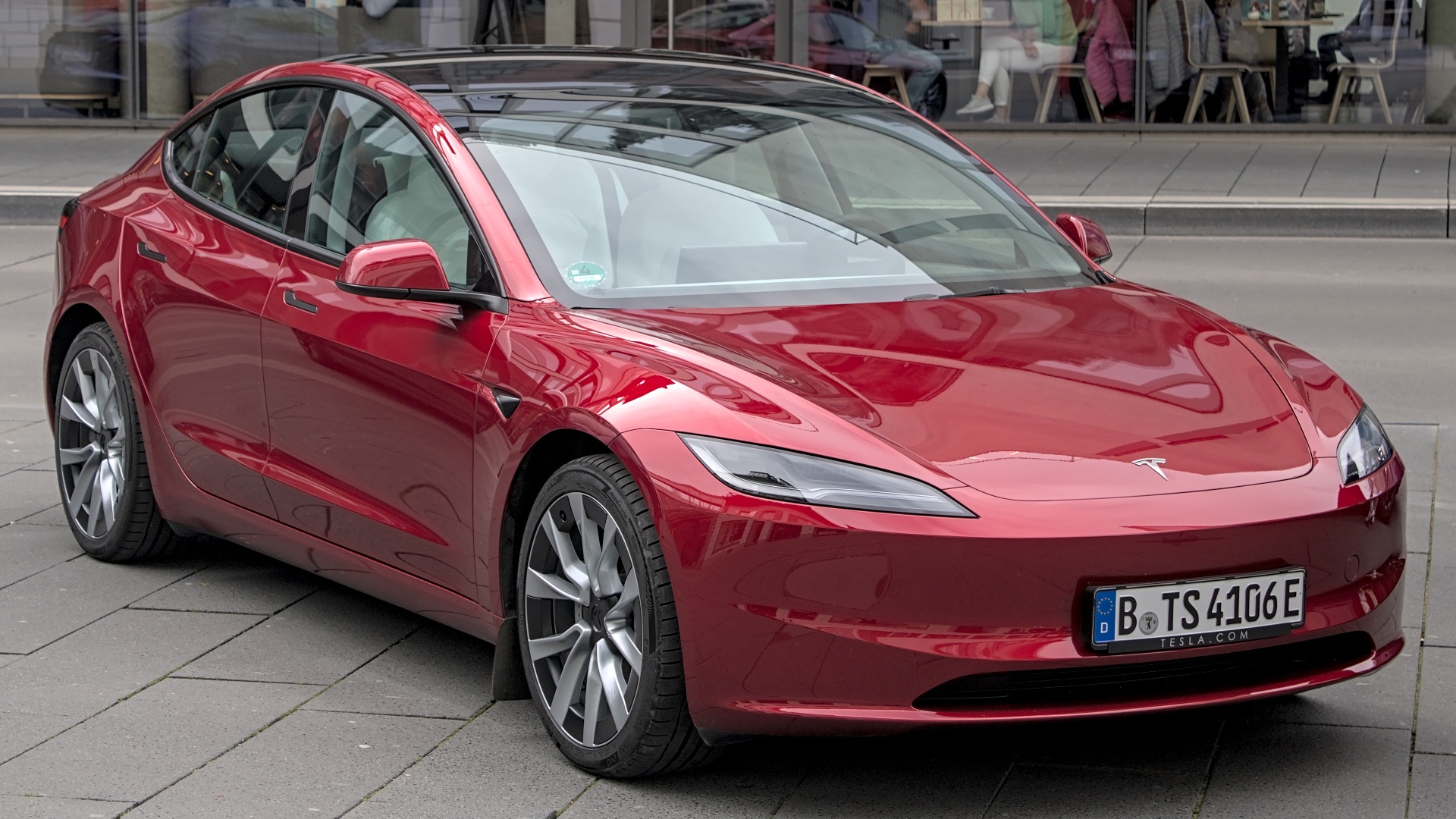
2. Tesla Model 3
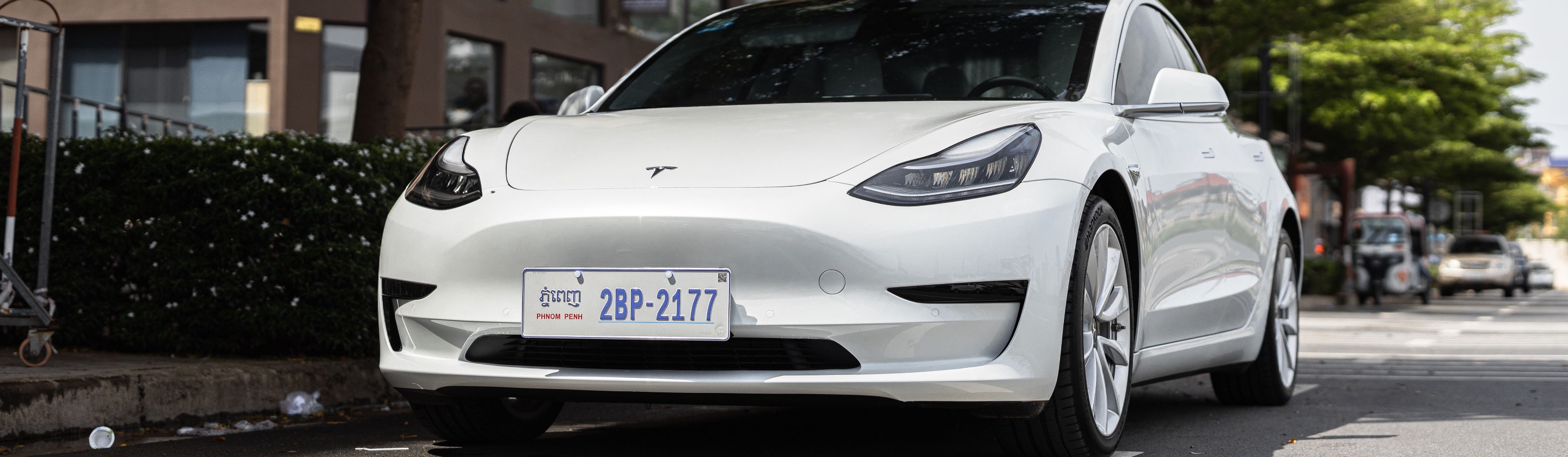
The Model 3 remains worth considering if you'd rather drive a sedan than join the crowded crossover segment. Tesla currently lists an EPA-estimated 321 miles of range for its rear-wheel-drive Model 3 configuration, while buyers can also move into all-wheel-drive and Performance versions depending on their priorities. Access to Tesla's extensive Supercharger network is another practical advantage for drivers who expect to use public fast charging regularly.
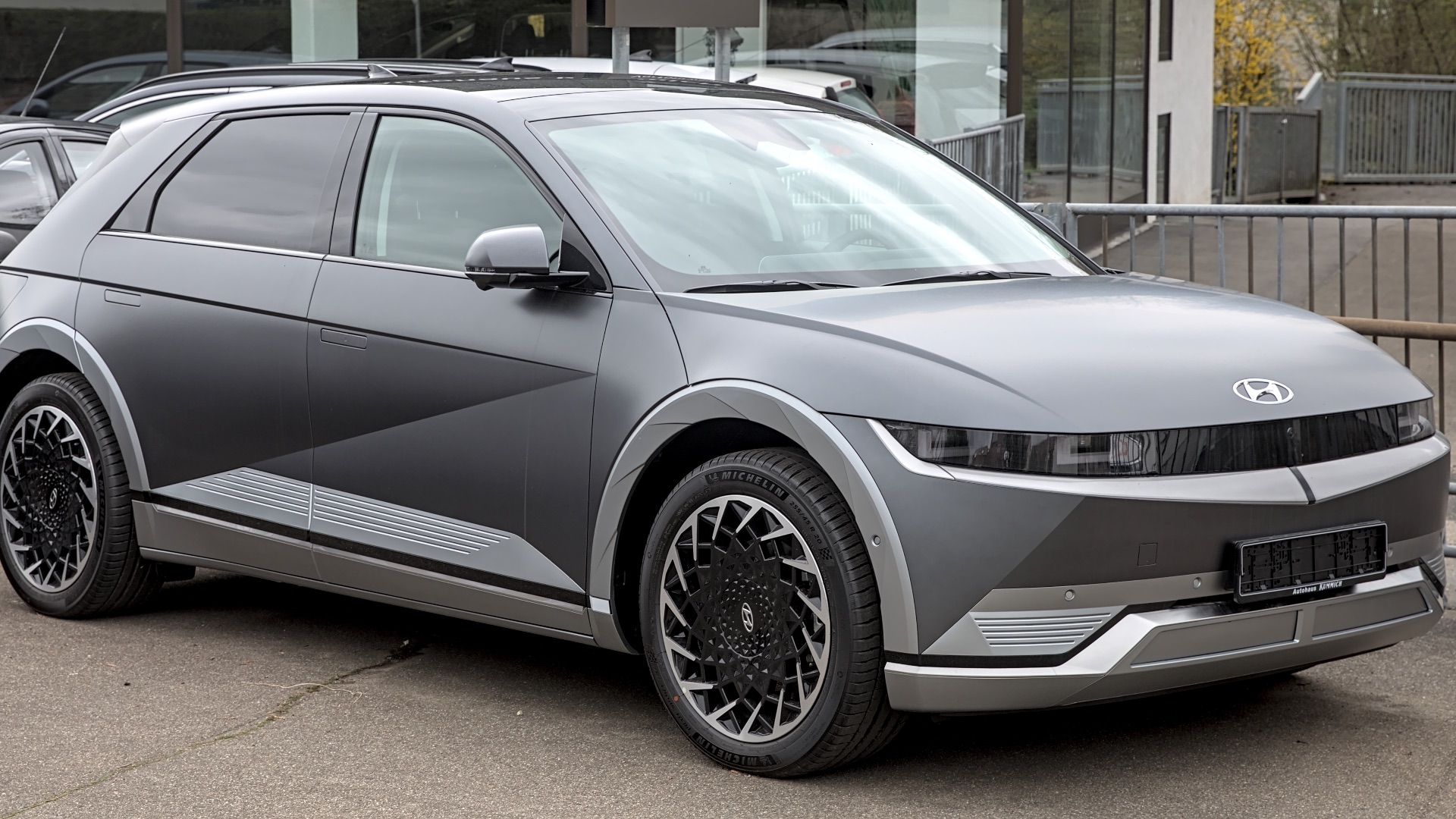
3. Hyundai Ioniq 5
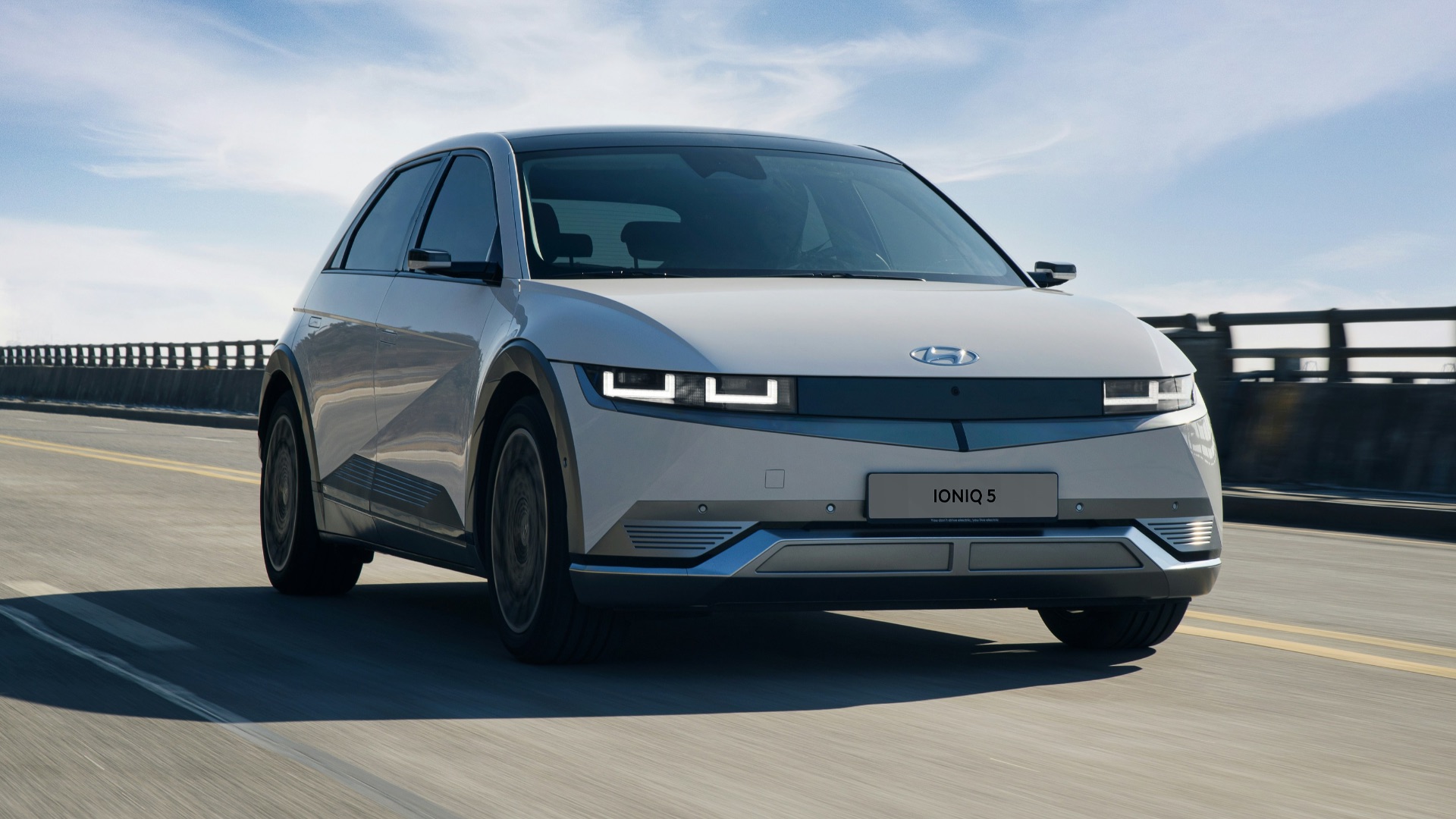
Few EVs combine distinctive design, passenger-friendly packaging, long range, and rapid charging as effectively as the Ioniq 5. Certain 2026 rear-wheel-drive versions are rated for an EPA-estimated 318 miles, and Hyundai says compatible configurations can add as much as 178 miles in approximately 15 minutes when connected to a 350-kW DC fast charger under suitable conditions. It's a compelling all-around choice if you expect to use your EV for both weekday driving and longer trips.
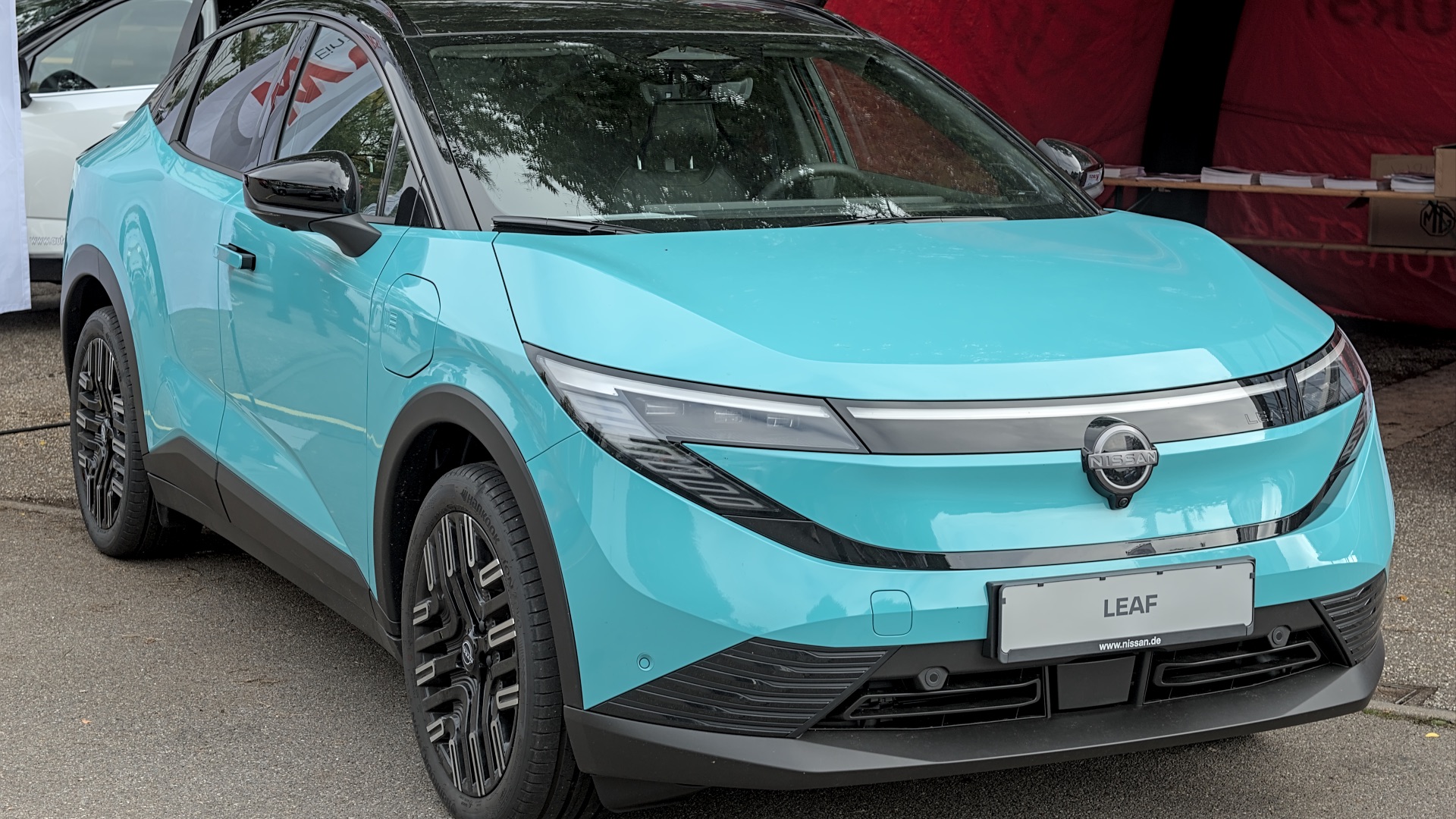
4. Nissan Leaf
The Leaf name has been around since the early days of modern mass-market EVs, but the redesigned 2026 version is considerably more competitive with current alternatives. Nissan gives the Leaf S+ an EPA-estimated range of up to 303 miles and a starting MSRP of $29,990, putting it among the more accessible new EVs with roughly 300 miles available in the right trim. Its new crossover-style format should also make it easier for shoppers who want something more versatile than a traditional compact hatchback.
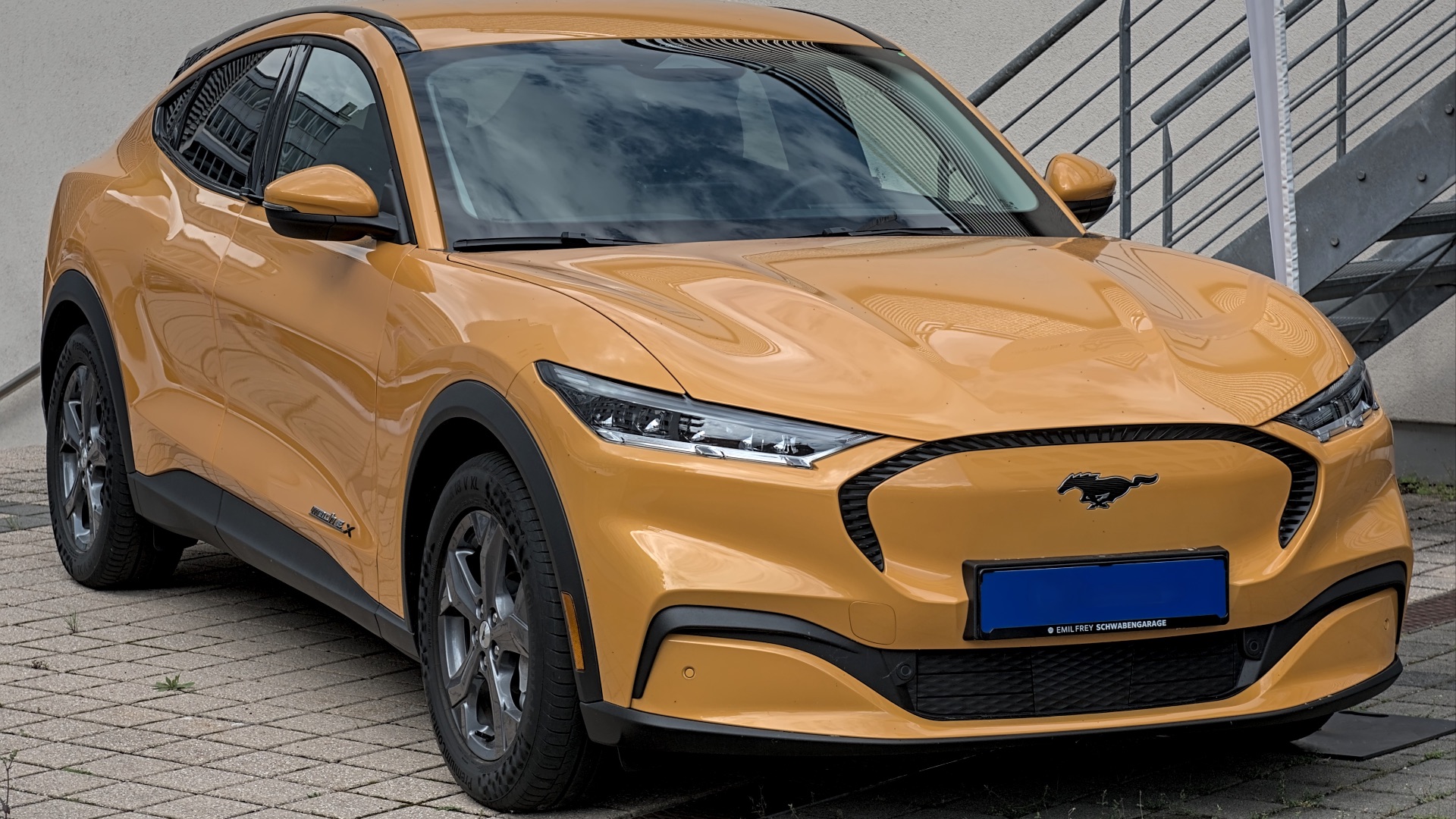
5. Ford Mustang Mach-E
The Mustang Mach-E works well for buyers who like the practicality of a crossover but still want performance to play a significant role in the decision. Ford offers several configurations, including rear- and all-wheel-drive versions, while the more powerful GT can deliver substantially stronger acceleration and output than the everyday trims. Its broad lineup means you don't necessarily have to choose between sensible daily transportation and an EV that's enjoyable to drive.
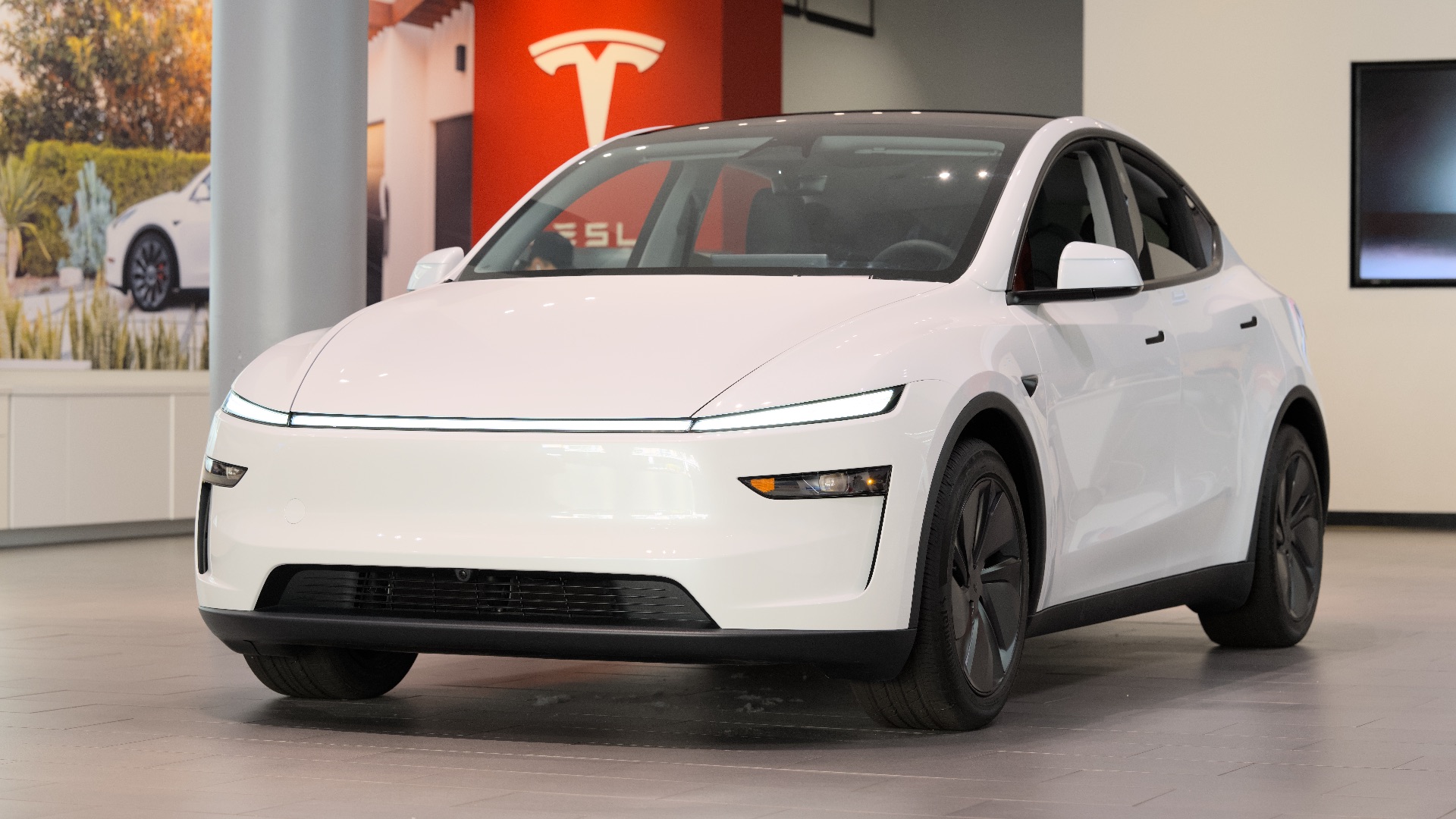
6. Tesla Model Y
If you like the basic EV formula of the Model 3 but need additional passenger and cargo flexibility, the Model Y is the more obvious Tesla to consider. Tesla currently lists an EPA-estimated 321 miles of range for its rear-wheel-drive configuration, and all-wheel-drive, Premium, Performance, and longer-wheelbase versions broaden the lineup further. It's particularly relevant to shoppers who would otherwise be looking at a compact or midsize gas-powered crossover.
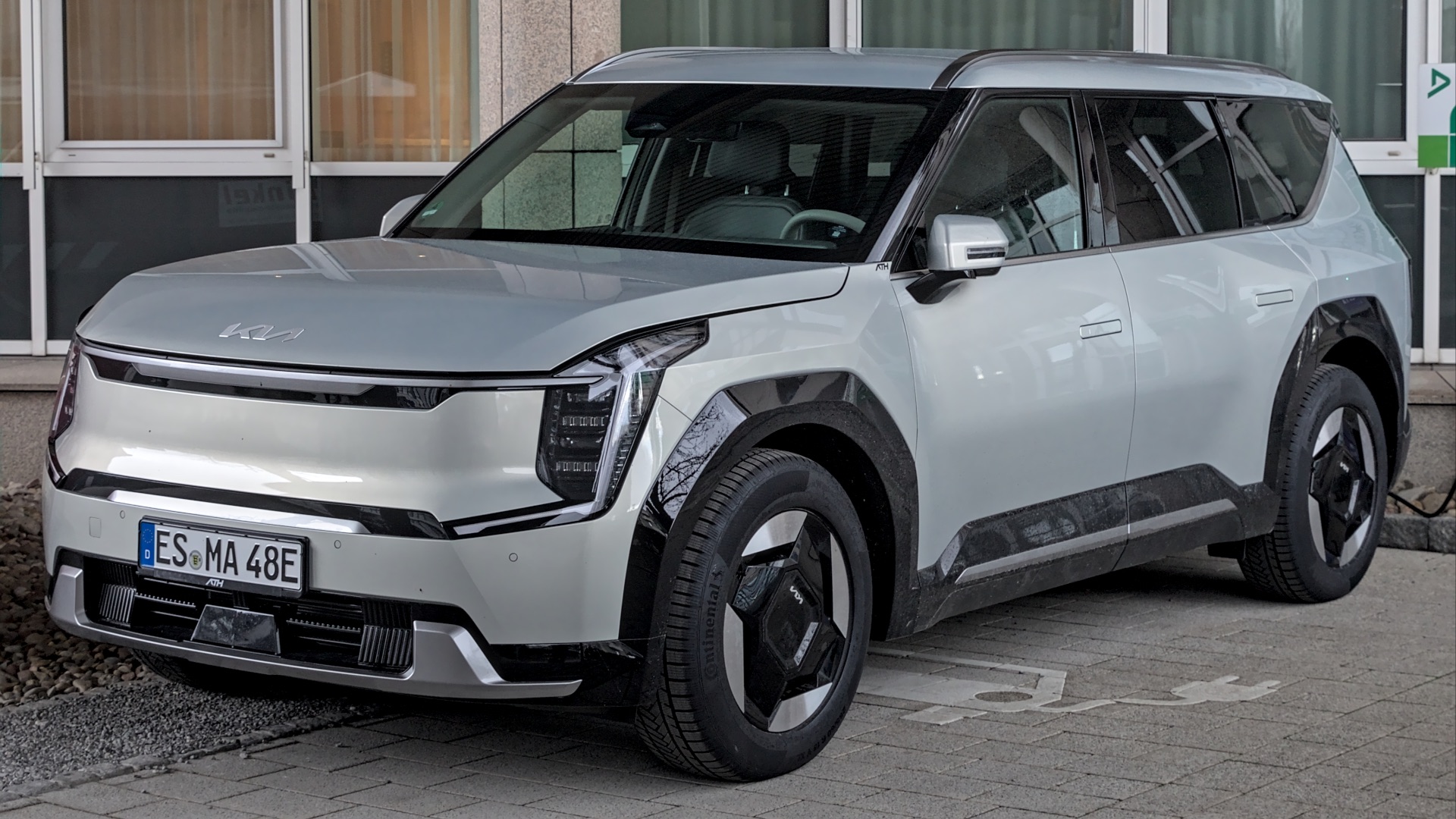
7. Kia EV9
Families who once assumed an EV couldn't replace their three-row SUV should spend some time with the Kia EV9. Depending on configuration, it can seat six, and the long-range rear-wheel-drive version has offered more than 300 miles of EPA-rated range, while its spacious cabin and fast-charging architecture make it much more suitable for family travel than early electric SUVs. The EV9 is especially appealing if you need substantial passenger room but don't want to move into the highest end of the electric-SUV market.
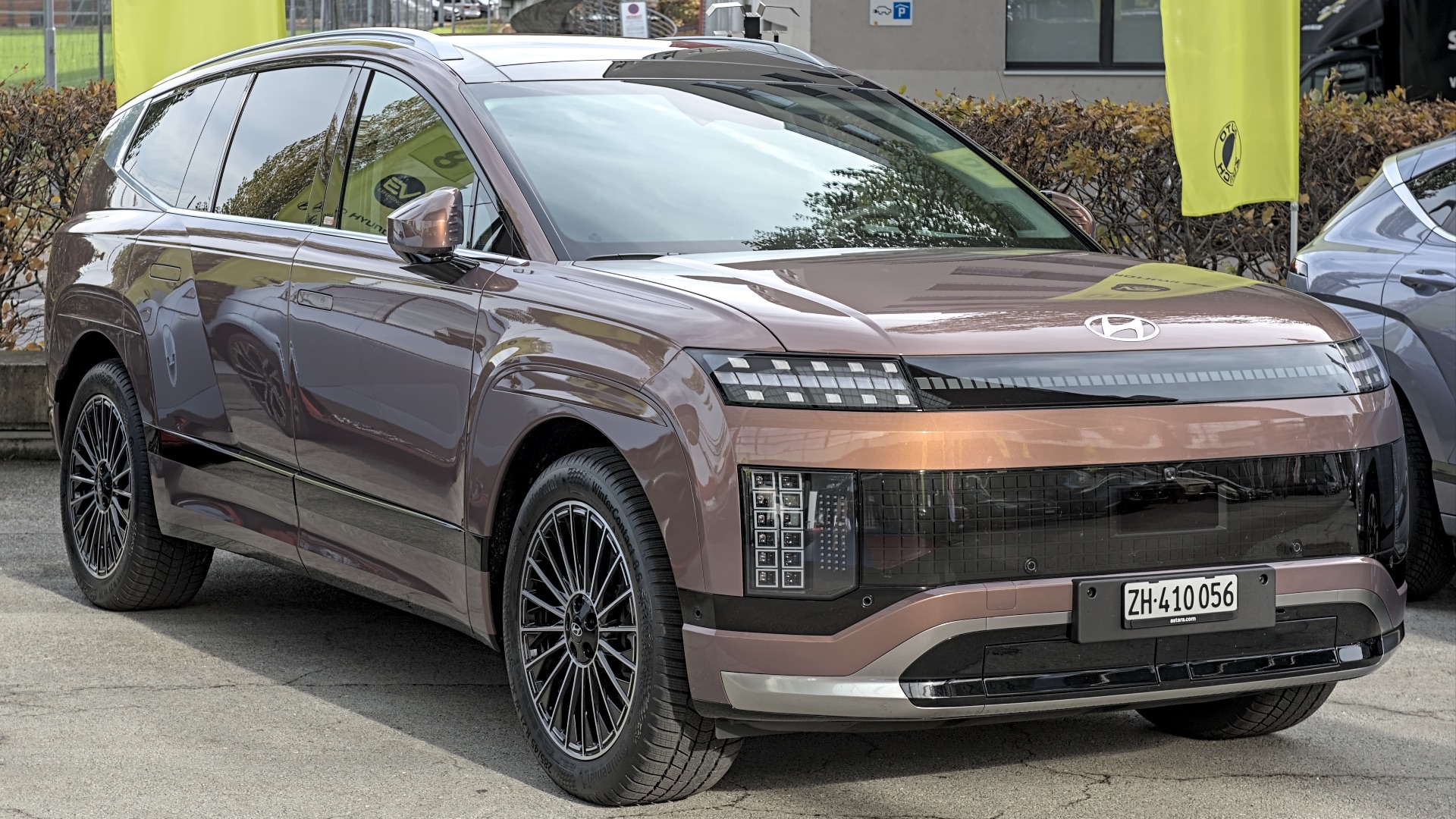
8. Hyundai Ioniq 9
The Ioniq 9 gives Hyundai a larger electric option for buyers whose needs have outgrown vehicles such as the Ioniq 5. Its 2026 lineup offers seating for up to seven in certain configurations, and the S trim carries an EPA-estimated 335-mile range, while Hyundai says a 350-kW charger can take the battery from 10 to 80 percent in approximately 24 minutes under suitable conditions. That combination makes it an especially interesting alternative for families who want three rows without accepting unusually limited driving range.
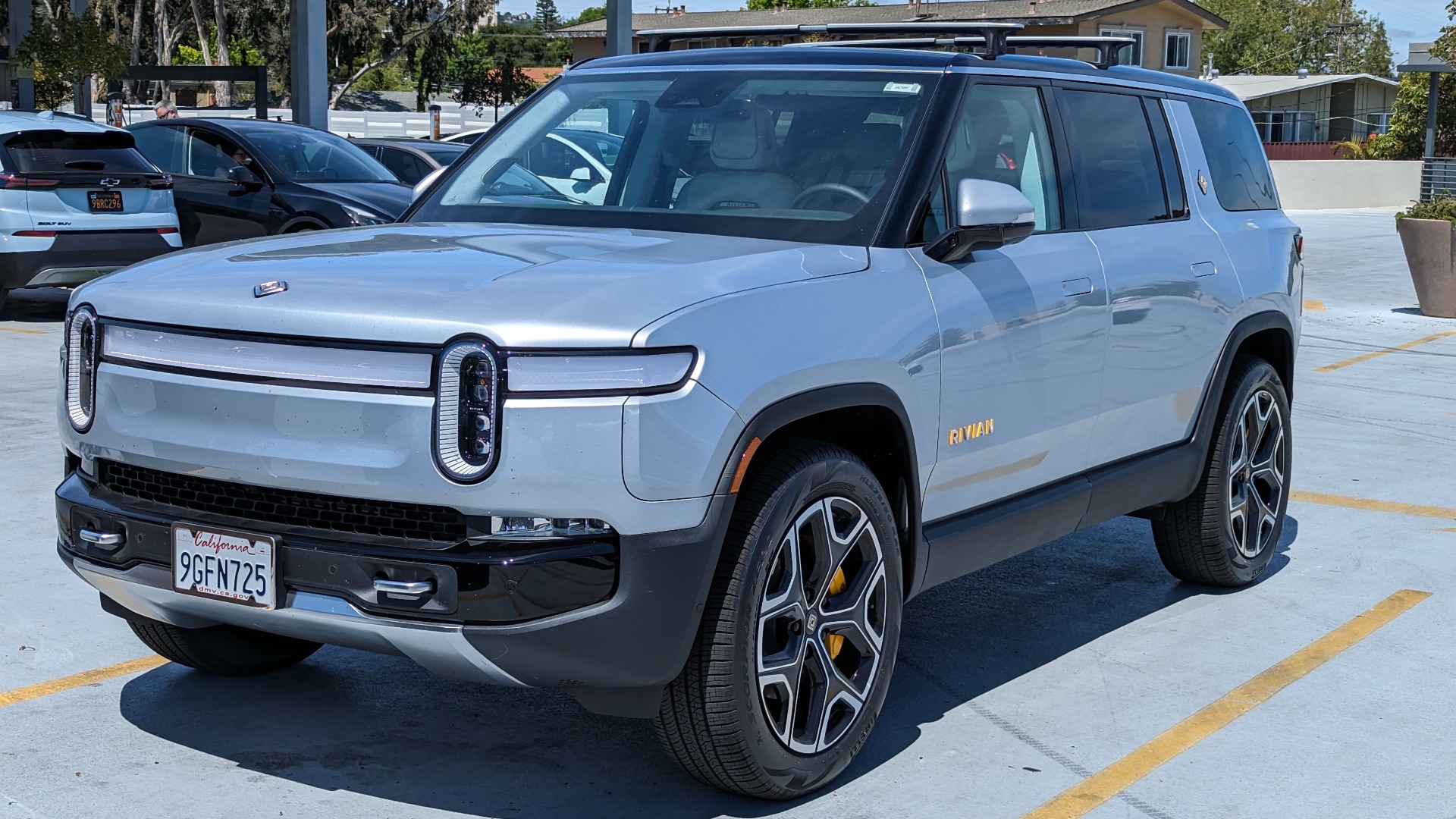
9. Rivian R1S
The R1S occupies a different part of the market, combining upscale pricing with substantial passenger capacity and capability beyond ordinary city driving. Rivian's electric SUV seats seven and is offered with multiple motor configurations, large battery options, and drive modes intended to handle a wider range of road and terrain conditions. It's worth considering if your EV needs include family space, strong performance, towing, or outdoor travel rather than commuting alone.
10. Lucid Air
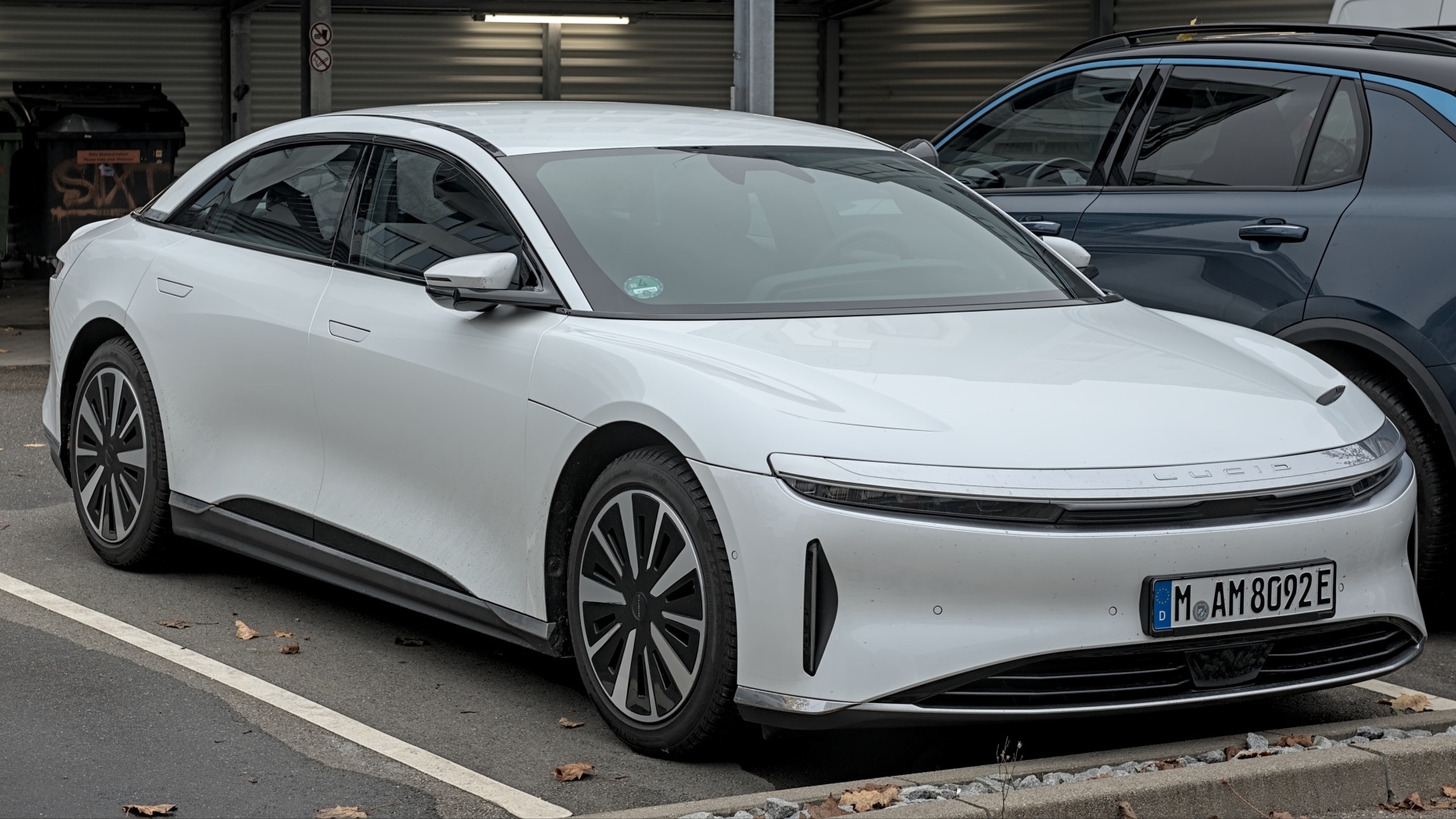
Drivers who put maximum range near the top of their wish list should have the Lucid Air on their shortlist. For 2026, the Air Touring is EPA-rated for as much as 431 miles with the appropriate wheels, while the Grand Touring can reach an EPA-estimated 512 miles, placing the sedan well beyond the typical range of many mainstream EVs. It's an expensive choice compared with mass-market electric cars, but for a luxury buyer who regularly covers longer distances, its efficiency and range are major reasons to consider it.