
Goodbye, So Long
The automotive industry rarely stays still, and, contrary to what you might think, having a recognizable badge doesn't always guarantee a constant presence on the road. From one of the Big Three manufacturers to well-known Japanese brands, the names on this list are dealing with falling sales, unusually small lineups, financial pressure, or declining importance in markets where they were once much stronger, while others are attempting major reinventions before they lose even more ground. Here are 20 brands you may start to see less and less on the road.
1. Chrysler
It wasn't long ago that Chrysler offered sedans, convertibles, and family vehicles across several parts of the market, but its current identity is overwhelmingly tied to the Pacifica minivan. U.S. sales actually edged upward in 2025, so the brand isn't collapsing in the traditional sense, yet its lack of variety makes it difficult to maintain the prominence it once enjoyed. Stellantis has plans to rebuild Chrysler's product range, but until those new vehicles reach showrooms and attract buyers, the badge remains much less significant than it used to be.
2. Fiat
American buyers who remember Fiat's much-publicized return in the early 2010s might be surprised by just how far its presence has contracted. The 500e essentially became the brand's only conventional new-car offering in the United States, and Fiat sold just 1,321 vehicles there in 2025, a 14% decline from 2024. Fiat remains far more important in other parts of the world, so this isn't a global death sentence, but its attempt to become a meaningful American brand has largely faded.
3. Alfa Romeo
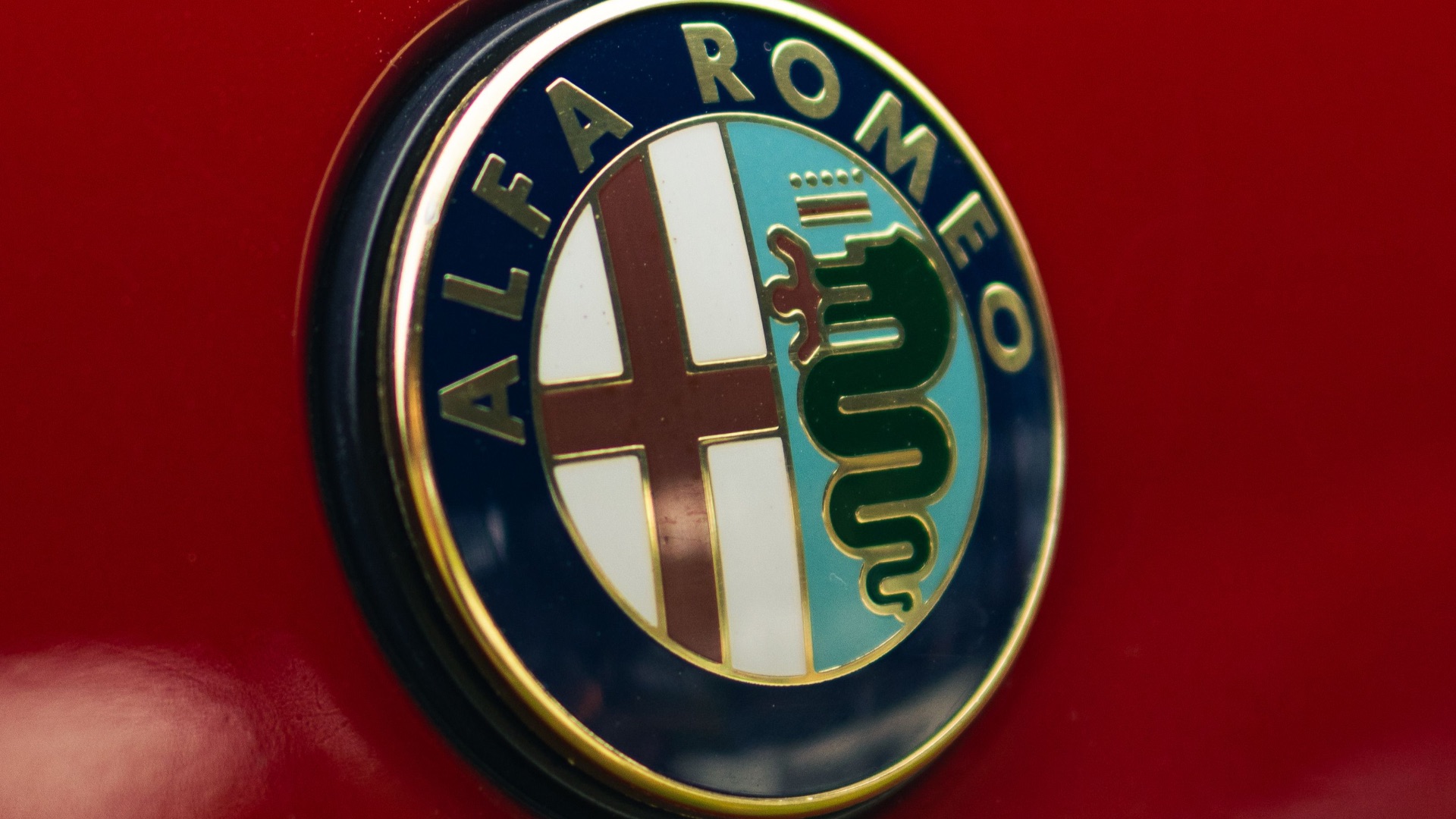
Alfa Romeo has heritage, distinctive styling, and performance credentials, yet none of those qualities have translated into dependable sales growth in the United States. Its U.S. deliveries fell 36% in 2025 to only 5,652 vehicles, followed by another steep decline in the opening quarter of 2026. Delays affecting replacements for the Giulia and Stelvio make the situation more difficult, since aging products aren't what Alfa needs while competing against substantially larger luxury brands.
4. Dodge
For years, Dodge had a straightforward identity built around affordable performance, big engines, and cars such as the Charger and Challenger. The transition to a new generation hasn't been easy, with U.S. brand sales falling 28% in 2025 and the Durango accounting for the overwhelming majority of those deliveries. Gas-powered versions of the new Charger could help recover some customers, but Dodge now has fewer major products doing much more of the work.

5. Maserati
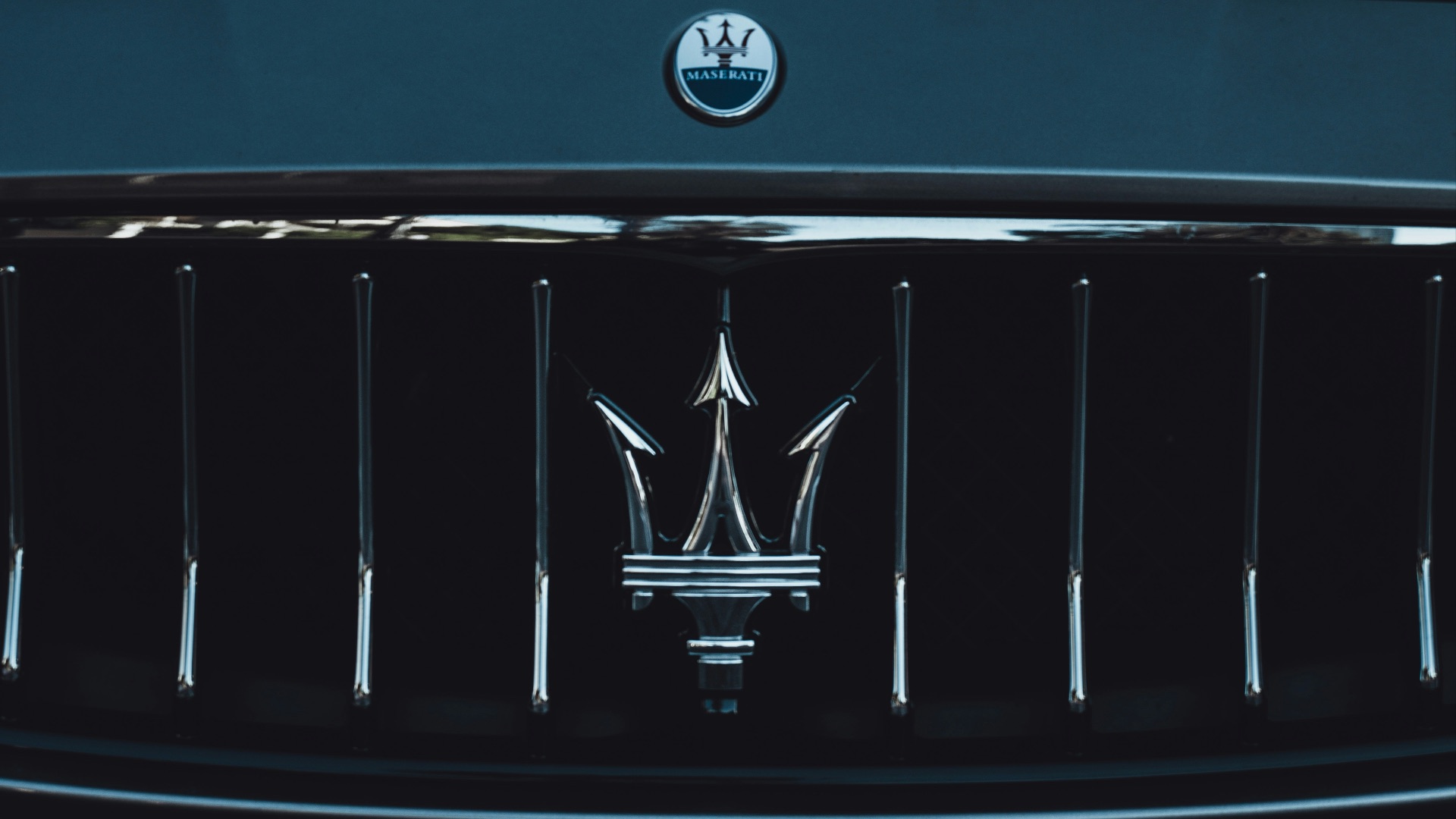
Luxury buyers have plenty of alternatives today, and Maserati hasn't been converting its famous name into enough actual purchases. Global sales were already down sharply during 2025, while Stellantis recorded significant impairments connected with the brand and subsequently outlined another effort to strengthen its future product range. Maserati isn't being abandoned, but repeated restructuring and weak demand leave it needing a convincing turnaround rather than another short-lived recovery.
6. Lancia
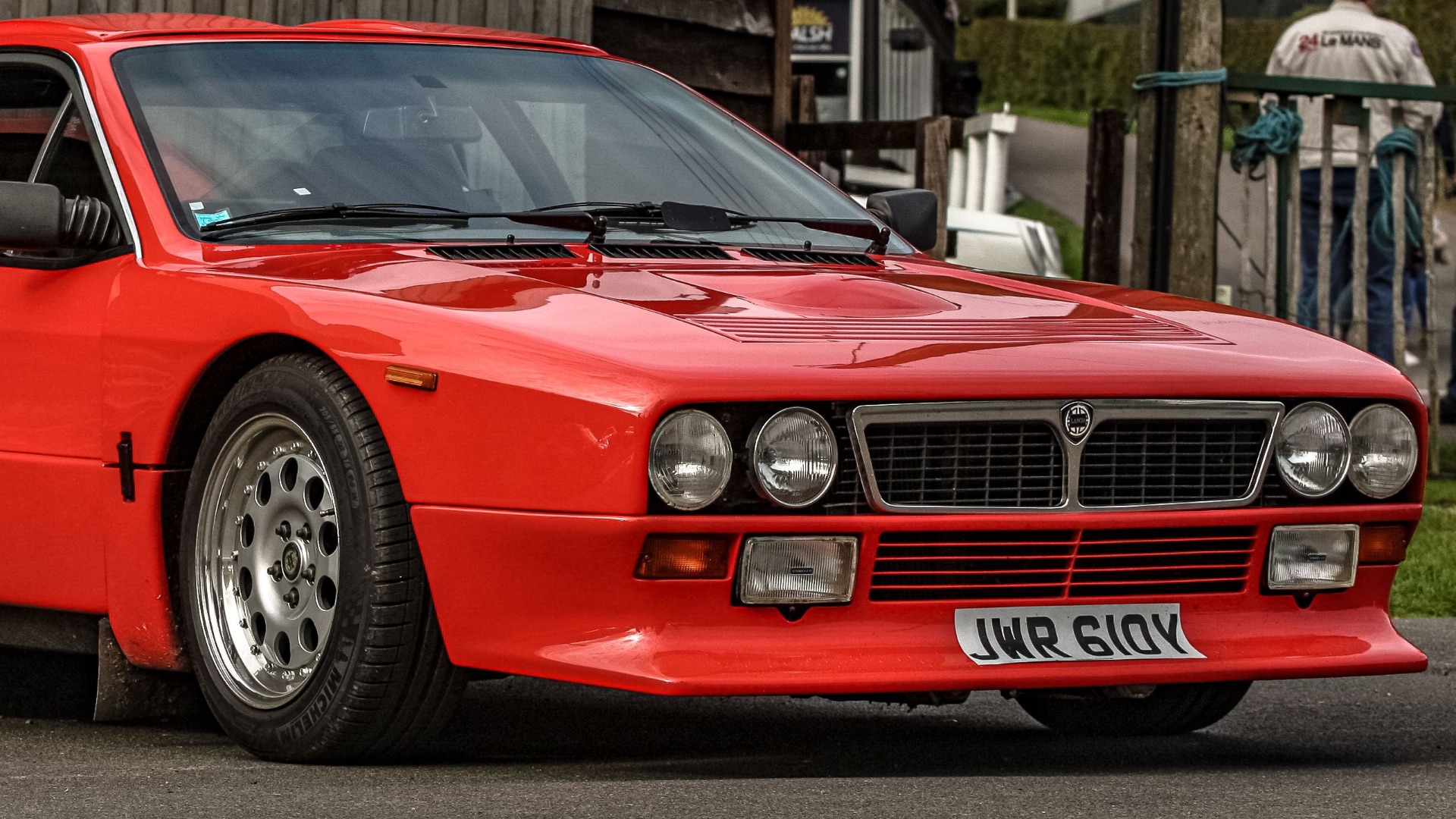
Lancia spent years surviving primarily on one aging model in Italy before Stellantis finally began an international revival built around a new Ypsilon. Unfortunately, registrations across the European Union, EFTA, and the United Kingdom fell dramatically in 2025, with combined Lancia and Chrysler figures dropping to fewer than 12,000 vehicles. More models are planned, but the new generation of Lancia products has to establish an audience quickly if the revival is going to justify itself.
7. DS
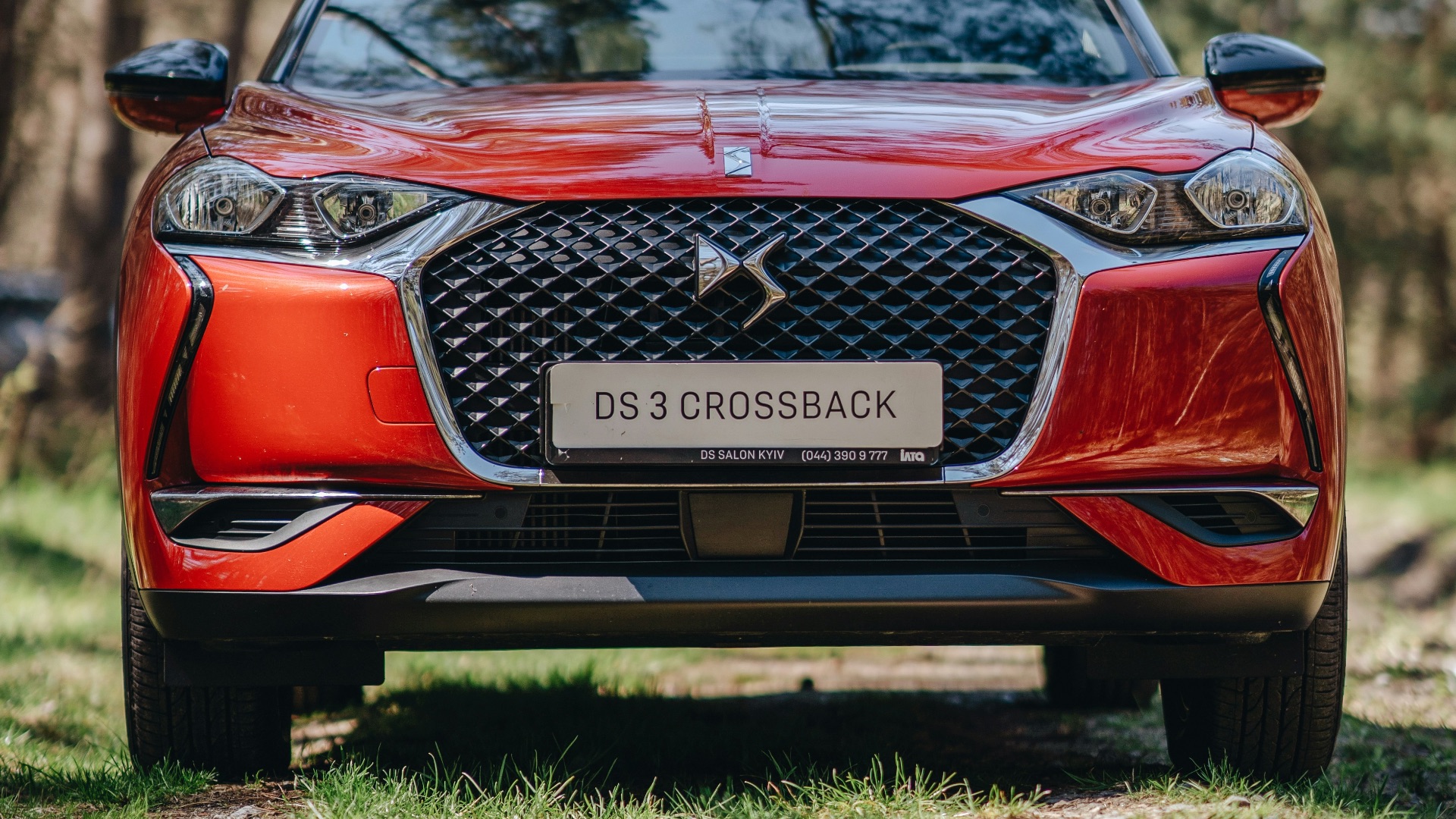
DS was separated from Citroën with the intention of creating a distinctly French premium competitor to established luxury manufacturers, but widespread recognition has remained difficult to achieve. European demand dropped by more than 20% in 2025, leaving the company dependent on new products such as the No8 to generate renewed interest. Stellantis still sees a role for DS, although its decision to manage the brand more closely alongside Citroën shows how much pressure there is to make the business work.
8. Abarth
Abarth once had a particularly simple proposition: take a small Fiat and turn it into something noticeably faster and more entertaining. Its recent move toward expensive electric performance cars hasn't produced strong European volumes, with registrations for the 500e and 600e remaining modest through 2025 and 2026. Unless future models reach a broader group of enthusiasts, Abarth risks becoming an increasingly specialized badge rather than a meaningful performance brand.
9. Jaguar
Jaguar effectively removed its old lineup before its replacement generation was ready, creating an unusual period in which one of Britain's best-known automotive names has very little to sell. Its next era centers on dramatically more expensive electric luxury cars, with orders for the first new-generation model not expected to open until 2027. The strategy could restore Jaguar's exclusivity, but asking buyers to rediscover the brand after such a long interruption makes this one of the industry's more uncertain reinventions.
10. Infiniti
Infiniti once sold more than 150,000 vehicles annually in the United States, whereas its 2025 total came to fewer than 53,000. The departures of the Q50, QX50, and QX55 have also left the brand unusually dependent on a small number of SUVs while it waits for fresh products to arrive. Infiniti has an ambitious recovery plan, including new hybrids, SUVs, and a future performance sedan, but it first has to persuade luxury shoppers to pay attention again.
11. Mitsubishi
While Mitsubishi isn't disappearing worldwide, the company has become increasingly easy for American shoppers to overlook. U.S. sales fell nearly 14% in 2025, and the discontinuation of the inexpensive Mirage removed one of the few models that gave the brand a clear niche. Upcoming vehicles and partnerships with Nissan may improve the picture, yet Mitsubishi needs more than a handful of crossovers if it wants to rebuild its former visibility.
12. Buick
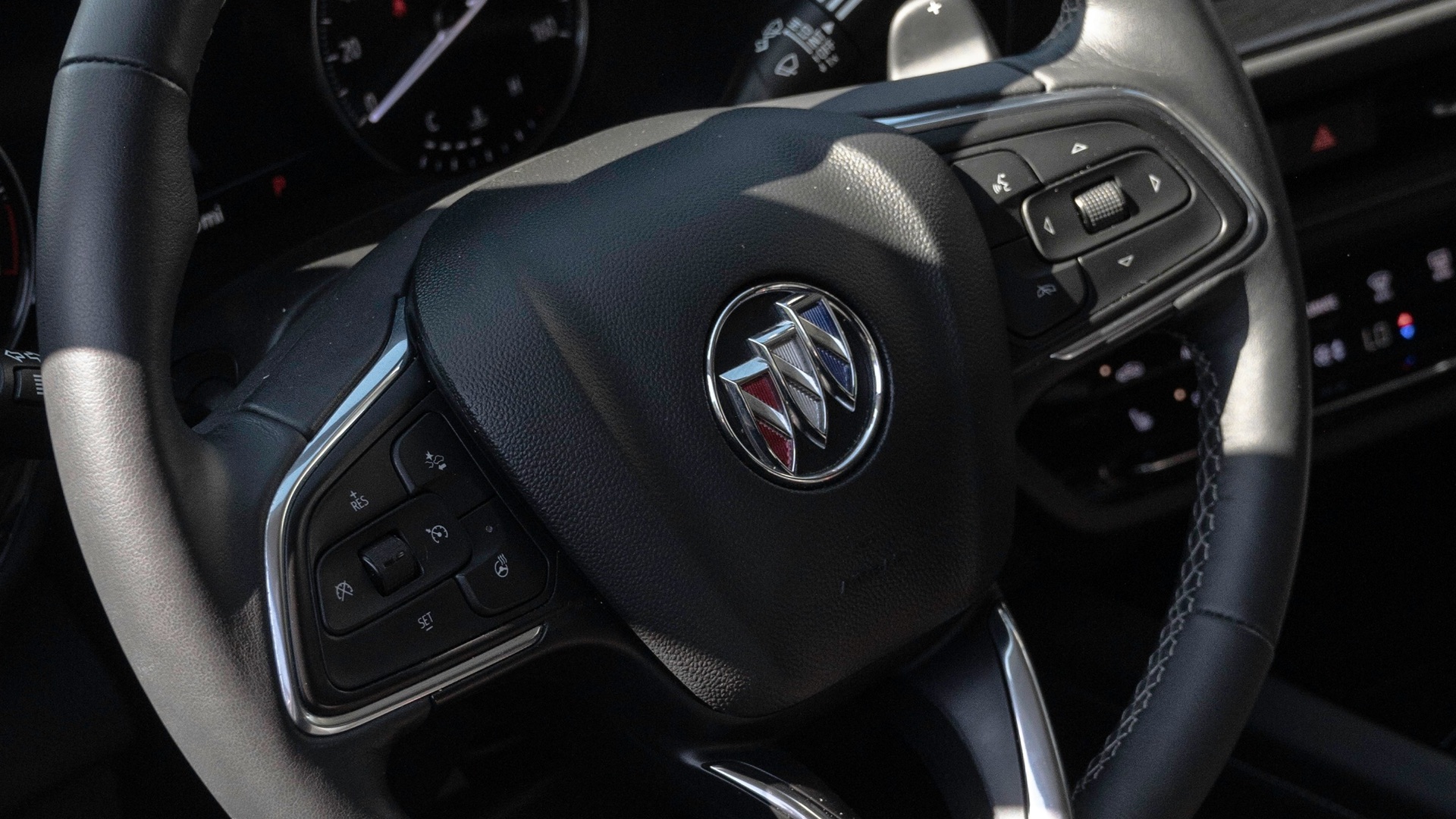
Buick remains an established General Motors division, so calling it close to extinction would be an exaggeration. Still, its U.S. sales fell 33% in the first quarter of 2026, while its long-standing presence in China faces intense competition from domestic manufacturers that have changed the country's automotive market. GM continues investing in future Buick products, but the brand has fewer obvious areas of strength than it once did.
13. Smart
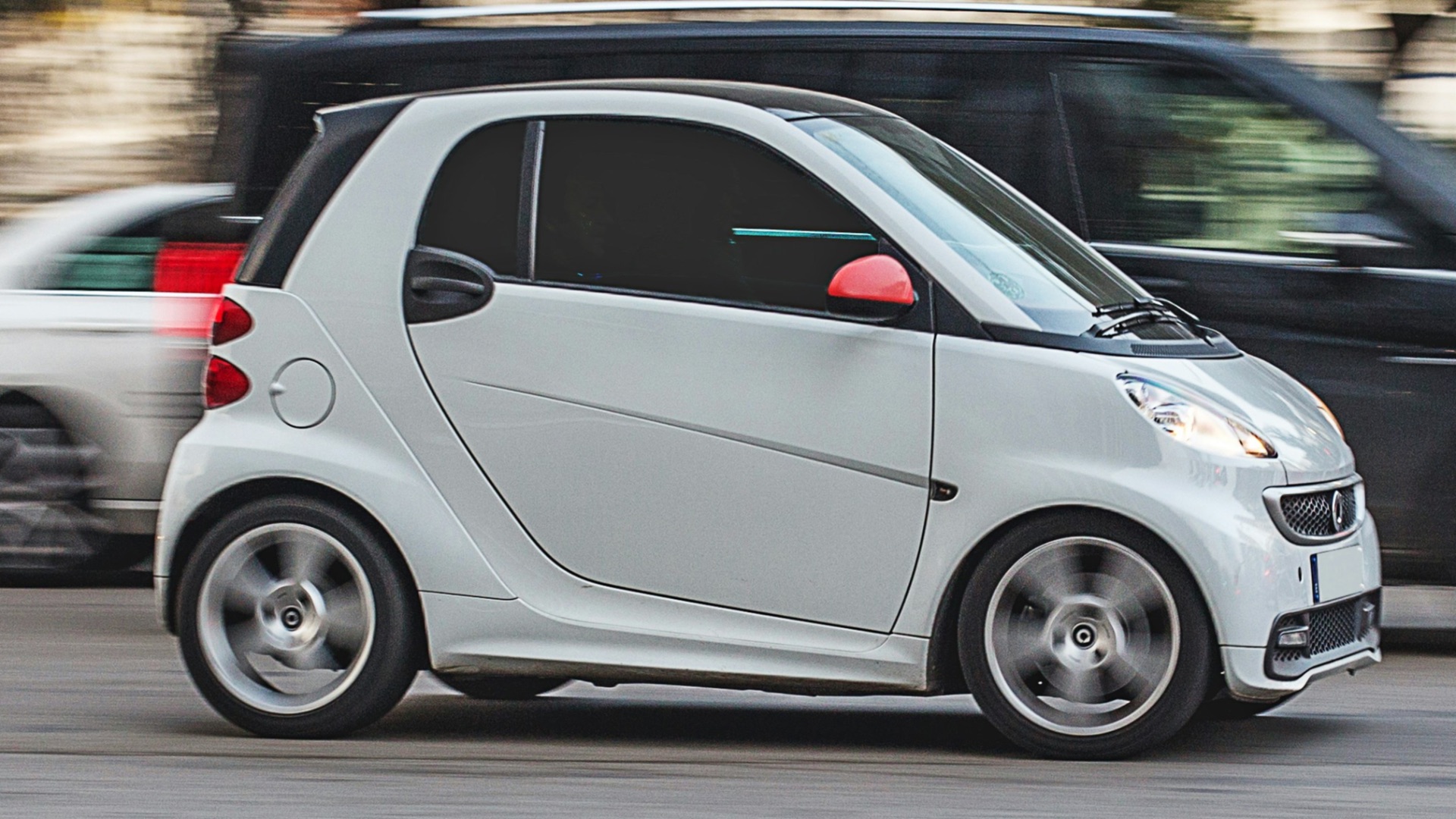
The tiny two-seat ForTwo gave Smart an unmistakable purpose, particularly in congested European cities where its dimensions were a major selling point. Today's company sells larger electric crossovers instead, and European demand fell sharply during 2025 even as its range expanded, although global sales improved in the first half of 2026. The newer lineup may eventually gain traction, but Smart is still working to prove that buyers want the brand without the unusual city car that originally defined it.
14. Polestar
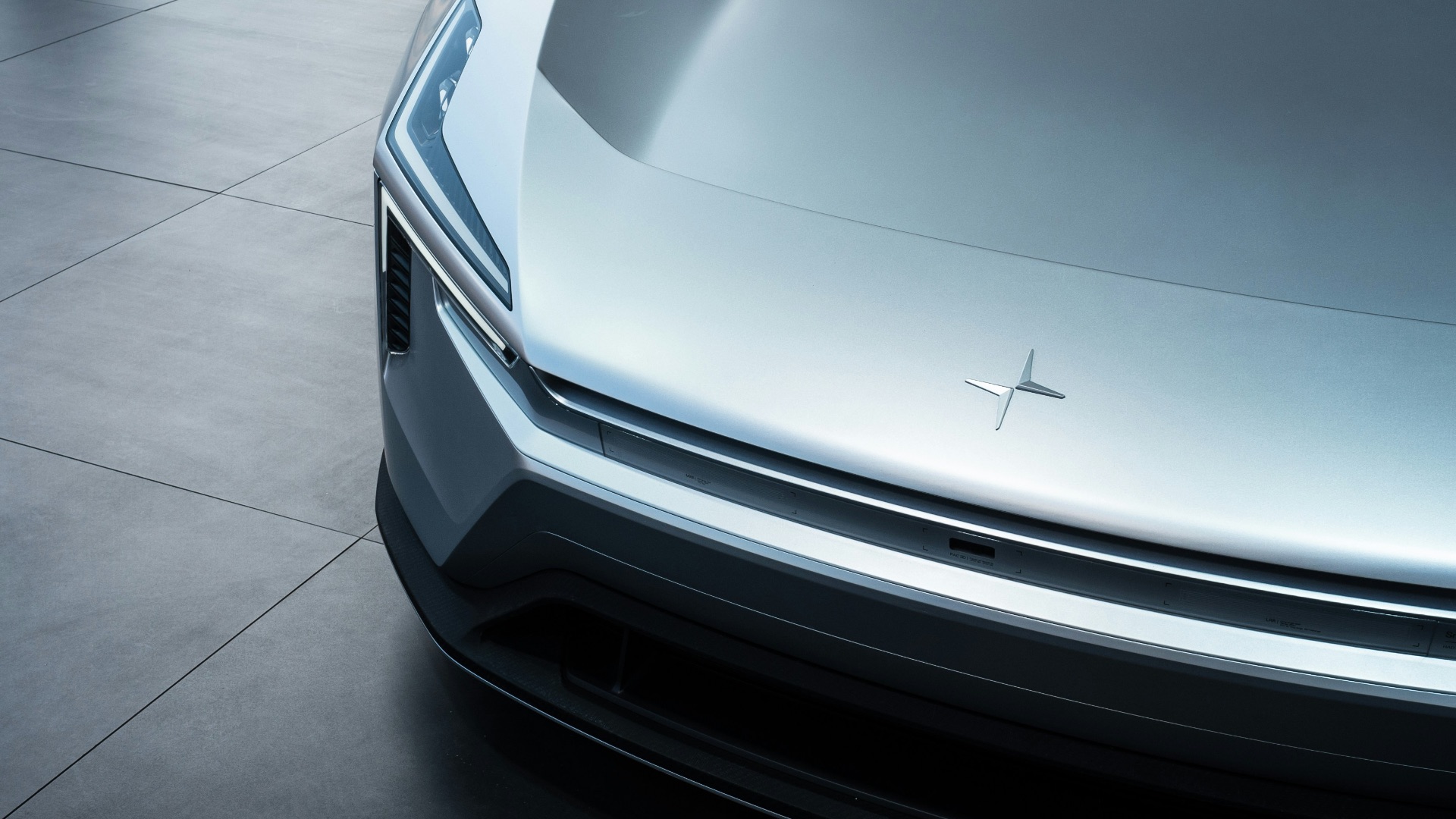
Polestar has continued growing in parts of the world, which makes its inclusion different from brands suffering a straightforward collapse in demand. However, the company has decided not to challenge a U.S. restriction preventing future models from being sold there, effectively ending its expansion in one of the world's largest premium markets. With ongoing losses and fierce competition among electric luxury cars, succeeding primarily through Europe and other regions puts greater pressure on the markets Polestar still has.
15. Lucid
Lucid has earned considerable attention for the technology and range of the Air, but producing impressive vehicles and building a profitable automaker are separate challenges. The company launched an operational reset in 2026 focused heavily on cash, costs, quality, and execution, even as deliveries and revenue continued to grow. Substantial financial backing gives Lucid more room than many smaller EV startups have had, yet its long-term future still depends on reaching much higher volumes without maintaining enormous cash losses indefinitely.

16. VinFast
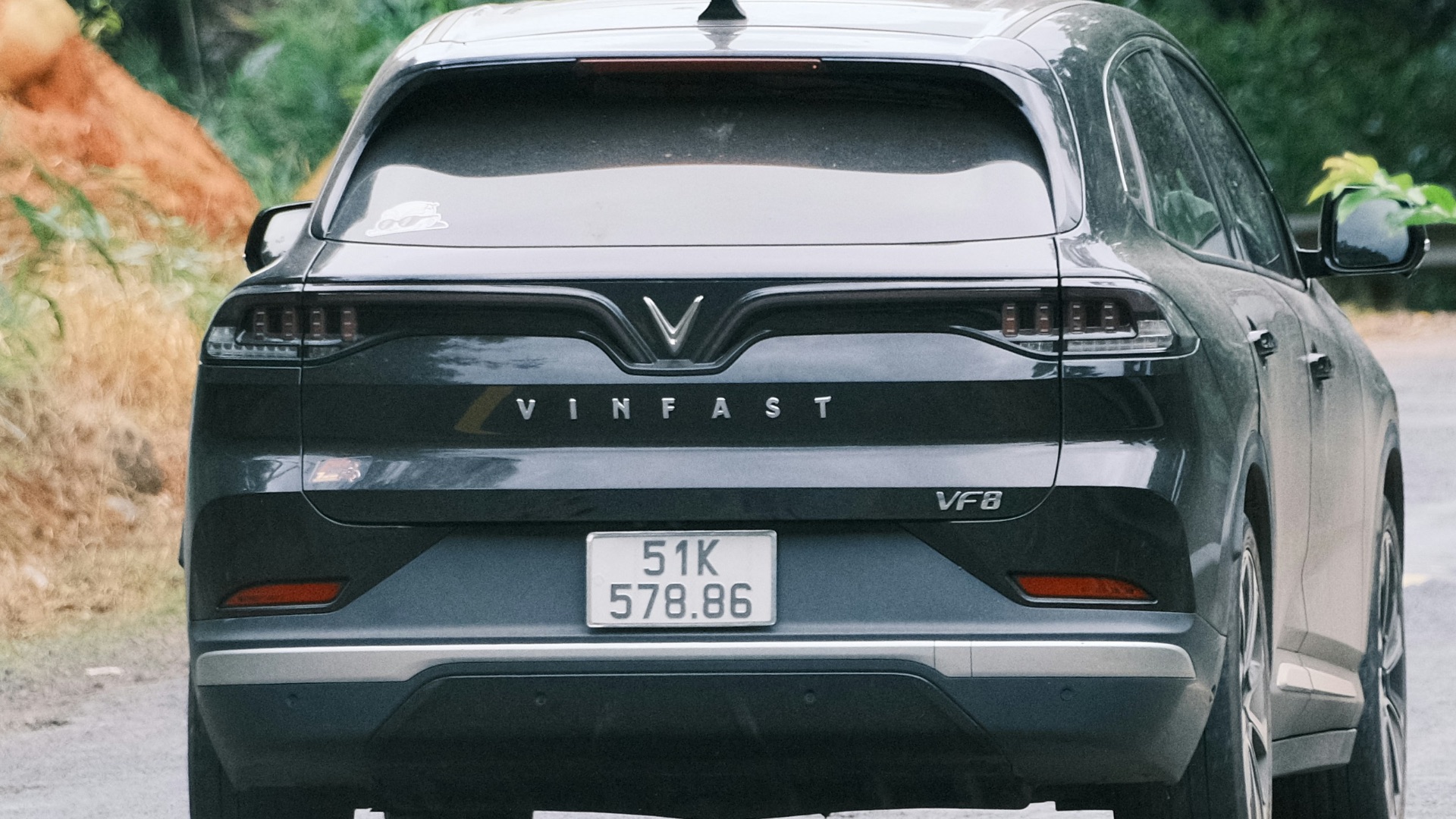
VinFast has expanded rapidly in its home region and delivered almost 197,000 vehicles globally in 2025, so the company itself is far from disappearing. Its U.S. operation tells a very different story, however, with fewer than 1,500 vehicles registered there during the year despite years of ambitious plans for American expansion. The proposed North Carolina factory could give VinFast another opportunity, but right now its American visibility remains extremely limited.
17. Aston Martin
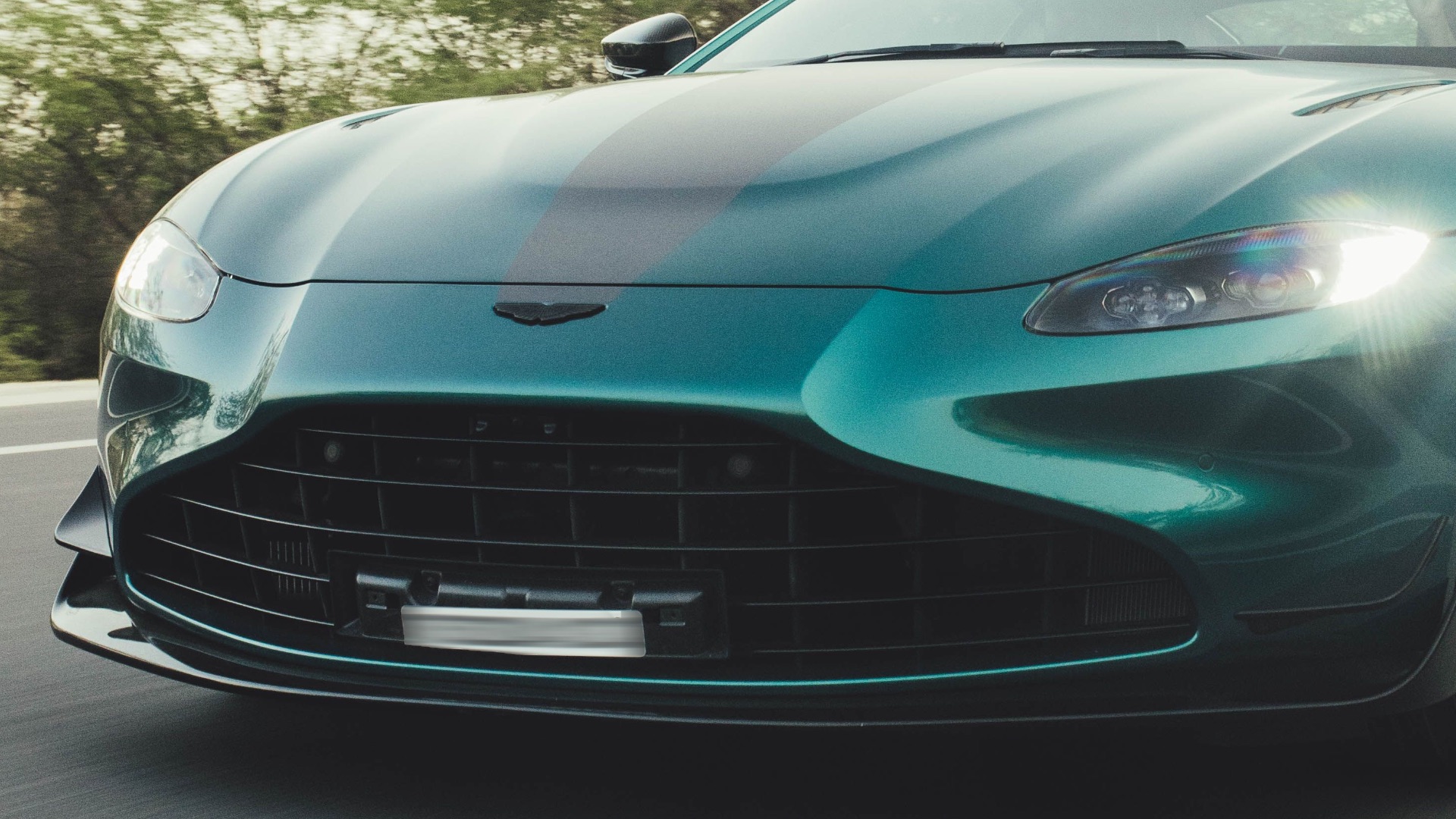
Aston Martin can charge enormous prices for exclusive sports cars, but limited production means the company has little room for costly mistakes or prolonged weakness. It reported another substantial loss in the first half of 2026 and arranged hundreds of millions of pounds in new financing while working to improve cash flow. New models such as the Valhalla are helping revenue, although high debt and years of repeated financial strain keep Aston Martin in a far more fragile position than its glamorous products might suggest.
18. Lotus
Lotus attempted to transform itself from a tiny sports-car manufacturer into a larger global luxury company by adding electric SUVs and sedans. That expansion hasn't produced the expected consistency, with 2025 deliveries dropping to roughly 6,500 vehicles, down 64% from the previous year, while revenue also fell considerably. Management is adjusting its strategy and introducing plug-in hybrids, but such a sharp reversal shows that simply broadening the lineup hasn't secured Lotus a larger audience.
19. Faraday Future
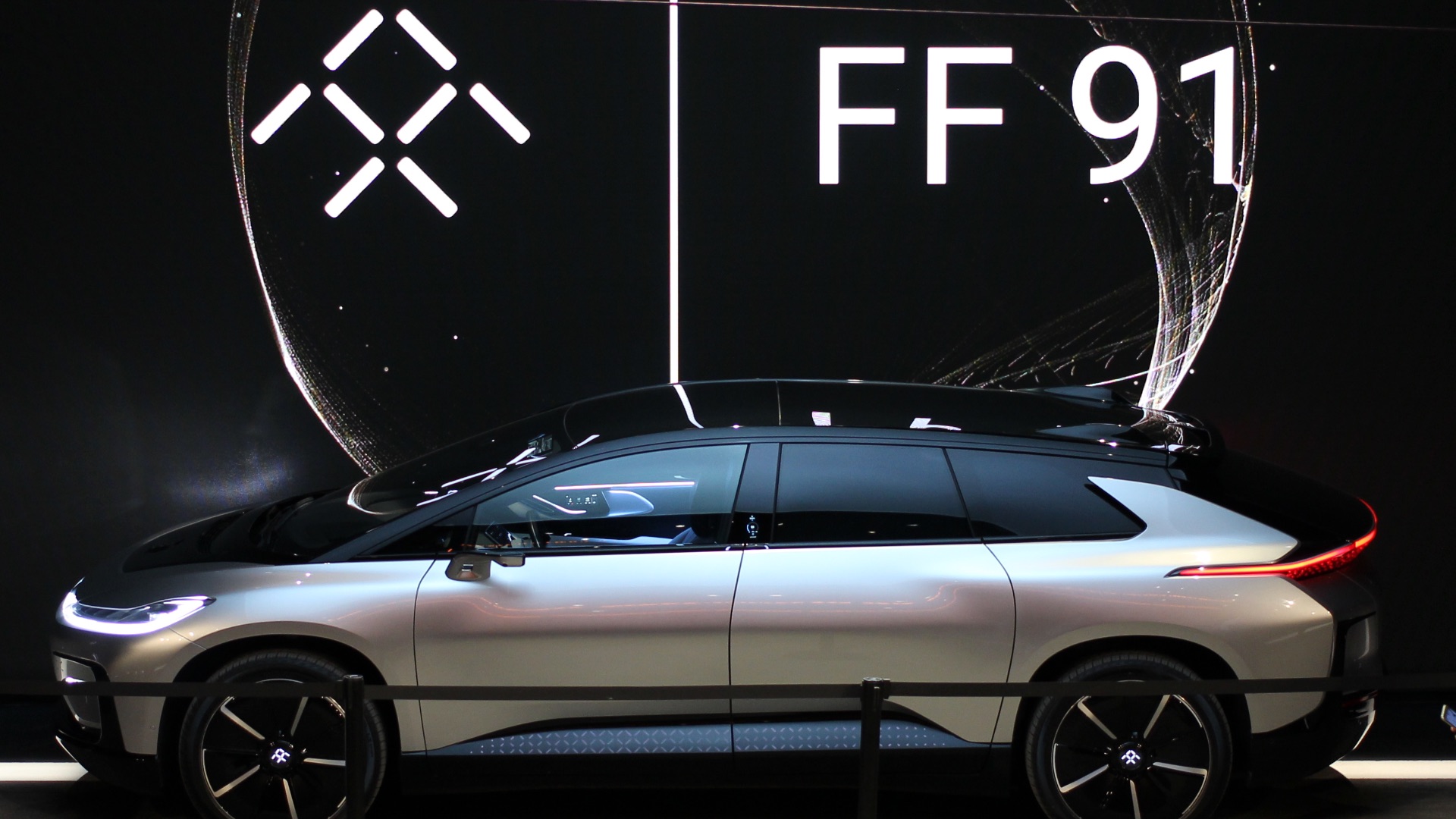
Few automotive startups have spent as long promising large-scale production while delivering so few cars as Faraday Future. Its 2025 annual filing showed only four vehicle deliveries during the entire year and warned that recurring losses and negative cash flow created substantial doubt about the company's ability to continue as a going concern. Faraday Future is now pursuing additional vehicles and other technology businesses, but its original ambition of becoming a significant luxury EV manufacturer remains a very long way from being achieved.
20. Nissan
Nissan is much larger than most of the companies here and isn't realistically on the verge of disappearing, but its declining scale makes it difficult to ignore. The company recorded a roughly 533 billion yen (about $3.34 billion USD) net loss for the fiscal year ending in March 2026, while annual revenue fell and global retail volume remained well below the levels Nissan achieved in stronger years. Restructuring, cost reductions, and an accelerated product program could reverse that decline, but for now the company is focused on restoring competitiveness rather than extending the global influence it once had.