Get Off the Road!
Car design is subjective, sure, and one person's eyesore can easily become somebody else's beloved oddball. Still, some vehicles are so bizarrely unattractive that you might want to make an immediate left turn as soon as you see them in the wild. From awkward proportions to oversized grilles and weird-looking headlights, these 20 cars are definitely not a sight for sore eyes.
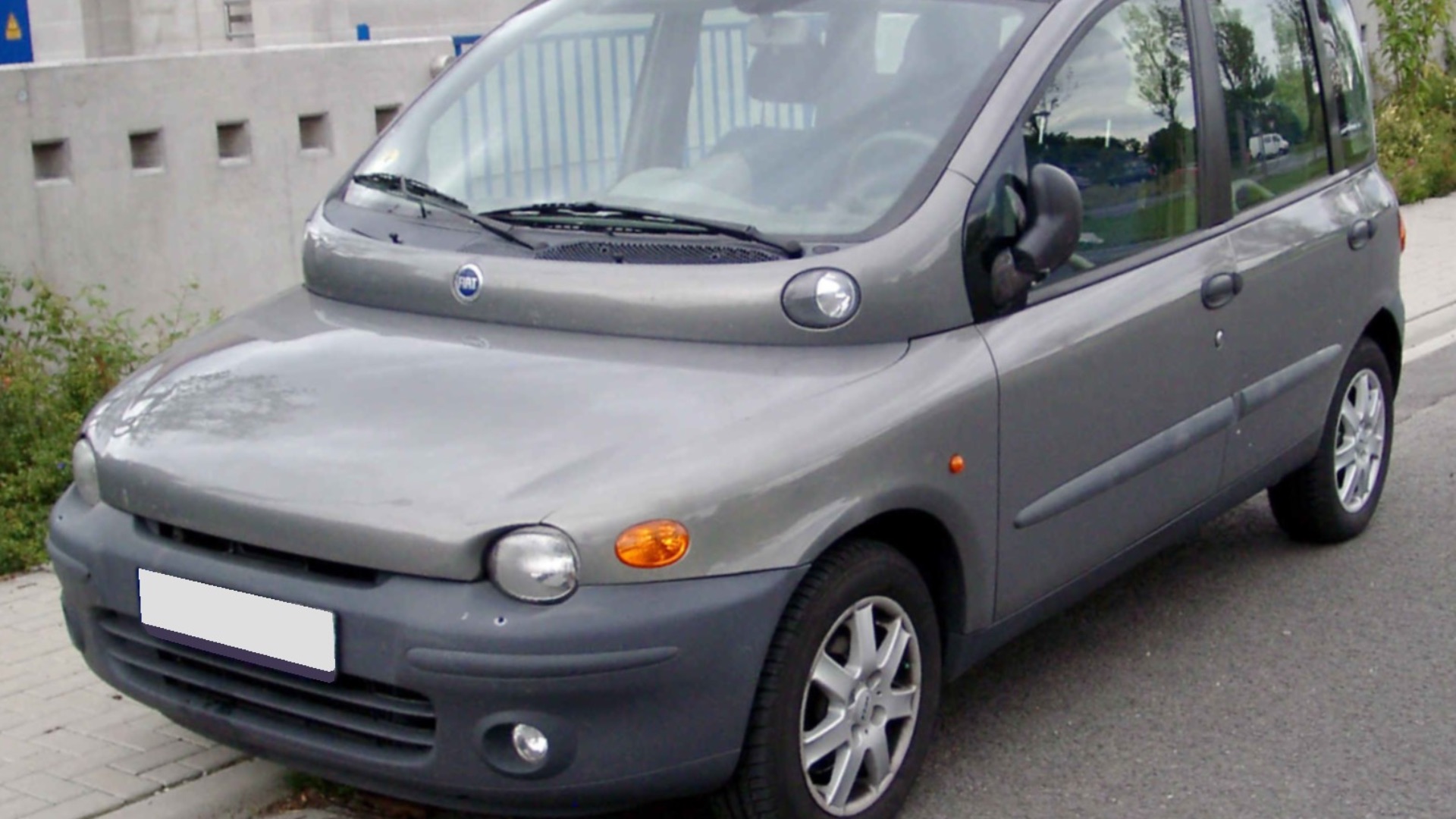
1. 1982 Volkswagen Quantum Wagon
The Volkswagen Quantum Wagon was sensible transportation, but visual excitement wasn't part of the package. Its upright cabin, long rectangular body, small wheels, and simple front end gave the wagon an especially severe appearance even by early-1980s standards. There isn't one outrageous feature responsible for the problem; instead, everything is so square and restrained that the overall design feels heavy and dated. The Quantum's practical shape made sense for carrying passengers and cargo, but it didn't give drivers much reason to admire it after parking.
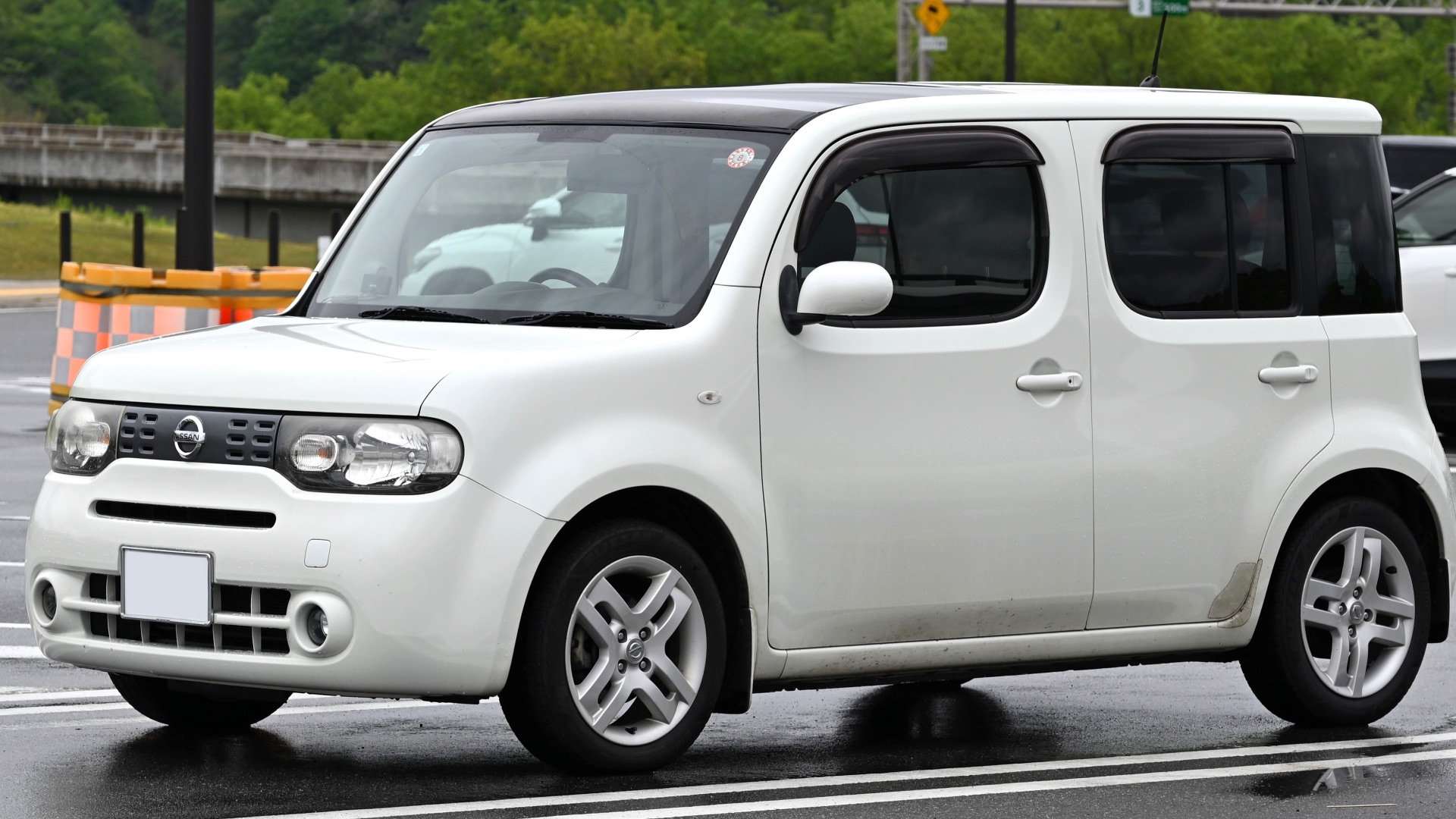
2. 2009-2014 Nissan Cube
Nissan deliberately gave the Cube an unconventional appearance, right down to its asymmetrical rear window and extremely upright body. Unfortunately, the rounded corners and oddly arranged glass make the vehicle appear visually unbalanced from several angles. The tall roof and tiny-looking wheels don't improve matters, while the front end tries hard to look friendly without becoming especially attractive. You can appreciate how spacious the Cube is inside while still wondering why the exterior had to announce itself so aggressively.
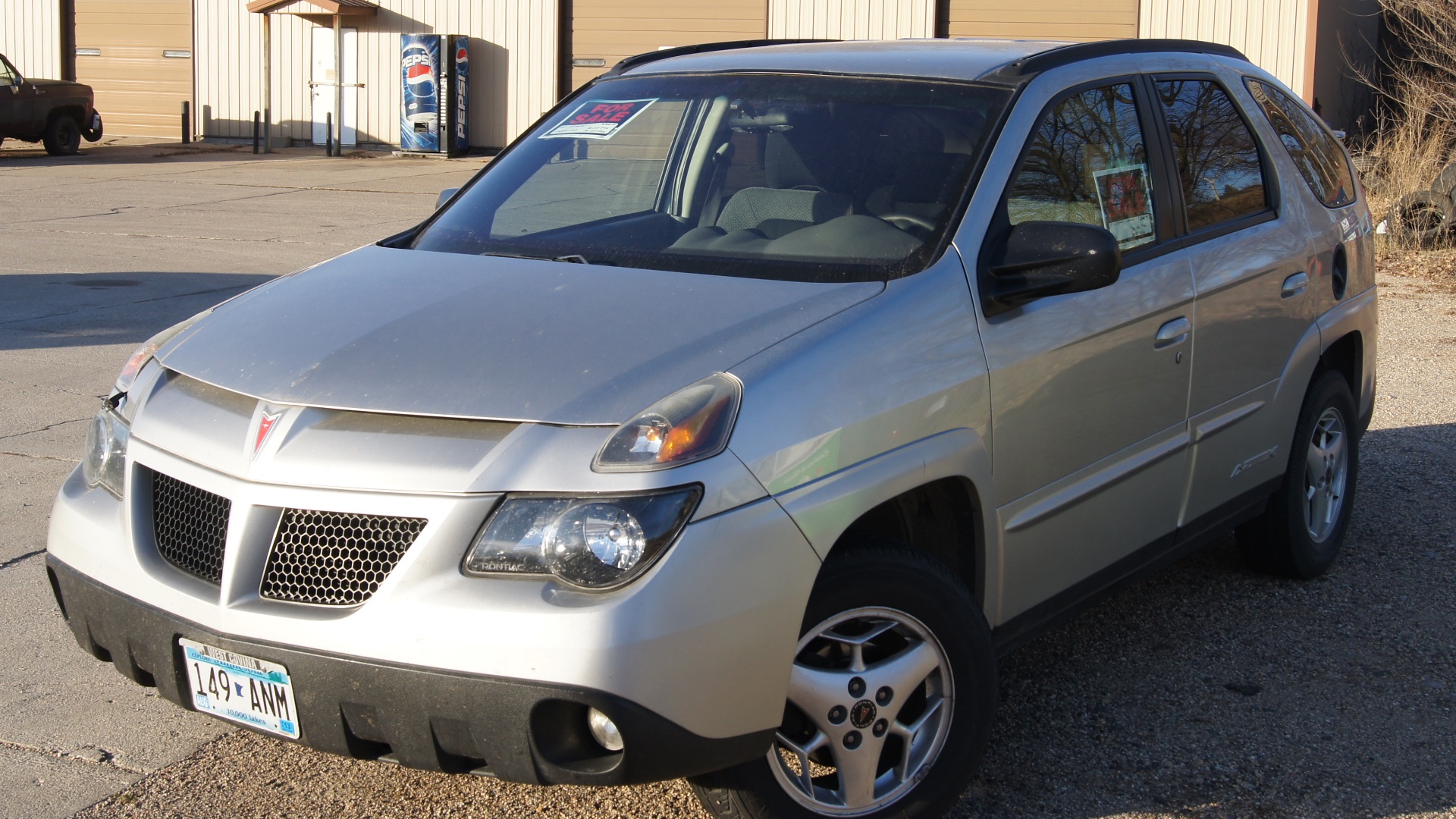
3. 2001-2005 Pontiac Aztek
Few vehicles became shorthand for unattractive car design as quickly as the Pontiac Aztek. Its stacked front lighting, excessive plastic body cladding, awkward wheel openings, and strangely divided rear end created a collection of styling ideas that never settled into one coherent design. Ironically, the Aztek offered the sort of outdoors-focused versatility that became increasingly popular in later crossovers. That practicality has helped its reputation somewhat, but the exterior remains difficult to defend.
 Greg Gjerdingen from Willmar, USA on Wikimedia
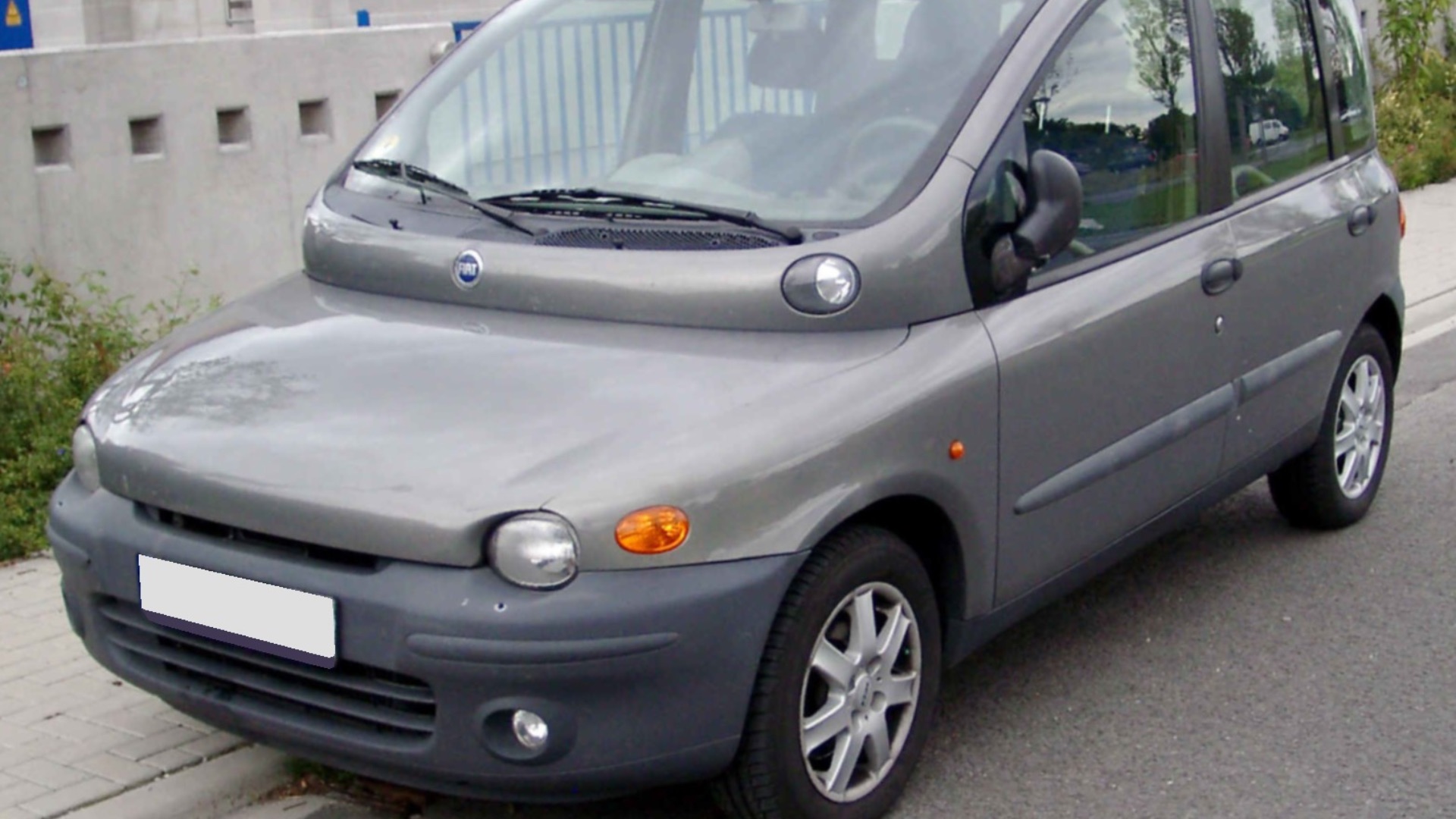
4. 1998-2004 Fiat Multipla
The original Fiat Multipla may be the easiest inclusion on almost any list of unattractive production cars. Its most controversial feature is the unusual band beneath the windshield that houses another set of lights, making the front appear unusually tall and divided into separate sections. Automotive publications have repeatedly singled out the Multipla for its appearance even while acknowledging its clever six-seat packaging and roomy interior. Once you've seen that front end, it's hard to focus on anything else.
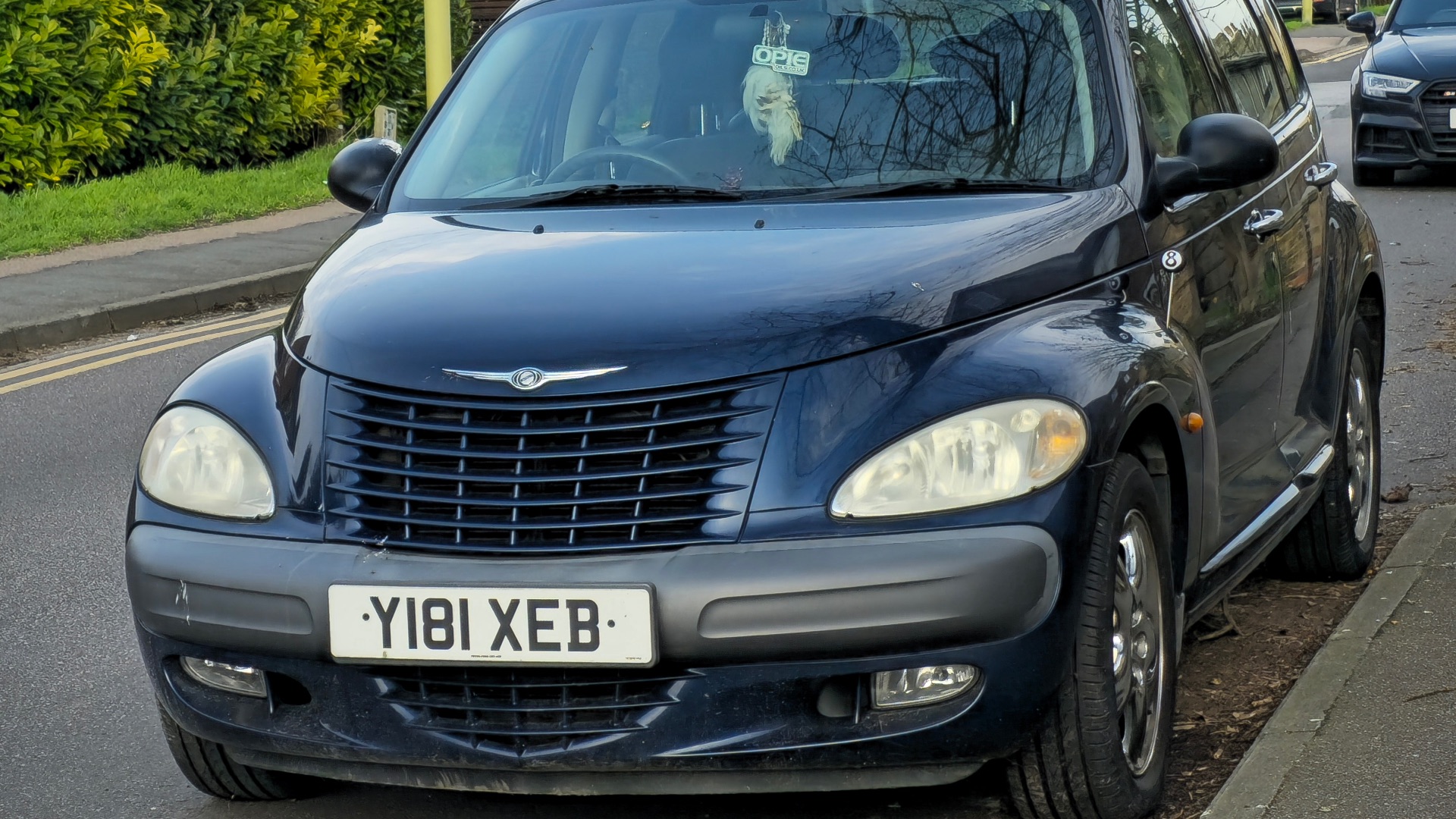
5. 2001-2010 Chrysler PT Cruiser
Retro styling was enormously popular when the Chrysler PT Cruiser arrived, but time hasn't been especially kind to this particular interpretation of it. The tall cabin, protruding fenders, small wheels, and chrome-heavy front end combine vintage references with the basic proportions of a compact front-wheel-drive vehicle. Certain versions added spoilers, decorative trim, or additional chrome, which could make an already complicated design look even busier. It certainly has personality, although attractive isn't the first word many people would choose.
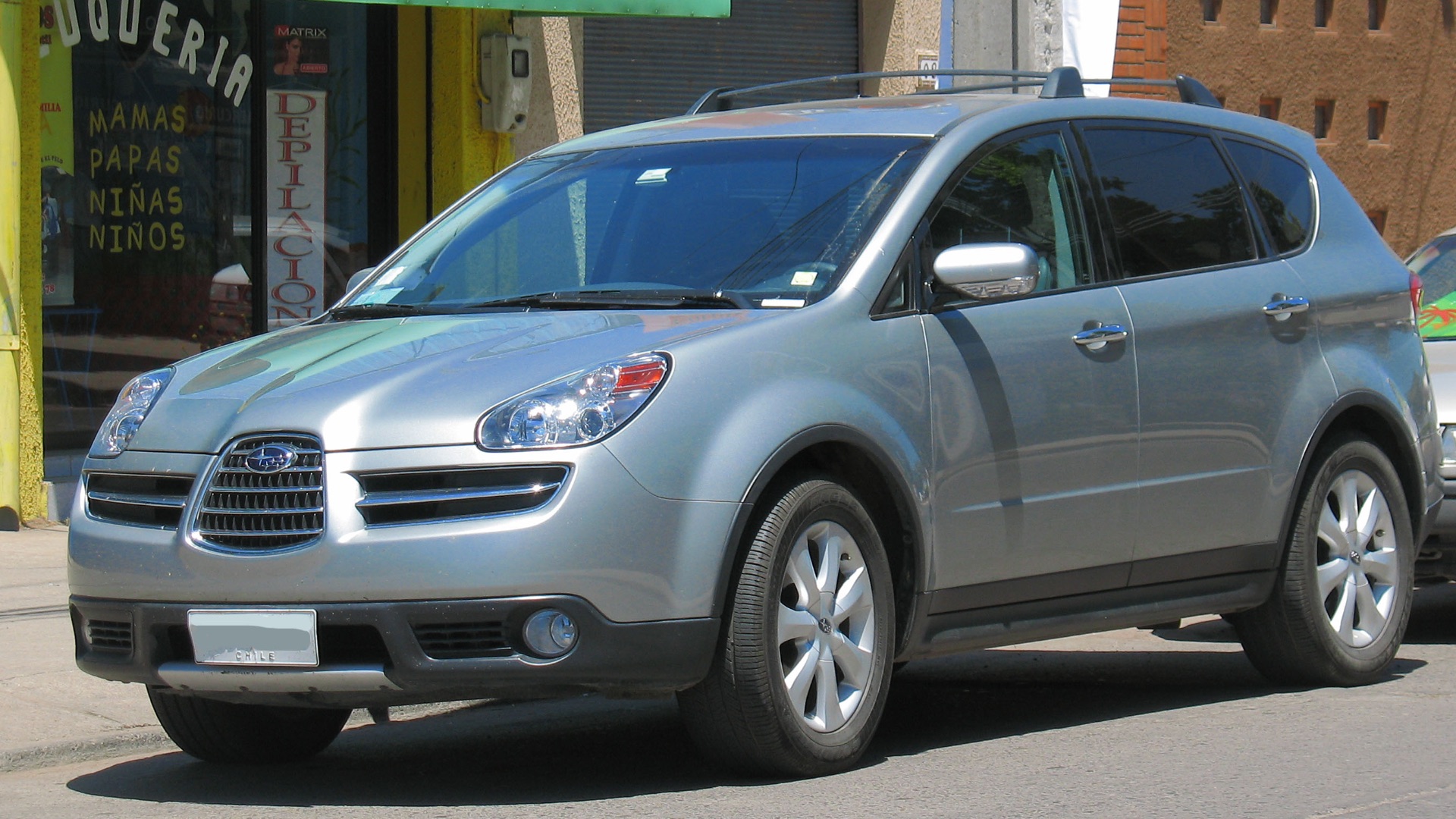
6. 2006-2007 Subaru B9 Tribeca
Subaru took a major styling risk with the original B9 Tribeca, particularly around the front grille, and the reaction wasn't favorable enough for the design to last long. Its narrow central grille was surrounded by two additional openings, while the headlights stretched backward in a way that made the entire nose appear unusually complicated. The rest of the crossover was comparatively conventional, so that distinctive front treatment attracted almost all the attention. Subaru later gave the Tribeca a much more traditional face, effectively removing the feature everyone remembered.
 order_242 from Chile on Wikimedia
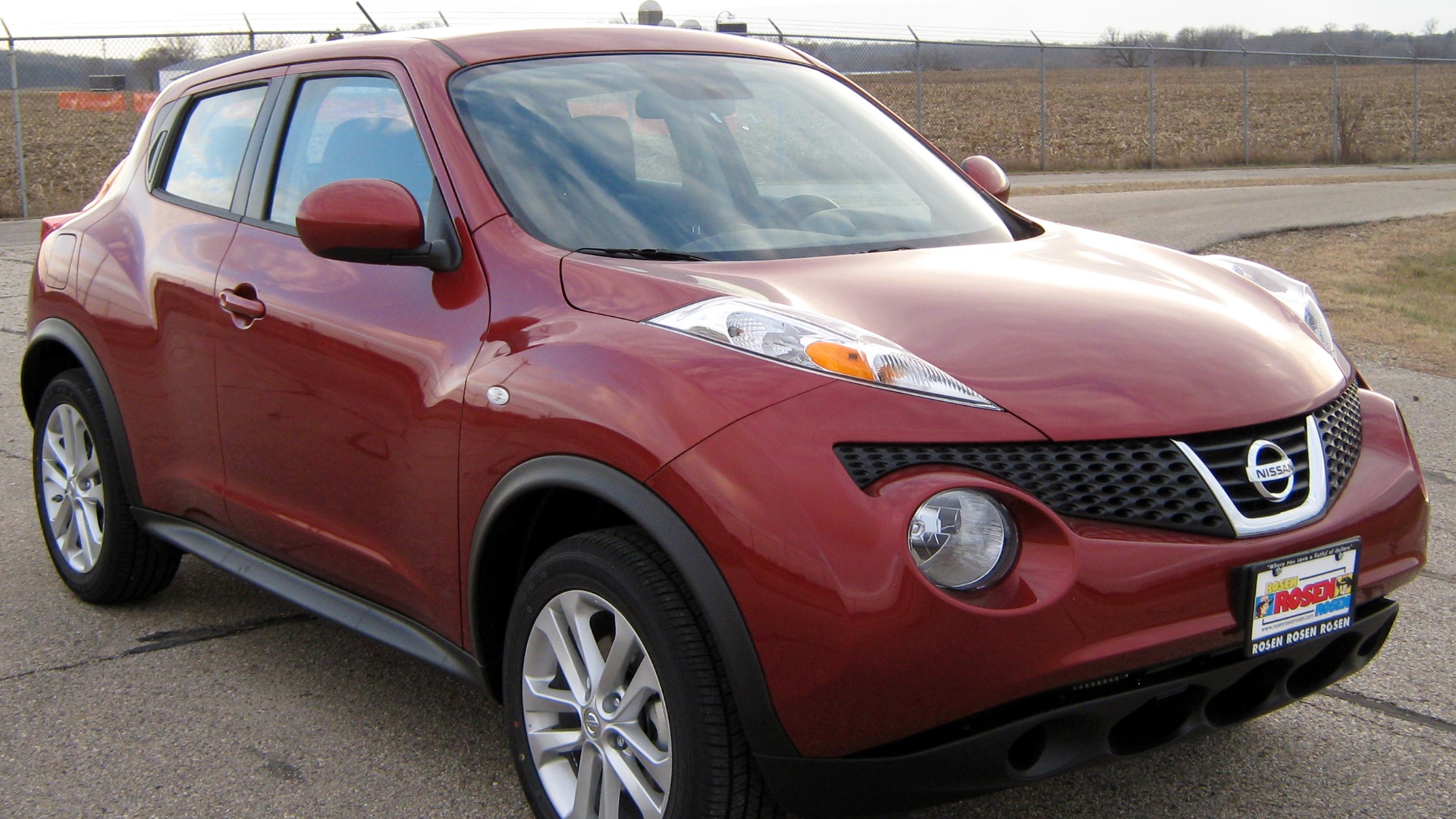
7. 2011-2017 Nissan Juke
The first-generation Nissan Juke never seemed interested in blending into traffic. Large round headlights occupied the lower front fascia while separate lights sat much higher on the fenders, creating an arrangement that could be difficult to process at first glance. Its swollen wheel arches, short body, and rising beltline added even more visual activity to a relatively small crossover. The design found plenty of buyers despite widespread criticism, proving that standing out can sometimes matter more than looking conventionally attractive.
 U.S. National Highway Traffic Safety Administration on Wikimedia
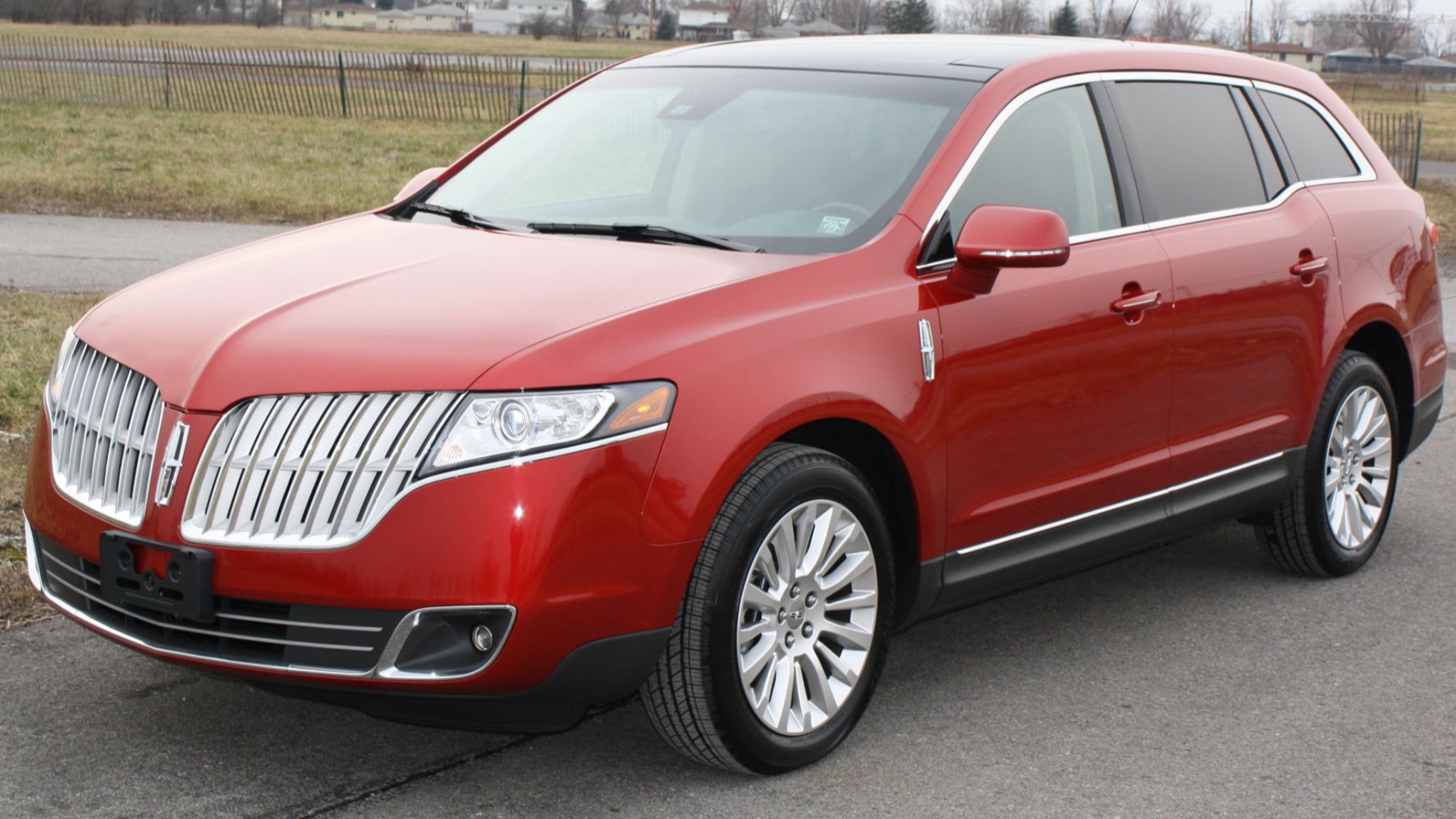
8. 2010-2019 Lincoln MKT
Lincoln's MKT tried to combine luxury-car detailing with the proportions of a large three-row crossover, and the result was difficult to view from a flattering angle. The front wore a huge split-wing grille, while the roof curved downward toward a particularly bulky rear section. Even from the side, its long body and substantial rear pillars made the crossover look heavier than it needed to. There's plenty of space inside, but the exterior makes that generous size look cumbersome rather than elegant.
 U.S. National Highway Traffic Safety Administration on Wikimedia
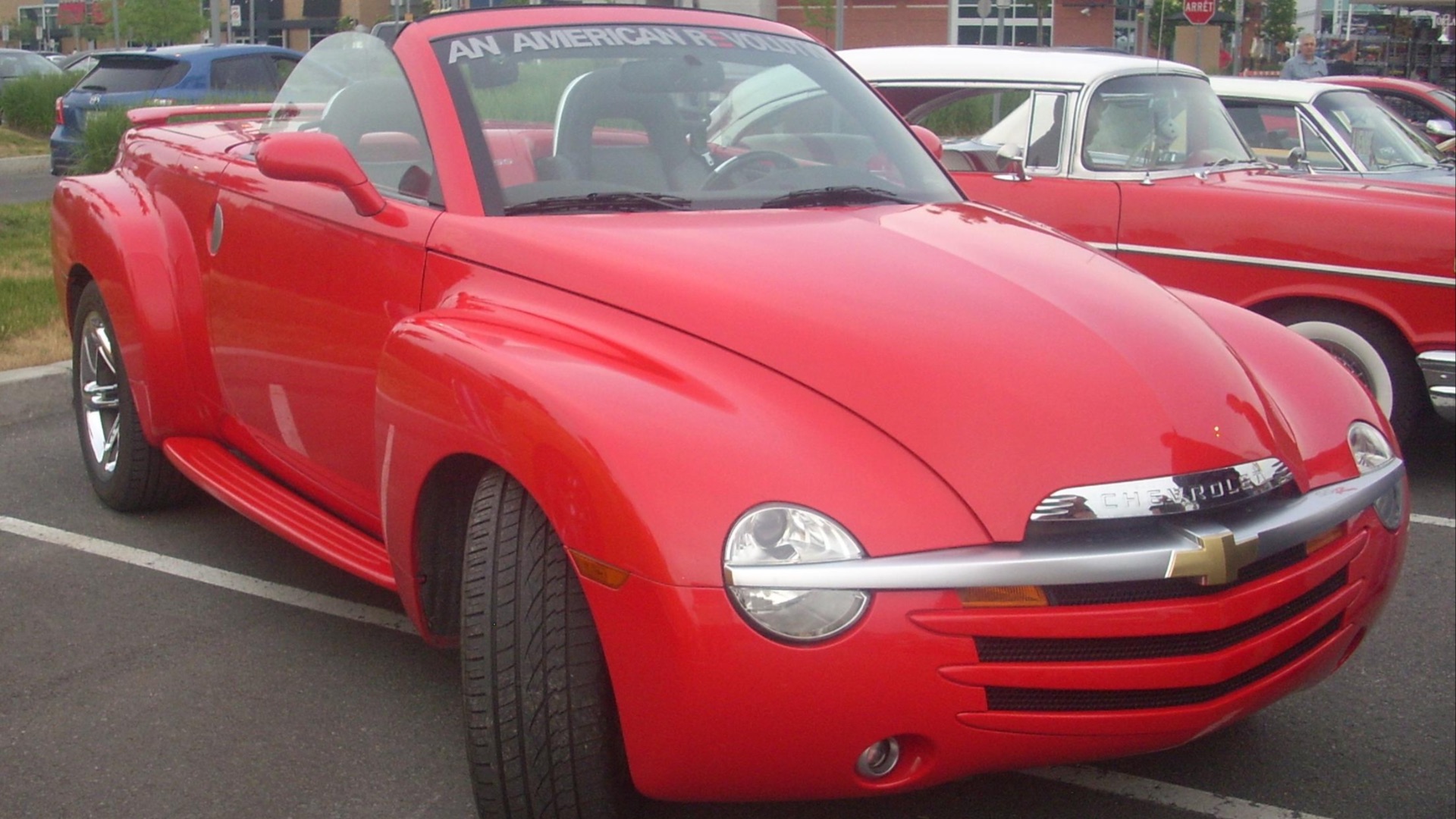
9. 2003-2006 Chevrolet SSR
The Chevrolet SSR combined a pickup bed, retractable hardtop, retro bodywork, and performance-car intentions in one extremely unusual vehicle. Its oversized rounded fenders and tiny-looking cargo bed made the proportions particularly strange when viewed from the side. The front drew heavily from classic Chevrolet trucks, yet the curving roof and roadster-style cabin pushed the design in a completely different direction. It deserves credit for being adventurous, but all those ideas competing for attention produced a vehicle that never looked fully resolved.
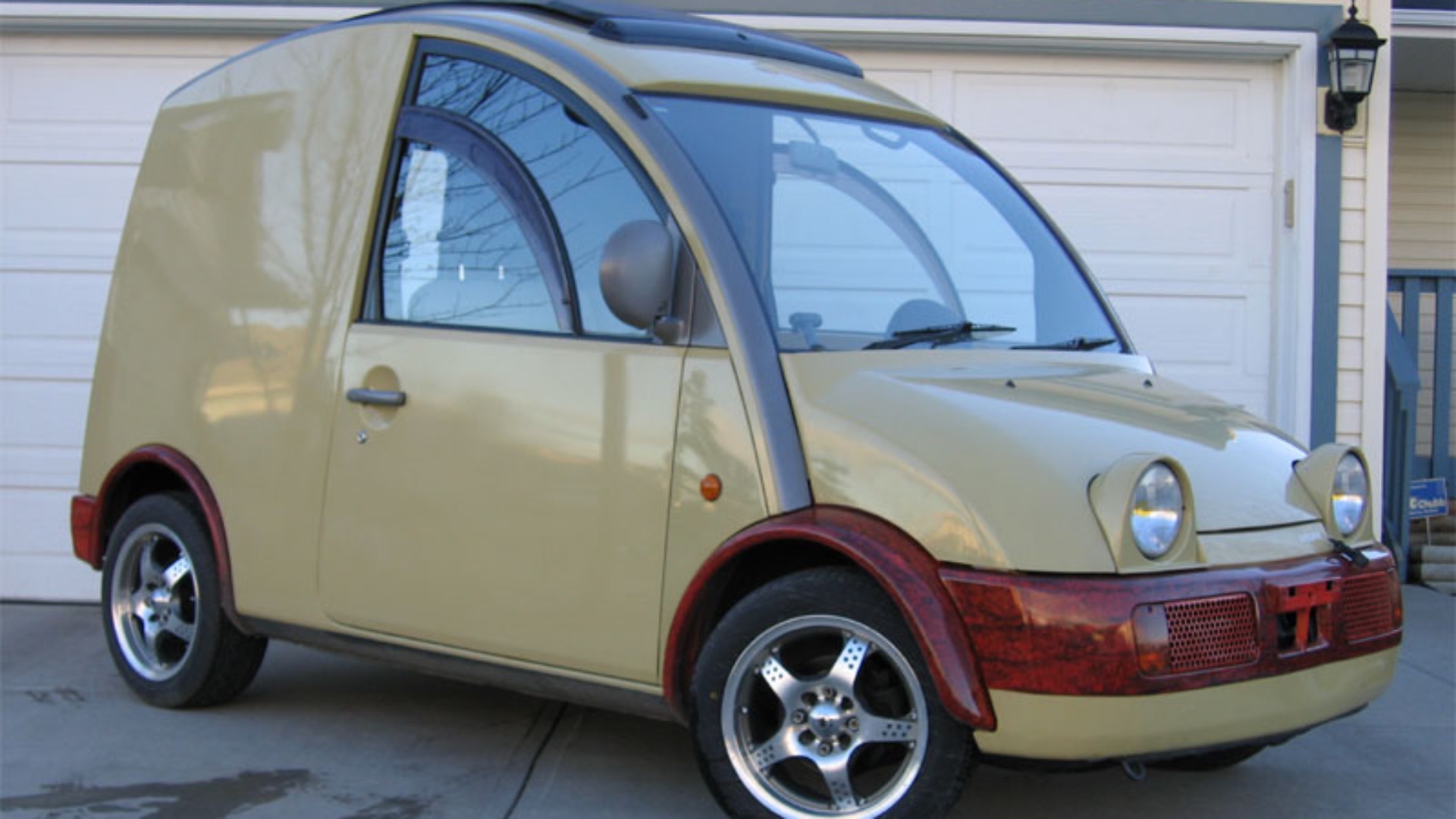
10. 1989-1991 Nissan S-Cargo
Nissan wasn't hiding the fact that the S-Cargo was supposed to look eccentric. The tiny delivery van featured round headlights, a tall curved roof, circular side windows, and deliberately playful styling that made conventional vans seem remarkably restrained. Its novelty has helped turn it into a collectible curiosity, yet charm and beauty aren't necessarily the same thing. If you're judging strictly by traditional automotive proportions, the S-Cargo doesn't have many advantages.
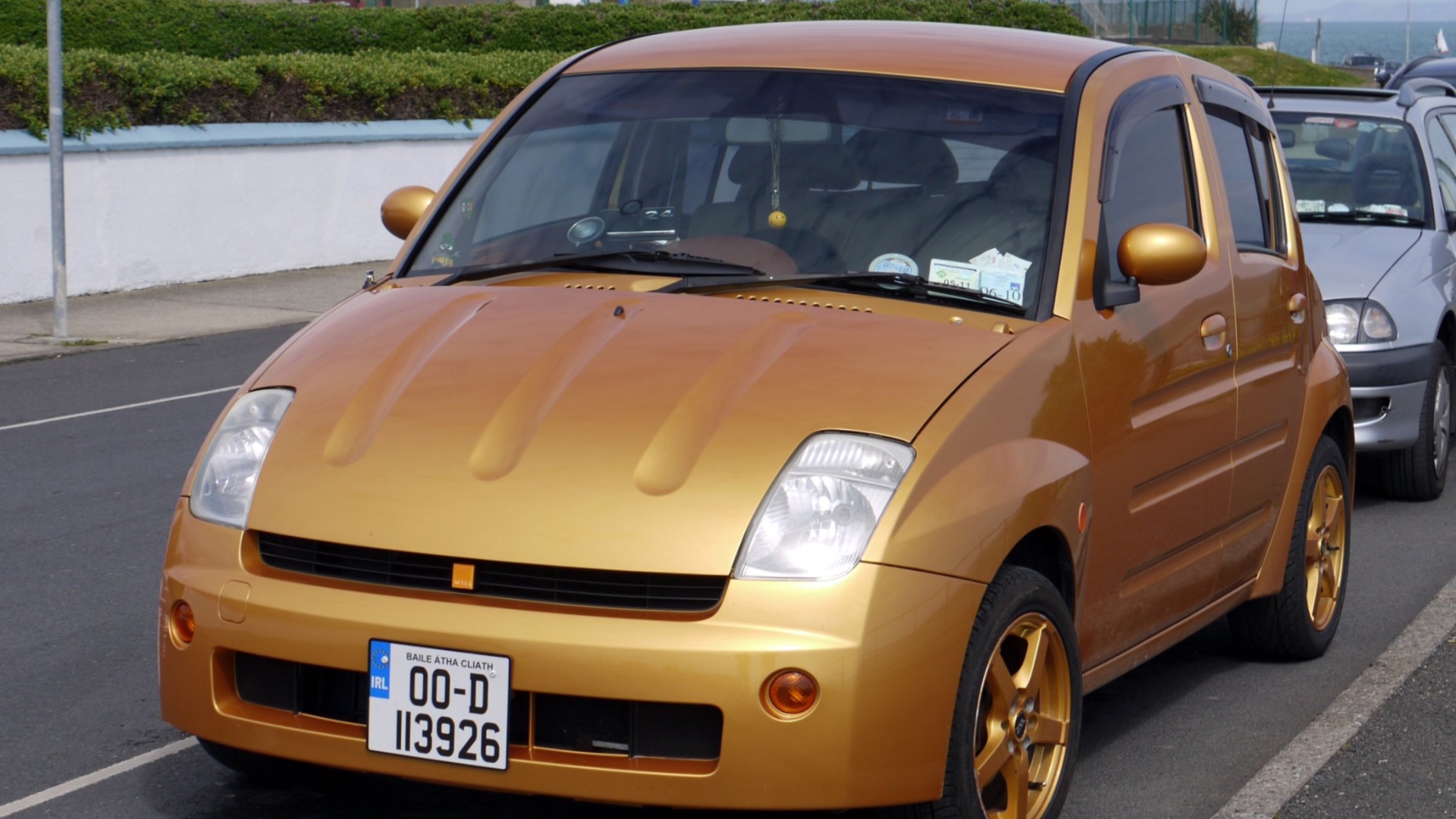
11. 2000-2001 Toyota WiLL Vi
The Toyota WiLL Vi is one of those vehicles that becomes stranger the longer you examine it. Its most noticeable feature is the reverse-sloping rear window, which gives the roofline an unusual shape that doesn't match the rounded front half particularly well. Deep body creases and exaggerated wheel arches add even more detail to an already unconventional small car. Toyota clearly wanted something distinctive, and it succeeded, although visual harmony seems to have been a lower priority.
 Mic from Reading - Berkshire, United Kingdom on Wikimedia
12. 2004-2013 SsangYong Rodius
The first-generation SsangYong Rodius has repeatedly appeared in discussions of unattractive vehicles because its proportions become especially awkward toward the rear. A tall passenger compartment meets a strangely stepped roof and thick rear pillars, leaving the back half looking much heavier than the front. From certain angles, the side glass and body panels seem to follow entirely different lines. It offered useful passenger space, but very few people bought a Rodius because they wanted something beautiful parked outside.

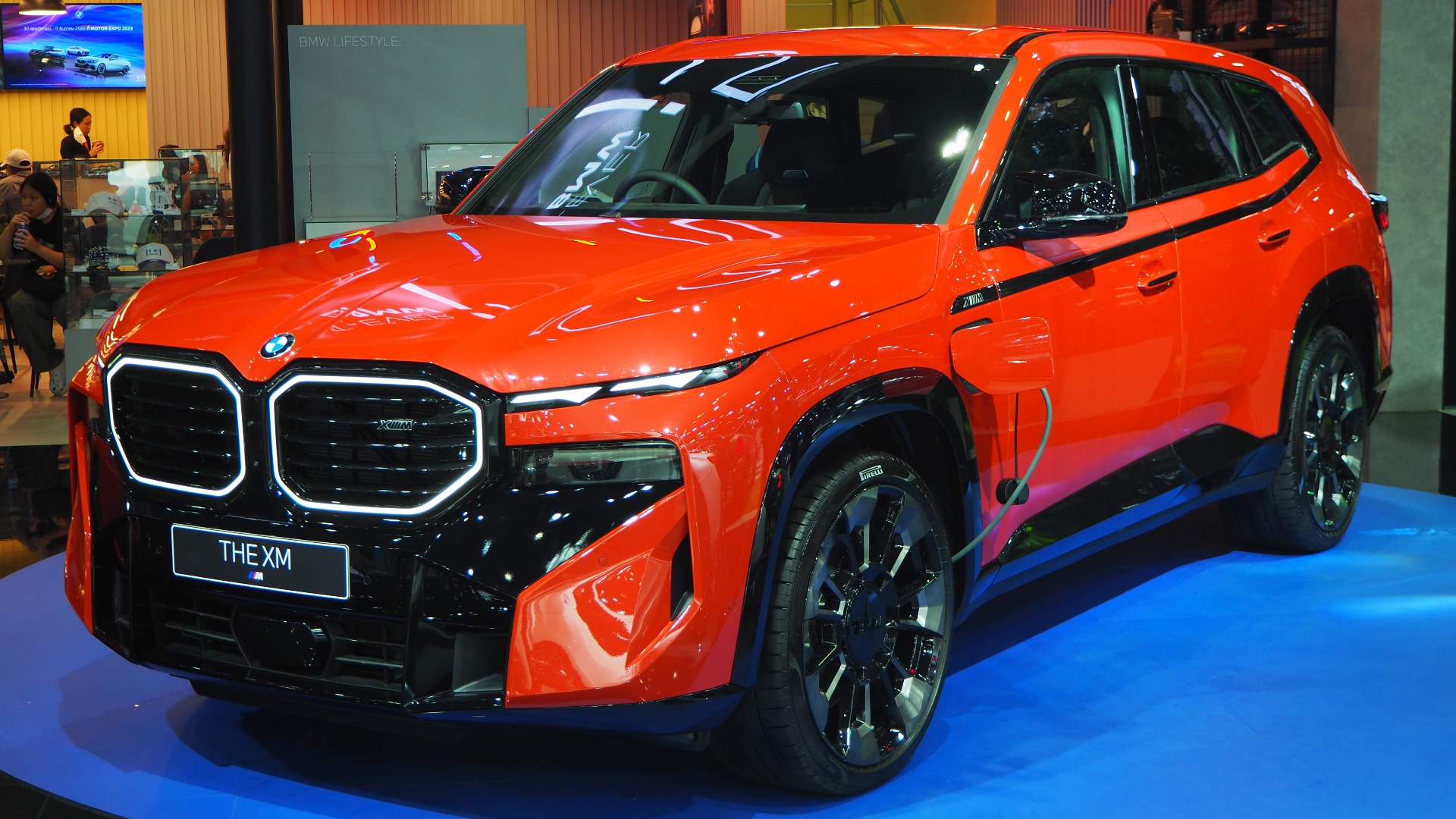
13. 2023 BMW XM
BMW's XM proves that controversial styling isn't limited to inexpensive or older cars. Its enormous kidney grilles dominate the front, while sharp body lines, stacked lighting, oversized wheels, and numerous contrasting details compete for attention across the rest of the SUV. The vehicle was designed to make a statement, and there's little chance of anyone mistaking it for something understated. For drivers who prefer restrained luxury, the XM can feel like far too many styling decisions occupying the same body.
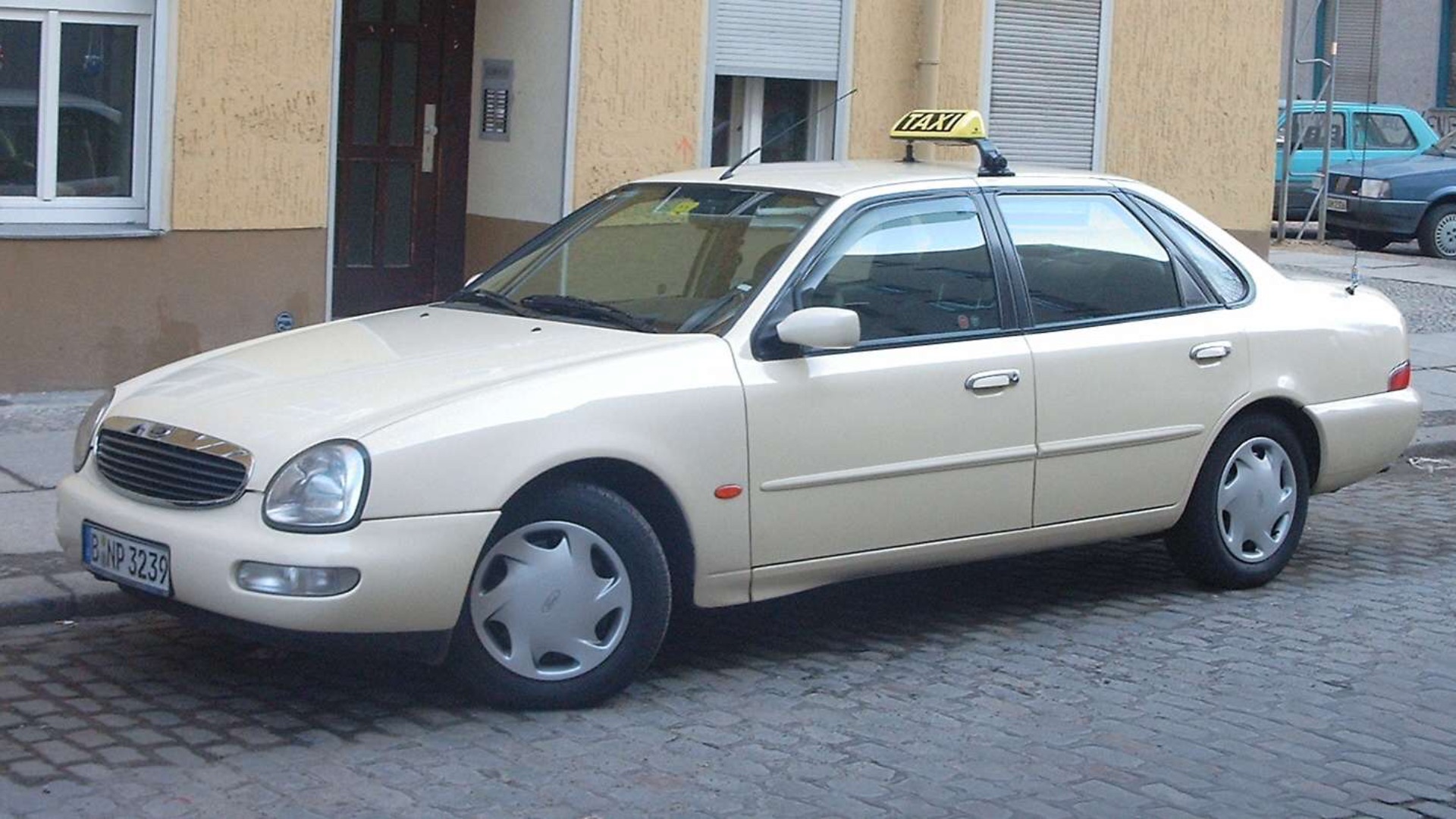
14. 1995-1998 Ford Scorpio
The second-generation Ford Scorpio received a dramatic redesign that replaced the straightforward appearance of its predecessor with an unusually rounded face. Large oval headlights and a small grille gave the front a peculiar expression, while the rear continued the same bulbous theme without creating a particularly graceful shape. Buyers accustomed to conservative European executive sedans weren't necessarily asking for something this visually adventurous. Its appearance remains one of the reasons the Scorpio is remembered long after its mechanical details have faded from public attention.
 Norbert Schnitzler on Wikimedia
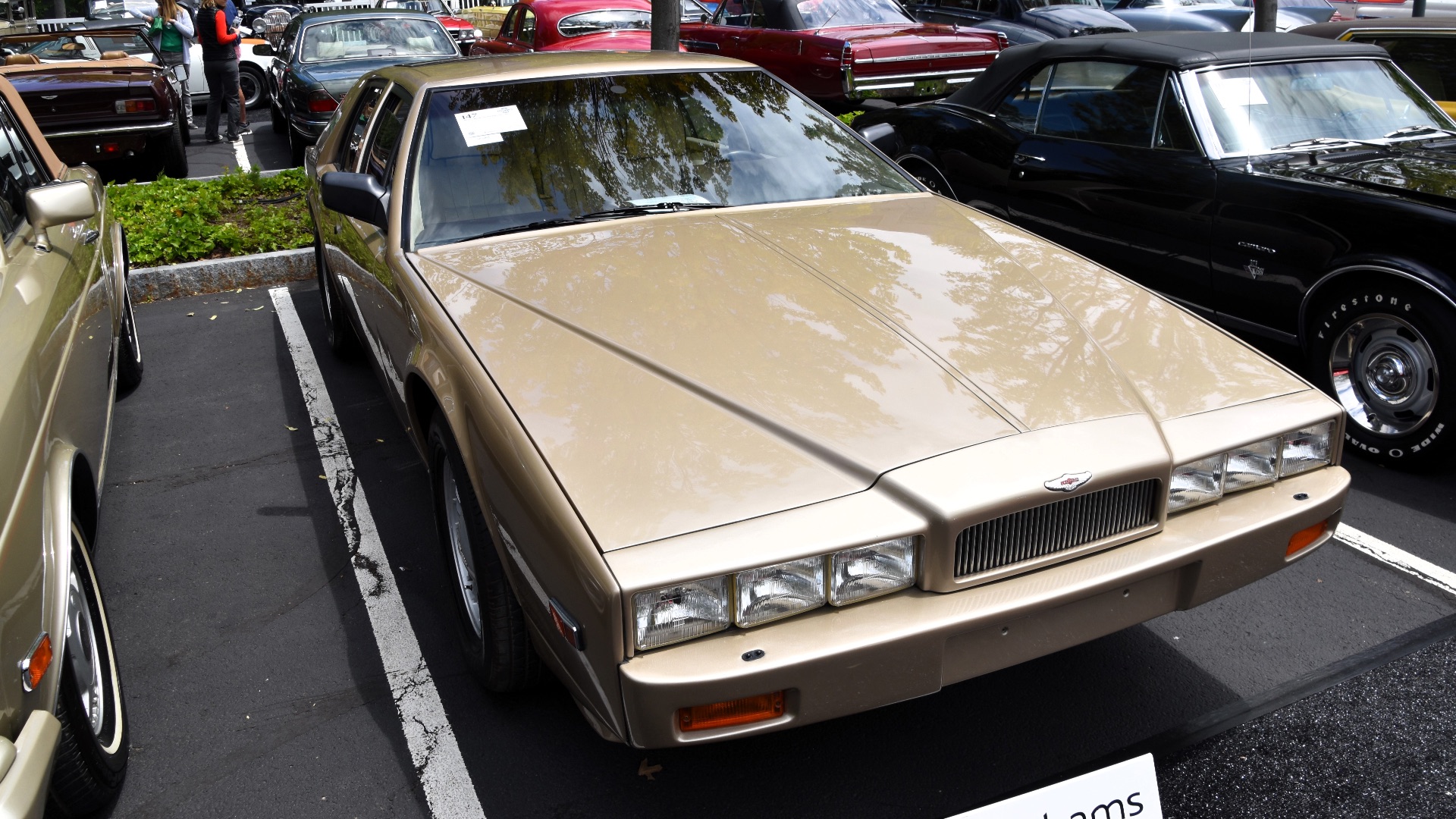
15. 1976-1990 Aston Martin Lagonda
The Aston Martin Lagonda is undeniably distinctive, but distinction alone doesn't make a car attractive. Its extremely long body, low roof, sharp edges, and substantial overhangs give it proportions that can appear exaggerated even among large luxury sedans of its era. The narrow grille and thin lighting treatment leave a tremendous amount of flat bodywork surrounding relatively small visual elements. Some collectors admire its dramatic design today, while others still see an expensive sedan that never found a flattering angle.
 Charles from Port Chester, New York on Wikimedia
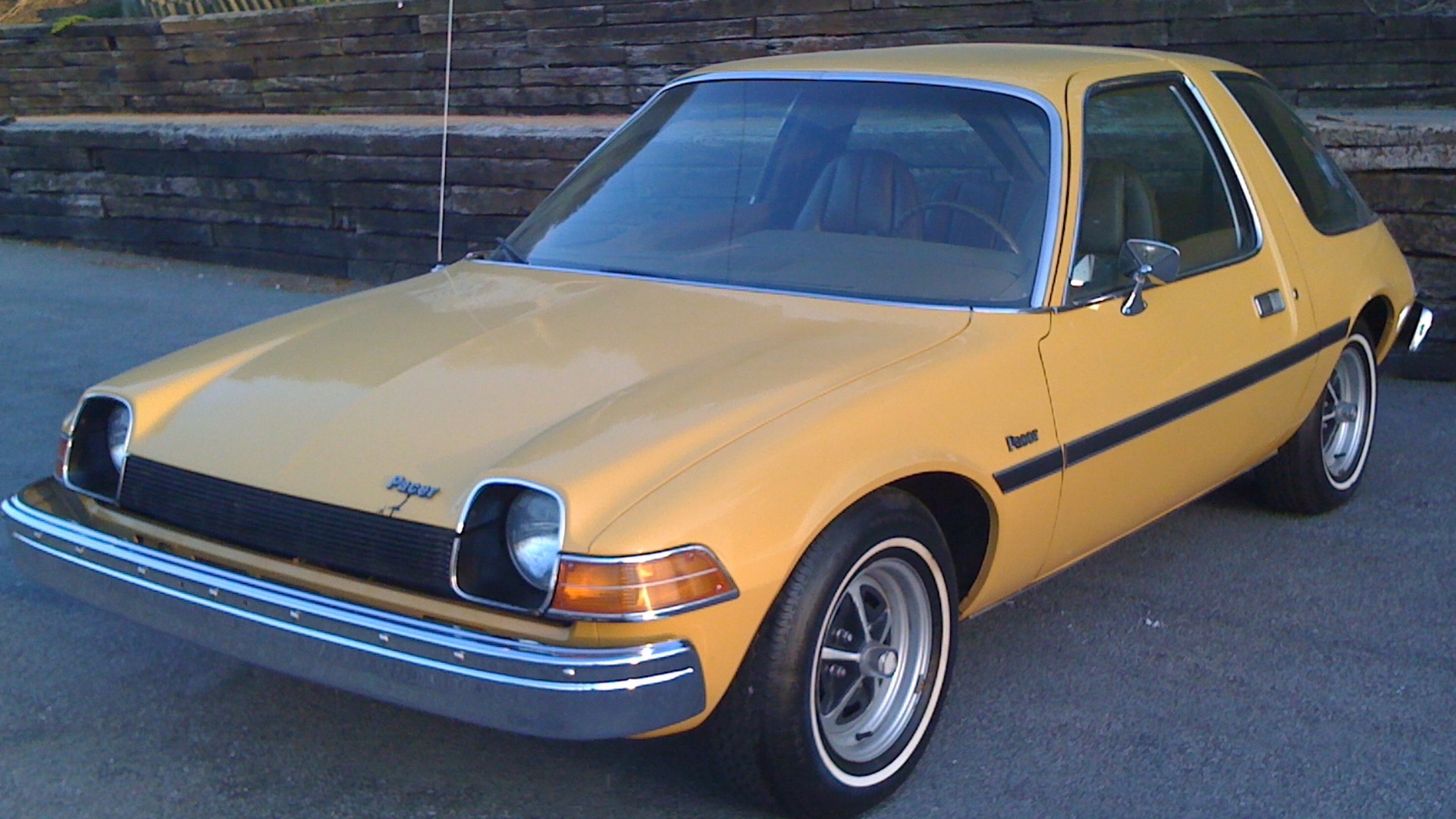
16. 1975-1980 AMC Pacer
The AMC Pacer was created around an unusually wide body and expansive glass area, producing one of the most recognizable compact cars of the 1970s. Its rounded roof, short hood, large side windows, and broad stance resulted in proportions that looked unusual even when the car was new. The asymmetrical doors, with the passenger door being longer than the driver's door, added another unconventional element. You may appreciate the Pacer's originality, but conventional beauty was never really part of its appeal.
 CZmarlin — Christopher Ziemnowicz on Wikimedia
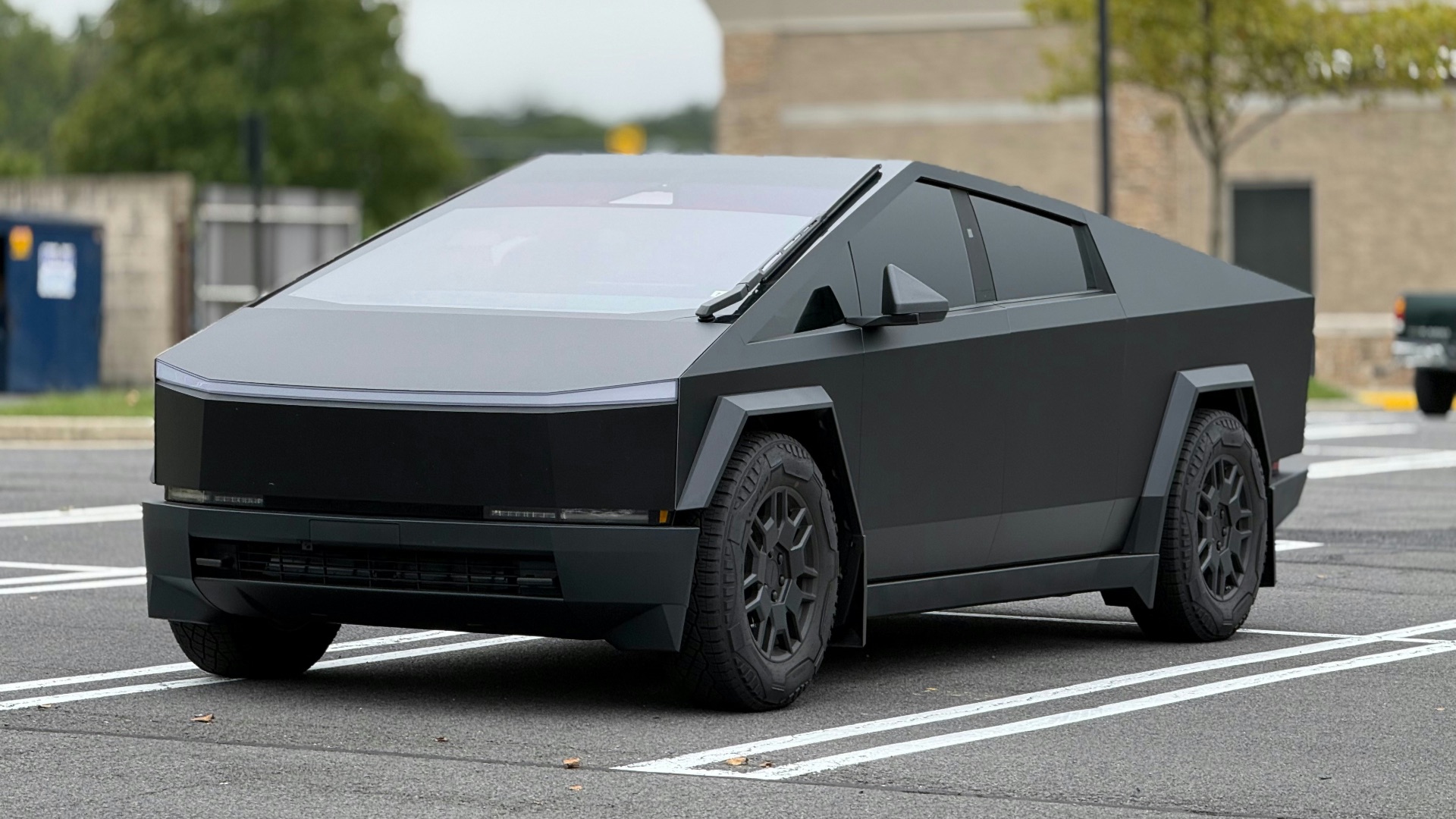
17. 2024 Tesla Cybertruck
The Tesla Cybertruck avoids nearly every familiar pickup-truck styling convention, which is exactly why opinions about it are so extreme. Its unpainted stainless-steel body, flat panels, enormous windshield, and aggressively angular profile make it look unlike almost anything else currently sharing public roads. Tesla's material choices have legitimate engineering purposes, but practicality doesn't automatically result in attractive bodywork. If you dislike sharp edges and massive uninterrupted surfaces, the Cybertruck gives you plenty to criticize.
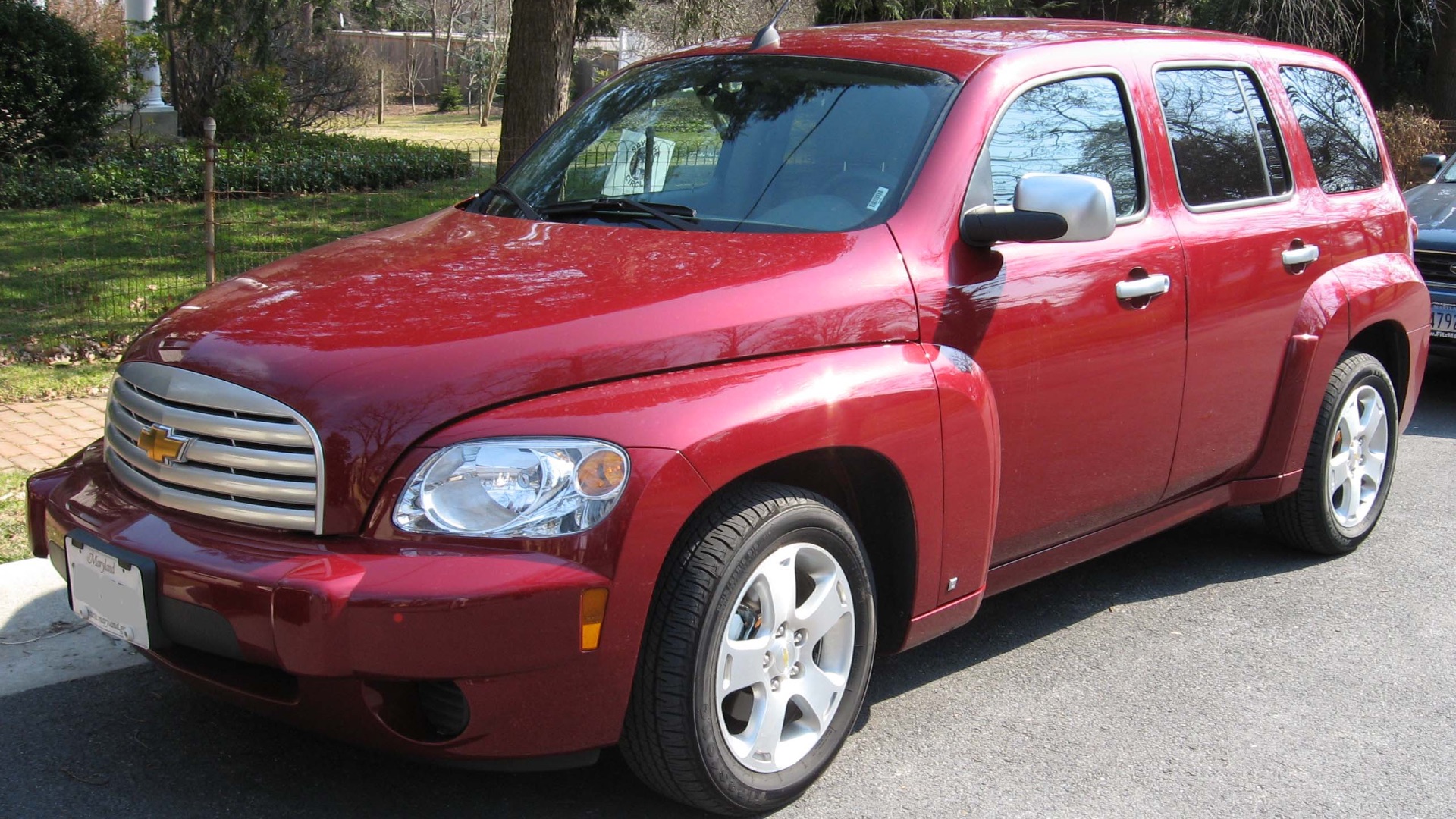
18. 2006-2011 Chevrolet HHR
The Chevrolet HHR arrived after retro styling had already become a major industry trend, and its resemblance to earlier rounded utility vehicles made the design feel familiar from the beginning. High fenders, a tall roof, narrow windows, and a prominent chrome grille created a body that looked bulky despite its compact dimensions. The available panel-van version made the unusual proportions even more noticeable by eliminating the rear side windows. It was practical enough for everyday use, though its styling rarely inspired the same enthusiasm.
19. 2011-2014 Nissan Murano CrossCabriolet
Removing the roof from a crossover sounds unusual before you even see the finished vehicle, and the Nissan Murano CrossCabriolet confirmed how difficult that idea was to execute attractively. Its high beltline and substantial body remained, but the roof structure disappeared, leaving a large two-door convertible sitting unusually high above the road. The shortened passenger compartment also made the front and rear sections seem disproportionately large. Nissan deserves some credit for attempting something different, although there's a reason convertible crossovers never became common.

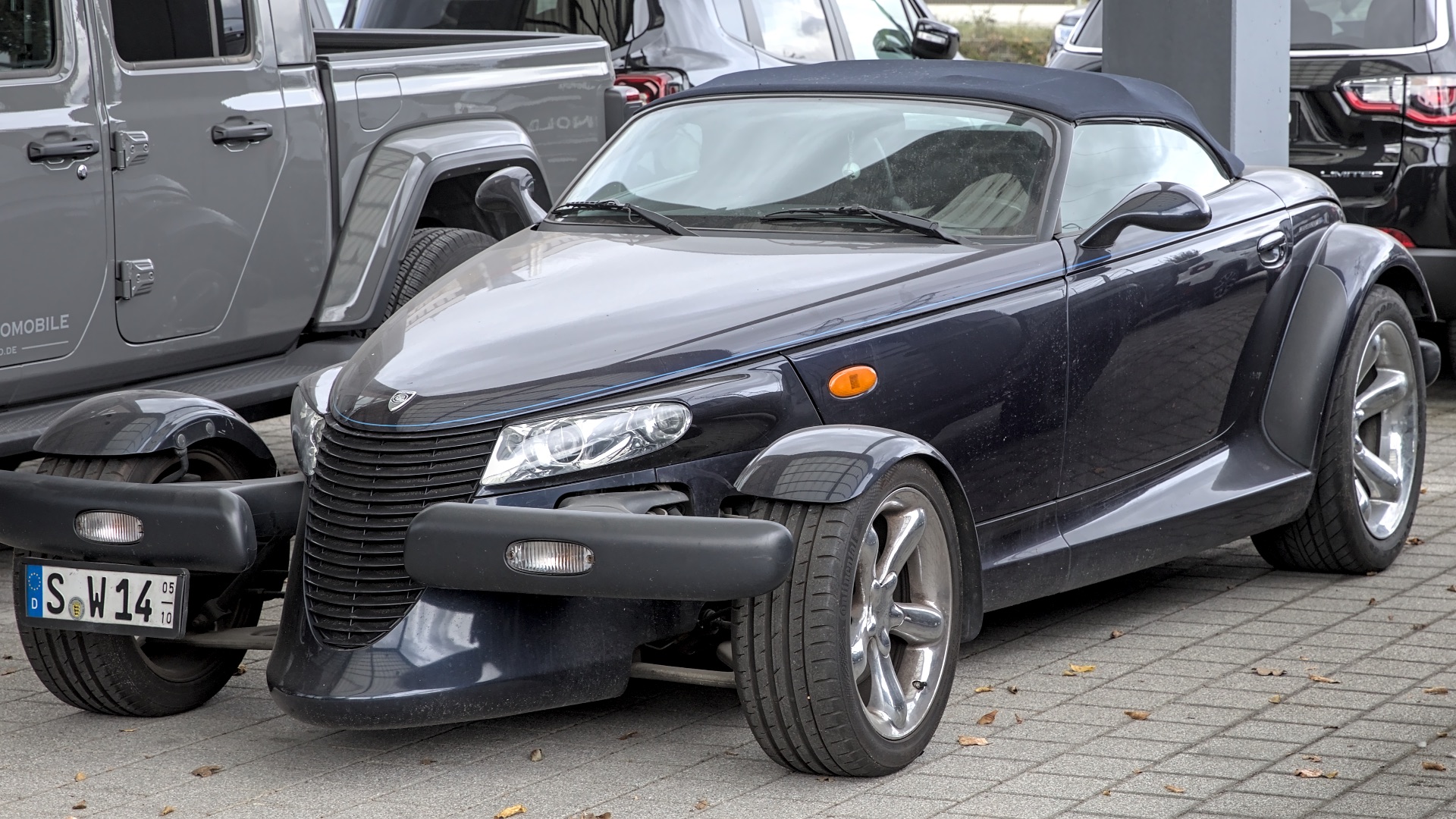
20. 1997-2002 Plymouth Prowler
The Plymouth Prowler was created to capture vintage hot-rod styling in a modern production car, yet its exaggerated design hasn't appealed to everyone. Exposed front wheels, narrow bodywork, a pointed nose, and a much wider rear produced proportions unlike practically anything else sold by a major American manufacturer at the time. Its unusual front bumper treatment also interfered with the cleaner lines seen on early concept versions. The Prowler remains interesting and collectible, but interesting and attractive don't always overlap.