
All About Toyotas
Toyota has spent decades building vehicles for people who want their cars to fit naturally into everyday life, whether that means commuting to work, hauling a family around town, taking weekend trips, or simply keeping ownership costs manageable. On top of that, there's also the dependable engineering, practical interiors, fuel-efficient powertrains, and a lineup broad enough to tempt anyone in the market, from compact sedans to serious off-road SUVs. Put all of that together, and it's easy to understand why so many drivers keep coming back. Wondering if this is your sign to get a Toyota? Here's why drivers are so loyal to the brand, and 10 great models to consider if you're thinking of getting a new car.
1. Toyota Has Built a Strong Reputation for Dependability
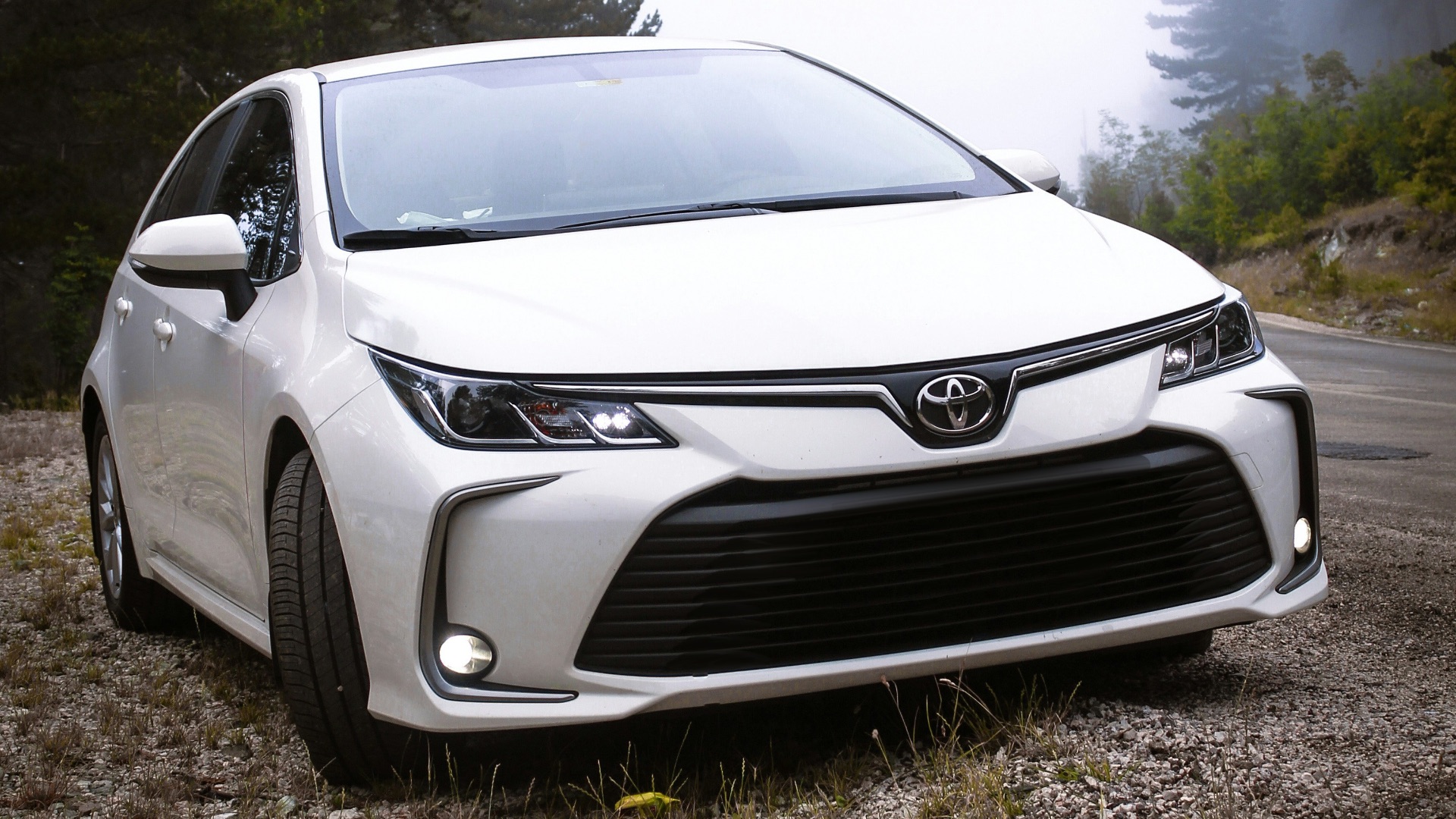
Reliability is often one of the first things shoppers associate with Toyota, and that reputation has been built over many years rather than a single successful model. Owners regularly keep these vehicles for long stretches, which makes them especially appealing if you don't enjoy replacing your car every few years. While any vehicle still needs proper maintenance, Toyota's focus on proven engineering gives buyers plenty of confidence when they're shopping for long-term transportation.
2. They're Easy to Handle
You don't have to spend several weeks learning how to use a Toyota before it starts feeling familiar. Most models place major controls in sensible locations, offer comfortable driving positions, and provide straightforward visibility for routine driving. That user-friendly approach matters because convenience behind the wheel often becomes more important than flashy features once you've owned a car for a while.

3. Toyota Offers Plenty of Fuel-Efficient Choices
Saving fuel doesn't require squeezing yourself into the smallest model Toyota makes. The company now offers hybrid powertrains across numerous vehicle categories, including sedans, crossovers, minivans, trucks, and larger SUVs. That variety gives you a better chance of finding something efficient without sacrificing the passenger space, cargo room, or capability you actually need.
4. The Hybrid Technology Feels Familiar
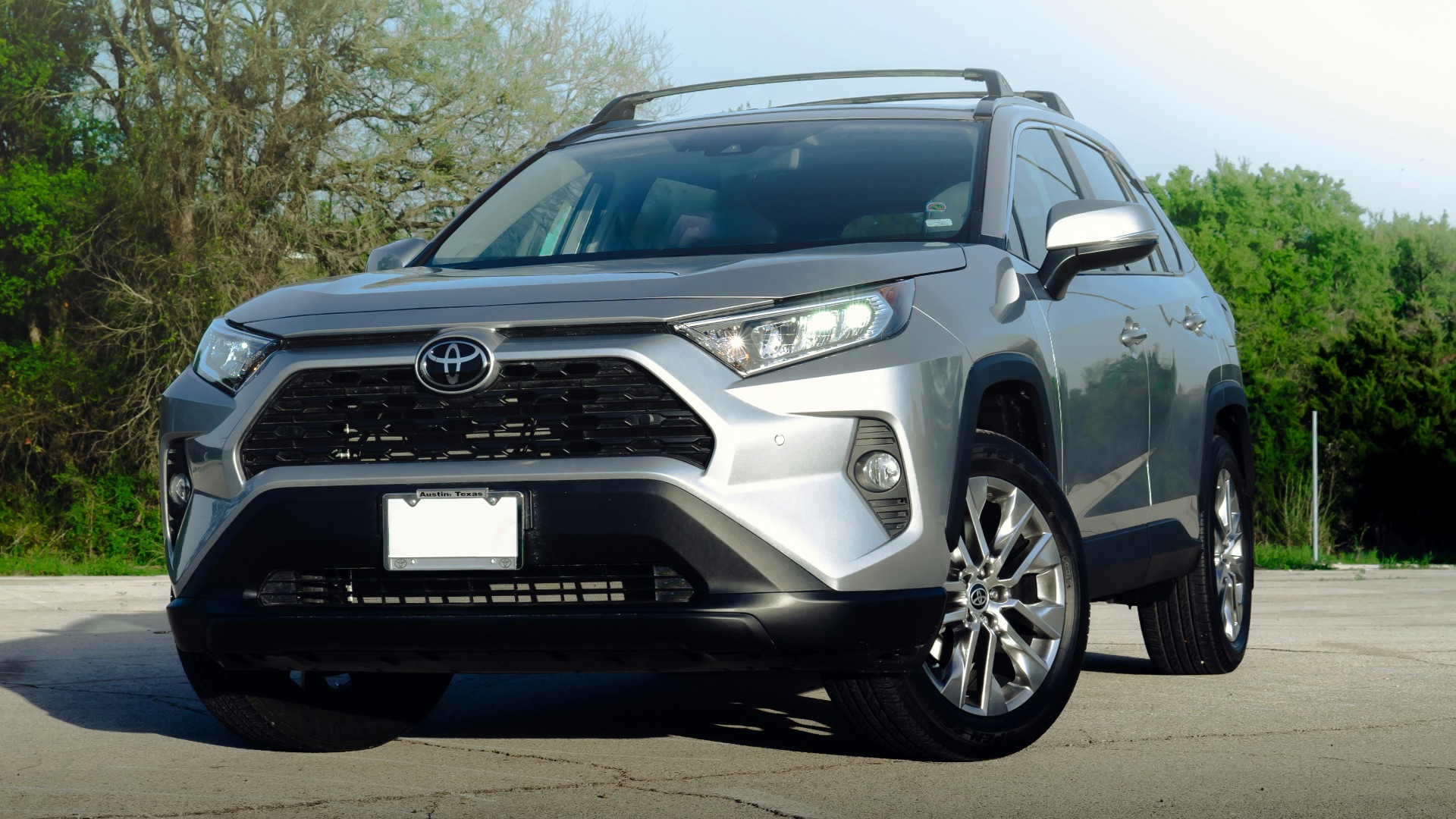
Toyota has been selling hybrids for decades, so electrification isn't treated like an unusual side project within its lineup. Many of its current hybrid vehicles operate much like conventional gas-powered cars from the driver's perspective, without requiring you to change your daily routine or plug in at home. For people interested in using less fuel but not ready to depend entirely on charging infrastructure, that's an appealing middle ground.
5. There's a Toyota for Almost Every Type of Driver
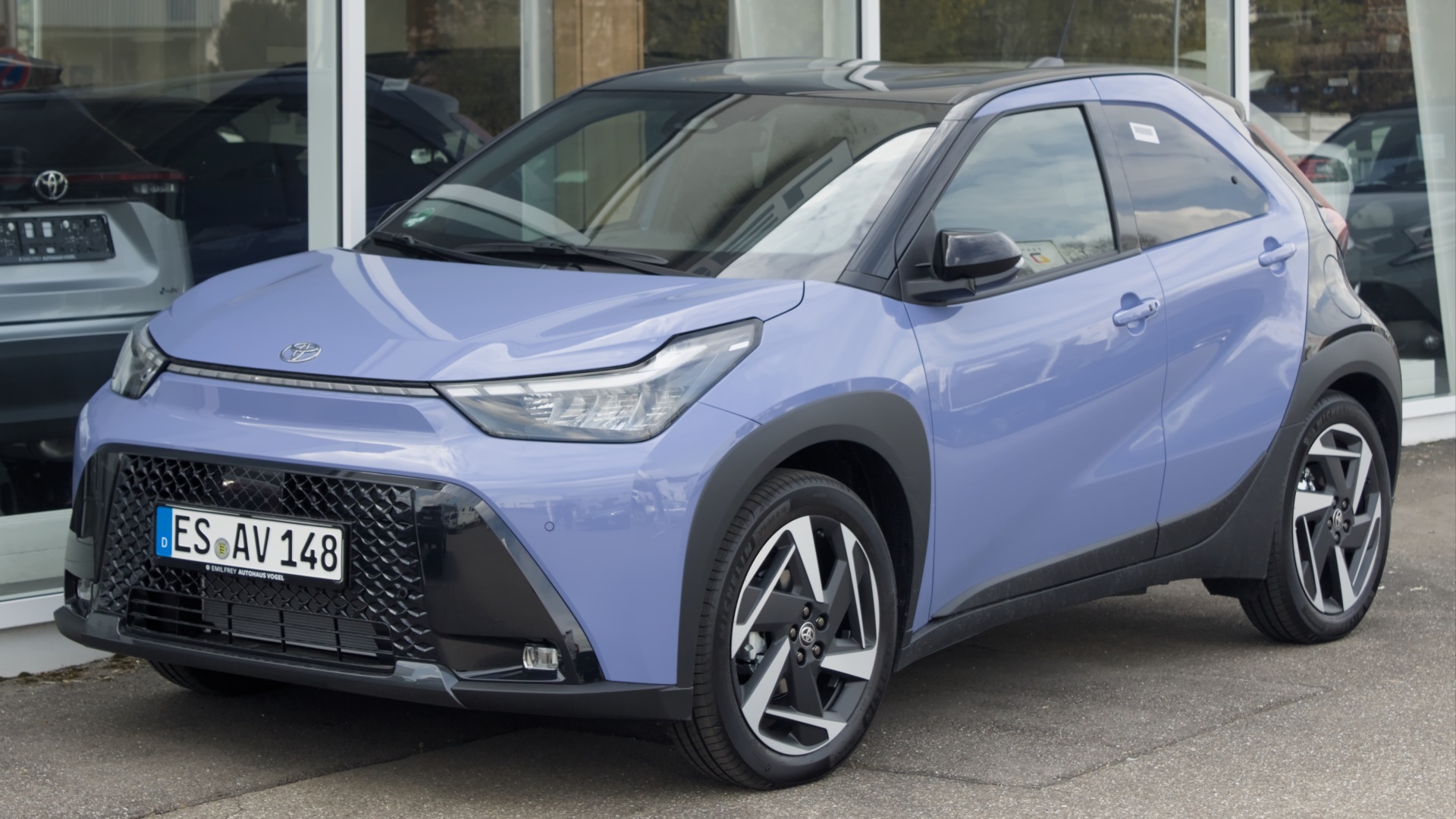
A brand is easier to stick with when you aren't forced to leave it as your needs change. Toyota's current U.S. selection stretches from economical cars and hybrids to three-row family vehicles, pickups, performance cars, EVs, and off-road-oriented SUVs. Someone who starts with a Corolla after college could eventually move into a RAV4, Sienna, Tacoma, or Grand Highlander without leaving the Toyota showroom.
6. All-Around Practicality
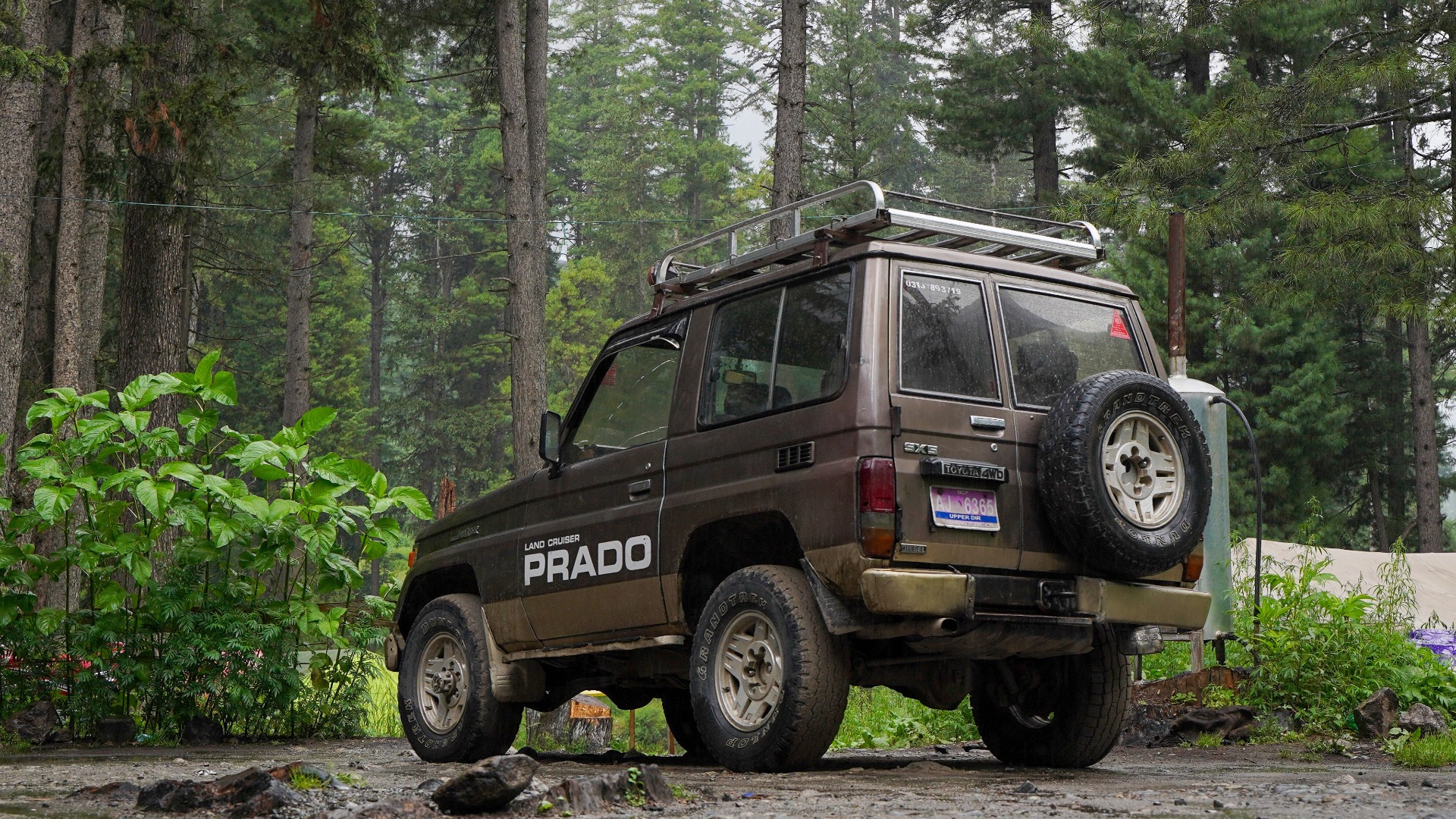
Toyota isn't afraid of modern technology, but its mainstream vehicles are generally designed around everyday usefulness rather than novelty alone. Storage areas, passenger space, cargo access, physical controls, and easy-to-understand features receive plenty of attention throughout the lineup. If you're buying a vehicle to handle errands, commuting, family duties, or regular road trips, those details can make ownership considerably more pleasant.
7. Safety Technology Is Widely Available
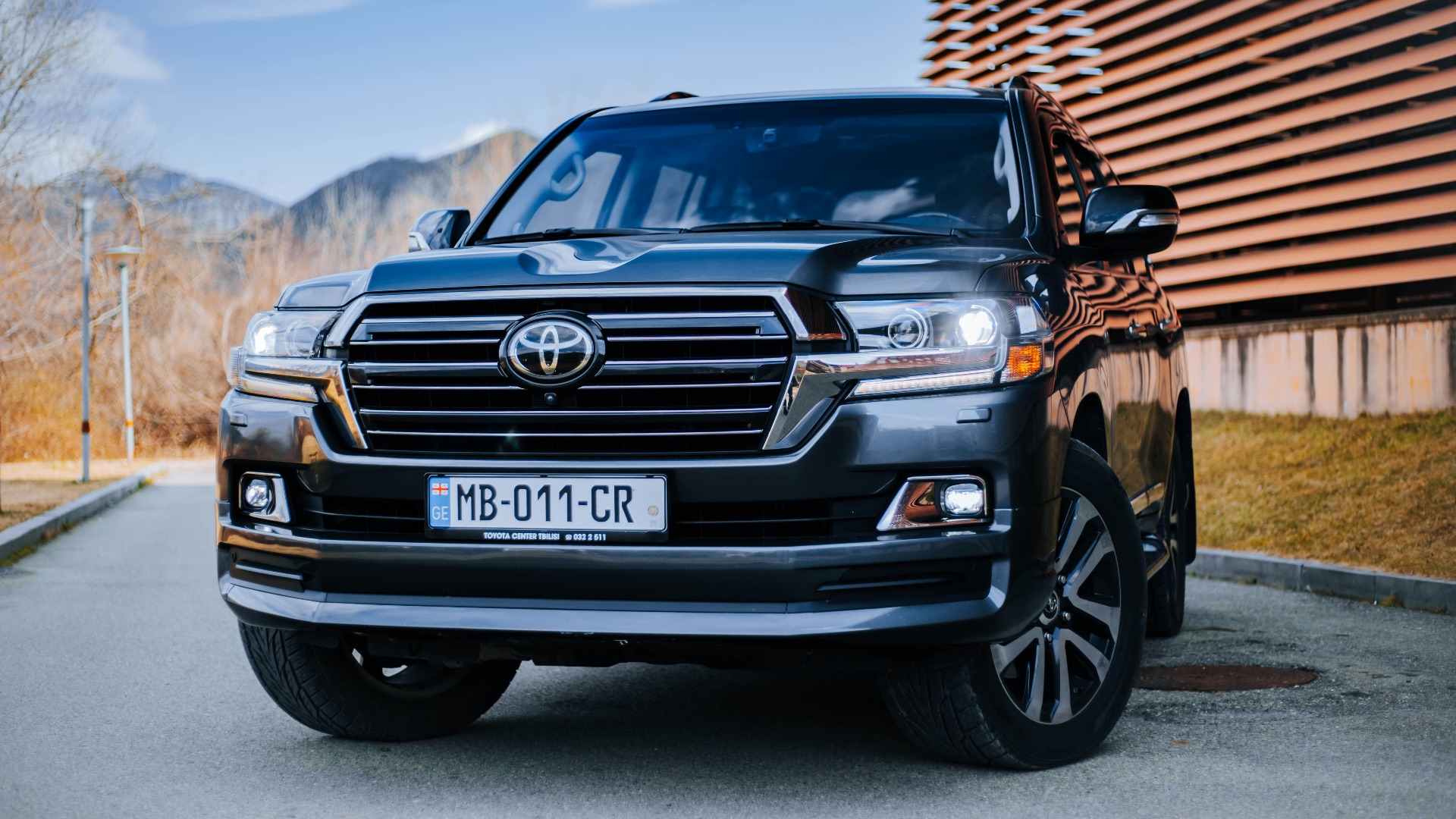
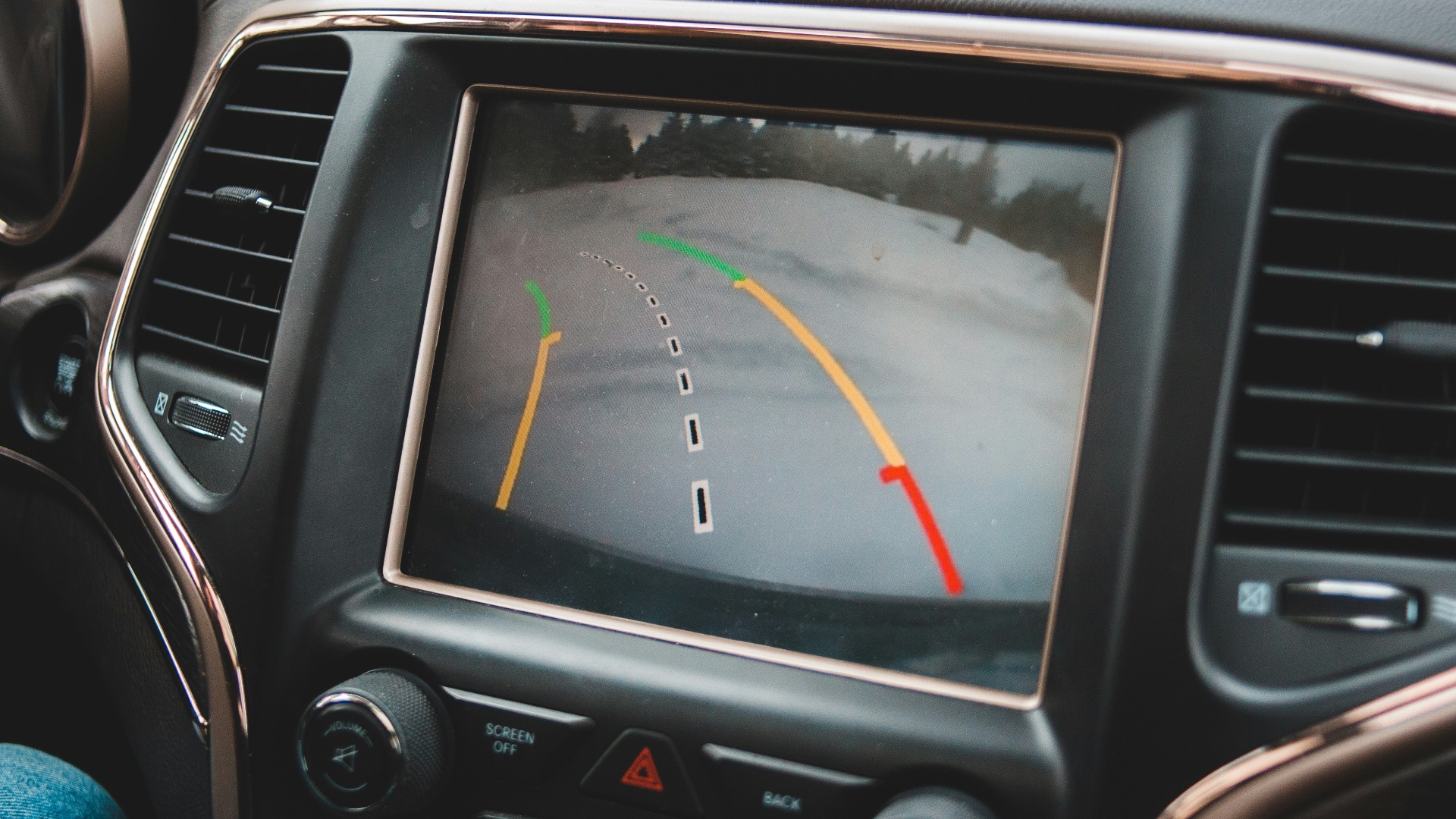
Modern Toyotas offer extensive driver-assistance technology across much of the lineup, giving buyers useful features without necessarily having to step into the most expensive trim. Systems can include functions designed to assist with emergency braking, lane positioning, cruise control, and road-sign awareness, depending on the model. Newer vehicles continue to advance as well, with the redesigned 2026 RAV4 introducing Toyota Safety Sense 4.0.
8. They're Available in More Interesting Forms Than Before
Anyone who still thinks Toyota only builds sensible commuter cars hasn't looked at the lineup lately. The GR86 and GR Corolla bring enthusiast-focused performance, while vehicles such as the Land Cruiser and 4Runner cater to drivers interested in rugged capability. Toyota hasn't stopped serving practical buyers, but it now gives people more opportunities to choose something with a distinct personality.
9. The Lineup Streamlines Family Transportation
Families have several very different Toyota options depending on how much space and flexibility they require. You can choose a compact crossover for a smaller household, move into a Highlander or Grand Highlander when additional passenger room becomes important, or embrace the sliding doors and versatility of the Sienna. Having those choices means you don't necessarily have to buy more vehicle than your household actually needs.
10. Toyota Knows What Buyers Actually Want
Some shoppers want dramatic styling or maximum performance, but a huge portion of the market simply needs dependable transportation that makes daily life easier. Toyota consistently pays attention to fuel economy, passenger comfort, storage, safety equipment, and manageable driving manners. That focus may sound simple, yet it's a major reason the brand continues to appeal to such a broad range of people.
Convinced you need to switch to a Toyota, too? If you're shopping now, here are 10 models to strongly consider:

1. Toyota RAV4
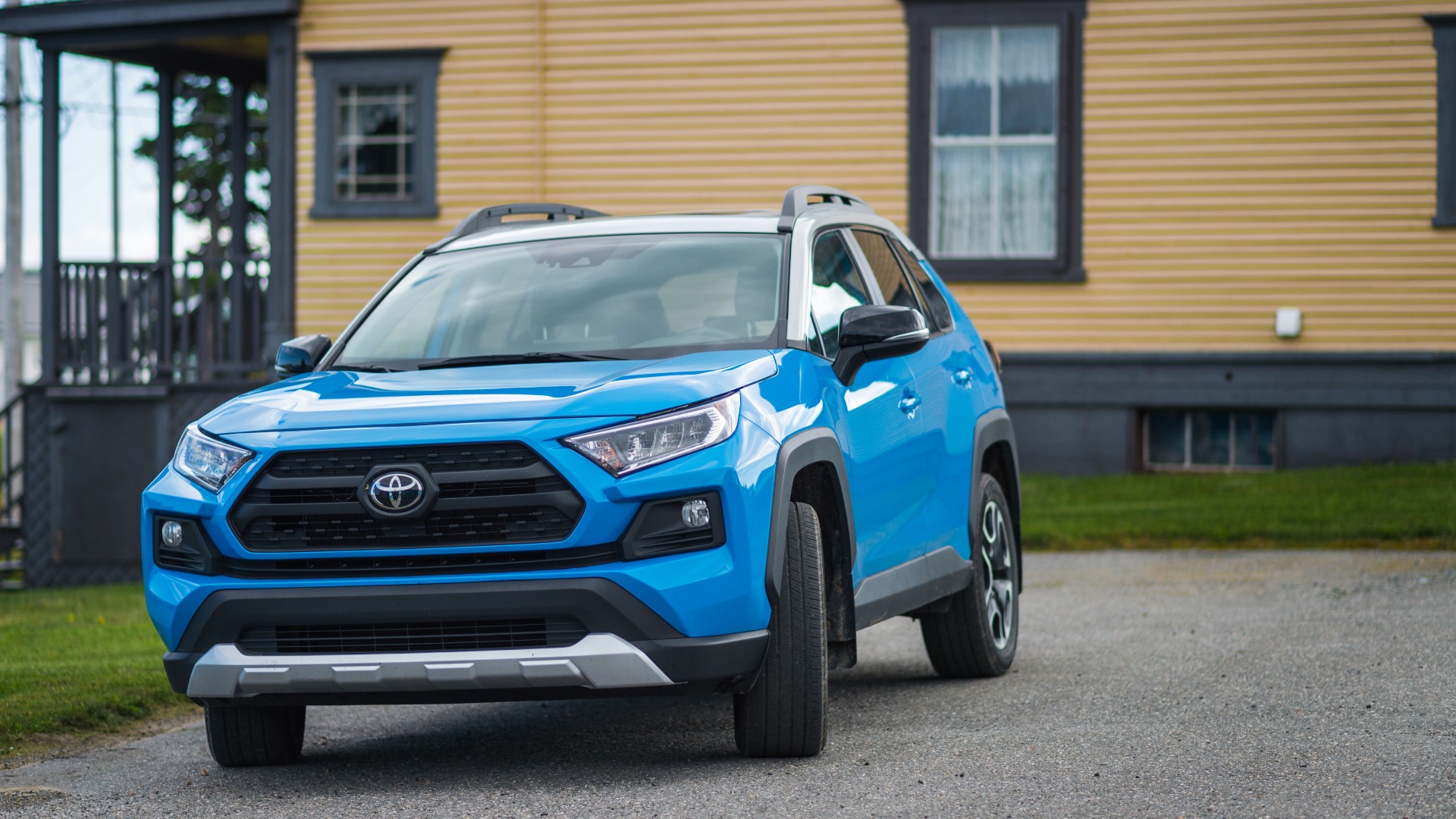
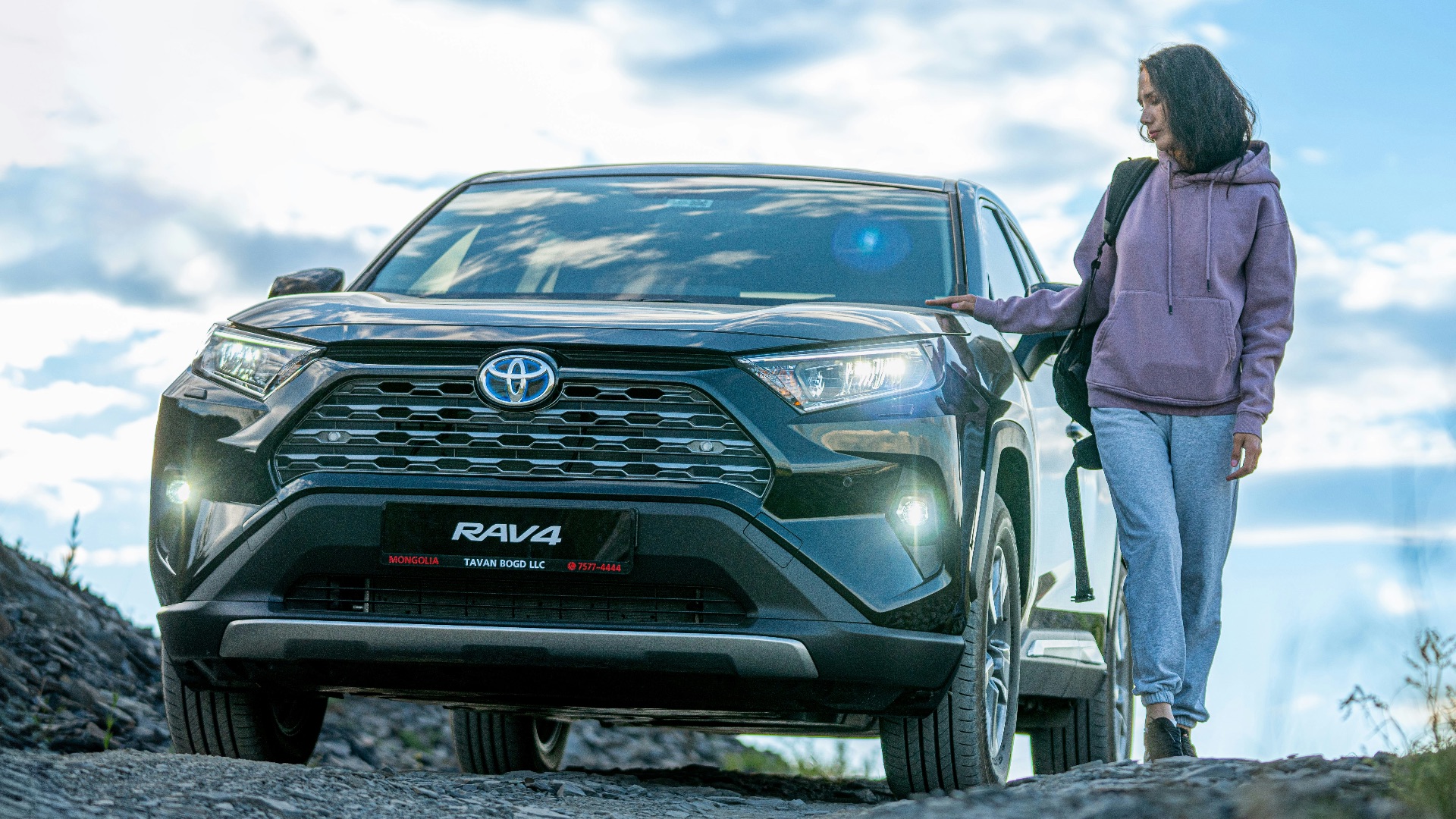
The redesigned 2026 RAV4 is considerably more interesting mechanically than the nameplate's practical reputation might suggest. Hybrid AWD versions produce 236 combined horsepower, while the plug-in hybrid jumps to 324 horsepower and uses a dedicated rear electric motor to provide all-wheel drive. Enthusiasts may be especially interested in the new GR SPORT, which adds GR-tuned steering and suspension, a 15-mm lower ride height, wider-offset 20-inch wheels with summer performance tires, a front performance damper, and additional rear suspension reinforcement. It still isn't pretending to be a GR Corolla, but Toyota has put real chassis work into making the quickest RAV4 more than an appearance package.
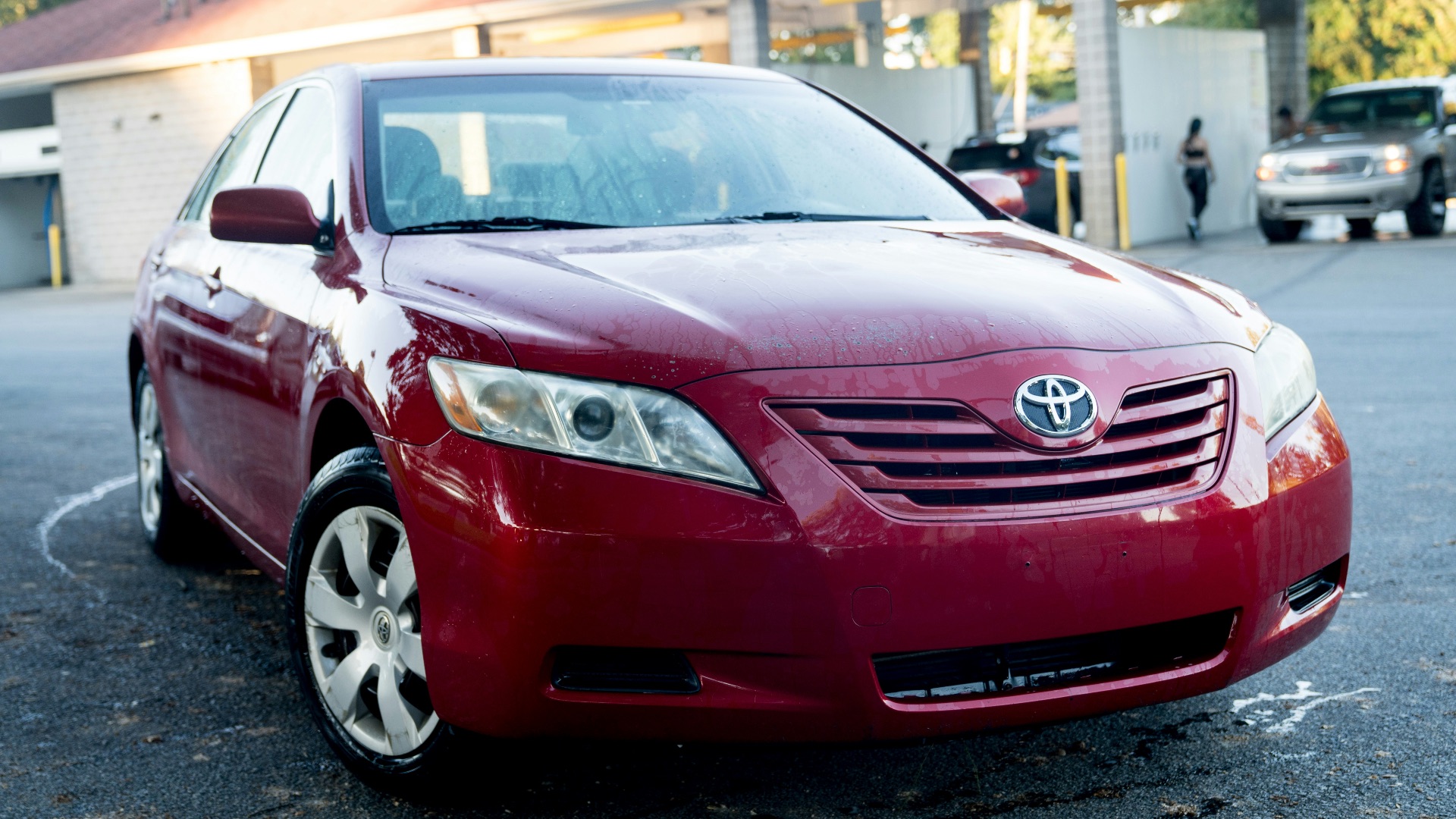
2. Toyota Camry
The ninth-generation Camry has gone entirely hybrid, but that doesn't mean Toyota has stopped paying attention to how it drives. Its fifth-generation hybrid system produces 225 combined horsepower with front-wheel drive or 232 horsepower with available electronic all-wheel drive, which adds a separate motor at the rear axle instead of relying on a conventional driveshaft. SE and XSE trims also receive sport-specific suspension tuning, making them the versions to seek out if steering response and body control matter as much as fuel economy. The eCVT has also been calibrated to better coordinate engine speed with acceleration, addressing some of the disconnected power delivery that has traditionally bothered drivers about hybrids.
3. Toyota GR Corolla
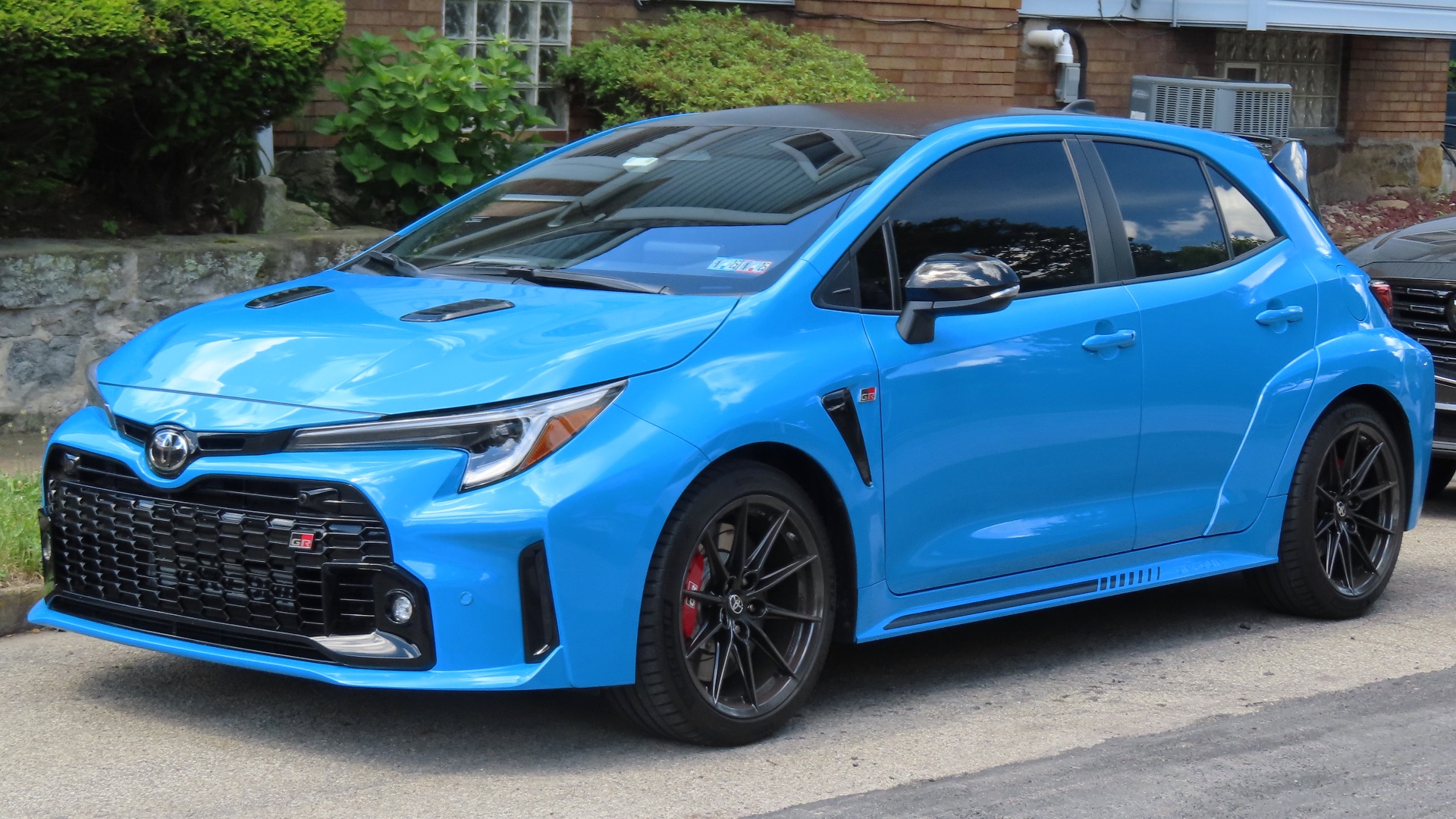
If you're a Toyota enthusiast, the GR Corolla is far more compelling than the standard Corolla and deserves the spot here on its own merits. Its turbocharged 1.6-liter three-cylinder produces 300 horsepower and 295 lb-ft of torque for 2026, with buyers choosing between a six-speed rev-matching manual and Toyota's eight-speed Direct Automatic Transmission. The rally-developed GR-FOUR system can vary front-to-rear torque distribution through Normal, Gravel, and Track settings, while Torsen limited-slip differentials are fitted at both axles. For drivers who want to go considerably further, the new GRMN Corolla adds extensive carbon-fiber bodywork, forged wheels, Michelin Pilot Sport Cup 2 tires, monotube dampers, and even more aggressive chassis tuning.
4. Toyota Prius
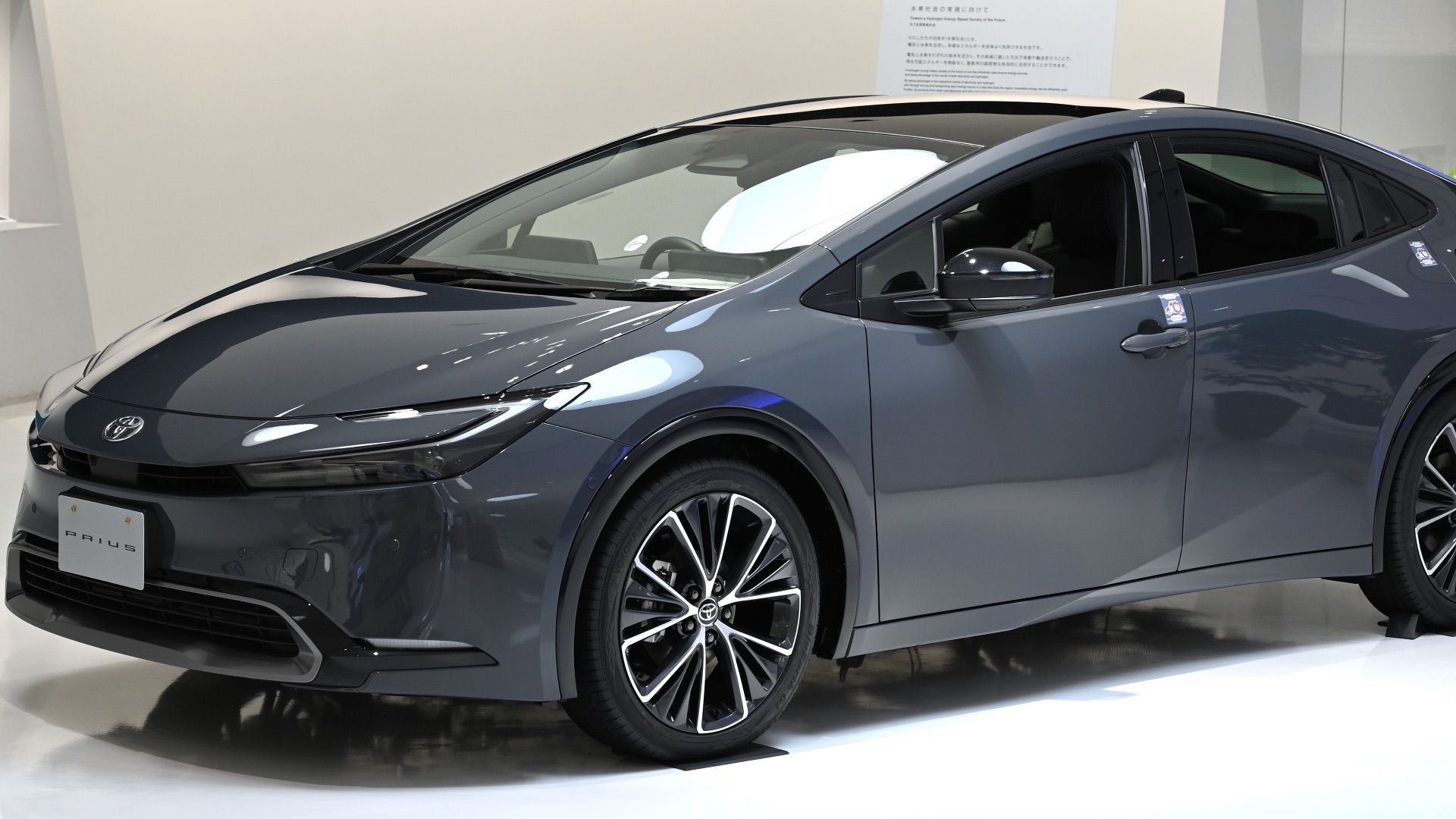
The current Prius is worth paying attention to even if hypermiling isn't your primary hobby. Its 2.0-liter fifth-generation hybrid system produces 194 combined horsepower in front-wheel-drive form and 196 horsepower with electronic all-wheel drive, enough for Toyota to estimate a 7.2-second run to 60 mph for the FWD model and 7.0 seconds for AWD. That performance is a major change from earlier Priuses, which were engineered almost exclusively around efficiency rather than respectable acceleration. The AWD system is also interesting because a separate rear electric motor supplies traction when needed without requiring a mechanical connection between the front and rear axles.
5. Toyota Sienna
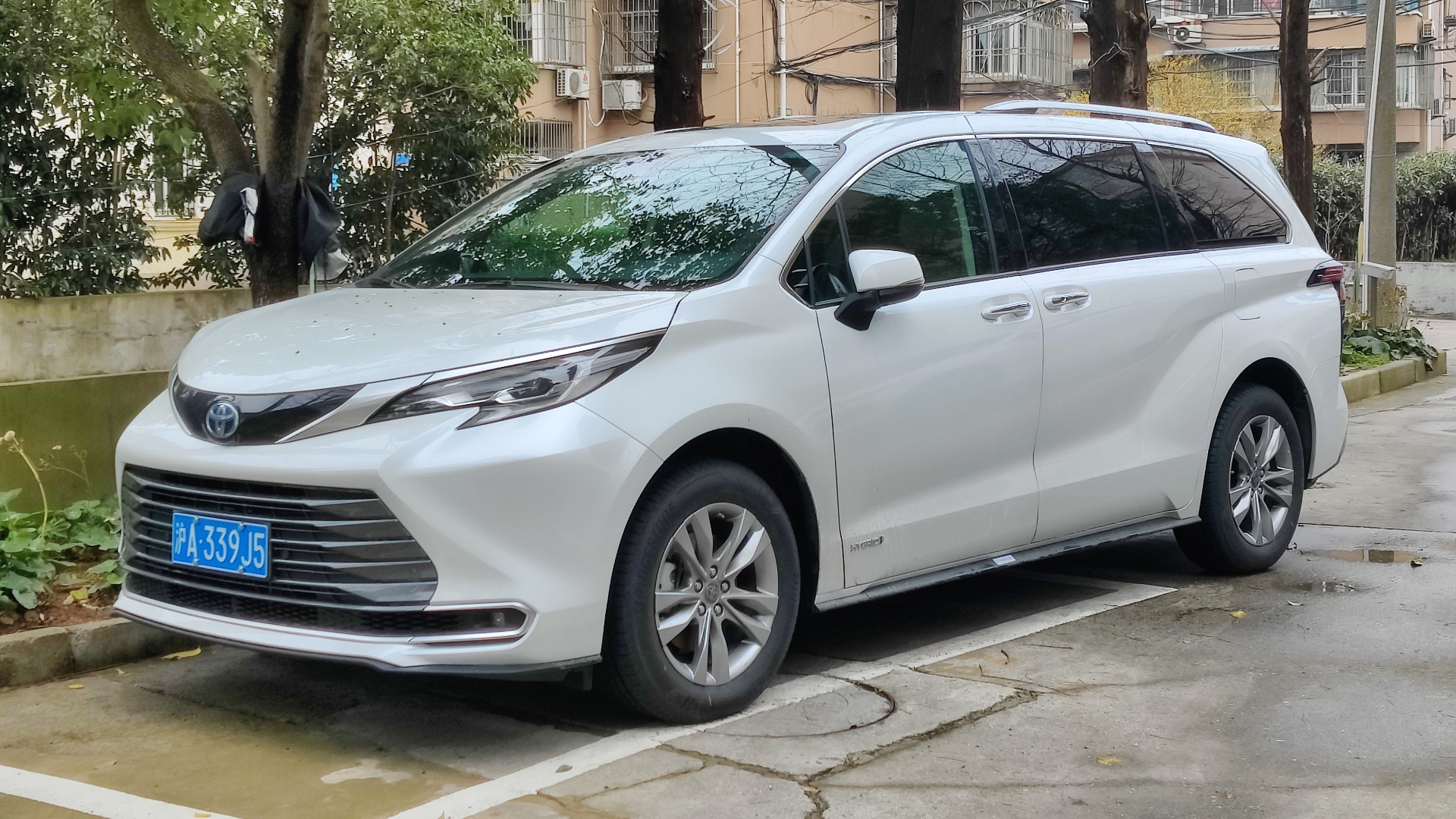
A minivan probably isn't the first Toyota a performance-minded reader would inspect closely, but the Sienna hides some surprisingly sophisticated engineering beneath its family-hauler body. Its 2.5-liter hybrid system makes 245 combined horsepower, and AWD models use a separate rear electric motor instead of a traditional transfer case and driveshaft. Under hard acceleration or low-traction conditions, the system can send a substantial share of available drive torque toward the rear, while Toyota also uses that rear motor to help reduce understeer during cornering. Add a double-wishbone rear suspension and a gasoline engine with a 14:1 compression ratio, and there is considerably more engineering interest here than the sliding doors suggest.
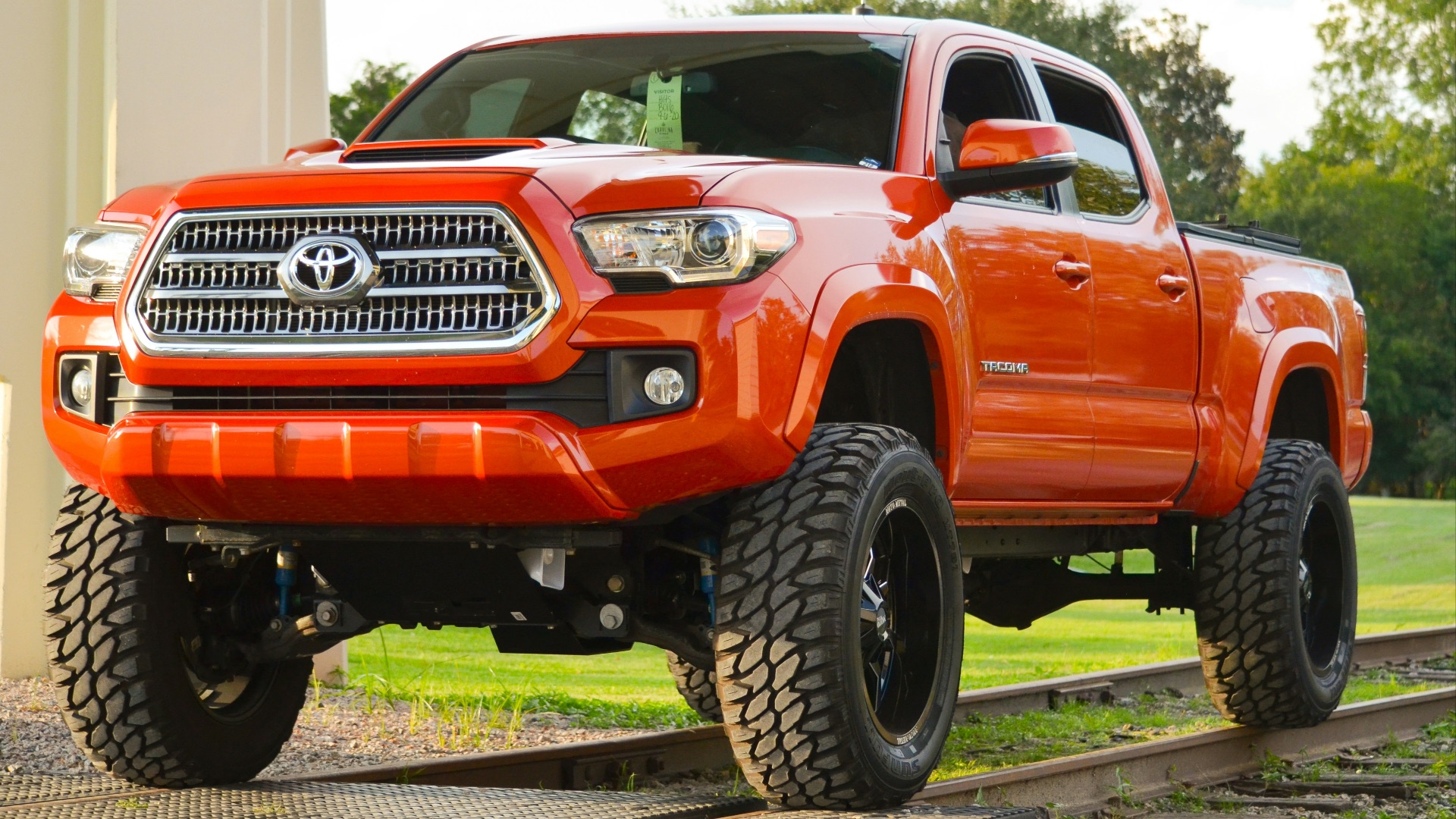
6. Toyota Tacoma
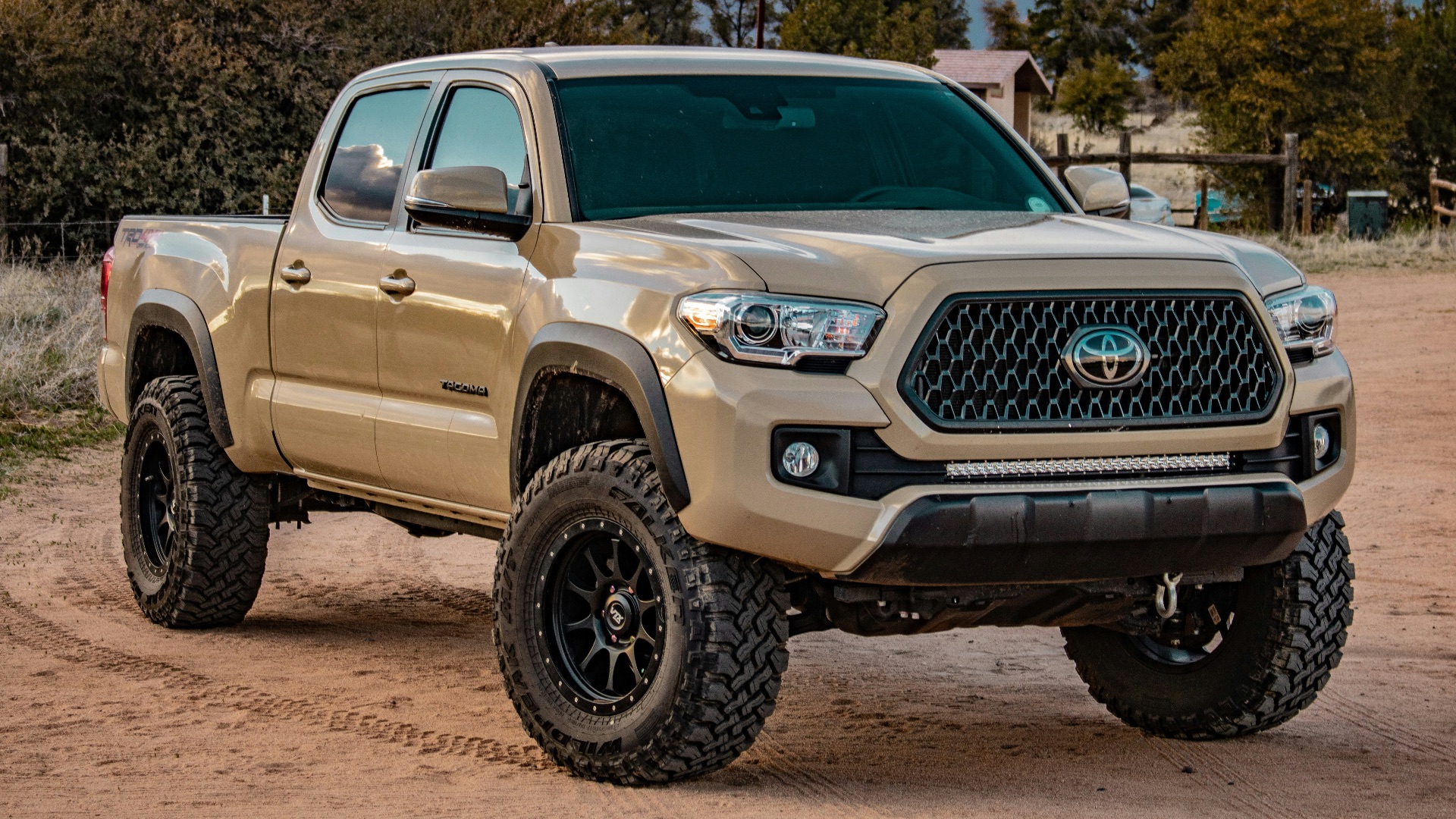
The latest Tacoma gives truck enthusiasts a particularly broad range of hardware to choose from. Standard versions use a turbocharged 2.4-liter four-cylinder producing as much as 278 horsepower and 317 lb-ft of torque, while the available i-FORCE MAX hybrid raises output to 326 horsepower and a much more substantial 465 lb-ft. Select nonhybrid models can still be ordered with a six-speed manual featuring rev matching and stall avoidance, which is increasingly unusual in the midsize-truck segment. At the more serious end of the lineup, trims such as Trailhunter and TRD Pro add specialized off-road equipment, making the Tacoma just as interesting to modify and discuss as it is to use for ordinary truck duties.
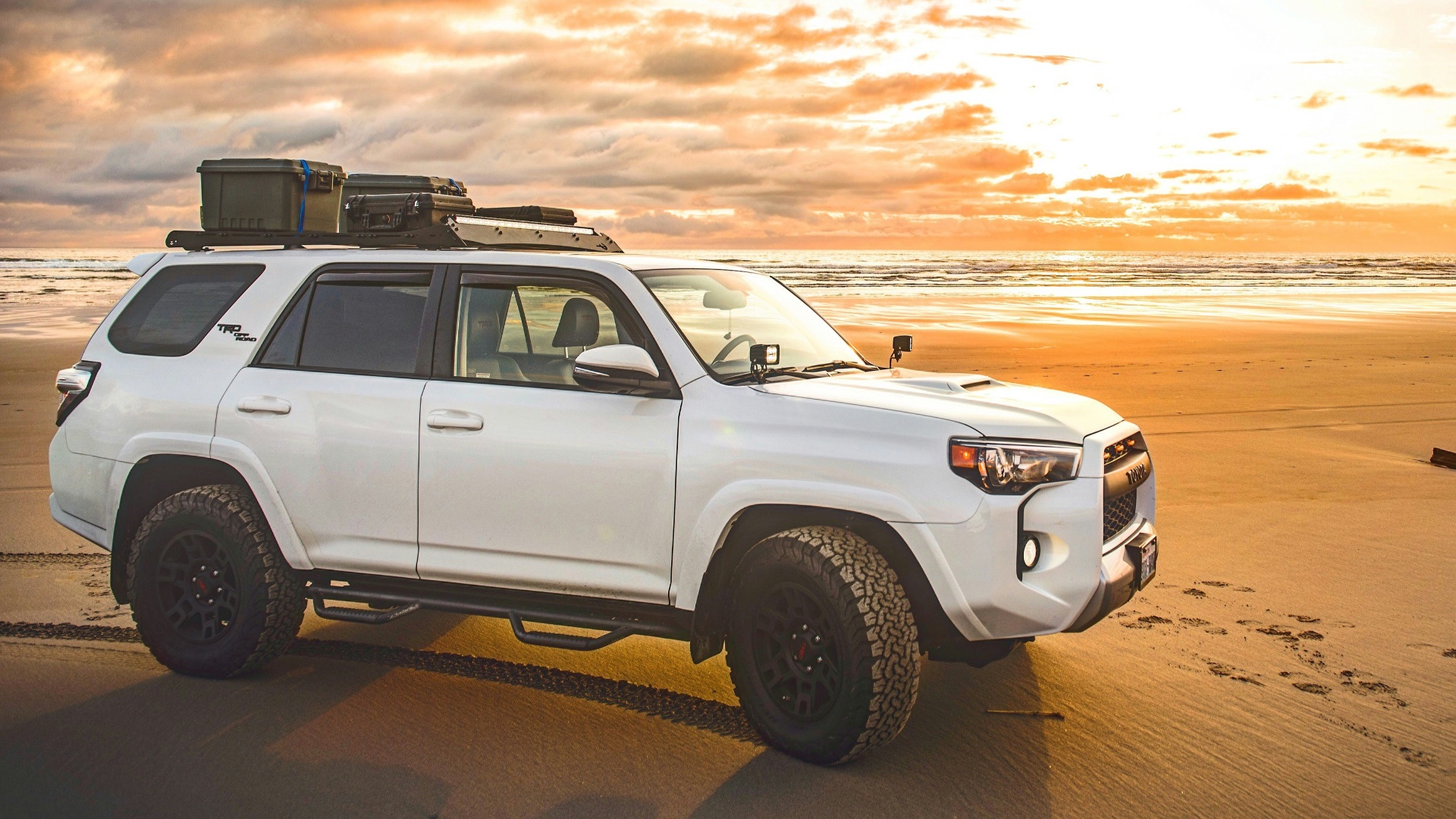
7. Toyota 4Runner
The sixth-generation 4Runner finally brought modern powertrains to one of Toyota's most enthusiast-supported SUVs without abandoning its traditional off-road focus. The standard turbocharged 2.4-liter makes up to 278 horsepower and 317 lb-ft, while the available i-FORCE MAX hybrid combines the turbo engine with an electric motor for 326 horsepower and 465 lb-ft of torque. Four-wheel-drive models use a two-speed transfer case with high and low range, while TRD Off-Road, TRD Pro, and Trailhunter versions receive an electronic locking rear differential. The Trailhunter and TRD Pro also come standard with Toyota's Stabilizer Disconnect Mechanism, which increases suspension articulation when the trail gets technical.
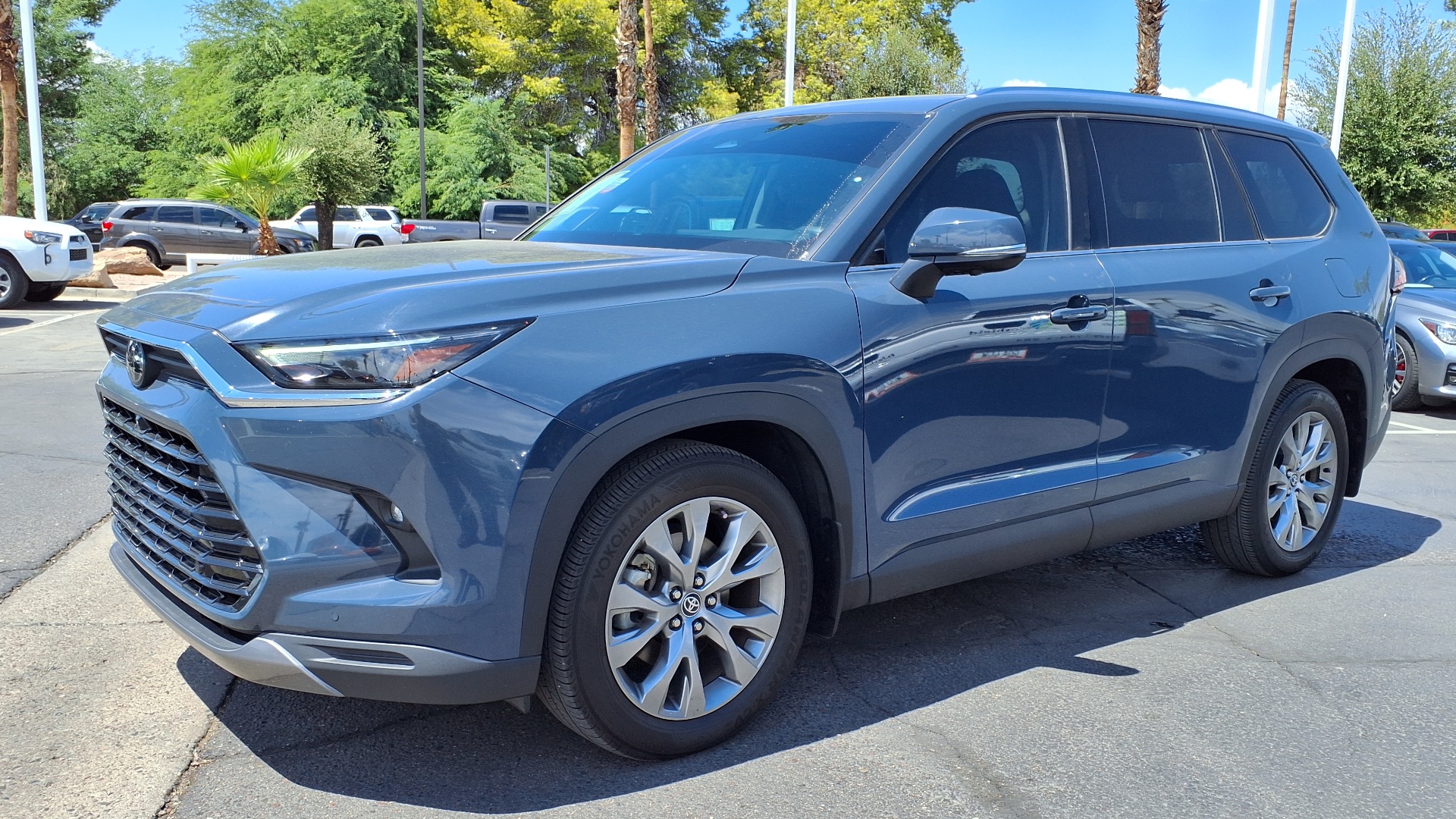
8. Toyota Grand Highlander Hybrid MAX
Most Grand Highlanders are aimed squarely at family buyers, but the Hybrid MAX powertrain gives the three-row SUV a specification sheet that deserves a closer look. It produces 362 horsepower and uses standard full-time electronic all-wheel drive, putting a substantial performance gap between it and the 245-horsepower regular hybrid. The system pairs electrification with a turbocharged gasoline engine rather than using Toyota's more efficiency-focused naturally aspirated hybrid arrangement. If you need three usable rows but still care about having meaningful power under your right foot, the Hybrid MAX is the configuration that makes this Toyota much more interesting.
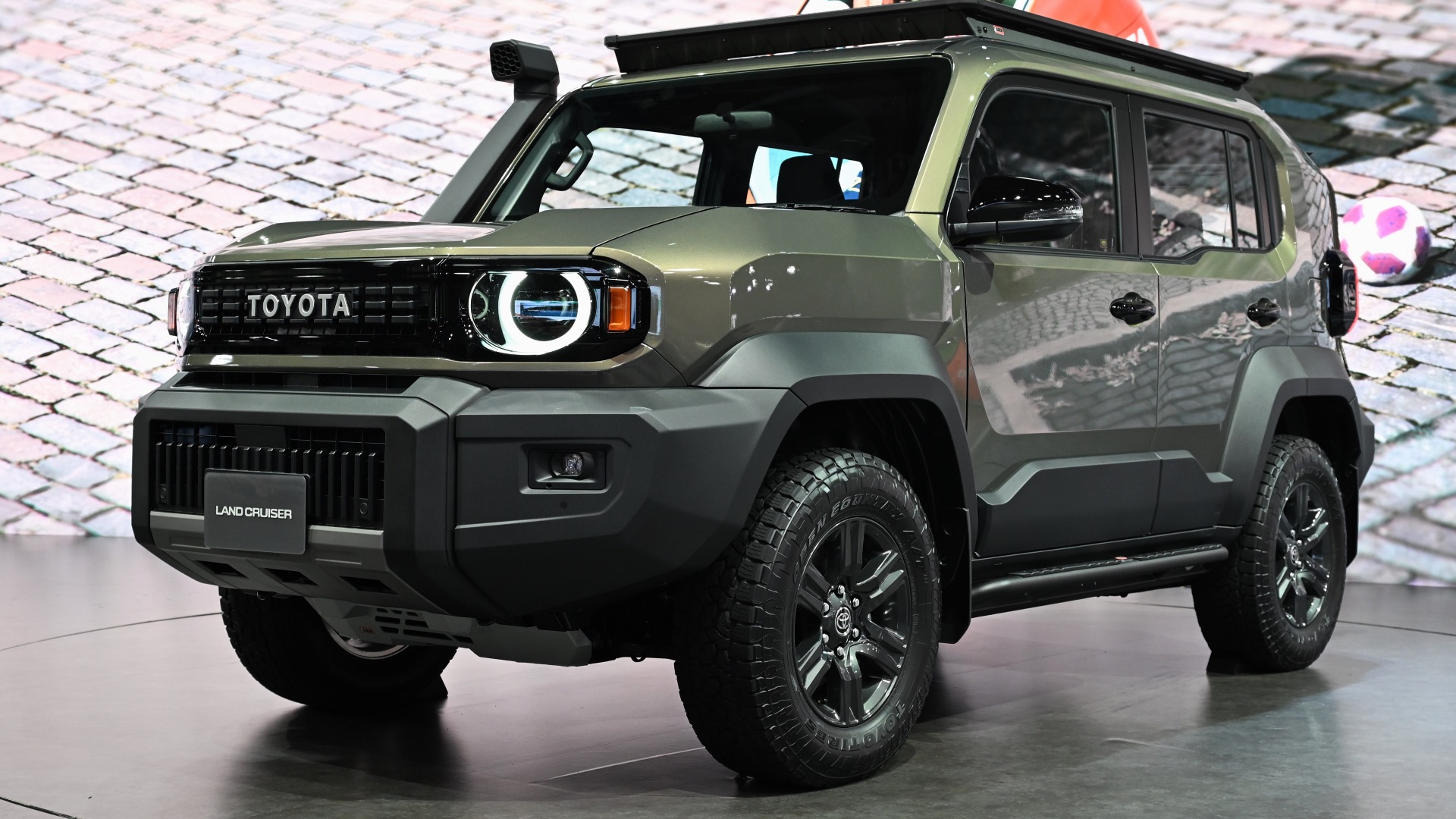
9. Toyota Land Cruiser
The current Land Cruiser may use a four-cylinder hybrid rather than the V8s American enthusiasts remember, but its hardware remains properly serious. The i-FORCE MAX system produces 326 horsepower and 465 lb-ft of torque, with its electric motor mounted between the turbocharged engine and eight-speed automatic transmission. Full-time four-wheel drive is standard, as are center and rear locking differentials, while an available front stabilizer disconnect increases wheel articulation off-road. Multi-Terrain Select works in both high and low range, and CRAWL Control can manage vehicle speed over difficult terrain, so the new Land Cruiser still gives off-road enthusiasts plenty to examine beyond its retro-influenced styling.
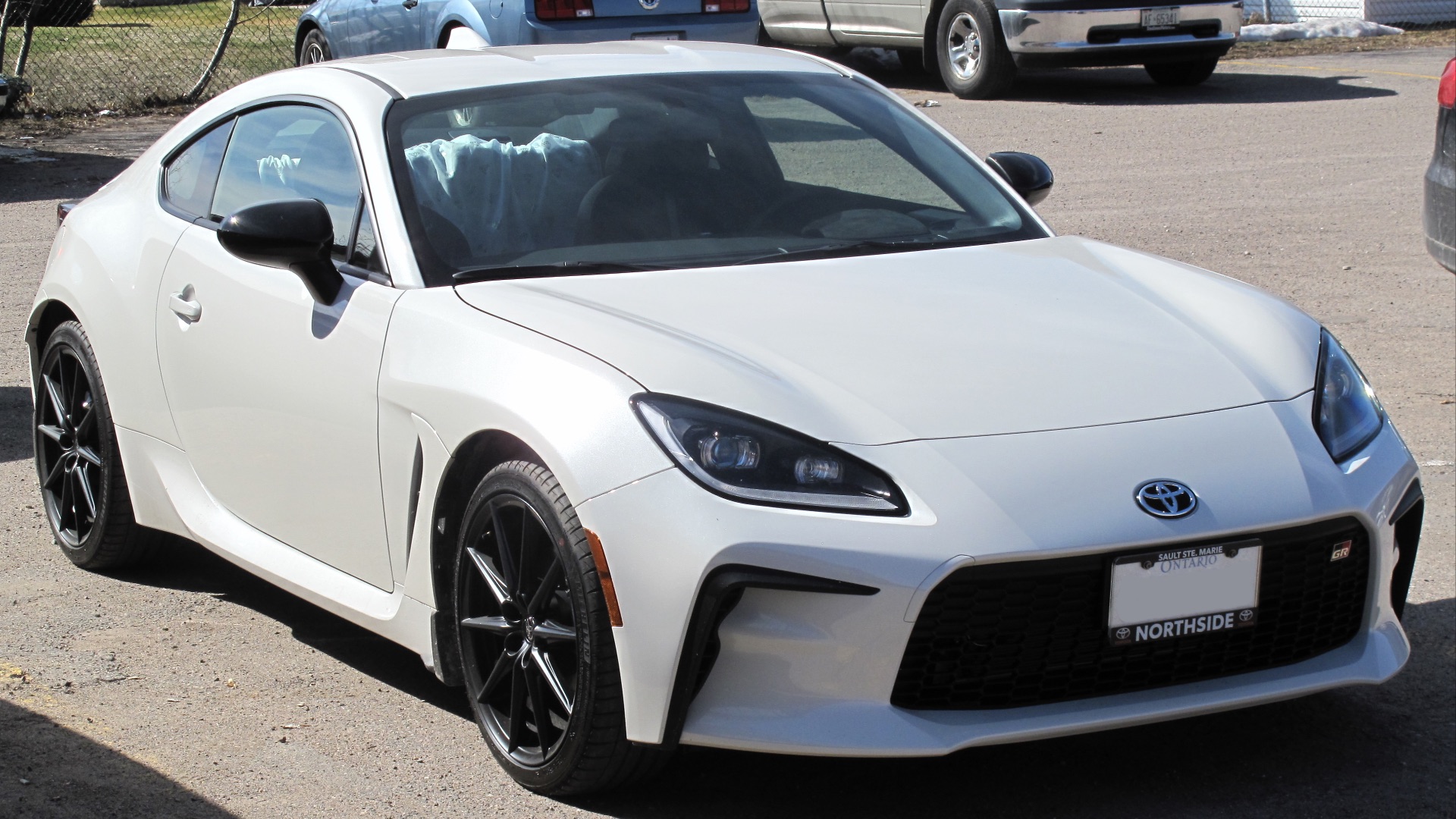
10. Toyota GR86
For drivers who care more about balance and feedback than a massive horsepower figure, the GR86 remains one of Toyota's most enthusiast-focused products. Its naturally aspirated 2.4-liter boxer four produces 228 horsepower and 184 lb-ft of torque, with peak torque arriving at 3,700 rpm, and buyers can still choose a six-speed manual transmission. Rear-wheel drive and a standard Torsen limited-slip differential give the GR86 the traditional mechanical layout many affordable sports cars have abandoned, while the manual version weighs only about 2,800 pounds. The available Performance Package adds Brembo four-piston front and two-piston rear brakes along with SACHS dampers, giving drivers useful track-oriented hardware without changing the basic simplicity that makes the GR86 so appealing.