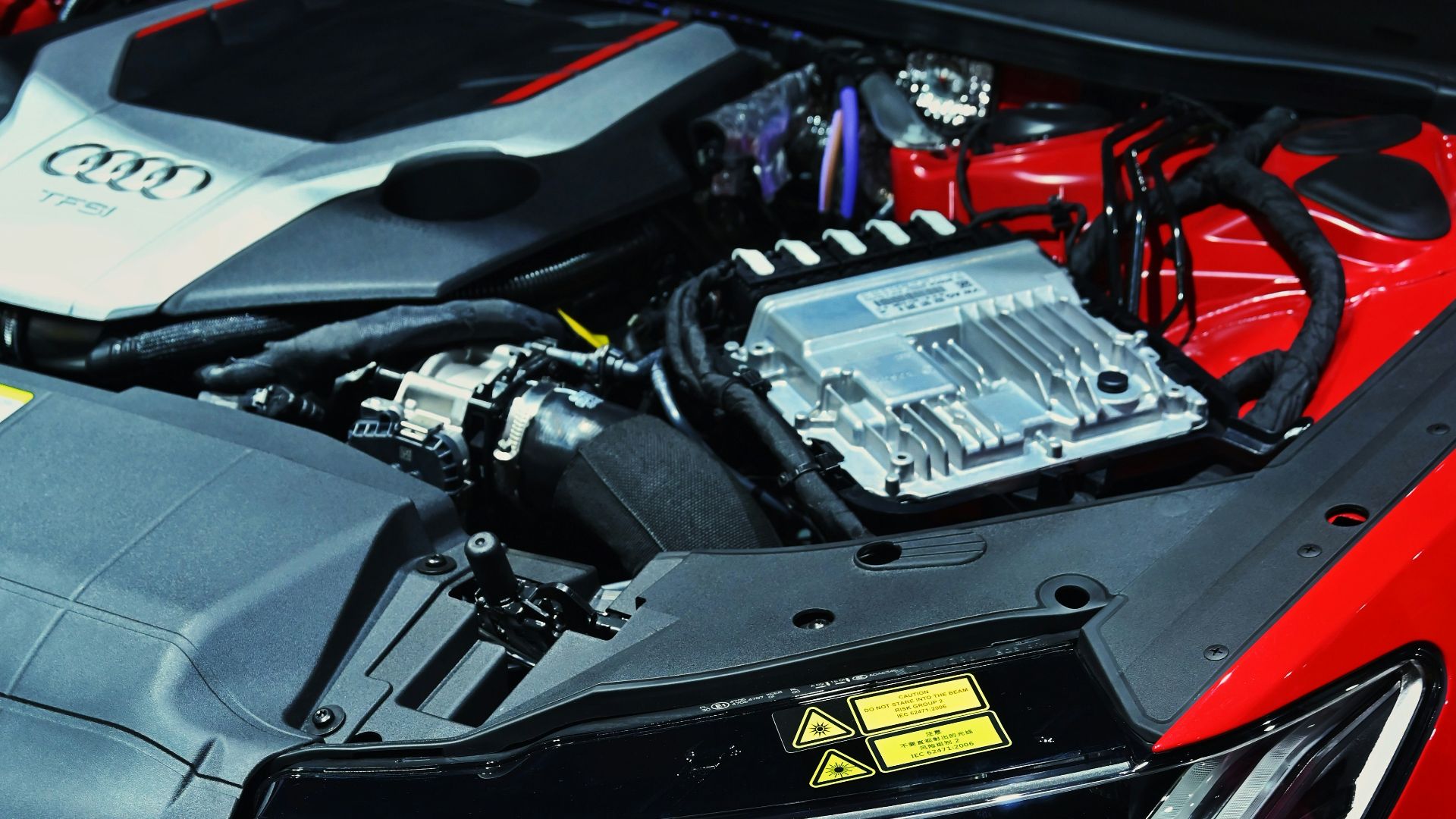

Creative Roadside Repairs
Modern cars can leave you helpless when a warning light appears, but older vehicles practically begged for roadside fixes from their owners. Old-school drivers carried everything from tools and water to oil and enough knowledge to MacGyver their way through repairs. Though today’s drivers would never dream of these so-called solutions, they were par for the course decades ago.
 Mehmet Turgut Kirkgoz on Pexels
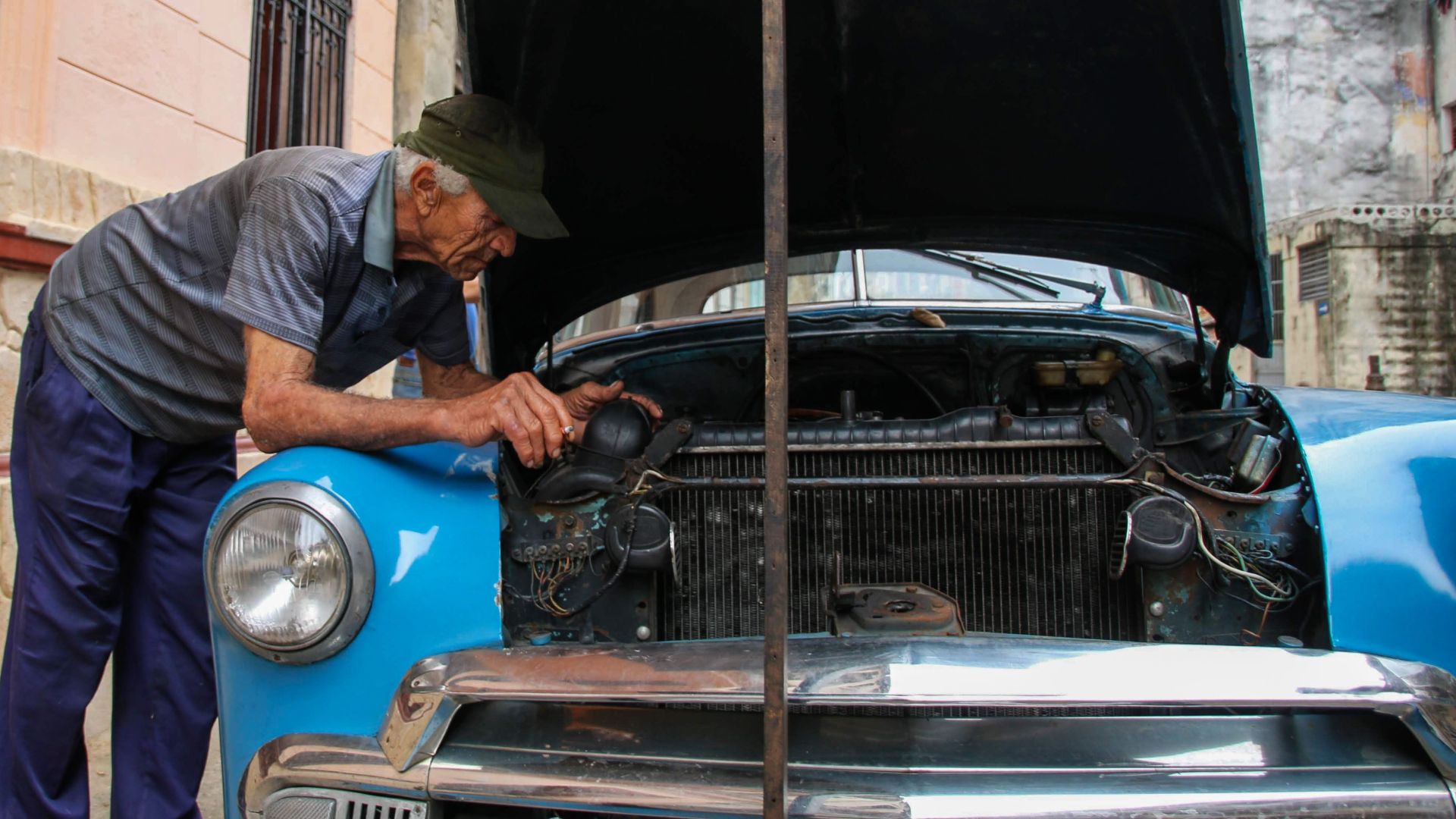
1. Starting the Engine With a Hand Crank
Before electric starters were the norm, getting some cars running again meant standing in front of the engine and physically turning a crank. It wasn’t as simple as it sounded, either. If the engine kicked backward, the crank could violently snap around and injure whoever held it. Complaining about a weak key fob suddenly doesn't seem so bad.
2. Push-Starting a Car Down the Road
A dead battery didn't always mean calling for assistance—not when you had a manual transmission and a couple of good samaritans nearby. Drivers would get the car rolling, switch on the ignition, select a gear, and release the clutch to force the engine to turn. After that, all you needed was a really steep hill.

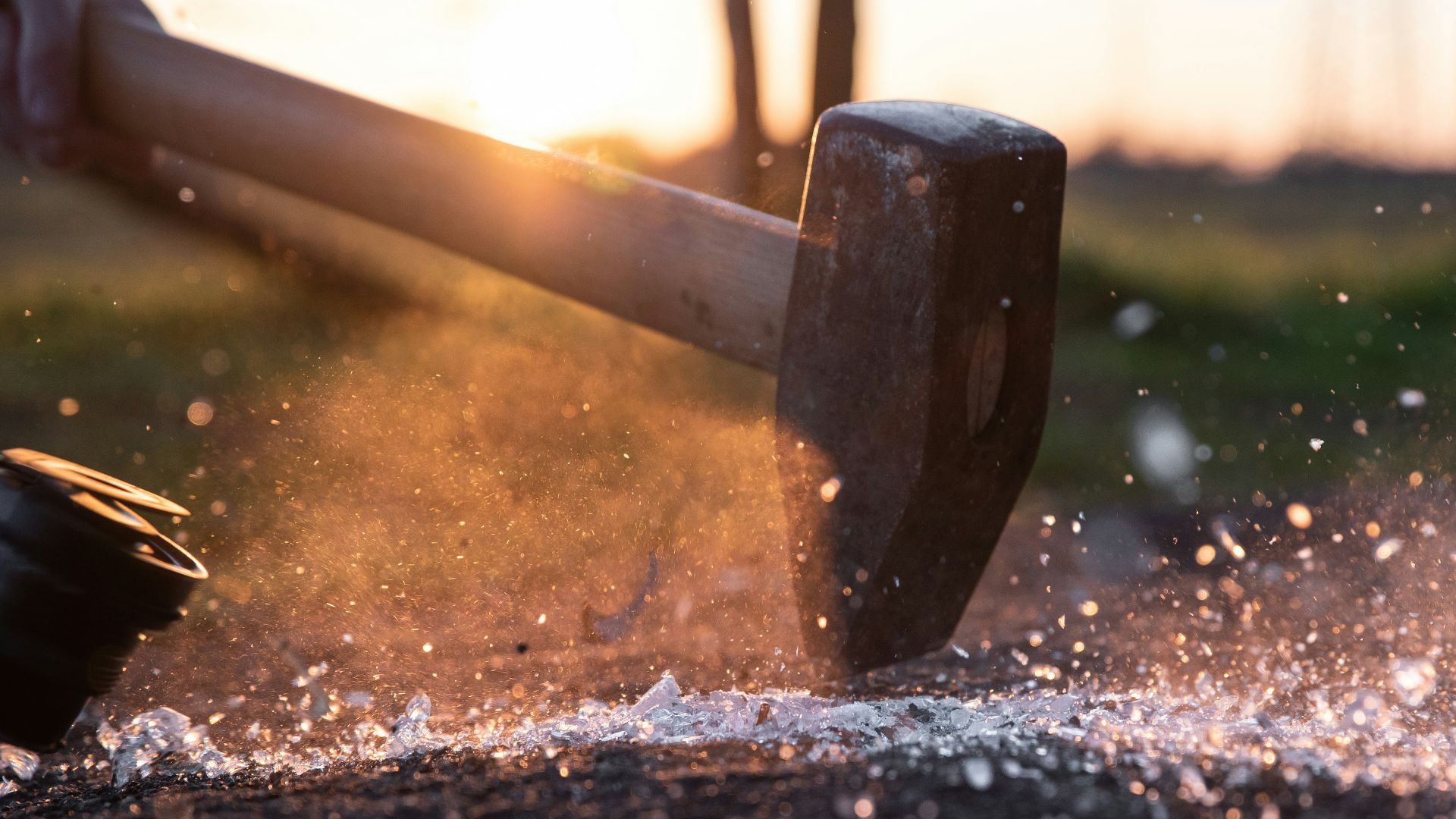
3. Smacking a Starter With a Hammer
When an aging starter motor refused to cooperate, drivers discovered that a carefully placed knock could sometimes coax it back into service. The impact could free a sticking component and provide just enough cooperation for another try. It wasn't much of a repair, but getting home was good enough.
4. Bridging the Starter With a Screwdriver
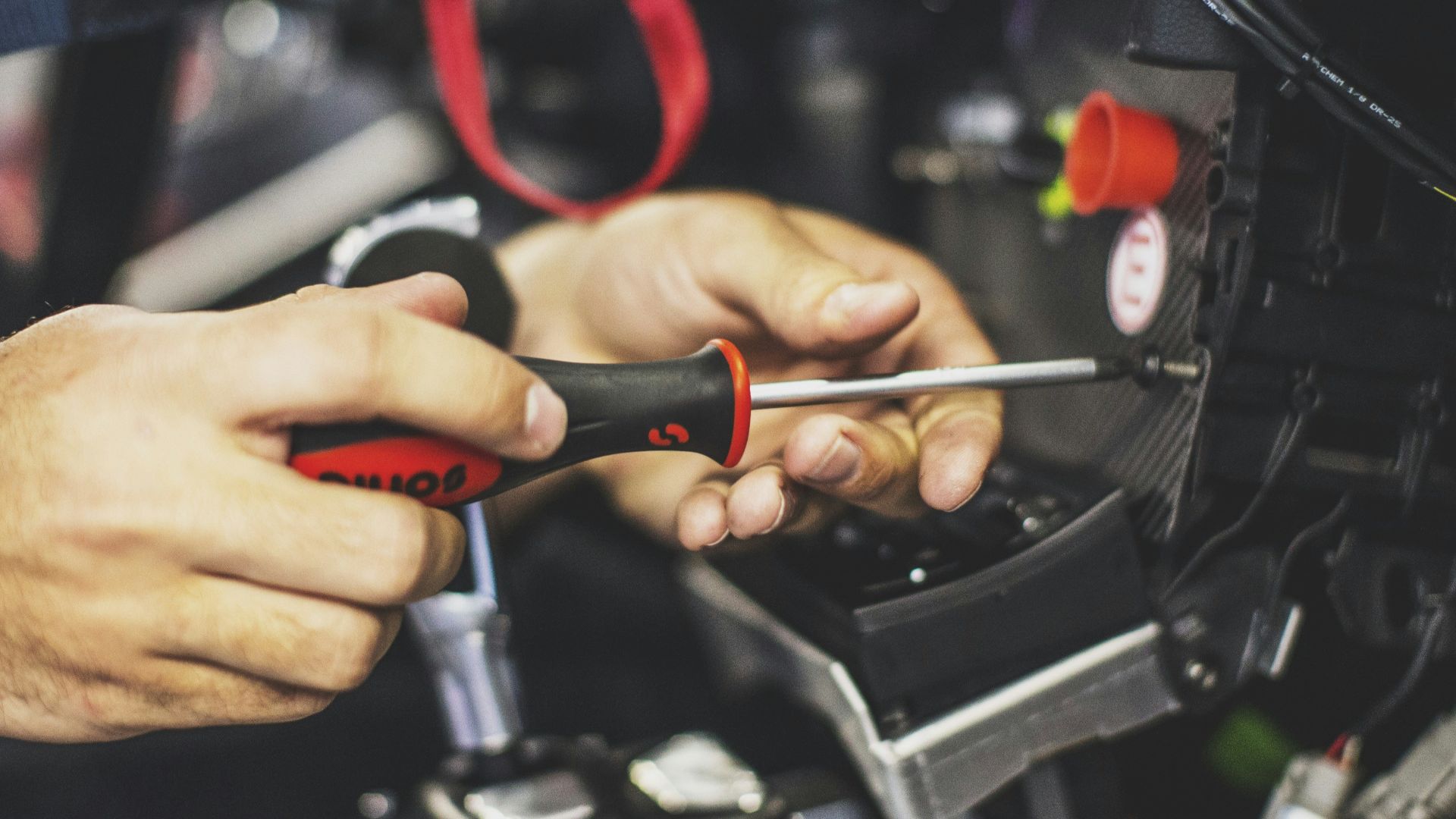
Most guys today don’t have two screwdrivers to rub together, but men back in the day? They had one just for the car. Some owners bypassed an uncooperative ignition switch by using a screwdriver to bridge electrical terminals under the hood. Done correctly on older setups, it could make the starter crank without turning the key in the usual way.

5. Pouring Gas Right Into the Carburetor
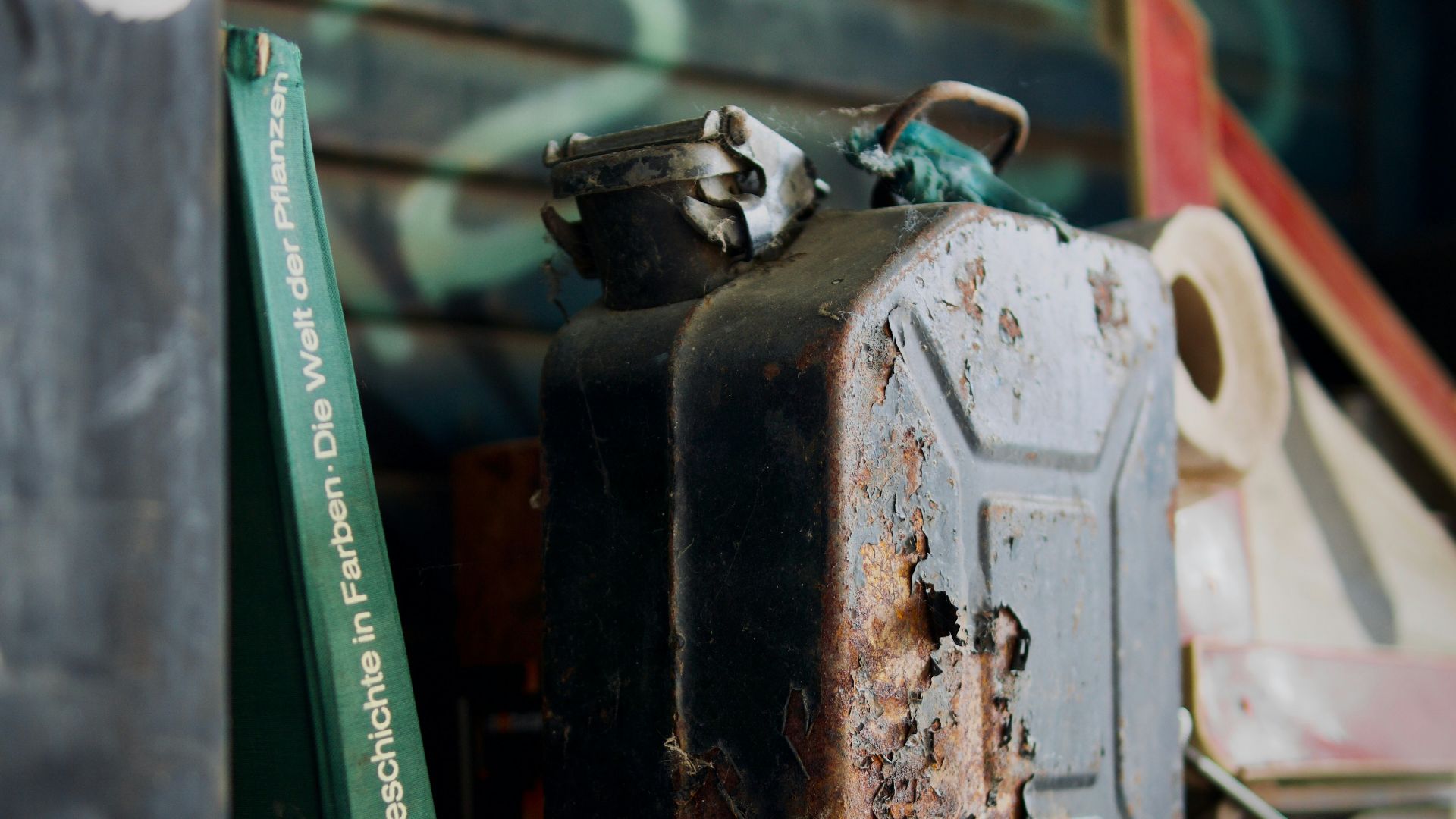
A stubborn carbureted engine sometimes needed a direct wake-up call, and that meant owners removing the air cleaner and pouring gas into the carburetor. The idea was that it primed an engine that wasn't getting fuel properly. One spill or backfire, though, could turn this shortcut into a serious fire hazard.
6. Spraying Starting Fluid Into the Intake
Cold engines could be difficult enough that cans of ether-based starting fluid became common additions to garages and toolboxes. A quick spray into the intake could help a reluctant gasoline or diesel engine fire when ordinary cranking wasn't getting results. Don’t get it twisted, though—using too much wasn't harmless. Repeated dependence on the stuff usually meant something else needed attention.

7. Working a Manual Choke By Feel
Older carbureted cars often meant a cold-start procedure. It looked like this: drivers pulled the choke to enrich the fuel mixture, then gradually pushed it back in as the engine warmed and settled into a steady idle. Though it sounds simple, if the routine went wrong, you'd either stall the car or leave it running rich while wondering why it smelled like gas.
8. Filing Ignition Points on the Roadside
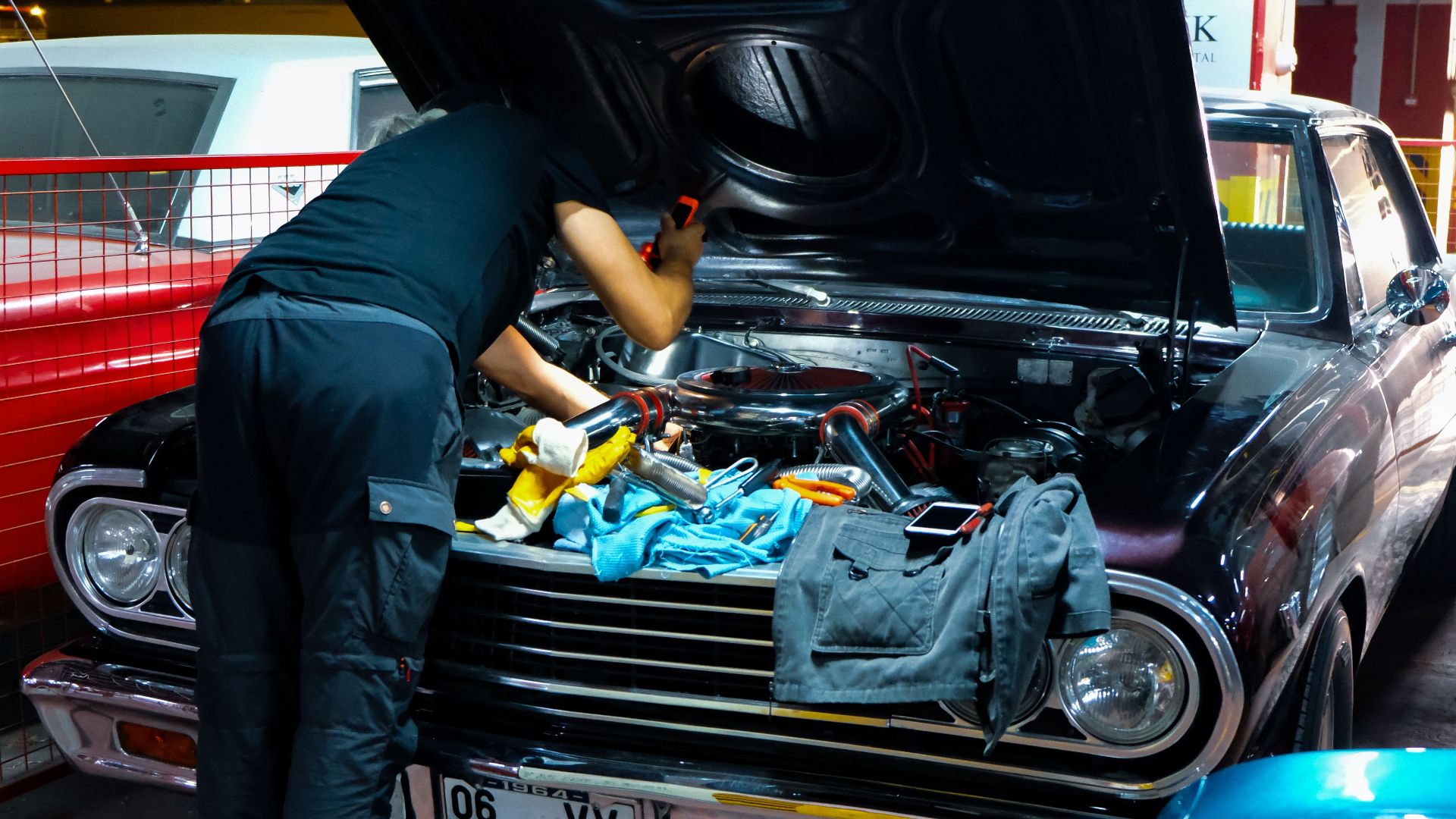
Breaker points inside the distributor were another small component that could bring an otherwise healthy car to a dead stop. Drivers sometimes removed the distributor cap, cleaned burned contacts with a small file, and reset the gap before trying the engine again. Today, that sounds closer to workshop work than something you'd tackle on a highway.

9. Using a Matchbook to Set the Points
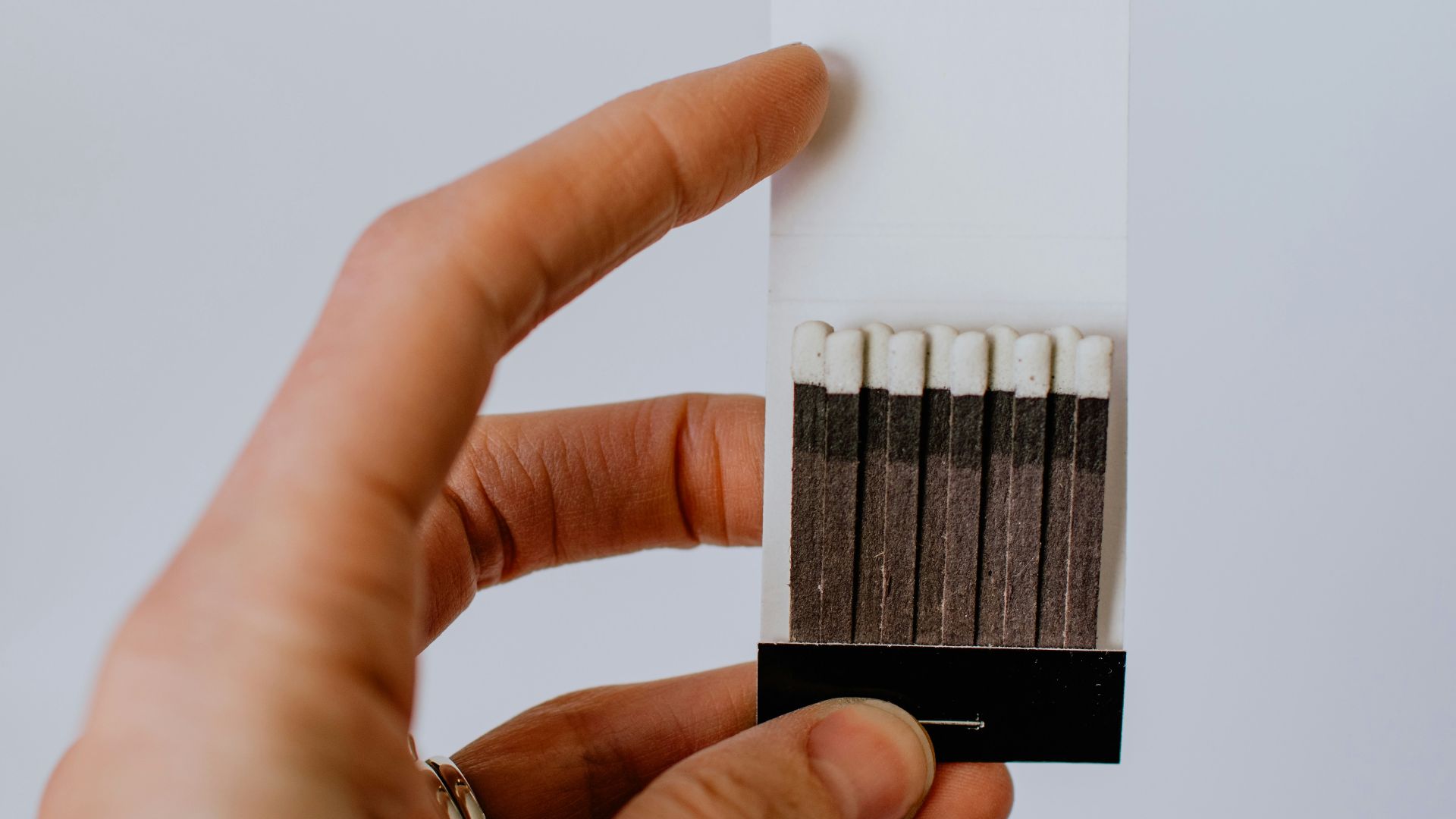
Precision wasn't always precise, especially when someone was stranded. Well, not to worry! It’s nothing that a folded piece of matchbook couldn’t handle. The material was actually commonly used as a rough guide when setting ignition-point gaps because its thickness could get the adjustment into workable territory. The engine might not have run perfectly afterward, but it did the job.
10. Cleaning Spark Plugs Instead of Replacing Them
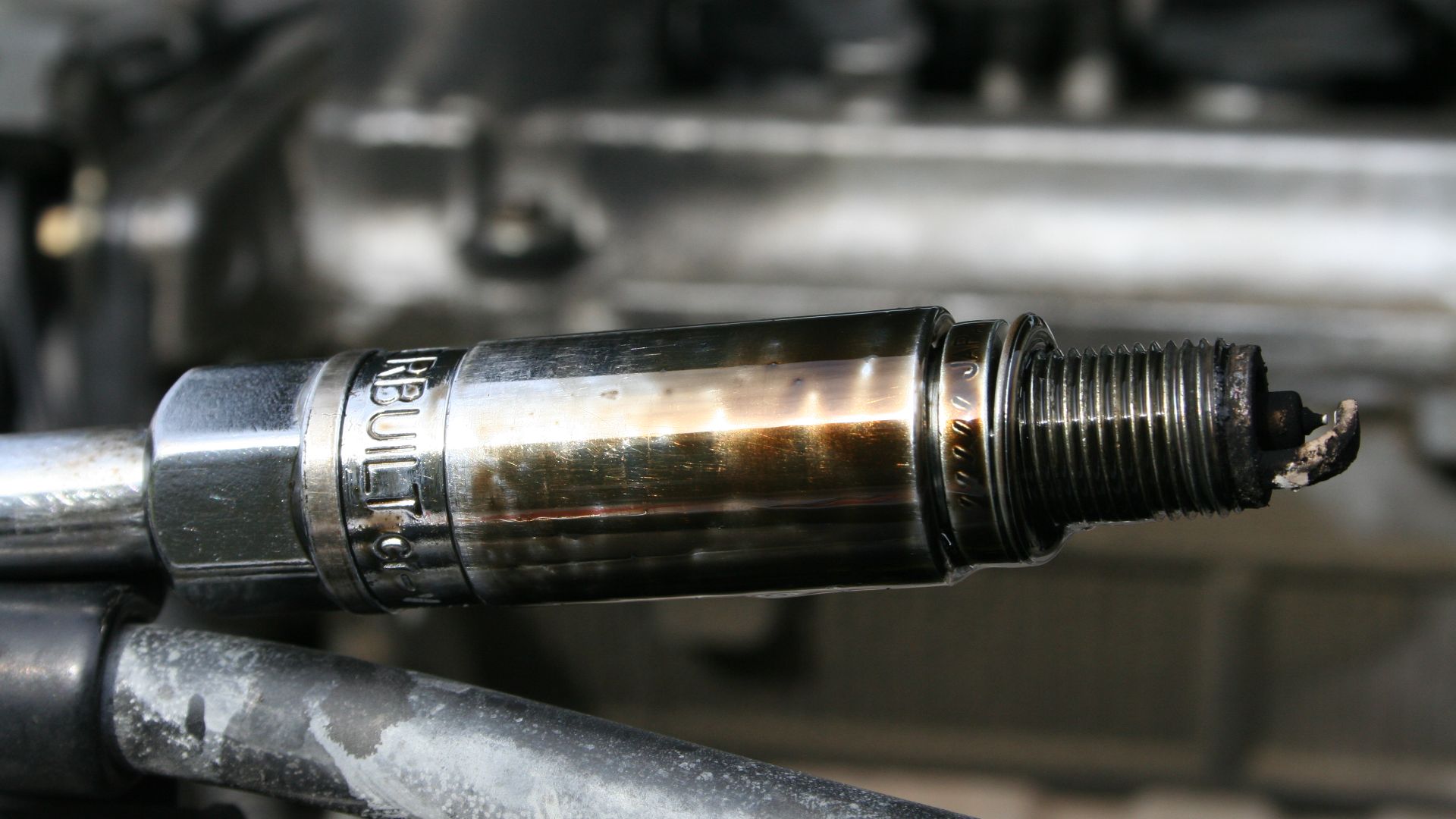
Back in the day, fouled spark plugs didn't just go into the trash when money was tight. Owners removed them, brushed carbon from the electrodes, checked the gap, and screwed the same plugs right back into the cylinder head. In an oil-burning engine, this was more of a regular ritual rather than an occasional repair.
11. Adjusting the Carburetor Wherever the Car Stopped
Remember that screwdriver we talked about? Well, poor idling and stalling frequently sent owners under the hood with one. Someone familiar with the car could adjust idle speed or mixture screws just by listening to the engine and watching how it responded. It was all about mechanical judgment and a prayer.
12. Cooling Vapor-Locked Fuel Systems With Wet Rags
Hot weather could cause fuel to vaporize in parts of an older fuel system, leaving the engine starved—even if gas was in the tank. One old-school response was just to cool the fuel line with wet cloths and give it time to settle down. It was simple, messy, and very different from anything today’s owners deal with.
13. Blocking the Radiator With Cardboard
Getting enough heat in the winter was basically a full-time project. Think about it: temperatures plunged, and an old cooling system struggled to warm up. To help the process along, some drivers placed cardboard in front of part of the radiator to reduce cold airflow and help the engine reach operating temperature.
14. Carrying Water For the Radiator
A leaking cooling system wasn't always repaired immediately, so drivers with tired hoses or water pumps sometimes carried water in the trunk. They then topped the system up whenever the temperature rose. The technique didn't really fix anything, but it could postpone the repair a little longer.

15. Cracking an Egg Into a Leaking Radiator
If you thought anything sounded crazy up to this point, just you wait. Among the stranger emergency fixes was putting a raw egg into the cooling system in hopes that heat would make the protein collect around a small leak. Variations became part of folklore, along with pepper and other substances that supposedly slowed escaping coolant.

16. Rubbing Soap Into a Leaking Gas Tank
A tiny fuel-tank leak sometimes received an equally unconventional temporary patch. Bar soap could be rubbed across a damaged seam, with the material plugging the opening well enough to slow gas loss for a short period. It’s not really advised today, though…
17. Making a Temporary Fan Belt From Whatever Was Around
A broken fan or generator belt got you down? Roadside folklore produced substitutes ranging from stockings to rope and other materials that could be tied around the pulleys long enough, if you were lucky, to reach help. Whether the improvised belt actually survived was another question.

18. Repairing Inner Tubes Beside the Road
A puncture once meant more involvement than installing a spare tire and a future visit to the shop. With tube-type tires, drivers could remove the damaged inner tube, locate the puncture, roughen the rubber, apply a patch, and put everything back together. It was dirty work, but repair kits allowed determined owners to rescue a tire instead of just replacing it.

19. Topping Up Batteries With Water
Traditional lead-acid batteries required owners to keep an eye on electrolyte levels rather than forgetting about it until the car stalled. When levels dropped, distilled water had to be added carefully, while corroded terminals got attention with a brush and baking-soda solution.
20. Feeding a Worn Engine Thicker Oil
Believe it or not, an old engine that burned oil wasn't always headed for a rebuild. Owners sometimes switched to heavier oil and kept spare quarts in the trunk, topping the engine off whenever the dipstick showed that another portion had disappeared. The practice could keep a tired motor moving for quite some time, although it couldn't undo the wear that caused the issues in the first place.