When Tomorrow Looked Very Different
Automakers have spent decades trying to predict what drivers would want next. Sometimes those predictions were impressively ambitious, while other times, they were completely off the mark. Designers imagined roads filled with turbine-powered sedans, tiny electric commuters, ultra-efficient hybrids, and futuristic luxury cars packed with technology years ahead of its time. Plenty of these ideas arrived before the world was ready or pointed toward a future that simply went in another direction. These 20 cars are reminders of the strange, clever, and occasionally incredible ways the auto industry tried to get ahead of tomorrow.
 Aptera Motors, Inc. on Wikimedia
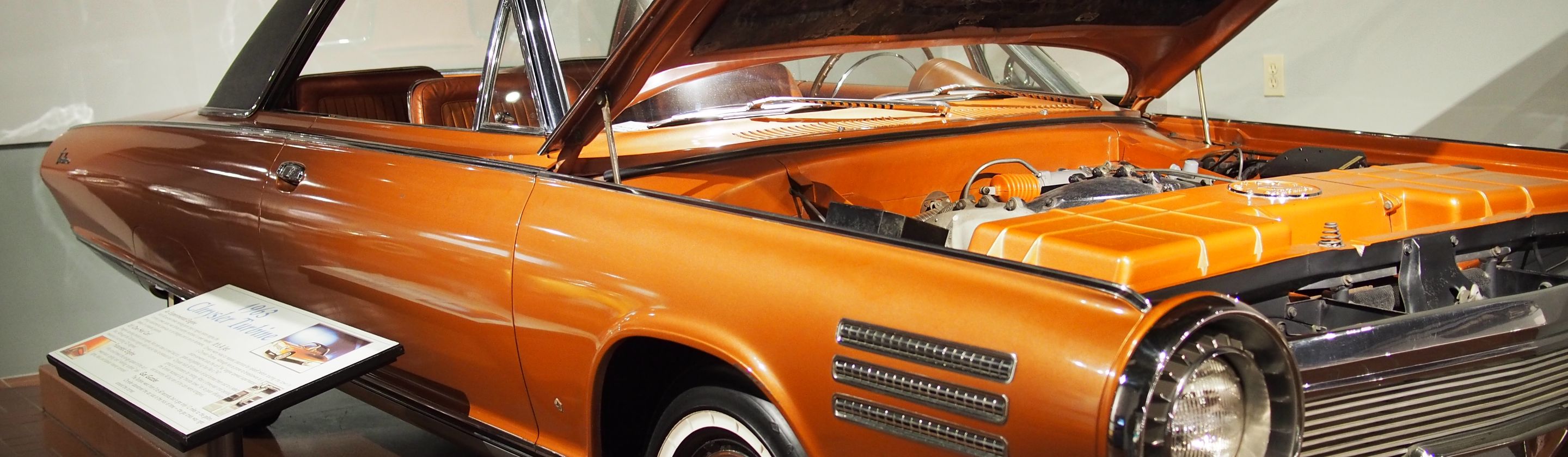
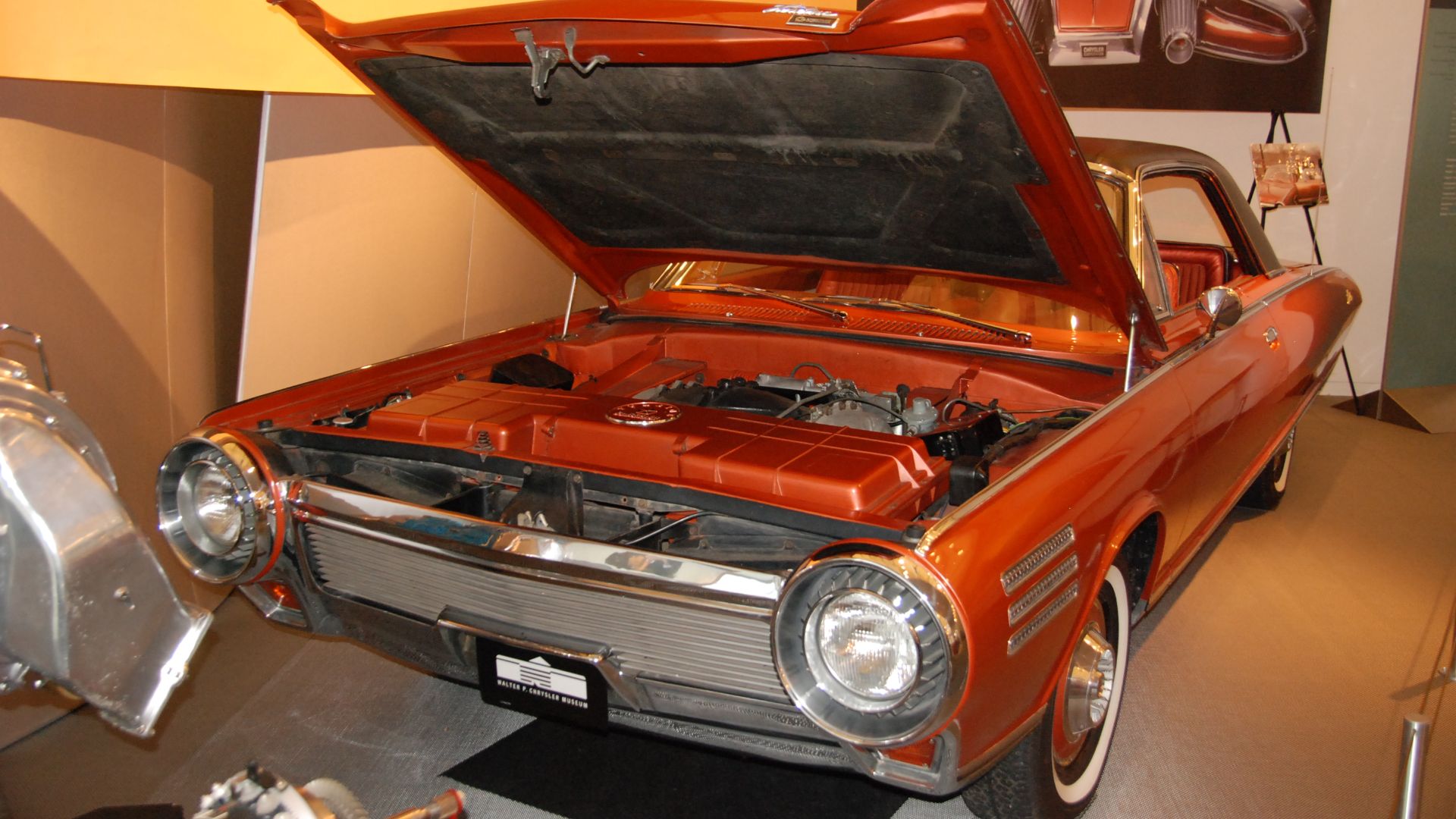
1. Chrysler Turbine Car
In the early 1960s, Chrysler seriously explored a future in which cars would use turbine engines instead of conventional piston engines. The Turbine Car was smooth, unique, and capable of running on several different types of fuel. Chrysler even placed a limited number with ordinary families for real-world testing, but high costs and other technical drawbacks kept turbine-powered streets from becoming reality.
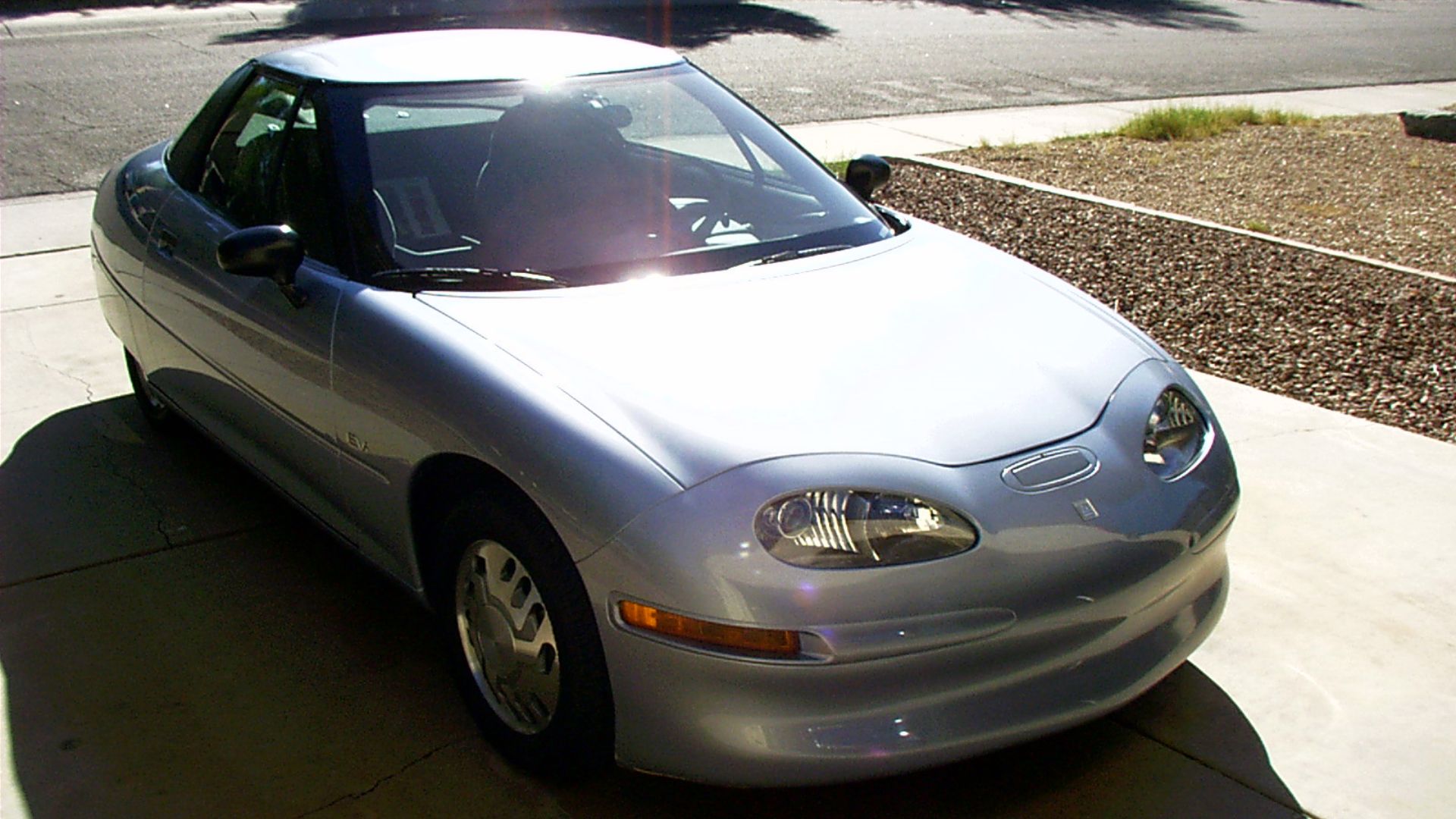
2. General Motors EV1
Long before EVs were regular sights on the road, General Motors unveiled the fully electric EV1 in the 1990s. Its aerodynamic shape, electric drivetrain, and lease-only availability made it feel more like an experiment from the future than a normal showroom model. The program ended after only a few years, leaving the EV1 as one of the clearest examples of an electric future that arrived early and then abruptly disappeared.
 RightBrainPhotography on Wikimedia
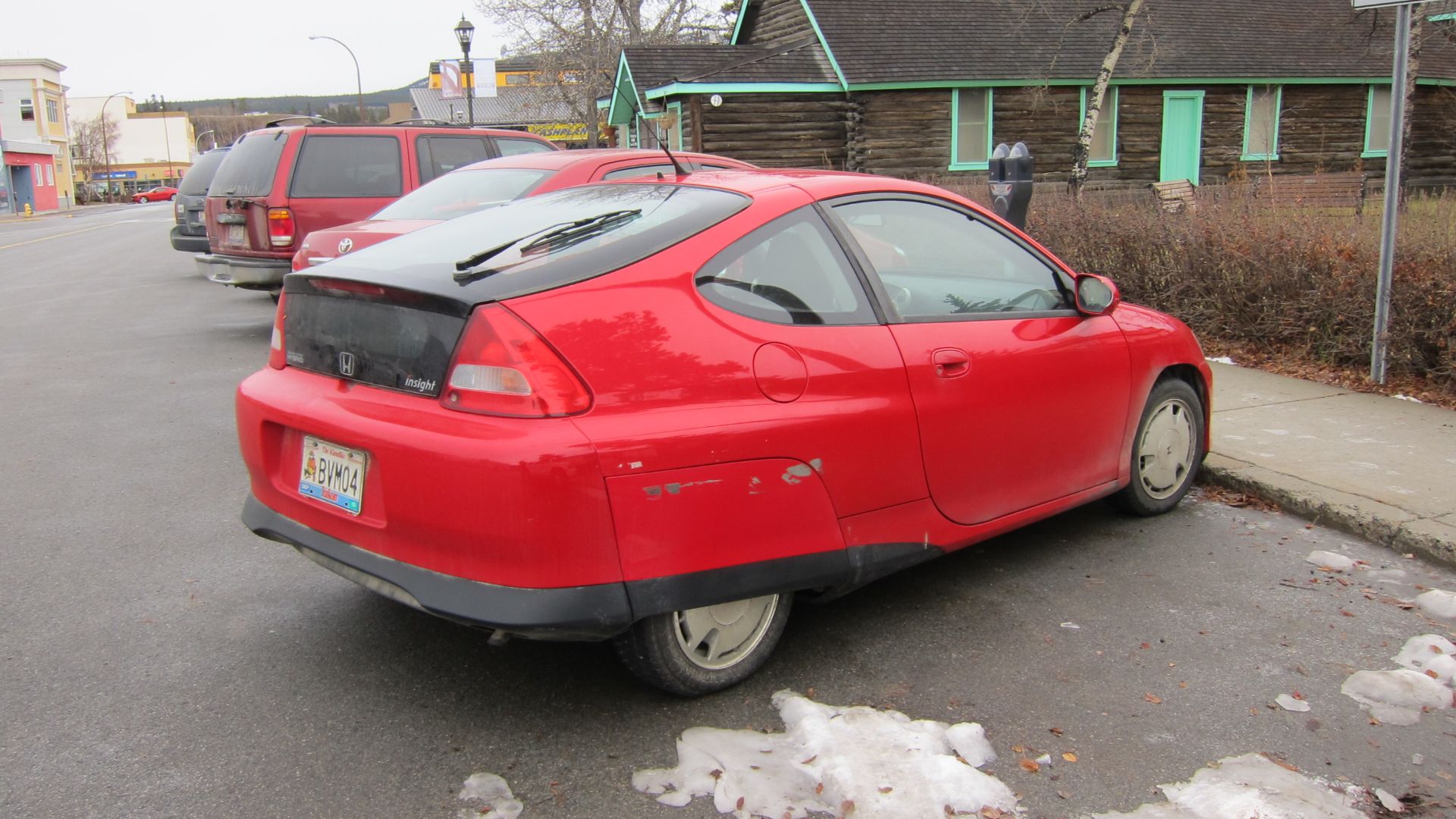
3. Honda Insight
The first-generation Honda Insight looked dramatically different from almost everything else on American roads when it arrived in 1999. Its lightweight aluminum construction, covered rear wheels, and two-seat layout were all focused on optimal fuel efficiency. It was one of the most efficient production gasoline cars ever built, but buyers ultimately favored more conventional hybrids.
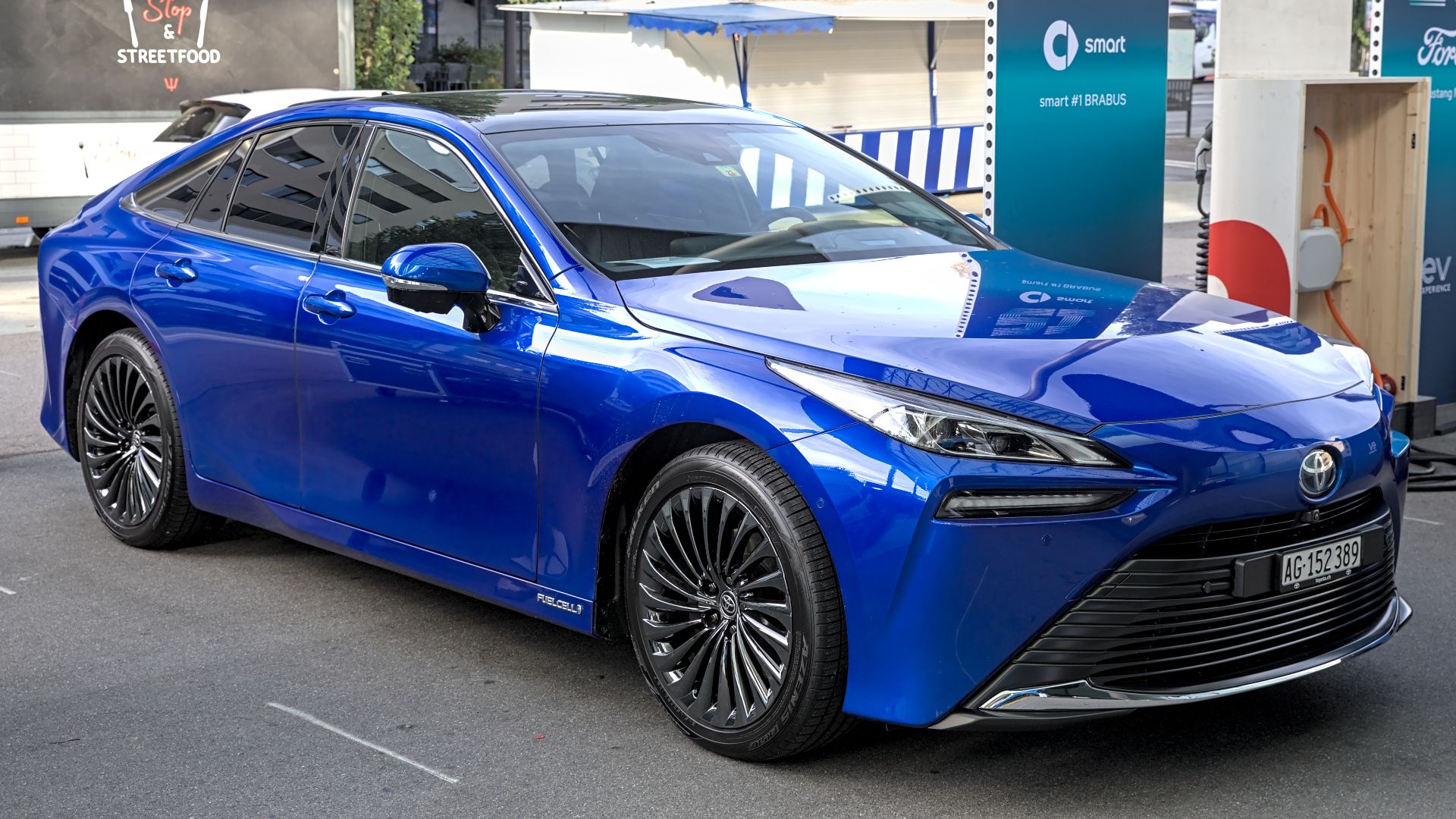
4. Toyota Mirai
Toyota invested heavily in the idea that hydrogen fuel cells could become a major alternative to gasoline. The Mirai offered quick refueling and produced water rather than tailpipe carbon emissions, which sounded like an appealing solution to some of the limitations of battery-powered cars. The trouble was infrastructure, because hydrogen filling stations never spread widely enough to make ownership practical for most drivers.
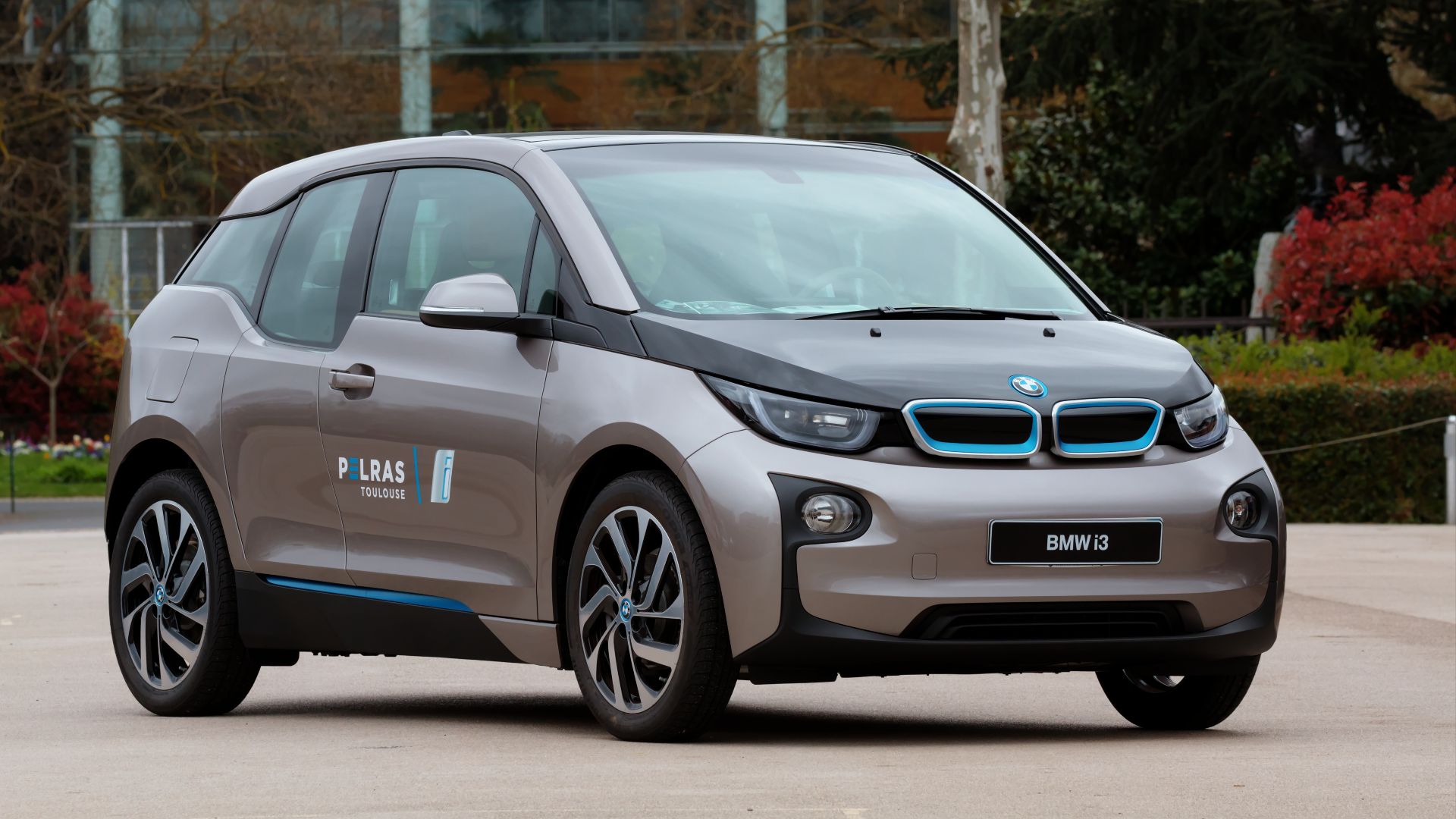
5. BMW i3
BMW didn't simply make the i3 electric and call it a day. The company used carbon-fiber-reinforced plastic, an unconventional interior, skinny tires, and a tall city-friendly body to create what it thought premium urban transportation might become. While several of its ideas were genuinely forward-looking, the design was too much of a departure from the norm for most buyers.
 Pierre-Selim Huard on Wikimedia
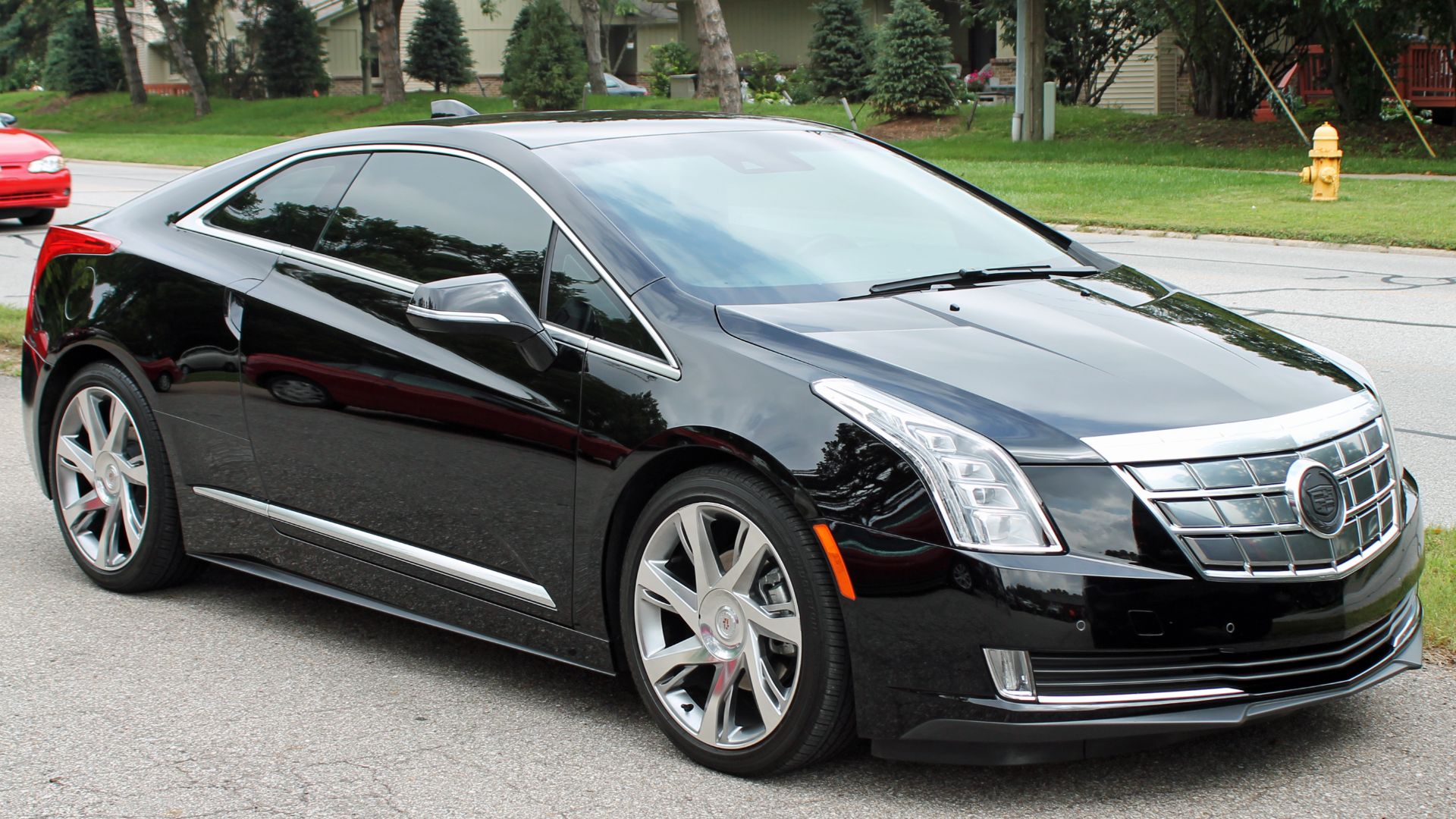
6. Cadillac ELR
Cadillac tried to prove that plug-in technology could be glamorous with the striking ELR coupe. Underneath its dramatic design was an extended-range electric powertrain related to the Chevrolet Volt, giving drivers electric commuting with a gasoline engine available for longer trips. However, buyers weren't especially interested in paying luxury-car prices for the concept, and Cadillac's vision of elegant plug-in coupes never became a major trend.
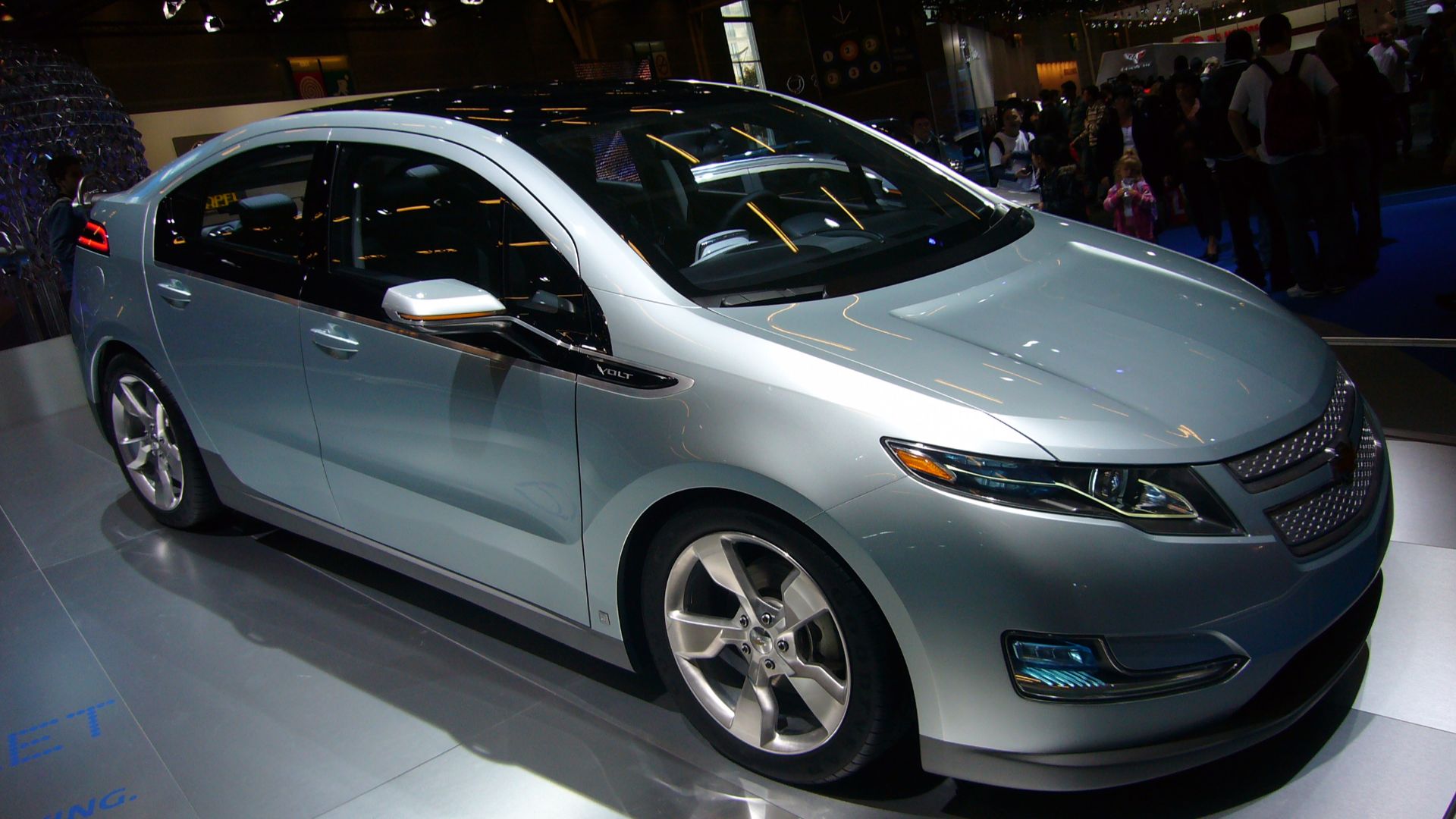
7. Chevrolet Volt
The Chevrolet Volt was designed for a world where drivers wanted electric commuting without worrying about finding a charger on a long trip. You could travel on battery power for everyday errands and rely on gasoline once the battery's usable charge was depleted. It was a clever solution to range anxiety, but improving batteries and expanding charging networks made the idea more or less obsolete.
 Rutger van der Maar on Wikimedia
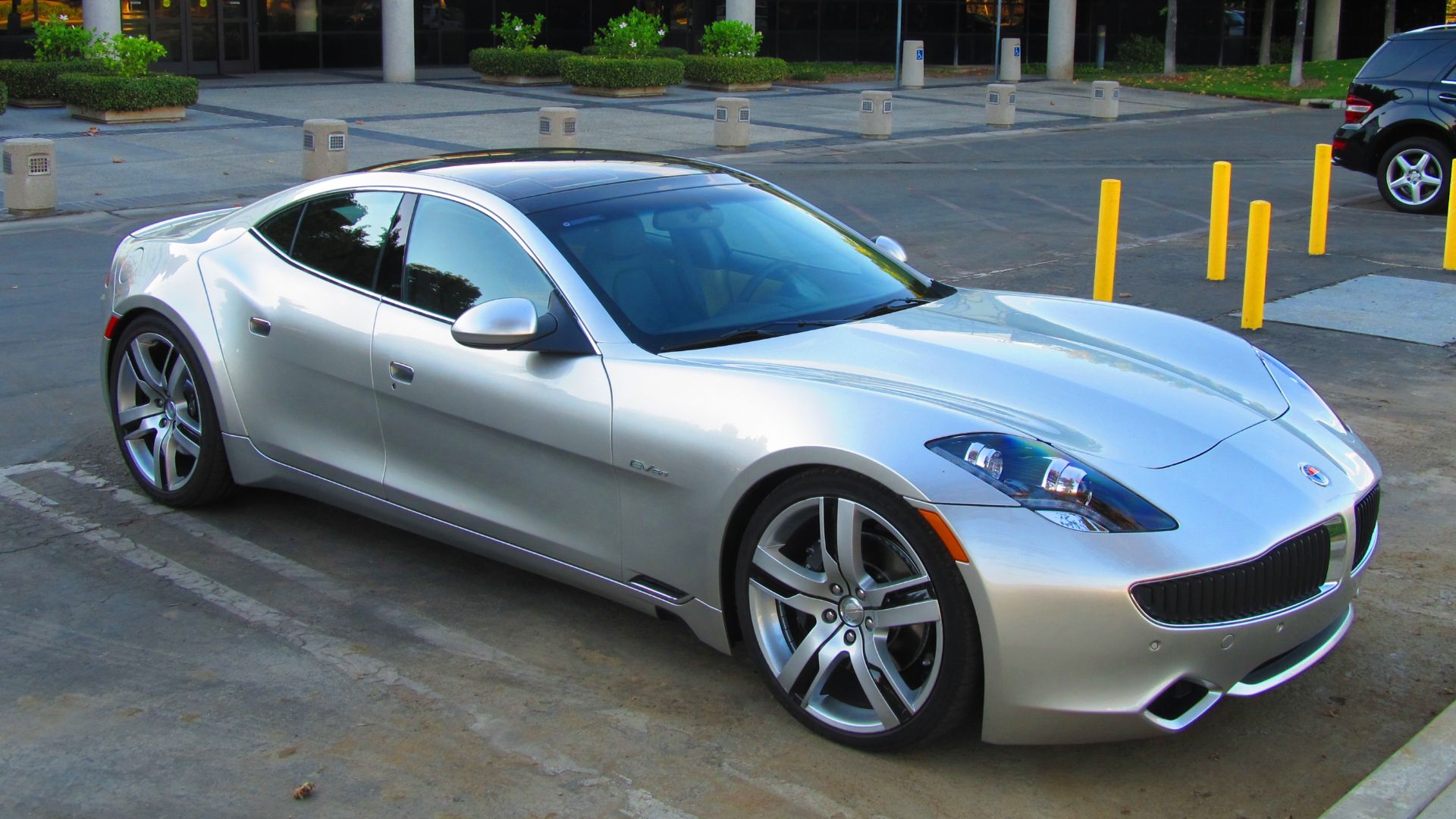
8. Fisker Karma
Few early electric cars made as dramatic an entrance as the Fisker Karma. Its low proportions, solar roof, luxurious cabin, and range-extending powertrain offered a more extravagant approach to electric vehicles. Production troubles and financial problems cut the original project short, while the luxury EV market eventually developed around a very different group of manufacturers.
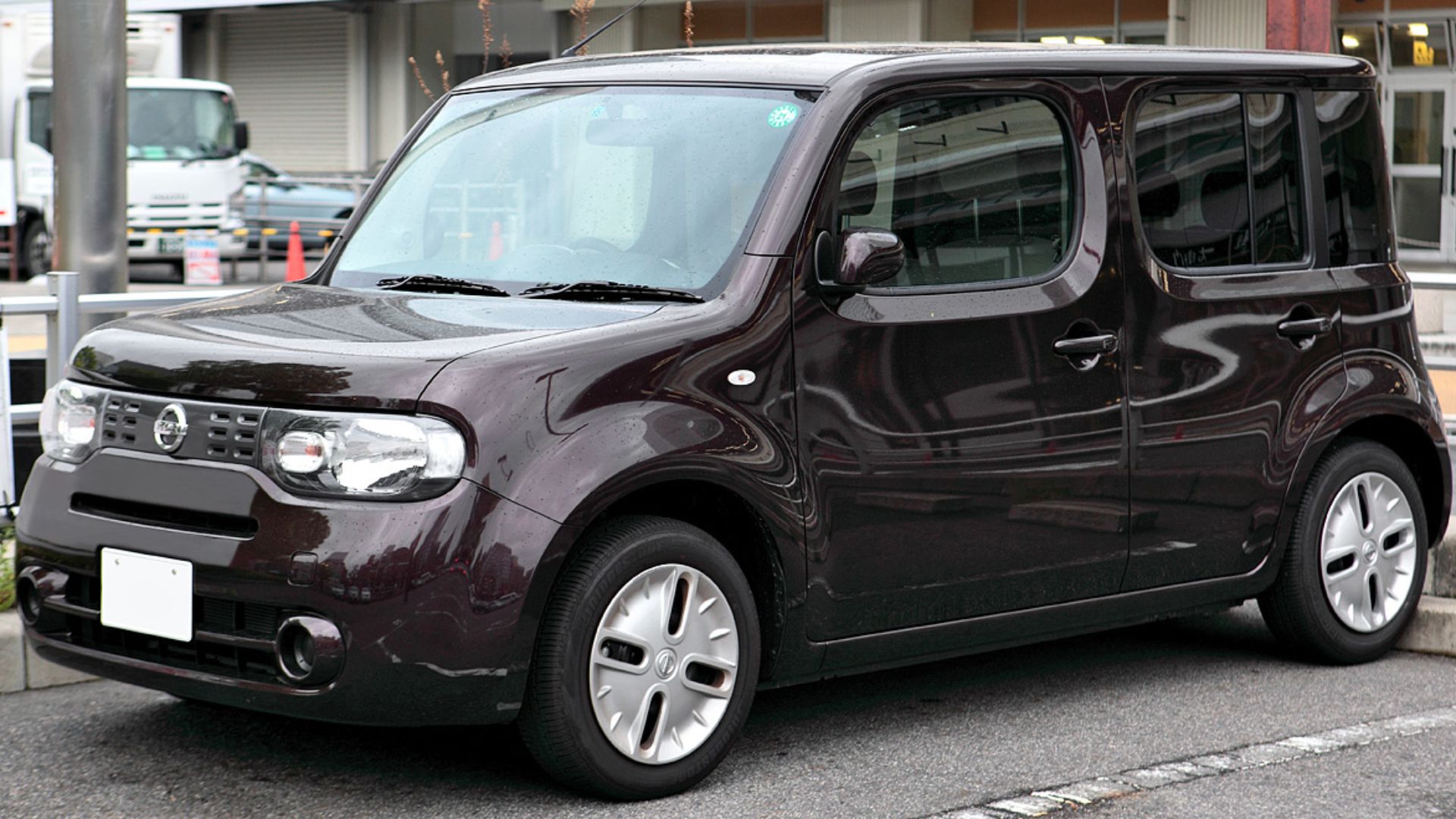
9. Nissan Cube
The Nissan Cube offered a more playful design targeted towards younger drivers. Its asymmetrical rear window, upright body, and lounge-like cabin gave it tons of personality. The quirky urban-car movement never took over America, though, and buyers increasingly shifted toward small crossovers with more conventional designs.
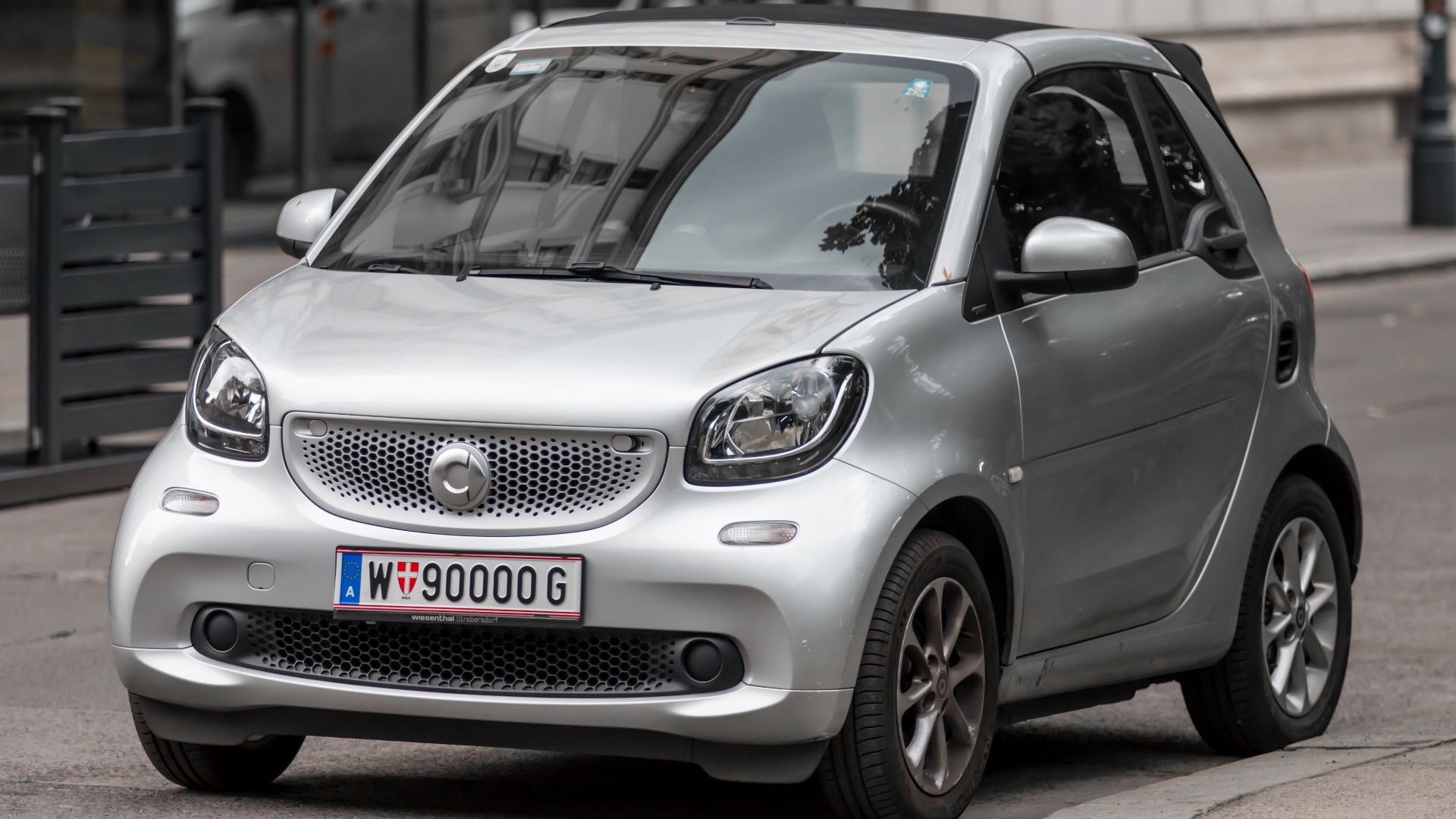
10. Smart Fortwo
The Smart Fortwo made perfect sense if you assumed American cities were about to become crowded with tiny cars designed almost entirely around urban mobility. Its extremely short body made parking on busy streets easy, while the two-seat cabin covered the basic needs of a commuter without wasting much space. However, American drivers largely kept choosing larger vehicles, so the mini-car revolution Smart anticipated never really arrived.
 Johannes Maximilian on Wikimedia
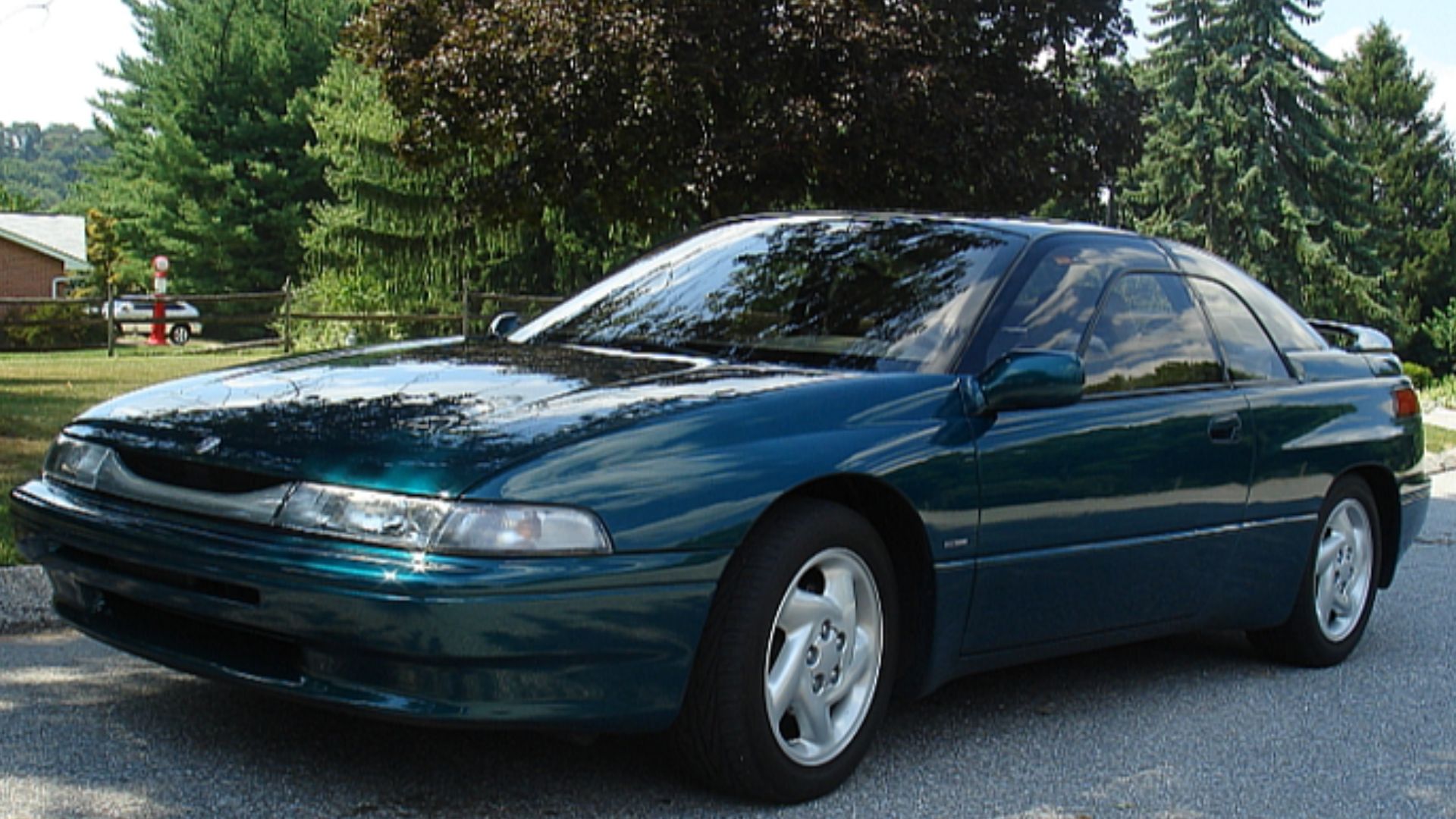
11. Subaru SVX
Subaru's SVX looked as though it had skipped straight past the early 1990s into the 21st century. The grand touring coupe featured unusual window-within-a-window side glass, aerodynamic styling, all-wheel drive, and a flat-six engine. The SVX was Subaru's attempt to transition into a more sophisticated and upscale brand, but customers never embraced the expensive coupe in large enough numbers to make that path stick.
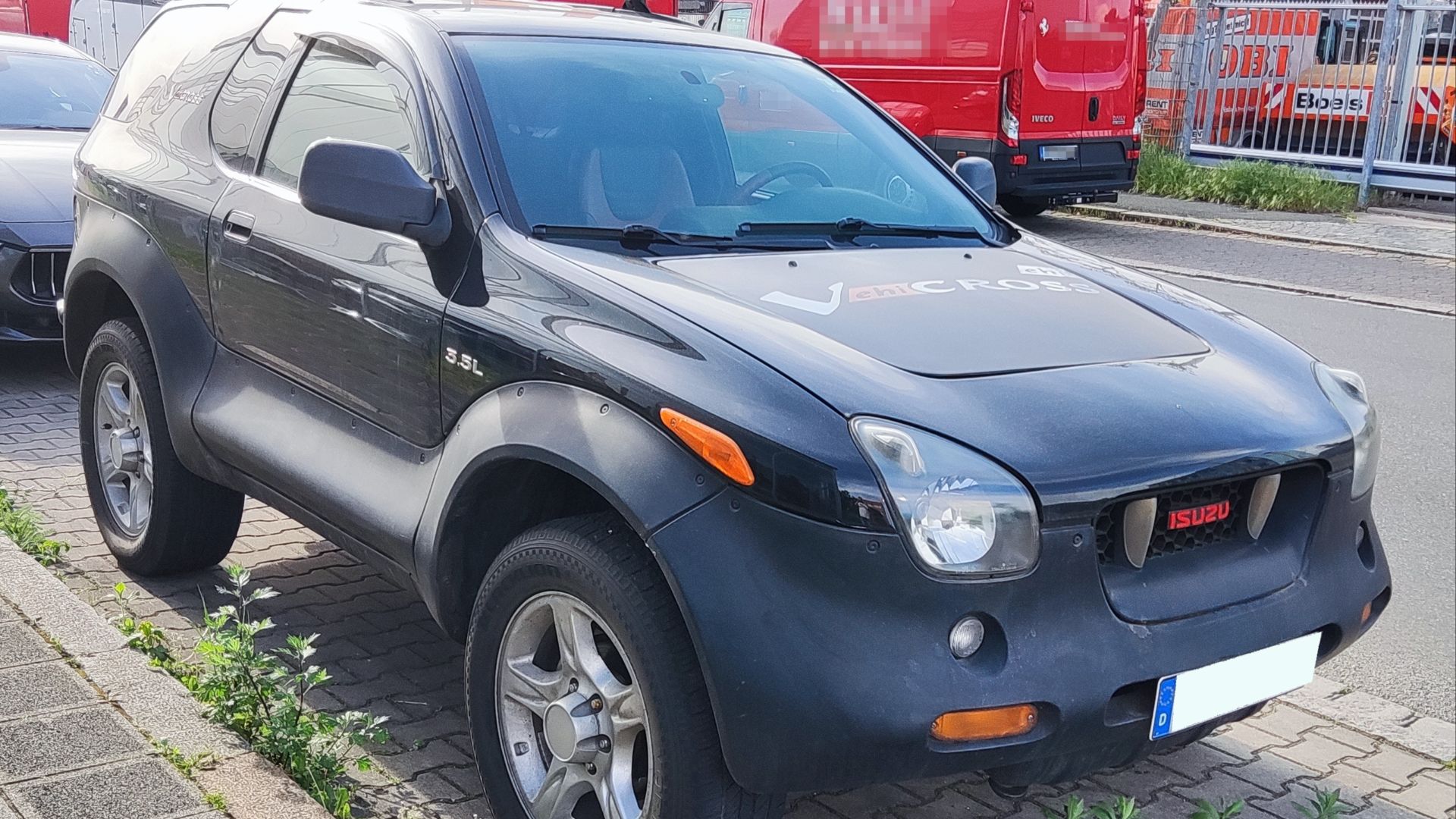
12. Isuzu VehiCROSS
The Isuzu VehiCROSS was designed when rugged SUVs were beginning to evolve into something more stylish and lifestyle-focused. Its aggressive plastic body cladding, short wheelbase, and concept-car appearance made it seem years ahead of the countless expressive crossovers that would follow. Even so, the VehiCROSS itself was too unusual and too specialized to become the blueprint for the mainstream SUV boom.
 Interesting.cars.insta on Wikimedia
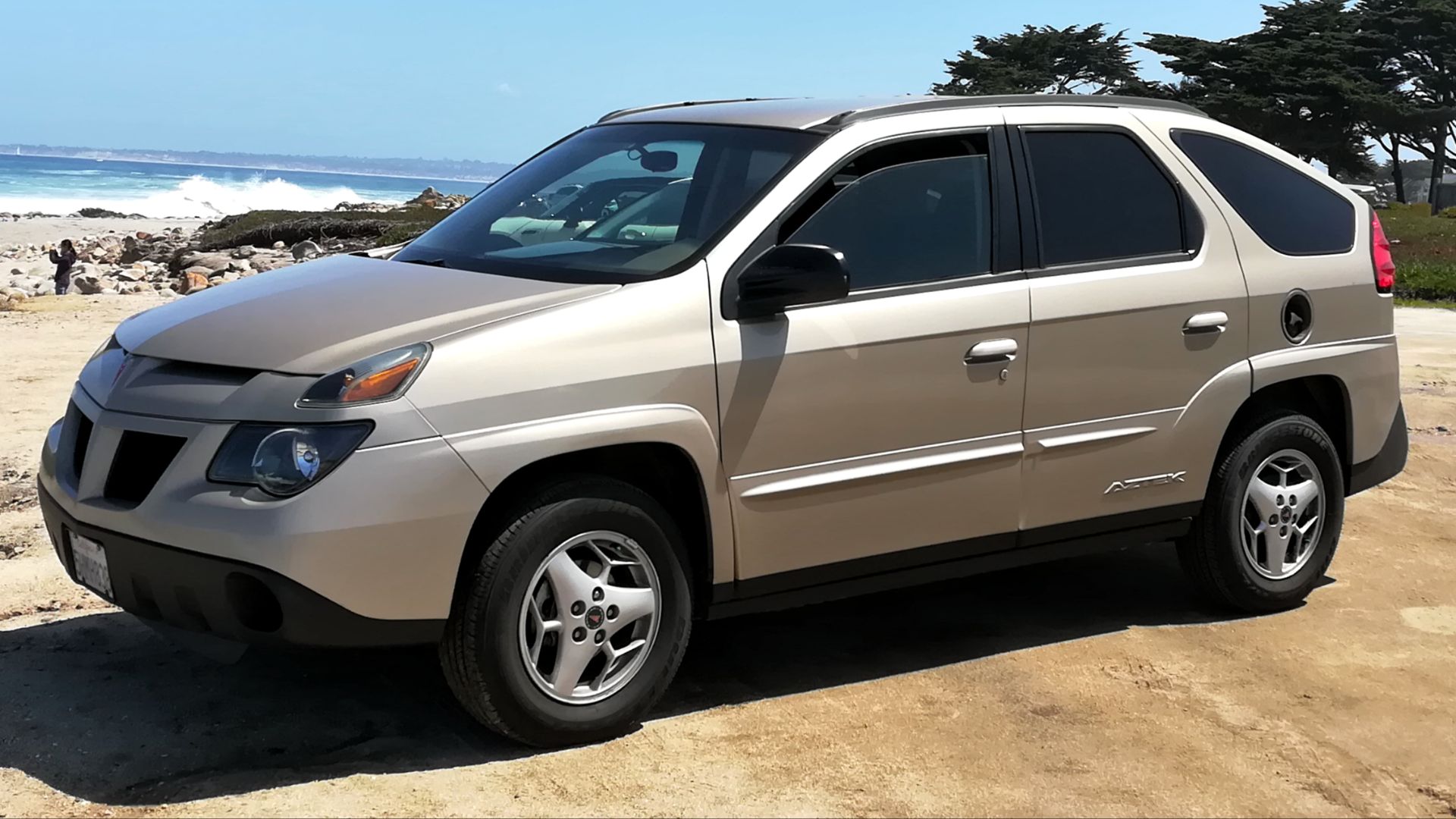
13. Pontiac Aztek
The Pontiac Aztek tried very hard to predict what adventurous young buyers would want from a vehicle in the new millennium. It combined SUV practicality with removable cargo features, available camping equipment, and styling intended to feel rugged and unconventional. Its appearance dominated the conversation, however, and many of the lifestyle-focused ideas behind it only became popular after the Aztek was gone.
14. Plymouth Prowler
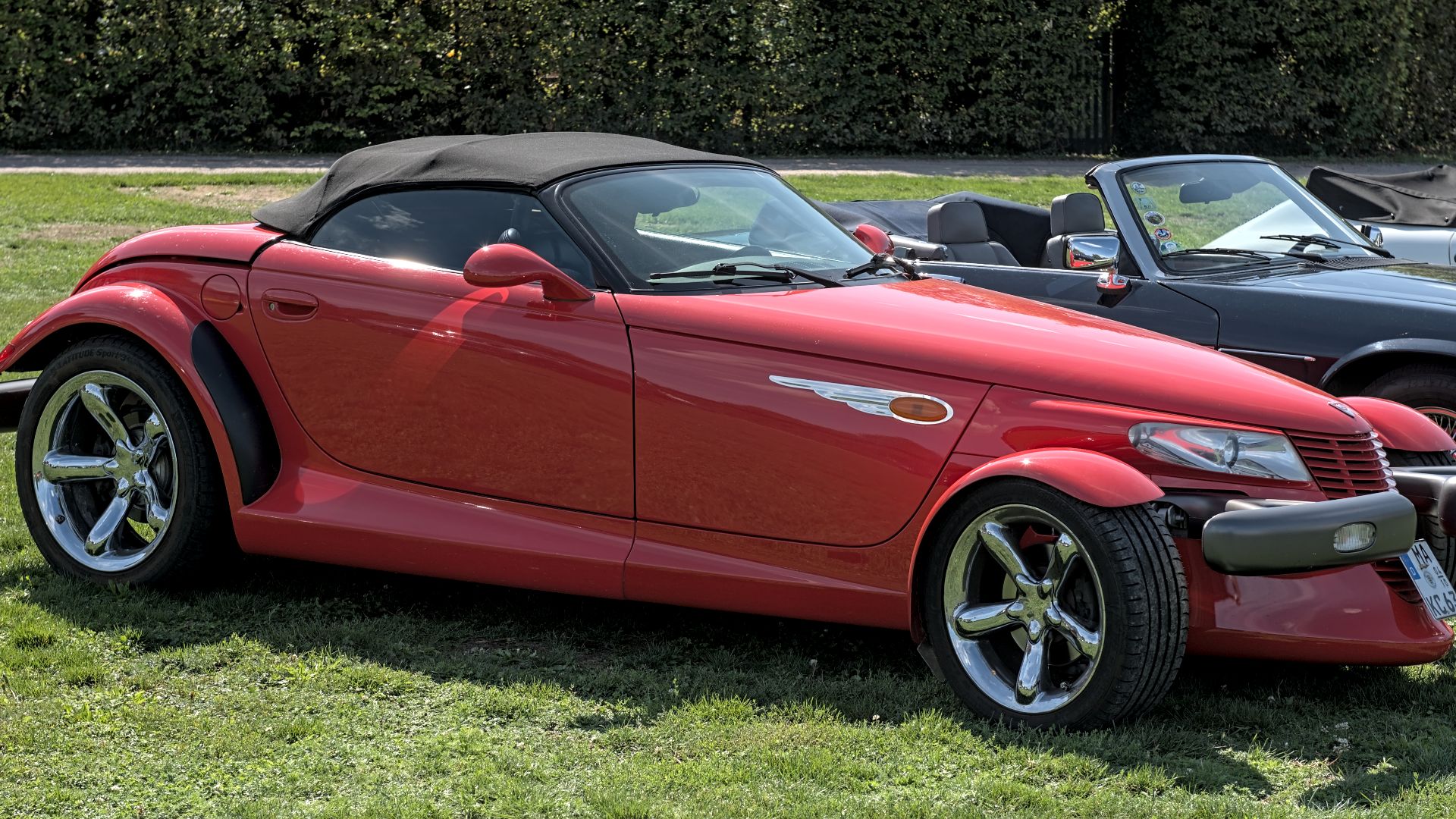
Retro styling was having a moment in the 1990s, and Plymouth pushed the idea to an extreme with the Prowler. The exposed front wheels, narrow nose, and hot-rod-inspired proportions suggested that nostalgic design could become a major part of modern car culture, but it ended up being a commercial disappointment. A few other retro models followed, but the industry eventually returned to more contemporary shapes.
15. Honda CR-Z
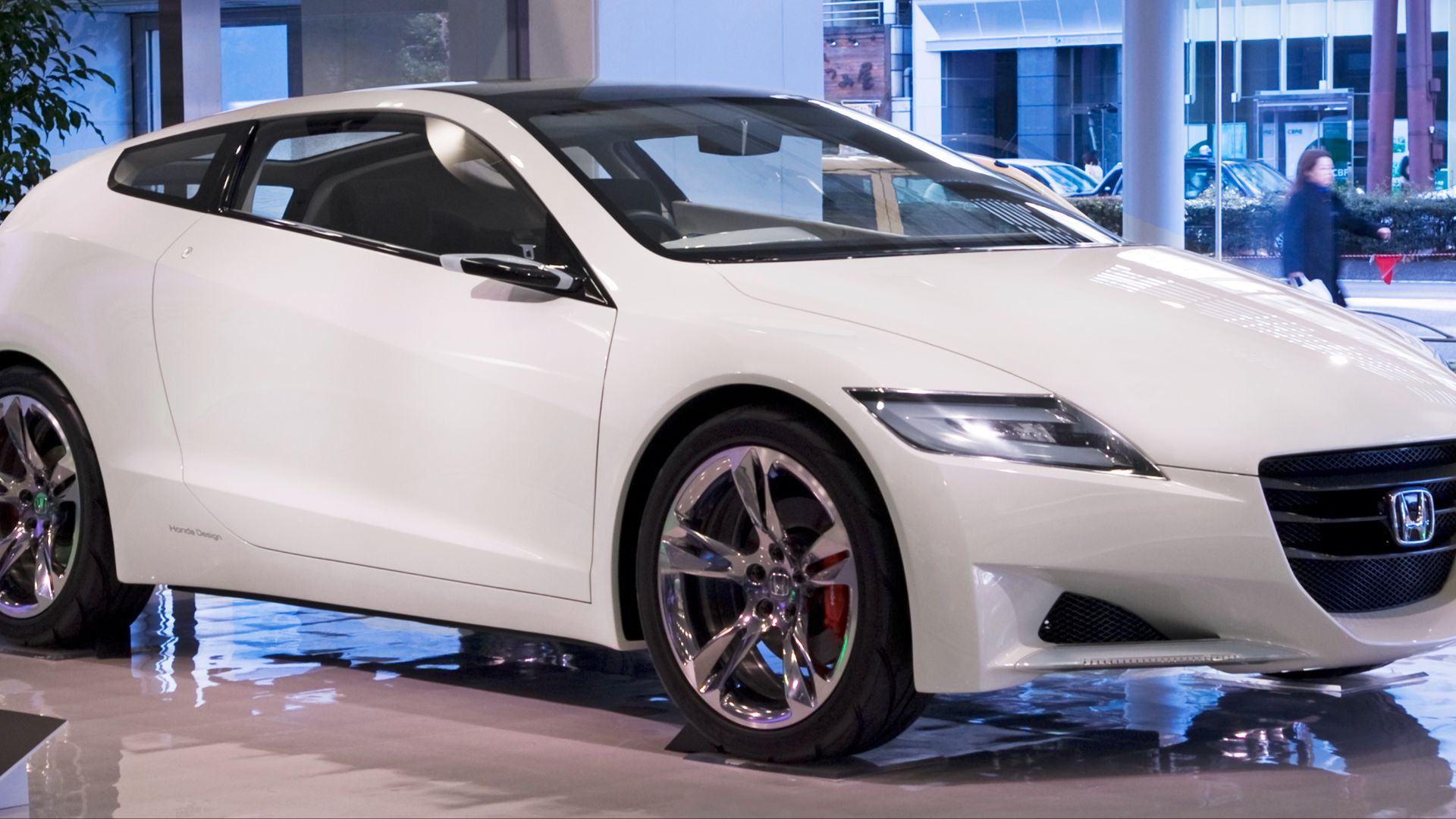
Honda attempted to combine three things that didn't often appear together: hybrid efficiency, sporty styling, and a compact two-seat format. The CR-Z even offered a manual transmission, giving drivers an unusually involved experience for an electric car. Unfortunately, it wasn't quite quick enough to satisfy many sports-car fans or practical enough to win over ordinary hybrid shoppers, leaving its particular niche mostly empty.
16. Volkswagen XL1
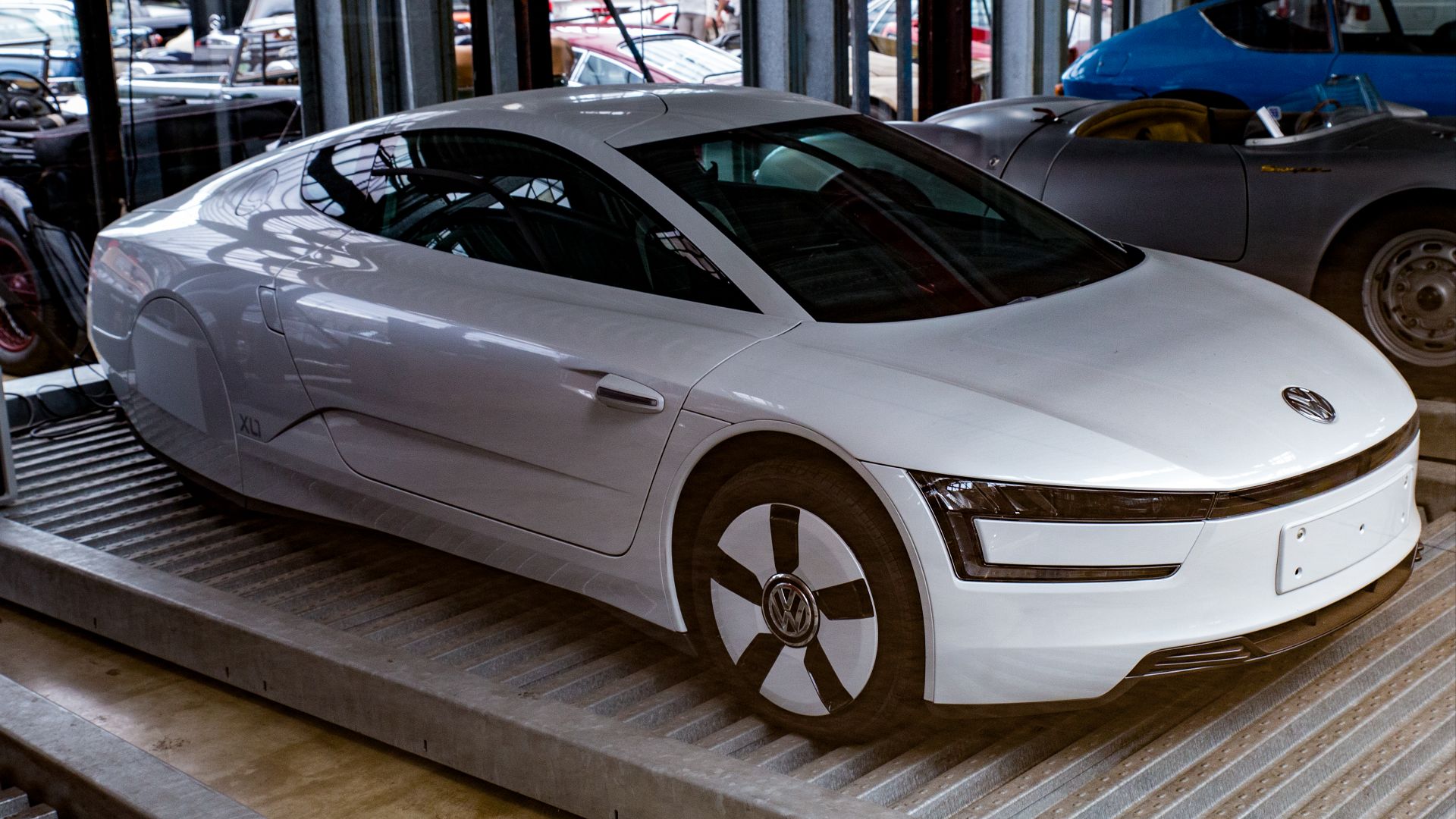
The Volkswagen XL1 was engineering taken to an almost obsessive level in the pursuit of fuel efficiency. Its plug-in diesel hybrid system, lightweight construction, narrow rear track, and highly aerodynamic body were designed to use as little gas as possible. Volkswagen built only a small number, and the world ended up moving toward battery electrics rather than specialized diesel hybrids.
17. GM Impact
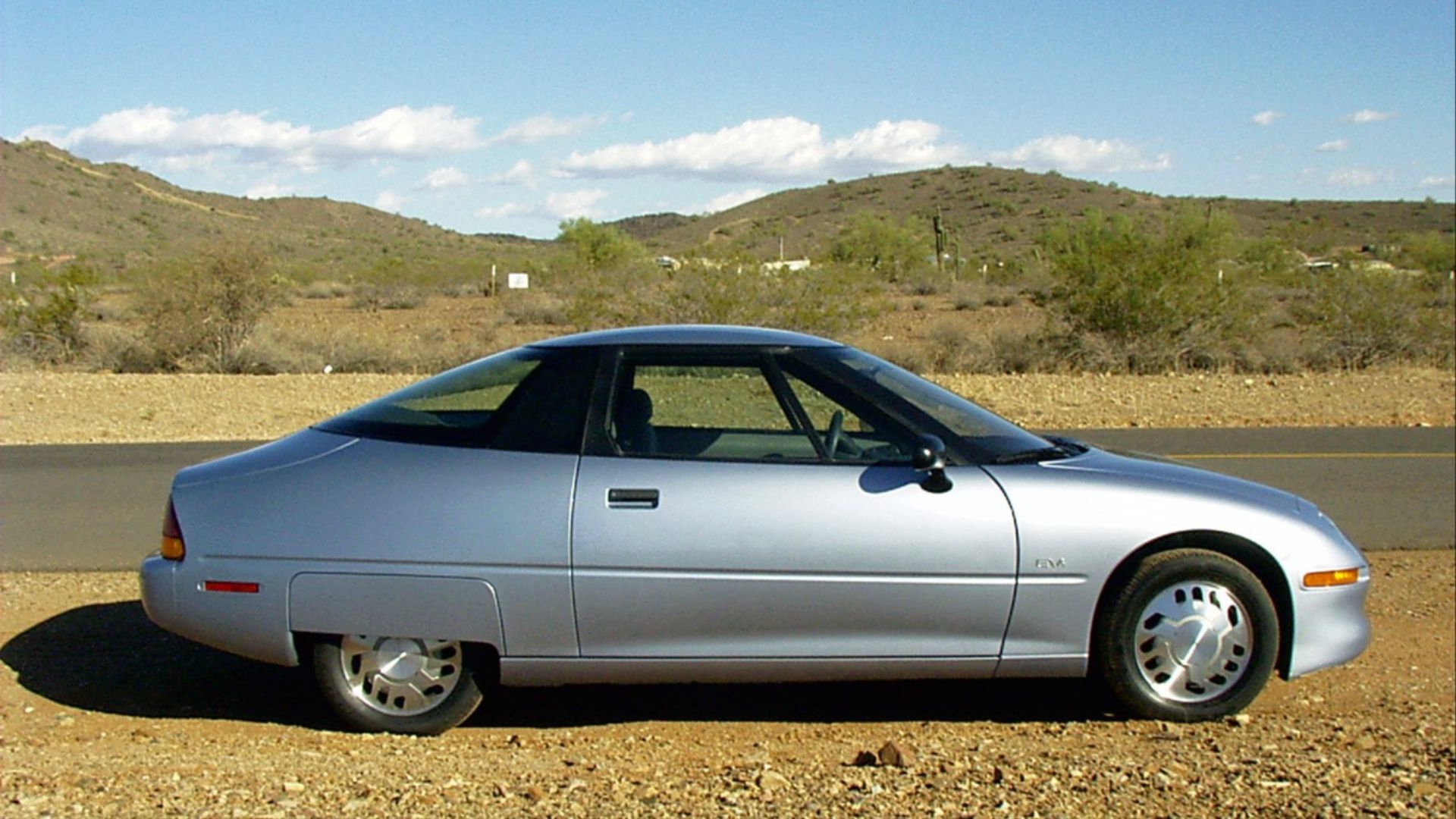
Before there was an EV1, General Motors showed the Impact concept at the beginning of the 1990s. Its sleek body and fully electric powertrain suggested that battery-powered commuting might arrive much sooner than most people expected. The concept directly influenced the EV1, but widespread electric-car adoption still remained decades away.
 RightBrainPhotography (Rick Rowen) on Wikimedia
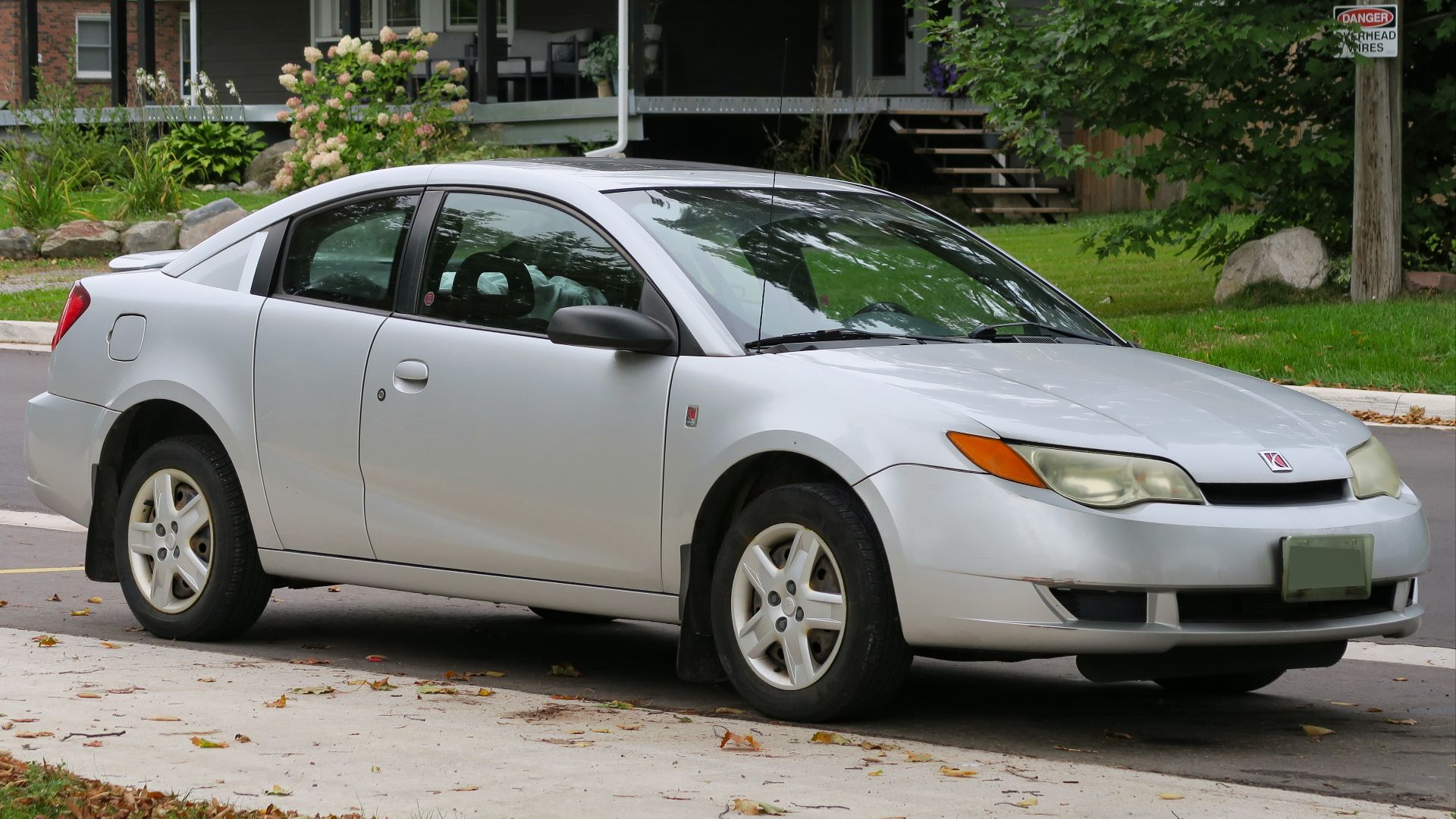
18. Saturn Ion Quad Coupe
Saturn's Ion Quad Coupe experimented with the idea that small cars could be practical without giving up the appearance of a sporty two-door. It used small rear-hinged access doors behind the main doors, making the back seat easier to reach while preserving the coupe profile. As clever as it was, the setup never became an industry standard, and the market soon shifted away from compact coupes almost entirely.
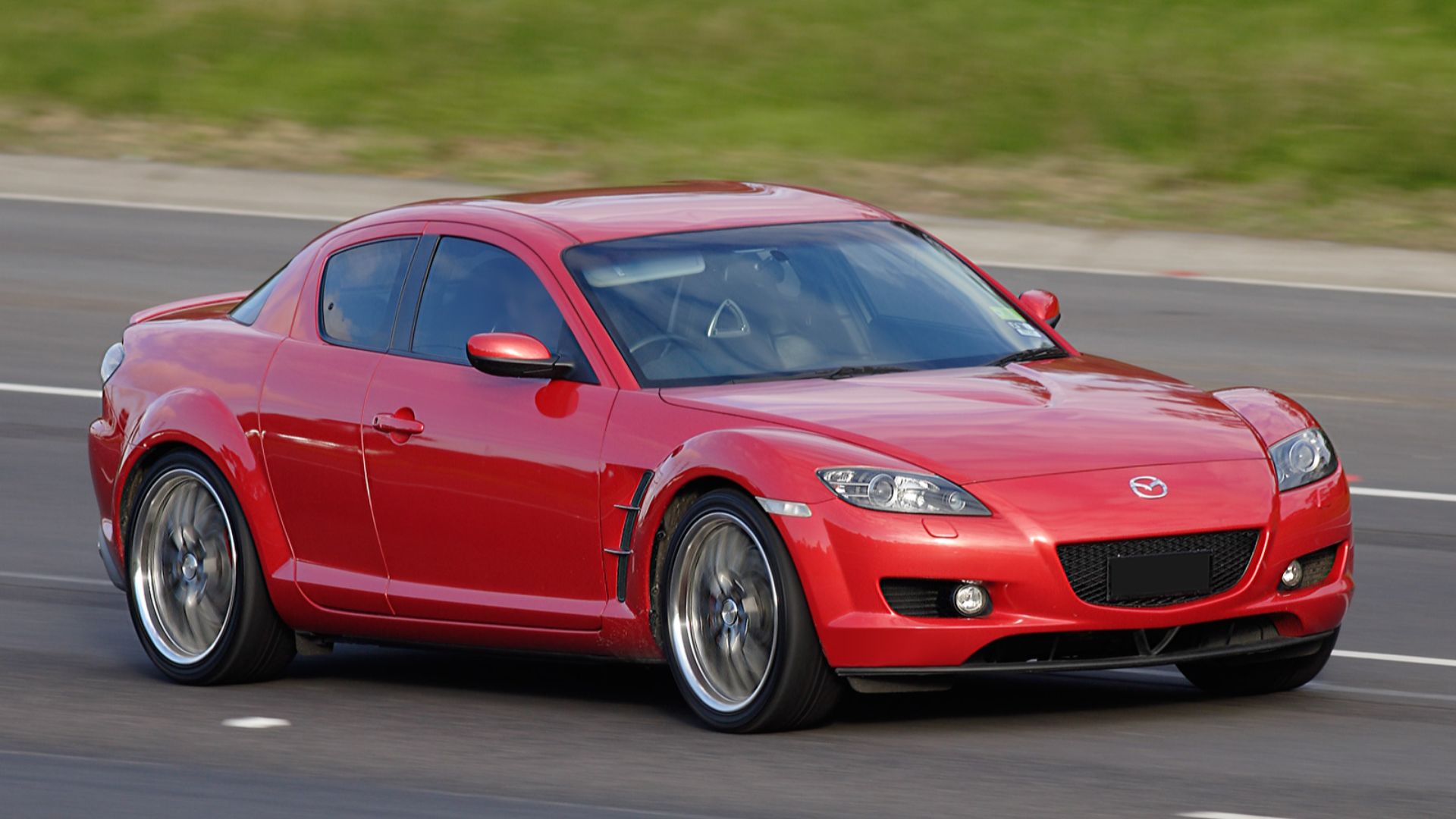
19. Mazda RX-8
Mazda believed the rotary engine still had a place in the modern performance-car world when it introduced the RX-8. Its naturally aspirated Renesis rotary engine was impressively compact, allowing for unusual proportions, while rear-hinged back doors gave the four-seat sports car extra everyday usability. However, efficiency and emissions challenges ultimately worked against the rotary concept, and mainstream performance cars continued relying on conventional piston engines.
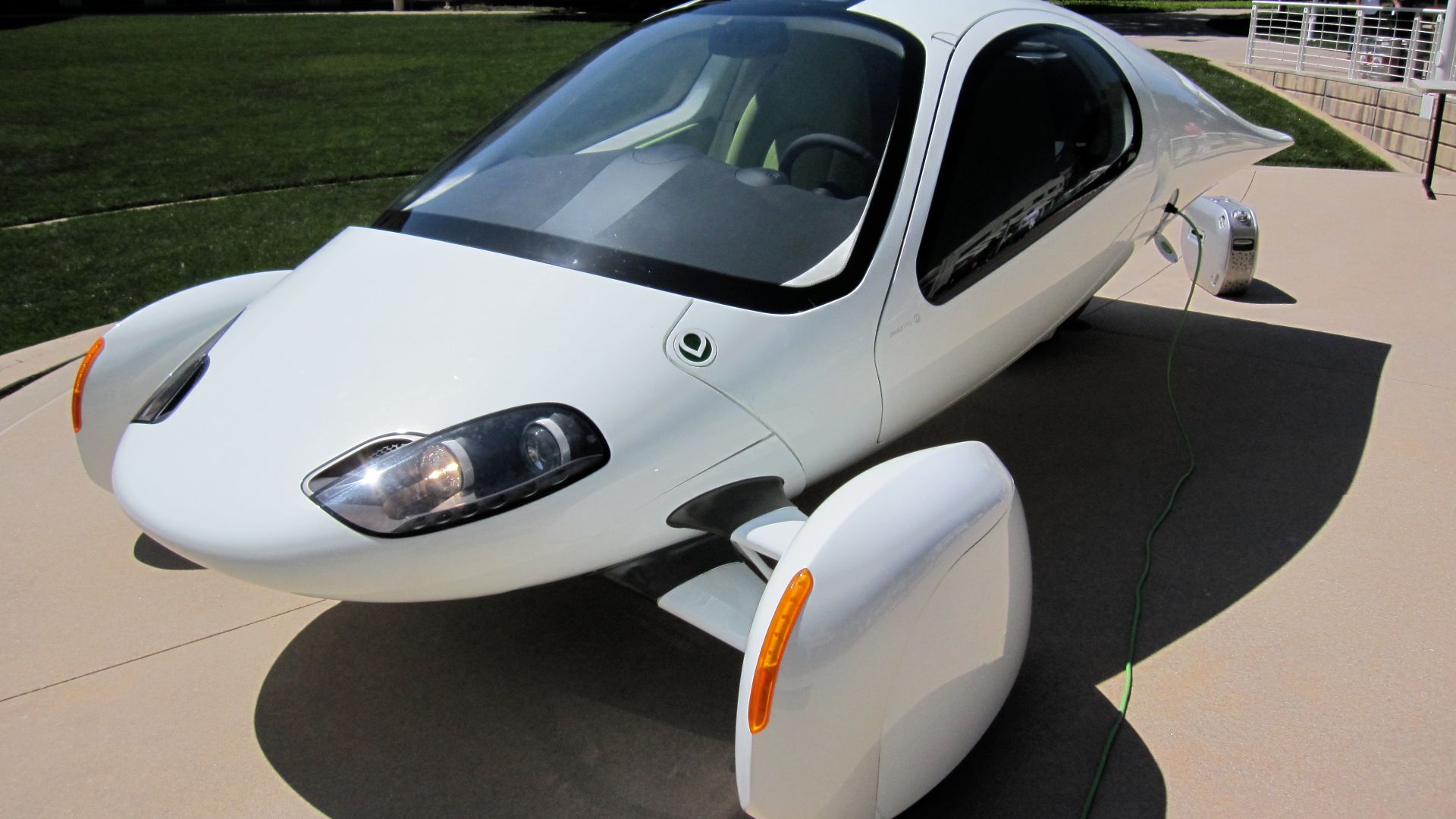
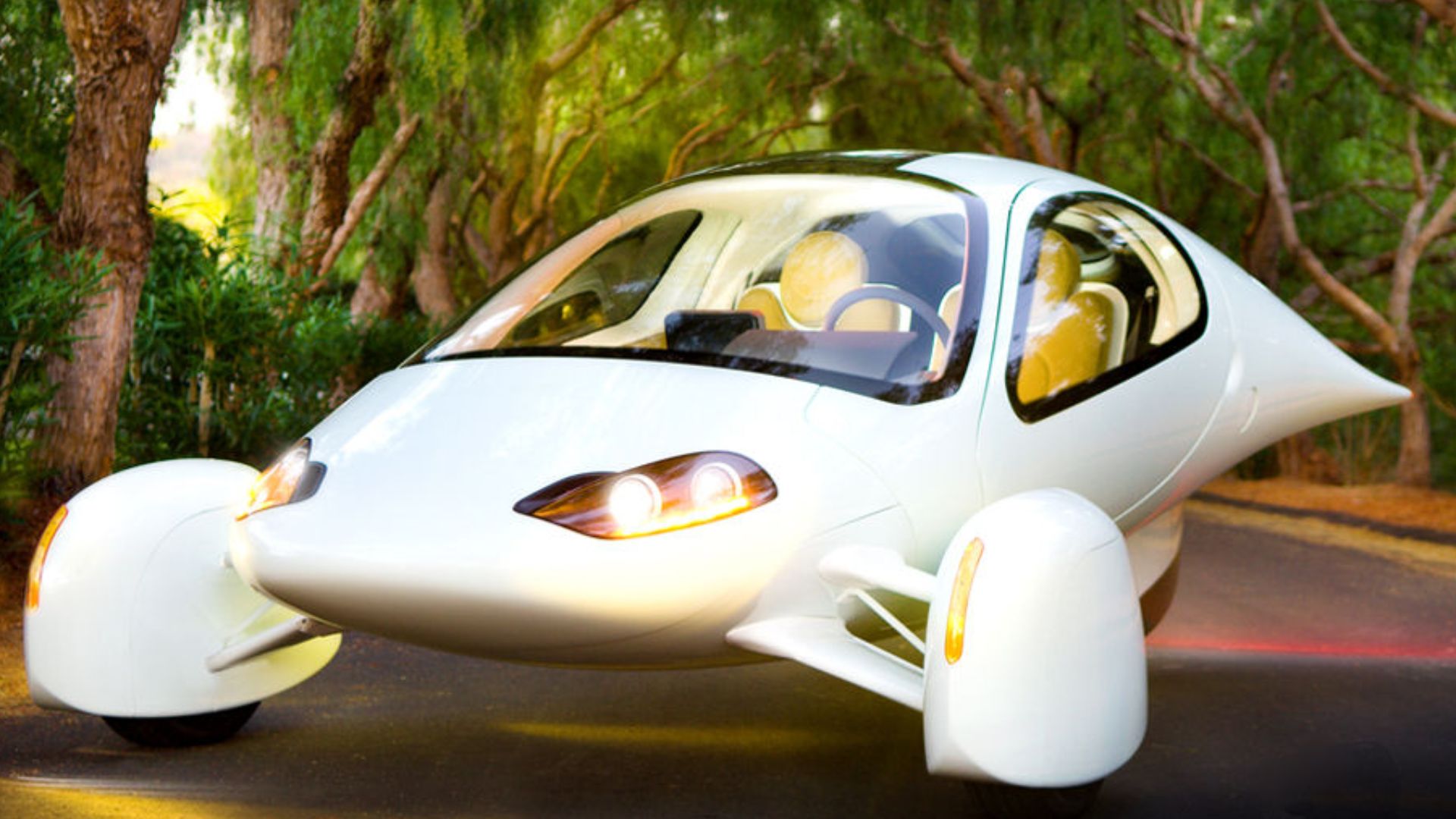
20. Aptera 2e
The original Aptera 2e looked less like a typical car and more like something out of a science fiction movie. Its three-wheel layout, lightweight construction, and ultra-aerodynamic body were designed around the belief that extreme efficiency would define the next generation of personal transportation. The original company ran into financial trouble before large-scale production began, leaving its striking vision of ultra-light commuting as another version of the future that didn't arrive on schedule.